Nagpur’s Satyanarayan Nuwal Conferred Padma Shri 2026 for Contributions to India’s Defence Manufacturing

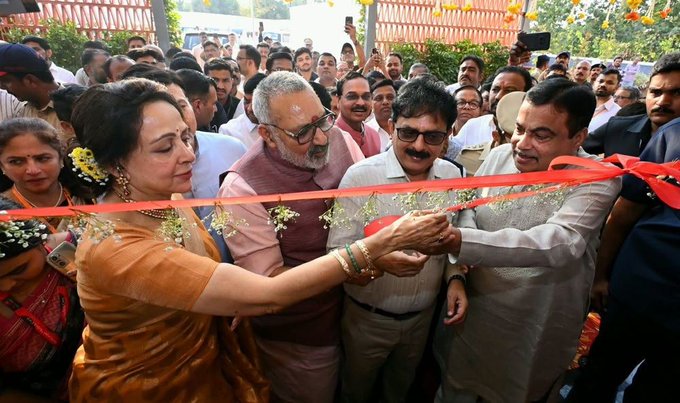
Nagpur-based industrialist Satyanarayan Nuwal has been conferred the Padma Shri 2026, one of India’s highest civilian honours, by President Droupadi Murmu. The Satyanarayan Nuwal Padma Shri 2026 award recognises his outstanding contribution to strengthening India’s indigenous defence manufacturing ecosystem. The honour was awarded under the Trade and Industry category as part of the Padma Awards 2026, announced on the eve of Republic Day.

Who Is Satyanarayan Nuwal?

Satyanarayan Nuwal is the founder-chairman of Solar Industries India Limited, headquartered in Nagpur. He built the company from its roots in commercial explosives manufacturing into one of India’s most prominent private-sector defence conglomerates. His journey reflects decades of entrepreneurial vision combined with a deep commitment to supporting national security through industrial innovation.

Under his leadership, the Solar Group expanded far beyond its origins to become a key player in India’s Atmanirbhar Bharat defence push. Today, the group employs thousands of people and operates manufacturing facilities that supply critical defence products to the Indian Armed Forces.

Solar Group’s Rise in Defence Manufacturing

Solar Industries made a decisive pivot into defence manufacturing in 2010, entering the military-grade explosives and ammunition segment. Since then, the group has grown into one of India’s leading private-sector defence manufacturers. The company now produces a wide range of advanced defence products including drones, anti-drone systems, rocket systems, and cutting-edge defence technologies.

Solar Defence and Aerospace Limited (SDAL), a key group company, has supplied critical systems to the Indian Armed Forces. These include Pinaka rocket components, multi-mode hand grenades, and BrahMos missile boosters. Each of these products plays a direct role in strengthening India’s frontline military capabilities.

Nagastra: Nagpur’s Own Loitering Munition

One of the most significant achievements under Nuwal’s leadership is the development of the Nagastra, an indigenous loitering munition developed by Solar Group. The Nagastra gained national attention for its precision strike capabilities and was acknowledged during active defence operations. The weapon represents a major milestone in India’s effort to develop homegrown, cutting-edge battlefield systems.

The development of the Nagastra also placed Nagpur firmly on the map as a hub for advanced defence technology, with Solar Group leading the charge from the heart of Maharashtra.

Padma Shri Under Atmanirbhar Bharat

The Padma Shri conferred on Nuwal carries significance beyond personal recognition. It signals the Central Government’s acknowledgement of the private sector’s role in building India’s defence industrial base. The award reinforces the importance of the Atmanirbhar Bharat initiative in reducing India’s dependence on imported defence equipment and boosting domestic production.

Nuwal’s recognition also serves as an inspiration for other Indian industrialists to invest in strategic sectors that directly contribute to national security and self-reliance.

Nagpur’s Pride on the National Stage

The conferral of the Padma Shri on Satyanarayan Nuwal has been celebrated widely across Nagpur. Business leaders, political figures, and citizens have praised the recognition as a proud moment for the city and for Vidarbha. Nagpur, which hosts the Solar Group’s headquarters and key manufacturing operations, now stands as a symbol of India’s growing private defence manufacturing capability.

Nagpur Police Go ‘Smart’: Segway Balancing Scooters to Patrol Markets and Crowded Areas

Published: May 25, 2026 | Category: Nagpur Local | Nagpur police smart patrolling Segway | By: Nagpur Updates Desk


Nagpur’s police force just got a futuristic upgrade.

Nagpur City Police is introducing Segway self-balancing electric scooters — popularly known as ‘balancing scooters’ — for patrolling in markets, commercial areas, and crowded public spaces. The initiative, being rolled out under the city’s ‘Smart Patrolling’ programme, marks a significant modernisation of how Nagpur’s police operate on the ground in dense urban environments.

The move makes Nagpur one of a growing number of Indian cities deploying Segway-type vehicles for law enforcement — following the lead of Mumbai Police and Andhra Pradesh Police, who have used similar technology for patrolling high-footfall areas.


What Is a Segway Balancing Scooter?

For those unfamiliar with the technology, a Segway is a self-balancing, two-wheeled electric personal transporter. The rider stands upright on a platform between two wheels. The device uses gyroscopic sensors to maintain balance automatically — the rider steers simply by shifting their body weight forward, backward, or sideways.

Segways are electrically powered — silent, emission-free, and rechargeable. They can travel at speeds of up to 20 km/hour and cover distances that would take a person on foot much longer to cover. They are highly manoeuvrable — capable of navigating narrow lanes, market corridors, and pedestrianised areas where motorcycles and patrol cars cannot go.

For a police officer on patrol, the Segway offers a crucial advantage: it keeps the officer at eye level with the crowd — visible, approachable, and able to interact with the public naturally — while allowing them to cover significantly more ground than walking alone.


Why Markets and Crowded Areas?

The choice of markets and high-footfall areas as the primary deployment zone for Nagpur’s balancing scooters is deliberate and strategic.

Nagpur’s major markets — Itwari, Sitabuldi, Mahal, Dharampeth, Cotton Market, Santra Market, and Gandhi Market — see enormous crowds daily. During peak hours, festivals, and sale seasons, these areas become extremely dense. Traditional police patrolling methods — on motorcycles or on foot — have their limitations here. Motorcycles cannot navigate through dense crowds without risk. Foot patrolling covers limited ground. A police presence can be difficult to maintain consistently.

A Segway-mounted officer changes this equation. The officer is elevated above the crowd — visible from a distance. They can move quickly when needed. They can reach a spot in seconds that would take a foot-patrolling officer minutes to reach on crowded footpaths. And the presence of a Segway-mounted officer is itself a visible deterrent — a clear, modern signal that law enforcement is active and present.

The key scenarios where Segway patrolling adds the most value include:

  • Pickpocketing and chain-snatching prevention — the officer’s mobility and visibility deter opportunistic crime
  • Crowd management during festivals, political gatherings, and market rush hours
  • Quick first response to incidents in pedestrianised or narrow market lanes
  • Public interaction and visibility — building community confidence in police presence

India’s Experience: Mumbai and Andhra Pradesh Led the Way

Nagpur is not the first Indian city to adopt Segway patrolling — but it is among the most significant.

Mumbai Police introduced Segway scooters for patrolling high-footfall areas including Worli Seaface — one of the city’s most popular evening destinations. The initiative was widely appreciated for improving the visibility of police presence in a non-intimidating, community-friendly way.

Andhra Pradesh Police deployed Segway-type self-balancing scooters in Visakhapatnam for road and market patrolling — with positive feedback on officer mobility and public perception.

Globally, Segway patrolling is used by law enforcement in the United States, UK, Singapore, China, and several European countries — particularly in airports, transit hubs, malls, and pedestrian zones where traditional patrol vehicles are not practical.

Nagpur’s adoption of this technology builds on these proven models — adapting them to the specific geography and challenges of one of central India’s most densely commercial city centres.


Part of a Bigger Smart Policing Vision

The Segway patrolling initiative is not a standalone gadget purchase. It is part of a broader smart policing vision that Nagpur City Police has been building out over the past two years.

Nagpur has already emerged as a nationally recognised hub for AI-powered policing. The city has deployed AI Nirikshak — an AI-based surveillance system — and MARVEL (Mass Real-time Video Enabled Law enforcement) for real-time monitoring of public spaces. The MahaCrimeOS — a unified crime data and analytics platform — has also been expanded in Nagpur.

The expansion of AI-led safety and patrolling is expected to play a particularly important role during the Nagpur Maha Kumbh, scheduled to begin in October 2026 — an event expected to draw millions of devotees to the city and create unprecedented crowd management challenges for Nagpur Police.

Balancing scooters add a physical, on-ground mobility layer to this AI and technology backbone — giving officers the means to respond quickly in crowded, non-vehicle-accessible areas that cameras and AI systems flag for attention.

Just as Nagpur has recently deployed AI-powered IITMS traffic management at 32 city junctions and Operation U-Turn’s drug testing drive, the Segway initiative reflects a police force that is thinking ahead — investing in tools that make officers more effective, more visible, and more connected to the communities they serve.


What Nagpur’s Citizens Can Expect

For residents and visitors to Nagpur’s markets and commercial areas, the arrival of Segway-mounted police officers will mean a few tangible changes:

More visible policing. Officers on Segways are harder to miss than officers on foot. Their presence at a market or commercial junction sends an immediate, clear signal of active law enforcement.

Faster response. When an incident occurs in a crowded market lane — a pickpocketing, a street fight, a medical emergency — a Segway-mounted officer can reach the spot far faster than one navigating on foot through thick crowds.

Friendlier interaction. Segway-mounted officers, by the nature of the technology, project a more approachable, modern image than those arriving on motorcycles or in vehicles. This can improve public-police interaction — making residents more comfortable approaching officers for help.

Deterrence effect. The visibility and mobility of Segway officers will create a deterrence effect on opportunistic crimes — particularly pickpocketing, chain-snatching, and eve-teasing that thrive in crowded, anonymous market environments.


Nagpur’s Policing Gets Smarter

The Segway initiative is a small but meaningful step in Nagpur’s journey towards smarter, more effective urban policing.

It is also a reminder that good policing is not just about numbers — it is about tools, technology, and the intelligence to deploy them where they make the most difference. In Nagpur’s crowded markets, a single officer on a Segway may be able to cover the ground of three or four foot patrol officers — while being more visible, more mobile, and more effective as a deterrent.

Nagpur Updates will bring you updates on the rollout of the Segway patrolling programme — including which markets and areas are being covered and how the initiative is being received by the public.


Tags: Nagpur Police, Smart Patrolling, Segway, Balancing Scooter, Nagpur City Police, Police Technology, Nagpur Markets, Nagpur Local News 2026

Ajni’s ‘Laxman Jhula’ Bridge Likely to Miss Pre-Monsoon Deadline — Substantial Work Still Pending on ₹332 Crore Project

Published: May 25, 2026 | Category: Nagpur Local | Ajni bridge Nagpur | By: Nagpur Updates Desk


Another deadline. Another near-miss.

The first phase of the ₹332 crore Ajni Laxman Jhula bridge — Nagpur’s ambitious cable-stayed replacement for the 125-year-old British-era Ajni Railway Overbridge (RoB) — is likely to miss its pre-monsoon completion deadline. Despite being one of the most anticipated infrastructure projects in the city, substantial work remains pending at the construction site. With the monsoon expected in Nagpur by the third week of June, time is rapidly running out.

The project is being executed by the Maharashtra Rail Infrastructure Development Corporation (MRIDC) — also known as MahaRail.


What Is the Ajni Laxman Jhula Bridge?

This is not a routine road bridge. The Ajni Laxman Jhula is a six-lane, twin cable-stayed bridge — one of the most complex and visually striking infrastructure projects Nagpur has attempted in recent memory.

The bridge takes its name from its design inspiration — the iconic Ram Jhula cable-stayed bridge near Nagpur Railway Station. Just as Ram Jhula transformed the approach to the railway station, the Ajni Laxman Jhula is designed to become a landmark at the Ajni end of the railway corridor.

The project is being built to replace the 125-year-old British-era Ajni Railway Overbridge — a structure that has served Nagpur for well over a century but is now well past its operational lifespan. The old bridge is narrow, structurally aged, and completely inadequate for the traffic volumes that Ajni now sees daily.


The Two-Phase Construction Plan

The construction is being executed in two carefully sequenced phases — a design necessitated by the presence of the existing old bridge which must remain operational while the new one is being built.

Phase 1 — Currently Under Construction: One carriageway of the new bridge — comprising three lanes — is being built first. Once complete, this single carriageway will carry two-way traffic temporarily. This allows the existing Ajni RoB to be decommissioned while the second carriageway is built.

Phase 2 — After Demolition of Old Bridge: Once Phase 1 is operational, the 125-year-old British-era bridge will be demolished. The land freed up by its demolition will then be used to construct the second carriageway — also three lanes. When both carriageways are complete, each side will carry one-way traffic — giving Ajni a full six-lane crossing over the railway line.

This phased approach is essential but it also means the project’s full benefit — six lanes, proper traffic separation — cannot be realised until both phases are done.


Why Is Phase 1 Delayed — Again?

The Ajni Laxman Jhula has a well-documented history of delays. Each delay has had a distinct cause — and unfortunately, new causes keep emerging.

Design Modifications: Parallel infrastructure works in the Ajni area — including the ongoing expansion of railway infrastructure and nearby road projects — have necessitated multiple design modifications to the bridge structure. Every time a design change is required, it triggers a cascade of re-approvals, engineering reviews, and construction adjustments. This has repeatedly added months to the timeline.

Construction Over a Busy Railway Line: This is perhaps the most fundamental challenge. The Ajni bridge is being constructed directly over one of India’s busiest railway junctions. Construction work over active railway lines requires extreme precision, strict safety protocols, and — critically — pre-approved working windows granted by Indian Railways. These windows are typically limited to late-night hours when train frequency drops.

This means that construction at the most sensitive points of the bridge — the spans crossing the railway tracks — can only progress for a few hours per day. It is a constraint that no amount of additional manpower or machinery can overcome. Progress is governed by the railway timetable.

Statutory Permission Delays: The cable-stayed structure requires a series of statutory permissions from multiple authorities — including Indian Railways, aviation authorities (for height clearances), and structural safety certifications. Securing these permissions has taken significantly longer than the project’s original timeline anticipated.

Monsoon Disruptions: Previous monsoon seasons have further slowed construction — particularly for work at height and over the railway line, where safety requirements effectively halt operations during heavy rain periods.


What Is Still Pending?

Sources indicate that substantial work remains at the Ajni bridge site. While specific completion percentages have not been officially disclosed, the acknowledgement that the pre-monsoon deadline will likely be missed — with less than four weeks remaining before the rains arrive — suggests that the remaining work is significant enough to extend well into or beyond the 2026 monsoon season.

Key pending elements are expected to include:

  • Completion of cable-stay installation — the defining structural element of this bridge type
  • Deck slab construction across the full span
  • Approach road integration on both sides of the bridge
  • Safety barriers, lighting, and finishing works
  • Final load testing and safety certification before public opening

The Cost of Delay: ₹332 Crore and Rising Concerns

The project was approved at ₹332 crore — already a substantial public investment. However, as we have seen with other Nagpur infrastructure projects — like the Mominpura Y-shaped flyover where costs rose from ₹146 crore to ₹185 crore — extended delays inevitably push up costs through price escalation, extended equipment hire, and revised contractual arrangements.

Whether the Ajni bridge project will face similar cost escalation has not been officially confirmed. But the pattern across MRIDC’s Nagpur projects suggests it is a risk that requires active monitoring and public transparency.


What the Monsoon Miss Means for Commuters

Missing the pre-monsoon deadline has concrete consequences for Nagpur’s commuters — not just for the calendar.

The Ajni Railway Overbridge area sees significant daily traffic — commuters, commercial vehicles, and vehicles heading to and from the Ajni railway station area. The 125-year-old existing bridge continues to carry this load. Its structural condition, age, and inadequate width make every additional month of use a concern for structural integrity and traffic safety.

If the Phase 1 new carriageway is not ready before the monsoon, construction progress will slow further during the rains. The project timeline will slip further into 2026 — or potentially into 2027. And the old bridge will continue to carry traffic it was never designed for in its current aged state.

This is a concern that goes beyond inconvenience. The structural condition of 125-year-old bridges carrying 21st-century traffic loads deserves urgent, transparent public communication from MRIDC and the state government.


Nagpur’s Infrastructure Challenges: A Familiar Pattern

The Ajni Laxman Jhula delay fits into a pattern that Nagpur residents have seen repeatedly across the city’s major infrastructure projects.

The Indora–Dighori flyover missed its April deadline and is now targeting June. The Mominpura flyover took years longer than planned and is now targeting March 2027. The Gandhisagar Lake project has been extended to June 2027. And now the Ajni bridge is joining this list.

None of these delays means the projects are failures — the engineering challenges are real, the regulatory requirements are legitimate, and the construction is genuinely complex. But the consistent pattern of missed deadlines across multiple projects raises a legitimate question about whether project timelines in Nagpur are being set realistically from the outset — or whether they are being announced optimistically and revised repeatedly.

Nagpur deserves better planning, better communication, and better accountability on its major infrastructure investments.


When Will Phase 1 Actually Open?

MRIDC has not yet announced a revised deadline for Phase 1 of the Ajni Laxman Jhula bridge. Given that substantial work remains and the monsoon is imminent, a realistic post-monsoon target — perhaps October or November 2026 — appears more likely than a pre-monsoon opening.

Nagpur Updates will track the Ajni bridge construction progress closely and report on any revised timeline announcements from MRIDC. This project is too important — and too long-delayed — to be allowed to slip quietly into another year without public accountability.


Tags: Ajni Bridge, Laxman Jhula Nagpur, MRIDC MahaRail, Cable Stayed Bridge, Nagpur Infrastructure, Nagpur Traffic, Railway Overbridge Nagpur, Nagpur Local News 2026

Cotton Market Metro Skywalk Set for June Opening — CMRS Inspection Done, Minor Fixes Underway

Published: May 24, 2026 | Category: Nagpur Local | By: Nagpur Updates Desk


The wait is almost over.

After months of delays, shifting deadlines, and regulatory hurdles, the Cotton Market Metro skywalk is finally inching towards its opening. The Commissioner of Metro Rail Safety (CMRS) has completed its inspection of the structure. A few minor modifications have been flagged. Those fixes are currently underway. And MahaMetro is now targeting a June 2026 opening.

For commuters who use the Cotton Market Metro Station on the Aqua Line — one of Nagpur’s busiest metro stations — this is genuinely good news.


What the CMRS Inspection Found

The CMRS inspection is a mandatory safety clearance process before any new metro infrastructure can be opened to the public. It is thorough, non-negotiable, and cannot be bypassed.

During the recent inspection, CMRS officials visited the 120-metre foot over bridge (FoB) and recommended a few minor modifications along with some protocol-related changes. Officials were clear that these are standard safety and operational procedure requirements — not structural concerns.

A senior MahaMetro official confirmed: “CMRS officials inspected the structure and recommended a few modifications as part of standard operational and safety procedures. The required changes are being carried out and, once completed, the skywalk is expected to open in June.”

The modifications are currently underway. They are expected to be completed shortly — clearing the path for the final CMRS nod and a public opening.


What the Skywalk Is and Where It Goes

The Cotton Market skywalk is a ₹10 crore foot over bridge (FoB) built as a second entry and exit point for Cotton Market Metro Station.

Here are the key details:

  • Length: 120 metres
  • Location: Stretches across the centre of Cotton Market Square
  • Connectivity: Links the metro station to the Lohapul side
  • Facilities: Equipped with staircases and lifts — making it accessible for elderly passengers and those with mobility needs
  • Metro Line: Aqua Line — between Sitabuldi Interchange and Nagpur Railway Station

The skywalk does not just add a second entry to the station. It also creates a safe, elevated pedestrian crossing over one of central Nagpur’s most chaotic junctions — giving pedestrians a way to cross Cotton Market Square without navigating the heavy ground-level traffic.


Why This Station Needed a Second Entry — Urgently

Cotton Market Metro Station sits at a uniquely strategic location. It is on the Aqua Line — Nagpur Metro’s East-West corridor — and is surrounded by some of the city’s most high-footfall commercial destinations.

The station is directly adjacent to Nagpur’s wholesale vegetable and orange markets — two of the busiest trading hubs in central India. Thousands of traders, labourers, buyers, and visitors pass through this area every single day.

Despite this extraordinary footfall and strategic importance, the station has — since its opening on September 21, 2023 — operated with only one entry and exit point. During peak hours, this single entry creates serious bottlenecks. Commuters queue up, crowd the entry gate, and face delays that undermine the very efficiency that metro travel is supposed to provide.

A second entry point — connected via an elevated walkway directly to the Lohapul side — addresses this problem directly. It distributes passenger flow across two access points. It reduces crowding at the existing entry. And it makes the station accessible from a completely new direction — opening up a whole new catchment of potential metro users from the Lohapul corridor.


A Timeline of Delays

The Cotton Market skywalk has had a troubled journey. Honesty demands that this be acknowledged alongside the good news of the approaching opening.

August 2024: Construction of the FoB begins. Initial completion target: August 2025.

August 2025 deadline missed: Delays attributed to monsoon disruptions, festive-season labour shortages, and pending regulatory approvals.

October 2025 revised target: Also missed.

March 2026: Physical structure completed. However, the opening stalled — awaiting fire safety clearances and the final CMRS inspection.

May 2026: CMRS inspection completed. Minor modifications flagged. Work on fixes underway.

June 2026: Target opening date — now the most realistic and credible deadline in this project’s history.

The two-month gap between physical completion and the opening — waiting for fire clearances and CMRS nod — is a pattern seen in other MahaMetro infrastructure projects as well. Regulatory clearances, while essential for safety, have added considerable time to the project’s total timeline.


What Changes for Commuters When It Opens

When the Cotton Market skywalk opens in June, the practical benefits for commuters will be immediate.

Less crowding at the existing entry. With two access points now available, the single-entry bottleneck that has plagued the station since its opening will be significantly eased.

Direct access from Lohapul. Commuters approaching from the Lohapul direction — currently forced to walk around to the existing entry — will have a direct, convenient access point at their end.

Lift access. The inclusion of lifts makes the station — and the elevated crossing — accessible to elderly passengers, passengers with luggage, and those with disabilities. This is a meaningful improvement in inclusivity.

Safer pedestrian crossing. The elevated walkway provides a safe crossing of Cotton Market Square — one of central Nagpur’s most congested junctions — without exposing pedestrians to ground-level traffic.


Part of Nagpur Metro’s Growing Infrastructure

The Cotton Market skywalk is one of several infrastructure upgrades being added to Nagpur Metro’s network as the system matures and passenger experience is progressively improved.

Just as Nagpur Metro recently announced its upgrade to the One Nation One Card NCMC system and all 24 EV charging stations at Metro stations were restored to full operation, the Cotton Market skywalk represents the next step in making Nagpur Metro a truly world-class urban transit system — one that is not just technically functional but genuinely convenient and accessible for every commuter.

June 2026 cannot come soon enough for the thousands of daily commuters at Cotton Market.

Nagpur Updates will confirm the exact opening date of the Cotton Market Metro skywalk as soon as it is announced. Stay tuned!


Tags: Cotton Market Metro, MahaMetro, Skywalk Nagpur, CMRS, Nagpur Metro Aqua Line, Foot Over Bridge, Lohapul Nagpur, Nagpur Transport, Nagpur Local News 2026

Mominpura Y-Shaped Flyover Finally Picks Up Speed — 70% Done, March 2027 Target Set After Years of Delays

Published: May 23, 2026 | Category: Nagpur Local | By: Nagpur Updates Desk


After years of frustrating delays, Nagpur’s long-awaited Mominpura Y-shaped flyover is finally moving at pace.

The Maharashtra Rail Infrastructure Development Corporation (MRIDC) has confirmed that 70% of the project work is now complete. Construction is progressing steadily across multiple sections. And after clearing the major hurdles that stalled the project for years, MRIDC has set a revised completion target of March 2027.

For commuters battling chronic congestion between Kadbi Chowk and Golibar Chowk — one of Nagpur’s most congested stretches — this is genuinely encouraging news.


What Has Been Completed So Far

MRIDC officials have provided a detailed progress update. Here is where things stand:

  • Foundation and substructure work — fully complete
  • Superstructure work including girder launching — approximately 50% done
  • Road concretisation beneath the flyover — work has started
  • Overall project completion70%

The pace of work has accelerated significantly after most of the major encroachment and land-related obstacles were cleared. Officials confirmed that construction is now progressing steadily across all active sections of the project.


The Flyover: Design, Route and Scale

The Mominpura flyover is not a standard straight-line elevated road. Its Y-shaped design makes it one of the more complex urban flyover projects in Nagpur.

The flyover originates at Kadbi Chowk and extends 2.82 kilometres to the Pehelwan Shah Dargah T-point. From there, it branches into two arms:

  • First arm — towards Mominpura — with an 11-metre-wide carriageway
  • Second arm — towards Santra Market, connecting to the Platform No. 8 side of Nagpur Railway Station

This Y-shaped design serves a dual purpose. It simultaneously relieves congestion on the Mominpura stretch and provides a direct elevated link towards Santra Market and the railway station — two of central Nagpur’s busiest destinations.

Once operational, the flyover will significantly cut travel times through one of the city’s most chronically congested corridors — especially near the busy Motibagh railway crossing area.


The Cost: ₹146 Crore Became ₹185 Crore

The financial story of this project is a cautionary tale about what delays cost.

The flyover was originally approved at ₹146 crore. Due to the years of delays — caused by encroachments, land disputes, local resistance, tree-felling permissions, and utility shifting — the project cost has now escalated to approximately ₹185 crore. That is an increase of nearly ₹39 crore — money that was never in the original budget and has been added purely as a consequence of delayed execution.

This cost escalation is not unusual for infrastructure projects that face significant implementation delays. But it is a stark reminder that the years of encroachment disputes and local resistance at Mominpura did not just delay traffic relief — they cost Nagpur’s taxpayers tens of crores of additional public money.


What Caused Years of Delay?

The Mominpura flyover’s troubled history reflects the complex reality of urban infrastructure development in densely populated areas.

Encroachments were the biggest problem. The Mominpura area has significant commercial activity and residential density. Many structures — shops, residential buildings, and unauthorised extensions — were in the path of the flyover alignment. Getting these removed required a combination of legal processes, negotiations, and in some cases, forceful action.

We recently reported on the NMC’s anti-encroachment drive in Mominpura — where Corporator Wasim Khan climbed atop a JCB to protest the drive. That incident illustrates how politically and socially charged encroachment removal in this area can be.

Local resistance added to encroachment challenges. Residents and shopkeepers affected by the flyover construction raised objections at multiple points — slowing the legal and administrative processes needed to clear the way.

Land acquisition disputes required resolution through official channels — adding months to the timeline.

Tree-felling permissions had to be secured from forest and environment authorities — another layer of regulatory clearance that took time.

Utility shifting — moving electricity cables, water pipelines, and other underground infrastructure out of the construction zone — proved more complex and time-consuming than anticipated.

Officials confirmed that most of these hurdles have now been resolved — which is why the pace of construction has finally accelerated to the point where 70% completion has been achieved.


What Remains: The Final 30%

With 70% done, the remaining work includes:

  • Completion of the remaining 50% of superstructure and girder work
  • Full completion of road concretisation beneath the flyover
  • Installation of safety barriers, lighting, and signage
  • Approach ramp construction and finishing works at both arms of the Y
  • Final traffic management and signalling integration at Kadbi Chowk and the Pehelwan Shah Dargah T-point

The March 2027 deadline gives MRIDC approximately 10 months to complete this remaining work. At the current accelerated pace, this appears achievable — provided no new obstacles emerge.


What the Flyover Will Mean for Nagpur

The Mominpura Y-shaped flyover will deliver meaningful relief to one of Nagpur’s most congested urban corridors.

Kadbi Chowk to Golibar Chowk is notorious for traffic gridlock — particularly during peak morning and evening hours. The high density of commercial activity in the Mominpura, Santra Market, and railway station areas means that road-level traffic in this zone is perpetually heavy.

An elevated corridor that takes a significant volume of through-traffic above the road level will dramatically reduce surface congestion. Commuters heading from Central Nagpur towards Mominpura or the railway station will be able to bypass the worst bottlenecks entirely.

This is part of a broader pattern of flyover-led traffic relief that Nagpur is experiencing across the city. The Indora–Dighori flyover corridor — featuring the iconic Ashoka Stambh at Ashok Square — is due to be inaugurated in June 2026. The Mominpura flyover, when complete in March 2027, will add another critical elevated link to Nagpur’s rapidly expanding road network.


March 2027: Cautious Optimism

The March 2027 target deserves to be treated with cautious optimism — not blind confidence.

This project has missed deadlines before. The encroachment-driven delays that pushed the cost from ₹146 crore to ₹185 crore were not anticipated when the project was first approved. And in Nagpur’s infrastructure landscape, unforeseen obstacles have a habit of appearing just when momentum builds.

However, the current ground situation — 70% complete, major obstacles cleared, active construction across multiple sections — is genuinely more encouraging than at any previous point in this project’s history.

If MRIDC maintains this pace, Nagpur commuters may finally have reason to celebrate in March 2027.

Nagpur Updates will track construction progress on the Mominpura flyover and alert you to any changes in the March 2027 target as the project moves forward.


Tags: Mominpura Flyover, MRIDC Nagpur, Y-Shaped Flyover, Kadbi Chowk, Nagpur Infrastructure, Nagpur Traffic, Santra Market Nagpur, Nagpur Local News 2026

PWD’s ₹9 Crore Project to Finally End Narendra Nagar Underpass Waterlogging — All Eyes on Monsoon 2026

Published: May 22, 2026 | Category: Nagpur Local | Narendra Nagar RUB | By: Nagpur Updates Desk


Every monsoon, the same nightmare.

The Narendra Nagar Railway Underbridge (RUB) — a critical passage on State Highway 340 (SH-340) connecting Ajni, Manish Nagar, Besa, and fast-growing residential clusters — transforms into a water trap. Knee-deep flooding. Stranded school buses. Two-wheelers skidding on slippery surfaces. Commuters wading through murky water. And years of patchwork repairs that fixed nothing.

That pattern may finally be about to end. The Public Works Department (PWD), backed by World Bank funding, has launched a ₹9 crore engineering overhaul of the Narendra Nagar underpass — the most serious, comprehensive attempt yet to make this notorious stretch permanently flood-free.


A Decade of Failure — The History of This Problem

The Narendra Nagar RUB has been one of Nagpur’s most dangerous monsoon spots for over a decade.

The underpass on SH-340 regularly turns into a waterlogged trap. During monsoon, traffic snarls stretch for long distances as vehicles crawl through knee-deep water. Earlier interventions — pumps, patch repairs, quick fixes — have repeatedly failed.

The problem is not just during heavy rain. Water accumulates on the underpass surface even without rainfall — making the slippery passage a year-round hazard for two-wheelers. Residents describe minor skidding accidents as a near-daily occurrence.

Shopkeepers near the underpass have seen it all. “We’ve seen everything — makeshift pumps, sandbags, temporary patchwork. Nothing lasted. This is the first real attempt at a permanent solution,” said one nearby trader.

The underpass serves thousands of daily commuters. Its repeated submersion has not just hampered commuting — it has exposed years of poor planning and weak inter-department coordination.


What the ₹9 Crore Project Will Actually Do

This is not another pump installation. This is a ground-up engineering redesign of how water is managed around the Narendra Nagar underpass.

The project has three core components:

1. A State-of-the-Art Rainwater Pumping Station At the heart of the solution is a brand-new high-capacity rainwater pumping station being constructed behind the existing NMC sump house. This is not a simple pump — it is an advanced system capable of displacing up to 6,000 litres of water per second. It runs round-the-clock. It clears silt, sludge, and debris automatically. It is equipped with smart sensors, backup generators, and full-time staff — ensuring it keeps working even during power outages.

For context, previous pumps at the site could not handle peak monsoon loads. A system capable of 6,000 litres per second changes the equation entirely.

2. Stormwater Diversion — Stopping Water Before It Reaches the Underpass The second component addresses the problem at its source. Engineers have diverted key drainage lines so that stormwater does not reach the underpass in the first place. A critical intervention is a 45-degree shift in a major drain — redirecting peak monsoon flow away from the underbridge. An additional diversion point at Narendra Nagar Square ensures floodwater is rerouted before it can accumulate at the low-lying underpass.

3. Retaining Wall Along the Adjacent Nullah A solid retaining wall is being built along the nullah adjacent to the underpass. This wall prevents nullah overflow from spilling onto the underbridge during heavy rain — eliminating another major source of flooding that previous fixes never adequately addressed.

Together, these three elements create a layered flood defence — one that attacks the waterlogging problem from multiple directions simultaneously.


The Sticking Point: Traffic Clearance Still Pending

Here is the frustrating part.

Despite the project being sanctioned, detailed, and ready to execute, one critical bottleneck has been slowing things down: the traffic department has yet to approve the temporary diversions necessary to kick off construction.

Construction at the Narendra Nagar underpass requires temporarily diverting traffic on one of Nagpur’s busier corridors. This diversion requires formal clearance from the traffic police department — a standard requirement, but one that has been pending.

Officials note that if traffic clearance is granted immediately, excavation and major civil work could start within weeks.

With the monsoon typically arriving in Nagpur in the third week of June, every day of delay in securing traffic clearance shrinks the window available for construction before the rains arrive.


The Race Against the Monsoon — And the Consequences of Losing

This is where the story gets urgent.

The PWD and World Bank-backed project was originally targeting completion by March 2026. That deadline has clearly been missed — which is why the TOI article from May 22 is framing this as a live, ongoing story rather than a completed one. Work is at various stages of progress.

The critical question is: how much can be completed before the 2026 monsoon arrives?

At minimum, the new pumping station — the centrepiece of the solution — must be operational before the first heavy monsoon rains hit Nagpur. If it is, commuters on the Narendra Nagar underpass may experience their first flood-free monsoon in over a decade. If it is not, the 2026 monsoon will bring the same nightmare — but this time with a partially constructed site adding to the hazard.

Residents are cautiously optimistic: “We’ve seen patchwork repairs, temporary pumps, and makeshift sandbags for years. Nothing worked. If this plan is implemented properly, the underpass will finally stop being a monsoon disaster zone.”


Who Travels This Route — and Why It Matters

The Narendra Nagar RUB is not a minor back lane. It is a major arterial passage used daily by thousands of commuters from:

  • Ajni — a rapidly developing residential area
  • Manish Nagar — a densely populated locality
  • Besa — one of Nagpur’s fastest-growing residential corridors
  • Narendra Nagar extension and surrounding clusters

The underpass also carries significant commercial and freight traffic. During past monsoon floods, school buses, public transport vehicles, and delivery trucks have all been stranded at this spot — disrupting the daily lives of a very large number of Nagpur residents.

Fixing this underpass is not just a civic improvement. It is a restoration of basic safety and mobility for a significant section of the city.


NMC’s Role After Completion

Once the PWD project is complete, maintenance of the new flood-control infrastructure will shift to the NMC — following a standard defect-liability period during which the contractor remains responsible for any rectification work.

This handover arrangement is important. The NMC’s track record on maintaining civic infrastructure has come under scrutiny in recent times — from the Seminary Hills road trench left without barricading to poor maintenance at public facilities across the city. For the Narendra Nagar pumping station to deliver on its promise long-term, NMC’s maintenance regime will need to be up to the mark.


Finally, a Real Solution?

Nagpur’s chronic underpass flooding problem is not unique to Narendra Nagar. Underpasses at Manish Nagar, Narendra Nagar and Wardhaman Nagar routinely turn into death traps during heavy rains due to severe waterlogging. Each has its own history of failed temporary fixes.

The ₹9 crore PWD project represents a genuine departure from that pattern. The 6,000-litre-per-second pumping station, the drain diversions, and the retaining wall together constitute a systems-level solution — not another sticking plaster.

Whether it delivers on its promise will be known in June. Nagpur is watching.

Nagpur Updates will track the construction progress at the Narendra Nagar underpass daily and report on whether the pumping station is operational before the monsoon arrives. Stay tuned — this is one of the most important civic infrastructure stories of Nagpur’s 2026 monsoon season.


Tags: Narendra Nagar Underpass, PWD Nagpur, Waterlogging Nagpur, Monsoon Nagpur 2026, Flood Control, World Bank, Nagpur Infrastructure, NMC Nagpur, Nagpur Local News

Gandhisagar Lake Phase-2 Deadline Extended by a Year — Nagpur Citizens Must Wait Until June 2027

Published: May 22, 2026 | Category: Nagpur Local | Gandhisagar Lake beautification Nagpur | By: Nagpur Updates Desk


Patience. Nagpur needs more of it.

Citizens who have been waiting for the complete transformation of Gandhisagar Lake — one of Nagpur’s most beloved urban water bodies — will have to wait another twelve months. The Nagpur Municipal Corporation (NMC) has officially confirmed that the Phase-2 rejuvenation and beautification project is facing delays. The new completion deadline is now June 2027.

That is four more years of ongoing construction at the lake — added to the four years already spent. For residents of Dhantoli and regular visitors to Gandhisagar, the extension is a bitter pill to swallow.


What Phase-2 Was Supposed to Deliver

Phase-2 of the Gandhisagar rejuvenation project had raised genuine excitement among Nagpur’s residents. The planned upgrades were exactly what a popular urban lake deserved:

  • A viewing gallery offering panoramic views of the lake
  • Beautification of Natik Chowk — one of the area’s most frequented spots
  • Development of Khau Galli — a food and culture zone along the lakeside
  • Extensive stone-pitching along the lake’s perimeter for structural reinforcement
  • Desilting of the lake bed to restore water depth and quality
  • Reinforcement of old retaining walls to ensure long-term structural safety

Together, these elements were designed to turn the Gandhisagar lakeside into a premier evening destination for Nagpur — a vibrant, attractive public space where families could gather, eat, and enjoy the lake view in a safe and beautiful environment.


Why Is It Delayed — Again?

NMC has cited several genuine engineering and logistical challenges as the reasons for the delay.

An official from the NMC Dhantoli Zone explained clearly: the retaining walls along the lake’s perimeter are old and require careful reinforcement before any new construction can be built above them. Rushing this work risks structural failure — and that is not an option on a public-facing project.

The desilting work has also proven more complex than anticipated. Gandhisagar Lake has accumulated years of sediment. Removing it properly — without damaging the lake bed or surrounding infrastructure — requires precision and time.

The stone-pitching work along the large perimeter of the lake is extensive. Doing it to a standard that ensures long-term sustainability rather than quick-fix patchwork takes longer than originally planned.

The official put it plainly: “Realistically, it will take one more year to complete all components of this phase. We are officially targeting June 2027 when the fully completed project will be dedicated to the public.”


The ₹8 Crore Tender: Finally Coming

In a meeting held earlier this week with NMC Commissioner Dr. Vipin Itankar, the civic body took a significant decision — to float a tender of approximately ₹8 crore for Phase-2 work after June 25, 2026.

This tender float is an important step forward. It signals that despite the delay, the project is moving — that plans are being finalised, budgets are being confirmed, and work is being put out to contractors.

The total Phase-2 package is valued at approximately ₹12 crore. The ₹8 crore tender represents the bulk of the remaining civil work. Once floated, the tender process — contractor selection, agreement signing, and mobilisation — is expected to take several weeks before ground work resumes at scale.


Four Years of Construction — And Citizens Are Frustrated

It is important to acknowledge what Nagpur’s residents have been living with.

Gandhisagar Lake’s rejuvenation work has been ongoing for four years. Throughout this period, the lake and its surroundings have been a permanent construction site. Dust, noise, machinery, restricted access — the lakeside has not been the peaceful, pleasant evening destination it used to be for a long time.

For residents of Dhantoli and nearby areas who have watched the project drag on, the announcement of yet another one-year extension is deeply frustrating. The civic body has acknowledged this frustration — but has insisted that the engineering requirements leave no room for shortcuts.

This pattern — ambitious project, genuine engineering challenges, extended deadline, frustrated public — is not unique to Gandhisagar. Nagpur has seen similar stories play out at Futala Lake’s musical fountain and the Deekshabhoomi development project. In each case, the gap between promise and delivery has tested the patience of Nagpur’s citizens.


Phase-3: The Dream — But Funding Is Uncertain

Beyond Phase-2, the NMC also has a vision for Phase-3 of the Gandhisagar project — an even more ambitious undertaking that includes:

  • A landscaped walking track around the lake
  • Energy-efficient decorative lighting
  • A multi-purpose hall
  • A dedicated parking plaza
  • An art gallery
  • Development of the surrounding park area

The tentative cost of Phase-3 is estimated at ₹35–40 crore. This figure will be finalised once the Detailed Project Report (DPR) is completed.

However, there is a critical uncertainty hanging over Phase-3: funding. Typically, the Maharashtra State Government contributes 75% of the total project cost for such civic development initiatives. But NMC officials have admitted that it is currently unclear whether the state government will continue this funding commitment for Phase-3.

Without state government funding, Phase-3 — the most exciting and ambitious dimension of the Gandhisagar transformation — may face serious delays or even indefinite postponement. This is a concern that NMC and the state government need to address publicly and transparently — so that Nagpur’s citizens know what to actually expect from their lake’s future.


What Gandhisagar Could Be — and Should Be

Gandhisagar Lake is a natural asset of immense value to Nagpur. Located in the heart of the Dhantoli area, it has the potential to be one of the finest urban lakeside destinations in central India — a place where Nagpur’s residents can walk, gather, eat, and relax in a beautiful natural setting.

The rejuvenation project — Phase-1, Phase-2, and eventually Phase-3 — represents a genuine vision for that future. The vision is right. The engineering commitment is there. The frustration lies entirely in the gap between intention and execution.

June 2027 is now the target. Nagpur is watching.

Nagpur Updates will track the Phase-2 tender process closely and report on contractor selection, work resumption, and progress milestones as they happen. Gandhisagar deserves better — and Nagpur’s citizens deserve to know when they will finally get it.


Tags: Gandhisagar Lake, NMC Nagpur, Lake Rejuvenation, Nagpur Civic Issues, Dr Vipin Itankar, Dhantoli Nagpur, Nagpur Development, Nagpur Local News 2026

War on Water Hyacinth: NMC Deploys Harvester Machines at Ambazari Lake — Mayor and Commissioner Inspect Drive

Published: May 22, 2026 | Category: Nagpur Local | Ambazari Lake NMC cleaning Nagpur | By: Nagpur Updates Desk


Nagpur’s most beloved lake is fighting back.

The Nagpur Municipal Corporation (NMC) has launched a war-footing campaign to free Ambazari Lake from the stranglehold of water hyacinth — the invasive aquatic weed that has been steadily choking one of Nagpur’s most iconic natural landmarks. For the past one week, advanced harvester machines have been working continuously to remove the thick carpet of hyacinth covering large portions of the lake’s surface.

The seriousness of the effort is visible at the top. Mayor Neeta Thakre, Standing Committee Chairperson Shivani Dani, and NMC Commissioner Dr. Vipin Itankar personally visited Ambazari Lake to inspect the cleaning operations and review progress on the ground.


What Is Water Hyacinth — and Why Is It So Dangerous?

Water hyacinth — known locally as jalkumbhi — is one of the world’s most invasive aquatic plants. It grows at an alarming speed. Under favourable conditions, a single plant can double in two weeks.

At Ambazari Lake, the weed has spread across a significant portion of the water surface — forming a thick, mat-like layer that causes serious ecological damage:

  • Blocks sunlight from reaching underwater plants and algae
  • Depletes oxygen levels in the water — suffocating fish and aquatic life
  • Traps debris and accelerates sedimentation
  • Encourages mosquito breeding — creating public health risks for nearby residents
  • Ruins the aesthetic of one of Nagpur’s most visited recreational spots

The weed thrives in polluted, nutrient-rich water — and Ambazari Lake has been receiving untreated sewage from the Wadi Municipal Council area for years. This sewage inflow has been the primary driver of the hyacinth’s explosive growth.


The Current Drive: Harvesters and Poclain Machines

This week’s campaign represents the most intensive mechanised effort yet to address the Ambazari hyacinth problem.

NMC has deployed advanced harvester machines — specialised aquatic weed cutters that can remove large quantities of hyacinth from the water surface efficiently. These machines work directly on the water. They cut, collect, and transfer the weed to dump trucks waiting on the banks — a process that is far faster than manual removal.

Poclain machines are also being used on the lake’s banks to handle the removed weed and assist with associated clearing work.

The drive has been underway for a full week. Officials are targeting completion before the onset of the monsoon — a critical deadline. Once heavy rains begin, the nutrient load in the lake increases further, creating ideal conditions for hyacinth to regrow rapidly.

Commissioner Dr. Vipin Itankar has issued strict directives to utilise all machines to full capacity — and to deploy additional machinery if required to maintain the pace of work.


Mayor Thakre Inspects: Serious Concern, Clear Instructions

Mayor Neeta Thakre expressed serious concern during her inspection about the extent of water pollution and environmental damage being caused by the thick hyacinth layer.

She directed the civic administration to intensify the cleaning campaign by deploying additional machinery and manpower to ensure the lake is cleared before the monsoon. She was firm: the ecological balance and historical significance of Ambazari Lake must be protected.

Her instructions were direct. More machines if needed. More workers. Faster pace. The lake must be hyacinth-free before the rains arrive.

This is not the first time Mayor Thakre has personally intervened on Ambazari. She inspected the lake in February and March 2026 as well — each time issuing strict instructions and directing a more intensive cleaning response. Her continued personal involvement reflects the civic and political importance of Ambazari Lake to Nagpur’s identity.

Just as she previously intervened on facilities at the Morbhavan Bus Stand in the summer heat, the Mayor’s Ambazari inspection demonstrates a hands-on style of civic leadership that holds officials accountable through direct field visits.


The Root Cause: Wadi Sewage and the STP Solution

Removing hyacinth from the lake’s surface is only half the battle. The real challenge is preventing it from growing back — which requires addressing the root cause.

The root cause is clear: untreated sewage from the Wadi Municipal Council area flows into Ambazari Lake. This sewage is rich in nitrogen and phosphorus — exactly the nutrients that water hyacinth needs to thrive. As long as this inflow continues, the weed will keep returning — no matter how many times NMC deploys harvesters.

NMC has taken a short-term step to address this: the construction of a temporary earthen bund near the sewage inflow point into the lake. This bund acts as a barrier — reducing, though not eliminating, the flow of untreated sewage into the lake. It is an interim measure, not a permanent solution.

The permanent solution — a Sewage Treatment Plant (STP) for the Wadi Municipal Council — is expected to be completed this year. Commissioner Dr. Itankar confirmed that once the Wadi STP is operational, treated sewage water will flow into Ambazari Lake instead of raw, untreated wastewater. This will dramatically reduce the nutrient load in the lake — and with it, the conditions that allow water hyacinth to grow so rapidly.

The commissioning of the Wadi STP will be a defining moment for Ambazari Lake’s long-term ecological recovery. It is a development Nagpur Updates will be tracking closely.


NMC Plans a Bigger Machine

Commissioner Itankar also announced that NMC is planning to procure a larger, more powerful harvester machine specifically designed for large-scale water hyacinth removal. The current machines are effective — but a larger dedicated unit would allow NMC to conduct more intensive, faster campaigns whenever the weed resurfaces.

This procurement, once completed, will give NMC a permanent, dedicated tool to manage Ambazari Lake’s hyacinth problem — rather than relying on hired machinery for each campaign. It is the kind of long-term infrastructure investment that the lake’s management needs.


Citizens, Corporators and Officials — All on the Same Side

During the inspection, local corporators Yogesh Pachpore, Vijay Hole, and Varsha Chaudhary were present alongside senior officials including Superintendent Engineer Dr. Shweta Banerjee and Assistant Commissioner Rajkumar Meshram.

The presence of elected representatives alongside senior bureaucrats signals strong political ownership of the Ambazari cleanup. It also reflects the broader public pressure that Nagpur’s citizens have consistently maintained on the issue of Ambazari Lake’s deteriorating condition.

Nagpur has a long history of citizen engagement with Ambazari. Previous campaigns — including ones where 600 citizens and 550 NMC employees formed human chains to physically remove the weed — show how deeply the city cares about this lake. The current mechanised campaign builds on that civic spirit with better tools and stronger institutional commitment.


Race Against the Monsoon

Time is now the critical factor.

Nagpur’s monsoon typically arrives in the third week of June. That gives NMC approximately four to five weeks to complete the hyacinth removal from Ambazari Lake. Every day counts.

The combination of harvester machines, Poclain equipment, and the temporary sewage bund gives this campaign a fighting chance. If the work is completed on schedule, Nagpur residents can look forward to a cleaner, healthier Ambazari Lake during the monsoon — when the lake fills up and thousands of visitors flock to its banks.

Nagpur Updates will continue to track the progress of the Ambazari Lake cleaning drive and report on the commissioning of the Wadi STP — the development that will determine whether this beautiful lake finally gets the permanent relief it deserves.


Tags: Ambazari Lake, Water Hyacinth, NMC Nagpur, Mayor Neeta Thakre, Dr Vipin Itankar, Lake Cleaning Nagpur, Nagpur Environment, Monsoon Nagpur 2026, Nagpur Local News

Sandeep Patil Appointed IG of Nagpur Range — Major Police Transfers Reshuffle Command Across Maharashtra

Published: May 16, 2026 | Category: Nagpur Local | IPS Transfer Maharashtra | By: Nagpur Updates Desk


A significant reshuffle is underway in Maharashtra’s police administration.

Sandeep Patil — Maharashtra’s successful Naxal elimination campaign — has been appointed as the Inspector General (IG) of Nagpur Range. The Maharashtra Home Department has issued the transfer orders as part of a broader reshuffle involving officers at the rank of Additional IG, Deputy IG, and Additional Commissioner level across the state police force.

The appointment brings one of the most experienced and decorated anti-Naxal officers in Maharashtra to the helm of Nagpur Range’s police administration.


Sandeep Patil: The Man Behind Naxal Elimination

Sandeep Patil is not a new name in Nagpur’s law enforcement landscape. He has been serving as the Additional Director General of Police (ADG) for Nagpur Range — and simultaneously heading Maharashtra’s Naxal Elimination Campaign.

Under his leadership, the Naxal elimination campaign achieved historic results. Gadchiroli — once one of Maharashtra’s most dangerous districts, paralysed by Maoist violence — has been largely freed from the Naxal threat. The sustained security operations he led played a direct role in opening up the district for the kind of large-scale industrial investment that is now transforming it. As we recently reported, Maharashtra has sanctioned ₹104 crore for a new airport in Gadchiroli’s Chamorshi taluka — a development that would have been unthinkable just a few years ago when Naxal violence made the district inaccessible.

Patil’s new role as IG of Nagpur Range keeps him at the centre of the region. Importantly, he will continue to hold additional charge of the Naxal Elimination Campaign alongside his new responsibilities — ensuring continuity in the anti-Naxal operations that have transformed Vidarbha’s security landscape.


Leadership Transition: Yogesh Deshmukh’s Role

The broader reshuffle triggered by Patil’s appointment has also involved Yogesh Deshmukh, who was previously leading the Naxal Elimination Campaign. Deshmukh has been moved to the Home Department in a state police role — a transition that keeps his experience within the system while freeing up the Naxal campaign leadership for Patil’s dual-charge arrangement.

This kind of continuity-focused transition is typical of how Maharashtra manages changes in sensitive anti-insurgency operations — ensuring that no vacuum is created and that institutional knowledge is retained within the system.


Nagpur City Police: Key Changes

Beyond the Nagpur Range appointment, the Home Department transfer orders have brought several notable changes to Nagpur City Police as well.

Additional Commissioner Ritika Rode Transferred Ritika Rode, who has been serving as Additional Police Commissioner in Nagpur City Police, has been transferred as part of this reshuffle. Rode had been serving in Nagpur for a significant period. Her transfer is among the more prominent changes in the Nagpur city police command structure resulting from this order.

DCP Vinayak Bansod’s Transfer Cancelled In a notable development, the earlier transfer order for DCP Vinayak Bansod has been cancelled. Bansod will now continue in his current posting. Transfer cancellations of this nature sometimes reflect operational continuity requirements — ensuring that an officer with specific local knowledge or an ongoing investigation assignment remains in place.

Kumar Chinte Transfer Also Cancelled Similarly, the transfer of Kumar Chinte — an officer serving in the DIG Administration role at Nagpur — has also been cancelled. Both cancellations suggest that the finalised reshuffle order has been calibrated to ensure minimal disruption to ongoing operations in Nagpur’s police administration.


Three New DCPs for Nagpur

Alongside these transfers, Nagpur is also receiving three new Deputy Commissioners of Police (DCPs):

  • Annapurna Singh
  • Kumar Chitta
  • Aditya Mirkhedkar

All three officers have been transferred to Nagpur as part of the broader Maharashtra police reshuffle. Their specific zone assignments within the Nagpur City Police are expected to be announced shortly.

The arrival of three new DCPs brings fresh administrative energy to Nagpur’s policing structure — and reflects the scale of the overall Maharashtra-wide reshuffle being implemented by the Home Department.


What This Means for Nagpur’s Policing

The appointment of Sandeep Patil as IG Nagpur Range carries significant implications for the region’s law enforcement priorities.

Continuity in anti-Naxal operations. Patil’s retention of the Naxal Elimination Campaign charge alongside his new IG role ensures there is no break in the momentum of operations that have been so successful under his leadership. The remaining Naxal presence in the Gadchiroli region will continue to face a sustained and experienced operational response.

Experienced leadership for Nagpur Range. The Nagpur Range covers a large and strategically important jurisdiction — including Nagpur city and several surrounding districts with varying law and order challenges. Having a senior, experienced officer of Patil’s calibre at the helm brings strong leadership to a complex administrative environment.

Fresh energy in city police. The induction of three new DCPs — along with the changes at Additional Commissioner level — means Nagpur City Police will have a partially refreshed leadership team. This kind of periodic reshuffle is considered healthy for operational effectiveness and helps prevent stagnation in police administration.

Just as Nagpur has recently seen action at multiple levels of its law enforcement ecosystem — from the suspension of RTO Kiran Bidkar for school bus safety failures to Operation U-Turn’s drug testing drive — the leadership reshuffle at the range and city level will shape how Nagpur’s policing evolves in the coming months.


Nagpur Range: The Bigger Picture

The Nagpur Range is a critical administrative unit in Maharashtra’s police structure. It covers Nagpur and the surrounding Vidarbha districts — an area of immense strategic importance given its location at the geographic centre of India, its border with the Naxal-affected Gadchiroli region, and its rapidly growing industrial and infrastructure profile.

With Sandeep Patil — battle-hardened by years at the forefront of counter-Naxal operations — now at the helm of Nagpur Range, the region enters a new phase of its law enforcement journey. The challenge ahead is to build on the security gains of the Naxal elimination campaign while also addressing the evolving urban law and order requirements of a rapidly developing Nagpur city.

Nagpur Updates will bring you further details on the new DCPs’ postings and the impact of these transfers on Nagpur’s policing as the new assignments take effect.


Tags: Sandeep Patil, Nagpur Range IG, Maharashtra Police Transfer, Naxal Elimination, Nagpur Police, DCP Transfer Nagpur, IPS Transfer Maharashtra, Nagpur Local News 2026

Free Entry at Raman Science Centre Nagpur on May 18 — Don’t Miss International Museum Day 2026

Published: May 16, 2026 | Category: Nagpur Local | Raman Science Centre timings | By: Nagpur Updates Desk


This Sunday, science is free for everyone.

The Raman Science Centre and Planetarium, Nagpur will throw open its doors to all visitors completely free of charge on Sunday, May 18, 2026 — in celebration of International Museum Day. No tickets. No entry fee. Just walk in and explore one of Nagpur’s finest educational and recreational destinations.

The centre will be open from 9:30 AM to 6:00 PM (Raman Science Centre timings). This is a rare opportunity — and a perfect Sunday outing for families, students, and curious minds of all ages.


What Is International Museum Day?

Every year on May 18, the world celebrates International Museum Day — an initiative by the International Council of Museums (ICOM). The theme for 2026 is “Museums for Education and Research” — a fitting tribute to institutions like Raman Science Centre that have spent decades making science accessible, engaging, and fun for the public.

Museums across India — and around the world — mark this day by offering free entry, special programs, and unique experiences for visitors. In Nagpur, Raman Science Centre is the city’s premier institution marking this occasion.


What Can You Explore for Free?

Raman Science Centre is not your typical museum. It is an interactive, hands-on science experience spread across 6 acres opposite the serene Gandhi Sagar Lake in the heart of the city.

Here is what awaits you on May 18 — all at zero cost:

11 Interactive Galleries The centre houses 11 themed galleries covering different aspects of science and technology. These include:

  • Fun Science Gallery I and II — hands-on exhibits where you press levers, roll balls, pull strings, and make science work with your own hands
  • Information and Communication Technology Gallery — showcasing the evolution of ICT
  • Invention Gallery — celebrating human ingenuity and discovery
  • Augmented Reality Gallery — immersive AR exhibits demonstrating next-generation technology

Planetarium — 133-Seat Dome Theatre The Raman Science Centre Planetarium has been transporting visitors into the depths of space since January 5, 1997. The 133-seat dome theatre screens multiple shows daily — each lasting approximately 30 minutes. On International Museum Day, planetarium shows are included in the free experience.

3D Theatre A dedicated 3D science theatre shows immersive science films that make complex scientific concepts visually stunning and easy to understand.

Prehistoric Animal Park A unique outdoor attraction — the Prehistoric Animal Park features life-size models of dinosaurs and prehistoric animals in a naturalistic outdoor setting. Immensely popular with children, this is a feature that very few science centres in India can boast of.

Science Park — 6 Acres The expansive outdoor science park offers large-scale interactive exhibits and demonstration models in an open-air setting — a welcome change from the intense Nagpur heat when visited in the evening hours.

Innovation Hub A dedicated space showcasing cutting-edge technologies and encouraging creative problem-solving among young visitors.


Who Should Visit?

The honest answer is: everyone.

Families with children — This is arguably the best family destination in Nagpur for a Sunday. Children between the ages of 5 and 15 will find something to engage with at every turn — from dinosaur models to interactive science gadgets to the planetarium dome.

Students — Science students at every level will find the exhibits enriching. The galleries complement school and college curricula in a way that textbooks simply cannot. On a normal day, school groups visit by the busload. On May 18, individual students can visit for free.

Adults and senior citizens — The planetarium, the science demonstration lectures, and the ICT and invention galleries offer genuine intellectual enrichment for adult visitors.

Teachers — Science teachers who want to supplement their classroom instruction with practical, engaging demonstrations will find the centre’s exhibits directly relevant to curricula across science subjects.


About Raman Science Centre: Nagpur’s Scientific Heritage

The Raman Science Centre was inaugurated on March 7, 1992, by former Prime Minister P.V. Narasimha Rao. It is operated by the National Council of Science Museums (NCSM) — under the Ministry of Culture, Government of India — and is affiliated with Mumbai’s Nehru Science Centre.

The centre is named after Chandrasekhara Venkata Raman — the legendary Indian physicist and Nobel Prize winner who discovered the Raman Effect, a phenomenon fundamental to modern molecular science. Though born in Tamil Nadu, C.V. Raman’s connection to central India makes the naming of this Nagpur centre a particularly fitting tribute.

Since its inauguration, the centre has welcomed millions of visitors — students, families, science enthusiasts, and tourists. It has played a quiet but vital role in shaping scientific curiosity among generations of Nagpur’s youth.


Practical Information for May 18

Here is everything you need to know before you visit:

Detail Information
Date Sunday, May 18, 2026
Entry Fee FREE (International Museum Day only)
Timings 9:30 AM to 6:00 PM
Location Opp. Gandhi Sagar Lake, Subhash Road, Empress City, Nagpur
Phone 0712-2735800 / 2770187
Email ramanscn@gmail.com
Nearest Metro Sitabuldi Metro Station (approx. 10-min walk)
Parking Available at the centre

Tips for visitors:

  • Arrive early — free entry days attract large crowds, especially for popular shows like the planetarium
  • Carry water bottles — it is hot outside and the outdoor areas require walking
  • Wear comfortable footwear — the 6-acre campus involves a fair amount of walking
  • The Prehistoric Animal Park is outdoors — visit in the morning or late afternoon to avoid peak heat

A Perfect Free Sunday in Nagpur

International Museum Day is not just about free entry. It is an invitation to reconnect with curiosity — to remember that learning can be joyful, science can be playful, and discovery is available to everyone regardless of budget.

Raman Science Centre embodies that spirit every day it opens. On May 18, it opens that experience to every Nagpur resident — completely free of cost.

Whether you are visiting for the first time or the fifteenth, Sunday, May 18 is the perfect occasion to spend a meaningful, educational, and genuinely enjoyable day at one of Nagpur’s most beloved institutions.

Just as Nagpur is investing in its future through world-class airport modernisation and smart city infrastructure, institutions like Raman Science Centre remind us that the foundation of any great city is its commitment to education, curiosity, and the public good.

Go. Explore. Learn. It is free.

Nagpur Updates wishes all visitors an enriching International Museum Day at Raman Science Centre on May 18, 2026!


Tags: Raman Science Centre, International Museum Day, Nagpur Museum, Free Entry Nagpur, NCSM Nagpur, Planetarium Nagpur, Nagpur Tourism, Nagpur Local News 2026

Exit mobile version