Electricity Tariff Cuts & LPG vs PNG: A Transformational Shift in India’s Energy Landscape

electricity tariff cut Maharashtra | power rates reduction India: India is witnessing a significant transformation in its energy ecosystem, driven by progressive policies, infrastructure upgrades, and a strong push toward affordability and sustainability. With electricity tariffs set to decline annually until 2030 and the growing adoption of Piped Natural Gas (PNG) as an alternative to traditional Liquefied Petroleum Gas (LPG), households across Maharashtra and beyond are poised to benefit immensely.

In this comprehensive guide, we explore how these developments will impact everyday life, reduce expenses, and shape the future of domestic energy consumption.


Electricity Tariff Cuts in Maharashtra: A Game-Changer for Consumers

The decision to gradually reduce electricity tariffs every year until 2030 marks a historic shift in Maharashtra’s power sector. This move is expected to deliver consistent financial relief to residential, commercial, and industrial consumers.

Key Highlights of Tariff Reduction

  • Annual decline in electricity rates ensures long-term affordability
  • Lower burden on households, especially middle-class families
  • Encouragement for higher electricity usage in cleaner sectors
  • Boost to industrial growth due to reduced operational costs

 How This Impacts Households

We anticipate that monthly electricity bills will steadily decrease, allowing families to allocate savings toward other essential expenses. The reduction also promotes the use of energy-efficient appliances, further optimizing consumption.

Long-Term Economic Impact

The tariff cuts are not just about immediate relief—they are designed to stimulate economic growth. Lower energy costs attract investments, improve manufacturing competitiveness, and strengthen the overall economy.


Understanding LPG and PNG: The Core Differences

As electricity becomes cheaper, another shift is happening in Indian kitchens—the transition from LPG cylinders to PNG connections. Understanding the difference between these two is essential for making informed decisions.

 What is LPG?

Liquefied Petroleum Gas (LPG) is a widely used cooking fuel stored in cylinders. It has been the backbone of Indian kitchens for decades.

Key Features:

  • Portable and widely available
  • Requires cylinder booking and delivery
  • Stored under high pressure

 What is PNG?

Piped Natural Gas (PNG) is supplied directly to homes through pipelines, eliminating the need for cylinders.

Key Features:

  • Continuous gas supply via pipeline
  • No storage required
  • Meter-based billing system

## LPG vs PNG: Detailed Comparison

 1. Cost Efficiency

  • PNG is generally more economical due to lower operational and distribution costs
  • LPG prices fluctuate frequently, impacting household budgets

 2. Convenience

  • LPG requires manual booking and cylinder replacement
  • PNG offers uninterrupted supply, making it highly convenient

3. Safety

  • PNG is considered safer due to lower pressure and lighter-than-air properties
  • LPG leaks can accumulate, posing higher risks if not handled properly

4. Space and Storage

  • LPG cylinders occupy significant kitchen space
  • PNG eliminates storage concerns completely

5. Environmental Impact

  • PNG is a cleaner fuel, producing fewer emissions
  • LPG, while efficient, has a slightly higher carbon footprint

Why PNG is the Future of Indian Kitchens

With urban infrastructure rapidly evolving, PNG is emerging as the preferred cooking fuel in cities. The expansion of gas pipeline networks is making it accessible to more households.

### Key Advantages Driving PNG Adoption

  • No dependency on cylinder delivery schedules
  • Transparent billing based on usage
  • Reduced risk of accidents
  • Eco-friendly alternative supporting sustainability goals

We see PNG as a long-term solution aligned with India’s vision of cleaner energy.


Combined Impact: Lower Electricity + Smarter Gas Choices

The simultaneous reduction in electricity tariffs and the adoption of PNG creates a powerful combination of savings and efficiency.

 Financial Benefits

  • Reduced electricity bills
  • Lower cooking fuel expenses with PNG
  • Overall decrease in household energy expenditure

Lifestyle Improvements

  • Enhanced convenience in daily routines
  • Reliable access to essential utilities
  • Modernized home infrastructure

What This Means for Maharashtra Residents

Residents of Maharashtra stand at the forefront of this transformation. With policy-driven tariff cuts and expanding PNG networks, the state is setting a benchmark for others.

Urban Areas

Cities are likely to experience rapid PNG adoption, supported by strong infrastructure and demand.

Semi-Urban Expansion

Pipeline networks are gradually extending, ensuring wider accessibility and inclusion.


Challenges and Considerations

While the benefits are substantial, certain factors must be considered:

  • Initial installation cost for PNG connections
  • Infrastructure development timelines in certain areas
  • Awareness and adaptation among consumers

Despite these challenges, the overall trajectory remains strongly positive.


Future Outlook: Energy Efficiency and Sustainability

The coming years will define a new era of energy efficiency in India. With continued policy support and technological advancements, we expect:

  • Further reduction in energy costs
  • Increased adoption of renewable energy sources
  • Expansion of smart energy solutions in households

This transformation is not just about saving money—it’s about building a sustainable and resilient future.


A New Era of Affordable and Efficient Energy

The reduction in electricity tariffs until 2030, combined with the shift from LPG to PNG, marks a turning point in India’s domestic energy landscape. These changes bring cost savings, convenience, and environmental benefits, making everyday life easier and more efficient.

We are entering a phase where energy is not just accessible but optimized for modern living. By embracing these advancements, households can significantly improve their quality of life while contributing to a cleaner and more sustainable future.

NHAI Launches Reward Scheme for Reporting Unclean Toilets at Toll Plazas

Rajmargyatra app: In a pioneering move to enhance hygiene standards on India’s national highways, the National Highways Authority of India (NHAI) has introduced a citizen-centric reward scheme that incentivizes commuters for reporting unclean toilets at toll plazas. This initiative not only aims to improve the maintenance of public amenities but also empowers travelers to play a direct role in promoting cleanliness and accountability across all NHAI-managed highways.

Overview of the NHAI Cleanliness Reward Scheme

The NHAI Toilet Cleanliness Reward Program is designed to encourage active public participation in monitoring sanitation at toll plazas. Commuters who identify and report unclean or poorly maintained toilet facilities are eligible for a Rs 1,000 credit, directly transferred to their FASTag account. The scheme is applicable nationwide, covering all toll plazas managed by NHAI, and will remain operational until October 31, 2025.

The core objective of this initiative is to enhance user experience, maintain hygiene standards, and ensure swift corrective measures for unclean facilities. By integrating technology and citizen vigilance, NHAI aims to create a self-regulating system that maintains sanitation levels on all highways.

Eligibility and Participation Guidelines

To participate in the NHAI Toll Plaza Toilet Reporting Scheme, commuters must follow a structured process:

  1. Download the Rajmargyatra App: Participants need the latest version of the Rajmargyatra mobile application, available on Android and iOS platforms.

  2. Capture Clear Photos: Users must upload geo-tagged, time-stamped images of unclean toilets located at NHAI toll plazas. Only original images captured through the app are considered valid.

  3. Provide Essential Details: Along with the photos, participants must submit:

    • Full Name

    • Vehicle Registration Number (VRN)

    • Mobile Number

    • Exact Location of the Toilet Facility

  4. Reward Credit: Each verified report qualifies for a Rs 1,000 FASTag recharge, which is non-transferable and cannot be redeemed for cash.

It is important to note that the reward is exclusive to toilets constructed or maintained by NHAI, and does not include facilities at petrol pumps, dhabas, or private establishments.

Rules and Verification Mechanism

To ensure fairness and maintain the integrity of the program, NHAI has established a robust verification process:

  • Single Reward Per Vehicle: Each vehicle is eligible to receive the Rs 1,000 credit only once during the scheme period.

  • Daily Limit Per Toilet: A particular toilet facility can receive a reward only once per day, regardless of the number of complaints submitted.

  • First Verified Submission Counts: In cases where multiple users report the same toilet on the same day, only the first verified entry is rewarded.

  • AI-Assisted and Manual Verification: Submitted images undergo AI-powered screening, followed by manual verification to ensure authenticity and prevent duplication.

  • No Edited or Duplicate Photos: Any submission found to be edited, tampered, or duplicate will be disqualified.

This structured approach ensures that the scheme remains transparent, efficient, and credible, promoting a high standard of public accountability.

Technological Integration: Rajmargyatra App Features

The Rajmargyatra app is central to the success of the NHAI initiative, offering a user-friendly platform for reporting sanitation issues. Key features include:

  • Geo-Tagging: Automatic location identification ensures that the reported toilet is correctly mapped to the respective toll plaza.

  • Time-Stamping: Photos are time-stamped to verify when the complaint was submitted, preventing misuse.

  • Instant Updates: Users receive confirmation notifications once their report has been verified.

  • Digital Reward Transfer: FASTag credits are seamlessly applied to the participant’s account without any manual intervention.

This integration of mobile technology and AI-driven verification enables NHAI to maintain a real-time dashboard for monitoring sanitation across national highways.

Impact on Highway Cleanliness and User Experience

By actively involving commuters, NHAI’s scheme is designed to:

  • Enhance Maintenance Standards: Frequent reporting ensures that toilets are cleaned promptly, reducing complaints and improving hygiene.

  • Promote Public Responsibility: Travelers become stakeholders in sanitation, fostering a culture of accountability and awareness.

  • Improve User Satisfaction: Clean and well-maintained toilets contribute to a better highway experience, encouraging more commuters to use toll facilities responsibly.

  • Enable Swift Corrective Action: Identifying unclean facilities in real-time allows NHAI teams to respond quickly, minimizing inconvenience for other travelers.

The combination of citizen engagement, technology, and financial incentives is set to create a sustainable framework for highway cleanliness that benefits millions of daily commuters.

How Citizens Benefit from the Reward Scheme

The Rs 1,000 FASTag credit is a direct incentive for citizens to actively participate in the program. Beyond monetary benefits, users also gain:

  • Recognition for Vigilance: Contributors are acknowledged for promoting public hygiene and safety.

  • Enhanced Travel Experience: Reporting and resolving unclean toilets improves the overall comfort and convenience of highway travel.

  • Community Contribution: Participants play a pivotal role in creating cleaner highways, which benefits every commuter.

The program thus fosters a win-win scenario: citizens receive rewards while contributing to the overall improvement of public amenities.

Future Outlook and Expansion Potential

NHAI’s initiative could serve as a model for similar citizen-driven programs across other public services, including:

  • Roadside Rest Areas: Monitoring cleanliness at highway rest stops and service centers.

  • Railway Stations and Bus Terminals: Encouraging commuter participation in reporting unhygienic facilities.

  • Urban Public Toilets: Extending reward-based reporting to city-run sanitation facilities.

By combining technology, transparency, and public accountability, NHAI sets a benchmark for citizen engagement programs that can be replicated across India and potentially globally.

Driving a Culture of Cleanliness

The NHAI Toilet Cleanliness Reward Scheme exemplifies a progressive approach to public sanitation. By rewarding citizens for reporting unclean facilities, NHAI is not just addressing immediate hygiene concerns but also instilling a long-term culture of cleanliness and accountability on India’s highways.

This initiative ensures that highway travelers are actively involved, public facilities are maintained to higher standards, and every commuter enjoys a safe, hygienic, and comfortable journey.

With the scheme active until October 31, 2025, every traveler has ample opportunity to participate, contribute, and benefit. Together, we can make India’s national highways a model of cleanliness, efficiency, and citizen engagement.

New GST Rates: Full List of Soft Drinks, Cigarettes & Other Items Getting Costlier From September 22 Under 40% Slab

The Goods and Services Tax (GST) Council has announced a major restructuring of tax slabs, introducing a new 40% GST bracket. Effective from September 22, this new taxation policy will significantly impact luxury items, soft drinks, premium vehicles, and eventually sin goods like tobacco and pan masala. While common household goods and daily essentials are set to become cheaper, certain high-consumption and lifestyle products will get substantially costlier.


New GST Framework: What Changed on September 22

From September 22, the government has introduced a 40% GST slab — the highest category in the tax structure. This new slab is aimed at luxury consumption and lifestyle products rather than essentials. The Finance Ministry clarified that the move targets both luxury indulgence and health-risk products to discourage excessive consumption.

The Council’s decision comes as part of a broader fiscal strategy to rationalize GST rates, support state revenue, and streamline tax compliance across industries.


Complete List of Beverages Under 40% GST Slab

Consumers will notice an immediate hike in the prices of popular soft drinks and caffeinated beverages. The 40% tax will apply to the following categories:

  • Aerated water

  • Carbonated drinks

  • Caffeinated beverages

  • Non-alcoholic flavored drinks

  • Soft drinks

  • Energy drinks

This category directly affects widely consumed brands in India, from colas to sports energy drinks, all of which are now placed under the highest GST bracket.


Luxury Vehicles and Personal Transport Now Costlier

The new GST slab significantly impacts high-end vehicles and recreational transport. Categories affected include:

  • Cars with engine capacity above 1,200cc

  • Cars longer than 4,000 mm

  • Motorcycles over 350cc

  • Luxury SUVs and premium sedans

  • Yachts (personal use only)

  • Private aircraft (non-commercial use)

  • Racing cars

This change means luxury mobility enthusiasts will now pay considerably higher taxes for ownership and import of premium vehicles. However, commercial usage vehicles such as chartered aircraft or yachts for tourism remain outside the scope of the new slab.


Future Inclusion of Sin Goods Under 40% GST Slab

Although soft drinks and luxury transport have already been brought under this regime, tobacco-related products are expected to move into the 40% GST bracket in the future. The Finance Minister Nirmala Sitharaman clarified that this will happen only after the repayment of compensation-related loans taken during the COVID-19 pandemic.

Currently, sin goods continue under the existing cess structure, but once the loans and their interest are cleared, tobacco and related products will migrate to the new 40% GST slab.

Products that will be impacted in the near future include:

  • Pan masala

  • Gutkha

  • Cigarettes

  • Chewing tobacco

  • Zarda

  • Raw tobacco

  • Bidis

This phased approach ensures that state compensation dues are settled before making tobacco products costlier.


Why Sin Goods Taxation is Delayed

During the pandemic, the central government borrowed significantly to compensate states for GST revenue losses. To fund this, a compensation cess was levied on sin goods. Since this system is still active, immediate migration of tobacco products to the new 40% GST bracket is not feasible.

Once all dues are cleared, the Council will decide on the effective date for this transition. Consumers should anticipate a sharp rise in cigarette, gutkha, and tobacco prices in the coming years.


Impact of New GST Rates on Indian Consumers

The 40% GST slab has both short-term and long-term effects:

  1. Immediate Impact: Prices of soft drinks, carbonated beverages, and luxury vehicles have already increased. Middle-class families, youth, and luxury buyers will feel the pinch.

  2. Future Impact: Once tobacco products are added, the cost of cigarettes and gutkha will skyrocket, hitting regular users the hardest.

  3. Behavioral Shift: By raising taxes on non-essential and harmful goods, the government aims to encourage healthier consumer choices and reduce luxury-driven imports.


Economic Rationale Behind the 40% GST Slab

The GST Council has introduced this tax slab with three primary objectives:

  • Revenue Generation: Higher taxes on luxury goods ensure better fiscal health without burdening essential commodities.

  • Discouragement of Sin Goods: High taxation acts as a deterrent against tobacco and harmful drink consumption.

  • Tax Uniformity: This slab ensures clear categorization between essential goods, luxury goods, and sin goods, minimizing tax evasion loopholes.


Key Takeaways for Businesses and Consumers

  • FMCG brands in the beverage sector must prepare for reduced demand due to increased prices.

  • Luxury automobile dealers will likely see a dip in sales of premium cars and motorcycles.

  • Tobacco companies will continue under the current cess regime but should anticipate major restructuring in the near future.

  • Consumers need to plan purchases, especially in the case of luxury items, before costs escalate further.


Final Thoughts

The introduction of the 40% GST slab marks a new era in India’s taxation policy. While common goods are becoming cheaper, the government is shifting the financial burden towards luxury indulgences and harmful products. For now, tobacco products remain under the compensation cess system, but a future price hike is inevitable.

Consumers, businesses, and investors must adapt to this new taxation environment as it reshapes India’s consumption patterns and market dynamics.

MahaMetro to Build Disaster Mgmt Institute Worth Rs 187.7 Crore in Nagpur

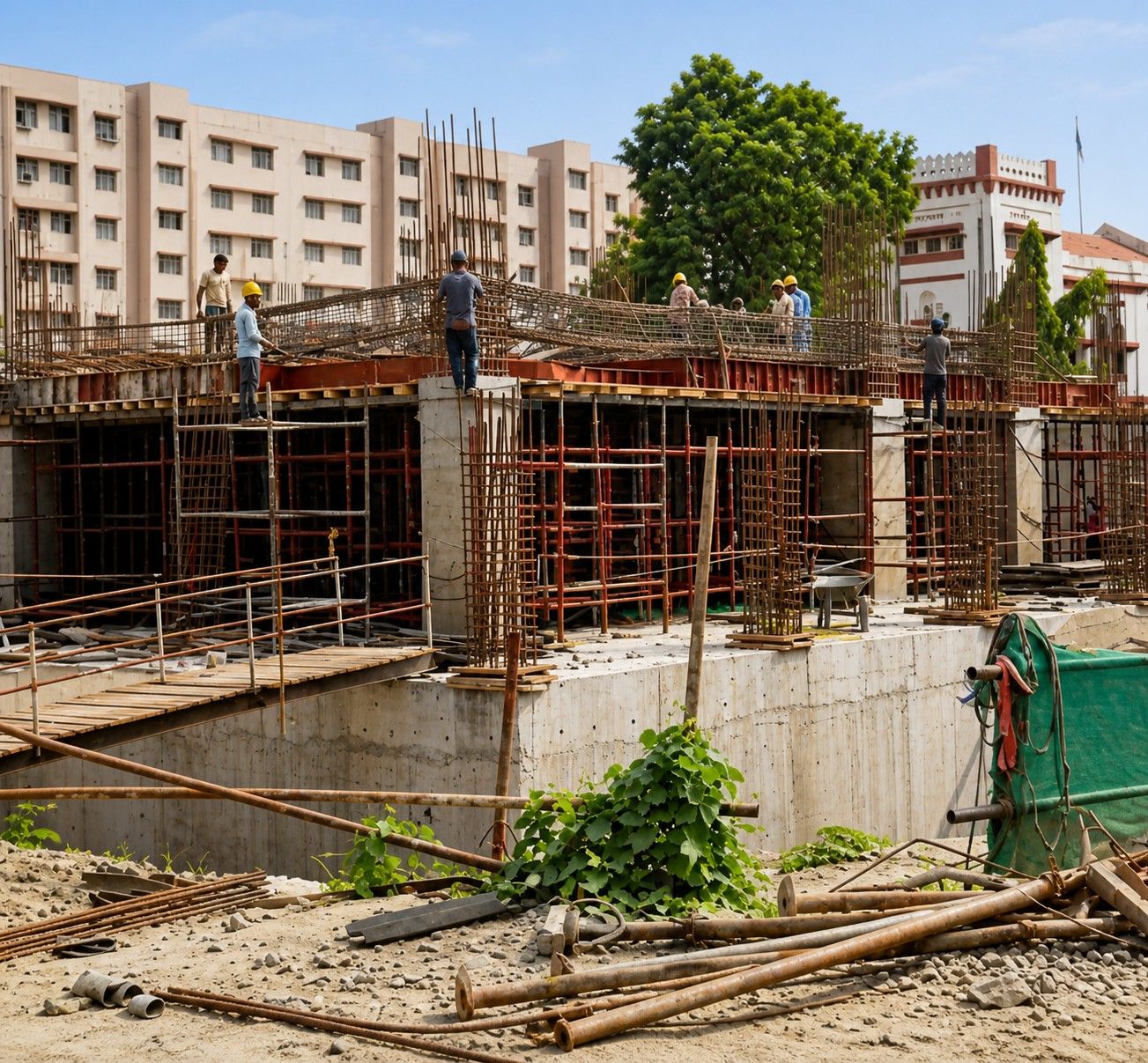
Maharashtra disaster management: In a major development aimed at enhancing disaster preparedness and management, the Maharashtra Metro Rail Corporation Ltd. (MahaMetro) has been entrusted with the responsibility of building the State Institute of Disaster Management (SIDM) in Nagpur. This project, valued at Rs 187.7 crore, will play a crucial role in strengthening the state’s disaster response framework. The establishment of the institute underscores the state government’s commitment to disaster resilience and preparedness.

What is the SIDM?

The State Institute of Disaster Management (SIDM) is envisioned to be Maharashtra’s central hub for disaster management, research, training, and response coordination. The institute will focus on developing disaster risk reduction strategies, providing technical support to authorities, and offering comprehensive training programs aimed at dealing with both natural and man-made disasters. The project is expected to strengthen the state’s preparedness in handling crises of various scales.

MahaMetro: A Trusted Agency for the Project

MahaMetro, a well-established name in infrastructure development, has been appointed as the official project implementation agency for the SIDM. Their role includes overseeing the planning, design, and execution of the institute’s construction. The agency will also manage the preparation of a detailed project report (DPR), which will outline the estimated costs, layout, and timelines for the institute’s development.

Why MahaMetro?

MahaMetro’s track record in large-scale infrastructure projects, particularly in the development of metro rail systems, positions it as a capable and reliable agency for this ambitious project. With a clear understanding of complex urban development and execution, MahaMetro is expected to ensure the SIDM is completed on time and to the highest standards.

The Role of the Maharashtra Government

The Maharashtra government has been proactive in addressing the state’s disaster management needs. In recent years, the state has faced several natural calamities, including floods and droughts, making disaster preparedness a top priority. The proposal for the SIDM was first cleared in December 2023 by the previous Eknath Shinde-led cabinet, but it was the current administration under Chief Minister Devendra Fadnavis that fast-tracked the proposal, emphasizing the need for a dedicated disaster management institute.

Funding and Project Timeline

The funding for the project will be sourced from the state’s disaster prevention budget, ensuring that sufficient resources are allocated to the development of the SIDM. MahaMetro is expected to submit the DPR in the coming months, providing a detailed plan for the construction, including the necessary infrastructure and logistics. The total estimated cost of the project is Rs 187.7 crore, with MahaMetro entitled to receive up to 5% of the project cost as implementation charges.

Location of the SIDM

The SIDM will be situated on a 10-acre plot in Mihan, within the jurisdiction of the Maharashtra Airport Development Company (MADC). Mihan is a key industrial hub, and the location has been carefully chosen to provide the institute with ample space for expansion and development.

Strategic Importance of the Location

Mihan’s proximity to Nagpur’s central business district, combined with its strategic location within Maharashtra’s transportation and industrial network, makes it an ideal choice for the SIDM. This location is expected to enhance the accessibility of the institute for professionals and experts involved in disaster management.

National Institute of Disaster Management (NIDM) Model

The SIDM will be modeled after the National Institute of Disaster Management (NIDM) in Delhi. The NIDM serves as a national hub for disaster management research and training, and the SIDM aims to replicate its structure to become Maharashtra’s primary institution for disaster risk reduction and management.

Key Functions of SIDM

  • Research: The SIDM will conduct extensive research to improve disaster response and risk mitigation strategies.

  • Training and Education: The institute will offer various training programs for government officials, first responders, and disaster management professionals.

  • Disaster Coordination: It will coordinate disaster response efforts across the state, providing support to authorities during natural and human-made crises.

Complementing the State Emergency Operations Centre (SEOC)

The SIDM will complement the recently operationalized State Emergency Operations Centre (SEOC) in Mumbai. While the SEOC focuses on real-time disaster management and response, the SIDM will provide long-term training, strategic planning, and research support.

Enhancing Disaster Response Capabilities

The establishment of both the SEOC and SIDM signals the state government’s commitment to modernizing Maharashtra’s disaster management framework. With advanced technology and expert resources, the SEOC and SIDM will work hand in hand to enhance the state’s ability to respond effectively to emergencies.

MahaMetro’s Role in Accelerating the Project

With MahaMetro now officially on board, the SIDM project is expected to move forward rapidly. The submission of the DPR is expected in the near future, and once approved, construction will commence swiftly.

The Impact of the SIDM on Maharashtra

The SIDM’s development will have a far-reaching impact on Maharashtra’s disaster management capabilities. By providing a centralized institution for research, training, and coordination, the SIDM will improve the state’s ability to respond to disasters and safeguard its residents. This investment in disaster preparedness will ultimately lead to a more resilient Maharashtra.

In conclusion, the establishment of the State Institute of Disaster Management (SIDM) in Nagpur is a significant step towards enhancing Maharashtra’s disaster preparedness and response. With MahaMetro at the helm, the project promises to be completed efficiently and to the highest standards. The SIDM will serve as the state’s primary institution for disaster management, research, and training, ensuring that Maharashtra is better equipped to handle both natural and man-made disasters. This initiative, alongside the State Emergency Operations Centre, demonstrates the Maharashtra government’s commitment to improving disaster resilience and safeguarding the lives of its citizens.

1. What is the purpose of the State Institute of Disaster Management (SIDM)?

The SIDM will serve as Maharashtra’s central institution for disaster management, focusing on research, training, and response coordination.

2. Who is responsible for implementing the SIDM project?

MahaMetro has been appointed as the project implementation agency for the SIDM.

3. What is the estimated cost of the SIDM project?

The SIDM project is estimated to cost Rs 187.7 crore.

4. Where will the SIDM be located?

The SIDM will be located on a 10-acre plot in Mihan, Nagpur.

5. How will the SIDM complement the State Emergency Operations Centre (SEOC)?

The SIDM will provide long-term training, research, and strategic planning, complementing the SEOC’s real-time disaster management capabilities.

Pay No Toll For EVs in Maharashtra: Free Entry on Mumbai-Pune Expressways, Atal Setu And More

EV Toll Free Maharashtra: Electric vehicles (EVs) are not just changing the way we drive—they’re reshaping the roads we drive on. In a bold and eco-forward move, the Maharashtra government has just rolled out a game-changing incentive: no toll for four-wheeler EVs and buses on major expressways like the Mumbai-Pune Expressway, Atal Setu, and Samruddhi Mahamarg. Curious to know how this impacts you, your wallet, and the planet? Buckle up, because we’re diving deep into what this new Electric Vehicle Policy 2025 means for EV owners, the environment, and the future of mobility.


🚗 What’s All the Buzz About?

This isn’t just a regular government update. It’s a revolution in motion. On April 29, during a cabinet meeting chaired by Chief Minister Devendra Fadnavis, Maharashtra unveiled the Electric Vehicle Policy 2025—a plan that makes owning and driving EVs more rewarding than ever.


🔑 Key Highlights of the Policy

  • 100% toll exemption on Mumbai-Pune Expressway, Atal Setu, Samruddhi Mahamarg for 4-wheeler EVs and buses.

  • 50% toll reduction on state and national highways for EVs.

  • Valid till 2030.

  • Rs 1,993 crore allocated for EV incentives and infrastructure.

  • Charging stations every 25 km on national highways.

  • 10%-15% purchase concession for various EV types.

  • Zero registration fees for EVs.


⚡ Why This Move Matters for Maharashtra

1. Pollution, Meet Your Match

Think of this policy as a breath of fresh air—literally. Maharashtra is tackling urban pollution head-on by promoting clean, green transportation. By making EVs more affordable and convenient, the government is nudging citizens toward a low-emission lifestyle.

2. Your Wallet Will Thank You

Let’s be honest—toll fees on expressways can burn a hole in your pocket. With toll-free travel, EV owners can save thousands annually, especially those who commute daily between cities like Mumbai and Pune.


🛣️ Roads That Are Now Toll-Free for EVs

✅ Mumbai-Pune Expressway

The most traveled highway in Maharashtra now welcomes EVs with zero toll. Weekend getaways just got greener!

✅ Atal Setu (Mumbai Trans Harbour Link)

This engineering marvel is now also a symbol of clean mobility. If you’re in Navi Mumbai or Mumbai, you’ll feel the benefit almost immediately.

✅ Samruddhi Mahamarg (Nagpur-Mumbai Expressway)

Long-distance travel just got eco-friendlier. Whether it’s work or wanderlust, your EV can now cruise toll-free.


🔋 Charging Infrastructure: Powering Up Every 25 KM

Range anxiety? Not anymore. The state will install charging stations every 25 km on national highways. No more hunting for chargers or panicking mid-trip—just plug in and power up wherever you go.


🎯 Subsidies Galore: Who Gets What?

🛵 Electric Two & Three-Wheelers

  • 10% subsidy on purchase.

  • Designed to encourage delivery fleets and last-mile transport services.

🚗 Private Four-Wheelers

  • Eligible for 10% discount on purchase price.

  • Plus, you get waived registration fees.

🚌 State Transport Buses & Private Buses

  • Full toll exemption and purchase subsidy.

  • Helps public transport go green.

🚛 Goods Vehicles & Tractors

  • 15% subsidy for goods-carrying EVs and electric tractors.

  • Big win for logistics and agriculture!


🧾 No More Registration Fees for EVs

That’s right. All EV owners—whether it’s a car, scooter, or electric rickshaw—will be exempted from paying registration charges. It’s not just a win for the environment, but also a pocket-friendly shift for first-time EV buyers.


🌍 Clean Mobility Transition Model (CMTM)

This is where things get futuristic. Maharashtra is embracing the Clean Mobility Transition Model, which aims to gradually phase out fossil-fuel vehicles by promoting:

  • Cleaner production of EVs.

  • State-sponsored incentives.

  • Urban planning with EV-first infrastructure.


📊 How Will the Rs 1,993 Crore Be Spent?

  • Charging Infrastructure – 40%

  • Subsidies – 30%

  • Awareness & Promotion – 15%

  • EV Manufacturing Incentives – 10%

  • Research & Monitoring – 5%

Smart investments now will bring smarter, cleaner transportation later.


🏭 Boosting Local EV Manufacturing

Under this policy, Maharashtra is becoming a hotbed for EV production. Manufacturers setting up plants in the state will get added incentives. This means more local jobs, tech innovation, and a sustainable economy.


🚦 Making Every Ride Smarter and Greener

With integrated apps, GPS-guided chargers, and dedicated EV lanes coming soon, Maharashtra’s roads are being redesigned for future-ready driving.


💬 What EV Owners Are Saying

“I travel between Mumbai and Pune thrice a week. The toll exemption just made my EV the smartest investment of the year!” – Anil M., EV Owner

“The charging points every 25 km mean I can plan long drives without stress. Finally, EV travel feels practical.” – Reena D., Tech Professional


📅 How Long Will These Benefits Last?

The Electric Vehicle Policy 2025 will remain active till 2030. So if you’re thinking of buying an EV, now’s the time to make that move while the perks are still hot.


🛠️ What Needs to Be Improved?

No plan is perfect. Here’s what we hope gets better:

  • Faster rollout of charging stations.

  • Better awareness campaigns in rural areas.

  • Inclusion of used EVs in subsidy plans.


🌱 Final Thoughts: Drive the Change

Maharashtra has thrown down the gauntlet and challenged the status quo. With zero tolls, juicy subsidies, and a vision for green mobility, the future is not just electric—it’s exhilarating.

So, if you’ve ever flirted with the idea of going electric, now’s the time to stop thinking and start driving. Because in Maharashtra, every EV isn’t just a vehicle—it’s a ticket to a cleaner, smarter tomorrow.

1. Is the toll exemption only for private EVs?

Nope! It also includes state and private buses that run on electricity.

2. Do I need any special documents to avail toll exemptions?

Usually, your EV registration should be enough. However, check for updates at your local RTO.

3. Will this toll-free policy apply outside Maharashtra?

Currently, it’s valid only on select roads within Maharashtra. Other states may follow suit in the future.

4. Are hybrid cars included in this exemption?

As of now, the policy mainly focuses on pure EVs, not hybrids.

5. Can tourists driving EVs from other states enjoy toll-free travel?

Yes, as long as the EV is a four-wheeler or bus, it qualifies regardless of registration state.

6,116 Villages in Nagpur Division to Undergo Drone Survey

SVAMITVA scheme drone survey: The central government’s ambitious SVAMITVA scheme is set to transform land ownership and property documentation in rural areas. In a major development, 6,116 villages in the Nagpur division are scheduled to undergo drone surveys, a key step toward providing Property (PR) cards to rural landowners using geo-tagging technology. The scheme aims to streamline land records and empower farmers by ensuring they have proper documentation for their properties. This article delves into the details of the initiative and its progress in Nagpur Division.

What is the SVAMITVA Scheme?

The SVAMITVA scheme (Survey of Villages and Mapping with Improvised Technology in Village Areas) is a central government initiative that aims to provide Property (PR) cards to rural landowners. This is being achieved through the use of drone surveys and geo-tagging technology to map land ownership. It is expected to benefit rural communities by granting them clear property rights, boosting financial inclusion, and enabling landowners to access government schemes and loans.

Why is the Drone Survey So Important?

Drone technology plays a pivotal role in modernizing the way land surveys are conducted. Traditional methods of surveying were often time-consuming, costly, and prone to errors. However, with drones, surveys are more accurate, efficient, and cost-effective. Geo-tagging technology further helps in precisely mapping land ownership, making the process smoother for both landowners and authorities.

Nagpur Division’s Role in the SVAMITVA Scheme | SVAMITVA scheme drone survey

The Nagpur division is one of the primary areas targeted under this scheme. Approximately 20% of the villages in Maharashtra included in the scheme fall within this division. The Nagpur division comprises 8,780 villages, and out of these, significant progress has already been made in terms of drone surveys and data collection.

How Many Villages are Affected?

  • 6,116 villages in Nagpur division will be covered by the drone surveys.
  • As of now, 4,447 villages have completed their final review, and 5,343 villages have undergone the inquiry process.

This means that a significant portion of the division’s villages is already seeing the benefits of this scheme, with more set to be included in the coming months.

Revenue Impact and Financial Projections

The implementation of the SVAMITVA scheme has also had an impact on local revenues. The total revenue generated through the scheme so far is ₹12.96 crore from the 4,447 villages already processed. With an additional ₹20.78 crore expected from the remaining villages, the total projected revenue from the Nagpur division is set to reach ₹33.74 crore.

Nagpur District: Leading the Charge

Among the districts in Nagpur division, Nagpur district stands out in terms of both progress and the number of villages mapped.

  • 1,250 villages are in the final review stage.
  • 1,362 villages have already undergone drone surveys.

This makes Nagpur district the leader in both categories, showing its commitment to the scheme and its efficient implementation.

Other Districts Making Strides

In addition to Nagpur district, other districts in the Nagpur division are also progressing rapidly:

  • Gadchiroli: With 1,359 villages undergoing drone surveys.
  • Chandrapur: Progressing quickly with 903 villages in the final review stage.

However, some areas still need more work. 773 villages in Nagpur division are still awaiting ground truthing and inquiry completion before their property records can be finalized.

How Ground Truthing Works

Ground truthing is a crucial step in the SVAMITVA scheme. This process involves verifying the data gathered from drones and ensuring that it matches the real-world situation. It helps resolve any discrepancies and provides landowners with accurate and reliable records of their property.

The Role of Camps and Officers in Implementation

To ensure that the scheme is effectively implemented, 407 camps have been set up across the six districts of the Nagpur division. These camps are held every Thursday and on key national dates like January 26, May 1, August 15, and October 2 to encourage maximum participation.

In addition to the camps, 814 officers have been deployed to assist in the process, guiding landowners and facilitating the smooth execution of the surveys.

Benefits of the SVAMITVA Scheme

The SVAMITVA scheme promises several long-term benefits:

  • Clear property rights for rural landowners.
  • Easy access to loans and government schemes.
  • Improved land management and planning in rural areas.
  • Boost to financial inclusion by enabling rural landowners to engage in economic activities.

Challenges Faced in the Process

Despite the progress, there are challenges:

  • Technical difficulties related to mapping in hilly or dense areas.
  • The ground truthing process can sometimes take longer due to logistical issues.
  • Disputes over land ownership that need to be resolved before finalizing the property records.

Future of the SVAMITVA Scheme

Looking forward, the SVAMITVA scheme aims to cover 16,996 villages across Maharashtra. As drone technology becomes more refined and accessible, it is expected that future surveys will be even more accurate and efficient, further benefiting rural communities.

The SVAMITVA scheme in Nagpur division (SVAMITVA scheme drone survey) marks a transformative step in land record management in rural India. With drone surveys mapping properties and providing PR cards to landowners, this initiative has the potential to change the way rural communities access resources, manage their land, and engage with government schemes. While challenges remain, the progress so far is a testament to the scheme’s success, and with continued effort, the scheme will no doubt benefit millions of rural households in the near future.


What is the SVAMITVA scheme? The SVAMITVA scheme aims to provide Property (PR) cards to rural landowners using drone surveys and geo-tagging technology.

  1. How many villages are being surveyed under the SVAMITVA scheme in Nagpur division? A total of 6,116 villages in the Nagpur division are undergoing drone surveys.
  2. What is the role of ground truthing in the SVAMITVA scheme? Ground truthing involves verifying the data gathered through drones to ensure accuracy before finalizing the property records.
  3. How much revenue has been generated from the SVAMITVA scheme? The revenue generated from 4,447 villages is ₹12.96 crore, with an expected total of ₹33.74 crore from the entire Nagpur division.
  4. How can landowners benefit from the SVAMITVA scheme? The scheme helps landowners obtain clear property records, providing them access to loans and government schemes, thus boosting financial inclusion.

NBCC Likely to Construct African, Night Safari Infra at Gorewada

African Safari Gorewada NBCC: The National Buildings Construction Corporation (NBCC) India Limited, a Government of India enterprise, is set to embark on an exciting venture at the Balasaheb Thackeray Gorewada International Zoo. With plans to develop the much-anticipated African Safari and Night Safari infrastructure, the project promises to revolutionize the region’s tourism potential. Here’s everything you need to know about this transformative project.

A New Chapter for Gorewada Zoo

From Indian Safari to African Safari

After the resounding success of the Indian Safari, the Maharashtra government has accelerated efforts to bring the African Safari to life. The collaboration with NBCC, a reputed construction agency, aims to enhance the zoo’s offerings with an ambitious infrastructure plan.

Green Signal and Budget Approval

The Forest Development Corporation of Maharashtra (FDCM) has been in advanced talks with NBCC. According to Zoo Director Shatnik Bhagwat, the project’s agreement is expected to be signed soon, paving the way for construction to begin before the monsoon season. The state cabinet has already approved a significant budget of ₹517.76 crore, ensuring that financial constraints will not hinder progress.

Key Features of the African Safari

Massive Land Allocation

The African Safari will span an impressive 63 hectares, offering visitors an immersive wildlife experience that mirrors the Savannah landscape of Africa. To achieve this, the zoo plans to incorporate native trees like babool, subabool, and dates, ensuring an authentic habitat for the animals.

Diverse Wildlife

Over 33 species of African wild animals will call this safari their new home. Expect to see:

  • Lemur
  • Meerkat
  • Klipspringer
  • African wild dog
  • Greater Kudu
  • Ostrich
  • Southern White Rhinoceros
  • African lion and more.

The inclusion of the near-threatened White Rhinoceros is anticipated to be a major highlight.

Night Safari Adventures

Imagine observing nocturnal animals in their natural habitat under the moonlight. The Night Safari infrastructure aims to provide a one-of-a-kind experience, elevating the zoo’s appeal to wildlife enthusiasts.

Singapore Expertise in Zoo Design

To ensure world-class standards, FDCM has collaborated with a Singapore-based consultant to create a master plan for the African Safari. This partnership underscores the commitment to delivering an unparalleled visitor experience.

Impact on Local Economy

Boosting Tourism

The African Safari is expected to draw tourists from across the globe, turning Gorewada Zoo into a premier wildlife destination. This influx will not only benefit the zoo but also uplift Nagpur’s reputation as a tourist hub.

Job Creation

From construction to operations, the project will create numerous job opportunities for residents of nearby localities and villages, contributing to regional economic growth.

Timeline for Completion

Work Order and Construction Schedule

Zoo Director Shatnik Bhagwat anticipates that the work order for the African Safari will be issued by March. Construction, estimated to take around two years, is likely to wrap up by 2027.

Phased Development

The first phase includes:

  • Construction of African Safari infrastructure.
  • Development of the Night Safari.
  • Building a new entrance gate.

Subsequent phases will focus on operational readiness and enhancing visitor amenities.

Budget Allocation Breakdown

Government Investments

The government’s financial commitment to the project includes:

  • ₹214.91 crore for African Safari infrastructure.
  • ₹40.76 crore each for the Safari Plaza and entrance plaza with parking.
  • ₹80 crore for procuring animals.

This meticulous allocation ensures every aspect of the project receives adequate funding.

Environmental and Conservation Efforts

Creating a Savannah Ecosystem

The African Safari will replicate the Savannah landscape, fostering an environment conducive to the animals’ well-being. This initiative aligns with conservation efforts by raising awareness about endangered species.

Focus on Sustainability

Efforts will be made to minimize environmental impact during construction and operations, showcasing a commitment to sustainable tourism.

A Glimpse into the Future

By 2027, visitors can look forward to:

  • Witnessing majestic animals up close.
  • Experiencing the thrill of a Night Safari.
  • Enjoying state-of-the-art facilities at the entrance plaza and parking area.

The upcoming African Safari and Night Safari at Gorewada International Zoo are poised to redefine wildlife tourism in India. With NBCC at the helm and a robust budget in place, the project’s success seems inevitable. So, mark your calendars for 2027 and get ready to explore the wonders of Africa right here in Maharashtra!


1. What is the timeline for the African Safari project? The project’s construction is expected to begin before the monsoon of 2025 and conclude by 2027.

2. Which animals will be featured in the African Safari? Over 33 species, including giraffes, African lions, white rhinos, and meerkats, will be part of the safari.

3. How much land is allocated for the African Safari? The safari will span a vast area of 63 hectares.

4. Who is designing the zoo’s master plan? A Singapore-based consultant has been engaged to ensure a world-class design.

5. What is the estimated budget for the project? The total budget approved is ₹517.76 crore, with ₹214.91 crore allocated for the African Safari infrastructure.

Nitin Gadkari Launches Cashless Treatment Scheme for Road Accident Victims

Nitin Gadkari road accident scheme: Road safety in India has been a pressing concern, and Union Minister Nitin Gadkari’s recent announcement of a cashless treatment scheme for road accident victims is a major step forward. This innovative initiative is designed to ease the financial and logistical burdens of accident victims and their families during critical moments. Let’s dive into the details of this game-changing scheme and its broader implications for road safety in India.

What is the Cashless Treatment Scheme? | Nitin Gadkari road accident scheme

Imagine being in an accident and worrying about upfront medical costs—stressful, right? This new scheme eliminates that concern. It ensures cashless medical treatment for accident victims for up to seven days, covering expenses up to ₹1.5 lakh. However, there’s a catch: the accident must be reported to the police within 24 hours to avail of the benefits.

Compensation for Hit-and-Run Cases

Hit-and-run cases are tragic and often leave families financially devastated. Under this scheme:

  • Families of deceased victims will receive ₹2 lakh as compensation.
  • This marks a significant improvement over previous compensation policies, providing a safety net for grieving families.

Pilot Testing and Improvements

The scheme was initially tested in select states. Feedback from these trials highlighted certain challenges, which are now being addressed to make the program more effective. Gadkari emphasized that these changes aim to ensure smoother implementation and greater accessibility for victims.

India’s Alarming Road Accident Statistics

Road accidents are a grim reality in India. Gadkari’s announcement also shed light on some shocking statistics from 2024:

  • 1.8 Lakh Fatalities: India witnessed 1.8 lakh road accident deaths.
  • Helmet Non-Use: Around 30,000 deaths occurred due to the non-use of helmets.
  • Youth Impact: A staggering 66% of fatalities involved individuals aged 18-34.
  • Child Fatalities: Faulty road designs near schools and colleges led to 10,000 child deaths.
  • Unlicensed Drivers: Approximately 3,000 fatalities involved unlicensed drivers.

These numbers underscore the urgent need for improved road safety measures.

The Issue of Driver Shortage

India is grappling with a shortage of 22 lakh skilled drivers. Gadkari highlighted plans to address this issue:

  • Driving Training Centres: Establishing more centers to enhance driver training.
  • Skill Development: Focusing on creating a pool of skilled drivers to reduce accidents caused by human error.

Vehicle Scrappage for a Safer Future

Did you know that scrapping old vehicles can contribute to road safety? Gadkari also promoted the vehicle scrappage initiative, which includes:

  • Recycling Materials: Recycling aluminum, copper, steel, and plastic to support a circular economy.
  • Boosting the Automobile Industry: Creating a demand for new vehicles with better safety features.

How This Scheme Impacts You

This initiative isn’t just about policies; it’s about saving lives and reducing the financial burden on accident victims. Imagine a safer future where victims get immediate medical attention without worrying about costs.

Key Benefits of the Cashless Treatment Scheme

  1. Immediate Medical Assistance: Ensures timely treatment without financial hurdles.
  2. Support for Families: Financial relief for families of hit-and-run victims.
  3. Improved Road Safety: Encourages helmet use and better road design.
  4. Economic Boost: The vehicle scrappage program rejuvenates the economy while promoting safety.

Challenges Ahead

While the scheme is promising, its success depends on:

  • Efficient Implementation: Ensuring quick response and minimal red tape.
  • Awareness Campaigns: Educating the public about the scheme’s benefits and conditions.
  • Infrastructure Upgrades: Improving hospital networks and police reporting mechanisms.

A Vision for Safer Roads

Nitin Gadkari’s cashless treatment scheme is a step toward making Indian roads safer and more secure. It’s not just about addressing the aftermath of accidents but also about preventing them through better policies and infrastructure.

Road accidents are a harsh reality, but initiatives like the cashless treatment scheme provide hope. By addressing financial concerns and promoting better road safety measures, India can pave the way for a safer future. Let’s support and spread awareness about this life-saving initiative.

1. Who is eligible for the cashless treatment scheme?

Any road accident victim can avail of the scheme, provided the accident is reported to the police within 24 hours.

2. What expenses does the scheme cover?

It covers medical expenses for up to seven days or a maximum of ₹1.5 lakh.

3. How does the compensation for hit-and-run cases work?

Families of deceased victims receive ₹2 lakh as compensation under this scheme.

4. What steps are being taken to address the driver shortage in India?

The government plans to establish more driving training centers and enhance skill development programs.

5. How does vehicle scrappage contribute to road safety?

Scrapping old vehicles reduces accidents caused by outdated technology and promotes the use of safer, modern vehicles.

Maharashtra: ‘Will Conduct Performance Audit Of Ministers,’ Says CM Devendra Fadnavis

Maharashtra Minister Performance Audit: Maharashtra’s Chief Minister Devendra Fadnavis has unveiled a dynamic vision for his administration by announcing performance audits for ministers. This bold move, announced during a press conference in Nagpur ahead of the state’s winter assembly session, emphasizes accountability and efficiency. With 39 new ministers sworn in, Fadnavis has set the tone for an administration rooted in results.

Let’s dive deep into the CM’s announcements, the implications of this new policy, and what it means for Maharashtra’s governance.


H1: Performance Audits: A Game-Changer in Maharashtra’s Governance

 What Are Performance Audits?

Performance audits evaluate a minister’s effectiveness, measuring tangible outcomes against set goals. It’s not just about showing up for work—it’s about delivering measurable progress.

 Why Introduce Performance Audits Now?

Chief Minister Fadnavis’s decision stems from a need to ensure the government’s actions align with the aspirations of Maharashtra’s citizens. He stated, “Ministers will be evaluated to ensure accountability.” With the Mahayuti alliance in power, this strategy is poised to enhance transparency.

 Key Aspects of the Audit System

  • Two-and-a-Half-Year Tenures: Ministers will undergo evaluations midway through their term.
  • Outcome-Oriented Approach: Results, not efforts, will determine success.
  • Repercussions for Poor Performance: Non-performing ministers risk replacement.

 Portfolio Allocation for 39 Ministers

 A Deliberate Process

The CM assured that portfolios for the newly sworn-in ministers would be allocated within two to three days. This methodical approach ensures each minister is positioned to maximize their expertise.

 Increased Representation of Women

From one woman in the previous cabinet to four in the current lineup, the CM emphasized a commitment to enhancing women’s participation in governance.


 Addressing Opposition Criticism

 Tackling EVM Allegations

Fadnavis dismissed opposition claims about Electronic Voting Machines (EVMs), asserting, “EVM stands for Every Vote for Magnetic Maharashtra.” The government remains prepared to counter such narratives with facts.

 Encouraging Constructive Debate

The CM urged opposition parties to raise issues within the assembly rather than creating media controversies, fostering a productive legislative environment.


 Winter Assembly Session Highlights

 Legislative Agenda (Maharashtra Minister Performance Audit)

The upcoming session will see the introduction of 20 bills, alongside discussions on supplementary demands and the Governor’s address.

 Focus on Development

Deputy CM Eknath Shinde highlighted the government’s commitment to development, emphasizing justice for Vidarbha and the vision of a one-trillion-dollar economy.


 Mahayuti Alliance’s Achievements

 Record-Breaking Success Rate

According to Shinde, the alliance’s development initiatives have achieved the highest success rate in the country. This underscores the coalition’s effectiveness in addressing public needs.

 A Strong United Front

Shinde reaffirmed his unwavering support for Fadnavis, emphasizing the alliance’s responsibility to the people.


 Challenges and Controversies (Maharashtra Minister Performance Audit)

 Addressing Public Safety

The CM expressed sorrow over the recent killing of a Beed Sarpanch, assuring that swift action had been taken to address the incident.

 Leadership Speculation

When asked about Ajit Pawar’s potential as CM, Pawar humorously remarked, “I could be the chief minister for two and a half months,” deflecting speculation with wit.


 Women’s Participation in Governance

A Step Forward

The inclusion of four women ministers marks progress toward gender parity in Maharashtra’s governance.

 Promises for Future Cabinets

Fadnavis hinted at greater female representation in future cabinets, emphasizing inclusivity.


The announcement of performance audits signifies a transformative approach to governance in Maharashtra. By holding ministers accountable, the Fadnavis-led government aims to deliver results that resonate with public aspirations. As the winter session unfolds, the focus remains on transparency, development, and collaboration. Maharashtra’s governance is set to evolve, ensuring a brighter future for its citizens.

Q1: What is the purpose of performance audits for ministers?

Performance audits ensure accountability by evaluating ministers’ results against predefined goals.

Q2: How will non-performing ministers be handled?

Ministers who fail to meet performance standards may be replaced.

Q3: What is the significance of women’s participation in the new cabinet?

The inclusion of four women ministers marks progress toward gender parity and inclusivity.

Q4: How will the government address opposition criticism during the assembly session?

The CM has emphasized constructive debates within the assembly and is prepared to counter unfounded allegations.

Q5: What is the Mahayuti alliance’s vision for Maharashtra?

The alliance aims to focus on public welfare and economic development, striving for a one-trillion-dollar economy.

Fadnavis Cabinet Takes Oath in Nagpur: BJP Secures 19 Out of 39 Berths

Fadnavis Cabinet Nagpur Oath: The political landscape of Maharashtra saw a significant shift with the expansion of the BJP-led National Democratic Alliance (NDA) Cabinet. In a historic event at Raj Bhavan, Nagpur, 39 leaders took the oath of office, marking a strategic milestone for the ruling alliance. This swearing-in ceremony, led by Chief Minister Devendra Fadnavis, Deputy Chief Ministers Eknath Shinde (Shiv Sena), and Ajit Pawar (NCP), reshaped the power dynamics in the state.

 Highlights of the Swearing-In Ceremony

 Historic Event After 33 Years

For the first time since 1991, a swearing-in ceremony took place at Nagpur’s Raj Bhavan. This rare occurrence brought back memories of the Sudhakarrao Naik-led government’s Cabinet expansion over three decades ago.

 Governor Administers the Oath

Governor CP Radhakrishnan officiated the ceremony, overseeing the induction of 33 Cabinet Ministers and six Ministers of State. This development brought the total count of ministers in the Maharashtra Cabinet to 42, nearing its constitutional limit of 43.


 Composition of the Cabinet

 BJP Bags the Largest Share

Among the 39 berths, the BJP secured 19, reaffirming its position as the dominant force within the alliance. Notable names include:

  • Chandrashekhar Bawankule: BJP’s state unit chief.
  • Ashish Shelar: Mumbai BJP president.
  • Radhakrishna Vikhe Patil: Veteran leader and Shirdi strongman.
  • Pankaja Munde: Daughter of late BJP stalwart Gopinath Munde.

 Shiv Sena and NCP Representation

  • Shiv Sena (Eknath Shinde faction): Secured 11 berths.
  • Nationalist Congress Party (Ajit Pawar faction): Bagged nine positions.

 Key Appointments from NCP

From the NCP, Aditi Tatkare, daughter of senior leader Sunil Tatkare, was among the prominent names inducted. However, party stalwarts like Chhagan Bhujbal and Dilip Walse Patil were notable absentees.


 The Political Significance

 Balancing Power Dynamics

The distribution of portfolios (Fadnavis Cabinet Nagpur Oath) reflects a calculated effort to balance representation across the BJP, Shiv Sena, and NCP factions. Chief Minister Fadnavis highlighted the coalition’s commitment to performance audits to ensure accountability and effectiveness.

 Prominent Absences

Despite the Cabinet expansion, notable leaders such as Sudhir Mungantiwar from the BJP and Chhagan Bhujbal from the NCP were left out. Ajit Pawar assured party workers that excluded members would be given opportunities in the future.


 The Journey to This Cabinet Expansion

 NDA’s Electoral Triumph

The NDA swept the November 20 Assembly polls, securing 230 out of 288 seats in Maharashtra. This overwhelming majority provided the alliance with the leverage to shape the Cabinet to its advantage:

  • BJP: 132 seats
  • Shiv Sena: 57 seats
  • NCP: 41 seats

 Strategic Location of Swearing-In

Nagpur, the state’s second capital, served as the backdrop for this pivotal ceremony. This choice was symbolic of the alliance’s intent to strengthen its base across Maharashtra.


 Upcoming Legislative Agenda

 Winter Session of the Assembly

The Cabinet expansion sets the stage for the Winter Session, scheduled from December 16 to 21 in Nagpur. Key legislative and policy matters are expected to dominate discussions during this period.

 Opposition’s Response

The Maha Vikas Aghadi (MVA), comprising Congress, Shiv Sena (UBT), and NCP-SP, has decided to boycott the government’s tea party on the eve of the session. This move underscores the challenges the ruling alliance may face from a united opposition.


The Cabinet expansion led by Chief Minister Devendra Fadnavis marks a significant milestone in Maharashtra’s political landscape. With strategic appointments and a historic setting, this event underscores the BJP-led NDA’s focus on performance and representation. As the government gears up for the Winter Session, all eyes will be on how this revamped Cabinet delivers on its promises.


1. Why was the swearing-in ceremony held in Nagpur?

The ceremony was held in Nagpur to symbolize the significance of Maharashtra’s second capital and to commemorate a historic event after 33 years.

2. How many berths did the BJP secure in the Cabinet?

The BJP secured 19 out of 39 berths, making it the largest share among the alliance partners.

3. Who are the prominent names in the new Cabinet?

Key figures include Chandrashekhar Bawankule, Ashish Shelar, Radhakrishna Vikhe Patil, and Pankaja Munde from the BJP.

4. What is the total strength of the Maharashtra Cabinet?

The Maharashtra Cabinet currently has 42 ministers, just one short of its constitutional limit of 43.

5. What is the significance of the Winter Session in Nagpur?

The Winter Session will focus on crucial legislative matters and policy decisions, setting the tone for the government’s agenda.

Exit mobile version