Nagpur University Majestic 51-Feet Statue: A Tribute to Chhatrapati Shivaji Maharaj

Nagpur University, with its eyes set on commemorating the legendary warrior king Chhatrapati Shivaji Maharaj, is gearing up for a grand spectacle. The much-anticipated 51-feet-tall metal statue is taking shape near Maharajbagh Zoo, marking a significant milestone since the groundbreaking ceremony held last June.

The Countdown to Shiv Jayanti 2025

Nagpur University’s 51-feet statue should be ready by 2025’s Shiv Jayanti

As we await the birth anniversary of the Maratha king on February 19 each year, Nagpur University is on a mission to unveil this colossal tribute. The statue, towering over the campus, is not only a testament to architectural prowess but also a symbol of community spirit, funded entirely by public donations.

Funding and Progress

Smarak Samiti Drives Progress with ₹2 Crore in Public Donations

The Smarak Samiti, a registered body with two members from Nagpur University, spearheads this endeavor. With a substantial ₹2 crore collected so far, the project is well on its way. This financial support underscores the community’s commitment to honoring Chhatrapati Shivaji.

Securing Permissions and Navigating Obstacles (Nagpur University)

Navigating Bureaucratic Hurdles: Permissions Secured, Challenges Overcome

Mangesh Duke, the head of Smarak Samiti, shared the challenges faced and victories achieved. Necessary permissions, including a formal no-objection certificate from the district collectorate, have been obtained. Despite facing hurdles like acquiring the Nagpur Municipal Corporation’s permission to remove trees from the site, Duke remains optimistic.

Environmental Considerations

Balancing Progress and Nature: NMC’s Tree Dilemma

While NMC has granted permission to cut four trees on the statue’s designated plot, a nominal fee of ₹2.70 lakh poses a hurdle. Duke, emphasizing the public-funded nature of the project, is seeking an exemption from this amount. The four trees, three palm and one mango, are integral to the site’s environmental ecosystem.

Financial Planning for the Monumental Project

Budget Breakdown: ₹10 Crore for the Entire Project

The entire statue project (In Nagpur University), estimated at ₹10 crore, is meticulously budgeted. Approximately ₹4 crore will be allocated for the statue, with the remaining funds earmarked for a fixed deposit. This financial foresight ensures future maintenance is secured.

Embracing Technology for Efficiency

From Traditional to Technological: CNC Machines Expedite the Process

In a strategic shift, the project (in Nagpur University) now employs a computerized numerical control (CNC) machine for model creation, speeding up the process significantly. Unlike the initial plan involving a clay model, the CNC model is expected to be ready in three months, reducing the overall timeline.

Outsourcing Expertise: Kolhapur’s Role

Kolhapur’s Expertise in Metalwork

Duke highlighted that the metalwork will take place in Kolhapur, known for its skilled artisans. The CNC model, made on a metal sheet, will serve as the foundation for crafting the final metal statue, ensuring precision and artistic finesse.

Addressing FAQs

1. What inspired the decision to use a CNC machine?

The decision to use a CNC machine was driven by the need for efficiency. Traditional methods involving a clay model were time-consuming, whereas a CNC machine expedites the process, ensuring the statue is ready by the next Shiv Jayanti.

2. How is the public contributing to the project?

The public’s generous donations, totaling ₹2 crore, play a pivotal role in funding this monumental project. It reflects a shared commitment to preserving Chhatrapati Shivaji’s legacy.

3. What measures are in place for environmental conservation?

Despite the need to cut four trees for the statue’s placement, the Smarak Samiti is actively seeking exemptions from associated fees, emphasizing the project’s eco-friendly stance.

4. How will the remaining funds be utilized?

Apart from the ₹4 crore allocated for the statue, the surplus funds will be invested in a fixed deposit, safeguarding future maintenance and preserving the statue’s grandeur.

5. Why was Kolhapur chosen for the metalwork?

Kolhapur’s reputation for skilled metalwork and artistic craftsmanship made it the ideal choice for crafting the final statue, ensuring a masterpiece worthy of Chhatrapati Shivaji.

6. Can the public visit the site during construction?

Yes, the public is encouraged to witness the statue’s creation. The transparent process emphasizes community involvement and shared pride in this cultural landmark.

In conclusion, Nagpur University ambitious project to erect a 51-feet-tall statue of Chhatrapati Shivaji near Maharajbagh Zoo is a testament to collective dedication and vision. With meticulous planning, financial prudence, and a technological edge, the statue is poised to become a timeless symbol, ready to grace the campus by the next Shiv Jayanti. As the countdown to the grand unveiling continues, the city eagerly anticipates celebrating its rich heritage and honoring the indomitable spirit of Shivaji.

MTDC to give 50% off for Women’s Day

In a celebration of International Women’s Day, the Maharashtra Tourism Development Corporation (MTDC) is extending a generous offer to women travelers. To avail themselves of a 50% discount, women can now conveniently reserve their accommodations in MTDC hotels online. Dinesh Kamble, the Senior Regional Manager of MTDC, shared that this initiative aims to make travel more accessible for women.

Moreover, MTDC is introducing enhanced accommodation facilities for tourists at various picturesque locations. These include Navegaon Bandh in Gondia district, Naleshwar near Kolara Gate of Tadoba Sanctuary in Chandrapur district, and Sahastrakund and Tipeshwar in Yavatmal. The expansion of these offerings underscores MTDC’s commitment to providing a memorable and comfortable experience for all visitors. Emphasizing the significance of this move, Kamble added that these additions align with MTDC’s dedication to promoting tourism in Maharashtra.

Don’t miss this exclusive opportunity to explore these stunning destinations while enjoying a significant discount on your stay. Make your reservations online and be part of the Women’s Day celebration with MTDC. Your next adventure awaits!

GMCH Facilities: Bombay High Court’s Directive for Improved Amenities

In a significant move to address the inconvenience faced by the relatives of patients at the Government Medical College and Hospital (GMCH) in Nagpur, the Nagpur bench of the Bombay High Court issued a directive on Thursday. The court, comprising Justices Avinash Gharote and Mukulika Jawalkar, instructed the state government and GMCH dean to enhance facilities, including the provision of toilets, washrooms, and seating areas.

Recognizing the challenges faced by the patient’s kin due to the large expanse of the GMCH premises spread across 220 acres, the court emphasized the need for suitable facilities. The directive specifically mentioned the importance of toilets and washrooms at various locations within the premises. The court further urged the concerned authorities to provide open spaces where relatives can comfortably wait for extended periods.

Addressing the Lack of Basic Facilities

The directive was issued during the hearing of a suo motu plea (WP no 3427/2000, now SMPIL 1/2023) initiated by CH Sharma and others. The plea, highlighting the lack of basic facilities in GMCHs across Vidarbha, was being addressed through amicus curiae Anup Gilda. The court also directed the respondents to formulate a plan, to be submitted by February 22, outlining the provision of shelters, sheds, and water kiosks for the convenience of the waiting relatives, especially during adverse weather conditions.

Deployment of Security Personnel

During the proceedings, the government’s special counsel, Firdos Mirza, presented a resolution (GR) dated February 8, approving the administrative sanction of Rs10.25 crore for deploying 301 security guards at GMCH. The court expressed optimism that the deployment process would be completed within two weeks, emphasizing the importance of cooperation from the Maharashtra State Security Board.

Permanent Police Post and Traffic Management

Addressing the issue of a police post near the GMCH gates, the court emphasized the need for a permanent post to monitor traffic efficiently. The Nagpur Municipal Corporation (NMC), in collaboration with the police and GMCH authorities, was directed to identify a suitable location outside the boundary wall for the permanent post. An inspection is scheduled for February 17 at 10 am, with a report to be submitted by the next date.

Encroachment Removal and Illumination

The court took note of the encroachments adjacent to the GMCH boundary and was informed by NMC counsel Jemini Kasat that action for removal was underway. A detailed action taken report is expected on the next date. Additionally, the court addressed the need for sufficient solar panel street lights to ensure illumination from sunset till midnight on the GMCH premises. The dean is expected to provide a statement on this matter by the next hearing scheduled for February 22.

the Bombay High Court’s directive reflects a commitment to improving the overall facilities at GMCH (Government Medical College and Hospital Nagpur), ensuring the comfort and well-being of patients’ relatives. The comprehensive approach, covering security deployment, traffic management, encroachment removal, and adequate illumination, aims to transform GMCH into a more accommodating and efficient healthcare facility.

Nagpur’s Triumph: State Greenlights ₹1,887 Crore NMRDA Budget, Spotlight on Sewage Networks

In a groundbreaking move, Chief Minister Eknath Shinde gave the nod to the impressive ₹1,886.91 crore budget proposed by the Nagpur Metropolitan Region Development Authority (NMRDA). This monumental decision signals a strategic focus on fortifying sewage networks within the region.

State approves ₹1,887 crore NMRDA budget, focus on sewage networks

With the State’s approval, the NMRDA is set to tackle the critical issue of sewage networks head-on. Chairman Manojkumar Suryawanshi shared that the CM Eknath Shinde has sanctioned sewer line projects amounting to ₹716 crore, specifically targeting 25 villages in the Nagpur metropolitan region. This crucial step aims to address the challenges faced by rural areas, where the absence of a proper sewer network has led to groundwater contamination.

NMRDA’s Vision: A Closer Look

Sewerage Network Enhancement

Under Amrut phase 2, a comprehensive 500km sewerage network has been greenlit for development in the south and east regions of NMRDA. This ambitious scheme includes the establishment of four sewage plants and a pump house, as highlighted by Chief Accounts and Finance Officer Kapil Pawar.

Timely Initiatives

Suryawanshi assured that the bhoomipuja and sewer line laying works will kick off within the next 10 days, emphasizing the urgency and commitment behind the project.

FAQs – Unveiling the NMRDA Budget

  1. What is the primary focus of the NMRDA budget?
    • The NMRDA budget primarily concentrates on strengthening sewage networks in the Nagpur metropolitan region.
  2. How much has been allocated for the cancer hospital in the NMRDA area?
    • An allocation of ₹71 crore has been earmarked for the development of a cancer hospital within the NMRDA area.
  3. What significant decision has the urban development ministry made?
    • The urban development ministry has substantially reduced map sanctioning charges in the metro region for Pradhan Mantri Awas Yojna beneficiaries.
  4. What regions are included in the sewerage network development under Amrut phase 2?
    • The sewerage network under Amrut phase 2 will cover 25 villages in the south and east regions of NMRDA.
  5. What are the key projects funded within the ₹1,886.91 crore budget?
    • The budget encompasses diverse projects, including phase-III and phase-IV development at Mahalakshmi Jagdamba Shrine, Deekshabhoomi redevelopment, and a special allocation for tourist places’ development.
  6. How soon will the sewer line laying works commence?
    • The sewer line laying works are scheduled to commence within the next 10 days.

With the green light on the ₹1,886.91 crore budget, the NMRDA is poised to make significant strides in transforming the sewage infrastructure of the Nagpur metropolitan region. This bold move not only addresses immediate concerns but also sets the stage for comprehensive development, reflecting the government’s commitment to the welfare of its citizens and the environment.

PM Surya Ghar Muft Bijli Yojana Illuminates 1 Crore Households

In a groundbreaking move towards sustainable progress, Prime Minister Narendra Modi unveiled the ‘PM Surya Ghar Muft Bijli Yojana,’ a visionary initiative aimed at providing free electricity to one crore households, up to 300 units per month. This monumental project represents an investment exceeding Rs 75,000 crore, showcasing the government’s commitment to boosting solar power usage and enhancing the well-being of the nation.

PM Surya Ghar Muft Bijli Yojana Unveiled

In a social media post, Modi passionately expressed, “To foster sustainable development and the welfare of our citizens, we are launching the Surya Ghar Muft Bijli Yojana. With a colossal investment of over Rs 75,000 crore, this initiative seeks to brighten one crore households by providing 300 units of free electricity monthly.”

Ensuring Affordability: Direct Subsidies and Concessional Loans

From direct subsidies credited to individuals’ bank accounts to heavily concessional bank loans, the central government is committed to alleviating any financial burden on the people. Modi emphasized the importance of integrating all stakeholders into a National Online Portal, ensuring transparency and accessibility.

Grassroots Integration: Urban Local Bodies and Panchayats Incentivized

To popularize the scheme at the grassroots level, urban local bodies and panchayats will be incentivized to promote rooftop solar systems in their jurisdictions. Modi envisions not just enhanced solar power adoption but also increased income, reduced power bills, and employment generation for the citizens.

How to Apply for PM Surya Ghar Muft Bijli Yojana

1. Visit the Official Website

PM Surya Ghar Muft Bijli Yojana provides a user-friendly interface for applicants.

2. Apply for Rooftop Solar

Navigate to the designated section and click on ‘Apply for Rooftop Solar.’

3. Registration Process

Complete the registration by providing essential details: State, Electricity Distribution Company, Electricity Consumer Number, Mobile Number, and Email.

4. Login and Application

After registration, log in using your mobile number and proceed to apply for the Rooftop scheme. Bank details will be required at any stage of the application.

5. Feasibility Approval

Once registered, await feasibility approval and engage one of the registered vendors in your DISCOM to install the solar plant.

6. Net Meter Application

Following installation, submit the plant details and apply for a net meter.

7. Commissioning Certificate

The portal will generate a commissioning certificate post the installation of the net meter and DISCOM inspection.

8. Subsidy Processing

After receiving the commissioning report, submit bank account details and a canceled cheque through the portal. Subsidies will be credited to your account within 30 days.

Frequently Asked Questions

  1. What is PM Surya Ghar Muft Bijli Yojana?
    • Surya Ghar Muft Bijli Yojana is a government initiative providing free electricity to one crore households, up to 300 units per month.
  2. How can I apply for the scheme?
  3. Is there a cost involved in applying for rooftop solar?
    • No, the government ensures no cost burden on individuals through direct subsidies and concessional bank loans.
  4. What happens after the installation of the solar plant?
    • Submit plant details, apply for a net meter, and receive a commissioning certificate after the DISCOM inspection.
  5. How long does it take to receive the subsidy after commissioning?
    • Subsidies are credited to your bank account within 30 days post-commissioning.
  6. Can I track my application status online?
    • Yes, the National Online Portal allows applicants to track their application status seamlessly.

The Ghar Muft Bijli Yojana marks a historic step towards a sustainable and electrified future for one crore households. By seamlessly integrating solar power, financial incentives, and grassroots participation, the initiative not only promises free electricity but also empowers citizens to contribute to a cleaner and brighter tomorrow. Strengthen the vision, embrace sustainable progress, and light up your home with the power of PM Surya Ghar Muft Bijli Yojana!

Revolutionizing School Timings: Pre-Primary Classes Now Starting After 9 am

in a significant move prompted by Governor Ramesh Bais, the School Education Department has responded to the changing lifestyle dynamics by advocating for a delayed start for pre-primary classes. The governor, during a program on December 5, 2023, recommended a reevaluation of school timings to better align with the evolving needs of students.

Rethinking Education Schedules

Following Governor Bais’s suggestion, the State Council of Education Research and Training (SCERT) took proactive steps by gathering opinions from diverse sections of society. The feedback highlighted concerns such as the influence of late-night entertainment options, the increasing noise from vehicles, and the disruptive effects of nighttime events on student sleep patterns. Students, influenced by these factors, tended to wake up later, impacting their timely attendance at school during the early hours.

Policy Implementation

Considering the comprehensive analysis of various factors, the Government issued a circular on Thursday, mandating schools to commence pre-primary classes for Std I to IV after 9 am. The circular emphasizes that schools encountering challenges in adjusting their schedules should collaborate with the District Education Officer for viable solutions. Importantly, it stresses adherence to the teaching hours specified in the Right to Education Act 2009.

Addressing Lifestyle Impact

The circular recognizes the adverse impact of changing lifestyles on students’ enthusiasm for learning. It specifically notes the challenges faced by students and parents during seasons like winter and monsoon, where early school hours contribute to health issues such as colds and coughs. Additionally, the stress faced by parents in preparing their children for early morning school, especially during fog or heavy rain, has been acknowledged.

Strategic Planning for School Timings

To alleviate the logistical challenges faced by school transport, the Department advises schools to plan their class timings to avoid clashes with government office hours. This proactive measure aims to prevent potential traffic chaos during peak hours, ensuring a smoother daily routine for both students and the general public.

In conclusion, the decision to shift pre-primary classes to a later start time reflects a forward-thinking approach to address the evolving needs of students and the challenges posed by modern lifestyles. This move is expected to not only enhance the well-being of students but also streamline the daily routines of parents and school transportation services. As educational institutions adapt to these changes, the focus remains on creating an environment conducive to effective learning and overall student development.

PMI Electro Mobility Options Resumes Electric Bus Deliveries After Recovery Notice

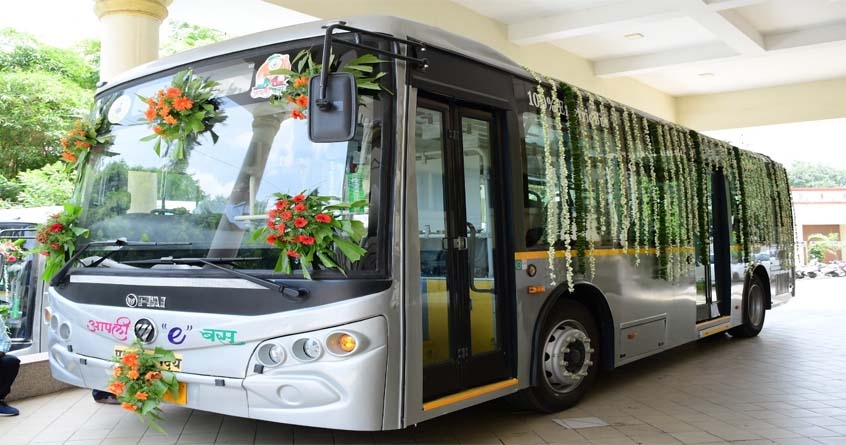
In a remarkable turn of events, PMI Electro Mobility Options, the Haryana-based electric bus manufacturer, has initiated the long-awaited delivery of electric buses to Nagpur Municipal Corporation (NMC). This comes after a recovery notice was issued, demanding fines for a seven-month delay. Suresh Bagle, the Deputy Commissioner and Transport Director, disclosed that the company responded to the notice by committing to deliver seven electric buses weekly, aiming to meet the target of 144 buses by March.

Recovery Notice Spurs Action

Bagle emphasized that failure to adhere to the March deadline would result in severe fines. NMC has already received 29 electric buses out of the initially agreed-upon 44, with the company falling short of its commitment by October last year. The contractual terms empower NMC to impose fines of Rs 12,000 per day for each delayed electric bus (Electric Bus Nagpur), constituting 0.1% of the Rs 12 crore bank guarantee, enforceable by NMC officials.

Contractual Obligations and Financial Allocations

The 2022 contract between NMC and PMI involved the delivery of 144 air-conditioned electric buses, supported by a Rs 72 crore allocation from the 15th Finance Commission. In addition to delivering and operating the buses, PMI is tasked with constructing a central charging station in Wathoda.

Lagging Behind Schedule

Despite the integration of 29 buses into NMC’s Aapli bus fleet, which spans 191 routes and consists of 450 buses, the company has yet to fulfill its commitments. According to the agreement, PMI was slated to deliver 14 buses in August, followed by 10 in September. Subsequent phases included 20 buses in October, 30 in November, and a final batch of 60 buses in December of the previous year.

Aapli Bus Service Impact

The delays prompted NMC to issue a notice in August last year, signaling discontent. Aapli Bus service, covering 191 routes with an average daily ridership of 1.44 lakh passengers, generates approximately Rs 25 lakh in daily income on weekdays.

In this electrifying saga, PMI Electro Mobility Options is back on track, racing against time to meet its commitments and regain the trust of Nagpur’s commuters. The resumption of deliveries marks a pivotal moment in the journey towards a greener and more sustainable public transportation system.

Do not use children in poll campaigning: Election Commission

In the realm of Indian politics, the Election Commission plays a pivotal role in ensuring fair and ethical practices. Recently, the Election Commission sent a clear directive to political parties: “Do not use children in poll campaigning.” Let’s delve into the intricacies of this mandate and understand why the Election Commission deems it necessary for a responsible and conscientious political landscape.

Table of Contents

  1. Introduction
  2. The Importance of Ethical Campaigning
  3. Children as Pawns: A Disturbing Trend
  4. Election Commission’s Stand: Reasons Unveiled
  5. Impact on Children: Beyond Politics
  6. Challenges in Enforcement
  7. Political Accountability: A Call to Action
  8. The Role of Media in Shaping Perceptions
  9. Public Reaction: Voices Against the Exploitation
  10. Global Perspectives on Children in Campaigns
  11. Looking Ahead: Possible Solutions
  12. Conclusion

Introduction

The political landscape in India is constantly evolving, and with the upcoming elections, the Election Commission has taken a firm stand against a concerning practice – the use of children in political campaigning. But why is this directive necessary, and what implications does it hold for the future of our democracy?

The Importance of Ethical Campaigning

Before delving into the specifics, it’s crucial to understand why ethical campaigning matters. Elections are the cornerstone of democracy, and the process should be transparent, fair, and devoid of any exploitation. The public deserves campaigns based on ideas and policies, not emotionally charged tactics.

Children as Pawns: A Disturbing Trend

In recent times, the use of children in political campaigns has become a cause for concern. Parties, in their pursuit of garnering public support, often resort to exploiting the innocence of children. This trend not only raises ethical questions but also impacts the mental and emotional well-being of these young individuals.

Election Commission’s Stand: Reasons Unveiled

The Election Commission’s directive carries weight, and understanding the rationale behind it is essential. By disallowing the use of children in campaigns, the Commission aims to create a level playing field, free from emotional manipulation, ensuring that political discourse revolves around issues rather than emotional theatrics.

Impact on Children: Beyond Politics

Beyond the political arena, the directive acknowledges the potential harm inflicted on children who are unwittingly thrust into the limelight. The psychological impact of exposure to the intense scrutiny of political campaigns can have lasting effects on their development.

Challenges in Enforcement

Implementing such a directive comes with its own set of challenges. Political parties, often driven by the urgency to secure votes, might find loopholes. The Election Commission faces the uphill task of monitoring and penalizing those who flout the guidelines.

Political Accountability: A Call to Action

The directive also emphasizes the need for political accountability. Parties must be held responsible for their campaign strategies, ensuring that they align with ethical standards set by the Election Commission. This call to action aims to create a more responsible and transparent political culture.

The Role of Media in Shaping Perceptions

Media plays a crucial role in shaping public opinion. How the news portrays these campaigns can significantly influence voter sentiment. The media needs to be vigilant, avoiding sensationalism and focusing on informative reporting that upholds democratic values.

Public Reaction: Voices Against the Exploitation

The public’s response to this directive has been diverse. While some applaud the Election Commission’s commitment to ethical campaigning, others question the practicality of its enforcement. Exploring these varied perspectives is essential in gauging the pulse of the nation.

Global Perspectives on Children in Campaigns

How do other democracies address the involvement of children in political campaigns? Exploring global perspectives provides insights into best practices and helps us understand where India stands in comparison.

Looking Ahead: Possible Solutions

As we navigate the complexities of political campaigning, it’s crucial to explore possible solutions. From stricter penalties for non-compliance to public awareness campaigns, the path forward involves collective efforts for a more ethical political landscape.

Conclusion

In concluding, the Election Commission’s directive against using children in political campaigning is a step towards fostering a healthier and more responsible democracy. It underscores the importance of upholding ethical standards in the political arena.

Frequently Asked Questions

  1. Why is the Election Commission against using children in political campaigns?
    • The Election Commission aims to maintain a fair and ethical electoral process, free from emotional manipulation. Using children in campaigns raises ethical concerns and diverts focus from policy-based discussions.
  2. How does the use of children in campaigns impact their well-being?
    • Exposure to the intense scrutiny of political campaigns can have lasting psychological effects on children, impacting their mental and emotional well-being.
  3. What challenges does the Election Commission face in enforcing this directive?
    • Enforcing the directive poses challenges, including monitoring campaign activities, identifying violations, and ensuring timely and effective penalties.
  4. Why is political accountability crucial in this context?
    • Political accountability ensures that parties align with ethical standards, fostering a more responsible and transparent political culture.
  5. What role does the media play in shaping public perceptions of political campaigns?
    • The media’s portrayal of campaigns significantly influences public opinion. Vigilance in reporting is essential to uphold democratic values.

In essence, the directive from the Election Commission sparks a crucial conversation about the ethical boundaries in political campaigning. As citizens, it is our responsibility to engage in this discourse and advocate for a democratic process that reflects our values and aspirations.

Nagpur to Butibori Road Upgrade: A Six-Lane Marvel – Nitin Gadkari

Enhancing Connectivity: From Airport Metro Station to Ring Road Junction

In a groundbreaking announcement, Union Road Transport and Highways Minister Nitin Gadkari revealed plans for the expansion of Nagpur’s crucial Nagpur to Butibori Road. This major development will witness the transformation of key stretches into six-lane thoroughfares, showcasing Gadkari’s commitment to bolstering the city’s infrastructure.

A Visionary Project: Double Decker Structure and Metro Integration

Nitin Gadkari outlined an ambitious vision, envisioning a double-decker structure that integrates a flyover with a metro on top. This innovative approach not only enhances efficiency but also significantly reduces the distance to Butibori. The road expansion spans from the Airport Metro Station to the Ring Road Junction, including the stretch from Ring Road to the Butibori Flyover. Additionally, the road from Wadi to Kondhali on Amravati Road is slated to become a six-lane marvel.

Unveiling Nagpur City Package-1: Butibori to Fetri Four-Layer Ring Road-Bypass

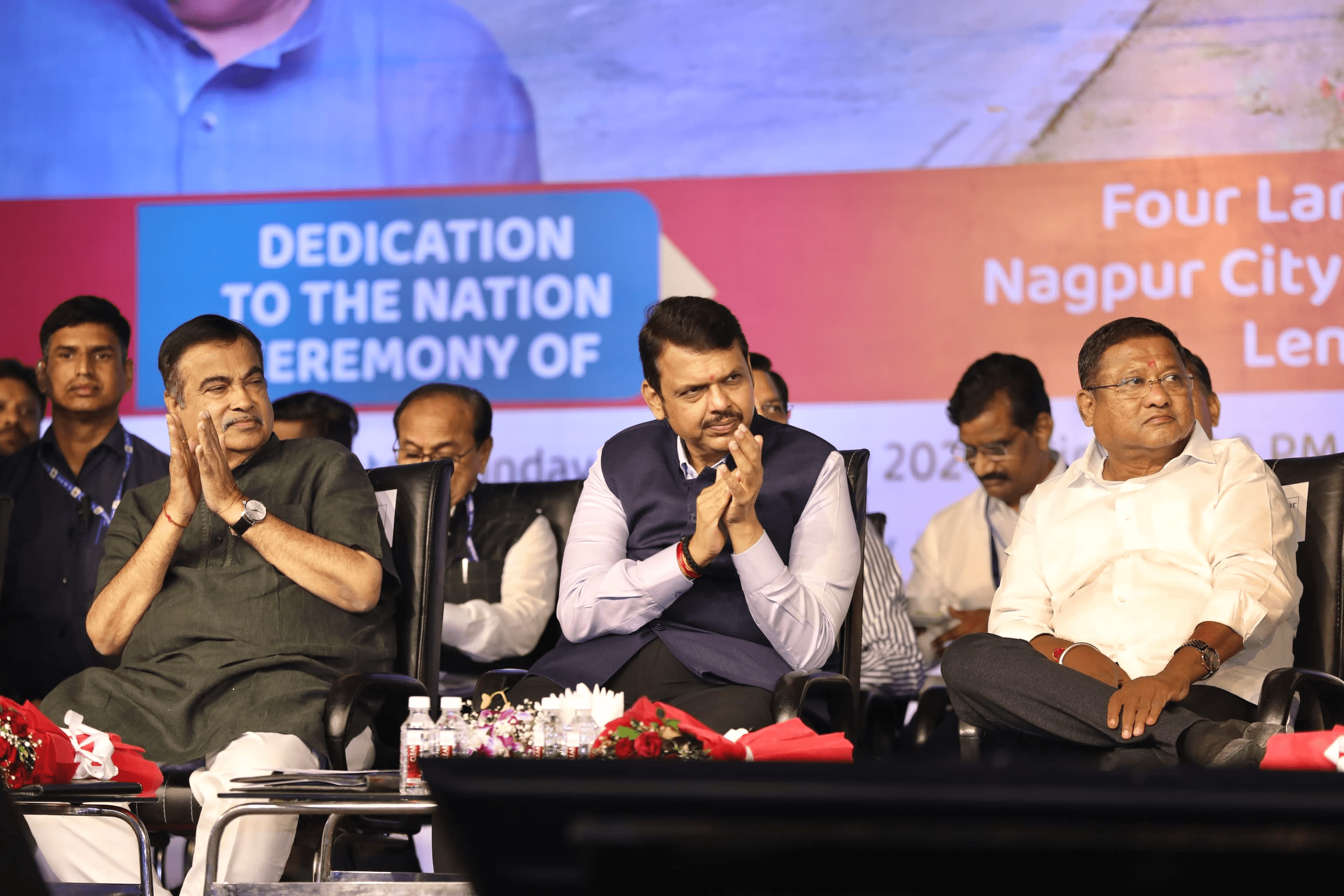
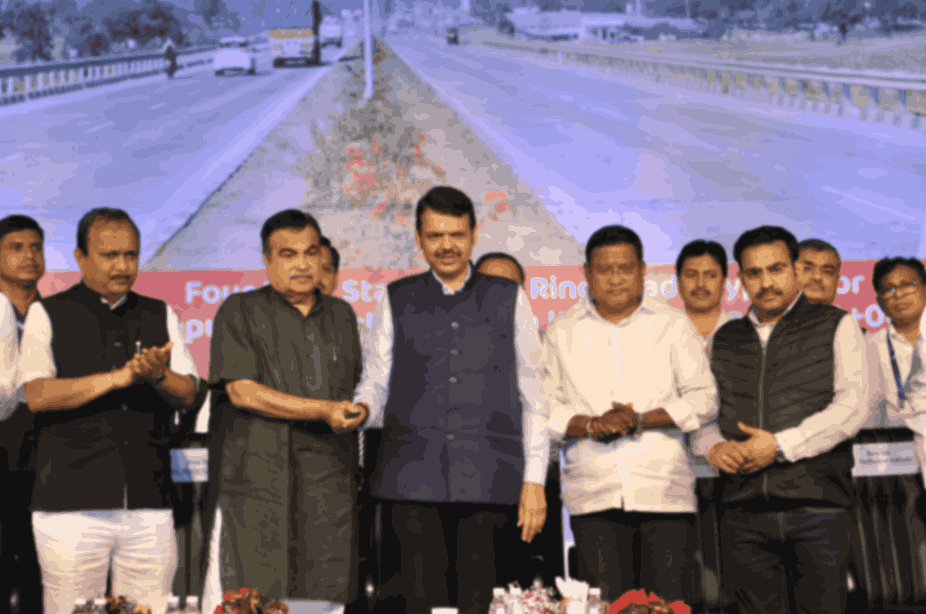
Under the ‘Nagpur City Package-1,’ the Butibori to Fetri Four-Layer Ring Road-Bypass was inaugurated by Minister Nitin Gadkari, accompanied by Deputy Chief Minister Devendra Fadnavis, Ramtek MP Kripal Tumane, and Hingane MLA Sameer Meghe. This strategic development aims to create a comprehensive link between the industrial areas of Hingna and Butibori, facilitating planned development.

Industrial Connectivity: Logistics Parks and Future Growth

The newly introduced outer ring road is poised to serve as a catalyst for planned development, connecting the industrial hubs of Hingna and Butibori. Alongside the road, logistics parks are planned, further enhancing connectivity and fostering industrial growth. The completion of the ring road from the lower underpass to Fetri, extending to Kamptee, is anticipated within the next two months, according to Gadkari.

Integrating Green Spaces: The Nation’s First ‘Bird Park’

In an eco-conscious move, an 8-hectare ‘Bird Park’ near Jamtha is set to become the country’s first. Minister Gadkari shared plans to cultivate various fruit varieties within the park, creating a natural habitat for birds. The park will also feature amenities such as a cycle track and a coffee shop, promoting recreational activities amidst nature. Gadkari emphasized the need to remove encroachments and widen roads in Hingna city for planned development.

Fadnavis’ Perspective: Overcoming Challenges for Swift Completion

Deputy Chief Minister Devendra Fadnavis acknowledged the initial challenges in constructing the outer ring road. However, he commended the accelerated progress achieved in the last two years. Fadnavis highlighted the significance of the outer ring road in alleviating traffic concerns, especially for those traveling from the Samriddhi Highway. This infrastructure development ensures smooth transportation through the outer ring road, accessible via ‘Rim Transport.’

Project Overview: Collaboration and Financial Investment

The project, executed in collaboration with the National Highway Authority of the Ministry of Road Transport and Highways of the Central Government, boasts a total length of 33.50 km. With a budget provision of 856 crore, the outer ring road features three flyovers, two major bridges, and 22 bus-way shelter centers spanning two and a half kilometers. Bamboo crash barriers have been installed to enhance safety, and a speed limit of 100 km per hour is imposed, as indicated in the National Highway Authority’s informative presentation.

In conclusion, the Nagpur to Butibori Road upgrade marks a transformative phase in the city’s infrastructure. Minister Gadkari’s visionary approach, coupled with collaborative efforts and substantial financial investment, ensures that Nagpur is poised for unparalleled growth and connectivity in the near future.

शहराच्या अंतर्गत रिंगरोडवर इलेक्ट्रिक केबल बसेस:- गडकरी

नितीन गडकरी यांनी नागपूरच्या आगामी इलेक्ट्रिक केबल बस सेवेची घोषणा केली, जी इनर रिंग रोडवरून 2-3 बसेसने सुरू होईल. 125 कोटी रुपयांचा निधी वाटप करण्यात आला आणि गडकरींनी टाटा कन्सल्टन्सीच्या अहवालाचे पुनरावलोकन केल्यानंतर प्रकल्पाला पाठिंबा मिळाला. वर्ल्ड रोड काँग्रेसदरम्यान गडकरींच्या चेकोस्लोव्हाकिया दौऱ्यातून हा उपक्रम सुरू झाला.

केंद्रीय रस्ते वाहतूक आणि महामार्ग मंत्री नितीन गडकरी यांनी रविवारी शहरात लवकरच इलेक्ट्रिक केबल बस सुरू करण्याची घोषणा केली. ही सेवा सुरुवातीला इनर रिंगरोडवर सुरू होईल. इलेक्ट्रिक केबल बस सेवेत दोन ते तीन बसेस असतील. उपमुख्यमंत्री देवेंद्र फडणवीस यांनी यापूर्वीच या प्रकल्पासाठी 125 कोटी रुपये जाहीर केले आहेत. टाटा कन्सल्टन्सीने सादर केलेला प्रकल्प अहवाल मी पाहिला आहे,” गडकरी म्हणाले.

इलेक्ट्रिक केबल बसेस चालवण्याची कल्पना गडकरींच्या लक्षात आली जेव्हा त्यांनी ऑक्टोबरमध्ये झेकोस्लोव्हाकियाला प्राग येथे 27 व्या वर्ल्ड रोड काँग्रेस दरम्यान मंत्रीस्तरीय अधिवेशनात भाग घेतला. इलेक्ट्रिक केबल बस रस्त्यावर रबर टायरवर चालतात आणि ट्रॉलीच्या खांबाद्वारे दोन ओव्हरहेड वायर्समधून काढलेल्या विजेवर चालतात. ती ट्रॉली कारपेक्षा वेगळी आहे, जी टायर्सवर चालण्याऐवजी रेल्वेवर चालते आणि त्यामुळे ती स्ट्रीटकारचा एक प्रकार आहे.


याव्यतिरिक्त, नऊ ROB कार्यान्वित करण्यात आले, आणि वाहतूक कोंडी कमी करण्याच्या उद्देशाने नागपुरात पाच उड्डाणपुलांचे बांधकाम सुरू झाले. महारेलने हाती घेतलेल्या प्रकल्पांचा उद्देश महाराष्ट्रातील रेल्वे पायाभूत सुविधा वाढवणे हा आहे. या प्रयत्नामध्ये विविध सरकारी संस्थांद्वारे समर्थित राज्यातील लेव्हल क्रॉसिंग दूर करण्यासाठी 200 ROB/RUB आणि मर्यादित उंचीचे भुयारी मार्ग बांधणे समाविष्ट आहे.


Exit mobile version