GMR Is Going After FedEx and UPS for Nagpur — And If It Works, It Could Be the Biggest Economic Win for Vidarbha in a Generation

Nagpur airport FedEx UPS cargo: Building a new terminal and a second runway is the infrastructure half of GMR’s plan for Nagpur Airport. The other half — arguably the more difficult and more consequential half — is filling that infrastructure with the right airlines, the right cargo operators, and the right routes.

Without airlines that want to fly to Nagpur, a bigger terminal is just a bigger empty hall. Without cargo giants like FedEx and UPS choosing to base operations here, a state-of-the-art cargo complex is just an expensive warehouse. The infrastructure is necessary. But what transforms Nagpur Airport from a well-funded construction project into a genuine aviation hub is the commercial strategy — the active pursuit of airlines and cargo operators who will make the airport busy, connected, and economically productive.

GMR is now making that commercial push explicit. The company is actively courting global express cargo operators — including FedEx and UPS — to establish operations at Nagpur, alongside a parallel effort to attract new passenger airlines and direct international routes. The success or failure of this outreach will determine whether GMR’s physical infrastructure investments translate into the economic transformation that Nagpur and Vidarbha have been promised — and whether the 30-million-passenger, 1.5-lakh-tonne cargo vision becomes reality or remains a target on a planning document.


Why FedEx and UPS? The Logic Behind Targeting Global Cargo Giants

FedEx and UPS are not just large logistics companies. They are the defining players in global express cargo — the movement of time-sensitive, high-value shipments across international borders and domestic networks with guaranteed overnight or next-day delivery. Their networks are the arteries of global e-commerce, pharmaceutical supply chains, electronics manufacturing, and just-in-time industrial supply.

For an airport like Nagpur, attracting either of these operators is a fundamentally different proposition from attracting a passenger airline. A passenger airline brings scheduled flights on specific routes, generating aeronautical revenue for the airport and connectivity for local passengers. A cargo giant like FedEx or UPS brings something far more structural: a base of operations, a sorting hub, a fleet of dedicated freighter aircraft, and — most importantly — an anchor that attracts other cargo-related businesses to cluster around it.

When FedEx or UPS establishes a hub at an airport, it does not just use the existing infrastructure. It builds its own sorting and distribution facilities, typically on airport-adjacent land. It operates its own fleet on its own schedules, independent of passenger airline timetables. And it creates an anchor of activity that makes the airport economically attractive to freight forwarders, customs brokers, cold chain logistics operators, and the manufacturers and exporters who need reliable express cargo access.

For Nagpur — a city that has been trying to leverage its geographical centrality for logistics purposes since the MIHAN SEZ was conceived — landing FedEx or UPS would be a transformative outcome. It would validate Nagpur’s cargo potential in the most concrete way possible: with a global operator putting its own money, infrastructure, and reputation into the city.


Nagpur’s Geography — The Case That Sells Itself

The geographical argument for Nagpur as a cargo hub is one of the most compelling in Indian aviation planning — and it has been made repeatedly over the past two decades without yet being fully realised. GMR is now making it again, with the credibility of a major airport operator and the infrastructure investment to back it up.

Nagpur sits at the precise geographical centre of India. Draw a line from Delhi to Chennai, and another from Mumbai to Kolkata, and they cross somewhere very close to Nagpur. This is not a coincidence of civic pride — it is a measurable geographical fact that has direct implications for logistics.

For an express cargo operator running a hub-and-spoke network across India, the hub location is the most critical decision in the entire network design. A hub in Mumbai can reach Delhi in under two hours by air but faces the disadvantage of being at the extreme western edge of the country — forcing longer flights to reach the east and northeast. A hub in Delhi serves the north efficiently but is far from the southern manufacturing clusters of Pune, Bengaluru, Chennai, and Hyderabad. A hub in Nagpur, by contrast, is within roughly two hours of flying time from virtually every major Indian city — making it the most efficient single point from which to run a national express cargo network.

FedEx currently operates its India sorting hub at Hyderabad. UPS has significant operations at multiple Indian airports. Both companies have studied India’s logistics geography extensively. The case for Nagpur as a more central and efficient hub location is one that GMR’s commercial team will be presenting directly, backed by the infrastructure commitment that GMR is now making to develop a cargo complex capable of handling 150,000 metric tonnes annually.


The MIHAN Ecosystem — Why This Is More Than Just an Airport Story

The cargo push at Nagpur Airport does not exist in isolation. It is directly connected to the MIHAN SEZ — the Multi-modal International Hub Airport Nagpur — a planned integrated infrastructure zone that was conceived specifically around the airport and that has been developing, in fits and starts, for the past two decades.

MIHAN’s vision was always of a zone where industrial manufacturing, logistics, MRO (Maintenance, Repair and Overhaul) for aircraft, and export-oriented businesses would cluster around world-class air connectivity. The residential and commercial components of MIHAN — the residential townships, the IT parks, the educational institutions — were always meant to be secondary to the core industrial and logistics proposition.

The challenge MIHAN has faced is a classic chicken-and-egg problem. Manufacturers and logistics operators want to locate in MIHAN because of the air connectivity. But airlines and cargo operators want to come because of the cargo volumes generated by MIHAN’s industrial tenants. Each group is waiting for the other to go first.

GMR’s entry as the airport operator — with a committed investment roadmap and the credibility of having developed Delhi and Hyderabad airports — changes this dynamic meaningfully. GMR is going first. It is building the infrastructure and actively pursuing the cargo operators simultaneously. The airport’s commercial team is now in the market actively selling Nagpur’s proposition to FedEx, UPS, and other cargo operators — rather than waiting for MIHAN’s industrial development to spontaneously attract them.

Civil Aviation Minister Ram Mohan Naidu has specifically highlighted Nagpur’s locational advantage as a key factor in its potential emergence as a domestic and international transfer hub, supporting cargo movement, logistics, MRO activities and industrial growth. The alignment between GMR’s commercial strategy and the Ministry’s stated policy goal means that the airport operator has government support — and potentially government facilitation — for its cargo outreach efforts.


The Passenger Airline Push — New Routes That Nagpur Needs

Alongside the cargo outreach, GMR is also actively working to attract new passenger airlines and direct international routes to Nagpur. This is a parallel commercial priority — and one that also has a direct feedback loop with the cargo opportunity.

Nagpur currently has a limited set of direct international routes — primarily to the Gulf region, which serves the large number of Vidarbha-origin workers in the UAE, Qatar, and other Gulf countries. Direct flights to other international destinations — Southeast Asia, East Africa, Europe — are largely absent, forcing Nagpur passengers to connect through Mumbai, Delhi, or Hyderabad.

The absence of direct international routes is both a reflection of the current airport’s limitations and a barrier to the kind of business travel, tourism, and international trade that would drive economic growth in Nagpur. A pharmaceutical executive flying from Hyderabad to Nagpur for a meeting at MIHAN loses hours to a connection that would not be necessary if a direct route existed. A textile trader in Nagpur buying fabric from China or selling garments to Europe faces air cargo routing that adds cost and time to every shipment.

New direct international routes — to Southeast Asian manufacturing hubs like Bangkok, Singapore, and Kuala Lumpur; to Gulf destinations with broader service; to East African trade partners — would both serve existing demand and stimulate new economic activity by making Nagpur more accessible to the world.

GMR’s airline development team is approaching carriers with Nagpur’s passenger catchment data — the city itself plus the wider Vidarbha region of approximately eight to ten million people that lacks adequate air connectivity and currently funnels through Nagpur Airport by default. Airlines that currently see Nagpur as a secondary market may reconsider when presented with the infrastructure investment GMR is committing and the catchment area that a modern, expanded airport can serve.


What Needs to Happen for This to Work — The Honest Assessment

GMR’s cargo and connectivity ambitions for Nagpur are well-grounded in geography and infrastructure logic. But converting ambition into operational reality requires more than a good location and a new terminal.

FedEx and UPS will evaluate Nagpur against a hard-nosed set of commercial criteria. What volume of express cargo is currently being generated in central India and routed through other hubs that could be re-routed through Nagpur? What are the customs clearance times and procedures at Nagpur Airport? What is the reliability of the electricity, fuel, and other utility infrastructure that cargo operations depend on around the clock? What are the import and export tariff structures for the specific commodities — pharmaceuticals, electronics, automotive parts, textiles — that would flow through a Nagpur cargo hub?

These questions will be answered partly by what GMR builds and partly by what the broader ecosystem — MIHAN, the Maharashtra government, the Customs department, the Ministry of Commerce — delivers in terms of facilitation, incentives, and procedural efficiency.

The passenger airline attraction effort faces its own challenges. Airlines make route decisions based on load factors — the percentage of seats that can be filled consistently at fares that cover costs. For a new international route out of Nagpur, the airline needs to be confident that enough passengers on both ends of the route will choose Nagpur over connecting through a hub airport. This is a marketing and commercial challenge as much as an infrastructure one.

What GMR’s investment does is remove the infrastructure barrier — the argument that Nagpur’s airport is not good enough to support the route. Once the new terminal, additional parking stands, and upgraded facilities are in place, that excuse disappears. What remains is the commercial negotiation, and that is where GMR’s relationship with airlines — built through its operation of Delhi and Hyderabad airports — gives Nagpur a significant advantage over what a government-run airport could offer.


The Timeline — When Can Nagpur Expect New Cargo and Airline Activity?

Based on GMR’s phased infrastructure roadmap and the typical timelines for airline and cargo operator decisions, here is a realistic picture of when different developments might materialise.

In the short term — within 12 to 18 months — the Phase 1 terminal improvements will be visible and operational. This does not unlock new long-haul international routes, but it does make the airport more attractive for domestic airline frequency increases and for Gulf-region carriers to add or upgrade Nagpur services.

In the medium term — years two to four — the new integrated terminal and cargo facilities under Phase 2 create the infrastructure foundation for serious cargo operator conversations. This is the window in which FedEx and UPS discussions could move from preliminary to operational, if the commercial case is made successfully and the policy environment is supportive.

In the longer term — years five to eight and beyond — the second runway, the full cargo complex, and the mature Aerocity commercial district create the conditions for Nagpur to genuinely compete as a regional hub alongside Hyderabad and Bengaluru, rather than simply serving its immediate catchment area.

The 30-million-passenger and 150,000-tonne cargo targets are a 30-year vision — not a promise for the next five years. But the direction and the seriousness of investment are now clearly established. GMR has made its commitment. The FedEx and UPS conversations are happening. The government is supportive. For a city that has been waiting for its aviation potential to be taken seriously, that combination of factors represents genuine cause for optimism.


Nagpur Updates Will Track GMR’s Cargo and Airline Outreach

Nagpur Updates will report on any confirmed announcements of new airline routes, cargo operator agreements, or Aerocity development partnerships at Nagpur Airport as they are formally announced by GMR or the relevant airlines and operators.


Nagpur Airport Is About to Change Beyond Recognition — GMR Has a ₹300 Crore Plan for Year One and a Second Runway Before 2034

If you have flown out of Dr Babasaheb Ambedkar International Airport in Nagpur recently, you already know what its limitations feel like. A terminal that was designed for a fraction of the traffic it now handles. Check-in queues that spill beyond their designated zones during busy morning departures. A single runway that concentrates all the airport’s capacity into one strip of tarmac. Infrastructure that is functional but that has not kept pace with what a city of Nagpur’s growing importance deserves.

All of that is now set to change — and the timeline is more aggressive than most people expected.

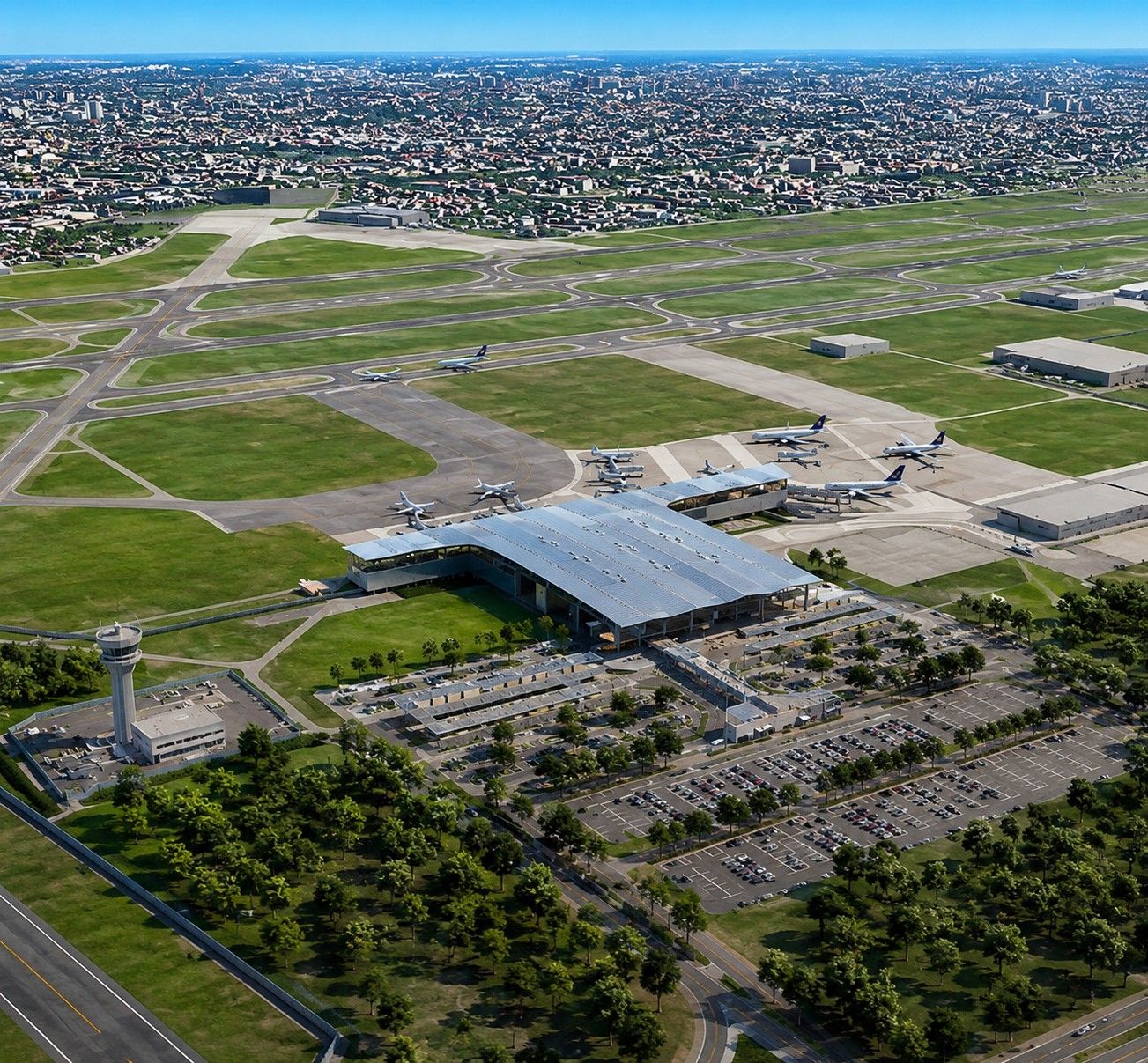
GMR Airports Ltd, on Thursday July 8, 2026, unveiled a comprehensive multi-phase modernisation and expansion roadmap for Nagpur Airport, following the completion of the airport’s privatisation process that handed operational control to the GMR-led GNIAL consortium. The plan begins with an immediate ₹300 crore investment in Phase 1 upgrades and culminates — over a 30-year concession period — in an airport capable of handling 30 million passengers annually, with the potential to eventually reach 50 million. A second runway. A new Air Traffic Control tower. A cargo hub handling 1.5 lakh metric tonnes per year. And a 100-hectare Aerocity that could fundamentally reshape the economic geography of south Nagpur.

This is not an announcement of intent. It is a detailed, phased, time-bound roadmap with specific deliverables at each stage.


Where Nagpur Airport Stands Today — The Baseline

Before understanding where GMR is taking Nagpur Airport, it is important to understand where it currently stands.

Dr Babasaheb Ambedkar International Airport at Sonegaon currently handles approximately 3 million passengers annually — a figure that represents significant growth from a decade ago but that remains well below the airport’s theoretical potential given Nagpur’s strategic location, its role as the geographical centre of India, and its position as a gateway to the MIHAN SEZ and the broader Vidarbha economic region.

The airport has a single runway — a constraint that limits total aircraft movements per hour and creates a bottleneck that no amount of terminal expansion can fully overcome. The existing terminal, while functional, operates under strain during peak periods. Cargo handling, while present, is not developed to the scale that Nagpur’s potential as a logistics hub would justify.

The privatisation to GMR — one of India’s most experienced airport operators, running Delhi’s Indira Gandhi International Airport and Hyderabad’s Rajiv Gandhi International Airport among others — changes the equation fundamentally. GMR brings not just capital but operational expertise, commercial development experience, and a track record of transforming airports from functional infrastructure into economic anchors for their surrounding regions.


Phase 1 — What ₹300 Crore Buys Nagpur in the Next 12 to 18 Months

The first phase of GMR’s investment is deliberately focused on the passenger experience improvements that will be felt immediately by anyone who uses the airport — not in eight years, but within the next year and a half.

The ₹300 crore Phase 1 investment, to be implemented over 12 to 18 months, covers a specific and practical list of upgrades. The existing terminal will be fully refurbished — new interiors, improved wayfinding, better lighting, and a general upgrade of the physical environment that currently feels dated relative to what passengers experience at GMR’s other airports.

Additional check-in counters will be installed, directly addressing one of the most complained-about aspects of the current airport experience — the queue that builds up during morning peak departures when multiple flights are checking in simultaneously. Self-check-in kiosks will be added alongside the traditional counters, giving passengers who have already completed web check-in a faster path to bag drop and security.

The security screening area will be expanded with additional X-ray machines — reducing the bottleneck that currently slows passenger flow between check-in and the departure gate area. An express security lane specifically for passengers travelling with hand baggage only will be introduced — a feature common at major international airports but not yet available at Nagpur, which will meaningfully speed up the experience for light travellers.

Washrooms across the terminal will be upgraded — a simple change that has a disproportionate impact on how passengers rate an airport. Domestic and international card lounges will be developed, giving premium passengers a proper waiting environment that matches what they experience at other major airports. Passenger access and circulation within the terminal will be improved, and bus boarding gates will be expanded to handle additional aircraft stands.

Each of these Phase 1 improvements addresses a specific known pain point at the current airport. Together, they represent a transformation of the passenger experience within the first 18 months of GMR’s management — before any new construction begins.


Phase 2 — The New Terminal and Cargo Hub (Years 3 to 4)

The most structurally significant change in Phase 2 is the construction of an entirely new integrated passenger terminal — purpose-built for Nagpur’s growth trajectory rather than retrofitted from the existing structure.

The new terminal, to be constructed in years three and four of the concession period, will have an initial annual capacity of 4 million passengers — exceeding the airport’s current total capacity from its opening day of operation. The terminal will be designed as an integrated facility handling both domestic and international passengers, with the flexibility to scale further as demand grows.

Phase 2 also brings the airport’s cargo infrastructure to a genuinely competitive level. A new cargo terminal with an annual handling capacity of 20,000 metric tonnes will be constructed — a significant step up from current capabilities and the foundation for Nagpur’s eventual emergence as the cargo hub its geography has always made it capable of becoming.

Supporting infrastructure in Phase 2 includes an in-flight kitchen — a facility that will enable airlines operating out of Nagpur to source catering locally rather than flying meals in from other cities, reducing costs and opening a commercial opportunity for Nagpur-based food service businesses. A new fuel farm with an underground fuel handling system will be developed — providing more efficient and safer fuel management that supports the increased aircraft movements that the new terminal will generate. Improved road connectivity and parking infrastructure will address the access and egress challenges that passengers currently experience during peak departure and arrival periods.

Additional aircraft parking stands will be constructed alongside the new terminal — expanding the number of aircraft that can be simultaneously on the ground, which is a prerequisite for any significant increase in flight frequencies or new route launches.


Phase 3 — The Second Runway and a New ATC Tower (Years 5 to 8)

Phase 3 is where Nagpur Airport’s transformation becomes truly structural — in both the literal and figurative sense.

The construction of a second runway is the single most consequential infrastructure decision in the entire expansion roadmap. A second runway fundamentally changes an airport’s capacity ceiling. With a single runway, every aircraft departure and arrival shares the same strip of tarmac, limiting total movements per hour regardless of how large the terminal is or how many gates are available. A second runway allows simultaneous operations — one aircraft landing while another takes off — essentially doubling the airport’s throughput capacity.

The addition of a second runway is what unlocks the path from 3 million to 30 million passengers. Without it, terminal expansion alone cannot deliver that growth. With it, Nagpur Airport becomes capable of handling the traffic volumes that would make it a genuine regional hub rather than a secondary gateway.

Phase 3 also includes the construction of a new Air Traffic Control tower and associated technical building — infrastructure required to manage the significantly increased aircraft movements that the second runway will enable. Dedicated power and water infrastructure will be developed to ensure that the expanded airport has the utility systems to match its operational scale without depending on the city’s public utility grid.


The Aerocity: 100 Hectares of Commercial Development Around the Airport

Perhaps the most transformative long-term element of the GMR expansion plan — and the one that has the most significant implications for Nagpur’s economic development — is the Aerocity concept.

Of the nearly 1,000 hectares that have been handed over to the GMR-led GNIAL consortium as part of the concession, approximately 100 hectares have been earmarked for commercial city-side development — the Aerocity. This is not airport land in the traditional sense — it is land adjacent to the airport that will be developed as a commercial district oriented around the airport’s activity.

Aerocities — commercial developments built around major airports — are one of the most powerful urban economic development tools of the past two decades. Delhi’s Aerocity, developed by GMR around Indira Gandhi International Airport, has become one of the National Capital Region’s most significant hotel, business, and commercial districts — attracting major hotel chains, corporate offices, retail developments, and logistics operations that generate employment and economic activity far beyond what the airport itself creates.

GMR brings that experience directly to Nagpur. A 100-hectare Aerocity around Dr Babasaheb Ambedkar International Airport — in an area that is already adjacent to the MIHAN SEZ and the developing corridor toward Wardha Road — has the potential to become a significant commercial anchor for south Nagpur. Hotels serving business travellers and transit passengers. Corporate offices for companies that need proximity to air connectivity. Logistics and warehousing operations serving both air cargo and the MIHAN SEZ. Retail and food and beverage developments that serve airport passengers and local residents alike.

The employment generation from the Aerocity, combined with the direct employment at the expanded airport and the induced employment in businesses that benefit from improved air connectivity, makes this one of the most significant economic development announcements for Nagpur in several years.


The Cargo Vision — Making Nagpur the Logistics Hub It Was Always Meant to Be

Nagpur’s geography has long been recognised as ideal for logistics and cargo operations. Located at the geographical centre of India — equidistant from Delhi, Mumbai, Chennai, and Kolkata — Nagpur has, in theory, always been the natural hub for air cargo distribution across the country. The development of the MIHAN SEZ was built partly on this logic.

In practice, Nagpur’s cargo potential has never been fully realised — limited by inadequate air cargo infrastructure and the absence of the direct international routes that would make it competitive with established cargo hubs like Mumbai, Chennai, and Hyderabad.

GMR’s plan to develop cargo handling capacity to 150,000 metric tonnes annually — the Phase 2 cargo terminal handles 20,000 tonnes as the first step — is the most serious attempt yet to convert Nagpur’s geographical advantage into an operational reality. If the cargo infrastructure is developed in parallel with new route launches by major cargo airlines, and if the MIHAN SEZ’s industrial activity generates the outbound cargo volumes that its promoters have long projected, Nagpur could emerge as a genuine air cargo hub within the concession period.


What the Three GMR Leaders Said — The Vision in Their Own Words

Three senior GMR leaders spoke at the announcement — and their words, taken together, frame the ambition and intent behind the roadmap.

GMR Airports Chairman G.B.S. Raju articulated the overarching philosophy: airports are key enablers of economic growth, regional development and social progress. The transformation of Nagpur Airport, he said, reflects the company’s long-term vision of creating a world-class aviation ecosystem. This framing — airports as economic development tools, not just transport infrastructure — is characteristic of GMR’s approach at its other airports and sets the tone for how the company intends to manage Nagpur.

GMR Group Executive Director and Chief Innovation Officer S.G.K. Kishore focused on the sustainability dimension: the expansion aims to build a future-ready and sustainable aviation hub that enhances connectivity while reducing environmental impact. This reflects a broader trend in airport development globally, where environmental sustainability — solar power, water conservation, emissions reduction — is increasingly integrated into infrastructure design from the planning stage rather than added as an afterthought.

Nagpur Airport CEO Srikanth Bhandarkar brought the message closest to the ground: the project is more than an infrastructure upgrade and is intended to transform the overall passenger experience while contributing to Nagpur’s economic growth and strengthening its position as a strategic aviation gateway in central India. The phrase “strategic aviation gateway in central India” is precise and significant — it positions Nagpur not as a secondary airport in Maharashtra’s aviation hierarchy but as the primary gateway for a vast central Indian geography that has been underserved by direct air connectivity.


What This Means for Nagpur Passengers — The Immediate and Long-Term Impact

For the Nagpur resident who flies regularly for business or personal travel, the GMR expansion roadmap translates into a series of concrete improvements across different time horizons.

In the next 12 to 18 months, the Phase 1 improvements will make the airport experience noticeably better — shorter queues, faster security, better lounges, cleaner facilities. These improvements do not require construction of new structures. They are operational and refurbishment changes that GMR can execute within the existing footprint.

Over the next three to four years, the new integrated terminal will open a chapter of genuinely world-class airport infrastructure for Nagpur — a terminal designed for the city’s current and projected traffic rather than retrofitted from a structure built for a smaller, earlier version of the airport’s role.

Over eight years, the second runway and new ATC tower will unlock Nagpur’s ability to host the flight frequencies and route diversity that a 30-million-passenger airport requires. Direct international routes to destinations that currently require a connection through Mumbai, Delhi, or Hyderabad become commercially viable when Nagpur can handle the aircraft movements to support them.

And over the full 30-year concession period, the Aerocity and the cargo hub will make Nagpur’s airport not just a place you pass through but an economic district that generates employment, attracts investment, and contributes to the city’s GDP in ways that go well beyond what a transport facility alone can deliver.


Nagpur Updates Will Track the GMR Expansion

Nagpur Updates will report on GMR’s Phase 1 implementation progress, the Phase 2 terminal construction timeline, new route announcements, and Aerocity development as the expansion roadmap moves from announcement to execution.

Nagpur Is Ready to Become India’s MRO Hub — and Here’s Why the World Should Pay Attention

Nagpur MRO hub India | GMR Nagpur airport redevelopment: For decades, Nagpur’s central location on India’s map has been talked about more than it has been used. That is finally changing.

Union Civil Aviation Minister K Rammohan Naidu announced on June 25 that Nagpur — described as the birthplace of India’s Aerotropolis vision — is well-positioned to become a major aviation, cargo, and aircraft maintenance hub, as the redevelopment of Dr Babasaheb Ambedkar International Airport formally progressed with its handover to GMR Group.

This is not just another government announcement. It is the convergence of geography, investment, policy, and long-overdue momentum — all pointing toward one city.


What Is MRO and Why Does It Matter?

MRO stands for Maintenance, Repair and Overhaul — the backbone of any aviation economy. Every aircraft in service needs regular, certified maintenance. As India’s airline industry continues its explosive growth, the demand for MRO facilities within the country is skyrocketing. Most of India’s MRO work currently goes abroad — to Singapore, Dubai, and Sri Lanka — costing Indian airlines billions in foreign exchange every year.

Bringing that business home — and to Nagpur specifically — is now the government’s stated mission.

Civil Aviation Minister Naidu said Nagpur possesses unmatched geographical, climatic and strategic advantages, making it ideally suited to become India’s leading Maintenance, Repair and Overhaul hub.


The GMR Handover: What Just Happened

The handover ceremony was attended by Maharashtra Chief Minister Devendra Fadnavis, Union Minister Nitin Gadkari, former Union Civil Aviation Minister Praful Patel, GMR Airports Chairman G B S Raju, senior officials from the Civil Aviation Ministry, Airports Authority of India, GMR Group, along with public representatives and industry stakeholders.

This was not a ceremonial event — it was the formal transfer of responsibility for one of central India’s most strategically important airports to one of the world’s leading airport operators.

CM Fadnavis urged GMR to complete the project before 2029, rejecting a proposed 2030 timeline. The message was direct: Nagpur cannot afford to wait any longer.


The Free Trade Zone Plan: A Game Changer

Perhaps the most significant announcement to emerge from the event was not about the airport itself — but what is planned around it.

CM Fadnavis highlighted Nagpur’s central location as a natural aviation and logistics hub and mentioned that the state government is considering establishing a Free Trade Zone linked to MRO activities to attract aircraft maintenance business from Southeast Asia.

A Free Trade Zone dedicated to MRO would mean that aircraft parts, tools, and equipment could move in and out with minimal customs friction — a critical requirement for competitive MRO operations. Right now, complex import duties on aircraft spares are one of the biggest reasons Indian carriers send their planes abroad for maintenance.

If this Free Trade Zone materialises at MIHAN, it would fundamentally shift the economics of MRO in India — and Nagpur would be at the centre of it.


Gadkari’s Vision: Logistics Capital of India

Union Minister Nitin Gadkari, who has been associated with Nagpur’s development vision for decades, made a passionate case for the city’s potential.

Gadkari pointed out Nagpur’s unique geographical position at India’s centre, with Delhi, Mumbai, Chennai, and Kolkata all within short flying distances. He said the city is rapidly becoming the country’s logistics capital, supported by highways, rail connectivity, metro infrastructure, and the success of the MIHAN project.

Reflecting on MIHAN’s origins, Gadkari said the vision for Nagpur as an international passenger and cargo hub was first conceived in the mid-1990s. Despite opposition and legal hurdles, MIHAN has become one of central India’s largest economic success stories, creating employment for over one lakh people and attracting major IT, aerospace, and manufacturing companies.

Gadkari urged the Civil Aviation Ministry to facilitate direct international flights from Nagpur to destinations like Singapore and Dubai, stating that improved connectivity would benefit travellers across Vidarbha, Chhattisgarh, and Madhya Pradesh, while strengthening Nagpur’s role as a gateway to Southeast Asia, Europe, and North America.


The Defence MRO Angle: Bigger Than Just Commercial Aviation

Nagpur’s MRO ambitions are not limited to commercial aircraft. The city is quietly building a defence MRO ecosystem that few other Indian cities can match.

Nagpur hosts public and private-sector defence manufacturers like Yantra India, BrahMos Aerospace, Solar Industries, and more — a growing ecosystem making MIHAN a credible anchor for aerospace and MRO activity.

A Reliance–CMI joint venture has drawn up plans to support MRO and upgrade services for more than 100 Jaguar fighter aircraft, over 100 MiG-29 jets, and the Apache attack helicopter fleet, along with L70 air-defence guns and other legacy systems.

Initial projections indicate the facility could generate around 200 skilled jobs with technicians, engineers, and logistics personnel rising in future phases.

This defence MRO cluster gives Nagpur a dimension that purely commercial aviation hubs like Hyderabad and Delhi currently cannot offer.


What MIHAN Already Has — and What’s Coming

MIHAN is not a blank canvas. It already has serious infrastructure in place.

The project is spread over an area of 4,354 hectares, housing an international airport on 1,350 hectares, in addition to a 1,238-hectare SEZ that includes MRO units for aircraft, Information Technology Parks, Hospitals, and manufacturing and value-added units.

The MRO facility in Nagpur has strong potential considering its strategic geographic location and cost effectiveness. AAR Indamer has also constructed an MRO facility alongside the Air India MRO.

What is coming next — the GMR-led airport redevelopment, the proposed Free Trade Zone, new international flight routes, and the defence MRO complex — will build on this existing foundation rather than starting from scratch.


What This Means for Nagpur’s Economy and Jobs

The ripple effects of becoming India’s MRO hub extend well beyond the airport boundary.

Cargo operations were identified as another major growth driver, helping connect Nagpur’s oranges, handicrafts, artisan products, electronics, and manufactured goods to global markets.

Fadnavis said the airport would serve as a catalyst for investment, employment generation, cargo growth, and overall economic development in the region.

Every aircraft that comes to Nagpur for maintenance needs spare parts, fuel, catering, hotels, ground transport, and hundreds of skilled technicians. The multiplier effect on local employment and business activity is enormous.

Union Cabinet Approves Nagpur Airport Modernisation Under PPP Model — ₹7,000 Crore Upgrade to Transform Central India’s Aviation Hub

Published: May 13, 2026 | Category: Nagpur Local | Nagpur airport GMR upgrade | MIHAN Nagpur airport PPP | By: Nagpur Updates Desk


Big news for Nagpur. Bigger news for Vidarbha.

The Union Cabinet, chaired by Prime Minister Narendra Modi, has approved the modernisation of Dr. Babasaheb Ambedkar International Airport, Nagpur under the Public-Private Partnership (PPP) model. The approval clears the path for a transformational ₹7,000 crore upgrade that will position Nagpur as a world-class aviation hub for Central India.

This is not a routine airport expansion. It is a fundamental reimagining of what Nagpur’s airport can be — and what it can do for the entire Vidarbha region.


What the Cabinet Has Approved

The Cabinet approval greenlights the modernisation and development of Nagpur airport through a PPP concession agreement. GMR Airports Limited (GAL) — one of India’s most experienced airport operators, managing Delhi and Hyderabad international airports — has signed a Concession Agreement with MIHAN India Ltd for the upgrade, development, and operation of the airport.

Under this model, GMR will invest in and develop the airport infrastructure over a defined concession period, while the Maharashtra Airport Development Company (MADC) — through its MIHAN India subsidiary — retains ownership oversight.

The project will be developed in phases, with the total capital investment estimated at ₹7,000 crore.


What the New Nagpur Airport Will Look Like

The upgraded airport will be a massive step up from what exists today. Here is what the new Nagpur airport will include:

New Integrated Terminal Building A brand-new terminal designed to handle 14 million passengers per year. This is a dramatic increase from the current capacity, which has been operating close to its limits. The new terminal will offer modern facilities, seamless passenger flow, and a world-class experience.

Second Runway The airport will get a second runway — a critical addition that will allow simultaneous take-offs and landings, significantly increasing the airport’s operational capacity and reducing delays.

100-Aircraft Parking Capacity The new airport will be able to accommodate approximately 100 aircraft at a time — a scale that reflects Nagpur’s ambitions as a major aviation hub, not just a regional airport.

Total Area: 1,350 Hectares The expanded airport will cover a total area of 1,350.20 hectares — giving it the physical footprint to support all planned infrastructure including runways, terminals, cargo facilities, and support systems.

MRO Facility A dedicated Maintenance, Repair, and Overhaul (MRO) facility will be developed as part of the complex. Nagpur already has an existing AIESL MRO hub that has been expanding its capabilities — the new PPP-developed MRO facility will complement and scale these capabilities significantly.

Special Economic Zone (SEZ) Integration The upgraded airport will be directly connected to a fully operational SEZ — creating a seamless logistics and business ecosystem where manufacturing, warehousing, and international trade can operate in close proximity to aviation infrastructure.

Cargo Terminal A modern cargo terminal will support the growing demand for air freight — particularly important for Nagpur’s position as the geographical centre of India and a natural logistics hub.

New Air Traffic Control (ATC) Tower A new ATC tower will be constructed to support increased traffic volumes safely and efficiently.


Why This Matters for Nagpur and Vidarbha

For decades, Nagpur has been hampered by airport infrastructure that could not keep up with the region’s economic potential. Vidarbha — historically described as Maharashtra’s underdeveloped region — has long needed a world-class aviation gateway to unlock its industrial, commercial, and tourism potential.

The ₹7,000 crore airport upgrade directly addresses this need. Officials believe the airport’s expansion will serve as a catalyst for growth across multiple sectors including manufacturing, aviation, tourism, logistics, and healthcare — benefiting not just Nagpur city but the entire Vidarbha region and beyond.

The Association for Industrial Development (AID) had specifically appealed to PM Modi to fast-track Nagpur airport redevelopment, arguing that modern aviation infrastructure would strengthen connections between Nagpur and domestic and international markets and would catalyse manufacturing and services clusters in the region. The Cabinet approval is, in part, a direct response to that industry demand.


GMR: The Right Partner for the Job

The choice of GMR Airports Limited as the development partner is significant. GMR manages two of India’s busiest and most respected international airports — Indira Gandhi International Airport in Delhi and Rajiv Gandhi International Airport in Hyderabad. It also develops greenfield airports in Andhra Pradesh, Goa, and Bhogapuram.

GMR brings proven expertise in:

  • Large-scale terminal design and construction
  • International aviation operations
  • Cargo hub development
  • Aeronautical infrastructure including taxiways and aprons
  • Technology integration for smart airport operations

For Nagpur, having GMR as the PPP partner means the city will benefit from the same operational and design standards that have made Delhi and Hyderabad among India’s premier aviation hubs.


MIHAN: The Bigger Picture

The airport modernisation does not exist in isolation. It is the centrepiece of MIHAN — Multi Modal International Cargo Hub and Airport at Nagpur — one of India’s most ambitious integrated infrastructure projects.

MIHAN envisions Nagpur as a smart city combining:

  • A world-class international airport
  • A multimodal international cargo hub
  • A connected Special Economic Zone (SEZ)
  • An MRO facility and logistics park
  • Two parallel runways for maximum operational efficiency

The Cabinet approval for the PPP modernisation is a critical step in bringing this vision to full realisation. It provides the clarity, legal framework, and investor confidence needed to accelerate construction timelines.


Nagpur’s Aviation Momentum Builds

The Cabinet approval comes at a time when Nagpur’s aviation story is gathering extraordinary momentum. Just last week, the midpoint RVR safety system was installed at Nagpur airport — completing the airport’s full three-point visibility monitoring network. And Qatar Airways’ direct Nagpur–Doha flights are set to resume from May 21 — restoring vital international connectivity.

Together, these developments paint a compelling picture of an airport — and a city — that is investing seriously in its aviation future. The ₹7,000 crore PPP modernisation is the biggest piece of that puzzle. When complete, Dr. Babasaheb Ambedkar International Airport will be worthy of the name it carries — a world-class gateway that honours Nagpur’s history while powering its future.


What Happens Next

With Cabinet approval now in place, the following milestones will define the project’s progress:

  • Concession Agreement finalisation between GMR and MIHAN India — already signed and now formally backed by Cabinet approval
  • Phase-I construction commencement — new terminal building, apron expansion, and infrastructure groundwork
  • Second runway planning and IAF coordination — a technically complex step given the airport’s shared civil-military status
  • MRO and SEZ development alongside terminal construction
  • Progressive passenger capacity increase as each phase is commissioned

Nagpur Updates will track every major milestone in the Nagpur airport modernisation project and bring you updates as construction progresses. This is one of the most important infrastructure stories in Nagpur’s history — and we will be with you every step of the way.


Tags: Nagpur Airport, GMR Airports, PPP Model, MIHAN Nagpur, MADC, Airport Modernisation, Union Cabinet, Nagpur Aviation, Nagpur Infrastructure, Nagpur Local News 2026

Qatar Airways Restarts Nagpur–Doha Direct Flights from May 21, 2026 — All You Need to Know

Published: May 9, 2026 | Category: Nagpur Local | Nagpur international flights | By: Nagpur Updates Desk


In a major boost for international air connectivity from Nagpur, Qatar Airways is set to resume its direct flights between Nagpur and Doha from May 21, 2026 — much earlier than many passengers had expected. The announcement has been welcomed with relief and excitement by thousands of travellers from Nagpur and across the Vidarbha region who had been left without a direct international air link since the route was suspended earlier this year.

The Nagpur–Doha service is one of the most strategically important international routes operating out of Nagpur’s Dr. Babasaheb Ambedkar International Airport at MIHAN, serving not just leisure and business travellers but also the large community of Vidarbha residents who work in Gulf countries and rely on Doha as a key transit hub for onward connections to Europe, North America, and other global destinations.


Why Was the Flight Suspended?

The Nagpur–Doha route, operated by Qatar Airways, was suspended from February 28, 2026, as part of a broader, large-scale disruption to Qatar Airways’ global operations. The suspension was triggered by the closure of Qatari airspace due to escalating geopolitical tensions and conflict in West Asia, which severely restricted the flight corridors available to Qatar Airways and forced the airline to temporarily halt operations to dozens of destinations worldwide.

The disruption was one of the most significant in Qatar Airways’ recent history. At its peak, the airline had to ground its entire A380 superjumbo fleet and restrict operations to limited QCAA-authorised flight corridors. For passengers on the Nagpur–Doha route, the suspension initially extended until May 15 — with many fearing it could be pushed further.

For Nagpur specifically, the suspension created significant hardship. Passengers who needed to travel to Gulf countries for work, medical treatment, or family visits were forced to take indirect routes — travelling to Mumbai or Delhi first before boarding international flights, adding hours to their journeys and significantly increasing travel costs.


May 21: The Return of Direct Connectivity

The confirmation that Qatar Airways will resume the Nagpur–Doha route from May 21, 2026 — ahead of the earlier suspension deadline — reflects the gradual stabilisation of the regional airspace situation and the airline’s accelerated efforts to restore its global network.

The service is expected to operate five days a week — Tuesday to Saturday, giving passengers regular and frequent options for travel:

  • Flight QR590: Departs Doha at 10:25 AM, arrives Nagpur at 2:50 AM (next day)
  • Flight QR591: Departs Nagpur at 4:50 AM, arrives Doha

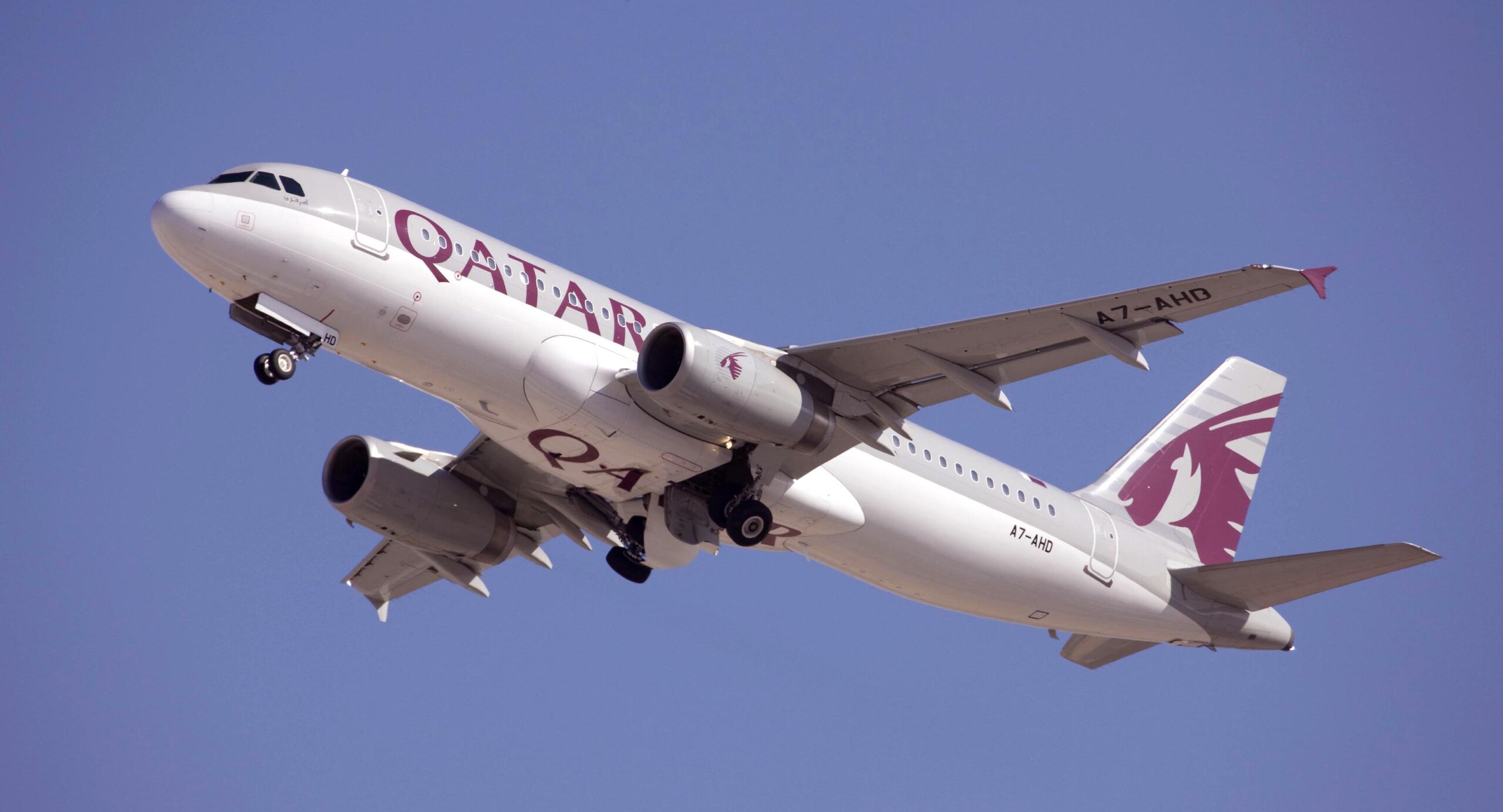
The aircraft deployed on the route is the Airbus A320 — a narrow-body jet well-suited for the Nagpur–Doha sector. Passengers are advised to check the latest schedule directly on the Qatar Airways website or app before booking, as flight timings remain subject to change given the ongoing phased restoration of the airline’s global network.


What About Ticket Prices?

Passengers should be aware that airfares on the Nagpur–Doha route have increased compared to pre-suspension levels. Current fares for the Doha–Nagpur sector are reported to be in the range of ₹70,200 to ₹82,889, compared to the earlier range of ₹48,000 to ₹65,000. The hike is attributed to rising fuel costs since April 2026 and the general increase in aviation costs globally.

While the higher fares may be a concern for some passengers — particularly for workers travelling to Gulf countries for employment — the direct route still offers significant advantages over alternative indirect routing through Mumbai or Delhi in terms of total travel time, convenience, and the elimination of additional domestic airfare costs.

Passengers who had existing bookings that were affected by the suspension are advised to check their booking status on the Qatar Airways app or website. The airline has maintained a flexible booking policy throughout the disruption period, offering complimentary date changes for travel originally booked through September 15, 2026, with changes allowed for travel up to October 31, 2026. Full refunds remain available for passengers who prefer that option.


Why the Nagpur–Doha Route Matters

For those unfamiliar with the strategic significance of this route, it is important to understand what the Nagpur–Doha connection truly means for the region.

Gateway to the Gulf: A large number of residents from Nagpur, Vidarbha, and surrounding regions work in Gulf Cooperation Council (GCC) countries — the UAE, Saudi Arabia, Qatar, Kuwait, Bahrain, and Oman. For these workers and their families, the direct Nagpur–Doha flight eliminates the need for a costly and time-consuming detour through Mumbai or Delhi. It brings their home city closer to their workplace.

Gateway to the World: Doha’s Hamad International Airport — rated among the world’s best airports — is one of the premier aviation hubs globally. Qatar Airways’ extensive network from Doha connects passengers to Europe, North America, Africa, Southeast Asia, and Australia with seamless one-stop connectivity. For a Nagpur-based passenger wanting to fly to London, New York, Sydney, or Frankfurt, the direct Nagpur–Doha flight followed by a Qatar Airways connection is often the fastest and most convenient option.

Business and Education: Nagpur is home to several major educational institutions, corporate headquarters, and growing business activity. The direct Doha connection supports the movement of students, business professionals, and academics between central India and the international community.


Air Arabia Already Back — Nagpur’s International Connectivity Rebuilding

The return of Qatar Airways’ Nagpur–Doha service comes alongside the earlier resumption of Air Arabia’s Sharjah–Nagpur–Sharjah flights from April 3, 2026, operating twice a week on Fridays and Sundays. Together, these developments mark a meaningful recovery of Nagpur’s international air connectivity after months of disruption.

The MIHAN airport at Nagpur has been steadily growing as an international aviation gateway for Central India. Just as the city has been in the news recently for civic developments — from the controversy over facilities at the Passport Office in Sadiqabad to infrastructure discussions around public transport and civic amenities — the return of international flights is a reminder of Nagpur’s growing importance as a major Indian city with global aspirations.


What Passengers Should Do Now

If you are planning to travel on the Nagpur–Doha route after May 21, here is what you should keep in mind:

  • Book early — seats on the resumed service are likely to fill up quickly given the pent-up demand from months of suspension
  • Verify the schedule at qatarairways.com or through a trusted travel agent before finalising plans, as timings may be updated
  • Check visa requirements for your destination, as travel documentation rules may have changed during the suspension period
  • Existing booking holders should log in to the Qatar Airways app to confirm their booking status and explore date change options if needed
  • Budget for higher fares — as noted, ticket prices have increased compared to pre-suspension levels

A Welcome Development for Nagpur

The resumption of the Qatar Airways Nagpur–Doha service from May 21, 2026 is genuinely good news for Nagpur and for Vidarbha. It restores a vital international link, supports the livelihoods of thousands of Gulf-based workers and their families, and reinforces Nagpur’s position as an emerging international aviation hub for Central India.

Nagpur Updates will bring you further details on the flight schedule, booking updates, and any additional international route announcements for Nagpur as they become available. Stay tuned!


Tags: Qatar Airways, Nagpur Doha Flight, MIHAN Nagpur, International Flights Nagpur, Nagpur Aviation, Vidarbha Travel, Nagpur Local News, Gulf Connectivity

Exit mobile version