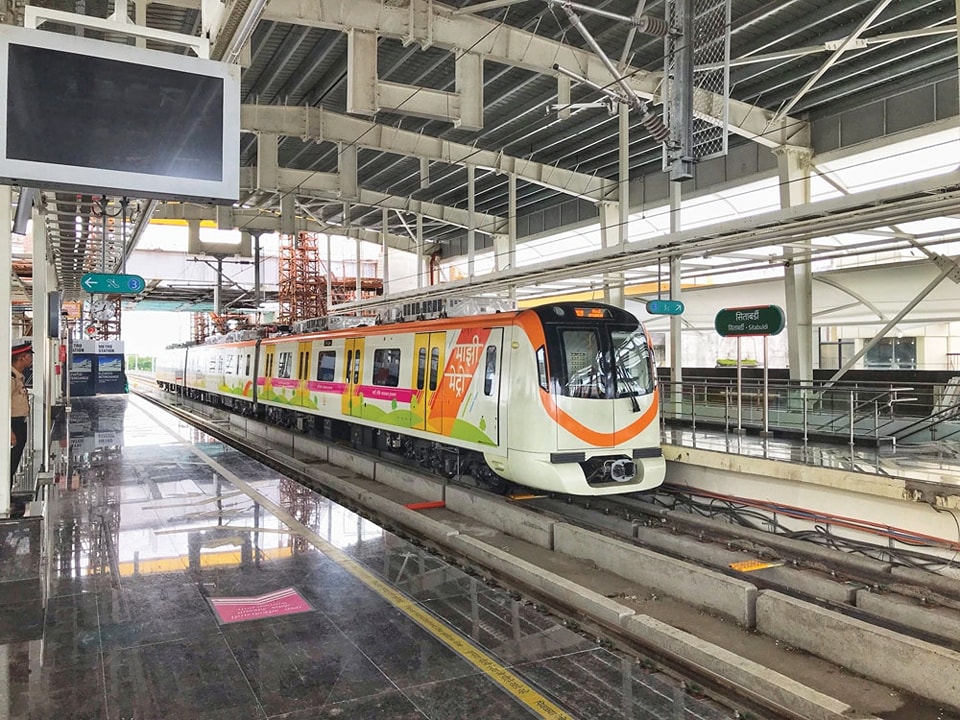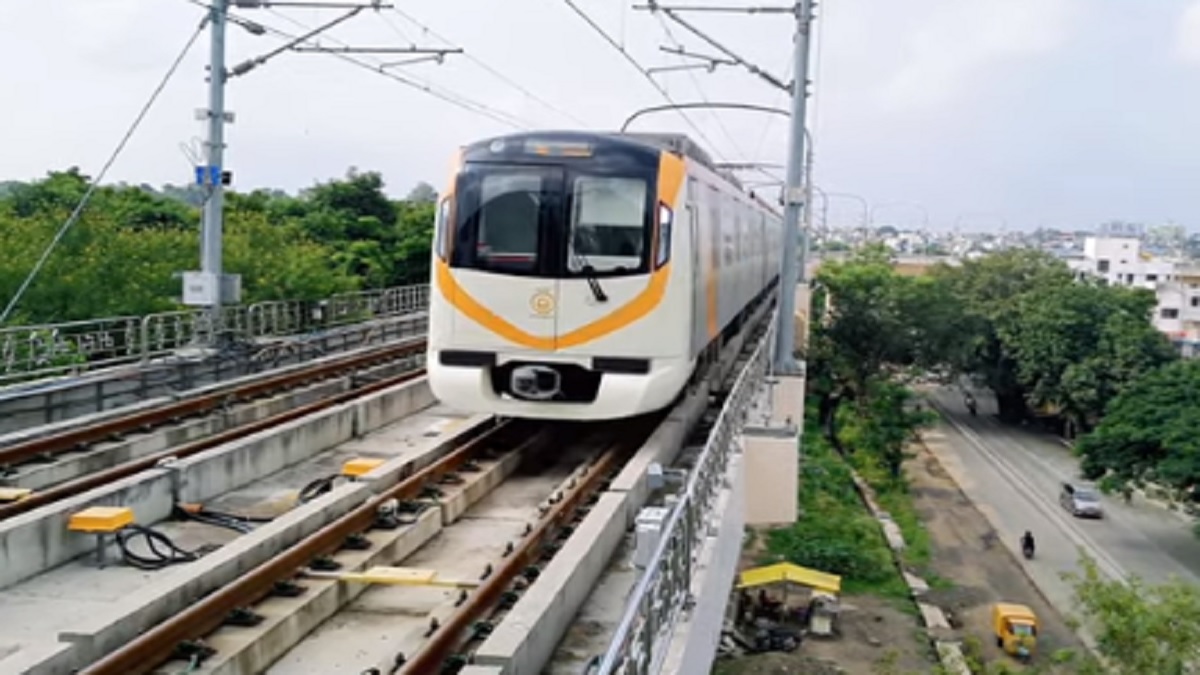
Nagpurians Use Metro Pillar Numbers as Address Markers

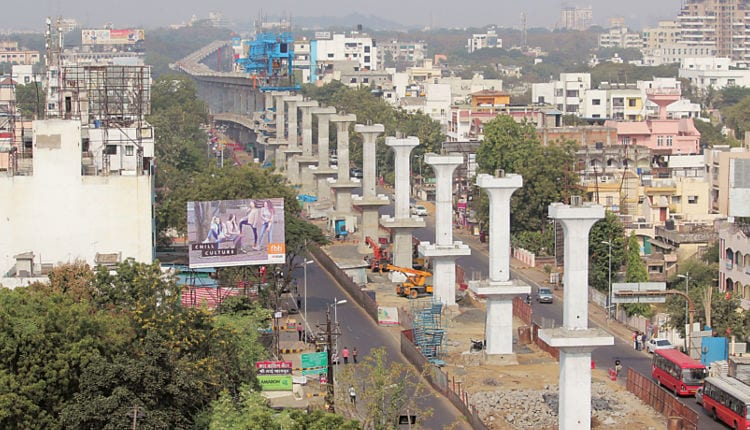
Nagpur Metro Pillar Addresses: In a city undergoing rapid transformation, Metro pillars have emerged as unconventional yet highly effective address markers. Nagpurians are now using Metro pillar numbers to simplify navigation, a trend inspired by similar practices in New Delhi. But why is this happening, and what does it mean for urban navigation? Let’s explore.

The Rise of Metro Pillar Navigation

How It Started

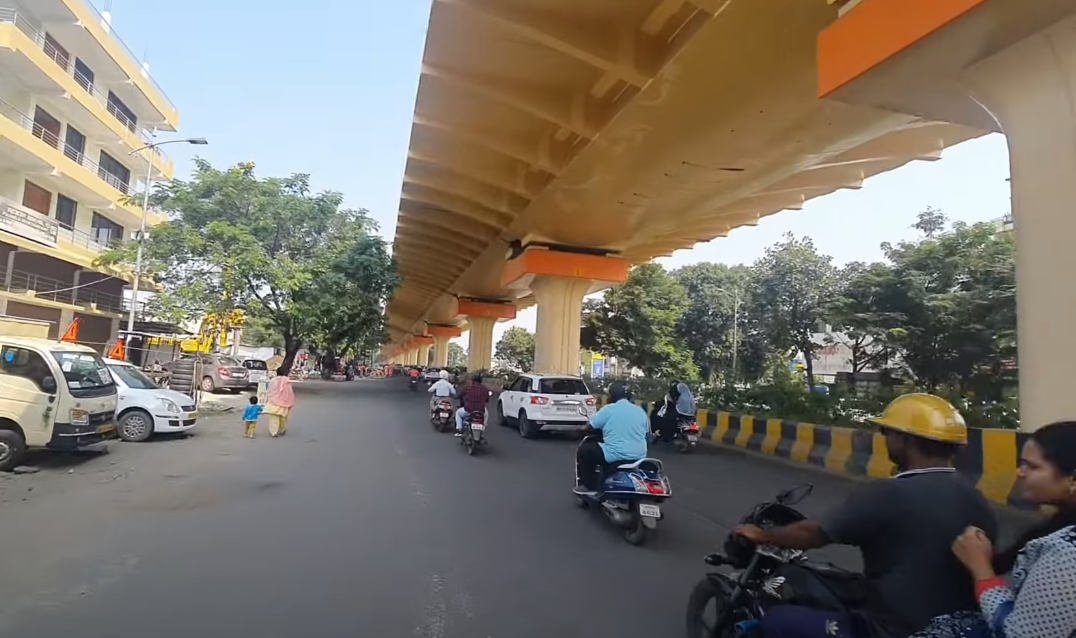
Metro infrastructure projects not only reshape cityscapes but also redefine how people interact with their surroundings. In Nagpur, Metro pillars are sequentially numbered and prominently placed, making them reliable reference points for locals, auto drivers, and delivery personnel.

Why Metro Pillars Over Traditional Landmarks? |Nagpur Metro Pillar Addresses

  • Google Maps is not always accurate – In developing areas like Hingna Road and Ambazari, digital maps often suggest longer or confusing routes.
  • Lack of permanent landmarks – Unlike well-established roads, newer areas lack widely recognized landmarks.
  • Ease of communication – Saying “opposite pillar number 45” is simpler than explaining complex address details.

Adoption Across Different Sectors

1. Businesses and Commercial Hubs

Retailers, hotels, and showrooms find Metro pillar numbers invaluable for directing customers. Tejinder Singh Renu, president of the Nagpur Residential Hotel Association, confirms that businesses near main roads benefit greatly from this trend.

2. Residential Use Cases

Residents near Metro lines also rely on pillar numbers to guide guests and delivery agents efficiently. Mahal resident Vivek Jibhkate notes that while online maps suggest longer routes, directing people to the nearest Metro pillar simplifies navigation.

3. Logistics and Delivery Services

Courier and food delivery agents use Metro pillars as reference points to reach destinations faster, reducing confusion caused by incomplete or unclear addresses.

Impact on Urban Navigation

1. Reducing Confusion for Commuters

With pillar numbers being sequential, navigation becomes more structured. Even for first-time visitors, locating an address becomes a hassle-free experience.

2. Enhanced Public Transport Coordination

Metro officials acknowledge the practical benefits of pillar-based navigation, as it allows commuters to reference specific pillars when planning trips or meeting points.

3. A Step Toward Smart City Initiatives

Using Metro pillar numbers aligns with modern urban planning strategies, fostering a smarter and more efficient city infrastructure.

Challenges and Limitations

1. Dependency on Metro Infrastructure

While effective near Metro corridors, this method does not benefit areas further away from Metro stretches.

2. Lack of Official Recognition

As of now, Metro pillar numbers are not officially recognized as address markers by government authorities.

3. Changes Due to Future Developments

City expansions and additional roadwork may impact the permanence of pillar-based navigation.

The use of Metro pillar numbers as address markers in Nagpur is a testament to the city’s adaptability and innovation in urban navigation. While not a replacement for conventional addresses, this trend offers a practical solution to locating places efficiently. As the city continues to evolve, Metro pillar numbers may become an integral part of its navigation culture.

1. Why are Nagpurians using Metro pillar numbers for navigation?

Metro pillars provide a clear, sequential, and easily visible reference point, making navigation simpler in fast-developing areas.

2. Can Metro pillar numbers replace traditional addresses?

No, but they serve as an effective supplement, especially in areas with fewer permanent landmarks.

3. Are businesses officially recognizing pillar numbers in their addresses?

While not officially recognized, many businesses informally use them to guide customers and delivery personnel.

4. Do other cities in India use Metro pillars as address markers?

Yes, this trend originated in New Delhi and has been adopted in other metro cities as well.

5. Will the government officially adopt Metro pillar numbers for navigation?

There is no official confirmation yet, but if the trend continues, authorities may consider formalizing it.

MahaMetro Partners with Switch E-Ride to Boost Last-Mile Connectivity

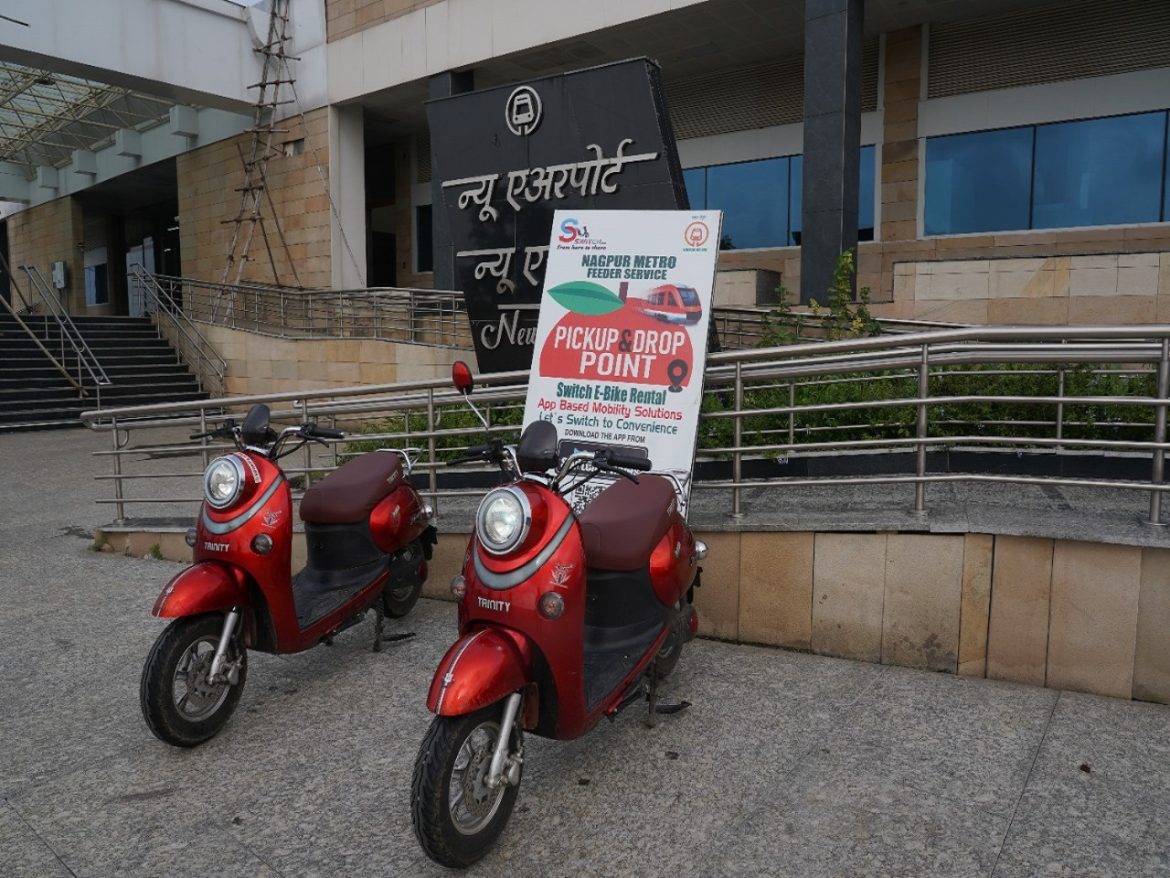
MahaMetro Switch E-Ride Service: Picture this: you hop off the metro, and instead of struggling to find a rickshaw or waiting for a cab, an eco-friendly e-scooter awaits you. Sounds convenient, doesn’t it? That’s precisely what MahaMetro Nagpur is bringing to life through its exciting partnership with TS Switch E-Ride Private Limited. This collaboration aims to revolutionize urban transport in Nagpur by bridging the gaps in last-mile connectivity with a futuristic, app-based e-scooter sharing service.


What is the MahaMetro and Switch E-Ride Partnership?

MahaMetro Nagpur has joined hands with Switch E-Ride to launch a seamless e-scooter service for commuters. The initiative is a step towards building a sustainable, cost-effective, and convenient transportation network for the city.

Key Highlights of the Partnership

  • App-Based E-Scooter Service: Users can book, track, and pay for rides directly through a dedicated smartphone app.
  • Real-Time Updates: Get instant information about e-scooter availability, routes, and costs.
  • Dedicated Parking: Strategically placed parking stations near Metro stops ensure convenience.

How Does the E-Scooter Sharing Service Work?

Step 1: Download the App

Start by downloading the Switch E-Ride app from your smartphone’s app store. The app is designed to provide a user-friendly experience, complete with real-time updates.

Step 2: Book Your Ride

Log in, locate the nearest e-scooter on the map, and book your ride. You’ll receive an access code to unlock the scooter.

Step 3: Ride and Return

Hop on your e-scooter, reach your destination, and park it at a designated docking station.


Why This Initiative Matters

1. Enhancing Last-Mile Connectivity

Nagpur’s Metro stations are now gateways to destinations beyond the metro network. This service fills the gaps, ensuring commuters reach their final stops effortlessly.

2. Promoting Sustainability

Electric scooters produce zero emissions, making them a green alternative to fuel-based vehicles. They’re helping Nagpur breathe a little easier while reducing its carbon footprint.

3. Cost-Effective Travel

E-scooters offer affordable travel options, cutting down on expensive cab fares or parking fees.


Safety Measures in Place

1. Regular Maintenance

E-scooters will undergo routine checks to ensure they are in top-notch condition.

2. Staff Verification

All staff members involved in the service are police-verified to enhance commuter safety.

3. Compliance with Regulations

The service complies with government safety standards to provide a secure riding experience.


Strategic Features of the Service

1. Mobile Wallet Integration

Paying for your ride is as simple as scanning your mobile wallet—no cash required!

2. Real-Time Tracking

Track your e-scooter’s location, ensuring no time is wasted waiting or searching.

3. Schedule Alignment

The e-scooter service operates in sync with Metro schedules, starting 15 minutes before the first train and closing 15 minutes after the last train.


Impact on Nagpur’s Urban Mobility

1. Boosting Metro Ridership

The ease of last-mile connectivity is expected to encourage more people to use Metro services.

2. Reducing Traffic Congestion

Fewer private vehicles mean less traffic on the roads, improving the city’s overall mobility.

3. Setting a Benchmark

This partnership serves as a model for other cities aiming to enhance public transportation systems sustainably.


Collaborative Efforts for Expansion

MahaMetro is working with local planning authorities to identify additional docking stations across the city. This expansion aims to ensure that the e-scooter service reaches more areas, making urban mobility truly accessible to all.


MahaMetro’s partnership with Switch E-Ride is more than just a transportation upgrade—it’s a giant leap toward a cleaner, greener, and smarter Nagpur. Whether you’re a daily commuter or someone exploring the city, this initiative promises a seamless, cost-effective, and eco-friendly travel experience. So, the next time you’re heading out, why not ride the wave of change on an e-scooter?


1. How do I book an e-scooter?

Download the Switch E-Ride app, locate a nearby scooter, and book your ride instantly.

2. Are the e-scooters safe to use?

Yes, the e-scooters undergo regular maintenance, and all operations comply with safety standards.

3. Where can I park the e-scooter after my ride?

Designated docking stations near Metro stations are available for parking your e-scooter.

4. What are the costs involved?

The app provides transparent pricing details based on ride distance and time.

5. Is the service available 24/7?

No, the service aligns with Metro schedules, starting 15 minutes before the first train and ending 15 minutes after the last train.

Nagpur Metro: Phase II to Expand Network by 43.8 km, Enhancing City Connectivity

The Nagpur Metro has become a transformative force in public transportation for the city of Nagpur, Maharashtra. As the “Orange City” and the geographical center of India, Nagpur is poised for rapid urban development. The introduction of the metro system by the Maharashtra Metro Rail Corporation Limited (Maha-Metro) offers a reliable, eco-friendly, and efficient mode of transportation that aims to address the city’s growing population and the increased demand for public transit. With Phase I already revolutionizing the transportation network, Phase II is set to extend the system by 43.8 kilometers, offering even greater connectivity to the city and its suburban areas.

Overview of the Nagpur Metro

Phase I: A Groundbreaking Start

Phase I of the Nagpur Metro, launched in 2022, consisted of two key corridors:

  • Orange Line (North-South Corridor): Spanning 19.65 kilometers, this line connects Automotive Square in the north to Khapri in the south. With 18 stations, including critical points like Sitabuldi Interchange, Airport South, and Ajni Square, it serves bustling residential, commercial, and industrial hubs.
  • Aqua Line (East-West Corridor): Covering 18.55 kilometers, the Aqua Line connects Prajapati Nagar in the east to Lokmanya Nagar in the west, featuring 19 stations. This corridor provides seamless access to key areas such as Kasturchand Park, Sitabuldi, and Hingna, benefiting students, professionals, and shoppers alike.

Together, these two lines form a 38.2-kilometer metro network with 36 stations and two depots (located at Mihan and Hingna). The fully operational system is already reshaping the city’s transit landscape.

Phase II Expansion: Extending the Network

The Need for Expansion

The success of Phase I has paved the way for Phase II, which will extend the metro network by 43.8 kilometers and include 32 new stations. This expansion is crucial in addressing the increasing demand for a more comprehensive transit system. With a growing population and expanding urban sprawl, the metro system will play a vital role in connecting new and existing residential, commercial, and industrial areas.

Key Extensions in Phase II

The major extensions planned for Phase II include:

  • Orange Line Extension:
    • Khapri to Butibori MIDC ESR (18.5 km): This extension will connect the northern and industrial zones of Nagpur, providing enhanced access to one of the city’s key industrial hubs.
    • Automotive Square to Kanhan River (13 km): This extension will cover important residential and commercial areas, further enhancing connectivity.
  • Aqua Line Extension:
    • Lokmanya Nagar to Hingna (6.6 km): This will improve connectivity to suburban areas and facilitate access to educational institutions and healthcare facilities.
    • Prajapati Nagar to Transport Nagar (5.5 km): This route will connect key transportation hubs, benefiting both commuters and industrial workers.

These extensions will significantly enhance the network’s reach, particularly to suburban areas, industrial zones, and underserved neighborhoods.

Cost and Funding of Phase II

The estimated cost for Phase II of the Nagpur Metro is INR 6,708 crore. The funding will come from the Government of India, Government of Maharashtra, and international agencies like the Asian Development Bank (ADB) and KfW Development Bank. This financial model ensures that the project can be completed on time and within budget, contributing to the overall growth and development of Nagpur.

Comparing Phase I and Phase II Costs

While Phase I was initially estimated at INR 8,650 crore, it eventually cost INR 9,279 crore due to unforeseen challenges. For Phase II, however, the projected cost is INR 6,708 crore, reflecting more efficient planning and implementation. These investments are expected to provide significant returns in terms of improved mobility, economic growth, and quality of life for Nagpur’s residents.

The Impact of Phase II on Nagpur’s Connectivity

Improved Connectivity for Industrial Areas

Phase II will provide improved access to Nagpur’s rapidly growing industrial zones. The extension of the Orange Line to Butibori and Kanhan River will enhance connectivity to these hubs, facilitating smoother commutes for workers and boosting industrial growth.

Connecting Suburban Regions

The Aqua Line extension will connect suburban areas like Hingna and Transport Nagar to the city center, making it easier for residents to access essential services, work, and education. This will help reduce congestion on roads and improve overall quality of life.

Reducing Traffic Congestion

With more people opting for the metro, Phase II is expected to significantly reduce traffic congestion in Nagpur. As more commuters use the metro for daily travel, fewer cars on the roads will result in smoother traffic flow, less pollution, and reduced stress for everyone.

Economic Growth and Real Estate Development

The metro’s expansion is likely to trigger further real estate development along the new corridors. Areas near metro stations are already seeing rising property values and increased business activity. As the metro becomes more accessible, property prices in surrounding areas will continue to appreciate, contributing to Nagpur’s economic growth.

Challenges and Solutions

Ridership Challenges

Since its launch, the Nagpur Metro has experienced varying ridership levels. While there was a significant spike during the Dussehra festival in October 2024, with 1.44 lakh passengers, ridership has dropped due to fare hikes. This has led to monthly operating losses of INR 25 to INR 30 million.

To address these challenges, the government and Maha-Metro will need to focus on affordable fare structures and improving last-mile connectivity. Making the metro accessible to a larger section of the population will help increase ridership and ensure the system’s long-term success.

Improving Last-Mile Connectivity

One of the most significant factors in the success of any metro system is last-mile connectivity. In Nagpur, the introduction of feeder buses, rickshaws, and bike-sharing systems will help connect metro stations to residential areas, commercial districts, and industrial zones, making it easier for commuters to access the metro.

The Future of Nagpur Metro

A Model for Other Tier-II Cities

The Nagpur Metro stands as an example of how Tier-II cities in India can leverage public transportation to promote urban development. With Phase II set to expand the metro network by an impressive 43.8 kilometers, Nagpur is on its way to becoming a model for other cities looking to modernize their transport systems.

Sustainable Urban Planning

The Nagpur Metro project is not just about expanding public transportation; it’s also a key part of the city’s sustainable urban planning. By reducing reliance on private vehicles, the metro will help reduce air pollution, mitigate traffic congestion, and create a cleaner, greener environment for future generations.

The expansion of the Nagpur Metro in Phase II is a game-changer for the city’s public transportation system. With a well-designed network of 43.8 kilometers and 32 new stations, the metro will enhance connectivity across Nagpur, linking industrial zones, suburban areas, and key commercial hubs. While challenges remain, such as improving ridership and last-mile connectivity, the future looks bright for Nagpur Metro. As the project continues to progress, Nagpur is set to become a model for smart urban development, paving the way for other cities in India to follow suit.

  1. What is the cost of Phase II of the Nagpur Metro?
    • The estimated cost of Phase II is INR 6,708 crore.
  2. What are the key extensions in Phase II of the Nagpur Metro?
    • Phase II includes extensions of the Orange Line to Butibori and Kanhan River, and the Aqua Line to Hingna and Transport Nagar.
  3. When was Phase I of the Nagpur Metro completed?
    • Phase I was fully operational by December 2022.
  4. How will Phase II benefit the city of Nagpur?
    • Phase II will enhance connectivity to suburban and industrial areas, reduce traffic congestion, and stimulate economic growth.
  5. What challenges does the Nagpur Metro face?
    • Challenges include varying ridership levels and the need for affordable fare structures and improved last-mile connectivity.

Nagpur Metro’s Parking Woes: 3,200 Spots for One Lakh Riders

Nagpur Metro Parking Woes: The rise of urban metro systems has been celebrated as a solution to congested cities and polluted air. In Nagpur, the newly established metro network has shown great promise. However, a pressing issue has emerged that is causing frustration among its commuters—limited parking spaces. Despite a daily ridership averaging one lakh, the city’s 36 metro stations offer only 3,200 parking spots. With such limited availability, how can the Nagpur Metro effectively handle the demand?

The Disconnect Between Ridership and Parking Capacity

Nagpur Metro’s parking dilemma reflects a broader challenge facing many urban transport systems—ensuring seamless first-mile connectivity. The metro may efficiently serve its passengers during their journey, but the lack of adequate parking facilities at key stations hampers the overall user experience.

The Numbers Behind Nagpur Metro’s Parking Shortage

As per the data shared by Mahametro, the 36 stations collectively offer:

  • 992 bicycle spots
  • 1,654 two-wheeler spots
  • 498 four-wheeler spots
  • 35 spots for persons with disabilities (PwDs)

This capacity caters to only 4% of the total riders, creating a significant parking crunch, particularly for two-wheeler and four-wheeler commuters.

A Real-World Struggle: Swapnil’s Experience

Swapnil Wadibhasme, a 33-year-old businessman who travels daily from Prajapati Nagar Metro station, shares his frustrations: “Finding a parking spot has become an increasingly frustrating ordeal. Many people use the parking facilities without taking the metro, which creates unnecessary congestion.”

At Prajapati Nagar station, over 4,500 commuters compete for just 60 two-wheeler spots and 20 bicycle spots. There isn’t even a single four-wheeler parking space available, which severely limits options for commuters who rely on their cars. Overcrowded parking lots and illegal footpath parking only exacerbate the issue, leading to chaos.

Disabilities, Congestion, and Commuter Struggles

The situation is even worse for commuters with disabilities. Of the 36 metro stations, 15 do not provide any parking spaces for PwDs. Out of the remaining stations, 5 only offer space for one vehicle. This lack of inclusivity is another glaring issue that needs to be addressed to ensure equitable access for all commuters.

Stations With Significant Parking Shortages

  • Prajapati Nagar: No four-wheeler parking spaces.
  • Chitar Oli: Struggles with limited parking for two-wheelers.
  • Lokmanya Nagar: Crowded parking spaces often spill over onto footpaths, causing disruption.

Commuter Feedback: The Impact of Parking Woes

Sanjay Karade, a 65-year-old resident of Mahal, shares his challenge: “The Chitar Oli Metro station is convenient, but it’s over a kilometer away, and walking is difficult due to my age. If I ride my two-wheeler, finding a parking spot is often a struggle. I end up taking a cab instead.”

Shubh Jha, a student, further highlights the issue: “I’ve been commuting for two years from Chitar Oli, and the parking is so crowded that my moped often gets scratched. The situation is the same at Lokmanya Nagar, where people park on footpaths, forcing pedestrians to walk on busy roads.”

Key Metro Stations and Their Parking Capacities

While some stations have better parking arrangements than others, the overall supply remains insufficient.

Orange Line: The Best of a Bad Situation

  • Bicycle parking: 712 spots
  • Two-wheeler parking: 1,347 spots
  • Four-wheeler parking: 437 spots
  • PwD parking: 20 spots

Despite these relatively higher numbers, it’s clear that the current capacity still falls short of accommodating the increasing demand. For example, Zero Mile station, which serves as a major hub, offers ample parking for bicycles and two-wheelers but lacks parking space for four-wheelers.

Aqua Line: Underwhelming Availability

  • Bicycle parking: 280 spots
  • Two-wheeler parking: 368 spots
  • Four-wheeler parking: 8 spots
  • PwD parking: 15 spots

The Aqua Line, though essential for the city, provides only minimal parking capacity, leaving commuters with limited options.

The Ripple Effect: How Parking Issues Affect Traffic and Safety

The parking woes don’t only affect metro riders. They contribute to a vicious cycle of congestion on city streets. As commuters search for parking or resort to illegal parking on footpaths, the streets become more chaotic, adding to traffic woes and posing safety risks for pedestrians.

Public Transport Alternatives: The Solution to Nagpur’s Parking Crisis?

To ease the pressure on parking, Mahametro encourages commuters to use public transport options like buses and bicycles, which can be brought onto the metro. However, this approach only partially addresses the issue of parking for vehicles that must be left behind at stations.

Could More Investment in Parking Infrastructure Help?

One obvious solution to the parking shortage is an increased investment in parking infrastructure. Expanding the number of spaces at existing stations and creating dedicated parking areas for four-wheelers and PwDs could drastically improve the commuter experience.

 The Need for Action to Solve Nagpur Metro’s Parking Crisis

Nagpur Metro’s parking issues are more than just a logistical challenge; they reflect a need for more comprehensive planning in urban transport systems. While Mahametro has focused on improving last-mile connectivity, first-mile connectivity—ensuring commuters have a place to park—remains an equally pressing concern. Without addressing these issues, Nagpur’s metro system risks hindering its full potential and causing further inconvenience to commuters.

As the city continues to expand, there is a clear call for authorities to take action. More parking spaces, particularly for four-wheelers and people with disabilities, are essential to support the growing number of commuters and ensure a smoother experience for all users.

  1. Why is there a shortage of parking spaces at Nagpur Metro stations? The parking capacity is insufficient due to underestimation of ridership growth and lack of long-term planning for parking infrastructure.
  2. How many parking spaces are available for bicycles at Nagpur Metro stations? There are 992 parking spots for bicycles across 36 metro stations.
  3. How does the parking shortage affect commuters? Commuters face overcrowded parking lots, illegal footpath parking, and damage to their vehicles, making commuting stressful and inconvenient.
  4. What is Mahametro doing to address the parking issues? Mahametro is focused on improving first-mile connectivity and encourages the use of public transport options like buses and bicycles.
  5. How can Nagpur improve its parking situation for the metro? Expanding parking facilities, particularly for four-wheelers and PwDs, and better management of available spaces are key solutions.

Indora Square’s Metro Station To Open Today

Nagpur commuters, rejoice! The long wait for the Indora Square Metro Station is finally over. Starting from 6 PM on Friday, December 20, the station will officially begin its passenger services. With this addition, Nagpur Metro’s Phase-I project, encompassing all 38 stations, will be fully operational. Let’s dive into the details and explore why this station’s opening is such a significant milestone.

The Big Day: December 20

The excitement surrounding Indora Square Metro Station’s inauguration is palpable. The first trains from Automotive Square and Khapri stations will arrive at 6:05 PM and 6:02 PM, respectively. Located on the Orange Line, this station bridges the gap between residential and commercial hubs in the city.

A Journey Marked by Delays

The Land Acquisition Hurdle

Construction for Indora Square began in November 2022, shortly after land acquisition was finalized in October 2022. Compared to other Phase-I stations, where land acquisition wrapped up by 2016, Indora Square faced significant delays.

Missed Deadlines

Initially slated to open in April 2024, the station’s inauguration was postponed multiple times—to June, August, and then November. Each delay brought frustration and protests from commuters and local organizations.

Awaiting Certification

Even after the station was declared ready, it awaited inspection and approval from the Commissioner of Metro Rail Safety (CMRS). The CMRS’s inspection on November 26 highlighted minor compliances, which were promptly addressed. With certification now in hand, the station is set to welcome the public.

Why Indora Square Metro Station Matters

Boosting Connectivity

The station is strategically located to serve areas like Pachpaoli, Jaripatka, Kamal Chowk, and Mecosabagh. These are bustling zones with a mix of residential and commercial activities.

Easing Commuter Struggles

Before its opening, nearby stations like Kadbi Chowk and Nari Road catered to over 2,000 passengers daily. Approximately 500-700 commuters were inconvenienced due to Indora Square’s inaccessibility. This new station will undoubtedly alleviate pressure on surrounding hubs.

Catalyst for Economic Growth

By improving connectivity, the station is expected to boost local businesses and make daily commutes smoother for thousands of residents.

Features of Indora Square Metro Station

Modern Amenities

  • Elevators and Escalators: Seamless access to platforms.
  • Parking Facilities: Adequate space for two-wheelers and cars.
  • Digital Displays: Real-time train schedules and updates.

Safety Measures

  • CCTV Surveillance: 24/7 monitoring for passenger safety.
  • Fire Safety Systems: Comprehensive measures to handle emergencies.

Sustainability Focus

The station integrates eco-friendly features such as energy-efficient lighting and water-saving systems.

Impact on Nagpur’s Metro Network

Phase-I Completion

With Indora Square operational, all 38 stations under Phase-I are now active. This milestone marks a significant achievement in Nagpur Metro’s journey.

Enhanced Orange Line Services

The Orange Line’s connectivity from Khapri to Automotive Square is now more robust, making travel across the city faster and more efficient.

What Commuters Can Expect

Smooth Operations

The station’s advanced systems ensure punctual train arrivals and departures. Say goodbye to long waits!

Affordable Travel

Nagpur Metro’s cost-effective ticketing system makes it a budget-friendly choice for daily commuters.

Improved Accessibility

With features like wheelchair-friendly access and tactile pathways, the station is inclusive for all.

Challenges Faced During Construction

Land Disputes

Negotiations for land acquisition took longer than expected, delaying the project’s timeline.

Resource Allocation

Redirecting manpower and materials from other projects to expedite Indora Square’s construction was a logistical challenge.

Public Backlash

Prolonged delays sparked protests, highlighting the urgency of completing the station.

Looking Ahead: Future Metro Expansions

Nagpur Metro’s success story doesn’t end here. Plans for Phase-II are already in motion, promising even greater connectivity for the city.

The opening of Indora Square Metro Station is a landmark moment for Nagpur. It’s not just about a new station; it’s about enhancing lives, boosting the economy, and fulfilling long-awaited promises. So, if you’re in Nagpur, why not take a ride and experience this new chapter in the city’s transportation history?

1. What time will the Indora Square Metro Station open?

The station will begin passenger services at 6 PM on December 20.

2. Why was the station’s opening delayed?

Delays were primarily due to land acquisition issues and pending certification from the CMRS.

3. How will the station benefit commuters?

It will improve connectivity, ease congestion at nearby stations, and make daily travel more convenient.

4. What are the station’s key features?

Modern amenities, robust safety measures, and eco-friendly systems make it a standout facility.

5. What’s next for Nagpur Metro?

Phase-II expansions are in progress, aiming to further enhance the city’s metro network.

Nagpur Metro Achieves Ridership Milestone of 1.44 Lakh on Saturday

Riding high on extended train timings and a festive mood, the Nagpur Metro witnessed a remarkable milestone last Saturday with an impressive ridership of 1,44,059. This significant surge in passengers came amidst celebrations of Dhamma Chakra Pravartan Din, Dussehra, and Ravan Dahan on October 12th. The combination of these major events drew disciples, citizens, and visitors from across the state and country, helping Maha Metro Nagpur set a new ridership record for the year.

A Festive Day That Boosted Nagpur Metro Ridership

The key to this achievement was the synergy between celebratory events and the well-timed measures taken by Maha Metro Nagpur. On this festive day, the city was bustling with activity, and the extended operational hours of the Metro trains proved to be a masterstroke in ensuring commuters could travel comfortably and efficiently.

Extended Train Timings: A Vital Move

In anticipation of the crowds expected to gather for the celebrations, Nagpur Metro extended its train services to operate until midnight. Commuters from the four main terminal stations – Khapri, Automotive Square, Lokmanya Nagar, and Prajapati Nagar – were able to travel late into the night, ensuring no one missed out on the festive spirit. This extension was crucial for Nagpurians and visitors alike, enabling them to participate in the city’s rich cultural traditions without worrying about their return journey.

Celebratory Events and Their Impact on Ridership

Dhamma Chakra Pravartan Din: A Gathering of Thousands

Dhamma Chakra Pravartan Din is a significant occasion for thousands of disciples who flock to Deeksha Bhoomi each year to commemorate the event. This year, with activities organized across the city, disciples found the Metro to be a convenient and reliable mode of transportation. The seamless travel experience contributed to the Metro’s record-breaking ridership, as commuters moved easily between key city locations.

Dussehra and Ravan Dahan: Festive Celebrations in Full Swing

On the same day, the city also marked the end of the nine-day Navratri Utsav with the celebration of Dussehra and Ravan Dahan. These events saw families and individuals come out in large numbers to take part in the festivities, many of whom relied on the Metro to commute to various venues. The extended train timings allowed them to enjoy the celebrations without worrying about transportation.

Maha Metro Nagpur’s Efficient Planning

Maha Metro’s foresight and planning were essential to managing the increased passenger load effectively. Along with the extended timings, they deployed additional manpower across key Metro stations. This extra support was pivotal in maintaining the smooth flow of operations, from ticket counters to platform management.

Staff Deployment for a Hassle-Free Experience

To ensure that passengers had an enjoyable and hassle-free journey, Nagpur Metro staffed its stations with extra ticket counter staff, security personnel, and housekeeping teams. This not only enhanced the passenger experience but also minimized any disruptions or delays. The well-organized operations reflected the Metro’s commitment to providing top-notch service, even during peak hours.

Impact of Cultural Festivities on Nagpur Metro

Festivals like Dussehra and Dhamma Chakra Pravartan Din are not just cultural celebrations; they are deeply rooted in the city’s identity. For many, these events are as much about the journey as they are about the destination, and this year’s ridership numbers prove that Nagpur Metro has become an integral part of how the city moves during these occasions.

Meeting the Needs of Modern Commuters

The Metro has quickly become a preferred mode of transport for Nagpurians, offering a reliable alternative to road traffic. On days like October 12th, when the city is alive with festivities, the Metro stands out as an efficient way to traverse the city, especially when time is of the essence.

Dhamma Chakra Pravartan Din and Its Importance

For disciples who observe Dhamma Chakra Pravartan Din, the Metro provided a reliable option for moving around the city. With multiple events happening simultaneously across different locations, the ease of intra-city commuting via the Metro was a huge advantage. Thousands of disciples used the Metro, ensuring that they could attend all the planned events.

Nagpur Metro: The City’s Backbone During Festivals

On days of such significance, transportation is key, and Maha Metro Nagpur proved its mettle. The Metro’s ability to accommodate the surge in ridership on this festive Saturday stands as a testament to its crucial role in the city’s transport infrastructure.

A Growing Dependence on Public Transit

Nagpur is evolving, and so are the commuting needs of its residents. The Metro, with its punctual services and citywide reach, is increasingly being relied upon for quick, safe, and comfortable transport. It’s clear that the Metro is not just a convenience but a necessity during large-scale events like these.

Final Thoughts: Nagpur Metro’s Impressive Milestone

The ridership milestone achieved by Nagpur Metro on October 12th is not just a number; it’s a reflection of the city’s growing reliance on efficient public transportation, especially during major events. By anticipating the surge and making smart decisions like extending train timings and deploying extra staff, Maha Metro Nagpur has shown its commitment to serving the people of Nagpur and beyond.

As the city continues to grow and develop, the Metro’s role in facilitating smooth and reliable transit will only become more vital. Saturday’s record-breaking ridership is just one chapter in what promises to be a bright future for public transport in Nagpur.

1. What is the significance of the ridership milestone achieved by Nagpur Metro?

The ridership milestone of 1.44 lakh on October 12th highlights the success of the extended train timings and the city’s dependence on the Metro during festive events like Dhamma Chakra Pravartan Din and Dussehra.

2. Why were the train timings extended by Nagpur Metro on October 12th?

The train timings were extended until midnight to accommodate the increased number of passengers attending multiple city-wide celebrations, ensuring smooth transit.

3. How did Nagpur Metro prepare for the increased ridership during these events?

Maha Metro Nagpur extended its train timings, deployed additional staff at stations, and ensured that extra security and housekeeping services were available to manage the high volume of commuters.

4. What role did cultural events play in boosting Nagpur Metro ridership?

Events like Dhamma Chakra Pravartan Din and Dussehra attracted large crowds, many of whom relied on the Metro for intra-city travel, significantly contributing to the ridership numbers.

5. How is Nagpur Metro evolving to meet the city’s transportation needs?

Nagpur Metro is expanding its services to ensure that it remains a reliable and efficient mode of transport, particularly during busy and festive periods when the city sees a surge in commuters.

Metro Stalled for 2 Hours, 15 Services Affected: What Went Wrong?

The Nagpur Metro, which has been a lifeline for thousands of daily commuters, faced an unexpected two-hour service disruption on Tuesday. A technical snag paralyzed operations on the Lokmanya Nagar to Shankar Nagar metro section, leaving many stranded and questioning the reliability of the system. Let’s dive into what happened and how it affected the commuters.

The Incident Breakdown

When and Where Did It Happen?

On a regular Tuesday afternoon, around 2:25 PM, the metro services on the Lokmanya Nagar to Shankar Nagar section halted abruptly. The disruption impacted both UP and DN routes, bringing travel to a complete standstill for two hours until 4:25 PM.

What Caused the Technical Snag?

Metro officials have yet to determine the exact reason behind the technical glitch. However, sources report that this isn’t the first time the metro has experienced such an issue. Frequent interruptions in this particular section have raised concerns, as previous problems near Freedom Park had similarly caused havoc for commuters.

Impact on Commuters: What Happened Next?

Commuters Left Stranded

When the metro stopped just before Shankar Nagar station, it wasn’t a simple case of waiting for the issue to be resolved. Passengers were deboarded from the train and instructed to walk a short distance along the tracks to reach the station.

Alternative Arrangements Were Made

After reaching Shankar Nagar station on foot, passengers boarded another metro to continue their journey. While some commuters expressed frustration at the inconvenience, the metro staff acted quickly to ensure their safety and guide them to the next available service.

Which Services Were Affected?

The two-hour delay impacted a total of 15 services. Nine trips in the UP direction, from Sitabuldi to Lokmanya Station, and six trips in the DN direction, from Lokmanya to Sitabuldi, were halted as the route remained closed during this time. For many regular commuters, this meant significant delays and frustration as their daily travel plans were thrown off track.

Behind the Scenes: The Technical Response

The Technical Team’s Swift Action

Immediately after the snag occurred, the technical team rushed to the site. Working meticulously for two hours, they identified the cause of the issue and resolved it. Metro officials have since assured the public that normalcy has been restored, but concerns remain over the frequency of these disruptions.

What Was Done to Fix It?

The exact nature of the problem has not been disclosed, but the technical team worked laboriously to troubleshoot the error. Once the glitch was resolved, the metro resumed operations, much to the relief of stranded passengers.

The Bigger Picture: Why Does This Keep Happening?

Recurring Issues: Not a One-Off Event

The technical snag that occurred on Tuesday was not an isolated incident. Earlier this year, metro services near the Freedom Park station were also affected by a similar malfunction, putting commuters in difficult situations. With multiple occurrences of these snags, one has to wonder: is the metro system struggling with underlying maintenance issues?

Public Concerns About Metro Reliability

Many commuters have voiced their concerns about the metro’s reliability. While the system generally functions smoothly, recurring breakdowns have shaken public confidence. Frequent delays or disruptions can be particularly stressful for those who rely on the metro for daily commuting, especially during peak hours.

Metro’s Response to the Incident

Statements from Metro Officials

Metro officials have acknowledged the inconvenience caused to commuters. While they have promised a full investigation into the root cause of the glitch, there is still uncertainty about whether such issues will persist in the future.

Steps to Prevent Future Disruptions

To address these concerns, officials have stated that they are working to identify the recurring faults and will be taking preventive maintenance measures. However, details on how the metro system plans to address these technical flaws remain vague.

Effects on Daily Commuters: Frustration Mounts

How Are Commuters Affected by These Issues?

For daily metro users, disruptions like these are more than just a minor inconvenience. With the metro being one of the most efficient ways to navigate the city, having it stall for hours during crucial times can lead to delays at work, missed appointments, and general dissatisfaction.

Is the Metro Still the Best Option for City Travel?

Despite these hiccups, the metro remains one of the most reliable and fastest ways to travel across Nagpur. However, with recurring technical issues, many are left wondering whether the system is equipped to handle the growing number of passengers relying on it daily.

Moving Forward: What Needs to Change?

Better Maintenance Protocols Needed

To avoid future disruptions, the Nagpur Metro system must enforce stricter maintenance protocols. Regular inspections and proactive repairs are crucial to ensure that such glitches don’t occur during peak hours.

Clear Communication During Disruptions

One common complaint from passengers during the two-hour halt was the lack of clear communication from metro officials. In any public transportation system, timely and accurate information can help mitigate frustration. Metro authorities need to improve communication during such situations, providing real-time updates and alternative travel solutions for stranded passengers.

 The Path to a More Reliable Metro System

While technical snags are sometimes unavoidable, they shouldn’t become a recurring feature of a public transit system. The Nagpur Metro needs to take decisive action to improve its infrastructure and instill confidence in its passengers. With better maintenance, clearer communication, and a focus on reliability, the metro can regain the trust of its commuters and continue to be a key part of Nagpur’s public transportation network.

1. Why did the Nagpur Metro stop for two hours?

The metro stopped due to a technical snag on the Lokmanya Nagar to Shankar Nagar section, disrupting services for two hours.

2. How many metro services were affected by the snag?

A total of 15 services were affected—nine in the UP direction and six in the DN direction.

3. Were passengers stranded inside the metro during the disruption?

Yes, passengers had to deboard the train and walk a short distance on the track to the nearest station.

4. Has this kind of technical issue happened before?

Yes, similar issues have occurred, including a previous breakdown near Freedom Park metro station.

5. What are metro officials doing to prevent future disruptions?

Metro officials are investigating the root cause and are planning to implement stricter maintenance protocols to avoid future glitches.

Nagpur Metro: Beginning Monday Trains Every 10 Mins from 8 am to 8 pm

Nagpur Metro Train Schedule: With the new academic session kicking off in Nagpur, Maha Metro is stepping up to ensure that students, office-goers, and the general public have access to frequent and reliable transportation. Starting June 24th, Nagpur Metro will increase its train frequency to every 10 minutes between 8 am and 8 pm from the four terminal stations: Khapri, Automotive Square, Prajapati Nagar, and Lokmanya Nagar.

The New Schedule: What You Need to Know

Increased Train Frequency

Nagpur Metro has revamped its schedule to better serve the community. From Monday, trains will run every 10 minutes from 8 am to 8 pm. This increase from the previous 15-minute intervals aims to accommodate the growing number of commuters, especially with the academic session in full swing.

Terminal Stations Covered

The four terminal stations that will see this increased frequency are:

  • Khapri
  • Automotive Square
  • Prajapati Nagar
  • Lokmanya Nagar

These stations are crucial hubs for students, office workers, and other daily commuters.

Benefits for Students and Parents

Aligning with School Schedules

With schools and colleges resuming, the new schedule aligns perfectly with school timings. Students can now rely on the Metro to get to and from school safely and on time, without the hassle of road traffic.

Extended Hours for Extra Classes

Recognizing that many students attend extra classes that run until 6 pm or later, the Metro’s operational hours have been extended to 8 pm, ensuring that students have a safe and reliable way to get home.

Nagpur Metro Train Schedule: Fare Rationalization: A Boon for Commuters

Reduced Fares

Nagpur Metro has rationalized its fare structure, leading to a 33% reduction in train fares. This move makes daily commutes more affordable for everyone.

Student Discounts

Students benefit even more with a 30% discount on the Maha Card, effectively reducing the fare for school and college students by about 50% compared to pre-rationalization days.

Increased Ridership

The fare reduction has positively impacted Metro ridership, as more people are opting for this economical and efficient mode of transport.

Safety and Convenience: Why Choose Nagpur Metro?

Safe Travel

In light of recent road mishaps, traveling by Metro is a safer alternative. The Metro ensures a secure journey, minimizing the risks associated with road travel.

Bicycle-Friendly

Students can carry their bicycles inside the Metro at no extra charge, providing seamless connectivity and encouraging eco-friendly transportation.

WhatsApp Ticketing: A Smart Move

Hassle-Free Ticketing

Nagpur Metro’s introduction of WhatsApp ticketing is a game-changer. Commuters can now book their tickets via WhatsApp, eliminating the need to stand in long queues.

Eco-Friendly

This digital ticketing system saves paper, contributing to environmental conservation.

Multiple Ticketing Options

Nagpur Metro offers various ticket purchasing methods to cater to different commuter preferences:

  • Ticket Window Cash
  • Ticket Vending Machines
  • Maha Metro Ticket Booking App
  • Maha Card (10% Discount)
  • Student Maha Card (30% Discount)
  • WhatsApp Ticketing

Operational Hours

While the increased frequency from 8 am to 8 pm primarily targets students and office-goers, the Metro services operate from 6 am to 10 pm, benefiting the entire community, including the trading and business sectors.

Encouraging Metro Travel

With the academic activity ramping up, Nagpur Metro urges students and their parents to prioritize Metro travel. It offers a comfortable, economical, and secure journey, ideal for daily commutes.

Nagpur Metro’s decision to increase train frequency and rationalize fares is a significant step towards enhancing urban mobility in the city. This initiative not only caters to the needs of students but also benefits office-goers, traders, and the broader community. The emphasis on safety, convenience, and affordability makes Nagpur Metro an excellent choice for daily travel.

  1. What are the new operational hours for Nagpur Metro?
    • The Metro operates from 6 am to 10 pm, with increased frequency from 8 am to 8 pm.
  2. How often will trains run starting June 24th?
    • Trains will run every 10 minutes from 8 am to 8 pm.
  3. Are there any discounts available for students?
    • Yes, students can avail a 30% discount on the Maha Card.
  4. Can students carry bicycles on the Metro?
    • Yes, students can carry bicycles inside the Metro at no extra charge.
  5. What ticketing options does Nagpur Metro offer?
    • Ticket Window Cash, Ticket Vending Machines, Maha Metro Ticket Booking App, Maha Card, Student Maha Card, and WhatsApp Ticketing.

Metro Plans WhatsApp Services for Booking Auto-Rickshaws Too

Metro WhatsApp Auto-Rickshaw Booking: The Nagpur Metro has taken a significant leap in digital convenience by launching a new WhatsApp ticketing system. This initiative, in collaboration with Billeasy, aims to revolutionize the way commuters book tickets and stay informed about their travel. Akash Patil, the founder and CEO of Billeasy, highlights the system’s multifaceted functionality, which includes not just ticket booking but also updates on metro schedules and maintenance. The goal is to extend this service to auto-rickshaws, creating a seamless travel experience for commuters from the metro station to their final destination.

A New Era of Ticketing

Introduction to WhatsApp Ticketing

The WhatsApp ticketing system is a groundbreaking move by MahaMetro to integrate digital solutions into public transportation. This service enables commuters to book their metro tickets through WhatsApp, making the process quick, easy, and accessible.

How It Works

  • Step 1: Scan the QR code available at all Nagpur Metro stations or send a “Hi” to +918624888568 on WhatsApp.
  • Step 2: You will be directed to the official WhatsApp account where you can initiate the booking process.
  • Step 3: Click on “Book Now” to access the list of stations.
  • Step 4: Select your departure and destination stations.
  • Step 5: Choose your preferred payment method, whether it’s online payment or UPI.
  • Step 6: Complete your payment, and you will receive a QR code ticket on WhatsApp.
  • Step 7: Scan this QR code at the metro gate to enter.

Expanding the Service to Auto-Rickshaws

Future Plans

Akash Patil has announced plans to extend the WhatsApp booking service to auto-rickshaws. This addition will allow commuters to book feeder services seamlessly, ensuring they can travel from the metro station to their final destination without any hassle.

Expected Adoption Rates

Initially, it is anticipated that 10% to 15% of commuters will use the WhatsApp ticketing facility. As awareness and familiarity with the service grow, these numbers are expected to increase significantly.

Current Adoption and Usage

Multiple Digital Options

Currently, around 40% of metro passengers use various digital options such as mobile apps, online payments, and MahaCards to book their tickets. The introduction of the WhatsApp ticketing system is expected to enhance these digital options, providing more convenience and flexibility to commuters.

MahaCard and QR Codes

Over 85,000 citizens have already received the MahaCard, with an average of 100 cards being issued daily. QR codes are also extensively used for making payments, further streamlining the ticketing process.

Inauguration and Support Metro WhatsApp Auto-Rickshaw Booking

Launch Event

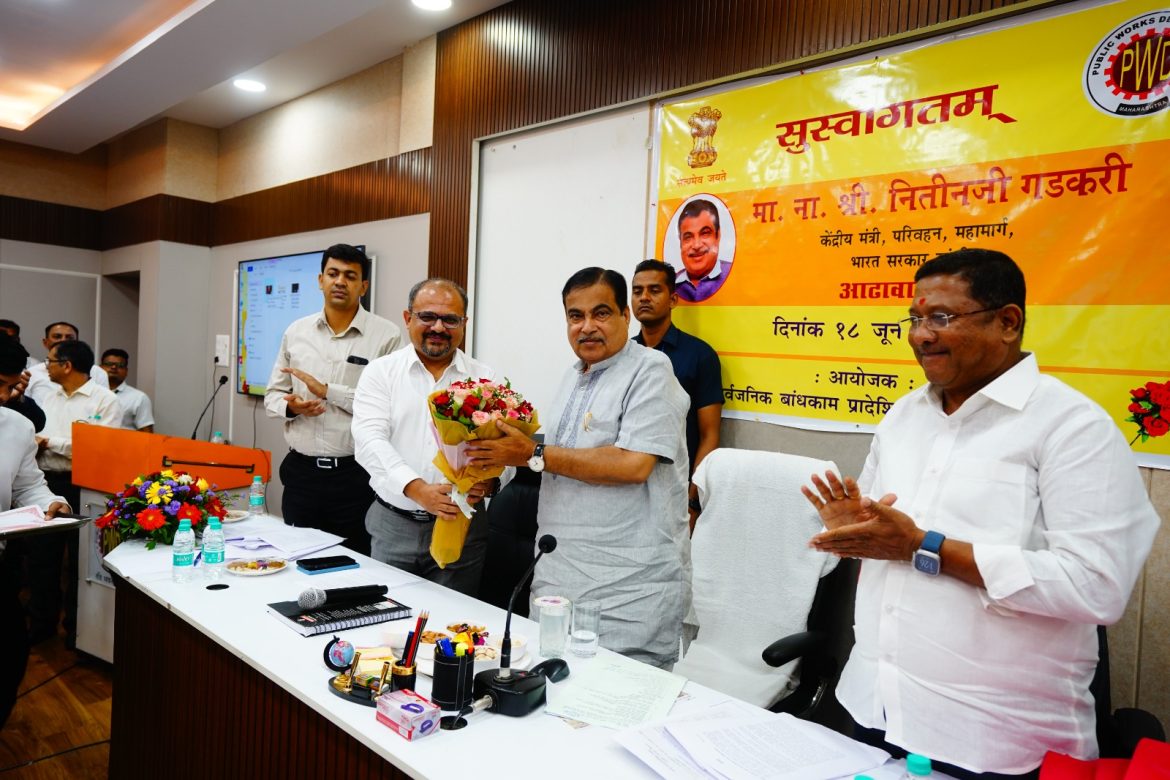
The new WhatsApp ticketing system was launched by Union Minister for Road Transport and Highways, Nitin Gadkari. The event was attended by several dignitaries including MLA Mohan Mate, Collector Dr. Vipin Itankar, NMC Commissioner Abhijit Chaudhary, Director of Strategic Planning MahaMetro Anil Kokate, and Director of Projects Rajiv Tyagi.

Encouraging Digital Transactions

The number of metro passengers is on the rise, and with it, the adoption of cashless transactions. The WhatsApp ticketing system is a part of MahaMetro’s initiative to encourage digital mediums for buying tickets.

Discounts and Promotions

Weekend and Holiday Discounts

MahaMetro is offering a 30% discount on metro travel during weekends (Saturday and Sunday) and on gazetted holidays. This initiative is aimed at promoting the use of metro services and encouraging more commuters to switch to cashless transactions.

Ease of Payment

The WhatsApp ticketing system supports various payment methods, including debit cards, online payments, and UPI. This flexibility ensures that commuters can choose the payment option that suits them best.

The introduction of the WhatsApp ticketing system by MahaMetro marks a significant advancement in the digitalization of public transportation in Nagpur. By offering a convenient, fast, and user-friendly way to book metro tickets and stay informed, MahaMetro is setting a new standard for urban mobility. With plans to extend this service to auto-rickshaws, the future looks promising for seamless, integrated travel solutions.

1. How do I book a metro ticket using WhatsApp?

To book a metro ticket using WhatsApp, simply scan the QR code at any Nagpur Metro station or send a “Hi” to +918624888568. Follow the prompts to complete your booking and payment.

2. What payment methods are available for WhatsApp ticketing?

You can choose from various payment methods including online payment, UPI, and debit card options.

3. Will the WhatsApp ticketing system be extended to other services?

Yes, there are plans to extend the WhatsApp ticketing system to include auto-rickshaw bookings, providing a seamless travel experience from the metro station to your final destination.

4. Are there any discounts available for metro travel?

Yes, MahaMetro offers a 30% discount on metro travel during weekends (Saturday and Sunday) and on gazetted holidays.

5. How many people are currently using the MahaCard?

Over 85,000 citizens have received the MahaCard, with an average of 100 cards being issued daily.

Indora Square Metro Station Set to Open in June: A New Commuting Solution for Nagpur Residents

The anticipation for the opening of the Indora Square Metro station in Nagpur has been met with a slight delay. Originally scheduled for April, the station’s completion has been pushed to mid-June due to ongoing construction and other related works. This article delves into the reasons behind the delay, the progress made, and what commuters can expect once the station is operational.

The Indora Square Metro station is part of Nagpur’s Orange Line, a crucial segment of the city’s north-south corridor. Its inclusion was slated for Phase 1 of the Metro project, which achieved full operational status in December 2022. However, delays in land acquisition posed significant obstacles to the timely commencement of construction.

Challenges and Progress

According to a senior official from MahaMetro, the process of acquiring land for Phase 1 began in 2016, but it wasn’t until October 2022 that the necessary land for the Indora Square station was secured. Construction commenced in November 2022, with an initial completion deadline set for April 2024.

Despite efforts to expedite the process, the station’s location along a bustling thoroughfare presented challenges. Ensuring progress while minimizing disruptions to traffic flow proved to be a daunting task. Nevertheless, recent efforts have propelled the project forward, and it is now on track to meet the revised timeline.

Anticipated Benefits

Once operational, the Indora Square station will offer commuters a more convenient travel option, especially for those residing nearby. Its strategic location, situated two stations before Automotive Square, will enhance connectivity and streamline transportation within the city.

For many residents eagerly awaiting its opening, such as the daily commuter quoted, the station represents not just a mode of transportation but also a significant improvement in accessibility.

While the delay in the opening of the Indora Square Metro station may have tested the patience of Nagpur’s commuters, the progress made signifies a step closer to realizing a more efficient and accessible public transportation network. With completion expected by mid-June, residents can soon enjoy the benefits of this long-awaited addition to the city’s infrastructure.

1. When was the land acquisition process for Phase 1 of the Metro project initiated?

The land acquisition process for Phase 1 commenced in 2016, laying the groundwork for subsequent construction efforts.

2. What factors contributed to the delay in the construction of the Indora Square station?

Challenges in acquiring the necessary land and navigating logistical hurdles along the busy roadway significantly impacted the project timeline.

3. What is the significance of the Indora Square station in Nagpur’s Metro network?

As part of the Orange Line’s north-south corridor, the station enhances connectivity and offers commuters a more convenient travel option.

4. How will the completion of the Indora Square station benefit residents?

Residents, particularly those in the vicinity, can expect improved accessibility and streamlined transportation options upon the station’s opening.

5. What is the expected timeline for the completion of the station?

Construction is projected to be completed by mid-June, with the station becoming operational shortly thereafter.

Exit mobile version