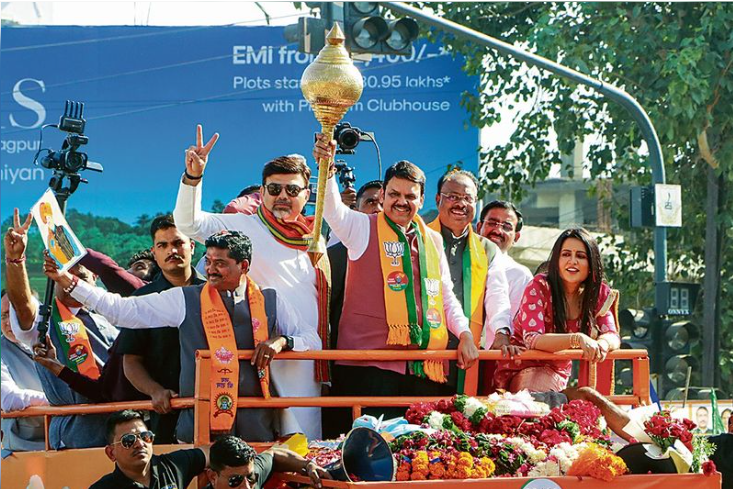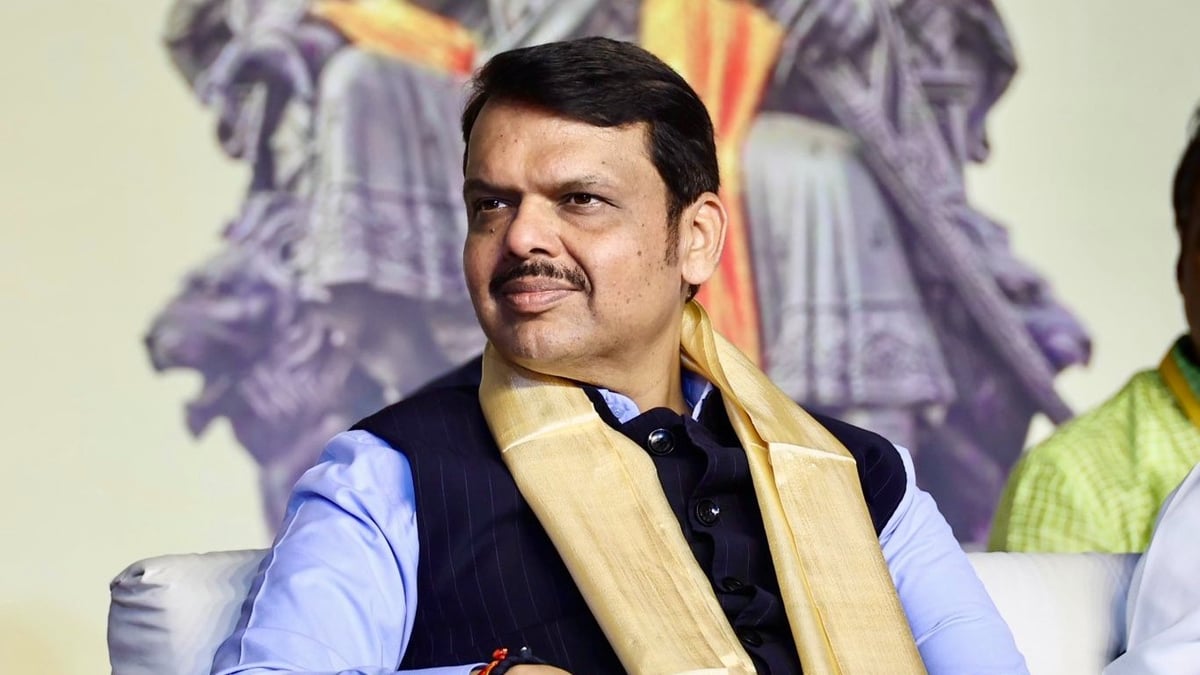
Maharashtra: ‘Will Conduct Performance Audit Of Ministers,’ Says CM Devendra Fadnavis

Maharashtra Minister Performance Audit: Maharashtra’s Chief Minister Devendra Fadnavis has unveiled a dynamic vision for his administration by announcing performance audits for ministers. This bold move, announced during a press conference in Nagpur ahead of the state’s winter assembly session, emphasizes accountability and efficiency. With 39 new ministers sworn in, Fadnavis has set the tone for an administration rooted in results.

Let’s dive deep into the CM’s announcements, the implications of this new policy, and what it means for Maharashtra’s governance.


H1: Performance Audits: A Game-Changer in Maharashtra’s Governance

 What Are Performance Audits?

Performance audits evaluate a minister’s effectiveness, measuring tangible outcomes against set goals. It’s not just about showing up for work—it’s about delivering measurable progress.

 Why Introduce Performance Audits Now?

Chief Minister Fadnavis’s decision stems from a need to ensure the government’s actions align with the aspirations of Maharashtra’s citizens. He stated, “Ministers will be evaluated to ensure accountability.” With the Mahayuti alliance in power, this strategy is poised to enhance transparency.

 Key Aspects of the Audit System

  • Two-and-a-Half-Year Tenures: Ministers will undergo evaluations midway through their term.
  • Outcome-Oriented Approach: Results, not efforts, will determine success.
  • Repercussions for Poor Performance: Non-performing ministers risk replacement.

 Portfolio Allocation for 39 Ministers

 A Deliberate Process

The CM assured that portfolios for the newly sworn-in ministers would be allocated within two to three days. This methodical approach ensures each minister is positioned to maximize their expertise.

 Increased Representation of Women

From one woman in the previous cabinet to four in the current lineup, the CM emphasized a commitment to enhancing women’s participation in governance.


 Addressing Opposition Criticism

 Tackling EVM Allegations

Fadnavis dismissed opposition claims about Electronic Voting Machines (EVMs), asserting, “EVM stands for Every Vote for Magnetic Maharashtra.” The government remains prepared to counter such narratives with facts.

 Encouraging Constructive Debate

The CM urged opposition parties to raise issues within the assembly rather than creating media controversies, fostering a productive legislative environment.


 Winter Assembly Session Highlights

 Legislative Agenda (Maharashtra Minister Performance Audit)

The upcoming session will see the introduction of 20 bills, alongside discussions on supplementary demands and the Governor’s address.

 Focus on Development

Deputy CM Eknath Shinde highlighted the government’s commitment to development, emphasizing justice for Vidarbha and the vision of a one-trillion-dollar economy.


 Mahayuti Alliance’s Achievements

 Record-Breaking Success Rate

According to Shinde, the alliance’s development initiatives have achieved the highest success rate in the country. This underscores the coalition’s effectiveness in addressing public needs.

 A Strong United Front

Shinde reaffirmed his unwavering support for Fadnavis, emphasizing the alliance’s responsibility to the people.


 Challenges and Controversies (Maharashtra Minister Performance Audit)

 Addressing Public Safety

The CM expressed sorrow over the recent killing of a Beed Sarpanch, assuring that swift action had been taken to address the incident.

 Leadership Speculation

When asked about Ajit Pawar’s potential as CM, Pawar humorously remarked, “I could be the chief minister for two and a half months,” deflecting speculation with wit.


 Women’s Participation in Governance

A Step Forward

The inclusion of four women ministers marks progress toward gender parity in Maharashtra’s governance.

 Promises for Future Cabinets

Fadnavis hinted at greater female representation in future cabinets, emphasizing inclusivity.


The announcement of performance audits signifies a transformative approach to governance in Maharashtra. By holding ministers accountable, the Fadnavis-led government aims to deliver results that resonate with public aspirations. As the winter session unfolds, the focus remains on transparency, development, and collaboration. Maharashtra’s governance is set to evolve, ensuring a brighter future for its citizens.

Q1: What is the purpose of performance audits for ministers?

Performance audits ensure accountability by evaluating ministers’ results against predefined goals.

Q2: How will non-performing ministers be handled?

Ministers who fail to meet performance standards may be replaced.

Q3: What is the significance of women’s participation in the new cabinet?

The inclusion of four women ministers marks progress toward gender parity and inclusivity.

Q4: How will the government address opposition criticism during the assembly session?

The CM has emphasized constructive debates within the assembly and is prepared to counter unfounded allegations.

Q5: What is the Mahayuti alliance’s vision for Maharashtra?

The alliance aims to focus on public welfare and economic development, striving for a one-trillion-dollar economy.

Maharashtra CM Swearing-In: Devendra Fadnavis’ Political Journey from Youngest Mayor to 3-Time Chief Minister

Maharashtra CM: Devendra Fadnavis, a prominent figure in Maharashtra politics, is set to be sworn in as the Chief Minister for the third time. Known for his resilience and strategic acumen, Fadnavis’ rise from being the youngest mayor of Nagpur to leading the state as its CM is a testament to his determination and leadership skills.

“I Will Be Back”

In December 2019, during a challenging phase in his career, Fadnavis invoked a powerful Hindi couplet:
“Mera paani utarte dekh kinare par ghar mat bana lena, main samandar hoon, laut kar vapis aaunga”
(“Thinking the tide has ebbed, don’t you dare build your house on the coast; for I am the sea, and I will come back”).

This statement, made while serving as the Leader of Opposition, came after the BJP lost its alliance with the Shiv Sena, and Uddhav Thackeray took over as CM. Fast forward to 2024, Fadnavis’ comeback is complete, with the Mahayuti alliance winning 235 seats in the 288-member Assembly, securing his third term as CM.

A Historic Victory

The BJP-led Mahayuti alliance’s success in the 2024 Maharashtra Assembly elections is remarkable, with the BJP itself winning 132 seats. This is a significant improvement from the 105 seats it won in 2019. The alliance’s victory highlights Fadnavis’ ability to strategize and consolidate power even after setbacks.

Political Milestones

  • Youngest Mayor: Fadnavis began his political journey as a Councilor in 1992 and became Nagpur’s youngest mayor in 1997 at just 27 years old.
  • First CM Term (2014-2019): At 44, he became Maharashtra’s second-youngest Chief Minister, serving a full term.
  • Deputy CM Role: In 2022, he took on the role of Deputy CM under Eknath Shinde, a move initially viewed as a demotion but proved instrumental in strengthening BJP’s foothold in the state.

Educational and Personal Background

Fadnavis was born on July 22, 1970, in Nagpur. He holds a law degree and a diploma in project management from Germany. His family has deep political roots, with his father, Gangadhar Fadnavis, serving in the Maharashtra Legislative Council and actively opposing the Emergency.

He is married to Amruta Fadnavis, a banker, and together they have a net worth of ₹13 crore.

Challenges and Triumphs

Fadnavis’ political journey hasn’t been without challenges. In 2019, his second term as CM lasted just five days due to the collapse of an alliance with Ajit Pawar’s NCP. Despite setbacks, his strategic decisions, including joining the Shinde government as Deputy CM, have paid off, culminating in the BJP’s current dominance in Maharashtra politics.

Looking Ahead

As Devendra Fadnavis takes the oath for his third term, he joins the ranks of political stalwarts like Vasantrao Naik and Sharad Pawar. His journey is a testament to his resilience and political foresight, positioning him as a pivotal leader in Maharashtra’s ever-evolving political landscape.

“I Am Only CM In Maharashtra Who Doesn’t Own A House In Mumbai”: Devendra Fadnavis

Devendra Fadnavis Mumbai House: With less than a week before Maharashtra’s assembly elections, the state’s political leaders are intensifying their campaigns. Among them, Devendra Fadnavis, BJP leader and Maharashtra’s Deputy Chief Minister, has drawn attention with a unique and emotional message. At a recent rally, he declared that he is the only Chief Minister of Maharashtra who does not own a home in Mumbai. Instead, he takes pride in his Nagpur roots and residence, which is seen as a significant personal stance in a city known for its booming real estate.

Fadnavis’ Unique Position in Maharashtra Politics

Why This Statement Matters

In a city where real estate is highly prized, Fadnavis’ choice to forgo owning property in Mumbai makes a strong statement, distinguishing him from other high-profile leaders.

Mumbai: The Real Estate Hub

Mumbai is not only Maharashtra’s capital but one of the most valuable real estate markets in India. Many prominent politicians and public figures invest in Mumbai properties, viewing it as a status symbol and a wise financial asset.

The Importance of Roots: Why Nagpur Matters

Fadnavis has continually emphasized his deep connection to Nagpur, often highlighting the city as a central part of his identity. This connection has fostered loyalty among his constituents, particularly in Nagpur South West, his long-held constituency.

A Glimpse Into Fadnavis’ 25-Year Political Career

Political Tenure Without Personal Gain

For 25 years, Fadnavis has represented Nagpur, advocating for public causes rather than private gain. At the rally, he noted his dedication to public service, refraining from investing in businesses or institutions for personal profit.

The Legacy of a CM Without a Mumbai Home (Devendra Fadnavis Mumbai House)

Out of Maharashtra’s 20 Chief Ministers to date, Fadnavis claims to be the only one who does not own a home in the state capital. This distinction has become a focal point in his campaign, aiming to connect with voters on a personal level.

The 2024 Elections: High Stakes for All Parties

Political Climate Leading Up to Elections

With political leaders rallying across Maharashtra, there’s a heightened focus on personal narratives and individual qualities of candidates. Fadnavis’ unique stance is an attempt to appeal emotionally to voters.

The Dynamics Between Mahayuti and MVA

As the 2024 elections approach, the alliance between BJP, Eknath Shinde’s Shiv Sena, and Ajit Pawar’s NCP is challenging the Maha Vikas Aghadi (MVA). This election marks their second major contest following the 2024 Lok Sabha elections.

Why Fadnavis’ Statement Resonates With Voters

Public Image and Transparency

By making such a statement, Fadnavis is setting a tone of transparency and personal sacrifice, seeking to relate to voters who may feel distanced from politicians’ lifestyles.

Connecting With the Everyday Voter

Fadnavis’ decision not to own a home in Mumbai adds to his image as a politician focused on duty over personal gain, a narrative that aims to resonate with the general public.

As the Maharashtra elections approach, political leaders are employing personal narratives to win voters’ support. Devendra Fadnavis’ declaration of being the only CM without a home in Mumbai aligns with his long-standing identity as a public servant. For Fadnavis, the focus on Nagpur is not just a campaign stance but a defining part of his public life.

Ladki Bahin Yojna to Expand if Fadnavis Wins Maharashtra Assembly Election 2024

Maharashtra Election | Devendra Fadnavis Nagpur | Ladki Bahin Yojna and Its Impact on Maharashtra’s Women

Maharashtra Election | Nagpur : The Ladki Bahin Yojna, launched by Devendra Fadnavis, aims to uplift women across Maharashtra by providing financial aid and empowering them with new opportunities. As Fadnavis campaigns for the 2024 Maharashtra Assembly Elections, he has vowed to increase the scheme’s benefits from ₹1,500 to ₹2,100 per eligible woman, contingent on his election win. This promise highlights his commitment to social welfare, infrastructure improvements, and educational enhancements across the state.

What is Ladki Bahin Yojna?

The Ladki Bahin Yojna is a social welfare scheme primarily focused on financial assistance for women in Maharashtra. It represents Fadnavis’s broader vision of empowering women economically and socially.

Key Features of Ladki Bahin Yojna

  • Financial aid of ₹1,500 per woman (proposed to increase to ₹2,100)
  • Focus on women’s empowerment and upliftment
  • Aims to provide economic stability and increased opportunities

Fadnavis’s Promise: Enhancing Maharashtra’s Social Welfare Programs

During his recent public rallies, Fadnavis reaffirmed his dedication to improving Maharashtra’s welfare landscape. By expanding Ladki Bahin Yojna, he hopes to impact a larger demographic and improve quality of life for women across Maharashtra.

Commitment to Infrastructure: A Vision for Nagpur

Beyond social welfare, Fadnavis is keen on transforming Nagpur’s infrastructure to international standards. In his speeches, he has outlined plans to modernize the city’s roads, public transportation, and other essential services, making it a model city in Maharashtra.

1. Enhanced Road Networks

Under Fadnavis’s leadership, significant improvements have already been made to Nagpur’s roads, facilitating smoother traffic and better connectivity.

2. Metro System Upgrades

The city’s metro system is undergoing major upgrades, aiming for safer and faster travel options for Nagpur’s residents. This move aligns with Fadnavis’s broader goals for urban development.

Education and Skill Development Initiatives

Fadnavis has also shown a strong commitment to education. Some prominent educational institutions, including AIIMS, IIIT, and IIM, were established under his leadership, creating better learning opportunities for Maharashtra’s youth.

1. AIIMS, Nagpur

The establishment of AIIMS has boosted Nagpur’s medical education and healthcare services, providing a top-tier institution for aspiring doctors.

2. IIIT and IIM: Driving Technical and Management Excellence

IIIT and IIM are known for their quality education and excellent faculty, attracting students nationwide and contributing to Nagpur’s educational prestige.

The COVID-19 Response: A Leadership in Crisis

Reflecting on his leadership during the COVID-19 pandemic, Fadnavis highlighted his efforts to provide oxygen cylinders and other essential resources, ensuring that citizens received timely support in times of crisis.

Devendra Fadnavis Vision for Maharashtra’s Future

Fadnavis emphasized his commitment to Maharashtra’s progress. Unlike some other politicians, he openly stated that he does not own land, schools, or colleges, focusing instead on building trust and fulfilling his promises.

What This Means for Maharashtra’s Women

If Ladki Bahin Yojna is expanded, it could bring significant positive change to women across Maharashtra. The increased financial support could help women cover educational expenses, invest in small businesses, or achieve greater independence.

Key Questions and Concerns

1. How will the expanded Ladki Bahin Yojna be funded?

Funding sources and budget allocations for social schemes like Ladki Bahin Yojna will be a point of focus if Fadnavis’s party wins the election.

2. Will there be eligibility criteria changes?

Currently, eligibility criteria include residency and income limits, but details on any changes are yet to be discussed.

3. How can women apply for the scheme?

The application process is expected to be simplified through online platforms, making it accessible to all eligible women in Maharashtra.

A Hopeful Future with Ladki Bahin Yojna

With Devendra Fadnavis’s vision for Maharashtra, the Ladki Bahin Yojna stands as a testament to his commitment to social welfare, infrastructure, and education. His proposed increase in financial aid under the scheme could bring transformative change to women’s lives across the state, fostering economic stability and independence. As election day approaches, this scheme continues to play a central role in his campaign, symbolizing a promise of hope for a brighter future in Maharashtra.

Q1. What is the proposed increase in Ladki Bahin Yojna’s benefits?
A1. If Fadnavis wins, the scheme’s financial assistance will increase from ₹1,500 to ₹2,100 per eligible woman.

Q2. How does Ladki Bahin Yojna support women’s empowerment?
A2. It provides financial aid aimed at improving economic stability and independence for women.

Q3. Who is eligible for Ladki Bahin Yojna?
A3. Eligibility criteria currently include residency and income limits, though details may evolve if the scheme expands.

Q4. What are some of Fadnavis’s other initiatives for Maharashtra?
A4. Fadnavis has championed projects in education, infrastructure, and social welfare, such as the establishment of AIIMS and IIIT in Nagpur.

Q5. How does Ladki Bahin Yojna align with Fadnavis’s broader vision?
A5. The scheme aligns with Fadnavis’s goal of uplifting underrepresented groups and improving economic conditions across Maharashtra.

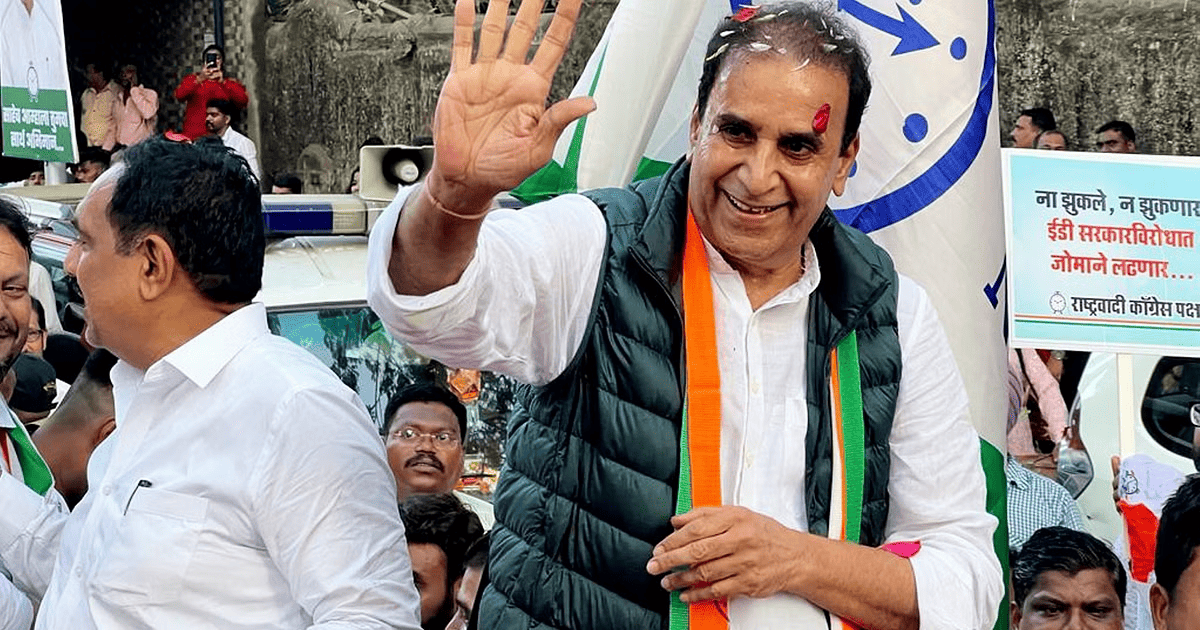
Anil Deshmukh to Release Book on His Life in Jail: ‘Diary of a Home Minister’

Anil Deshmukh book: Anil Deshmukh, the former home minister of Maharashtra, is set to release a highly anticipated book titled ‘Diary of a Home Minister’. In this book, Deshmukh shares his experience of the 14-month jail term he endured and sheds light on the alleged conspiracy behind it. The book offers a detailed account of how he was purportedly framed to destabilize the Maha Vikas Aghadi (MVA) government, under which he served. With his manuscript now ready and available in multiple languages—Marathi, Hindi, and English—Deshmukh promises to reveal untold stories about his time in jail and the broader political implications surrounding his case.

A Glimpse into the Book: A Story of Alleged Injustice

The Origins of the Conspiracy

Deshmukh claims that his imprisonment was not just a result of false accusations but a calculated effort to bring down the MVA government. The five-time MLA asserts that a group of individuals worked to tarnish his image and implicate him in false charges. In his book, he provides detailed information about who these players were and how they orchestrated the alleged conspiracy.

The Power Struggle Within Maharashtra

In the backdrop of Deshmukh’s imprisonment, Maharashtra’s political scene was witnessing a tug-of-war between different factions. The MVA government, led by Uddhav Thackeray, was in the crosshairs of this struggle. Deshmukh believes that the case against him was used as leverage to destabilize the coalition, weakening the state’s governance structure in the process. According to him, his refusal to comply with these forces added to the pressure on his family and political career.

Deshmukh’s Life Behind Bars (Anil Deshmukh book): Coping with Adversity

Documenting the Conspiracy

While in jail, Deshmukh meticulously gathered evidence to document the conspiracy he was entangled in. From newspaper clippings to official statements, his time in confinement allowed him to piece together the narrative of how his case was shaped by political motivations. This information forms the backbone of ‘Diary of a Home Minister’, providing readers with a window into the alleged plot against him.

Mental and Emotional Struggles

Deshmukh’s book doesn’t just focus on the political machinations behind his imprisonment. It also delves into the mental and emotional toll that the experience took on him and his family. He describes the frustration of being in jail for over a year while fighting to prove his innocence. His book is not just a political exposé but a personal journey of resilience and determination.

What to Expect from the Book (Anil Deshmukh book)

A Detailed Account of the Alleged Harassment

Throughout his ordeal, Deshmukh claims to have been harassed not only by those orchestrating the conspiracy but also by certain sections of the media and legal system. He reveals the strategies employed to discredit him publicly, including the dissemination of misinformation. While he has spoken about some of these issues before, the book provides a comprehensive narrative that ties all the pieces together.

Revelations About Key Figures

Another significant aspect of Deshmukh’s book is the exposure of key figures who, he claims, were instrumental in the conspiracy against him. Readers can expect names and events that have been previously kept under wraps, adding a new layer of intrigue to the ongoing political debate in Maharashtra.

The Role of the Media

Deshmukh also addresses the role that media played in his case. He asserts that premature disclosures were made to sway public opinion against him. According to Deshmukh, this was a tactic used to counter the growing misinformation and to mislead the general public about the true nature of the case. His book will aim to clarify these misconceptions by providing a factual account.

The Book’s Release and Its Impact on Maharashtra Politics

Release Date and Languages

The book has already been printed in Marathi, Hindi, and English, but the official release date is yet to be announced. Deshmukh’s legal troubles may be behind him, but the publication of ‘Diary of a Home Minister’ is likely to reignite discussions about the case, both in political and public circles.

Public Reaction and Expectations

The people of Maharashtra, according to Deshmukh, are eager to learn the truth about the conspiracy against him. Given his political stature and the gravity of the allegations, the book is expected to stir significant debate. Many are speculating that it could alter the course of the political narrative in Maharashtra, potentially influencing upcoming elections.

Potential Backlash

While Deshmukh is hopeful that his book will clear his name and provide the public with the truth, there are bound to be detractors. Political opponents might question the authenticity of his claims or attempt to discredit the information in the book. Deshmukh, however, seems prepared for any backlash, as he believes that the evidence he has gathered speaks for itself.

Anil Deshmukh’s ‘Diary of a Home Minister’ is more than just a memoir. It’s a deep dive into the political undercurrents that led to his imprisonment, shedding light on the alleged conspiracy that aimed to topple the MVA government. By offering a detailed account of his experience, Deshmukh hopes to provide readers with the complete story—one that involves political intrigue, personal struggles, and a fight for justice. As the public eagerly awaits the book’s release, the impact it will have on Maharashtra’s political landscape remains to be seen.

1. What is the title of Anil Deshmukh’s book?

Anil Deshmukh’s book is titled ‘Diary of a Home Minister’. It recounts his time in jail and the alleged conspiracy against him.

2. What is the main theme of the book?

The main theme revolves around the political conspiracy that Deshmukh claims was designed to frame him and bring down the MVA government.

3. When will the book be released?

The official release date for the book has not been announced yet, though it has already been printed in Marathi, Hindi, and English.

4. What languages will the book be available in?

The book will be available in Marathi, Hindi, and English.

5. What impact is the book expected to have?

The book is expected to stir significant debate, particularly regarding the political events surrounding Deshmukh’s imprisonment. It may influence public opinion and Maharashtra’s political discourse.

{finish}

Sena (UBT) MLA Bhaskar Jadhav Reiterates Demand for Key Seats in Vidarbha

Shiv Sena Vidarbha seats: Shiv Sena’s (UBT) political ambitions in Vidarbha are heating up as MLA Bhaskar Jadhav recently renewed the party’s demand for contesting crucial assembly seats in the upcoming elections. During a significant meeting with party officials from eastern Vidarbha, Jadhav stressed the importance of securing key constituencies, including several in Nagpur district. This marks a crucial step in the party’s bid to fortify its political influence in a region historically dominated by heavyweights like Congress and the BJP.

Political Landscape of Vidarbha

Vidarbha, often considered a political battleground, has witnessed intense contests between major political parties. For Shiv Sena (UBT), winning seats in this region is not merely about numbers—it’s about securing a foothold in Maharashtra’s complex political puzzle.

Jadhav’s Call to Action: Securing Strategic Seats (Shiv Sena Vidarbha seats)

In his remarks, Jadhav outlined the party’s strategic focus on contesting eight to ten assembly seats in the region. Specifically, five key seats in Nagpur district—Ramtek, Kamptee, Umred, Nagpur South, and Nagpur East—were identified as critical constituencies.

Why Vidarbha Matters to Shiv Sena (UBT)?

Eastern Vidarbha holds strategic importance for the Shiv Sena. By securing these constituencies, the party hopes to strengthen its presence in the region and carve out a significant share of the voter base.

Shiv Sena’s Role in Vidarbha Politics

Traditionally, Vidarbha has been a stronghold for Congress and BJP, but the political tides are shifting. As regional dynamics change, Shiv Sena (UBT) sees an opportunity to break through and establish its influence.

Jadhav’s Strategic Goals for the Upcoming Elections

Jadhav’s ambitions extend beyond simply winning seats (Shiv Sena Vidarbha seats). His comments reflect a broader strategy of alliance building and securing long-term dominance in Vidarbha. According to him, the upcoming elections are a chance to reshape the region’s political landscape.

Focus on Alliance Partners

Jadhav’s recent statements also hinted at the party’s alliance strategy. He confirmed that final decisions on seat allocation for eastern Vidarbha would likely be made during Uddhav Thackeray’s upcoming visit to the city, indicating that negotiations with alliance partners are reaching a crucial phase.

Nagpur District: The Key Battle Ground

Nagpur is shaping up to be a focal point in Shiv Sena’s electoral strategy. Jadhav emphasized the need to win key seats in this district, which has always been a competitive arena for the state’s political powerhouses.

Five Key Constituencies Identified by Jadhav

  1. Ramtek
  2. Kamptee
  3. Umred
  4. Nagpur South
  5. Nagpur East

These five seats are seen as vital to the party’s overall electoral strategy, forming the core of its plan for eastern Vidarbha.

Dismissing Superstitions: Moving Forward Despite Pitru Paksha

Interestingly, Jadhav dismissed concerns over the timing of announcements during the ongoing Pitru Paksha period, which some consider inauspicious. He assured party workers that despite superstitions, the party is ready to move forward with its plans. This declaration shows Shiv Sena’s determination and readiness to act swiftly ahead of the elections.

Seat Sharing and Alliance Strategy

While Jadhav clarified that he is not directly involved in the seat allocation committee, he emphasized the importance of collaboration with alliance partners to secure a win in Vidarbha. Shiv Sena’s focus is currently on consolidating its position and working toward maximizing its influence in the region.

Jadhav’s Critique of the Ladki Bahin Scheme

Jadhav didn’t hold back in criticizing the controversial Ladki Bahin scheme introduced by the Mahayuti government. Referring to it as a “Ladki Khurchi (Chair) Scheme,” Jadhav claimed the initiative would benefit only a limited number of women, leaving many out in the cold. According to Jadhav, this scheme highlights the limitations of the government’s approach to women’s welfare.

Broader Implications of Shiv Sena’s Vidarbha Strategy

Shiv Sena’s renewed focus on Vidarbha is not an isolated move. It is part of a larger effort by the party to expand its influence across Maharashtra. The upcoming elections will be a test of the party’s ability to navigate alliance politics while simultaneously consolidating its base.

Shiv Sena’s (UBT) push for key seats in Vidarbha reflects its determination to strengthen its presence in this politically vital region. As the party gears up for the elections, its strategy of focusing on strategic constituencies, aligning with alliance partners, and dismissing superstitions shows a confident and forward-thinking approach. With Bhaskar Jadhav at the forefront, Shiv Sena (UBT) is clearly positioning itself for a strong showing in the upcoming elections.

 About Shiv Sena (UBT) and Vidarbha Politics

  1. Why is Vidarbha important for Shiv Sena (UBT)? Vidarbha is a strategic region with a history of political battles between major parties. Winning seats here would bolster Shiv Sena’s influence across Maharashtra.
  2. Which constituencies are Shiv Sena (UBT) focusing on in Nagpur? The party is focusing on Ramtek, Kamptee, Umred, Nagpur South, and Nagpur East in Nagpur district.
  3. What is the significance of Pitru Paksha in politics? Pitru Paksha is considered an inauspicious time for major decisions. However, Jadhav dismissed these superstitions, reflecting the party’s readiness to act regardless.
  4. What is Jadhav’s stance on the Ladki Bahin Scheme? Jadhav criticized the scheme, suggesting it would only benefit a limited number of women, leaving many more without support.
  5. When will seat-sharing decisions for Vidarbha be finalized? The final seat-sharing decisions are expected to be made during Uddhav Thackeray’s visit to Vidarbha.

‘Ladki Bahin’ Sop May Push Maharashtra Into Financial Crisis: MNS Chief Raj Thackeray

Maharashtra Navnirman Sena (MNS) chief Raj Thackeray has voiced serious concerns regarding the state’s financial stability due to the Chief Minister’s Majhi Ladki Bahin scheme. While the initiative aims to provide financial aid to women, Thackeray argues that it may have unforeseen consequences. The question arises: is this scheme a political move, or could it truly benefit society?

Let’s dive deeper into the potential pitfalls of this scheme and why Raj Thackeray is raising red flags.

 The Controversy Behind ‘Majhi Ladki Bahin’ Scheme

The Maharashtra government introduced the Majhi Ladki Bahin scheme to provide financial support to women, particularly in rural areas. The goal is to empower women economically by offering direct cash transfers. On the surface, it appears to be a noble initiative. However, as with many well-intended policies, there are concerns about its long-term sustainability.

 Raj Thackeray’s Warning: Is Maharashtra Heading Towards a Financial Crisis?

MNS chief Raj Thackeray expressed concerns during his two-day visit to Amravati, warning that this scheme could push Maharashtra into a financial crisis. Thackeray highlighted that once the October installment of this scheme is disbursed, the state government may face difficulty in paying its employees and officials.

  • “The state might not have enough funds left to pay salaries,” Thackeray remarked.

He emphasized that no section of society, including farmers, demands freebies such as free electricity. However, if the government continues to roll out schemes for political gains, it could drag the entire state down.

 The State’s Financial Burden: A Recipe for Disaster?

The financial health of a state is like the foundation of a house—if it’s not strong, everything built on top of it crumbles. Thackeray believes that schemes like Majhi Ladki Bahin are akin to putting extra weight on an already fragile foundation. The government may soon find itself unable to meet basic obligations, such as paying civil servants, leading to a full-blown financial crisis.

 Free Schemes vs. Sustainable Solutions

Thackeray’s criticism centers around the idea that the Majhi Ladki Bahin scheme is merely a short-term fix. Instead of creating lasting change through employment opportunities, the state is handing out cash. This could create dependency rather than fostering independence.

 The Long-Term Effects: Can Free Cash Lead to Financial Instability?

Handouts, while helpful in emergencies, don’t create sustainable solutions. By giving out free money, the state might be solving an immediate problem but ignoring the long-term consequences. Thackeray argues that the government should prioritize generating employment opportunities for women instead of these short-term fixes.

 Employment Generation: The Key to Economic Stability

One of Thackeray’s major suggestions is to bring new industries into Maharashtra, particularly in rural areas where employment opportunities are limited. This would not only provide jobs for women but also stimulate the state’s economy in a more sustainable way. A thriving industrial sector could prevent the financial instability that free cash schemes might bring.

 Why Are Such Schemes Politically Motivated?

Politicians often implement schemes like the Majhi Ladki Bahin scheme to garner votes. Thackeray pointed out that these short-term initiatives are designed to win favor with the electorate. However, they may do more harm than good in the long run.

 Political Gains at What Cost?

By rolling out this scheme just before the assembly elections, the government seems to be more focused on securing votes than on the long-term financial health of the state. It’s a risky gamble—one that could have dire consequences.

 What Can the Government Do Instead?

Raj Thackeray provided a potential solution during his speech. Rather than dishing out money, he called on the government to invest in industries and infrastructure that would provide employment opportunities for women. This would be a more sustainable way to empower women and strengthen the economy.

 Industrial Growth as a Solution

Industries in Maharashtra could become a pillar of economic growth, particularly in regions where job opportunities are scarce. By encouraging new businesses and fostering an entrepreneurial spirit, the state could empower women and ensure long-term financial stability.

 Raj Thackeray’s Call to Action

During his visit to Amravati, Thackeray made a public call to action. He urged the government to reconsider its priorities and focus on the bigger picture. “Handouts won’t fix everything,” he argued, emphasizing that job creation should be at the forefront of the government’s agenda.

 A Financial Pitfall Waiting to Happen

If the government continues on this path, Thackeray warned, the financial pitfalls could be unavoidable. As Maharashtra gears up for the assembly elections, the state’s financial health could be at stake.

The Upcoming Assembly Elections: What’s at Stake?

Raj Thackeray’s comments come at a critical time. The assembly elections are just around the corner, and every political party is looking for ways to secure votes. Schemes like Majhi Ladki Bahin are often designed to win political favor, but they come with a heavy price.

 Will These Schemes Secure Votes or Sink the State?

The big question is whether voters will see through these politically motivated schemes. Will they support short-term fixes, or will they demand sustainable solutions that ensure the state’s financial health?

 What Does This Mean for the Future of Maharashtra?

Raj Thackeray’s warning should not be taken lightly. If the state doesn’t act soon, it could face severe financial instability. The government must carefully weigh the costs and benefits of schemes like Majhi Ladki Bahin.

 Can the State Avoid a Crisis?

The path to avoiding a financial crisis lies in sustainable development, job creation, and long-term planning. The future of Maharashtra depends on it.

Raj Thackeray’s concerns about the Majhi Ladki Bahin scheme bring to light an important issue: short-term solutions, like cash handouts, may provide temporary relief but often lead to long-term financial problems. To avoid a financial crisis, the Maharashtra government must prioritize employment generation and industrial growth over politically motivated schemes. In the end, creating a self-sustaining economy will be the key to ensuring that Maharashtra thrives without falling into a financial pit.

  1. What is the ‘Majhi Ladki Bahin’ scheme?
    • The scheme provides financial aid to women, aimed at economic empowerment.
  2. Why is Raj Thackeray opposed to the scheme?
    • He believes it could lead to financial instability in the state.
  3. What alternatives does Thackeray propose?
    • He suggests focusing on employment generation and industrial growth.
  4. Could the scheme impact the upcoming assembly elections?
    • Yes, it could be a politically motivated move to garner votes.
  5. What is the long-term solution for Maharashtra’s financial health?
    • Sustainable job creation and industrial investment are key to ensuring long-term stability.

No Guarantee for Our 4th Term, But…’: Nitin Gadkari Lightheartedly Remarks in Nagpur

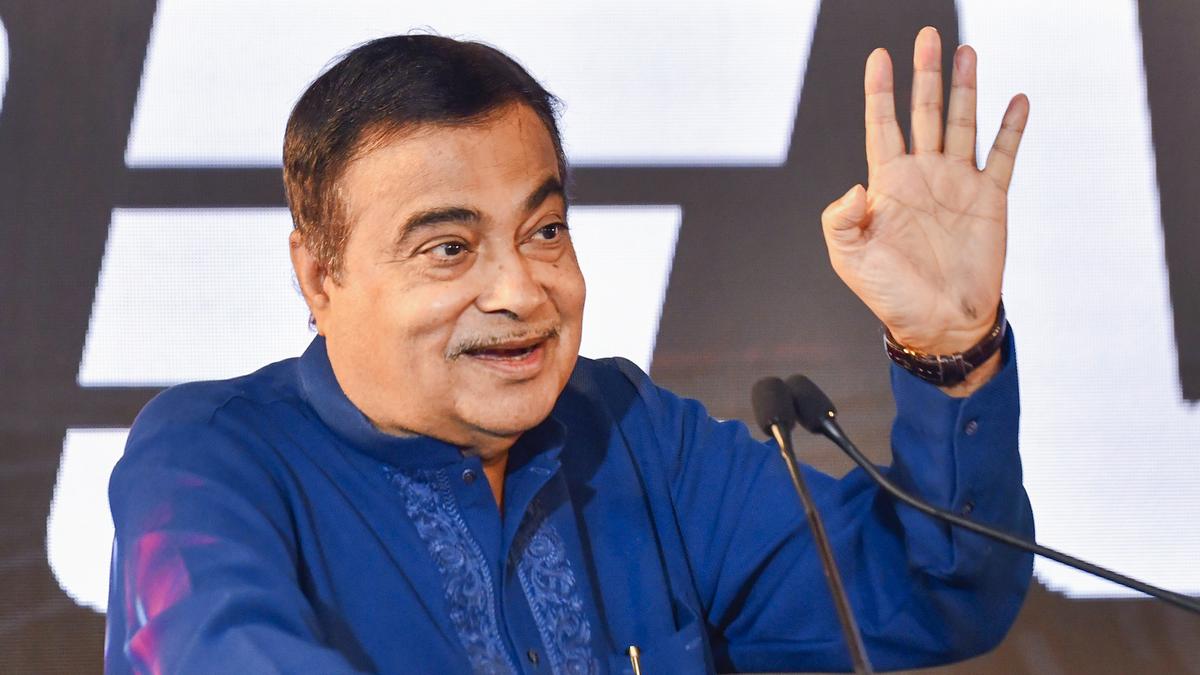
Nitin Gadkari, Union Minister, recently brought a lighthearted moment to an event in Nagpur by teasing his cabinet colleague, Ramdas Athawale, over his long-standing ability to remain a minister in successive governments. Gadkari, known for his candid nature, humorously remarked, “There’s no guarantee of our fourth term, but one thing is guaranteed – Ramdas Athawale will continue to be a minister.”

But what’s behind this playful comment? In this article, we’ll explore the political context, Athawale’s confidence, the upcoming Maharashtra Assembly elections, and how seat-sharing within the Mahayuti alliance may shape the future of Maharashtra’s political landscape.

Nitin Gadkari Lighthearted Remark

During a public event in Nagpur, Nitin Gadkari entertained the crowd with a witty remark aimed at his fellow cabinet colleague, Ramdas Athawale. Gadkari’s humorous statement about Athawale’s enduring ministerial position sent waves of laughter through the audience. Gadkari quickly followed up, noting that his comment was in jest, underscoring the friendly camaraderie between the two ministers.

Ramdas Athawale: A Ministerial Fixture

Ramdas Athawale, a prominent leader of the Republican Party of India (RPI-A), has held ministerial roles in various governments for over three terms. His ability to maintain relevance and stay at the forefront of Indian politics, despite shifting alliances, is what makes Gadkari’s joke resonate with political insiders. Athawale’s leadership and influence within the Mahayuti coalition have been vital to his continued presence in the political arena.

Athawale’s Confidence for Future Terms

Despite Nitin Gadkari playful remarks, Athawale remains optimistic about his political future. Athawale has voiced confidence that, should the BJP-led alliance retain power, his streak of ministerial roles will continue. This confidence stems from his leadership of the RPI-A, a significant player in the Mahayuti coalition, and his deep political ties with the BJP.

RPI-A’s Role in the Mahayuti Coalition

The Republican Party of India (A) is a longstanding ally of the Bharatiya Janata Party (BJP). This alliance is part of the broader Mahayuti coalition, which includes key players like the Shiv Sena and Ajit Pawar’s faction of the Nationalist Congress Party (NCP). RPI-A’s role within the coalition has afforded it significant influence, though not without challenges.

Seat Demands for the Upcoming Assembly Elections

As the Maharashtra Assembly elections approach, Athawale and the RPI-A are setting their sights on securing a fair share of seats. During a press conference in Nagpur, Athawale announced that his party is seeking 10 to 12 seats in the upcoming elections. Of these, three to four seats are expected to come from the Vidarbha region, including North Nagpur, Umred, Umarkhed in Yavatmal, and Washim.

Athawale’s Press Conference in Nagpur

At the Nagpur press conference, Athawale emphasized the importance of the upcoming elections for RPI-A’s continued presence in the state’s political landscape. He reiterated that his party is seeking to contest the elections under its own symbol, strengthening its identity within the Mahayuti coalition. The announcement signals RPI-A’s firm intent to expand its political influence.

Tensions Over Seat Sharing in Mahayuti

The seat-sharing arrangement within the Mahayuti coalition is a delicate balancing act. Athawale revealed that his party has already prepared a list of 18 seats it would like to contest. This list is set to be shared with Mahayuti partners in the coming days. Athawale hopes for a fair allocation of 10 to 12 seats, urging the BJP, Shiv Sena, and Ajit Pawar’s NCP to each give up four seats from their quota to accommodate his party’s demands.

RPI-A’s Plans for Vidarbha Region

Vidarbha, a politically significant region in Maharashtra, is a key focus for RPI-A. Athawale has highlighted North Nagpur, Umred, Umarkhed, and Washim as constituencies where his party seeks to contest. The party believes that its strong grassroots presence in these areas will help it secure electoral wins.

Unfulfilled Promises and Discontent

Athawale’s recent comments also reflect his frustration over unfulfilled promises within the state government. In Palghar, he expressed disappointment that his party was left out of ministerial roles, despite assurances from coalition partners. He mentioned that the inclusion of Ajit Pawar’s NCP in the Mahayuti government led to the RPI-A being sidelined, leaving Athawale’s party without key cabinet positions and roles in corporations and district committees.

The Influence of Ajit Pawar’s NCP

The inclusion of Ajit Pawar’s NCP faction into the Mahayuti coalition has undoubtedly complicated matters for the RPI-A. Athawale has been vocal about how Pawar’s entry disrupted the pre-agreed seat-sharing and ministerial arrangements, creating friction within the coalition. Nevertheless, Athawale remains hopeful that these internal issues will be resolved in time for the upcoming elections.

Maharashtra Assembly Elections Preview

The elections for Maharashtra’s 288 assembly seats are expected to take place in November. These elections are shaping up to be highly competitive, with numerous parties vying for control of one of India’s most politically crucial states. The BJP, as the largest party in the assembly, currently holds 103 MLAs, while other key players like the NCP, Shiv Sena, Congress, and Shiv Sena (UBT) are preparing for a fiercely contested battle.

Current Political Landscape in Maharashtra

The BJP’s dominance in the Maharashtra Assembly, followed by the presence of the NCP and Shiv Sena, sets the stage for a complex election. With numerous seats currently vacant, the upcoming elections could see new power dynamics emerge within the state. The Mahayuti alliance, despite its internal tensions, is hoping to retain its grip on power.

High-Stakes Electoral Battle Ahead

The upcoming Maharashtra Assembly elections promise to be a political spectacle. As parties like the BJP, NCP, and Shiv Sena mobilize their bases, the stakes have never been higher. With regional players like the RPI-A also jockeying for position, the outcome of these elections could have significant implications for the future of Maharashtra’s governance.

Nitin Gadkari’s humorous remark about Ramdas Athawale may have been made in jest, but it highlights a larger truth about the resilience of political alliances in Maharashtra. As the Mahayuti coalition prepares for the upcoming assembly elections, the delicate balance of power-sharing will play a critical role in determining the political landscape of the state. With RPI-A’s seat demands and internal coalition tensions, the path to victory in Maharashtra is anything but straightforward.

  1. What was Nitin Gadkari remark about Ramdas Athawale? Gadkari humorously noted that while there is no guarantee of the BJP winning a fourth term, it is almost certain that Athawale will continue as a minister.
  2. What are Ramdas Athawale’s seat demands for the upcoming elections? Athawale has asked for 10 to 12 seats for his party, the RPI-A, in the upcoming Maharashtra Assembly elections.
  3. What is the RPI-A’s role in the Mahayuti coalition? The RPI-A is a partner in the Mahayuti alliance, which includes major parties like the BJP, Shiv Sena, and Ajit Pawar’s NCP.
  4. Why is there tension over seat sharing in the Mahayuti coalition? The inclusion of Ajit Pawar’s NCP has complicated seat-sharing negotiations, leading to discontent within the coalition.
  5. When will the Maharashtra Assembly elections take place? The elections for Maharashtra’s 288 assembly seats are expected to take place in November.

Offered PM Post by Opposition Leader Before 2024 Lok Sabha Polls: Gadkari’s Conviction Stands Strong

2024 Lok Sabha polls: Nitin Gadkari, the Union Minister for Transport and National Highways, dropped a political bombshell at a recent journalism award event in Nagpur. The veteran leader disclosed that a senior member of an opposition party had approached him with a rather enticing offer: the Prime Minister’s post. This revelation stirred political circles, as it came unexpectedly and was fraught with intrigue. However, in a surprising twist, Gadkari turned down the offer, citing his deep-seated convictions and principles.

Why Did Gadkari Refuse the PM Offer?

Gadkari’s decision to reject such a prestigious post raises several questions. What could drive someone to turn down the chance to lead one of the largest democracies in the world? According to Gadkari, the answer is simple: his personal values and ideological commitment. He emphasized that the offer conflicted with his convictions. Gadkari said, “I have always lived and worked on principles,” a statement that reinforces his firm stance.

Principles Over Power

One of the most striking parts of Gadkari’s revelation is his unwavering dedication to his principles. Despite being offered the highest political office in the country, Gadkari chose to stay true to his beliefs. It wasn’t just about the power or prestige associated with being Prime Minister; it was about standing by his values. In a political landscape where power struggles are common, Gadkari’s decision stands out as a testament to personal integrity.

What Does This Mean for the BJP?

While Gadkari did not disclose the name of the opposition leader or offer many details, his revelation has created ripples within the BJP. Given that Gadkari is a senior figure within the RSS-BJP framework, his decision to reject the offer could be seen as a reflection of his loyalty to the party and its ideology. It also raises questions about the dynamics within the BJP and how Gadkari’s stance may influence future political moves.

Political Dynamics at Play

Gadkari’s relationships across political lines are well-known. Despite his RSS roots and long-standing association with the BJP, he maintains cordial relations with leaders from other parties. In Maharashtra, for instance, Gadkari is known for his amicable relationship with Congress leader Sharad Pawar and Shiv Sena (UBT) president Uddhav Thackeray. Could this have been the reason an opposition leader thought of offering him the PM post?

A Surprise for Many

Gadkari’s refusal has left many puzzled, especially within his own party. Why would an opposition leader approach a senior BJP leader with such an offer? Was it a move to destabilize the BJP before the 2024 Lok Sabha elections, or was it a genuine attempt to form a coalition with Gadkari at the helm? The speculation is rife, but one thing is clear: Gadkari’s rejection of the offer was firm and grounded in his belief system.

Friendship Across Party Lines

Gadkari’s ability to forge relationships with leaders from opposing parties is not new. One of his long-standing friendships was with Communist leader A.B. Bardhan, a fact that has often raised eyebrows within his party. However, Gadkari’s admiration for Bardhan stemmed from the latter’s conviction to his party, which resonated with Gadkari’s own principles. The two leaders, despite being on opposite ends of the ideological spectrum, shared a mutual respect that transcended politics (2024 Lok Sabha polls).

Conviction in Politics

Conviction seems to be a recurring theme in Gadkari’s political life. Whether it’s his dedication to his party’s ideology or his respect for individuals like Bardhan, Gadkari’s actions are driven by a deep sense of integrity. In his speech at the journalism award event, he mentioned how, for him, principles have always taken precedence over ambition.

The Rise of ‘Supari Journalists’

During his speech, Gadkari also voiced concerns about the rising number of “supari journalists.” He criticized certain journalists for misusing their positions for personal gain. According to Gadkari, these individuals use the Right to Information (RTI) as a tool to blackmail people and serve their vested interests. This shift in journalism, according to Gadkari, is harmful to both the profession and society at large.

Honest Journalists vs. Opportunistic Ones

Gadkari acknowledged the existence of honest journalists who dedicate their lives to truthful reporting. However, he lamented the rise of those who misuse their positions, comparing their actions to the criminal practice of contract killing (“supari”). His example of a journalist driving a Mercedes despite an otherwise modest income highlighted the disparity between honest journalism and those who exploit the system.

A Leader Guided by Conviction

In a world where ambition often trumps principles, Gadkari’s refusal of the PM post is a breath of fresh air. It’s a reminder that not all leaders are driven by the pursuit of power. Some, like Gadkari, are guided by a moral compass that refuses to be swayed by the allure of high office.

Nitin Gadkari’s revelation about being offered the Prime Minister’s post before the 2024 elections (2024 Lok Sabha polls) is not just a political statement but also a reflection of his deep-rooted principles. While it has stirred the political pot, it also serves as a powerful message about the importance of conviction in leadership. Gadkari’s decision to turn down such a significant offer underscores the value he places on personal integrity, something that is increasingly rare in today’s political landscape.

1. Why did Nitin Gadkari refuse the Prime Minister’s post?
Gadkari refused the offer because it went against his convictions and principles. He emphasized that he has never harbored any ambition of becoming the Prime Minister.

2. Who offered Gadkari the Prime Minister’s post?
Gadkari did not disclose the name of the opposition leader who made the offer.

3. How does Gadkari’s decision impact the BJP?
Gadkari’s decision could strengthen his standing within the BJP, as it reflects his loyalty to the party’s ideology.

4. What are ‘supari journalists’?
‘Supari journalists’ is a term Gadkari used to describe journalists who misuse their power to blackmail individuals for personal gain.

5. Does Gadkari have connections with opposition leaders?
Yes, Gadkari maintains cordial relations with leaders from various political parties, including Congress leader Sharad Pawar and Shiv Sena’s Uddhav Thackeray.

Flood of Complaints: Gadkari’s Janata Durbar Inundated with Water-Logging Cases

Water-logging complaints Nagpur: Sunday saw a significant influx of Nagpurians at the Nagpur Municipal Corporation (NMC) headquarters. The occasion? A ‘Janata Durbar’ convened by Nitin Gadkari, Union Minister for Road Transport and Highways. The primary concern raised by the citizens was water-logging caused by recent rains. Complaints poured in about the faulty drainage system and choked stormwater drains throughout the city. This article delves into the details of the event, the issues raised, and the responses from officials.

The Janata Durbar: A Flood of Complaints (Water-logging complaints Nagpur)

The Scene at NMC Headquarters

Nagpurians flocked to the NMC headquarters to voice their grievances at the ‘Janata Durbar’ called by Nitin Gadkari. The overwhelming majority of complaints centered around water-logging, blamed primarily on the city’s concrete roads and inadequate drainage systems. As citizens made their submissions in the meeting hall, many surrounded Gadkari even as he exited the venue, desperate for solutions.

Volume of Complaints

According to a press release from Gadkari’s office, more than 1,500 complaints were received. These ranged from ongoing infrastructure development inconveniences to rainwater entering homes, water-logged streets, and potholes. Recognizing the severity and volume of complaints, Gadkari directed Dr. Abhijeet Chaudhari, the Municipal Commissioner, to conduct a zone-wise inspection and submit a detailed report.

Addressing the Core Issues (Water-logging complaints Nagpur)

Water-Logging and Drainage Problems

The majority of complaints were about water-logging and choked drainage lines. Gadkari sought explanations from the Public Health Engineering Department of NMC and warned of strict actions if similar issues arose in the future. He directed Shweta Banerjee, Superintending Engineer, to personally visit affected sites, investigate the causes, and find lasting solutions.

Concrete Roads: A Misunderstood Culprit?

Contrary to popular belief, Gadkari refused to blame concrete roads for water-logging. He argued that choked drainage channels adjacent to concrete roads were the real problem. Citing the Ambazari floods of the previous year, Gadkari noted that prompt actions by NMC had prevented a repeat of such incidents.

Efforts for Resolution

Immediate Actions and Future Plans

Gadkari assured the citizens that all complaints would be reviewed and addressed promptly. A zone-wise report would be handed over to NMC, and a follow-up meeting would be scheduled with the Municipal Commissioner and technical team to ensure resolution. Despite over 1,500 complaints, only around 200 complainants were able to present their cases due to time constraints.

Token System to Manage Crowd

To manage the large crowd, a token system was implemented. This system allowed citizens entry into the meeting hall based on tokens issued beforehand, avoiding overcrowding and ensuring a more orderly process.

A Study to Tackle Water-Logging

Utilizing the Dry Spell

Gadkari announced that during the dry spell, a comprehensive study would be conducted to identify the causes of water-logging at all reported spots. Immediate corrective actions, including cleaning drainage channels, would be initiated.

Future Preparations

From next year, all drainage lines will be cleaned three to four months ahead of the monsoon season to prevent water-logging. The Central Government has allocated Rs 2,400 crore for the Nag river pollution abatement project in collaboration with the Japan International Cooperation Agency (JICA).

Enhancing Drainage and Reducing Pollution

Nag River Pollution Abatement Project

Gadkari highlighted the Nag river pollution abatement project, aimed at improving the drainage system in four Legislative Assembly constituencies and reducing river pollution. An additional Rs 180 crore has been earmarked for rehabilitating those affected by the river rejuvenation plan.

Innovative Solutions for Unauthorized Layouts

Addressing the issue of unauthorized layouts, Gadkari suggested innovative low-cost road solutions to provide relief to residents. He mentioned that if the Nagpur Improvement Trust (NIT) provides road, water, and drainage infrastructure in unauthorized layouts, NMC could absorb them within its jurisdiction.

Infrastructure Improvements and Water Supply

Completion of Related Infrastructure Works

Gadkari assured that there is almost no water shortage in Nagpur due to the completion of several related infrastructure projects. Old water and drainage pipelines are being replaced under the Atal Mission for Rejuvenation and Urban Transformation (AMRUT) scheme.

Strict Measures and Accountability

Gadkari emphasized the need for strict measures and accountability among officials to prevent future water-logging issues. He warned of stringent actions against officials if similar complaints arise again.

Community Involvement and Feedback

Citizen Participation in Governance

The ‘Janata Durbar’ highlighted the importance of citizen participation in governance. By providing a platform for grievances, Gadkari ensured that the voices of the common people were heard and addressed.

Continuous Monitoring and Improvement

Continuous monitoring and improvement of the drainage system and other infrastructure will be essential to prevent future water-logging issues. Gadkari’s proactive approach aims to ensure long-term solutions rather than temporary fixes.

The ‘Janata Durbar’ organized by Nitin Gadkari served as a vital platform for Nagpurians to voice their concerns about water-logging and drainage issues. With over 1,500 complaints received, it underscored the pressing need for efficient drainage systems and better urban planning. Gadkari’s assurances and immediate actions offer hope for a more resilient and water-logging-free Nagpur in the future.

Q1: What was the main focus of the complaints at the Janata Durbar?

The main focus of the complaints was water-logging caused by recent rains, faulty drainage systems, and choked stormwater drains.

Q2: How did Gadkari respond to the complaints about concrete roads?

Gadkari refused to blame concrete roads for water-logging, attributing the issue to choked drainage channels adjacent to the roads.

Q3: What immediate actions were announced by Gadkari to address water-logging?

Gadkari directed a comprehensive study to identify choke-points and initiated plans to clean all drainage lines three to four months ahead of the monsoon.

Q4: What long-term solutions were proposed to prevent future water-logging?

Long-term solutions include the Nag river pollution abatement project, replacing old pipelines under the AMRUT scheme, and innovative road solutions for unauthorized layouts.

Q5: How were citizens’ complaints managed during the Janata Durbar?

A token system was implemented to manage the crowd, allowing citizens to present their complaints in an orderly manner.

Exit mobile version