Nagpur–Madgaon Special Train Flagged Off by Gadkari — Goa Travel Gets Easier for Thousands of Nagpur Passengers

Published: May 16, 2026 | Category: Nagpur Local | By: Nagpur Updates Desk


Going to Goa just got a whole lot easier.

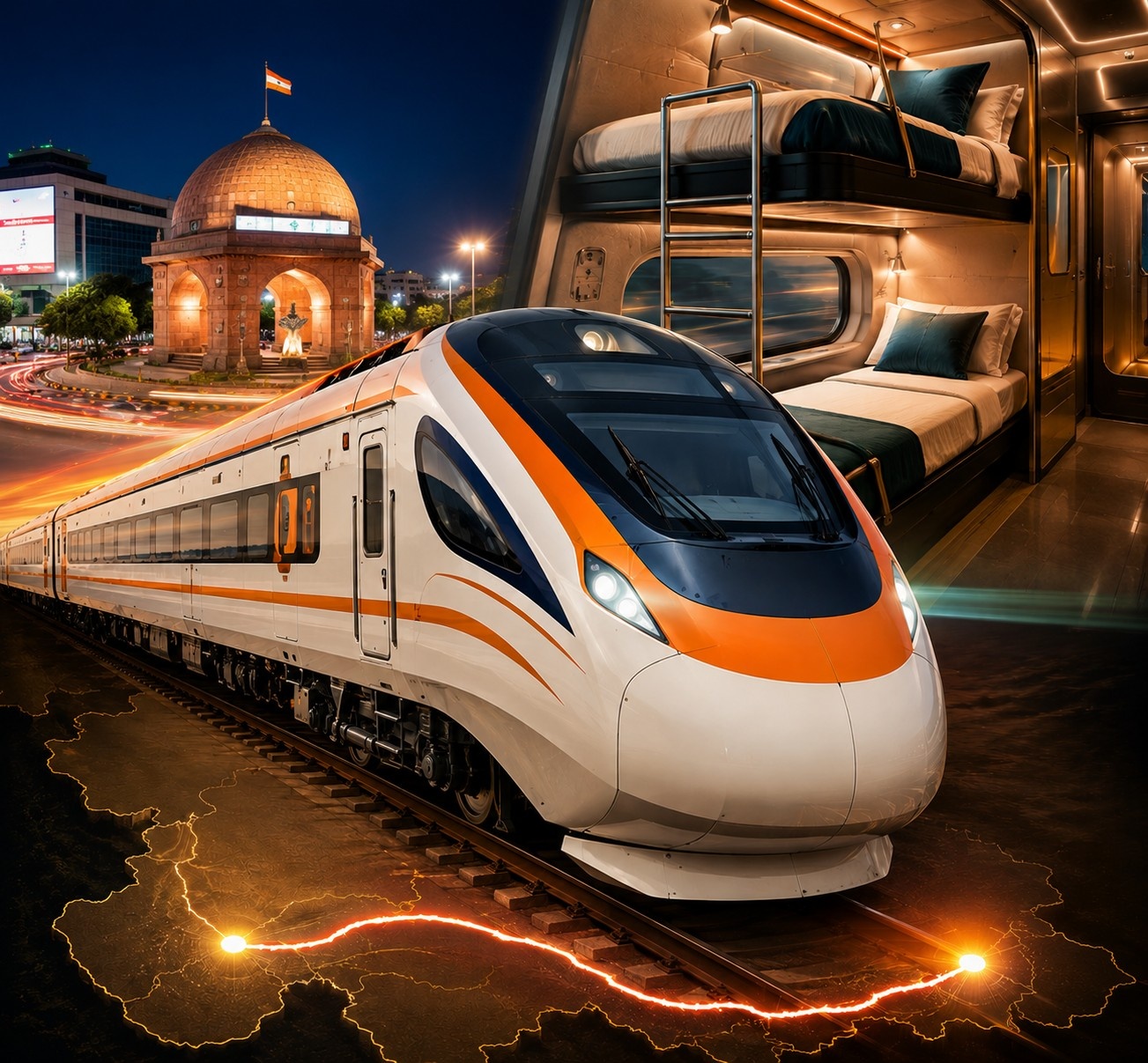
Union Minister Nitin Gadkari flagged off the Nagpur–Madgaon Special Train from Platform No. 8 at Nagpur Railway Station on Friday, May 16, 2026. The green flag from Nagpur’s own MP marks the formal launch of a direct rail link that thousands of Nagpur and Vidarbha residents have been waiting for — a convenient, affordable, direct route to Goa by train.

No more changing trains. No more detours via Mumbai. Just board in Nagpur and arrive in Madgaon, Goa.


Train Details: Everything You Need to Know

Here is the complete information for passengers planning to travel on this train:

Train No. 01139 — Nagpur to Madgaon (Goa)

  • Origin: Nagpur Railway Station
  • Destination: Madgaon (Margao), Goa
  • Operating Days: Wednesdays and Saturdays (bi-weekly)

Train No. 01140 — Madgaon to Nagpur (Return)

  • Origin: Madgaon (Margao), Goa
  • Destination: Nagpur Railway Station
  • Operating Days: Thursdays and Sundays (bi-weekly)

The train operates bi-weekly in each direction — giving passengers two options per week to travel to Goa and two options to return. This frequency is well-suited for weekend travellers and those planning short Goa holidays.


Route and Halts

The Nagpur–Madgaon Special passes through several major stations — making it accessible to passengers from across the Vidarbha region and central Maharashtra.

Key halts on the route include Wardha, Sewagram, Nagpur on the Vidarbha end, then proceeding through Bhusaval, Jalgaon and onwards through the Konkan coastline before reaching Madgaon in South Goa.

Passengers from smaller towns along the route can board at intermediate stations — making this not just a Nagpur–Goa connection but a Vidarbha–Goa lifeline.


Why This Train Matters

For Nagpur residents, Goa has always been a popular destination. It is the go-to choice for beach holidays, family vacations, and long weekends. However, getting there has historically been a pain.

The options available before this train were all inconvenient in some way. Flying to Goa from Nagpur is expensive — and air fares spike sharply during peak season. Driving is an option, but the route is long and tiring. Taking an existing train often meant travelling to Pune or Mumbai first and then changing — adding hours and cost to the journey.

A direct special train from Nagpur to Madgaon eliminates all of these problems in one stroke. It is affordable. It is direct. It departs from Nagpur itself. And it arrives at Madgaon — which is centrally located in South Goa, close to popular destinations like Colva, Benaulim, and Margao city.


Gadkari’s Track Record on Rail Connectivity

The flagging off of this train carries the personal touch of Nitin Gadkari — Nagpur’s MP and one of India’s most infrastructure-focused ministers.

Gadkari has consistently pushed for improved rail and road connectivity for Nagpur and Vidarbha — a region that has historically been underserved in terms of direct transport links to major tourist and commercial destinations. His presence at the flagging off ceremony is a signal that this train is the result of sustained advocacy at the highest political level.

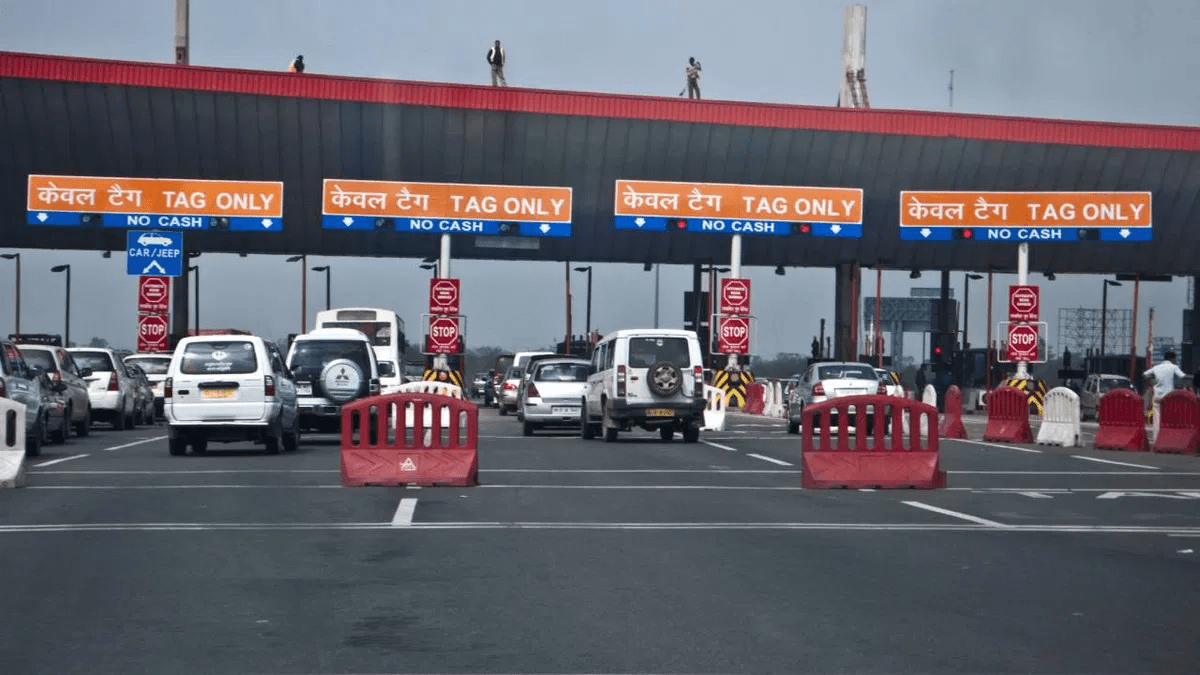
This is not the first time Gadkari has personally flagged off a major connectivity initiative for Nagpur in recent weeks. His announcement of satellite-based toll collection replacing traditional toll plazas by December 2026 and his role in the Union Cabinet’s approval of Nagpur Airport’s ₹7,000 crore PPP modernisation reflect a consistent pattern of working to make Nagpur better connected to the rest of India and the world.

The Nagpur–Madgaon train adds another dimension to that connectivity story — this time, for leisure travel.


Booking: How to Reserve Your Seat

Tickets for the Nagpur–Madgaon Special Train (01139/01140) are available through all standard Indian Railways booking channels:

  • IRCTC website — irctc.co.in
  • IRCTC Rail Connect app — available on Android and iOS
  • Railway reservation counters at Nagpur Railway Station
  • Authorised travel agents

The train offers multiple classes of accommodation. Passengers are advised to book early — especially for Wednesdays and Saturdays, which are popular travel days for leisure trips.

For real-time running status, seat availability, and platform information, passengers can use the NTES app or call the Railway Helpline at 139.


Important Note for Passengers

Passengers should note that the train has been operating from Ajni station (instead of Nagpur main station) during certain periods due to infrastructure upgrade work on Platform No. 2 at Nagpur Railway Station. The platform upgrade work was scheduled until May 29, 2026.

With Gadkari’s flagging off on May 16 from Platform No. 8 at Nagpur Railway Station, the train appears to have returned to its main station origin. Passengers are advised to verify the departure platform on the day of travel using the NTES app or by calling 139.


Nagpur’s Growing Connectivity Story

The launch of the Nagpur–Madgaon Special Train is the latest chapter in Nagpur’s rapidly expanding connectivity story.

In recent weeks alone, Nagpur has seen Qatar Airways resume direct Doha flights from May 21, the Union Cabinet approve ₹7,000 crore airport modernisation, and now a new direct train to Goa. Air, road, and rail — Nagpur’s connections to the rest of the country and the world are expanding on every front simultaneously.

For a city that sits at the geographical heart of India, this is exactly the kind of momentum it deserves.

Nagpur Updates wishes all passengers a comfortable and enjoyable journey on the new Nagpur–Madgaon Special Train. Goa is calling — and now, getting there is easier than ever!


Tags: Nagpur Madgaon Train, Nitin Gadkari, Nagpur Railway, Goa Travel, Indian Railways, Central Railway, Nagpur Connectivity, Nagpur Local News 2026

Qatar Airways Restarts Nagpur–Doha Direct Flights from May 21, 2026 — All You Need to Know

Published: May 9, 2026 | Category: Nagpur Local | Nagpur international flights | By: Nagpur Updates Desk


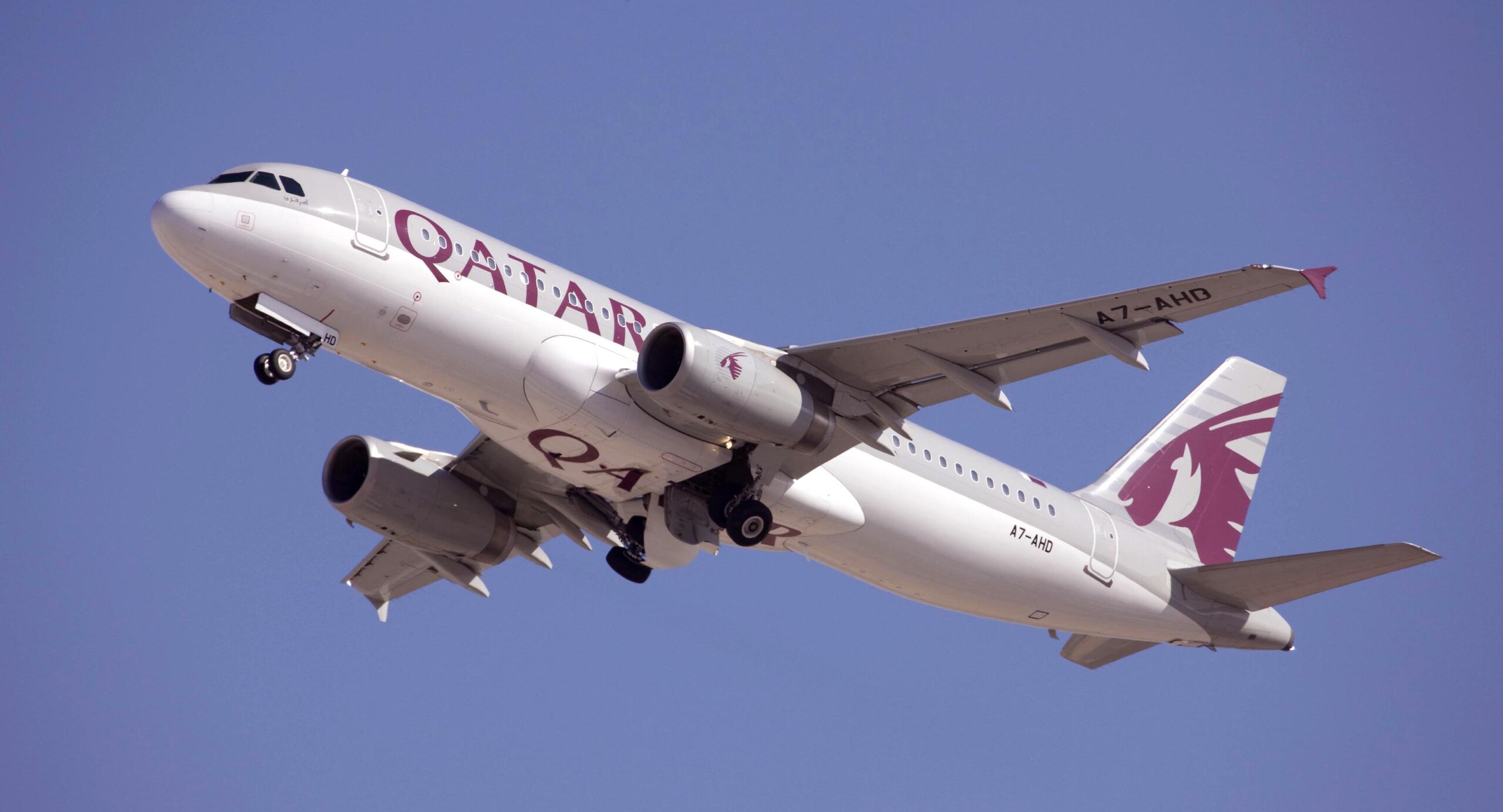
In a major boost for international air connectivity from Nagpur, Qatar Airways is set to resume its direct flights between Nagpur and Doha from May 21, 2026 — much earlier than many passengers had expected. The announcement has been welcomed with relief and excitement by thousands of travellers from Nagpur and across the Vidarbha region who had been left without a direct international air link since the route was suspended earlier this year.

The Nagpur–Doha service is one of the most strategically important international routes operating out of Nagpur’s Dr. Babasaheb Ambedkar International Airport at MIHAN, serving not just leisure and business travellers but also the large community of Vidarbha residents who work in Gulf countries and rely on Doha as a key transit hub for onward connections to Europe, North America, and other global destinations.


Why Was the Flight Suspended?

The Nagpur–Doha route, operated by Qatar Airways, was suspended from February 28, 2026, as part of a broader, large-scale disruption to Qatar Airways’ global operations. The suspension was triggered by the closure of Qatari airspace due to escalating geopolitical tensions and conflict in West Asia, which severely restricted the flight corridors available to Qatar Airways and forced the airline to temporarily halt operations to dozens of destinations worldwide.

The disruption was one of the most significant in Qatar Airways’ recent history. At its peak, the airline had to ground its entire A380 superjumbo fleet and restrict operations to limited QCAA-authorised flight corridors. For passengers on the Nagpur–Doha route, the suspension initially extended until May 15 — with many fearing it could be pushed further.

For Nagpur specifically, the suspension created significant hardship. Passengers who needed to travel to Gulf countries for work, medical treatment, or family visits were forced to take indirect routes — travelling to Mumbai or Delhi first before boarding international flights, adding hours to their journeys and significantly increasing travel costs.


May 21: The Return of Direct Connectivity

The confirmation that Qatar Airways will resume the Nagpur–Doha route from May 21, 2026 — ahead of the earlier suspension deadline — reflects the gradual stabilisation of the regional airspace situation and the airline’s accelerated efforts to restore its global network.

The service is expected to operate five days a week — Tuesday to Saturday, giving passengers regular and frequent options for travel:

  • Flight QR590: Departs Doha at 10:25 AM, arrives Nagpur at 2:50 AM (next day)
  • Flight QR591: Departs Nagpur at 4:50 AM, arrives Doha

The aircraft deployed on the route is the Airbus A320 — a narrow-body jet well-suited for the Nagpur–Doha sector. Passengers are advised to check the latest schedule directly on the Qatar Airways website or app before booking, as flight timings remain subject to change given the ongoing phased restoration of the airline’s global network.


What About Ticket Prices?

Passengers should be aware that airfares on the Nagpur–Doha route have increased compared to pre-suspension levels. Current fares for the Doha–Nagpur sector are reported to be in the range of ₹70,200 to ₹82,889, compared to the earlier range of ₹48,000 to ₹65,000. The hike is attributed to rising fuel costs since April 2026 and the general increase in aviation costs globally.

While the higher fares may be a concern for some passengers — particularly for workers travelling to Gulf countries for employment — the direct route still offers significant advantages over alternative indirect routing through Mumbai or Delhi in terms of total travel time, convenience, and the elimination of additional domestic airfare costs.

Passengers who had existing bookings that were affected by the suspension are advised to check their booking status on the Qatar Airways app or website. The airline has maintained a flexible booking policy throughout the disruption period, offering complimentary date changes for travel originally booked through September 15, 2026, with changes allowed for travel up to October 31, 2026. Full refunds remain available for passengers who prefer that option.


Why the Nagpur–Doha Route Matters

For those unfamiliar with the strategic significance of this route, it is important to understand what the Nagpur–Doha connection truly means for the region.

Gateway to the Gulf: A large number of residents from Nagpur, Vidarbha, and surrounding regions work in Gulf Cooperation Council (GCC) countries — the UAE, Saudi Arabia, Qatar, Kuwait, Bahrain, and Oman. For these workers and their families, the direct Nagpur–Doha flight eliminates the need for a costly and time-consuming detour through Mumbai or Delhi. It brings their home city closer to their workplace.

Gateway to the World: Doha’s Hamad International Airport — rated among the world’s best airports — is one of the premier aviation hubs globally. Qatar Airways’ extensive network from Doha connects passengers to Europe, North America, Africa, Southeast Asia, and Australia with seamless one-stop connectivity. For a Nagpur-based passenger wanting to fly to London, New York, Sydney, or Frankfurt, the direct Nagpur–Doha flight followed by a Qatar Airways connection is often the fastest and most convenient option.

Business and Education: Nagpur is home to several major educational institutions, corporate headquarters, and growing business activity. The direct Doha connection supports the movement of students, business professionals, and academics between central India and the international community.


Air Arabia Already Back — Nagpur’s International Connectivity Rebuilding

The return of Qatar Airways’ Nagpur–Doha service comes alongside the earlier resumption of Air Arabia’s Sharjah–Nagpur–Sharjah flights from April 3, 2026, operating twice a week on Fridays and Sundays. Together, these developments mark a meaningful recovery of Nagpur’s international air connectivity after months of disruption.

The MIHAN airport at Nagpur has been steadily growing as an international aviation gateway for Central India. Just as the city has been in the news recently for civic developments — from the controversy over facilities at the Passport Office in Sadiqabad to infrastructure discussions around public transport and civic amenities — the return of international flights is a reminder of Nagpur’s growing importance as a major Indian city with global aspirations.


What Passengers Should Do Now

If you are planning to travel on the Nagpur–Doha route after May 21, here is what you should keep in mind:

  • Book early — seats on the resumed service are likely to fill up quickly given the pent-up demand from months of suspension
  • Verify the schedule at qatarairways.com or through a trusted travel agent before finalising plans, as timings may be updated
  • Check visa requirements for your destination, as travel documentation rules may have changed during the suspension period
  • Existing booking holders should log in to the Qatar Airways app to confirm their booking status and explore date change options if needed
  • Budget for higher fares — as noted, ticket prices have increased compared to pre-suspension levels

A Welcome Development for Nagpur

The resumption of the Qatar Airways Nagpur–Doha service from May 21, 2026 is genuinely good news for Nagpur and for Vidarbha. It restores a vital international link, supports the livelihoods of thousands of Gulf-based workers and their families, and reinforces Nagpur’s position as an emerging international aviation hub for Central India.

Nagpur Updates will bring you further details on the flight schedule, booking updates, and any additional international route announcements for Nagpur as they become available. Stay tuned!


Tags: Qatar Airways, Nagpur Doha Flight, MIHAN Nagpur, International Flights Nagpur, Nagpur Aviation, Vidarbha Travel, Nagpur Local News, Gulf Connectivity

New Electric Buses to Join NMC Fleet on April 8: A Big Leap for Nagpur’s Future

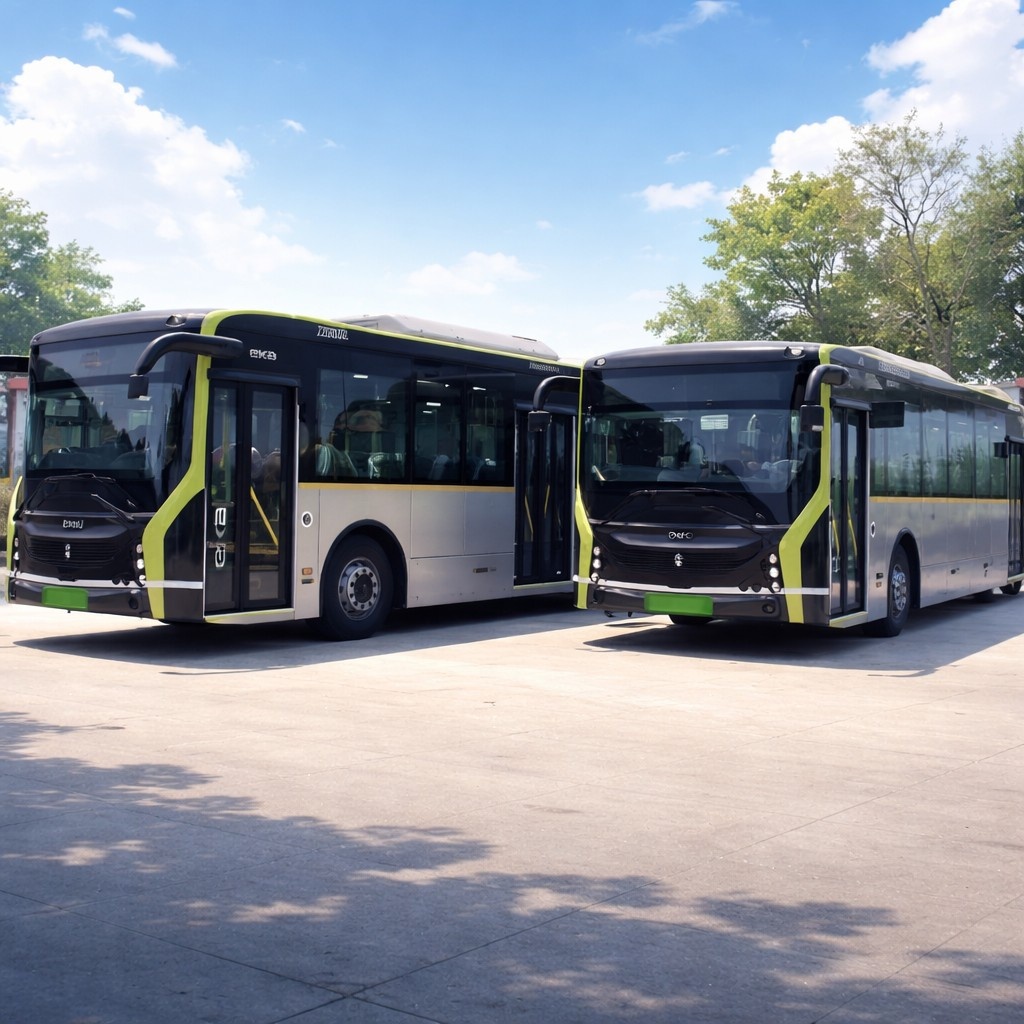
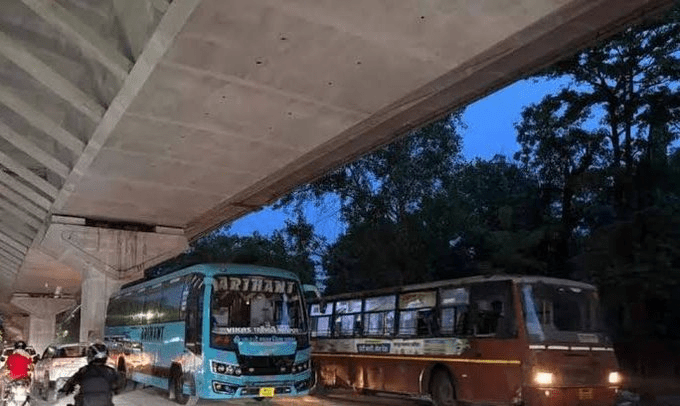
smart city Nagpur: If you’ve ever been stuck in traffic or bothered by pollution in Nagpur, this news might feel like a breath of fresh air—literally. The city is stepping into a cleaner, smarter future as the Nagpur Municipal Corporation (NMC) prepares to introduce a fleet of new electric buses starting April 8.

But what does this really mean for you, your daily commute, and the city’s future? Let’s break it down in simple terms.

Sr# Headings
1 Introduction to Electric Bus Initiative
2 Why Nagpur Needs Electric Buses
3 What Makes These Buses Special
4 Launch Date and Rollout Plan
5 Environmental Benefits
6 Cost Savings and Economic Impact
7 Passenger Experience and Comfort
8 Charging Infrastructure
9 Comparison with Diesel Buses
10 Role of Smart City Mission
11 Impact on Traffic and Urban Mobility
12 Challenges and Concerns
13 Future Expansion Plans
14 Public Reaction and Expectations
15 Conclusion

1. Introduction to Electric Bus Initiative

The introduction of electric buses by NMC is not just another transport update—it’s a transformation. Think of it like upgrading from an old, noisy fan to a modern silent air conditioner. Same purpose, but a much better experience.

These buses are part of a larger push to make public transport cleaner, smarter, and more efficient.


2. Why Nagpur Needs Electric Buses

Let’s be honest—pollution and traffic have become everyday problems. With growing population and vehicles, the air quality has taken a hit.

Electric buses are a solution because:

  • They reduce emissions
  • They lower noise pollution
  • They support sustainable urban growth

For a developing city like Nagpur, this shift is not optional—it’s necessary.


3. What Makes These Buses Special

These are not just ordinary buses running on batteries.

Key features include:

  • Zero tailpipe emissions
  • Smooth and silent operation
  • Modern interiors
  • GPS tracking systems

Imagine riding in a bus that feels more like a metro coach—quiet, clean, and comfortable.


4. Launch Date and Rollout Plan

The new fleet is set to hit the roads on April 8, marking an important milestone.

Initially, these buses will operate on selected high-demand routes. Over time, more routes will be added based on demand and performance.


5. Environmental Benefits

This is where things get exciting.

Electric buses help in:

  • Reducing carbon emissions
  • Improving air quality
  • Lowering dependency on fossil fuels

In simple terms, it’s like replacing a smoke-emitting generator with a solar panel system.


6. Cost Savings and Economic Impact

You might wonder—are electric buses expensive?

Yes, the initial cost is higher. But in the long run:

  • Fuel cost = Almost zero compared to diesel
  • Maintenance = Lower due to fewer moving parts
  • Operational savings = Significant

This means better use of taxpayer money over time.


7. Passenger Experience and Comfort

Let’s talk about what matters most—your ride.

Expect:

  • Less vibration
  • No engine noise
  • Better seating
  • Cleaner interiors

Daily commuters will immediately notice the difference. It’s not just transport anymore—it’s an experience.


8. Charging Infrastructure

Electric buses need charging stations, just like your phone needs a charger.

NMC has already started setting up:

  • Dedicated charging depots
  • Fast-charging stations
  • Backup systems

This ensures smooth operations without delays.


9. Comparison with Diesel Buses

Let’s compare quickly:

Feature Diesel Bus Electric Bus
Pollution High Zero
Noise Loud Silent
Fuel Cost High Low
Maintenance High Lower

Clearly, electric buses are the future.


10. Role of Smart City Mission

Nagpur has been part of India’s Smart City Mission, and this move aligns perfectly with that vision.

Goals include:

  • Smart mobility
  • Cleaner environment
  • Efficient public transport

Electric buses are a key step in achieving these goals.


11. Impact on Traffic and Urban Mobility

More efficient public transport means fewer private vehicles on roads.

Result:

  • Reduced traffic congestion
  • Faster commute times
  • Better road discipline

It’s like organizing a crowded room—everything flows better.


12. Challenges and Concerns

Of course, no system is perfect.

Possible challenges:

  • Charging delays
  • Battery lifespan
  • Initial investment costs

However, with proper planning, these issues can be managed effectively.


13. Future Expansion Plans

This is just the beginning.

NMC plans to:

  • Increase the number of electric buses
  • Expand routes
  • Improve infrastructure

In the coming years, electric buses could dominate the city’s transport system.


14. Public Reaction and Expectations

People are hopeful and excited.

Many residents believe this will:

  • Improve daily travel
  • Reduce pollution
  • Modernize the city

However, expectations are high, and the success will depend on execution.

The introduction of electric buses in Nagpur is more than just a transport upgrade—it’s a vision for a cleaner, smarter future.

If implemented well, this initiative could change how people travel, reduce pollution, and set an example for other cities.

So next time you board a bus, imagine it running silently, without smoke—that future is arriving sooner than you think.

1. When will the electric buses start operating in Nagpur?

They are scheduled to begin operations on April 8.

2. Are electric buses better than diesel buses?

Yes, they are cleaner, quieter, and more cost-effective in the long run.

3. Will ticket prices increase with electric buses?

As of now, there is no confirmation of fare increase.

4. How are electric buses charged?

They are charged at dedicated charging stations set up by NMC.

5. Will more electric buses be added in the future?

Yes, NMC plans to expand the fleet gradually.

Best Places to Live in Nagpur – Complete Guide 2026

Nagpur is rapidly becoming one of India’s fastest-growing cities, attracting professionals, families, and investors. But choosing the right area to live in depends on multiple factors like budget, connectivity, safety, and lifestyle.

In this guide, we go beyond generic lists and provide real local insights, comparisons, and future growth potential of top areas in Nagpur (2026).


Best Places to Live in Nagpur (Complete Guide)

best places to live in nagpur: Choosing the right place to live is like picking the perfect seat in a movie theatre—you want the best view, comfort, and overall experience. If you’re planning to settle in Nagpur, you’re in luck. Known as the “Orange City,” Nagpur is rapidly transforming into a smart, well-connected urban hub with a mix of affordability, infrastructure, and lifestyle benefits.

But with so many localities growing fast, the big question is: Which area is best for you? Whether you’re a working professional, a family person, or an investor, this complete guide will help you find your ideal spot.


Table of Contents

Sr# Headings
1 Why Nagpur is a Great Place to Live
2 Factors to Consider Before Choosing an Area
3 Dharampeth – Premium Living Hub
4 Civil Lines – Elite & Peaceful Area
5 Pratap Nagar – Best for Families
6 Manish Nagar – Affordable & Growing
7 Wardha Road – Future Investment Zone
8 Besa – Budget-Friendly Residential Area
9 Hingna – Industrial & Employment Hub
10 Mihan – Smart City of Nagpur
11 Trimurti Nagar – Balanced Lifestyle
12 Narendra Nagar – Well-Connected Area
13 Kamptee Road – Emerging Corridor
14 Cost of Living in Nagpur Areas
15 Final Thoughts

Why Nagpur is a Great Place to Live

Nagpur is no longer just a Tier-2 city—it’s becoming one of India’s fastest-growing urban centers. With projects like MIHAN and expanding infrastructure like the Nagpur Metro, the city is attracting professionals, investors, and families alike.

Why people love Nagpur:

  • Affordable housing compared to metros
  • Central location in India
  • Clean and green environment
  • Growing job opportunities

Factors to Consider Before Choosing an Area

Before you finalize your dream home, think about:

  • Connectivity: Is it close to your office or school?
  • Budget: Does it fit your financial plan?
  • Amenities: Hospitals, malls, schools nearby?
  • Future Growth: Will property value increase?

Think of it like buying a smartphone—you want performance, battery life, and future updates, not just looks.


Dharampeth – Premium Living Hub (best places to live in nagpur)

If luxury had an address in Nagpur, it would be Dharampeth.

Why choose Dharampeth:

  • Prime location in the city center
  • High-end restaurants and shopping areas
  • Excellent schools and hospitals

Perfect for business owners and high-income professionals, this area offers a vibrant lifestyle.


Civil Lines – Elite & Peaceful Area

Civil Lines is where elegance meets peace.

Key highlights:

  • Spacious bungalows
  • Green surroundings
  • Government offices nearby

It’s ideal for those who prefer a calm, upscale environment.


Pratap Nagar – Best for Families

Looking for a family-friendly locality? Pratap Nagar is a solid choice.

Why it stands out:

  • Good schools and colleges
  • Markets and daily essentials nearby
  • Safe and well-developed

Families love the balance of convenience and comfort here.


Manish Nagar – Affordable & Growing

Manish Nagar is like a rising star—affordable yet promising.

Benefits:

  • Close to the airport
  • Budget-friendly housing
  • Rapid development

Perfect for first-time homebuyers.


Wardha Road – Future Investment Zone

Wardha Road is the backbone of Nagpur’s future growth.

Why invest here:

  • Proximity to MIHAN
  • Excellent road connectivity
  • Upcoming commercial projects

If you’re thinking long-term, this is a goldmine.


Besa – Budget-Friendly Residential Area

Besa is gaining popularity among middle-class families.

What makes it attractive:

  • Affordable flats and plots
  • Peaceful surroundings
  • Growing infrastructure

It’s ideal for those who want value for money.


Hingna – Industrial & Employment Hub

Hingna is perfect if you work in industrial sectors.

Key advantages:

  • Close to industrial zones
  • Affordable living
  • Increasing residential demand

It’s practical and cost-effective.


Mihan – Smart City of Nagpur

MIHAN is the future—literally.

Why MIHAN is special:

  • IT parks and SEZs
  • Job opportunities
  • Modern infrastructure

Living here feels like stepping into tomorrow.


Trimurti Nagar – Balanced Lifestyle

Trimurti Nagar offers the best of both worlds.

Highlights:

  • Central location
  • Good schools and markets
  • Well-developed roads

Great for families and professionals alike.


Narendra Nagar – Well-Connected Area

Narendra Nagar is all about connectivity.

Why people choose it:

  • Easy access to major roads
  • Close to railway station
  • Good residential options

Convenience is the biggest plus here.


Kamptee Road – Emerging Corridor

Kamptee Road is slowly becoming a hotspot.

Growth factors:

  • Affordable land prices
  • Upcoming infrastructure
  • Investment potential

If you want to invest early, this is worth considering.


Cost of Living in Nagpur Areas

Compared to cities like Mumbai or Pune, Nagpur is highly affordable.

Average costs:

  • Rent (1BHK): ₹6,000 – ₹15,000
  • Property rates: ₹3,000 – ₹8,000 per sq. ft.

Your lifestyle here can be comfortable without burning a hole in your pocket.

🧠 How to Choose the Best Area in Nagpur

Before selecting a location, consider:

  • Distance from workplace (MIHAN / IT Park / City center)
  • Traffic conditions
  • Future infrastructure projects
  • Property price trends

👉 This instantly increases content value

🏡 1. Civil Lines – Premium & Peaceful Living

✔ Best for: High-income families, professionals
✔ Price range: High

👉 Local Insight:
Civil Lines is one of the most premium areas with wide roads and greenery. However, property prices are among the highest, and availability is limited.


🏡 2. Manish Nagar – Balanced Lifestyle

✔ Best for: Working professionals
✔ Close to: Airport, Wardha Road

👉 Local Insight:
Due to proximity to the airport and growing commercial activity, this area has seen strong appreciation in property value.


🏡 3. MIHAN Area – Future Investment Hub

✔ Best for: Investors, IT professionals

👉 Local Insight:
With IT parks and industries expanding, MIHAN is expected to be one of the top growth zones in the next 5–10 years.

📊 Area Comparison Table

Area Best For Price Level Future Growth
Civil Lines Luxury living High Medium
Manish Nagar Balanced living Medium High
MIHAN Investment Medium Very High

Q1. Which is the safest area in Nagpur?
Civil Lines and Dharampeth are considered among the safest.

Q2. Which area is best for investment?
MIHAN and Besa due to rapid development.

Q3. Which area is affordable?
Manewada, Beltarodi, and outer zones.

Nagpur offers a variety of living options, from premium areas like Civil Lines to fast-growing zones like MIHAN. The best choice depends on your budget and long-term goals. If you are planning for future growth, emerging areas provide better returns, while central locations offer stability and convenience.


Final Thoughts

Finding the best place to live in Nagpur depends on your needs, budget, and lifestyle. Whether you want luxury in Dharampeth, affordability in Besa, or future growth in Wardha Road, Nagpur has something for everyone.

Think of the city as a buffet—you just need to pick what suits your taste.

Maharashtra to Build India’s Longest Road Tunnel: A Leap Forward in Travel from Nagpur to Goa

Maharashtra longest road tunnel: In a monumental leap for India’s infrastructure development, Maharashtra is poised to construct India’s longest road tunnel, redefining connectivity between Nagpur and Goa. As part of the Nagpur-Goa Shaktipeeth Expressway, this tunnel is more than just an engineering feat—it is a catalyst for economic growth, religious tourism, and inter-district mobility.

Unveiling the Game-Changer: The Shaktipeeth Expressway

The Shaktipeeth Expressway, spanning across a strategic corridor of Maharashtra, is designed to connect 11 major districts from the heart of Vidarbha to the Konkan coastline, terminating at the Goa border in Patradevi. This expressway promises to be Maharashtra’s longest, both in terms of distance and impact.

Among the standout features of this expressway is the Ajara-Banda tunnel in the Kolhapur-Sindhudurg belt, which will serve as a flagship engineering endeavor for the entire nation.

Record-Breaking Tunnel: From Concept to Execution

Strategically located between Ajara and Banda, near the picturesque Amboli Ghat, the tunnel will span a staggering 29.9 kilometers in total length (including twin tunnels). It is planned in Phase 4 of the project, and its construction will reduce the current 90-minute journey across this treacherous terrain to just 20 minutes.

This tunnel not only sets a national record but also ensures year-round connectivity even during monsoon disruptions, which are common in the Western Ghats.

Key Benefits: What the Tunnel Means for Maharashtra

1. Massive Travel Time Reduction

The most immediate advantage of this tunnel is the drastic cut in travel time. Commuters, transporters, and tourists alike will benefit from the streamlined route, especially those transporting perishables and industrial goods.

2. Boost to Religious Tourism

The route connects several major Shaktipeeths and pilgrimage centers, including:

  • Mahur

  • Tuljapur

  • Aundha Nagnath

  • Pandharpur

  • Akkalkot

  • Gangapur

  • Parli Vaijnath

The expressway is aptly dubbed a ‘spiritual corridor’, and the improved infrastructure is expected to increase footfall by thousands, supporting the local economy through hospitality, retail, and logistics.

3. Regional Development and Employment

Construction of such a large-scale infrastructure will generate thousands of jobs, both directly and indirectly. From skilled engineers to construction laborers, this project will uplift communities along its path.

Moreover, better connectivity is proven to attract industrial investments, opening up economic opportunities in areas previously disconnected from major trade routes.

Route Map: A Journey Through 11 Districts

The expressway will weave through the following districts:

  • Nagpur

  • Wardha

  • Yavatmal

  • Hingoli

  • Parbhani

  • Nanded

  • Beed

  • Latur

  • Solapur

  • Kolhapur

  • Sindhudurg

Each of these districts will witness a transformation in logistics and accessibility, ushering in a new era of balanced regional development across Maharashtra.

The Political Turnaround: From Abandonment to Acceleration

The project was previously shelved due to political opposition and community resistance during the last Lok Sabha elections. Concerns ranged from land acquisition to environmental impact. However, with the Mahayuti alliance regaining control, the expressway has returned to the center of Maharashtra’s development agenda.

Chief Minister Devendra Fadnavis has made it clear—the project will proceed, emphasizing that its strategic, economic, and religious importance outweighs the objections.

Environmental and Engineering Challenges

The Western Ghats, known for their ecological sensitivity, pose several engineering and environmental challenges. However, the government has assured that the tunnel construction will use advanced boring technology, ensuring minimal environmental disruption while maximizing safety and structural durability.

Sophisticated ventilation, drainage systems, and seismic resistance protocols are being planned to ensure the tunnel meets international standards.

Logistics and Trade Transformation

The expressway is expected to become one of Maharashtra’s most vital trade arteries, drastically reducing transport time for:

  • Agricultural produce from Vidarbha to Konkan

  • Fisheries and seafood from Sindhudurg to Central Maharashtra

  • Industrial goods and exports headed to Goa and international ports

The economic implications are huge: reduced fuel consumption, faster delivery times, and lower logistics costs for businesses.

Tourism Renaissance: Gateway to the Konkan and Goa

Beyond its utilitarian value, the tunnel opens up incredible tourism opportunities. Travellers heading to Goa, Amboli, or the beaches of Konkan will now have a faster, safer, and more scenic route, making spontaneous weekend getaways more viable than ever.

This convenience is likely to spark new resorts, homestays, and tourism infrastructure, revitalizing the local tourism economy.

A New Era of Connectivity and Progress

With the construction of India’s longest road tunnel, Maharashtra is not just building infrastructure—it is building a future of integration, prosperity, and mobility. The Nagpur-Goa Shaktipeeth Expressway, bolstered by this monumental tunnel, is a visionary initiative that embodies the convergence of faith, progress, and connectivity.

FASTag Annual Pass to Launch on August 15 for Private Vehicles: All You Need to Know

The Ministry of Road Transport and Highways is revolutionizing how India travels with a new FASTag Annual Pass for private vehicles, priced at ₹3,000. This long-awaited initiative, launching on August 15, 2025, is designed to make highway toll payments smoother, faster, and more convenient for millions of vehicle owners across India.

With this announcement, Union Minister Nitin Gadkari has taken a major leap forward in improving the efficiency of the country’s toll system and reducing congestion at toll plazas.


What Is the FASTag Annual Pass and Who Can Use It?

The FASTag Annual Pass is a prepaid toll solution exclusively available to non-commercial private vehicles, including:

  • Cars

  • Jeeps

  • Vans

Under the scheme, vehicle owners can pay ₹3,000 once and enjoy up to 200 toll-free trips or one-year validity, whichever comes earlier. This makes it ideal for frequent travelers who often commute across states or cities via national highways.


Key Features of the ₹3,000 FASTag Annual Pass

  • Validity Period: 12 months from the activation date

  • Trip Cap: 200 toll trips in total (after which regular charges apply)

  • Vehicle Category: Private-use vehicles only (not for taxis, trucks, or commercial fleets)

  • Digital Activation: Pass can be activated via the Rajmarg Yatra App, NHAI official site, or MoRTH portal

  • No Hidden Charges: One-time payment, no monthly deductions or service charges

  • Valid Pan India: Usable across all FASTag-enabled toll plazas across the country


How to Apply for FASTag Annual Pass

Applying for the FASTag Annual Pass is designed to be seamless and entirely digital. Here’s a step-by-step process to enroll:

  1. Download the Rajmarg Yatra App (available on Android and iOS)

  2. Register or login with your mobile number and vehicle details

  3. Choose the ‘Annual Pass’ option under the toll services

  4. Enter vehicle details (RC, FASTag ID)

  5. Make a secure online payment of ₹3,000

  6. Receive confirmation and pass activation details via SMS and app

You can also visit the official NHAI (National Highways Authority of India) and MoRTH (Ministry of Road Transport & Highways) websites to access the same service.


Benefits of the FASTag Annual Pass for Private Vehicle Owners

This initiative is a part of India’s ongoing smart infrastructure development and aims to simplify the toll payment experience. Here’s how private vehicle owners benefit:

1. Time-Saving Convenience

The FASTag pass eliminates the need for repeated deductions and avoids cash payments, drastically reducing waiting time at toll booths.

2. Cost-Effective for Frequent Travelers

For those who regularly use highways, the ₹3,000 flat fee covers up to 200 journeys, offering significant savings compared to pay-per-trip models.

3. Stress-Free Long Drives

No need to check FASTag balances before a journey. You’re prepaid and worry-free until your trip limit or 12-month term expires.

4. Environment Friendly

Less idling and stopping means reduced fuel consumption and emissions, contributing to a greener highway ecosystem.


Why This Policy Matters: Addressing the 60-Km Toll Plaza Complaint

A common grievance among drivers has been the proximity of toll plazas — many within a 60-km stretch. With the FASTag Annual Pass:

  • Drivers no longer feel penalized by closely spaced toll points

  • A single transaction streamlines travel across multiple tolls

  • Disputes and misunderstandings at toll booths are minimized

This policy is also expected to reduce human interactions, streamline toll processing, and help authorities gather real-time data on traffic movements and toll revenue efficiency.


How the FASTag Annual Pass Will Impact Highway Traffic

India’s highways witness millions of vehicle crossings daily, and toll collection is often a bottleneck. With a single-pass system in place:

  • Congestion will reduce

  • Lane throughput will improve

  • Faster vehicular movement across tolls will enhance logistics and emergency response times

The scheme is particularly expected to ease traffic around high-density corridors, including:

  • Delhi-Mumbai Expressway

  • Bengaluru-Hyderabad stretch

  • Chennai-Kolkata route

  • Pune-Nagpur highways


Security and Transparency Built-In

The FASTag Annual Pass will be linked directly to a user’s verified FASTag ID and will operate with real-time toll tracking. This ensures:

  • No misuse or unauthorized sharing

  • Instant deductions only after trip count ends

  • Digital receipts and dashboard visibility on the Rajmarg Yatra App


What Happens After 200 Trips or 12 Months?

Once either the trip cap or time limit is reached:

  • The pass automatically expires

  • Users return to pay-per-trip FASTag charges

  • Renewal option will be available online for the following year

Travelers will be notified via SMS and the app dashboard as they approach the trip or time limit to avoid surprise charges.


A Digital India Move Aligned with Gati Shakti Vision

This annual pass scheme aligns with India’s ‘Gati Shakti Master Plan’, aiming for seamless, multi-modal transport. By integrating digital payment with highway infrastructure, it:

  • Reduces dependency on physical toll handling

  • Encourages digital adoption among rural and urban drivers

  • Prepares Indian roads for AI-based traffic analytics in future


Final Thoughts: Is the ₹3,000 FASTag Annual Pass Worth It?

Absolutely. For any frequent traveler, family road-tripper, or intercity commuter, the FASTag Annual Pass offers:

  • Convenience

  • Value

  • Speed

  • Simplicity

It’s a smart investment in a smoother travel experience, backed by transparency and nationwide applicability.

Ban On Pvt Buses In City: Traffic Cops Propose Six Pickup-Drop Terminals on Outskirts

A Bold Step Toward Decongesting Nagpur

Ban on private buses Nagpur: Imagine waking up to smooth traffic, clean roads, and fewer honks echoing through the city. Sounds dreamy, right? That dream might just be turning into reality in Nagpur. With the Nagpur traffic police teaming up with the Nagpur Municipal Corporation (NMC), a new strategy is unfolding — banning private intercity buses from the city center and shifting them to six dedicated terminals on the outskirts. This bold move isn’t just about cutting congestion; it’s about transforming how Nagpur travels.

Why Private Buses Became a Problem in Nagpur

Unregulated Growth and Traffic Chaos

Let’s face it — private intercity buses are everywhere. With around 1,606 private buses entering and exiting Nagpur daily, the city is struggling to manage this overwhelming volume. Most of these buses halt randomly, occupy road space, and create bottlenecks that frustrate commuters.

Unsafe Parking and Random Halts

These buses often stop in narrow streets, creating dangerous situations for pedestrians and commuters alike. Locations like Tekdi Road, once ideal, now feel like ticking time bombs due to congestion and limited access.

Short-Term Fixes Aren’t Enough

Sure, the authorities tried issuing challans. But we all know that’s like putting a Band-Aid on a fractured bone. What Nagpur needed was a long-term, sustainable mobility solution.

The Vision: Six Pickup-Drop Terminals on City Outskirts

Strategic Locations Identified

The proposed bus terminals will be set up on six key entry roads to the city:

  • Wardha Road

  • Bhandara Road

  • Chhindwara Road

  • Jabalpur Road

  • Umred Road

  • Amravati Road

These locations are not random picks — they’re carefully chosen based on traffic patterns and survey data.

Wardha Road: The Busiest Route

A detailed 24-hour survey revealed that Wardha Road alone accounts for 642 buses daily, nearly 40% of total bus movement. So naturally, it’s a prime spot for a terminal.

Who’s Behind This Plan?

Meet the Key Players

  • DCP (Traffic) Archit Chandak: Spearheading the campaign with a clear vision and action plan.

  • NMC Commissioner Abhijeet Chaudhari: Committed to supporting infrastructure and citizen convenience.

  • NIT, RTO, Private Operators, and Citizens: All stakeholders are being brought into the decision-making loop.

How the New Terminals Will Function

Designed for Efficiency and Convenience

Each terminal will have:

  • Basic amenities like seating, washrooms, ticket counters

  • Proximity to Metro stations for smooth city connectivity

  • Clearly marked pickup and drop zones

  • Ample parking space

Phased Rollout and Gradual Implementation

The rollout won’t be overnight. The NMC will lease lands, including three from its own holdings and one from NIT. Two more — Vihirgaon and Koradi Road — are on private land, and agreements are underway.

Benefits for the City and Its People

1. Decongested Roads

Less chaos in the inner city. The Inner Ring Road will be off-limits to private buses between 8 AM and 10 AM, reducing peak-hour stress.

2. Safer Commutes

No more buses parked haphazardly or blocking emergency vehicles.

3. Better Air Quality

Reduced congestion means fewer emissions, cleaner air, and a healthier environment.

4. Streamlined Public Transport

City buses and the MahaMetro will integrate with these terminals, ensuring a seamless commute.

What’s the Public Saying?

Mixed Emotions, Strong Hopes

While some fear inconvenience, especially for older travelers or those unfamiliar with the outskirts, others welcome the change.

“It’s time Nagpur followed the footsteps of cities like Pune and Ahmedabad,” said one commuter at the stakeholders’ meeting.

Challenges Ahead: Will It Work?

Survey Failures and Zone Overlaps

Initially, a zone-wise mapping failed because buses operate across zones. But a 24-hour checkpost survey fixed the data gap.

Land Acquisition Hurdles

While three sites are ready to go, private lands still need official acquisition and stakeholder consent.

Behavioral Shift Required

Bus operators and commuters will have to change age-old habits. But with proper infrastructure, that’s doable.

Emergency Provisions and Special Cases

Life happens, and the authorities get that. So emergency vehicles and buses for weddings or special events can still enter the city — if they get prior approval.

Inspired by Success Stories in Other Cities

Ahmedabad and Pune Lead the Way

Both cities saw smoother traffic and happier citizens after moving intercity buses out of downtown. Nagpur aims to replicate this success.

How Will Commuters Access the City from Terminals?

Integrated with MahaMetro

Terminals will be strategically placed near Metro stations, ensuring travelers can easily hop onto local transport.

City Buses as Feeders

City buses will act as feeder services, bridging the gap between terminals and key city hubs.

What Comes Next?

Common Mobility Plan in the Works

This initiative is part of Nagpur’s broader Common Mobility Plan, integrating with all modes of public transportation.

Rent Agreements and Infrastructure Development

Before operations kick off, the NMC will finalize rental deals, set up basic infrastructure, and roll out services in phases.


Data Snapshot: 24-Hour Bus Movement Survey

Road Name No. of Buses
Wardha Road 642
Umred Road 308
Jabalpur Road 296
Amravati Road 190
Bhandara Road 92
Chhindwara Road 78
Total 1606

A Necessary Shift for a Growing City

Change is never easy. But sometimes, it’s the only path forward. With 7,000 new vehicles hitting Nagpur’s roads every month, continuing with outdated infrastructure is not an option. The proposed ban on private buses in city limits is a proactive move toward sustainable urban transport. If implemented well, it could set a benchmark for other cities grappling with similar issues.

Let’s face it — it’s time Nagpur evolved.

1. Why is Nagpur banning private buses from the city center?

To reduce traffic congestion, improve road safety, and create a more organized public transport system.

2. Where will the new terminals be located?

On Wardha, Umred, Bhandara, Chhindwara, Jabalpur, and Amravati Roads — all major entry points to Nagpur.

3. Will this affect bus travelers negatively?

Initially, there may be some adjustments, but better infrastructure and metro connectivity will ease the transition.

4. How will emergency cases be handled?

Special permissions can be granted for weddings, medical emergencies, and family events.

5. When will this plan be implemented?

The plan will be rolled out in phases after finalizing land rentals and infrastructure readiness.

Pune–Nagpur Vande Bharat Update: Relief for Maharashtra Commuters Soon?

The long wait might just be over for thousands of commuters in Maharashtra. The Pune–Nagpur Vande Bharat Express, a much-anticipated high-speed rail project, is inching closer to reality. With recent developments involving the Union Railways Minister and Maharashtra’s Chief Minister, the idea of connecting Pune and Nagpur with a superfast train could soon turn into action.

Let’s dive deep into what this means for the state, the common traveller, and how this project is part of a larger plan to transform Maharashtra’s rail network.


🚄 What Is the Pune–Nagpur Vande Bharat Project All About?

Imagine slashing your 16-hour train journey to a swift and comfortable 8 hours. That’s the core promise of the Pune–Nagpur Vande Bharat Express—a high-speed, semi-bullet train that’s part of the Vande Bharat initiative, India’s flagship rail modernization effort.

This train is expected to bring Pune and Nagpur, two vital urban centers, closer than ever before—boosting commerce, tourism, and everyday convenience.


📢 Recent Developments: Green Signals from the Top

Union Railways Minister Ashwini Vaishnaw, in a recent press meet in Pune, revealed that discussions are actively underway with Maharashtra CM Devendra Fadnavis. The Centre and the State are on the same page about launching this service as soon as possible.

That’s not just political talk. It’s a sign that plans are moving from paper to progress.


🕒 Current Travel Time vs. Projected Time

Let’s face it, nobody enjoys spending 16 long hours on a train for a domestic trip within the same state. With the Vande Bharat Express, this ordeal could be cut by half, bringing the total time down to approximately 7 to 8 hours.

This is not just a time-saver. It’s a quality-of-life booster for daily commuters, business travellers, and tourists alike.


🚉 Strengthening Maharashtra’s Rail Backbone

Apart from the Pune–Nagpur link, the Minister also announced big upgrades to other parts of Maharashtra’s rail infrastructure:

  • Pune Railway Station: Complete redevelopment with world-class facilities and four new platforms.

  • Other Stations: Makeovers for Hadapsar, Khadki, Shivajinagar, Uruli Kanchan, and Alandi.

  • These enhancements are reportedly in their final stages—a clear indicator of full-scale modernization.


🔄 Pune–Nashik High-Speed Rail: Lessons for Pune–Nagpur

Interestingly, the Pune–Nashik corridor faced a hurdle due to its proximity to the Giant Metrewave Radio Telescope (GMRT). Scientists raised concerns that electromagnetic interference could affect the observatory.

Learning from that, the Pune–Nagpur project will be designed with scientific safeguards and smart alignment, ensuring progress without disruption.


📡 Why GMRT Matters in This Story

For those wondering—why is a radio telescope relevant here? The GMRT, managed by the National Centre for Radio Astrophysics (NCRA), is a globally recognized research facility. With 30 antennas operating between 150–1420 MHz, it’s sensitive to even the smallest interference.

Respecting this scientific gem is now part of Maharashtra’s rail planning DNA.


👥 What This Means for Maharashtra Commuters

Let’s break it down:

  • Reduced Travel Time

  • Comfortable Journeys with modern amenities

  • Boost to Daily Commutes between cities

  • Business Travel Becomes Easier

  • Tourism Will Surge with faster connectivity

That’s a win-win-win—for the public, the government, and the state’s economy.


💬 Voices from the Ground

Commuters and city dwellers are optimistic:

“If I can reach Nagpur in 7 hours, I’ll ditch flights entirely!”
“Finally, Pune and Nagpur won’t feel like they’re on opposite sides of the planet.”

These are real sentiments that show how deeply people need this change.


📈 Economic Ripple Effects

Faster trains mean faster business. Whether you’re a startup founder in Pune or a logistics manager in Nagpur, reduced travel time = more deals, more growth.

Plus, regional tourism will get a solid push, helping small towns and businesses along the route thrive.


🏗️ What’s Next in the Timeline?

Though there’s no official launch date yet, here’s what to expect:

  1. Route Planning Finalization

  2. Infrastructure and Station Upgrades

  3. Testing and Safety Trials

  4. Official Launch Announcement

With Centre–State alignment and technical assessments already underway, we could hear launch news sooner than expected.


🧱 Pune’s Urban Railway Overhaul

While the focus is on the Pune–Nagpur express, the bigger picture shows Pune as a hub for railway growth.

Key points:

  • Pune station revamp will enhance capacity and commuter experience.

  • The addition of platforms will help accommodate new trains like Vande Bharat.

  • Integrated transit plans will ease local transport congestion.


🌐 Balancing Science and Infrastructure

Balancing progress with responsibility is a hallmark of good governance. By planning reroutes to protect GMRT and pushing eco-sensitive construction, India shows how technology and science can coexist.


📍 Strategic Importance of Pune–Nagpur Corridor

This isn’t just about connecting two cities.

  • Pune: IT, education, manufacturing

  • Nagpur: Logistics, minerals, defense

Linking them with a high-speed train means strengthening Maharashtra’s spine.


🧭 Looking Ahead: Will This Be the Future of Travel?

Absolutely. The Pune–Nagpur Vande Bharat isn’t just a train. It’s a symbol of India’s shift toward faster, smarter, and commuter-first transportation.

Think of it as India switching from dial-up to high-speed broadband—but on rails.


🌟 Conclusion: A New Era Is Just Around the Corner

The Pune–Nagpur Vande Bharat train is more than a transport project—it’s a promise of speed, comfort, and connectivity. It’s about people reclaiming their time, businesses gaining momentum, and cities growing closer in spirit and economy.

With all eyes on final approvals and launch announcements, commuters in Maharashtra have every reason to stay hopeful.

1. When will the Pune–Nagpur Vande Bharat train start?

There is no confirmed launch date yet, but discussions are actively progressing between central and state officials.

2. How much time will the Vande Bharat train save?

It could cut travel time from around 16 hours to approximately 7–8 hours.

3. Will the train have stops in between?

While exact stops are yet to be finalized, key stations along the route are expected to be included.

4. Is the Pune railway station being upgraded for this train?

Yes, Pune station is undergoing a major redevelopment with additional platforms and world-class facilities.

5. Will this affect scientific facilities like GMRT?

No. The project is being planned with a re-aligned route to avoid interference with sensitive equipment at GMRT.

Nagpur to Mumbai Vande Bharat Express Train: Everything You Need to Know

The Indian Railways is all set to revolutionize travel with the introduction of the Nagpur to Mumbai Vande Bharat Express train. This semi-high-speed train promises unparalleled comfort and speed, making it a game-changer for passengers commuting between these two bustling cities. Let’s dive into the details, from its route and travel time to ticket prices and amenities.

What is the Vande Bharat Express?

The Vande Bharat Express, also known as Train 18, is a state-of-the-art semi-high-speed train manufactured by the Integral Coach Factory (ICF) in Chennai. Known for its advanced technology and superior passenger experience, it has already become a favorite among travelers across India. Currently, 136 Vande Bharat services operate nationwide, and the Nagpur-Mumbai route is the latest addition.

Route and Distance

Nagpur to Mumbai Route Overview

The Nagpur to Mumbai Vande Bharat Express train will connect Nagpur, the orange city of India, with Mumbai, the financial capital. The route covers a total distance of 837 kilometers, linking major cities and towns along the way.

Key Stations on the Route

The train will make stops at several significant junctions, ensuring maximum convenience for passengers. Here are the major stoppages:

  • Wardha Junction
  • Badnera Junction
  • Akola Junction
  • Bhusaval Junction
  • Jalgaon Junction
  • Nashik Road
  • Kalyan Junction
  • Dadar

Travel Time and Speed

The Nagpur-Mumbai Vande Bharat Express is designed to cover the 837 km distance in less than 9 hours. Operating at a top speed of 160 km/h, it is set to be the fastest train on this route, drastically reducing travel time compared to other modes of transport.

Train Timings and Schedule

Nagpur to Mumbai (CSMT)

  • Departure: 05:00 hrs
  • Arrival: 14:00 hrs

Mumbai (CSMT) to Nagpur

  • Departure: 15:00 hrs
  • Arrival: 23:50 hrs

This efficient timetable ensures that passengers can make the most of their day at either end.

Coach Composition and Seating Options

The Nagpur to Mumbai Vande Bharat Express will feature a total of 8 coaches, including:

  • 1 Executive AC Coach
  • 7 AC Chair Car Coaches

Passengers can expect spacious seating, ergonomic design, and modern amenities for a comfortable journey.

Ticket Prices

Fare Details

  • AC Chair Car: Approx. ₹1600
  • Executive AC: Approx. ₹2600

These fares include top-notch facilities and onboard services, ensuring value for money.

Amenities Onboard

Modern Features

The train is equipped with:

  • Automatic doors
  • Reclining seats
  • LED lighting
  • GPS-based passenger information system
  • Bio-vacuum toilets

Catering Services

Passengers can enjoy pre-booked meals and beverages, ensuring a delightful culinary experience.

Environmental Benefits

The Vande Bharat Express is an energy-efficient train designed to reduce carbon emissions. Its lightweight aluminum body and advanced propulsion systems contribute to sustainable travel.

Why Choose the Vande Bharat Express?

  • Speed: Save time with a travel duration of under 9 hours.
  • Comfort: Enjoy plush seating and modern amenities.
  • Convenience: Multiple stoppages for better connectivity.
  • Sustainability: Eco-friendly travel options.

1. How long does the Nagpur to Mumbai Vande Bharat Express take?

The train takes less than 9 hours to cover the distance of 837 km.

2. What are the ticket prices for the Nagpur-Mumbai Vande Bharat Express?

The fares are approximately ₹1600 for AC Chair Car and ₹2600 for Executive AC.

3. What are the major stoppages along the route?

Key stations include Wardha Junction, Nashik Road, Kalyan Junction, and Dadar.

4. What amenities are provided onboard?

The train offers reclining seats, LED lighting, bio-vacuum toilets, and a GPS-based passenger information system.

5. Is the train environmentally friendly?

Yes, the Vande Bharat Express is designed for energy efficiency and reduced carbon emissions.

Pay No Toll For EVs in Maharashtra: Free Entry on Mumbai-Pune Expressways, Atal Setu And More

EV Toll Free Maharashtra: Electric vehicles (EVs) are not just changing the way we drive—they’re reshaping the roads we drive on. In a bold and eco-forward move, the Maharashtra government has just rolled out a game-changing incentive: no toll for four-wheeler EVs and buses on major expressways like the Mumbai-Pune Expressway, Atal Setu, and Samruddhi Mahamarg. Curious to know how this impacts you, your wallet, and the planet? Buckle up, because we’re diving deep into what this new Electric Vehicle Policy 2025 means for EV owners, the environment, and the future of mobility.


🚗 What’s All the Buzz About?

This isn’t just a regular government update. It’s a revolution in motion. On April 29, during a cabinet meeting chaired by Chief Minister Devendra Fadnavis, Maharashtra unveiled the Electric Vehicle Policy 2025—a plan that makes owning and driving EVs more rewarding than ever.


🔑 Key Highlights of the Policy

  • 100% toll exemption on Mumbai-Pune Expressway, Atal Setu, Samruddhi Mahamarg for 4-wheeler EVs and buses.

  • 50% toll reduction on state and national highways for EVs.

  • Valid till 2030.

  • Rs 1,993 crore allocated for EV incentives and infrastructure.

  • Charging stations every 25 km on national highways.

  • 10%-15% purchase concession for various EV types.

  • Zero registration fees for EVs.


⚡ Why This Move Matters for Maharashtra

1. Pollution, Meet Your Match

Think of this policy as a breath of fresh air—literally. Maharashtra is tackling urban pollution head-on by promoting clean, green transportation. By making EVs more affordable and convenient, the government is nudging citizens toward a low-emission lifestyle.

2. Your Wallet Will Thank You

Let’s be honest—toll fees on expressways can burn a hole in your pocket. With toll-free travel, EV owners can save thousands annually, especially those who commute daily between cities like Mumbai and Pune.


🛣️ Roads That Are Now Toll-Free for EVs

✅ Mumbai-Pune Expressway

The most traveled highway in Maharashtra now welcomes EVs with zero toll. Weekend getaways just got greener!

✅ Atal Setu (Mumbai Trans Harbour Link)

This engineering marvel is now also a symbol of clean mobility. If you’re in Navi Mumbai or Mumbai, you’ll feel the benefit almost immediately.

✅ Samruddhi Mahamarg (Nagpur-Mumbai Expressway)

Long-distance travel just got eco-friendlier. Whether it’s work or wanderlust, your EV can now cruise toll-free.


🔋 Charging Infrastructure: Powering Up Every 25 KM

Range anxiety? Not anymore. The state will install charging stations every 25 km on national highways. No more hunting for chargers or panicking mid-trip—just plug in and power up wherever you go.


🎯 Subsidies Galore: Who Gets What?

🛵 Electric Two & Three-Wheelers

  • 10% subsidy on purchase.

  • Designed to encourage delivery fleets and last-mile transport services.

🚗 Private Four-Wheelers

  • Eligible for 10% discount on purchase price.

  • Plus, you get waived registration fees.

🚌 State Transport Buses & Private Buses

  • Full toll exemption and purchase subsidy.

  • Helps public transport go green.

🚛 Goods Vehicles & Tractors

  • 15% subsidy for goods-carrying EVs and electric tractors.

  • Big win for logistics and agriculture!


🧾 No More Registration Fees for EVs

That’s right. All EV owners—whether it’s a car, scooter, or electric rickshaw—will be exempted from paying registration charges. It’s not just a win for the environment, but also a pocket-friendly shift for first-time EV buyers.


🌍 Clean Mobility Transition Model (CMTM)

This is where things get futuristic. Maharashtra is embracing the Clean Mobility Transition Model, which aims to gradually phase out fossil-fuel vehicles by promoting:

  • Cleaner production of EVs.

  • State-sponsored incentives.

  • Urban planning with EV-first infrastructure.


📊 How Will the Rs 1,993 Crore Be Spent?

  • Charging Infrastructure – 40%

  • Subsidies – 30%

  • Awareness & Promotion – 15%

  • EV Manufacturing Incentives – 10%

  • Research & Monitoring – 5%

Smart investments now will bring smarter, cleaner transportation later.


🏭 Boosting Local EV Manufacturing

Under this policy, Maharashtra is becoming a hotbed for EV production. Manufacturers setting up plants in the state will get added incentives. This means more local jobs, tech innovation, and a sustainable economy.


🚦 Making Every Ride Smarter and Greener

With integrated apps, GPS-guided chargers, and dedicated EV lanes coming soon, Maharashtra’s roads are being redesigned for future-ready driving.


💬 What EV Owners Are Saying

“I travel between Mumbai and Pune thrice a week. The toll exemption just made my EV the smartest investment of the year!” – Anil M., EV Owner

“The charging points every 25 km mean I can plan long drives without stress. Finally, EV travel feels practical.” – Reena D., Tech Professional


📅 How Long Will These Benefits Last?

The Electric Vehicle Policy 2025 will remain active till 2030. So if you’re thinking of buying an EV, now’s the time to make that move while the perks are still hot.


🛠️ What Needs to Be Improved?

No plan is perfect. Here’s what we hope gets better:

  • Faster rollout of charging stations.

  • Better awareness campaigns in rural areas.

  • Inclusion of used EVs in subsidy plans.


🌱 Final Thoughts: Drive the Change

Maharashtra has thrown down the gauntlet and challenged the status quo. With zero tolls, juicy subsidies, and a vision for green mobility, the future is not just electric—it’s exhilarating.

So, if you’ve ever flirted with the idea of going electric, now’s the time to stop thinking and start driving. Because in Maharashtra, every EV isn’t just a vehicle—it’s a ticket to a cleaner, smarter tomorrow.

1. Is the toll exemption only for private EVs?

Nope! It also includes state and private buses that run on electricity.

2. Do I need any special documents to avail toll exemptions?

Usually, your EV registration should be enough. However, check for updates at your local RTO.

3. Will this toll-free policy apply outside Maharashtra?

Currently, it’s valid only on select roads within Maharashtra. Other states may follow suit in the future.

4. Are hybrid cars included in this exemption?

As of now, the policy mainly focuses on pure EVs, not hybrids.

5. Can tourists driving EVs from other states enjoy toll-free travel?

Yes, as long as the EV is a four-wheeler or bus, it qualifies regardless of registration state.

Exit mobile version