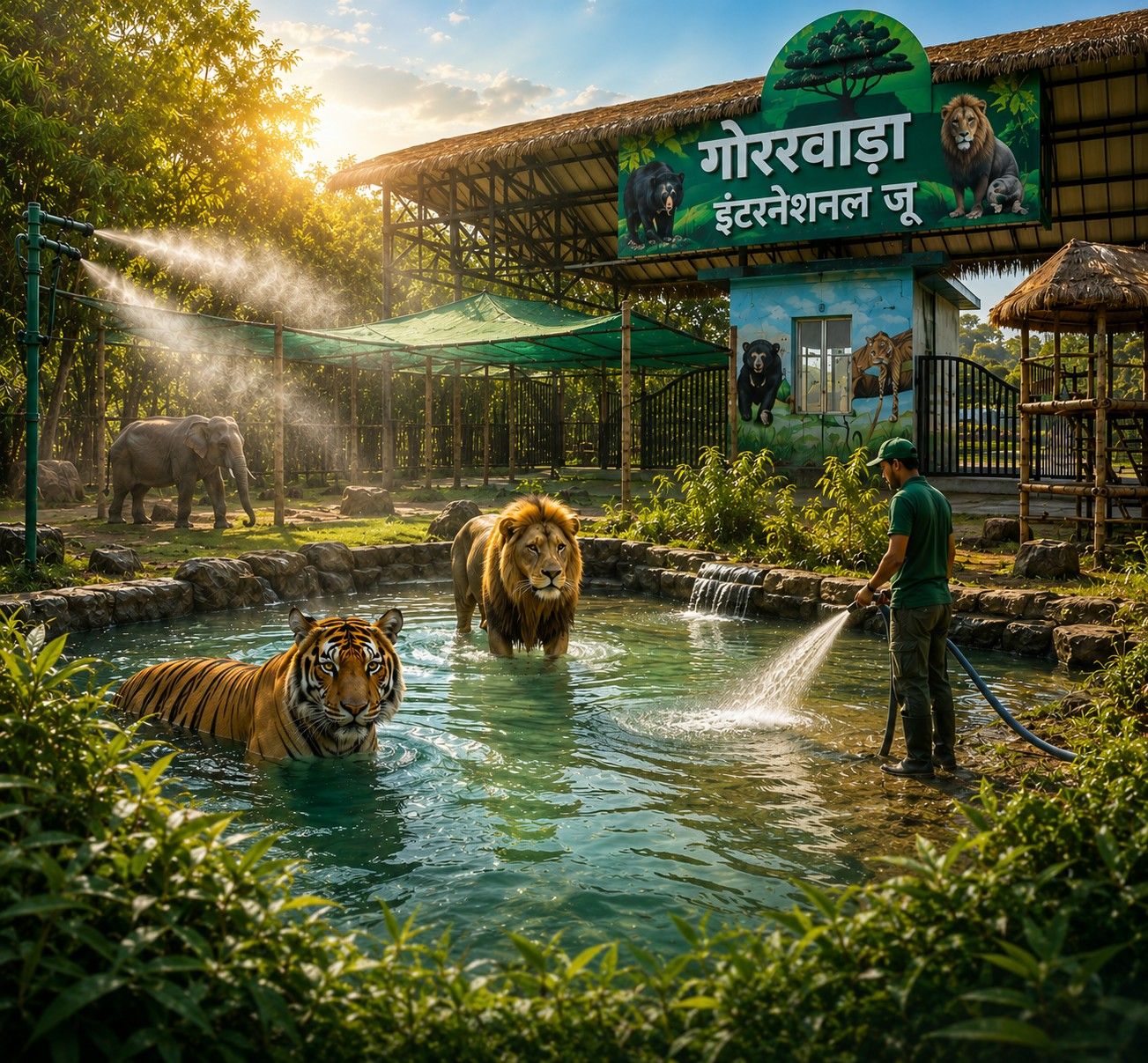
Gorewada Zoo Beats the Heat: Coolers, Fogger Systems and Water Holes Installed to Protect Big Cats from Nagpur’s Brutal 45°C Summer

Published: May 10, 2026 | Category: Nagpur Local | Gorewada Zoo | By: Nagpur Updates Desk


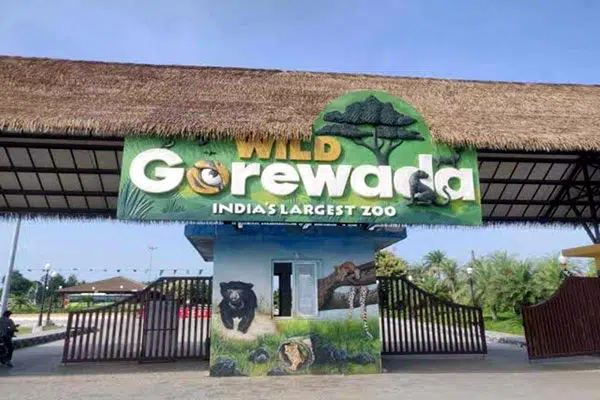
As Nagpur continues to swelter under one of its most intense summers in recent memory — with temperatures frequently touching and crossing 45°C — the animals at the Balasaheb Thackeray Gorewada International Zoological Park are receiving some much-needed relief. The zoo management has rolled out an extensive and carefully planned set of cooling measures designed to protect its residents — from majestic tigers and elusive leopards to gentle herbivores — from the punishing summer heat that is turning Nagpur’s afternoons into a furnace.

Zoo Director Pandurang Pakhale confirmed that preparations for the summer season begin well before peak heat arrives, ensuring the animals are already accustomed to their cooling environments by the time temperatures reach their most extreme levels.


Artificial Ponds and Water Holes: Tigers’ Favourite Summer Retreat

One of the most impactful and natural cooling solutions deployed at Gorewada this summer is the creation of artificial ponds and water holes inside the animal enclosures. For tigers — who are naturally drawn to water and are known to be strong swimmers — these artificial water bodies have become their favourite refuge during the hottest part of the day.

Zoo officials confirmed that tigers spend long hours inside these water holes during peak afternoon hours, when ambient temperatures are at their most extreme. The sight of a massive Bengal tiger leisurely soaking in a water hole while the mercury rages outside is both visually stunning and a testament to the zoo’s commitment to providing naturalistic, species-appropriate cooling solutions.

The creation of these water features is not just about immediate cooling — it is about recreating the natural behaviours and habitats of the animals in Gorewada’s care. In the wild, tigers routinely seek out water bodies during hot weather, and providing similar opportunities in a zoo setting is considered best practice in modern animal welfare.


Fogger and Misting Systems: Science-Backed Cooling for the Enclosures

Beyond the water holes, Gorewada has deployed an impressive technological solution to combat the summer heat: fogger and misting systems installed across animal enclosures. These systems work by releasing fine water droplets into the air — creating a cooling mist that simultaneously reduces ambient temperature and increases humidity levels in the immediate environment.

Zoo Director Pakhale explained the importance of these systems: “The fogger system lowers the temperature and increases humidity, creating a comfortable environment for tigers, leopards, and herbivores.”

This dual action — cooling and humidification — is particularly significant for Nagpur’s summer conditions. The city’s heat is characterised not just by extreme temperatures but also by very low humidity, which makes the heat feel even more intense. By introducing moisture into the air, the fogger systems replicate the conditions of a cooler, more forested environment — providing real physiological relief to the animals.

The fogger systems are especially beneficial for leopards and herbivores that may not be as instinctively drawn to water immersion as tigers, but still require relief from the heat in their enclosures.


Shade Nets and Ground Cooling: Blocking the Sun’s Direct Assault

Recognising that shade is as important as cooling, Gorewada’s management has erected large shade nets over the open sections of the enclosures. These nets significantly reduce direct sunlight exposure — cutting down on the radiant heat that otherwise beats down on the animals and their enclosure surfaces throughout the afternoon.

Complementing the shade nets is another simple but effective ground-level cooling measure: staff regularly spray water on the ground during peak afternoon hours to reduce surface temperatures. In extreme summer conditions, the ground surface in direct sunlight can reach temperatures far higher than the ambient air — creating a heat sink that makes the animals uncomfortable and can even cause paw or hoof burns in more severe cases. By keeping the ground moist and cool, the zoo staff are addressing this often-overlooked dimension of heat management.


Bamboo Plantations and Machaans: Nature-Inspired Solutions

Assistant Manager Sarika Khote highlighted another dimension of Gorewada’s summer preparedness — the deliberate use of natural elements to recreate habitat conditions inside the enclosures.

Bamboo plantations have been added in select areas of the zoo’s enclosures to provide natural shade and cover for the animals. Unlike artificial shade structures, bamboo creates a living, breathing microhabitat — the dense foliage provides shade while also creating a more naturalistic and visually enriching environment for the animals. It also keeps the surroundings cooler through the natural process of transpiration.

Inside the kraals — the off-display holding enclosures connected to night shelters where animals undergoing treatment or observation are housed — elevated wooden machaans and activity structures have been installed. These elevated platforms serve a dual purpose.

Khote explained: “The machaans provide a natural setting and help keep the animals physically active.”

For big cats, elevated platforms are not just physical enrichment — they are psychologically important too. Tigers and leopards in the wild regularly use elevated positions for resting and surveying their territory. By providing machaans inside the kraals, the zoo is maintaining the animals’ natural behavioural patterns even while they are in controlled holding areas — which is critical for their mental wellbeing during the summer stress period.


Gorewada’s Unique Safari Model: A Natural Advantage

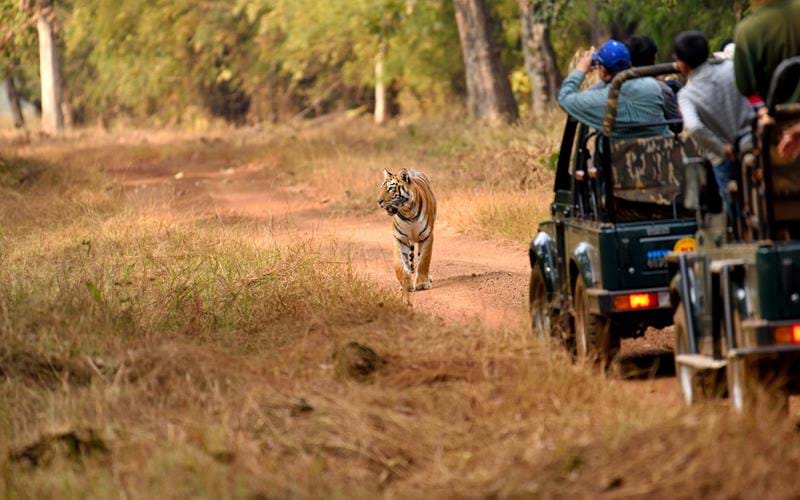
What makes Gorewada’s summer management particularly interesting — and inherently different from conventional zoos — is the park’s unique safari model. Unlike traditional zoos where animals are confined in relatively small cages or enclosures, Gorewada functions as a forest safari spread across vast forested terrain, where tigers, leopards, and herbivores roam expansive, naturalistic enclosures as tourist buses move along designated routes.

This model gives the animals at Gorewada a significant natural advantage in dealing with summer heat. The forested surroundings — part of the larger 1,914-hectare Gorewada Reserve Forest — provide natural shade, cooler microclimates, and a sensory environment that is far more conducive to animal wellbeing than the concrete-heavy environments of traditional zoos.

Animals undergoing treatment or observation are housed in kraals, which allow controlled yet relatively free movement during recovery — ensuring that even animals temporarily removed from the main safari areas are not confined to restrictive, uncomfortable spaces during the hottest months.


Gorewada’s Broader Commitment to Animal Welfare

The summer cooling measures at Gorewada reflect a broader philosophy of animal care that prioritises naturalistic, species-appropriate welfare over mere confinement management. The combination of water holes, fogger systems, shade nets, ground cooling, bamboo plantations, and machaans represents a holistic, multi-pronged approach to summer management — addressing the challenge from multiple angles simultaneously.

This approach is consistent with international best practices in zoo animal management and positions Gorewada as one of India’s most forward-thinking zoological institutions in terms of animal welfare. The fact that preparations begin well before peak summer, as Director Pakhale emphasised, also reflects an institutional culture of proactive care rather than reactive crisis management.

Just as Nagpur’s civic administration has been taking proactive steps to address the challenges of summer for the city’s human residents — from Mayor Neeta Thakre’s intervention on facilities at the Morbhavan Bus Stand to Operation U-Turn ensuring safer roads — Gorewada Zoo is ensuring that Nagpur’s magnificent wildlife residents are also well cared for during the city’s most demanding season.


Planning a Visit to Gorewada This Summer?

For Nagpur residents and visitors who wish to see the big cats at Gorewada this summer, the zoo operates extended summer hours — 7:30 AM to 6:00 PM during the summer season. Early morning visits are highly recommended, as animal activity is highest in the cooler hours before 10 AM, and the afternoon heat can make the safari experience uncomfortable for visitors as well.

Tickets can be booked online at the official website wildgorewada.com to avoid queues at the counter. The zoo is closed every Monday.

Nagpur Updates recommends Gorewada as one of Nagpur’s must-visit destinations — and summer, with its extended hours and the spectacle of big cats cooling off in their water holes, offers a uniquely memorable experience for wildlife lovers.


Tags: Gorewada Zoo, Nagpur Summer 2026, Big Cats Nagpur, Tiger Leopard Care, Zoo Nagpur, Pandurang Pakhale, Fogger System, Nagpur Wildlife, Nagpur Local News

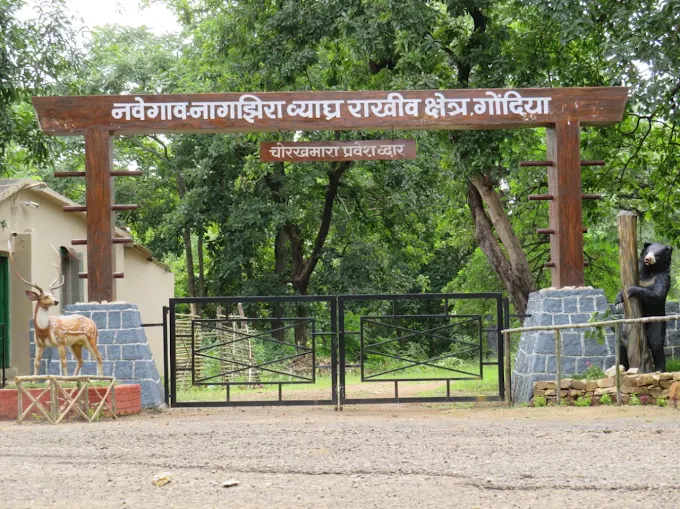
NNTR Jungle Safari Expansion 2026: Four New Gates Opening, Routes, Timings & Complete Visitor Guide

NNTR jungle safari (NNTR Expansion) 2026 Overview | Pench Tiger Reserve

  • Announcement of four new gates
  • Purpose behind expansion
  • Impact on tourism and local economy

Why New Gates Are Being Opened

  • Increasing tourist demand
  • Reducing congestion
  • Better wildlife accessibility
  • Sustainable tourism planning

Details of the Four New Gates

  • Gate 1: Location & features
  • Gate 2: Route & safari zones
  • Gate 3: Accessibility & facilities
  • Gate 4: Unique wildlife experience

Safari Routes and Zones

  • Core vs buffer zones
  • Wildlife spotting areas
  • Best routes for tiger sightings
  • Birdwatching routes

Safari Experience in NNTR

  • Types of safaris (jeep, canter)
  • Duration and timing
  • What to expect during safari

Best Time to Visit NNTR

  • Seasonal breakdown
  • Weather conditions
  • Peak vs off-season benefits

Wildlife You Can Spot

  • Tigers and big cats
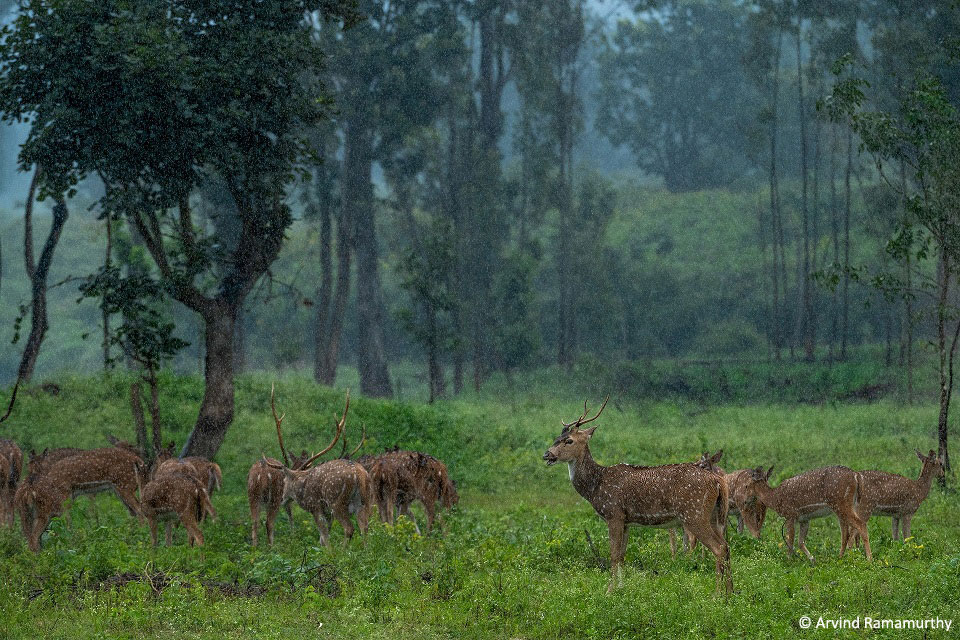
  • Herbivores
  • Birds and reptiles
  • Rare species

Booking Process for Jungle Safari

  • Online booking steps
  • Required documents
  • Pricing structure

Travel Guide to NNTR

  • How to reach from Nagpur
  • Nearby transport options
  • Accommodation options

Facilities for Tourists

  • Entry amenities
  • Safety measures
  • Guide services

Impact on Tourism in Nagpur

  • Economic boost
  • Job creation
  • Infrastructure development

Eco-Tourism and Conservation Efforts

  • Forest preservation
  • Wildlife protection programs
  • Role of tourists

Tips for Visitors

  • What to carry
  • Do’s and don’ts
  • Photography tips

Future Plans for NNTR

  • More expansions
  • Smart tourism integration
  • Government initiatives

Nagpur, often referred to as the “Tiger Capital of India,” is home to some of the most exciting wildlife experiences in the country. Among these, the NNTR Jungle Safari has emerged as a major attraction for nature lovers, wildlife photographers, and adventure seekers. NNTR stands for Navegaon-Nagzira Tiger Reserve, a protected forest area in Maharashtra known for its rich biodiversity and thriving tiger population.

Over the years, NNTR has gained immense popularity due to its well-maintained safari routes, increasing wildlife sightings, and proximity to Nagpur city. Unlike many crowded reserves, NNTR offers a relatively peaceful and immersive jungle experience.

With growing interest from tourists across India, the forest department has taken a significant step in 2026—expanding the safari experience by introducing four new gates.


NNTR Expansion 2026 Overview

The year 2026 marks a major milestone for NNTR as authorities have announced the opening of four new jungle safari gates starting May 2026. This expansion is aimed at enhancing visitor experience while maintaining ecological balance.

The decision comes after a surge in tourist footfall, especially during peak seasons. The addition of new gates will:

  • Distribute visitor traffic more evenly
  • Open new safari routes
  • Increase chances of wildlife sightings
  • Improve overall accessibility

This move is expected to significantly boost wildlife tourism in Maharashtra and strengthen Nagpur’s position as a leading eco-tourism destination.


Why New Gates Are Being Opened

1. Increasing Tourist Demand

In recent years, NNTR has witnessed a steady rise in visitors. Limited entry points often led to overcrowding and difficulty in booking safari slots. The new gates will solve this issue effectively.

2. Reducing Congestion

By distributing tourists across multiple entry points, the forest department aims to reduce pressure on existing routes and improve the overall safari experience.

3. Better Wildlife Accessibility

New gates will open access to previously less-explored forest areas, increasing the diversity of wildlife sightings.

4. Sustainable Tourism Planning

The expansion aligns with eco-tourism principles, ensuring that tourism growth does not harm the natural habitat.


Details of the Four New Gates

While official names and exact locations may vary, the four new gates are strategically planned to cover different zones of the reserve.

Gate 1: Enhanced Entry Access

This gate is expected to serve as a major entry point for tourists coming from Nagpur. It will feature:

  • Parking facilities
  • Booking counters
  • Waiting lounges

Gate 2: Deep Forest Route

Ideal for wildlife enthusiasts, this gate will lead to dense forest areas known for tiger movement.

Gate 3: Scenic Safari Zone

Perfect for photographers, this route will include water bodies, grasslands, and bird habitats.

Gate 4: Eco-Tourism Focus

Designed for sustainable tourism, this gate will emphasize guided tours and conservation awareness.


Safari Routes and Zones

NNTR is divided into core zones and buffer zones.

  • Core Zones: High chances of tiger sightings
  • Buffer Zones: Less crowded, ideal for peaceful exploration

Best Routes for Wildlife Sightings

  • Waterhole routes (early morning)
  • Grassland tracks (evening safaris)
  • Dense forest areas for big cats

Safari Experience in NNTR

Visitors can choose between:

  • Jeep Safari: Personalized experience
  • Canter Safari: Budget-friendly group option

Timings

  • Morning Safari: 6 AM – 10 AM
  • Evening Safari: 3 PM – 7 PM

Each safari lasts approximately 3–4 hours and is guided by trained forest experts.


Best Time to Visit NNTR

Winter (Nov–Feb)

  • Pleasant weather
  • Ideal for birdwatching

Summer (Mar–June)

  • Best for tiger sightings
  • Animals gather near water sources

Monsoon (July–Sept)

  • Park remains partially closed

Wildlife You Can Spot

NNTR is home to diverse wildlife, including:

Big Cats

  • Tigers
  • Leopards

Herbivores

  • Deer
  • Nilgai
  • Wild boar

Birds

  • Eagles
  • Kingfishers
  • Peacocks

Reptiles

  • Snakes
  • Monitor lizards

Booking Process for Jungle Safari

Steps to Book Online

  1. Visit official forest website
  2. Select date and safari type
  3. Upload ID proof
  4. Make payment

Documents Required

  • Aadhaar Card
  • Passport (for foreigners)

Travel Guide to NNTR

How to Reach

  • By Air: Nagpur Airport
  • By Train: Nagpur Railway Station
  • By Road: Well-connected highways

Accommodation

  • Forest lodges
  • Budget hotels
  • Luxury resorts nearby

Facilities for Tourists

  • Parking areas
  • Restrooms
  • Guides and drivers
  • Safety instructions

Impact on Tourism in Nagpur

The expansion is expected to:

  • Increase tourist inflow
  • Create employment
  • Boost local businesses

Eco-Tourism and Conservation Efforts

NNTR plays a crucial role in:

  • Protecting endangered species
  • Maintaining ecological balance
  • Promoting responsible tourism

Visitors are encouraged to follow eco-friendly practices.


Tips for Visitors

Do’s

  • Follow guide instructions
  • Maintain silence
  • Carry water

Don’ts

  • Do not litter
  • Avoid loud noises
  • Do not feed animals

Future Plans for NNTR

Authorities are planning:

  • Digital booking systems
  • Smart tracking for safaris
  • Additional eco-tourism projects

The opening of four new gates at NNTR Jungle Safari in May 2026 marks a transformative step for wildlife tourism in Nagpur. It not only enhances visitor experience but also supports conservation efforts and local economic growth.

Whether you’re a wildlife enthusiast, photographer, or casual traveler, NNTR offers an unforgettable jungle adventure. With improved accessibility and expanded routes, now is the perfect time to plan your visit and explore the wild like never before.

National Wildlife Board Says ‘No’ to Mobile Tower in Nagzira

Nagzira Mobile Tower: The National Board for Wildlife (NBWL) recently rejected a controversial proposal to install a mobile tower in the core area of the Nagzira Wildlife Sanctuary. This decision protects one of India’s most critical tiger habitats and highlights a growing concern over how human activity impacts wildlife. Let’s dive into the details of this important decision and its implications.

The Controversial Proposal: A Tower in the Core

The proposal aimed to install a 4G mobile tower in the core zone of Nagzira Wildlife Sanctuary (Nagzira Mobile Tower)—specifically in Thadezari village, which falls within the Navegaon-Nagzira Tiger Reserve (NNTR). The project was part of a larger effort by BSNL to extend mobile network coverage across the country. However, this initiative came under fire due to its location in a core critical tiger habitat.

What Makes the Core Zone Important?

A tiger reserve consists of two key areas: the core (critical tiger habitat) and the buffer zone. The core area is considered the most protected, designed to remain undisturbed to ensure the safety and survival of tigers and other wildlife. Disturbances in these areas could have detrimental effects on the local ecosystem.

Size of the Land in Question

While the proposed project only required a small piece of land—just 0.02 hectares (2,153 square feet)—its placement in such a sensitive area made it highly controversial. Even small disruptions in critical zones can create ripple effects that may lead to habitat destruction, migration issues for wildlife, and increased human-animal conflict.

Initial Approvals and Rejections

The proposal was initially approved by the State’s Chief Wildlife Warden (CWLW) and later by the State Board for Wildlife (SBWL) during a meeting in June 2023. The final say, however, lay with the National Board for Wildlife, which convened in October 2024 to review the project.

Why Was the Proposal Rejected?

At the meeting, the NBWL ultimately rejected the proposal, citing guidelines from the National Tiger Conservation Authority (NTCA). The NTCA advised against the installation of a mobile tower in the core zone, explaining that such projects pose significant risks to wildlife.

Why Mobile Towers Are a Problem for Wildlife

The primary concern surrounding mobile tower installations in wildlife sanctuaries is the disruption they cause to the natural environment. Here are some reasons why installing a tower in Nagzira’s core area would have been detrimental:

1. Disturbance to Natural Habitats

The installation of mobile towers requires significant infrastructure development, including the laying of power cables and the use of generator sets. These activities can disturb wildlife and affect the integrity of the habitat.

2. Increased Human Activity

Building and maintaining a mobile tower would necessitate frequent human visits, introducing noise, pollution, and potential poaching risks into sensitive zones.

3. Radiation Concerns

Mobile towers emit electromagnetic radiation, which can disrupt the flight paths of birds and potentially affect other wildlife in the area. Although the full impact of radiation on animals is still being studied, the precautionary principle is often applied in these cases to avoid unnecessary risks.

4. Policy Against Core Zone Disruption

The Ministry of Environment, Forest, and Climate Change (MoEFCC) has long-standing policies that disapprove of any human encroachment into core tiger habitats. These policies are designed to minimize habitat fragmentation and preserve the natural ecosystems that tigers and other endangered species depend on for survival.

The Role of the Ministry of Environment, Forest, and Climate Change

In its decision, the NBWL followed guidelines issued by the MoEFCC, which clearly state that mobile towers should not be installed within 1 km of existing towers in tiger habitats. The goal is to prevent overlapping disturbances and ensure that wildlife habitats remain as undisturbed as possible.

NNTR Officials Support the Decision

NNTR officials fully supported the NBWL’s rejection of the proposal, emphasizing that this decision is not just about Nagzira but applies to all core tiger habitats in the country. “It’s not only about Nagzira; all the proposals for installing mobile towers in the core areas of tiger reserves will be rejected based on the new policy decisions made by the MoEFCC earlier this year,” said one NNTR official.

A Nationwide Policy Shift

This move is part of a broader effort by the government to protect critical wildlife areas across India. Mobile towers in tiger reserves and other sensitive environments are increasingly being scrutinized to ensure that development does not come at the cost of biodiversity.

Guidelines for Mobile Towers in Tiger Habitats

To minimize the impact of such projects, the MoEFCC has established a set of guidelines for mobile tower installations in tiger reserves. These include:

  1. No New Towers in Core Zones: The installation of mobile towers in the core critical tiger habitats is prohibited.
  2. Minimum Distance from Existing Towers: New towers must be located at least 1 km away from existing towers.
  3. Protection of Bird Flight Paths: Towers should not interfere with bird migration or flight paths.
  4. Radiation Limits: The radiation emitted by these towers must comply with strict limits to avoid affecting wildlife.

Relocation of Thadezari Village: A Potential Solution

One of the discussions that emerged during the review of this proposal was the potential relocation of Thadezari village, which is currently situated on the fringe of the Nagzira Wildlife Sanctuary. While technically still within the core area, earlier forest regimes excluded the village from park boundaries.

How Relocation Could Help

Relocating the village could allow Nagzira to expand its protected areas, further safeguarding its wildlife. In fact, previous examples of village relocations from tiger reserves have shown positive outcomes for both the community and the local wildlife.

 Protecting Wildlife Comes First

The NBWL’s decision to reject the mobile tower installation in Nagzira’s core area underscores the importance of preserving wildlife sanctuaries and respecting the integrity of critical tiger habitats. While the need for improved mobile connectivity is important, it should never come at the cost of our natural ecosystems. By following guidelines and protecting these core areas, we can ensure that future generations will be able to enjoy the richness of India’s biodiversity.

1. Why was the mobile tower proposal rejected? The proposal was rejected because it would have been located in the core area of Nagzira Wildlife Sanctuary, which is a critical tiger habitat.

2. Are mobile towers banned in all tiger reserves? Yes, mobile towers are not allowed in the core areas of tiger reserves as per MoEFCC guidelines.

3. What impact do mobile towers have on wildlife? Mobile towers can disturb habitats, increase human activity, and emit radiation that may affect birds and other animals.

4. Will Thadezari village be relocated? There is ongoing discussion about relocating the village to further protect Nagzira’s wildlife.

5. What are the guidelines for mobile tower installations in wildlife sanctuaries? Guidelines include avoiding core zones, maintaining distance from existing towers, protecting bird flight paths, and controlling radiation levels.

Tadoba Tiger Reserve Now Bigger by 79 Sqkm: A Game-Changer for Tiger Conservation

Tadoba Tiger Reserve Expansion: The Tadoba-Andhari Tiger Reserve (TATR), one of India’s most renowned tiger habitats, has grown by an additional 78.79 square kilometers, boosting both the conservation efforts for tigers and addressing the ongoing man-animal conflict in the Chandrapur district. With this expansion, the total core area of the reserve now stands at a vast 704 square kilometers, offering a broader and safer space for the majestic creatures. This article delves into the importance of this expansion, the challenges faced by local communities, and what this means for the future of tiger conservation.

What is the Tadoba-Andhari Tiger Reserve (TATR)?

The Tadoba-Andhari Tiger Reserve, located in Maharashtra, is one of the oldest and most vital wildlife reserves in India. Initially declared a reserve forest in 1879, Tadoba was later designated as a national park in 1955. Over the years, it has played a crucial role in preserving not just tigers but also the entire ecosystem that supports various species of flora and fauna.

The Expansion of TATR: A Significant Move

Maharashtra’s government has finally issued a notification to expand the 625 square kilometer reserve by an additional 78.79 square kilometers, officially named the ‘Extended Andhari Wildlife Sanctuary.’ This strategic move will greatly benefit the increasing tiger population, providing them with a safer and more sustainable habitat.

Why Was This Expansion (Tadoba Tiger Reserve Expansion) Necessary?

TATR’s core area had reached its carrying capacity, with 93 tigers recorded in 2023. With tigers requiring large territories to thrive, the park was reaching its saturation point, creating competition for space. The extension, which adds mixed forests and bamboo clusters, not only increases space but also enhances the habitat for tigers and other wildlife.

The Role of the Extended Area

The additional 78.79 square kilometers consist of the Palasgaon and Shivni forest ranges and a small portion of Karwa village. These regions provide a habitat rich in biodiversity, offering more prey for the tigers such as gaurs (Indian bison) and herbivores. It’s also a region known for its thick bamboo clusters, which are crucial for the herbivorous animals that tigers prey on.

Jungle Safaris in the New Sanctuary Area

Before its formal inclusion in the sanctuary, the Palasgaon forest range was already hosting jungle safaris. With this expansion, these safaris will now offer an even more enriching experience for wildlife enthusiasts, allowing them to witness the diverse ecosystems of the Tadoba reserve.

The Impact on Local Communities

The expansion also affects local villages like Karwa, which have long struggled with the challenges of living in close proximity to a tiger habitat. With their village now included in the sanctuary’s buffer zone, residents are offered a relocation package under the National Tiger Conservation Authority (NTCA) guidelines.

What Does the Relocation Package Offer?

According to NTCA norms, each family (defined as any individual 18 years or older) is eligible for a relocation package of ₹15 lakh, along with compensation for agricultural land. This package gives villagers the option to move voluntarily, reducing the risk of human-tiger conflicts.

Challenges of Relocation

While the offer of relocation seems like a positive step, it isn’t without its challenges. One of the biggest concerns is whether people will accept the resettlement package, as many are attached to their ancestral lands. Furthermore, recent changes in Supreme Court directives now limit the amount of land given in exchange for relocation, which could influence the decision of villagers.

The Importance of Relocation for Tiger Conservation

From a conservation perspective, the relocation of villages like Karwa is crucial. If successful, this would create an inviolate core area, where human presence is eliminated, providing a safer environment for tigers. Currently, only 30 families remain in Rantalodi village, situated on the edge of the reserve. With over 200 families already relocated, the path forward looks promising, but much depends on how the remaining families react to the new offer.

A Brief History of TATR’s Expansion

The journey of the Tadoba reserve, from a shooting block to a protected tiger sanctuary, has been a long one. Here’s a look at the major milestones:

  • 1879: Tadoba was declared a reserve forest and was used as a shooting block until 1905, when hunting was restricted.
  • 1935: A 45 square kilometer area around Tadoba Lake was declared a sanctuary.
  • 1955: Tadoba became a national park.
  • 1970s: Hunting blocks were permanently closed.
  • 1986: 506 square kilometers were added as Andhari Wildlife Sanctuary.
  • 1993: The national park and the wildlife sanctuary were merged to form the Tadoba-Andhari Tiger Reserve (TATR).

The Future of Tiger Conservation in Tadoba

With the core area now expanded to 704 square kilometers, Tadoba is well-positioned to become one of the most successful tiger conservation areas in India. The extended sanctuary will provide much-needed space for the tigers, ensuring the population remains stable and protected from human interference.

How Will the Expansion Affect the Tiger Population?

By increasing the available territory, the park reduces the likelihood of territorial conflicts among tigers. This will support the long-term sustainability of the population, as younger tigers will have access to new areas, reducing the pressure on the older, more established individuals.

 A Step in the Right Direction

The expansion of the Tadoba-Andhari Tiger Reserve is a game-changer for tiger conservation in India. By adding 79 square kilometers of prime tiger habitat, the state government has not only ensured the long-term viability of the tiger population but has also taken steps to address the human-tiger conflict. The challenge now lies in ensuring the smooth relocation of villagers and the successful management of the new sanctuary areas. Ultimately, this move strengthens India’s commitment to wildlife conservation, setting a precedent for other reserves facing similar challenges.

  1. What is the Tadoba-Andhari Tiger Reserve known for? The reserve is known for its dense tiger population and its rich biodiversity, including a variety of flora and fauna, particularly the Indian bison and other herbivores.
  2. Why was the expansion of TATR necessary? The park had reached its carrying capacity for tigers, and the expansion was necessary to provide additional habitat for these big cats to thrive.
  3. What does the relocation package for villagers include? The relocation package offers ₹15 lakh per family, along with compensation for agricultural land, to encourage voluntary relocation.
  4. How will the expansion benefit the tigers? The expansion provides more territory, reducing territorial conflicts and supporting a healthier, more stable tiger population.
  5. Are there any safaris in the new sanctuary area? Yes, jungle safaris are already operational in the Palasgaon forest, and visitors can expect more enriching experiences following the expansion.

Tadoba-Andhari Tiger Project Charges Hiked: What It Means for Tourists

Visiting the Tadoba-Andhari Tiger Reserve is an unforgettable experience, offering a unique opportunity to witness the majestic Bengal tigers in their natural habitat. But recent developments might mean that this experience could cost a bit more. The administration of the Tadoba-Andhari Tiger Reserve, located in Chandrapur district, has announced an increase in the charges for the core area safari. What does this mean for the average tourist, and how will it impact your next adventure? Let’s dive into the details.

Understanding the New Charges

Core Area Safari Fee Increase

The most significant change is the hike in the core area safari charges by Rs 200. This fee increase applies to each vehicle entering the core area of the reserve. Considering that each safari vehicle can carry up to six tourists, this hike translates to an additional cost that could be shared among the passengers. Despite the price increase, the safari offers an experience that’s hard to match, with the chance to see not only tigers but also other wildlife like leopards, sloth bears, and a variety of bird species.

Revenue Generation and Its Impact

With the increase in charges, the administration expects to generate an additional revenue of approximately Rs 1.80 crore annually. This boost in revenue is crucial for the maintenance and conservation efforts within the reserve. The funds collected will likely be used for improving the infrastructure, ensuring the safety of both wildlife and tourists, and supporting the local communities that depend on the reserve.

What Tourists Need to Know

Free Entry to Visapur Botanical Garden

As a perk to soften the impact of the increased safari charges, the administration is offering free entry to the Visapur Botanical Garden for those who book the safari. This garden is a peaceful haven of biodiversity, featuring a wide range of plant species native to the region. It’s an excellent addition to your trip, providing a serene break from the excitement of the tiger reserve.

Vehicle Limits and Safari Timings

The reserve has a cap on the number of vehicles allowed in the core area, with 250 vehicles permitted in two shifts daily. This limit is essential for minimizing human impact on the environment and ensuring that the wildlife remains undisturbed. Tourists should plan ahead and book their safaris early to secure a spot, especially during peak seasons when demand is high.

Economic Impact on Tourists

While the hike might seem minor to some, it could be a considerable increase for budget-conscious travelers. However, the value of the experience at Tadoba-Andhari is unparalleled. The opportunity to see a Bengal tiger in the wild is priceless, and the additional charges help ensure that the reserve continues to thrive as a sanctuary for these magnificent creatures.

Why the Hike?

Conservation Efforts and Sustainability

The primary reason behind the fee hike is to support ongoing conservation efforts. The Tadoba-Andhari Tiger Reserve is one of India’s most important tiger habitats, and maintaining it requires significant resources. The additional funds generated from the increased charges will be reinvested into the reserve, ensuring that it remains a safe and sustainable environment for the tigers and other wildlife.

Enhancing Visitor Experience

The reserve administration is also focused on enhancing the overall visitor experience. This includes upgrading facilities, improving the quality of safari vehicles, and providing better training for guides. The additional revenue from the fee increase will help fund these improvements, ensuring that tourists have a memorable and educational experience.

Planning Your Visit

Best Time to Visit

To make the most of your visit, it’s essential to plan around the best times to spot tigers. The peak tiger sighting season at Tadoba-Andhari is from March to May. During these months, the water sources inside the reserve dry up, forcing tigers and other wildlife to come out in search of water, increasing the chances of sightings.

Booking Your Safari

Given the vehicle limit, it’s advisable to book your safari well in advance. The process can be done online, where you can select the date, time, and type of vehicle. It’s also a good idea to check if there are any special packages available that might include other attractions like the Visapur Botanical Garden.

What to Expect on a Safari

A safari in Tadoba-Andhari is a thrilling experience. Early morning safaris often start with the sound of birds chirping and the rustle of leaves, creating an atmosphere of anticipation. As you venture deeper into the forest, the possibility of spotting a tiger becomes a reality. The experienced guides and drivers play a crucial role in ensuring that you get the best possible chance of a sighting.

Accommodation Options

There are several accommodation options available near the Tadoba-Andhari Tiger Reserve, ranging from budget-friendly guesthouses to luxurious resorts. Depending on your preference and budget, you can choose a place that suits your needs. Many of these accommodations also offer packages that include safari bookings, meals, and guided tours.

The hike in safari charges at the Tadoba-Andhari Tiger Reserve may add a bit more to your budget, but it’s a small price to pay for the incredible experience that awaits. The additional revenue generated from this hike will go a long way in supporting conservation efforts and enhancing the overall visitor experience. If you’re planning a trip to Tadoba-Andhari, consider the new charges as an investment in the preservation of one of India’s most precious wildlife habitats.

  1. Why were the charges for the Tadoba-Andhari Tiger Reserve safari increased?
    The charges were increased to generate additional revenue for conservation efforts, infrastructure improvements, and to enhance the overall visitor experience.
  2. How much is the increase in the safari charges?
    The safari charges have been increased by Rs 200 per vehicle for the core area safari.
  3. What additional benefits do tourists receive with the increased charges?
    Tourists who book a safari are granted free entry into the Visapur Botanical Garden.
  4. How many vehicles are allowed into the core area each day?
    A total of 250 vehicles are allowed into the core area each day, split into two shifts.
  5. What is the best time of year to visit Tadoba-Andhari for tiger sightings?
    The best time for tiger sightings is between March and May, during the dry season.

Tadoba Adds 3 Villages to AI-Based System to Curb Man-Animal Conflict

Tadoba expansion: The Tadoba-Andhari Tiger Reserve (TATR) in Chandrapur district has recently taken a significant step to enhance the safety of both humans and wildlife by expanding its AI-based system to three additional villages. This expansion is part of a larger initiative to mitigate man-animal conflict in the region. Partnering with DP World, TATR aims to protect its rich biodiversity and support the local communities through innovative technology.

TATR and Its Importance

Overview of TATR

TATR, spanning 1,727 sq km, is one of India’s largest and most important tiger reserves. With around 625 sq km as the core area and about 1,100 sq km as the buffer area, it is home to a thriving population of tigers, making it a critical stronghold for conservation efforts.

The Growing Tiger Population

The reserve is celebrated for having the fastest-growing tiger population in India. Currently, TATR houses 93 tigers, and the buffer zone supports an additional 150 tigers. This significant population highlights the importance of effective conservation strategies to ensure the safety and coexistence of both humans and wildlife.

The AI-Based Technology Initiative (Tadoba expansion)

The Role of DP World

DP World, a leading provider of worldwide smart, end-to-end supply chain solutions, has partnered with TATR to install an AI-based virtual wall in the buffer villages. This technology aims to curb man-animal conflict by providing timely alerts and enhancing the overall safety of the area.

Implementation in New Villages

The AI-based system has been successfully installed in six buffer villages, and now it is being expanded to Kukadheti, Khatera, and Wasera villages in the Seoni forest range. This expansion marks a significant step in the ongoing efforts to mitigate conflicts between humans and wildlife.

How the AI System Works (Tadoba expansion)

Predictive Analytics

A standout feature of the AI-based system is its predictive analytics, which monitors wildlife behavior and sends early warnings when tigers, bears, or leopards are nearing villages. This proactive approach helps in reducing the risk of attacks on humans and livestock.

Alert Mechanisms

The system triggers a series of alerts, including hooters at village poles, mobile notifications to forest officials, and public address announcements. These comprehensive alerts ensure timely communication and prevent dangerous encounters between humans and wildlife.

Enhancing Firefighting Capabilities

Provision of Advanced Equipment

DP World has also equipped TATR rangers with advanced fire protection tools, including a fire truck, swift-moving mini fire tender, and high-performance fire blowers. These tools are crucial in enhancing the reserve’s firefighting capabilities and ensuring the safety of both the forest and its inhabitants.

Thermal Drones for Surveillance

In addition to firefighting equipment, DP World has provided thermal drones to TATR. These drones significantly boost the reserve’s surveillance capabilities by enabling real-time monitoring of wildlife and habitats, thus contributing to more effective conservation efforts.

Community Involvement and Support

Local Community Safety

The AI-based system and the provision of advanced equipment not only protect wildlife but also enhance the safety and well-being of the local communities living in the buffer zone. By preventing conflicts and ensuring timely alerts, the technology fosters a sense of security among the villagers.

Educational Initiatives

Educational initiatives are also a part of this broader effort. By educating local communities about the importance of wildlife conservation and the functionality of the AI-based system, TATR and DP World are fostering a collaborative environment for effective man-animal conflict mitigation.

The expansion of the AI-based system to additional villages in TATR is a testament to the reserve’s commitment to protecting its rich biodiversity and ensuring the safety of both humans and wildlife. With the support of DP World, TATR is setting a benchmark in innovative conservation strategies. This initiative not only highlights the importance of technological advancements in conservation but also underscores the significance of community involvement in achieving long-term sustainability.

1. What is the main purpose of the AI-based system in TATR?

The primary purpose of the AI-based system is to mitigate man-animal conflict by providing timely alerts and ensuring the safety of both humans and wildlife.

2. How does the AI system provide alerts?

The system uses predictive analytics to monitor wildlife behavior and sends early warnings through hooters, mobile notifications, and public address announcements.

3. What equipment has DP World provided to TATR?

DP World has provided advanced fire protection equipment, including a fire truck, mini fire tender, high-performance fire blowers, and thermal drones for enhanced surveillance.

4. How many tigers are there in TATR?

TATR houses 93 tigers in its core area, and the buffer zone supports an additional 150 tigers.

5. Why is community involvement important in this initiative?

Community involvement is crucial as it fosters a collaborative environment for effective man-animal conflict mitigation and enhances the safety and well-being of the local communities.

Pench Maha to Offer Monsoon Safari in Buffer Zones

Pench monsoon safari | Wildlife Sanctuary | Tiger Safari | Nagpur safari: Have you ever dreamt of exploring the lush green forests during the monsoon season? Imagine the sound of raindrops hitting the leaves, the fresh earthy smell, and the thrill of spotting a majestic tiger. If this excites you, then we have fantastic news! Pench Maha is now offering a unique monsoon safari experience in its buffer zones. While the core areas of Pench, Bor, and Umred Karhandla wildlife sanctuaries will be closed from July 1 to October 1, the buffer zones remain open for an adventurous safari.

Why Visit Pench During the Monsoon?

Experience Nature in Its Full Glory

Monsoon transforms the forest into a vibrant, green paradise. The flora is in full bloom, the streams are gushing, and the entire ecosystem comes alive. It’s a perfect time to witness the raw beauty of nature.

Less Crowded Safaris

Since the core areas are closed, fewer tourists visit during this season, providing a more intimate and serene safari experience.

The Buffer Zones of Pench (tiger safari)

What are Buffer Zones?

Buffer zones are the areas surrounding the core zones of wildlife sanctuaries. They serve as a protective layer, reducing human-wildlife conflict and providing additional habitat for wildlife.

Buffer Zones Open for Safari

Paoni Gate

Bookings can be made at Sillari and Banera gates for the Paoni gate safari. This zone offers a rich diversity of flora and fauna.

Surewani Gate

Bookings for Kolitmara and Surewani safaris can be made at the Surewani gate. These zones are known for their scenic beauty and wildlife sightings.

Booking Details

On-the-Spot Bookings Only (Nagpur safari)

All bookings for the monsoon safari must be made at the respective gates. There is no provision for online booking, so plan accordingly.

Gate-Specific Bookings

  • Paoni Gate: Bookings available at Sillari and Banera gates.
  • Surewani Gate: Bookings available at Surewani gate.

Dependent on Road Conditions

The continuation of the safari in any buffer gate depends on the road conditions, as heavy rains can sometimes make the trails impassable.

Wildlife to Expect (Nagpur safari)

Tigers and Other Predators (tiger safari)

The buffer zones are home to tigers, leopards, and wild dogs. The monsoon season makes spotting these elusive predators even more exciting.

Herbivores

Expect to see deer, wild boar, and the Indian bison grazing in the lush green meadows.

Bird Watching

The monsoon season is a treat for bird watchers, with numerous migratory and resident birds flocking to the area.

Safari Tips for Monsoon Season

Dress Appropriately

Wear light, quick-dry clothing and waterproof shoes. A raincoat or poncho is essential.

Carry Essentials

Bring along insect repellent, a first aid kit, and plenty of water. Binoculars and a camera with a rain cover are also recommended.

Follow Guidelines

Always follow the forest department’s guidelines and respect wildlife. Do not litter and maintain a safe distance from animals.

A monsoon safari in the buffer zones of Pench is a unique and thrilling experience. With the core areas closed, the buffer zones offer a serene and intimate wildlife adventure. Whether you’re a seasoned wildlife enthusiast or a nature lover, this is an opportunity you don’t want to miss.

  1. What is a buffer zone in a wildlife sanctuary? A buffer zone is an area surrounding the core zone of a wildlife sanctuary, serving as an additional habitat for wildlife and reducing human-wildlife conflict.
  2. Can I book the monsoon safari online? No, all bookings for the monsoon safari must be made at the respective gates. There is no provision for online booking.
  3. What wildlife can I expect to see during the monsoon safari? You can expect to see tigers, leopards, wild dogs, deer, wild boar, Indian bison, and various bird species.
  4. Which gates are open for monsoon safari bookings? Bookings for the Paoni gate can be made at Sillari and Banera gates, while bookings for Kolitmara and Surewani safaris can be made at the Surewani gate.
  5. Are there any special preparations needed for a monsoon safari? Yes, wear quick-dry clothing, waterproof shoes, and carry a raincoat or poncho. Bring insect repellent, a first aid kit, water, binoculars, and a camera with a rain cover.

नवीन वर्षाच्या गर्दीने गोरेवाडा प्राणीसंग्रहालयाने 9.70 लाखांची एक दिवसाची विक्रमी कमाई केली.

नागपूर : नवीन वर्षाचा पहिला दिवस रविवार असल्याने नागपूरकरांनी मोठी गर्दी केली होती. केवळ महामेट्रोच नाही तर बाळासाहेब ठाकरे गोरेवाडा आंतरराष्ट्रीय प्राणी उद्यानातही रविवारी विक्रमी गर्दी झाली. गोरेवाडा प्राणिसंग्रहालयाला रविवारी तब्बल 2,500 लोकांनी भेट दिली, हा एक दिवसाचा विक्रम आहे, ज्याने 9.70 लाख रुपयांची कमाई केली. सरासरी, प्राणीशास्त्र उद्यान आठवड्याच्या दिवशी 40,000 रुपये आणि आठवड्याच्या शेवटी रुपये 1 लाखाहून अधिक कमाई करते.

“26 जानेवारी 2021 रोजी उद्यानाचे उद्घाटन झाल्यापासून ही सर्वाधिक एक दिवसाची कमाई होती,” असे गोरेवाडा संचालक आणि महाराष्ट्र वन विकास महामंडळाचे (FDCM) विभागीय व्यवस्थापक शतानिक भागवत यांनी सांगितले. गोरेवाडा प्राणीसंग्रहालयाबाहेर पहाटेपासूनच वाहनांच्या रांगा लागल्या होत्या. सकाळी 10 वाजेपर्यंत संपूर्ण पार्किंग फुल्ल झाले होते आणि अनेक वाहने विस्तीर्ण आवाराबाहेर उभी केलेली दिसली. अनेकांनी आगाऊ ऑनलाइन बुकिंगची निवड केली होती, तर काहीजण स्पॉट एंट्रीसाठी लांब रांगेत उभे होते. FDCM सफारी बसेस व्यतिरिक्त, पार्कला अभ्यागतांना नेण्यासाठी खाजगी बस भाड्याने घ्याव्या लागल्या. “आम्हाला सकाळ आणि संध्याकाळच्या दोन्ही सत्रात सहलींची संख्या वाढवावी लागली. अमरावती, अकोला, चंद्रपूर आणि जवळपासच्या शहरांमधून बरेच लोक आले होते. तसेच पुणे, मुंबई आणि गुवाहाटी येथूनही पर्यटक आले होते. सफारीचा आनंद न घेता त्यांना परत पाठवणे अन्यायकारक आहे,” भागवत म्हणाले.

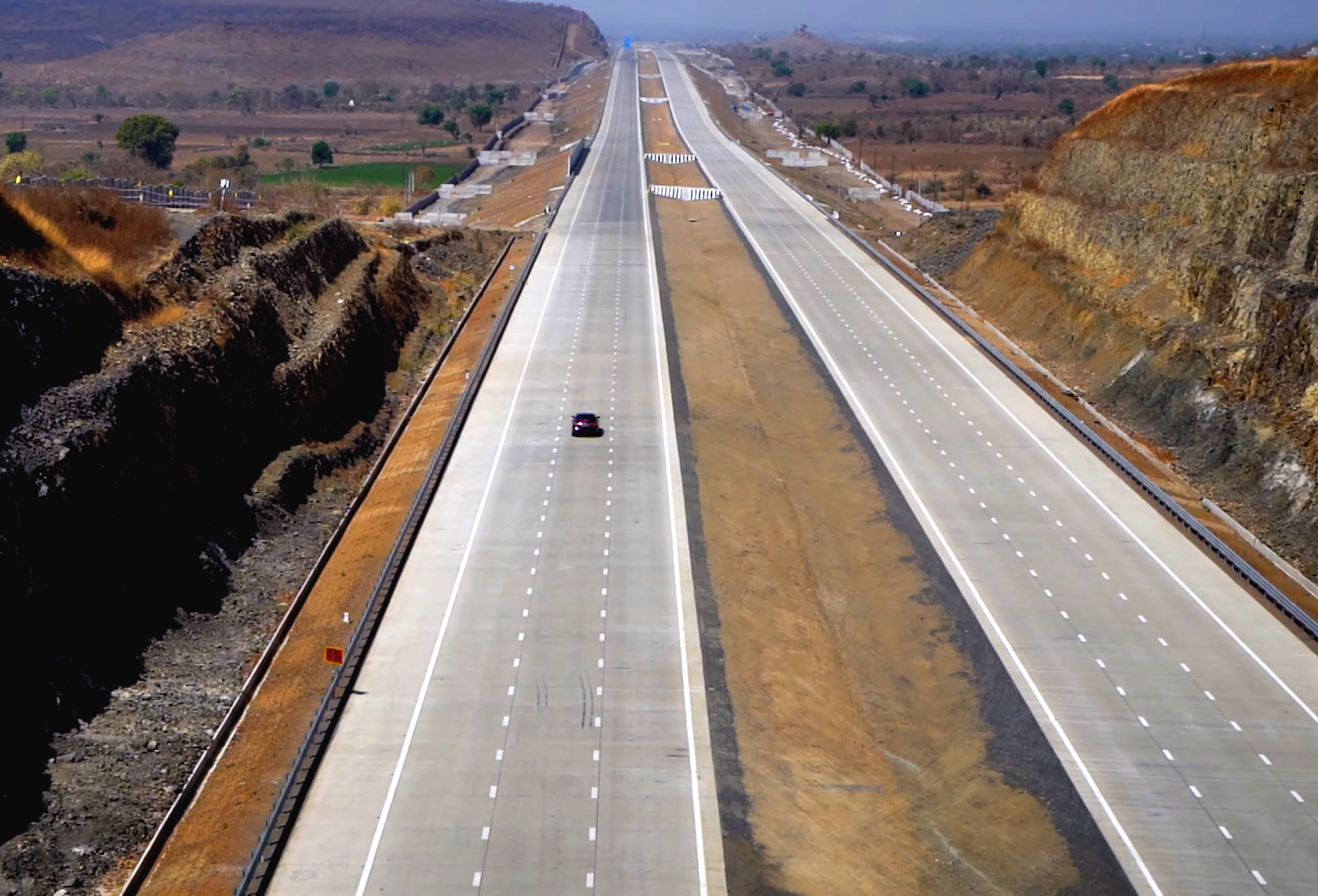
नवीन नागपूर एक्स्प्रेस वे वन्यजीवांना धोका असल्याचे सिद्ध झाले आहे, उद्घाटनानंतर अनेक घटनांची नोंद झाली आहे.

रस्त्याच्या कडेला वन्यजीव कॉरिडॉर तयार करूनही नवीन समृद्धी एक्स्प्रेस वेवर वन्यप्राण्यांचा नाश होत असल्याच्या बातम्या येऊ लागल्या आहेत.

पहिल्या प्रकरणांपैकी एक म्हणजे वीकेंडला एक्स्प्रेसवेचे उद्घाटन झाले होते, ज्यामध्ये एक ससा बळी गेला होता. आता भरधाव वेगाने येणाऱ्या वाहनांमुळे एक लंगूर आणि काळवीट ठार झाले आहे. सोमवारी एका वाहनासोबत दोन काळवीट धावत असल्याचा व्हिडिओ सोशल मीडियावर व्हायरल झाला होता.

प्राण्यांना वाचवण्यासाठी 16 वन्यजीव कॉरिडॉर (आठ अंडरपास आणि आठ ओव्हरपास) आणि इतर 100 वन्यजीव संरक्षण संरचनांची निर्मिती यासारख्या शमन उपाययोजनांनंतरही, महाराष्ट्राच्या समृद्धीच्या वाटेवर त्यांचा चुराडा झाल्याची उदाहरणे आता अपरिहार्य वाटतात.

मुंबई ते नागपूरला जोडणारा संपूर्ण ७०१ किमीचा द्रुतगती मार्ग तीन वन्यजीव अभयारण्यांमधून जातो: अकोला येथील काटेपूर्णा वन्यजीव अभयारण्य; वाशिम येथील कारंजा-सोहोळ काळवीट अभयारण्य आणि ठाण्यातील तानसा वन्यजीव अभयारण्य. सध्या, शिर्डी ते नागपूर दरम्यानचा केवळ 520 किमीचा रस्ता कार्यान्वित करण्यात आला आहे. उर्वरित महामार्ग किमान सहा महिन्यांनंतरच लोकांसाठी सुरु केले जाईल.

Exit mobile version