


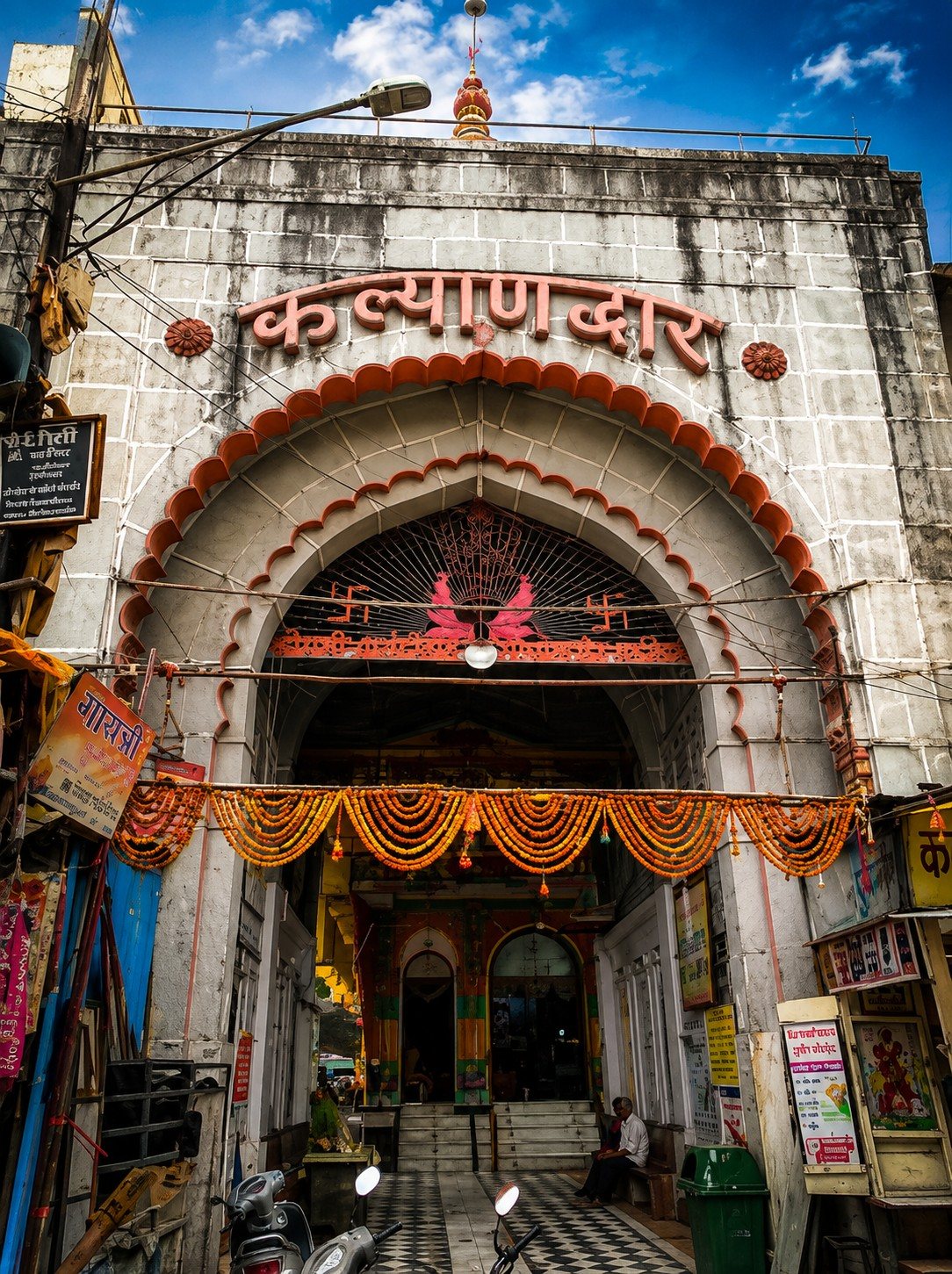
Nagpur’s Mahal area is getting a landmark transformation. The comprehensive development plan for the nearly 400-year-old Kalyaneshwar Temple has received approval at a high-level meeting in Mumbai. Furthermore, the meeting was held at Sahyadri Guest House in the presence of Chief Minister Devendra Fadnavis himself. As a result, one of Nagpur’s most historically significant temples is set for a major upgrade.
The proposed development plan is estimated at Rs 78.50 crore. However, MLA Pravin Datke has formally sought Rs 100 crore — including additional funds for the temple’s main spire construction and elevated parking facilities. Therefore, the final sanctioned amount is expected to be higher than the current estimate.
Where Is Kalyaneshwar Temple and Why It Matters
Kalyaneshwar Temple is located in the heart of Nagpur’s historic Mahal area. Furthermore, it is situated near the Senior and Junior Bhosale Palaces from the era of the Bhosale dynasty — the Maratha rulers who made Nagpur their capital. As a result, the temple carries deep historical significance connected to Nagpur’s royal past.
The temple is dedicated to Lord Shiva and is approximately 400 years old. Moreover, it is an important pilgrimage site that attracts devotees from across India and abroad throughout the year. Furthermore, the headquarters of the Rashtriya Swayamsevak Sangh (RSS) is also located close to the temple. As a result, the area sees a steady flow of both religious devotees and visitors from across the country.
Major festivals, fairs and religious processions in Nagpur pass along the route of this temple. Moreover, this results in extremely heavy crowds during peak periods. Therefore, the need for modern crowd management infrastructure — particularly parking — has become urgent.
What the Development Plan Includes — All Components
The approved development project envisions a comprehensive transformation of the Kalyaneshwar Temple, the Nagarkhana and the surrounding Mahal area. Here are all the key components of the plan.
Large Parking Facility: A spacious parking area on the lower floor will accommodate vehicles during crowded periods. Furthermore, MLA Datke has specifically sought elevated parking to increase vehicle capacity significantly. As a result, the parking challenge that has plagued visitors to the area for years will finally be addressed.
Multipurpose Hall: A modern multipurpose hall will be constructed for religious, cultural and other community programmes. Moreover, this facility will give the Mahal area a dedicated indoor venue for large gatherings.
Temple Renovation and Beautification: The main temple spire will be developed and improved. Furthermore, the premises surrounding the Ganesh, Mahadev and Hanuman temples within the complex will also be beautified. As a result, the entire temple complex will be upgraded to a standard that matches its historical importance.
Modern Amenities: An upgraded observatory and a yoga centre for devotees are part of the plan. Moreover, modern electrical infrastructure and clean toilet facilities will be constructed. Therefore, visitors will have all the amenities expected at a premier pilgrimage site.
Rainwater Harvesting: An environment-friendly rainwater harvesting system will be installed. Furthermore, this addresses water management for the temple premises in a sustainable way.
Who Is Driving This Project — Datke, Gadkari and Fadnavis
The political backing for this project comes from the very top. Furthermore, MLA Pravin Datke was the key figure who pushed for the development at the Sahyadri Guest House meeting.
Datke informed the meeting that Union Minister Nitin Gadkari had also called for the development of this historic temple. Furthermore, Datke highlighted the heavy footfall at the temple during major festivals — emphasising that the area urgently needs modern crowd management infrastructure.
CM Devendra Fadnavis chaired the meeting at which the plan received approval. Moreover, his presence at this specific meeting signals that the Kalyaneshwar Temple development is being treated as a priority project for Nagpur. As a result, the approval carries the full political weight of the Chief Minister’s office.
Furthermore, it was at the Somnath Swabhiman Parv event held at Kalyaneshwar Temple earlier in 2026 that the Maharashtra Government had already sanctioned Rs 90 crore for the temple’s development. Datke is now seeking Rs 100 crore — slightly above the earlier figure — to ensure the spire construction and elevated parking are fully funded.
The Mahal Area — Nagpur’s Heritage Heart
The Kalyaneshwar Temple development cannot be seen in isolation. Furthermore, it is part of a broader transformation of the Mahal area — Nagpur’s most historically rich and culturally significant neighbourhood.
Mahal was the commercial and administrative heart of Nagpur during the Bhosale era. Moreover, the Senior and Junior Bhosale Palaces — located near the temple — are two of the most important surviving structures from that period. As a result, the area holds a unique density of historical heritage that makes it one of Nagpur’s most important cultural zones.
However, Mahal has also suffered from years of infrastructure neglect. Narrow lanes, inadequate parking, poor sanitation and congested street conditions have made the area difficult to navigate — particularly during the large festivals and processions that the temple is known for.
The Kalyaneshwar Temple development plan directly addresses these problems. Furthermore, the parking facility, multipurpose hall and beautification work will improve the experience for both residents and visitors. As a result, Mahal can begin to function as the heritage tourism destination it deserves to be.
What the Rs 100 Crore Will Transform
The total investment being sought — Rs 100 crore — is a significant commitment to a single temple complex development. Furthermore, it is comparable to the Rs 100 crore sanctioned for the Kamptee District Sports Complex and the earlier Rs 90 crore for Koradi temple development.
These three investments together — Kalyaneshwar in Mahal, Koradi temple, and Kamptee sports complex — represent a pattern of major heritage and public infrastructure investment across Nagpur’s different zones. Moreover, each of them addresses a specific community need while building the city’s broader tourism and cultural identity.
For devotees who visit Kalyaneshwar Temple for Shiva puja, Mahashivratri, and other religious occasions — the transformation will mean cleaner premises, easier access, better parking and a modernised experience that does not compromise the temple’s ancient character.
What Happens Next
The plan has received approval at the CM-chaired meeting. Furthermore, the next steps are the finalisation of the sanctioned amount — with Datke’s Rs 100 crore demand under consideration — and the release of funds to the implementing agency.
The Maharashtra government has been moving relatively quickly on temple and heritage development approvals in Nagpur this year. Moreover, with the Winter Session scheduled for December 7 in Nagpur, there is political incentive to show visible progress on heritage projects before legislators arrive in the city.

