


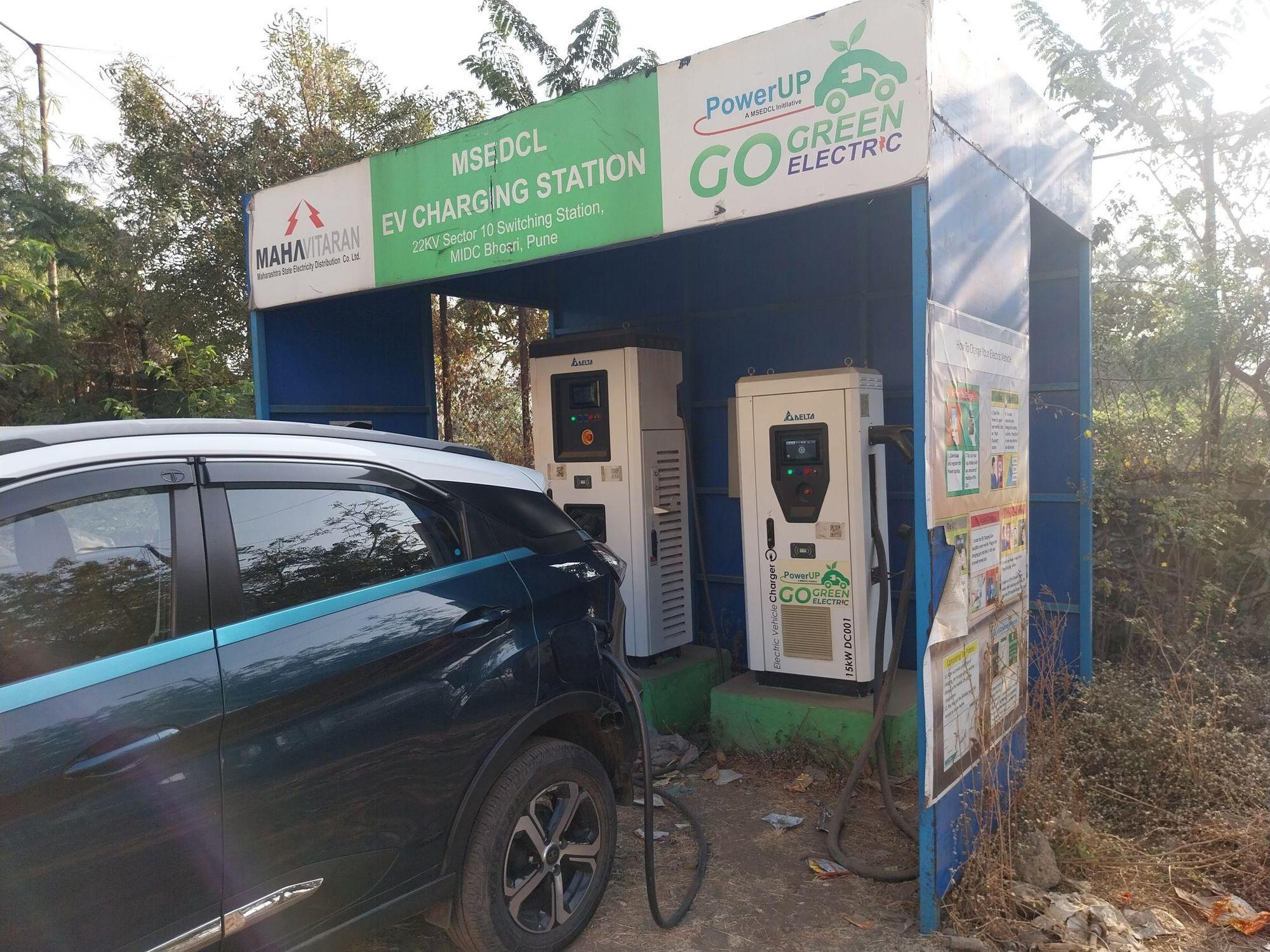
A Major Leap Toward Electric Mobility in Nagpur
Mahavitaran EV chargers: We are witnessing a transformative shift in urban mobility as Nagpur emerges as a leading city in electric vehicle (EV) adoption. With the announcement of 307 EV charging stations by Mahavitaran, the city is positioning itself at the forefront of India’s green transportation revolution. This initiative is not just an infrastructure upgrade—it is a decisive step toward sustainable urban development, reduced carbon emissions, and future-ready mobility solutions.
Mahavitaran’s Strategic Expansion of EV Charging Network
The Maharashtra State Electricity Distribution Company Limited (MSEDCL), popularly known as Mahavitaran, has unveiled a comprehensive plan to install 307 EV charging stations across Nagpur. This initiative aims to address one of the biggest barriers to EV adoption—charging accessibility.
We see this move as a well-planned infrastructure rollout, ensuring that charging stations are distributed across key locations, including:
- Residential areas
- Commercial hubs
- Highways and arterial roads
- Public parking zones
- Government buildings
This strategic placement ensures that EV users experience maximum convenience and minimal range anxiety.
Why 307 EV Charging Stations Matter for Nagpur
The installation of 307 charging points is not just a number—it represents a robust ecosystem for electric mobility. We recognize several critical advantages:
1. Eliminating Range Anxiety
With charging stations spread across the city, EV users can travel freely without worrying about battery depletion.
2. Encouraging EV Adoption
A strong charging network directly boosts consumer confidence, leading to increased EV purchases.
3. Supporting Government Policies
This initiative aligns with India’s FAME (Faster Adoption and Manufacturing of Electric Vehicles) scheme and Maharashtra’s EV policy.
4. Reducing Carbon Footprint
We contribute to a cleaner environment by significantly reducing vehicular emissions.
Key Locations Identified for EV Charging Stations
Mahavitaran has carefully identified strategic zones across Nagpur for deploying these charging stations. These include:
- Metro stations and transport hubs
- Shopping malls and business districts
- Fuel stations transitioning into EV hubs
- Educational institutions
- Tourist and high-footfall areas
This ensures high utilization rates and seamless access for both daily commuters and long-distance travelers.
Types of EV Chargers to Be Installed
We understand that different EV users have varying needs. Therefore, the infrastructure will include:
Fast Chargers (DC Chargers)
- Ideal for quick top-ups
- Suitable for highways and commercial zones
- Charging time: 30–60 minutes
Slow Chargers (AC Chargers)
- Perfect for residential and workplace use
- Charging time: 4–8 hours
Smart Charging Systems
- Integrated with mobile apps
- Real-time availability tracking
- Digital payments and usage analytics
This diversified approach ensures flexibility and efficiency for all types of EV users.
Impact on Nagpur’s Economy and Employment
We anticipate a significant economic boost from this initiative. The installation and maintenance of EV charging stations will create:
- New job opportunities
- Growth in EV-related services
- Expansion of local businesses and startups
Additionally, Nagpur will attract investment in clean energy and smart city technologies, further strengthening its position as a progressive urban center.
Integration with Smart City Vision
Nagpur is already recognized as one of India’s Smart Cities, and this EV infrastructure aligns perfectly with that vision. We are integrating:
- IoT-enabled charging stations
- Smart grid systems
- Renewable energy sources like solar power
This ensures a sustainable and technologically advanced ecosystem.
Environmental Benefits of EV Charging Expansion
We strongly emphasize the environmental advantages of this initiative:
Reduction in Air Pollution
Electric vehicles produce zero tailpipe emissions, significantly improving air quality.
Lower Noise Pollution
EVs operate quietly, contributing to a more peaceful urban environment.
Energy Efficiency
Electric mobility is inherently more efficient compared to fossil fuel-based transportation.
Climate Change Mitigation
By reducing dependence on petrol and diesel, we actively contribute to lower greenhouse gas emissions.
Challenges and Solutions in EV Infrastructure Deployment
While the project is ambitious, we acknowledge certain challenges:
1. High Initial Investment
Solution: Government subsidies and public-private partnerships.
2. Grid Load Management
Solution: Smart grids and energy storage systems.
3. User Awareness
Solution: Awareness campaigns and incentives for EV buyers.
4. Maintenance and Operations
Solution: Dedicated service networks and digital monitoring tools.
Through careful planning, these challenges are being effectively addressed.
Future Roadmap for EV Growth in Nagpur
We are not stopping at 307 charging stations. The future roadmap includes:
- Expansion to rural and semi-urban areas
- Integration with renewable energy sources
- Development of battery swapping stations
- Collaboration with private EV companies
This long-term vision ensures that Nagpur remains a leader in sustainable mobility.
How This Initiative Benefits EV Owners
We highlight the direct benefits for EV users:
- Convenient charging access across the city
- Reduced fuel costs
- Lower maintenance expenses
- Increased vehicle lifespan
- Government incentives and tax benefits
This creates a compelling case for switching to electric vehicles.
Role of Private Sector and Startups
We see immense potential for private sector participation in this ecosystem:
- Charging station operators
- EV fleet services
- Battery technology startups
- Mobile app developers for EV solutions
This collaboration will accelerate innovation and scalability.
Nagpur Leading India’s Electric Revolution
We firmly believe that the installation of 307 EV charging stations in Nagpur by Mahavitaran marks a turning point in India’s electric mobility journey. This initiative not only strengthens infrastructure but also builds consumer confidence, environmental sustainability, and economic growth.
Nagpur is no longer just adopting electric mobility—it is setting a benchmark for other cities to follow. As we move forward, this robust EV ecosystem will play a crucial role in shaping a cleaner, smarter, and more sustainable future.

