


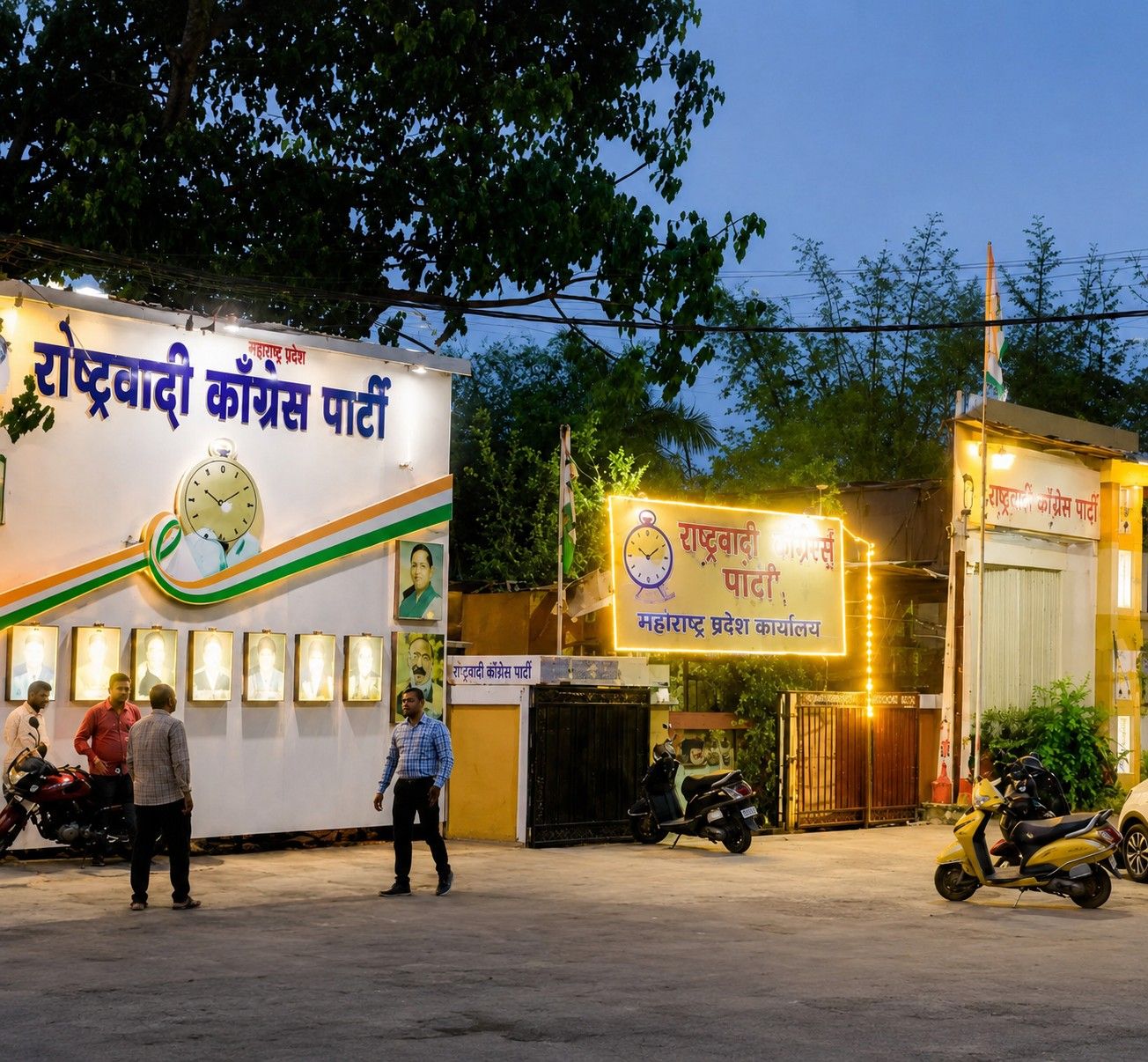
illegal property Nagpur Bajaj Nagar: Right in the heart of one of Nagpur’s most upscale residential corridors, a land scam of staggering proportions has been hiding in plain sight for decades. Now, the walls are finally closing in on those who profited from it.
The Maharashtra state government has rejected the appeals filed by illegal occupants of PKV’s 65-acre land in Kachipura, Nagpur, clearing the path for removing encroachments from a plot worth more than Rs 3,500 crore. This 27-hectare land was originally leased to PKV by the state government, but PKV was unable to manage it — allowing encroachments to gradually take over the entire property.
This is not a small patch of disputed land on the city’s fringes. This is 65 acres sitting bang in the middle of Bajaj Nagar and Ramdaspeth — some of the most expensive real estate in Nagpur.
Where Exactly Is This Land and Why Is It So Valuable?
According to real estate experts, the ready reckoner rates in the Bajaj Nagar area range from Rs 8,000 to Rs 8,500 per square foot. At these rates, the value of 65 acres works out to Rs 3,500 crore or more. The fact that such a large piece of land in the middle of the city remained under encroachment is nothing short of astonishing.
To put it simply — this is prime urban land, surrounded by established residential colonies, commercial zones, and institutions. Every square foot of it commands top rates. And for years, it has been sitting in the hands of unauthorised occupants who neither paid the market price for it nor paid proper taxes on it.
How Did the Encroachment Happen?
Encroachments on PKV’s Kachipura land began many years ago. Over time, as wedding lawns and night-life businesses grew popular in the area, large hotels and banquet venues started coming up on this land. The original encroachers, fearing they might lose the land at any time, began sub-letting it to others. There are estimated to be 67 commercial establishments on this land, some of which individually occupy more than an acre. Monthly rentals charged by encroachers to sub-tenants reportedly reach Rs 1 to 1.5 lakh. As the matter became complicated, individuals connected to political figures also made their way in and occupied portions of the land.
This is a classic land mafia playbook — first squat on government land, then commercialise it, then sub-let it, then use political connections to stall any action. It has worked in Nagpur for over a decade. The state’s rejection of the appeal is the first real signal that the playbook has finally run out.
The Long History of Notices That Led Nowhere
The Nagpur Municipal Corporation did not suddenly wake up to this problem. Action was initiated years ago — and was promptly blocked.
On July 15, 2015 and August 12, 2015, notices were issued to 67 commercial establishments under Section 53(1) of the MRTP Act, directing them to demolish illegal constructions within one month.
In the NMC general body meeting held on January 19, 2016, the then Mayor ordered double taxation to be levied on these properties and directed that a report be submitted on the recovery. On February 6, 2016, the Lakshminar Zone wrote to the Dharampeth Zone to impose double taxes in line with the Mayor’s orders. However, on January 20, 2016 — in a surprising move — the state government itself stayed NMC’s action under the MRTP Act.
Read that again. The state government stayed the NMC’s encroachment action just one day after the Mayor ordered double taxes. One day. That single stay order effectively protected 67 illegal commercial businesses for years, and the individuals behind that intervention have never been publicly named.
Now, a decade later, the same state government has reversed course — rejecting the occupants’ appeal and clearing the way for action to finally move forward.
The Tax Loss: Crores Going Down the Drain Every Year
This is not just about illegal land occupation — it is about an enormous ongoing loss of public money.
None of the 67 commercial establishments are paying proper taxes to NMC, and no action is being taken against them, meaning the corporation is losing crores in revenue that it could otherwise collect from legitimate commercial properties on this land.
Under NMC’s taxation system, Chapter 16 provides that if an illegal property is not being removed and is causing revenue loss, the Town Planning Department is responsible for identifying such properties and informing the tax department, which can then issue demand notices to the property holders.
In practical terms — the NMC has been sitting on a goldmine of tax revenue that it has never collected. Every month that these 67 commercial units run their weddings, parties, and hotel operations on government land without paying correct taxes is money that should have gone into the city’s public services but didn’t.
A property holder named Vijay Talewar has already been assessed and issued a notice for illegal construction. There are growing demands that all other commercial properties on this land receive similar notices, along with orders to collect double taxes from them.
PKV Itself May Lose the Lease
The story has one more twist that most people haven’t noticed yet.
Since PKV was unable to maintain control over the land that was leased to it by the state government, there is now a possibility that the government may take back the land from PKV as well.
If this happens, the land would revert directly to the state — bypassing PKV entirely. The government would then have full control to decide how the land is used, whether for public infrastructure, affordable housing, or any other purpose. Given its location and value, this land could transform the Kachipura–Bajaj Nagar corridor if put to productive use.
What Happens Next?
With the state government’s rejection of the appeal now on record, the legal path for NMC’s Dharampeth Zone to proceed with anti-encroachment action is clear. The next steps will likely involve:
Serving fresh demolition notices to all 67 commercial establishments, conducting a full assessment of all properties by the Town Planning Department, issuing tax demand notices with double taxation penalties as per the Mayor’s 2016 orders, and potentially initiating the process of taking the land back from PKV.
Whether NMC and the state administration actually follow through this time — or whether political pressure once again causes the machinery to grind to a halt — is the real question. It has happened before. The 2016 stay order proved that.
But this time, with the state itself having rejected the occupants’ appeal, the political cover that protected illegal operators for so long appears to have been pulled away.
Quick Facts at a Glance
| Detail | Information |
|---|---|
| Land | PKV land, Kachipura, Nagpur |
| Area | 65 acres (27 hectares) |
| Market Value | Rs 3,500 crore and above |
| Ready Reckoner Rate | Rs 8,000–8,500 per sq ft (Bajaj Nagar) |
| Illegal Establishments | 67 commercial units |
| Monthly Rent Charged | Rs 1–1.5 lakh per unit |
| First Notice Issued | July–August 2015 (MRTP Act Section 53) |
| State Stay Order | January 20, 2016 |
| State Appeal Rejection | June 2026 |
| Revenue Lost | Crores in unpaid property taxes |
What is PKV in Nagpur?
PKV refers to Punjabrao Krishi Vidyapeeth — an agricultural university. The state government had leased 65 acres of land in Kachipura, Nagpur to PKV. Since PKV could not manage or maintain the land, encroachments took hold over the years.
What is MRTP Act Section 53?
Section 53(1) of the Maharashtra Regional and Town Planning Act allows municipal authorities to take action against unauthorised constructions and developments that violate town planning regulations. NMC used this section to issue notices to 67 illegal commercial establishments in 2015.
Why were the notices not acted upon earlier?
Despite NMC issuing notices in 2015 and the Mayor ordering double taxation in January 2016, the state government issued a stay order the very next day, halting all action. This political intervention allowed illegal occupants to continue operating for another decade.
What is double taxation in this context?
Under NMC rules, if a property is found to be illegal or in violation of building norms and NMC is unable to remove the encroachment, the corporation can levy double the standard property tax on the occupant. The Mayor had ordered this in January 2016, but it was never implemented.
What will happen to the 67 commercial establishments?
With the state government now having rejected the occupants’ appeal, these establishments are legally exposed to fresh demolition notices, double tax demands, and potential removal. However, the actual timeline depends on NMC’s follow-through and whether any further legal challenges are filed.
Sixty-five acres. Rs 3,500 crore. Sixty-seven illegal businesses. One decade of political delay. The state government has finally said no to the appeal — but Nagpur has heard promises of encroachment removal before. This time, what matters is not the order on paper but the bulldozers on the ground.

