McDonald’s Opens First Drive-Thru in Nagpur

McDonald’s drive-thru Nagpur: McDonald’s has just dropped a big treat for Nagpur residents! The global fast-food giant has launched its first-ever stand-alone drive-thru in the city, marking a milestone in its Indian journey. Situated on Nagpur’s bustling Katol Road, this new outlet is already creating a buzz among foodies and convenience seekers alike.

Where Is It Located?

The brand-new McDonald’s drive-thru is strategically placed on Nagpur’s Katol Road. Spanning a massive built-up area of 3,867 square feet on a 10,000-square-foot plot, this restaurant is designed to cater to large volumes of customers. Whether you’re craving a quick burger on the go or planning a cozy dine-in experience, this location has you covered.

What Makes This Drive-Thru Special?

Let’s face it: McDonald’s has always been about convenience and innovation, and this drive-thru is no exception. Here’s what you can look forward to:

1. Digital Order Display

Imagine scrolling through a menu digitally and making your choice with a few taps. The new drive-thru features a cutting-edge digital order display that makes placing orders a breeze.

2. Lightning-Fast Orders

How does a 120-second order sound? With an efficient system in place, McDonald’s ensures that your favorite meal is ready in no time. It’s like fast-forwarding your hunger straight to satisfaction!

3. Self-Ordering Kiosks (SOKs)

For those who prefer a touchless and seamless experience, self-ordering kiosks are at your service. Customize your meal, pay, and pick up without a hitch.

A Peek Into McDonald’s Drive-Thru History in India

Did you know that McDonald’s introduced its first drive-thru in India way back in 2001? The pioneering outlet was set up in Kalamboli, Navi Mumbai. Since then, the brand has steadily expanded its drive-thru network, aiming to provide a quick-service experience that resonates with today’s fast-paced lifestyles.

Commitment to Expansion

McDonald’s is on a mission to make drive-thru dining a norm across India. According to their recent press release, 30-35% of all new outlets in the next 3-4 years will feature drive-thru facilities. From suburbs to highways, the golden arches are set to shine brighter!

Hardcastle Restaurants: The Driving Force

In West and South India, McDonald’s operations are managed by Hardcastle Restaurants, a subsidiary of Westlife Foodworld Ltd. With a master franchisee agreement in place since 1996, this company has been instrumental in adapting the global brand to local tastes and preferences.

Diverse Formats for Every Customer

From standalone restaurants to 24/7 outlets, McBreakfast services, McDelivery, and dessert kiosks, Hardcastle Restaurants ensures there’s something for everyone. This new drive-thru in Nagpur is a testament to their commitment to innovation.

Why Nagpur?

Nagpur is often referred to as the heart of India, not just geographically but also culturally and economically. Its strategic location and growing urban population make it an ideal spot for a drive-thru. Plus, who wouldn’t want to grab a quick McAloo Tikki while exploring the city’s vibrant streets?

How Does It Benefit the Locals?

  • Convenience on the Go: Whether you’re heading to work or taking a road trip, the drive-thru ensures you’re fueled up without delay.
  • Jobs and Opportunities: The new outlet also brings employment opportunities to the region, contributing to Nagpur’s economic growth.
  • Global Meets Local: By combining international standards with local flavors, McDonald’s creates a unique dining experience.

The Buzz on Social Media

Saket Tikkas, Deputy Project Manager at McDonald’s, recently shared images of the new outlet on LinkedIn, sparking excitement among followers. His post highlighted the store’s innovative features and its significance as Nagpur’s first-ever free-standing drive-thru.

What’s on the Menu?

Of course, McDonald’s menu needs no introduction. From classics like the Big Mac and McChicken to India-specific delights like the Maharaja Mac and Masala Wedges, there’s something for everyone. Don’t forget to indulge in their desserts – a McFlurry always hits the spot!

Sustainability Efforts

McDonald’s isn’t just about fast food; it’s also about responsible food. The company is committed to reducing plastic use and implementing eco-friendly practices. The Nagpur outlet aligns with this vision by incorporating sustainable designs and operations.

Future Prospects

With plans to establish more drive-thrus across India, McDonald’s is set to revolutionize the quick-service restaurant (QSR) industry. As suburban areas and highways become hubs for fast food, we can expect the brand to lead the way with innovation and customer satisfaction.

Why Drive-Thrus Are the Future

Post-pandemic, the demand for contactless services has skyrocketed. Drive-thrus offer the perfect solution, combining safety with speed. McDonald’s drive-thru model is not just a convenience but a lifestyle upgrade.

The opening of McDonald’s first drive-thru in Nagpur is more than just an expansion; it’s a promise of convenience, quality, and innovation. With its prime location, state-of-the-art features, and commitment to sustainability, this outlet is set to become a favorite hangout spot for locals and travelers alike. So, what are you waiting for? Head over to Katol Road and treat yourself to the McDonald’s experience like never before!

1. Where is the new McDonald’s drive-thru located in Nagpur?

The drive-thru is located on Katol Road, spanning a 3,867-square-foot area on a 10,000-square-foot plot.

2. What features does the Nagpur drive-thru offer?

The outlet boasts a digital order display, 120-second order completion, and self-ordering kiosks.

3. When did McDonald’s open its first drive-thru in India?

The first drive-thru in India was opened in 2001 at Kalamboli, Navi Mumbai.

4. Who operates McDonald’s outlets in West and South India?

Hardcastle Restaurants, a subsidiary of Westlife Foodworld Ltd., manages McDonald’s operations in these regions.

5. Is the Nagpur drive-thru environmentally friendly?

Yes, the outlet aligns with McDonald’s commitment to sustainability by incorporating eco-friendly designs and operations.

Nagpur Company Signs Global Partnership Agreement with OYO

A Partnership for the Future

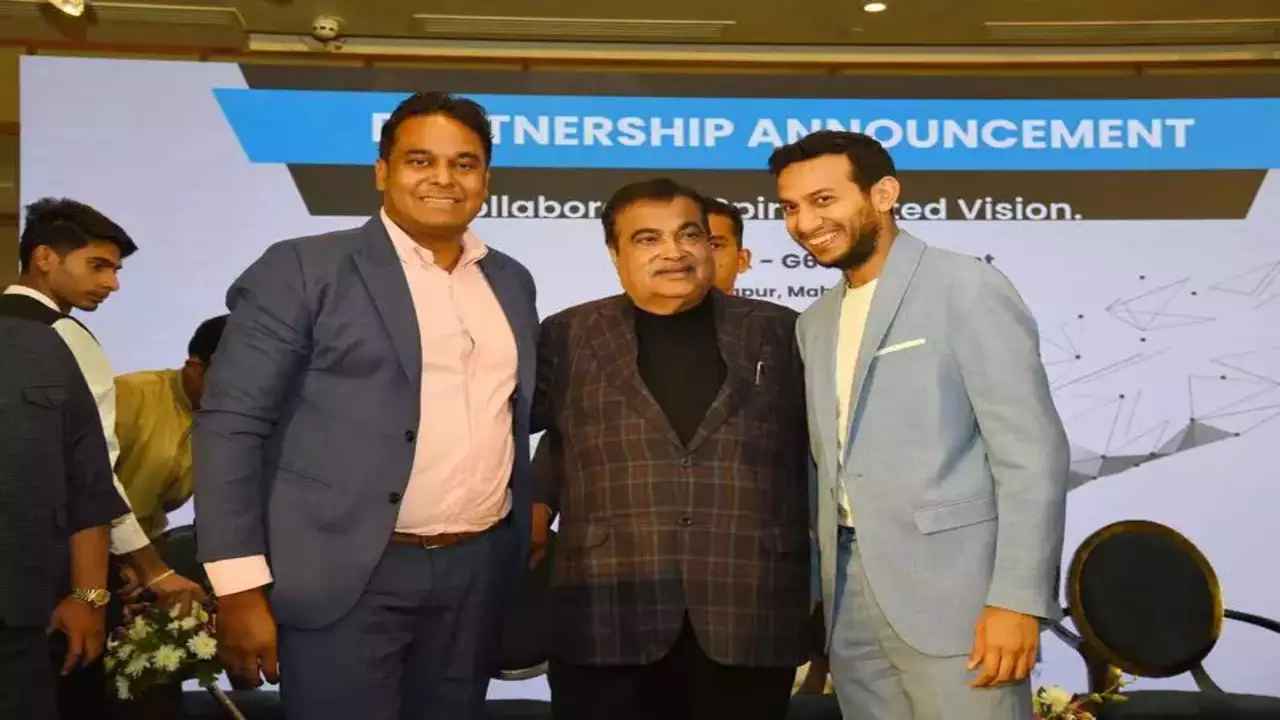
OYO HotelKey Nagpur Partnership: Nagpur is buzzing with excitement as HotelKey, a tech company rooted in the city, joins hands with OYO, the global hospitality giant. This collaboration marks a significant milestone in the hospitality and tech industries. At an event graced by Union Minister Nitin Gadkari, this partnership laid the groundwork for new opportunities, innovation, and growth.

The Power of Collaboration

OYO and HotelKey: A Natural Fit

When two dynamic companies with complementary visions unite, the results can be groundbreaking. OYO, known for its extensive global hotel network, and HotelKey, a leading ERP solutions provider managing over 1.25 million rooms, aim to redefine the hospitality experience. Their shared commitment to technological advancement and customer-centric solutions sets the stage for a transformative partnership.

Nitin Gadkari’s Vision for Nagpur

Union Minister Nitin Gadkari’s appeal to OYO founder Ritesh Agarwal emphasized the untapped potential of scenic locations around Nagpur, such as Ambhora and Tadoba. These picturesque destinations, with their proximity to nature and connectivity via new highways, could soon become hotspots for travelers.

HotelKey: From Local Roots to Global Reach

A Journey of Tenacity and Growth

HotelKey’s story began in a modest 400 sq. ft. office in Shankar Nagar, Nagpur. Fast forward ten years, the company now has a presence across continents, with its main backend operations thriving in Nagpur’s IT Park.

A Visionary Leader: Aditya Thyagarajan

Born in Amravati and shaped by his father’s career as a senior railway official, HotelKey President Aditya Thyagarajan embodies resilience and innovation. Under his leadership, the company has scaled remarkable heights, delivering cutting-edge solutions to hotels worldwide.

OYO’s Road Ahead

Profitability and IPO Ambitions

OYO’s financial performance is on an upward trajectory. After achieving a profit of ₹270 crore last year, Ritesh Agarwal confidently projects a target of ₹500 crore for the current fiscal year. While no timeline for an IPO has been announced, the company’s consistent growth hints at exciting possibilities in 2025.

A Commitment to Safety and Authenticity

Agarwal addressed concerns regarding hotels misusing the OYO brand name for illegal activities. He reassured stakeholders of OYO’s dedication to customer safety and collaboration with law enforcement to eliminate such practices. Emphasizing KYC processes, OYO aims to build a trusted ecosystem.

Exploring New Horizons: Ambhora and Tadoba

Ambhora: A Hidden Gem

Nestled by the river and surrounded by lush greenery, Ambhora is a serene location perfect for eco-tourism and wellness retreats. Its accessibility via Nagpur’s expanding highway network makes it an attractive destination for hospitality ventures.

Tadoba: Wildlife Wonderland

Home to one of India’s most famous tiger reserves, Tadoba offers a thrilling experience for nature enthusiasts and adventure seekers. With OYO’s potential entry, Tadoba could witness a significant boost in tourism infrastructure.

The Work-Life Balance Debate

Ritesh Agarwal’s stance on work-life balance resonated with many. Countering the controversial call for a 90-hour work week, he stressed the importance of family time and mental well-being. This balanced perspective aligns with modern work culture’s evolving priorities.

Conclusion: A Promising Future

The partnership between HotelKey and OYO symbolizes innovation, growth, and the immense potential of Nagpur as a hub for technology and hospitality. With visionary leaders like Ritesh Agarwal and Aditya Thyagarajan at the helm, this collaboration is set to pave the way for a brighter, more connected future.

1. What is the significance of the OYO-HotelKey partnership?

This collaboration combines OYO’s global hospitality expertise with HotelKey’s advanced ERP solutions, aiming to enhance the hospitality experience worldwide.

2. What are Ambhora and Tadoba’s unique features?

Ambhora is an eco-tourism haven, while Tadoba is renowned for its tiger reserve, making both ideal destinations for travelers.

3. When can we expect OYO’s IPO?

Although no specific timeline is confirmed, OYO’s consistent profitability suggests a potential IPO in 2025.

4. How does OYO ensure customer safety?

OYO prioritizes KYC verification and collaborates with law enforcement to maintain a safe and trustworthy ecosystem.

5. What drives HotelKey’s success?

HotelKey’s innovative ERP solutions, coupled with a strong leadership team, have enabled its global growth from a humble beginning in Nagpur.

Rajesh Rokde: First City Businessman to Lead GJC

India’s jewellery industry recently celebrated a significant milestone as Rajesh Rokde, a prominent businessman from Nagpur, became the chairman of the All India Gems and Jewellery Domestic Council (GJC). This historic achievement marks the first time a city-based entrepreneur has assumed this prestigious position, bringing both pride and fresh aspirations to the region.

Who Is Rajesh Rokde?

Rajesh Rokde is not just any name in the jewellery world; he is a visionary and the driving force behind a successful chain of jewellery retail outlets in Nagpur. His unwavering dedication and innovative strategies have earned him a stellar reputation within the industry, making him an ideal candidate to lead the GJC.

What Is the All India Gems and Jewellery Domestic Council (GJC)?

The GJC is a vital trade association representing over 65,000 businesses in the gold and ornament industry. From bustling metropolitan markets to remote corners of India, the GJC ensures seamless collaboration among stakeholders. The council plays a pivotal role in addressing industry challenges, advocating for policies, and promoting ethical practices.


Rajesh Rokde’s Vision as GJC Chairman

1. Making India a Global Jewellery Hub

Rajesh Rokde’s primary mission is to position India as a top destination for jewellery shopping, rivaling global giants like Dubai.

“India is the biggest supplier of gold to Dubai and has the potential to be developed as a shopping hub,” says Rokde.

How will this happen? By pushing for tax incentives and sops that make buying jewellery in India as appealing as in Dubai. Such measures could boost tourism and exports, transforming India into a glittering hub for jewellery enthusiasts worldwide.

2. Establishing Vigilance Cells

Navigating the jewellery business can be challenging, especially with stringent regulations. Rokde plans to set up vigilance cells across the country to:

  • Prevent harassment of genuine businessmen.
  • Ensure fair enforcement of laws.
  • Promote trust and transparency within the industry.

3. Empowering Women Entrepreneurs

Recognizing the immense potential of women in the jewellery sector, the GJC under Rokde’s leadership will:

  • Introduce programs to support women entrepreneurs.
  • Provide training and resources for skill development.
  • Encourage female participation in leadership roles.

Why Is This Milestone Significant for Nagpur?

Nagpur, often overshadowed by bigger cities like Mumbai and Delhi, now stands proudly on the national stage. Rajesh Rokde’s appointment:

  • Highlights the talent and potential of Tier-2 cities.
  • Inspires local entrepreneurs to aim for national and global recognition.

India vs. Dubai: The Jewellery Showdown

Dubai has long been the go-to destination for gold buyers. Here’s why India, with the right policies, could surpass Dubai:

Advantages of India:

  1. Gold Supply Powerhouse: India is a major supplier of gold to Dubai.
  2. Cultural Significance: Jewellery is deeply ingrained in Indian traditions.
  3. Skilled Craftsmanship: Indian artisans are globally renowned for their intricate designs.

Challenges to Overcome:

  • High import duties on gold.
  • Complex tax structures.
  • Lack of international marketing campaigns.

The Road Ahead: Key Initiatives by GJC

1. Promoting Exports

Rokde’s leadership will focus on boosting jewellery exports by:

  • Simplifying export policies.
  • Organizing global trade fairs and exhibitions.
  • Collaborating with international markets.

2. Enhancing Ethical Practices

The GJC aims to:

  • Introduce stricter quality control measures.
  • Promote transparency in gold sourcing and pricing.
  • Educate consumers about ethical buying practices.

3. Digitizing the Industry

The future of jewellery lies in digital transformation. Initiatives include:

  • Developing e-commerce platforms for jewellers.
  • Leveraging AI to predict consumer trends.
  • Providing digital training for small-scale jewellers.

What This Means for Consumers

As a jewellery lover, you can look forward to:

  • Better Prices: Competitive pricing due to reduced taxes and increased competition.
  • Improved Quality: Stricter quality controls ensure you get the best.
  • Seamless Shopping: Enhanced digital platforms for hassle-free purchases.

1. Who is Rajesh Rokde?

Rajesh Rokde is a prominent jeweller from Nagpur and the newly appointed chairman of the All India Gems and Jewellery Domestic Council (GJC).

2. What is the GJC’s main objective?

The GJC represents over 65,000 businesses in the jewellery industry, focusing on advocacy, ethical practices, and industry growth.

3. How will India compete with Dubai in the jewellery sector?

Under Rajesh Rokde’s leadership, the GJC plans to push for tax incentives, promote exports, and position India as a global jewellery hub.

4. What initiatives will benefit consumers?

Consumers can expect competitive prices, better quality, and improved digital shopping experiences.

5. How does the GJC support women entrepreneurs?

The GJC provides training, resources, and programs to empower women in the jewellery industry.

Mukesh Ambani to Launch Rice Straw-Based CNG Project in Mauda

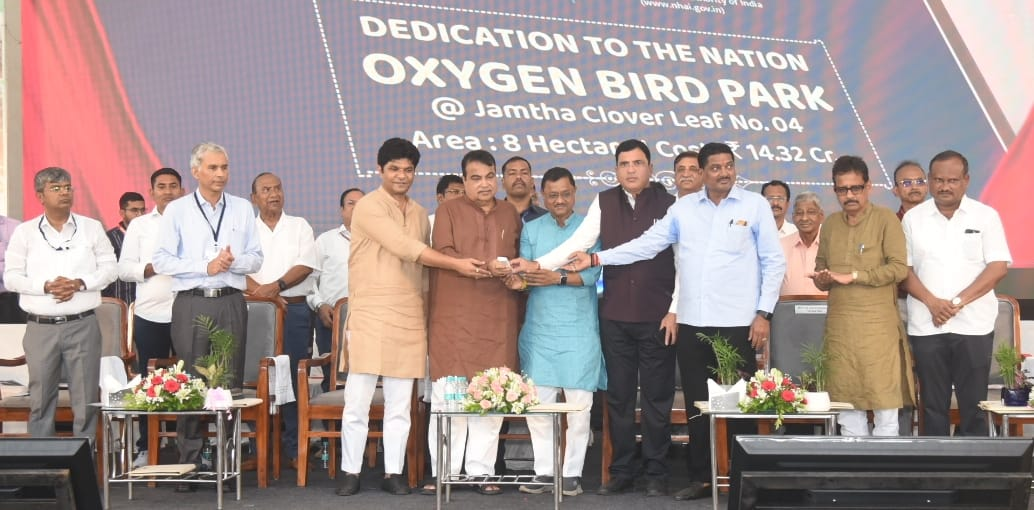
Mukesh Ambani rice straw CNG project: In a visionary move set to transform India’s energy sector, Mukesh Ambani, the Chairman of Reliance Industries, is planning to launch a rice straw-based compressed natural gas (CNG) project in Mauda. This eco-friendly initiative is part of his broader strategy to establish 600 CNG projects throughout India, utilizing rice straw, a commonly found agricultural byproduct. The announcement came during the inauguration of India’s first Oxygen Bird Park by Union Minister of Road Transport and Highways, Nitin Gadkari.

The Vision Behind Rice Straw-Based CNG Projects

Mukesh Ambani’s plan to harness rice straw for CNG production comes at a crucial time for India’s energy sector. Traditionally, rice straw is considered waste, often burned by farmers, contributing to severe air pollution. By converting this byproduct into CNG, Ambani is proposing a dual solution—providing clean energy while mitigating environmental hazards.

Why Rice Straw?

Rice straw is an abundant byproduct of rice farming in India. When left unused, it is often burned in fields, causing a spike in harmful particulate matter in the atmosphere, especially in northern India. Converting rice straw into CNG not only reduces pollution but also provides an additional income stream for farmers, making this initiative a win-win.

The Mauda Project: A Key Step in India’s Clean Energy Future

One of the first projects under Ambani’s rice straw-based CNG initiative will be established in Mauda, a town in Vidarbha, Maharashtra. This area, known for its agricultural activities, is an ideal location to test the efficacy and scalability of this project.

The Role of Technology in Mauda’s CNG Project

The conversion of rice straw to CNG will involve cutting-edge technology that can process large volumes of biomass. The plant will likely employ advanced anaerobic digestion processes, which break down organic matter to produce methane-rich biogas. This can then be purified and compressed into CNG for commercial use.

India’s First Oxygen Bird Park Inaugurated by Nitin Gadkari

While the rice straw-based CNG project was a key highlight, the event also marked the inauguration of India’s first Oxygen Bird Park in Nagpur. Conceptualized by Nitin Gadkari, the park is designed to be a sanctuary for local and migratory birds, offering them a safe habitat while also serving as a recreational space for citizens.

What Makes the Oxygen Bird Park Unique?

The Oxygen Bird Park stands out for its focus on environmental sustainability. The park has a wide variety of fruit-bearing trees that not only beautify the landscape but also provide food for birds. Gadkari emphasized that trees like Arjun, Java Plum, and Banyan are known for their high oxygen-producing capabilities, hence the park’s name.

Key Features of the Park:

  • Varied Tree Species: Trees like Mango, Jujube, Guava, and Tamarind are planted to ensure the park remains green year-round.
  • Recreational Areas: The park offers jogging and cycling tracks, watchtowers, food courts, and children’s play areas.
  • A Dedicated Nursery: To ensure the continued greening of the region, a nursery within the park will provide saplings for National Highways Authority of India (NHAI) projects.

Environmental Benefits of the Park

This bird park is much more than just a recreational area. It plays a crucial role in maintaining ecological balance in the region by providing a habitat for birds and contributing to the local oxygen levels. Gadkari’s initiative is an important reminder of the need for green spaces in urban settings to combat pollution and improve air quality.

Collaboration Between Government and Industry for a Greener Future

Both the rice straw-based CNG project and the Oxygen Bird Park exemplify the importance of collaboration between the government and industry to drive eco-friendly initiatives. Nitin Gadkari’s Ministry of Road Transport and Highways has been a key player in launching several such projects aimed at reducing carbon footprints and improving infrastructure.

NHAI’s Role in Promoting Green Initiatives

The NHAI has not only supported the development of the Oxygen Bird Park but has also planted over 1 lakh saplings under its ‘Ek Ped Ma Ke Naam’ initiative. This large-scale tree plantation program reflects the government’s commitment to greening India’s highways and reducing air pollution.

Future Prospects for Rice Straw-Based CNG in India

Mukesh Ambani’s vision for 600 CNG projects across India signals a massive transformation in the country’s approach to clean energy. With rice straw as a raw material, these projects have the potential to revolutionize both the energy and agricultural sectors. Farmers will no longer need to burn rice straw, and the CNG produced can provide an alternative to fossil fuels.

Scalability and Impact on Rural Economies

The success of the Mauda project could serve as a model for other agricultural regions in India. By promoting decentralized energy production, rural communities could become energy self-sufficient, reducing their dependence on grid power and boosting local economies.

Mukesh Ambani’s initiative to launch rice straw-based CNG projects across India, starting with Mauda, is a groundbreaking step toward sustainable energy. Combined with Nitin Gadkari’s vision for green spaces like the Oxygen Bird Park, these projects underscore the importance of innovation in addressing environmental challenges. Together, they represent a hopeful future where India not only meets its energy needs but also protects its natural environment.

  1. What is rice straw-based CNG? Rice straw-based CNG is compressed natural gas produced by converting rice straw, a common agricultural waste, into a clean energy source.
  2. Why is the Mauda project important? The Mauda project is one of the first to utilize rice straw for CNG production, setting a precedent for 600 similar projects across India.
  3. What are the environmental benefits of the Oxygen Bird Park? The Oxygen Bird Park increases local oxygen levels and provides a safe habitat for both local and migratory birds.
  4. How will rice straw-based CNG benefit farmers? Farmers will have an additional income stream by selling rice straw for CNG production, rather than burning it.
  5. What is the ‘Ek Ped Ma Ke Naam’ initiative? It is a tree plantation initiative led by the NHAI, with over 1 lakh saplings planted to date.

Baidyanath Teams Up with Volvo for LNG Truck Promotion

Baidyanath Volvo LNG Trucks: In an era where sustainability and alternative fuels are becoming the cornerstone of modern transportation, Baidyanath LNG Private Limited has taken a significant step forward. The company has signed a memorandum of understanding (MoU) with Volvo-Eicher Commercial Vehicles Private Limited to promote LNG-powered trucks. This collaboration not only marks a pivotal moment for Baidyanath but also represents a substantial push toward cleaner and greener fuel alternatives in India.

Why LNG? The Future of Fuel

Liquefied Natural Gas (LNG) is rapidly gaining traction as a cleaner alternative to traditional diesel and gasoline. Unlike conventional fuels, LNG produces fewer emissions, making it an environmentally friendly option. With the global focus shifting towards reducing carbon footprints, LNG stands out as a promising solution for the transportation industry.

Baidyanath’s Commitment to Sustainability

Baidyanath has long been a proponent of alternative fuels, and this latest partnership with Volvo is a testament to their dedication. By promoting LNG-powered trucks, Baidyanath is not only supporting the environment but also paving the way for a new era in transportation.

The MoU: A Strategic Partnership (Baidyanath Volvo LNG Trucks)

The MoU between Baidyanath and Volvo-Eicher Commercial Vehicles is more than just a business deal. It’s a strategic alliance aimed at promoting 500 LNG trucks to transporters. This joint effort is expected to significantly boost the adoption of LNG as a mainstream fuel in India.

What This Means for the Transportation Industry

The promotion of 500 LNG trucks is no small feat. It represents a substantial shift in the industry, signaling a move away from traditional fuels towards more sustainable options. For transporters, this partnership offers an opportunity to embrace new technology and contribute to a cleaner environment.

Expansion of LNG Infrastructure

In addition to the MoU, Baidyanath has also announced the opening of its third LNG filling station in Nagpur. Located at Umred Road, this station joins two others on the Nagpur-Jabalpur highway and in Wani, Yavatmal district.

Strategic Location of LNG Stations

The location of these LNG stations is crucial. By positioning them on major highways, Baidyanath is ensuring that LNG-powered trucks have easy access to refueling stations, making the transition to LNG more convenient for transporters.

Future Plans: More Stations on the Way

Baidyanath is not stopping at three stations. The company has plans to open two more outlets in Chhatrapati Sambhajinagar (Aurangabad) and Dewas near Indore in Madhya Pradesh. These additional stations will further enhance the LNG infrastructure in India, making it easier for transporters to adopt this cleaner fuel.

The Role of Government in Promoting LNG

The opening of the new LNG filling station was inaugurated by the Union Minister for Road Transport and Highways, Nitin Gadkari. A strong advocate for alternative fuels, Gadkari emphasized the importance of transitioning to cleaner options like LNG, CNG, and hydrogen.

Government Support for Alternative Fuels

Gadkari’s presence at the inauguration highlights the government’s support for alternative fuels. His call to reduce the reliance on petroleum fuels and embrace cleaner alternatives aligns with the global push for sustainability.

LNG vs. Traditional Fuels

When comparing LNG to traditional fuels, the benefits are clear. LNG offers lower emissions, reduced noise levels, and better fuel efficiency. These advantages make LNG an attractive option for the transportation industry, particularly for long-haul trucking.

Environmental Benefits of LNG

One of the most significant advantages of LNG is its environmental impact. Compared to diesel, LNG produces up to 25% less carbon dioxide, which is a major contributor to climate change. This reduction in emissions makes LNG a crucial component in the fight against global warming.

Economic Advantages of LNG

Beyond its environmental benefits, LNG also offers economic advantages. With fluctuating oil prices, LNG provides a more stable and potentially cheaper alternative. This cost-effectiveness is particularly important for transporters who rely on fuel for their operations.

LNG: A Cost-Effective Solution for Transporters

For transporters, the switch to LNG can lead to significant savings in the long run. Lower fuel costs, combined with reduced maintenance expenses due to the cleaner nature of LNG, make it a financially sound choice.

Challenges in Adopting LNG

While the benefits of LNG are clear, there are still challenges to its widespread adoption. The primary hurdle is the initial investment required for LNG-powered vehicles and infrastructure. However, with companies like Baidyanath leading the way, these challenges are gradually being overcome.

Overcoming Infrastructure Challenges

The expansion of LNG filling stations is a crucial step in overcoming infrastructure challenges. By increasing the availability of refueling stations, Baidyanath is making it easier for transporters to make the switch to LNG.

Biofuel: The Next Frontier

In addition to LNG, Baidyanath is also exploring opportunities in biofuel. The company is examining various feedstock options to further diversify its portfolio of alternative fuels.

The Potential of Biofuels

Biofuels offer another avenue for reducing carbon emissions in the transportation industry. By using organic materials as fuel, biofuels provide a renewable and sustainable alternative to fossil fuels.

Baidyanath’s Vision for the Future

Baidyanath’s partnership with Volvo and its expansion into LNG and biofuels (Baidyanath Volvo LNG Trucks) reflect the company’s forward-thinking approach. As the world moves towards cleaner energy, Baidyanath is positioning itself as a leader in the alternative fuels market.

A Sustainable Future

By embracing LNG and biofuels, Baidyanath is not only contributing to a cleaner environment but also setting the stage for a more sustainable future in transportation.

Baidyanath’s collaboration with Volvo to promote LNG trucks is a significant step towards a greener and more sustainable transportation industry in India. With the expansion of LNG infrastructure and the exploration of biofuels, Baidyanath is leading the charge in the transition to alternative fuels. As the company continues to innovate and grow, the future of transportation looks brighter, cleaner, and more sustainable.

1. What is LNG, and why is it important?
LNG, or Liquefied Natural Gas, is a cleaner alternative to traditional fuels like diesel. It produces fewer emissions and is more environmentally friendly, making it a crucial component in the transition to sustainable transportation.

2. How does the Baidyanath-Volvo partnership benefit transporters?
The partnership promotes the adoption of LNG-powered trucks, offering transporters a cleaner, more cost-effective alternative to traditional diesel vehicles.

3. What are the environmental benefits of using LNG?
LNG produces up to 25% less carbon dioxide than diesel, reducing the transportation industry’s carbon footprint and helping combat climate change.

4. What challenges are there in adopting LNG?
The primary challenges include the initial investment in LNG-powered vehicles and the need for more infrastructure, such as refueling stations.

5. What are Baidyanath’s future plans for alternative fuels?
Baidyanath is expanding its LNG infrastructure and exploring opportunities in biofuels, positioning itself as a leader in the alternative fuels market.

Adani Group May Acquire Defunct Butibori Power Plant: A Strategic Move for Future Growth

The electricity generation landscape in India may witness a significant transformation as Adani Power, a leading player in the energy sector, is reportedly eyeing the acquisition of a defunct power plant in Butibori. The plant, originally owned by Reliance Power, is now under Vidarbha Industries Power, a subsidiary of Reliance Power. This potential acquisition aligns with Adani’s broader strategy of expanding its energy portfolio and increasing its footprint in India’s power generation sector.

Overview of the Butibori Power Plant

A Once-Prominent Power Generation Facility

The Butibori power plant, located in Maharashtra’s Nagpur district, was one of the most modern and compact coal-fired thermal power plants in India when it was commissioned in 2013-14. With a capacity of 600 MW, spread across two units of 300 MW each, the plant was a significant contributor to the region’s electricity supply. However, financial difficulties led to its closure in 2019, and it has remained non-operational since.

Current Ownership and Financial Status

Following its closure, the plant’s ownership transferred to Vidarbha Industries Power, under the aegis of Reliance Power. The financial troubles faced by the plant resulted in its loans being acquired by CFM Asset Reconstruction Company, which is now the sole lender. The total valuation of the plant, once estimated to be around Rs 6,000 crore, has depreciated significantly due to its prolonged inactivity.

Adani’s Strategic Interest

Potential Acquisition Value

Reports suggest that Adani Power is exploring the possibility of acquiring the Butibori power plant for an estimated value of Rs 2,000 – Rs 3,000 crore. This valuation translates to approximately Rs 4-5 crore per MW, a significant discount from the plant’s original valuation. The acquisition is seen as a strategic move by the Adani Group, aligning with its long-term vision of expanding its thermal power generation capacity.

Integration with Tiroda Plant

Adani Power already operates a coal-based power plant at Tiroda in the adjoining Gondia district, with a total capacity of 3,300 MW. The Tiroda plant is equipped with supercritical technology, which enhances the efficiency of coal-based power generation. The Butibori plant’s proximity to Tiroda, approximately 125 km away, offers a strategic advantage. Adani could potentially integrate the two facilities, optimizing operational efficiencies and reducing transportation costs, especially given Butibori’s direct railway connectivity.

Implications for the Energy Sector

Reviving Power Generation in Butibori

If the acquisition proceeds, it could lead to the revival of power generation in Butibori, providing much-needed electricity to the region and contributing to the national grid. This move would also create employment opportunities, both directly and indirectly, benefiting the local economy.

Strengthening Adani’s Position in the Market

For the Adani Group, this acquisition would further strengthen its position in the Indian power generation market. With a combined capacity of nearly 4,000 MW from the Butibori and Tiroda plants, Adani Power could become a dominant player in the region, supplying electricity to major cities like Mumbai and beyond.

Challenges and Considerations

Financial and Operational Hurdles

While the acquisition presents numerous opportunities, it is not without challenges. The Butibori plant has been non-operational for several years, and restarting it would require significant investment in refurbishment and maintenance. Additionally, the fluctuating prices of coal and potential regulatory hurdles could impact the financial viability of the project.

Environmental Concerns

Coal-fired power plants are often scrutinized for their environmental impact. Adani Power would need to address potential environmental concerns, possibly by incorporating advanced emission control technologies or exploring alternative energy sources to supplement coal-based generation.

The potential acquisition of the Butibori power plant by Adani Power marks a significant development in India’s energy sector. By acquiring this defunct plant, Adani could not only revive a key asset but also enhance its strategic position in the power generation market. The integration of the Butibori and Tiroda plants could lead to increased operational efficiencies, providing reliable electricity to the region and supporting India’s growing energy needs. However, the success of this venture will depend on how effectively Adani navigates the financial, operational, and environmental challenges associated with the project.

1. What is the capacity of the Butibori power plant?
The Butibori power plant has a total capacity of 600 MW, divided into two units of 300 MW each.

2. Why was the Butibori power plant shut down?
The plant was shut down in 2019 due to financial difficulties faced by its previous owner, Reliance Power.

3. How much is Adani Power expected to pay for the Butibori plant?
Adani Power is reportedly considering acquiring the plant for Rs 2,000 – Rs 3,000 crore, which translates to Rs 4-5 crore per MW.

4. What are the benefits of integrating the Butibori plant with Adani’s Tiroda plant?
Integrating the two plants could lead to operational efficiencies, reduced transportation costs, and a stronger strategic position in the power generation market.

5. What challenges could Adani face in reviving the Butibori power plant?
Challenges include the need for significant refurbishment, fluctuating coal prices, regulatory hurdles, and addressing environmental concerns.

RBI Increases UPI Transaction Limit for Tax Payments to Rs 5 Lakh

The Reserve Bank of India (RBI) has made a significant move to simplify tax payments by increasing the UPI transaction limit from Rs 1 lakh to Rs 5 lakh per transaction. This change, announced by RBI Governor Shaktikanta Das during the third bi-monthly monetary policy meeting, is a step toward making financial transactions more seamless and accessible for the common man.

Why the Increase in UPI Transaction Limit Matters

The Unified Payments Interface (UPI) has revolutionized the way we handle money. With just a smartphone, we can transfer funds, pay bills, and now, even settle our taxes. The decision to raise the UPI transaction limit to Rs 5 lakh is more than just a number—it’s a reflection of India’s growing digital economy and the trust placed in UPI as a secure and reliable platform for high-value transactions.

A Closer Look at the UPI System

What is UPI?

Unified Payments Interface, commonly known as UPI, is a real-time payment system developed by the National Payments Corporation of India (NPCI). It allows users to link multiple bank accounts to a single mobile application, enabling the transfer of funds between different banks instantly. UPI has gained immense popularity due to its ease of use, security features, and the ability to make payments without sharing bank details.

The Evolution of UPI

Since its inception in 2016, UPI has seen exponential growth. Initially designed for low-value transactions, the platform’s success has led to its adoption for a wide range of financial activities, including bill payments, retail purchases, and now, tax payments. The RBI’s decision to increase the transaction limit is a testament to the platform’s reliability and the trust users have in its security.

Impact of the Increased Limit on Tax Payments

Ease of Tax Payments

For many taxpayers, the increased limit simplifies the process of paying taxes. No longer constrained by a Rs 1 lakh limit, individuals and businesses can now make larger payments in a single transaction, reducing the time and effort required to fulfill tax obligations.

Enhanced Convenience

The convenience factor cannot be overstated. With the new limit, taxpayers can avoid the hassle of multiple transactions, making the payment process smoother and more efficient. This is particularly beneficial for those who have to make substantial tax payments, such as self-employed professionals and businesses.

Broader Implications for the Digital Economy

Boost to Digital Transactions

The RBI’s move is expected to further boost digital transactions in the country. By increasing the transaction limit, the RBI is encouraging more people to use UPI for significant financial activities, thereby pushing India closer to becoming a cashless economy.

Increased Trust in Digital Payments

Raising the transaction limit also signals increased trust in the security and reliability of digital payment platforms. This trust is crucial as India continues to expand its digital infrastructure and encourages more citizens to embrace online payments.

Public Repository for Digital Lending Apps

In addition to the UPI limit increase, Governor Das also proposed the establishment of a public repository for digital lending apps. This repository aims to monitor and curb unauthorized players in the market, ensuring that consumers are protected from fraudulent activities.

Why This is Important

The rise of digital lending apps has made access to credit easier, but it has also led to the proliferation of unauthorized and potentially harmful players in the market. A public repository would serve as a regulatory tool, helping to keep the digital lending space safe and trustworthy.

Concerns Over Top-Up Home Loans

Governor Das also expressed concern about the increasing disbursals of top-up home loans. These loans, which are additional borrowings over and above an existing home loan, have become more common in recent years. However, Das urged lenders to implement corrective measures to ensure that these loans do not lead to financial instability.

Understanding Top-Up Home Loans

Top-up home loans are a type of loan that allows existing home loan borrowers to borrow additional funds against their property. While these loans can be useful for funding major expenses, such as home renovations or education costs, they also come with risks. If not managed properly, top-up loans can lead to increased debt and financial strain.

The Need for Corrective Measures

The RBI’s concern over top-up home loans highlights the need for responsible lending practices. Lenders must assess borrowers’ repayment capacities carefully and avoid overburdening them with debt. Implementing corrective measures will help maintain financial stability and protect consumers from potential pitfalls.

The Future of Digital Payments in India

Continued Growth of UPI

With the increased transaction limit, UPI is set to play an even more significant role in India’s financial ecosystem. The platform’s growth is likely to continue, driven by its convenience, security, and the ongoing digital transformation of the country.

Potential for Further Innovations

As UPI evolves, we can expect to see more innovations that make digital payments even more accessible and user-friendly. The RBI’s proactive approach to enhancing the platform’s capabilities is a positive sign for the future of digital payments in India.

The Reserve Bank of India’s decision to increase the UPI transaction limit for tax payments to Rs 5 lakh is a landmark move that will have far-reaching implications for taxpayers, the digital economy, and the financial ecosystem as a whole. By making tax payments more accessible and convenient, the RBI is fostering a more inclusive and efficient financial system. Additionally, the focus on regulating digital lending apps and addressing concerns over top-up home loans demonstrates the RBI’s commitment to maintaining stability and trust in India’s rapidly evolving financial landscape.

  1. What is the new UPI transaction limit for tax payments? The new UPI transaction limit for tax payments is Rs 5 lakh per transaction, up from the previous limit of Rs 1 lakh.
  2. Why did the RBI increase the UPI transaction limit? The RBI increased the limit to make tax payments easier and more convenient for taxpayers, especially those making large payments.
  3. How does the increased UPI limit benefit taxpayers? The increased limit allows taxpayers to make larger payments in a single transaction, reducing the need for multiple transactions and simplifying the payment process.
  4. What are top-up home loans, and why is the RBI concerned? Top-up home loans are additional borrowings on an existing home loan. The RBI is concerned that these loans could lead to increased debt and financial instability if not managed responsibly.
  5. What is the purpose of the public repository for digital lending apps? The public repository aims to monitor and regulate digital lending apps, ensuring that unauthorized and potentially harmful players are kept out of the market.

BharatPe One: Revolutionizing Merchant Payments

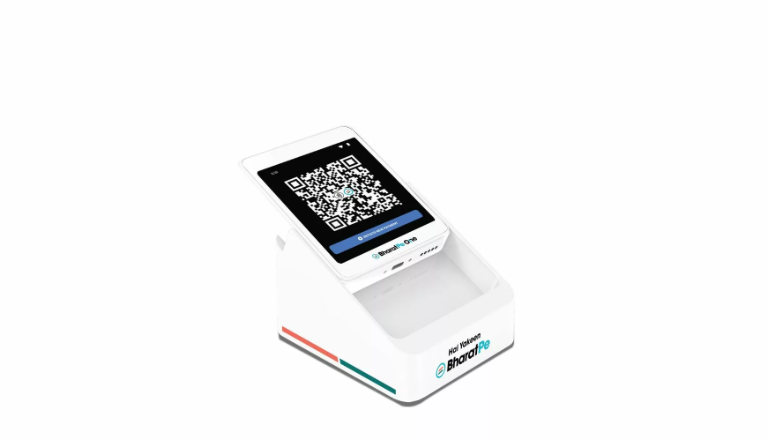
payment device: In a move set to transform the landscape of merchant transactions, BharatPe, a leading fintech company in India, has unveiled ‘BharatPe One,’ an innovative all-in-one payment solution. This groundbreaking device amalgamates Point of Sale (POS), QR code, and speaker functionalities into a singular, streamlined unit, promising unparalleled convenience for merchants.

Introducing BharatPe One

BharatPe One represents a paradigm shift in how merchants conduct transactions. By consolidating multiple payment features into a single device, BharatPe aims to simplify the payment process, optimize efficiency, and enhance the overall merchant experience.

The Features That Matter

High-Definition Touchscreen Display

Equipped with a high-definition touchscreen display, BharatPe One offers merchants a visually intuitive interface, ensuring smooth navigation and interaction during transactions.

Seamless Connectivity

With both 4G and Wi-Fi connectivity options, BharatPe One ensures uninterrupted access to payment networks, enabling swift and hassle-free transactions.

Enhanced Security

Powered by the latest Android operating system, BharatPe One prioritizes security, safeguarding sensitive transaction data and providing merchants with peace of mind.

Catering to Merchant Needs

BharatPe One is meticulously crafted to cater to the diverse needs of offline merchants. Its portable design, coupled with comprehensive transaction dashboards, ensures adaptability and ease of use in various business environments.

Versatile Payment Acceptance Options

From dynamic and static QR codes to tap-and-pay and traditional card payments, BharatPe One offers a comprehensive range of payment acceptance options. This versatility enables merchants to accept payments seamlessly, regardless of the customer’s preferred method.

The Vision Behind BharatPe One

BharatPe CEO, Nalin Negi, underscores the company’s commitment to empowering small and medium businesses across diverse sectors. By consolidating multiple functionalities into a cost-effective device, BharatPe aims to deliver a holistic solution tailored to the evolving needs of merchants.

With the launch of BharatPe One, BharatPe has ushered in a new era of convenience and efficiency in merchant transactions. By combining cutting-edge technology with user-centric design, BharatPe One promises to revolutionize the way merchants accept payments, ultimately driving growth and prosperity in India’s business landscape.

1. How does BharatPe One simplify transactions for merchants?

BharatPe One streamlines transactions by consolidating multiple payment functionalities into a single device, offering merchants a seamless and efficient payment experience.

2. What payment options does BharatPe One support?

BharatPe One supports a wide array of payment options, including dynamic and static QR codes, tap-and-pay, and traditional card payments, ensuring versatility and convenience for merchants.

3. Is BharatPe One secure?

Yes, BharatPe One prioritizes security with top-notch features and the latest Android operating system, safeguarding sensitive transaction data and providing merchants with peace of mind.

4. How does BharatPe One benefit small and medium businesses?

BharatPe One offers small and medium businesses a cost-effective, all-in-one payment solution tailored to their diverse needs, empowering them to enhance efficiency and drive growth.

5. Where can I purchase BharatPe One?

For information on purchasing BharatPe One, please visit the official BharatPe website or contact their customer support.

Veggie & Meat Market to Sprout in South West Nagpur

A New Venture for South West Nagpur’s Culinary Scene

Market development In South West Nagpur: In a stride towards enhancing local commerce and meeting the demands of residents, the Nagpur Municipal Corporation (NMC) has embarked on an ambitious project to establish a combined vegetable and mutton market in the south-western region of Nagpur. Spanning across a land parcel of 15,563.709 square meters on Orange City Street, this endeavor is poised to invigorate the economic landscape of the area.

Project Overview (Market development In South West Nagpur)

The project entails the construction of a ground plus two-storey market with an estimated budget of ₹193 crore. Embracing the principles of public-private partnership (PPP), the NMC seeks substantial financial assistance from the Maharashtra government, with a request amounting to ₹128.51 crore for the development of the market in the Laxmi Nagar zone.

Addressing Historical Encroachments

Over the years, the absence of an authorized NMC market led to the unauthorized occupation of a significant portion of Orange City Street by vegetable vendors and mutton/chicken sellers. However, recent anti-encroachment initiatives by the NMC have mitigated this issue, paving the way for the proposed market development.

Current Scenario and Future Prospects

Presently, vegetable vendors operate stalls in two weekly markets held on Saturdays and Sundays, originating from Jaiprakash Nagar Metro station and Jaitala, respectively. The decision to establish the new market arises from the necessity to provide a regulated and conducive environment for both vendors and consumers.

Public-Private Partnership Model

The NMC’s collaboration with private developers underscores its commitment to efficient market management and maintenance. With the private partner’s investment of ₹60 crore towards construction, coupled with the opportunity to retail certain shops, the market’s sustainability is envisioned.

Ensuring Sustainable Maintenance

Recognizing the challenges faced by existing civic body-owned markets due to financial constraints, the NMC prioritizes the implementation of a PPP model for this venture. By delegating maintenance responsibilities to the private sector, the market’s upkeep is poised to be robust and consistent.

Structural Layout and Facilities

The market’s design incorporates pragmatic features, including a basement designated for four-wheeler parking and ground floor space for accommodating 1,000 two-wheelers. Furthermore, provisions are made for developing shops on the ground floor, alongside designated areas for 270 vegetable vendors and 78 mutton and chicken sellers on the first and second floors.

The forthcoming establishment of the vegetable and mutton market in south-west Nagpur heralds a new era of commercial vitality and community engagement. Through strategic partnerships and meticulous planning, the NMC aims to create a sustainable marketplace that caters to the diverse needs of residents while bolstering economic growth.

FAQs (Frequently Asked Questions)

  1. Will the market feature organic produce?
    • Yes, efforts will be made to include organic produce vendors within the market to cater to the growing demand for healthy alternatives.
  2. What measures are in place to ensure vendor hygiene and food safety?
    • The NMC will implement stringent regulations and conduct regular inspections to uphold hygiene and food safety standards among vendors.
  3. Will the market operate on all days of the week?
    • The market is expected to operate daily, providing continuous access to fresh produce and meat products.
  4. Are there plans for additional amenities within the market premises?
    • Yes, amenities such as restrooms, seating areas, and waste disposal facilities will be incorporated into the market design.
  5. How will the market contribute to local employment opportunities?
    • The establishment of the market is anticipated to generate employment opportunities both directly, through vendor positions, and indirectly, through associated services and businesses.

The New Era of Electric Vehicles: Central Government’s Bold Move

Embracing a Sustainable Future

EV Manufacturing: The recent approval of the new Electric Vehicle (e-Vehicle) Policy by the Central Government marks a significant stride towards fostering the manufacturing and adoption of Electric Vehicles (EVs) across the nation. With a minimum investment requirement of Rs 4150 crore ($500 million), this policy aims to propel India towards becoming a global hub for EV production, positioning itself at the forefront of sustainable mobility solutions.

Promoting India as an EV Manufacturing Destination

The Ministry of Commerce and Industry’s statement underscores concerted efforts to position India as a preferred destination for EV manufacturing, enticing investments from renowned global EV manufacturers. To avail various duty concessions, companies are mandated to invest a minimum of Rs 4,150 crores, thereby stimulating the growth of the EV ecosystem within the country.

Key Provisions of the Policy

1. Domestic Value Addition Mandate

In line with the government’s vision to bolster domestic manufacturing capabilities, companies are obligated to achieve a 50 percent domestic value addition within three to five years, upon setting up manufacturing facilities in India. This provision not only augments indigenous production but also fosters technology transfer and skill development.

2. Customs Duty Concessions

To facilitate the seamless establishment of manufacturing facilities for EVs, companies will benefit from reduced import duties on cars priced at $35,000 and above. This strategic move is poised to incentivize investments, streamline import processes, and bolster the competitiveness of the domestic EV market.

3. Annual Import Quota

Recognizing the need to access cutting-edge technology, the policy permits companies meeting the prescribed standards to import 8,000 electric vehicles annually at a reduced import duty of 15 percent. This provision not only fosters innovation but also catalyzes the integration of advanced technologies into the indigenous EV ecosystem.

Embracing Technological Advancements and the ‘Make in India’ Initiative

The approval of the e-Vehicle Policy signifies a paradigm shift towards embracing technological advancements and fostering indigenous manufacturing capabilities. By promoting innovation, enhancing the EV ecosystem, and supporting the ‘Make in India’ initiative, the government aims to propel India towards a sustainable and self-reliant future in the automotive sector.

Driving Towards a Greener Tomorrow

In conclusion, the Central Government’s approval of the new Electric Vehicle Policy heralds a new era of sustainable mobility and economic growth. By incentivizing investments, promoting domestic manufacturing, and fostering technological innovation, this policy paves the way for a greener, more resilient future. As India gears up to embrace the electric revolution, the e-Vehicle Policy stands as a testament to the nation’s unwavering commitment to sustainability and progress.

Unique FAQs:

1. How will the new e-Vehicle Policy impact the Indian automotive industry?

2. What are the key incentives offered to companies under the e-Vehicle Policy?

3. How does the policy aim to promote indigenous manufacturing of EVs?

4. What role does the e-Vehicle Policy play in supporting the ‘Make in India’ initiative?

5. How will the policy contribute to reducing carbon emissions and promoting sustainable mobility?

Exit mobile version