Lata Mangeshkar University Nagpur: Maharashtra Cabinet Approves VSPM’s Health Sciences University

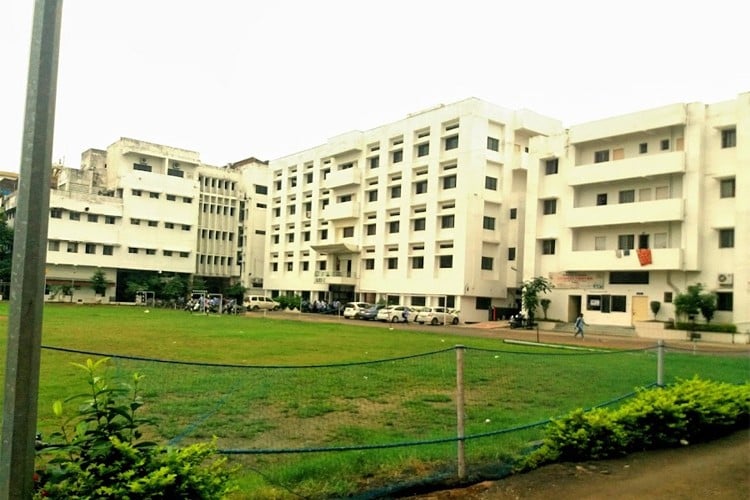
Nagpur is getting a new university — and it carries one of India’s most iconic names. The Maharashtra Cabinet has approved a proposal to establish Lata Mangeshkar University in Nagpur. Furthermore, this will be a private health sciences university set up by the VSPM Academy of Higher Education. The approval was granted during a Cabinet meeting chaired by Chief Minister Devendra Fadnavis. As a result, Nagpur’s medical education landscape is set for a significant expansion.

The new university will offer undergraduate, postgraduate and super-speciality courses. Moreover, it will cover medicine, dentistry, physiotherapy and nursing under one integrated institution. Therefore, students in Nagpur will soon have access to the full range of healthcare education disciplines within a single university framework.

What Is VSPM Academy and Why It Was Chosen

VSPM Academy of Higher Education is already a well-established institution in Nagpur’s educational landscape. Furthermore, it has significant healthcare infrastructure already in place. Most importantly, VSPM operates a 1,138-bed teaching hospital. As a result, the clinical training infrastructure required for a health sciences university already exists.

This is a critical advantage. Moreover, medical education requires constant patient exposure and clinical training — not just classroom learning. A 1,138-bed hospital provides exactly this environment. Therefore, students at Lata Mangeshkar University will have access to a wide range of clinical conditions and patient care scenarios as part of their daily training.

Furthermore, the availability of this large teaching hospital makes the super-speciality programmes particularly viable. As a result, advanced medical training — which requires complex case exposure — will be possible within the university’s own infrastructure.

What Courses Will Be Offered

The proposed Lata Mangeshkar University will offer a comprehensive range of health sciences programmes. Furthermore, the university is designed as an integrated platform — combining education, clinical training and advanced healthcare in one institution.

At the undergraduate level, medicine (MBBS), dentistry (BDS), physiotherapy and nursing programmes are planned. Moreover, postgraduate courses across these disciplines will also be offered. Furthermore, super-speciality programmes — the most advanced level of medical training — are part of the plan.

This multi-discipline, multi-level structure is what makes the university proposal significant. Currently, students in Nagpur pursuing different healthcare disciplines attend different institutions. Moreover, postgraduate and super-speciality training often requires students to move to Pune, Mumbai or Hyderabad. As a result, Nagpur loses talented medical graduates who could otherwise build careers and practices in the city.

A single integrated university offering the full pathway — from undergraduate to super-speciality — addresses this gap directly. Furthermore, it creates a stronger academic community within Nagpur’s healthcare ecosystem.

Why Naming It After Lata Mangeshkar Matters

The name Lata Mangeshkar carries deep significance for Maharashtra and for Nagpur specifically. Furthermore, Lata Mangeshkar — born Hemalata Dinanath Mangeshkar on September 28, 1929 — was one of the greatest playback singers in the history of Indian cinema. She was awarded the Bharat Ratna in 2001 — India’s highest civilian honour.

Moreover, Lata Mangeshkar had a strong connection to Maharashtra. Her father Deenanath Mangeshkar was a classical musician and theatre actor from the Marathi cultural tradition. Furthermore, she was deeply associated with Marathi music and culture throughout her extraordinary career. She passed away on February 6, 2022, at the age of 92.

Naming a health sciences university after her is a meaningful tribute — particularly in Nagpur, which is the cultural and administrative heart of Maharashtra’s winter capital. Furthermore, the Lata Mangeshkar Hospital — run by NKP Salve Institute of Medical Sciences — has been one of Nagpur’s most respected healthcare institutions for decades. Therefore, the name carries existing positive associations with healthcare in the city.

Nagpur’s Growing Importance as a Medical Education Hub

The establishment of Lata Mangeshkar University is part of a broader trend. Furthermore, Nagpur has been steadily expanding its role as a centre for healthcare education and specialised treatment for the Vidarbha region and beyond.

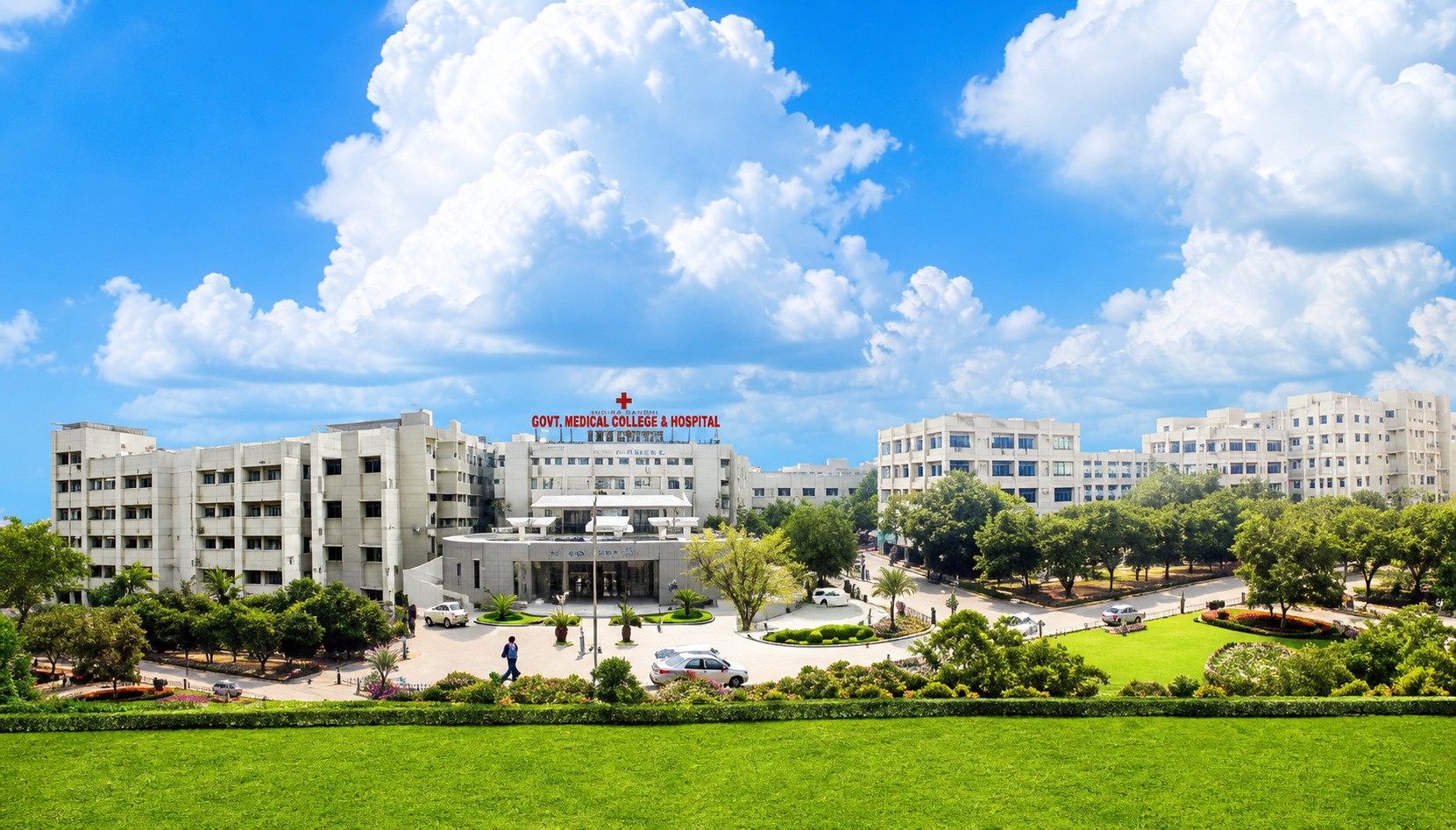
Nagpur already serves as the primary referral healthcare destination for patients from six Vidarbha districts and from neighbouring Chhattisgarh and Madhya Pradesh. Moreover, Government Medical College and Hospital (GMCH) — commonly called the Mayo Hospital complex — is undergoing a massive upgrade with a new 11-storey building and a rooftop helipad as Nagpur Updates recently reported. Furthermore, AIIMS Nagpur has added significant super-speciality capacity to the city’s healthcare ecosystem.

As a result, Nagpur’s healthcare infrastructure is growing rapidly. However, medical education capacity has not kept pace with this infrastructure growth. Therefore, the addition of Lata Mangeshkar University fills a specific gap — creating more seats for advanced medical education at a time when Vidarbha’s healthcare system needs more trained specialists.

Moreover, a university with super-speciality programmes will encourage medical graduates to pursue advanced training in Nagpur rather than leaving the city. Furthermore, specialists who train in Nagpur are more likely to build their practices here. As a result, the city’s overall specialist healthcare capacity grows over time.

The Second University Approved — Ahilyanagar

In a separate but related decision at the same Cabinet meeting, the Maharashtra government approved the establishment of another private health sciences university. Furthermore, this second university is proposed for Ahilyanagar and will be set up by the Dr Vitthalrao Vikhe Patil Foundation.

Therefore, the Cabinet approved two private health sciences universities in Maharashtra in a single meeting. Moreover, this reflects a clear policy direction — the Maharashtra government is expanding health sciences education capacity through private institutions rather than relying solely on government universities.

This approach has advantages and risks. Furthermore, private universities can move faster than government institutions and can access private investment for infrastructure. However, quality regulation and fee affordability are genuine concerns that the government’s approval conditions must address. As a result, the Medical Council of India’s oversight and NAAC accreditation requirements will be critical checkpoints for Lata Mangeshkar University as it develops.

What This Means for Nagpur’s Students and Aspiring Doctors

For students in Nagpur and across Vidarbha aspiring to careers in healthcare, the establishment of Lata Mangeshkar University represents a new pathway. Furthermore, having an integrated health sciences university in the city means that students can potentially complete their entire medical education journey — from MBBS to super-speciality — without leaving Nagpur.

Moreover, nursing and physiotherapy students — who have historically had fewer institutional options in Nagpur compared to MBBS and BDS students — will benefit from a university-level platform for their education. As a result, the full spectrum of healthcare careers becomes more accessible to Nagpur students.

However, fee structure will be a critical factor. Furthermore, private medical universities in India have faced significant criticism for charging fees that are prohibitively high for students from middle-income and economically weaker backgrounds. Therefore, the Maharashtra government’s conditions on the university’s fee regulation will determine whether Lata Mangeshkar University genuinely serves Vidarbha’s students or primarily serves those who can afford premium fees.


₹4.61 Crore Boost for RTMNU Indoor Sports Complex Nagpur: A Landmark Upgrade in Sports Infrastructure

The long-awaited transformation of sports infrastructure at Rashtrasant Tukadoji Maharaj Nagpur University (RTMNU) has received a decisive push as the Maharashtra government approved the release of the remaining ₹4.61 crore. This crucial funding marks the final phase of a project that promises to redefine the sporting ecosystem in Nagpur.

With this financial clearance, we are now witnessing the near completion of a state-of-the-art, international-standard indoor sports complex, designed to meet global benchmarks and provide world-class training facilities to students and athletes.


A Vision for World-Class Sports Infrastructure in Nagpur

The RTMNU indoor sports complex is not just another construction project—it is a strategic investment in the future of sports excellence. The vision behind this development is to create a centralized, high-performance environment where athletes can train, compete, and excel under professional conditions.

We see this project as a turning point for university-level sports in central India. The infrastructure is designed to bridge the gap between local talent and international standards, enabling students to compete at higher levels without leaving the region.


Comprehensive Overview of the Indoor Sports Complex

The upcoming facility is a three-storied architectural marvel, meticulously planned to accommodate multiple sports disciplines under one roof. Every aspect of the complex has been designed with precision to ensure efficiency, accessibility, and professional-grade performance conditions.

Key Structural Highlights:

  • Three floors of dedicated sports infrastructure
  • Modern lift facilities for seamless movement
  • Separate zones for each sport to avoid overlap
  • Spacious design with optimized ventilation and lighting

This design ensures that athletes can train simultaneously across different sports without compromising quality or space.


International-Standard Sports Facilities Under One Roof

The RTMNU sports complex is set to feature a wide range of facilities, each meeting international specifications. These facilities are expected to attract not only university athletes but also district and state-level competitions.

Indoor Courts and Training Areas:

  • Volleyball Court – Built to international dimensions with professional flooring
  • Basketball Court – High-quality indoor court suitable for tournaments
  • Handball Court – Designed for competitive play and training
  • Squash Court – A premium addition rarely seen in university setups

Specialized Sports Zones:

  • Wrestling Arena with dedicated mats and safety infrastructure
  • Kabaddi Court with proper boundary and surface standards
  • Gymnastics Area equipped for professional routines
  • Table Tennis Hall with multiple tables for training and matches

These facilities collectively create a multi-sport ecosystem that caters to both individual and team sports.


Fitness, Recovery, and Athlete Support Infrastructure

Modern sports facilities are incomplete without proper recovery and fitness systems. Recognizing this, the RTMNU complex includes dedicated areas focused on athlete well-being and performance enhancement.

Support Facilities Include:

  • Fully Equipped Gymnasium for strength and conditioning
  • Sports Medicine Room for injury management and recovery
  • Changing Rooms and Restrooms on Every Floor
  • Storage Rooms for Equipment Management

These additions ensure that athletes receive holistic support, from training to recovery, under one integrated system.


Why This Project Matters for Nagpur

Nagpur has long been recognized as an emerging educational hub, but the absence of world-class sports infrastructure has limited its growth in athletics. With this development, we are witnessing a major shift in the city’s sporting landscape.

Key Benefits:

  • Boost to University-Level Sports Competitions
  • Attraction of State and National Tournaments
  • Enhanced Training Opportunities for Students
  • Development of Grassroots Talent

The project positions Nagpur as a regional sports hub, capable of hosting major events and nurturing future champions.


Economic and Social Impact of the Sports Complex

Beyond athletics, the RTMNU indoor complex will contribute significantly to the local economy and community development.

Economic Advantages:

  • Increased employment opportunities during and after construction
  • Growth in sports-related businesses and services
  • Attraction of sports tourism and events

Social Impact:

  • Encouragement of youth participation in sports
  • Promotion of healthy lifestyles
  • Creation of a community engagement space

This initiative aligns with broader goals of urban development and youth empowerment.


Project Timeline and Completion Outlook

With the final tranche of ₹4.61 crore now released, the project is entering its final phase of completion. Construction activities are expected to accelerate, focusing on finishing touches, equipment installation, and quality checks.

We anticipate that the facility will soon be operational, opening doors to athletes who have long awaited access to such infrastructure.


A Strategic Leap for Maharashtra’s Sports Development

This project reflects the Maharashtra government’s commitment to enhancing sports infrastructure across the state. By investing in institutions like RTMNU, the government is laying the foundation for sustainable sports development.

The indoor complex is expected to:

  • Serve as a model for future university projects
  • Strengthen Maharashtra’s position in national sports rankings
  • Encourage public-private partnerships in sports infrastructure

Future Opportunities and Expansion Potential

The RTMNU sports complex is designed with scalability in mind. As demand grows, there is potential to:

  • Introduce additional sports disciplines
  • Host international training camps
  • Collaborate with sports academies and organizations

This forward-thinking approach ensures that the facility remains relevant and competitive for years to come.


A New Era for Sports at RTMNU Nagpur

The release of ₹4.61 crore is more than just financial approval—it is the final push toward realizing a transformative vision. The RTMNU indoor sports complex stands as a symbol of progress, ambition, and commitment to excellence.

We are entering a phase where Nagpur is no longer just an educational hub but also a rising powerhouse in sports infrastructure. With world-class facilities, comprehensive support systems, and a strategic vision, this complex is set to redefine how sports are nurtured and celebrated in the region.

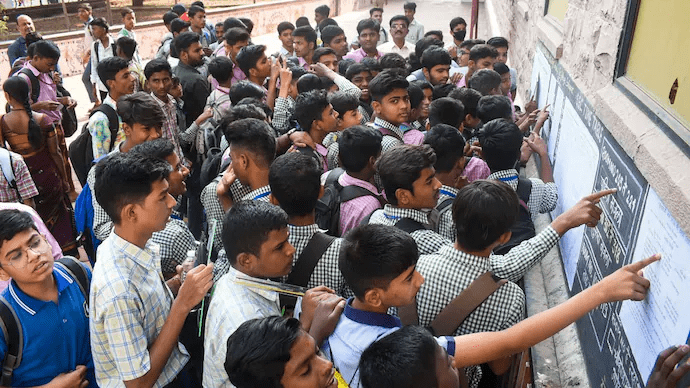
Maharashtra HSC 2025 Results to Be Declared Tomorrow at 1 PM — Check Complete Details

The long wait is finally over! The Maharashtra State Board of Secondary and Higher Secondary Education (MSBSHSE) has officially announced that the HSC 2025 results will be declared tomorrow, May 5th at 1 PM. If you’re one of the thousands of students waiting with bated breath, we’ve got all the essential details covered for you in this guide. From checking your results to accessing your digital marksheets and what to do next, here’s everything you need to know.


📢 Breaking News: MSBSHSE to Declare Results at 1 PM

On Saturday, Devadas Kulal, the secretary of MSBSHSE, confirmed that the Maharashtra HSC 2025 results will be announced on Monday, May 5 at 1 PM. This update has come as a sigh of relief for lakhs of students and parents across the state.


📍 Where and How to Check Your Maharashtra HSC 2025 Results

Students can check their results online using any of the official result portals:

Steps to Check Your Result Online

  1. Visit one of the official websites mentioned above.

  2. Click on the HSC 2025 Result link.

  3. Enter your roll number and mother’s first name.

  4. Click “Submit” to view your results.

  5. Download or print your marksheet for reference.


📲 DigiLocker for Instant Digital Marksheet Access

No need to wait in line at your college! Your subject-wise digital marksheets will be available directly via the DigiLocker app. This not only saves time but also ensures you can access them anytime, anywhere.


🏫 For Junior Colleges: Access Through College Logins

Junior colleges will be able to download the consolidated result sheets from mahahsscboard.in using their college login credentials. This streamlines the process and helps institutions maintain digital records efficiently.


🗓️ Exam Timeline Recap: February to March 2025

The HSC exams were held across nine divisional offices:

  • Pune

  • Nagpur

  • Chhatrapati Sambhajinagar

  • Mumbai

  • Kolhapur

  • Amravati

  • Nashik

  • Latur

  • Konkan

Thousands of students appeared for the exams conducted between February and March 2025 under strict supervision.


👨‍⚕️ NEET-UG 2025: A Parallel Academic Highlight

Coinciding with the HSC results buzz, over 20.8 lakh candidates appeared for NEET-UG 2025 on Sunday. This national-level medical entrance exam was held in 548 cities in India and 14 international centres.

Despite a few minor hiccups like late arrivals and confusion about dress codes, the examination proceeded without any major disruptions or malpractice.


🛡️ NTA’s Robust Exam Oversight: NEET 2025 Edition

The National Testing Agency (NTA) went above and beyond to ensure fairness in NEET-UG 2025. Here’s what they did:

  • Established a centralized control room with representation from:

    • Ministry of Education

    • Ministry of Home Affairs

    • Ministry of Defence

    • Ministry of Health and Family Welfare

    • Ministry of Electronics & IT (MeitY)

  • Conducted mock drills in all 5,453 centers.

  • Ensured proper setup of mobile jammers, biometric systems, and frisking stations.

  • Deployed nodal Higher Education Institutions (HEIs) to monitor and report ground activities.


🎯 Why Maharashtra HSC Results Matter So Much

Think of the HSC results as a launchpad. For most students, these scores decide college admissions, scholarships, and even entrance into competitive exams like JEE and NEET. No pressure, right?

Whether you’re aiming for engineering, medicine, law, or the arts, your Class 12 marks are often the first checkpoint of your journey.


💼 What’s Next After the Result?

Here’s what you should focus on once your result is out:

1. Download and Save Your Marksheet

You’ll need it for:

  • College applications

  • Entrance exams

  • Scholarship forms

2. Apply for Revaluation (If Needed)

Not happy with your scores? Don’t panic. You can apply for a re-evaluation or rechecking through the official website shortly after the result announcement.

3. Start Your Admission Process

Get your documents in order and keep an eye out for college admission forms and cut-off lists.


📈 Trends to Watch: Performance Statistics

While the detailed statistics will be available post-result declaration, here are some trends from past years:

  • Pass Percentage: Generally ranges between 88% to 94%.

  • Stream-wise Performance: Science stream tends to have the highest pass percentage.

  • Top Scoring Divisions: Pune and Mumbai often lead in merit lists.


🧾 Frequently Used Official Websites

To make things easier, here’s a quick recap:

Platform Purpose
results.digilocker.gov.in Digital marksheet download
mahahsscboard.in Result, notifications, revaluation
hscresult.mkcl.org HSC Result access portal

💡 Pro Tips for Students

  • Avoid last-minute website rush. Try accessing your result 5–10 minutes after the announcement to avoid crashes.

  • Keep your credentials ready. Roll number and mother’s first name are mandatory.

  • Double-check details. If there’s any error in your name, DOB, or marks, report it immediately.


🎓 From HSC to Higher Education: Plan Ahead

This is just the beginning. Whether you’re heading to a junior college, appearing for NEET/JEE, or exploring abroad education options, this result will be the anchor of your next chapter.

And remember, a single score doesn’t define your worth—it’s just a stepping stone. So breathe easy, you’ve got this!


📞 Need Help? Here’s Who to Contact

If you face issues:

  • Use the helpdesk available on the official portals.

  • Contact your school/college administration.

  • Visit your nearest MSBSHSE divisional office.


🏁 One Step Closer to Your Dreams

As the Maharashtra HSC 2025 results go live, this marks a big day in the academic journey of lakhs of students. While the results are a milestone, they’re also the beginning of new adventures. Whether you’re thrilled with your scores or planning your next steps, stay focused, stay motivated, and know that the best is yet to come.

We wish every student the very best of luck!

1. When will the Maharashtra HSC 2025 results be declared?
The results will be announced on May 5th, 2025 at 1 PM.

2. Where can I check my result online?
You can check it on results.digilocker.gov.in, mahahsscboard.in, or hscresult.mkcl.org.

3. Can I access my marksheet via DigiLocker?
Yes, the subject-wise marksheet will be available on the DigiLocker app.

4. What if there is an error in my marksheet?
You should contact your school or divisional MSBSHSE office immediately for correction.

5. When can I apply for revaluation?
The application window usually opens a few days after the result declaration on the official website.

Shivaji Science College Launches AI-Driven Gardening Solutions

Nagpur: In a groundbreaking initiative, the Botany Department of Shivaji Science College, Nagpur, has introduced an AI-driven educational garden, Amrut Vatika. This innovative project aims to promote sustainability and environmental awareness among students and the community. By integrating artificial intelligence into gardening, the institution is taking a significant step toward conservation, biodiversity, and scientific learning.

The Vision Behind Amrut Vatika

Shivaji Science College (Nagpur) has always been at the forefront of educational and ecological advancements. With Amrut Vatika, the college merges technology with nature, fostering a learning environment where students can explore sustainable gardening practices while leveraging AI for deeper insights.

Specialized Garden Sections

The garden features multiple themed sections, each offering a unique perspective on plant life and sustainability.

1. Rashi Vatika: Zodiac-Themed Plantation

This section showcases plants associated with the twelve zodiac signs. It highlights the cultural and astrological significance of plants, allowing visitors to explore how botanical elements intertwine with spirituality.

2. Navgrah Vatika: Celestial Influence on Plants

Navgrah Vatika represents the nine planetary influences on different plant species. This space educates visitors on the historical and traditional beliefs surrounding the connection between celestial bodies and plant growth.

3. Medicinal Plants: Nature’s Pharmacy

A dedicated space for medicinal plants demonstrates their role in Ayurveda and modern medicine. Students and visitors can learn about their healing properties and sustainable cultivation techniques.

4. Hydrophytes: Water-Loving Plants

This section highlights plant species that thrive in aquatic environments, showcasing their ecological importance in maintaining biodiversity and water purification.

5. Xerophytes: Desert Flora and Survival Adaptations

Designed to display desert vegetation, this section provides insights into how plants adapt to extreme climatic conditions and how xerophytes contribute to sustainable gardening.

6. Spice Corner: Culinary and Medicinal Uses

Spices have played a crucial role in culture and health for centuries. This corner offers a glimpse into various spice plants, their uses, and their contribution to holistic well-being.

7. Soilless Farming: The Future of Agriculture

Demonstrating hydroponics and aeroponics, this section emphasizes innovative farming techniques that conserve soil and water while optimizing plant growth.

Innovative AI-Powered Projects in Amrut Vatika

Apart from diverse plant species, the AI-driven garden includes interactive and educational projects aimed at enhancing learning experiences.

1. Talking Tree: A Digital Interactive Experience

This project employs AI to provide real-time information about different plant species. By scanning QR codes, visitors can listen to an audio guide that shares insights about the plant’s origin, uses, and ecological significance.

2. Talking Fossils: Exploring Plant Evolution

The Talking Fossils project showcases preserved plant fossils, illustrating the evolutionary journey of flora over millions of years.

3. The Seed Bank: Preserving Biodiversity

This initiative focuses on the collection and preservation of native and endangered plant seeds, ensuring the conservation of genetic diversity.

4. Herbanique: The Art of Preserving Nature

Combining science and art, Herbanique educates students on preserving medicinal and rare plants, fostering environmental responsibility.

5. Digital Flora of Campus: A Comprehensive Biodiversity Database

A digital catalog documenting plant species within the campus enables students and researchers to explore the rich biodiversity in an interactive format.

Community Impact and Inauguration Ceremony

The initiative was inaugurated by former city mayor, Kalpana Pandey, (Nagpur) who emphasized the importance of conservation in urban development. She reflected on her childhood experiences with nature and stressed the need to preserve green spaces for future generations.

Why AI-Driven Gardening Matters

AI integration in gardening offers numerous benefits:

  • Enhanced Learning: AI-driven tools make botanical education interactive and engaging.
  • Data-Driven Insights: AI helps in analyzing plant health, growth patterns, and environmental conditions.
  • Sustainability: Smart gardening techniques reduce water consumption and soil degradation.
  • Biodiversity Conservation: Preserving native and rare species supports ecological balance.

The AI-driven Amrut Vatika at Shivaji Science College sets a benchmark in integrating technology with nature. By fostering sustainability, conservation, and education, this initiative paves the way for a greener future. As technology and ecology continue to intersect, such innovations will play a crucial role in shaping environmental consciousness.

1. What is the primary purpose of Amrut Vatika?

Amrut Vatika aims to integrate AI with gardening to promote environmental awareness, sustainability, and educational engagement.

2. How does the Talking Tree project work?

The Talking Tree uses AI-driven QR codes that allow visitors to listen to information about plant species in the garden.

3. What makes soilless farming important?

Soilless farming, including hydroponics and aeroponics, minimizes water usage and soil depletion, making it a sustainable agricultural practice.

4. How does the Seed Bank contribute to biodiversity?

The Seed Bank collects and preserves native and rare plant seeds, ensuring their survival and preventing extinction.

5. How can students benefit from Digital Flora of Campus?

The Digital Flora provides a comprehensive, interactive database of campus biodiversity, aiding research and botanical studies.

Dinesh Rathi Elected as Chairman of ICAI Nagpur Branch for 2025-26

Nagpur: In a significant development for the local accounting community, CA Dinesh Rathi has been unanimously elected as the Chairman of the Nagpur Branch of the Institute of Chartered Accountants of India (ICAI) for the term 2025-26. This election marks a pivotal moment, reflecting the branch’s commitment to dynamic leadership and progressive initiatives.

The New Leadership Team

Alongside CA Dinesh Rathi, the newly elected office bearers include:

  • Vice-Chairperson: CA Swaroopa Wazalwar
  • Secretary: CA Deepak Jethwani
  • Treasurer: CA Trupti Bhattad
  • Chairman of WICASA Nagpur: CA Vinod Agrawal

The managing committee is further strengthened by members CA Prateek Palan, CA Ankush Kesharwani, CA Pranav Kumar Limaja, CA Ashish L. Agarwal, and CA Jitendra Saglani. Additionally, the Regional Council Member (RCM) will serve as an ex-officio member of the committee.

Vision for the Term

Upon assuming office, CA Dinesh Rathi emphasized a strategic focus on organizing impactful programs that contribute to nation-building, professional development, and enhanced interaction with government and semi-government authorities. He expressed gratitude to the members for entrusting leadership to a young professional and assured that the branch will serve as a dynamic platform for knowledge sharing between senior and young members in a collaborative and friendly environment.

Key Focus Areas

The leadership has outlined several key focus areas for the term:

  1. Organizing Knowledge-Enriching Programs: Hosting seminars, workshops, and conferences to keep members updated on the latest developments in the field.

  2. Empowering the Next Generation of Professionals: Initiatives aimed at mentoring and supporting aspiring chartered accountants.

  3. Strengthening Member Engagement: Fostering a sense of community and collaboration among members.

  4. Promoting Social Responsibility and Outreach Initiatives: Engaging in activities that benefit society and enhance the profession’s public image.

  5. Advancing Technological Adoption in the Profession: Encouraging the use of modern technologies to improve efficiency and service delivery.

Appreciation for Past Leadership

CA Dinesh Rathi extended his heartfelt appreciation to past presidents CA Ashok Chandak and CA Jaydeep Shah for their continued guidance and support to the branch. He affirmed that the branch will strive for the all-round progress of members and students through a series of impactful activities, making 2025-26 one of the most eventful years for the ICAI Nagpur Branch.

The election of CA Dinesh Rathi as Chairman of the ICAI Nagpur Branch signifies a commitment to progressive leadership and the advancement of the accounting profession in the region. With a clear vision and dedicated team, the branch is poised to achieve significant milestones in the upcoming term.

  1. What is the ICAI Nagpur Branch?

    The ICAI Nagpur Branch is a regional chapter of the Institute of Chartered Accountants of India, serving chartered accountants in the Nagpur region.

  2. Who are the other office bearers elected for the 2025-26 term?

    The other office bearers include Vice-Chairperson CA Swaroopa Wazalwar, Secretary CA Deepak Jethwani, Treasurer CA Trupti Bhattad, and Chairman of WICASA Nagpur CA Vinod Agrawal.

  3. What initiatives are planned under the new leadership?

    The new leadership plans to focus on knowledge-enriching programs, empowering upcoming professionals, strengthening member engagement, promoting social responsibility, and advancing technological adoption.

  4. How does the branch plan to engage with government authorities?

    The branch aims to enhance interaction with government and semi-government authorities to contribute to nation-building and professional development.

  5. Who are the past presidents acknowledged by the new chairman?

    The new chairman acknowledged past presidents CA Ashok Chandak and CA Jaydeep Shah for their guidance and support.

Exclusive Library for Tribal Students to Be Established in Nagpur: Dr. Uike

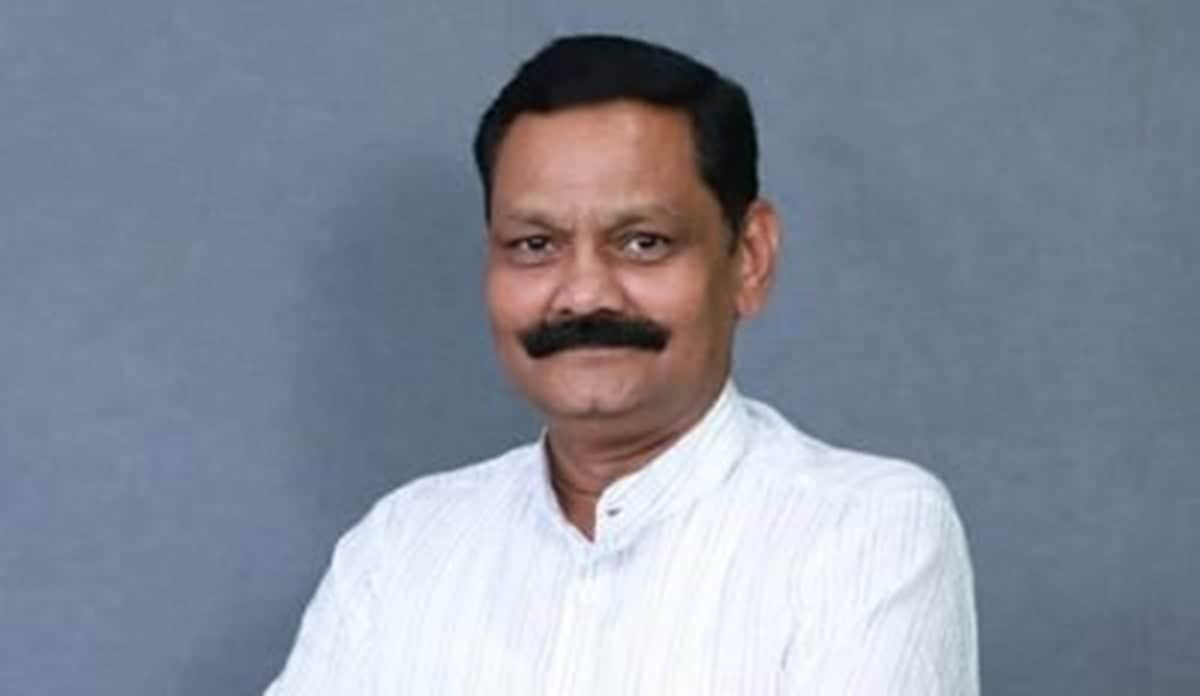
Dr Ashok Uike: In a significant move to uplift the educational standards of tribal students in Maharashtra, the state government has announced the establishment of a central library in Nagpur exclusively for them. This initiative, spearheaded by State Tribal Development Minister Dr. Ashok Uike, aims to provide advanced facilities and a vast collection of books to assist tribal students in preparing for competitive examinations. Importantly, this facility will be free of cost for these students.

A Vision for Educational Empowerment

Advanced Facilities for Holistic Learning

The proposed library is not just a repository of books; it’s envisioned as a comprehensive learning hub. Equipped with modern amenities, it will offer:

  • Digital Resources: Access to online journals, e-books, and educational databases.
  • Study Rooms: Quiet and comfortable spaces conducive to focused study sessions.
  • Workshops and Seminars: Regular events to enhance skills and knowledge.

Free Access to Knowledge

Understanding the financial constraints faced by many tribal students, the government has ensured that all services provided by the library will be free. This move is expected to alleviate the economic burden and encourage more students to pursue higher education and competitive exams.

Historical Context and Future Plans

Revival of the Tribal Museum Project | Dr Ashok Uike

Years ago, a tribal museum was planned at Suraburdi in Nagpur. However, due to political interventions, the project was shifted to Parseoni and eventually stalled. Addressing this, Dr. Uike stated, “Chief Minister Devendra Fadnavis has given all of us a 100-day plan, and this project is part of it. We will perform bhoomipujan of this museum in mid-April this year.”

Government’s Commitment to Tribal Welfare

Dr. Uike praised Chief Minister Fadnavis for his dedication to tribal affairs, highlighting that it was under his leadership that the recommendations of the Sukhtankar Committee on tribal issues were implemented. The state government allocates significant funds annually for various projects aimed at the welfare of the tribal community. Despite these efforts, challenges persist in certain areas.

Enhancing Tribal Education Infrastructure

Feedback-Driven Improvements

The Tribal Development Department has undertaken visits to tribal hostels and ashramshalas to gather feedback directly from students. Based on these insights, plans are underway to improve living conditions and educational facilities in these institutions.

Budgetary Allocations

In the fiscal year 2024-25, a provision of Rs 17,200 crore was made for the Tribal Department. Dr. Uike has requested a 10% increase in this allocation for the current year, emphasizing the Chief Minister’s special commitment to the tribal community.

Recognizing Unique Tribal Talents

Tailored Schemes for Diverse Skills

Dr. Uike acknowledged the unique qualities and artistic skills of the tribals in Gadchiroli. He emphasized the need for schemes tailored to the specific talents and preferences of tribal communities in different regions.

Digital Advancements in Tribal Education

Establishment of Digital Schools

As per the Chief Minister’s directives, 100 digital schools are set to be established for tribal students within 100 days. This initiative aims to bridge the digital divide and provide quality education to tribal students across the state.

Formation of a State Tribal Commission

Efforts are also underway to create a separate commission for tribal people in the state, akin to the Central Government’s Tribal Commission. This body will focus on addressing the unique challenges faced by the tribal population and ensuring their rights and welfare are prioritized.

The establishment of an exclusive library in Nagpur marks a significant milestone in the Maharashtra government’s ongoing efforts to empower tribal students. By providing free access to advanced educational resources, the state aims to bridge the educational gap and pave the way for a brighter future for its tribal communities.

  1. What facilities will the exclusive library offer to tribal students?

    • The library will provide digital resources, study rooms, and host workshops and seminars, all free of cost.
  2. When is the tribal museum project expected to commence?

    • The bhoomipujan for the tribal museum is scheduled for mid-April this year.
  3. How is the government addressing the unique talents of tribals in Gadchiroli?

    • Tailored schemes are being developed to suit the specific skills and preferences of the tribals in different regions, including Gadchiroli.
  4. What steps are being taken to digitize tribal education?

    • The government plans to establish 100 digital schools for tribal students within 100 days to enhance digital learning.
  5. Is there a proposal for a state-level commission for tribal affairs?

    • Yes, efforts are underway to create a separate state commission for tribal people, similar to the Central Government’s Tribal Commission.

IIM Nagpur Signs MoU with Skyline University College, Sharjah

The Indian Institute of Management Nagpur (IIM-N) has taken a significant step in expanding its global academic network by signing a Memorandum of Understanding (MoU) with Skyline University College (SUC), Sharjah. This strategic collaboration aims to foster academic excellence, research innovation, and industrial expertise between the two institutions, benefiting students and faculty alike.

A Historic Collaboration

On this momentous occasion, IIM-N Director Bhimaraya Metri and SUC Vice-Chancellor Professor Mohd In’iarat officially signed the MoU. The event was attended by notable dignitaries, including Professors Prashant Gupta, Shailendra Nigam, Naseem Abidi, Kamil Agha, and Mohd Rasheed Khalid, marking a new milestone in educational partnerships.

The Vision Behind the MoU

The primary objective of this partnership is to establish a knowledge-based society by integrating cultural and academic diversity. This agreement will create an ecosystem that encourages innovation, promotes research, and enhances academic engagement across borders.

Key Highlights of the MoU

  • Student and Faculty Exchange Programs: Enabling immersive learning experiences across both institutions.
  • Collaborative Research Projects: Encouraging joint research initiatives to address global challenges.
  • Executive Education Programs: Offering skill-enhancing programs tailored for professionals.
  • Industry-Academia Collaboration: Bridging the gap between academic learning and industry requirements.

What This Means for Students and Faculty

Broader Learning Opportunities

Students will now have the chance to explore international education perspectives, gaining insights into global business and management strategies. The exchange programs will provide hands-on exposure to new learning methodologies.

Joint Research Initiatives

Faculty from both institutions will collaborate on interdisciplinary research, addressing industry-specific problems and contributing to global knowledge development.

Global Networking

This partnership enhances networking opportunities, allowing students and faculty to connect with industry experts, researchers, and academicians across the world.

Why This MoU is a Game-Changer?

Enhancing Cross-Cultural Learning

With Skyline University College being a hub of cultural diversity, IIM Nagpur students will gain exposure to varied educational approaches, fostering a more inclusive learning environment.

Industry-Aligned Education

By combining the academic strength of IIM Nagpur with the regional expertise of SUC, students will benefit from a curriculum that is both academically rigorous and industry-relevant.

Strengthening India-UAE Educational Ties

This agreement signifies a crucial step in fortifying educational relations between India and the UAE, paving the way for future collaborations.

Future Prospects

The partnership is expected to lead to further initiatives, such as:

  • Co-branded certification courses
  • International business case study development
  • Internship and placement collaborations
  • Joint academic conferences and seminars

The MoU between IIM Nagpur and Skyline University College, Sharjah, is a strategic initiative that will revolutionize the academic landscape for both institutions. By fostering student and faculty exchange, joint research, and industry-academic collaborations, this partnership is poised to create a dynamic learning environment. The collaboration reflects a forward-thinking approach to education, empowering future leaders with global perspectives and expertise.

Frequently Asked Questions (FAQs)

1. What is the main objective of the MoU between IIM Nagpur and Skyline University College?

The MoU aims to enhance academic collaboration, research initiatives, and student-faculty exchange programs between the two institutions.

2. How will students benefit from this partnership?

Students will gain international exposure, access to diverse learning methodologies, and better career opportunities through networking and industry connections.

3. What are the research collaboration opportunities under this MoU?

Faculty from both institutions will engage in interdisciplinary research projects, contributing to global knowledge and solving industry-related challenges.

4. Will there be joint certification programs?

Yes, the partnership paves the way for co-branded certification courses, executive education programs, and industry-aligned training sessions.

5. How does this MoU impact educational relations between India and the UAE?

This agreement strengthens educational ties between the two nations, promoting knowledge exchange, research collaboration, and academic excellence.

GMCH Auditorium Gets Grand Makeover After 72 Years

GMCH Auditorium Makeover: The Government Medical College and Hospital (GMCH) in Nagpur, home to the second-largest hospital in Asia, has witnessed a historic transformation. After 72 years, its auditorium has undergone a remarkable facelift, turning it into a state-of-the-art facility. This Rs 5.23 crore renovation marks the first major revamp since the building was inaugurated in 1953 by India’s first President, Dr. Rajendra Prasad.

Let’s explore the details of this stunning transformation and understand why this upgrade is a game-changer for students, faculty, and medical professionals alike.

A Historic Transformation: What’s New? | GMCH Auditorium Makeover

Increased Seating Capacity for Better Accessibility

Earlier, the auditorium could accommodate only 375 attendees. Now, it boasts a seating capacity of 535, ensuring that more students and faculty members can participate in academic events without overcrowding.

Fully Air-Conditioned Space for Enhanced Comfort

Gone are the days of sweltering heat and discomfort! The newly upgraded auditorium is now fully air-conditioned, making it a more comfortable space for attendees, even during peak summers.

Advanced Audio and Visual Systems

A modern auditorium demands high-quality acoustics and visuals. With a cutting-edge sound system and an ultra-clear display screen, attendees can now enjoy crystal-clear audio and visuals, making lectures, seminars, and workshops more engaging.

Attractive Lighting and Aesthetic Appeal

Bright and elegant lighting has completely transformed the ambiance of the auditorium. Whether it’s a conference or a guest lecture, the enhanced lighting system ensures a visually appealing experience for all.

Upgraded Infrastructure for Added Convenience | GMCH Auditorium Makeover

  • Two green rooms have been added for speakers and panelists.
  • Drinking water facilities ensure hydration during long sessions.
  • Well-maintained restrooms provide added comfort for attendees.
  • Renovated premises around the auditorium offer a clean and organized look.

Why Is an Auditorium Important in a Medical College?

1. A Hub for Training and Knowledge Sharing

Medical education extends beyond textbooks. A well-equipped auditorium allows for live demonstrations, expert lectures, and workshops, which are crucial for medical students and professionals.

2. Encourages Interactive Learning

With a spacious setup, high-quality sound systems, and a large screen for live training, students can grasp complex medical concepts more effectively.

3. Facilitates Professional Development

Workshops, training sessions, and research presentations held in a modern auditorium contribute to the overall growth of students and faculty.

4. Enhances Skill Development

From surgical workshops to guest lectures by renowned doctors, an auditorium provides a space where students can refine their practical knowledge.

Key Features of the Revamped Auditorium

1. State-of-the-Art Sound System

With a newly installed high-tech sound system, the auditorium ensures that every word spoken on stage is heard clearly, even by those sitting at the back.

2. Large Stage Screen for Live Demonstrations

Medical students can now witness live surgical procedures and medical demonstrations with enhanced clarity, making learning more interactive and practical.

3. Comfortable and Spacious Seating

The new 535-seater arrangement ensures better seating comfort and clear visibility, making long sessions more bearable.

4. Energy-Efficient and Sustainable Design

The new lighting setup is not only visually appealing but also energy-efficient, aligning with modern sustainability practices.

Impact of the Revamp on Students and Faculty

For Students:

  • More engaging lectures and workshops
  • Improved comfort during long sessions
  • Better visibility of training and presentations

For Faculty:

  • Enhanced teaching environment
  • Seamless organization of seminars
  • A prestigious venue for hosting expert talks

The Road Ahead: Future Prospects

With the new upgrade, the GMCH auditorium is set to host several medical conferences, research symposiums, and hands-on training sessions. This transformation will pave the way for better medical education and professional development.

Final Thoughts

The grand revamp of the GMCH auditorium after 72 years is a monumental milestone. With enhanced seating, modern amenities, and state-of-the-art technology, the auditorium is now a premier venue for medical learning and professional growth. This upgrade not only benefits students and faculty but also elevates the overall educational experience at GMCH.

1. What was the cost of the GMCH auditorium renovation?

The renovation cost Rs 5.23 crore, covering major infrastructure and technological upgrades.

2. How many seats does the new auditorium have?

The seating capacity has been expanded from 375 to 535 for better accessibility.

3. What are the key features of the upgraded auditorium?

Some key

Chief Minister Fadnavis Urges Swift Completion of New Law College Building in Nagpur

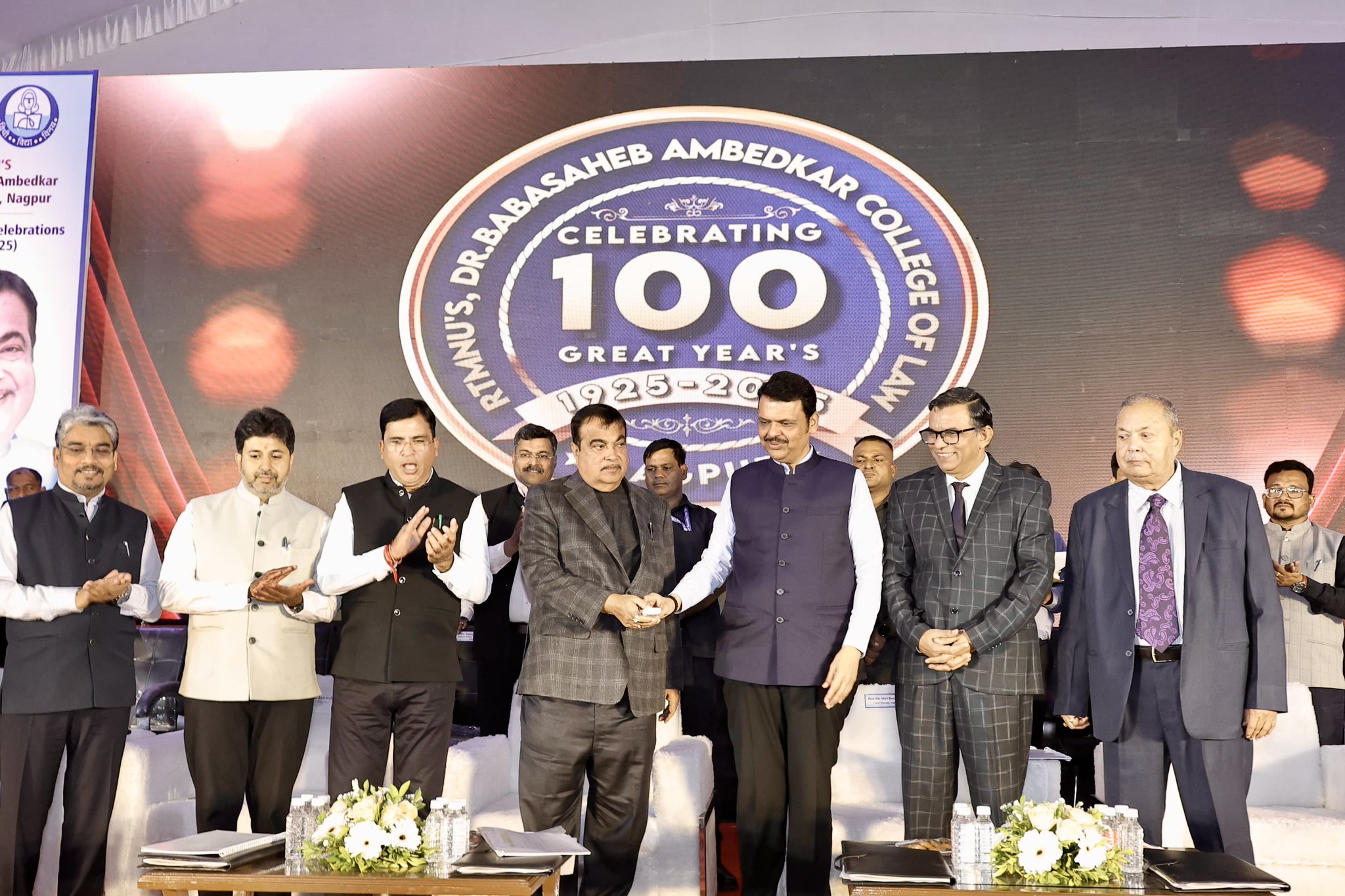
In a significant move to bolster legal education infrastructure, Maharashtra Chief Minister Devendra Fadnavis has emphasized the timely completion of a new state-of-the-art building for Nagpur University’s Dr. Babasaheb Ambedkar College of Law. Announced during the college’s centenary celebrations, this initiative underscores the government’s commitment to enhancing educational facilities in the region.

A Vision for the Future

The proposed Rs. 200 crore project draws architectural inspiration from the Nagpur bench of the Bombay High Court and the Reserve Bank of India building. This design aims to create a distinguished landmark that reflects the institution’s rich history and its aspirations for the future.

Personal Reflections from the Chief Minister

Addressing a gathering of esteemed judges, legal professionals, students, faculty, and alumni, Chief Minister Fadnavis reminisced about his formative years at the college. He expressed deep gratitude to the institution for laying a robust foundation for his legal and legislative career. “The knowledge and principles instilled in me by this college were invaluable during my tenure as an MLA, especially in legislative work,” he remarked.

A Call to Action

The Chief Minister has directed Nagpur University Vice-Chancellor Prashant Bokare and Principal Ravi Mor to ensure the completion of the new building within three and a half years. He assured that financial constraints would not hinder the project’s progress, emphasizing the government’s resolve to provide world-class infrastructure for the institution.

Architectural Excellence

Renowned architect Habib Khan, known for his innovative designs, has been suggested to lead the planning of the new structure. His involvement is anticipated to blend modernity with the institution’s historical essence, creating a facility that meets contemporary educational needs while honoring its legacy.

Celebrating a Legacy of Excellence

Dr. Babasaheb Ambedkar College of Law has a storied history of producing distinguished legal professionals, including judges, lawyers, ministers, and even Chief Justices of India. The Chief Minister highlighted the college’s significant contributions to the judiciary and governance, noting its role in shaping the nation’s legal landscape.

Integrating Technology in Legal Education

Acknowledging rapid technological advancements, including artificial intelligence, Chief Minister Fadnavis emphasized the importance of integrating technology into legal education. He lauded the establishment of three Maharashtra National Law Universities (MNLUs), including one in Nagpur, as steps toward modernizing legal studies.

A Groundbreaking Ceremony on the Horizon

To mark the centenary year, the Chief Minister proposed conducting a groundbreaking ceremony (Bhoomipujan) for the new building. This event would symbolize the commencement of a new chapter in the college’s illustrious history.

The commitment to constructing a new, state-of-the-art building for Dr. Babasaheb Ambedkar College of Law reflects a broader vision to enhance legal education infrastructure in Maharashtra. With the government’s support and a clear timeline, the institution is poised to continue its legacy of excellence well into the future.

  1. What is the estimated cost of the new law college building?
    • The project is estimated to cost Rs. 200 crore.
  2. Who has been suggested to lead the architectural planning of the new building?
    • Renowned architect Habib Khan has been recommended to oversee the planning.
  3. What is the proposed timeline for completing the new building?
    • The Chief Minister has directed that the building be completed within three and a half years.
  4. How does the design of the new building reflect the institution’s legacy?
    • The design draws inspiration from iconic structures like the Nagpur bench of the Bombay High Court and the Reserve Bank of India building, symbolizing a blend of tradition and modernity.
  5. What significance does the new building hold for the future of legal education in Nagpur?
    • The state-of-the-art facility aims to provide world-class infrastructure, ensuring that the institution remains a premier choice for legal education in the region.

Nagpur to Host 10th Campus of National Forensic Science University (NFSU)

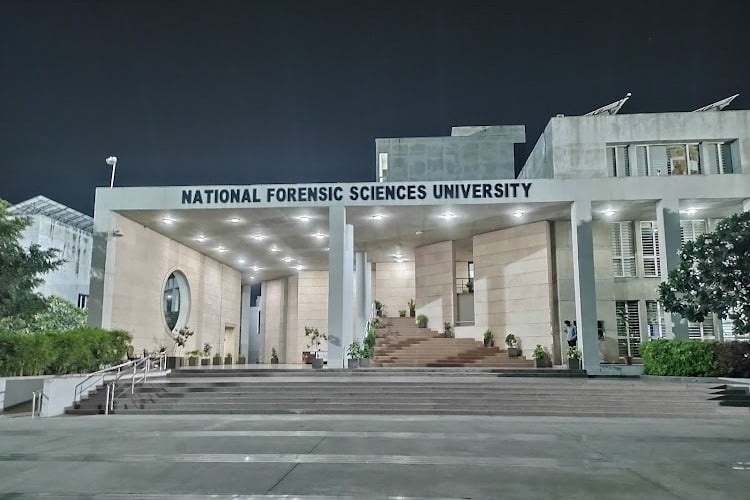
National Forensic Science University Nagpur | NFSU Nagpur Campus: Nagpur, a bustling city already home to prestigious educational institutions such as AIIMS, IIM, IIIT, and VNIT, is set to become the latest hub for higher education in India. The addition of the National Forensic Science University (NFSU) campus is poised to elevate Nagpur’s academic reputation even further. This article delves into the exciting developments surrounding NFSU’s expansion and its impact on the city, students, and the region as a whole.

NFSU to Set Up Its 10th Campus in Nagpur

The National Forensic Science University (NFSU) is all set to establish its 10th campus in Nagpur. This university, renowned for its expertise in forensic science, will offer specialized courses in forensic science, cyber security, and cyber forensics. The establishment of NFSU in Nagpur will undoubtedly be a game-changer for the city and central India, attracting students from all over the nation.

Why Nagpur? The Strategic Choice for NFSU’s Expansion

Nagpur is emerging as an educational hub in India, thanks to its well-established institutions like AIIMS, IIM, IIIT, and VNIT. The addition of NFSU’s campus aligns with the growing demand for specialized programs in fields such as forensic science and cyber security, which are critical in today’s digital age. The Maharashtra government’s support for this initiative and the university’s reputation make Nagpur the perfect choice for expanding NFSU’s academic footprint.

The Location: Mouza Chincholi in Kamptee

The new NFSU campus will occupy a sprawling 50-acre site at Mouza Chincholi, located in Kamptee. This site is not only spacious but also strategically located, ensuring easy access for students from Nagpur and surrounding regions. The development of this campus is expected to bring both educational and economic benefits to the area, making Kamptee a prominent educational zone in Maharashtra.

Maharashtra Government’s Role in the Project

The Maharashtra government has played a pivotal role in the establishment of NFSU’s campus in Nagpur. The government has already identified and approved the land for the project. Additionally, the land has been inspected twice, ensuring that the project is moving forward smoothly. The government’s commitment to the growth of Nagpur’s educational infrastructure further highlights the significance of this development.

Temporary Campus at Nagpur University (NU)

While the permanent NFSU (National Forensic Science University Nagpur) campus is under construction, the university will begin its operations from a temporary campus near Visvesvaraya National Institute of Technology (VNIT). Nagpur University (NU) has offered two vacant floors in a building currently housing the Bharosa Cell. This interim arrangement ensures that classes for the first academic session will begin as planned in June.

Inaugural Academic Session to Begin in June

NFSU will offer a range of undergraduate courses, including Forensic Science, Cyber Security, and Cyber Forensics. These fields are in high demand, both domestically and internationally, and the courses are expected to attract a large number of applicants. The inaugural academic session will have an intake of approximately 180 students, with advertisements for admissions set to be published in April.

Undergraduate and Postgraduate Courses: Catering to Growing Demand

NFSU will initially offer undergraduate (UG) programs in forensic science, cyber security, and cyber forensics. Additionally, the university plans to offer postgraduate (MSc) courses in these specialized fields. The rise in cybercrime, digital forensics, and security breaches globally has led to an increased demand for professionals trained in these fields, making these programs highly relevant in today’s world.

NFSU: A Global Leader in Forensic Education

Founded in 2009 by Prime Minister Narendra Modi when he was the Chief Minister of Gujarat, NFSU has grown to become a recognized leader in forensic science education. NFSU’s primary campus is located in Gandhinagar, Gujarat, and it has since expanded across India, including a global campus in Uganda. The new campus in Nagpur will be the second NFSU campus in Maharashtra, following the establishment of one in Pune.

The Future of Forensic Science Education in Nagpur

The establishment of NFSU in Nagpur is a major milestone in the region’s educational development. As the only institution of its kind in central India, NFSU will fill a crucial gap in higher education by offering specialized programs that prepare students for careers in forensic science, cyber forensics, and related fields.

Specialized Programs in High Demand

The need for skilled professionals in forensic sciences, particularly in the areas of cyber and digital forensics, has skyrocketed due to the growing reliance on technology in every aspect of life. NFSU’s curriculum is designed to equip students with the knowledge and practical skills necessary to excel in these high-demand fields, preparing them for a wide range of career opportunities both in India and abroad.

Expansion Plans: Future Growth at NFSU Nagpur Campus

The NFSU campus in Nagpur is expected to undergo significant growth in the coming years. Plans are already underway for future expansion, including the construction of a new vertical building to accommodate the growing number of students and faculty. The campus will evolve into a state-of-the-art educational facility that meets the demands of both students and the industry.

A Bright Future for Nagpur’s Education Landscape

The addition of the National Forensic Science University to Nagpur’s educational ecosystem is a significant step forward for the region. It will provide world-class education in forensic science and related disciplines, ensuring that Nagpur remains at the forefront of higher education in India. With specialized programs in high-demand fields, NFSU is poised to make a lasting impact on the academic and professional landscape of central India.

  1. What is the National Forensic Science University (NFSU)? NFSU is a leading institution in forensic science education, offering undergraduate and postgraduate programs in various forensic and cyber forensics disciplines.
  2. Where will the NFSU campus in Nagpur be located? The NFSU campus in Nagpur will be located at Mouza Chincholi in Kamptee, spanning 50 acres.
  3. What programs will NFSU offer in Nagpur? NFSU will offer undergraduate programs in Forensic Science, Cyber Security, and Cyber Forensics, along with postgraduate courses in these fields.
  4. When will the NFSU campus in Nagpur start its operations? The NFSU campus in Nagpur will begin classes in June, with a temporary campus set up at Nagpur University (NU) in the interim.
  5. Why is NFSU’s Nagpur campus significant for central India? NFSU’s campus in Nagpur will be the only institution of its kind in central India, offering specialized programs in high-demand fields like forensic science and cyber forensics.
Exit mobile version