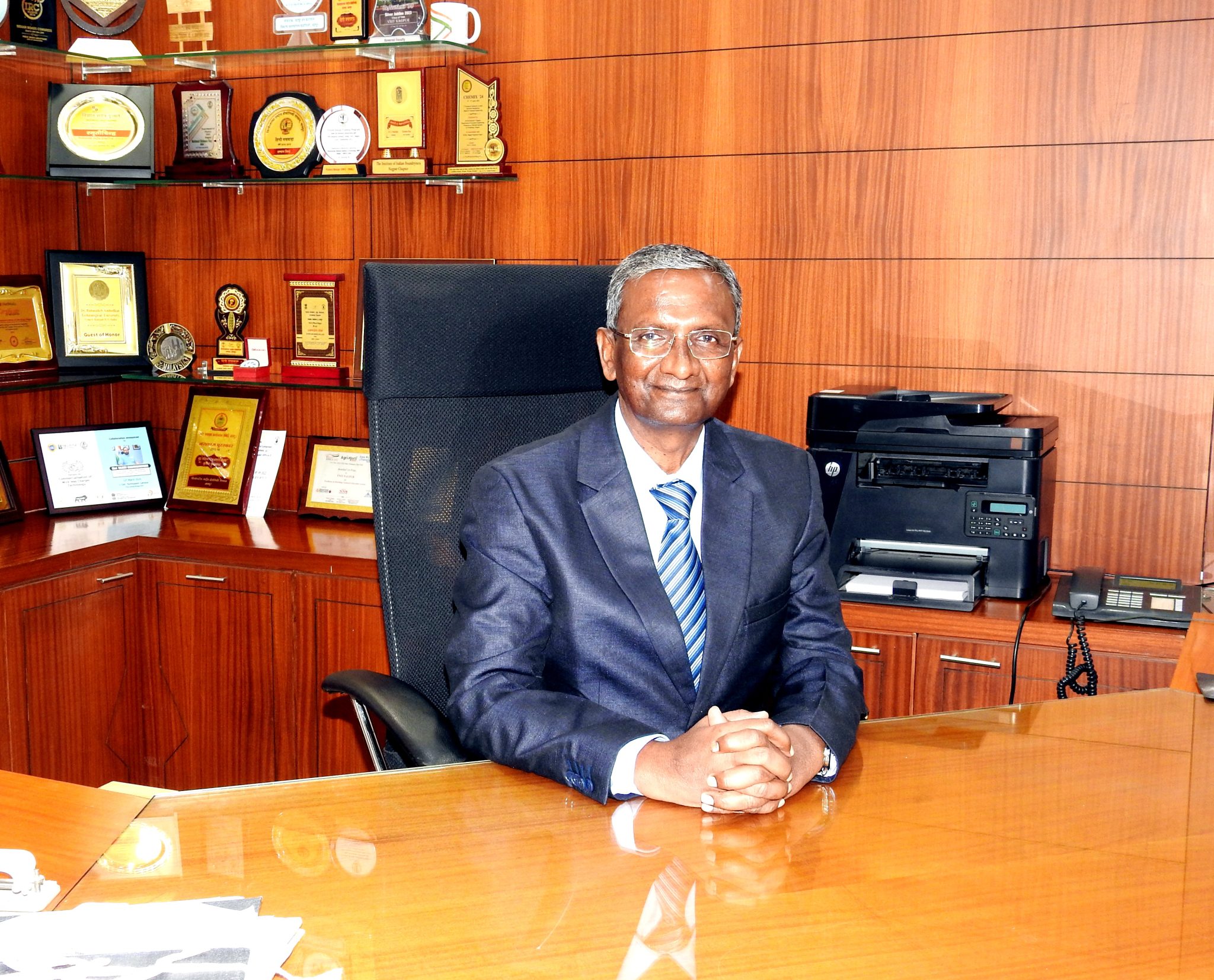
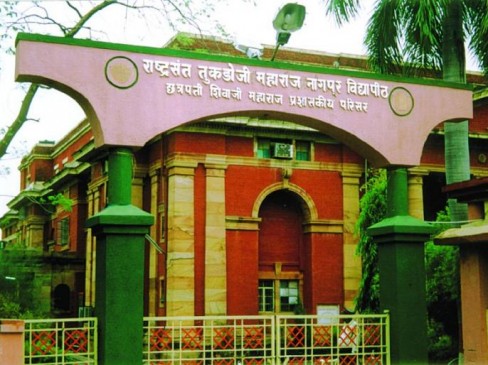
DST Sanctions Rs 11.42 Crore for Clean Energy Research at Nagpur University

DST Funding Clean Energy Research: Nagpur University recently achieved a significant milestone by securing a generous Rs 11.42 crore in funding from the Department of Science and Technology (DST), New Delhi, under the DST-PURSE (Promotion of University Research and Scientific Excellence) scheme. This funding aims to support clean energy research and foster scientific advancements at the university, positioning it as a leading institution in environmental and clean energy studies.

Why the DST Funding Matters

Research funding, especially for clean energy, is essential to drive innovation and sustainability. The DST’s (DST Funding Clean Energy Research) grant for Nagpur University is part of India’s broader efforts towards Atmanirbhar Bharat (self-reliant India) and aligns with critical national missions, including Swaccha Bharat (Clean India) and Swasth Bharat (Healthy India).

Project Highlights and Goals

1. Development of Clean Energy Materials

The research project primarily aims to develop novel materials for clean energy devices that meet high environmental and health standards. Professor Ravin Jugade, the principal investigator, highlights that these materials will enhance energy efficiency and minimize environmental impact.

2. State-of-the-Art Equipment

A substantial Rs 8 crore of the sanctioned amount will be allocated to purchase advanced scientific equipment, which will significantly enhance research capabilities. This equipment will be accessible to postgraduate departments, affiliated colleges, and researchers across the region.

3. Fellowship Support for Budding Researchers

The DST grant includes fellowships for five research students, enabling hands-on experience and fostering a new generation of scientists dedicated to sustainable development.

4. Bridging Industry and Academia

Through the university’s incubation center, the materials developed will be scaled up, bridging the gap between academia and industry. This will facilitate the creation of start-ups and strengthen the university’s role in fostering innovation.

The Journey to Securing the Grant

Initial Proposal and Presentation

In March, the DST invited proposals from universities nationwide, aiming to support impactful scientific research. Nagpur University’s proposal passed an initial screening and was selected for presentation before the DST Programme Management Board.

Defending the Research Proposal

On August 28, the team, led by Acting Vice Chancellor Prashant Bokare, presented the proposal to a board of 15 experts at IIT New Delhi. Their comprehensive defense of the project earned praise and ultimately secured the sanctioning of funds.

Key Team Members and Their Roles

  • Prashant Bokare – Acting Vice Chancellor, leading the project.
  • Professor Ravin Jugade – Principal investigator, specialising in Chemistry.
  • Professor Subhash Kondawar – Chairman of the project implementation group.
  • Rajesh Singh – Director of IIL, instrumental in project coordination.
  • Professor Umesh Palikundwar – Co-investigator from the Physics department.
  • Professor Rajesh Ugale – Co-investigator from the Pharmacy department.

Research Impact and Community Engagement

Promoting Sustainable Development

This project aligns with the Swaccha Bharat, Atmanirbhar Bharat, and Swasth Bharat missions, supporting sustainable development and cleaner energy solutions. The university’s research aims to provide scalable materials for clean energy devices.

Hands-On Training Under SSR

The project also allocates funds for Scientific Social Responsibility (SSR), supporting hands-on training in the Vidarbha region. This initiative will empower young researchers and create a robust foundation for future scientists.

Advancing Under the NEP-2020 Curriculum

The National Education Policy (NEP-2020), recently adopted by Nagpur University, encourages interdisciplinary and practical learning. Access to advanced equipment and research opportunities supports this policy, fostering a holistic academic environment.

The DST’s Rs 11.42 crore funding to Nagpur University marks a significant step towards achieving India’s clean energy goals. With cutting-edge equipment, collaborative research, and support for emerging scientists, this project promises lasting societal benefits. This initiative not only strengthens Nagpur University’s research capabilities but also propels India’s journey towards a sustainable future.

Q1. What is the DST-PURSE scheme?
A1. The DST-PURSE scheme promotes scientific research excellence in universities, providing funds to develop research infrastructure.

Q2. How will this funding benefit students?
A2. Students will gain hands-on experience with advanced scientific equipment and opportunities to work on cutting-edge clean energy research.

Q3. What is Scientific Social Responsibility (SSR)?
A3. SSR funds training and resources for budding researchers, enhancing knowledge-sharing and community engagement.

Q4. How does this align with national missions like Atmanirbhar Bharat?
A4. The project supports clean energy development, aligns with the Atmanirbhar Bharat mission, and contributes to environmental and health improvements.

Q5. How will the research findings be scaled?
A5. The university’s incubation center will facilitate the scaling of research results, aiding in the transition from lab to industry.

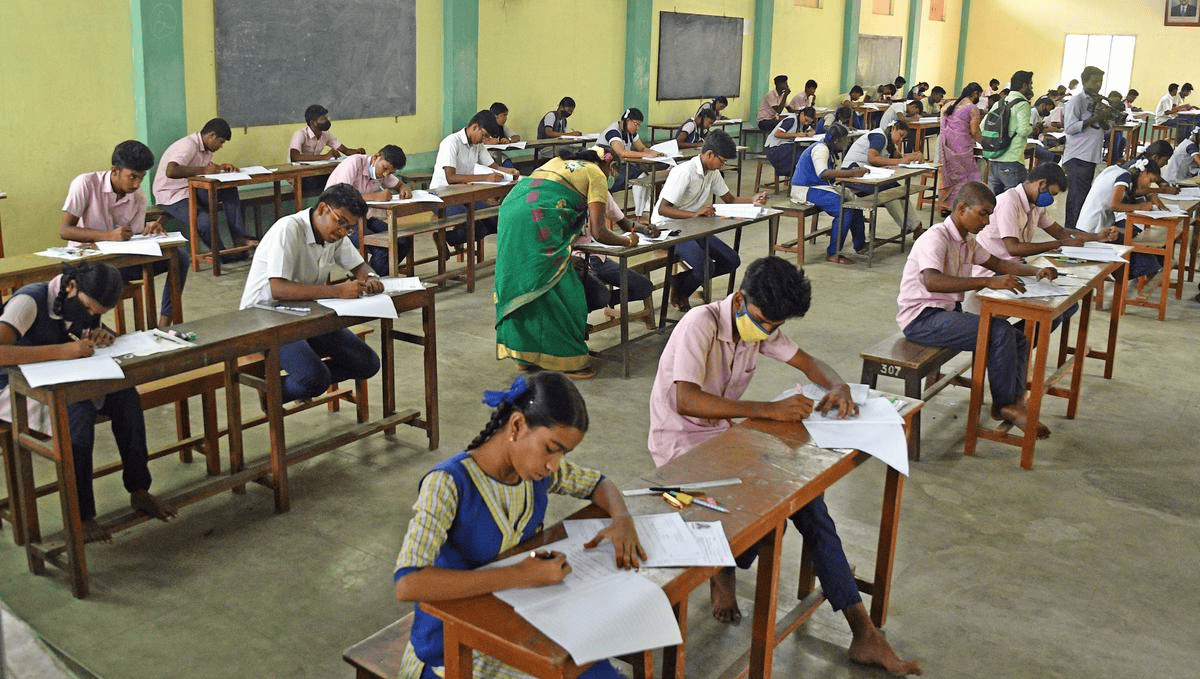
Maharashtra SCERT Lowers Passing Marks for Class 10 Math and Science

Maharashtra SCERT: In a major shift for Class 10 students across Maharashtra, the Maharashtra State Council for Educational Research and Training (SCERT) has recently announced a reduction in the passing marks for Math and Science subjects. The new passing criteria, which are part of the State Curriculum Framework-School Education (SCF-SE), lowers the required marks from 35 to 20. However, while this move allows students to pass, it comes with restrictions on their future academic choices. In this article, we’ll dive deep into what this change means for students, how it affects their academic journey, and the rationale behind the decision.

 Understanding the New Passing Criteria

The decision to reduce the passing mark for Class 10 Math and Science subjects aims to provide more flexibility to students who struggle with these subjects. Under the new framework, students who secure as low as 20 marks in these subjects will be declared “pass,” which prevents them from being held back and gives them the opportunity to move on to the next academic year.

 Who Benefits from the New Passing Mark?

The main beneficiaries of this change are students who have consistently struggled with Math and Science. Many students, despite their interest in other fields such as Humanities or Arts, have been forced to drop out or face academic setbacks due to failing these subjects.

 What Happens After Passing with Lower Marks?

Although students will pass with 20 marks, there is a significant limitation. Those students will not be allowed to pursue higher studies in Math or Science. Their certificates will reflect their lower scores, indicating that they passed but with restricted eligibility for future Math and Science courses.

 Why SCERT Made the Decision

The SCERT’s (Maharashtra SCERT) decision comes after years of analyzing student performance in the state. A large percentage of students failed in Math and Science, which often led to an early dropout from the education system. This change is seen as a way to retain more students and allow them to pursue their strengths rather than being pushed out of the system.

 Insights from Key Figures

Rahul Rekhawar, the director of SCERT, emphasized that this move ensures that students aren’t unfairly pushed out. “We want to ensure students are not sidelined by their performance in just one or two subjects,” he said.

Similarly, Sharad Gosavi, chairman of the Maharashtra State Board of Secondary and Higher Secondary Education, stated that the reduced passing marks are in line with the broader goal of supporting students’ academic journeys, particularly when the new curriculum is rolled out statewide.

Promoting Academic Flexibility

This decision aligns with the SCF-SE’s goal to offer students greater academic flexibility. By allowing students to move forward despite their scores in these subjects, the education system is ensuring that they are not limited in their pursuit of other academic disciplines.

 What Are the Implications for Students?

While the immediate impact is that more students will pass Class 10 without being held back, the long-term implications are more complex. Students who pass with lower marks in Math and Science will have limited options when it comes to higher studies in those fields. This means that students need to be sure of their academic preferences early on to avoid being limited by these restrictions.

 Option for a Retest

For students who wish to pursue Math or Science but score below 35, there is an option to appear for a retest. This provides them with a second chance to improve their scores and qualify for higher studies in these subjects.

 How Will the Retest Work?

The retest will be similar to the regular exam, with students being evaluated based on the full curriculum. If students manage to improve their scores to meet the previous 35-mark requirement, they can pursue Math and Science in higher classes without any limitations.

 Broader Goals of the SCF-SE Framework

The new passing criteria are part of a larger shift in how the Maharashtra state views education. The SCF-SE framework emphasizes reducing dropout rates and allowing students to succeed in subjects where they have natural aptitude and interest.

 A Focus on Holistic Education

The SCF-SE framework is designed to give students a more holistic education, allowing them to explore different fields without being held back by their struggles in specific subjects. This approach encourages students to focus on their strengths, which can lead to more successful and fulfilling careers in the future.

 Criticism and Concerns

As with any significant change, there are concerns. Critics argue that lowering the passing marks might lead to a decrease in the quality of education and discourage students from putting in the effort required to master challenging subjects like Math and Science.

 Potential Impact on Students’ Motivation

There is a risk that students might feel less motivated to perform well if the passing criteria are perceived as lenient. While the option for a retest is available, students may rely on the reduced passing mark to get by, which could have long-term consequences for their academic development.

 Addressing the Critics

However, supporters of the change argue that the new system is designed to help students who are genuinely struggling, not to encourage laziness. The focus, they say, should be on supporting students’ overall growth rather than pressuring them in subjects where they may not excel.

The decision by the Maharashtra SCERT to lower the passing mark for Math and Science in Class 10 is a significant step toward providing greater flexibility for students. While it opens the door for students to continue their education without being held back, it also places the onus on students to carefully consider their future academic paths. Those with an interest in non-science fields will find this decision beneficial, while students aiming for careers in Math or Science will need to put in extra effort or opt for retests.

  • Why did the SCERT (Maharashtra SCERT) lower the passing marks for Math and Science?
    The SCERT aimed to reduce dropout rates and offer flexibility to students who struggle with these subjects.
  • Will students passing with lower marks be able to pursue higher studies in Math and Science?
    No, students passing with less than 35 marks will not be eligible for higher studies in Math or Science.
  • Can students retake the exam to improve their scores?
    Yes, students can opt for a retest to improve their marks and become eligible for higher studies in Math and Science.
  • Does this decision affect all subjects or just Math and Science?
    The decision only applies to Math and Science subjects in Class 10.
  • When will the new passing mark criteria be implemented?
    The changes will be introduced when the new curriculum is implemented across the state.

Nagpur University Winter Examination for Regular Students Begins from November 11

Nagpur University winter exam: The winter examination schedule for regular students at Nagpur University (NU) has been announced and is set to commence from November 11, 2024. This is an exciting time for students in the odd semesters, as they prepare for their assessments. Let’s dive into the details of the schedule and everything you need to know about these upcoming exams.

Key Dates for Nagpur University winter exam

Nagpur University’s exam section has carefully planned the examination timetable. However, due to the Maharashtra State Assembly elections and the 112th convocation of NU, there will be no exams between November 18 and 23. The exams will resume after the convocation, and the revised timetable will be available shortly.

Important Dates to Remember

  • Exams start: November 11, 2024
  • No exams: November 18-23, 2024 (due to elections and convocation)
  • Exams resume: After November 24, 2024

This planning ensures that students have ample time to prepare while accommodating important university and state events.

The NEP 2020 System: A New Era in Education

This is the first time that Nagpur University is conducting examinations based on the National Education Policy (NEP) 2020 system. This significant shift introduces new concepts to the examination process, aligning with the holistic educational approach laid out by the NEP.

Major Changes in the Examination Process

  1. Major and Minor Subjects: Students are now selecting both major and minor subjects, adding depth to their honors or research degrees.
  2. Skill Enhancement Courses: For the first time, students can choose a skill enhancement course along with their major subjects. This encourages skill development alongside traditional learning.
  3. College-Level Assessments: The exams are being conducted at the college level, while the university is handling other logistical aspects such as question papers, hall tickets, and results.

Preparing for Nagpur University winter exam: What Students Need to Know

With the NEP system in place, students need to be aware of how these changes affect their preparation strategy. Here’s a breakdown of what you should keep in mind as you get ready for the exams.

Understanding the Timetable

The examination section has been quick to publish the timetable to ensure that students have enough time to plan their studies. However, given the pause for elections and convocation, it’s important to frequently check the university portal for the most up-to-date exam schedules.

Staying on Top of Major and Minor Subjects

Since students are selecting major and minor subjects, preparation becomes even more critical. Ensure that you give adequate attention to both areas, balancing your study schedule effectively.

Skill Enhancement Courses

The introduction of skill enhancement courses is an opportunity to focus on practical skills that may give you an edge in your career. Be sure to incorporate these courses into your study plan.

Challenges NU Faces with the Examination Process

While the university has made great strides in organizing the exams, there are some logistical challenges it faces, especially given the timing of the elections and the convocation.

The Impact of the Elections and Convocation

With no exams being scheduled from November 18-23, Nagpur University is racing against time to ensure the results are not delayed beyond December 31. This tight timeline means the university will have to be highly efficient to ensure smooth completion of the process.

Result Declaration and Assessment

Normally, results are expected within 30 days of the last paper. However, with a week lost to the elections and convocation, the university is under pressure to complete the assessment and announce results on time.

What Happens After November 24?

The timetable for exams scheduled after November 24 will be announced within a few days. Stay tuned to the official university website for updates, and make sure to adjust your study plan accordingly.

Professional Courses: A Different Schedule

For students enrolled in professional courses, exams are likely to be held in January 2025. This is because admissions for these courses are still ongoing.

How to Stay Organized During Exam Season

With exams just around the corner, it’s essential to stay organized and focused. Here are some practical tips for managing your time and ensuring success during this critical period.

Create a Study Plan

Start by making a comprehensive study plan that covers all your subjects, both major and minor. Prioritize difficult subjects and allocate extra time for them.

Use Study Resources

Make use of textbooks, online resources, and peer study groups to gain a thorough understanding of your subjects. Don’t forget to utilize the skill enhancement course materials as well.

Stay Updated on Timetable Changes

Since the timetable for exams after November 24 has not yet been released, be sure to regularly check the university’s official portal for updates.

The Role of the Examination Section

The examination section plays a crucial role in ensuring the smooth functioning of the exam process. It is responsible for preparing question papers, issuing hall tickets, and eventually publishing the results.

How the Examination Section Helps Students

By providing timely information and updates, the examination section ensures that students are well-prepared for their exams. This includes releasing timetables early and offering guidance on new policies, such as the NEP system.

1. When do the NU winter exams start?

The winter exams for regular students at Nagpur University will begin on November 11, 2024.

2. Why are there no exams between November 18 and 23?

Exams have been paused during this period due to the Maharashtra State Assembly elections and NU’s 112th convocation.

3. What is the NEP 2020 system?

The NEP 2020 system introduces major and minor subjects, skill enhancement courses, and new assessment structures aimed at providing holistic education.

4. When will the timetable for exams after November 24 be released?

The timetable will be announced in a couple of days, according to the university examination section.

5. What should students focus on during exam preparation?

Students should balance their study time between major and minor subjects and ensure they are familiar with skill enhancement course material.

NU Winter Exam Timetable for Regular Students Soon: All You Need to Know

Nagpur University winter exam timetable: Nagpur University (NU) is gearing up for its winter exams for regular students in even semesters, following the conclusion of election-related uncertainties. If you’re a student at NU, this is essential information you won’t want to miss, as the timetable and exam dates are expected to be released soon. But why the delay? Let’s dive into the details and explore how this affects you.

 Overview of NU Winter Exams for Even Semesters

The Nagpur University winter exams (Nagpur University winter exam timetable) are crucial for students pursuing degrees across various disciplines. However, due to the upcoming Maharashtra assembly elections, the timetable has been delayed, leaving students and faculty on standby.

 Why Has the Timetable Been Delayed?

Election duties have caused a reshuffle of schedules. With polling stations being set up in some of the university’s exam centers, conducting exams as initially planned would have been impossible. Therefore, NU had to adjust its exam timetable around the election dates.

 Election Impact on Exam Dates

The assembly election is scheduled for November 20, with counting taking place on November 23. This creates a logistical issue as some of the university’s exam centers will be unavailable between November 18-23 due to their transformation into polling booths.

 When Will the Exams Start?

Although the timetable isn’t officially out yet, NU (Nagpur University winter exam timetable) tentatively plans to start the even semester exams on November 16. To make up for the lost week of November 18-23, officials are working on compressing the schedule and ensuring that exams start as early as November 11. This rescheduling ensures minimal disruption to the academic year.

 Challenges for Teachers and University Officials

The teachers and university staff have more on their plates than just exam duties. Along with their regular responsibilities, they will also be involved in election-related activities, further complicating the exam schedule.

 NU’s 112th Convocation on November 22

Adding to the busy schedule is NU’s 112th convocation ceremony on November 22. This important event will see officials and teachers occupied, further limiting their availability for exam-related work during this period.

 The Timeline for Releasing Exam Results

Another critical aspect to consider is how this adjusted timetable will impact when students receive their results. NU is keen to ensure that most results are released before December 31. Why? Because timely results play a significant role in academic progression, enabling students to plan for the next semester or apply for higher education.

 Professional Course Exams in January

If you’re a student in a professional course, take note: your exams will be held in January. This delay is due to the ongoing admission process, which needs to be completed before exams can be conducted.

 Recent Developments in Exam Preparations

NU has already started the winter exams for odd semesters, specifically for backlog students. A preparatory meeting for principals and center heads regarding the winter exams was recently held, highlighting important guidelines for managing the exams at the college level.

 Key Points from the Preparatory Meeting

During this meeting, Sanjay Kaviswar, acting director of the Board of Examinations and Evaluation, emphasized taking all necessary precautions to manage the exams smoothly. The exams will take place across 136 centers within NU’s jurisdiction, and center heads have been instructed to ensure no difficulties for students during the exams.

 Ensuring Compliance with Exam Regulations

Kaviswar also stressed the importance of adhering to departmental instructions regarding exam regulations. This means all involved parties must follow the rules to avoid any mishaps or irregularities during the exam period.

 Exam Guidelines and Instructions for Students

NU officials have been very clear about what’s expected from students and staff during the exam period. Various departmental heads have outlined the procedures to be followed to ensure the exams are conducted fairly and efficiently.

 Handling of Answer Sheets and Exam Materials

Deputy Registrar Naveen Kumar Mungle explained the correct handling of both old and new answer sheets. He also provided instructions on the precautions to take after distributing the answer sheets to students.

 Exam Duration and Teacher Assistance

The exam duration will depend on the marks allocated, and teachers will be involved in exam management to help smooth the process. Their role is to ensure that students face no obstacles during the exams and that the exam procedures are followed correctly.

 NU’s Digital Approach to Exams

NU has been making strides in conducting exams online. Deputy Registrar Motiram Tadas provided information on the university’s digital management of exams, including how to download question papers and manage exam centers using advanced computer systems.

 Online Exams and Paper Distribution

All degree, diploma, and postgraduate exams will now have their question papers distributed online. The process includes downloading online question papers via a login ID, verifying the center list, and ensuring compliance with the university’s digital examination procedures.

 College Computer Systems Must Be Ready

Since most of the exam management will be conducted online, the deputy registrar has urged all colleges to ensure their computer systems are up to date. This will ensure a smooth process when handling the online components of the exam, from downloading question papers to submitting results.

 Preparations for a Seamless Exam Experience

With so many moving parts, how will NU ensure a smooth exam experience for students? This is where the proactive involvement of center heads and principals comes in.

 Importance of Communication Between Exam Centers and NU

Regular communication between exam centers and NU’s examination department is critical. Officials stressed the need for regular updates to avoid any last-minute hiccups.

 Ensuring Student Convenience

Ultimately, all these efforts aim to ensure that students have a hassle-free exam experience. From clear instructions to well-prepared exam centers, NU is doing everything in its power to make the winter exam season as smooth as possible for regular students.

As we look ahead to the upcoming winter exams at Nagpur University, it’s clear that while logistical challenges remain, NU is taking active steps to ensure that exams proceed without major delays. By planning around the election dates and managing the exam schedule effectively, the university aims to conclude the even semester exams smoothly before the year ends. Students and faculty alike can look forward to a well-organized exam process that, while slightly delayed, will still ensure timely results and a smooth transition into the next academic year.

1. When will the NU winter exam timetable be released?

The timetable is expected to be released soon, with exams tentatively starting on November 16 for even semesters.

2. How will the assembly elections affect the NU winter exams?

Some exam centers will be used as polling booths from November 18-23, causing a slight reshuffle in the exam schedule.

3. When will professional course exams be held?

Exams for professional courses will take place in January due to the ongoing admission process.

4. What steps is NU taking to ensure a smooth exam process?

NU is actively working with principals and center heads to ensure exams are well-organized, with digital systems in place for smooth operations.

5. Will online exams be conducted?

Yes, NU will distribute question papers online, and all exam management will be handled digitally to ensure efficiency.

Prof Prem Lal Patel: A Distinguished Leader at VNIT

Prof Prem Lal Patel (VNIT Director), an esteemed Professor (HAG) of Hydraulics and Water Resources in the Department of Civil Engineering at Sardar Vallabhbhai National Institute of Technology (SVNIT), Surat, has taken over as the new director of Visvesvaraya National Institute of Technology (VNIT). With his vast experience and remarkable academic career, Prof Patel’s appointment is a significant addition to VNIT.

A Journey Through Academia

Early Academic Foundations

Prof Patel began his academic journey with a bachelor’s degree in Civil Engineering from Government Engineering College, Rewa, Madhya Pradesh. His passion for the subject led him to further his education at the prestigious Indian Institute of Technology, Roorkee (the then University of Roorkee), where he earned his Master’s and Doctoral degrees in Civil Engineering.

Research Interests and Contributions

Prof Patel’s research interests are vast and impactful. They include River Mechanics and Flood Control, Hydrological Modelling and Optimisation of Water Systems, and the Impact of Climate Change on Water Resources Systems. His work in these areas has not only advanced academic knowledge but also contributed to practical solutions in water resource management.

Professional Milestones

Early Career and BRO Experience

Before his tenure at SVNIT, Prof Patel served as an Assistant Executive Engineer (Civil) in the Border Roads Organisation (BRO), Ministry of Road Transport and Highways of India, from 1995 to 1999. This role provided him with valuable practical experience in civil engineering projects on a national scale.

Academic Tenure at Delhi College of Engineering

From 1999 to 2007, Prof Patel was an Associate Professor in the Civil Engineering Department at Delhi College of Engineering (now Delhi Technological University, DTU). Here, he honed his teaching skills and contributed significantly to the academic community.

SVNIT Surat: A Hub of Excellence

Prof Patel joined SVNIT in 2007, where he held various significant positions such as Deputy Director, Dean (PG), Dean (Academic), and Head of the Civil Engineering Department. His leadership and vision were instrumental in advancing the institution’s academic and research capabilities.

New Role as Director

Taking over as the Director of VNIT marks a new chapter in Prof Patel’s (Prof Prem Lal Patel) illustrious career. His wealth of experience and leadership qualities are expected to drive VNIT towards new heights of academic and research excellence.

Supervision and Mentorship

Throughout his career, Prof Patel has supervised 14 doctoral theses and 49 master’s theses. His guidance has shaped the careers of many young engineers and researchers.

Research and Consultancy Projects

Prof Patel has executed more than six high-value sponsored research projects and undertaken over 25 consultancy projects. His expertise has been sought after for various national and international projects, reflecting his status as a leading expert in his field.

Publications and Conferences

With over 260 papers published in peer-reviewed journals and conferences, Prof Patel’s (Prof Prem Lal Patel) contributions to the academic world are immense. His research findings have been presented at international forums in countries such as the United States, Netherlands, China, Italy, Japan, and Dubai.

Memberships and Associations

Technical Societies and Committees

Prof Patel is an active member of various technical societies and expert committees. His involvement in these groups highlights his commitment to advancing the field of civil engineering and water resources.

Climate Change Working Group

As part of the climate change working group of the International Association for Hydro-Environment Engineering and Research (IAHR), Prof Patel has contributed to significant research dealing with fluvial mechanisms.

Fellow Memberships

He is a fellow member of the Indian Society for Hydraulics, the Indian Water Resources Society, and the Institution of Civil Engineers, India. These memberships underscore his influence and respect within the professional community.

Centre of Excellence at SVNIT

Establishment and Impact

One of Prof Patel’s notable achievements at SVNIT was the establishment of the Centre of Excellence (CoE) on Water Resources and Flood Management. Funded by a research grant from the World Bank-sponsored TEQIP-II programme, this centre has become a pivotal institution for research and innovation in water management.

Prof Prem Lal Patel’s appointment as the Director of VNIT is a testament to his exceptional career and dedication to the field of civil engineering. His extensive experience, research contributions, and leadership roles make him a valuable asset to VNIT. Under his guidance, VNIT is poised to achieve new milestones in academic and research excellence.

1. What are Prof Patel’s research interests?

Prof Patel’s research interests include River Mechanics and Flood Control, Hydrological Modelling and Optimisation of Water Systems, and the Impact of Climate Change on Water Resources Systems.

2. What positions has Prof Patel held at SVNIT?

Prof Patel has held numerous significant positions at SVNIT, including Deputy Director, Dean (PG), Dean (Academic), and Head of the Civil Engineering Department.

3. How many theses has Prof Patel supervised?

Prof Patel has supervised 14 doctoral theses and 49 master’s theses throughout his career.

4. What is the Centre of Excellence established by Prof Patel?

The Centre of Excellence on Water Resources and Flood Management at SVNIT was established by Prof Patel and is funded by a World Bank-sponsored TEQIP-II programme.

5. What roles did Prof Patel hold before joining SVNIT?

Before joining SVNIT, Prof Patel was an Associate Professor at Delhi College of Engineering and served as an Assistant Executive Engineer (Civil) in the Border Roads Organisation (BRO).

CBSE Class 10 and 12 Results Expected on May 20

CBSE Class 10,12 Results: The Central Board of Secondary Education (CBSE) is gearing up to unveil the much-anticipated results of its Class 10th and 12th final examinations on May 20, 2024. As students eagerly await their outcomes, the board has made provisions for easy access to results through various online platforms.

Accessing Results

Students can conveniently check their results on the official websites of the CBSE, namely cbseresults.nic.in and results.cbse.gov.in. Additionally, the board is set to publish the results on digilocker.gov.in, results.gov.in, and the UMANG app, ensuring accessibility for all.

To access their marks online, students must have their board exam roll number, school number, and admit card ID at hand. This streamlined process aims to facilitate a smooth experience for all candidates.

Examination Schedule

The Class 10 examinations were conducted from February 15 to March 13, 2024. The exams featured single shifts scheduled from 10:30 am to 1:30 pm or 12:30 pm, depending on the paper’s duration. Similarly, the Class 12 board examinations spanned from February to April, providing students with ample time to prepare and perform to the best of their abilities.

Checking Results Online

To check the results online, students can follow these simple steps:

  1. Visit the official website of the CBSE, either cbseresults.nic.in or cbse.gov.in.
  2. On the homepage, locate and click on the Class 10 or 12 result link, as per your requirement.
  3. Enter your roll number, school number, admit card ID, and proceed to log in.
  4. Review and download your CBSE board exam result for future reference.

Examination Statistics

This year, an estimated 39 lakh students appeared for the CBSE Class 10 and 12 final examinations, reflecting the widespread participation and engagement of students across the nation. The board is poised to share comprehensive statistics, including pass percentages, gender-wise results, candidate numbers, and regional/school-wise outcomes, during a press conference.

Notable Changes

In a departure from tradition, the CBSE has announced that there will be no toppers’ lists for Class 10 or 12. This decision aims to foster a more inclusive and supportive environment, shifting the focus from individual achievements to collective progress and growth.

As the CBSE Class 10 and 12 results inch closer to their release date, students are urged to stay informed and prepared. The board’s commitment to transparency and accessibility ensures that every student can easily access their results and plan their next steps accordingly.

1. When will the CBSE Class 10 and 12 results be announced?

  • The results are expected to be announced on May 20, 2024.

2. How can students check their results online?

  • Students can visit the CBSE official websites and enter their roll number, school number, and admit card ID to access their results.

3. Are there any toppers’ lists for Class 10 or 12 this year?

  • No, the CBSE has decided not to publish toppers’ lists for Class 10 or 12.

4. Will the results include pass percentages?

  • Yes, the board will share pass percentages along with other statistical data.

5. Where can I find more information about the CBSE results?

  • For more information, visit the official website of the CBSE at cbse.gov.in.

Education Institute of Eminent Group to Come Up at Bhandewadi: Transforming Nagpur into a Global Education Hub

Vision for Educational Excellence in Nagpur

In a significant move to position Nagpur city as a global education hub, the Maharashtra Government has granted approval to the Nagpur Municipal Corporation (NMC) for leasing a sprawling land parcel of 18.35 hectares in Bhandewadi. This land will serve as the foundation for an education institute of eminence, a testament to the state’s commitment to fostering academic brilliance.

A Landmark Collaboration: NMC and Vile Parle Kelvani Mandal

NMC, in collaboration with the prestigious M/s Vile Parle Kelvani Mandal from Mumbai, has set its sights on transforming Bhandewadi. The proposal, sent to the Urban Development Department (UDD), outlines the intent to sign a Memorandum of Understanding (MoU) with Vile Parle Kelvani Mandal, a beacon of education in the metropolis. Under this plan, the land will be provided to Vile Parle at a rate below market value, with a lease term of 30 years.

Rejuvenating Bhandewadi: From Waste to Wisdom

Bhandewadi, situated in East Nagpur, has long been associated with the stigma of being a garbage dumping yard. However, leveraging advancements in technology, the legacy waste dilemma has been mitigated effectively. As a result, this vast expanse of land now stands ripe for transformation into an educational nucleus, aligning with the visionary pursuits of Maharashtra’s leadership.

Leveraging Success Stories: Embracing Educational Excellence

In recent years, strategic efforts have been undertaken to attract renowned educational groups, particularly those with a stronghold in Pune and Mumbai. The establishment of the Symbiosis Institute’s centre for excellence in the Wathoda-Bhandewadi area stands as a testament to the success of this approach. Drawing inspiration from this, Vile Parle’s foray into Nagpur will focus on delivering excellence across both school and college education domains.

The Legacy of Vile Parle: Pioneers in Education

Vile Parle Kelvani Mandal, established in 1930, commands reverence in the education landscape, notably with institutions like Narsee Monjee College of Commerce and Economics and Narsee Monjee Institute of Management Studies. With a portfolio spanning over two dozen institutes offering diverse courses, ranging from law and commerce to technology and polytechnic studies, Vile Parle has consistently upheld the mantle of educational supremacy.

Shaping the Future: Administrative Framework

According to UDD notifications, a committee spearheaded by the Municipal Commissioner of NMC will oversee the determination of annual lease fees and security charges. Empowered to offer concessions on lease rates, the committee’s decisions, guided by the Municipal Commissioner’s leadership, will be paramount. Notably, the NMC House’s resolution in June 2023 earmarked 18.35 hectares in Bhandewadi for the establishment of an eminent education institute catering from Nursery to Higher Education levels.

Empowering Local Talent: A Commitment to Inclusivity

Building on the success of initiatives like Symbiosis, the forthcoming MoU with Vile Parle is poised to include provisions ensuring local representation. Reserving seats for Nagpur city’s students across various courses underscores the commitment to nurturing indigenous talent and fostering a sense of ownership within the community.

FAQs (Frequently Asked Questions)

1. What is the significance of the collaboration between NMC and Vile Parle Kelvani Mandal?

The collaboration aims to establish an education institute of eminence in Bhandewadi, positioning Nagpur as a global education hub and fostering academic excellence in the region.

2. How does the initiative contribute to Nagpur’s development?

By repurposing land previously used for waste disposal into an educational hub, the initiative not only addresses environmental concerns but also catalyzes socio-economic growth by attracting talent and investment to the region.

3. What courses and educational levels will be offered at the institute?

The institute plans to offer a comprehensive spectrum of courses, ranging from Nursery to Higher Education, encompassing diverse fields such as commerce, management, law, technology, and more.

4. Will local students have opportunities to enroll in the institute?

Yes, the MoU with Vile Parle Kelvani Mandal is expected to include provisions for reserving seats for students from Nagpur city, ensuring inclusivity and community engagement.

5. How will the administrative framework ensure transparency and fairness in lease agreements?

A committee headed by the Municipal Commissioner of NMC will oversee the determination of lease fees and security charges, with provisions for concessions to promote accessibility and affordability.

Nagpur Granthotsav Welcomes 500 Enthusiastic Students

A Vibrant Start

The vibrant city of Nagpur witnessed a remarkable literary celebration with the commencement of the 15th Nagpur Book Festival, affectionately known as Nagpur Granthotsav. The event unfolded its curtains on a Friday morning at the esteemed Vasantrao Naik Government Institute of Arts and Social Sciences, graced by the esteemed presence of Union Minister Nitin Gadkari, Deputy Chief Minister Devendra Fadnavis, and MP Kripal Tumane. The festival’s inauguration commenced with a splendid procession originating from the Sevasadan Education Institute, culminating in a joyous gathering at VNGIASS. Dr. VS Jog, a distinguished senior writer, bestowed the honor of inaugurating the festival, with the esteemed Pradeep Date, President of Vidarbha Sahitya Sangh, presiding over the ceremony. The presence of Chief Guest Manohar Kumbhare added further prestige to the occasion.

A Literary Voyage: Engaging Discussions and Enlightening Sessions

The essence of Nagpur Granthotsav lies not only in its grandeur but also in its commitment to intellectual discourse. District Library Officer Nitin Sonone shared insights into the festival’s inception, dating back to 2010, highlighting the continual efforts to enrich its offerings each passing year. This year, the festival aimed to foster awareness, choosing the compelling theme of ‘Body Donation and Organ Donation’ for its literary discussions. The inaugural day witnessed a commendable turnout, with approximately 200 enthusiasts participating in the thought-provoking sessions. Notably, the festival resonated with the youthful spirit as around 500 students graced the event with their presence, indicating a promising future for literature enthusiasts.

Exploring Literary Avenues: Poetry Readings and Engaging Sessions

Following the illuminating inaugural ceremony and literary discussions, attendees indulged in a captivating session of poetry readings. Chaired by the esteemed Vijaya Marotkar, the session featured a lineup of talented poets including Madhav Shobhane, Mangesh Bavse, Prakash Panvelkar, Sanjay Godghate, Anand Deshpande, Manoj Vaidya, Dhanashree Dharkar, Minal Yewle, and Jayashree Ambaskar. Their verses resonated throughout the venue, evoking emotions and igniting imaginations.

Looking Ahead: Anticipating Enlightening Seminars and Discussions

As the festival progresses, attendees can anticipate enriching seminars and discussions awaiting them. On the agenda for the second day is a seminar focusing on ‘Books Made Me’, delving into the profound influence of literature on individuals. Additionally, a discussion session centered on the ‘Role of Libraries in Promoting Marathi Reading Among Youngsters’ promises insightful deliberations. Noteworthy dignitaries including Joint Director of Accounts and Treasury Department Jyoti Bhonde, Deputy Commissioner of Charity Kishore Masane, Librarian Sunil Punwatkar, District Mining Officer Atul Dod, and Information Science Officer CS Dhavale will grace the occasion with their presence, further enriching the discourse.

The Nagpur Granthotsav stands as a testament to the city’s vibrant literary culture, fostering intellectual exchange and literary appreciation. With engaging discussions, enlightening sessions, and promising participation, the festival continues to serve as a beacon for literary enthusiasts, nurturing a love for literature and intellectual curiosity.

FAQs

1. What is the significance of Nagpur Granthotsav?

  • Nagpur Granthotsav celebrates literature and fosters intellectual discourse, drawing renowned dignitaries and enthusiastic participants.

2. How long has Nagpur Granthotsav been ongoing?

  • The festival began in 2010 and has since continued annually, enriching its offerings each year.

3. What themes are explored in the literary discussions?

  • The festival selects pertinent themes each year; for instance, this year’s focus is on ‘Body Donation and Organ Donation’, aiming to raise awareness on crucial societal issues.

4. Who typically attends Nagpur Granthotsav?

  • The festival attracts a diverse audience, including literature enthusiasts, students, dignitaries, and renowned personalities from the literary world.

5. What can attendees expect from Nagpur Granthotsav?

  • Attendees can anticipate engaging discussions, enlightening seminars, captivating poetry readings, and a vibrant literary atmosphere.

Maharashtra Government Implements Dress Code for Teachers

In a bid to uphold professionalism and foster a sense of unity, the Maharashtra government has recently mandated a dress code for teachers across schools in the state. This bold move has stirred conversations and debates among educators, policymakers, and the public alike.

Embracing Change

Change is inevitable, and in the realm of education, it often serves as a catalyst for progress. The decision to implement a standardized code for teachers reflects a proactive approach by the Maharashtra government towards enhancing the educational landscape.

Moving Beyond Casual Attire

Gone are the days when casual attire such as jeans and T-shirts were considered acceptable for educators. The new directive aims to instill a sense of professionalism by prescribing a specific dress code, thereby setting a precedent for sartorial standards in the teaching profession.

Symbolism of Respect

Moreover, akin to the honorific “Dr.” bestowed upon medical professionals, teachers will now be addressed with the prefix “Tr.” before their names, signifying the reverence and respect accorded to them in society.

The Rationale Behind the Decision

The decision to enforce a dress code for teachers stems from a multifaceted rationale aimed at enhancing the overall learning environment and promoting a sense of discipline among educators.

Fostering Discipline

A standardized dress code fosters discipline among teachers, setting a positive example for students and creating a conducive learning atmosphere within schools.

Promoting Professionalism

By delineating a specific dress code, the Maharashtra government seeks to elevate the professional image of teachers, aligning with global standards prevalent in the education sector.

Cultivating Unity

Uniformity in attire fosters a sense of unity and cohesion among faculty members, transcending individual differences and fostering a collective identity within educational institutions.

Implementation and Impact

The implementation of the dress code policy marks a significant milestone in the educational landscape of Maharashtra, with far-reaching implications for teachers, students, and stakeholders alike.

School Autonomy

While the government has outlined the overarching framework for the dress code, schools have been granted autonomy to determine specific attire and color codes, allowing for customization based on institutional ethos and preferences.

Community Engagement

The rollout of the dress code policy has sparked robust engagement within the educational community, with stakeholders actively participating in discussions regarding its implementation and implications.

Shaping Professionalism

Beyond the realm of attire, the dress code initiative serves as a catalyst for shaping a culture of professionalism and excellence within the teaching fraternity, resonating with broader efforts to elevate the status of educators in society.

In conclusion, the Maharashtra government’s decision to enforce a dress code for teachers represents a bold step toward fostering professionalism, discipline, and unity within the educational ecosystem. By setting clear standards and expectations, this initiative not only enhances the image of teachers but also reaffirms their pivotal role in shaping the future generation.

Justa Causa – The 21st Annual National Law Festival

RTMNU Nagpur: The anticipation is palpable as the 21st annual National Law Festival, dubbed ‘Justa Causa’, is set to grace the esteemed halls of Dr Babasaheb Ambedkar Nagpur University College of Law from March 15 to 17. For law students, this festival isn’t just an event; it’s an experience that transcends the ordinary.

Inauguration: Setting the Stage

The festivities kick off on March 15, with the distinguished presence of Justice Nitin W Sambare from the Nagpur Bench of Bombay High Court. Joining him will be luminaries such as Dr Prashant Bokare, the officiating Vice-Chancellor of RTM Nagpur University, (RTMNU) Dr Ravishankar Mor, the College’s Principal, and Dr Pravina Khobragade, the Convenor of this grand event.

Day 1: Delving into Discourse

Following the inauguration, the spotlight shifts to the National Youth Conclave – The Nagpur Dialogue. A panel comprising Adv Sunil Manohar, esteemed Neurologist Padma Shri Dr Chandrashekhar Meshram, and VNIT Director Dr Pramod Padole will ignite discussions. The ‘Davil’s Attorney’ debate on Open sea and Regional Water Resources Agencies, with Dr Snehal Fadnavis and Dr Rasika Dasture as judges, promises intellectual vigor. Former Mayor Dayashankar Tiwari and RTMNU’s Finance and Accounts Officer Harish Paliwal will grace the occasion.

March 16 sees a riveting discussion on Indian Personal Law, featuring Dr Sukhvinder Singh Dari from Symbiosis Law School, Nagpur, and other eminent guests. Simultaneously, the preliminary round of the National Moot Court will challenge aspiring legal minds.

Day 3: Youth Parliament and Culmination

The festival culminates on March 17 with the Youth Parliament deliberating on ‘One nation, one election’. Dr Vikas Mahatme, former Member of Parliament, will impart insights, while speakers Dr Vijay Pratap Tiwari and Dr Rangaswami Stalin from Maharashtra National Law University, Nagpur, will enrich the discourse. The final round of the Moot Court, graced by Justice G A Sanap, marks the festival’s zenith.

The 21st National Law Festival at RTMNU’s Dr Ambedkar Law College (RTMNU Nagpur) promises not just legal discourse but an immersion into the essence of justice. As students, scholars, and legal luminaries convene, it’s an opportunity to celebrate legal excellence and chart the course for a more just society.

FAQs

1. Who inaugurates the National Law Festival?

2. What topics are discussed during the festival?

  • Various topics including Indian Personal Law, ‘One nation, one election’, and legal debates are on the agenda.

3. Who are some of the notable speakers at the festival?

  • Eminent personalities such as Dr Chandrashekhar Meshram, Dr Sukhvinder Singh Dari, and Dr Vikas Mahatme share their insights.

4. Is there any participation opportunity for students?

  • Yes, students can engage in activities like the National Moot Court and the Youth Parliament.

5. When does the festival conclude?

  • The festival concludes on March 17 with the final round of the Moot Court and a closing ceremony.
Exit mobile version