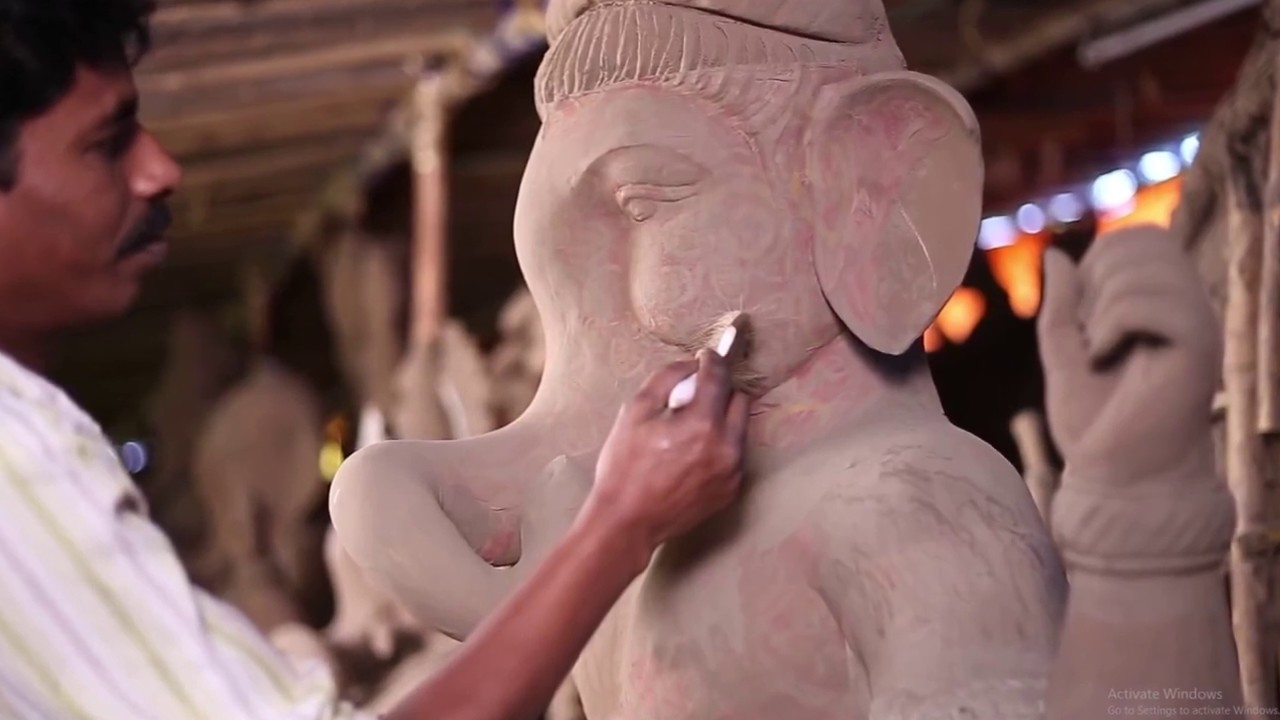
Experience the Vibrant Holi Celebrations in Nagpur 2025

Holi Parties in Nagpur 2025: Holi, the festival of colors, is one of the most anticipated events in India, symbolizing the triumph of good over evil and the arrival of spring. In 2025, Nagpur is gearing up to host an array of exhilarating Holi parties that promise to drench participants in hues of joy and excitement. Whether you’re a local resident or a visitor, the city’s diverse events cater to all, ensuring an unforgettable celebration. Let’s delve into the top Holi events in Nagpur for 2025.

Holi Parties in Nagpur 2025:-

1. GULAAL Festival of Colors

Date: March 14, 2025

Venue: Anvita Farms, Nagpur

Kickstart your Holi weekend with the GULAAL Festival of Colors at Anvita Farms. This event offers eight hours of non-stop Bollywood and EDM music, featuring top DJs who will keep you dancing all day. Emphasizing safety and environmental consciousness, the festival provides eco-friendly colors for all attendees. Additionally, a variety of delectable food options will be available to satiate your festive cravings.

2. Rang Tarang – Nagpur’s Biggest Holi Festival

Date: March 15, 2025

Venue: Anvita Farms, Nagpur

Following the GULAAL Festival, Anvita Farms transforms for Rang Tarang, a grand celebration boasting ten hours of music, live dhol performances, and invigorating rain dances. This open-air extravaganza ensures a vibrant atmosphere where you can immerse yourself in the true spirit of Holi. Early bird tickets are available, so secure your spot for an unforgettable experience.

3. RANG-DE NAGPUR 2.0

Date: March 14, 2025

Venue: BTP Farmhouse, Kalmeshwar Road, Nagpur

Returning bigger and better, RANG-DE NAGPUR 2.0 at BTP Farmhouse promises an electrifying Holi celebration. With eight explosive artists delivering live DJ sets, a massive pool party, and continuous rain dance sessions, the energy is bound to be infectious. Attendees can indulge in unlimited organic colors, a diverse food spread, traditional thandai, and coolers to keep refreshed. The event also offers family zones, free parking, and dedicated smoking areas for convenience.

4. RANG BARSE – The Biggest Holi of Vidarbha

Date: March 14, 2025

Venue: Anantara Hotel and Resort, Nagpur

For those seeking a luxurious Holi experience, RANG BARSE at Anantara Hotel and Resort is the place to be. This extravagant poolside celebration features a rain dance, unlimited food, and live performances. Dance to a mix of Bollywood and EDM beats, enjoy special thandai, and immerse yourself in the festive rain dance madness. It’s more than just a party; it’s a holistic experience designed to create lasting memories.

5. Rangotsav – Join the Ultimate Holi Bash

Date: March 14, 2025

Venue: Amrut Bhavan, Nagpur

Rangotsav at Amrut Bhavan offers a vibrant Holi experience with music by DJ Ziya and DJ Mack, live dhol performances, and the use of organic colors. This event caters to both Holi enthusiasts and newcomers, ensuring a fun-filled day of celebration. Engage in the lively atmosphere and create unforgettable moments with friends and family.

6. Mirchi Holicious Nagpur

Date: March 14, 2025

Venue: The Tiger Paradise Resort and Water Park, Umred, Nagpur

Mirchi Holicious promises a splashing good time with free water park access, a foam party, rain dance, and DJ beats. This family-friendly event also features a variety of delicious treats and refreshing drinks. It’s the perfect spot for all ages to enjoy Holi in style, combining traditional festivities with modern entertainment.

7. HOLI SUNDOWNER 2025

Date: March 9, 2025

Venue: Halff Time, Drugdhamna, Nagpur

Start your Holi celebrations early with HOLI SUNDOWNER 2025 at Halff Time. With DJ Afterall spinning the decks, herbal gulal blasts, and live performances, this event promises a fantastic sundowner party. Enjoy a vibrant atmosphere with food, drinks, and entertainment, setting the perfect tone for the upcoming Holi festivities.

8. The Holi Palooza

Date: March 13, 2025

Venue: Amrit Farms, Nagpur

For the ultimate luxury Holi bash, head to The Holi Palooza at Amrit Farms. Hosted by the renowned Dabo and featuring Tanishq’s first self-produced show, this event offers premium hospitality, valet parking, and an electric atmosphere. It’s the perfect spot for those looking to celebrate Holi with style and flair, ensuring a memorable experience.

9. HOLI VERSE

Date: March 14, 2025

Venue: The Food Land Family Garden Restaurant, Wardha Road, Nagpur

HOLI VERSE is set to provide an immersive Holi experience with unlimited food options (both veg and non-veg), a rain dance, organic colors, and live DJ performances featuring DJ Gaurav. VIP tables are available for those seeking an exclusive experience. This event ensures a festive atmosphere where you can celebrate Holi with friends and family.

 Holi Festival Essentials

To ensure a safe and enjoyable Holi experience, consider the following essentials:

  • Organic Colors: Opt for skin-friendly, eco-conscious colors to prevent allergic reactions and environmental harm.

  • Protective Gear: Use sunglasses to shield your eyes and apply oil or moisturizer to your skin and hair to prevent color absorption.

  • Hydration: Keep yourself hydrated throughout the celebrations, especially during outdoor events.

  • Comfortable Attire: Wear comfortable clothing that you don’t mind getting stained, as Holi colors can be persistent.

 Safety Measures During Holi

While Holi is a time for joy, it’s essential to prioritize safety:

  • Stay in Groups: Celebrate with friends or family to look out for each other.

  • Avoid Hazardous Colors: Steer clear of metallic or chemically enhanced colors that can cause skin irritation.

  • Be Mindful of Allergies: If you have known allergies, take necessary precautions and inform your companions.

  • Respect Boundaries: Ensure that everyone around you is comfortable and willing to participate in the festivities.

Central Railway Introduces Special Holi Trains Between Pune, Mumbai, and Nagpur

Holi, the vibrant festival of colors, brings together families and friends across India. Recognizing the surge in travel during this festive period, Central Railway has announced special superfast trains connecting Pune, Mumbai, and Nagpur. These trains aim to accommodate the increased passenger demand and ensure a smooth journey for all travelers.

Understanding the Need for Special Holi Trains | Special Holi Trains Central Railway

Every year, Holi witnesses a significant rise in travel as people return to their hometowns or visit loved ones. The regular train services often struggle to handle this influx, leading to overcrowded trains and waitlisted tickets. To alleviate this issue, Central Railway has proactively introduced special trains to manage the festive rush effectively.

Details of the Special Superfast Trains

Central Railway has scheduled multiple superfast trains on specific routes to cater to the Holi travelers. Below are the details:

1. Mumbai (CSMT) – Nagpur – Mumbai (CSMT) Bi-Weekly Superfast Special

  • Train No. 02139 Mumbai (CSMT) – Nagpur Superfast Special

    • Days of Operation: Sunday & Tuesday
    • Departure from Mumbai (CSMT): 00:20 hrs
    • Arrival at Nagpur: 15:10 hrs
    • Trips: 09.03.2025, 11.03.2025, 16.03.2025, 18.03.2025
  • Train No. 02140 Nagpur – Mumbai (CSMT) Superfast Special

    • Days of Operation: Sunday & Tuesday
    • Departure from Nagpur: 20:00 hrs
    • Arrival at Mumbai (CSMT): 13:30 hrs (Next Day)
    • Trips: 09.03.2025, 11.03.2025, 16.03.2025, 18.03.2025

Composition: 24 ICF Coaches (2 Brake & luggage, 4 General, 4 Sleeper, 1 First AC, 1 First AC cum Second AC, 2 Second AC, 10 Third AC)

Stoppages: Dadar, Thane, Kalyan, Igatpuri, Nashik Road, Manmad, Jalgaon, Bhusawal, Malkapur, Shegaon, Akola, Murtijapur, Badnera, Dhamangaon, Wardha.

2. Pune – Nagpur – Pune Weekly Superfast Special

  • Train No. 01469 Pune – Nagpur Superfast Special

    • Days of Operation: Tuesday
    • Departure from Pune: 15:50 hrs
    • Arrival at Nagpur: 06:30 hrs (Next Day)
    • Trips: 11.03.2025, 18.03.2025
  • Train No. 01470 Nagpur – Pune Superfast Special

    • Days of Operation: Wednesday
    • Departure from Nagpur: 08:00 hrs
    • Arrival at Pune: 23:30 hrs
    • Trips: 12.03.2025, 19.03.2025

Composition: 20 LHB Coaches (1 Generator, 1 Brake & luggage, 15 Third AC, 3 Second AC)

Stoppages: Uruli, Daund Chord Line, Ahmednagar, Belapur, Kopargaon, Manmad, Jalgaon, Bhusawal, Malkapur, Shegaon, Akola, Badnera, Dhamangaon, Wardha.

3. Pune – Nagpur – Pune Weekly Superfast Special

  • Train No. 01467 Pune – Nagpur Superfast Special

    • Days of Operation: Wednesday
    • Departure from Pune: 15:50 hrs
    • Arrival at Nagpur: 06:30 hrs (Next Day)
    • Trips: 12.03.2025, 19.03.2025
  • Train No. 01468 Nagpur – Pune Superfast Special

    • Days of Operation: Thursday
    • Departure from Nagpur: 08:00 hrs
    • Arrival at Pune: 23:30 hrs
    • Trips: 13.03.2025, 20.03.2025

Composition: 17 ICF Coaches (2 Brake & luggage, 6 General, 1 Second AC, 1 First AC, 5 Sleeper, 2 Third AC)

Stoppages: Uruli, Daund Chord Line, Ahmednagar, Belapur, Kopargaon, Manmad, Jalgaon, Bhusawal, Malkapur, Shegaon, Akola, Badnera, Dhamangaon, Wardha.

Booking Information and Guidelines

To ensure a hassle-free journey, passengers are encouraged to book their tickets in advance. Reservations can be made through authorized railway booking counters or online via the IRCTC website. Given the high demand during the festive season, early booking is advisable to secure confirmed seats.

Safety Measures and Travel Tips

Traveling during festivals can be overwhelming. Here are some tips to ensure a safe and pleasant journey:

  • Arrive Early: Reach the station well ahead of the departure time to avoid last-minute rush.
  • Keep Essentials Handy: Carry valid ID proofs, tickets (printed or digital), and necessary personal items.
  • Stay Informed: Regularly check for any schedule changes or announcements related to your train.
  • Follow Safety Protocols: Adhere to railway safety guidelines and be cautious of your belongings.

Central Railway’s initiative to introduce special superfast trains during Holi 2025 is a commendable step to accommodate the festive travel surge. By planning ahead and booking tickets promptly, passengers can look forward to celebrating Holi with their loved ones without the stress of travel uncertainties.

  1. How can I book tickets for the special Holi trains?

    • Tickets can be booked through authorized railway booking counters or online via the IRCTC website.
  2. Are there any additional charges for these special trains?

    • The fare structure for special trains is typically similar to regular services, but it’s advisable to check the exact fare during booking.
  3. What safety measures are in place during the journey?

    • Passengers are encouraged to follow standard safety protocols, including keeping personal belongings secure and adhering to railway guidelines.
  4. Can I cancel my ticket if my plans change?

    • Yes, ticket cancellation is possible as per Indian Railways’ cancellation policy. Refunds will be processed according to the prevailing rules.
  5. Where can I find more information about train schedules and stoppages?

    • Detailed information is available on the official Indian Railways website or by inquiring at the nearest railway station.

Ramtek to Host Three-Day Cultural and Tourism Festival from Jan 22

Ramtek Cultural Festival 2025: The historic city of Ramtek is all set to transform into a vibrant cultural hub with the three-day Cultural and Tourism Festival from January 22 to 24. Organized by the Maharashtra State Cultural Affairs Department, the Directorate of Cultural Affairs, and the Nagpur District Administration, this festival promises a delightful experience for locals and tourists alike.

From enthralling performances by renowned artists to engaging competitions and activities, Nehru Maidan will be the place to be for anyone seeking to celebrate the rich heritage and spirit of Ramtek.

What Makes the Ramtek Festival Special? | Ramtek Cultural Festival 2025

Ever wondered how a city can showcase its history, culture, and traditions all at once? That’s exactly what Ramtek aims to achieve with this festival. Here’s why this event is worth your time.


Day-by-Day Breakdown of the Festival

January 22: A Spiritual Start

  • Opening Ceremony: The festival kicks off at 6:00 PM under the banner of the Maharashtra State Tourism Department. Expect an ambiance filled with devotion and cultural pride.
  • Devotional Songs by Shahnaz Akhtar: Shahnaz Akhtar’s soulful voice will set the tone for the evening with an inspiring devotional performance.
  • Ramayana Mahanatya: A spectacular theatrical rendition of the Ramayana, featuring celebrated actors Puneet Issar and Bindu Dara Singh, will leave the audience mesmerized.

January 23: A Musical Extravaganza

  • Live Concert by Udit Narayan: Get ready to groove to the melodious hits of iconic playback singer Udit Narayan. A night of nostalgia and fun awaits!

January 24: A Grand Finale

  • Performance by Sukhwinder Singh: The festival concludes with a high-energy performance by celebrated singer Sukhwinder Singh, ensuring an unforgettable ending.

Exciting Activities for Everyone

The festival isn’t just about performances. It’s a celebration filled with activities for people of all ages. Let’s take a look:

Competitions

  • Ukhane Competition: Celebrate Marathi traditions with this fun and engaging challenge.
  • Mehndi Competition: Showcase your creativity and artistic skills in this vibrant contest.
  • Rangoli Competition: Brighten up the festival with your colorful and intricate Rangoli designs.

Sports Events

  • Swimming Competitions: A thrilling opportunity for swimmers to compete and shine.
  • Marathon: Lace up your running shoes and join the marathon to promote fitness and community spirit.

Adventure and Culinary Delights

  • Hot Air Balloon Rides and Paramotoring: Soar above Ramtek and enjoy breathtaking views of the city and its surroundings.
  • Food Festival: Indulge in a variety of delicious cuisines from local and regional favorites to global delights.

The Venue: Nehru Maidan

Located in the heart of Ramtek, Nehru Maidan will serve as the central hub for all festival activities. Its spacious grounds and strategic location make it the perfect spot for an event of this magnitude.


Why You Shouldn’t Miss It

The Ramtek Cultural and Tourism Festival is more than just an event. It’s a celebration of history, art, music, and community. Whether you’re a history buff, a foodie, an adventure enthusiast, or someone who simply loves to soak in new experiences, this festival has something for you. Think of it as a colorful tapestry of memories waiting to be woven!


Plan Your Visit

  • Dates: January 22 to 24
  • Time: Starts at 6:00 PM on January 22
  • Location: Nehru Maidan, Ramtek

Ensure you arrive early to grab the best seats and make the most of this grand celebration.


Ramtek’s three-day Cultural and Tourism Festival is a golden opportunity to witness the perfect blend of tradition, art, and adventure. With an impressive lineup of performances, activities, and attractions, it’s set to be an unforgettable experience for everyone. So, mark your calendars and join us in celebrating the essence of Ramtek.


1. What is the main highlight of the Ramtek Festival?

The festival features renowned performances, including Udit Narayan and Sukhwinder Singh, and engaging activities like hot air balloon rides and traditional competitions.

2. Is there an entry fee for the festival?

No, entry to the festival is free, making it accessible for everyone to enjoy.

3. What safety measures are in place for adventure activities?

All adventure activities, like hot air balloon rides, are conducted with strict safety protocols to ensure participants’ safety.

4. Can I participate in the competitions?

Yes, registrations for competitions will be open on-site. Be sure to arrive early to secure your spot.

5. Are there parking facilities available at Nehru Maidan?

Yes, ample parking is available near the venue to accommodate visitors.

Chinese Firecrackers Continue to Flood Nagpur Markets Despite Ban

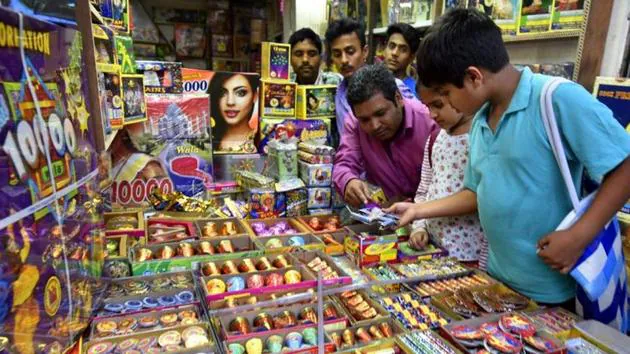
The illegal sale of Chinese firecrackers in Nagpur is raising safety and health concerns, as these products are openly available in bustling market areas despite a ban. With a high potassium perchlorate content, these firecrackers are extremely dangerous, posing significant risks for both vendors and customers. Wholesale suppliers funnel these hazardous products to retailers, who then sell them on to smaller shops, increasing the likelihood of accidents.

Illegal Firecracker Trade in Nagpur Markets

In heavily populated regions like Gandhi-bagh, Jaripatka, and Lalimli in Itwari, Chinese firecrackers are readily accessible. Vendors are even offering “firecracker guns” loaded with these banned products, intensifying the chances of accidents. Reports indicate that some shopkeepers are storing Chinese firecrackers in homes or rented spaces to elude law enforcement, potentially turning residential areas into powder kegs.

New Dangers: Larger, More Explosive Firecrackers

This year has seen the introduction of even more dangerous Chinese firecrackers in the market. While previous products like “Poppop” were relatively small, newer versions have grown in both size and risk factor. These firecrackers detonate upon impact with a hard surface, and some, referred to as “missiles,” can be launched from toy guns. The most alarming addition is a firecracker resembling a “hand grenade,” complete with a pullable hook. When triggered, it emits smoke before exploding within seconds, imitating the mechanism of a real grenade. These products escalate the risk of severe injuries and property damage, making the crackdown on such items an urgent priority.

Banned Chemicals: What Makes Chinese Firecrackers So Hazardous?

Chinese firecrackers commonly contain potassium chlorate, which is inexpensive but highly dangerous. This powder costs roughly ₹50 per kilogram, compared to the safer compounds used in Indian-made firecrackers, which are priced at around ₹300 per kilogram. The cost differential pushes demand for these cheaper yet illegal products, despite the dangers they pose. Potassium perchlorate, one of the ingredients in Chinese firecrackers, is explicitly banned in India due to its explosive properties and health risks.

Health Hazards of Chinese Firecrackers

Beyond the threat of explosions, Chinese firecrackers pose serious health risks. The chemicals used in these products release toxic smoke that can impact respiratory health, especially in children and the elderly. Exposure to the fumes may lead to headaches, nausea, and respiratory issues, worsening air quality during peak festival seasons. These health risks underline the urgent need to restrict and monitor the sale of these harmful firecrackers.

Prioritising Safety Over Dangerous Shortcuts

The sale of Chinese firecrackers in Nagpur continues to endanger both public safety and health, despite the existing ban. It is crucial for authorities to intensify monitoring and enforcement efforts to prevent these dangerous products from entering local markets. Public awareness about the risks posed by these firecrackers, from their chemical makeup to the harm they cause, can further aid in reducing demand and keeping communities safe.

Diwali’s Brightest Lights: Artists from Jail, Mental Hospital, and Blind School Bring Joy and Colour to the Festival

Diwali Artisan Joy: Diwali, the festival of lights, embodies the warmth, unity, and resilience of the human spirit. In Nagpur, a unique community of artisans—patients from the Regional Mental Hospital, inmates from Nagpur’s Central Jail, and students from the Blind Relief Association—is illuminating this Diwali with hand-crafted diyas, decorations, and more. Through these initiatives, each creation shares a story of courage, hope, and creativity, redefining the essence of Diwali.

This year in Nagpur, Diwali isn’t just about lights and sweets; it’s a festival made richer through the efforts of talented artisans who, despite life’s challenges, have found ways to contribute to the celebrations. Local initiatives empower artists from all walks of life to spread joy through hand-painted diyas, lanterns, and decorative items. Let’s explore these inspiring efforts that truly capture the essence of Diwali.

Regional Mental Hospital: The ‘Udaan’ Project

At the Regional Mental Hospital, Diwali is a special time thanks to the ‘Udaan’ project. This initiative, created to give patients skill-building opportunities, empowers them to craft earthen lamps and other Diwali items. Under the guidance of medical staff, patients paint diyas in vibrant colours, showcasing both festive spirit and resilience.

Central Jail: Art as Rehabilitation

In Nagpur’s Central Jail, over 250 inmates have dedicated their time to creating colourful diyas, textile items, and more. Former Director General Bhushankumar Upadhyay recently inaugurated the sale, showcasing the inmates’ work across carpentry, textile, and metalwork.

Blind Relief Association: Inspiring Artwork by Students

The Blind Relief Association is a hub of creativity where visually impaired students hand-paint diyas and make eco-friendly paper bags. These items, displayed in their school premises, sold out quickly, underlining the support the community has for these young artists.

Diwali Exhibitions: A City-Wide Showcase

Throughout Nagpur (Diwali Artisan Joy), small exhibitions present the creations of various local artisans, including women self-help groups, rural artists, and tribal communities. These displays highlight unique, traditional designs and offer a platform for artisans to share their craft.

Supporting Artisans: A Meaningful Purchase

Purchasing these products is more than a transaction; it’s an act of support for individuals striving to overcome life’s challenges. Each diya, lantern, or decorative item symbolizes strength, unity, and the resilience of the human spirit, making your Diwali brighter and more meaningful.

The Power of Art in Mental Wellbeing

Creating art as part of the ‘Udaan’ (Diwali Artisan Joy) project aids in the mental rehabilitation of hospital patients. Engaging in diya painting fosters self-expression and gives patients a goal, helping them to recover in a supportive, creative environment.

Rehabilitation Through Craft: A New Beginning

The Central Jail’s initiative shows how artistic expression can play a key role in rehabilitation. With certifications and skills gained, inmates have better opportunities for employment post-release, ensuring a sustainable future.

Empowerment and Financial Independence

These projects not only empower the artists but also offer financial independence. The proceeds earned from sales go directly to the artisans, which boosts morale and helps them gain self-confidence.

How the Community Benefits

The community’s support of these artisans through their purchases fosters inclusivity, promotes mental health, and encourages social responsibility. Such acts not only uplift the artists but also set a positive example for society.

Eco-Friendly Initiatives by the Blind School

In addition to diyas, students at the Blind Relief Association are making eco-friendly bags and decorative items that align with sustainable practices. These creations underscore the importance of environmental consciousness.

The Social Impact of Diwali Purchases

By choosing to buy products made by artists from the mental hospital, jail, or blind school, consumers directly contribute to social change. This Diwali, your purchases become a source of light and hope for these talented individuals.

What You Can Buy and Where

Central Jail: Handlooms, sky lanterns, jewellery boxes, tea tables, and more (9 am to 8 pm).
Mental Hospital: Earthen lamps and clay pots available at the OPD of the hospital (2 pm to 5 pm).
Blind School: Decorative items and colourful diyas sold at TBRAN premises opposite Mata Kacheri.

Celebrating a Brighter Diwali

In supporting these talented artisans, you are also enriching your Diwali with stories of resilience, hope, and compassion. This unique celebration invites everyone to become a part of a larger community that values every spark of creativity, no matter where it comes from. Here’s to a brighter Diwali, where every diya lights up a life.

1. What is the ‘Udaan’ project at the Regional Mental Hospital?
The ‘Udaan’ project offers mental health patients a chance to craft Diwali items, building skills and fostering self-reliance.

2. What items are available from Nagpur’s Central Jail artisans?
Items include handlooms, jewellery boxes, lanterns, and more, crafted by skilled inmates.

3. How does the Blind Relief Association contribute to Diwali?
Students create hand-painted diyas and eco-friendly items, which are popular among local buyers.

4. Where can I find these unique Diwali items?
Items are available at the Central Jail, Regional Mental Hospital, and the Blind School’s TBRAN premises.

5. How does buying from these artisans support them?
Purchases help fund their livelihoods, empowering them to continue crafting and improving their skills.

Chef Vishnu Manohar’s 24-Hour Dosa Marathon: A Culinary Record Attempt Like No Other

 Vishnu Manohar’s Record-Breaking Dosa Challenge

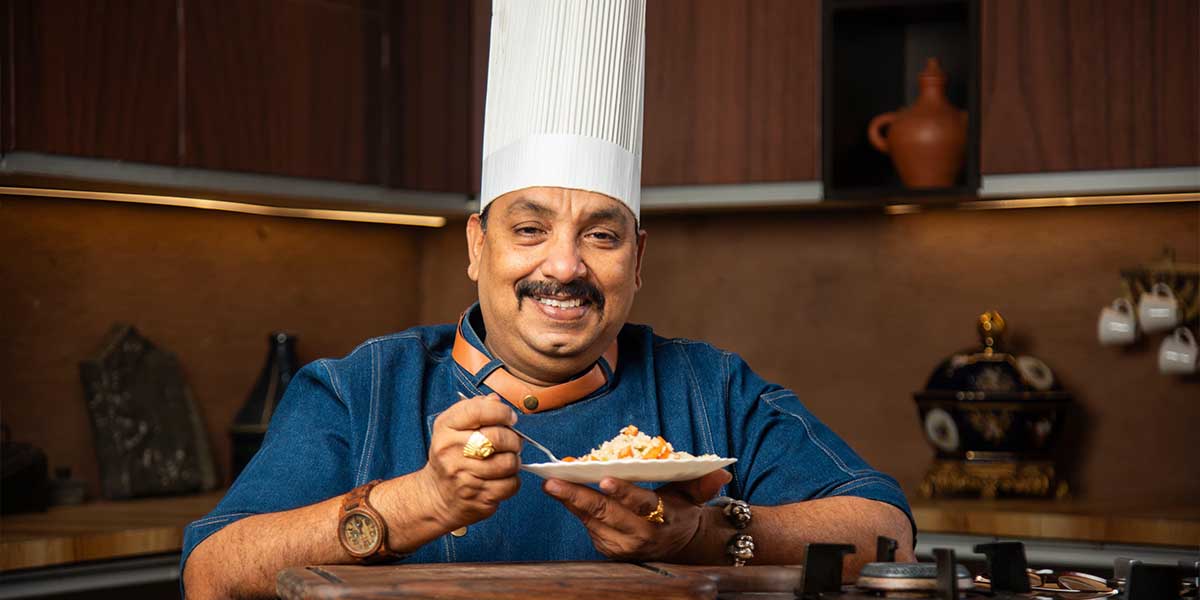
Chef Vishnu Manohar, one of India’s beloved culinary personalities, is about to take on an extraordinary feat – cooking dosas for 24 hours straight. This unique event, starting on October 27, will see Chef Vishnu attempting to break not one but two world records, right in the heart of Nagpur.

Who is Chef Vishnu Manohar?

With a career dedicated to celebrating and modernizing Indian cuisine, Chef Vishnu Manohar has become a household name, known for his unique recipes and vibrant personality. From television appearances to his culinary ventures, Vishnuji Ki Rasoi, he’s made his mark in the Indian food scene. Now, he’s ready to go one step further.

The Dosa Challenge: Aiming for 24-Hour Non-Stop Cooking

Imagine making dosas non-stop for 24 hours! That’s exactly what Chef Vishnu is set out to do. His goal is ambitious: to break two records—cooking dosas for the longest continuous duration and making the maximum number of dosas within 24 hours.

Venue and Date: Where to Witness the Magic

This incredible challenge will unfold at the Girish Gandhi Khule Rang Manch, part of Vishnuji Ki Rasoi in Bajaj Nagar, Nagpur. The event will kick off at 8 AM on October 27, with entry open to the public and free of charge.

World Record Goals and Preparation

Chef Vishnu’s team has spared no effort in preparing for this event, setting up a strategic plan to keep the dosas coming for 24 hours. By doing so, they aim to set records for both duration and quantity.

The Setup: Three Bhattas and 24 Tavas

To manage such a colossal task, Chef Vishnu will be using three traditional dosa-making stoves, or “bhattas,” each equipped with eight tavas (dosa pans). This unique arrangement will allow him to make 24 dosas simultaneously!

Creating 6,000 Dosas: How It’s Done

With a target of making around 6,000 dosas by the end of 24 hours, the event is set to be a culinary marvel. Each dosa will be expertly crafted, ensuring quality and taste with every bite.

A Mountain of Chutney: 1,000 kg to Serve

What’s a dosa without chutney? Chef Vishnu’s team has prepared up to 1,000 kg of chutney to ensure every dosa is served with a generous helping of this essential accompaniment.

24 Hours of Entertainment and Celebration

The event promises more than just dosas! For a full 24 hours, attendees can enjoy live performances, including Hindi and Marathi songs, ghazals, bhajans, monologues, and stand-up comedy.

Late Night Dosas: Midnight Treats for All

Hungry for a midnight snack? Chef Vishnu’s dosa marathon has you covered. The event will run through the night, with dosas served on a first-come, first-served basis – even during the late hours!

Diwali Pahat: A Joyful Conclusion

To wrap up the festivities, a special Diwali Pahat program will bring in the dawn on October 28, adding a festive touch to this record-breaking culinary event.

Dosas for Orphanages and Old Age Homes

True to his generous spirit, Chef Vishnu plans to donate a portion of the dosas to orphanages, special schools, and old age homes, ensuring that his record-breaking feat also serves the community.

Event Highlights: What Not to Miss

From Chef Vishnu’s skillful dosa-making to the live entertainment, the event is packed with experiences. Be sure to catch the traditional songs, comedy acts, and, of course, the countless dosas!

The Team Behind the Scenes

Making dosas for 24 hours straight is no easy task, and Chef Vishnu will be supported by a dedicated team. From sous chefs to volunteers, every member plays a crucial role.

Be Part of History

Don’t miss the chance to witness a unique culinary event! Join Chef Vishnu and his team as they strive to make history with this 24-hour dosa marathon. It’s a celebration of food, community, and culture that promises to be unforgettable.

1. What records is Chef Vishnu trying to break?
Chef Vishnu aims to break the records for the longest continuous dosa-making session and the maximum number of dosas made in 24 hours.

2. Where is the event taking place?
The event will be held at Girish Gandhi Khule Rang Manch, Vishnuji Ki Rasoi, Bajaj Nagar, Nagpur.

3. What time does the event start?
The event starts at 8 AM on October 27 and will continue until 8 AM on October 28.

4. Is there an entry fee?
No, entry is free for all attendees.

5. Will food be donated to the community?
Yes, a portion of the dosas will be shared with orphanages, special schools, and old age homes

Nagpur’s Eco-Friendly Durga Idol Immersions: A Sustainable Move

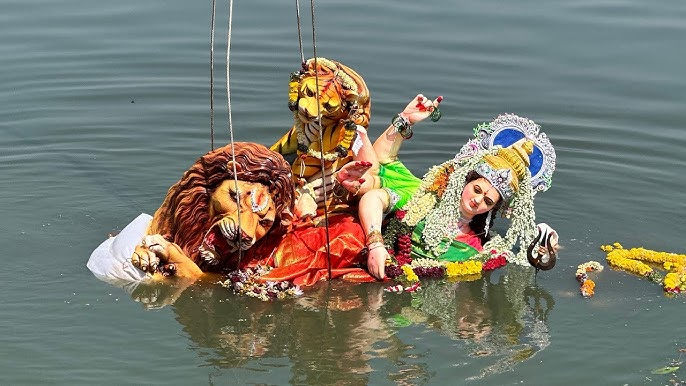
Durga idol immersion Nagpur.: The immersion of Durga idols is a significant ritual that marks the end of the Navratri festival in India. In Nagpur, this tradition saw a unique twist in October 2024 as citizens and the Nagpur Municipal Corporation (NMC) came together to promote eco-friendly practices. A total of 648 Durga idols were immersed at various artificial tanks between October 12 and 14, emphasizing the city’s commitment to preserving its natural water bodies.

Nagpur’s Approach to Durga Idol Immersions (Durga idol immersion Nagpur.)

The NMC, in collaboration with district authorities, arranged three key artificial immersion sites—Sonegaon, Gandhi Sagar, and Koradi. These locations were set up to ensure that traditional rituals could be conducted in an environmentally responsible manner.

Koradi Artificial Tank: Leading in Numbers

Among the three tanks, Koradi artificial tank witnessed the highest number of immersions. Over the three-day period, 535 idols were immersed, marking this location as the hub of activity. The busiest day was October 13, when a staggering 320 idols were immersed at Koradi alone.

Sonegaon Artificial Tank: A Steady Flow

The Sonegaon artificial tank accounted for 76 immersions during the same period. While smaller in comparison to Koradi, this location saw a peak in activity on October 13, with 38 idols being immersed in a single day.

Gandhi Sagar Artificial Tank: A Modest Count

The Gandhi Sagar artificial tank recorded the fewest immersions. Over the three days, just 37 idols were immersed, with 6 idols making up the final count on October 14.

October 13: The Busiest Day of Immersion

The most activity across all three locations occurred on October 13, with a total of 382 idols being immersed on this day alone. This surge demonstrated the cultural significance of the immersion process on the last day of Navratri celebrations.

Eco-Friendly Immersions: A Collective Effort

In recent years, Nagpur has made a concerted effort to shift from traditional water body immersions to artificial tanks. The NMC, backed by public support, has taken stringent measures to ban idol immersion in lakes and rivers, safeguarding these vital water sources.

Artificial Tanks: A Sustainable Solution

The NMC’s decision to set up artificial tanks has helped minimize the environmental impact of idol immersion(Durga idol immersion Nagpur.). These tanks were designed to contain the remains of the idols, preventing pollutants from entering natural water bodies and ensuring a smooth, well-organized process.

Community Support: A Driving Force

Nagpur’s citizens have shown immense support for the NMC’s initiative. In previous years, immersion in natural water bodies caused significant environmental damage. By embracing the use of artificial tanks, residents have played a crucial role in protecting the city’s lakes and rivers.

The Role of the Nagpur Municipal Corporation

The success of the eco-friendly immersion process can largely be attributed to the proactive efforts of the NMC. Through public awareness campaigns and collaborations with district administrations, the NMC ensured that the process was streamlined and well-managed.

District Administrations: Key Partners

The NMC worked closely with district authorities to set up the artificial tanks and ensure that the necessary arrangements were in place. This partnership was essential in managing the influx of devotees and maintaining order at each immersion site.

Smooth Operations: A Credit to Planning

One of the highlights of this year’s immersion process was the level of organization. Each site was equipped with facilities to manage the large number of devotees, ensuring a hassle-free experience for those participating in the immersion ritual.

Looking Ahead: Sustainability in Focus

Nagpur’s approach to Durga idol immersion highlights the city’s commitment to sustainability. As environmental awareness grows, it’s likely that eco-friendly practices will continue to play a key role in future festivals.

Promoting Eco-Conscious Celebrations

The trend toward eco-conscious celebrations is gaining momentum across India, and Nagpur is setting an example for other cities to follow. By prioritizing the environment and finding ways to balance tradition with sustainability, the city is paving the way for a greener future.

Key Highlights of the Immersion Process

  1. A Total of 648 Idols Immersed: Spread across three days and three locations.
  2. Koradi Leads the Way: 535 idols immersed, with the busiest day being October 13.
  3. Eco-Friendly Practices: Artificial tanks set up to protect natural water bodies.
  4. Community Engagement: Nagpur’s residents played an active role in supporting the use of artificial tanks.
  5. Efficient Management: The NMC and district authorities ensured the smooth execution of the immersion process.

A Step Toward Sustainable Festivities

Nagpur’s 2024 Durga idol immersion process was a shining example of how tradition and sustainability can coexist. By embracing eco-friendly practices and using artificial tanks, the city has set a positive precedent for the rest of the country. As more citizens become aware of the environmental impact of traditional immersion methods, the shift toward sustainable celebrations will likely become the new norm.

  1. Why were artificial tanks used for Durga idol immersions in Nagpur?
    • Artificial tanks were set up to protect the city’s natural water bodies from pollution and ensure an eco-friendly immersion process.
  2. Which site saw the highest number of Durga idol immersions?
    • The Koradi artificial tank saw the highest number, with 535 idols immersed between October 12 and 14.
  3. How did the NMC promote eco-friendly practices?
    • The NMC enforced a ban on immersions in natural water bodies and provided artificial tanks for idol immersion.
  4. What role did the community play in this eco-friendly initiative?
    • Nagpur’s residents supported the initiative by opting to immerse idols in artificial tanks rather than lakes or rivers.
  5. Will Nagpur continue with eco-friendly immersion practices in the future?
    • Given the success of the 2024 immersion process, it’s likely that Nagpur will continue promoting sustainable practices in future celebrations.

NMC Issues NOCs to Only 21 Durga Mandals in Nagpur for Navratri 2024

NMC Durga mandals NOC Navratri: Navratri, one of the most significant festivals in India, is celebrated with grandeur, and Durga Puja mandals play an integral role in this festivity. In Nagpur, the preparation for the 2024 Navratri season has come under the spotlight as the Nagpur Municipal Corporation (NMC) issued No Objection Certificates (NOCs) to only 21 Durga mandals, although they received 328 online applications. The issue has sparked curiosity and concern, primarily due to online payment complications and delays in document verification.

What are NOCs and Why Do They Matter?

NOCs, or No Objection Certificates, are legal documents issued by authorities like the NMC, allowing mandals to conduct their religious and cultural activities. These certificates are crucial because they ensure that the festivals are celebrated in an organized manner, adhering to safety standards and avoiding disruption in public services.

Why Only 21 Out of 328? (NMC Durga mandals NOC Navratri)

Despite receiving 328 applications, the NMC granted NOCs to just 21 mandals. So, what went wrong? According to NMC officials, the primary bottleneck was online payment issues. Several mandals faced delays in completing the payment process, leading to delays in the approval of their NOCs. The NMC had implemented an online system two years ago to streamline the application process, but technical difficulties have led to roadblocks.

The Online Application System: A Game Changer with Flaws

When the NMC introduced the online application system, it was aimed at simplifying the process. Mandals no longer had to visit traffic police zones, police stations, or fire stations to obtain permissions. The system, in theory, made it easier for organizers to apply from the comfort of their homes. However, this year’s delay shows that there are still some kinks to work out.

NMC’s Fee Structure for NOCs

The NMC charges a nominal fee of Rs 1,000 for issuing an NOC. This fee ensures that the process remains accessible to all mandals, irrespective of their size or scale of celebration. However, it’s the online payment failures that have led to a bottleneck this year, leaving most of the applications unapproved.

The Importance of Timely NOCs

Without an NOC, mandals are not permitted to conduct the Durga Puja celebrations. (NMC Durga mandals NOC Navratri) The certificate serves as a guarantee that all safety protocols have been followed, including fire safety measures, traffic management, and other public safety concerns. In other words, an NOC is not just a formality—it’s essential for the smooth conduct of the festival.

NMC’s Role in Regulating Durga Puja Celebrations

The NMC plays a crucial role in regulating public events like Durga Puja, especially during major festivals. The civic body ensures that these events are conducted without causing inconvenience to the public, particularly in terms of noise pollution, traffic disruptions, and waste management.

Challenges Mandals Face in Getting NOCs

Apart from online payment issues, mandals face several challenges when applying for NOCs:

  • Documentation: Mandals need to submit a host of documents, including safety clearances from various departments.
  • Time Constraints: With Navratri approaching, the pressure to get approvals on time increases.
  • Technical Glitches: The online system, while more convenient, has proven to be a hurdle for many, especially those unfamiliar with the process.

How Mandals Can Overcome These Challenges

There are several ways that mandals can navigate these challenges and secure their NOCs:

  1. Early Application: Submitting applications well in advance can help avoid last-minute delays.
  2. Double-Checking Documents: Ensuring that all documents are in order before submitting the application can save time.
  3. Seeking Help: For those struggling with the online system, reaching out to NMC officials for assistance can speed up the process.

Why Are NOCs Important for the Community?

NOCs ensure that festivals like Navratri are celebrated in a way that respects public safety and convenience. They prevent overcrowding, reduce traffic disruptions, and ensure that fire safety measures are in place. For the community, this means a safer, more enjoyable festival experience.

Fire Safety Regulations

One of the primary concerns during large public gatherings is fire safety. Mandals are required to submit fire safety clearances, ensuring that fire hazards are minimized. NOCs are only granted once these clearances are in place, making them a crucial part of the approval process.

Traffic Management

Navratri celebrations often attract large crowds, leading to potential traffic jams. The NMC coordinates with traffic police to ensure that the movement of vehicles and pedestrians is managed efficiently. An NOC guarantees that these arrangements are in place.

How Are Mandals Reacting to the Delay?

Many mandals are understandably frustrated with the delays in the approval process. The technical glitches have caused anxiety, especially as the festival draws closer. However, some have expressed hope that the NMC will resolve the issues in time for the celebrations.

 NOCs are Essential for a Smooth Navratri Celebration

In conclusion, while the delays in issuing NOCs have caused concern, their importance cannot be understated. These certificates ensure that the Navratri festival is celebrated in a manner that is safe, organized, and convenient for the public. As we move towards more digitalized systems, it’s crucial that technical issues are addressed to prevent such delays in the future.

  1. Why did the NMC only issue 21 NOCs? The delay in issuing NOCs was primarily due to online payment issues, which affected the approval process for many mandals.
  2. What is the NMC’s role during Navratri? The NMC regulates public events like Durga Puja by ensuring safety protocols are followed, including fire safety and traffic management.
  3. How can mandals ensure timely NOC approvals? Mandals should apply early, double-check their documents, and seek help if they face difficulties with the online application system.
  4. Why are NOCs important for public safety? NOCs ensure that festivals are conducted in a safe, organized manner, minimizing risks like fire hazards and traffic disruptions.
  5. What is the fee for obtaining an NOC from NMC? The NMC charges a nominal fee of Rs 1,000 for issuing an NOC.

Bhonsle’s ‘Hadpakya Ganpati’ Festival Celebrates 237 Years of Tradition in Nagpur

Bhonsle Tradition: Nagpur’s rich history and cultural legacy take center stage with the annual celebration of the ‘Hadpakya Ganpati’ festival, a unique and time-honored tradition that has been preserved for 237 years. Rooted in the 18th century during the reign of the Bhonsla dynasty, this festival is a deep part of the spiritual fabric of the city and continues to inspire devotion in its followers. Let’s explore the remarkable story of this age-old tradition, how it came to be, and why it remains such a significant event in Nagpur today.

 The Origins of the ‘Hadpakya Ganpati’ Festival

The origins of the ‘Hadpakya Ganpati’ festival can be traced back to 1787 AD, during the rule of King Khandoji Maharaj Bhonsale, also known as Chimanabapu, of the Bhonsla dynasty. After returning victorious from a battle in Bengal, King Khandoji Maharaj wanted to celebrate his triumph. However, he realized that the traditional Ganesh Utsav had already ended. Unwilling to miss the opportunity for celebration, the king organized his own festival, which has since become a permanent fixture in Nagpur’s cultural calendar.

 What Does ‘Hadpakya’ Mean?

The term ‘Hadpakya’ refers to a mask or disguise, which plays a key role in the festival’s early rituals. This unique tradition of donning masks to represent various mythical and religious figures gives the festival its distinct name and identity. Over time, this cultural practice has become one of the symbolic highlights of the festival.

 Significance of the 18-Handed Ganesha Idol (Bhonsle Tradition)

One of the most remarkable aspects of the festival is the installation of a unique Ganesha idol featuring 18 hands. This multi-armed deity represents the might and power of Lord Ganesha in all his forms, embodying victory, protection, and wisdom. It is this idol, installed during the Pitrupaksha period, that has come to be known as the ‘Hadpakya Ganpati.’

 The Role of the Bhonsla Dynasty in the Festival

The Bhonsla (Bhonsle Tradition) dynasty has played a pivotal role in maintaining and nurturing the traditions of the ‘Hadpakya Ganpati’ festival. The Maharaja of Nagpur Trust, which continues to oversee the organization of the festival, ensures that the original rituals are followed with precision and care. This legacy of devotion and commitment has allowed the festival to thrive for centuries.

 The Procession of the Ganesha Idol

Every year, the festival kicks off with a grand procession as the idol of Lord Ganesha is brought from CP & Berar College, Tulshibagh. The procession winds through various parts of Nagpur before finally reaching the Senior Bhonsala Palace, where the main installation ceremony takes place. This vibrant and colorful event attracts thousands of devotees and has become a symbol of communal harmony and celebration in the city.

 Main Installation Ceremony: September 21st

The heart of the festival lies in the main installation ceremony, which will take place this year on September 21st. Devotees gather in large numbers to witness the installation of the idol, with rituals being conducted by the Maharaja of Nagpur Trust to ensure the sanctity and authenticity of the event. It is a moment of great religious fervor and devotion for those who attend.

 Spiritual Importance of the Pitrupaksha Period

The Pitrupaksha period, during which the idol is installed, holds immense spiritual significance in Hindu tradition (Bhonsle Tradition). It is a time dedicated to honoring one’s ancestors and seeking their blessings. The installation of the Hadpakya Ganpati during this sacred period aligns the festival with themes of reverence, gratitude, and familial connection.

 Expanding the Tradition: Hadpakya Ganpati Beyond Nagpur

While the Hadpakya Ganpati festival began as a local celebration in Nagpur, its influence has spread to other cities and towns in the Vidarbha region over the years. Other communities have adopted the tradition, adding their own local flavors to the festival, which has helped it grow in popularity while maintaining its core values.

 The Role of the Maharaja of Nagpur Trust

The Maharaja of Nagpur Trust remains the principal organizer of the Hadpakya Ganpati festival. Their dedication to preserving the festival’s original customs and practices ensures that this centuries-old tradition remains true to its roots. From overseeing the installation of the idol to organizing the processions, the Trust plays a crucial role in the festival’s success each year.

 Devotees from Across the Region

Every year, the festival draws thousands of devotees from across Nagpur and beyond. Many come seeking the blessings of Lord Ganesha, while others are simply captivated by the vibrant celebrations. The Hadpakya Ganpati is a time when the community comes together in unity and devotion, reinforcing a sense of cultural identity and pride.

 The Impact of the Festival on Nagpur’s Cultural Identity

The Hadpakya Ganpati festival (Bhonsle Tradition) is more than just a religious event; it is a celebration of Nagpur’s rich cultural heritage. For the city’s residents, the festival represents a time of joy, togetherness, and spiritual rejuvenation. It strengthens the cultural identity of Nagpur and highlights the city’s connection to its historical past.

 Evolution of the Festival Over Centuries

While the core elements of the festival have remained intact since its inception in 1787, certain aspects have evolved with time. Today, the festival incorporates modern elements such as decorative lighting, thematic displays, and cultural performances, reflecting the evolving nature of Nagpur’s society while preserving the festival’s traditions.

 Why the Festival is So Unique

What sets the Hadpakya Ganpati festival apart from other Ganesh festivals across India is its distinct rituals and the specific period during which it is celebrated. The festival not only honors Lord Ganesha but also celebrates the region’s ancestral heritage, making it a uniquely important part of Vidarbha’s cultural landscape.

 Looking Forward to the Future

As the Hadpakya Ganpati festival continues to grow in popularity, its future remains bright. The dedication of the Maharaja of Nagpur Trust, combined with the unwavering devotion of the city’s people, ensures that this beloved tradition will continue for generations to come.

Nagpur’s Hadpakya Ganpati festival is not just a celebration; it is a living connection to the city’s cultural and spiritual roots. With a history spanning 237 years, the festival continues to thrive, attracting devotees from across the region and beyond. As it stands today, the festival represents the triumph of tradition and devotion, ensuring that Nagpur’s cultural heritage is preserved for future generations.

1. What is the significance of the 18-handed Ganesha idol?
The 18-handed Ganesha idol represents Lord Ganesha in all his forms, embodying strength, wisdom, and protection.

2. When does the Hadpakya Ganpati festival begin this year?
The festival begins on September 20th with the arrival of the idol, and the main installation ceremony takes place on September 21st.

3. How did the term ‘Hadpakya’ come into use?
‘Hadpakya’ refers to the masks or disguises worn during the early rituals of the festival, which are an integral part of the tradition.

4. Who organizes the Hadpakya Ganpati festival?
The festival is organized by the Maharaja of Nagpur Trust, which ensures that the festival’s original rituals and customs are preserved.

5. Has the Hadpakya Ganpati festival spread beyond Nagpur?
Yes, the festival’s traditions have been adopted by several cities and towns in the Vidarbha region, expanding its cultural significance.

Civic Body Grants NOCs to 605 Ganesh Mandals for Sarvajanik Ganesh Utsav 2024

Nagpur Civic Body: The much-anticipated Sarvajanik Ganesh Utsav is a festival cherished by millions, and the Nagpur Municipal Corporation (NMC) has once again played a pivotal role in ensuring the smooth running of this grand celebration. The recent announcement from NMC reveals that 605 Ganesh mandals have been granted No Objection Certificates (NOCs) to participate in this year’s festivities. In this article, we’ll explore the entire process, the measures taken to promote eco-friendly practices, and the importance of preserving traditions while safeguarding the environment.

 The Sarvajanik Ganesh Utsav: A Tradition Rooted in Community Spirit

The Sarvajanik Ganesh Utsav is not just a religious festival; it’s an event that brings entire communities together. Every year, thousands of people come together to celebrate Lord Ganesha’s arrival, with numerous mandals setting up elaborate pandals. With the involvement of the NMC, the festival is kept organized and compliant with regulations, ensuring a safe and joyful experience for all participants.

 NMC’s (Nagpur Civic Body) Role in Granting NOCs for Ganesh Mandals

 Final Verification Process by NMC

The NMC recently completed the final verification of applications submitted by various Ganesh mandals. This process was crucial to ensure that the mandals met all safety and regulatory guidelines. Out of the total applications, 605 mandals were approved, with 432 NOCs already issued and 173 more ready to be uploaded shortly. This meticulous process ensures that all pandals operate within the rules set by the civic body.

 Why Are NOCs Important for Mandals?

No Objection Certificates (NOCs) ensure that the pandals are safe and properly located. They also signify compliance with local laws, which regulate noise levels, environmental impact, and security measures. Without an NOC, a mandal cannot legally set up or operate, making this certificate an essential aspect of the festival’s infrastructure.

 NMC’s Eco-Friendly Initiatives for Ganesh Utsav 2024

 Tackling the Issue of Plaster of Paris (PoP) Idols

The sale of Plaster of Paris (PoP) idols has long been a contentious issue due to their environmental impact. These idols do not dissolve easily in water, leading to water pollution after immersion. In a bid to curb this, the NMC has taken significant steps to prevent the sale of PoP idols in 2024.

 NDS Team Inspections and Seizures

The NMC’s NDS (Nagpur Detection Squad) team conducted inspections of 830 shops as of September 7, 2024. During these inspections, they identified 91 shops that were selling banned PoP idols. As a result, 798 idols were confiscated, and the sellers faced fines totaling ₹9,10,000.

 Zone-Wise Breakdown of Fines

Each zone in Nagpur saw different levels of enforcement and fines:

  • Hanuman Nagar Zone: 41 idols were seized from six shops, with a total fine of ₹60,000 imposed.
  • Mangalwari Zone: 18 idols were confiscated, and fines of ₹60,000 were levied on six shops.
  • Laxminagar and Dharampeth Zones: Fines of ₹10,000 were imposed on shops selling PoP idols.

These fines and seizures serve as a deterrent to those continuing the illegal sale of non-biodegradable idols, promoting a more environmentally responsible celebration.

 Temporary Artificial Tanks for Eco-Friendly Immersions

 Encouraging Eco-Friendly Immersion

To promote the eco-friendly immersion of Ganesh idols, especially those celebrating the one-and-a-half-day Ganesh Utsav, NMC’s Solid Waste Management Department is setting up 30 temporary artificial tanks across various locations in Nagpur. These tanks will allow devotees to immerse their idols in a safe and environmentally conscious manner, reducing the strain on natural water bodies.

 Why Artificial Tanks Matter

Using artificial tanks for immersion has become a crucial element in reducing the pollution caused by traditional water-based immersions. These tanks not only help to preserve the natural water bodies but also allow for proper collection and disposal of the idols post-immersion.

 The Future of Ganesh Utsav in Nagpur

The NMC has demonstrated its commitment to both tradition and modern sustainability practices. By granting NOCs (Nagpur Civic Body) to compliant mandals and taking firm action against the sale of PoP idols, the civic body is steering the festival toward a greener and more responsible future. With the establishment of artificial tanks for idol immersion, Nagpur is setting an example for other cities on how to celebrate traditional festivals in an eco-friendly manner.

A Blend of Tradition and Sustainability

As the Sarvajanik Ganesh Utsav 2024 approaches, it’s clear that the festival is evolving. While the essence of the celebration remains rooted in tradition, the efforts of the NMC ensure that the festival also respects modern environmental concerns. With 605 Ganesh mandals receiving NOCs, and the active prevention of PoP idol sales, Nagpur is set to celebrate in a way that honors both cultural heritage and environmental responsibility.

 1. Why is an NOC important for Ganesh mandals?

An NOC ensures that the mandals comply with all necessary safety, environmental, and legal guidelines, making the celebration safe and enjoyable for everyone.

 2. What actions are being taken against the sale of PoP idols?

The NMC has conducted inspections and imposed fines on shops selling PoP idols, confiscating hundreds of idols to prevent their use in the 2024 festival.

 3. How is the NMC promoting eco-friendly idol immersion?

NMC has set up 30 temporary artificial tanks for idol immersion to minimize the environmental impact and reduce pollution in natural water bodies.

 4. What are the penalties for selling PoP idols in Nagpur?

Fines for selling PoP idols can range from ₹10,000 to ₹60,000, depending on the severity of the violation and the number of idols seized.

 5. How many mandals have been granted NOCs for Sarvajanik Ganesh Utsav 2024?

A total of 605 mandals have received NOCs, with 432 already issued and the remaining 173 ready for upload.

Exit mobile version