143 Years and Counting: Nagpur Gears Up for the Marbat Festival

Nagpur is buzzing with anticipation as it prepares to celebrate the Marbat Festival, a tradition that has endured for 143 years. This unique festival, deeply rooted in the city’s culture, involves the construction and burning of colossal effigies representing evil, accompanied by vibrant parades, music, and dancing.

A Legacy of Over a Century

The Origins of the Marbat Festival

The Marbat Festival dates back to 1881 when the Kali Marbat was first introduced in Nagpur. Four years later, in 1885, the Pili Marbat joined the celebration, creating a tradition that has since expanded to include Laal (red) Marbat and Bhuri (brown) Marbat. Each effigy symbolizes different societal ills, making the festival a powerful cultural commentary.

Significance of the Marbat Effigies

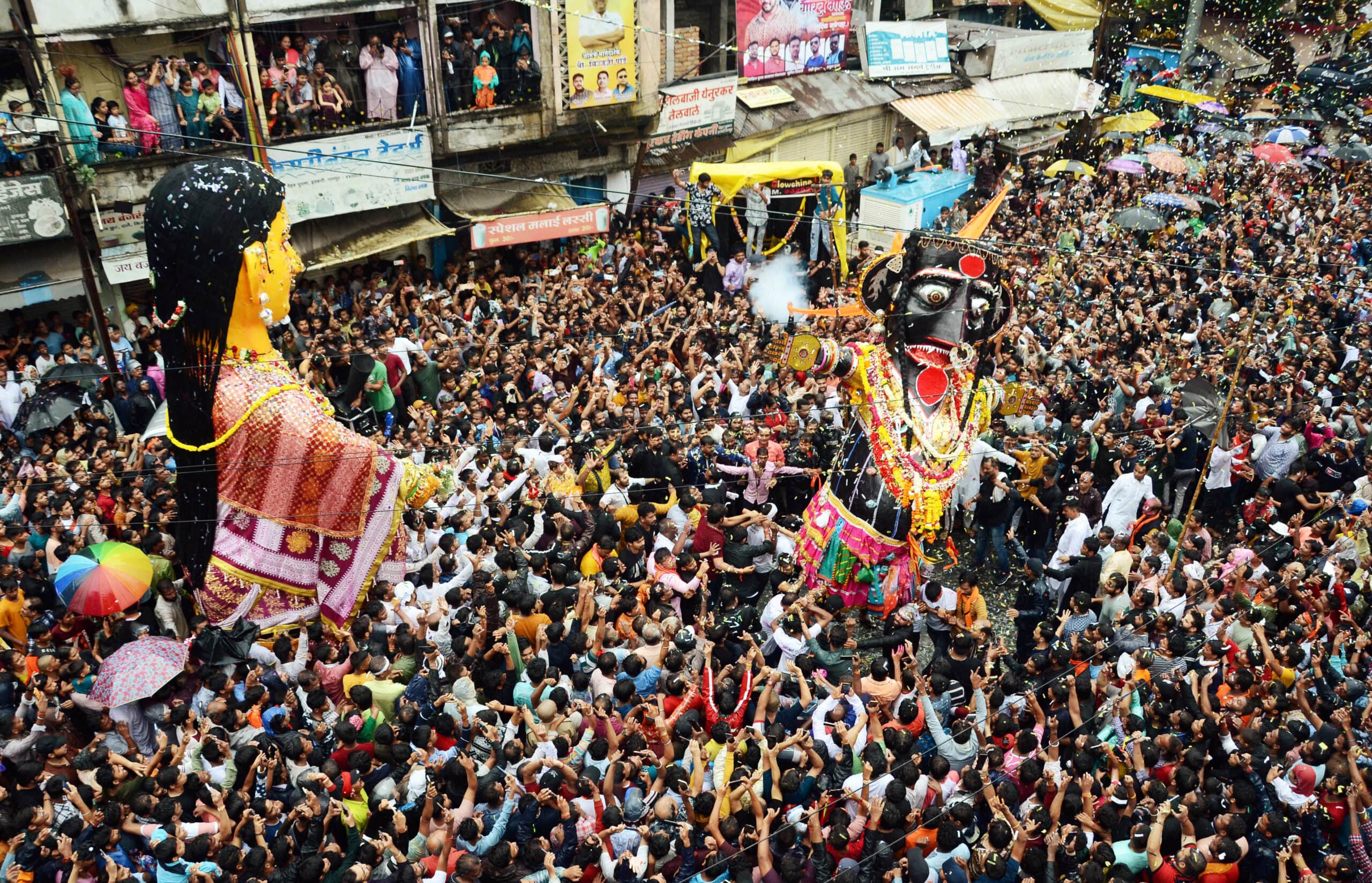
The Marbat effigies are not just mere statues; they are symbols of the city’s collective conscience. The towering Kali Marbat, standing at around 14 feet, is a creation of the Kali Marbat Utsav Committee at Nehru Putla Chowk. Meanwhile, the Pili Marbat, a towering 18-20-foot effigy, is crafted by the Tarhane Teli community. These effigies are worshipped for four days before being paraded through the city.

The Vibrant Procession

A Parade Like No Other

On September 3, the city of Nagpur transforms into a vibrant spectacle as the Marbat effigies are carried through the historic lanes. The procession spans approximately 6.5 kilometers, starting from Nehru Putla Square and making its way through the heart of the city. The parade is accompanied by music, dancing, and a palpable sense of excitement.

The Final Ritual: Burning of the Effigies

The culmination of the Marbat Festival is marked by the burning of the effigies. The Kali Marbat is incinerated at Harihar Mandir, while the Pili Marbat meets its fiery end at Naik Talao. The other Marbats and Badgyas, smaller effigies created by various communities, are burned in the areas where they were originally crafted.

Cultural Impact and Community Involvement

A Festival That Unites

The Marbat Festival is more than just a celebration; it is a unifying force for the people of Nagpur. Every year, various communities come together to create the smaller Badgyas, effigies that often carry placards highlighting specific societal issues. This communal effort reflects the collective spirit of the city.

Symbolism and Social Commentary

The Marbat Festival serves as a platform for social commentary. The effigies, representing different societal ills, are a visual manifestation of the city’s stance against these issues. The festival’s expansion to include Laal and Bhuri Marbats underscores its relevance in addressing contemporary problems.

The Evolution of the Marbat Festival

From Tradition to Modernity

While the core of the Marbat Festival remains rooted in tradition, it has evolved over the years. The inclusion of new effigies like the Laal and Bhuri Marbats reflects the festival’s ability to adapt to changing times. This evolution ensures that the festival remains relevant and continues to resonate with the younger generation.

A Tourist Attraction

In recent years, the Marbat Festival has gained attention beyond Nagpur, attracting tourists from across the country. The festival’s unique blend of tradition, cultural commentary, and vibrant celebrations make it a must-see event.

Preparing for the 2024 Marbat Festival

Final Touches on the Effigies

As the city gears up for the 2024 Marbat Festival, the effigies are nearly complete. Crowds have already started gathering to catch a glimpse of the Kali and Pili Marbats, which will soon be officially worshipped for four days.

Anticipation Builds

The atmosphere in Nagpur is electric as the city awaits the grand procession on September 3. The anticipation is palpable, with locals and visitors alike eagerly looking forward to witnessing the spectacle.

The Marbat Festival is a testament to Nagpur’s rich cultural heritage and its ability to adapt and evolve with the times. As the city prepares to celebrate this iconic festival, the excitement is contagious. The festival not only serves as a platform for social commentary but also unites the community in a shared tradition that has endured for over a century.

5 Unique FAQs About the Marbat Festival

  1. What is the significance of the Marbat Festival in Nagpur?
    • The Marbat Festival is a centuries-old tradition unique to Nagpur, symbolizing the city’s collective conscience against societal ills through the burning of effigies.
  2. Who creates the Marbat effigies?
    • The Kali Marbat is created by the Kali Marbat Utsav Committee, while the Pili Marbat is crafted by the Tarhane Teli community. Various other communities create smaller effigies known as Badgyas.
  3. When does the Marbat Festival take place?
    • The Marbat Festival is celebrated annually, with the grand procession and burning of effigies typically occurring on September 3.
  4. What do the different Marbat effigies represent?
    • Each Marbat effigy represents different societal ills, with the Kali Marbat, Pili Marbat, Laal Marbat, and Bhuri Marbat addressing various contemporary issues.
  5. How has the Marbat Festival evolved over the years?
    • The festival has expanded to include new effigies and has become a significant cultural event, attracting attention from both locals and tourists.

Nagpur: City Police Brace for a Marathon of Festivals Amidst Political and Social Tensions

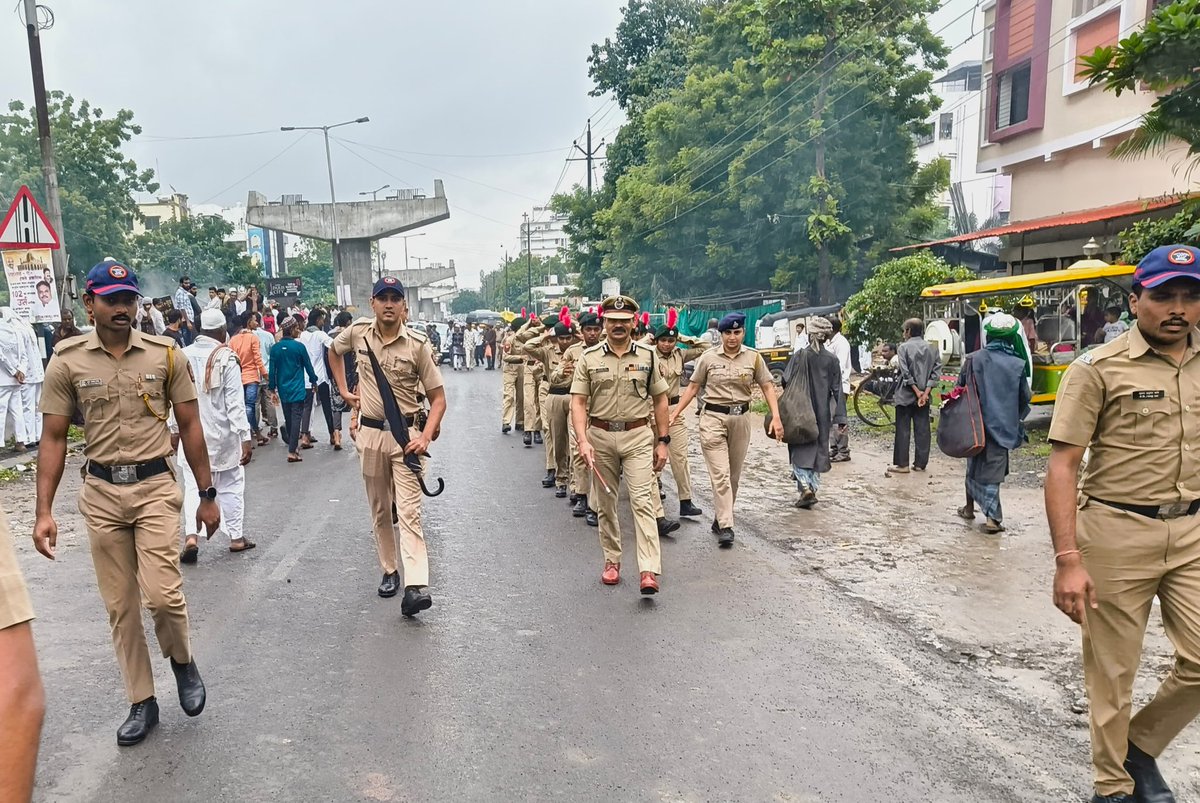
Nagpur City Police: Nagpur, a vibrant city known for its rich cultural heritage and bustling streets, is gearing up for a series of significant festivals. The city police are preparing for a round-the-clock grind as events like Pola, Marbat, and Ganeshotsav approach. While these festivals bring joy and celebration to the people, they also present a unique challenge to the law enforcement agencies responsible for maintaining peace and order.

 The Festive Marathon Begins (Nagpur City Police)

 Pola Festival: Tradition and Turbulence

Pola, a festival that celebrates the bond between farmers and their cattle, is the first in the lineup. While this festival is rooted in tradition and reverence, it has also been associated with a spike in criminal activities, particularly group clashes and revenge attacks. The city police, aware of the potential for unrest, have already initiated a crackdown on known offenders to prevent any untoward incidents.

 Marbat: A Symbol of Social Unity and Division

Following Pola is the Marbat festival, known for its unique processions featuring effigies representing evil forces. Central Nagpur, the heart of the city, becomes a focal point during this festival, drawing large crowds. However, the influx of people also leads to massive traffic congestion, which the police must manage alongside the procession’s security. The challenge is further compounded by ongoing development work in the area, making the task of traffic management even more daunting.

 Ganeshotsav: The Grand Finale

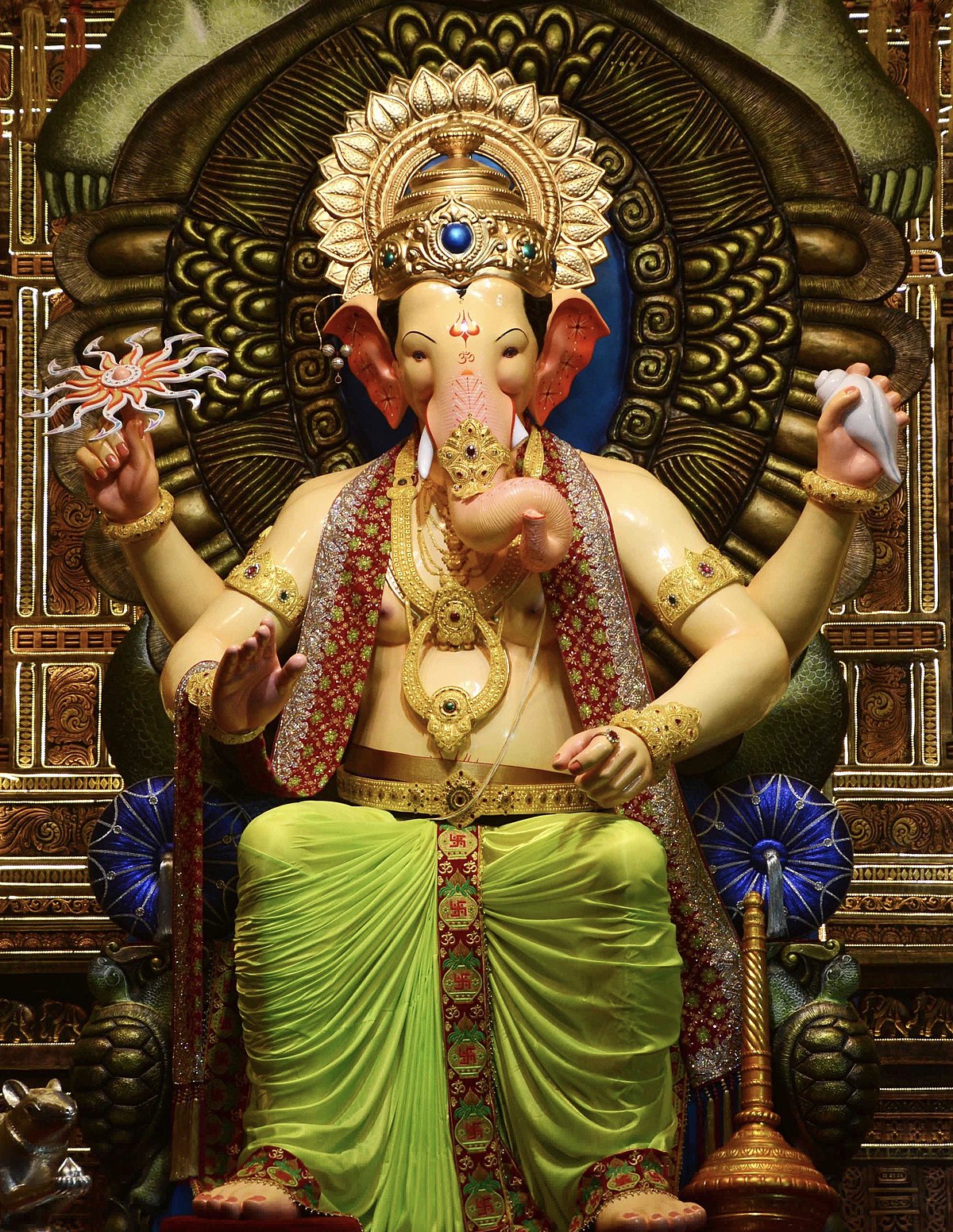
Ganeshotsav, one of the most widely celebrated festivals in Maharashtra, marks the final event in this marathon. Starting from September 7, the 10-day festival sees devotees flocking to various pandals across the city. The police force must ensure the safety and smooth conduct of events from idol purchases to immersion days, making this period one of the busiest for law enforcement.

 The Backdrop of Political and Social Turmoil

 Communal Strife and Violence

The festivals are occurring against a backdrop of ongoing communal strife and violence, particularly in Bangladesh. Such tensions have a ripple effect, heightening the potential for unrest in Nagpur. The city police, therefore, have the additional responsibility of maintaining communal harmony during these sensitive times.

 Women’s Security and Ongoing Agitations

Women’s security has become a central issue in Nagpur, with ongoing agitations demanding better protection and stricter laws. The police, already stretched thin due to festival duties, must also address these concerns, adding another layer of complexity to their operations.

 Political Rivalry and Upcoming State Assembly Elections

The upcoming state assembly elections, scheduled towards the end of this year, have further intensified the political atmosphere in Nagpur. Political rallies and events are expected to increase as the election date nears, requiring the police to manage not just festival crowds but also politically charged gatherings.

 The Police Force: A Struggle for Resources

 Leadership Changes and Vacant Positions

Nagpur’s police force (Nagpur City Police) is currently undergoing a period of transition, with newly appointed joint Commissioner of Police (CP) Nisar Tamboli yet to assume office. Meanwhile, Commissioner of Police Ravinder Singal is tasked with preparing the security and traffic plans for the upcoming events. The situation is further complicated by the transfer of two Zonal Deputy Commissioners of Police (DCPs), leaving key positions vacant.

 The Role of Outgoing and Incoming Officers

Despite the challenges, outgoing joint CP Aswati Dorje, DCP special branch Shweta Khedkar, and traffic DCP Shashikant Satav have been instrumental in fine-tuning the security arrangements. The arrival of Tamboli is eagerly awaited, as his experience and leadership will be crucial in executing the planned operations smoothly.

 The Resource Crunch and Its Implications

The shortage of top officers is not the only issue. Several inspector and assistant inspector positions remain unfilled, despite repeated requests to the state police head office. This resource crunch puts additional pressure on the existing force, who must manage their duties with limited manpower.

 Managing Mega Political Events

 Mukyamantri Mazi Ladki Bahin Yojana Launch

In addition to the festival preparations, the police are also tasked with managing the launch of the Mukyamantri Mazi Ladki Bahin Yojana, a significant political event. This initiative adds to the already heavy security responsibilities of the police, who must ensure the safety and success of the launch amidst the ongoing festivities.

 Coordination with State Authorities

Commissioner Ravinder Singal has been actively coordinating with state authorities to ensure that all security arrangements are in place. The absence of key officers has made this task more challenging, but Singal’s experience and dedication are expected to bridge the gap.

 Traffic Management: A Herculean Task

 Central Nagpur: The Epicenter of Traffic Challenges

The heart of Nagpur, particularly the central area, is expected to witness severe traffic disruptions due to the Marbat processions and ongoing development projects. The police are preparing a comprehensive traffic management plan to mitigate these challenges, but the sheer volume of vehicles and pedestrians makes this a daunting task.

 The Impact of Development Works

Ongoing development works in central Nagpur, initiated before the onset of the model code of conduct, have already congested the roads. The addition of festival processions will likely paralyze vehicular movement, making effective traffic management crucial for maintaining order.

 Public Cooperation: A Key Factor

The success of the police’s efforts will largely depend on public cooperation. Authorities are urging citizens to follow traffic rules, avoid unnecessary travel during peak times, and report any suspicious activities. Public awareness campaigns are also being planned to ensure that the general public understands the importance of supporting the police during these challenging times.

As Nagpur prepares for a series of major festivals, the city police are facing an unprecedented challenge. The combination of cultural celebrations, political events, and social tensions has created a perfect storm, requiring the police to be on high alert. With limited resources and key positions still vacant, the police force must rely on their experience, coordination, and public cooperation to navigate the coming weeks successfully. The outcome of their efforts will not only determine the safety and security of the city during this festive season but will also set the tone for the upcoming state assembly elections.

Q1: What are the main challenges for Nagpur police during the festival season?
The main challenges include managing large crowds, ensuring traffic flow, maintaining communal harmony, and dealing with the resource crunch due to vacant positions in the police force.

Q2: How is the police force preparing for the upcoming festivals in Nagpur?
The police are implementing a comprehensive security plan, conducting crackdowns on known offenders, coordinating with state authorities, and planning extensive traffic management strategies.

Q3: What is the significance of the Marbat festival in Nagpur?
The Marbat festival involves processions with effigies representing evil forces and is known for drawing large crowds, which can lead to traffic congestion and other challenges for the police.

Q4: How will the ongoing political and social issues impact the police’s duties during the festivals?
The ongoing communal strife, women’s security agitations, and the approaching state elections add to the police’s responsibilities, requiring them to be vigilant on multiple fronts.

Q5: What role does public cooperation play in ensuring a peaceful festival season in Nagpur?
Public cooperation is crucial for the success of the police’s efforts. Citizens are encouraged to follow traffic rules, report suspicious activities, and avoid unnecessary travel during peak times.

हनुमान जन्मोत्सव पर जामसांवली में लाखों श्रद्धालुओं ने किए दर्शन

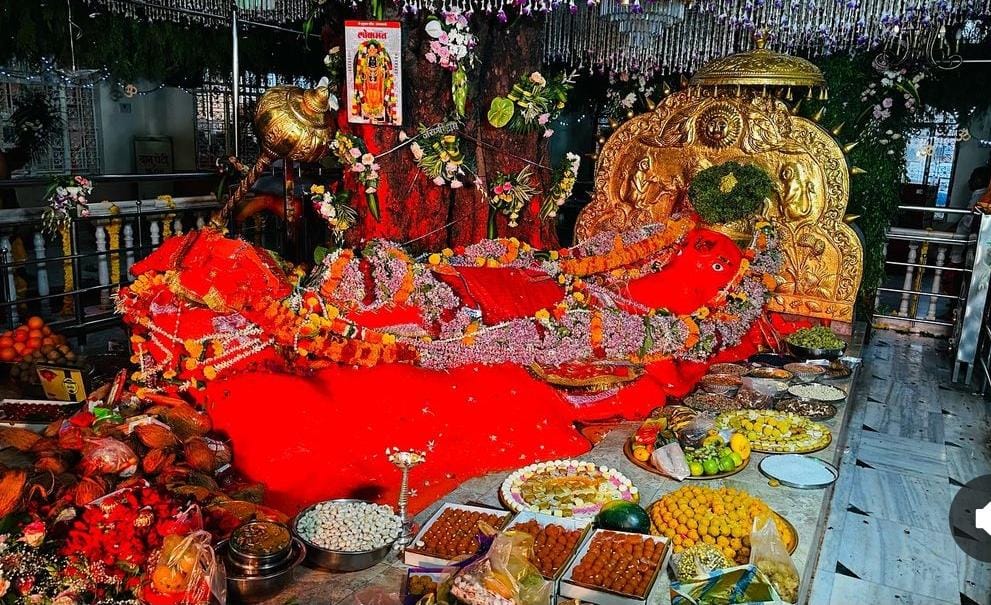
जामसांवली के चमत्कारिक हनुमान मंदिर में मंगलवार को हनुमान जन्मोत्सव पर मध्यप्रदेश, महाराष्ट्र और विभिन्न राज्यों से लाखों की संख्या में श्रद्धालुओं ने हनुमानजी के दर्शन किए। मध्य रात्रि 2 बजे से हनुमान जी की श्रीमूर्ति का रुद्राभिषेक,महापूजा के बाद महाआरती की गई। सुबह 5 बजे से हनुमान जी की श्री मूर्ति के दर्शन के लिए श्रद्धालुओं का तांता लगा रहा। मंदिर के गर्भगृह को फूलों से सजाया गया था। प्रशासन द्वारा कड़ी सुरक्षा व्यवस्था की गई थी। कई भक्त पदयात्रा कर गदा अर्पण करने पहुंचे। मंदिर ट्रस्ट कमेटी ने अयोध्या में विराजे राम लला की हूबहू प्रतिकृति मंदिर परिसर में स्थापित की ,जो श्रद्धालुओं के लिए आकर्षण का केंद्र रही। मंदिर ट्रस्ट कमेटी और विभिन्न सामाजिक संगठनों ने जगह-जगह महाप्रसाद और पेयजल वितरित किया। ग्रामीण आदिवासी समाज विकास संस्थान के कार्यकर्ताओं ने श्रद्धालुओं को मानसिक स्वास्थ्य की जानकारी दी।

विश्राम अवस्था में विराजमान हैं श्रीमूर्ति
भारतीय जीवन में श्रीराम के सुपात्र पवन पुत्र हनुमान जी का अत्यंत विशिष्ट स्थान है। पवन सुत के प्रति इस अगाध श्रद्धा का केंद्र है जामसांवली का हनुमान मंदिर, जहां पीपल के पेड़ के नीचे लेटी हुई अवस्था में हनुमानजी की प्रतिमा विराजमान है। प्रतिमा की नाभि से पवित्र जल आता है। पांढुर्णा जिले के सौंसर तहसील मुख्यालय से 7 किमी और नागपुर-छिंदवाड़ा नेशनल हाईवे पर बजाज चौक से पांढुर्ना मार्ग पर एक किमी दूर जामसांवली का हनुमान मंदिर श्रद्धा व आस्था का केंद्र है। किवदंतियों के अनुसार हनुमान जी की श्रीमूर्ति पीपल के पेड़ के नीचे स्वयंभू प्रकट हुई है। पीपल के पेड़ के नीचे विराजमान हनुमानजी की श्रीमूर्ति ऊर्ध्वमुखी है। संपूर्ण भारत वर्ष में इस तरह की ऊर्ध्वमुखी श्रीमूर्ति कहीं और नहीं है। मान्यता हैं कि यहां श्रीमूर्ति के नाभि से निकले जल से असाध्य बीमारियां ठीक होती है।

रामटेक का गढ़ मंदिर विशेष कार्यक्रमों के साथ अयोध्या मंदिर समारोह का जश्न मनाने के लिए तैयार

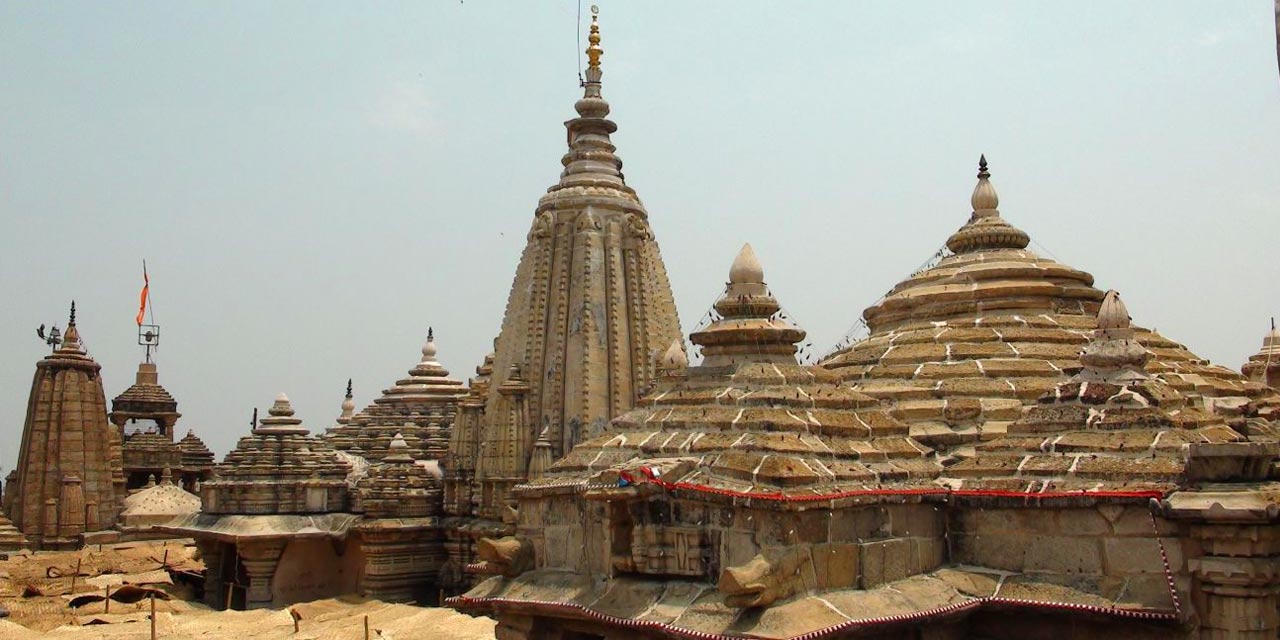
रामटेक का गढ़ मंदिर, जो भगवान राम के ऐतिहासिक संबंध के लिए जाना जाता है, 22 जनवरी को अयोध्या राम मंदिर के अभिषेक के लिए समारोह की उम्मीद करता है। मंदिर, नागपुर के शासक द्वारा निर्मित किले के भीतर, 19 से 23 जनवरी तक पांच दिवसीय सांस्कृतिक कार्यक्रम की योजना बना रहा है, जिसमें एक महा महा आरती एवं यज्ञ शामिल होगा।

किले का निर्माण करने वाले भोंसले रॉयल्स के वंशजों ने पैतृक हथियारों का प्रदर्शन करते हुए इसके महत्व पर प्रकाश डाला। रामटेक, ऐतिहासिक रूप से ‘तपोगिरी’, अपने प्राकृतिक परिवेश के कारण संतों को ध्यान के लिए आकर्षित करता है। जिला प्रशासन, पूरी तरह से महिलाओं की ‘कलश यात्रा’ और ‘मशाल’ रैली सहित, भक्तों के लिए विशेष व्यवस्था के साथ, इस कार्यक्रम की तैयारी कर रहा है। रामटेक के नाम विविधताओं में ‘रामगिरि’ शामिल है, जिसका संदर्भ संभवतः कालिदास के महाकाव्य ‘मेघधूतम’ में है।

लेखक-शोधकर्ता अमन कबीर के अनुसार, वर्तमान रामटेक का नाम इस तथ्य से पड़ा है कि भगवान राम ने लगभग 5,000 साल पहले संतों और उनके निवासों या आश्रमों की राक्षसों से सुरक्षा सुनिश्चित करने के लिए यहां ‘टेक’ या प्रतिज्ञा ली थी। कबीर ने कहा, इसकी हरी-भरी पहाड़ियों और हरे-भरे परिवेश को देखते हुए, संतों ने ‘तपस्या’, ‘तप’ या ध्यान के लिए रामटेक को प्राथमिकता दी और इसलिए इसे ‘तपोगिरी’ कहा गया।


टेकड़ी गणेश मंदिर शहर की सांस्कृतिक विरासत का प्रतीक

टेकड़ी गणेश मंदिर भगवान गणेश को समर्पित एक हिंदू मंदिर है, जो भारत के महाराष्ट्र के नागपुर में स्थित है। यह शहर के सबसे लोकप्रिय और महत्वपूर्ण मंदिरों में से एक है, और इसका समृद्ध इतिहास 19वीं शताब्दी के उत्तरार्ध से है।

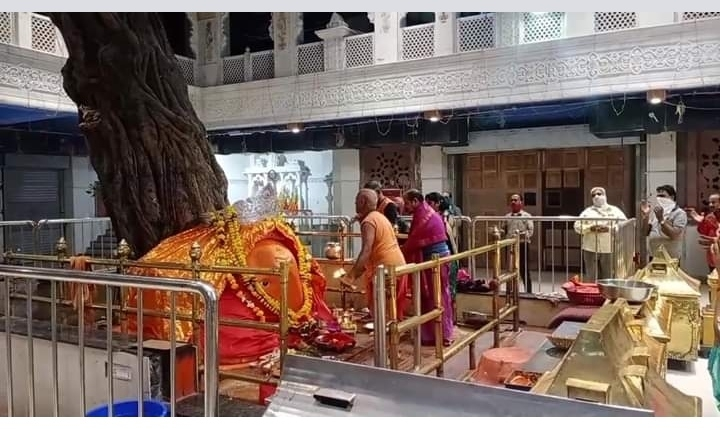
माना जाता है कि मंदिर में भगवान गणेश की मूर्ति स्वयंभू है, और इसकी खोज 1875 में अंग्रेजों द्वारा किए गए कई डायनामाइट विस्फोटों के बाद की गई थी। प्रारंभ में, भक्तों द्वारा मूर्ति के ऊपर एक टिन शेड का निर्माण किया गया था, लेकिन 1935 में, एक मंदिर समिति का गठन किया गया और एक स्थायी मंदिर का निर्माण किया गया।

पिछले कुछ वर्षों में मंदिर में कई नवीकरण हुए हैं और आज यह एक सुंदर और सुव्यवस्थित संरचना है। यह पूरे भारत के भक्तों के लिए एक लोकप्रिय तीर्थ स्थल है, और गणेश चतुर्थी उत्सव के दौरान विशेष रूप से भीड़ होती है।

यह मंदिर नागपुर में एक महत्वपूर्ण विरासत स्थल भी है। मूर्ति और पीपल का पेड़ जिस पर यह टिकी हुई है, दोनों ही शहर की विरासत सूची में सूचीबद्ध हैं। मंदिर ट्रस्ट मंदिर को ग्रेड-ए तीर्थ स्थल के रूप में विकसित करने के लिए भी काम कर रहा है।

टेकड़ी गणेश मंदिर सिर्फ एक धार्मिक स्थल ही नहीं, बल्कि एक सामाजिक और सांस्कृतिक केंद्र भी है। मंदिर ट्रस्ट प्रधान मंत्री और मुख्यमंत्री राहत कोष में नियमित योगदान देता है, और संकट के समय जरूरतमंदों की सेवा भी करता है।

मंदिर की एक समृद्ध सांस्कृतिक परंपरा भी है। यह पूरे वर्ष विभिन्न प्रकार के सांस्कृतिक कार्यक्रमों का आयोजन करता है, जिसमें संगीत और नृत्य प्रदर्शन और धार्मिक विद्वानों के व्याख्यान शामिल हैं।

यह मंदिर नागपुर के लोगों के लिए गौरव और प्रेरणा का स्रोत है, और शहर की समृद्ध विरासत और संस्कृति का प्रमाण है।

गणेशोत्सव पंजीकरण पोर्टल जल्द ही लाइव होगा

नागपुर नगर निगम (NMC) आगामी गणेशोत्सव के लिए मंजूरी प्रदान करने के लिए ऑनलाइन प्रक्रिया शुरू करने जा रहा है। अतिरिक्त नगर आयुक्त अचल गोयल ने गुरुवार को NMC मुख्यालय में मीडियाकर्मियों को संबोधित करते हुए कहा कि सोमवार तक, सार्वजनिक गणेश उत्सव मंडलों के लिए ऑनलाइन पोर्टल लाइव हो जयेगाऔर आयोजक अपने आवेदन ऑनलाइन जमा कर सकते हैं। यह पहली बार है कि NMC सार्वजनिक समारोहों के लिए मंजूरी प्रदान करने के लिए ऑनलाइन प्रक्रिया शुरू कर रही है जिससे आयोजकों के लिए समय और ऊर्जा की बचत होगी।

अवधारणा को आगे समझाते हुए, उन्होंने उल्लेख किया कि जब आयोजक अपने आवेदन जमा करते हैं, तो आवेदन को अग्निशमन और आपातकालीन विभाग, यातायात नियंत्रण शाखा और NMC के जोनल कार्यालय से मंजूरी के लिए एक साथ भेजा जाएगा। आयोजकों को पंडालों में आने वाले आगंतुकों की संख्या, अनुमति की आवश्यकता की अवधि, समय और मंच के डिजाइन और अन्य व्यवस्थाओं के बारे में विवरण प्रस्तुत करना आवश्यक है। गोयल ने एक प्रश्न को संबोधित करते हुए कहा, मंच का डिज़ाइन केवल व्यवस्था के बारे में मोटा-मोटा विचार प्राप्त करने के लिए है ताकि यह सुनिश्चित किया जा सके कि सार्वजनिक स्थान पर यातायात की आवाजाही बाधित न हो। भरा जाने वाला फॉर्म प्रकृति में काफी सरल है और इसमें कुछ भी जटिल नहीं है। उन्होंने यह भी कहा कि वे महाराष्ट्र राज्य विद्युत वितरण कंपनी लिमिटेड के साथ गठजोड़ करने की भी कोशिश कर रहे हैं क्योंकि इससे अस्थायी बिजली कनेक्शन प्राप्त करने की प्रक्रिया सरल हो जाएगी।

नागपुर में राखियों का 20 करोड़ का कारोबार! ECO फ्रेंडली राखियों की मांग सबसे ज्यादा

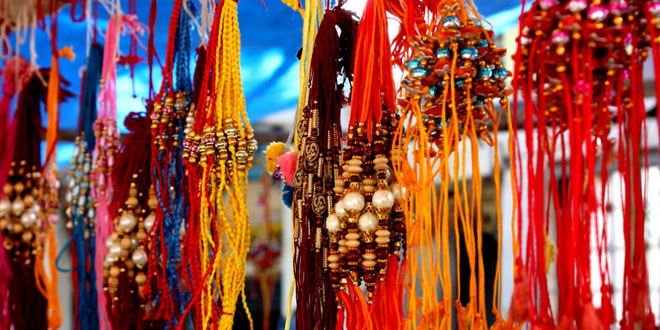
राखी के लिए नागपुर विदर्भ का मुख्य बाजार है और इस साल यहां 20 करोड़ से ज्यादा के कारोबार की संभावना है। इतवारी में 50 से अधिक थोक विक्रेताओं के माध्यम से कारोबार होता है। राखी का त्योहार आने में कुछ ही दिन बचे हैं और बाजार में खरीदारी के लिए महिलाओं की भीड़ बढ़ गई है। विक्रेताओं ने बताया कि कच्चे माल की कीमत बढ़ने से इस साल राखियों की कीमत में 10 से 15 फीसदी तक बढ़ोतरी हुई है.

नागपुर सदैव राखी व्यवसाय का मुख्य केन्द्र रहा है। यहां से हर जगह सामान भेजा जाता है. इस साल अमेरिकन स्टोन, फैंसी, ईविल आई, लूंबा, मोती, यूनिकॉर्न, डोरोमन, बैडमैन, पबजी, कार्टून, छोटा भीम, लाइट, संगीत वाली राखियों की मांग है। इसके अलावा देसी और इको फ्रेंडली राखियां सबसे ज्यादा बिक रही हैं। प्राकृतिक तरीकों से बनी मेलघाट की बांस की राखियों की मांग देश-विदेश में बढ़ गई है. ये राखियां मेलघाट के आदिवासियों द्वारा तैयार की जाती हैं।


धम्मचक्र प्रवर्तन दिन 2022: इतिहास, महत्त्व आणि तो दसऱ्याला का साजरा केला जातो?

धम्मचक्र प्रवर्तन दिन 2022: 14 ऑक्टोबर 1956 रोजी भारताचे पहिले कायदा मंत्री आणि भारतीय संविधानाचे शिल्पकार भीमराव आंबेडकर यांनी त्यांच्या 3 लाखांहून अधिक अनुयायांसह हिंदू धर्माचा त्याग करून बौद्ध धर्म स्वीकारला. ज्या दिवशी ते घडले त्याला धम्मचक्र प्रवर्तन दिन म्हणतात. धर्मांतर 14 ऑक्टोबर रोजी झाले असले तरी, धम्मचक्र प्रवर्तन दिन, जो कार्यक्रम चिन्हांकित करतो, दरवर्षी अशोक विजयादशमी (दसरा) रोजी साजरा केला जातो. यंदा तो ५ ऑक्टोबरला साजरा केला जाणार आहे.

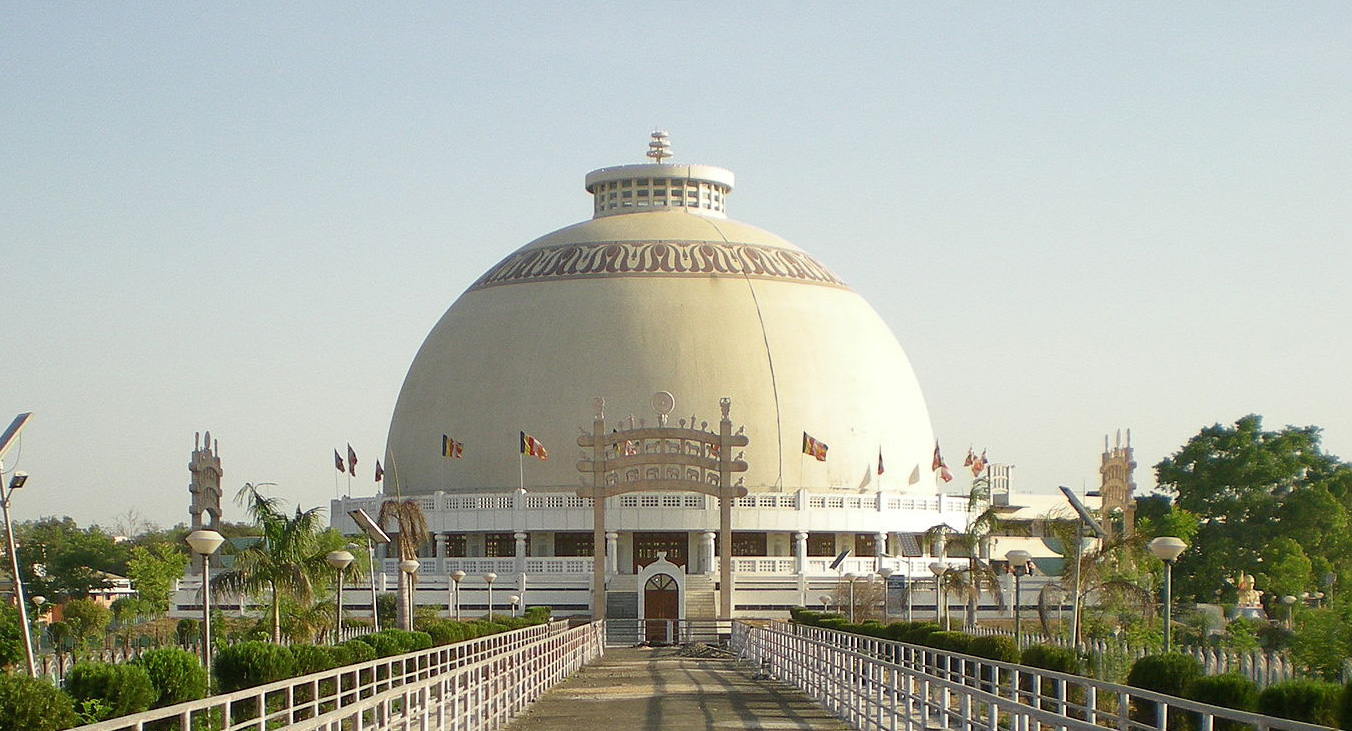
धम्मचक्र प्रवर्तन दिनानिमित्त, नागपुरातील दीक्षाभूमी नावाच्या बौद्ध पवित्र स्मारकात एक मोठा मेळावा झाला जिथे डॉ. आंबेडकर आणि त्यांच्या अनुयायांनी बौद्ध धर्म स्वीकारला. लोकांचे बौद्ध धर्मात मोठ्या प्रमाणावर परिवर्तन साजरे करण्यासाठी अनेक बौद्ध या ठिकाणी जमतात.

गणेशोत्सव, मोहरम आणि दहीहंडीवरील सर्व निर्बंध संपले, महाराष्ट्राचे मुख्यमंत्री एकनाथ शिंदे यांनी ही घोषणा केली.

महाराष्ट्रात दोन वर्षांनंतर गणेश उत्सवासोबतच मोहरम आणि दहीहंडीचे आयोजन करण्यात येणार आहे. मात्र, या काळात सर्व नियमांचे पालन केले जाईल. स्वता महाराष्ट्राचे मुख्यमंत्री एकनाथ शिंदे यांनी ही माहिती दिली आहे. कोरोनाच्या काळात गणेशोत्सव, मोहरम आणि दहीहंडीवरील सर्व निर्बंध सरकारने उठवले आहेत. मात्र, त्यांचे आयोजन करताना आवश्यक नियमांचे पालन केले जाईल. मुख्यमंत्री एकनाथ शिंदे यांनी ही माहिती दिली.

महाराष्ट्रातील लोक हा सण उघडपणे साजरा करतील
श्री.शिंदे म्हणाले की, गेल्या दोन वर्षांपासून गणपती व दहीहंडीचे आयोजन करण्यात आले नव्हते. त्यामुळेच यावेळी लोक खुलेपणाने उत्सव साजरा करतील. ते म्हणाले की आम्ही आमचा सण कोणत्याही अडचणीशिवाय साजरा करू. त्यासाठी सर्व व्यवस्था करण्यात येणार आहे. सिंगल विंडो परवानगी प्रणालीची व्यवस्था केली जाईल. यावेळी सर्व प्रकारच्या सवलती दिल्या जाणार आहेत.

सर्व नियम आणि नियमांचे पालन केले जाईल
गणेशोत्सव, मोहरम आणि दहीहंडी दरम्यान सर्व नियमांचे पालन केले जाईल, असे त्यांनी सांगितले. ते म्हणाले की, कोरोनाच्या काळात जे काही निर्बंध लादले गेले होते, ते आम्ही काढून टाकले आहेत, परंतु सर्वोच्च न्यायालय आणि उच्च न्यायालयाचे जे निर्देश असतील त्यांचे पालन करू. महाराष्ट्रात गणेशोत्सव आणि दहीहंडी मोठ्या थाटामाटात साजरी केली जाते. कोरोना संकटामुळे गेल्या दोन वर्षांपासून कोणताही मोठा कार्यक्रम झाला नाही.

गणेशोत्सवात कोणतेही बंधन राहणार नाही
महाराष्ट्राचे मुख्यमंत्री एकनाथ शिंदे यांनी उपमुख्यमंत्री देवेंद्र फडणवीस यांच्यासह पत्रकार परिषदेत बोलताना सांगितले की, गणेश चतुर्थीच्या काळात होणाऱ्या गणेशोत्सवावर कोणतेही निर्बंध नाहीत. गणेशमूर्तीच्या उंचीवरही कोणतेही बंधन असणार नाही. मुख्यमंत्र्यांनी सांगितले की, गणेशोत्सवासाठी काही नियम आणि अटींचे पालन केले जाईल, जेणेकरून लोकांना नंतर कोणत्याही प्रकारचा त्रास होऊ नये.

Exit mobile version