Maharashtra State Transport Achieves ₹16.86 Crore Profit Under Fadnavis’ Leadership

Maharashtra ST Profit: Nagpur, India: A remarkable milestone was achieved in Maharashtra’s State Transport (ST) Corporation as it recorded its first profit in nearly a decade. The corporation posted a ₹16.86 crore profit in August, signifying a successful financial turnaround under the leadership of Deputy Chief Minister Devendra Fadnavis. This victory demonstrates the effectiveness of Fadnavis’ reforms, which have breathed new life into the state-run service.

Streamlining Operations for Efficiency

Under Fadnavis’ leadership, the primary focus has been on streamlining the operations of the ST Corporation. By addressing inefficiencies, reducing operational costs, and enhancing productivity, Fadnavis made the transport system more robust and financially viable.

Fleet Modernization

Another significant initiative that contributed to this turnaround was the modernization of the aging fleet. Outdated buses were replaced with more fuel-efficient and passenger-friendly vehicles, increasing reliability and reducing maintenance costs.

Optimizing Routes for Better Service

By analyzing and optimizing existing bus routes, Fadnavis improved the accessibility and efficiency of Maharashtra’s transport network. This reorganization allowed for smoother commutes and a more profitable operation.

Passenger-Friendly Initiatives (Maharashtra ST profit)

50% Discount for Women Passengers

One of the most applauded reforms was the introduction of a 50% discount on bus tickets for women passengers. This initiative not only empowered women by making travel more affordable but also increased overall passenger volume. The ST Corporation saw a surge in women commuters, contributing to the rise in revenue.

Free Travel for Senior Citizens

In addition to women’s discounts, Fadnavis launched a scheme allowing free travel for senior citizens over the age of 75. This compassionate policy enabled seniors to enjoy affordable and convenient travel, further reinforcing the government’s commitment to inclusive and supportive governance.

Digital Ticketing and Online Booking (Maharashtra ST profit)

To make the travel experience seamless for passengers, the ST Corporation introduced online booking and digital ticketing systems. This move not only enhanced convenience but also contributed to operational efficiency by reducing cash handling and improving transaction transparency.

Financial Health: A Long Road to Recovery

Challenges Before the Reforms

Prior to these changes, the ST Corporation had been grappling with financial losses for nearly nine years. Mismanagement, outdated infrastructure, and high operational costs plagued the service. However, under Fadnavis’ leadership, the corporation began to reverse these losses.

The August Profit Milestone

The ₹16.86 crore profit recorded in August stands as a significant achievement, marking the first time the corporation has posted a profit since 2014. This turnaround has been attributed to Fadnavis’ focus on operational reforms and passenger-friendly initiatives.

Future Outlook for Maharashtra ST

While this is just the beginning, the ST Corporation is on a path to further strengthen its financial health. With continued investment in infrastructure, technology, and passenger services, Maharashtra’s state transport system is expected to thrive in the coming years.

Fadnavis’ Vision for Maharashtra Transport

Commitment to Public Service

Fadnavis has consistently emphasized the importance of improving public services, and the ST Corporation’s turnaround is a testament to his vision. He has sought to ensure that the transport system serves the needs of all citizens, regardless of economic background.

Investing in Sustainable Transport

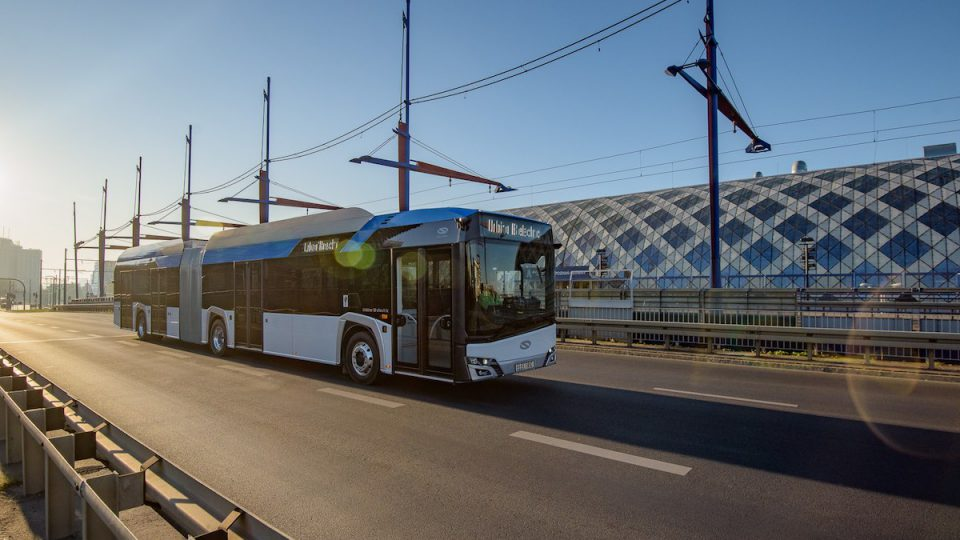
Looking forward, the state is also focusing on sustainability. Plans are underway to introduce electric buses, further reducing emissions and operational costs while promoting environmental responsibility.

Building Public Trust

Through these reforms, Fadnavis has not only restored the financial health of the ST Corporation but also built public trust. The improvements in service quality, affordability, and inclusivity have made state transport more appealing to citizens.

The Maharashtra State Transport Corporation’s ₹16.86 crore profit under Fadnavis’ leadership is a victory for both the government and the people of Maharashtra. Through modernizing the fleet, optimizing operations, and introducing passenger-friendly policies, Fadnavis has successfully turned around a struggling system. This profit marks a new chapter in the history of Maharashtra’s transport system, illustrating how effective leadership and well-planned reforms can overcome long-standing challenges. As the ST Corporation continues on this upward trajectory, the future looks promising for public transport in the state.

  1. How did Maharashtra’s State Transport Corporation achieve profitability? Maharashtra’s State Transport Corporation achieved profitability through a combination of operational reforms, modernizing the fleet, optimizing routes, and introducing passenger-friendly initiatives such as discounts for women and free travel for senior citizens.
  2. What role did Devendra Fadnavis play in the ST Corporation’s turnaround? As Deputy Chief Minister, Devendra Fadnavis implemented a series of reforms that streamlined operations, improved efficiency, and focused on inclusive passenger services, leading to the corporation’s first profit in nine years.
  3. What initiatives were introduced for women and senior citizens? The ST Corporation introduced a 50% discount on tickets for women and a free travel scheme for senior citizens above 75, encouraging more passengers to use the service.
  4. What is the future outlook for Maharashtra’s transport system? The future of Maharashtra’s transport system looks promising, with continued investments in fleet modernization, sustainable transport, and passenger-friendly services.
  5. How will the introduction of electric buses impact the ST Corporation? The introduction of electric buses will reduce emissions and operational costs, promoting sustainability and making the transport system more environmentally friendly.

A Bouquet of Projects Worth ₹500 Cr for Nagpurians Ahead of Assembly Polls

As the assembly elections approach in Nagpur, the city is witnessing a surge of developmental activities. The Bharatiya Janata Party (BJP), spearheaded by Union Minister Nitin Gadkari, has been inaugurating and laying the foundation stones for multiple high-value projects. These projects, worth a staggering ₹500 crore, are primarily focused on East Nagpur—Gadkari’s political stronghold.

With the election code of conduct expected to come into effect soon, the city is brimming with newly inaugurated facilities and upcoming projects. Let’s take a deep dive into what these projects entail and their significance for Nagpur.

 A Look at East Nagpur’s Transformation

East Nagpur has always been at the forefront of Nitin Gadkari’s developmental agenda. Over the last decade, this part of the city has seen massive improvements in its infrastructure, healthcare, transportation, and more. Gadkari’s strong political presence in this region ensures that it remains a priority in terms of public investments and project implementations.

 Inaugurations Worth ₹500 Cr: What’s New?

In a series of events, Gadkari recently inaugurated multiple projects in East Nagpur, covering diverse sectors such as education, healthcare, transportation, and public utilities. The overall investment of ₹500 crore is aimed at transforming the city and offering better amenities to its residents.

 Improved Healthcare Facilities

One of the most notable projects is the inauguration of healthcare facilities. Gadkari laid the foundation stone for Devadia Sootikagriha in Quetta Colony. This facility is aimed at improving maternal health in the region, with funds provided by the central and state governments. In addition, several Ayushman Health Mandirs have been established, including four in East Nagpur at Lakadganj, Bahubali Nagar, Vaishnodevi Nagar, and Shaheed Chowk. These centers will offer enhanced healthcare services to Nagpur’s citizens, especially in underserved areas.

 Smart City Projects

Nagpur’s ambitious Smart City Project is another area seeing rapid progress. The inauguration of the New Pardi police station, which will cater to Pardi, Bharatwada, Poonapur, Bhandewadi, and nearby areas, is a significant step towards improving law and order. Additionally, a G+2 fire station has been set up in Poonapur, along with staff accommodations. The fire station will address the growing safety needs of East Nagpur residents.

 Water Supply Enhancements

Under the Amrut Yojana, two water tanks with a capacity of 20 lakh liters each have been constructed in Nandanvan and near Symbiosis College in Wathoda. Another tank with a 15-lakh-liter capacity has also been inaugurated. These water tanks aim to provide a tanker-free water supply to the citizens of Nagpur, ensuring reliable access to clean drinking water.

 Infrastructure Developments for a Growing City

 Railway Overbridge (ROB)

Nagpur’s growing population demands robust infrastructure, and the newly inaugurated 525-meter-long Railway Overbridge (ROB) at Bhandewadi is a significant contribution in this regard. Constructed at a cost of ₹50.88 crore by Maharail, this ROB will reduce traffic congestion and provide smoother connectivity for residents in East Nagpur.

 Multi-Skill Development Centre

Addressing unemployment is another key focus of the Smart City Project. The newly established Multi-Skill Development Centre at Poonapur aims to train unemployed and educated youth in various job-ready skills, empowering them to secure employment in emerging sectors.

 Trolley Bus Service – A First for India

A trolley bus service on Nagpur’s Ring Road is another exciting initiative, expected to be the first of its kind in the country. Once operational, this will offer a new, eco-friendly public transportation option for the city’s residents.

 Making Nagpur Smart and Beautiful

While government initiatives have paved the way for large-scale development, Gadkari emphasizes that private developers must also play a crucial role. He urged them to step up and contribute to making the city smarter and more beautiful by investing in essential infrastructure and enhancing the aesthetic appeal of urban areas.

 Beautifying Ambazari Garden

A significant addition to the city’s cultural landscape is the newly inaugurated light and sound show on the life of Swami Vivekananda at Ambazari Garden. This project, which cost ₹21.73 crore, features a multimedia film on Vivekananda’s life, directed by actress-turned-director Revathy and scored by Oscar-winning sound designer Resul Pookutty. Gadkari hopes that the project will inspire the youth of Nagpur and foster a sense of cultural pride.

 Enhancing Public Amenities

 C&D Waste Project

In alignment with the Swachh Bharat Mission, a ₹7.51 crore Construction and Demolition (C&D) Waste Project has been initiated. The project focuses on the collection, transportation, and processing of C&D waste, which will help keep Nagpur cleaner and contribute to better waste management practices.

 Nandgram: A Haven for Stray Animals

Addressing the issue of stray animals on city roads, the Nandgram project at Wathoda, approved with a budget of ₹104 crore for 2023-24, aims to provide a safe space for stray animals, reducing road accidents and promoting animal welfare.

 New Swimming Pool for Public Recreation

For fitness and recreation, a new swimming pool has been planned at the Old Bagadganj Layout. This facility will be managed by Nagpur Improvement Trust (NIT) and is set to become a popular spot for both fitness enthusiasts and families looking for leisure activities.

 Nagpur on the Path to Transformation

The wave of new projects in Nagpur, especially in East Nagpur, is transforming the city. From better healthcare facilities to infrastructure improvements and enhanced public amenities, Nagpur is moving toward becoming a smart, efficient, and vibrant city. These projects are not only improving the lives of the current residents but also laying the foundation for future generations.

As the assembly elections approach, these developmental initiatives reflect the city’s commitment to progress and serve as a testament to Gadkari’s influence and leadership in Nagpur.

Q1: What is the significance of the ₹500 crore projects in Nagpur?
The ₹500 crore projects aim to improve infrastructure, healthcare, and public utilities in Nagpur, particularly in East Nagpur.

Q2: What role does Nitin Gadkari play in these developments?
Nitin Gadkari has been instrumental in initiating and inaugurating these projects as part of his commitment to the development of Nagpur.

Q3: What is the Swami Vivekananda light and sound show?
The light and sound show at Ambazari Garden, featuring a multimedia film on Swami Vivekananda’s life, aims to inspire youth and promote cultural pride.

Q4: What is the significance of the Railway Overbridge at Bhandewadi?
The ROB, constructed at a cost of ₹50.88 crore, will reduce traffic congestion and improve connectivity in East Nagpur.

Q5: What does the Nandgram project aim to achieve?
The Nandgram project aims to provide a safe space for stray animals, reducing their presence on roads and promoting animal welfare.

NMC Urges Women to Apply for Pink e-Rickshaw Scheme

The Nagpur Municipal Corporation (NMC) has rolled out an exciting opportunity for women residents through the Pink e-Rickshaw Scheme. Designed with the dual purpose of empowering women and offering safe, female-only transportation, this initiative can be a game-changer. The scheme aims to provide self-employment avenues while ensuring a safe mode of commute for women passengers. In this article, we’ll delve into the specifics of the scheme and explain why it’s a fantastic opportunity for women in Nagpur.

What is the Pink e-Rickshaw Scheme?

The Pink e-Rickshaw Scheme is an initiative by the Maharashtra State Government, launched under the supervision of the Nagpur Municipal Corporation (NMC). It is aimed at encouraging women to become self-reliant by providing them with the resources to operate their own e-rickshaws. The program is unique because it offers female-only drivers to ensure safe and secure transport for women commuters.

Who is Eligible for the Scheme?

To qualify for the Pink e-Rickshaw Scheme, there are a few important criteria to consider:

  • Women residents of Maharashtra.
  • Family income must be below ₹3 lakh annually.
  • Applicants must be between 18 and 35 years old.
  • Women should hold a valid driving license.

In addition, the scheme gives priority to widows and women holding orphan certificates, offering them a better chance to secure a spot in the program.

Benefits of the Pink e-Rickshaw Scheme

Women who are selected for the scheme will receive several key benefits, including:

  1. Financial Assistance: The scheme provides 70% financial assistance for the purchase of the e-rickshaw. The remaining 30% will be repaid over a period of five years.
  2. Training: Selected applicants will receive formal training to operate the e-rickshaw, which includes earning a PSVA (Public Service Vehicle Authorization) badge.
  3. Self-employment: This scheme offers women an opportunity to become self-employed, allowing them to take control of their financial future.

Why Should Women Apply?

Applying for the Pink e-Rickshaw Scheme can open doors for personal and financial independence. It is especially beneficial for women who have struggled to find stable employment. Moreover, this initiative ensures that women in Nagpur have access to a safe and reliable mode of transportation exclusively run by women drivers. This initiative is about empowerment, safety, and inclusivity.

How to Apply for the Scheme

If you’re interested in applying for this scheme, you’ll need to gather several important documents:

  • Aadhaar card
  • PAN card
  • Domicile certificate
  • Income certificate
  • Driving license
  • Bank details

Having these documents ready will streamline your application process.

NMC’s Role in the Pink e-Rickshaw Scheme

The NMC is actively involved in the implementation of this initiative. Dr. Abhijeet Chaudhari, the Municipal Commissioner, has been vocal about the benefits of the scheme and urges eligible women to apply. Additional Municipal Commissioner Anchal Goyal is serving as the Nodal Officer for the scheme and is responsible for overseeing its rollout. The Women and Child Welfare Department of NMC is playing a pivotal role in ensuring smooth execution.

Empowering Women Through Financial Independence

One of the key objectives of the scheme is to make women self-reliant. With financial assistance covering 70% of the cost of the e-rickshaw, women can start their own business with minimal upfront investment. This leads to a sustainable form of employment that empowers women economically and socially.

Safe Transportation for Women, By Women

Safety is a top priority in the Pink e-Rickshaw Scheme. Women passengers often face challenges when it comes to finding reliable and secure transport. With this scheme, they can feel reassured knowing that their driver is a fellow woman, ensuring a comfortable and safe commute.

Training and Support: What to Expect

Once accepted into the program, women will receive comprehensive training. This includes learning how to operate the e-rickshaw safely, understanding the rules of the road, and earning the required PSVA badge. This badge is mandatory for anyone operating a public service vehicle and will be provided as part of the scheme’s training program.

Financial Flexibility

One of the standout features of the Pink e-Rickshaw Scheme is the financial flexibility it offers. With 70% of the vehicle’s cost being covered upfront, participants have the ease of repaying the remaining amount over five years, allowing them to focus on earning and expanding their business without financial stress.

Impact on the Community

The benefits of the Pink e-Rickshaw Scheme go beyond the individual; it impacts the entire community. By offering women the chance to become entrepreneurs, the scheme helps to lift families out of poverty, create a safer public transport environment, and contribute to the overall economic development of the region.

Success Stories: Women Leading the Way

There are already numerous success stories of women who have benefitted from similar schemes in other parts of India. These women have managed to turn their lives around by using government-backed schemes to start their own small businesses. The Pink e-Rickshaw Scheme has the potential to replicate these successes in Nagpur.

Why This Scheme is a Step Forward for Women in Maharashtra

This initiative is more than just a government program—it’s a step toward creating a more inclusive and equitable society. By offering women a chance to be financially independent and providing them with the tools to ensure their safety, the Pink e-Rickshaw Scheme is a progressive step forward for women in Maharashtra.

The Pink e-Rickshaw Scheme is a transformative initiative that aims to empower women in Nagpur by providing them with financial independence and safe transportation options. Whether you’re a young woman looking to start your career or someone in need of stable employment, this scheme is a great opportunity. With 70% financial assistance, comprehensive training, and community support, there has never been a better time to apply.

1. Can women outside of Nagpur apply for the scheme?

No, the scheme is currently targeted at women residing in Nagpur.

2. What happens if I don’t have a driving license yet?

You need to have a valid driving license to apply. If you don’t have one, it’s recommended to obtain it before applying for the scheme.

3. Is the financial assistance a loan or a grant?

The financial assistance covers 70% of the vehicle cost, which is a form of support, but you will need to repay the remaining 30% over five years.

4. How long does the training program last?

The length of the training will depend on the schedule provided by the NMC, but it is designed to prepare women thoroughly for driving and managing the e-rickshaw.

5. Is there any age relaxation for widows or women with orphan certificates?

No, the age criteria remain the same for all applicants, which is between 18 and 35 years.

With ₹53 Crore Subsidies, Nagpur Leads in Response to PM Suryaghar Free Electricity Scheme

PM Suryaghar Free Electricity: The Prime Minister’s Suryaghar Free Electricity Scheme is creating waves across Maharashtra, particularly in Nagpur. Launched by Prime Minister Narendra Modi, this scheme aims to make electricity affordable, promote the use of solar energy, and encourage environmental sustainability. So far, Nagpur stands tall as a leader in implementing the scheme, with an impressive number of beneficiaries and substantial subsidies already disbursed.

Overview of PM’s Suryaghar Free Electricity Scheme

The Suryaghar Free Electricity Scheme was initiated to reduce energy costs for Indian households by offering financial incentives for adopting solar energy. Under the scheme, consumers using up to 300 units of electricity per month are eligible for subsidies on solar power installations, helping reduce their electricity bills to zero. The scheme also allows consumers to sell any excess energy they generate back to the Maharashtra State Electricity Distribution Company Limited (MSEDCL), offering a unique opportunity to earn income.

Nagpur Takes the Lead in Maharashtra

Nagpur is leading the charge in implementing the Suryaghar Free Electricity Scheme. With 8,117 beneficiaries and a total installed capacity of 33.32 MW, the city has already received ₹53 crore in subsidies. According to Nagpur’s Regional Director of MSEDCL, Paresh Bhagwat, over 21,873 applications have been received, with more approvals underway. This highlights the enthusiasm of the city’s residents for adopting renewable energy sources.

Breakdown of Beneficiaries Across Vidarbha

Nagpur isn’t alone in benefiting from this transformative scheme. Across the Vidarbha region, other districts are also making significant progress:

  • Amravati: 3,231 beneficiaries
  • Akola: 1,537 beneficiaries
  • Wardha: 1,232 beneficiaries
  • Buldhana: 1,076 beneficiaries
  • Yavatmal: 892 beneficiaries
  • Chandrapur: 891 beneficiaries
  • Bhandara: 761 beneficiaries
  • Gondia: 515 beneficiaries
  • Washim: 395 beneficiaries
  • Gadchiroli: 384 beneficiaries

So far, 87,159 consumers from Vidarbha have applied for the scheme, with 18,851 having already benefited, bringing the total installed capacity to 76.74 MW. These beneficiaries have collectively received ₹127 crore in subsidies, a significant figure that demonstrates the scheme’s broad appeal and effectiveness.

Financial Benefits of the Scheme (PM Suryaghar Free Electricity)

One of the most attractive features of the Suryaghar Free Electricity Scheme is the generous subsidies offered for installing rooftop solar power systems:

  • ₹30,000 for a 1 kW project
  • ₹60,000 for a 2 kW project
  • ₹78,000 for a project with a capacity of 3 kW or more

A 1 kW solar system can generate approximately 120 units of electricity per month, enough to reduce electricity bills to zero for many households. Additionally, any surplus electricity generated can be sold back to the grid, providing a steady stream of income for consumers.

Environmental Impact of the Scheme

Aside from the financial benefits, the Suryaghar Free Electricity Scheme plays a pivotal role in protecting the environment. By encouraging the use of renewable energy sources like solar power, the scheme helps reduce carbon emissions and promotes sustainable living. This is a win-win scenario for both consumers and the planet.

Progress Across Maharashtra

Since its launch in February, the Suryaghar Free Electricity Scheme has witnessed significant uptake across Maharashtra. Over 48,202 consumer premises have installed rooftop solar projects, generating a combined capacity of 192.03 MW. To date, ₹319 crore in subsidies has been approved, with applications continuing to pour in. A total of 2,41,178 applications have been received from across the state, and work is already nearing completion for thousands of consumers.

How to Apply for the Scheme

Consumers interested in taking advantage of the Suryaghar Free Electricity Scheme can easily apply online through the MSEDCL website. Paresh Bhagwat, Nagpur’s Regional Director, encourages more consumers to embrace this opportunity, stressing the long-term financial and environmental benefits of switching to solar power.

Future of Renewable Energy in India

India’s shift towards renewable energy is gaining momentum, with schemes like the Suryaghar Free Electricity Scheme paving the way for a greener future. The success of Nagpur and other districts in Maharashtra demonstrates that such initiatives can effectively combat climate change while providing tangible benefits to citizens.

The Suryaghar Free Electricity Scheme has been a game-changer for Nagpur and the wider Vidarbha region. With ₹53 crore in subsidies already disbursed and thousands of beneficiaries, the scheme highlights the potential of renewable energy to transform both individual households and the environment. As more consumers adopt solar power, the scheme’s long-term impact on energy sustainability and climate action will only grow. If you’re a consumer in Maharashtra, now is the time to consider making the switch to solar and enjoying the benefits this groundbreaking scheme has to offer.

1. Who is eligible for the PM Suryaghar Free Electricity Scheme?
Consumers using up to 300 units of electricity per month are eligible to apply for the scheme.

2. How much subsidy is provided under the scheme?
Subsidies vary based on the system size: ₹30,000 for 1 kW, ₹60,000 for 2 kW, and ₹78,000 for 3 kW or more.

3. Can I earn money by selling surplus electricity?
Yes, consumers can sell surplus electricity generated by their rooftop solar systems back to MSEDCL.

4. How do I apply for the scheme?
You can apply for the scheme online via the MSEDCL website.

5. How much electricity does a 1 kW solar system generate?
A 1 kW solar system typically generates around 120 units of electricity per month.

Mukesh Ambani to Launch Rice Straw-Based CNG Project in Mauda

Mukesh Ambani rice straw CNG project: In a visionary move set to transform India’s energy sector, Mukesh Ambani, the Chairman of Reliance Industries, is planning to launch a rice straw-based compressed natural gas (CNG) project in Mauda. This eco-friendly initiative is part of his broader strategy to establish 600 CNG projects throughout India, utilizing rice straw, a commonly found agricultural byproduct. The announcement came during the inauguration of India’s first Oxygen Bird Park by Union Minister of Road Transport and Highways, Nitin Gadkari.

The Vision Behind Rice Straw-Based CNG Projects

Mukesh Ambani’s plan to harness rice straw for CNG production comes at a crucial time for India’s energy sector. Traditionally, rice straw is considered waste, often burned by farmers, contributing to severe air pollution. By converting this byproduct into CNG, Ambani is proposing a dual solution—providing clean energy while mitigating environmental hazards.

Why Rice Straw?

Rice straw is an abundant byproduct of rice farming in India. When left unused, it is often burned in fields, causing a spike in harmful particulate matter in the atmosphere, especially in northern India. Converting rice straw into CNG not only reduces pollution but also provides an additional income stream for farmers, making this initiative a win-win.

The Mauda Project: A Key Step in India’s Clean Energy Future

One of the first projects under Ambani’s rice straw-based CNG initiative will be established in Mauda, a town in Vidarbha, Maharashtra. This area, known for its agricultural activities, is an ideal location to test the efficacy and scalability of this project.

The Role of Technology in Mauda’s CNG Project

The conversion of rice straw to CNG will involve cutting-edge technology that can process large volumes of biomass. The plant will likely employ advanced anaerobic digestion processes, which break down organic matter to produce methane-rich biogas. This can then be purified and compressed into CNG for commercial use.

India’s First Oxygen Bird Park Inaugurated by Nitin Gadkari

While the rice straw-based CNG project was a key highlight, the event also marked the inauguration of India’s first Oxygen Bird Park in Nagpur. Conceptualized by Nitin Gadkari, the park is designed to be a sanctuary for local and migratory birds, offering them a safe habitat while also serving as a recreational space for citizens.

What Makes the Oxygen Bird Park Unique?

The Oxygen Bird Park stands out for its focus on environmental sustainability. The park has a wide variety of fruit-bearing trees that not only beautify the landscape but also provide food for birds. Gadkari emphasized that trees like Arjun, Java Plum, and Banyan are known for their high oxygen-producing capabilities, hence the park’s name.

Key Features of the Park:

  • Varied Tree Species: Trees like Mango, Jujube, Guava, and Tamarind are planted to ensure the park remains green year-round.
  • Recreational Areas: The park offers jogging and cycling tracks, watchtowers, food courts, and children’s play areas.
  • A Dedicated Nursery: To ensure the continued greening of the region, a nursery within the park will provide saplings for National Highways Authority of India (NHAI) projects.

Environmental Benefits of the Park

This bird park is much more than just a recreational area. It plays a crucial role in maintaining ecological balance in the region by providing a habitat for birds and contributing to the local oxygen levels. Gadkari’s initiative is an important reminder of the need for green spaces in urban settings to combat pollution and improve air quality.

Collaboration Between Government and Industry for a Greener Future

Both the rice straw-based CNG project and the Oxygen Bird Park exemplify the importance of collaboration between the government and industry to drive eco-friendly initiatives. Nitin Gadkari’s Ministry of Road Transport and Highways has been a key player in launching several such projects aimed at reducing carbon footprints and improving infrastructure.

NHAI’s Role in Promoting Green Initiatives

The NHAI has not only supported the development of the Oxygen Bird Park but has also planted over 1 lakh saplings under its ‘Ek Ped Ma Ke Naam’ initiative. This large-scale tree plantation program reflects the government’s commitment to greening India’s highways and reducing air pollution.

Future Prospects for Rice Straw-Based CNG in India

Mukesh Ambani’s vision for 600 CNG projects across India signals a massive transformation in the country’s approach to clean energy. With rice straw as a raw material, these projects have the potential to revolutionize both the energy and agricultural sectors. Farmers will no longer need to burn rice straw, and the CNG produced can provide an alternative to fossil fuels.

Scalability and Impact on Rural Economies

The success of the Mauda project could serve as a model for other agricultural regions in India. By promoting decentralized energy production, rural communities could become energy self-sufficient, reducing their dependence on grid power and boosting local economies.

Mukesh Ambani’s initiative to launch rice straw-based CNG projects across India, starting with Mauda, is a groundbreaking step toward sustainable energy. Combined with Nitin Gadkari’s vision for green spaces like the Oxygen Bird Park, these projects underscore the importance of innovation in addressing environmental challenges. Together, they represent a hopeful future where India not only meets its energy needs but also protects its natural environment.

  1. What is rice straw-based CNG? Rice straw-based CNG is compressed natural gas produced by converting rice straw, a common agricultural waste, into a clean energy source.
  2. Why is the Mauda project important? The Mauda project is one of the first to utilize rice straw for CNG production, setting a precedent for 600 similar projects across India.
  3. What are the environmental benefits of the Oxygen Bird Park? The Oxygen Bird Park increases local oxygen levels and provides a safe habitat for both local and migratory birds.
  4. How will rice straw-based CNG benefit farmers? Farmers will have an additional income stream by selling rice straw for CNG production, rather than burning it.
  5. What is the ‘Ek Ped Ma Ke Naam’ initiative? It is a tree plantation initiative led by the NHAI, with over 1 lakh saplings planted to date.

Deadline Extended for CM Yojana Doot Scheme Until Sept 30

The Chief Minister (CM) Yojana Doot Scheme has been a topic of great interest, particularly with the recent extension of the application deadline to September 30. This extension was implemented due to the overwhelming response the scheme has received. If you’ve been considering applying, now’s your chance to get all the information you need and make sure your application is submitted before the deadline. But first, let’s break down what this scheme is all about and how you can make the most of this opportunity.

What is the CM Yojana Doot Scheme?

The CM Yojana Doot Scheme is an initiative aimed at reaching out to the general public with vital information about government schemes. Often, the benefits of government programs go unnoticed by the people they’re intended for. This scheme seeks to address that by empowering individuals to become ‘Doots’ (messengers) who help spread awareness about government initiatives in their local communities.

Why Was the Scheme Created?

The government introduced the scheme to bridge the information gap that often exists between the state and its citizens. Many people in rural or underserved areas are unaware of the various government programs designed to assist them, and the CM Yojana Doot Scheme aims to change that.

Who Can Apply for the CM Yojana Doot Scheme?

If you’re interested in making a difference in your community by spreading awareness about government programs, this scheme is for you. Eligible candidates include those with a passion for community service and the necessary documentation to complete the application process.

Application Deadline Extended to September 30

Initially, the deadline for applying under the scheme was much earlier, but due to the massive interest and participation, the government decided to extend the deadline until September 30. This gives interested individuals more time to gather the required documents and complete the online application process.

How to Apply Online for the CM Yojana Doot Scheme

Applying for the CM Yojana Doot Scheme is a straightforward process. Here’s a step-by-step guide to ensure you don’t miss out:

Step 1: Visit the Official Website

To begin the process, visit the official website at www.mahayojanadoot.org. Here, you’ll find all the information you need, including eligibility criteria and the application form.

Step 2: Gather the Required Documents

Before applying, make sure you have the following documents ready:

  • Aadhar card
  • Degree certificate
  • Proof of address
  • Proof of Aadhar linked to a bank account
  • Passport-size photograph
  • Affidavit (format available on the website)

Step 3: Complete the Online Application

Once your documents are ready, head to the ‘Apply’ section of the website. You’ll need to fill out an online form and upload the necessary documents. Be sure to double-check your entries before submitting, as incomplete applications will not be processed.

Step 4: Submit Your Application

Once you’ve filled in all the details and uploaded your documents, click ‘Submit’. If you don’t select both ‘Apply’ and ‘Submit’, your application will remain incomplete.

Why Has the Deadline Been Extended?

The deadline extension was introduced due to the large number of people showing interest in the program. The government aims to ensure that as many eligible candidates as possible have the opportunity to participate. This is especially beneficial for those who may not have been able to complete the application process in time.

Documents Required for the CM Yojana Doot Scheme

As mentioned earlier, the application process requires several important documents. Let’s break them down in more detail:

1. Aadhar Card

Your Aadhar card is essential for identification purposes. Make sure your details are up to date.

2. Degree Certificate

You’ll need to submit a copy of your degree certificate to prove your educational qualifications.

3. Proof of Address

Ensure that you have valid proof of address, such as a utility bill or rental agreement.

4. Aadhar Linked to Bank Account

Your Aadhar must be linked to your bank account, as this will be used for any potential financial transactions related to the scheme.

5. Passport-Size Photograph

Ensure that you have a recent passport-size photograph ready to upload with your application.

6. Affidavit

You’ll also need to submit an affidavit in the format provided on the official website. Make sure this is signed and dated correctly.

Common Mistakes to Avoid When Applying

It’s important to be mindful of certain common mistakes that can delay or invalidate your application. Here are some of the most frequent errors:

  • Missing Documents: Double-check that you’ve uploaded all the required documents.
  • Incomplete Application: Remember, if you don’t select both ‘Apply’ and ‘Submit’, your application won’t be processed.
  • Incorrect Information: Ensure that all your details match the information on your Aadhar and other official documents.

What Happens After You Apply?

Once you’ve submitted your application, it will go through a verification process. If everything checks out, you’ll be contacted for the next steps. At this stage, you may be called for an appointment, where you’ll need to submit hard copies of your documents.

Post-Application Steps:

  1. Await email confirmation from the authorities.
  2. Prepare for your in-person appointment.
  3. Keep your original documents ready for submission during the appointment.

Why You Should Apply for the CM Yojana Doot Scheme

Becoming a Yojana Doot is not just about raising awareness for government schemes—it’s about making a real impact in your community. By bridging the gap between the government and the common people, you can help ensure that more individuals benefit from programs designed to improve their lives.

Benefits of Becoming a Yojana Doot

  • Community Impact: Help your neighbors and fellow citizens access crucial government schemes.
  • Personal Growth: Enhance your communication and leadership skills.
  • Recognition: As a Yojana Doot, you’ll be recognized by the government for your efforts.

The extension of the CM Yojana Doot Scheme deadline offers a golden opportunity for those interested in spreading awareness about government initiatives. With the deadline now set for September 30, there’s still time to gather your documents and complete the application process. Don’t wait until the last minute—take action today and become a vital part of your community’s growth.

  1. What is the CM Yojana Doot Scheme? The CM Yojana Doot Scheme aims to recruit individuals who will help spread awareness about government schemes in their communities.
  2. How do I apply for the scheme? You can apply online through the official website by filling out the form and submitting the necessary documents.
  3. What documents are required for the application? You’ll need an Aadhar card, degree certificate, proof of address, proof of Aadhar linked to a bank account, a passport-size photograph, and an affidavit.
  4. Why was the deadline extended? The deadline was extended to accommodate the overwhelming number of applicants interested in the scheme.
  5. What happens after I apply? Once your application is verified, you’ll be contacted for an appointment where you’ll need to submit hard copies of your documents.

Gadkari to Inaugurate Oxygen Bird Park (Amrit Mahotsav Park)

Union Minister for Road Transport and Highways, Nitin Gadkari, is set to inaugurate the much-anticipated Oxygen Bird Park (Amrit Mahotsav Park) on September 28, 2024. Located along the Nagpur-Hyderabad National Highway-44, this eco-friendly park is part of a larger movement toward environmental sustainability. The park, developed by the National Highways Authority of India (NHAI), is situated near Jamtha in Nagpur, Maharashtra.

An Eco-Friendly Initiative for a Sustainable Future

Covering a total area of 8.23 hectares, the Oxygen Bird Park is more than just a recreational space—it’s an environmental sanctuary. Of this land, 2.5 hectares have been reserved for social forestry, showcasing a clear commitment to preserving green spaces. The project was formally approved in March 2023, with a development cost of ₹14.31 crores.

The park is designed to serve both as a bird habitat and a place for locals and tourists to relax and enjoy nature. It’s not just about aesthetics—this park represents a forward-thinking approach to urban planning and environmental protection.

Key Features of the Oxygen Bird Park

1. The Oxygen Park Initiative

The primary highlight of the Oxygen Bird Park is its Oxygen Park feature, where fast-growing, oxygen-producing trees have been strategically planted. These trees not only enhance the natural beauty of the area but also contribute to reducing air pollution. The aim is to promote a healthier environment for the surrounding communities.

2. Bird Sanctuary

The park serves as a haven for a variety of bird species, making it an ideal spot for bird watchers and nature lovers. The creation of this sanctuary is designed to preserve biodiversity while offering educational and recreational opportunities.

3. Recreational Facilities

In addition to its ecological focus, the park is also equipped with several recreational facilities such as walking trails, seating areas, and viewpoints for birdwatching. It’s a great spot for families and individuals looking to enjoy some downtime in a natural setting.

Environmental Sustainability: The Core Focus

The Oxygen Bird Park stands as a testament to the importance of integrating sustainability into urban development. The park’s social forestry project, maintained by the Social Forestry Division of Nagpur, plays a pivotal role in ensuring that the park remains a green lung for the city. It emphasizes carbon sequestration, biodiversity, and ecological balance.

4. Reducing Air Pollution

Fast-growing trees are not just an aesthetic feature but an environmental necessity. These trees act as natural air purifiers, improving air quality for nearby communities. With rising levels of pollution across the globe, such initiatives are crucial in combating environmental degradation.

5. Promoting a Healthier Lifestyle

The park encourages a health-conscious lifestyle by providing open spaces for walking, jogging, and other outdoor activities. People can escape from the city’s hustle and reconnect with nature, improving both their physical and mental well-being.

Gadkari’s Role in Environmental Initiatives

Nitin Gadkari has been a vocal advocate for environmental sustainability, and the inauguration of the Oxygen Bird Park is just one part of his larger vision. He has consistently pushed for eco-friendly projects, particularly along national highways.

6. Nationwide Plantation Drive

In line with this vision, Gadkari is also leading a nationwide plantation drive under the Swachhata Hi Seva 2024 campaign, which encourages citizens to take part in cleaning and greening activities. This initiative, coinciding with the inauguration of the park, seeks to plant millions of trees across the country, contributing to both ecological preservation and the fight against climate change.

Benefits of the Oxygen Bird Park to Nagpur

The Oxygen Bird Park is expected to have several long-term benefits for the city of Nagpur and its residents:

7. Enhanced Air Quality

By planting oxygen-producing trees, the park will serve as a natural air purifier, improving the quality of life for those living nearby. This is especially important in rapidly urbanizing areas where air pollution is a growing concern.

8. Increased Biodiversity

With its dedicated focus on attracting a variety of bird species, the park will play a key role in preserving and enhancing the city’s biodiversity. This contributes not only to environmental sustainability but also to eco-tourism.

9. Boost to Local Tourism

The park is expected to become a popular destination for both locals and tourists, offering them a unique experience of eco-tourism. It will attract nature lovers, bird watchers, and those seeking to enjoy a serene environment, thereby boosting the local economy.

10. Educational Opportunities

Educational programs can be developed around the park, focusing on environmental conservation, sustainability, and biodiversity. Schools, colleges, and environmental organizations will benefit from having such a resource in the area.

The Role of NHAI in Developing Eco-Friendly Spaces

The National Highways Authority of India (NHAI) has been actively promoting sustainable development projects along India’s national highways. The Oxygen Bird Park is one of many initiatives aimed at reducing the environmental impact of infrastructure development.

11. Sustainable Infrastructure

NHAI’s focus on sustainability is reflected in its approach to creating infrastructure that balances economic growth with environmental protection. Projects like the Oxygen Bird Park demonstrate a holistic approach to development.

12. Public-Private Partnership

The development of the park is part of a larger public-private partnership that involves both government agencies and local communities working together to create and maintain green spaces.

Amrit Mahotsav Park: A Symbol of India’s Green Future

The Amrit Mahotsav Park, which houses the Oxygen Bird Park, is more than just a green space. It represents a renewed commitment to environmental protection as part of India’s Azadi Ka Amrit Mahotsav, a national campaign celebrating 75 years of independence.

13. Symbol of Environmental Patriotism

The park’s focus on sustainability ties into broader efforts to promote environmental patriotism, urging citizens to take an active role in protecting their natural surroundings.

Why Eco-Tourism is the Future

14. The Growth of Eco-Tourism in India

As eco-tourism continues to grow, parks like these are vital in offering sustainable travel options. Visitors can explore natural habitats without leaving a negative environmental footprint.

15. Responsible Travel

By encouraging responsible tourism, the park ensures that future generations can enjoy the same natural beauty we cherish today.

The Oxygen Bird Park (Amrit Mahotsav Park) is a bold step towards sustainable development and environmental conservation in India. As we face increasing environmental challenges, projects like these highlight the importance of integrating green spaces into urban areas. With Nitin Gadkari at the helm of such initiatives, the future looks bright for both Nagpur and the entire nation.

1. What is the significance of the Oxygen Bird Park?
The Oxygen Bird Park promotes environmental sustainability by planting oxygen-producing trees and creating a natural habitat for birds.

2. Who developed the Oxygen Bird Park?
The park was developed by the National Highways Authority of India (NHAI) near Jamtha, Nagpur.

3. What is the cost of the Oxygen Bird Park project?
The development of the park cost ₹14.31 crores.

4. When is the park’s inauguration?
The park will be inaugurated on September 28, 2024, by Nitin Gadkari.

5. How does the park contribute to reducing pollution?
The fast-growing trees in the park act as natural air purifiers, helping to reduce pollution in the surrounding areas.

Aaple Sarkar 2.0 to Speed Up Citizen Complaint Resolution

In today’s fast-paced digital world, citizens expect quick and effective solutions to their grievances. The Aaple Sarkar Portal 2.0 is designed to bridge the gap between citizens and government authorities by providing a streamlined platform for resolving complaints. This upgraded system promises to enhance the transparency, efficiency, and responsiveness of the government, ensuring that complaints are addressed in a timely manner. But how does this platform work? And why is it so essential? Let’s dive in.

What is Aaple Sarkar Portal 2.0?

The Aaple Sarkar Portal 2.0 is the next version of Maharashtra’s online citizen complaint system. Its goal is to facilitate faster resolution of complaints filed by the public. This platform allows citizens to lodge complaints, track their status, and receive timely updates, all from the comfort of their homes.

Why the Upgrade?

The earlier version of the Aaple Sarkar portal had some inefficiencies in user-friendliness and response times. The 2.0 version aims to solve these issues by improving the interface and introducing more robust backend functionalities to ensure that complaints are handled faster and more transparently.

Key Features of Aaple Sarkar Portal 2.0

1. Improved User Interface (UI)

One of the significant upgrades in Aaple Sarkar 2.0 is its user-friendly interface. The platform now offers a simpler and more intuitive layout, making it easier for citizens to register complaints and check their status.

2. Speedier Complaint Resolution

The core aim of Aaple Sarkar 2.0 is to ensure that complaints are resolved more quickly. Deputy Commissioner Pradeep Kulkarni emphasized that addressing citizen complaints on time is a top priority.

3. Transparency and Accountability

Coach Devang Dave mentioned that the portal will significantly boost transparency. Each department is now more accountable, with real-time updates provided to citizens regarding their complaints.

4. Departmental Training and Familiarization

To ensure effective implementation, a training session was held at Nijjan Bhavan, where key officials, including Deputy Commissioner Pradeep Kulkarni, department heads, and government employees, were familiarized with the portal’s operations.

How Does Aaple Sarkar 2.0 Work?

 Registering Complaints

Citizens can easily log into the Aaple Sarkar 2.0 portal, select the relevant department, and submit their complaints. The system also allows users to upload supporting documents and evidence, ensuring that complaints are well-documented.

 Tracking Complaints

One of the most significant improvements is the ability to track the status of complaints in real-time. Citizens can log in to check whether their complaint is under review, resolved, or needs further documentation.

 Timely Responses

Department heads are instructed to prioritize addressing complaints within a specific time frame. This ensures that no complaint goes unresolved for an extended period.

 Notifications and Alerts

Citizens receive regular updates via SMS and email regarding the progress of their complaint, ensuring they are always in the loop.

Impact on Citizens and Government

1. Empowering Citizens

The Aaple Sarkar 2.0 portal empowers citizens by giving them a voice. They no longer have to go through complex government procedures to resolve issues. Instead, they can easily access the platform and receive timely responses.

2. Enhancing Government Efficiency

From the government’s perspective, this portal streamlines complaint management. By digitizing the entire process, departments can allocate resources more efficiently and respond to public grievances without delays.

Training for Government Employees

During the session at Nijjan Bhavan, government officials were trained on how to use Aaple Sarkar 2.0 effectively. This included understanding the interface, managing complaints, and ensuring transparency in each step of the resolution process.

Key Officials Attending the Training

  • Additional Collector Tushar Thombre
  • Resident Deputy Collector Anup Khande
  • District Disaster Management Officer Ankush Gawande

The Role of Technology in Improving Governance

Aaple Sarkar 2.0 is not just an upgrade; it’s a leap forward in the integration of technology with governance. By creating a more responsive system, the government is ensuring that its services are accessible to the public.

Bridging the Gap

One of the primary goals of this platform is to bridge the gap between the administration and the public. This digital system serves as a link, ensuring that citizen concerns reach the right authorities without unnecessary delays.

Transparency in Action

The platform makes every step of the process visible to both the complainant and the authorities. This ensures that no complaint is lost in the bureaucratic maze, increasing trust between the government and citizens.

Challenges Faced by Aaple Sarkar Portal

1. Initial Technical Glitches

Like any new digital platform, Aaple Sarkar 2.0 faced some technical issues during its initial rollout. However, these were quickly resolved by the technical team.

2. Adoption by Government Departments

While many departments quickly adapted to the new system, others needed more time to fully integrate it into their workflow. Training sessions, such as the one held at Nijjan Bhavan, aim to address these challenges.

Future of Aaple Sarkar 2.0

The future of the Aaple Sarkar 2.0 portal looks promising. As more citizens become aware of this system and more departments adopt it, we can expect faster and more transparent governance.

The Aaple Sarkar Portal 2.0 is a revolutionary step towards improving government-citizen interaction. By streamlining complaint resolution, enhancing transparency, and prioritizing timely responses, the platform is set to make a significant impact. As more government departments integrate this system, citizens can expect faster and more effective resolutions to their grievances.

1. What is the main purpose of Aaple Sarkar 2.0?

The primary goal of Aaple Sarkar 2.0 is to provide a faster and more transparent platform for resolving citizen complaints.

2. How does Aaple Sarkar 2.0 improve transparency?

The portal provides real-time updates, ensuring that citizens can track their complaints at every stage.

3. Is Aaple Sarkar 2.0 available to all citizens?

Yes, any citizen in Maharashtra can access the Aaple Sarkar 2.0 portal to file a complaint.

4. What types of complaints can be filed through Aaple Sarkar 2.0?

Complaints related to government services, such as public infrastructure, municipal issues, and social welfare, can be filed through the portal.

5. How can citizens track their complaints?

Citizens can log into the portal and view the real-time status of their complaints. They will also receive notifications via SMS and email.

Free Electricity for Agri Pumps: Empowering 1.63L Farmers in Nagpur and Wardha

Nagpur Farmers: Agriculture is the backbone of India, and its farmers are the lifeblood. In recent developments, the Maharashtra government has introduced a game-changing initiative that promises to uplift the farming community in the Nagpur and Wardha districts. The CM Baliraj Free Electricity Scheme is poised to bring a wave of relief to 1.63 lakh farmers, ensuring free electricity for agricultural pumps up to 7.5 HP capacity. This initiative, announced through a government resolution (GR), is set to be a beacon of hope for farmers struggling with the rising costs of electricity.

The Significance of Free Electricity for Farmers

Electricity is a critical resource for farmers, especially in regions like Nagpur and Wardha, where agriculture is heavily dependent on water pumps for irrigation. The high cost of electricity has long been a burden on the farming community, making it difficult for them to sustain their livelihoods. The CM Baliraj Free Electricity Scheme is a much-needed intervention that will directly benefit 1.63 lakh farmers, reducing their operational costs and allowing them to focus on improving crop yields.

Breaking Down the Numbers

  • Nagpur District: Approximately 90,654 farmers will benefit from this scheme.
  • Wardha District: Around 72,558 farmers will receive free electricity.

This initiative will cover a significant portion of the farming community in these districts, offering them a sustainable way to manage their agricultural activities.

Understanding the CM Baliraj Free Electricity Scheme

The CM Baliraj Free Electricity Scheme is not just about providing free electricity; it’s about empowering farmers to achieve more. By reducing the cost of electricity, the scheme aims to increase the profitability of farming, making it a more viable and attractive profession. But what does this scheme entail, and how will it be implemented?

Eligibility Criteria

The scheme is targeted at farmers who own agricultural pumps up to 7.5 HP capacity. This is a crucial detail, as it ensures that the benefits reach those who need them the most – small and marginal farmers who rely heavily on these pumps for irrigation.

Duration of the Scheme

The free electricity scheme is set to last for five years, offering long-term relief to the farmers in Nagpur and Wardha. This extended period is a significant advantage, as it provides farmers with the stability they need to plan and invest in their agricultural activities.

Impact on the Farming Community

The impact of this scheme on the farming community in Nagpur and Wardha cannot be overstated. By removing the burden of electricity costs, farmers can redirect their resources towards other critical areas, such as purchasing better quality seeds, investing in advanced farming equipment, and improving irrigation infrastructure.

Increased Agricultural Productivity

With free electricity, farmers can run their pumps more frequently and for longer periods, ensuring that their crops receive the water they need. This is particularly important in regions where rainfall is unpredictable, and irrigation is the key to successful farming.

Economic Upliftment

The scheme will also contribute to the economic upliftment of the farming community. By reducing operational costs, farmers will be able to save more money, which can then be reinvested into their farms or used to improve their standard of living. Over time, this will lead to a more prosperous and resilient farming community.

Challenges and Concerns

While the CM Baliraj Free Electricity Scheme is a positive step forward, it is not without its challenges. One of the primary concerns is the potential strain on the state’s electricity infrastructure. With a large number of farmers receiving free electricity, there is a risk of overloading the system, leading to power outages or reduced availability of electricity in other sectors.

Sustainability of the Scheme

Another challenge is the sustainability of the scheme. Providing free electricity for five years is a significant financial commitment for the state government. There are concerns about whether the state can maintain this level of support without compromising other essential services or incurring large debts.

Ensuring Fair Distribution

There is also the question of ensuring fair distribution of benefits. The scheme is designed to benefit small and marginal farmers, but there is a risk that larger landowners or those with more resources could find ways to take advantage of the system. The government will need to implement strict monitoring and verification processes to ensure that the benefits reach the intended recipients.

Government’s Response and Measures

The Maharashtra State Electricity Distribution Company Limited (MSEDCL) has been tasked with the implementation of this scheme. According to the MSEDCL, by the end of March 2024, a cumulative of 47.41 lakh agricultural pump consumers across the state will have been provided electricity under this initiative. This is a massive undertaking, and the MSEDCL has outlined several measures to ensure the smooth execution of the scheme.

Infrastructure Upgrades

To address the potential strain on the electricity infrastructure, the state government has announced plans to upgrade the existing power distribution network. This includes the installation of new transformers, upgrading power lines, and enhancing the capacity of substations to handle the increased load.

Monitoring and Evaluation

The government has also put in place a robust monitoring and evaluation framework to ensure that the scheme is implemented effectively. This includes regular inspections, audits, and feedback mechanisms to identify and address any issues that may arise during the implementation process.

How Farmers Can Benefit

For farmers in Nagpur and Wardha, the CM Baliraj Free Electricity Scheme represents an opportunity to enhance their agricultural productivity and improve their overall quality of life. Here are some ways in which farmers can maximize the benefits of this scheme:

Invest in Modern Farming Techniques

With the cost of electricity no longer a concern, farmers can invest in modern farming techniques that require more energy, such as drip irrigation systems, which can improve water efficiency and crop yields.

Diversify Crops

Farmers can also use the savings from reduced electricity costs to diversify their crops. This not only helps in improving soil health but also provides farmers with a safety net in case one crop fails.

Participate in Government Programs

Farmers should stay informed about other government programs that can complement the benefits of the CM Baliraj Free Electricity Scheme. This includes subsidies for seeds, fertilizers, and farming equipment, which can further reduce the cost of farming.

Long-Term Vision: Empowering the Farming Community

The CM Baliraj Free Electricity Scheme is a part of the state government’s broader vision to empower the farming community. By providing free electricity, the government is not just offering short-term relief but is also laying the foundation for long-term growth and sustainability in the agricultural sector.

Building a Resilient Agricultural Sector

In the long run, the success of this scheme could pave the way for more comprehensive reforms in the agricultural sector. By building a resilient agricultural sector, the government aims to ensure that farmers are not just surviving but thriving in a rapidly changing economic environment.

Strengthening Rural Economies

The ripple effect of this scheme will be felt across rural economies. As farmers become more prosperous, they will have more purchasing power, leading to increased demand for goods and services in rural areas. This, in turn, will create jobs and stimulate economic growth in these regions.

The CM Baliraj Free Electricity Scheme is a transformative initiative that promises to bring significant benefits to the farming community in Nagpur and Wardha. By providing free electricity for agricultural pumps, the scheme will help reduce operational costs, increase agricultural productivity, and contribute to the overall economic upliftment of farmers. However, for the scheme to achieve its full potential, it is essential that the government addresses the challenges related to infrastructure, sustainability, and fair distribution. With careful planning and execution, this scheme can be a model for other states to follow, ultimately leading to a more prosperous and resilient farming community in India.

1. Who is eligible for the CM Baliraj Free Electricity Scheme?

Farmers who own agricultural pumps up to 7.5 HP capacity in the Nagpur and Wardha districts are eligible for this scheme.

2. How long will the free electricity be provided under this scheme?

The scheme provides free electricity for a duration of five years.

3. What is the primary benefit of the CM Baliraj Free Electricity Scheme?

The primary benefit is the reduction in electricity costs, which allows farmers to invest more in their agricultural activities.

4. Are there any challenges associated with this scheme?

Yes, challenges include the potential strain on the electricity infrastructure and the sustainability of the scheme.

5. How can farmers maximize the benefits of this scheme?

Farmers can invest in modern farming techniques, diversify their crops, and participate in other government programs to complement the benefits of this scheme.

Nalganga-Wainganga River Linking Project: A ₹34,000 Crore Initiative to Transform Maharashtra’s Water Infrastructure

The Maharashtra cabinet has recently greenlit the ambitious Nalganga-Wainganga river linking project, which stands as one of the most extensive water infrastructure endeavors in the country. With an estimated cost of ₹87,000 crore, this project is set to address the long-standing water scarcity issues in the Vidarbha region, particularly in the western districts. Despite the approval, the project is anticipated to take at least a year to begin, with a decade-long timeline for completion.

The Vision Behind the Nalganga-Wainganga River Linking Project

The Nalganga-Wainganga river linking project aims to lift water from the Gosikhurd dam on the Wainganga River in Bhandara and transfer it to the Nalganga River in Buldhana through a sprawling 427-kilometer network of canals, pipelines, and lift irrigation systems. This engineering marvel is designed to irrigate over 3.75 lakh hectares of farmland, bringing much-needed relief to the drought-prone regions of Vidarbha.

Historical Context and Project Evolution

The idea for this project was first conceived in 2017-18 during the BJP-Shiv Sena regime under then Chief Minister Devendra Fadnavis. Initially estimated at ₹53,000 crore, the project saw a significant revival when the BJP returned to power in alliance with the Shiv Sena’s Shinde faction, with Fadnavis now serving as the Deputy Chief Minister. Since its inception, the project’s cost has surged by ₹34,000 crore, reaching the current estimate of ₹87,000 crore.

The Engineering Feat: Canals, Pipelines, and Lift Irrigation

One of the key components of the Nalganga-Wainganga project is its extensive network of canals and pipelines, stretching over 427 kilometers. This network will facilitate the transfer of water from the Gosikhurd dam to the Nalganga River, ensuring a steady water supply to the arid regions of western Vidarbha. The project will also employ lift irrigation techniques, which involve lifting water to higher elevations to reach areas that are otherwise inaccessible through traditional gravity-fed systems.

Financial Considerations: The Rising Cost of Water Security

The financial trajectory of the Nalganga-Wainganga project is noteworthy. From its initial estimate of ₹53,000 crore, the project’s cost has escalated to ₹87,000 crore. This increase is attributed to updated schedules of rates and the inclusion of additional components necessary to ensure the project’s success. The Maharashtra government is hopeful for substantial financial backing from the central government, as well as possible funding from international bodies such as the World Bank.

Potential Challenges: Delays, Cost Overruns, and Environmental Concerns

While the Nalganga-Wainganga project holds immense promise, it is not without its challenges. The delay in project commencement, largely due to the time required for comprehensive surveys and the preparation of a Detailed Project Report (DPR), poses a significant risk. Additionally, experts warn that any delays in the timely flow of funds could lead to further cost overruns. Environmental concerns also loom large, with the potential impact on local ecosystems and communities requiring careful consideration and mitigation.

The Road Ahead: Timelines and Expectations

Following the recent cabinet approval, the water resources department is set to float tenders for a comprehensive survey, which is expected to take at least a year. Only after the DPR is prepared and cleared by both state and central authorities will the actual construction begin. The project is planned to be completed within 10 years, making it a long-term solution for Vidarbha’s water woes.

A Water Lifeline for Vidarbha

The Nalganga-Wainganga river linking project is a monumental step towards securing water resources for Maharashtra’s Vidarbha region. Despite the challenges, the project promises to transform the agricultural landscape, bringing relief to millions of farmers and ensuring water security for future generations. As the project progresses, it will be crucial to monitor its implementation closely to ensure that the vision of a water-secure Vidarbha becomes a reality.

1. What is the Nalganga-Wainganga river linking project?
The Nalganga-Wainganga river linking project is an ambitious initiative by the Maharashtra government to connect the Nalganga and Wainganga rivers through a 427-kilometer network of canals, pipelines, and lift irrigation systems, aiming to alleviate water scarcity in the Vidarbha region.

2. How much is the project expected to cost?
The project is estimated to cost ₹87,000 crore, which is ₹34,000 crore more than the original estimate due to updates in schedules of rates and additional components.

3. When will the project begin?
The project is expected to start at least a year from now, following the completion of a comprehensive survey and the preparation of a Detailed Project Report (DPR).

4. What are the potential challenges of the project?
Challenges include potential delays in commencement, cost overruns due to funding issues, and environmental concerns related to the impact on local ecosystems and communities.

5. How long will the project take to complete?
The project is planned to be completed within a 10-year timeline, making it a long-term solution for water scarcity in the region.

Exit mobile version