Supreme Court Rules Footpaths Are for Walkers First, Vehicles Cannot Take Priority

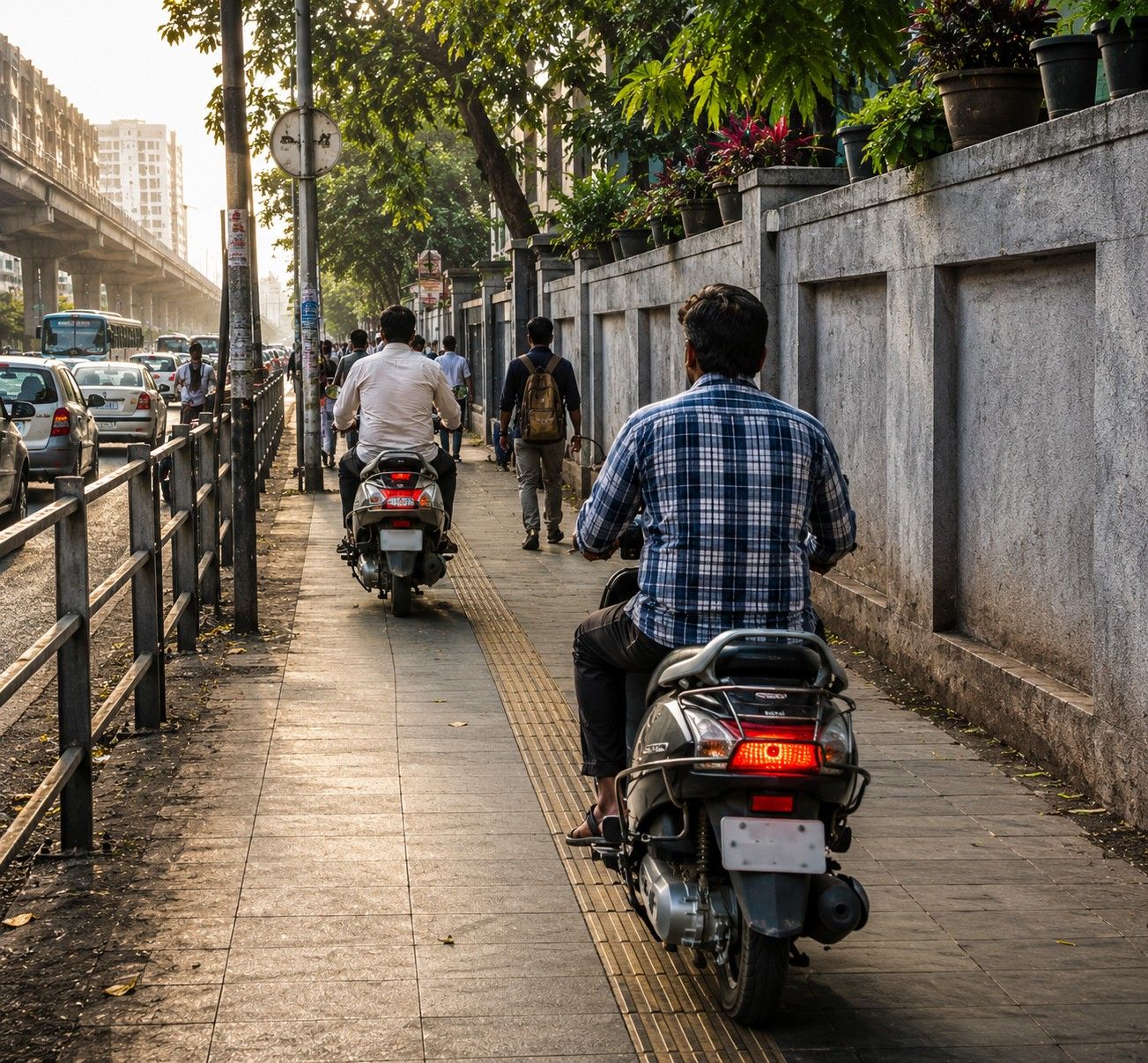
Supreme Court footpath pedestrian right: The Supreme Court of India delivered a landmark ruling on June 19, 2026, that directly affects every pedestrian in the country. The court declared that the Supreme Court footpath pedestrian right 2026 verdict is a fundamental constitutional right. Walking on a designated footpath takes priority over the movement of motor vehicles. This judgment has wide-ranging implications for urban planning, road safety, and civic infrastructure across India, including Nagpur.

What Did the Supreme Court Exactly Rule?

A bench of Justices P.S. Narasimha and Atul S. Chandurkar delivered the judgment. The bench held that the right to walk is derived from Article 19(1)(d) of the Constitution. This article guarantees freedom of movement to every citizen. The court also read this right alongside Articles 19(1)(a), 19(1)(b), 19(1)(c), and Article 21, which protects the right to life.

The bench clearly stated that the fundamental right to walk on a demarcated footpath is primary. This right takes priority over movement by motorised vehicles. No authority can override this constitutional guarantee.

Who Is Responsible for Building and Maintaining Footpaths?

The Supreme Court placed the responsibility squarely on civic bodies. The bench stated that whenever a road is constructed, authorities have a corresponding obligation to provide safe pedestrian infrastructure. Urban development bodies, municipal corporations, municipalities, and panchayats are all responsible for this duty.

Their responsibilities include demarcating, constructing, preserving, and protecting footpaths. This ruling directly applies to civic bodies like the Nagpur Municipal Corporation. NMC must ensure that every new road includes a proper and safe footpath.

What Can Citizens Do If Their Right Is Violated?

The Supreme Court gave citizens a powerful legal tool. Any violation of the right to walk on a footpath now allows citizens to seek constitutional remedies. This includes the right to claim compensation. Importantly, citizens can seek this remedy independently of the Motor Vehicles Act. They do not need to go through that law alone.

This is a significant development. It means a pedestrian who is injured due to the absence or poor condition of a footpath can approach the court directly under constitutional provisions.

What Was the Case That Led to This Ruling?

The case arose from a heartbreaking incident. Maniyar Iliyaz, also known as Shaik Riyaz, filed a civil appeal after his five-year-old son was killed in a road accident. The child was walking to a nearby school with his father around 9 AM. A tanker lorry struck the child from behind. The boy later succumbed to his injuries.

The Supreme Court restored and enhanced the compensation amount payable to the bereaved father to Rs 11,44,628. The court overturned the High Court’s earlier reduction of this award. It directed the compensation to be paid within two months.

What Did the Court Say About Urban Planning?

The bench made pointed observations about how urban planning has failed pedestrians for decades. The court noted that policies under the Motor Vehicles Act have often favoured motorised transport at the expense of pedestrians. This has resulted in inadequate and unsafe footpaths across the country.

The bench remarked that wheels have eclipsed our imagination when it came to urban planning priorities. The court also described walking as the simplest of all human activities. It noted that walking has long been an integral part of Indian culture, daily life, and even the country’s freedom movement.

What Action Has the Supreme Court Directed?

The court directed its registry to forward copies of this judgment to three central ministries. These are the Ministry of Housing and Urban Affairs, the Ministry of Rural Development, and the Ministry of Road Transport and Highways. The Law Commission of India has also been directed to receive a copy for consideration of legal and policy measures.

The court also recommended the creation of a dedicated regulatory mechanism to safeguard the right to walk. In a notable procedural step, the apex court converted the matter into a petition under Article 32 of the Constitution. It made the Union Government a party to the proceedings.

What Does This Mean for Nagpur?

This ruling has direct implications for Nagpur’s footpaths, many of which are broken, encroached upon, or completely absent on major roads. Citizens who face unsafe or missing footpaths in Nagpur can now use this Supreme Court judgment to file complaints against NMC or even seek constitutional remedies.

The ruling puts pressure on NMC to treat footpath construction as a legal obligation and not merely a convenience. Every road project in Nagpur must now include a properly designed and maintained footpath as a matter of constitutional compliance.

Poonam Chambers Case: HC Dismisses Petition, Seizes ₹10 Lakh Fine — NMC Gets 2 More Months for 7th Floor Demolition

Published: June 19, 2026 | Category: Nagpur Local | By: Nagpur Updates Desk


The Nagpur Bench of the Bombay High Court has taken stern action in the long-running Poonam Chambers illegal construction case — dismissing the petitioner’s plea, seizing nearly ₹10 lakh in fines, and issuing show-cause notices to NMC officials for negligence. At the same time, the court has granted NMC 2 additional months to complete the demolition of the illegal 7th floor of Poonam Chambers on Chhindwara Road.


Latest Development: June 19, 2026

Detail Information
Court Nagpur Bench, Bombay High Court
Bench Justice Anil Pansare + Justice Rajnish Vyas
Petitioner Nandkumar Harchandani
Petition status Dismissed
Fine seized ₹9.97 lakh (deposited in Public Welfare Account)
NMC time granted 2 more months for 7th floor demolition
NMC officials Show-cause notices issued for negligence
Poonam Tower demolition 100% complete
Poonam Chambers demolition 7th floor pending

The Case: 20 Years of Illegal Construction, 2 Years of Court Battles

To understand today’s order, it is essential to trace the history of this case — one that spans over two decades.

2004: NMC issued a notice declaring the 7th floor of Poonam Chambers completely illegal — the construction exceeded the sanctioned height by three metres. Shops were also illegally built in the basement area earmarked for parking.

2005: Former Corporator Vijay Babhre filed a petition before the Nagpur High Court alleging large-scale violations at Poonam Chambers.

2015-2024: Despite the HC petition and clear legal findings, NMC took no action for nearly a decade — a period the court has specifically described as “institutional silence” and “civic apathy.”

November 2024: The Supreme Court issued directions mandating strict action including demolition against illegal constructions across India. NMC was pulled up for not acting.

November 2025: HC directed petitioner Nandkumar Harchandani to present sanctioned building plans and ownership documents.

January 2026: HC directed NMC to take a “reasoned decision” by January 21 — rejecting NMC’s request for more time until February.

February 5, 2026: NMC launched demolition of approximately 70 illegal structures at Poonam Chambers premises, targeting the basement area first.

March 5, 2026: Petitioner stopped the demolition work — forcing NMC to step in and complete it. HC expressed strong displeasure.

March 2026: HC ordered petitioner to reimburse NMC’s demolition costs — NMC to submit cost estimate; petitioner given 2 weeks after receiving assessment.

April 2026: Poonam Tower illegal construction fully demolished. Poonam Chambers 7th floor still pending — NMC sought more time.

June 19, 2026 (today): HC dismisses petition, seizes ₹9.97 lakh fine, grants NMC 2 months for 7th floor demolition, issues show-cause notices to NMC officials.


What the Court Said Today

The division bench of Justice Anil Pansare and Justice Rajnish Vyas passed several significant orders:

Petition dismissed: The petitioner’s plea was rejected outright — the court having already declared the construction illegal and directed its demolition in previous orders.

₹9.97 lakh fine seized: The amount — deposited by the petitioner — has been seized and directed to be deposited in the Public Welfare Account. This is a strong punitive signal that the court treats the petitioner’s conduct throughout this case as deeply problematic.

2-month extension for NMC: The court gave NMC 2 additional months to complete demolition of the 7th floor of Poonam Chambers. This is a measured approach — granting time while maintaining judicial pressure.

Show-cause notices to NMC officials: In a significant accountability measure, the court issued show-cause notices to NMC officials for their negligence in this case. The fact that the 7th floor was declared illegal in 2004 and NMC failed to demolish it for over two decades is a failure the court is now holding specific officials accountable for.


What Has Already Been Demolished

The Poonam Chambers case has seen significant action in 2026 despite the headline issue (7th floor) still pending:

Poonam Tower — 100% demolished. All illegal structures in Poonam Tower have been removed.

Poonam Chambers basement — The approximately 70 illegal structures in the basement parking area (illegally converted to commercial shops) have been demolished.

7th floor — still pending — This is the original, primary violation. The floor that exceeds the sanctioned height by three metres and was declared illegal in 2004 is still standing. NMC now has 2 months to remove it.


The RBI Angle

An unusual dimension of this case involves the Reserve Bank of India — which was added as a respondent after a demand draft of ₹10 lakh submitted by the petitioner was returned by RBI with the remark “Wrongly Delivered.”

The court registry confirmed the remark was system-generated and the bank could not provide further clarification — leading the court to issue notices to both RBI and IndusInd Bank. The court had earlier accepted RBI’s apology but directed officials to tender apologies before the court registry.


Why This Case Matters for Nagpur

The Poonam Chambers case is not just about one illegal building. It is a landmark test of whether Nagpur’s civic and legal systems can actually enforce building regulations against established commercial properties.

The 20-year gap between the NMC’s own 2004 illegal-construction notice and the eventual demolition action in 2026 is a damning indictment of how enforcement works — or fails to work — for well-connected commercial properties in Indian cities.

This case shares DNA with the recent Ashish NX fire — where a commercial store illegally merged three residential buildings without permission, creating a deadly fire hazard. In both cases, the violations were known for years; action came only under extraordinary pressure.

Q: What is Poonam Chambers? Poonam Chambers is a multi-storey commercial building on Chhindwara Road, Nagpur. Its 7th floor was declared illegal by NMC in 2004 for exceeding the sanctioned building height by 3 metres. The basement was also illegally converted from parking space to commercial shops.

Q: Who is Nandkumar Harchandani? He is the petitioner in this case — associated with Kumar Hotels Private Limited — who has been fighting in court over this property. The court has repeatedly expressed displeasure over his failure to honour demolition commitments.

Q: Was the fine ₹10 lakh or ₹9.97 lakh? The amount seized was ₹9.97 lakh — which has been directed to the Public Welfare Account.

Q: When will the 7th floor finally be demolished? NMC has been given 2 more months from June 19, 2026 — meaning the deadline is approximately August 19, 2026.

Q: What happens to NMC officials who got show-cause notices? They must respond to the notices explaining why they failed to act on the illegal construction for over two decades. Depending on the response, disciplinary action may follow.


Accountability in Action — Slowly

The Poonam Chambers case is a slow-moving but ultimately meaningful example of judicial accountability forcing civic action in Nagpur. It took 20 years, a Supreme Court directive, multiple HC orders, a reluctant demolition, a stopped demolition, a ₹10 lakh fine, and show-cause notices — but the 7th floor is now finally coming down.

Nagpur Updates will track the NMC’s progress on the Poonam Chambers 7th floor demolition over the next two months and report the moment this 20-year-old illegal structure is finally removed.

First Pay Demolition Cost Then Argue: High Court’s Strong Stand in N Kumar Case Explained

Poonam Tower | Poonam Chamber: The recent High Court directive in the N Kumar case has stirred significant attention across legal, real estate, and civic governance circles. The court’s strong stance—“first pay demolition cost, then argue”—marks a decisive shift toward stricter enforcement of urban development laws in India.

Background of the Case

The case originated from a dispute involving alleged unauthorized construction. Authorities identified violations of municipal norms, leading to demolition orders. However, instead of immediate compliance, the matter escalated legally, delaying enforcement.

Why This Case Matters

This ruling is not just about one individual or property. It sets a precedent that could influence thousands of similar cases across urban India. Illegal constructions have long plagued cities, and judicial delays often allow violators to prolong disputes.

Overview of the Court’s Order

The High Court made it clear: before contesting demolition orders, the concerned party must first bear the cost of demolition. This flips the usual approach where litigation often stalls action.


Understanding the “First Pay, Then Argue” Principle

Legal Meaning Behind the Phrase

This principle essentially prioritizes compliance over litigation. It ensures that enforcement actions are not stalled due to prolonged court proceedings.

Historical Context in Indian Judiciary

Indian courts have historically balanced individual rights with public interest. However, delays in enforcement have often undermined governance. This ruling signals a shift toward stricter accountability.

Comparison with Previous Judgments

Earlier judgments allowed appeals before enforcement. This new approach reduces misuse of legal processes to delay inevitable outcomes.


Details of the N Kumar Case

Who is N Kumar?

N Kumar is the central figure in this legal dispute, accused of violating building norms through unauthorized construction.

Nature of the Dispute

The dispute revolves around structural violations that allegedly breached municipal regulations.

Timeline of Events

  • Initial construction
  • Detection of violations
  • Issuance of notices
  • Legal challenge
  • High Court intervention

Key Legal Arguments

The defense argued procedural lapses, while authorities emphasized public safety and legal compliance.


Role of Municipal Authorities

Responsibilities of Local Bodies

Municipal corporations are tasked with ensuring planned development, enforcing building codes, and maintaining civic infrastructure.

Demolition Rules in India

Demolition is typically a last resort, preceded by notices and opportunities for compliance.

Enforcement Challenges

Authorities often face political pressure, legal hurdles, and public resistance.


Illegal Constructions in Urban India

Rising Trend of Unauthorized Buildings

Rapid urbanization has led to a surge in illegal constructions.

Causes Behind Violations

  • Lack of awareness
  • भ्रष्ट practices
  • Weak enforcement

Impact on Infrastructure

Illegal buildings strain utilities, block roads, and pose safety risks.


Legal Framework Governing Demolitions

Municipal Corporation Acts

These laws empower local bodies to regulate construction.

Town Planning Laws

They ensure orderly development and zoning compliance.

Environmental Regulations

Certain constructions also violate environmental norms.


High Court’s Observations

Court’s Reasoning

The court emphasized that delays harm public interest and encourage non-compliance.

Criticism of Delays

Judges noted that litigation is often used as a tool to delay enforcement.

Message to Property Owners

Follow the law—or face immediate consequences.


Financial Liability in Demolition Cases

Who Pays for Demolition?

Traditionally, authorities bear initial costs and recover later. This ruling changes that.

Legal Justification

The violator is responsible for the consequences of illegal actions.

Cost Recovery Mechanisms

Advance payment ensures accountability and reduces burden on public funds.


Impact on Property Owners

Legal Risks

Non-compliance can lead to swift action without prolonged legal protection.

Financial Consequences

Demolition costs can be substantial.

Preventive Measures

  • Verify approvals
  • Follow regulations
  • Consult experts

Implications for Builders and Developers

Accountability in Construction

Builders must ensure strict compliance.

Compliance Requirements

Documentation and approvals are critical.

Risk Management Strategies

Legal audits and regular inspections can mitigate risks.


Broader Impact on Urban Governance

Strengthening Rule of Law

This ruling reinforces legal discipline.

Urban Planning Discipline

Cities can achieve better planning outcomes.

Public Awareness

Citizens become more cautious and informed.


Public Reaction and Expert Opinions

Legal Experts’ Views

Many experts see this as a necessary step to curb misuse of legal processes.

Citizens’ Perspective

Public opinion is divided—some see it as strict but necessary.

Media Coverage Analysis

Media highlights the case as a turning point in urban governance.


Comparison with Similar Cases in India

Notable Demolition Orders

Several high-profile demolitions have occurred in recent years.

Supreme Court Guidelines

The apex court has emphasized due process and fairness.

Lessons Learned

Timely enforcement is key.


Future of Property Law Enforcement

Technology in Monitoring

Drones and GIS mapping can detect violations early.

Policy Reforms

Stronger laws and faster courts are needed.

Judicial Trends

Courts are increasingly prioritizing public interest.

Key Takeaways

  • Illegal construction will face stricter action
  • Litigation cannot delay enforcement indefinitely
  • Financial accountability is crucial

Final Thoughts

The High Court’s directive marks a significant shift in India’s legal landscape. By insisting on “first pay, then argue,” the judiciary is sending a clear message: compliance is not optional. This ruling could reshape urban governance, making cities safer, more organized, and legally disciplined.

HC Seeks Details of Restoration Plan for Kasturchand Park

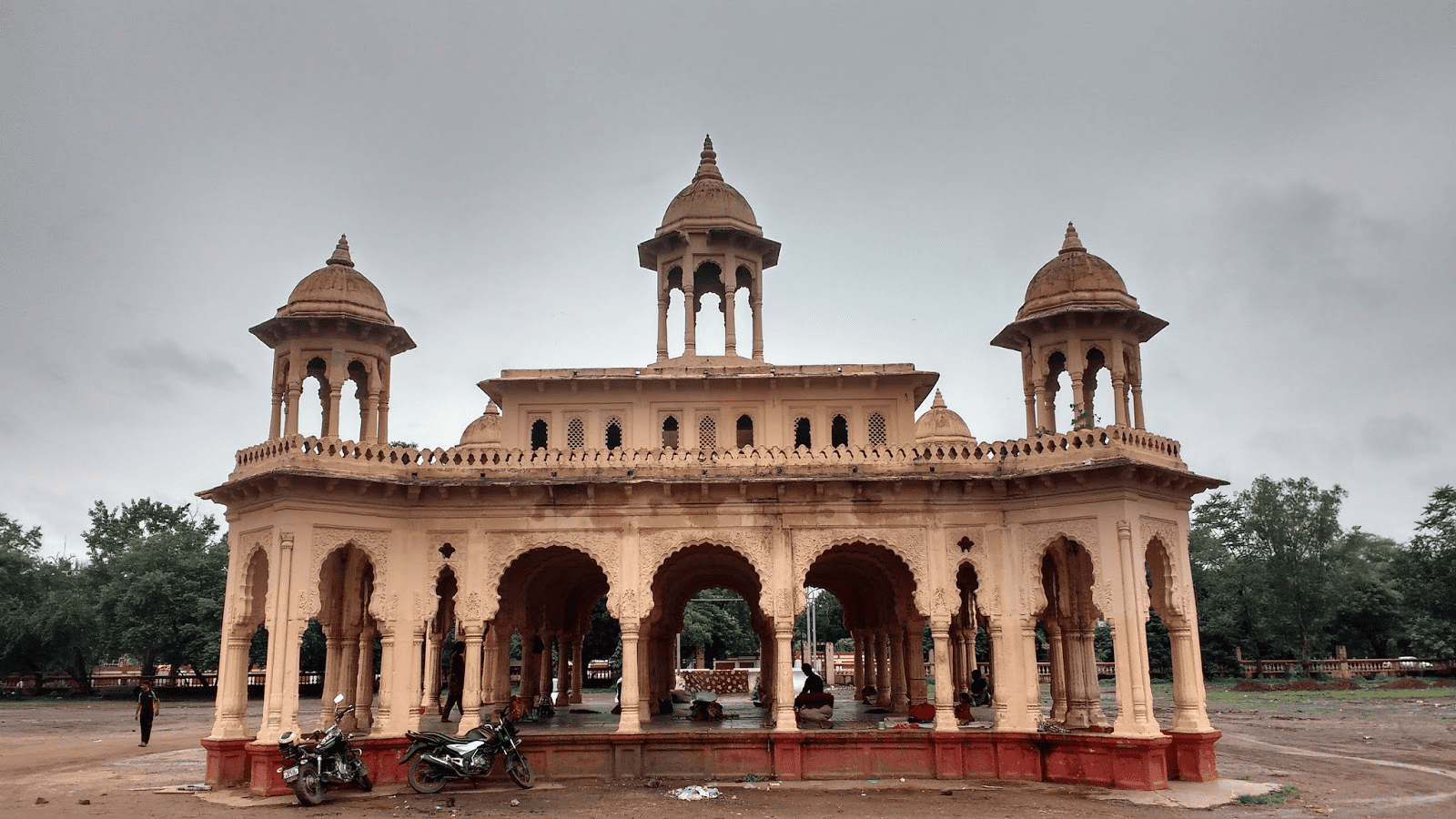
The Nagpur bench of the Bombay High Court has once again turned its attention to the restoration of Kasturchand Park, one of the city’s most iconic public spaces. With overgrown vegetation, crumbling heritage structures, and a site that has increasingly been used for commercial purposes, the court has set a strict deadline for authorities to submit detailed plans on how to restore and preserve this Grade-1 heritage monument.

The November 13 deadline requires key local authorities, including the Nagpur Municipal Corporation (NMC), the collector, the PWD chief engineer, and the Heritage Conservation Committee, to file affidavits detailing the current state of Kasturchand Park, the planned restoration efforts, and what actions have been taken to date.

Why Is Kasturchand Park Significant?

Kasturchand Park isn’t just a regular public space—it’s a part of Nagpur’s history. As a Grade-1 heritage site, it houses architectural elements and monuments that are culturally significant, making its preservation not just a local responsibility but a matter of national importance. Over the years, however, the park has suffered from neglect, becoming a place for haphazard commercial events rather than a well-preserved historical site.

Court’s Concern: What Triggered the Deadline?

This isn’t the first time the court has expressed concern about the state of Kasturchand Park. In October 2021, a court order highlighted how the park was being used for commercial purposes at minimal rent, allowing event organizers to make substantial profits while the park itself suffered.

Fast forward to 2023, and not much seems to have changed. Overgrown vegetation and deteriorating structures dominate the once-pristine space, with little sign of the previous court orders being implemented.

Key Players in the Restoration Process

The restoration of Kasturchand Park involves several local authorities, each of whom plays a critical role in ensuring the park’s future:

Nagpur Municipal Corporation (NMC)

As the city’s municipal body, the NMC is responsible for the maintenance of public spaces, including Kasturchand Park. The court has specifically directed them to undertake an audit and submit an action plan for restoring the park to its former glory.

The Collector

The collector’s office plays a role in managing the land leases of Kasturchand Park. In previous court orders, the collector was asked to provide details on whether there were any lease violations and what actions were taken to correct these.

Public Works Department (PWD)

The PWD, which oversees civil infrastructure projects, is responsible for ensuring that restoration work is carried out in a manner that respects the heritage status of the park while making it accessible and enjoyable for the public.

Heritage Conservation Committee

Tasked with overseeing the preservation of historical monuments, the Heritage Conservation Committee plays a key role in ensuring that the park’s architectural elements and monuments are restored with respect to their historical significance.

Past Orders and Restoration Plans

The court’s scrutiny of the park isn’t new. Back in September 2020, there was a stark difference between what was reported to the court regarding the condition of the park and what was observed in reality. Filth, uneven surfaces, and crumbling structures were a far cry from the affidavits that painted a more positive picture.

Since then, the court has been pushing local authorities to take the matter more seriously. In 2021, the issue of commercial use and minimal rent leases came into focus. The court directed the collector to submit a report on the lease violations and recommend ways for the government to benefit from the profits event organizers were making off the park’s use.

Why Restoration Has Taken So Long

Restoration projects, especially those involving heritage sites, tend to be complex. They require careful planning, coordination between various authorities, and significant funding. However, the main issue seems to be the lack of a cohesive plan and timely action.

The court’s frustration is palpable, given the multiple orders over the past few years that have not led to any tangible improvements at Kasturchand Park. This time, the court has set a clear deadline of November 13, with an expectation that this will finally lead to real change.

What Needs to Be Done to Restore Kasturchand Park

For Kasturchand Park to be restored, several steps need to be taken, and they need to happen fast:

1. Clearing Overgrown Vegetation

The overgrown plants and weeds are not just an eyesore but also a potential hazard to the heritage structures. This is one of the first things that needs to be addressed.

2. Restoring Heritage Structures

The Grade-1 monument at the center of Kasturchand Park is in dire need of restoration. This will require expert architectural input and the use of materials that are appropriate for the historical period.

3. Regular Maintenance

Once the initial restoration is completed, it’s essential that the park is regularly maintained. This includes landscaping, cleaning, and ensuring that the structures remain in good condition.

4. Reducing Commercial Use

While commercial events bring in revenue, they also contribute to the degradation of the park. Strict guidelines need to be set for how the park can be used for events, ensuring that its heritage is preserved.

The Role of Public Awareness

Restoring Kasturchand Park isn’t just the responsibility of local authorities. The public also has a role to play in ensuring that the park remains clean and well-maintained. Public awareness campaigns could go a long way in encouraging residents to take pride in their local heritage.

Court’s Expected Outcomes

With the November 13 deadline fast approaching, the court expects detailed affidavits from all the involved parties. These affidavits should cover the current condition of the park, what restoration steps have been taken, and what the long-term plans are for preserving the park.

The court has also requested suggestions for how income generated from commercial events can be shared with the government to fund ongoing restoration and maintenance efforts.

Why Kasturchand Park’s Future Matters

Kasturchand Park is not just a public space; it’s a part of Nagpur’s history. The park’s future is tied to the city’s identity, and its preservation is crucial for both cultural and historical reasons. As the court continues to push for action, there is hope that Kasturchand Park will once again become a well-maintained, historically significant space for the people of Nagpur to enjoy.

The restoration of Kasturchand Park is long overdue. The involvement of the court has added pressure on local authorities to finally take action, but time will tell whether the November 13 deadline will lead to real change. With the park’s historical significance and the court’s continued scrutiny, there’s hope that Kasturchand Park will soon be restored to its former glory.

1. What is the historical significance of Kasturchand Park?
Kasturchand Park is a Grade-1 heritage site in Nagpur, known for its historical monuments and cultural importance.

2. Why is the court involved in the restoration of Kasturchand Park?
The court stepped in due to the park’s deteriorating condition and concerns about its use for commercial events at minimal rent.

3. What are the main challenges in restoring Kasturchand Park?
Key challenges include overgrown vegetation, crumbling heritage structures, and the lack of a cohesive restoration plan.

4. Who is responsible for restoring Kasturchand Park?
The restoration involves the Nagpur Municipal Corporation, the collector, the PWD, and the Heritage Conservation Committee.

5. What is the deadline for submitting the restoration plan for Kasturchand Park?
The court has set a deadline of November 13 for authorities to submit their detailed restoration plans.

Runway Recarpeting at Nagpur’s Dr. Babasaheb Ambedkar International Airport to be Completed by May 2025: MIHAN Informs HC

Nagpur Airport runway recarpeting: The long-awaited runway recarpeting project at Dr. Babasaheb Ambedkar International Airport in Nagpur is finally nearing its end. MIHAN (Maharashtra Airport Development Company), which operates the airport in collaboration with the Airports Authority of India (AAI), has confirmed that the work is set to be completed by May 21, 2025. This announcement was made through an affidavit submitted by Abid Ruhi, Senior Airport Director of MIHAN, in response to a Public Interest Litigation (PIL) before the Nagpur Bench of the Bombay High Court.

Background of the Runway Recarpeting Project

Why the Recarpeting is Necessary

The runway at Dr. Babasaheb Ambedkar International Airport has been showing significant signs of wear and tear due to daily operations. The surface has deteriorated to the point where loose gravel and rough patches pose potential risks during aircraft landings and take-offs. The last recarpeting was carried out a decade ago, making this maintenance work crucial to ensure the safety and efficiency of the airport.

Initial Delays and Challenges

The recarpeting work, which was initially planned for an earlier date, faced several delays. These delays were primarily due to bureaucratic hurdles, logistical challenges, and the complex nature of the work required. The project, essential for the smooth functioning of the airport, has been a point of concern for both passengers and airlines.

Current Status and Future Timeline

Confirmation of Completion Date

According to the affidavit submitted by MIHAN, the contractor responsible for the runway recarpeting has been finalized through a tender process by the AAI. A detailed project schedule has been provided, with a clear commitment to completing the work by May 21, 2025. This timeline is now set in stone following the issuance of the work order on May 14, 2024.

Steps Taken to Mitigate Disruption

To minimize the disruption caused by the runway closure, MIHAN has been proactive in coordinating with airlines. All airlines operating from the airport were informed in December 2023 about the upcoming closures, allowing them ample time to reschedule flights and adjust operations accordingly.

Implications for Passengers and Airlines

Impact on Flight Schedules

The ongoing runway work has inevitably led to adjustments in flight schedules. Some flights have been rescheduled or rerouted to ensure passenger safety and avoid operational conflicts. While this has caused some inconvenience, the timely communication by MIHAN has helped in reducing the impact on travelers.

Safety Measures During the Recarpeting Process

Safety remains the top priority during the recarpeting process. The airport has implemented stringent measures to ensure that ongoing operations do not compromise the safety of passengers or aircraft. Temporary closures of the runway are being managed meticulously to align with the project’s progress.

Technical Aspects of the Recarpeting

Materials and Techniques Used

The recarpeting involves the use of high-grade materials designed to withstand heavy aircraft traffic and harsh weather conditions. Advanced techniques are being employed to ensure that the new surface is durable and can support the airport’s operations for the next decade or more.

Environmental Considerations

In addition to safety and durability, the recarpeting project also considers environmental impacts. Efforts are being made to reduce the carbon footprint of the construction work, including the use of sustainable materials and methods.

The Role of MIHAN and AAI in the Project

MIHAN’s Responsibility and Oversight

MIHAN, as the operating body of the airport, holds the primary responsibility for overseeing the recarpeting project. Their role includes managing the project’s progress, coordinating with contractors, and ensuring compliance with safety standards.

Collaboration with AAI

The Airports Authority of India (AAI) has played a crucial role in facilitating the recarpeting project. From finalizing the contractor to ensuring that the project adheres to national and international aviation standards, AAI’s involvement has been instrumental in moving the project forward.

Legal and Public Scrutiny

PIL and High Court’s Involvement

The delay in the recarpeting project led to the filing of a Public Interest Litigation (PIL) before the Nagpur Bench of the Bombay High Court. The court’s scrutiny ensured that MIHAN and AAI were held accountable for the delays and that a clear timeline was established.

MIHAN’s Response to Public Concerns

In response to the concerns raised by the public and the court, MIHAN has been transparent about the challenges faced during the project. The affidavit submitted by Abid Ruhi detailed the steps being taken to complete the project and mitigate any further delays.

Future Prospects for Dr. Babasaheb Ambedkar International Airport

Post-Recarpeting Benefits

Once the recarpeting is complete, the airport is expected to see significant improvements in its operational efficiency. The new runway surface will not only enhance safety but also enable the airport to handle more traffic, thereby boosting its capacity and services.

Long-Term Maintenance Plans

MIHAN has also outlined long-term maintenance plans to ensure that the runway remains in optimal condition. Regular inspections and timely repairs will be part of the ongoing strategy to prevent future degradation.

The completion of the runway recarpeting at Dr. Babasaheb Ambedkar International Airport marks a significant milestone in ensuring the safety and efficiency of one of Nagpur’s key infrastructure assets. While the delays have caused some inconvenience, the steps taken by MIHAN and AAI demonstrate a strong commitment to delivering a high-quality, durable runway that will serve the region for years to come. As the May 2025 deadline approaches, passengers and airlines can look forward to smoother, safer operations at the airport.

1. Why was the runway recarpeting at Nagpur Airport delayed?
The delays were due to a combination of bureaucratic challenges, logistical issues, and the complexity of the work involved.

2. When will the runway recarpeting be completed?
The recarpeting is scheduled to be completed by May 21, 2025.

3. How will the recarpeting affect flight schedules?
Some flights may be rescheduled or rerouted to minimize disruption during the recarpeting process.

4. What materials are being used for the recarpeting?
High-grade, durable materials that can withstand heavy aircraft traffic and harsh weather conditions are being used.

5. How is passenger safety being ensured during the recarpeting?
Stringent safety measures and temporary runway closures are being managed to align with the progress of the recarpeting project.

Maharashtra Government’s New Mandate: CCTV in All Schools Following Badlapur Incident

Maharashtra school safety measures: In response to a recent tragic event at a school in Badlapur, the Maharashtra government has taken swift and decisive action to enhance the safety and security of students across the state. On Wednesday, the government issued a directive requiring all schools to install CCTV cameras on their premises within a month. This directive is part of a broader set of measures aimed at increasing accountability and ensuring the protection of children in educational institutions.

The Urgency Behind the Directive

A Case That Shocked the State

The incident in Badlapur has left the community in shock and has raised serious concerns about the safety protocols in schools. The directive by the Maharashtra government is a direct response to this tragedy, aiming to prevent such incidents from occurring in the future.

CCTV Cameras: A Necessary Precaution (Maharashtra school safety measures)

The installation of CCTV cameras is a crucial step towards ensuring a secure environment for students. With surveillance in place, not only can potential incidents be deterred, but any misconduct can also be recorded, providing essential evidence if needed.

Key Components of the Directive

Mandatory Background Checks

One of the most significant aspects of the new directive is the requirement for thorough background checks of all school employees. The school managements are now mandated to collaborate with local police stations to ensure that every staff member has a clean record.

Stringent Recruitment Processes

In addition to background checks, the recruitment of non-teaching staff will now involve stricter scrutiny. Schools are required to be vigilant during the hiring process to ensure that only individuals with the highest integrity are employed.

Employee Monitoring

Current employees will also be under closer observation. Schools must maintain up-to-date records, including photographs, of all staff members and share this information with the local police. This measure ensures that there is accountability and that any suspicious behavior can be quickly reported.

Installation of Complaint Boxes

The directive also mandates the installation of complaint boxes on school premises. This allows students, parents, and staff to anonymously report any concerns or incidents, ensuring that issues can be addressed promptly.

Consequences of Non-Compliance

Penalties for Schools

Schools that fail to comply with the new safety measures will face severe penalties. The government has warned that non-compliance could lead to the withholding of financial grants or even the revocation of the school’s operating license. This strict enforcement underscores the importance of these safety protocols.

Utilization of Funds for CCTV Networks

To assist schools in implementing these measures, the government has authorized the use of up to five percent of allocated funds from the District Planning and Development Council for the establishment of CCTV networks in state-run and aided schools. This financial support ensures that all schools, regardless of their resources, can meet the new safety requirements.

Monitoring and Reporting

Regular Review of CCTV Footage

The directive requires that CCTV footage be reviewed at least three times a week. School principals are responsible for this task and must report any concerning incidents to the police immediately. This frequent monitoring is crucial for maintaining a safe environment and ensuring that any issues are addressed swiftly.

Educational Initiatives: Good Touch, Bad Touch Program

Empowering Students

In addition to the security measures, the directive includes an educational component aimed at empowering students. Women and Child Welfare Minister Aditi Tatkare announced that the “Good Touch, Bad Touch” program will now be mandatory in all government and private schools across Maharashtra.

Importance of the Program

This program is designed to educate children about personal boundaries and help them recognize inappropriate behavior. In light of the recent incident in Badlapur, the program’s significance has been further emphasized, highlighting the need for children to be aware and informed about their safety.

The Road Ahead

Ensuring Compliance and Effectiveness

As the deadline for the implementation of these measures approaches, it is crucial for school administrations to act swiftly. The government’s stringent enforcement of these directives will likely lead to significant improvements in school safety across the state.

While the immediate focus is on compliance, the long-term impact of these measures could lead to a cultural shift in how schools in Maharashtra approach student safety. By fostering a more vigilant and protective environment, these directives could prevent future tragedies and ensure that schools remain safe havens for learning.

The Maharashtra government’s directive following the Badlapur incident marks a critical step towards enhancing the safety and security of students across the state. With the mandatory installation of CCTV cameras, stringent background checks, and educational programs, the government is taking a comprehensive approach to protect children. As schools work to meet the one-month deadline, the focus must remain on creating a secure and supportive environment for all students.

Court Rebukes Collector for Inaction on Zero Mile’s Upkeep

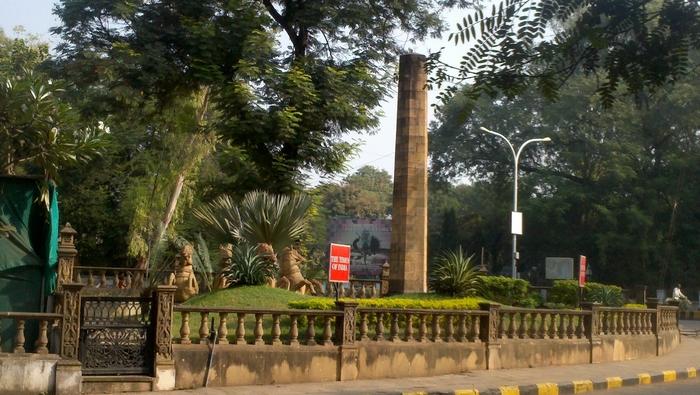
Nagpur Collector| Bombay High Court | Zero Milestone Nagpur: Nagpur’s Iconic Zero Milestone Neglected: High Court Takes Action

The Nagpur bench of the Bombay High Court recently delivered a stern rebuke to the district collector for neglecting the maintenance and upkeep of the iconic Zero Milestone in Nagpur. This reprimand highlights the ongoing concerns surrounding the preservation of this historical monument, a symbol of the city’s rich cultural heritage. The court’s strong words came after the collector suggested that the funds for the project could be sourced from the Nagpur Municipal Corporation’s (NMC) Heritage Committee account. The proposal triggered the court’s admonition, emphasizing the collector’s failure to proactively manage the situation.

Understanding the Significance of Zero Milestone

The Historical Importance of Zero Milestone

Zero Milestone in Nagpur is not just a geographical marker; it is a testament to the city’s historical significance. Traditionally, it has been the point from which all distances in India were measured during the British era. Over the years, it has evolved into a symbol of Nagpur’s central role in the country’s geography and history.

Why Preservation Is Crucial

Preserving such monuments is vital for maintaining the cultural and historical integrity of a place. When landmarks like Zero Milestone are neglected, it isn’t just the structure that deteriorates—it’s a part of the city’s identity that is lost. This makes the court’s intervention particularly important, as it underscores the need for vigilant stewardship of our cultural heritage.

The Court’s Intervention: A Critical Turning Point

The High Court’s Reprimand

On Thursday, the Nagpur bench of the Bombay High Court, consisting of Justices Nitin Sambre and Abhay Mantri, reprimanded the district collector for shirking his responsibility towards the upkeep of Zero Milestone. The court criticized the collector’s suggestion to use funds from the NMC Heritage Committee, implying a lack of initiative on the part of the administration.

Mandate to Submit Recommendations

The court has instructed the collector to submit his recommendations regarding the maintenance of Zero Milestone through an affidavit by August 13. This directive signals the court’s intent to ensure accountability and to see concrete actions taken towards the monument’s preservation.

Public Interest Litigation: A Call for Accountability

Suo Motu PIL and Its Implications

The High Court’s involvement comes as part of a suo motu Public Interest Litigation (PIL), which was initiated due to the neglect that has led to the deterioration of Zero Milestone. The PIL underscores the importance of the monument and the collective responsibility of government bodies to preserve such landmarks.

Role of the Amicus Curiae

Kartik Shukul, appointed as amicus curiae, plays a crucial role in this litigation. His appointment is a clear indication of the seriousness with which the court is treating this issue. The amicus curiae’s involvement ensures that an impartial perspective is brought to the case, facilitating a fair and just resolution.

Nagpur Municipal Corporation’s Role in Preservation

Funding Challenges and Heritage Committee’s Involvement

The proposal to use funds from the NMC Heritage Committee raises important questions about the allocation of resources for heritage preservation. The Heritage Committee’s funds are derived from a 2% cess levied on building plan approvals by the NMC and Nagpur Improvement Trust (NIT). This cess is intended to support the maintenance of heritage sites, including Zero Milestone.

Collector’s Proposal Under Scrutiny

The collector’s suggestion to tap into these funds indicates a reactive approach rather than a proactive one. The court’s response reflects its dissatisfaction with this approach, highlighting the need for more comprehensive and forward-thinking planning in heritage preservation.

The Broader Implications for Heritage Preservation

Neglect of Heritage Sites: A National Issue

The situation with Zero Milestone is emblematic of a broader issue facing many heritage sites across India. Neglect and insufficient maintenance of such sites lead to the gradual erosion of the country’s cultural fabric. This case serves as a wake-up call for authorities nationwide to prioritize heritage preservation.

Legal Framework and Preservation Efforts

India has a robust legal framework for the protection of heritage sites, but implementation often falls short. The Antiquities and Art Treasures Act, 1972, and the Ancient Monuments and Archaeological Sites and Remains Act, 1958, provide a legal foundation for preservation efforts. However, the enforcement of these laws is often inconsistent, leading to the neglect seen in cases like Zero Milestone.

The Importance of Public Awareness and Involvement

Community Engagement in Preservation

One of the key takeaways from this case is the importance of public awareness and community involvement in heritage preservation. When the public is engaged and informed, there is greater accountability, and the chances of preserving historical sites increase.

Educational Initiatives

Educational initiatives aimed at increasing awareness about the significance of heritage sites like Zero Milestone can play a critical role in their preservation. Schools, colleges, and community groups should be encouraged to take an active interest in local heritage, fostering a sense of pride and responsibility.

Steps Forward: Ensuring the Preservation of Zero Milestone

Strategic Planning for Maintenance

Going forward, it is crucial that authorities develop a strategic plan for the maintenance and preservation of Zero Milestone. This plan should include regular maintenance schedules, appropriate allocation of funds, and clear lines of responsibility among different government bodies.

Collaboration Between Government Bodies

Effective preservation of heritage sites requires collaboration between various government bodies, including the NMC, NIT, and the district administration. Clear communication and cooperation are essential to ensuring that preservation efforts are well-coordinated and effective.

Innovative Approaches to Preservation

Innovative approaches, such as the use of modern technology for monitoring and maintaining heritage sites, should be explored. For example, 3D scanning and digital archiving can help in the restoration of deteriorated parts of the monument, ensuring that its historical integrity is preserved.

The Role of Judiciary in Heritage Preservation

Judicial Activism in Heritage Protection

The judiciary plays a vital role in the protection of heritage sites. Cases like this one demonstrate the power of judicial activism in holding authorities accountable and ensuring that they fulfill their responsibilities towards heritage preservation.

Precedents Set by the High Court

The Nagpur bench of the Bombay High Court has set a precedent with its firm stance on the Zero Milestone issue. This case may serve as a reference for future legal actions concerning the neglect of heritage sites across the country.

The rebuke from the Nagpur bench of the Bombay High Court to the district collector regarding the upkeep of Zero Milestone is a significant moment in the ongoing struggle to preserve India’s cultural heritage. This case highlights the importance of proactive management, accountability, and public involvement in the preservation of historical sites. As the court continues to monitor the situation, it is imperative that all stakeholders, including government bodies, the judiciary, and the public, work together to ensure that Zero Milestone and other heritage sites are preserved for future generations.

1. What is the historical significance of Zero Milestone?

Zero Milestone in Nagpur is a historical landmark from which all distances in India were measured during the British era. It symbolizes Nagpur’s central role in India’s geography.

2. Why did the High Court reprimand the district collector?

The High Court reprimanded the collector for neglecting the maintenance of Zero Milestone and for suggesting that the funds for its upkeep be sourced from the NMC Heritage Committee, indicating a lack of proactive management.

3. What is a suo motu Public Interest Litigation (PIL)?

A suo motu PIL is a legal action initiated by a court on its own accord, without a formal complaint, usually in the interest of the public or to address a significant issue.

4. How does the NMC Heritage Committee fund heritage preservation?

The NMC Heritage Committee is funded by a 2% cess levied on building plan approvals, which is intended for the maintenance and preservation of heritage sites in Nagpur.

5. What steps can be taken to improve the preservation of heritage sites?

Improving preservation efforts requires strategic planning, collaboration between government bodies, innovative approaches like digital archiving, and active public involvement.

Nagpur Airport’s Daily 8-Hour Shutdown: Bombay HC Seeks Response from Civil Aviation Ministry, AAI

The Bombay High Court has recently taken notice of the Nagpur airport’s daily eight-hour shutdown, which has been in effect since March 2024. This situation has led to significant inconvenience for passengers, prompting the court to seek responses from the Union Ministry of Civil Aviation, the Airport Authority of India (AAI), and other relevant bodies. The court’s intervention is a significant development in addressing the ongoing issues at this crucial transport hub.

 Understanding the Nagpur Airport Shutdown

 The Initial Shutdown and Its Impact

The shutdown of Nagpur airport for eight hours each day since March 2024 has created a ripple effect of disruptions. The shutdown, intended for maintenance and repairs, has been prolonged, raising questions about the efficiency and planning of the authorities involved.

 The Reason Behind the Shutdown

While the exact reasons for the prolonged shutdown are not fully transparent, reports suggest that the initial intent was to carry out necessary maintenance. However, the lack of visible progress over the past four months has been a point of contention.

 Judicial Intervention and Public Interest

 The Role of the Bombay High Court

A division bench comprising Justices N W Sambre and Abhay Mantri has taken cognizance of the issue, citing media reports about the minimal repair efforts. The court emphasized the strategic importance of Nagpur’s geographical location, which serves as a central hub for travelers in India.

 Notices Issued to Authorities

In response to the ongoing shutdown, the court has issued notices to the Union Civil Aviation Ministry, AAI, the Maharashtra Government’s Department of Civil Aviation, the Maharashtra Airport Development Company, and the Multi-Modal International Cargo Hub and Airport at Nagpur (MIHAN). The respondents have been instructed to submit their affidavits, with the matter scheduled for a hearing on August 14.

 Passenger Inconvenience and Economic Impact

 Decline in Passenger Numbers

The shutdown has led to a notable decline in the number of passengers using Nagpur airport. During the April to June quarter of 2024, passenger traffic dropped by 93,000 compared to the same period last year, representing a 12% decline. This decrease from over 762,000 passengers in the previous year to 666,000 passengers highlights the significant impact on travel.

 Economic Repercussions

The reduction in passenger numbers has broader economic implications. The decrease in foot traffic affects airport revenue, local businesses, and the overall economic activity associated with air travel.

 Strategic Importance of Nagpur Airport

 Central Hub for Travel

Nagpur’s location in the heart of India makes its airport a crucial node for domestic and international travel. The prolonged shutdown disrupts connectivity and convenience for travelers from central India.

 Calls for Accountability and Transparency

 Public and Media Scrutiny

The prolonged shutdown and the lack of substantial repair work have drawn criticism from the public and media. There is a growing demand for accountability and transparency from the authorities responsible for managing the airport’s operations and maintenance.

 Looking Ahead: Potential Solutions and Resolutions

 Accelerating Repair Work

One of the primary solutions proposed is to expedite the repair and maintenance work to restore the airport to full operational capacity. This requires coordinated efforts from the involved authorities and clear communication with the public.

 Improved Planning and Execution

To avoid future disruptions, there is a need for better planning and execution of maintenance schedules. Implementing regular inspections and timely repairs can help prevent prolonged shutdowns.

Enhancing Passenger Communication

Effective communication with passengers regarding the reasons for the shutdown and expected timelines for completion is crucial. Providing alternative travel arrangements and updates can help mitigate inconvenience.

 Legal and Administrative Measures

 Court-Mandated Oversight

The involvement of the Bombay High Court introduces a level of oversight that can ensure accountability. The court’s directives and deadlines may compel the authorities to act swiftly and efficiently.

 Policy Reforms

Long-term solutions may involve policy reforms in the aviation sector, focusing on maintenance protocols, emergency response strategies, and passenger rights during disruptions.

 Community and Stakeholder Involvement

 Engaging Local Businesses

Local businesses affected by the decline in airport traffic should be engaged in finding solutions. Collaborative efforts can help develop strategies to mitigate economic impacts.

Passenger Advocacy Groups

Passenger advocacy groups can play a role in voicing concerns and ensuring that passenger rights are protected during such disruptions.

The Nagpur airport’s daily eight-hour shutdown has highlighted significant issues in airport management and maintenance. The intervention by the Bombay High Court marks a critical step towards resolving these issues, with a focus on accountability, transparency, and efficient operations. As the court proceedings continue, it is hoped that the involved authorities will take swift action to restore normalcy and ensure that such disruptions are avoided in the future.

Q1: Why has Nagpur airport been shut down for eight hours daily since March 2024?

The shutdown is primarily for maintenance and repair work. However, the prolonged duration has raised concerns about the efficiency of these efforts.

Q2: What is the significance of the Bombay High Court’s intervention?

The court’s involvement ensures accountability and transparency, compelling the authorities to address the issues promptly.

Q3: How has the shutdown affected passenger traffic at Nagpur airport?

Passenger traffic declined by 93,000 during the April to June quarter of 2024 compared to the same period last year, representing a 12% decrease.

Q4: What measures are being proposed to resolve the shutdown issues?

Proposed measures include expediting repair work, improving planning and execution of maintenance schedules, and enhancing communication with passengers.

Q5: What are the economic impacts of the airport shutdown?

The shutdown has affected airport revenue, local businesses, and overall economic activity related to air travel in the region.

HC Grills NMC on Hospital Bed Shortage as Dengue, Chikungunya Cases Surge

Nagpur dengue | hospital bed shortage: The Nagpur bench of the Bombay High Court has expressed grave concern over the rising number of dengue and chikungunya cases in the city. The court has questioned the Nagpur Municipal Corporation (NMC) regarding its measures to address the shortage of hospital beds for affected patients. This article delves into the details of the court’s inquiry, the alarming rise in disease cases, and the response from NMC and other stakeholders.

The High Court’s Concern

Rising Dengue and Chikungunya Cases

The division bench, comprising Justices Nitin Sambre and Abhay Mantri, directed NMC to respond within two weeks to the issues raised by petitioner Tejal Agre. Agre, a lawyer-activist, submitted a detailed affidavit highlighting the surge in dengue and chikungunya cases and the subsequent bed shortage in city hospitals.

Statistics and Reports

According to a Times of India report from July 28, 2024, there have been 38 confirmed dengue cases and 88 chikungunya cases since January. The petitioner criticized NMC’s inadequate preventive measures, stating that the city’s residents and healthcare professionals are deeply concerned about the insufficient action taken by the corporation.

Impact on Nagpur (Nagpur dengue)

Geographical Spread of Diseases

Chikungunya cases have spiked particularly in the Mangalwari zone, with 36 cases reported, followed by Dharampeth with 16 cases. Dengue has spread evenly across all ten zones, with Mangalwari leading the count. The recent heavy rains have exacerbated the situation, creating numerous mosquito breeding grounds.

Effects of Severe Flooding

Agre noted that the city experienced severe flooding, with many roads and residential areas inundated. The overflow of the Ambazari lake particularly affected low-lying areas in its vicinity, further contributing to the mosquito breeding problem.

Concerns for School Children

Spread Among Younger Age Groups

The petition also raised concerns about the spread of dengue and malaria among school children, especially younger age groups. Agre urged the court to direct NMC and school management to address this issue on a priority basis, emphasizing the need to control mosquito breeding in school premises.

Importance of Preventive Measures

“It’s imperative that all stakeholders, including legal authorities, healthcare institutions, and the community, collaborate diligently to curtail the ongoing dengue outbreak,” Agre stated. This collaborative approach is crucial to ensuring the safety and health of school children and the broader community.

NMC’s Response and Preventive Actions

Current Measures and Shortcomings

The NMC has been under scrutiny for its handling of the situation. Despite the rising number of cases, there has been a perceived lack of adequate preventive measures and public health initiatives. The court’s directive to NMC to file a reply within two weeks underscores the urgency of the matter.

Potential Solutions and Strategies

Enhancing Hospital Capacity

To address the bed shortage, NMC needs to consider expanding hospital capacity and possibly setting up temporary medical facilities. This can help accommodate the increasing number of patients and provide timely medical care.

Improving Mosquito Control Efforts

Intensifying mosquito control efforts, including regular fumigation and public awareness campaigns about preventive measures, is crucial. Educating residents on how to eliminate breeding grounds around their homes can significantly reduce the mosquito population.

Community Involvement and Public Health

Role of Residents

Community involvement is essential in combating the spread of dengue and chikungunya. Residents can play a pivotal role by ensuring their surroundings are free from stagnant water, which serves as a breeding ground for mosquitoes.

Collaborative Efforts

Collaborative efforts between the NMC, healthcare providers, and the community can lead to more effective management of the outbreak. Regular community meetings and updates on the situation can keep everyone informed and involved in the prevention efforts.

Government and Legal Interventions

Support from Higher Authorities

The involvement of higher government authorities and legal bodies can provide the necessary support and resources to tackle the outbreak. This includes financial aid, medical supplies, and additional healthcare (hospital bed shortage) personnel.

Legal Mandates and Directives

Legal mandates and directives from the court can ensure that NMC and other relevant bodies take the required actions promptly. This can lead to better preparedness and response to public health crises (hospital bed shortage) in the future.

The surge in dengue and chikungunya cases in Nagpur has highlighted significant gaps in the public health infrastructure. The High Court’s intervention is a crucial step towards addressing these issues and ensuring that NMC and other stakeholders take the necessary actions. By enhancing hospital capacity, improving mosquito control efforts, and fostering community involvement, Nagpur can better manage this public health crisis.

1. What are the symptoms of dengue and chikungunya?

Symptoms of dengue include high fever, severe headache, pain behind the eyes, joint and muscle pain, rash, and mild bleeding. Chikungunya symptoms include sudden fever, severe joint pain, muscle pain, headache, nausea, fatigue, and rash.

2. How can I protect myself from mosquito bites?

You can protect yourself by using mosquito repellent, wearing long-sleeved clothing, using mosquito nets while sleeping, and ensuring there is no stagnant water around your home where mosquitoes can breed.

3. What should I do if I suspect I have dengue or chikungunya?

If you suspect you have dengue or chikungunya, seek medical attention immediately. Stay hydrated, rest, and follow the treatment plan prescribed by your healthcare provider.

4. How is the NMC addressing the outbreak?

The NMC is working on expanding hospital capacity and intensifying mosquito control efforts. However, there have been criticisms regarding the adequacy of their actions, leading to the High Court’s intervention.

5. How can the community help in preventing the spread of these diseases?

The community can help by eliminating mosquito breeding grounds, participating in public health initiatives, and spreading awareness about preventive measures. Collaborative efforts can significantly reduce the spread of these diseases.

CCTVs Show Maloo Drove 3.8km in Less Than 3 Minutes, HC Told

Nagpur: After consuming liquor at two restaurants in the same club, Ritika Maloo drove 3.8km in less than 3 minutes just before her Mercedes rammed the scooter of the two victims on Ram Jhula on February 25, government pleader Devendra Chauhan informed the Nagpur bench of Bombay high court on Wednesday. The HC bench of justice Urmila S Joshi-Phalke was hearing Maloo’s anticipatory bail plea.

Maloo has also written a letter to the police saying her friend Madhuri Sarda was driving the car in question and not her, the court was informed (see box). The court closed the matter for order after hearing both sides in a packed courtroom. Chauhan, arguing for Ritika’s arrest, gave the high court minute-to-minute details with the help of CCTV footage of the 2.56 minutes it took for Maloo’s car to travel 3.8km from a private club at Civil Lines to Ram Jhula bridge. The CCTV footage was played before court for reference.

The Incident Unfolded

A Night Out Ends in Tragedy

It all began with an evening out at a club. Ritika Maloo, after enjoying drinks at two restaurants within the same establishment, found herself behind the wheel of her Mercedes. The sequence of events that followed led to a devastating collision on Ram Jhula.

The Collision on Ram Jhula

On February 25, the night took a tragic turn as Maloo’s car collided with a scooter. The scooter, carrying two victims, was struck by the speeding vehicle. The aftermath was severe, and the incident quickly caught the attention of authorities and the public alike.

High-Speed Journey Caught on Camera

CCTV Evidence Presented in Court

The prosecution, led by government pleader Devendra Chauhan, provided compelling evidence to the Nagpur bench of the Bombay high court. The minute-by-minute breakdown of the journey was meticulously detailed, aided by CCTV footage that showed Maloo’s car covering 3.8km in just under 3 minutes.

Details from the CCTV Footage

The footage revealed a clear picture of the events. From the club at Civil Lines to the Ram Jhula bridge, every moment was captured. This evidence was crucial in piecing together the timeline and speed at which Maloo was driving.

Legal Proceedings and Anticipatory Bail

Courtroom Drama

The courtroom was packed as Justice Urmila S Joshi-Phalke presided over the anticipatory bail plea of Ritika Maloo. The arguments presented by both sides were intense, with Chauhan pushing for Maloo’s arrest based on the detailed evidence from the CCTV footage.

Maloo’s Defense

Ritika Maloo’s defense included a letter she wrote to the police, stating that her friend, Madhuri Sarda, was actually driving the car at the time of the accident. This claim added another layer of complexity to the case, as the court had to consider this new piece of information.

The Impact of the Collision

Victims and Their Families

The collision had a profound impact on the victims and their families. The scooter riders, who were innocently commuting, faced severe consequences due to the high-speed crash. Their families are left grappling with the aftermath and seeking justice.

Public Reaction

The incident sparked widespread public reaction. The severity of the crash and the details of the high-speed journey shocked many, leading to calls for stricter enforcement of traffic laws and accountability for reckless driving.

The Role of Alcohol

Influence of Alcohol on Driving

Alcohol consumption and driving are a dangerous mix. In Maloo’s case, the fact that she had been drinking at two different restaurants before the incident played a significant role in the events that unfolded. This serves as a stark reminder of the risks associated with drinking and driving.

Legal Implications of DUI

Driving under the influence (DUI) carries severe legal consequences. The court had to consider not only the reckless driving but also the influence of alcohol, which significantly impaired Maloo’s ability to drive safely.

The Legal Framework

Anticipatory Bail Explained

Anticipatory bail is a legal provision that allows an individual to seek bail in anticipation of an arrest. In this case, Maloo’s plea for anticipatory bail was a critical aspect of the legal proceedings, as it would determine whether she could avoid immediate arrest.

Court’s Considerations

The court had to weigh various factors in deciding on the anticipatory bail plea. These included the evidence presented, the severity of the incident, and Maloo’s defense claiming that she was not driving the car.

CCTV Footage as Key Evidence

Importance of Video Evidence

CCTV footage has become a vital tool in legal proceedings. In this case, the footage provided a clear and unbiased account of the events, helping the court to understand the timeline and actions leading up to the collision.

Accuracy and Reliability

The reliability of the CCTV footage was crucial. It offered a precise and accurate representation of the journey, leaving little room for doubt about the speed and path taken by Maloo’s car.

Arguments from Both Sides

Prosecution’s Stance

The prosecution argued strongly for Maloo’s arrest. They highlighted the speed at which the car was driven and the influence of alcohol as significant factors that contributed to the collision. The detailed timeline from the CCTV footage bolstered their case.

Defense’s Argument

The defense, on the other hand, focused on Maloo’s claim that her friend was driving the car. This introduced a new angle to the case, challenging the prosecution’s narrative and requiring the court to consider this possibility.

Court’s Deliberation and Decision

Judicial Process

The judicial process involved careful deliberation of the evidence and arguments presented. The court’s role was to ensure a fair hearing, considering all aspects before making a decision on the anticipatory bail plea.

Awaiting the Verdict

After hearing both sides, the court closed the matter for order. The anticipation of the verdict added to the tension in the courtroom, as all parties awaited the judge’s decision on Maloo’s plea.

Public and Media Attention

Media Coverage

The case received significant media attention. News outlets closely followed the proceedings, providing regular updates and keeping the public informed about the developments in the case.

Public Opinion

Public opinion was divided. While some empathized with the victims and called for strict punishment for Maloo, others were intrigued by the defense’s claim and awaited the court’s decision.

Legal and Social Implications

Precedent for Future Cases

The outcome of this case could set a precedent for future cases involving DUI and reckless driving. The court’s decision on the anticipatory bail plea would be closely watched for its implications on legal proceedings in similar cases.

Awareness and Prevention

The incident also highlighted the need for greater awareness and prevention measures against drunk driving. It served as a reminder of the dangers and the importance of responsible behavior behind the wheel.

The case of Ritika Maloo’s high-speed journey and subsequent collision is a complex one, involving legal, social, and personal dimensions. The evidence from CCTV footage, the arguments from both sides, and the court’s deliberation all play a crucial role in determining the outcome. As we await the court’s decision, the incident serves as a stark reminder of the dangers of reckless driving and the severe consequences it can have.

  1. What was the speed at which Ritika Maloo drove?
    • Ritika Maloo drove 3.8km in just under 3 minutes, indicating a high speed that contributed to the severity of the collision.
  2. What evidence was presented in court?
    • The prosecution presented CCTV footage that showed Maloo’s car traveling from a club at Civil Lines to Ram Jhula bridge, detailing the journey and the speed.
  3. Who did Maloo claim was driving the car?
    • Maloo claimed that her friend Madhuri Sarda was driving the car at the time of the collision, a claim that was considered by the court.
  4. What are the legal implications of DUI in this case?
    • Driving under the influence significantly impairs judgment and reaction time, and it is a critical factor in this case, potentially leading to severe legal consequences for Maloo.
  5. What is anticipatory bail?
    • Anticipatory bail is a legal provision that allows an individual to seek bail in anticipation of an arrest, which was a key aspect of Maloo’s legal strategy in this case.
Exit mobile version