HC Grills NMC on Hospital Bed Shortage as Dengue, Chikungunya Cases Surge

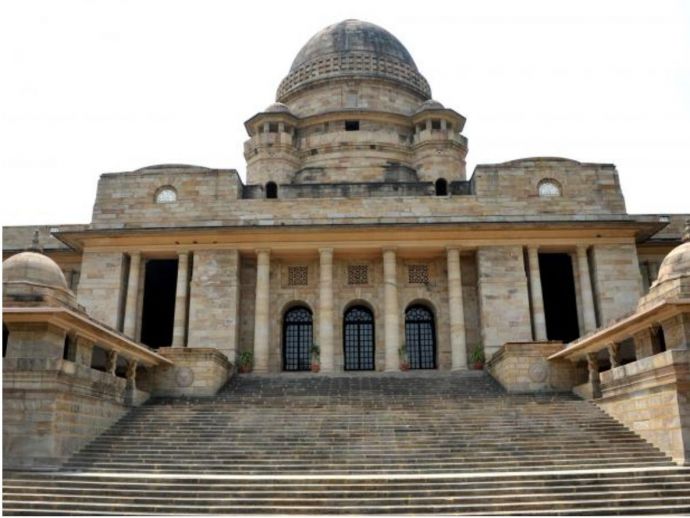
Nagpur dengue | hospital bed shortage: The Nagpur bench of the Bombay High Court has expressed grave concern over the rising number of dengue and chikungunya cases in the city. The court has questioned the Nagpur Municipal Corporation (NMC) regarding its measures to address the shortage of hospital beds for affected patients. This article delves into the details of the court’s inquiry, the alarming rise in disease cases, and the response from NMC and other stakeholders.

The High Court’s Concern

Rising Dengue and Chikungunya Cases

The division bench, comprising Justices Nitin Sambre and Abhay Mantri, directed NMC to respond within two weeks to the issues raised by petitioner Tejal Agre. Agre, a lawyer-activist, submitted a detailed affidavit highlighting the surge in dengue and chikungunya cases and the subsequent bed shortage in city hospitals.

Statistics and Reports

According to a Times of India report from July 28, 2024, there have been 38 confirmed dengue cases and 88 chikungunya cases since January. The petitioner criticized NMC’s inadequate preventive measures, stating that the city’s residents and healthcare professionals are deeply concerned about the insufficient action taken by the corporation.

Impact on Nagpur (Nagpur dengue)

Geographical Spread of Diseases

Chikungunya cases have spiked particularly in the Mangalwari zone, with 36 cases reported, followed by Dharampeth with 16 cases. Dengue has spread evenly across all ten zones, with Mangalwari leading the count. The recent heavy rains have exacerbated the situation, creating numerous mosquito breeding grounds.

Effects of Severe Flooding

Agre noted that the city experienced severe flooding, with many roads and residential areas inundated. The overflow of the Ambazari lake particularly affected low-lying areas in its vicinity, further contributing to the mosquito breeding problem.

Concerns for School Children

Spread Among Younger Age Groups

The petition also raised concerns about the spread of dengue and malaria among school children, especially younger age groups. Agre urged the court to direct NMC and school management to address this issue on a priority basis, emphasizing the need to control mosquito breeding in school premises.

Importance of Preventive Measures

“It’s imperative that all stakeholders, including legal authorities, healthcare institutions, and the community, collaborate diligently to curtail the ongoing dengue outbreak,” Agre stated. This collaborative approach is crucial to ensuring the safety and health of school children and the broader community.

NMC’s Response and Preventive Actions

Current Measures and Shortcomings

The NMC has been under scrutiny for its handling of the situation. Despite the rising number of cases, there has been a perceived lack of adequate preventive measures and public health initiatives. The court’s directive to NMC to file a reply within two weeks underscores the urgency of the matter.

Potential Solutions and Strategies

Enhancing Hospital Capacity

To address the bed shortage, NMC needs to consider expanding hospital capacity and possibly setting up temporary medical facilities. This can help accommodate the increasing number of patients and provide timely medical care.

Improving Mosquito Control Efforts

Intensifying mosquito control efforts, including regular fumigation and public awareness campaigns about preventive measures, is crucial. Educating residents on how to eliminate breeding grounds around their homes can significantly reduce the mosquito population.

Community Involvement and Public Health

Role of Residents

Community involvement is essential in combating the spread of dengue and chikungunya. Residents can play a pivotal role by ensuring their surroundings are free from stagnant water, which serves as a breeding ground for mosquitoes.

Collaborative Efforts

Collaborative efforts between the NMC, healthcare providers, and the community can lead to more effective management of the outbreak. Regular community meetings and updates on the situation can keep everyone informed and involved in the prevention efforts.

Government and Legal Interventions

Support from Higher Authorities

The involvement of higher government authorities and legal bodies can provide the necessary support and resources to tackle the outbreak. This includes financial aid, medical supplies, and additional healthcare (hospital bed shortage) personnel.

Legal Mandates and Directives

Legal mandates and directives from the court can ensure that NMC and other relevant bodies take the required actions promptly. This can lead to better preparedness and response to public health crises (hospital bed shortage) in the future.

The surge in dengue and chikungunya cases in Nagpur has highlighted significant gaps in the public health infrastructure. The High Court’s intervention is a crucial step towards addressing these issues and ensuring that NMC and other stakeholders take the necessary actions. By enhancing hospital capacity, improving mosquito control efforts, and fostering community involvement, Nagpur can better manage this public health crisis.

1. What are the symptoms of dengue and chikungunya?

Symptoms of dengue include high fever, severe headache, pain behind the eyes, joint and muscle pain, rash, and mild bleeding. Chikungunya symptoms include sudden fever, severe joint pain, muscle pain, headache, nausea, fatigue, and rash.

2. How can I protect myself from mosquito bites?

You can protect yourself by using mosquito repellent, wearing long-sleeved clothing, using mosquito nets while sleeping, and ensuring there is no stagnant water around your home where mosquitoes can breed.

3. What should I do if I suspect I have dengue or chikungunya?

If you suspect you have dengue or chikungunya, seek medical attention immediately. Stay hydrated, rest, and follow the treatment plan prescribed by your healthcare provider.

4. How is the NMC addressing the outbreak?

The NMC is working on expanding hospital capacity and intensifying mosquito control efforts. However, there have been criticisms regarding the adequacy of their actions, leading to the High Court’s intervention.

5. How can the community help in preventing the spread of these diseases?

The community can help by eliminating mosquito breeding grounds, participating in public health initiatives, and spreading awareness about preventive measures. Collaborative efforts can significantly reduce the spread of these diseases.

CCTVs Show Maloo Drove 3.8km in Less Than 3 Minutes, HC Told

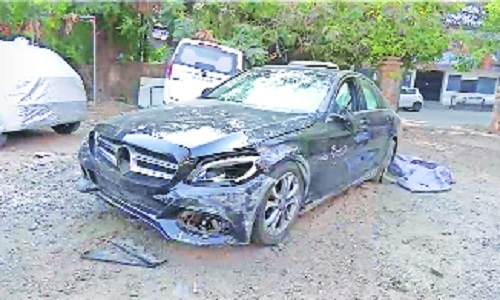
Nagpur: After consuming liquor at two restaurants in the same club, Ritika Maloo drove 3.8km in less than 3 minutes just before her Mercedes rammed the scooter of the two victims on Ram Jhula on February 25, government pleader Devendra Chauhan informed the Nagpur bench of Bombay high court on Wednesday. The HC bench of justice Urmila S Joshi-Phalke was hearing Maloo’s anticipatory bail plea.

Maloo has also written a letter to the police saying her friend Madhuri Sarda was driving the car in question and not her, the court was informed (see box). The court closed the matter for order after hearing both sides in a packed courtroom. Chauhan, arguing for Ritika’s arrest, gave the high court minute-to-minute details with the help of CCTV footage of the 2.56 minutes it took for Maloo’s car to travel 3.8km from a private club at Civil Lines to Ram Jhula bridge. The CCTV footage was played before court for reference.

The Incident Unfolded

A Night Out Ends in Tragedy

It all began with an evening out at a club. Ritika Maloo, after enjoying drinks at two restaurants within the same establishment, found herself behind the wheel of her Mercedes. The sequence of events that followed led to a devastating collision on Ram Jhula.

The Collision on Ram Jhula

On February 25, the night took a tragic turn as Maloo’s car collided with a scooter. The scooter, carrying two victims, was struck by the speeding vehicle. The aftermath was severe, and the incident quickly caught the attention of authorities and the public alike.

High-Speed Journey Caught on Camera

CCTV Evidence Presented in Court

The prosecution, led by government pleader Devendra Chauhan, provided compelling evidence to the Nagpur bench of the Bombay high court. The minute-by-minute breakdown of the journey was meticulously detailed, aided by CCTV footage that showed Maloo’s car covering 3.8km in just under 3 minutes.

Details from the CCTV Footage

The footage revealed a clear picture of the events. From the club at Civil Lines to the Ram Jhula bridge, every moment was captured. This evidence was crucial in piecing together the timeline and speed at which Maloo was driving.

Legal Proceedings and Anticipatory Bail

Courtroom Drama

The courtroom was packed as Justice Urmila S Joshi-Phalke presided over the anticipatory bail plea of Ritika Maloo. The arguments presented by both sides were intense, with Chauhan pushing for Maloo’s arrest based on the detailed evidence from the CCTV footage.

Maloo’s Defense

Ritika Maloo’s defense included a letter she wrote to the police, stating that her friend, Madhuri Sarda, was actually driving the car at the time of the accident. This claim added another layer of complexity to the case, as the court had to consider this new piece of information.

The Impact of the Collision

Victims and Their Families

The collision had a profound impact on the victims and their families. The scooter riders, who were innocently commuting, faced severe consequences due to the high-speed crash. Their families are left grappling with the aftermath and seeking justice.

Public Reaction

The incident sparked widespread public reaction. The severity of the crash and the details of the high-speed journey shocked many, leading to calls for stricter enforcement of traffic laws and accountability for reckless driving.

The Role of Alcohol

Influence of Alcohol on Driving

Alcohol consumption and driving are a dangerous mix. In Maloo’s case, the fact that she had been drinking at two different restaurants before the incident played a significant role in the events that unfolded. This serves as a stark reminder of the risks associated with drinking and driving.

Legal Implications of DUI

Driving under the influence (DUI) carries severe legal consequences. The court had to consider not only the reckless driving but also the influence of alcohol, which significantly impaired Maloo’s ability to drive safely.

The Legal Framework

Anticipatory Bail Explained

Anticipatory bail is a legal provision that allows an individual to seek bail in anticipation of an arrest. In this case, Maloo’s plea for anticipatory bail was a critical aspect of the legal proceedings, as it would determine whether she could avoid immediate arrest.

Court’s Considerations

The court had to weigh various factors in deciding on the anticipatory bail plea. These included the evidence presented, the severity of the incident, and Maloo’s defense claiming that she was not driving the car.

CCTV Footage as Key Evidence

Importance of Video Evidence

CCTV footage has become a vital tool in legal proceedings. In this case, the footage provided a clear and unbiased account of the events, helping the court to understand the timeline and actions leading up to the collision.

Accuracy and Reliability

The reliability of the CCTV footage was crucial. It offered a precise and accurate representation of the journey, leaving little room for doubt about the speed and path taken by Maloo’s car.

Arguments from Both Sides

Prosecution’s Stance

The prosecution argued strongly for Maloo’s arrest. They highlighted the speed at which the car was driven and the influence of alcohol as significant factors that contributed to the collision. The detailed timeline from the CCTV footage bolstered their case.

Defense’s Argument

The defense, on the other hand, focused on Maloo’s claim that her friend was driving the car. This introduced a new angle to the case, challenging the prosecution’s narrative and requiring the court to consider this possibility.

Court’s Deliberation and Decision

Judicial Process

The judicial process involved careful deliberation of the evidence and arguments presented. The court’s role was to ensure a fair hearing, considering all aspects before making a decision on the anticipatory bail plea.

Awaiting the Verdict

After hearing both sides, the court closed the matter for order. The anticipation of the verdict added to the tension in the courtroom, as all parties awaited the judge’s decision on Maloo’s plea.

Public and Media Attention

Media Coverage

The case received significant media attention. News outlets closely followed the proceedings, providing regular updates and keeping the public informed about the developments in the case.

Public Opinion

Public opinion was divided. While some empathized with the victims and called for strict punishment for Maloo, others were intrigued by the defense’s claim and awaited the court’s decision.

Legal and Social Implications

Precedent for Future Cases

The outcome of this case could set a precedent for future cases involving DUI and reckless driving. The court’s decision on the anticipatory bail plea would be closely watched for its implications on legal proceedings in similar cases.

Awareness and Prevention

The incident also highlighted the need for greater awareness and prevention measures against drunk driving. It served as a reminder of the dangers and the importance of responsible behavior behind the wheel.

The case of Ritika Maloo’s high-speed journey and subsequent collision is a complex one, involving legal, social, and personal dimensions. The evidence from CCTV footage, the arguments from both sides, and the court’s deliberation all play a crucial role in determining the outcome. As we await the court’s decision, the incident serves as a stark reminder of the dangers of reckless driving and the severe consequences it can have.

  1. What was the speed at which Ritika Maloo drove?
    • Ritika Maloo drove 3.8km in just under 3 minutes, indicating a high speed that contributed to the severity of the collision.
  2. What evidence was presented in court?
    • The prosecution presented CCTV footage that showed Maloo’s car traveling from a club at Civil Lines to Ram Jhula bridge, detailing the journey and the speed.
  3. Who did Maloo claim was driving the car?
    • Maloo claimed that her friend Madhuri Sarda was driving the car at the time of the collision, a claim that was considered by the court.
  4. What are the legal implications of DUI in this case?
    • Driving under the influence significantly impairs judgment and reaction time, and it is a critical factor in this case, potentially leading to severe legal consequences for Maloo.
  5. What is anticipatory bail?
    • Anticipatory bail is a legal provision that allows an individual to seek bail in anticipation of an arrest, which was a key aspect of Maloo’s legal strategy in this case.

Zero Funds for Zero Mile Upkeep: HC Seeks Reply from District Collector

Zero Mile monument maintenance funds: The Zero Mile monument, a Grade-1 heritage structure in Nagpur, has found itself in a state of neglect due to the lack of necessary funds for its maintenance. Recently, the Nagpur bench of the Bombay High Court stepped in, questioning the district collector on the unavailability of funds that has led to the public works department (PWD) halting any restoration work. This article delves into the details surrounding this issue, exploring the legal, administrative, and cultural aspects of the situation.

Understanding the Significance of Zero Mile Monument

Historical Importance

The Zero Mile monument is not just a geographical marker but a symbol of Nagpur’s rich heritage. Erected by the British, this monument marks the geographical center of colonial India, making it a significant historical landmark.

Architectural Beauty

This Grade-1 heritage structure boasts unique architectural features that reflect the colonial era’s grandeur. The monument comprises a stone pillar, a beautiful garden, and four horses made of sandstone, representing the meticulous craftsmanship of the time.

The Issue at Hand: Lack of Maintenance Funds

Role of the Public Works Department

The PWD is responsible for the upkeep of this heritage site. However, due to the absence of allocated funds from the district collectorate, no maintenance work has been initiated, leaving the monument in a state of disrepair.

High Court’s Intervention

In a recent hearing, the High Court, led by Justices Nitin Sambre and Abhay Patil, sought an explanation from the district collector regarding the delay in providing the necessary funds. The court emphasized the importance of preserving the monument and suggested that if the district collectorate is unable to provide the funds, the matter should be escalated to the state government.

Legal Directives and Obligations

The HC highlighted the provisions under the directive principles, particularly Article 51A of the Constitution, which mandates the state to protect its cultural heritage. This legal framework underscores the state’s duty to ensure the preservation of historical sites like the Zero Mile monument.

Challenges in Preservation Efforts

Lack of a Functioning Heritage Conservation Committee

Advocate Gemini Kasat, representing the Nagpur Municipal Corporation (NMC), pointed out that the Heritage Conservation Committee has not been reconstituted for a long time. The committee’s inactivity has further stalled any restoration efforts, as all permissions related to heritage sites must come from this body.

Expired Tenures and Interim Orders

The tenure of some committee members has expired, and some members have passed away. Currently, the remaining members are serving based on an interim court order, which is not a sustainable solution for long-term heritage conservation.

Previous Attempts and Setbacks

Sub-committee Formation and Initial Plans

In an earlier court directive, a sub-committee under the heritage committee was to be established to oversee the restoration and maintenance of the Zero Mile monument. In 2020, the PWD presented a timeline for a structural audit and restoration, but these plans were never realized.

Intervention by Builders Association

A builders association had offered to assist in the restoration, receiving permission from the heritage committee. However, this initiative fell through, leaving the monument’s future uncertain.

Financial Hurdles

In 2022, the PWD requested Rs 25 lakh from the district collectorate for restoration work. With no funds allocated, the restoration project remains in limbo, highlighting the financial challenges faced in preserving heritage structures.

The Way Forward

High Court’s Expectations

The High Court has made it clear that the district collector must provide the necessary funds or escalate the matter to the state government. The court’s directive aims to ensure that the monument receives the attention and resources it deserves.

Reconstitution of the Heritage Conservation Committee

The reconstitution of the Heritage Conservation Committee is crucial. The state Urban Development Department has been tasked with addressing this issue, which is essential for any future restoration efforts.

Community and Government Collaboration

A collaborative approach involving the local community, government bodies, and private entities could be the key to successfully restoring the Zero Mile monument. Public awareness and support can also play a significant role in heritage conservation.

The Zero Mile monument stands as a testament to Nagpur’s historical and cultural heritage. However, its current state of neglect underscores the urgent need for funds and a functional heritage committee. The intervention by the High Court has brought this issue to the forefront, urging the district collector and state government to act swiftly. By addressing the financial and administrative challenges, there is hope that this iconic landmark can be preserved for future generations to appreciate.

1. Why is the Zero Mile monument important?

The Zero Mile monument marks the geographical center of colonial India and is a significant historical and architectural landmark in Nagpur.

2. What is the current issue with the Zero Mile monument?

The monument is in a state of neglect due to the lack of allocated funds for its maintenance, causing the PWD to halt any restoration work.

3. What role does the Heritage Conservation Committee play?

The committee is responsible for granting permissions related to heritage sites. Its inactivity has stalled restoration efforts for the Zero Mile monument.

4. How has the High Court intervened in this matter?

The High Court has asked the district collector to explain the delay in providing funds and suggested escalating the matter to the state government if necessary.

5. What are the possible solutions for preserving the Zero Mile monument?

Reconstituting the Heritage Conservation Committee, allocating necessary funds, and fostering collaboration between the community and government can help in preserving the monument.

Legal Complexities: Watch GN Saibaba’s Acquittal Journey

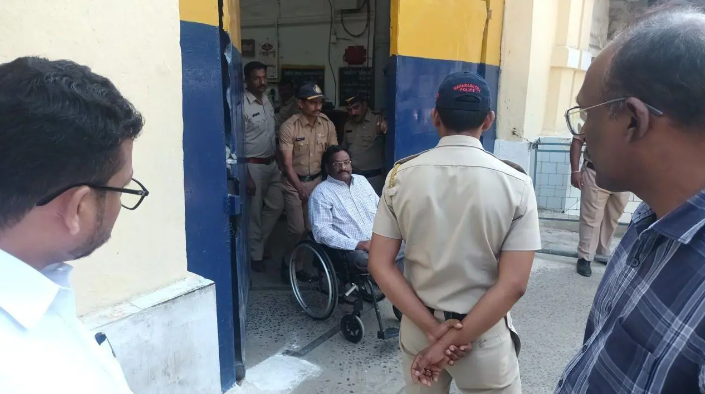
In a significant turn of events, Delhi University professor GN Saibaba, once entangled in the web of Maoist links, emerged from Nagpur Central Jail on Thursday as a free man. Alongside him, five others were recently acquitted by the Nagpur bench of the Bombay High Court, marking the culmination of a legal saga that began with Saibaba’s arrest in 2014.

The Acquittal Verdict

The Nagpur bench of the High Court, comprising Justices Vinay Joshi and Valmiki SA Menezes, overturned a 2017 conviction by a sessions court that had sentenced Saibaba and his co-accused to life imprisonment under the Unlawful Activities (Prevention) Act (UAPA). This landmark decision came after the appeal was reheard by the Supreme Court, which had initially reversed the High Court’s earlier acquittal verdict, as reported by ANI.

Supreme Court’s Intervention

On April 19, 2023, the Supreme Court overturned the High Court’s judgment to discharge Saibaba and others. This came in response to a petition from the Maharashtra government challenging the verdict. Subsequently, the Supreme Court postponed the High Court’s decision to release the defendants on October 14, 2022. Despite being granted the right to request bail, the accused, including Saibaba, awaited the Supreme Court’s ruling while languishing in jail.

Allegations and Acquittal

Initially convicted by the Sessions Court in Gadchiroli, Maharashtra, the accused were charged with being members of the Revolutionary Democratic Front (RDF), reportedly linked to an illegal Maoist organization. However, the recent acquittal by the High Court has effectively overturned their prior convictions.

Co-Accused and Tragedy

Besides Saibaba, the High Court acquitted Mahesh Kariman Tirki, Pandu Pora Narote, Hem Keshavdatta Mishra, and Prashant Rahi, all of whom faced life sentences. Additionally, Vijay Tirki, sentenced to ten years, and unfortunately, the late Pandu Pora Narote, who passed away during the appeals process, were also part of this legal odyssey.

In navigating the complexities of legal battles, the saga of GN Saibaba’s acquittal stands as a testament to the resilience of justice. This journey, marked by twists and turns, underscores the importance of a thorough and impartial legal process.

FAQs

  1. Why was GN Saibaba arrested in 2014?
    • Saibaba was arrested on allegations of Maoist links, specifically being accused of being a part of the Revolutionary Democratic Front (RDF).
  2. What led to the High Court’s acquittal decision?
    • The Nagpur bench of the Bombay High Court acquitted Saibaba and others, overturning a 2017 conviction, after a thorough reconsideration of the case.
  3. How did the Supreme Court intervene in the acquittal process?
    • The Supreme Court initially reversed the High Court’s acquittal, responding to a petition from the Maharashtra government, but later upheld the acquittal in 2023.
  4. Were there any casualties during the legal proceedings?
    • Unfortunately, Pandu Pora Narote passed away during the appeals process, adding a tragic dimension to the unfolding events.
  5. What charges were the accused facing?
    • The accused, initially convicted by the Sessions Court, were charged under the Unlawful Activities (Prevention) Act (UAPA) for their alleged involvement with the Revolutionary Democratic Front (RDF).

Trouble on the Road: High Court Directs DCP Traffic to Tackle Traffic Woes in Nagpur

Introduction

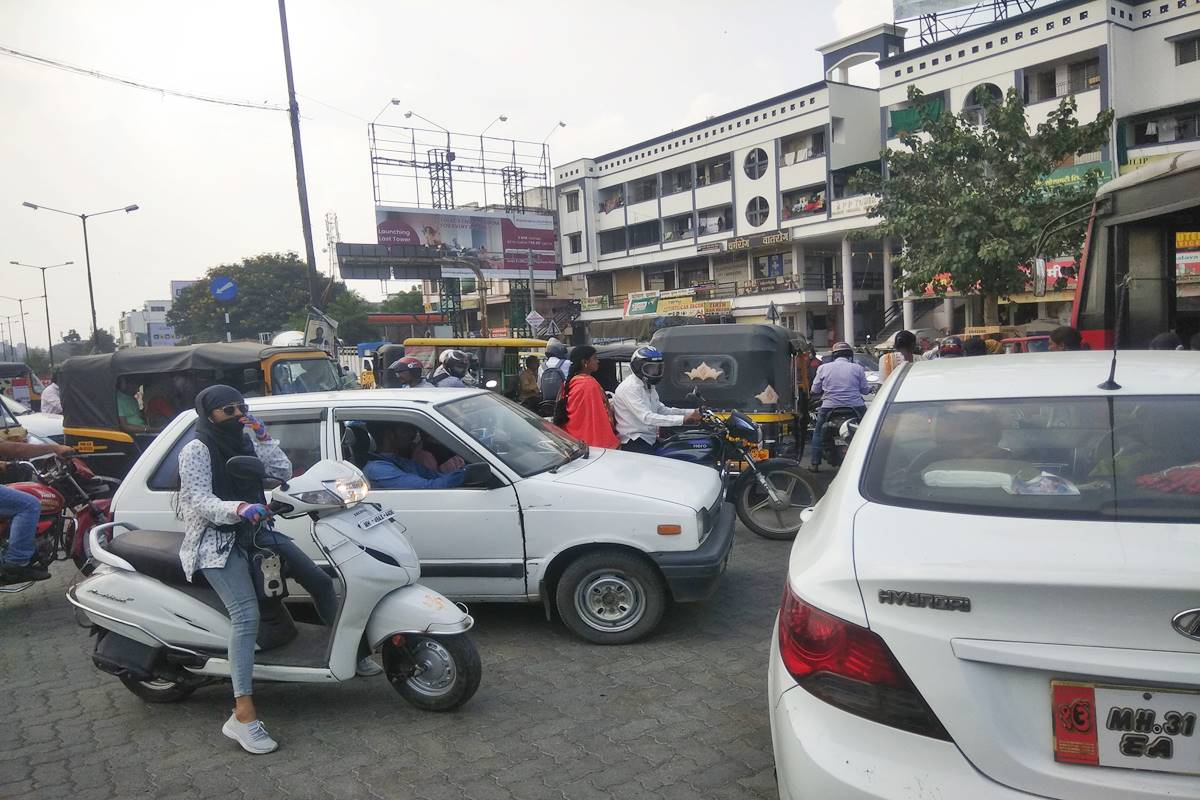
In a recent development, the Nagpur Bench of the Bombay High Court has summoned Shashikant Satav, Deputy Commissioner of Police (DCP), Traffic, to address the alarming issue of motorists in Nagpur driving in the wrong direction and disregarding traffic signals. This directive came during a hearing presided over by Justice Nitin Sambre and Justice Abhay Mantri.

High Court directs DCP Traffic to take action

The High Court, concerned about the persisting traffic chaos despite the installation of rumble strips on the Dabha-Gorewada Ring Road, has instructed DCP Satav to provide a detailed plan of action within two weeks. The court had previously directed him to appear in person during the seventh hearing due to the ongoing issue of speeding vehicles.

Ineffectiveness of Rumble Strips

During the last hearing, the petitioner highlighted the ineffectiveness of the rumble strips on the Ring Road, as two-wheelers and four-wheelers continued to speed, with some even driving in the wrong direction. Responding to these concerns, the High Court took a firm stand, instructing the DCP Traffic (Shashikant Satav) to attend the hearing and address the persistent problem.

The Urgent Need for Safety Measures

In an attempt to curb the rising number of fatal accidents, Sandeep Badana, through a public interest litigation (PIL), advocated for the installation of rumble strips on the Dabha-Gorewada Ring Road. The petitioner, armed with information obtained through the Right to Information (RTI) Act, revealed that 247 accidents occurred on the stretch in Gittikhadan over the last four years, resulting in 42 fatalities and 67 serious injuries.

Impact on Residential Areas and Schools

Data obtained from NIT under the RTI Act disclosed the construction of 374 residential building schemes in the Dabha-Gorewada area of Gittikhadan between 2017 and 2022. Additionally, the area hosts three major schools, contributing to a significant influx of students along the Dabha-Gorewada Ring Road. Given these findings, the petitioner stressed the importance of installing rumble strips to prevent accidents and ensure the safety of residents and students alike.

Advocate Sandeep Badana presented the case, highlighting the urgency of the situation, while Advocate Amit Madiwale represented the State’s interests. Advocate Girish Kunte argued on behalf of NIT, emphasizing the need for proactive measures to address the growing concerns surrounding road safety.

FAQs: Clearing the Air on Traffic Nagpur

1. What prompted the High Court’s intervention in Nagpur’s traffic issues?

The High Court stepped in due to the persistent problem of motorists driving recklessly and violating traffic rules, especially on the Dabha-Gorewada Ring Road.

2. Why did the petitioner advocate for rumble strips?

Sandeep Badana, through a PIL, pushed for rumble strips as a preventive measure against the rising number of fatal accidents on the Ring Road.

3. What information did the petitioner obtain through the RTI Act?

The petitioner revealed that 247 accidents occurred on the Ring Road in Gittikhadan, resulting in 42 fatalities and 67 serious injuries over the last four years.

4. How has the construction in the Dabha-Gorewada area contributed to the problem?

Data from the RTI Act showed the construction of 374 residential building schemes between 2017 and 2022, creating increased traffic, especially with the presence of three major schools in the area.

5. Who represented the State’s interests during the hearing?

Advocate Amit Madiwale took on the role of representing the State, emphasizing the importance of balancing safety measures with practical considerations.

6. What role did NIT play in the proceedings?

Advocate Girish Kunte, representing NIT, highlighted the need for proactive measures to address the growing concerns surrounding road safety, aligning with the broader community’s interests.

Conclusion

The High Court’s directive to DCP Shashikant Satav reflects a concerted effort to address the pressing issue of traffic mismanagement in Nagpur. As stakeholders continue to advocate for safety measures, the hope is that proactive steps will be taken to ensure the well-being of both residents and commuters navigating the challenging road conditions. Only time will tell if the proposed solutions can effectively curb the rising tide of accidents in the city.

Don’t let traffic chaos rule Nagpur’s roads. Stay tuned for updates as the High Court takes charge to bring order to the bustling city.

Hiding Illness Before Marriage – A Ground for Divorce, Decrees Nagpur Bench of Bombay High Court

Introduction

In a groundbreaking proclamation, the Nagpur Bench of Bombay High Court has unequivocally asserted that concealing illnesses before matrimony can constitute solid ground for divorce. This revelation surfaced during a judicial proceeding involving a couple from Akola, sparking a legal discourse that delved into the intricacies of marital obligations and disclosure.

The High Court’s Pronouncement

“A Stitch in Time Saves Nine” – High Court’s Stern Warning

The court, adopting a stern tone, emphasized that if an individual is grappling with an incurable ailment before marriage, transparency becomes paramount. The specific case involved a couple wed on May 18, 2017, hailing from Akola. The wife, afflicted with an eye disease pre-marriage, chose not to disclose it. The revelation unfolded three months into their wedlock, leading to their subsequent separation.

Navigating Legal Terrain – Akola Family Court’s Verdict

Promptly, the wife sought restoration of conjugal rights via a petition in the Akola Family Court. Simultaneously, the husband pursued a divorce petition. In a joint ruling, the Akola Family Court rebuffed the wife’s plea while endorsing the husband’s quest for legal dissolution. Unyielding, the wife contested this decision, elevating the matter to the High Court for reevaluation.

Hiding Illness Before Marriage is a Ground for Divorce – High Court’s Firm Stand

The Gavel Resounds: Legal Implications

During the court proceedings, all parties involved were afforded an opportunity to present their perspectives. After meticulous consideration, the High Court resolutely stood by the Akola Family Court’s decision, categorically dismissing the wife’s appeal. This robust stance underscores the judiciary’s insistence on transparency in marital relationships, specifically when health concerns are at play.

FAQs – Demystifying the Legal Dynamics

  1. Is concealing an illness grounds for divorce in every case?
    • The High Court’s assertion is not absolute. Each case is evaluated on its merits, considering the nature of the ailment and the impact on the marital relationship.
  2. What if the illness is curable? Does it still constitute a ground for divorce?
    • While curability may influence the decision, the emphasis lies on honest disclosure. Lack of transparency, even with a curable condition, could potentially affect the court’s ruling.
  3. Does this precedent apply only to serious ailments?
    • The court’s stance extends to all health conditions, underlining the importance of open communication in fostering a healthy marital bond.
  4. How can individuals protect themselves legally in such situations?
    • Drafting prenuptial agreements that address the disclosure of pre-existing health conditions is one way to navigate potential legal challenges.
  5. Can the court compel disclosure of medical records before marriage?
    • While not a standard practice, the court may consider such requests if deemed essential to ensuring transparency.
  6. Are there any exceptions to the disclosure rule?
    • The court recognizes genuine circumstances where disclosure may be challenging. However, deliberate concealment without valid reasons is unlikely to be condoned.

The Crucial Verdict – High Court Maintains Legal Precedence

Grounds for Divorce: A Paradigm Shift?

This verdict reflects a paradigm shift in the legal landscape surrounding marital obligations (ground for divorce). The High Court’s steadfast commitment to upholding the sanctity of marriage through transparency sets a precedent for future cases involving concealed health conditions.

Conclusion

In the realm of matrimony, the Nagpur Bench of Bombay High Court’s recent pronouncement echoes a resounding call for transparency. The imperative of divulging pre-existing health conditions stands tall as a cornerstone for fostering trust and ensuring the longevity of marital unions. As the legal arena adapts to evolving societal norms, this verdict signals a pivotal moment in defining the boundaries of disclosure within the sacred institution of marriage.

Court Asks MIDC Plot Owners to Settle Property Tax Dispute Post 2018-19

Nagpur: In a recent development, the Nagpur Bench of the Bombay High Court has issued a directive compelling plot owners within the MIDC industrial area to fulfill their property tax obligations for the period post the 2018-19 financial year. This crucial mandate emphasizes the need for timely payments to the respective Gram Panchayats, setting a deadline of February 14. Justices Avinash Gharote and M S Jawalkar, constituting the Division Bench, delivered this order on January 30. Notably, the court addressed a longstanding dispute concerning the calculation method for arrears preceding the 2018-19 period.

Navigating the Tax Conundrum: MIDC Industrial Area

The plot owners find themselves at the epicenter of a legal tussle, challenged by Sonegaon Gram Panchayat, Digdoh Gram Panchayat, Wadi Gram Panchayat, and Nildoh Gram Panchayat regarding the property tax demands. Acting collectively under the banner of the MIDC Industries Association, the property owners have presented a petition outlining four crucial grounds.

Challenges Raised by Property Owners

  1. Three-Year Cap: The petitioners assert that Gram Panchayats cannot rightfully demand taxes for more than the preceding three years as arrears.
  2. Non-Retrospective Application: The G.R. of 2018, as per the second point in the petition, cannot be retrospectively applied for the period before 2018 (2000 to 2018).
  3. Vague Demands: The third point underscores the ambiguity in the demands issued by Gram Panchayats, lacking clarity on both the basis and the period.
  4. Non-Adherence to Taxation Rules: The property owners contend that taxes were levied without following proper assessment procedures, violating established rules.

Court Proceedings and Ruling

The petition, scheduled for final arguments on January 30, witnessed an unexpected twist when the Gram Panchayat raised objections. They argued that property owners weren’t complying with tax payments even for the period after 2018. Consequently, the Court directed the petitioners to instruct property owners to settle taxes from 2018 onwards. The Court’s rationale was grounded in the belief that, while the dispute pertains to the period before 2018, resolving the immediate concern involves paying taxes from 2018 onwards.

Advocate P P Kothari represented the petitioners, countering the objections raised, while AGP Shyamsi Haider and Adv P S Khubalkar advocated for the respondents.

Frequently Asked Questions (FAQs)

Q1: Why is there a dispute regarding property taxes in the MIDC industrial area?

A1: The dispute stems from the calculation method of arrears before the 2018-19 period, prompting a directive from the Bombay High Court for property owners to pay taxes post-2018-19.

Q2: What grounds have the property owners raised in their petition?

A2: The property owners, acting through the MIDC (Ngpur) Industries Association, challenge the three-year cap on tax demands, the non-retrospective application of G.R. 2018, vague demands lacking clarity, and the alleged violation of taxation rules.

Q3: Why did the Court direct property owners to pay taxes from 2018 onwards?

A3: The Court, in response to objections raised by Gram Panchayat, emphasized addressing the immediate concern by instructing property owners to settle taxes from 2018 onwards.

Q4: Who represented the petitioners and respondents in the court proceedings?

A4: Advocate P P Kothari represented the petitioners, countering objections, while AGP Shyamsi Haider and Adv P S Khubalkar advocated for the respondents.

Q5: What is the deadline for property owners to pay taxes according to the court directive?

A5: The Bombay High Court set a deadline of February 14 for MIDC plot owners to fulfill their property tax obligations to the respective Gram Panchayats.

Q6: How does the Court view the tax dispute in the MIDC industrial area?

A6: The Court perceives the dispute as primarily concerning the period before 2018; however, it mandated property owners to address the immediate concern by settling taxes from 2018 onwards.

The recent directive from the Nagpur Bench of the Bombay High Court adds a new chapter to the ongoing saga of property tax disputes in the MIDC industrial area. While the core of the issue lies in the calculation method of arrears, the Court’s directive seeks to bring immediate resolution by instructing property owners to fulfill their tax obligations post the 2018-19 financial year. As both sides present their arguments, the legal landscape surrounding property taxes in the MIDC industrial area continues to evolve, awaiting further developments and clarifications.

Flood Mitigation Plan for Nagpur: High Court Directs Irrigation Department

In a pivotal move towards safeguarding Nagpur from the devastating impact of floods, the Nagpur Bench of the Bombay High Court has recently taken a proactive stance by directing the Irrigation Department to articulate a robust plan for future flood prevention. This significant development comes in the wake of the calamitous flooding caused by the overflow of Ambazari lake in September 2023, prompting the court to intervene and seek concrete measures to avert such disasters in the future.

Judicial Intervention in the Wake of Havoc

The urgency of the matter unfolded when heavy rains in September 2023 led to the inundation of various settlements as the waters of Ambazari Lake surged beyond its limits. In response to the ensuing chaos, Ramgopal Bachuka and others filed a Public Interest Litigation (PIL) in the High Court, articulating a range of demands aimed at preventing the recurrence of such catastrophic events. The PIL, presided over by Justice Nitin Sambre and Abhay Mantri, prompted the court to delve into the specifics of safeguarding Nagpur from future floods.

Demand for Detailed Flood Prevention Strategies

During the proceedings, the petitioner’s lawyer, Adv. Tushar Mandlekar, underscored a crucial gap in the court records – the absence of detailed information regarding the measures to be implemented to shield Nagpur from future floods. This observation triggered a proactive response from the court, leading to the issuance of a directive to the Irrigation Department. The court has mandated the submission of a comprehensive flood prevention plan within the next three weeks, signaling a significant step towards proactive disaster management.

The Imperative for Future-Ready Flood Mitigation

In the face of increasingly unpredictable weather patterns and the potential escalation of extreme weather events, the need for a robust and adaptive flood mitigation plan for Nagpur cannot be overstated. The aftermath of the Ambazari lake overflow serves as a stark reminder of the vulnerability of the region to such natural disasters. Hence, the High Court’s intervention and insistence on a well-documented plan underscore the critical importance of proactive measures to ensure the safety and well-being of Nagpur’s residents.

Key Components of an Effective Flood Prevention Strategy

1. Advanced Early Warning Systems

An integral aspect of any comprehensive flood prevention plan is the establishment of advanced early warning systems. These systems leverage modern technology, including meteorological data, satellite imagery, and real-time monitoring, to provide timely alerts to residents and authorities. Such proactive measures can significantly reduce the impact of floods by allowing for timely evacuations and resource mobilization.

2. Infrastructure Upgrades and Maintenance

Investing in the enhancement and maintenance of existing infrastructure is paramount for mitigating flood risks. This includes the regular inspection and reinforcement of embankments, drainage systems, and reservoirs. By ensuring the structural integrity of these components, the likelihood of breaches and overflows during heavy rainfall events can be significantly minimized.

3. Community Engagement and Education

Building a resilient community is a cornerstone of effective flood prevention. Engaging with the local population through awareness campaigns, workshops, and educational programs can foster a culture of preparedness and prompt response. Educating residents about evacuation procedures, emergency shelters, and communication channels during floods can empower them to take proactive measures for their safety.

4. Collaborative Approach with Environmental Agencies

Recognizing the interconnectedness of environmental factors in flood dynamics, collaboration with environmental agencies is vital. Preserving and restoring natural buffers, such as wetlands and green spaces, can play a crucial role in absorbing excess water and mitigating the impact of floods. A holistic approach that integrates environmental conservation into flood prevention strategies is essential for long-term resilience.

Exit mobile version