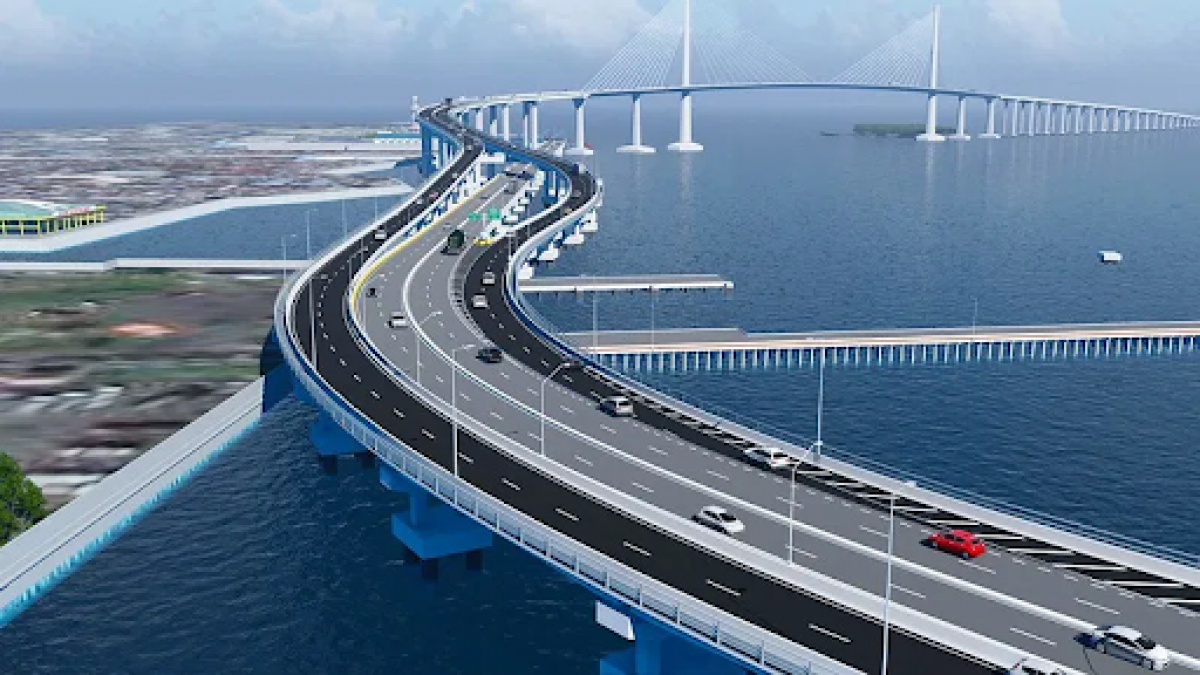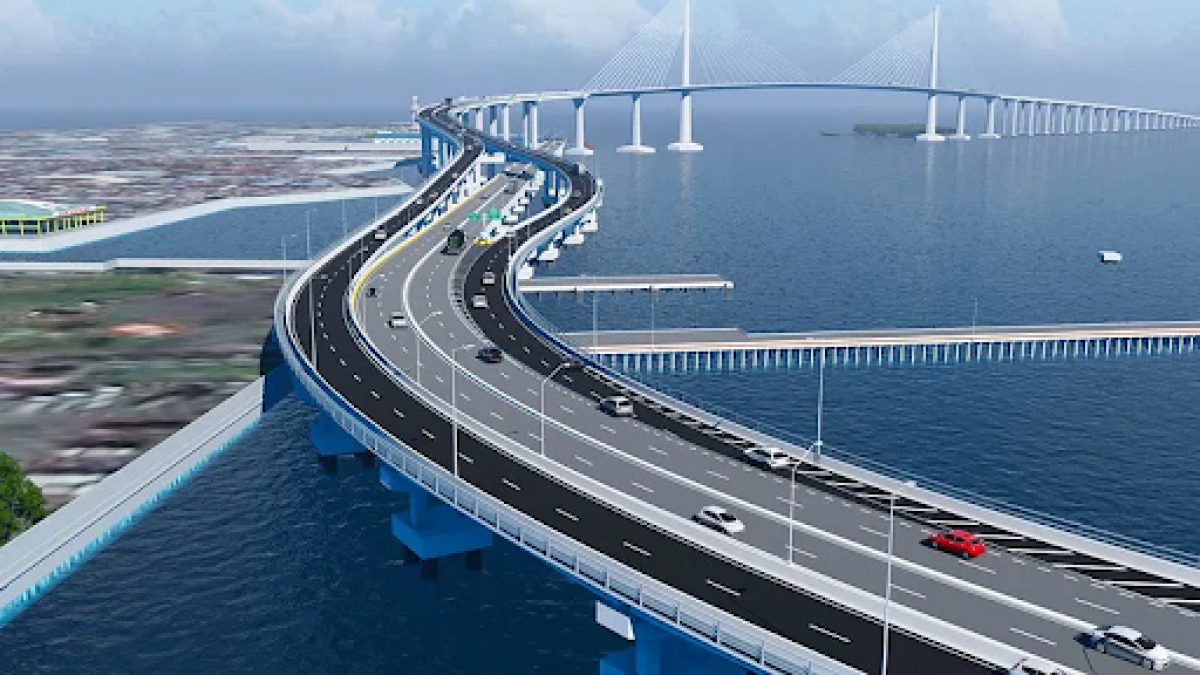
Nagpur-Goa Shaktipeeth Expressway Redesign: A Transformational Yet Costly Infrastructure Leap

Nagpur Goa highway route: The state of Maharashtra has taken a decisive step toward transforming regional connectivity by approving the redesigned Nagpur-Goa Shaktipeeth Expressway, a project that is set to redefine travel, trade, and tourism across western and central India. While the revised blueprint promises enhanced connectivity and broader regional inclusion, it also introduces a significant increase in cost and route length, making it one of the most ambitious yet debated infrastructure projects in the state.


Bold Vision Behind the Shaktipeeth Expressway

The Nagpur-Goa Shaktipeeth Expressway is envisioned as a high-speed corridor connecting spiritual, economic, and coastal hubs. Starting from Nagpur and extending to Goa, this expressway aims to integrate key pilgrimage destinations (Shaktipeeths), industrial zones, and tourism circuits into a seamless transportation network.

The redesigned plan reflects a strategic expansion to include more districts and improve accessibility for underserved regions. This shift aligns with Maharashtra’s broader infrastructure goals, positioning the state as a logistics and tourism powerhouse.


Why the Route Was Redesigned

The original route faced multiple challenges, including land acquisition issues, environmental concerns, and regional demands for inclusion. The revised alignment now covers additional districts, ensuring balanced regional development.

Key reasons for the redesign include:

  • Improved district connectivity across central and western Maharashtra
  • Inclusion of religious and cultural hubs to boost pilgrimage tourism
  • Avoidance of ecologically sensitive zones
  • Enhanced alignment for future urban expansion corridors

This redesigned route ensures that the expressway is not just a road but a multi-dimensional growth engine.


Cost Escalation: A Strategic Investment or Financial Burden?

One of the most striking aspects of the redesign is the sharp increase in project cost. The expanded route length, additional infrastructure components, and compensation for land acquisition have significantly pushed the budget upward.

However, this cost escalation is being positioned as a long-term strategic investment rather than a short-term expense. The expressway is expected to:

  • Reduce travel time between Nagpur and Goa drastically
  • Enhance freight movement efficiency
  • Increase real estate development along the corridor
  • Generate employment opportunities during and after construction

The government’s stance reflects a commitment to quality infrastructure over cost minimization, ensuring durability, scalability, and economic return.


Extended Route: Connecting More Than Just Cities

The redesigned expressway is not merely longer—it is smarter and more inclusive. By expanding its reach, the project now connects:

  • Emerging industrial clusters
  • Agricultural belts requiring better market access
  • Tourism hotspots beyond mainstream routes

This extension transforms the expressway into a comprehensive economic corridor, rather than a simple transit route.


Economic Impact on Maharashtra’s Growth

The Shaktipeeth Expressway is poised to become a backbone of Maharashtra’s economic expansion. Its impact will be visible across multiple sectors:

1. Industrial Growth Acceleration

Improved logistics will reduce transportation costs, attracting manufacturing units and logistics hubs along the route.

2. Tourism Boost

By linking Nagpur to Goa, the expressway will significantly increase tourist flow, especially for weekend and pilgrimage travel.

3. Real Estate Expansion

Land along the expressway corridor is expected to witness rapid appreciation, leading to new townships, commercial hubs, and service industries.

4. Agricultural Advantage

Farmers will gain faster access to markets, reducing spoilage and increasing profitability.


Travel Time Reduction and Connectivity Benefits

The expressway is designed to offer high-speed, uninterrupted travel, cutting down journey time significantly. Travelers will benefit from:

  • Faster connectivity between central and coastal Maharashtra
  • Reduced congestion on existing highways
  • Improved safety standards with modern road engineering

This will make road travel between Nagpur and Goa more efficient and predictable.


Environmental and Land Acquisition Considerations

Large-scale infrastructure projects inevitably face environmental and land-related challenges. The redesigned expressway addresses these concerns by:

  • Avoiding ecologically sensitive zones
  • Implementing compensatory afforestation measures
  • Ensuring fair compensation for landowners

This balanced approach reflects a sustainable development mindset, crucial for long-term success.


Strategic Importance in India’s Infrastructure Landscape

The Nagpur-Goa Shaktipeeth Expressway is not just a state-level project; it holds national strategic significance. It complements India’s broader infrastructure initiatives by:

  • Strengthening east-west connectivity
  • Supporting logistics efficiency under national highway expansion plans
  • Enhing regional integration across economic zones

Its execution will place Maharashtra at the forefront of next-generation expressway development in India.


Challenges Ahead: Execution and Timelines

Despite its ambitious scope, the project faces critical challenges:

  • Timely land acquisition
  • Managing cost overruns
  • Ensuring environmental compliance
  • Coordinating across multiple administrative regions

Efficient project management and transparent governance will be essential to deliver the expressway within projected timelines.


Future Outlook: A Game-Changer for Western India

The redesigned Nagpur-Goa Shaktipeeth Expressway represents a bold leap toward integrated development. Its long-term benefits are expected to outweigh initial challenges, making it a cornerstone of Maharashtra’s infrastructure evolution.

As construction progresses, the expressway will gradually transform into a vital artery connecting culture, commerce, and connectivity, unlocking new opportunities for millions.

The approval of the redesigned Nagpur-Goa Shaktipeeth Expressway marks a turning point in Maharashtra’s infrastructure journey. While the increased cost and extended route may raise initial concerns, the project’s strategic, economic, and social benefits position it as a transformative initiative.

With its potential to redefine travel, boost economic growth, and enhance regional connectivity, this expressway stands as a powerful symbol of progress and ambition in modern India.


NHAI Launches Reward Scheme for Reporting Unclean Toilets at Toll Plazas

Rajmargyatra app: In a pioneering move to enhance hygiene standards on India’s national highways, the National Highways Authority of India (NHAI) has introduced a citizen-centric reward scheme that incentivizes commuters for reporting unclean toilets at toll plazas. This initiative not only aims to improve the maintenance of public amenities but also empowers travelers to play a direct role in promoting cleanliness and accountability across all NHAI-managed highways.

Overview of the NHAI Cleanliness Reward Scheme

The NHAI Toilet Cleanliness Reward Program is designed to encourage active public participation in monitoring sanitation at toll plazas. Commuters who identify and report unclean or poorly maintained toilet facilities are eligible for a Rs 1,000 credit, directly transferred to their FASTag account. The scheme is applicable nationwide, covering all toll plazas managed by NHAI, and will remain operational until October 31, 2025.

The core objective of this initiative is to enhance user experience, maintain hygiene standards, and ensure swift corrective measures for unclean facilities. By integrating technology and citizen vigilance, NHAI aims to create a self-regulating system that maintains sanitation levels on all highways.

Eligibility and Participation Guidelines

To participate in the NHAI Toll Plaza Toilet Reporting Scheme, commuters must follow a structured process:

  1. Download the Rajmargyatra App: Participants need the latest version of the Rajmargyatra mobile application, available on Android and iOS platforms.

  2. Capture Clear Photos: Users must upload geo-tagged, time-stamped images of unclean toilets located at NHAI toll plazas. Only original images captured through the app are considered valid.

  3. Provide Essential Details: Along with the photos, participants must submit:

    • Full Name

    • Vehicle Registration Number (VRN)

    • Mobile Number

    • Exact Location of the Toilet Facility

  4. Reward Credit: Each verified report qualifies for a Rs 1,000 FASTag recharge, which is non-transferable and cannot be redeemed for cash.

It is important to note that the reward is exclusive to toilets constructed or maintained by NHAI, and does not include facilities at petrol pumps, dhabas, or private establishments.

Rules and Verification Mechanism

To ensure fairness and maintain the integrity of the program, NHAI has established a robust verification process:

  • Single Reward Per Vehicle: Each vehicle is eligible to receive the Rs 1,000 credit only once during the scheme period.

  • Daily Limit Per Toilet: A particular toilet facility can receive a reward only once per day, regardless of the number of complaints submitted.

  • First Verified Submission Counts: In cases where multiple users report the same toilet on the same day, only the first verified entry is rewarded.

  • AI-Assisted and Manual Verification: Submitted images undergo AI-powered screening, followed by manual verification to ensure authenticity and prevent duplication.

  • No Edited or Duplicate Photos: Any submission found to be edited, tampered, or duplicate will be disqualified.

This structured approach ensures that the scheme remains transparent, efficient, and credible, promoting a high standard of public accountability.

Technological Integration: Rajmargyatra App Features

The Rajmargyatra app is central to the success of the NHAI initiative, offering a user-friendly platform for reporting sanitation issues. Key features include:

  • Geo-Tagging: Automatic location identification ensures that the reported toilet is correctly mapped to the respective toll plaza.

  • Time-Stamping: Photos are time-stamped to verify when the complaint was submitted, preventing misuse.

  • Instant Updates: Users receive confirmation notifications once their report has been verified.

  • Digital Reward Transfer: FASTag credits are seamlessly applied to the participant’s account without any manual intervention.

This integration of mobile technology and AI-driven verification enables NHAI to maintain a real-time dashboard for monitoring sanitation across national highways.

Impact on Highway Cleanliness and User Experience

By actively involving commuters, NHAI’s scheme is designed to:

  • Enhance Maintenance Standards: Frequent reporting ensures that toilets are cleaned promptly, reducing complaints and improving hygiene.

  • Promote Public Responsibility: Travelers become stakeholders in sanitation, fostering a culture of accountability and awareness.

  • Improve User Satisfaction: Clean and well-maintained toilets contribute to a better highway experience, encouraging more commuters to use toll facilities responsibly.

  • Enable Swift Corrective Action: Identifying unclean facilities in real-time allows NHAI teams to respond quickly, minimizing inconvenience for other travelers.

The combination of citizen engagement, technology, and financial incentives is set to create a sustainable framework for highway cleanliness that benefits millions of daily commuters.

How Citizens Benefit from the Reward Scheme

The Rs 1,000 FASTag credit is a direct incentive for citizens to actively participate in the program. Beyond monetary benefits, users also gain:

  • Recognition for Vigilance: Contributors are acknowledged for promoting public hygiene and safety.

  • Enhanced Travel Experience: Reporting and resolving unclean toilets improves the overall comfort and convenience of highway travel.

  • Community Contribution: Participants play a pivotal role in creating cleaner highways, which benefits every commuter.

The program thus fosters a win-win scenario: citizens receive rewards while contributing to the overall improvement of public amenities.

Future Outlook and Expansion Potential

NHAI’s initiative could serve as a model for similar citizen-driven programs across other public services, including:

  • Roadside Rest Areas: Monitoring cleanliness at highway rest stops and service centers.

  • Railway Stations and Bus Terminals: Encouraging commuter participation in reporting unhygienic facilities.

  • Urban Public Toilets: Extending reward-based reporting to city-run sanitation facilities.

By combining technology, transparency, and public accountability, NHAI sets a benchmark for citizen engagement programs that can be replicated across India and potentially globally.

Driving a Culture of Cleanliness

The NHAI Toilet Cleanliness Reward Scheme exemplifies a progressive approach to public sanitation. By rewarding citizens for reporting unclean facilities, NHAI is not just addressing immediate hygiene concerns but also instilling a long-term culture of cleanliness and accountability on India’s highways.

This initiative ensures that highway travelers are actively involved, public facilities are maintained to higher standards, and every commuter enjoys a safe, hygienic, and comfortable journey.

With the scheme active until October 31, 2025, every traveler has ample opportunity to participate, contribute, and benefit. Together, we can make India’s national highways a model of cleanliness, efficiency, and citizen engagement.

₹20,787 Crore Sanctioned for Nagpur-Goa Shaktipeeth Expressway: Full Route, Benefits & Economic Impact

Nagpur Goa Expressway: In a monumental move to boost connectivity and religious tourism across Maharashtra, the Maharashtra Cabinet has approved ₹20,787 crore for the ambitious Shaktipeeth Expressway, a transformative infrastructure project that will link the eastern city of Nagpur to the Goa border at Patradevi, Sindhudurg.

This 802.529 km long expressway, also referred to as the Shaktipeeth Mahamarg, will create a seamless travel corridor through 12 major districts, drastically reducing the Nagpur-to-Goa travel time from 18 hours to just 8 hours.


Massive Infrastructure Leap: ₹20,787 Crore Budgeted for Spiritual and Economic Growth

The sanctioned fund of ₹20,787 crore underlines the State Government’s vision of integrating infrastructure with religious tourism and regional development. The expressway is being constructed by Maharashtra State Road Development Corporation (MSRDC) with significant backing from HUDCO, which has already sanctioned a ₹12,000 crore loan for land acquisition.

A total of 7,500 hectares of land is being acquired to enable smooth construction and route alignment, ensuring minimum disruption and maximum efficiency.


Complete Route of Shaktipeeth Expressway: 12 Districts Connected

The proposed expressway will begin at Paonar in Wardha district and traverse the heart of Maharashtra, touching:

  • Wardha

  • Yavatmal

  • Hingoli

  • Nanded

  • Parbhani

  • Beed

  • Latur

  • Dharashiv (Osmanabad)

  • Solapur

  • Sangli

  • Kolhapur

  • Sindhudurg

It will ultimately merge with the Konkan Expressway near Patradevi, enhancing access to Goa and other Konkan coastal hubs.


Religious Tourism Focus: Sacred Shaktipeeths Along the Route

The name Shaktipeeth Mahamarg is not arbitrary. It reflects the expressway’s strategic alignment with Maharashtra’s sacred spiritual sites, boosting religious tourism and pilgrimage traffic.

The expressway will connect:

  • Mahur – the abode of Goddess Renuka

  • Tuljapur – famous for Tulja Bhavani temple

  • Kolhapur – home to Mahalaxmi temple

  • Ambejogai – renowned for Yogeshwari Devi

  • Aundha Nagnath – one of the 12 Jyotirlingas

  • Parli Vaijnath – another revered Jyotirlinga

  • Pandharpur – key pilgrimage center of Lord Vitthal

  • Karanja Lad, Akkalkot, Gangapur, Narsobachi Wadi, and Audumbar – all deeply rooted in Maharashtra’s spiritual culture

This religious connectivity ensures the expressway becomes a vital part of the Shaktipeeth Darshan Circuit, giving devotees easier access to multiple temples within a short span of travel.


Nagpur to Goa in 8 Hours: Travel Time Reduced by 10 Hours

Currently, the journey from Nagpur to Goa takes approximately 18 hours via congested and often degraded state and national highways. The Shaktipeeth Expressway is engineered to cut this time down to just 8 hours, bringing unprecedented comfort and convenience to both tourists and transporters.

This will not only boost tourism to Goa and Konkan, but also enhance cargo movement between Eastern Maharashtra, Marathwada, and Western Maharashtra’s port hubs.


Boosting Rural Connectivity and Farmer Economy

One of the lesser-known, yet powerful, benefits of the Shaktipeeth Expressway is the rural integration it will facilitate. As it cuts through largely agrarian regions of Yavatmal, Beed, Latur, and Nanded, the expressway will:

  • Connect remote villages to urban markets

  • Reduce transportation cost for agricultural goods

  • Open up storage, cold-chain, and logistic hubs along the route

  • Attract industrial investment in underdeveloped belts

This means better prices for farmers, job creation, and the overall upliftment of rural economies across central and southern Maharashtra.


Strategic Development Corridor: Beyond Religion and Roads

The expressway is envisioned as more than just a road. It is a strategic development corridor with multi-dimensional objectives:

  • Tourism: Religious and leisure-based, especially boosting pilgrimages and Goa tourism

  • Logistics: Connecting Nagpur’s MIHAN hub with Goa’s port and tourism infrastructure

  • Healthcare Access: Connecting remote areas to major medical cities like Nagpur, Solapur, and Kolhapur

  • Educational Outreach: Students from rural regions can easily reach institutions in major cities

  • Emergency Response: Faster movement of ambulances, disaster recovery units, and public safety forces


Construction Timeline and Expected Completion

While no official timeline has been publicly confirmed, the land acquisition has already begun, and MSRDC aims to start actual construction by end of 2025. Given the magnitude and cost of the project, it is expected to be completed in phases over the next 4-5 years.

Once completed, this expressway will rank among the longest and most significant expressways in India, both in scale and cultural impact.


Why Shaktipeeth Expressway is a Game-Changer for Maharashtra

To summarize, here’s what makes the Shaktipeeth Expressway a groundbreaking initiative:

  • ₹20,787 crore investment to transform regional connectivity

  • 802.529 km route linking Nagpur to Goa via 12 districts

  • Reduced travel time from 18 to 8 hours

  • Strategic integration of key religious shrines and Jyotirlingas

  • Boost to rural economy, tourism, agriculture, and logistics

  • One of India’s largest multi-purpose expressways

This is not merely a road – it is a symbol of progress, faith, and future-ready development in Maharashtra.

Maharashtra to Build India’s Longest Road Tunnel: A Leap Forward in Travel from Nagpur to Goa

Maharashtra longest road tunnel: In a monumental leap for India’s infrastructure development, Maharashtra is poised to construct India’s longest road tunnel, redefining connectivity between Nagpur and Goa. As part of the Nagpur-Goa Shaktipeeth Expressway, this tunnel is more than just an engineering feat—it is a catalyst for economic growth, religious tourism, and inter-district mobility.

Unveiling the Game-Changer: The Shaktipeeth Expressway

The Shaktipeeth Expressway, spanning across a strategic corridor of Maharashtra, is designed to connect 11 major districts from the heart of Vidarbha to the Konkan coastline, terminating at the Goa border in Patradevi. This expressway promises to be Maharashtra’s longest, both in terms of distance and impact.

Among the standout features of this expressway is the Ajara-Banda tunnel in the Kolhapur-Sindhudurg belt, which will serve as a flagship engineering endeavor for the entire nation.

Record-Breaking Tunnel: From Concept to Execution

Strategically located between Ajara and Banda, near the picturesque Amboli Ghat, the tunnel will span a staggering 29.9 kilometers in total length (including twin tunnels). It is planned in Phase 4 of the project, and its construction will reduce the current 90-minute journey across this treacherous terrain to just 20 minutes.

This tunnel not only sets a national record but also ensures year-round connectivity even during monsoon disruptions, which are common in the Western Ghats.

Key Benefits: What the Tunnel Means for Maharashtra

1. Massive Travel Time Reduction

The most immediate advantage of this tunnel is the drastic cut in travel time. Commuters, transporters, and tourists alike will benefit from the streamlined route, especially those transporting perishables and industrial goods.

2. Boost to Religious Tourism

The route connects several major Shaktipeeths and pilgrimage centers, including:

  • Mahur

  • Tuljapur

  • Aundha Nagnath

  • Pandharpur

  • Akkalkot

  • Gangapur

  • Parli Vaijnath

The expressway is aptly dubbed a ‘spiritual corridor’, and the improved infrastructure is expected to increase footfall by thousands, supporting the local economy through hospitality, retail, and logistics.

3. Regional Development and Employment

Construction of such a large-scale infrastructure will generate thousands of jobs, both directly and indirectly. From skilled engineers to construction laborers, this project will uplift communities along its path.

Moreover, better connectivity is proven to attract industrial investments, opening up economic opportunities in areas previously disconnected from major trade routes.

Route Map: A Journey Through 11 Districts

The expressway will weave through the following districts:

  • Nagpur

  • Wardha

  • Yavatmal

  • Hingoli

  • Parbhani

  • Nanded

  • Beed

  • Latur

  • Solapur

  • Kolhapur

  • Sindhudurg

Each of these districts will witness a transformation in logistics and accessibility, ushering in a new era of balanced regional development across Maharashtra.

The Political Turnaround: From Abandonment to Acceleration

The project was previously shelved due to political opposition and community resistance during the last Lok Sabha elections. Concerns ranged from land acquisition to environmental impact. However, with the Mahayuti alliance regaining control, the expressway has returned to the center of Maharashtra’s development agenda.

Chief Minister Devendra Fadnavis has made it clear—the project will proceed, emphasizing that its strategic, economic, and religious importance outweighs the objections.

Environmental and Engineering Challenges

The Western Ghats, known for their ecological sensitivity, pose several engineering and environmental challenges. However, the government has assured that the tunnel construction will use advanced boring technology, ensuring minimal environmental disruption while maximizing safety and structural durability.

Sophisticated ventilation, drainage systems, and seismic resistance protocols are being planned to ensure the tunnel meets international standards.

Logistics and Trade Transformation

The expressway is expected to become one of Maharashtra’s most vital trade arteries, drastically reducing transport time for:

  • Agricultural produce from Vidarbha to Konkan

  • Fisheries and seafood from Sindhudurg to Central Maharashtra

  • Industrial goods and exports headed to Goa and international ports

The economic implications are huge: reduced fuel consumption, faster delivery times, and lower logistics costs for businesses.

Tourism Renaissance: Gateway to the Konkan and Goa

Beyond its utilitarian value, the tunnel opens up incredible tourism opportunities. Travellers heading to Goa, Amboli, or the beaches of Konkan will now have a faster, safer, and more scenic route, making spontaneous weekend getaways more viable than ever.

This convenience is likely to spark new resorts, homestays, and tourism infrastructure, revitalizing the local tourism economy.

A New Era of Connectivity and Progress

With the construction of India’s longest road tunnel, Maharashtra is not just building infrastructure—it is building a future of integration, prosperity, and mobility. The Nagpur-Goa Shaktipeeth Expressway, bolstered by this monumental tunnel, is a visionary initiative that embodies the convergence of faith, progress, and connectivity.

HC To Examine Legal Liability Over Nagpur-Katol Highway Project Delay

When Roads Turn into Roadblocks

Nagpur Katol highway delay: Ever driven down a road that felt more like an obstacle course than a highway? If you’ve been on the Nagpur-Katol stretch lately, you know the frustration. The long-standing delay in widening this crucial 49.9-km highway has turned into a legal tug-of-war. The Bombay High Court’s Nagpur Bench has now stepped in — not just to nudge the project forward, but to determine if this chronic delay violates the law, particularly under the Motor Vehicles Act.

Let’s dive into the potholes of this issue — literally and legally.


⚖️ The Background of the Case

A Road That’s Been Going Nowhere

It all started back in September 2021, when the National Highways Authority of India (NHAI) awarded a contract to Agarwal Global Infrastructure and Joint Stock Company Industrial Association. The mission? To convert the two-lane Nagpur-Katol road into a four-lane modern highway by October 2023.

But Then… Nothing Moved

Citing concerns about a wildlife corridor, the contractors halted the work — and the silence has been deafening ever since. No bulldozers, no workers, no progress. The halt lasted over 18 months.


🚧 The Legal Nudge From the High Court | Nagpur Katol highway delay

The PIL That Lit the Fire

Two citizens, Dinesh Thakre and another petitioner, decided enough was enough. They filed Public Interest Litigation (PIL No. 27/2025), dragging not just NHAI but also Union of India and the contractors into court.

Judicial Muscle in Action

A division bench comprising Justices Nitin Sambre and Vrushali Joshi took up the case. They didn’t just raise eyebrows — they raised legal questions. Can public suffering due to stalled road projects trigger legal consequences under the Motor Vehicles Act?


📜 The Role of the Motor Vehicles Act

What’s the Legal Angle Here?

The court is exploring if prolonged delays in highway projects — especially those affecting public safety and transportation — could be seen as a violation of laws meant to protect commuters.

The Motor Vehicles Act isn’t just about speed limits and helmets. It covers broader public interest issues, including infrastructure hazards.


🛑 Who’s to Blame? | Nagpur Katol highway delay

Contractors vs. NHAI

  • NHAI’s Claim: Permissions were in place by September 28, 2023.

  • Contractors’ Excuse: They cited environmental clearance issues, even though the court found no official embargo from the forest department.

Sounds fishy, right?

Lack of Accountability

Despite being served notices, the contractors hadn’t even bothered to file replies. That’s like ghosting a judge — not a smart move.


🕵️‍♂️ High Court’s Frustration Is Palpable

Imposed Fines and Recalls

Earlier, the court slapped a ₹5,000 fine on departments like urban development and public works for ignoring the case. Later, some of these fines were recalled after they gave reasonable explanations.

Still, the Court Isn’t Backing Down

Senior advocate Deven Chauhan was roped in to help examine if the contractors’ inaction could actually be prosecuted. Now, that’s a plot twist you don’t see in your average courtroom drama.


📆 What’s Next in Court?

The contractors have been given time until May 5 to file their reply. The next hearing is on May 6, and all eyes are on whether the bench will actually take punitive steps.

Will it be another extension or a landmark ruling?


🚗 The Real Impact: Daily Struggles for Commuters

Five Years of Frustration

Imagine facing potholes, dust storms, long detours, and dangerous driving conditions for nearly five years. That’s the current reality for thousands of daily commuters.

It’s Not Just an Inconvenience — It’s Unsafe

  • Emergency vehicles are delayed.

  • Accidents have increased.

  • Businesses along the route are losing money.

This delay is costing more than time — it’s costing lives and livelihoods.


🌳 Environmental Concerns: Genuine or Excuse?

Wildlife Corridor Debate

The contractors claimed they paused work to protect a wildlife corridor. But the forest department never issued an official stop-work notice.

Was this a precaution or a pretext?


💼 Contractual Obligations: Are They Just Paper Tigers?

Legally Binding or Just Suggestions?

Contracts are supposed to ensure delivery. When timelines are missed and clauses ignored, shouldn’t that be treated as a breach with real consequences?

The court is examining just that — whether failing to deliver infrastructure projects can be considered a legal offense, especially when it affects public welfare.


⚖️ The Bigger Picture: Legal Precedent in the Making?

Can This Case Set a New Benchmark?

If the court decides that chronic delays equate to legal violations, this could set a massive precedent for future infrastructure projects.

Imagine holding every government agency and contractor legally responsible for delays. That’s accountability with teeth.


🗣️ What the Petitioners Really Want

They’re not just seeking justice — they’re seeking accountability. And it’s not just about one road. It’s about every failed promise, every unsafe detour, and every wasted tax rupee.


🏗️ Lessons for Future Projects

  1. Strict Contract Monitoring

  2. Transparent Reporting

  3. Independent Oversight Bodies

  4. Time-bound Environmental Approvals

  5. Legal Clauses with Real Bite


🤝 Why We Should All Care

We might not all drive on the Nagpur-Katol highway, but every city has its version of it. A stalled flyover, a pothole-ridden main road — public infrastructure affects everyone.


🧠 Conclusion: From Traffic Jams to Courtrooms

This case isn’t just about a road. It’s about justice on the highway of governance. As the Bombay High Court ponders over the Motor Vehicles Act and the legality of prolonged delays, one thing is clear — roads should lead somewhere, not leave us stranded.

Let’s hope this case drives more than just legal scrutiny — let it drive change.

1. Why has the Nagpur-Katol highway project been delayed for so long?
The contractors cited environmental concerns, but the court found no official stop order from the forest department. Delays are largely due to mismanagement and lack of follow-through.

2. What is the role of the Motor Vehicles Act in this case?
The court is examining if the Act can be used to hold those responsible for public inconvenience and road safety hazards legally accountable.

3. Who are the contractors involved in the project?
Agarwal Global Infrastructure and Joint Stock Company Industrial Association were awarded the contract in 2021.

4. What are the potential outcomes of this legal case?
If the court rules that prolonged delay constitutes a legal offense, it could lead to penalties, stricter future contracts, and possibly even compensation mechanisms.

5. When is the next court hearing?
The next hearing is scheduled for May 6, where further arguments and possibly key decisions will take place.

Samruddhi Expressway Opening in May: 8-Hour Drive!

Samruddhi Expressway Opening: The long-anticipated final stretch of the Hindu Hriday Samrat Balasaheb Thackeray Maharashtra Samruddhi Mahamarg is now complete, bringing dreams of an uninterrupted Mumbai-Nagpur drive closer to reality. With the Maharashtra State Road Development Corporation (MSRDC) pushing for a grand inauguration in May, this transformational infrastructure project promises to redefine intercity travel in Maharashtra. Let’s delve into the details of this landmark achievement.

What is the Samruddhi Expressway?

The Samruddhi Expressway, officially named the Maharashtra Samruddhi Mahamarg, (Samruddhi Expressway Opening) is a 701-kilometer-long, six-lane, access-controlled high-speed corridor connecting Mumbai and Nagpur. This mega infrastructure project, envisioned to reduce travel time between the two cities from 16 hours to just 8, is a testament to Maharashtra’s commitment to advancing connectivity.

A Super-Communication Corridor

Dubbed the “super-communication corridor,” the expressway is equipped with cutting-edge amenities such as electric vehicle charging stations, solar power installations, and advanced traffic management systems. Designed for speeds up to 150 km/h, it represents a leap forward in India’s transportation infrastructure.

Key Features of the Expressway

  • Total Length: 701 kilometers
  • Districts Covered: Nagpur, Wardha, Amravati, Washim, Buldhana, Jalna, Aurangabad, Ahmednagar, Nashik, and Thane
  • Villages Impacted: 390
  • Wildlife-Friendly Design: Includes underpasses and overpasses for three wildlife sanctuaries
  • Bridges and Tunnels: 33 big bridges, 274 small bridges, six tunnels (longest at Kasara Ghat), and 65 flyovers

Phased Development Timeline

The project’s phased execution has seen significant milestones:

  1. Phase 1: Nagpur to Shirdi (520 km) inaugurated in December 2022
  2. Phase 2: Shirdi to Bharvir (80 km) opened in May 2023
  3. Phase 3: Bharvir to Igatpuri (23 km) launched in March 2024
  4. Phase 4: Igatpuri to Amane (76 km), now ready for inauguration

With the final segment’s opening, uninterrupted travel from Nagpur to Mumbai will become a reality.

Completion of the Final Stretch

Overcoming Challenges | Samruddhi Expressway Opening

The last 76-kilometer stretch from Igatpuri to Amane faced significant delays due to technical challenges, including the construction of a crucial bridge at Khardi. Additional work on the connecting road from Amane to Vadape further postponed the launch. Despite these setbacks, MSRDC has now confirmed the segment’s readiness.

Upcoming Inauguration

The MSRDC has formally approached the state government to schedule an inauguration ceremony. If all goes as planned, the final stretch will open by early May, coinciding with the launch of the southbound carriageway of the Thane Creek Bridge.

Impact on Travel and Connectivity | Samruddhi Expressway Opening

Uninterrupted Mumbai-Nagpur Travel

With the Igatpuri to Amane section operational, vehicles will seamlessly traverse the 701 km corridor. This will not only cut travel time drastically but also enhance intercity connectivity across Maharashtra.

Boost to Key Regions

The expressway will significantly improve access to key destinations, including Navi Mumbai, Pune, and the upcoming Navi Mumbai International Airport. It’s expected to drive economic growth in these areas by facilitating faster movement of goods and people.

Environmental Considerations

The Samruddhi Expressway stands out for its environmentally conscious design. Features like wildlife underpasses and solar power installations highlight a commitment to sustainability.

Remaining Bottlenecks

Despite the expressway’s imminent full operation, some challenges persist:

  • Thane-Vadape Construction: Ongoing work on this segment causes temporary traffic congestion.
  • Traffic Diversions: Until the connector bridge near Vadape is completed, alternative routes will manage traffic flow.

The Maharashtra Samruddhi Mahamarg is more than just an expressway; it’s a transformative project that underscores Maharashtra’s vision for a connected future. With the final stretch set to open in May, the dream of an 8-hour Mumbai-Nagpur drive is about to become a reality. This corridor isn’t just a road; it’s a pathway to progress, connecting people, boosting the economy, and paving the way for sustainable development.

1. When will the Samruddhi Expressway be fully operational?

The final segment is expected to open by early May 2025.

2. What is the total length of the Samruddhi Expressway?

The expressway spans 701 kilometers, connecting Mumbai and Nagpur.

3. How much travel time will the expressway save?

It reduces travel time between Mumbai and Nagpur from 16 hours to just 8 hours.

4. Are there environmental considerations in the expressway’s design?

Yes, the expressway includes wildlife underpasses, solar power installations, and other sustainable features.

5. What are the key challenges still faced by the project?

The ongoing construction of the Thane-Vadape stretch and the Vadape connector bridge are current bottlenecks.

Outer Ring Road to Open for Traffic by April 2025

The much-awaited Outer Ring Road in Nagpur, a 64-km expressway designed to decongest city roads, is set to open for traffic in the first week of April 2025. After years of construction and a massive ₹2,000 crore investment, the project is finally in its last phase. Once operational, it will significantly reduce traffic congestion, improve connectivity, and offer a smoother bypass route for vehicles entering Nagpur.

The Outer Ring Road is designed to ease the burden of traffic congestion in Nagpur by offering an alternative route for heavy vehicles and transit traffic. Initially planned for completion in 2019, the project faced multiple delays but has now entered its final phase.

History and Development

The foundation stone for the Outer Ring Road was laid in 2016, with an initial deadline of 2019. However, various challenges, including land acquisition, funding issues, and technical hurdles, pushed the completion date forward.

Route and Connectivity

The 64-km road connects major highways and junctions, allowing vehicles to bypass Nagpur’s city roads. The route starts from Jamtha on Wardha Road, passing through Samruddhi Expressway Junction, Katol Road, Koradi, Fetri, and Nagpur-Jabalpur Highway, ending at Nagpur bypass near Kapsi.

Key Connecting Points:

  • Jamtha (Wardha Road)
  • Samruddhi Expressway Junction
  • Katol Road
  • Koradi & Fetri
  • Nagpur-Jabalpur Highway
  • Kapsi (Nagpur Bypass)

Benefits of the Outer Ring Road

  • Reduced traffic congestion in Nagpur
  • Direct connectivity for intercity travelers
  • Smoother transport for heavy vehicles
  • Decreased pollution and fuel consumption
  • Faster commute for local passengers

Project Cost and Execution

The Outer Ring Road project has been executed under the National Highways Authority of India (NHAI) with a budget of ₹2,000 crore. Despite delays, the final phase is now nearing completion.

Traffic Relief for Nagpur

With a rising population and increasing vehicles, Nagpur’s traffic situation has worsened over the years. The Outer Ring Road will divert heavy vehicles, significantly reducing congestion in key areas.

Impact on Heavy Vehicles

  • Truck traffic from Hyderabad to Jabalpur will have a direct route.
  • Vehicles from Betul to Bhandara can bypass Nagpur and head towards Kolkata.
  • Reduces pressure on existing roads and bridges.

Phase-Wise Completion

The project was divided into two phases:

  1. Phase 1: Jamtha to Nagpur bypass
  2. Phase 2: Fetri to Kapsi

Most of Phase 1 is already completed, and Phase 2 is expected to wrap up soon.

Challenges Faced During Construction

  • Land acquisition disputes
  • Delays in funding approvals
  • Technical difficulties in road alignment
  • Weather-related setbacks

Final Touches and Remaining Work

Experts predict that minor pending work on the Outer Ring Road will be completed by March 2025, making it fully operational in April 2025.

Comparison with Inner Ring Road

Nagpur already has an Inner Ring Road, but due to increased traffic demand, the Outer Ring Road was developed to further ease congestion and support long-distance travelers.

Government’s Future Plans

Authorities plan to expand road infrastructure, improve connectivity, and build additional bypasses for better traffic management.

Public Reaction and Expectations

Residents of Nagpur are eager for the Outer Ring Road to open, expecting faster commutes, reduced traffic, and better city management.

The Outer Ring Road in Nagpur is set to revolutionize traffic movement by offering an efficient alternative for heavy vehicles and commuters. With April 2025 as the final launch date, Nagpur’s road network is on the brink of a major transformation.

1. What is the purpose of the Outer Ring Road in Nagpur?

The Outer Ring Road aims to reduce congestion in Nagpur by providing a bypass for heavy vehicles and improving connectivity.

2. When will the Outer Ring Road be fully operational?

The road is expected to be fully open for traffic by April 2025.

3. How will the Outer Ring Road benefit commuters?

It will shorten travel time, reduce pollution, and offer a hassle-free alternative to city roads.

4. What areas does the Outer Ring Road connect?

It connects Jamtha, Samruddhi Expressway, Katol Road, Koradi, Fetri, and Kapsi, among other key junctions.

5. How much did the Outer Ring Road cost?

The project was built with an estimated budget of ₹2,000 crore.

Long Wait for Mumbai-Nagpur Expressway Is Over: Here’s When It Will Open to Traffic

The much-anticipated Mumbai-Nagpur Samruddhi Expressway is now on the brink of full completion. With the last 76-km stretch ready, Maharashtra is set to witness one of the biggest infrastructural transformations. This expressway will slash travel time between Mumbai and Nagpur from 16 hours to just 8 hours, revolutionizing connectivity and boosting economic growth across the state.

What is the Mumbai-Nagpur Samruddhi Expressway?

The Mumbai-Nagpur Expressway, officially known as the Hindu Hrudaysamrat Balasaheb Thackeray Maharashtra Samruddhi Mahamarg, is a 701-km long highway connecting Mumbai with Nagpur. This state-of-the-art roadway will enhance connectivity for 14 districts in Maharashtra, providing seamless transit across the state.

Seamless Connectivity Across Maharashtra

Currently, commuters can travel from Igatpuri (near Nashik) to Nagpur, covering 625 km of the highway. With the completion of the last phase, the expressway will provide uninterrupted connectivity, benefiting thousands of daily travelers and commercial vehicles.

Which Districts Will the Expressway Connect?

The expressway will link 14 key districts, including:

  • Bhandara
  • Yavatmal
  • Gondia
  • Parbhani
  • Chandrapur
  • Akola
  • Raigad
  • Beed
  • Hingoli
  • Gadchiroli
  • Jalgaon
  • Dhule
  • Palghar
  • Nanded

This project ensures smoother transportation and economic growth in these regions.

Mumbai-Nagpur Expressway Route & Major Stops

The expressway will pass through key regions such as:

  • Bhiwandi
  • Kalyan
  • Shahapur
  • Igatpuri (Nashik)
  • Sinnar
  • Kopargaon
  • Shirdi
  • Aurangabad
  • Jalna
  • Mehkar
  • Karanja
  • Wardha
  • Seloo
  • MIHAN SEZ (Nagpur)

These major stops ensure efficient transportation for both passengers and freight, reducing traffic congestion on alternate routes.

Mumbai-Nagpur Expressway Toll Charges

According to reports, the expressway will have 26 toll booths, with the following estimated one-way toll charges:

  • Private Cars: ₹1,212
  • Commercial Vehicles: ₹1,955
  • Oversized Trucks: ₹7,830

These toll fees contribute to the maintenance and operation of the expressway.

Reduction in Travel Time & Enhanced Connectivity

Once operational, the expressway will significantly reduce travel time:

  • Mumbai to Nagpur: 16 hours → 8 hours
  • Mumbai to Navi Mumbai International Airport: 2 hours
  • Mumbai to Chhatrapati Shivaji Maharaj International Airport: 4.5 hours → 2.5 hours

This will streamline logistics, enhance trade, and ease passenger movement.

Boost to Trade & Economic Growth

The expressway will improve connectivity between Jawaharlal Nehru Port Trust (JNPT) in Mumbai and the upcoming Nagpur Multimodal International Airport. This is expected to boost trade, logistics, and industrial growth in Maharashtra.

Project Delays and Timeline Adjustments

The project was initially launched in phases:

  1. Phase 1: Nagpur to Shirdi (520 km) – Opened on December 11, 2022
  2. Phase 2: Shirdi to Bharvir (105 km) – Opened on May 23, 2023
  3. Phase 3: Bharvir to Igatpuri (25 km) – Opened on March 4, 2024
  4. Final Phase: Igatpuri to Amane (76 km) – Opening by mid-March 2025

Political transitions and construction delays led to minor setbacks, but the entire route is now set to be fully operational.

Safety and Security Features

The expressway includes advanced safety measures, such as:

  • Crash barriers
  • Emergency helpline numbers
  • CCTV surveillance
  • Speed monitoring systems
  • Medical aid centers

These ensure a safer journey for all commuters.

Why This Expressway Is a Game Changer

The Mumbai-Nagpur Expressway is not just a road; it is a symbol of progress. With reduced travel time, enhanced trade, and better connectivity, Maharashtra is poised for a massive infrastructural transformation. As the expressway opens in March 2025, it will be a landmark achievement in India’s highway network.

The wait is finally over! The Mumbai-Nagpur Samruddhi Expressway is set to open its final stretch in March 2025, reducing travel time and boosting economic development. This expressway marks a major leap forward for Maharashtra, paving the way for better trade, tourism, and transportation.

1. When will the Mumbai-Nagpur Expressway be fully operational?

The final phase will be completed and opened by mid-March 2025.

2. How much time will it take to travel from Mumbai to Nagpur on this expressway?

The travel time will be reduced from 16 hours to just 8 hours.

3. What are the toll charges for private cars on this expressway?

Private cars will be charged ₹1,212 for a one-way trip on the expressway.

4. Which major districts does the expressway pass through?

It passes through 14 key districts, including Nashik, Aurangabad, Jalna, and Wardha.

5. How will the expressway benefit Maharashtra’s economy?

It will enhance trade, logistics, tourism, and industrial development, making transportation more efficient and cost-effective.

Mumbai-Nagpur Samruddhi Expressway: Final Stretch Fully Complete, All Set To Open In March

The long-awaited Mumbai-Nagpur Samruddhi Expressway is now fully complete, with the last 76 km of the 701-km expressway ready for operation. This key infrastructure project, spearheaded by Devendra Fadnavis, will soon open to the public, revolutionizing travel between Mumbai and Nagpur.

Mumbai-Nagpur Samruddhi Expressway: An Overview

What is the Samruddhi Expressway?

The Mumbai-Nagpur Samruddhi Expressway, officially known as the Hindu Hrudaysamrat Balasaheb Thackeray Maharashtra Samruddhi Mahamarg, is a 701-km long highway aimed at improving connectivity and boosting economic growth in Maharashtra.

Why is This Expressway Important?

  • Reduces travel time between Mumbai and Nagpur from 16 hours to just 8 hours.
  • Enhances connectivity between JNPT in Mumbai and Nagpur Multimodal International Airport.
  • Provides a direct link for industries, businesses, and logistics hubs.

Final Stretch Ready for Public Use

Current Status of the Project

  • Total Length: 701 km
  • Operational Length: 625 km already in use
  • Final Stretch: 76 km fully completed
  • Expected Opening Date: Mid-March 2025

Pending Work on Connecting Road

Although the expressway is ready, the connecting road built by the National Highway Authority of India (NHAI) is still under construction and expected to be completed by March 10, 2025.

Impact on Travel and Economy

Faster Commutes and Economic Growth

  • The expressway will cut down travel time significantly, making it a preferred route for commuters and businesses.
  • Expected to boost tourism and trade in Maharashtra, encouraging investment in surrounding areas.

Improved Safety Measures

  • Designed with advanced traffic management systems.
  • Equipped with emergency response services for road safety.

Key Milestones in the Project

Phased Inauguration of the Expressway

  • December 11, 2022: PM Narendra Modi inaugurated the 520-km stretch between Nagpur and Shirdi.
  • May 23, 2023: CM Eknath Shinde opened the 105-km section from Shirdi to Bharvir.
  • March 4, 2024: A 25-km section from Bharvir to Igatpuri was opened.

What Makes This Expressway Unique?

Smart Infrastructure and Features

  • Multiple Lanes: Ensures smooth traffic flow without congestion.
  • Eco-Friendly Measures: Includes green corridors and wildlife crossings.
  • Fuel and Rest Stations: Strategically placed at regular intervals for convenience.

Toll System and Charges

  • The toll charges will be based on the distance traveled.
  • Electronic toll collection systems will be implemented to reduce waiting time.

Public Reaction and Expectations

Excitement Among Motorists

  • Travelers are eager to experience faster and smoother road trips between Mumbai and Nagpur.
  • Business owners anticipate improved logistics and supply chain management.

Challenges and Concerns

  • Regular maintenance and monitoring will be essential to ensure road safety.
  • Concerns about toll prices affecting affordability for daily commuters.

The Mumbai-Nagpur Samruddhi Expressway is a game-changer for Maharashtra’s transport and economic landscape. With the final stretch now complete, the expressway promises to offer a faster, safer, and more efficient travel experience. As the last-minute touch-ups wrap up, Maharashtra is set to welcome this monumental infrastructure upgrade with open arms.

1. When will the Mumbai-Nagpur Samruddhi Expressway be fully open?

The expressway is expected to be fully operational by mid-March 2025.

2. How much will the toll charges be?

Toll charges will be distance-based, with electronic toll collection ensuring smooth transactions.

3. How long will it take to travel between Mumbai and Nagpur?

The travel time will be reduced from 16 hours to just 8 hours.

4. Are there any safety measures in place?

Yes, the expressway is equipped with advanced traffic management systems and emergency response services.

5. What are the economic benefits of this expressway?

The expressway will boost trade, tourism, and connectivity, attracting investments in Maharashtra.

Nagpur to Goa Travel Time to Reduce by 10 Hours with New Expressway

The much-anticipated Nagpur-Goa Shaktipeeth Expressway is set to revolutionize travel between Nagpur and Goa, slashing the travel time by a whopping 10 hours. Spanning 802 km, this six-lane expressway will enhance connectivity, promote economic growth, and boost religious tourism.

What is the Nagpur-Goa Shaktipeeth Expressway?

The Nagpur-Goa Expressway is a major infrastructure project undertaken by the Maharashtra State Road Development Corporation (MSRDC). Designed to connect Pavanar in Wardha district to Patradevi at the Maharashtra-Goa border, this project aims to improve road connectivity across the state.

Key Highlights of the Expressway

  • Total Length: 802 km
  • Lanes: 6 lanes
  • Estimated Cost: Rs. 75,000 crore
  • Completion Deadline: Yet to be finalized
  • Developed by: MSRDC

Route and Connectivity

The expressway will pass through several key districts, ensuring seamless travel:

  • Wardha
  • Yavatmal
  • Nanded
  • Latur
  • Solapur
  • Kolhapur
  • Sindhudurg

Enhanced Access to Religious Sites

The project focuses on improving access to Shaktipeeths and pilgrimage sites, making it easier for devotees to travel comfortably.

Economic and Transport Benefits

The expressway is expected to:

  • Reduce congestion on existing highways
  • Enhance trade and commerce between Maharashtra and Goa
  • Boost tourism in the region
  • Improve safety with better road conditions

How Will It Reduce Travel Time?

Currently, a road trip from Nagpur to Goa takes approximately 20-22 hours. The new expressway will cut this down to just 10-12 hours due to:

  • Wider lanes reducing bottlenecks
  • Faster speed limits
  • Fewer traffic signals and intersections
  • State-of-the-art infrastructure

Economic Growth and Development

Boosting Local Businesses

The expressway will increase economic activity by enabling faster transportation of goods and improving access to markets.

Job Creation

The construction and maintenance of the expressway will generate thousands of jobs in infrastructure, logistics, and tourism sectors.

Impact on Tourism

The project will significantly benefit Goa’s tourism industry, making it easier for tourists from central and eastern Maharashtra to visit the coastal paradise.

Challenges and Future Prospects

While the project promises numerous benefits, challenges include:

  • Land acquisition disputes
  • Environmental concerns
  • Funding and budget constraints

Once completed, this expressway will be a game-changer for Maharashtra’s transport network.

The Nagpur-Goa Shaktipeeth Expressway is set to redefine travel in Maharashtra by reducing travel time by 10 hours, enhancing connectivity, and boosting the economy. With improved access to pilgrimage sites and tourist destinations, this project will be a significant milestone in the state’s infrastructure development.

1. When will the Nagpur-Goa Expressway be completed?
The exact completion date is yet to be finalized by MSRDC.

2. How much will the project cost?
The estimated cost of the expressway is Rs. 75,000 crore.

3. How will this expressway benefit travelers?
It will reduce travel time by 10 hours, improve road safety, and offer smoother connectivity.

4. Will there be tolls on the expressway?
Yes, tolls are expected to be implemented for maintenance and operational costs.

5. Which cities will benefit the most?
Major districts such as Nagpur, Yavatmal, Nanded, Latur, Solapur, Kolhapur, and Sindhudurg will experience improved connectivity.

Exit mobile version