Mumbai-Nagpur Expressway Nears Completion: 76-km Igatpuri-Amane Stretch to Open in March

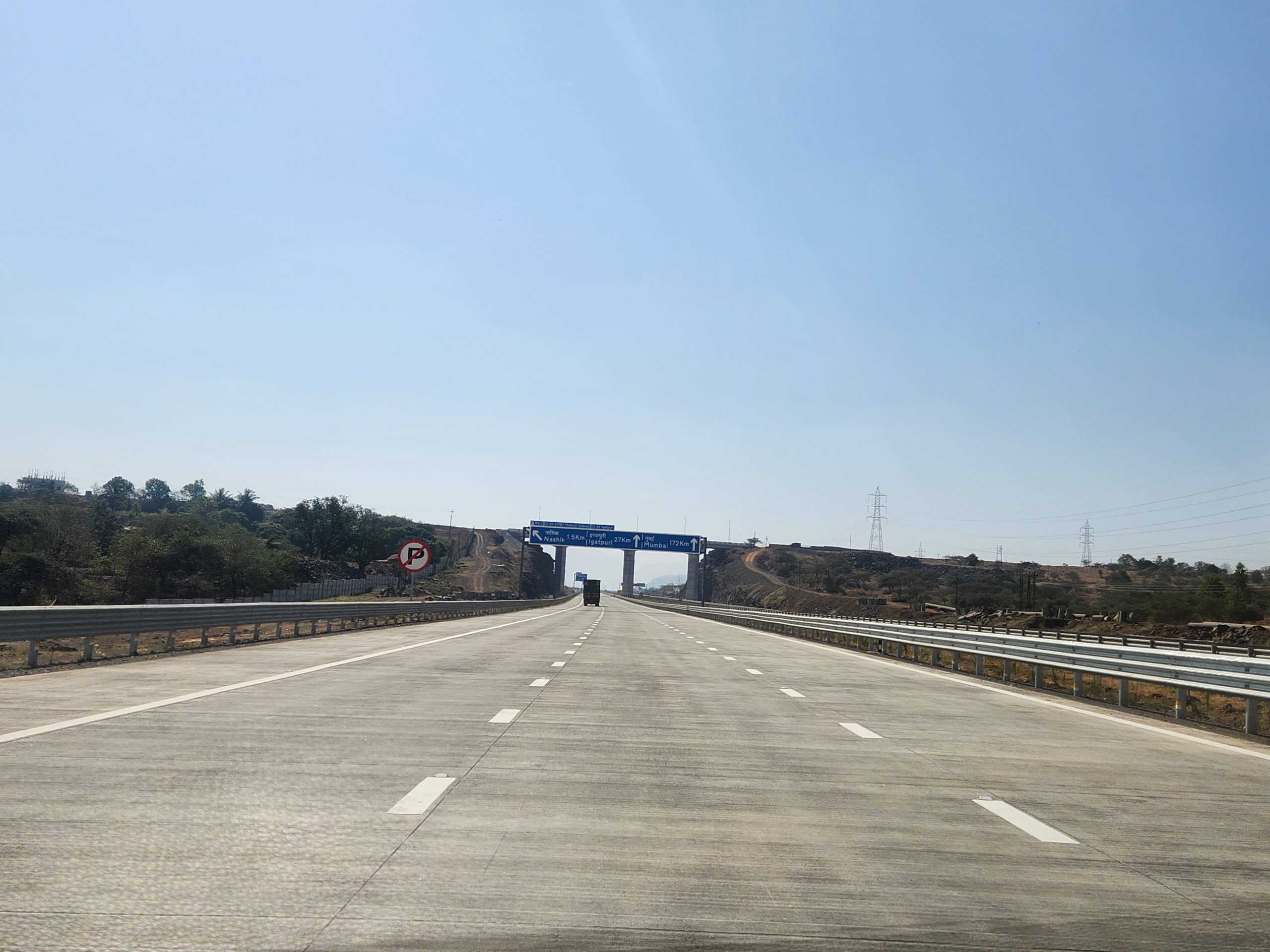
The much-anticipated Mumbai-Nagpur Expressway is nearing completion, marking a major milestone in Maharashtra’s infrastructure development. The 76-km stretch from Igatpuri to Amane is set to open by March, significantly reducing travel time and improving connectivity between Mumbai and Nagpur. According to the Maharashtra State Road Development Corporation (MSRDC), final preparations, including lane markings and painting, will be completed by the end of February.

Step-by-Step Development of the Mumbai-Nagpur Expressway

The Mumbai-Nagpur Expressway, officially known as the Hindu Hrudaysamrat Balasaheb Thackeray Maharashtra Samruddhi Mahamarg, has been opening in phases since December 2022:

  • December 2022: The first 520 km from Nagpur to Shirdi was inaugurated by Prime Minister Narendra Modi.
  • May 2023: A 105-km stretch from Shirdi to Bharvir was opened to the public.
  • March 2024: A 25-km section leading to Igatpuri became operational.
  • March 2025 (Upcoming): The Igatpuri-Amane stretch is set to open, completing a significant portion of the project.

With the imminent Bhiwandi extension, the expressway will connect directly to Mumbai, ensuring smoother travel and reduced congestion.

A Game-Changer for Transportation in Maharashtra

The Mumbai-Nagpur Expressway, launched in 2015 and under construction since February 2019, is designed to be one of India’s fastest expressways, supporting speeds up to 150 kmph. Built in 16 sections, the project is expected to revolutionize long-distance travel in Maharashtra by:

  • Reducing travel time between Mumbai and Nagpur from 16 hours to 8 hours.
  • Enhancing road safety with features such as wildlife underpasses, pedestrian crossings, and dedicated flyovers.
  • Boosting economic growth by facilitating faster transportation of goods and passengers.

Additionally, MSRDC has implemented a 40-year toll system to recover the project costs while maintaining world-class infrastructure standards.

Modern Facilities and Passenger Convenience

To enhance traveler comfort, MSRDC is developing ten service areas along the expressway. These facilities will include:

  • Fuel stations for uninterrupted long-distance travel.
  • Food courts and restaurants catering to diverse preferences.
  • Rest areas and toilets ensuring comfort and hygiene.

These amenities will make long journeys more convenient, encouraging greater use of the expressway.

Final Preparations Before the Igatpuri-Amane Section Opening

The Igatpuri-Amane section, initially scheduled for late 2024, faced delays due to political and administrative hurdles. However, MSRDC has prioritized completing the remaining work before opening the stretch to ensure a seamless experience for commuters.

Currently, the expressway extends from Igatpuri to Nagpur, covering 625 km. Upon completion, the new Igatpuri-Amane segment will integrate with the Mumbai-Vadodara Expressway, providing a crucial link to Jawaharlal Nehru Port and Gujarat.

Bhiwandi Extension: A Major Milestone

A key upcoming development is the Bhiwandi extension, which will:

  • Eliminate bottlenecks caused by temporary detours.
  • Provide direct access between Mumbai and the expressway.
  • Further reduce travel time, ensuring faster logistics movement.

This extension is expected to boost industrial and commercial activities along the corridor, making Maharashtra’s transport network even more efficient.

Economic and Environmental Impact

The Mumbai-Nagpur Expressway is set to create a significant economic impact by:

  • Facilitating industrial growth in key regions such as Nashik, Aurangabad, and Amravati.
  • Encouraging investments in logistics hubs along the corridor.
  • Reducing fuel consumption and carbon emissions through efficient traffic movement.

Additionally, the expressway integrates green initiatives, including solar-powered lighting and extensive tree plantations, contributing to sustainable development.

The Mumbai-Nagpur Expressway is poised to transform Maharashtra’s transportation landscape. With the Igatpuri-Amane stretch opening in March and the Bhiwandi extension underway, commuters and businesses will experience unparalleled connectivity, reduced travel times, and enhanced road safety. As MSRDC completes the final stages, Maharashtra is set to witness one of India’s most ambitious and impactful infrastructure projects come to life.

Connecting Faiths: All About the 802-km Nagpur-Goa Shaktipeeth Expressway

Imagine cutting down a daunting 18-20 hour road trip to a breezy 8-10 hours. That’s precisely the promise of the 802-km Nagpur-Goa Shaktipeeth Expressway, a six-lane marvel spearheaded by the Maharashtra State Road Development Corporation (MSRDC). But it’s not just about speed; it’s about connecting faith, culture, and commerce. Let’s hit the road and uncover what makes this expressway truly transformative.

What Is the Nagpur-Goa Shaktipeeth Expressway?

The Shaktipeeth Expressway is an ambitious infrastructure project aimed at bridging the distance between Nagpur in central Maharashtra and Goa on the western coast. Spanning 802 kilometers, this expressway promises faster travel, spiritual connectivity, and economic growth.


Why This Expressway Matters

1. Revolutionizing Travel Times

  • Current travel duration: 18-20 hours.
  • New travel time: 8-10 hours.
  • Reduced travel fatigue and cost.

This time-saving revolution ensures a smoother, stress-free journey for commuters and tourists alike.

2. A Six-Lane Powerhouse

Designed as a six-lane highway, the expressway guarantees:

  • Seamless traffic flow.
  • Enhanced safety measures.
  • Adequate capacity for future traffic growth.

3. A Longest-Route Record

It’s set to outshine the Nagpur-Mumbai Expressway (701 km), claiming the title of India’s longest expressway.


The Route: Connecting Pilgrims and Progress

1. Start to Finish

  • Starting Point: Pavnar, Wardha District.
  • Endpoint: Patradevi, Maharashtra-Goa Border.

2. Path Through 12 Districts

This expressway threads through major districts, including:

  • Wardha
  • Yavatmal
  • Hingoli
  • Nanded
  • Parbhani
  • Sindhudurg

Each district adds its unique cultural and economic flavor to the journey.

3. Linking Shaktipeeths

Pilgrims rejoice! The expressway directly connects some of the most revered Shaktipeeth pilgrimage sites, boosting religious tourism and spiritual unity.


Economic and Cultural Impact

1. Boosting Tourism

  • Simplified access to coastal attractions in Goa.
  • Enhanced pilgrimage circuits.
  • Promotion of local heritage and festivals.

2. Economic Growth

The expressway is poised to:

  • Create job opportunities during construction and beyond.
  • Accelerate trade and commerce.
  • Encourage investment in adjacent areas.

3. Empowering Local Communities

Improved infrastructure can transform rural economies by providing better access to markets, healthcare, and education.


Environmental Concerns and Solutions

1. Challenges Faced

  • Potential ecological damage.
  • Loss of fertile agricultural land.

2. Overcoming Hurdles

To address these concerns, the MSRDC has:

  • Submitted a revised environmental clearance application.
  • Proposed alternative routes to mitigate ecological impact.

3. Transparent Government Efforts

Key political figures, including Devendra Fadnavis, Eknath Shinde, and Ajit Pawar, have emphasized striking a balance between development and preservation.


Public Reception: A Mixed Bag

1. Supportive Stakeholders

  • Landowners in Vidarbha and Marathwada see the potential for economic upliftment.

2. Resistance in Certain Areas

  • Concerns linger in Sangli and Kolhapur over agricultural land loss.

3. Government’s Commitment

Efforts to address local concerns transparently are underway, ensuring inclusive development.


Symbolism of Progress and Unity

The Shaktipeeth Expressway is more than a road; it’s a symbol of unity and progress. By linking people, religious traditions, and opportunities, it’s paving the way for a connected and prosperous Maharashtra.


Key Highlights at a Glance

  1. Length: 802 km.
  2. Start & End: Wardha to Sindhudurg.
  3. Districts Covered: 12.
  4. Travel Time Reduced: From 20 hours to 8 hours.
  5. Purpose: Spiritual, cultural, and economic integration.

The Nagpur-Goa Shaktipeeth Expressway is not just a feat of engineering; it’s a game-changer for connectivity and development. It exemplifies how modern infrastructure can coexist with cultural preservation and environmental responsibility. As Maharashtra’s longest expressway, it’s set to redefine travel, trade, and tourism for generations to come.


1. What is the total length of the Nagpur-Goa Shaktipeeth Expressway?

The expressway spans a whopping 802 kilometers, making it India’s longest.

2. How many districts does the expressway cover?

It connects 12 districts, from Wardha to Sindhudurg.

3. What is the primary purpose of the expressway?

The expressway aims to enhance spiritual connectivity, boost tourism, and drive economic growth.

4. What are the environmental concerns?

Key issues include ecological damage and the loss of fertile farmland, which the government is addressing through revised plans.

5. How will the expressway benefit travelers?

It reduces travel time significantly—from 18-20 hours to just 8-10 hours.

Nitin Gadkari Launches Cashless Treatment Scheme for Road Accident Victims

Nitin Gadkari road accident scheme: Road safety in India has been a pressing concern, and Union Minister Nitin Gadkari’s recent announcement of a cashless treatment scheme for road accident victims is a major step forward. This innovative initiative is designed to ease the financial and logistical burdens of accident victims and their families during critical moments. Let’s dive into the details of this game-changing scheme and its broader implications for road safety in India.

What is the Cashless Treatment Scheme? | Nitin Gadkari road accident scheme

Imagine being in an accident and worrying about upfront medical costs—stressful, right? This new scheme eliminates that concern. It ensures cashless medical treatment for accident victims for up to seven days, covering expenses up to ₹1.5 lakh. However, there’s a catch: the accident must be reported to the police within 24 hours to avail of the benefits.

Compensation for Hit-and-Run Cases

Hit-and-run cases are tragic and often leave families financially devastated. Under this scheme:

  • Families of deceased victims will receive ₹2 lakh as compensation.
  • This marks a significant improvement over previous compensation policies, providing a safety net for grieving families.

Pilot Testing and Improvements

The scheme was initially tested in select states. Feedback from these trials highlighted certain challenges, which are now being addressed to make the program more effective. Gadkari emphasized that these changes aim to ensure smoother implementation and greater accessibility for victims.

India’s Alarming Road Accident Statistics

Road accidents are a grim reality in India. Gadkari’s announcement also shed light on some shocking statistics from 2024:

  • 1.8 Lakh Fatalities: India witnessed 1.8 lakh road accident deaths.
  • Helmet Non-Use: Around 30,000 deaths occurred due to the non-use of helmets.
  • Youth Impact: A staggering 66% of fatalities involved individuals aged 18-34.
  • Child Fatalities: Faulty road designs near schools and colleges led to 10,000 child deaths.
  • Unlicensed Drivers: Approximately 3,000 fatalities involved unlicensed drivers.

These numbers underscore the urgent need for improved road safety measures.

The Issue of Driver Shortage

India is grappling with a shortage of 22 lakh skilled drivers. Gadkari highlighted plans to address this issue:

  • Driving Training Centres: Establishing more centers to enhance driver training.
  • Skill Development: Focusing on creating a pool of skilled drivers to reduce accidents caused by human error.

Vehicle Scrappage for a Safer Future

Did you know that scrapping old vehicles can contribute to road safety? Gadkari also promoted the vehicle scrappage initiative, which includes:

  • Recycling Materials: Recycling aluminum, copper, steel, and plastic to support a circular economy.
  • Boosting the Automobile Industry: Creating a demand for new vehicles with better safety features.

How This Scheme Impacts You

This initiative isn’t just about policies; it’s about saving lives and reducing the financial burden on accident victims. Imagine a safer future where victims get immediate medical attention without worrying about costs.

Key Benefits of the Cashless Treatment Scheme

  1. Immediate Medical Assistance: Ensures timely treatment without financial hurdles.
  2. Support for Families: Financial relief for families of hit-and-run victims.
  3. Improved Road Safety: Encourages helmet use and better road design.
  4. Economic Boost: The vehicle scrappage program rejuvenates the economy while promoting safety.

Challenges Ahead

While the scheme is promising, its success depends on:

  • Efficient Implementation: Ensuring quick response and minimal red tape.
  • Awareness Campaigns: Educating the public about the scheme’s benefits and conditions.
  • Infrastructure Upgrades: Improving hospital networks and police reporting mechanisms.

A Vision for Safer Roads

Nitin Gadkari’s cashless treatment scheme is a step toward making Indian roads safer and more secure. It’s not just about addressing the aftermath of accidents but also about preventing them through better policies and infrastructure.

Road accidents are a harsh reality, but initiatives like the cashless treatment scheme provide hope. By addressing financial concerns and promoting better road safety measures, India can pave the way for a safer future. Let’s support and spread awareness about this life-saving initiative.

1. Who is eligible for the cashless treatment scheme?

Any road accident victim can avail of the scheme, provided the accident is reported to the police within 24 hours.

2. What expenses does the scheme cover?

It covers medical expenses for up to seven days or a maximum of ₹1.5 lakh.

3. How does the compensation for hit-and-run cases work?

Families of deceased victims receive ₹2 lakh as compensation under this scheme.

4. What steps are being taken to address the driver shortage in India?

The government plans to establish more driving training centers and enhance skill development programs.

5. How does vehicle scrappage contribute to road safety?

Scrapping old vehicles reduces accidents caused by outdated technology and promotes the use of safer, modern vehicles.

Maharashtra Makes FASTags Mandatory for All Vehicles at Toll Plazas from April 2025

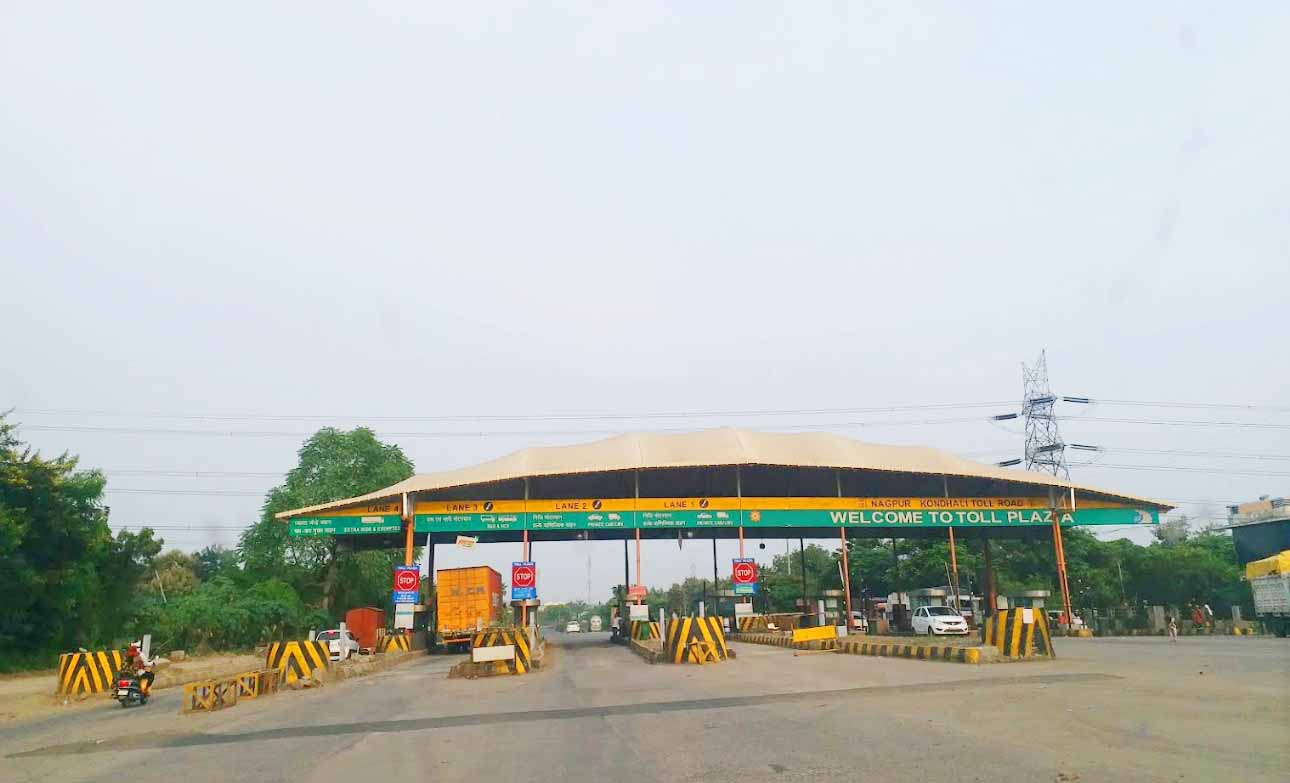
FASTag mandatory Maharashtra 2025: Navigating toll plazas in Maharashtra is set to get a major facelift! Starting April 1, 2025, the Maharashtra government has announced that FASTags will be mandatory for all vehicles, including private and commercial ones, at toll plazas on national highways. This decision promises to reduce traffic snarls, promote cashless payments, and make toll collections more efficient. Let’s dive into the nitty-gritty of this game-changing move.

What Are FASTags?

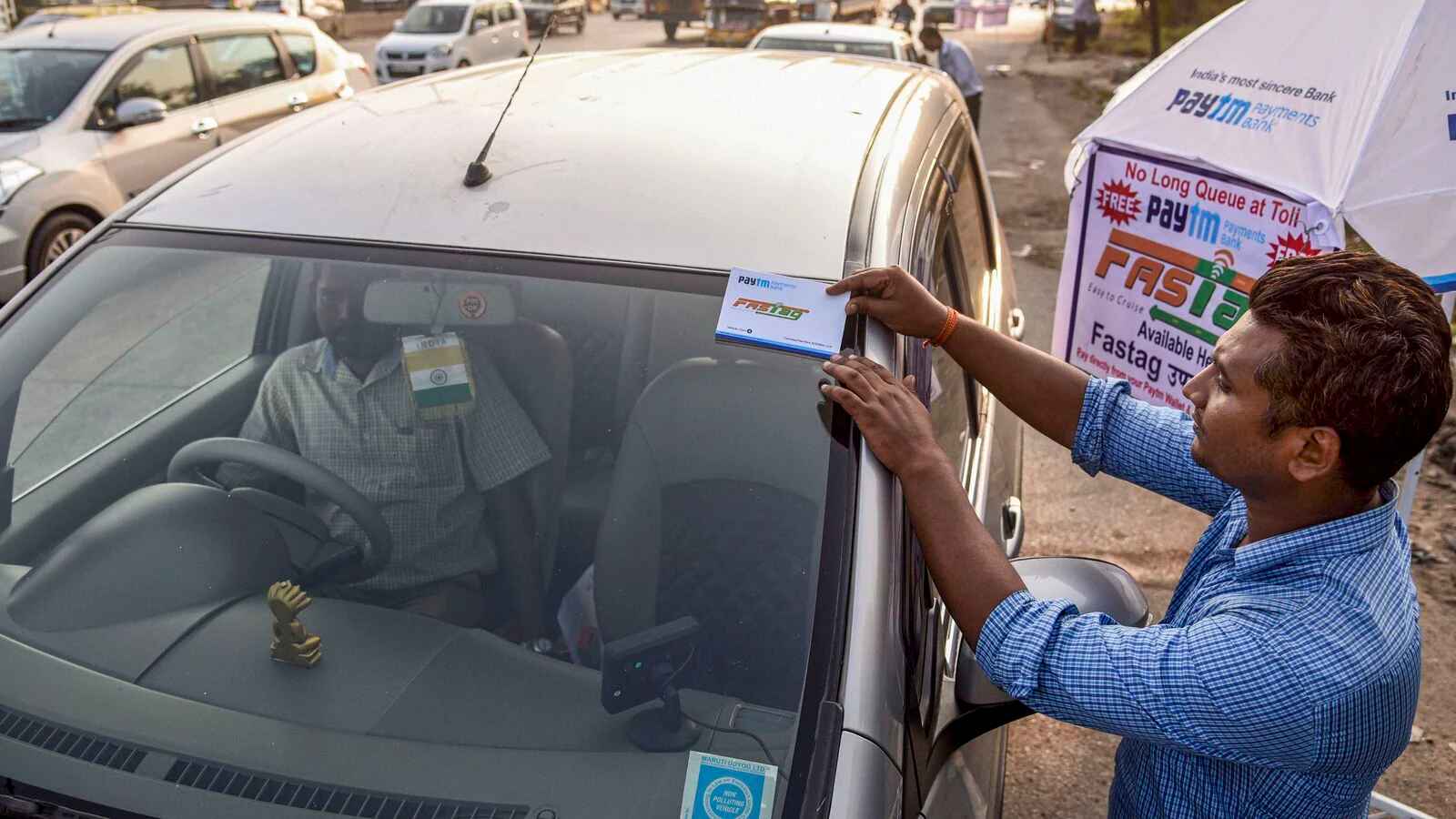
FASTags are RFID-enabled devices that allow for seamless toll payments. They are part of the National Electronic Toll Collection (NETC) program initiated by the Ministry of Road Transport & Highways. The tag, which is linked to your bank account or wallet, automatically deducts toll fees as you pass through the toll plaza.


Why Is Maharashtra Enforcing FASTags?

1. Traffic Congestion Reduction

Ever found yourself stuck in long queues at toll plazas? FASTags eliminate the need for manual payments, ensuring smoother traffic flow.

2. Promoting Cashless Transactions

Going cashless is the way forward! FASTags promote digital payments, reducing dependency on cash and manual receipts.

3. Environmental Benefits

With reduced idle times, vehicles consume less fuel, cutting down on carbon emissions. It’s a win for your pocket and the planet!


The National Electronic Toll Collection (NETC) Program

The NETC program, under which FASTags operate, was launched to modernize India’s tolling system. Here’s what it brings to the table:

  • Seamless Travel: No more fumbling for change or waiting for receipts.
  • Fuel Savings: Reduced stop-and-go traffic translates to less fuel consumption.
  • Time Efficiency: Spend less time at toll plazas and more time on the road.
  • Pollution Reduction: Minimized vehicle emissions due to less idling.

How Do FASTags Work? | FASTag mandatory Maharashtra 2025

FASTags use Radio Frequency Identification (RFID) technology. Once you approach a toll plaza, the RFID scanner detects the tag, automatically deducting the toll amount from your linked account. It’s as simple as it sounds!


Benefits of FASTags

1. Time-Saving

FASTags drastically cut waiting times at toll plazas, ensuring faster journeys.

2. Auto-Renewal

With auto-renewal options, your FASTag balance is always topped up, eliminating last-minute hassles.

3. Nationwide Usability

FASTags are valid across all toll plazas on national highways in India.

4. Penalty for Non-Compliance

Vehicles without FASTags must pay double the toll charges as a deterrent.

5. Transparency

All transactions are digitally recorded, ensuring transparency and reducing disputes.


Key Dates in FASTag Implementation

  • December 1, 2019: Most toll lanes were converted into FASTag lanes, leaving only one cash lane per toll plaza.
  • April 1, 2025: Maharashtra makes FASTags mandatory for all vehicles.

How to Get Your FASTag

Acquiring a FASTag is straightforward:

  1. Via Banks: Most major banks provide FASTags. Visit your nearest branch or apply online.
  2. POS Locations: Purchase FASTags at Point-of-Sale (POS) locations near toll plazas.
  3. MyFASTag App: Download the app to check POS locations and recharge your FASTag seamlessly.

Challenges in FASTag Adoption

While the benefits are immense, some challenges persist:

  • Initial Setup Costs: Although minimal, some users might find the upfront cost discouraging.
  • Technical Glitches: Malfunctioning RFID systems can cause delays.
  • Awareness Gap: Not all drivers are familiar with the system’s functionality.

Tips for Smooth FASTag Usage

  1. Ensure Sufficient Balance: Always keep your FASTag wallet loaded.
  2. Install Properly: Place the tag on your windshield as instructed to avoid detection issues.
  3. Monitor Transactions: Regularly check your transaction history for discrepancies.

Impact on Maharashtra’s Roads

The mandatory implementation of FASTags is expected to:

  • Enhance overall traffic management.
  • Boost digital payment adoption.
  • Save commuters precious time and fuel.
  • Align with the government’s vision of a cashless economy.

Looking Ahead

With Maharashtra’s ambitious move, the state is poised to lead the way in modern tolling systems. The ripple effects of this decision will be felt across traffic management, environmental conservation, and digital financial inclusion.


In conclusion, Maharashtra’s decision to make FASTags mandatory marks a significant leap toward smarter, more efficient transportation systems. By embracing this initiative, we’re not just saving time but also contributing to a greener and more sustainable future. So, if you haven’t gotten your FASTag yet, what are you waiting for? It’s time to hit the road the smart way!


1. What happens if I don’t have a FASTag after April 1, 2025?

You’ll need to pay double the toll charges if your vehicle lacks a FASTag.

2. Can I use one FASTag for multiple vehicles?

No, each FASTag is vehicle-specific and cannot be shared.

3. How do I recharge my FASTag?

You can recharge via the MyFASTag app, your bank’s online portal, or UPI platforms.

4. Are FASTags mandatory on state highways?

Currently, the mandate applies to national highways, but some state highways may also adopt the system.

5. What should I do if my FASTag is not working?

Check for balance or contact your FASTag provider for troubleshooting assistance.

Mumbai-Nagpur Expressway to Open in February: Will Cut Down Travel Time by 8 Hours

The long-awaited Samruddhi Expressway, a monumental infrastructure project in Maharashtra, is set to be inaugurated in February. This expressway will revolutionize travel between two major cities in the state by drastically reducing travel time and boosting economic growth. In this article, we will delve into the specifics of the Mumbai-Nagpur Expressway, its impact on travel time, and the significance of this project for Maharashtra and India at large.

The Significance of the Mumbai-Nagpur Expressway

The Mumbai-Nagpur Expressway, also known as the “Hindu Hriday Samrat Balasaheb Thackeray Maharashtra Samruddhi Mahamarg,” spans a total of 701 kilometers. This impressive project, which has been in the works for several years, is set to reduce the travel time between Mumbai and Nagpur from a grueling 16 hours to just 8 hours. Imagine cutting your travel time in half – that’s the power of modern infrastructure!

This project is not just a road; it’s a game-changer. It holds immense potential for social and economic development in Maharashtra. The expressway will serve as a major artery for the transportation of goods and passengers, facilitating smoother connectivity between key cities in the state. But it’s not just about saving time – it’s about creating a gateway to faster, more efficient travel.

Current Status of the Expressway: 625 km Operational

As of now, 625 kilometers of the Mumbai-Nagpur Expressway are operational, stretching from Nagpur to Igatpuri in Nashik. This section has already proven to be a significant improvement, making travel between these cities much more efficient. With the completion of the final stretch, the entire 701 kilometers will soon be available, further enhancing connectivity.

The expressway has been designed with modern technology and safety features, making it not only faster but also safer for travelers. It will be an ideal route for both commercial and private vehicles, and the improved road conditions will reduce wear and tear on vehicles, further cutting down maintenance costs.

Project Leadership: Chief Engineer Anil Kumar Baliram Gaikwad

The vision for this ambitious project came from Maharashtra Chief Minister Devendra Fadnavis, with Anil Kumar Baliram Gaikwad at the helm as the chief engineer. Gaikwad, currently the Managing Director of the Maharashtra State Road Development Corporation (MSRDC), has overseen the construction of this vital infrastructure. His leadership has been instrumental in bringing this massive project to life, and his expertise in road development has ensured that the expressway meets the highest standards of quality and safety.

Under Gaikwad’s leadership, the MSRDC has worked tirelessly to ensure the timely completion of the expressway. The final phase of construction is expected to be completed by February, allowing for the grand inauguration.

Impact on Travel Time: Reducing 8 Hours of Travel

One of the most exciting aspects of the Mumbai-Nagpur Expressway is the significant reduction in travel time. Currently, the journey from Mumbai to Nagpur takes approximately 16 hours by road. However, with the expressway, this will be slashed to just 8 hours, cutting travel time in half.

For frequent travelers, this will be a huge convenience. For businesses relying on timely deliveries, this improvement could lead to faster turnaround times and reduced logistical costs. The faster travel time will also open up new possibilities for tourism, making it easier for people to visit Maharashtra’s various attractions.

The Economic and Social Implications of the Expressway

The Mumbai-Nagpur Expressway is not just a road – it is a catalyst for economic growth. By improving connectivity between two of Maharashtra’s most important cities, the expressway will facilitate the easier movement of goods and people. This will likely boost trade, create job opportunities, and contribute to the overall economic development of the state.

The improved infrastructure is also expected to attract investments in various sectors such as manufacturing, tourism, and agriculture. Enhanced connectivity will make it easier for businesses to expand operations, and for industries to access new markets. Additionally, the reduction in travel time will improve the quality of life for residents, making it easier to commute and reducing the stress of long journeys.

Key Features of the Mumbai-Nagpur Expressway

The Mumbai-Nagpur Expressway boasts several key features that set it apart from other road projects. These include:

1. State-of-the-Art Design

The expressway is designed with cutting-edge technology, incorporating features that ensure both safety and efficiency. It includes multiple lanes, high-quality materials, and modern traffic management systems.

2. Environmental Considerations

The construction of the expressway has been planned with environmental considerations in mind. Efforts have been made to minimize the ecological impact of the project, ensuring that it remains sustainable while meeting the growing transportation needs of Maharashtra.

3. Improved Connectivity to Industrial Hubs

The expressway will improve access to key industrial zones in Maharashtra, further enhancing trade and business activities. It will serve as a crucial link for industries in Mumbai, Nashik, and Nagpur, reducing transportation costs and boosting productivity.

4. Strategic Importance

The Mumbai-Nagpur Expressway will play a vital role in linking Maharashtra to other states, enhancing national connectivity. The expressway is strategically located, providing better access to major highways, ports, and airports.

5. Safety and Comfort

With modern safety features such as well-lit lanes, surveillance systems, and emergency response teams, the expressway will offer a safer and more comfortable journey for travelers.

What’s Next? The Future of the Mumbai-Nagpur Expressway

With the completion of the final segment, the expressway will soon be inaugurated, bringing to fruition a project that has been years in the making. But this is just the beginning. The Mumbai-Nagpur Expressway is expected to continue evolving with future upgrades and expansions, further enhancing its capabilities.

Future Upgrades

Plans for future upgrades may include the addition of more lanes, the construction of additional rest areas, and the integration of smart traffic management systems. These improvements will ensure that the expressway remains relevant and efficient for years to come.

The Role of Technology

As technology continues to advance, it is likely that the Mumbai-Nagpur Expressway will integrate new technological innovations, such as electric vehicle charging stations, automated toll booths, and real-time traffic updates, further enhancing the overall travel experience.

Conclusion: A New Era for Maharashtra’s Infrastructure

The Mumbai-Nagpur Expressway is a major milestone in Maharashtra’s infrastructure development. With its completion, travel between Mumbai and Nagpur will be faster, safer, and more convenient. The expressway will not only benefit travelers but also contribute to the state’s economic growth and social development. As we look toward the future, the expressway will undoubtedly play a key role in transforming Maharashtra’s transportation landscape.

1. When will the Mumbai-Nagpur Expressway be inaugurated?

The Mumbai-Nagpur Expressway is expected to be inaugurated in February.

2. How long will it take to travel from Mumbai to Nagpur on the new expressway?

Once the expressway is operational, the travel time from Mumbai to Nagpur will be reduced to 8 hours, down from 16 hours.

3. Who is the chief engineer of the Mumbai-Nagpur Expressway project?

Anil Kumar Baliram Gaikwad is the chief engineer for the Mumbai-Nagpur Expressway project.

4. What is the total length of the Mumbai-Nagpur Expressway?

The total length of the expressway is 701 kilometers.

5. How will the Mumbai-Nagpur Expressway impact Maharashtra’s economy?

The expressway is expected to boost trade, create job opportunities, and improve overall economic development in Maharashtra by enhancing connectivity between key cities and industrial hubs.

CM Fadnavis’ Dream Project: Samruddhi Mahamarg Nears Completion

Samruddhi Mahamarg: The ambitious Samruddhi Mahamarg, a dream project of Maharashtra Chief Minister Devendra Fadnavis, is poised to become a game-changer in transportation and development. Expected to be fully operational by January, this state-of-the-art expressway is not just a road but a pathway to progress. Let’s delve into the journey, highlights, and future potential of this monumental project.

What is Samruddhi Mahamarg?

The Samruddhi Mahamarg, officially known as the Maharashtra Samruddhi Mahamarg, is a 701-kilometer-long expressway connecting Nagpur to Mumbai. Envisioned as a high-speed corridor, it will reduce the travel time between the two cities from 16 hours to just 8 hours.

Key Features of the Expressway

1. Strategic Route
– **Starting Point:** Shiv Madka village, Nagpur.
– **Ending Point:** Amane village, Thane district.
– Covers 10 districts and impacts 24 districts indirectly.

2. Massive Investment
– **Initial Cost:** ₹55,000 crore.
– **Final Estimated Cost:** ₹63,000 crore due to escalation.

3. Multi-Purpose Development
– Facilitates industrial, residential, and automobile hubs.
– Includes a natural gas pipeline by GAIL for diverse usage.

Construction Journey

1. Foundation and Planning
The project was initiated in 2015 during Fadnavis’ first term as CM. Contracts were awarded in 2019, marking the beginning of construction.

2. Challenges Overcome
– Land acquisition across 10 districts.
– Budget adjustments due to inflation and material costs.

3. Current Status
The expressway’s final stretch, connecting Nashik to Mumbai, is under rapid construction, with a few diversions aligning with the Vadodara-Mumbai Expressway.

Economic and Social Impact

1. Boost to Connectivity
– Shortens travel time by 50%.
– Facilitates seamless freight movement between Nagpur and Mumbai.

2. Industrial Growth
– New industrial hubs planned along the route.
– Job creation and economic upliftment in surrounding areas.

3. Revenue Generation
The expressway is already collecting ₹2 crore daily through tolls.

Environmental Considerations

Green Initiatives:** Over 20 lakh trees planted along the route.
Sustainability:** Solar-powered lighting at key points.

Future Plans Along the Expressway

1. Township Development
Planned cities along the expressway aim to decentralize urbanization and reduce congestion in Mumbai and Pune.

2. Gas Pipeline Completion
GAIL’s pipeline project will supply natural gas for industries and households, enhancing energy accessibility.

Why is Samruddhi Mahamarg a Game-Changer?

Imagine traveling across Maharashtra in half the usual time! This expressway not only shortens distances but also connects dreams, businesses, and people. It symbolizes progress and ambition, paving the way for a prosperous Maharashtra.

1. What is the current toll on Samruddhi Mahamarg?
On average, the toll collection is ₹2 crore daily.

2. How many vehicles are expected to use the expressway?
Approximately 30,000 to 35,000 vehicles daily.

3. What is the total cost of the project?
The estimated final cost is ₹63,000 crore.

4. Will the expressway have eco-friendly features?
Yes, with solar-powered lighting and over 20 lakh trees planted along the route.

5. When will the gas pipeline be completed?
The pipeline is expected to be ready by March.

Mumbai-Nagpur Expressway Set to Open by Year-End: Could Expand to 8 Lanes

Mumbai is buzzing with anticipation as the city gears up for the launch of several key infrastructure projects by the end of 2024. These developments promise to transform transportation in and around the region, offering new travel solutions and better connectivity. Among these, the Mumbai-Nagpur Expressway, also known as the Samruddhi Mahamarg, stands out. This massive expressway project is poised to connect two major citiesMumbai and Nagpur—and significantly cut down travel time between them.

Samruddhi Mahamarg: A Game-Changer for Maharashtra

The Samruddhi Mahamarg, officially called the Hindu Hrudaysamrat Balasaheb Thackeray Maharashtra Samruddhi Mahamarg, is a huge expressway project aimed at boosting connectivity within the state. By linking Mumbai and Nagpur, the expressway is expected to reduce the time it takes to travel between these two cities to just eight hours.

Key Facts About Samruddhi Mahamarg

  • Total Length: 701 kilometers, one of India’s longest expressways.
  • Lanes: Initially 6 lanes, but it has the potential to expand to 8 lanes.
  • Districts Covered: The route passes through 10 districts—Nagpur, Wardha, Amravati, Washim, Buldhana, Jalna, Aurangabad, Nashik, Ahmednagar, and Thane.

This vast network of roads will facilitate smoother travel, improve connectivity between economic centers, and stimulate growth in the regions it traverses.

Infrastructure Marvels: Tunnels, Viaducts, and Emergency Runways

What makes the Samruddhi Mahamarg even more impressive is its cutting-edge infrastructure. One of the highlights is India’s widest tunnel, measuring 17.5 meters in width. In addition, it houses Maharashtra’s longest tunnel, stretching 8 kilometers in the Igatpuri region.

To manage difficult terrains, the expressway also features 15 viaducts (long bridges). The longest viaduct, located in Shahapur, spans 2.28 kilometers, making it a marvel of modern engineering.

And if that’s not enough, the expressway is designed to function as an emergency runway for airplanes. This unique feature means that the road could be used for landing and takeoff during times of crisis, such as war or natural disasters.

Current Progress: Nearing Completion

The Samruddhi Mahamarg is being rolled out in stages, with 625 kilometers already operational from Nagpur to Igatpuri. This open section has made travel faster and more efficient, significantly improving transit times between the covered districts.

The final 76 kilometers, which will connect Igatpuri to Amane near Thane, are still under construction. However, this last stretch is expected to be completed by November 2024, bringing the entire expressway to full operational status.

Economic Impact of the Samruddhi Mahamarg

This expressway is more than just a quicker route between Mumbai and Nagpur—it’s a potential game-changer for the economy. By connecting key agricultural and industrial hubs, the Samruddhi Mahamarg will make it easier to transport goods across Maharashtra, boosting trade and tourism. The increased connectivity will likely lead to economic development in the regions along the expressway, offering new business opportunities, job creation, and enhanced local infrastructure.

Boosting Trade and Tourism

With the expressway cutting down travel time and improving road conditions, it will open up new possibilities for tourism across the state. Regions that were previously harder to access could now become tourist hotspots, drawing in visitors for both business and leisure.

For businesses, the ability to transport goods quickly across vast distances will be a massive boon, helping manufacturers and traders reach markets faster and more efficiently.

Travel Time: Reduced to Just 8 Hours

Perhaps the most appealing aspect of the Samruddhi Mahamarg is its ability to drastically reduce travel time. Currently, it takes about 14-16 hours to drive from Mumbai to Nagpur. However, with this new expressway, travel time will be slashed to just 8 hours, making it an incredibly attractive option for travelers.

This will benefit not only individual travelers but also businesses that rely on fast, reliable transportation for their operations.

Upcoming Infrastructure Projects in Mumbai

The Samruddhi Mahamarg is just one of many significant infrastructure projects expected to open by the end of 2024. Here are a few more key developments that will transform the city:

  • Metro 3 Underground Line: Mumbai’s first fully underground metro line, connecting critical areas of the city.
  • Navi Mumbai Airport: The first terminal of this highly anticipated airport is expected to begin operations.
  • Vashi Creek Bridge: A new bridge designed to ease traffic congestion.
  • SCLR Extension: The Santacruz-Chembur Link Road is being extended for improved connectivity.
  • Full Coastal Road: A major road project designed to alleviate traffic along Mumbai’s coastline.

Mumbai’s Transformation: A Modern Metropolis

With these projects nearing completion, Mumbai is on the cusp of a major transformation. The city’s infrastructure is getting a significant overhaul, and these developments promise to make commuting more efficient, reduce traffic bottlenecks, and enhance the overall quality of life for its residents.

The Samruddhi Mahamarg, in particular, stands out as a major leap forward for the state, enhancing regional connectivity and providing the infrastructure needed for future growth.

As the Mumbai-Nagpur Expressway prepares for its grand opening, its potential benefits are undeniable. From slashing travel time to boosting the economy and improving regional connectivity, the Samruddhi Mahamarg will transform how people and goods move across Maharashtra. Its state-of-the-art infrastructure and future-proof design promise to serve as a model for future expressway projects. With Mumbai on the brink of significant change, it’s an exciting time for the city and its residents. We can’t wait to see the full impact once the expressway is fully operational.

  1. When will the Samruddhi Mahamarg be fully operational?
    The final stretch of the expressway is expected to be completed by November 2024.
  2. How long will it take to travel from Mumbai to Nagpur on the new expressway?
    Once completed, the expressway will reduce travel time to just 8 hours.
  3. How many lanes does the Samruddhi Mahamarg have?
    The expressway currently has 6 lanes, but it can be expanded to 8 lanes in the future.
  4. What are some key features of the expressway?
    The expressway includes India’s widest tunnel, Maharashtra’s longest tunnel, and can act as an emergency runway.
  5. Which districts does the expressway pass through?
    It passes through 10 districts, including Nagpur, Wardha, Amravati, Washim, and Thane.

New Satellite-Based Toll System on Highways to Be Rolled Out Soon: Nitin Gadkari

India is on the cusp of a transformative change in its highway infrastructure. The introduction of a satellite-based toll system promises to revolutionize the way tolls are collected across the nation’s highways. Union Minister Nitin Gadkari recently announced the impending rollout of this cutting-edge technology, aimed at improving traffic flow and reducing congestion. But what exactly does this mean for the everyday traveler? Let’s dive into the details.

What is the Satellite-Based Toll System?

The satellite-based toll system, powered by the Global Navigation Satellite System (GNSS), is a significant upgrade from the existing FASTag system. Unlike traditional toll collection methods, which rely on physical toll booths and electronic tags, GNSS uses satellite technology to automatically calculate the distance a vehicle travels on a highway and deducts the appropriate toll fee.

How Does It Work?

The system works by using satellites to track the movement of vehicles. As a vehicle enters a highway, the GNSS system begins to monitor its journey. The toll is calculated based on the distance traveled, ensuring that motorists only pay for the actual distance they cover. This system eliminates the need for multiple toll booths and long queues, making the entire process more efficient.

Why the Change?

Addressing Congestion Issues

One of the primary reasons for this shift is to tackle the ever-growing problem of traffic congestion on Indian highways. Traditional toll booths often result in long queues, especially during peak hours. By eliminating these booths, the satellite-based toll system is expected to significantly reduce travel time and ease traffic flow.

Fair Toll Collection

Another key advantage of the GNSS system is its ability to ensure fair toll collection. In the current system, motorists often end up paying higher fees due to multiple toll booths situated over short distances. The new system calculates tolls based on the actual distance traveled, leading to potential savings for drivers.

Current Testing and Implementation

Pilot Projects Underway

The satellite-based toll system is currently being tested on two major highways: the Bengaluru-Mysuru National Highway (NH-275) in Karnataka and the Panipat-Hisar National Highway (NH-709) in Haryana. These pilot projects are crucial for assessing the system’s performance and addressing any potential challenges before a nationwide rollout.

Phased Rollout

Once the testing phase is complete and the system receives the necessary approvals, the GNSS toll collection system will be rolled out in phases. Initially, it will cover major highways that connect key cities. The phased approach ensures a smooth transition from the existing system to the new one.

Impact on Motorists

Cost Savings

For motorists, the new system could translate into significant cost savings. By paying only for the distance traveled, drivers can avoid the extra charges often associated with multiple toll booths. This change is particularly beneficial for those who frequently travel short distances on highways.

Reduced Travel Time

With the elimination of toll booths, the new system promises to reduce travel time by cutting down on the time spent waiting in queues. This is especially advantageous for long-distance travelers who often face delays at multiple toll points.

Enhanced Transparency

The satellite-based toll system also enhances transparency in toll collection. Since the toll is automatically calculated based on the distance traveled, there is less room for errors or discrepancies. This ensures that motorists are charged accurately and fairly.

Environmental Benefits

Lower Carbon Emissions

By reducing the time vehicles spend idling at toll booths, the new system contributes to lower carbon emissions. This is a small but significant step towards making Indian highways more environmentally friendly.

Efficient Use of Resources

The GNSS system’s efficiency also extends to the use of resources. With fewer toll booths needed, the infrastructure required to support the highway system is reduced, leading to cost savings and less environmental impact.

Challenges and Considerations

Technology Adoption

One of the challenges associated with the new system is the adoption of the required technology. Motorists will need to ensure their vehicles are equipped with the necessary GNSS-enabled devices. Additionally, there may be initial resistance to change from those accustomed to the traditional toll collection methods.

Privacy Concerns

As with any system that tracks vehicle movement, there may be concerns about privacy. It is essential for the government to address these concerns and ensure that the data collected is used solely for toll collection purposes and is adequately protected.

Infrastructure Upgrades

The successful implementation of the GNSS system will also require significant upgrades to the existing highway infrastructure. This includes installing the necessary satellite tracking systems and ensuring seamless integration with the existing road networks.

The Future of Toll Collection in India

The introduction of the satellite-based toll system marks a significant step forward in India’s efforts to modernize its highway infrastructure. As the system is rolled out across the country, it has the potential to set new standards for toll collection worldwide.

Global Implications

India’s adoption of GNSS technology for toll collection could serve as a model for other countries facing similar challenges with traffic congestion and toll collection inefficiencies. By leading the way in this area, India could establish itself as a pioneer in highway infrastructure innovation.

Long-Term Benefits

In the long term, the satellite-based toll system is expected to bring about numerous benefits, including reduced travel times, cost savings for motorists, and a more efficient and transparent toll collection process. As the system evolves, it may also open up new opportunities for further innovations in highway management and traffic control.

The rollout of the satellite-based toll system on Indian highways represents a major leap forward in the country’s transportation infrastructure. By leveraging advanced GNSS technology, this system promises to enhance the driving experience, reduce congestion, and ensure fair toll collection for all motorists. As the phased implementation begins, the future of toll collection in India looks promising, with the potential to set a global benchmark for other nations to follow.

1. What is the main advantage of the satellite-based toll system?
The primary advantage is the elimination of traditional toll booths, leading to reduced travel time and more accurate toll charges based on the distance traveled.

2. How does the GNSS technology work in this toll system?
GNSS uses satellites to track a vehicle’s journey on the highway and calculates the toll based on the distance covered, automatically deducting the fee.

3. Where is the satellite-based toll system currently being tested?
The system is being tested on the Bengaluru-Mysuru National Highway in Karnataka and the Panipat-Hisar National Highway in Haryana.

4. Will the new toll system be rolled out nationwide?
Yes, the GNSS toll collection system will be rolled out in phases across major highways connecting key cities after successful testing and approval.

5. Are there any potential challenges with the new toll system?
Challenges include technology adoption by motorists, privacy concerns, and the need for infrastructure upgrades to support the system.

HC to Officials: Don’t Mislead on Samruddhi Vehicle Fitness

Samruddhi Vehicle Fitness | Vehicle Safety Checks: The Nagpur bench of the Bombay High Court recently delivered a stern warning to the Maharashtra State Road Development Corporation (MSRDC) and Regional Transport Office (RTO) officials. This was in response to the submission of false affidavits concerning vehicle fitness and tire pressure inspections at the entry point of the Samruddhi Expressway. The court’s rebuke highlights the critical need for honesty and transparency in matters of public safety.

The Importance of Vehicle Fitness Checks

Vehicle Fitness: A Matter of Life and Death

The fitness of a vehicle isn’t just a formality—it’s a lifesaving measure. Proper vehicle inspections ensure that vehicles on the road are safe for both the passengers and others sharing the road. This process is especially crucial on high-speed expressways like Samruddhi, where the margin for error is minimal.

Why Tire Pressure Matters

Tire pressure may seem like a minor detail (Samruddhi Vehicle Fitness), but it can be the difference between life and death on the road. Underinflated or overinflated tires can cause blowouts, leading to catastrophic accidents, particularly at high speeds.

The Role of MSRDC and RTO

The MSRDC and RTO are responsible for ensuring that vehicles entering the Samruddhi Expressway meet all safety standards. Their role is not only administrative but also a crucial aspect of public safety.

Court’s Stern Warning

The Judges’ Experience

During a recent journey on the expressway by some of the judges, it was observed that vehicle checks were not being conducted as claimed. This discrepancy led to the court questioning the affidavits submitted by the MSRDC and RTO.

The Court’s Rebuke

The division bench, consisting of Justices Nitin Sambre and Abhay Mantri, criticized the MSRDC executive engineer for falsely claiming that all vehicles entering the expressway are regularly checked. The court demanded comprehensive records detailing how many vehicles have been inspected and instructed senior RTO officials to appear in court with these records.

The Consequences of Misleading the Court

The court was clear in its warning: any attempt to deceive the judiciary would not be tolerated. The justices emphasized that misleading the court could lead to severe consequences for the responsible officials.

Public Interest Litigation (PIL)

The Role of PIL in Road Safety

A Public Interest Litigation (PIL) filed by social worker Anil Wadpalliwar has brought attention to the safety (Vehicle Safety Checks) concerns on the Samruddhi Expressway. The PIL calls for a temporary halt to vehicular traffic until essential safety measures and amenities are established.

Statistics Highlighting the Urgency

The petitioner highlighted alarming statistics from the state highway police: since the expressway’s inauguration in December 2022, there have been 39 fatal accidents, resulting in 88 deaths. These numbers underscore the urgent need for stringent safety checks(Vehicle Safety Checks).

The Court’s Response to the PIL

In response to the PIL, the court has taken a proactive stance, demanding that the MSRDC and RTO provide detailed reports on the measures being taken to improve safety on the expressway.

The Way Forward

Ensuring Compliance

Moving forward, it is imperative that the MSRDC and RTO comply with the court’s directives. Regular and thorough vehicle inspections must be conducted to ensure the safety of all road users.

Accountability and Transparency

The authorities must maintain transparency in their operations and be held accountable for any lapses in safety measures. This will not only restore public confidence but also ensure that the expressway is safe for everyone.

The Role of Public Awareness

Public awareness is also crucial in ensuring road safety. Drivers must be educated on the importance of vehicle fitness and tire pressure checks before embarking on long journeys, especially on high-speed expressways.

The Bombay High Court’s stern warning to the MSRDC and RTO officials serves as a wake-up call. Road safety is not just the responsibility of the authorities but also of every individual who uses the roads. By ensuring vehicle fitness and maintaining transparency, we can prevent accidents and save lives.

1. Why is vehicle fitness important on expressways?
Vehicle fitness is crucial on expressways to ensure that vehicles can handle high speeds safely without risking accidents due to mechanical failures.

2. What are the consequences of not checking tire pressure?
Incorrect tire pressure can lead to blowouts, loss of control, and severe accidents, particularly on high-speed roads like expressways.

3. What did the Bombay High Court demand from MSRDC and RTO?
The court demanded comprehensive records of vehicle inspections and warned against submitting false information.

4. What is a Public Interest Litigation (PIL)?
A PIL is a legal action taken in a court of law for the protection of public interest on matters of general importance.

5. How can drivers ensure their vehicles are fit for the road?
Drivers can ensure vehicle fitness by regularly checking tire pressure, brakes, lights, and other critical components before long journeys.

HC Orders NHAI: Cooperate or Fund Katol-Fetri Road Construction

Katol Fetri Road Construction: The Nagpur Bench of the Bombay High Court recently issued a stern directive to the forest department regarding the widening of the Katol Naka to Fetri road. The court emphasized that if the forest department does not cooperate with the National Highways Authority of India (NHAI) by providing necessary data, it should fund the road construction itself. This directive was part of a larger legal battle centered around public interest litigation and the expansion of vital infrastructure in the region.

The Court’s Directive: A Matter of Accountability

Background of the Case (Katol Fetri Road Construction)

The issue began when former High Court Bar Association (HCBA) president Adv Arun Patil filed a public interest litigation concerning the widening of the Katol Naka to Fetri road. This road, crucial for the connectivity between Nagpur and nearby areas, runs through sensitive forest land managed by the Forest Development Corporation of Maharashtra (FDCM). The legal proceedings have brought to light the friction between development goals and environmental concerns.

The Forest Department’s Role

The court criticized the forest department for not providing essential records required by the NHAI to proceed with the widening project. Justice Nitin Sambre and Justice Abhay Mantri made it clear that non-cooperation would result in the forest department being held responsible for funding the entire construction.

NHAI’s Stance

Adv Anish Kathane, representing the NHAI, informed the court that a study was underway to determine whether the road could be widened using bitumen. However, the forest department’s lack of cooperation was stalling the project. The NHAI has proposed a seven-meter widening on each side of the road, but the plan remains in limbo due to the absence of necessary data from the forest department.

The Environmental Concerns

Impact on Gorewada Zoo

One of the primary concerns is the road’s proximity to the Gorewada Zoo, a significant environmental and wildlife conservation area. The court had earlier expressed concerns over the safety risks posed by the existing road structure, particularly for two-wheelers. The potential impact on the zoo’s ecosystem adds another layer of complexity to the issue.

Bitumen vs. Paver Blocks: A Safety Debate

The petitioner’s counsel, senior advocate Firdos Mirza, argued for the road to be developed entirely with bitumen rather than paver blocks. The latter, according to the court, could pose significant safety risks, especially for two-wheeler traffic. The debate over the appropriate material for road construction highlights the broader concerns about safety and durability in infrastructure development.

Wadi Flyover: Progress and Expectations

Current Status

In a related development, the Public Works Department (PWD) informed the court that the Wadi flyover would be operational by September 15. This flyover is another critical infrastructure project aimed at easing traffic congestion and improving connectivity in the region.

Future Developments

The PWD also provided updates on the flyover connecting the RTO to the university campus, which is expected to be completed by March 2025. The court has emphasized the importance of maintaining service roads in good condition to support these major infrastructure projects.

Judges’ On-Site Visit: A Ground Reality Check

Observations from the Amravati Road

During a recent visit to Amravati, five judges from the Nagpur Bench observed that there was no plantation on either side of the road or in the median. This observation raised questions about the implementation of earlier plans for greenery, which were supposed to accompany the road construction.

The Importance of Greenery in Infrastructure Projects

The absence of planned greenery highlights a critical issue in infrastructure development—balancing construction with environmental sustainability. The court’s observations may lead to future directives aimed at ensuring that such projects adhere to environmental standards.

The ongoing legal battle over the Katol Naka to Fetri road widening project underscores the delicate balance between infrastructure development and environmental conservation. The Bombay High Court’s directive to the forest department to either cooperate with the NHAI or fund the construction themselves is a clear message about accountability. As this case progresses, it will serve as a precedent for how similar conflicts between development and environmental protection are resolved in the future.

  1. What is the main issue in the Katol-Fetri road case? The main issue is the lack of cooperation from the forest department in providing necessary data to the NHAI for widening the road, leading the court to order them to either cooperate or fund the construction.(Katol Fetri Road Construction)
  2. Why is the Gorewada Zoo mentioned in this case? The Katol-Fetri road runs through the Gorewada Zoo, raising concerns about the environmental impact of the road widening on the zoo’s ecosystem.
  3. What materials are being debated for the road construction? The court and petitioners are debating whether the road should be constructed using bitumen or paver blocks, with safety concerns being a major factor.
  4. When will the Wadi flyover be operational? The Wadi flyover is expected to be operational by September 15, according to the PWD.
  5. What did the judges observe during their visit to Amravati? The judges observed the lack of planned greenery along the road, raising concerns about the implementation of environmental measures in infrastructure projects.
Exit mobile version