New Satellite-Based Toll System on Highways to Be Rolled Out Soon: Nitin Gadkari

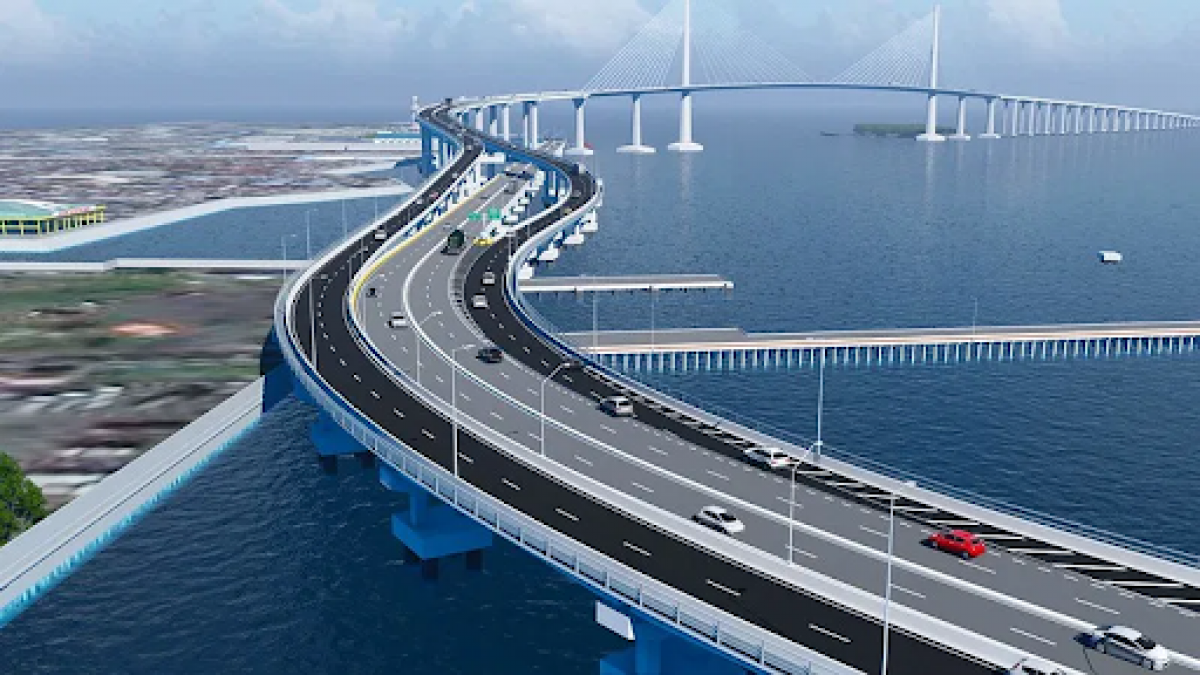
India is on the cusp of a transformative change in its highway infrastructure. The introduction of a satellite-based toll system promises to revolutionize the way tolls are collected across the nation’s highways. Union Minister Nitin Gadkari recently announced the impending rollout of this cutting-edge technology, aimed at improving traffic flow and reducing congestion. But what exactly does this mean for the everyday traveler? Let’s dive into the details.

What is the Satellite-Based Toll System?

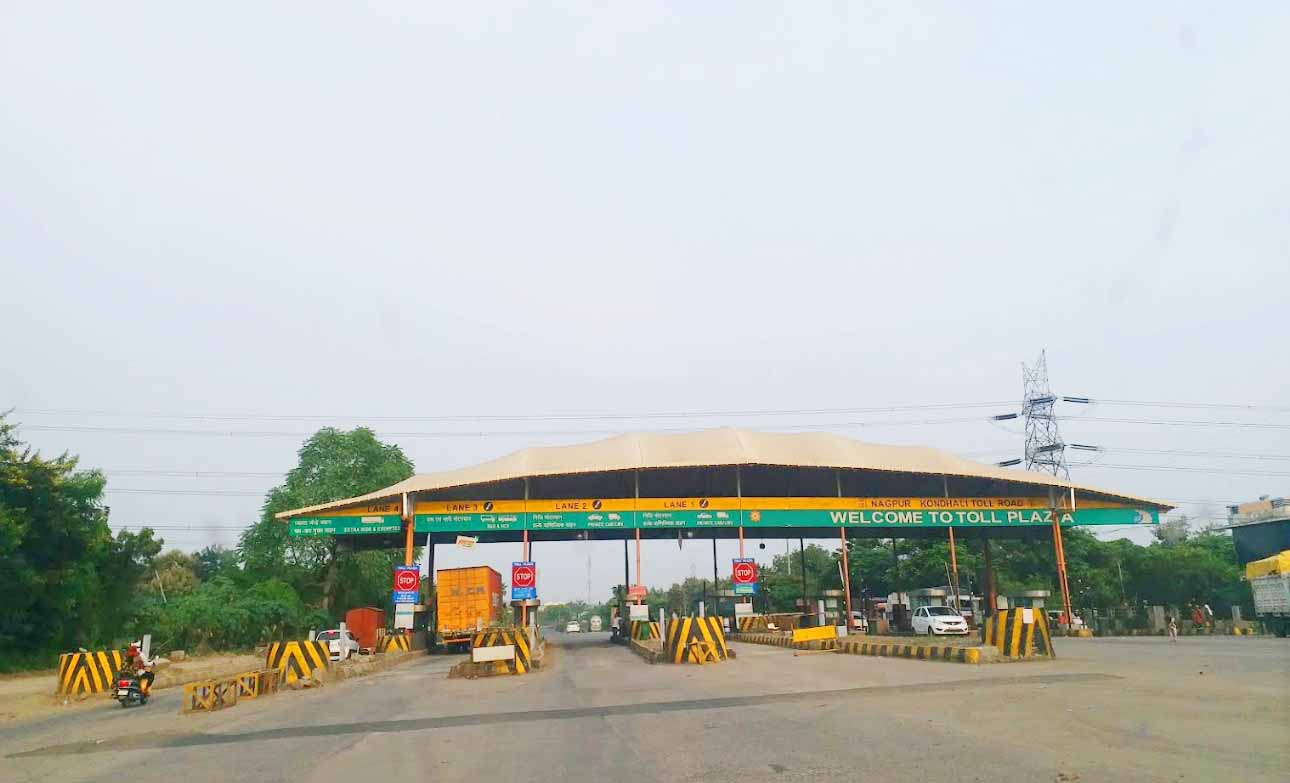
The satellite-based toll system, powered by the Global Navigation Satellite System (GNSS), is a significant upgrade from the existing FASTag system. Unlike traditional toll collection methods, which rely on physical toll booths and electronic tags, GNSS uses satellite technology to automatically calculate the distance a vehicle travels on a highway and deducts the appropriate toll fee.

How Does It Work?

The system works by using satellites to track the movement of vehicles. As a vehicle enters a highway, the GNSS system begins to monitor its journey. The toll is calculated based on the distance traveled, ensuring that motorists only pay for the actual distance they cover. This system eliminates the need for multiple toll booths and long queues, making the entire process more efficient.

Why the Change?

Addressing Congestion Issues

One of the primary reasons for this shift is to tackle the ever-growing problem of traffic congestion on Indian highways. Traditional toll booths often result in long queues, especially during peak hours. By eliminating these booths, the satellite-based toll system is expected to significantly reduce travel time and ease traffic flow.

Fair Toll Collection

Another key advantage of the GNSS system is its ability to ensure fair toll collection. In the current system, motorists often end up paying higher fees due to multiple toll booths situated over short distances. The new system calculates tolls based on the actual distance traveled, leading to potential savings for drivers.

Current Testing and Implementation

Pilot Projects Underway

The satellite-based toll system is currently being tested on two major highways: the Bengaluru-Mysuru National Highway (NH-275) in Karnataka and the Panipat-Hisar National Highway (NH-709) in Haryana. These pilot projects are crucial for assessing the system’s performance and addressing any potential challenges before a nationwide rollout.

Phased Rollout

Once the testing phase is complete and the system receives the necessary approvals, the GNSS toll collection system will be rolled out in phases. Initially, it will cover major highways that connect key cities. The phased approach ensures a smooth transition from the existing system to the new one.

Impact on Motorists

Cost Savings

For motorists, the new system could translate into significant cost savings. By paying only for the distance traveled, drivers can avoid the extra charges often associated with multiple toll booths. This change is particularly beneficial for those who frequently travel short distances on highways.

Reduced Travel Time

With the elimination of toll booths, the new system promises to reduce travel time by cutting down on the time spent waiting in queues. This is especially advantageous for long-distance travelers who often face delays at multiple toll points.

Enhanced Transparency

The satellite-based toll system also enhances transparency in toll collection. Since the toll is automatically calculated based on the distance traveled, there is less room for errors or discrepancies. This ensures that motorists are charged accurately and fairly.

Environmental Benefits

Lower Carbon Emissions

By reducing the time vehicles spend idling at toll booths, the new system contributes to lower carbon emissions. This is a small but significant step towards making Indian highways more environmentally friendly.

Efficient Use of Resources

The GNSS system’s efficiency also extends to the use of resources. With fewer toll booths needed, the infrastructure required to support the highway system is reduced, leading to cost savings and less environmental impact.

Challenges and Considerations

Technology Adoption

One of the challenges associated with the new system is the adoption of the required technology. Motorists will need to ensure their vehicles are equipped with the necessary GNSS-enabled devices. Additionally, there may be initial resistance to change from those accustomed to the traditional toll collection methods.

Privacy Concerns

As with any system that tracks vehicle movement, there may be concerns about privacy. It is essential for the government to address these concerns and ensure that the data collected is used solely for toll collection purposes and is adequately protected.

Infrastructure Upgrades

The successful implementation of the GNSS system will also require significant upgrades to the existing highway infrastructure. This includes installing the necessary satellite tracking systems and ensuring seamless integration with the existing road networks.

The Future of Toll Collection in India

The introduction of the satellite-based toll system marks a significant step forward in India’s efforts to modernize its highway infrastructure. As the system is rolled out across the country, it has the potential to set new standards for toll collection worldwide.

Global Implications

India’s adoption of GNSS technology for toll collection could serve as a model for other countries facing similar challenges with traffic congestion and toll collection inefficiencies. By leading the way in this area, India could establish itself as a pioneer in highway infrastructure innovation.

Long-Term Benefits

In the long term, the satellite-based toll system is expected to bring about numerous benefits, including reduced travel times, cost savings for motorists, and a more efficient and transparent toll collection process. As the system evolves, it may also open up new opportunities for further innovations in highway management and traffic control.

The rollout of the satellite-based toll system on Indian highways represents a major leap forward in the country’s transportation infrastructure. By leveraging advanced GNSS technology, this system promises to enhance the driving experience, reduce congestion, and ensure fair toll collection for all motorists. As the phased implementation begins, the future of toll collection in India looks promising, with the potential to set a global benchmark for other nations to follow.

1. What is the main advantage of the satellite-based toll system?
The primary advantage is the elimination of traditional toll booths, leading to reduced travel time and more accurate toll charges based on the distance traveled.

2. How does the GNSS technology work in this toll system?
GNSS uses satellites to track a vehicle’s journey on the highway and calculates the toll based on the distance covered, automatically deducting the fee.

3. Where is the satellite-based toll system currently being tested?
The system is being tested on the Bengaluru-Mysuru National Highway in Karnataka and the Panipat-Hisar National Highway in Haryana.

4. Will the new toll system be rolled out nationwide?
Yes, the GNSS toll collection system will be rolled out in phases across major highways connecting key cities after successful testing and approval.

5. Are there any potential challenges with the new toll system?
Challenges include technology adoption by motorists, privacy concerns, and the need for infrastructure upgrades to support the system.

HC to Officials: Don’t Mislead on Samruddhi Vehicle Fitness

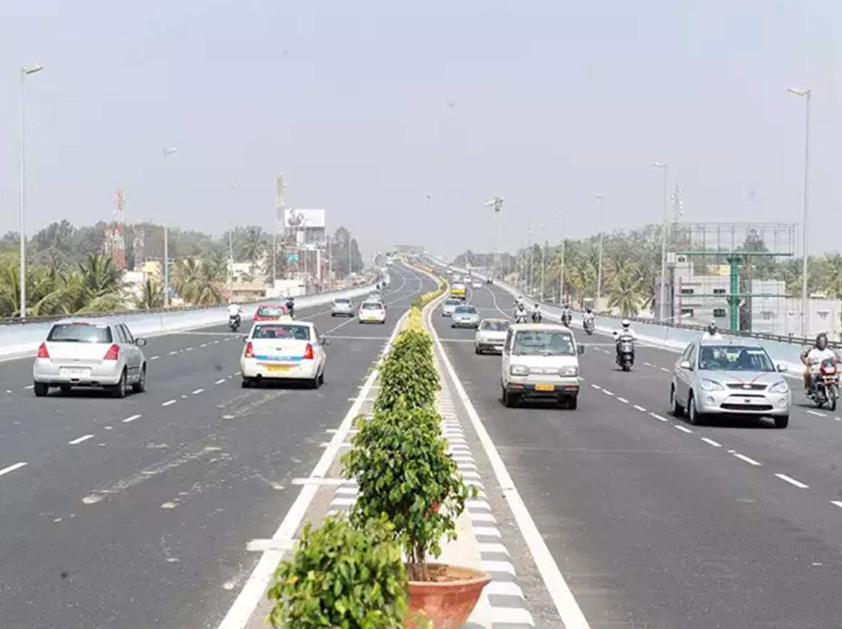
Samruddhi Vehicle Fitness | Vehicle Safety Checks: The Nagpur bench of the Bombay High Court recently delivered a stern warning to the Maharashtra State Road Development Corporation (MSRDC) and Regional Transport Office (RTO) officials. This was in response to the submission of false affidavits concerning vehicle fitness and tire pressure inspections at the entry point of the Samruddhi Expressway. The court’s rebuke highlights the critical need for honesty and transparency in matters of public safety.

The Importance of Vehicle Fitness Checks

Vehicle Fitness: A Matter of Life and Death

The fitness of a vehicle isn’t just a formality—it’s a lifesaving measure. Proper vehicle inspections ensure that vehicles on the road are safe for both the passengers and others sharing the road. This process is especially crucial on high-speed expressways like Samruddhi, where the margin for error is minimal.

Why Tire Pressure Matters

Tire pressure may seem like a minor detail (Samruddhi Vehicle Fitness), but it can be the difference between life and death on the road. Underinflated or overinflated tires can cause blowouts, leading to catastrophic accidents, particularly at high speeds.

The Role of MSRDC and RTO

The MSRDC and RTO are responsible for ensuring that vehicles entering the Samruddhi Expressway meet all safety standards. Their role is not only administrative but also a crucial aspect of public safety.

Court’s Stern Warning

The Judges’ Experience

During a recent journey on the expressway by some of the judges, it was observed that vehicle checks were not being conducted as claimed. This discrepancy led to the court questioning the affidavits submitted by the MSRDC and RTO.

The Court’s Rebuke

The division bench, consisting of Justices Nitin Sambre and Abhay Mantri, criticized the MSRDC executive engineer for falsely claiming that all vehicles entering the expressway are regularly checked. The court demanded comprehensive records detailing how many vehicles have been inspected and instructed senior RTO officials to appear in court with these records.

The Consequences of Misleading the Court

The court was clear in its warning: any attempt to deceive the judiciary would not be tolerated. The justices emphasized that misleading the court could lead to severe consequences for the responsible officials.

Public Interest Litigation (PIL)

The Role of PIL in Road Safety

A Public Interest Litigation (PIL) filed by social worker Anil Wadpalliwar has brought attention to the safety (Vehicle Safety Checks) concerns on the Samruddhi Expressway. The PIL calls for a temporary halt to vehicular traffic until essential safety measures and amenities are established.

Statistics Highlighting the Urgency

The petitioner highlighted alarming statistics from the state highway police: since the expressway’s inauguration in December 2022, there have been 39 fatal accidents, resulting in 88 deaths. These numbers underscore the urgent need for stringent safety checks(Vehicle Safety Checks).

The Court’s Response to the PIL

In response to the PIL, the court has taken a proactive stance, demanding that the MSRDC and RTO provide detailed reports on the measures being taken to improve safety on the expressway.

The Way Forward

Ensuring Compliance

Moving forward, it is imperative that the MSRDC and RTO comply with the court’s directives. Regular and thorough vehicle inspections must be conducted to ensure the safety of all road users.

Accountability and Transparency

The authorities must maintain transparency in their operations and be held accountable for any lapses in safety measures. This will not only restore public confidence but also ensure that the expressway is safe for everyone.

The Role of Public Awareness

Public awareness is also crucial in ensuring road safety. Drivers must be educated on the importance of vehicle fitness and tire pressure checks before embarking on long journeys, especially on high-speed expressways.

The Bombay High Court’s stern warning to the MSRDC and RTO officials serves as a wake-up call. Road safety is not just the responsibility of the authorities but also of every individual who uses the roads. By ensuring vehicle fitness and maintaining transparency, we can prevent accidents and save lives.

1. Why is vehicle fitness important on expressways?
Vehicle fitness is crucial on expressways to ensure that vehicles can handle high speeds safely without risking accidents due to mechanical failures.

2. What are the consequences of not checking tire pressure?
Incorrect tire pressure can lead to blowouts, loss of control, and severe accidents, particularly on high-speed roads like expressways.

3. What did the Bombay High Court demand from MSRDC and RTO?
The court demanded comprehensive records of vehicle inspections and warned against submitting false information.

4. What is a Public Interest Litigation (PIL)?
A PIL is a legal action taken in a court of law for the protection of public interest on matters of general importance.

5. How can drivers ensure their vehicles are fit for the road?
Drivers can ensure vehicle fitness by regularly checking tire pressure, brakes, lights, and other critical components before long journeys.

HC Orders NHAI: Cooperate or Fund Katol-Fetri Road Construction

Katol Fetri Road Construction: The Nagpur Bench of the Bombay High Court recently issued a stern directive to the forest department regarding the widening of the Katol Naka to Fetri road. The court emphasized that if the forest department does not cooperate with the National Highways Authority of India (NHAI) by providing necessary data, it should fund the road construction itself. This directive was part of a larger legal battle centered around public interest litigation and the expansion of vital infrastructure in the region.

The Court’s Directive: A Matter of Accountability

Background of the Case (Katol Fetri Road Construction)

The issue began when former High Court Bar Association (HCBA) president Adv Arun Patil filed a public interest litigation concerning the widening of the Katol Naka to Fetri road. This road, crucial for the connectivity between Nagpur and nearby areas, runs through sensitive forest land managed by the Forest Development Corporation of Maharashtra (FDCM). The legal proceedings have brought to light the friction between development goals and environmental concerns.

The Forest Department’s Role

The court criticized the forest department for not providing essential records required by the NHAI to proceed with the widening project. Justice Nitin Sambre and Justice Abhay Mantri made it clear that non-cooperation would result in the forest department being held responsible for funding the entire construction.

NHAI’s Stance

Adv Anish Kathane, representing the NHAI, informed the court that a study was underway to determine whether the road could be widened using bitumen. However, the forest department’s lack of cooperation was stalling the project. The NHAI has proposed a seven-meter widening on each side of the road, but the plan remains in limbo due to the absence of necessary data from the forest department.

The Environmental Concerns

Impact on Gorewada Zoo

One of the primary concerns is the road’s proximity to the Gorewada Zoo, a significant environmental and wildlife conservation area. The court had earlier expressed concerns over the safety risks posed by the existing road structure, particularly for two-wheelers. The potential impact on the zoo’s ecosystem adds another layer of complexity to the issue.

Bitumen vs. Paver Blocks: A Safety Debate

The petitioner’s counsel, senior advocate Firdos Mirza, argued for the road to be developed entirely with bitumen rather than paver blocks. The latter, according to the court, could pose significant safety risks, especially for two-wheeler traffic. The debate over the appropriate material for road construction highlights the broader concerns about safety and durability in infrastructure development.

Wadi Flyover: Progress and Expectations

Current Status

In a related development, the Public Works Department (PWD) informed the court that the Wadi flyover would be operational by September 15. This flyover is another critical infrastructure project aimed at easing traffic congestion and improving connectivity in the region.

Future Developments

The PWD also provided updates on the flyover connecting the RTO to the university campus, which is expected to be completed by March 2025. The court has emphasized the importance of maintaining service roads in good condition to support these major infrastructure projects.

Judges’ On-Site Visit: A Ground Reality Check

Observations from the Amravati Road

During a recent visit to Amravati, five judges from the Nagpur Bench observed that there was no plantation on either side of the road or in the median. This observation raised questions about the implementation of earlier plans for greenery, which were supposed to accompany the road construction.

The Importance of Greenery in Infrastructure Projects

The absence of planned greenery highlights a critical issue in infrastructure development—balancing construction with environmental sustainability. The court’s observations may lead to future directives aimed at ensuring that such projects adhere to environmental standards.

The ongoing legal battle over the Katol Naka to Fetri road widening project underscores the delicate balance between infrastructure development and environmental conservation. The Bombay High Court’s directive to the forest department to either cooperate with the NHAI or fund the construction themselves is a clear message about accountability. As this case progresses, it will serve as a precedent for how similar conflicts between development and environmental protection are resolved in the future.

  1. What is the main issue in the Katol-Fetri road case? The main issue is the lack of cooperation from the forest department in providing necessary data to the NHAI for widening the road, leading the court to order them to either cooperate or fund the construction.(Katol Fetri Road Construction)
  2. Why is the Gorewada Zoo mentioned in this case? The Katol-Fetri road runs through the Gorewada Zoo, raising concerns about the environmental impact of the road widening on the zoo’s ecosystem.
  3. What materials are being debated for the road construction? The court and petitioners are debating whether the road should be constructed using bitumen or paver blocks, with safety concerns being a major factor.
  4. When will the Wadi flyover be operational? The Wadi flyover is expected to be operational by September 15, according to the PWD.
  5. What did the judges observe during their visit to Amravati? The judges observed the lack of planned greenery along the road, raising concerns about the implementation of environmental measures in infrastructure projects.

Mumbai-Nagpur Expressway’s Last Phase Expected to Be Completed by September-End

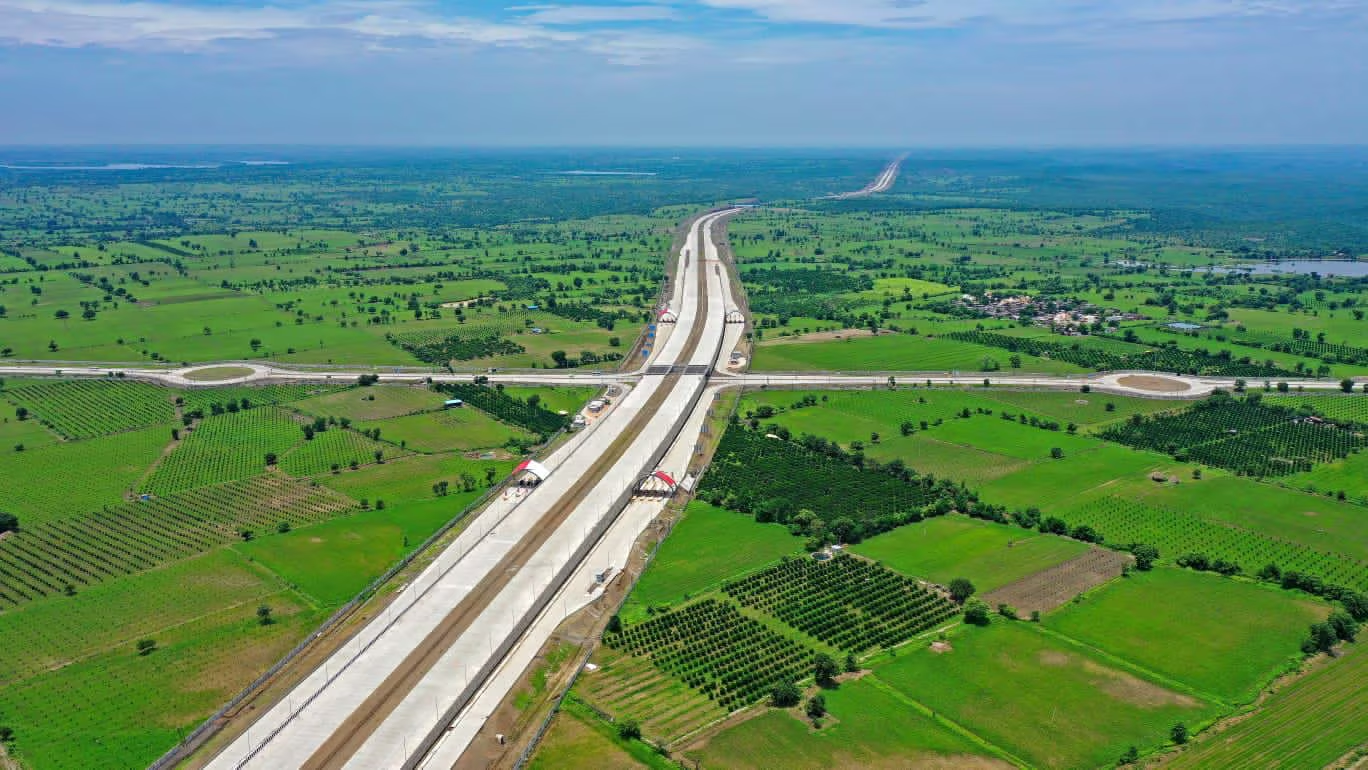
Mumbai-Nagpur Expressway Completion: The long-awaited Mumbai-Nagpur Expressway, also known as the Hindu Hrudaysamrat Balasaheb Thackeray Maharashtra Samruddhi Mahamarg, is nearing its final milestone. The entire 701-km-long expressway, which has been a key infrastructure project in Maharashtra, is set to be fully operational by the end of September. This marks a significant achievement for the state, as it will provide a faster and more efficient travel route between Mumbai and Nagpur, reducing the journey time from 18 hours to just 8 hours.

Introduction to the Mumbai-Nagpur Expressway

The Mumbai-Nagpur Expressway is not just any road; it’s a transformative infrastructure project that aims to enhance connectivity between two of Maharashtra’s largest cities. With the final phase covering a 76-km stretch expected to be completed by September-end, this expressway is set to become a vital link for commuters, businesses, and the economy at large.

Project Overview (Mumbai-Nagpur Expressway Completion)

What is the Samruddhi Mahamarg?

The Samruddhi Mahamarg is a 6-lane, access-controlled expressway designed to provide a seamless travel experience. The expressway stretches 701 km, connecting Mumbai in the west to Nagpur in the east, passing through 392 villages in 10 districts. It’s the second major expressway project in Maharashtra after the Mumbai-Pune Expressway.

The Vision Behind the Project

Announced in 2015, the expressway is a greenfield project aimed at improving connectivity, reducing travel time, and boosting economic development in the region. The project is being implemented by the Maharashtra State Road Development Corporation (MSRDC) and is a significant investment in the state’s infrastructure, with an estimated cost of ₹55,000 crore.

Final Phase: The Most Challenging Stretch

Overview of the Last Phase

The final 76-km stretch between Igatpuri in Nashik district and Aamne in Thane district is perhaps the most challenging part of the entire project. This segment traverses difficult terrain, including 16 deep valleys and five hillocks. The construction required innovative engineering solutions, including the creation of five tunnels and 16 viaducts.

Challenges and Solutions

The construction of viaducts, particularly at Vashala, presented significant challenges. The tallest point of the viaducts reached 84 meters, equivalent to a 28-story building. Despite these challenges, the construction team, led by MSRDC Chairman and Managing Director Anilkumar Gaikwad, successfully completed this phase of the project.

Key Features of the Expressway

Tunnels and Viaducts

The expressway features five tunnels and 16 viaducts, designed to navigate the rugged terrain between Igatpuri and Aamne. These structures not only ensure a smooth travel experience but also highlight the engineering prowess involved in this project.

West-End Corridor

The west-end corridor of 1.8-km-long twin viaducts at Vashala is a critical part of the expressway. Located about 7 km from Khardi railway station in Thane district, this section is expected to be completed by November-end. Until then, traffic will be managed from four lanes on the east-end viaduct.

Seamless Connectivity

Upon completion, the expressway will connect to the Mumbai-Nashik Highway through the JNPT spur, which is part of the larger Mumbai-Ahmedabad-Delhi Expressway. This will further enhance the connectivity of the region, making it easier for travelers and goods to move across the state.

Impact on Travel and Economy

Reduced Travel Time

One of the most significant benefits of the Samruddhi Mahamarg is the reduction in travel time between Mumbai and Nagpur. What once took 18 hours will now take just 8 hours, making it a much more feasible option for travelers and businesses alike.

Economic Boost

The expressway is expected to be a major economic catalyst for the region. By improving connectivity, it will facilitate the movement of goods and people, leading to increased trade and commerce. The project also passes through 392 villages, potentially bringing economic opportunities to these rural areas.

Environmental Considerations

Greenfield Project

As a greenfield project, the expressway has been designed with environmental sustainability in mind. The construction process has involved careful planning to minimize the impact on the surrounding environment, including the preservation of natural habitats and the implementation of eco-friendly construction practices.

Long-Term Sustainability

The expressway is expected to play a key role in the long-term sustainability of Maharashtra’s transportation network. By reducing travel time and improving connectivity, it will help reduce the carbon footprint associated with long-distance travel, contributing to the state’s environmental goals.

Current Status and Future Prospects

Completion Timeline

The final phase of the expressway is expected to be completed by September-end, with the west-end corridor at Vashala being finalized by November. Once fully operational, the expressway will be a game-changer for the region, providing a much-needed boost to transportation infrastructure.

Future Expansions

While the current project focuses on the Mumbai-Nagpur route, there are plans to further expand the state’s expressway network. This includes potential connections to other major cities and industrial hubs, enhancing the overall connectivity of the region.

The Mumbai-Nagpur Expressway, officially known as the Hindu Hrudaysamrat Balasaheb Thackeray Maharashtra Samruddhi Mahamarg, is set to revolutionize travel in Maharashtra. With its final phase expected to be completed by September-end, this ambitious project will provide a faster, safer, and more efficient route between Mumbai and Nagpur. Beyond its immediate benefits, the expressway is poised to have a lasting impact on the state’s economy, environment, and overall development.

  1. What is the expected completion date of the Mumbai-Nagpur Expressway?
    • The final phase of the expressway is expected to be completed by September-end, with the west-end corridor at Vashala finalized by November.
  2. How much travel time will the expressway save?
    • The expressway will reduce travel time between Mumbai and Nagpur from 18 hours to just 8 hours.
  3. What are the key challenges faced during construction?
    • The final phase involved challenging terrain, including deep valleys and hillocks, which required the construction of tunnels and viaducts.
  4. How will the expressway impact the local economy?
    • The expressway is expected to boost the economy by improving connectivity, facilitating trade, and bringing economic opportunities to rural areas.
  5. What environmental considerations were taken into account?
    • As a greenfield project, the expressway was designed with environmental sustainability in mind, including minimizing the impact on natural habitats.

Complete KYC and Other Requirements Before Deadline

FASTag new rules 2024: The National Payments Corporation of India (NPCI) has announced significant changes to the FASTag electronic toll collection system. These updates, effective from August 1, 2024, aim to enhance efficiency and security, affecting millions of users across the country.

Understanding the New FASTag Regulations

Why the Change?

FASTag has been a game-changer for seamless toll transactions across India. However, to maintain its efficiency and security, NPCI has introduced new regulations. Let’s dive into the specifics.

Key Changes in FASTag Rules (FASTag new rules 2024)

1. Updated KYC Requirements

All FASTags issued between three to five years ago must undergo updated Know Your Customer (KYC) procedures. This step is crucial to verify and maintain accurate user information.

2. Replacement of Older FASTags

FASTags older than five years need to be replaced entirely. The deadline for this replacement is set for October 31, 2024. This measure ensures that all tags in circulation are up-to-date and secure.

3. Linking to Vehicle Registration and Chassis Numbers

Each FASTag must now be linked to the vehicle’s registration and chassis numbers. This helps in better identification and tracking of vehicles.

4. Requirements for New Vehicle Owners

New vehicle owners must update their registration details within 90 days of purchase. This ensures that the FASTag system remains accurate and up-to-date.

Additional Measures by FASTag Providers

FASTag providers are mandated to take several additional measures to improve the system’s efficiency and security.

1. Verifying and Updating Databases

Providers must verify and update their databases with accurate vehicle information. This step ensures that the system operates smoothly without any hitches.

2. Uploading Clear Vehicle Photos

Clear photos of the vehicle’s front and side must be uploaded for better identification. This helps in preventing fraud and ensuring that the correct vehicle is associated with the FASTag.

3. Linking FASTag to Mobile Numbers

Each FASTag must be linked to a mobile number. This facilitates enhanced communication and timely updates to users regarding their FASTag status.

Impact on FASTag Users (FASTag new rules 2024)

Significance of Compliance

Non-compliance with these regulations could lead to significant inconveniences at toll plazas, including potential service suspensions. Vehicle owners are urged to take immediate action to avoid disruptions.

Steps to Ensure Compliance

Here’s what you need to do to stay compliant with the new regulations:

  1. Check the Issuance Date of Your FASTag
    • Determine when your FASTag was issued to understand if it requires an update or replacement.
  2. Complete the KYC Update
    • If your FASTag is between three to five years old, complete the KYC update before October 31, 2024.
  3. Replace Older FASTags
    • If your FASTag is older than five years, replace it entirely before the deadline.
  4. Link Your FASTag to Vehicle Details
    • Ensure your FASTag is linked to your vehicle’s registration and chassis numbers.
  5. Update Registration Details for New Vehicles
    • New vehicle owners must update their registration details within 90 days of purchase.

Provider Outreach

As the deadline approaches, FASTag service providers are expected to reach out to customers for necessary updates. Vehicle owners are encouraged to meet these new requirements promptly to ensure uninterrupted service at toll plazas.

The new FASTag rules introduced by NPCI are designed to enhance the efficiency and security of the electronic toll collection system. By following the updated KYC procedures, replacing older FASTags, and ensuring accurate linkage to vehicle details, users can continue to enjoy seamless toll transactions. Stay proactive and comply with these changes to avoid any disruptions in your travels.

1. What is the deadline for updating KYC for my FASTag?

The deadline for completing the KYC update for FASTags issued between three to five years ago is October 31, 2024.

2. Do I need to replace my FASTag if it’s more than five years old?

Yes, FASTags older than five years must be replaced entirely by October 31, 2024.

3. How do I link my FASTag to my vehicle’s registration and chassis numbers?

You can link your FASTag to your vehicle’s registration and chassis numbers through your FASTag service provider’s website or app.

4. What happens if I don’t comply with the new FASTag regulations?

Non-compliance may lead to inconveniences at toll plazas, including potential service suspensions.

5. How will FASTag providers assist with the updates?

FASTag providers are expected to reach out to customers for necessary updates and provide guidance on compliance with the new regulations.

NHAI Increases Toll Fees on Expressways by 5% Starting June 3

NHAI toll hike 2024: The National Highways Authority of India (NHAI) has announced an average toll hike of 5 percent starting Monday. This adjustment, initially scheduled for April 1 but deferred due to the Lok Sabha elections, will be implemented from June 3, 2024. The revised rates align with changes in the wholesale price index (CPI)-based inflation, which influences the user fee adjustments.

Navigating India’s extensive national highway network is about to become a bit more expensive. The National Highways Authority of India (NHAI) has increased toll fees by 5 percent, an adjustment that was postponed due to the recent elections. This annual revision in toll rates is a regular exercise designed to keep pace with inflationary trends. In this article, we’ll dive into the details of this toll hike, what it means for daily commuters, and the broader implications for India’s road infrastructure.

Understanding the Toll Hike

What is the Toll Hike About?

The NHAI has announced a 5 percent increase in toll fees across its extensive network of expressways. This decision, which was supposed to take effect in April, was pushed to June 3 due to the Lok Sabha elections. The delay was a strategic move to avoid any electoral impact.

Why the Increase?

The primary reason behind this toll hike is the adjustment to the wholesale price index (CPI)-based inflation. As inflation rates rise, so do the costs of maintaining and operating these highways. This annual increase is a standard practice under the National Highways Fee (Determination of Rates and Collection) Rules, 2008, ensuring that toll rates remain in line with economic conditions.

Impact on Commuters

Daily Commuters’ Perspective

For daily commuters, a 5 percent increase might seem minor, but it adds up over time. Regular users of these expressways will notice the difference in their monthly expenses, prompting some to reconsider their travel routes or modes of transport.

Long-Distance Travelers

For long-distance travelers, especially those covering significant miles, this hike could lead to a noticeable increase in travel costs. While the percentage might be small, the cumulative effect over long distances can be substantial.

Economic Implications

Revenue Generation for NHAI (NHAI toll hike 2024)

This toll hike is expected to generate additional revenue for the NHAI. This revenue is crucial for the maintenance and development of India’s highway infrastructure. With approximately 855 toll plazas under its jurisdiction, the incremental funds will support ongoing and future projects.

Inflation and Economic Stability

Adjusting toll fees in line with inflation helps maintain economic stability. By ensuring that toll revenues keep pace with rising costs, the NHAI can continue to provide quality infrastructure without compromising on maintenance standards.

Breakdown of Toll Plazas

Public-Funded Toll Plazas

Out of the 855 toll plazas, around 675 are public-funded. These toll plazas are directly managed by the NHAI, and the toll fees collected are used for the maintenance and development of the highways.

Concessionaire-Operated Toll Plazas

The remaining 180 toll plazas are operated by concessionaires. These are private entities that have agreements with the NHAI to manage specific sections of the highway network. The toll hikes also apply to these plazas, ensuring uniformity in toll rates across the board.

Annual Revision Process

Determination of Rates (NHAI toll hike 2024)

The annual revision of toll rates is a meticulous process governed by the National Highways Fee (Determination of Rates and Collection) Rules, 2008. This process considers various economic indicators, primarily the wholesale price index (CPI)-based inflation, to determine the new toll rates.

Implementation and Monitoring

Once the rates are determined, they are implemented across all toll plazas. The NHAI monitors the collection and usage of these funds to ensure transparency and accountability in the process.

Public Response and Concerns

Mixed Reactions

As expected, the public reaction to this toll hike has been mixed. While some understand the necessity of such adjustments, others are concerned about the rising cost of travel.

Voices of Commuters

Many commuters have expressed their concerns through various platforms. Social media has seen a surge in discussions about the toll hike, with users sharing their thoughts and experiences.

The NHAI’s decision to increase toll fees by 5 percent starting June 3, 2024, reflects the need to align with economic realities and ensure the sustainability of India’s highway infrastructure. While this hike may pose a slight burden on commuters, it is a necessary step to maintain and develop the extensive network of expressways that connect the nation. By understanding the reasons behind this increase and its implications, commuters can better navigate the changes and plan their travels accordingly.

  1. Why did the NHAI increase the toll fees?
    • The increase is due to adjustments based on the wholesale price index (CPI)-based inflation, ensuring that toll revenues keep pace with rising maintenance and operation costs.
  2. When will the new toll rates take effect?
    • The new toll rates will be implemented from June 3, 2024.
  3. How many toll plazas are affected by this hike?
    • Approximately 855 toll plazas across India will see the toll fee increase.
  4. What is the average percentage increase in the toll fees?
    • The average increase in toll fees is 5 percent.
  5. How will this toll hike impact daily commuters?
    • Daily commuters will experience a slight increase in their travel costs, which can accumulate over time, potentially affecting their monthly budget.

Final-leg of Nagpur-Mumbai Samruddhi Expressway to Open by August End

The long-awaited completion of the Nagpur-Mumbai Samruddhi Expressway is nearing its final stages. The last segment of the expressway, stretching 76 kilometres from Igatpuri to Amane (Thane), is set to open for traffic by the end of August.

Anilkumar Gaikwad, Managing Director of the Maharashtra State Road Development Corporation (MSRDC), provided an update on the project. “The work on the Igatpuri-Amane stretch is about 97% complete. Only the viaduct over Kasara Ghat remains. This viaduct, at 52 meters high, is particularly challenging to build, which has caused some delays. We plan to open one lane of the viaduct by mid-August and the second by the end of August,” Gaikwad stated.

Introduction to the Samruddhi Expressway

The Nagpur-Mumbai Samruddhi Expressway, also known as the Maharashtra Samruddhi Mahamarg, is a monumental infrastructure project aimed at connecting Nagpur in the eastern part of Maharashtra to Mumbai in the west. This expressway is not just a road; it’s a lifeline for economic growth and connectivity in the state.

Historical Background

Conception and Planning

The idea for this expressway was first proposed in 2015 as part of a vision to boost the state’s economy. The aim was to create a high-speed corridor that would significantly reduce travel time between Nagpur and Mumbai, enhancing the movement of goods and people.

Funding and Development

The project has been funded through a combination of state government funds, loans, and public-private partnerships. The Maharashtra State Road Development Corporation (MSRDC) has been the primary agency overseeing the construction.

Project Details

Length and Structure

Spanning approximately 701 kilometres, the expressway is designed to be a six-lane superhighway. It features numerous tunnels, flyovers, and interchanges to ensure smooth traffic flow.

Key Features

  • High-Speed Travel: The expressway allows vehicles to travel at speeds of up to 150 km/h.
  • Smart Road Technologies: Incorporation of intelligent transportation systems for traffic management and safety.
  • Rest Areas: Strategically placed rest areas for travellers.

Current Status

Igatpuri to Amane Stretch

The final stretch of the expressway, from Igatpuri to Amane, is almost complete. This 76-kilometre segment includes the challenging Kasara Ghat viaduct.

Kasara Ghat Viaduct

At 52 meters high, the viaduct over Kasara Ghat is a significant engineering feat. Its construction has been delayed due to the complexity involved, but it is now nearing completion.

Challenges Faced

Geographical and Environmental Challenges

Building the expressway through diverse terrains, including forests and mountains, has been a significant challenge. Environmental clearances and ensuring minimal ecological impact have been critical concerns.

Technical and Logistical Hurdles

The construction of tunnels and viaducts required advanced engineering techniques and careful planning to ensure safety and stability.

Economic Impact

Boost to Trade and Commerce

The expressway is expected to significantly boost trade and commerce by providing a faster route for the transport of goods between Nagpur and Mumbai.

Regional Development

Towns and cities along the route are likely to see increased investment and development, leading to job creation and improved local economies.

Benefits to Commuters

Reduced Travel Time

The expressway will cut down the travel time between Nagpur and Mumbai to just 8 hours, compared to the current 16-18 hours.

Enhanced Safety

With state-of-the-art safety features, the expressway is designed to reduce accidents and improve overall road safety.

Environmental Considerations

Eco-Friendly Measures

Efforts have been made to minimise the environmental impact, including tree plantation drives and measures to protect wildlife habitats.

Sustainable Practices

The construction has incorporated sustainable practices, such as using recycled materials and implementing efficient waste management systems.

Future Prospects

Expansion Plans

There are plans to extend the expressway to other parts of Maharashtra, further enhancing connectivity within the state.

Technological Upgrades

Continuous technological upgrades are planned to keep the expressway at par with global standards.

Community Involvement

Local Engagement

The project has involved local communities in planning and development to ensure their needs and concerns are addressed.

Public Feedback

Regular feedback from the public has been sought to improve the project’s implementation and operation.

The completion of the Nagpur-Mumbai Samruddhi Expressway marks a significant milestone in Maharashtra’s infrastructure development. By August end, with the final stretch from Igatpuri to Amane opening, this expressway promises to revolutionise travel and trade in the region. As we look forward to its full operational status, the expressway stands as a testament to modern engineering and the state’s commitment to progress.

  1. What is the total length of the Nagpur-Mumbai Samruddhi Expressway?
    • The expressway spans approximately 701 kilometres.
  2. When is the final stretch of the expressway expected to open?
    • The final stretch is set to open by the end of August.
  3. What are the key features of the expressway?
    • High-speed travel, smart road technologies, and strategically placed rest areas.
  4. How will the expressway benefit commuters?
    • It will significantly reduce travel time and enhance road safety.
  5. What environmental measures have been taken during construction?
    • Tree plantation drives, protection of wildlife habitats, and sustainable construction practices.

Challenges and Objections Surrounding the Nagpur-Goa Shaktipeeth Highway

Navigating the Controversy

The proposed Nagpur-Goa Shaktipeeth Highway has stirred significant debate and opposition, with over 2500 objections raised against its construction. This article delves into the complexities and concerns surrounding this contentious project, shedding light on the various perspectives and implications.

Understanding the Project

The Nagpur-Goa Shaktipeeth Highway project aims to enhance connectivity and facilitate transportation between Nagpur and Goa. Advocates argue that it will improve infrastructure and boost economic growth in the region.

Environmental Impact Assessment

However, environmentalists and local communities express apprehensions regarding the project’s environmental impact. They highlight potential threats to biodiversity, forests, and water bodies along the proposed route.

Community Resistance

Local residents, particularly those residing in the vicinity of the proposed highway, have voiced vehement opposition. Concerns regarding displacement, loss of livelihoods, and disruption of socio-cultural fabric feature prominently in their objections.

Key Concerns Raised

1. Environmental Degradation

The construction of a major highway through ecologically sensitive areas poses a significant risk of habitat destruction, fragmentation, and loss of biodiversity.

2. Socio-Economic Disruption

Communities reliant on agriculture, forest resources, and traditional livelihoods fear displacement and marginalization due to land acquisition and infrastructure development.

3. Cultural Heritage Preservation

The proposed highway traverses through regions of historical and cultural significance, raising concerns about the preservation of sacred sites and heritage structures.

4. Traffic Management

Critics argue that the anticipated increase in vehicular traffic may exacerbate congestion, pollution, and road safety hazards, outweighing the purported benefits of improved connectivity.

5. Alternative Solutions

Advocates for sustainable development advocate for exploring alternative routes and modes of transportation that minimize environmental impact and prioritize community well-being.

Balancing Progress and Preservation

The debate surrounding the Nagpur-Goa Shaktipeeth Highway underscores the delicate balance between developmental aspirations and environmental conservation. As stakeholders continue to engage in dialogue and deliberation, finding holistic solutions that address concerns while fostering progress remains imperative.

Enhancing Convenience on Samruddhi Highway: Bombay High Court’s Call for Improved Facilities

Addressing Critical Needs Along Samruddhi Highway

Bombay High Court intervention: The Nagpur bench of the Bombay High Court has issued a significant directive regarding the Samruddhi Highway project, emphasizing the urgent need for essential amenities such as petrol pumps, washrooms, and restaurants. This directive aims to enhance the convenience and safety of travelers along this ambitious state government initiative. Let’s delve deeper into the court’s decision and its implications.

The Urgent Call for Necessary Facilities (Bombay High Court intervention)

During a recent hearing presided over by Justices Nitin Sambre and Abhay Mantri, the Bombay High Court underscored the importance of promptly providing vital amenities along the Samruddhi Highway. This highway project, spanning from Nagpur to Nashik, holds immense promise for improved connectivity and transportation infrastructure in Maharashtra. However, the lack of essential facilities poses a significant inconvenience and safety risk to commuters.

Social activist Anil Wadpalliwar’s Public Interest Litigation (PIL) highlighted the pressing need for facilities like petrol pumps, toilets, and rest areas along the Samruddhi Highway. The court has also involved all major oil companies as respondents to address the petrol pump scarcity issue effectively.

Safety Concerns and Policy Ambiguity

Despite the project’s potential benefits, concerns about safety and compensation for accident victims persist. Adv. Sandeep Badana raised pertinent questions regarding the state government’s compensation policy for accident victims on the Samruddhi Highway, urging for clarity and decisive action.

Addressing Challenges and Oversight

A study by the Visvesvaraya National Institute of Technology revealed alarming instances of drivers falling victim to hypnosis, resulting in fatal accidents along the highway. Despite pleas for intervention, the Maharashtra State Road Development Corporation has yet to take concrete steps to mitigate these risks.

The Bombay High Court has diligently pursued this matter, issuing notices to all concerned parties and extending deadlines to ensure accountability. However, the managing director of the Maharashtra State Road Development Corporation and the general manager of Nagpur are yet to provide satisfactory responses, prompting the court to grant a final deadline extension.

Conclusion: A Call to Action for Enhanced Infrastructure and Safety Measures

The Bombay High Court’s intervention underscores the critical need for immediate action to improve facilities and address safety concerns along the Samruddhi Highway. As Maharashtra’s flagship infrastructure project, ensuring the convenience and well-being of commuters should be a top priority for all stakeholders involved.


FAQs

  1. **Why is the Bombay High Court intervening in the Samruddhi Highway project?
    • The court is addressing the lack of essential amenities and safety concerns along the highway, prioritizing the well-being of commuters.
  2. **What measures are being advocated for by social activists and legal representatives?
    • Advocates are pushing for the prompt establishment of facilities such as petrol pumps, washrooms, and rest areas, along with clarity on compensation policies for accident victims.
  3. **What challenges have arisen regarding safety on the Samruddhi Highway?
    • Studies have revealed instances of drivers experiencing hypnosis, leading to fatal accidents. This underscores the urgent need for intervention and preventive measures.
  4. **How has the Maharashtra State Road Development Corporation responded to these concerns?
    • Despite calls for action, the corporation has yet to take concrete steps to address safety risks and improve infrastructure along the highway.
  5. **What actions has the Bombay High Court taken to ensure accountability?
    • The court has issued notices to relevant parties and extended deadlines, emphasizing the importance of prompt and effective responses to address the ongoing issues.

NHAI Advises Paytm FASTag Users to Switch Banks by March 15

Paytm FASTag users: In a recent announcement, the National Highways Authority of India (NHAI) has recommended that Paytm FASTag users transition to a new FASTag issued by a different bank before March 15. This guidance, issued by the Ministry of Road Transport & Highways, serves to shield users from penalties or double fee charges when traversing National Highways.

Understanding the Change

Following directives from the Reserve Bank of India (RBI) concerning restrictions on Paytm Payments Bank, Paytm FASTag users will lose the ability to recharge or top up their balances post March 15. Nonetheless, they can utilize their existing balance to cover toll charges beyond this date.

Where to Seek Assistance?

“For any further queries or assistance regarding Paytm FAST Tag, users are encouraged to reach out to their respective banks or consult the FAQs available on the Indian Highway Management Company Limited (IHMCL) website,” affirmed the Ministry.

NHAI’s Call to Action

NHAI stresses the importance for all Paytm FAST TAG users to proactively acquire a new FASTag from an alternative bank to ensure seamless travel across National Highways nationwide.

Banking Sector Response

In recent weeks, the central bank has directed the National Payments Corporation of India (NPCI) to devise alternative solutions for customers utilizing the Unified Payments Interface (UPI) of Paytm Payments Bank Ltd (PPBL). This measure aims to facilitate the smooth transition of ‘@paytm’ handles.

Preventive Measures Advised by RBI

The RBI has reiterated the need for holders of FASTags and National Common Mobility Cards (NCMC) issued by Paytm Payments Bank to make alternative arrangements before March 15, 2024, to avert any inconvenience.

The deadline set by NHAI and RBI to switch banks for Paytm FAST Tag users underscores the importance of proactive action. Ensuring a seamless transition will prevent potential penalties or service disruptions, thus guaranteeing uninterrupted travel on National Highways.

FAQs

Q1: What should Paytm FASTag users do before March 15? A: Paytm FAST Tag users are advised to procure a new FASTag from a different bank to avoid penalties.

Q2: Can Paytm FAST Tag users still use their existing balance after March 15? A: Yes, they can utilize their current balance for toll payments beyond the stipulated date.

Q3: Where can users seek assistance regarding Paytm FASTag? A: Users can contact their respective banks or refer to the FAQs on the IHMCL website for assistance.

Q4: Why is NHAI urging Paytm FAST Tag users to switch banks? A: NHAI aims to ensure smooth travel on National Highways and prevent penalties for users.

Q5: What alternative solutions are being provided for Paytm Payments Bank customers? A: The RBI and NPCI are working on alternative solutions to facilitate the migration of ‘@paytm’ handles.

Exit mobile version