Mayo Hospital Nagpur Helipad: Critical Patients from Central India Can Now Arrive by Air

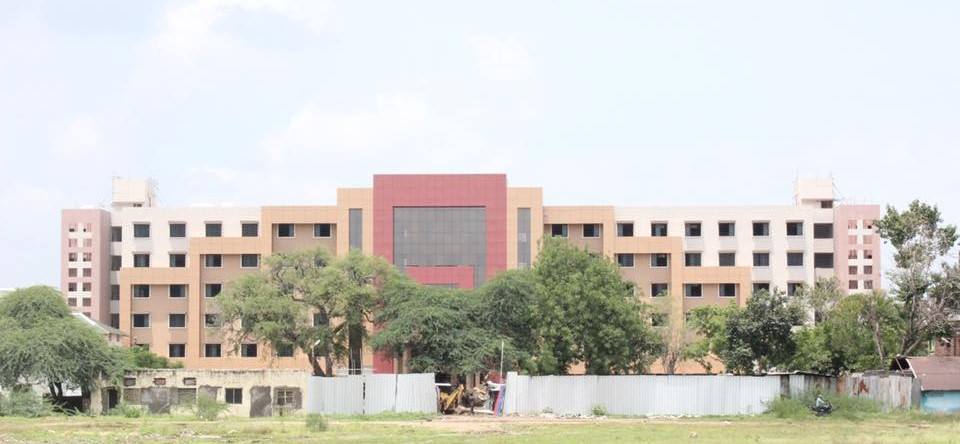
Mayo Hospital in Nagpur is getting a rooftop helipad. The helipad will be built on top of the new 11-storey medical complex under construction at the Indira Gandhi Government Medical College and Hospital (IGGMCH) premises. Furthermore, it will allow critical patients from remote areas of central India to be brought directly by air to Nagpur. As a result, life-saving treatment within the golden hour will become possible for patients who previously had no option but slow road transport.

The 11-storey medical complex is being built at a cost of approximately Rs 146 crore. Moreover, the entire building is expected to be handed over to Mayo Hospital administration by 2027. Therefore, Nagpur’s oldest and most important government hospital is on the verge of a major transformation.

What the Helipad Will Do — The Golden Hour Angle

The golden hour is the most critical concept in emergency medicine. Furthermore, it refers to the first 60 minutes after a traumatic injury or medical emergency — the period during which prompt treatment most significantly improves survival chances.

For patients suffering brain disorders, heart attacks or other life-threatening conditions in remote areas of central India — Gadchiroli, Gondia, Chandrapur, Balaghat, Yavatmal — reaching Nagpur by road can take two to four hours or more. Moreover, road conditions in remote tribal and forest areas further extend this travel time. As a result, many critical patients arrive at Nagpur hospitals long after the golden hour has passed.

The rooftop helipad on Mayo Hospital’s new building directly solves this problem. Furthermore, a helicopter can cover the same distance in 30 to 45 minutes. Therefore, patients who would previously arrive too late for optimal intervention will now have a genuine fighting chance.

Officials confirmed that the helipad is specifically designed to avoid delays in road transport. Moreover, it will be particularly valuable for brain disorder cases — where every minute of delayed treatment increases the risk of permanent neurological damage — and heart patients where early intervention is critical.

The 11-Storey Medical Complex — What Is Being Built

The new medical complex at Mayo Hospital is a major infrastructure investment. Furthermore, it started as a seven-storey building proposal. However, a revised plan added four more floors. As a result, the final structure will be 11 storeys tall.

The complex is being built within the existing Mayo Hospital premises at a cost of approximately Rs 146 crore. Moreover, Union Minister Nitin Gadkari performed the groundbreaking ceremony for various development works at Mayo Hospital in February 2024. Therefore, work on the medical complex has gained significant pace since then.

The building will be a modern, purpose-built medical facility. Furthermore, it will add substantial new capacity to one of central India’s most important government hospitals. The rooftop helipad will sit at the apex of this 11-storey structure — giving arriving helicopters direct access to the hospital facility without any ground-level transport delay.

How Mayo Hospital’s Capacity Will Grow

The new medical complex will dramatically expand Mayo Hospital’s capacity. Furthermore, this is one of the most significant upgrades to Nagpur’s public healthcare infrastructure in decades.

Currently, Mayo Hospital operates with a certain bed capacity that has long been insufficient for the volume of patients it serves. Moreover, the hospital draws patients not just from Nagpur but from across Vidarbha and even neighbouring states like Chhattisgarh and Madhya Pradesh. As a result, overcrowding has been a persistent challenge.

The new 11-storey complex initially planned for approximately 500 beds. However, efforts are now underway to increase this to approximately 600 beds. Furthermore, once the entire project is complete, Mayo Hospital’s total bed capacity is expected to reach approximately 1,350.

Moreover, there is also a possibility of increasing seats for postgraduate medical education at the institution. Therefore, the expansion benefits not just patients but also the next generation of medical professionals training at this historic institution.

Why Mayo Hospital Matters — Its Role in Central India’s Healthcare

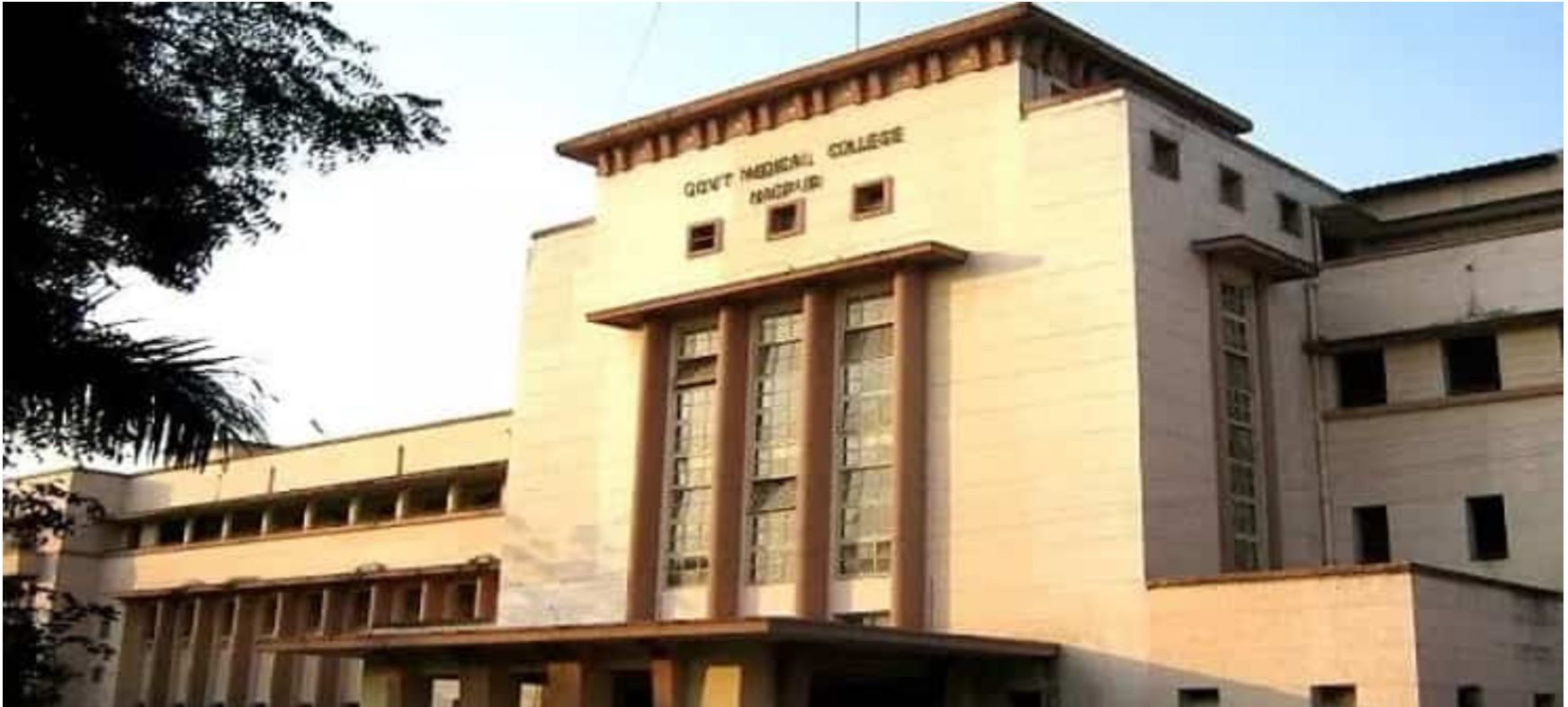
Mayo Hospital — officially the Indira Gandhi Government Medical College and Hospital — is one of the oldest and most significant government medical institutions in central India. Furthermore, it serves as the primary referral centre for government healthcare across Vidarbha’s six districts and beyond.

For millions of patients across Vidarbha, Marathwada and parts of Madhya Pradesh and Chhattisgarh, Mayo Hospital is where the most complex government healthcare is available. Moreover, it provides free or highly subsidised treatment to patients from economically weaker backgrounds who cannot afford private hospital costs.

Therefore, every upgrade to Mayo Hospital’s infrastructure has an impact that extends far beyond Nagpur city. Furthermore, the helipad specifically addresses the healthcare gap for patients in the most remote and underserved areas — tribal communities in Gadchiroli, farmers in Yavatmal, residents of forest areas in Gondiya — who are furthest from quality medical care and most vulnerable to the consequences of delay.

Gadkari’s Role in Mayo Hospital’s Modernisation

Union Minister Nitin Gadkari’s involvement in Mayo Hospital’s development is significant. Furthermore, the February 2024 groundbreaking ceremony he performed gave the hospital’s modernisation visible political momentum.

Gadkari has consistently used his position to direct development resources toward Nagpur’s public infrastructure — from roads and flyovers to the Futala Musical Fountain and now Mayo Hospital. Moreover, his involvement signals that the hospital’s development trajectory has support at the central government level as well as state level.

As a result, the Rs 146 crore investment in the new medical complex — and the additional cost of the helipad infrastructure — is part of a sustained and politically backed effort to make Nagpur’s government healthcare system worthy of the city’s growing status as central India’s most important urban centre.

What the 2027 Timeline Means for Nagpur Patients

The entire 11-storey medical complex is expected to be handed over to Mayo Hospital administration by 2027. Furthermore, this is approximately 12 to 18 months from now.

For patients and their families, this timeline means that the helipad, the additional bed capacity and the new facilities will be operational within the next year and a half. Moreover, the expansion to 1,350 total beds will significantly reduce the overcrowding that currently forces patients to wait or be turned away.

However, the handover timeline is dependent on construction progress remaining on schedule. Furthermore, government construction projects in India frequently face delays due to contractor issues, material supply problems or administrative hurdles. Therefore, Nagpur Updates will monitor construction progress and report on any updates to the 2027 timeline.

What This Means for Nagpur as a Medical Hub

The Mayo Hospital helipad is one more piece in a larger picture of Nagpur developing as central India’s premier medical destination. Furthermore, the city already has a strong network of government and private hospitals — GMCH, Lata Mangeshkar Hospital, AIIMS Nagpur and various super-speciality private facilities.

The addition of air emergency capability at Mayo Hospital — a government institution accessible to all income levels — fills a specific and important gap. Moreover, it positions Nagpur as a city where even the most remote and critically ill patient can reach world-class government medical care within the golden hour.

Furthermore, as GMR expands Nagpur Airport with increased flight capacity and better infrastructure, the overall air connectivity of the city improves — which also benefits air ambulance operations. Therefore, the helipad at Mayo Hospital and the airport expansion are complementary developments that together strengthen Nagpur’s role as central India’s emergency medical hub.


₹1,100 Crore Spent, Yet 22 Essential Tests Missing at Nagpur’s GMCH — Patients Sent to Private Labs

Published: June 6, 2026 | Category: Nagpur Local | GMCH Nagpur | Nagpur Medical College | By: Nagpur Updates Desk


Shining new buildings. Modern-looking corridors. And ₹1,100 crore in government investment. Yet patients at Nagpur’s premier government hospital cannot get 22 essential medical tests done.

That is the damning reality at the Government Medical College and Hospital (GMCH) Nagpur — better known simply as “Medical” or “Nagpur Medical.” Despite a massive public investment of over a thousand crore rupees to modernise the facility, critical diagnostic services remain unavailable. Patients are being routinely directed to private pathology labs — adding financial burden on people who came to a government hospital specifically because they cannot afford private care.


The Core Problem at a Glance

Issue Details
Total investment in GMCH ₹1,100 crore
Essential tests unavailable 22 types
Where patients are sent Private pathology labs
MRI waiting Extremely long — weeks in some cases
CT Scan waiting Long delays reported
Daily OPD footfall Thousands of patients
Question being raised Why are tests unavailable despite ₹1,100 crore investment?

What Tests Are Unavailable?

The Navbharat Live investigation has confirmed that 22 types of essential medical tests are currently not available at GMCH Nagpur. While the complete list of all 22 has not been officially disclosed, the categories include:

Advanced diagnostic tests — investigations that require specialised equipment or reagents that GMCH either does not have or cannot currently operate due to technical failures.

Specialised blood tests — including some biochemical panels that private labs offer but that GMCH’s pathology department cannot perform.

Imaging with long waits — MRI and CT scan machines exist at GMCH but waiting periods are extremely long — stretching to weeks in some cases, forcing patients who need urgent imaging to go private.

When a patient is referred to a private pathology lab from GMCH, the costs can range from ₹500 to ₹5,000 or more per test — depending on the investigation. For families who came to a government hospital specifically because they cannot afford private care, this referral is not a convenience. It is a financial crisis.

क्रमांक Test Name Medical Term Why It’s Needed Where Patients Go
1 Serum Anti-NMO, MOG Anti-Neuromyelitis Optica / Myelin Oligodendrocyte Glycoprotein Antibody Diagnoses rare autoimmune brain/spinal cord diseases like NMO Spectrum Disorder Private neurology labs
2 Urine Copper 24-Hour Urinary Copper Test Diagnoses Wilson’s Disease — a rare genetic liver/brain disorder Private diagnostic centres
3 TMS, GCMS Tandem Mass Spectrometry / Gas Chromatography-Mass Spectrometry Detects rare metabolic and genetic disorders in newborns and children Specialised genetics labs
4 ANA, Anti-LKM, SMA Antinuclear Antibody Panel Diagnoses autoimmune liver diseases and lupus Private immunology labs
5 Whole Exome Sequencing WES — Complete Genetic Test Identifies genetic mutations causing rare diseases Specialised genetics centres only
6 P-ANCA, C-ANCA Anti-Neutrophil Cytoplasmic Antibodies Diagnoses vasculitis — inflammation of blood vessels Private labs
7 Gaucher Test Glucocerebrosidase Enzyme Activity Test Diagnoses Gaucher Disease — rare inherited metabolic disorder Specialised genetics labs
8 C-3, C-5 Level Complement System Levels Diagnoses autoimmune kidney diseases and immune disorders Private immunology labs
9 SDP Blood Soluble Diagnostic Panel — Blood Required for certain haematology investigations Private labs
10 IGT Level, ESR, Gram Test Impaired Glucose Tolerance / Erythrocyte Sedimentation Rate Diabetes risk assessment, infection and inflammation detection Most available — but backlogged
11 CSF Analysis Cerebrospinal Fluid Examination Diagnoses meningitis, encephalitis, multiple sclerosis, brain tumours Private neuro labs
12 Protothecosis Workup Rare Algae Infection Diagnostic Panel Identifies rare protothecal infections in immunocompromised patients Specialised labs only
13 Protein C, Protein S, Factor D Blood Clotting Factor Tests Diagnoses clotting disorders causing DVT, stroke, miscarriage Private coagulation labs
14 ANA Blot ANA Blotting Test More specific autoimmune disease diagnosis than basic ANA Private immunology labs
15 TTG / DGP Test Tissue Transglutaminase / Deamidated Gliadin Peptide Diagnoses Celiac Disease (gluten intolerance) Private labs
16 Anti-Factor H Anti-Factor H Antibody Test Diagnoses rare complement disorders and atypical HUS Specialised labs only
17 MLPA / ALPA Multiplex Ligation-dependent Probe Amplification Detects genetic duplications/deletions — chromosomal disorders Genetics labs only
18 Renal Biopsy Kidney Tissue Biopsy + Processing Diagnoses type and severity of kidney disease Private nephrology centres
19 HBB Gene Test Haemoglobin Beta Gene Test Diagnoses thalassemia and sickle cell disease genetically Genetics labs
20 EEG Electroencephalogram Diagnoses epilepsy, seizure disorders, brain activity abnormalities Private neurology clinics
21 eGFR Estimated Glomerular Filtration Rate Measures kidney function — essential for CKD monitoring Usually calculated — but equipment/software missing
22 CMV PCR Cytomegalovirus Polymerase Chain Reaction Detects active CMV viral infection — critical for transplant patients Private vir

The ₹1,100 Crore Question

This is the number that makes this story so infuriating.

The Maharashtra government has invested approximately ₹1,100 crore in upgrading and modernising GMCH Nagpur’s infrastructure over recent years. New buildings have been constructed. Existing facilities have been renovated. From the outside, GMCH looks significantly better than it did a decade ago.

But infrastructure investment without diagnostic equipment procurement, staff appointment, and operational readiness is like building a restaurant without a kitchen. The buildings shine. The wards are there. But 22 essential tests cannot be done.

The questions that administrators must answer:

  • Of the ₹1,100 crore spent, how much went to diagnostic equipment?
  • Why are 22 essential tests still missing after this investment?
  • What is the plan and timeline to make all these tests available within GMCH?
  • Who is accountable for the gap between investment and service delivery?

The Human Cost: Who Is Being Hurt?

GMCH Nagpur is not a specialty hospital serving a niche patient group. It is the largest and most important public hospital in Vidarbha — a region of over 2 crore people. It serves as the final referral destination for patients from across Nagpur, Wardha, Amravati, Yavatmal, Gadchiroli, and other Vidarbha districts.

The patients who come here are predominantly from low-income and middle-income families — farmers, labourers, daily wage workers, small traders — who rely on government healthcare because they genuinely cannot afford private care. When they are told that a required test is not available and they must go to a private lab, they face impossible choices:

  • Pay for the private test — stretching budgets already under stress from the hospital visit, medicines, and travel costs
  • Delay the test — potentially worsening their medical condition while waiting for a government facility that may take weeks to become available
  • Borrow money — adding debt burden to an already difficult situation

The long MRI and CT scan waiting lists are particularly cruel. A patient with a suspected brain tumour, spinal cord issue, or internal organ problem cannot wait weeks for an MRI. But if they cannot afford ₹5,000-8,000 at a private imaging centre, what choice do they have?


A Pattern of Healthcare Infrastructure Failure

The GMCH diagnostic shortage is not happening in isolation. It is part of a pattern of healthcare infrastructure failures in Nagpur’s public hospitals that has been documented repeatedly.

The Daga Hospital NICU short circuit fire in May 2026 — where 15-20 newborns had to be evacuated after a fire caused by an electrical failure — highlighted how infrastructure maintenance in government hospitals lags dangerously behind need.

The pattern is consistent: money is spent on visible infrastructure. Less glamorous but more critical operational requirements — diagnostic equipment, reagents, maintenance, staffing — fall through the gaps.


What GMCH Nagpur Is Supposed to Offer

To understand the gap between promise and reality, it helps to know what GMCH Nagpur is supposed to provide:

GMCH Nagpur has a bed strength of approximately 1,400 beds — making it one of Maharashtra’s largest government hospitals. It is a teaching hospital attached to the Government Medical College — responsible for training hundreds of medical students and residents every year.

The hospital is supposed to offer:

  • Full diagnostic services including pathology, biochemistry, microbiology, and haematology
  • Advanced imaging — X-ray, ultrasound, CT scan, and MRI
  • Speciality clinics across all major medical disciplines
  • Emergency and trauma care
  • Super-speciality services

When 22 essential tests are unavailable, the hospital is not meeting its basic mandate — regardless of how much has been spent on its buildings.


What Needs to Happen

The situation demands immediate accountability and action on multiple fronts:

Immediate audit: The state health department must publish a complete list of the 22 unavailable tests and explain specifically why each is unavailable — is it a equipment failure? A reagent shortage? A staffing gap?

Emergency procurement: For tests that are unavailable due to equipment failure or shortage, emergency procurement should be initiated — without waiting for standard procurement cycles.

Accountability report: Given the ₹1,100 crore investment, the hospital administration must account for what was spent, what was supposed to improve, and why 22 essential tests are still missing.

MRI/CT scan capacity: The waiting period for MRI and CT scans must be addressed through either equipment addition, extended operating hours, or an official empanelment arrangement with private facilities at subsidised government rates — so patients are not forced to pay full private rates.

Regular public reporting: GMCH should publish monthly reports on which diagnostic services are available, what the current waiting times are, and what steps are being taken to fill gaps.


FAQ: Your Questions Answered

Q: Which 22 tests are unavailable at GMCH Nagpur? The complete official list has not been published. The Navbharat investigation confirmed the figure of 22 essential tests being unavailable. We have requested the full list from GMCH administration and will update this article when received.

Q: How long is the MRI waiting period at GMCH Nagpur? The waiting period varies but has been reported to stretch to several weeks for non-emergency MRI investigations. Emergency cases are prioritised.

Q: Can I get a free test at GMCH Nagpur? Diagnostic tests at GMCH are offered at heavily subsidised rates — far below private lab rates. However, for the 22 unavailable tests, patients are being referred to private labs where they must pay market rates.

Q: Is there any government scheme to cover private lab costs? Under the Mahatma Jyotiba Phule Jan Arogya Yojana (MJPJAY) and Pradhan Mantri Jan Arogya Yojana (PM-JAY), some diagnostic tests at empanelled private facilities may be covered. Patients should check eligibility at the hospital’s scheme desk.

Q: How do I complain about this?

  • GMCH Medical Superintendent: Contact through GMCH’s official channels at gmcnagpur.org
  • Maharashtra Health Department: grievance.maharashtra.gov.in
  • CM Helpline: 1800-120-8040

The Standard Must Rise

GMCH Nagpur is the backbone of public healthcare for millions of Vidarbha residents. It operates under enormous pressure — thousands of patients daily, a teaching mandate, and the expectation that it will serve as the last resort for those with nowhere else to turn.

But pressure does not excuse a system where ₹1,100 crore of public money has been invested and 22 essential tests are still unavailable. That is not a resource problem. That is a governance problem.

Nagpur’s patients deserve better. Vidarbha’s poorest families deserve a government hospital that can actually diagnose them. And the administrators of GMCH Nagpur — and the Maharashtra health department — owe the public a clear, honest answer to one simple question:

Where did ₹1,100 crore go — and why can’t patients get 22 basic tests?

Nagpur Updates will continue to follow this story and report on the state health department’s response to this investigation.


Tags: GMCH Nagpur, Nagpur Medical College, Government Hospital, Medical Tests, Private Labs, Healthcare Nagpur, MRI CT Scan Wait, Nagpur Health 2026

Meditrina Hospital Declared Unsafe in Nagpur, Immediate Evacuation Ordered by Authorities; Hospital Refuted Claim

Nagpur: Meditrina Hospital in Nagpur has been declared highly unsafe by the Nagpur Municipal Corporation (NMC) Fire Department, leading to an immediate evacuation order. However, the hospital administration has strongly refuted these claims, calling them politically motivated. This controversy has sparked widespread debate over safety regulations, compliance, and potential political interference.

Background of Meditrina Hospital

Meditrina Hospital, located in Ramdaspeth, has been operating for over 13 years. Despite its reputation, authorities claim the hospital has been functioning without a mandatory Fire Compliance Certificate, putting patients and staff at significant risk.

Fire Safety Concerns and Official Orders

Lack of Fire Safety Compliance

  • The hospital has reportedly failed to implement essential fire prevention and life safety measures.
  • Despite several warnings, the required systems were not installed, leading to the latest order.

Previous Warnings and Deadlines

  • On February 2, 2025, NMC’s Health Department warned the hospital about registration cancellation if it failed to obtain a Fire Compliance Certificate within a month.
  • On February 18, 2025, the Fire Department issued a letter declaring the hospital unsafe and ordering immediate evacuation.

Allegations Against Meditrina Hospital

Complaints from Local Authorities

  • Vikas Thakre, MLA from West Nagpur, filed a complaint on January 1, 2025, highlighting fire safety violations and irregularities.
  • The Fire Department responded on January 9, 2025, issuing a formal notice for compliance.
  • Reports suggest the hospital lacks 29 crucial fire safety measures.

Structural and Safety Violations

  • Unauthorized construction restricts access for fire tenders.
  • Oxygen plant positioning adds fire hazards.
  • The terrace houses an illegal kitchen and storeroom.
  • Basement parking is misused for generators and equipment storage.

Political and Legal Implications

MLA Vikas Thakre’s Continued Efforts

  • Thakre had previously sought hospital registration cancellation in December 2020.
  • He later lodged another complaint against NMC officials, leading to a February 12, 2025 meeting with Guardian Minister Chandrashekhar Bawankule.

Legal Cases Against the Hospital Director

Dr. Sameer Paltewar, Meditrina Hospital’s director, faces multiple FIRs:

  • January 22, 2019 – Rs 3 crore fraud under the Mahatma Jyotiba Phule Jan Arogya Yojana.
  • January 20, 2021 & February 20, 2021 – Billing discrepancies and financial irregularities.
  • December 14, 2024 – FIR for obstructing hospital entry by locking doors.

Hospital’s Response: Refuting the Claims

Meditrina Hospital strongly denies all allegations, calling them politically motivated and legally baseless.

Official Statement from Meditrina Hospital

  • The hospital claims it has a valid Fire NoC since 2010 and has regularly submitted B-Forms since 2018.
  • It has photographic evidence of functioning firefighting systems.
  • The hospital alleges that political interference and media reports aim to tarnish its reputation.
  • Mock fire drills have been conducted with participation from NMC fire officials.

Hospital Demands Retraction of Orders

  • Meditrina Hospital has formally requested the withdrawal of the February 15, 2025 evacuation order.
  • The administration awaits official confirmation of order cancellation.

Public and Patient Reactions

  • Patients and their families express concern over sudden evacuation.
  • Many demand transparency from authorities regarding hospital safety.
  • Some support the hospital, believing it is being unfairly targeted.

What Happens Next?

  • Authorities may conduct further inspections to verify claims from both sides.
  • Legal proceedings could determine the hospital’s fate.
  • Public pressure may influence the final decision.

The Meditrina Hospital controversy raises essential questions about fire safety regulations, hospital accountability, and potential political bias. While authorities insist evacuation was necessary, the hospital firmly refutes all allegations. Whether this case is about genuine safety concerns or political maneuvering remains a heated debate.

1. Why was Meditrina Hospital declared unsafe?

Authorities claim it lacks 29 fire safety measures and has unauthorized constructions restricting fire access.

2. Has Meditrina Hospital ever had a Fire NoC?

The hospital asserts it has had a valid Fire NoC since 2010, with regular compliance reports.

3. What legal actions have been taken against the hospital director?

Dr. Sameer Paltewar faces multiple FIRs, including fraud, financial irregularities, and obstruction of hospital entry.

4. What will happen to the hospital now?

Further inspections, legal battles, and public opinion may influence the final decision on hospital operations.

5. How have patients reacted to the evacuation?

Some express concern over disrupted medical services, while others demand transparency in the decision.

8 ‘Apla Davakhana’ Clinics Open in Nagpur: Enhancing Accessible Healthcare

The city of Nagpur has taken a significant leap forward in healthcare accessibility with the opening of eight clinics under the state government’s flagship initiative, the ‘Hindu Hriday Samrat Balasaheb Thackeray Apla Dawakhana’ scheme. These health check-up and diagnostic clinics are now functional in various localities of the city, providing free healthcare services to citizens. The initiative is aimed at easing the burden on existing healthcare facilities and offering affordable healthcare options to those in need.

What is the Apla Dawakhana Scheme?

The ‘Apla Dawakhana’ initiative is part of the Maharashtra government’s larger effort to make healthcare more accessible and affordable for the common man. Through this scheme, the government has established clinics in key areas to provide essential medical services to underserved populations. These clinics are designed to offer a range of medical services, including medication, diagnostics, and teleconsultation, free of charge.

The 8 New Clinics in Nagpur

As of now, eight clinics have become operational in various zones across Nagpur. These clinics are located at:

  1. MIG Colony, Nandanvan (Nehru Nagar zone)
  2. Railway Colony and Baba Diwan Housing Society, Wanjra (Lakadganj zone)
  3. Teachers Colony, Jafar Nagar (Mangalwari zone)
  4. Behind Veterinary College, Manav Seva Nagar (Dharampeth zone)
  5. Sambhaji Nagar, New Narsala (Hanuman Nagar zone)
  6. Old Bhandara Road (Satranjipura zone)
  7. Gorley Layout, Jaitala (Laxmi Nagar zone)

These clinics operate from 2 PM to 10 PM daily, excluding government holidays. They are equipped with essential services to address various healthcare needs, making them a crucial resource for the city’s residents.

Services Offered at Apla Dawakhana Clinics

The Apla Dawakhana clinics are more than just primary healthcare centers. They offer a wide range of services, including:

1. Medication

Residents can receive essential medications for common illnesses, all free of charge, at these clinics.

2. Laboratory Tests

The clinics offer basic diagnostic services, allowing citizens to get necessary tests done without having to visit expensive diagnostic centers.

3. Teleconsultation

In addition to in-person doctor visits, the clinics also provide teleconsultation services, where patients can consult with specialists virtually.

4. Check-ups for Expectant Mothers

A key focus of the clinics is on maternal health, providing prenatal check-ups and care for expectant mothers.

5. General Vaccination

To ensure community health, the clinics offer general vaccination services, including for children and adults.

Why Are These Clinics Important?

Healthcare can be expensive, and many individuals and families struggle to afford basic medical services. The Apla Dawakhana clinics aim to bridge this gap by offering quality healthcare at no cost. This initiative not only relieves the pressure on large hospitals but also brings essential medical services closer to communities, especially in underserved areas.

The Role of Dr. Nivrutti Rathod

Civil surgeon Dr. Nivrutti Rathod has been instrumental in the implementation of this scheme in Nagpur. He urges citizens to take advantage of the free services available at these clinics. Under his guidance, the state government plans to open a total of 20 clinics in the city, with more set to become operational soon.

Future Expansion Plans

Nagpur has been allocated a total of 20 clinics under the Apla Dawakhana scheme. The additional 12 clinics are expected to open shortly, further expanding the reach of this vital healthcare program. As these new clinics open, more residents will have access to free healthcare, which is a step forward in improving public health outcomes across the city.

How Can Residents Benefit from These Clinics?

Nagpur’s residents can easily access these clinics by visiting the one closest to their locality. The clinics are open during convenient evening hours, making it easy for working individuals to access medical care without taking time off from work. With services ranging from medication and diagnostics to specialized teleconsultation, the clinics are a one-stop solution for many basic healthcare needs.

Clinic Locations and Accessibility

The strategic placement of these clinics across different zones ensures that residents from various parts of the city have access to medical services. The clinics are easily accessible and well-staffed, making it convenient for people to get the care they need without having to travel far or spend money on transportation.

Impact on Public Health

The establishment of these clinics is expected to have a profound impact on the overall public health of Nagpur. By offering preventive care services such as vaccinations and check-ups, the clinics play a vital role in early detection and management of diseases. This could lead to a decrease in hospital admissions and an improvement in the overall health of the population.

Encouraging Preventive Healthcare

One of the major goals of the Apla Dawakhana initiative is to encourage preventive healthcare. By providing easy access to vaccines, maternal care, and regular check-ups, these clinics are promoting a culture of health consciousness among the city’s residents.

Government Holidays and Clinic Hours

Although the clinics are open daily, they remain closed on government holidays. The operating hours from 2 PM to 10 PM have been selected to accommodate the needs of most working individuals, ensuring that healthcare is accessible even after regular work hours.

Free Services vs. Private Healthcare Costs

Private healthcare can often be a financial burden for families, especially when regular check-ups or tests are required. The Apla Dawakhana clinics remove this burden by offering similar services at no cost, thereby easing the financial strain on low-income households.

Teleconsultation: A Game-Changer in Healthcare Access

The introduction of teleconsultation services at the clinics is a significant advancement in making healthcare more accessible. For those who may not be able to physically visit the clinic, teleconsultation provides a convenient alternative, allowing patients to receive medical advice from the comfort of their homes.

The opening of eight ‘Apla Davakhana’ clinics in Nagpur marks a new chapter in accessible healthcare for the city. With free services that range from medications to vaccinations and teleconsultations, these clinics are poised to make a lasting impact on the health and well-being of the community. As more clinics open, the reach of this initiative will only expand, ensuring that quality healthcare is within everyone’s reach.

1. Who can avail services at Apla Dawakhana clinics?

Anyone can visit the clinics and access the free healthcare services offered.

2. Are the services truly free at Apla Dawakhana clinics?

Yes, all services provided at the clinics, including medication and diagnostics, are free of charge.

3. What are the clinic timings?

The clinics are open daily from 2 PM to 10 PM, except on government holidays.

4. Can I consult a doctor virtually at these clinics?

Yes, teleconsultation services are available, allowing you to consult with a specialist remotely.

5. How many Apla Dawakhana clinics will Nagpur have?

Nagpur will have a total of 20 Apla Dawakhana clinics, with 8 already operational and more set to open soon.

5 More Hospitals Added Under Ayushman Scheme in Nagpur

Healthcare is a fundamental need, and access to quality healthcare has been a challenge for many in India. The Ayushman Bharat scheme was introduced to bridge this gap by providing free treatment to millions of underprivileged citizens. Recently, Nagpur saw a significant addition to its healthcare services as five more hospitals were added under the Ayushman Bharat scheme, bringing the total number of participating hospitals to 52. This development aims to ensure that more people in Nagpur, particularly those in need, can avail themselves of crucial healthcare services without financial constraints.

What is the Ayushman Bharat Scheme?

The Ayushman Bharat Pradhan Mantri Jan Arogya Yojana (PM-JAY), also known as the Ayushman Bharat scheme, is one of the largest government healthcare initiatives globally. It aims to provide free treatment up to ₹5 lakh per family per year for secondary and tertiary hospitalization to over 10 crore poor families across India.

Nagpur’s Healthcare Landscape Under Ayushman Bharat

Nagpur’s inclusion in the Ayushman Bharat scheme has significantly boosted healthcare access for its residents. Initially, Nagpur had 47 hospitals under the scheme, consisting of 9 government and 38 private hospitals. With the addition of five more hospitals, the total number now stands at 52, further broadening the scope of medical treatment available to beneficiaries in the region.

New Hospitals Added to the Scheme

The recent announcement of the inclusion of five new hospitals under the scheme highlights the government’s commitment to expanding healthcare facilities. These hospitals are equipped to offer various treatments, ensuring that patients in need of both secondary and tertiary care can receive prompt medical attention.

Free Treatment for Ration Card Holders

During a press conference, Dr. Omprakash Shete, the head of the Ayushman Bharat Mission Maharashtra Committee, shared key insights into the benefits of the scheme. One of the most significant aspects is that ration card holders can avail free treatment up to ₹5 lakh under the Ayushman Bharat scheme. This makes it easier for economically weaker sections to access necessary medical procedures without worrying about the cost.

How Does it Work?

If you are a ration card holder in Nagpur, all you need to do is present your card at any of the 52 listed hospitals to receive treatment. There’s no need for additional documentation or proof of income. This simple process ensures that even the most vulnerable sections of society can access the healthcare they deserve.

Financial Support for Hospitals

By April 1, ₹1 crore had already been distributed to hospitals under the scheme in Nagpur. This funding has allowed hospitals to treat a large number of patients without compromising the quality of care. The financial backing from the Ayushman Bharat scheme ensures that hospitals are not burdened by the influx of patients seeking free treatment.

CSR Initiatives for Healthcare Improvement

Nagpur’s healthcare system has further benefited from corporate social responsibility (CSR) initiatives. Deputy Chief Minister Devendra Fadnavis played a crucial role in facilitating the introduction of digital dispensaries and mobile van services in the district. These services bring healthcare closer to those in rural and underserved areas, ensuring that no one is left behind.

Encouraging Beneficiaries to Generate Ayushman Cards

Currently, 47 lakh people are registered as beneficiaries of the Ayushman Bharat scheme in Maharashtra, but only 15 lakh have generated their Ayushman cards. Deputy CM Fadnavis urged beneficiaries to generate their cards to avail themselves of the full benefits of the scheme. The remaining 32 lakh beneficiaries are being encouraged to take advantage of this life-saving initiative.

What Happens If You Don’t Have an Ayushman Card?

Even if you haven’t generated your Ayushman card, you can still receive treatment under the scheme. As long as your ration card is up to date, you can access the benefits without any issues. This flexibility is critical in ensuring that everyone, regardless of their circumstances, can receive medical care when they need it most.

Impact on the People of Nagpur

The inclusion of five more hospitals under the Ayushman Bharat scheme has had a positive impact on the people of Nagpur. Patients who once struggled to afford treatment are now able to access necessary medical procedures without the financial burden. This expansion is a testament to the success of the Ayushman Bharat scheme in providing healthcare to the needy.

Benefits of the Expansion

  1. Increased Hospital Availability: More hospitals mean shorter wait times and faster access to treatment.
  2. Comprehensive Medical Services: With a broader network of hospitals, patients can access a wider range of medical services, from surgeries to long-term treatments.
  3. Economic Relief: Families struggling with medical bills can now breathe easier, knowing that their treatment costs are covered under the scheme.

The addition of five more hospitals to the Ayushman Bharat scheme in Nagpur is a crucial step towards improving healthcare accessibility for the city’s underprivileged population. With the increased number of hospitals, enhanced CSR initiatives, and the simple process for beneficiaries to access care, the people of Nagpur can now receive timely and quality medical treatment without the financial strain. The Ayushman Bharat scheme continues to be a beacon of hope for millions, and this recent expansion further cements its role in shaping the future of healthcare in India.

  1. What is the Ayushman Bharat scheme?
    The Ayushman Bharat scheme is a government initiative that provides free healthcare up to ₹5 lakh per year for economically weaker sections of society.
  2. How many hospitals in Nagpur are now part of the Ayushman Bharat scheme?
    Nagpur now has 52 hospitals under the scheme, an increase from the previous 47.
  3. Can I get treatment under Ayushman Bharat without an Ayushman card?
    Yes, you can still avail treatment with a valid ration card, even if you haven’t generated your Ayushman card.
  4. What types of treatments are covered under the scheme?
    The scheme covers a wide range of treatments, including secondary and tertiary care, surgeries, and more.
  5. Who is eligible for free treatment under the scheme?
    Ration card holders and registered beneficiaries of the Ayushman Bharat scheme are eligible for free treatment.

AIIMS Nagpur: A Crucial Testing Lab for Mpox in the State

The World Health Organization (WHO) has recently sounded the alarm on the spread of Monkeypox (Mpox), urging countries worldwide to take preventive measures. In India, although no cases have been officially reported, preparations are well underway to combat this potential threat. The Virology Lab at AIIMS Nagpur has been designated as a testing center for Mpox, highlighting its importance in the state’s healthcare infrastructure. This article delves into the significance of this development, the nature of the disease, and the precautions being taken.

Understanding Monkeypox (Mpox)

What is Monkeypox?

Monkeypox, often referred to as Mpox, is a viral zoonotic disease that resembles smallpox. It is caused by the Monkeypox virus, a member of the Orthopoxvirus genus. The disease is primarily transmitted from animals to humans but can also spread between humans through close contact.

Symptoms and Transmission

The symptoms of Mpox include fever, intense headache, muscle aches, and a rash that typically starts on the face and spreads to other parts of the body. The virus spreads through direct contact with the blood, bodily fluids, or skin lesions of infected animals or humans. Human-to-human transmission can also occur via respiratory droplets or contaminated objects.

Global Concern and WHO’s Warning

The WHO has expressed concerns about the potential spread of Mpox, particularly in regions where the disease is not endemic. The global organization has emphasized the importance of vigilance and preparedness to prevent a widespread outbreak.

AIIMS Nagpur’s Role in Mpox Testing

Why AIIMS Nagpur?

AIIMS Nagpur has been selected as a testing lab for Mpox due to its state-of-the-art facilities and expertise in virology. The institution’s Virology Lab is equipped with the latest technology, enabling accurate and rapid testing of suspected Mpox cases. This strategic move ensures that the state is well-prepared to identify and respond to any potential outbreaks.

Approval and Preparations

The approval of AIIMS Nagpur as a testing center is a proactive step by the health authorities in India. The lab has undergone rigorous assessments to ensure it meets the necessary standards for handling and testing the Mpox virus. This includes strict biosafety protocols to protect the staff and prevent contamination.

Testing Process at AIIMS Nagpur

At AIIMS Nagpur, the testing process for Mpox involves collecting samples from suspected patients and analyzing them using advanced molecular techniques. The lab is capable of detecting the virus even in its early stages, which is crucial for effective containment and treatment.

Precautionary Measures in India

Government Initiatives

In response to WHO’s warning, the Indian government has implemented several precautionary measures to prevent the spread of Mpox. These include heightened surveillance, public awareness campaigns, and the establishment of testing facilities like AIIMS Nagpur.

Public Awareness and Education

Educating the public about Mpox is a key component of the preventive strategy. Information is being disseminated through various channels, including social media, to ensure that people are aware of the symptoms, modes of transmission, and necessary precautions.

Healthcare Readiness

Healthcare facilities across the country are being equipped with the necessary tools and training to manage potential Mpox cases. This includes the availability of personal protective equipment (PPE) for healthcare workers and the establishment of isolation wards.

The Future of Mpox Testing in India

Expanding Testing Capabilities

As the situation evolves, there may be a need to expand testing capabilities beyond AIIMS Nagpur to other regions of the country. This will ensure a more robust response to any potential outbreaks.

Research and Development

Ongoing research is essential to better understand Mpox and develop effective treatments and vaccines. AIIMS Nagpur is expected to play a significant role in this research, contributing to global efforts to combat the disease.

Collaborations and Partnerships

Collaborations between AIIMS Nagpur, the Indian government, and international health organizations like WHO will be crucial in ensuring a coordinated response to Mpox. These partnerships will facilitate the sharing of information, resources, and expertise.

The designation of AIIMS Nagpur as a testing lab for Mpox is a significant step in India’s efforts to prepare for a potential outbreak. With its advanced facilities and skilled personnel, AIIMS Nagpur is well-equipped to handle the challenges posed by this emerging threat. As the world remains on high alert, continued vigilance and proactive measures will be essential in preventing the spread of Mpox.

1. What makes AIIMS Nagpur a suitable testing lab for Mpox?

AIIMS Nagpur has advanced virology facilities and a highly trained team, making it well-equipped to test for Mpox accurately and efficiently.

2. How does Monkeypox differ from smallpox?

While both diseases are caused by viruses from the Orthopoxvirus genus, Monkeypox is less contagious and generally less severe than smallpox.

3. Can Monkeypox be treated?

There is no specific treatment for Monkeypox, but the symptoms can be managed with supportive care. Vaccines for smallpox may offer some protection against Monkeypox.

4. What should I do if I suspect I have Monkeypox?

If you suspect you have been exposed to Monkeypox, seek medical attention immediately and avoid close contact with others to prevent the spread of the virus.

5. How can I protect myself from Monkeypox?

To protect yourself, avoid contact with animals that could harbor the virus, practice good hygiene, and stay informed about the latest health advisories.

State’s First Nuclear Medicine Department in GMCH to Launch Soon

Nagpur’s Government Medical College and Hospital (GMCH) is on the brink of a groundbreaking milestone as it prepares to launch the first-ever Nuclear Medicine Department in the state. This department, typically found in private healthcare setups, is now ready to make its debut in a government-run entity. Located on the ground floor of the Super Specialty Hospital (SSH) at GMCH, this new department marks a significant step forward in the region’s healthcare services. After more than seven years of anticipation, the department is now fully equipped, with the staff appointments finalized, and all that remains is the official inauguration.

A Long-Awaited Development

For years, the absence of a Nuclear Medicine Department in GMCH meant that patients from Nagpur and the surrounding regions had to travel to cities like Mumbai, Pune, Delhi, or Bengaluru to access specialized diagnostic and therapeutic services. The establishment of this department is expected to transform the healthcare landscape in Central India. The journey to this point has been long and challenging, with the hospital waiting for over seven years to get this department up and running. Dr. Raj Gajbhiye, Dean of GMCH, has been at the forefront of this initiative, tirelessly following up with the government to secure approval for the department.

A Significant Investment

The Nuclear Medicine Department has been made possible thanks to the efforts of Deputy Chief Minister and Guardian Minister of Nagpur district, Devendra Fadnavis. Recognizing the critical need for this facility, Fadnavis took the lead in securing over Rs 9.5 crore from the District Planning Committee funds for the project. This substantial investment underscores the government’s commitment to enhancing healthcare infrastructure in the region.

A Revolutionary Change in Healthcare

Dr. Gajbhiye is optimistic about the transformative impact of the Nuclear Medicine Department. He believes that the new facility will revolutionize both therapeutic and diagnostic modalities at GMCH, leading to marked improvements in healthcare treatment. The department is expected to benefit a wide range of patients, particularly those suffering from heart and cancer ailments, as well as issues related to endocrinology, thyroid, kidney, and neurological conditions.

Cutting-Edge Diagnostic Tools

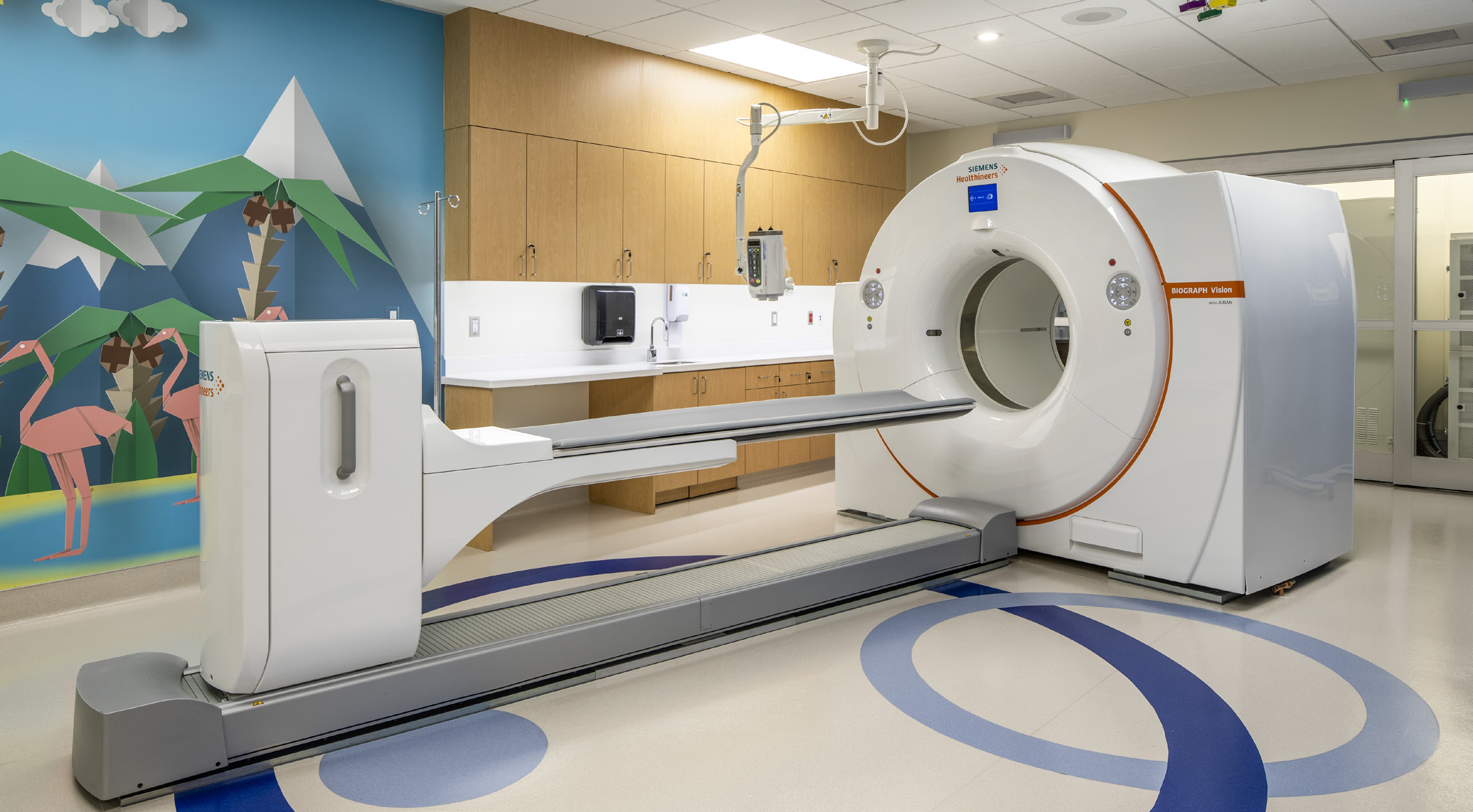
At the heart of the Nuclear Medicine Department are specially designed cameras that can create detailed images of the body’s internal structures. These images allow doctors to observe how organs or tissues are functioning, providing critical insights that can guide treatment decisions. The department will utilize advanced imaging modalities, including Single Photon Emission Computed Tomography (SPECT) and Positron Emission Tomography (PET) scans, which are key components of nuclear medicine. These tools are invaluable in diagnosing tumors, infections, organ enlargement, blood circulation problems, and brain disorders, among other conditions.

Improved Cancer Treatment

One of the most significant benefits of the new department will be its role in cancer treatment. Nuclear medicine is particularly effective in detecting the spread of cancer, enabling doctors to develop more targeted and effective treatment plans. The ability to diagnose and treat cancer more efficiently will be a game-changer for patients in Nagpur and the wider region, who previously had to travel long distances to access such care.

A Holistic Approach to Healthcare

The introduction of the Nuclear Medicine Department is not just about adding another facility to GMCH; it represents a shift toward a more holistic approach to healthcare. By providing cutting-edge diagnostic and therapeutic services within the region, the department will help reduce the burden on patients who previously had to seek treatment elsewhere. This development is a testament to GMCH’s commitment to improving healthcare outcomes for all its patients.

What is Nuclear Medicine?

Nuclear medicine is a specialized area of medical imaging that uses small amounts of radioactive material to diagnose and treat a variety of diseases, including many types of cancers, heart disease, and other abnormalities within the body. The technology involves the use of special cameras to create images that show how tissues and organs are functioning, rather than just what they look like structurally.

The Importance of Nuclear Medicine in Modern Healthcare

In modern healthcare, nuclear medicine plays a crucial role. It allows doctors to gain insights into the physiological processes of the body in ways that traditional imaging techniques cannot. For instance, while an X-ray might show the structure of a bone, nuclear medicine can reveal how well that bone is functioning, or if there is any disease affecting it at a cellular level.

Applications of Nuclear Medicine

The applications of nuclear medicine are vast. It is used in the diagnosis and treatment of conditions such as cancer, heart disease, gastrointestinal issues, endocrine problems, and neurological disorders. Nuclear medicine can help detect the early onset of diseases, monitor the progression of conditions, and assess the effectiveness of treatments.

The Role of SPECT and PET Scans

SPECT and PET scans are two of the most common imaging modalities used in nuclear medicine. SPECT scans are particularly useful for evaluating blood flow to organs and detecting abnormalities in organ function. PET scans, on the other hand, are often used in oncology to identify cancerous tissues and to monitor how well a treatment is working. Both types of scans provide detailed, functional information that is critical for accurate diagnosis and treatment planning.

The Impact on Central India’s Healthcare

The establishment of the Nuclear Medicine Department at GMCH is expected to have a profound impact on healthcare in Central India. By providing access to advanced diagnostic and therapeutic services, the department will help bridge the gap between urban and rural healthcare. Patients who once had to travel to major cities for treatment will now be able to receive high-quality care closer to home.

Collaboration with Private Entities

While the Nuclear Medicine Department is a government-run facility, it has also involved collaboration with private entities to ensure that the infrastructure and services meet the highest standards. Independent staff and other manpower have been outsourced, with the agency responsible for managing the department’s operations. This partnership model ensures that the department is equipped with the latest technology and expertise.

A Bright Future for GMCH

The launch of the Nuclear Medicine Department is just the beginning for GMCH. As the hospital continues to expand its services and infrastructure, it is poised to become a leading healthcare provider in the region. The addition of this department is a significant milestone in GMCH’s journey toward providing comprehensive, state-of-the-art medical care to its patients.

The opening of the Nuclear Medicine Department at GMCH marks a new era in healthcare for Nagpur and Central India. With its advanced diagnostic and therapeutic capabilities, the department is set to revolutionize the treatment of a wide range of conditions, particularly cancer and heart disease. This development not only enhances the healthcare services available in the region but also represents a significant step forward in the government’s efforts to improve public health infrastructure. As GMCH continues to grow and evolve, the Nuclear Medicine Department will play a crucial role in its mission to provide the highest quality care to all its patients.

1. What is Nuclear Medicine, and how does it differ from traditional imaging? Nuclear medicine involves using small amounts of radioactive material to diagnose and treat diseases. Unlike traditional imaging, which shows the structure of organs, nuclear medicine provides insights into how organs and tissues function.

2. How will the Nuclear Medicine Department benefit patients at GMCH? The department will offer advanced diagnostic and therapeutic services, particularly for patients with cancer, heart disease, and neurological disorders, reducing the need for them to travel to other cities for treatment.

3. What types of scans will be available at the Nuclear Medicine Department? The department will offer SPECT and PET scans, which are critical for diagnosing and monitoring various conditions, including cancer and heart disease.

4. How long did it take to establish the Nuclear Medicine Department at GMCH? The process took over seven years, with significant efforts from the hospital’s administration and support from the government to secure the necessary funding and approvals.

5. What impact will the new department have on healthcare in Central India? The department is expected to significantly improve healthcare in the region by providing access to advanced diagnostic and therapeutic services, which were previously unavailable in Central India.

Ambedkar Hospital Construction Likely to Start in August

Ambedkar Hospital Construction: The long-awaited construction of the Dr. Babasaheb Ambedkar Superspecialty Institute of Medical Education and Research (BASIMER) at Indora, Nagpur, is set to begin this August. This monumental project, delayed for nearly three decades, promises to transform healthcare in the region. Let’s dive into the details of this ambitious initiative, exploring its journey, the challenges faced, and the bright future it promises.

The Vision Behind BASIMER

A Dream Realized After Decades

The inception of BASIMER dates back to 1997, driven by North Nagpur MLA Nitin Raut’s vision to provide advanced medical education and healthcare services in the region. This dream is now closer to reality with the recent developments and approvals.

State-of-the-Art Facilities

BASIMER aims to offer a comprehensive range of medical services with about 12 superspecialties. The institute is designed to be a beacon of medical excellence, providing cutting-edge treatments and services.

Financial Backing and Approvals

Funding the Project

Deputy Chief Minister Devendra Fadnavis recently sanctioned over ₹600 crore for the development and revamp of tertiary healthcare centers in Nagpur. This includes the long-awaited BASIMER project.

Cost Revisions and Approvals

In December of last year, the project received administrative approval for ₹572 crore. However, a committee later revised the project’s cost to ₹805 crore from the initial estimate of over ₹1,000 crore. This revision ensures that all necessary resources are allocated for the successful completion of the institute.

Preliminary Expenses

The medical secretary has been tasked with releasing funds to cover preliminary expenses such as tendering and soil testing, which are crucial for the project’s timely commencement.

Project Execution and Timeline

Role of Nagpur Improvement Trust (NIT)

The Nagpur Improvement Trust (NIT) has been entrusted with executing the project. NIT is currently coordinating with political leaders, including Devendra Fadnavis and Nitin Gadkari, to schedule the ground-breaking ceremony in August.

Completion Timeline (Ambedkar Hospital Construction)

The project is estimated to be completed within four years from the start of civil works. This timeline underscores the government’s commitment to expediting the construction process and delivering high-quality healthcare facilities to the region.

Overcoming Obstacles

Encroachments and Delays (Ambedkar Hospital Construction)

One of the significant challenges that delayed the project’s launch was the presence of encroachments and a state government-recognized school on the hospital land. The government has since derecognized the school, and all encroachments have been removed.

Metro Station Integration

An area of 1,500 square meters has been reserved for a Metro station near the hospital. This integration is expected to significantly benefit patients and their relatives, providing convenient access to the medical facilities.

Political and Community Support

Support from Political Leaders

The project has garnered support from various political leaders. Despite being in the opposition, MLA Nitin Raut remains optimistic about the project’s commencement and has been actively working towards its realization.

Community Involvement

The local community’s involvement and support are crucial for the project’s success. The residents of Nagpur have long awaited the establishment of BASIMER and are eager to see the benefits it will bring to the region.

Future Prospects

Boost to Medical Education

BASIMER is not just a healthcare facility but also an institute for medical education. It is expected to attract medical professionals and students from across the country, enhancing the region’s reputation as a hub for medical excellence.

Economic Impact

The construction and operation of BASIMER are likely to have a significant economic impact on Nagpur. The project will create job opportunities and stimulate local businesses, contributing to the overall economic development of the region.

The construction of the Dr. Babasaheb Ambedkar Superspecialty Institute of Medical Education and Research marks a significant milestone in Nagpur’s healthcare landscape. After decades of delays and challenges, the project is finally set to begin, promising to bring state-of-the-art medical facilities and education to the region. With strong political backing, community support, and a clear timeline, BASIMER is poised to become a beacon of medical excellence in India.

  1. What is the expected completion time for BASIMER? The project is expected to be completed within four years from the start of civil works.
  2. How much funding has been allocated for BASIMER? The project has received over ₹805 crore in funding, including preliminary expenses.
  3. Who is overseeing the BASIMER project? The Nagpur Improvement Trust (NIT) is responsible for executing the project.
  4. What specialties will BASIMER offer? BASIMER will offer about 12 superspecialties, providing a wide range of medical services.
  5. How will the local community benefit from BASIMER? The local community will benefit from improved healthcare services, job opportunities, and economic development.

Rs 131 Crore Boost to IGGMCH Expansion Plan

IGGMCH Expansion Plan: The Indira Gandhi Government Medical College and Hospital (IGGMCH) has finally received approval for a substantial expansion after a five-year wait. The approval includes the construction of a new 500-bed hospital within its premises. Union Minister Nitin Gadkari recently performed the ceremonial ‘bhoomipujan’ for this project. Now, the hospital is seeking an additional Rs 131 crore to further enhance its expansion plans. Initially proposed in 2019 during the Fadnavis government, the plan faced some deficiencies which were later rectified. Deputy Chief Minister Devendra Fadnavis played a crucial role in pushing the proposal, which has now been sanctioned. This expansion is poised to significantly enhance the healthcare facilities at IGGMCH.

Significance of the Expansion (IGGMCH Expansion Plan)

Healthcare Needs and Bed Shortage

Dr. Ravi Chavan, the Dean of IGGMCH, highlighted the pressing need for additional beds. The new beds will not only accommodate more patients but also strengthen the hospital’s case for increased Post Graduation seats. For every five beds, the hospital can gain one PG student. This expansion is also set to include a new Occupational Therapy and Physiotherapy College with 50 seats, enhancing the hospital’s educational offerings.

Advanced Treatment Facilities

One of the notable additions to the new building will be a Hyperbaric Oxygen Therapy setup. This advanced treatment can heal damaged tissue by supplying patients with 100% oxygen inside a special chamber. This setup will be particularly beneficial for the burn ward, which has been lying unused due to the lack of such facilities. With this new setup, treating wounds and other medical conditions will become significantly more effective.

Neurology and Neurosurgery Departments

IGGMCH plans to dedicate an entire floor to neurologists and neurosurgeons. This will improve the hospital’s capacity to treat neurological conditions and perform complex surgeries. The expansion will also address the critical shortage of nurses by demanding over 300 additional nursing staff.

Specialized Units and Wards

The new building will house several specialized units, including a Respiratory Intermediate Care Unit and a 30-bed geriatric ward. Departments of skin and psychiatry will also receive dedicated units, enhancing the hospital’s ability to provide comprehensive care for various medical conditions.

Upgraded Outpatient Department (OPD)

Digitalization and Efficiency

IGGMCH has made significant strides in updating its Outpatient Department (OPD) with advanced systems. Over 170 computers have been procured to digitalize the OPD, making the registration process faster and reducing waiting times for patients. This upgrade ensures a smoother and more efficient experience for both patients and staff.

Upcoming Projects: Dr. Ambedkar Hospital

Ambitious Plans and Timeline

The bhoomipujan for the 615-bed Dr. Ambedkar Hospital at Indora is expected to take place in August. This hospital will be constructed on a 7-acre plot where the current OPD setup exists. The project, spearheaded by ex-minister Dr. Nitin Raut, has received administrative approval of Rs 572 crore for the first phase. The Nagpur Improvement Trust has submitted a revised plan for Rs 807 crore, with the remaining work to be completed in the second phase.

Strategic Importance and Community Impact (IGGMCH Expansion Plan)

Dr. Ambedkar Hospital’s development is crucial for providing better healthcare services to the Indora region. The new hospital will address the growing medical needs of the community and reduce the burden on existing medical facilities.

The approval and subsequent expansion of IGGMCH mark a significant milestone in enhancing healthcare facilities in the region. With the addition of new beds, advanced treatment facilities, specialized units, and increased educational opportunities, IGGMCH is poised to become a leading medical institution. The upcoming Dr. Ambedkar Hospital will further bolster healthcare services, ensuring better access and quality care for the community. These developments reflect a strong commitment to improving healthcare infrastructure and meeting the evolving needs of the population.

1. What is the significance of the additional Rs 131 crore for IGGMCH?

The additional Rs 131 crore will fund further expansion and enhancements at IGGMCH, including more beds, specialized units, and advanced treatment facilities.

2. How will the expansion impact Post Graduation seats at IGGMCH?

The addition of new beds will strengthen the hospital’s case for increasing Post Graduation seats, as more beds correlate with the eligibility for more PG students.

3. What advanced treatment will be introduced in the new building?

A Hyperbaric Oxygen Therapy setup will be introduced, allowing for advanced treatment of wounds and medical conditions through 100% oxygen supply in a special chamber.

4. What are the key features of the new Dr. Ambedkar Hospital?

The new Dr. Ambedkar Hospital will have 615 beds and is expected to significantly improve healthcare services in the Indora region. It has received administrative approval for Rs 572 crore for its first phase.

5. How has IGGMCH’s OPD been improved?

IGGMCH’s OPD has been digitalized with over 170 new computers, making the registration process faster and reducing waiting times for patients.

GMCH Launches Special OPD for Senior Citizens: A Milestone in Geriatric Healthcare

Nagpur Medical College : In a groundbreaking move to enhance the healthcare experience for senior citizens, the Government Medical College and Hospital (GMCH) in Nagpur inaugurated a dedicated Geriatric Outpatient Department (OPD) on Tuesday. Recognizing the increasing demographic of seniors in Maharashtra, constituting approximately 12% of the state’s 12.5 crore population, this initiative aims to cater specifically to the unique health challenges faced by older adults.

Tailored Care for Aging Individuals 

As individuals age, they often encounter distinctive health issues, making access to quality healthcare paramount. The newly established OPD at GMCH seeks to address these concerns by offering specialized services curated for the needs of the elderly. The department boasts a team of experts across various domains, including surgery, medicine, gynecology, and orthopedics, ensuring comprehensive care for senior patients.

Streamlined Registration Process for Seniors

Understanding the potential challenges in navigating the healthcare system, the geriatric OPD incorporates a separate registration room exclusively for senior citizens. This thoughtful addition aims to simplify the registration process, making it more accessible and less stressful for older individuals seeking medical attention.

Cost-Free Consultations and Treatment

One of the standout features of the geriatric OPD is its commitment to financial accessibility. All consultations and treatments provided within the department are offered free of charge, eliminating a significant financial barrier for many seniors. This not only emphasizes the government’s dedication to healthcare but also ensures that seniors can prioritize their well-being without financial constraints.

Inauguration Ceremony: A Symbol of Commitment

The inauguration ceremony, held on Tuesday, was graced by the esteemed presence of Dr. Raj Gajbhiye, the dean of GMCH, Nagpur. Deputy deans Dr. Devendra Mahore and Dr. Uday Narlawar, along with medical superintendent Dr. Avinash Gawande, professors, and heads of other clinical departments, also attended the event. This collective presence underscores the significance of the geriatric OPD in the medical community.

A Welcome Development for Nagpur’s Senior Citizens

The establishment of the geriatric OPD marks a positive and progressive step for senior citizens in Nagpur and its surrounding areas. It reflects the government’s unwavering commitment to ensuring accessible and high-quality healthcare for all, regardless of age. The doctors present at the inauguration ceremony expressed their enthusiasm for this development, highlighting its potential to significantly improve the health and well-being of the elderly population.

A Path Towards Inclusive Healthcare

In conclusion, the introduction of the geriatric OPD at GMCH in Nagpur is a commendable stride towards making healthcare more inclusive for the elderly. By addressing the specific needs of seniors and eliminating financial barriers, this initiative stands as a beacon of commitment to the well-being of our aging population.

FAQs

  1. Is there any age restriction for accessing the geriatric OPD services?
    • No, the geriatric OPD is open to all senior citizens, regardless of age.
  2. Are the consultations and treatments truly free of charge?
    • Yes, all services provided at the geriatric OPD are offered without any financial burden to the senior citizens.
  3. What specialties are covered in the geriatric OPD?
    • The OPD includes specialists in surgery, medicine, gynecology, and orthopedics, ensuring comprehensive care.
  4. How can seniors streamline the registration process?
    • The geriatric OPD has a dedicated registration room for seniors, simplifying the process for their convenience.
  5. Is the geriatric OPD exclusive to residents of Nagpur?
Exit mobile version