Free Entry at Raman Science Centre Nagpur on May 18 — Don’t Miss International Museum Day 2026

Published: May 16, 2026 | Category: Nagpur Local | Raman Science Centre timings | By: Nagpur Updates Desk


This Sunday, science is free for everyone.

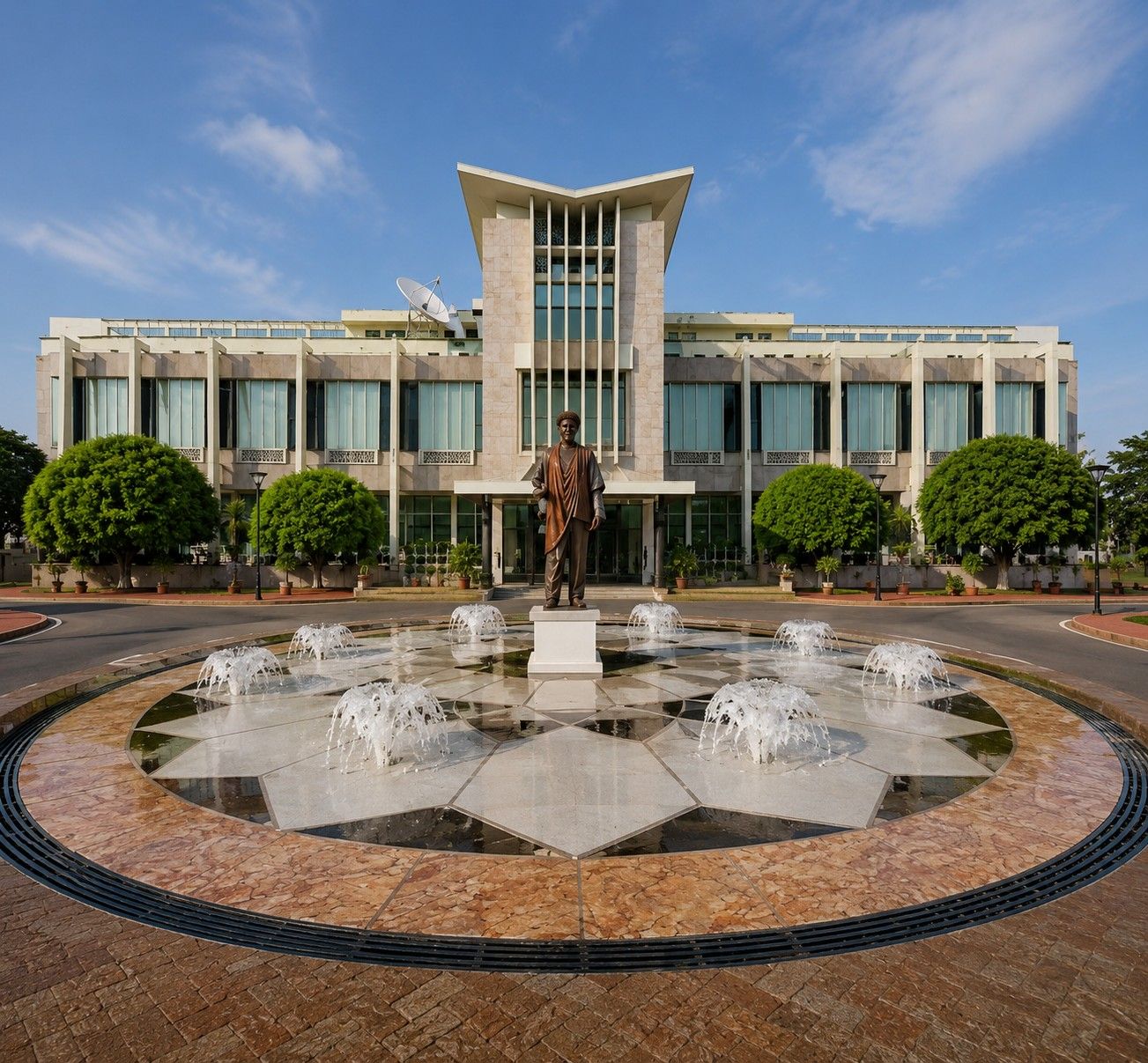
The Raman Science Centre and Planetarium, Nagpur will throw open its doors to all visitors completely free of charge on Sunday, May 18, 2026 — in celebration of International Museum Day. No tickets. No entry fee. Just walk in and explore one of Nagpur’s finest educational and recreational destinations.

The centre will be open from 9:30 AM to 6:00 PM (Raman Science Centre timings). This is a rare opportunity — and a perfect Sunday outing for families, students, and curious minds of all ages.


What Is International Museum Day?

Every year on May 18, the world celebrates International Museum Day — an initiative by the International Council of Museums (ICOM). The theme for 2026 is “Museums for Education and Research” — a fitting tribute to institutions like Raman Science Centre that have spent decades making science accessible, engaging, and fun for the public.

Museums across India — and around the world — mark this day by offering free entry, special programs, and unique experiences for visitors. In Nagpur, Raman Science Centre is the city’s premier institution marking this occasion.


What Can You Explore for Free?

Raman Science Centre is not your typical museum. It is an interactive, hands-on science experience spread across 6 acres opposite the serene Gandhi Sagar Lake in the heart of the city.

Here is what awaits you on May 18 — all at zero cost:

11 Interactive Galleries The centre houses 11 themed galleries covering different aspects of science and technology. These include:

  • Fun Science Gallery I and II — hands-on exhibits where you press levers, roll balls, pull strings, and make science work with your own hands
  • Information and Communication Technology Gallery — showcasing the evolution of ICT
  • Invention Gallery — celebrating human ingenuity and discovery
  • Augmented Reality Gallery — immersive AR exhibits demonstrating next-generation technology

Planetarium — 133-Seat Dome Theatre The Raman Science Centre Planetarium has been transporting visitors into the depths of space since January 5, 1997. The 133-seat dome theatre screens multiple shows daily — each lasting approximately 30 minutes. On International Museum Day, planetarium shows are included in the free experience.

3D Theatre A dedicated 3D science theatre shows immersive science films that make complex scientific concepts visually stunning and easy to understand.

Prehistoric Animal Park A unique outdoor attraction — the Prehistoric Animal Park features life-size models of dinosaurs and prehistoric animals in a naturalistic outdoor setting. Immensely popular with children, this is a feature that very few science centres in India can boast of.

Science Park — 6 Acres The expansive outdoor science park offers large-scale interactive exhibits and demonstration models in an open-air setting — a welcome change from the intense Nagpur heat when visited in the evening hours.

Innovation Hub A dedicated space showcasing cutting-edge technologies and encouraging creative problem-solving among young visitors.


Who Should Visit?

The honest answer is: everyone.

Families with children — This is arguably the best family destination in Nagpur for a Sunday. Children between the ages of 5 and 15 will find something to engage with at every turn — from dinosaur models to interactive science gadgets to the planetarium dome.

Students — Science students at every level will find the exhibits enriching. The galleries complement school and college curricula in a way that textbooks simply cannot. On a normal day, school groups visit by the busload. On May 18, individual students can visit for free.

Adults and senior citizens — The planetarium, the science demonstration lectures, and the ICT and invention galleries offer genuine intellectual enrichment for adult visitors.

Teachers — Science teachers who want to supplement their classroom instruction with practical, engaging demonstrations will find the centre’s exhibits directly relevant to curricula across science subjects.


About Raman Science Centre: Nagpur’s Scientific Heritage

The Raman Science Centre was inaugurated on March 7, 1992, by former Prime Minister P.V. Narasimha Rao. It is operated by the National Council of Science Museums (NCSM) — under the Ministry of Culture, Government of India — and is affiliated with Mumbai’s Nehru Science Centre.

The centre is named after Chandrasekhara Venkata Raman — the legendary Indian physicist and Nobel Prize winner who discovered the Raman Effect, a phenomenon fundamental to modern molecular science. Though born in Tamil Nadu, C.V. Raman’s connection to central India makes the naming of this Nagpur centre a particularly fitting tribute.

Since its inauguration, the centre has welcomed millions of visitors — students, families, science enthusiasts, and tourists. It has played a quiet but vital role in shaping scientific curiosity among generations of Nagpur’s youth.


Practical Information for May 18

Here is everything you need to know before you visit:

Detail Information
Date Sunday, May 18, 2026
Entry Fee FREE (International Museum Day only)
Timings 9:30 AM to 6:00 PM
Location Opp. Gandhi Sagar Lake, Subhash Road, Empress City, Nagpur
Phone 0712-2735800 / 2770187
Email ramanscn@gmail.com
Nearest Metro Sitabuldi Metro Station (approx. 10-min walk)
Parking Available at the centre

Tips for visitors:

  • Arrive early — free entry days attract large crowds, especially for popular shows like the planetarium
  • Carry water bottles — it is hot outside and the outdoor areas require walking
  • Wear comfortable footwear — the 6-acre campus involves a fair amount of walking
  • The Prehistoric Animal Park is outdoors — visit in the morning or late afternoon to avoid peak heat

A Perfect Free Sunday in Nagpur

International Museum Day is not just about free entry. It is an invitation to reconnect with curiosity — to remember that learning can be joyful, science can be playful, and discovery is available to everyone regardless of budget.

Raman Science Centre embodies that spirit every day it opens. On May 18, it opens that experience to every Nagpur resident — completely free of cost.

Whether you are visiting for the first time or the fifteenth, Sunday, May 18 is the perfect occasion to spend a meaningful, educational, and genuinely enjoyable day at one of Nagpur’s most beloved institutions.

Just as Nagpur is investing in its future through world-class airport modernisation and smart city infrastructure, institutions like Raman Science Centre remind us that the foundation of any great city is its commitment to education, curiosity, and the public good.

Go. Explore. Learn. It is free.

Nagpur Updates wishes all visitors an enriching International Museum Day at Raman Science Centre on May 18, 2026!


Tags: Raman Science Centre, International Museum Day, Nagpur Museum, Free Entry Nagpur, NCSM Nagpur, Planetarium Nagpur, Nagpur Tourism, Nagpur Local News 2026

From Railway Platform to $6.5 Billion Empire: The Inspiring Story of Satyanarayan Nuwal — Nagpur’s Solar Industries Chairman

Published: May 11, 2026 | Category: Nagpur Local | Satyanarayan Nuwal billionaire Nagpur | By: Nagpur Updates Desk


Some people inherit success. Others build it from scratch.

Satyanarayan Nuwal belongs firmly to the second category.

He once had no money to pay ₹3 as rent for a lodge. So he slept on a railway platform. The canteen worker at a nearby coal field gave him food. Today, he is worth over $6.5 billion and features on the Forbes Billionaires List.

This is the story of the Founder and Chairman of Solar Industries India Limited — headquartered right here in Nagpur — and how one ordinary man built an extraordinary empire.


A Quiet Beginning in Rajasthan

Satyanarayan Nuwal was born in a small village in Bhilwara, Rajasthan. His grandfather owned a kirana shop — the smallest in the area, but also the busiest.

“My grandfather treated every customer with immense respect. That’s what made us popular,” Nuwal recalled during an interview with The Hitavada.

At just 13 years of age, he began helping at the shop. School was never his passion. Business was. He eventually dropped out without passing Class X. Instead, at 13, he took a Guru mantra and spent a year with his Gurudev in Mathura.

“That year taught me patience. And that patience helped me survive the toughest phases of life,” he said.


Failures Before Fortune

His early attempts at business did not succeed. However, failure never broke him. It sharpened him.

In 1977, at just 18 years old, he travelled to Ballarshah — known for its explosives units — looking for work and opportunity. He had no money, no contacts, no security.

“I couldn’t afford ₹3 as rent. The railway platform became my bedroom. The canteen worker at a coal field was kind enough to give me food every day,” he said — openly, without trying to hide the struggles of those early years.

Most people would have returned home. Nuwal stayed.


The Turning Point: An Explosives Licence and a Leap of Faith

Ballarshah changed everything.

The young Nuwal — already married by then — absorbed everything he could about the explosives industry. Then came his turning point. He met Abdul Sattar Allah Bhai, a man who held an explosives magazine licence but no longer wished to run the business.

Nuwal saw the opportunity immediately. He negotiated, he persisted, and he secured the right to operate the business.

“I had no licence, no warehouse, no capital. But I started the explosives business,” he said.

It was a massive risk. But risk, for Nuwal, was never something to avoid. It was something to prepare for.

Slowly but steadily, the business grew. He learnt every aspect of the explosives industry himself — operations, logistics, safety, and compliance. There were no shortcuts. There never would be.


Solar Industries: From Nagpur to 90 Countries

In 1995, Nuwal laid the foundation stone of Solar Industries India Limited in Nagpur.

Today, Solar Industries is the largest manufacturer and supplier of industrial explosives in India — exporting to 90 countries across the world. The company operates from Nagpur as its nerve centre, with a global manufacturing and distribution network.

But Nuwal was not satisfied. A business supplying explosives to mines and infrastructure projects was not enough. He wanted Solar Industries to serve the nation in a deeper way.


The Defence Leap: Pinaka, Nagastra, BrahMos and Drones

India was importing nearly 70% of its defence products. For Nuwal, this was unacceptable.

“This is a precariously vulnerable situation for an independent nation to depend entirely on imports,” he said.

He decided to take Solar Industries into defence manufacturing — despite being warned by many not to enter what was seen as exclusively government territory. The decision aligned perfectly with Prime Minister Narendra Modi’s ‘Make in India’ defence push, and Nuwal has credited PM Modi for his personal support in enabling private sector participation in defence.

Today, Solar Industries manufactures and supplies some of India’s most significant defence products, including:

  • Pinaka rockets
  • Multimodal grenades
  • Nagastra drones
  • BrahMos components
  • Advanced explosive systems for the Indian armed forces

“We faced failures. We faced doubts. We faced resistance. But we never compromised on quality,” Nuwal said of the defence journey.


The Philosophy That Built the Empire

What sets Nuwal apart is not just his business success. It is the values he has carried unchanged from his grandfather’s kirana shop in Rajasthan to the boardroom of a billion-dollar multinational.

He repeated one statement multiple times during his interview: “Moral values and commitment matter. Success without ethics has no meaning.”

His core business philosophy rests on three pillars — which he calls Credibility, Competency and Capability:

  • Credibility: “If people cannot trust you, nothing lasts.”
  • Competency: “Constantly learning and improving.”
  • Capability: “Being prepared to deliver when responsibility comes.”

He also spoke strongly about technology: “You cannot stay relevant without evolving. The world changes rapidly. If you stop modernising, you get left behind.”


Wealth Without Arrogance

Despite a net worth exceeding $6.5 billion, Nuwal remains remarkably grounded.

He is most comfortable speaking Hindi. English was never his priority. Formal education was never the measure of his ambition. When he walks into a room, there is no flamboyance, no corporate polish — just a soft-spoken, deeply thoughtful man who still remembers every difficult night life put him through.

“I always believed that honesty, hard work, and patience can take a person very far,” he said.

He also spoke strongly about corporate responsibility: “Business organisations have a social responsibility. You cannot grow while ignoring society around you. Growth should contribute to communities and the nation.”


Nagpur’s Proudest Son

Solar Industries India Limited is not just a Nagpur-headquartered company. It is one of Nagpur’s greatest success stories — a testament to what this city can produce when talent, perseverance, and the right opportunity come together.

Nagpur has been making headlines recently for its ambitious development projects — from the New Nagpur IBFC township that promises to generate lakhs of jobs, to the AI-powered IITMS traffic management system transforming the city’s roads. But perhaps no story captures Nagpur’s spirit better than that of Satyanarayan Nuwal — a man who started with nothing on a railway platform and built a company that now helps defend the nation.

No dramatic speeches. No corporate polish. Just a quiet determination and unwavering resilience.

That is the Nagpur way.


Tags: Satyanarayan Nuwal, Solar Industries India, Nagpur Business, Nagpur Industrialist, Defence Manufacturing India, Forbes Billionaire Nagpur, Nagpur Success Story, Nagpur Local News

Gorewada Zoo Beats the Heat: Coolers, Fogger Systems and Water Holes Installed to Protect Big Cats from Nagpur’s Brutal 45°C Summer

Published: May 10, 2026 | Category: Nagpur Local | Gorewada Zoo | By: Nagpur Updates Desk


As Nagpur continues to swelter under one of its most intense summers in recent memory — with temperatures frequently touching and crossing 45°C — the animals at the Balasaheb Thackeray Gorewada International Zoological Park are receiving some much-needed relief. The zoo management has rolled out an extensive and carefully planned set of cooling measures designed to protect its residents — from majestic tigers and elusive leopards to gentle herbivores — from the punishing summer heat that is turning Nagpur’s afternoons into a furnace.

Zoo Director Pandurang Pakhale confirmed that preparations for the summer season begin well before peak heat arrives, ensuring the animals are already accustomed to their cooling environments by the time temperatures reach their most extreme levels.


Artificial Ponds and Water Holes: Tigers’ Favourite Summer Retreat

One of the most impactful and natural cooling solutions deployed at Gorewada this summer is the creation of artificial ponds and water holes inside the animal enclosures. For tigers — who are naturally drawn to water and are known to be strong swimmers — these artificial water bodies have become their favourite refuge during the hottest part of the day.

Zoo officials confirmed that tigers spend long hours inside these water holes during peak afternoon hours, when ambient temperatures are at their most extreme. The sight of a massive Bengal tiger leisurely soaking in a water hole while the mercury rages outside is both visually stunning and a testament to the zoo’s commitment to providing naturalistic, species-appropriate cooling solutions.

The creation of these water features is not just about immediate cooling — it is about recreating the natural behaviours and habitats of the animals in Gorewada’s care. In the wild, tigers routinely seek out water bodies during hot weather, and providing similar opportunities in a zoo setting is considered best practice in modern animal welfare.


Fogger and Misting Systems: Science-Backed Cooling for the Enclosures

Beyond the water holes, Gorewada has deployed an impressive technological solution to combat the summer heat: fogger and misting systems installed across animal enclosures. These systems work by releasing fine water droplets into the air — creating a cooling mist that simultaneously reduces ambient temperature and increases humidity levels in the immediate environment.

Zoo Director Pakhale explained the importance of these systems: “The fogger system lowers the temperature and increases humidity, creating a comfortable environment for tigers, leopards, and herbivores.”

This dual action — cooling and humidification — is particularly significant for Nagpur’s summer conditions. The city’s heat is characterised not just by extreme temperatures but also by very low humidity, which makes the heat feel even more intense. By introducing moisture into the air, the fogger systems replicate the conditions of a cooler, more forested environment — providing real physiological relief to the animals.

The fogger systems are especially beneficial for leopards and herbivores that may not be as instinctively drawn to water immersion as tigers, but still require relief from the heat in their enclosures.


Shade Nets and Ground Cooling: Blocking the Sun’s Direct Assault

Recognising that shade is as important as cooling, Gorewada’s management has erected large shade nets over the open sections of the enclosures. These nets significantly reduce direct sunlight exposure — cutting down on the radiant heat that otherwise beats down on the animals and their enclosure surfaces throughout the afternoon.

Complementing the shade nets is another simple but effective ground-level cooling measure: staff regularly spray water on the ground during peak afternoon hours to reduce surface temperatures. In extreme summer conditions, the ground surface in direct sunlight can reach temperatures far higher than the ambient air — creating a heat sink that makes the animals uncomfortable and can even cause paw or hoof burns in more severe cases. By keeping the ground moist and cool, the zoo staff are addressing this often-overlooked dimension of heat management.


Bamboo Plantations and Machaans: Nature-Inspired Solutions

Assistant Manager Sarika Khote highlighted another dimension of Gorewada’s summer preparedness — the deliberate use of natural elements to recreate habitat conditions inside the enclosures.

Bamboo plantations have been added in select areas of the zoo’s enclosures to provide natural shade and cover for the animals. Unlike artificial shade structures, bamboo creates a living, breathing microhabitat — the dense foliage provides shade while also creating a more naturalistic and visually enriching environment for the animals. It also keeps the surroundings cooler through the natural process of transpiration.

Inside the kraals — the off-display holding enclosures connected to night shelters where animals undergoing treatment or observation are housed — elevated wooden machaans and activity structures have been installed. These elevated platforms serve a dual purpose.

Khote explained: “The machaans provide a natural setting and help keep the animals physically active.”

For big cats, elevated platforms are not just physical enrichment — they are psychologically important too. Tigers and leopards in the wild regularly use elevated positions for resting and surveying their territory. By providing machaans inside the kraals, the zoo is maintaining the animals’ natural behavioural patterns even while they are in controlled holding areas — which is critical for their mental wellbeing during the summer stress period.


Gorewada’s Unique Safari Model: A Natural Advantage

What makes Gorewada’s summer management particularly interesting — and inherently different from conventional zoos — is the park’s unique safari model. Unlike traditional zoos where animals are confined in relatively small cages or enclosures, Gorewada functions as a forest safari spread across vast forested terrain, where tigers, leopards, and herbivores roam expansive, naturalistic enclosures as tourist buses move along designated routes.

This model gives the animals at Gorewada a significant natural advantage in dealing with summer heat. The forested surroundings — part of the larger 1,914-hectare Gorewada Reserve Forest — provide natural shade, cooler microclimates, and a sensory environment that is far more conducive to animal wellbeing than the concrete-heavy environments of traditional zoos.

Animals undergoing treatment or observation are housed in kraals, which allow controlled yet relatively free movement during recovery — ensuring that even animals temporarily removed from the main safari areas are not confined to restrictive, uncomfortable spaces during the hottest months.


Gorewada’s Broader Commitment to Animal Welfare

The summer cooling measures at Gorewada reflect a broader philosophy of animal care that prioritises naturalistic, species-appropriate welfare over mere confinement management. The combination of water holes, fogger systems, shade nets, ground cooling, bamboo plantations, and machaans represents a holistic, multi-pronged approach to summer management — addressing the challenge from multiple angles simultaneously.

This approach is consistent with international best practices in zoo animal management and positions Gorewada as one of India’s most forward-thinking zoological institutions in terms of animal welfare. The fact that preparations begin well before peak summer, as Director Pakhale emphasised, also reflects an institutional culture of proactive care rather than reactive crisis management.

Just as Nagpur’s civic administration has been taking proactive steps to address the challenges of summer for the city’s human residents — from Mayor Neeta Thakre’s intervention on facilities at the Morbhavan Bus Stand to Operation U-Turn ensuring safer roads — Gorewada Zoo is ensuring that Nagpur’s magnificent wildlife residents are also well cared for during the city’s most demanding season.


Planning a Visit to Gorewada This Summer?

For Nagpur residents and visitors who wish to see the big cats at Gorewada this summer, the zoo operates extended summer hours — 7:30 AM to 6:00 PM during the summer season. Early morning visits are highly recommended, as animal activity is highest in the cooler hours before 10 AM, and the afternoon heat can make the safari experience uncomfortable for visitors as well.

Tickets can be booked online at the official website wildgorewada.com to avoid queues at the counter. The zoo is closed every Monday.

Nagpur Updates recommends Gorewada as one of Nagpur’s must-visit destinations — and summer, with its extended hours and the spectacle of big cats cooling off in their water holes, offers a uniquely memorable experience for wildlife lovers.


Tags: Gorewada Zoo, Nagpur Summer 2026, Big Cats Nagpur, Tiger Leopard Care, Zoo Nagpur, Pandurang Pakhale, Fogger System, Nagpur Wildlife, Nagpur Local News

National Lok Adalat to Be Held on May 9, 2026 Across Nagpur’s District Courts — Here’s Everything You Need to Know

Published: May 8, 2026 | Category: Nagpur Local | By: Nagpur Updates Desk | Lok Adalat Nagpur district court


If you have a pending court case, an unpaid traffic challan, a property dispute, or any other legal matter that has been weighing on your mind, tomorrow — Saturday, May 9, 2026 — is your chance to resolve it quickly, affordably, and without the hassle of lengthy court procedures. The second National Lok Adalat of 2026 is being organised across all district courts in Nagpur and across the entire country, giving citizens a rare and valuable opportunity to settle disputes through a fast, consensual, and cost-free legal process.

The nationwide initiative is being organised by the National Legal Services Authority (NALSA) under the leadership of Chief Justice of India (CJI) Surya Kant, who serves as the Patron-in-Chief of NALSA, and Justice Vikram Nath, Executive Chairman of NALSA. In Nagpur, the session will be conducted under the supervision of the District Legal Services Authority (DLSA), Nagpur.


What is a National Lok Adalat?

A Lok Adalat — literally meaning “People’s Court” — is one of India’s most citizen-friendly alternative dispute resolution mechanisms. It is a forum where disputes and cases that are either pending in court or at the pre-litigation stage can be settled amicably, without adversarial proceedings, without court fees, and without the delays that typically plague the Indian judicial system.

Lok Adalats have been given statutory status under the Legal Services Authorities Act, 1987. This means that any award or settlement reached in a Lok Adalat is treated as a decree of a civil court — it is final, legally binding on all parties, and cannot be challenged in any court of law through an appeal. Once a dispute is settled at a Lok Adalat, it is settled for good.

A National Lok Adalat is a large-scale, country-wide version of this concept, conducted simultaneously across High Courts, District Courts, Tribunals, Consumer Forums, and Permanent Lok Adalats in every state and union territory on the same day.


Why Is This Lok Adalat Important for Nagpur Citizens?

The scale of National Lok Adalats in India has been growing significantly year after year. The first National Lok Adalat of 2026 alone saw over 4.06 crore cases settled across the country — a remarkable figure that reflects the growing trust of the public in this system as an efficient and effective alternative to conventional litigation.

For Nagpur residents specifically, this is a timely opportunity. Nagpur’s district courts handle a significant caseload, and thousands of citizens have matters pending at various stages of litigation. Whether it is a motor accident compensation claim, a bank loan recovery case, a labour dispute, a matrimonial matter, a utility bill dispute, or a simple traffic challan — the Lok Adalat offers a pathway to resolution that is far faster and far less stressful than waiting for a conventional court hearing.

Nagpur is also a city with a rapidly growing population and vehicle density. The number of traffic challans issued by Nagpur traffic police has been rising steadily. For vehicle owners with pending challans, May 9 is an important date — challans can be settled at the Lok Adalat at significantly reduced fines, with waivers of up to 75% in some categories, depending on the nature of the offence.


What Types of Cases Can Be Settled?

The National Lok Adalat covers a wide range of case categories. Citizens in Nagpur can approach the Lok Adalat for settlement of the following types of matters:

Civil and Legal Disputes:

  • Motor accident compensation claims (MACT cases)
  • Property and land disputes
  • Matrimonial disputes (excluding divorce)
  • Labour and employment disputes
  • Electricity and utility bill disputes
  • Bank and financial institution recovery cases
  • Cheque bounce cases (Section 138 NI Act)
  • Consumer complaints

Traffic Challans:

  • Overspeeding violations
  • Signal jumping
  • Unauthorised parking
  • Other minor compoundable traffic offences

Important Note: Cases involving serious offences that are not compoundable under law — such as drunk driving, hit and run cases with serious injury, and matters relating to divorce — are not eligible for settlement at the Lok Adalat.


How to Participate — Key Steps for Nagpur Citizens

If you wish to settle a pending case or traffic challan at the National Lok Adalat on May 9, here is what you need to do:

Step 1 — Check Eligibility Verify whether your case or challan is eligible for Lok Adalat settlement. For traffic challans, check your pending challan status on the Nagpur Traffic Police portal or the VAHAN e-services portal.

Step 2 — Register For most cases, prior registration with the DLSA Nagpur or the concerned court is required. Contact the District Legal Services Authority (DLSA), Nagpur at the District Court premises for guidance on registration.

Step 3 — Carry Your Documents Bring the following documents on the day:

  • Original challan or case reference number
  • Government-issued ID proof (Aadhaar, PAN, Passport, etc.)
  • Vehicle documents if appearing for a traffic challan (RC, Driving Licence)
  • Any relevant court orders or notices in your case

Step 4 — Appear at the Designated Bench On May 9, appear at the designated Lok Adalat bench at the District Court, Nagpur. The settlement process is conducted by a panel of judicial members and legal experts who facilitate an amicable agreement between both parties.


No Court Fees — A Major Advantage

One of the most citizen-friendly aspects of the Lok Adalat is that there are absolutely no court fees involved in the settlement process. If you have already paid court fees for a case that gets settled at the Lok Adalat, those fees are refunded to you. This makes the Lok Adalat an especially attractive option for citizens who want to avoid the financial burden of prolonged litigation.


2026 National Lok Adalat Schedule — Mark Your Dates

Citizens who are unable to appear on May 9 should note that there are two more National Lok Adalats scheduled for 2026:

  • 3rd National Lok Adalat: September 12, 2026
  • 4th National Lok Adalat: December 12, 2026

However, given that the first session of 2026 settled over 4 crore cases nationally, slots and benches at each session tend to fill up quickly. It is always advisable to take advantage of the earliest available session rather than waiting.


Nagpur’s Growing Legal Awareness

The increasing participation in National Lok Adalats reflects a growing legal awareness among Nagpur’s citizens — a positive trend that indicates more people are choosing smart, fast, and affordable dispute resolution over prolonged court battles. Just as Nagpur has seen major civic developments in recent times — from infrastructure upgrades to administrative reforms like the recent decision to replace Saat-Baara with Property Cards for Gaonthan lands — the city’s legal landscape too is evolving in a more citizen-centric direction.

If you have any pending legal matter, do not miss the National Lok Adalat on May 9, 2026 at Nagpur’s District Courts. It could be the quickest and most cost-effective way to put your legal worries behind you.

Nagpur Updates will bring you a detailed report on the outcome of the May 9 Lok Adalat session in Nagpur. Stay tuned for updates.


Tags: Lok Adalat, NALSA, Nagpur District Court, Traffic Challan, Case Settlement, DLSA Nagpur, Legal Services, Nagpur Local News

BharatCabs Is Now at Nagpur Railway Station — But One Gate Is Open While the Other Remains a Mess

Nagpur, May 1, 2026. BharatCabs Nagpur Railway Station: If you have ever stepped off a train at Nagpur Railway Station and immediately faced the chaos of finding reliable transport — the auto-rickshaw overcharging, the lack of metered cabs, the long walk to find anything legitimate — today marks a meaningful change.

BharatCabs, the app-based cab aggregator, has officially commenced operations at Nagpur Railway Station from Friday, May 1, 2026. The Central Railway has allocated a designated space on the west gate premises of the station for BharatCabs’ pick-up and drop-off operations. A fleet of around 60 vehicles has been deployed — making it a significant addition to last-mile connectivity options at one of Maharashtra’s busiest railway junctions.

The resumption of organised cab services inside Nagpur Railway Station premises comes after a gap of nearly 18 months. The last time cabs had operated from a designated space within the station was in October 2024.


How It Started — And the Regulatory Situation Behind It

The development was confirmed by Senior Divisional Commercial Manager Aman Mittal, who clarified a question that many commuters and transport observers had been asking: how can BharatCabs operate at the station when there is no formal aggregator policy in place from the Maharashtra state government?

Mittal’s explanation was clear and important. The Regional Transport Office (RTO), he said, is currently not in a position to issue aggregator licences to operators like BharatCabs — because the state government is still in the process of drafting a formal policy that will govern cab aggregators across Maharashtra.

However, the absence of a formal aggregator licence does not make BharatCabs’ operations illegal. This is because there is currently no existing regulatory framework that specifically governs aggregator licences. In the absence of such a framework, the RTO simply has no legal basis to either issue or deny the licence.

Until the state policy is finalised, BharatCabs — like other app-based services currently functioning across Maharashtra — will continue to operate as a registered transport operator under the state government. Its role is facilitating connectivity for passengers arriving at and departing from Nagpur Railway Station. Once the state policy is finalised, all cab operators including BharatCabs will be required to comply with whatever guidelines are prescribed.

This is a pragmatic and legally sound position. The railway station needed organised cab services. BharatCabs can legally provide them under existing transport operator registration. The policy framework that will formally govern aggregators is on its way — and when it arrives, the compliance framework will follow.


What BharatCabs at Nagpur Station Means for Commuters

For passengers arriving at or departing from Nagpur Railway Station, the practical impact of BharatCabs’ presence at the west gate is significant and immediate.

You can now book a BharatCabs vehicle directly through the app before your train arrives, with the pick-up point set to the designated BharatCabs zone at the station’s west gate. The designated space means the vehicle waits in an organised, clearly marked area — rather than circling outside the station or asking you to walk to a distant road.

The fleet of approximately 60 vehicles means availability should be reasonable during most hours, including during the arrival of major express and intercity trains when demand spikes. For passengers who have previously had to negotiate with auto-rickshaw drivers — often facing inflated fares, refusals to use the meter, or demands for extra charges for luggage — the availability of a metered, app-booked cab at a fixed, transparent fare is a genuinely useful alternative.

For outstation visitors arriving in Nagpur for the first time — tourists, business travellers, families — having an organised cab zone at the station’s west gate removes one of the most stressful elements of arriving in an unfamiliar city: figuring out how to get from the station to your destination without being overcharged.


The East Gate Problem — Still Unresolved

However, the picture at Nagpur Railway Station on May 1 is not entirely positive. While BharatCabs has begun operations smoothly at the west gate, the situation at the station’s east side — near the Santra Market gate — remains unresolved and continues to cause significant inconvenience for a large number of passengers.

Ongoing friction between auto-rickshaw operators and cab operators on the eastern side of the station has not been resolved. This conflict — which has persisted for a considerable period — is restricting seamless access for passengers approaching from that side, compelling them to walk several hundred metres to reach their rides.

For passengers who arrive at the station’s east side — particularly those coming from or going toward Itwari, Gandhibagh, Mahal, and the Santra Market areas — this is not a minor inconvenience. Walking several hundred metres to reach transport, while carrying heavy luggage, navigating a busy road, and often in harsh weather conditions — Nagpur’s summer temperatures regularly exceed 45°C — is a genuine hardship, particularly for elderly passengers, families with children, and those with large amounts of baggage.

Authorities have acknowledged the problem. Their current position is that the east side access issue is expected to ease only after the station redevelopment project under the Amrit Bharat Station Scheme is fully completed. The redevelopment, which is currently in progress, will redesign the station’s approaches, passenger circulation areas, and external connectivity in ways that are expected to reduce the current friction between different transport operators.

That is, however, a long-term solution to a current problem. Until the redevelopment is complete — which could take months or longer — passengers on the eastern side of Nagpur Station will continue to face the same access difficulties.


18 Months Without Organised Cabs — What Happened?

The last time cabs had operated from a designated space within Nagpur Railway Station premises was in October 2024. The 18-month gap between October 2024 and May 2026 is significant — and represents the period during which Nagpur station’s passengers were left without the organised cab service option that major railway stations across India typically provide.

The dispute between cab aggregators and auto-rickshaw operators that played out over this period is not unique to Nagpur. Across India, the arrival of app-based cab services at railway stations has created tension with the pre-existing ecosystem of auto-rickshaws, pre-paid taxi services, and local cab operators who had previously dominated station transport. In Nagpur, that tension was severe enough to displace cab services from the station premises entirely for 18 months.

The resumption of BharatCabs at the west gate is therefore not just a new development — it is a restoration of a service that passengers had lost, and whose absence had been repeatedly cited as a gap in the station’s last-mile connectivity.


The Broader Context: Nagpur Station’s Last-Mile Challenge

Nagpur Railway Station — officially Nagpur Junction — is one of the busiest railway stations in central India. It handles a very high volume of daily passengers including long-distance intercity travellers, suburban commuters from nearby towns, and freight-related movement. The station’s connectivity to the rest of the city has always been a challenge given its central location — surrounded by dense commercial and residential areas with limited road width.

The introduction of Nagpur Metro has significantly improved connectivity for some passengers — the Metro’s Sitabuldi corridor brings the network close to the station area. But for the majority of passengers who need point-to-point transport to a specific destination, a cab or auto-rickshaw remains the most practical option.

Cab aggregators with app-based booking, transparent pricing, GPS-tracked vehicles, and cashless payment options represent the most passenger-friendly version of this transport category — and their organised presence at the station’s west gate is a long-overdue improvement.

The real test will come in the weeks ahead, as BharatCabs’ operations settle in and the volume of passengers using the service builds. If the 60-vehicle fleet proves sufficient to meet demand at peak hours, and if the service quality and pricing remain consistent with what passengers expect from an app-based aggregator, the west gate experience will improve meaningfully.

The east gate, meanwhile, remains a problem that neither BharatCabs, NMC, nor the railway administration has solved — and solving it will require either a negotiated resolution to the auto-cab operator conflict or the completion of the Amrit Bharat Station redevelopment, whichever comes first.


What Passengers Arriving at Nagpur Station Need to Know Right Now

If you are arriving at or departing from Nagpur Railway Station and want to use BharatCabs, here is what you need to know:

Download the BharatCabs app before you travel if you do not already have it installed. The designated pick-up and drop-off zone is at the west gate of Nagpur Railway Station — not the Santra Market east gate side. When booking, set your pick-up location to Nagpur Railway Station west gate. The fleet currently consists of approximately 60 vehicles, so booking a few minutes before you need the cab is advisable during busy train arrival periods.

If you are approaching the station from the Itwari or Santra Market side and want to use BharatCabs, you will currently need to walk to the west gate — until the east gate access issue is resolved.

Auto-rickshaws and pre-paid taxi services remain available at the station for passengers who prefer them or who need transport to destinations not well served by app cabs.

Nagpur’s Crazy Castle at Ambazari Set for Major Redevelopment — Here’s What’s Changing and Why It Matters

For thousands of Nagpur families, Crazy Castle near Ambazari Lake holds a special place in childhood memories. The amusement park — one of the city’s oldest recreational spots — drew generations of visitors to its rides, games, and lakeside setting. But years of ageing infrastructure and dwindling maintenance had left the facility far below the standard that Nagpur’s growing population deserves.

That is now set to change. The Nagpur Municipal Corporation (NMC) has given the green light for a large-scale redevelopment of the Crazy Castle complex, with plans to transform it into a modern, multi-attraction theme park while retaining its unique lakeside identity.


THE HISTORY OF CRAZY CASTLE: WHY THIS MATTERS TO NAGPURIANS

Crazy Castle was one of the few dedicated amusement spaces in central Nagpur, offering affordable family entertainment for residents across the city. Located beside the scenic Ambazari Lake — Nagpur’s largest lake and a landmark in its own right — the park enjoyed strong footfall for many years.

Over time, however, the rides aged, the infrastructure deteriorated, and visitor experience declined. Families began travelling to Pune or Hyderabad for theme park experiences that Nagpur simply couldn’t offer locally. The redevelopment proposal is a direct response to this gap — and to the fact that Nagpur, now a rapidly growing city with a metro rail network, deserves world-class urban leisure infrastructure.


WHAT THE REDEVELOPMENT WILL INCLUDE

According to the approved project plan, the redeveloped Crazy Castle will be developed under a Public-Private Partnership (PPP) model, which means a private operator will co-invest alongside NMC and handle day-to-day park management after completion.

The planned features include:

Modern Amusement Rides: The park will install internationally certified rides covering different thrill levels — from gentle carousel-type rides suitable for toddlers to high-speed attractions for teenagers and adults. All rides will comply with Bureau of Indian Standards (BIS) safety norms.

Water Park Zone: A dedicated water entertainment section will include water slides of varying heights, a wave pool, and a shallow splash area for young children. This is expected to be a major draw during Nagpur’s intense summer months, when the city regularly records temperatures above 45°C.

Food Court and Dining: A multi-cuisine food court will replace the old, limited food stalls. It will include both local Nagpuri food options and popular fast-food outlets to cater to all age groups.

Green Promenade Along the Lake: The lakeside area will be developed into a clean, landscaped walking zone with seating, lighting, and open spaces — a free public area accessible to all citizens even without paying park entry fees.

Digital Infrastructure: The new park will feature app-based ticketing, queue management systems, real-time crowd monitoring, and free Wi-Fi in public zones — aligning with Nagpur’s Smart City project goals.

Eco-Friendly Design: Rainwater harvesting, solar-powered lighting, and waste management systems are built into the project design, making it one of the more environmentally responsible public leisure projects in Vidarbha.


THE METRO CONNECTIVITY ADVANTAGE

One factor that gives this project a significant boost is Nagpur Metro. The Ambazari area is well-connected to the metro network, meaning visitors from across the city — including from railway stations and the airport — can reach the park without private vehicles. Urban planners have noted that metro-linked leisure zones consistently see higher and more consistent visitor numbers than those dependent purely on road access.

This makes the Crazy Castle redevelopment not just a tourism project but an important piece of Nagpur’s urban mobility strategy.


WHAT THIS MEANS FOR THE LOCAL ECONOMY

The economic case for this project is strong. During the construction phase alone, hundreds of workers — civil engineers, electricians, landscapers, ride installation technicians — will find employment. Once operational, the park is expected to directly employ 200–400 staff in ticketing, hospitality, security, maintenance, and ride operations.

The surrounding Ambazari area — already a hub for restaurants, tea stalls, and weekend vendors — is expected to see a significant boost in foot traffic. Hotel occupancy in the Dharampeth and Ambazari neighbourhoods may also rise as the park begins attracting tourists from Wardha, Amravati, Chandrapur, and other nearby districts.


CITIZENS’ RESPONSE: HOPE AND SCEPTICISM

Nagpur residents have responded to the redevelopment announcement with cautious enthusiasm. Many on social media have shared memories of childhood visits to Crazy Castle and expressed hope that the new version will bring that joy back — at affordable ticket prices.

However, a section of residents and civic activists have raised valid questions: Will the redevelopment damage the ecological balance around Ambazari Lake, which already faces pollution concerns? Will ticket prices be kept accessible to working-class families? And will NMC ensure the project is completed on schedule without the cost overruns that have plagued other civic projects in the city?

Nagpur Updates has written to NMC’s project office seeking responses on these questions and will publish their reply when received.


TIMELINE AND WHAT HAPPENS NEXT

The project is expected to proceed in phases. The first phase — demolition of old structures and foundational work — is expected to begin after the current monsoon season. The full park is targeted for inauguration within 24–30 months of groundbreaking, though civic project timelines in Nagpur have historically faced delays.

NMC officials are expected to release full tender documents publicly, which will reveal the private partner chosen for the PPP arrangement and the committed investment figure.

Nagpur Updates will closely follow this project through every stage. Bookmark this page for updates, or follow us on WhatsApp for instant alerts.


AMBAZARI’S TRANSFORMATION: BIGGER PICTURE

The Crazy Castle redevelopment is part of a broader vision for the Ambazari area. NMC has, over the past few years, also invested in cleaning the Ambazari Lake, improving the bund road, and adding lighting along the lakefront. Together, these initiatives are gradually turning Ambazari into what city planners call a “destination zone” — a part of the city where residents and tourists alike choose to spend time, not just pass through.

If executed well, the new Crazy Castle theme park could become the anchor attraction of this zone — the kind of landmark that puts Nagpur on Maharashtra’s tourism map alongside Aurangabad, Mahabaleshwar, and Lonavala.

Sources: NMC standing committee proceedings, Nagpur Smart City project documents, field reporting.

Ramtek Gadmandir Excavation Reveals Ancient Stone Urn from Bhonsle Era

What Was Found During Excavation

Ramtek excavation | Ramtek history: A recent excavation near the sacred Ramtek Gadmandir has uncovered something truly fascinating—an ancient stone urn (हंडा) believed to date back to the Bhonsle era. This discovery has sparked curiosity among historians, archaeologists, and locals alike.

Why This Discovery Matters

Finds like this are not just objects—they are time capsules. They tell stories of how people lived, worshipped, and preserved their culture centuries ago. This particular urn could reshape our understanding of Nagpur’s regional history.


🛕 About Ramtek Gadmandir

Historical Importance

Located near Nagpur, Ramtek has always been a place of historical depth. The temple complex is believed to have connections with ancient dynasties and even mentions in mythological texts.

Religious Significance

The temple is dedicated to Lord Ram and holds immense spiritual value. Thousands of devotees visit every year, especially during festivals, making it both a religious and cultural hub.


⛏️ The Excavation Process

Who Conducted the Excavation

The excavation was carried out under local administrative supervision along with archaeology experts. Though not a large-scale ASI dig yet, it has already gained attention.

Methods Used in Digging

Careful manual excavation ensured that no artifact was damaged during extraction. Layers of soil were removed systematically, revealing the stone urn intact.


🪨 The Ancient Stone Urn Explained

Structure and Design

The urn is carved from stone, indicating durability and significance. Its structure suggests it was not an ordinary household item.

Possible Uses in History

Experts believe it may have been used for:

  • Storage of valuables
  • Ritualistic purposes
  • Burial or ceremonial functions

This opens multiple possibilities about its original use.


👑 Connection to the Bhonsle Era

Who Were the Bhonsles

The Bhonsle dynasty were prominent rulers of Nagpur during the Maratha period.

Their Role in Nagpur History

They contributed heavily to architecture, governance, and temple construction. This discovery might directly link to their reign, offering physical proof of their cultural practices.


🔍 Archaeological Significance

What Experts Say

Archaeologists suggest that such finds are rare in this region. It strengthens the historical timeline of Ramtek and nearby areas.

Impact on Future Research

This could lead to:

  • Larger excavations
  • ASI involvement
  • Academic research papers

🙏 Cultural and Religious Reactions

Local Community Response

Locals are both excited and proud. Many believe this is a sign of Ramtek’s hidden heritage coming to light.

Devotees’ Perspective

Some devotees see it as a sacred sign. Faith and history seem to intersect beautifully here.


🌍 Tourism Potential

Boost for Ramtek Tourism

This discovery can turn Ramtek into a major tourist attraction. Imagine combining spirituality with archaeology!

Government Plans

Authorities may soon:

  • Develop the site
  • Improve infrastructure
  • Promote heritage tourism

🛡️ Preservation Efforts

Need for Conservation

Artifacts like these are extremely fragile despite being stone. Proper care is crucial.

Challenges in Preservation

  • Environmental damage
  • Human interference
  • Lack of funding

🏺 Similar Discoveries in India

Comparisons with Other Sites

India has seen similar finds in places like Varanasi and Hampi, but each carries unique characteristics.

Lessons Learned

Proper documentation and quick action are essential to preserve historical integrity.


🧿 Myths and Speculations

Local Legends

Some locals believe the urn might contain hidden treasures or spiritual elements.

Scientific vs Mythical Views

While myths add excitement, scientific analysis remains the key to truth.


📺 Media Coverage

News Reports Impact

Regional media has widely covered the story, bringing attention to Ramtek.

Social Media Buzz

The discovery is trending locally, with people sharing photos and theories online.


💰 Economic Impact

Local Business Growth

Tourism means:

  • More visitors
  • More sales
  • More opportunities

Employment Opportunities

Guides, vendors, and local services will benefit directly.


🔮 Future Excavation Plans

Areas Yet to Explore

Experts believe this could be just the beginning. There may be more artifacts buried nearby.

Expected Discoveries

Possibilities include:

  • Coins
  • Sculptures
  • Ancient tools

🧳 Why You Should Visit Ramtek

Travel Experience

Ramtek offers:

  • Scenic views
  • Spiritual peace
  • Historical intrigue

Best Time to Visit

October to February is ideal due to pleasant weather.

The discovery at Ramtek Gadmandir is more than just an archaeological find—it’s a bridge between the past and present. It reminds us that history is still alive beneath our feet, waiting to be uncovered. Whether you’re a history buff, a spiritual seeker, or just a curious traveler, Ramtek now has one more reason to be on your list.

1. What was found at Ramtek Gadmandir?

An ancient stone urn believed to belong to the Bhonsle era was discovered.

2. Why is this discovery important?

It provides insight into historical practices and strengthens Nagpur’s historical timeline.

3. Who were the Bhonsles?

They were Maratha rulers who governed Nagpur and contributed to its development.

4. Can tourists visit the excavation site?

Yes, but access may be restricted depending on preservation efforts.

5. Will there be more excavations?

Possibly, as experts believe more artifacts could be buried nearby.

From Cart to Empire: Dolly Chaiwala Receives 1,609 Franchise Applications in Just Two Days

Nagpur’s most iconic tea seller, Sunil Patil, famously known as Dolly Chaiwala, is turning heads again—but this time, not just for his flamboyant chai-serving skills. Just two days after launching his nationwide franchise plan, Dolly has received a staggering 1,609 applications, proving that India’s love for chai—and for dreamers—is stronger than ever.

A Street Icon Turned Entrepreneur

Dolly Chaiwala, who shot to fame after a viral video with Bill Gates, has been a beloved figure on Indian social media for his unique tea presentation and authentic street charm. Now, with his new franchise model, he’s taking the humble tea stall to new heights.

In his heartfelt announcement, Dolly said:

“I didn’t get the chance to go to school like many others. But I spent 20 years behind my tea cart, in the sun and rain, through bad days and good, hoping that one day things might change. I never gave up.”

His story is not just about selling tea. It’s about resilience, grit, and the unshakable belief in dreams, even when the world laughs at you.

A Movement, Not Just a Business

“This franchise is a symbol of possibility,” Dolly added. “If even one boy or girl with no money, no degree, and no connections sees my story and believes they can build something of their own — then every insult is worth it.”

Dolly’s franchise plan includes three business models catering to different budgets and ambitions:

  • Cart Stall Model: ₹4.5 lakh – ₹6 lakh

  • 🏪 Store Model: ₹20 lakh – ₹22 lakh

  • Flagship Cafe Model: ₹39 lakh – ₹43 lakh

This tiered approach ensures inclusivity, allowing passionate entrepreneurs from all walks of life to be part of India’s first viral street brand. The application link was shared via his Instagram story, inviting followers to take the next step in becoming part of the Dolly Chaiwala legacy.

A Call to Dreamers Across India

His powerful social media announcement reads:

“It’s India’s first viral street brand, and now… it’s a business opportunity. From carts to flagship cafes, we’re launching nationwide and looking for real people with real passion. If you’ve ever wanted to build something big, something desi, something truly legendary — this is your moment. Limited cities. Unlimited chai.”

What This Means for India’s Startup Scene

Dolly’s journey is symbolic in today’s India — where startups, side hustles, and homegrown brands are rewriting the rules of success. His franchise plan democratizes opportunity, welcoming ordinary people into a growing movement powered by chai and dreams.

In a world obsessed with degrees, Dolly Chaiwala is proof that experience, hustle, and heart can brew up something legendary.

Ayushman Vay Vandana Card Brings ₹5 Lakh Health Cover for Seniors Above 70

The Indian government has taken a giant leap in senior citizen healthcare by launching the Ayushman Vay Vandana Card. If you or your loved ones are aged 70 or above, this brand-new health insurance initiative could be a real game-changer. Launched in October 2024 under the Ayushman Bharat Pradhan Mantri Jan Arogya Yojana (AB PM-JAY), this scheme ensures ₹5 lakh of free annual health coverage, regardless of income, pre-existing conditions, or previous eligibility under other schemes.

Let’s explore what makes this healthcare initiative truly revolutionary for India’s senior citizens.


🌟 What is the Ayushman Vay Vandana Card?

The Ayushman Vay Vandana Card is a government-issued digital health card that offers comprehensive health insurance of ₹5 lakh per year to every Indian citizen aged 70 or above. Introduced by Prime Minister Narendra Modi, this initiative builds on the success of the Ayushman Bharat scheme, but focuses specifically on the needs of our elderly population.


🎯 Key Features at a Glance

  • ₹5 lakh annual health cover

  • 🏥 1,961 medical procedures across 27 specialties

  • 📅 Zero waiting period — coverage starts immediately

  • 💉 Includes pre-existing illnesses

  • 🏨 Cashless treatment at 30,072 hospitals, including 13,352 private facilities

  • 🆓 Free of cost — No premium required


👴 Who is Eligible for the Scheme?

Wondering if you qualify?

If you’re an Indian citizen aged 70 years or older, congratulations — you’re eligible!

Here’s how it works:

  • If you’re already covered under Ayushman Bharat PM-JAY, this card acts as a top-up, giving you an additional ₹5 lakh coverage.

  • If you’re covered under any private or other government schemes, you can switch to this one, but only one can remain active.

  • No income restrictions or prior medical checks are required.


🛡️ What Medical Treatments Are Covered?

This isn’t your typical health card with limited coverage. The Ayushman Vay Vandana Card gives access to nearly 2,000 procedures!

Top Covered Treatments Include:

  • 💓 Cardiac surgeries – like PTCA, pacemakers

  • 🦵 Orthopedic surgeries – hip/knee replacements

  • 🧠 Neurological treatments – stroke rehabilitation

  • 💉 Cancer treatment – chemotherapy, radiotherapy

  • 🩸 Dialysis – both Hemodialysis and Peritoneal Dialysis

Whether it’s a sudden emergency or a scheduled surgery, this card has you covered.


🏥 Where Can You Use the Card?

You’re not limited to just government hospitals.

Cardholders can avail cashless treatment at:

  • 30,072 empanelled hospitals nationwide

    • 13,352 private hospitals

    • 16,720 government-run facilities

That means wherever you are — from Mumbai to Manipur — quality healthcare is always accessible.


📲 How to Apply and Download the Card

The application process is simple and entirely digital via the Ayushman App.

Step-by-Step Guide:

  1. 📱 Download the ‘Ayushman App’ from Google Play Store

  2. 🔐 Choose ‘Login as Beneficiary’ or ‘Operator’

  3. 🔢 Enter captcha + mobile number

  4. ✅ Authenticate via OTP

  5. 📍 Allow location access

  6. 🆔 Enter Aadhaar number, state, and other details

  7. 🔍 If not found, complete eKYC with OTP

  8. 📝 Fill in the declaration form and submit

  9. 👨‍👩‍👧‍👦 Add family members if applicable

  10. 📥 Once approved, download the card

No printer? No problem. The digital version is enough for hospital verification.


🧓 Can Existing Ayushman Bharat Beneficiaries Benefit?

Absolutely! If you’re already enrolled in the Ayushman Bharat PM-JAY, this scheme simply doubles your protection.

So instead of ₹5 lakh, your total coverage now becomes ₹10 lakh per year. That’s a significant safety net for any senior citizen!


⚖️ Can You Keep Other Insurance Plans?

Yes — but there’s a catch.

You must choose between the Ayushman Vay Vandana Card and your existing insurance. If you decide to go with this scheme, the benefits from the other plan will be discontinued.

This helps the government avoid duplication and ensures smooth claim processing.


📈 Why Was This Scheme Introduced?

India is seeing a growing elderly population, with rising health issues and out-of-pocket expenses. The government wanted to:

  • 💰 Ease the financial burden

  • 👴 Promote dignity in old age

  • 🏥 Ensure accessible, quality healthcare

  • 🔁 Reduce hospital debt traps for families


📊 Real-Life Scenario: How It Helps

Imagine this: Mr. Verma, 74, needs a knee replacement. At a private hospital, the cost is around ₹3.5 lakh. Without insurance, that’s a heavy bill. But with the Ayushman Vay Vandana Card, the entire procedure is coveredcashless.

Not only does he save money, but he also avoids delays due to financial constraints.


📋 Documents Required for Enrollment

  • Aadhaar Card (mandatory)

  • Mobile number linked to Aadhaar

  • Proof of age (Aadhaar usually suffices)

  • Residence details (State, PIN code)

  • Consent for eKYC via OTP


🤔 What If I Don’t Have a Smartphone?

You can visit the nearest CSC (Common Service Center) or hospital helpdesk to get assistance with the application. Trained operators will guide you through the process.


🌐 Card Availability in Rural Areas

Yes, the program ensures nationwide access, even in tier-2 cities and villages. CSCs, ASHA workers, and Gram Panchayats are empowered to assist with registrations.


💬 What Beneficiaries Are Saying

“I had no insurance all my life. Now at 72, I feel safe knowing I have ₹5 lakh to rely on.” – Smt. Kamla Devi, Lucknow

“It’s easy to use and covers everything I needed for my heart surgery.” – Shri Rajesh Sharma, Pune


🔁 Is Renewal Required Every Year?

Nope! Once registered, the card remains valid until the end of life, as long as no fraudulent claims are made.

A Bold Step for Senior Care

The Ayushman Vay Vandana Card is more than just a health card — it’s a lifeline for millions of seniors. It provides financial independence, healthcare dignity, and most importantly, peace of mind.

If you’re 70 or above, or have elderly family members, don’t wait. This is the healthcare security net that every senior citizen in India truly deserves.

1. Can I apply offline for the Ayushman Vay Vandana Card?

Yes, you can apply offline via CSCs, hospitals, or Gram Panchayat offices if you don’t have a smartphone.

2. Is there an annual premium or fee?

No. The scheme is completely free for eligible beneficiaries.

3. Can I get treatment outside my state?

Absolutely! The card works in any empanelled hospital across India.

4. Does the card cover diagnostic tests and medicines?

Yes, both diagnostic services and essential medicines are included as part of the treatment package.

5. What if my Aadhaar is not linked to a mobile number?

You’ll need to get it linked or visit a CSC to apply with operator assistance.

Maharashtra Government, Microsoft to Set Up AI Excellence Centers in Mumbai, Pune, and Nagpur

Microsoft company in Nagpur: The Maharashtra government, in collaboration with Microsoft, has announced the establishment of three Artificial Intelligence (AI) Centers of Excellence in Mumbai, Pune, and Nagpur. This strategic move is expected to revolutionize governance by integrating AI-driven solutions across various sectors.

A Memorandum of Understanding (MoU) was signed in Mumbai on April 1, in the presence of key dignitaries, including Chief Minister Devendra Fadnavis, Deputy Chief Ministers Eknath Shinde and Ajit Pawar. This partnership aims to enhance governance efficiency, improve public services, and foster technological advancements.

Overview of AI Centers in Maharashtra

The three AI Centers of Excellence will focus on different domains to maximize their impact:

1. Mumbai – Geospatial Analytics Centre

  • Specializes in geographic data analysis.
  • Supports urban planning, disaster management, and infrastructure development.
  • Uses Geographic Information System (GIS) and satellite imagery for data-driven governance.

2. Pune – AI for Forensics

  • Aims to enhance crime investigation capabilities.
  • Uses AI-driven forensic analysis to assist law enforcement agencies.
  • Integrates advanced data analytics to identify patterns and solve cases efficiently.

3. Nagpur – MARVEL Centre

  • Focuses on AI-powered law enforcement and governance.
  • Provides AI training for government employees.
  • Offers Microsoft certification through the MS Learn platform.

How AI Will Transform Governance in Maharashtra

The Maharashtra government, with Microsoft’s AI solutions, is set to implement cutting-edge technologies to improve governance.

AI-Powered Governance Solutions

  1. Automated Document Management
    • AI-driven summarization and analysis of official documents.
    • Efficient record-keeping and retrieval systems.
  2. Faster Grievance Redressal
    • AI-powered chatbots for immediate response to public complaints.
    • Intelligent categorization and prioritization of grievances.
  3. Enhanced Public Services
    • AI integration in healthcare for patient management and diagnosis.
    • AI-powered land record digitization.
    • Smart traffic management with AI-based analytics.
  4. Digital Traffic Fine Processing
    • AI-driven traffic monitoring and violation detection.
    • Direct Aadhaar integration for seamless payment processing.

Impact on Maharashtra’s Digital Transformation

The establishment of AI Centers of Excellence aligns with the state’s vision for a tech-driven future.

  • Efficiency: AI reduces human errors and enhances workflow.
  • Transparency: Data-driven governance ensures accountability.
  • Economic Growth: Boosts IT sector jobs and innovation in Maharashtra.

Microsoft’s Role in the AI Initiative

Microsoft, as a global leader in AI solutions, will provide:

  • Advanced AI tools and frameworks.
  • Training programs for government officials.
  • Technical support for AI integration in public services.

Challenges and Future Prospects

While AI adoption is promising, challenges such as data privacy, infrastructure limitations, and resistance to change need to be addressed. Maharashtra’s commitment to AI-powered governance will require:

  • Robust cybersecurity measures.
  • Continuous training programs.
  • Public awareness initiatives.

The Maharashtra government’s collaboration with Microsoft marks a significant step towards AI-driven governance. With dedicated AI Centers in Mumbai, Pune, and Nagpur, the state is poised to become a leader in AI innovation. As AI continues to evolve, this initiative will pave the way for a smarter, more efficient Maharashtra.

1. What is the purpose of Maharashtra’s AI Centers of Excellence?

The AI Centers aim to improve governance efficiency through AI-driven solutions in urban planning, crime investigation, and public services.

2. How will Microsoft contribute to the AI initiative?

Microsoft will provide AI tools, training programs, and technical support for AI adoption in Maharashtra’s governance.

3. What sectors will benefit from AI integration?

AI will enhance urban planning, law enforcement, healthcare, transport, and public grievance redressal systems.

4. How will AI improve public services in Maharashtra?

AI-powered chatbots, automated document management, and smart traffic solutions will streamline government operations.

5. What are the challenges of implementing AI in governance?

Data privacy, infrastructure limitations, and public awareness are key challenges that need to be addressed for successful AI integration.

Exit mobile version