French Expert Basile Arrives in Nagpur to Restart Stalled Futala Fountain — 65 km Cable Network and 250 LED Fixtures Under Inspection

Published: June 19, 2026 | Category: Nagpur Local | By: Nagpur Updates Desk


The long wait for the Futala Musical Fountain may finally be entering its final chapter.

French fountain expert Basile, accompanied by a team of technicians, has arrived in Nagpur and begun a comprehensive technical inspection of the long-stalled Futala Musical Fountain project — examining everything from the electrical network and lighting infrastructure to the critical pumping systems. This marks MahaMetro’s fresh attempt to revive the project after nearly two years of inactivity.

For Nagpur residents who have waited years to see this landmark attraction come alive, the visit has reignited genuine hope.


What Basile Is Inspecting

System Under Review Details
Cable network Nearly 65 km long — controls water jets, lighting, music, automation
Lighting infrastructure ~250 LED fixtures currently being installed
Pumping systems The “backbone” of the project — undergoing detailed scrutiny
Newly procured pumps Being evaluated for operational fitness
Electrical network Full assessment underway

The scale of this inspection reflects just how complex the Futala fountain’s underlying technology actually is. The 65-km cable network alone — spread across the entire project site — is responsible for synchronising water jets, lighting displays, music systems, and automated operations into a single, seamless visual spectacle.


Why a French Specialist? Basile’s History With This Project

This is not Basile’s first visit to Nagpur for this project. During an earlier visit several months ago, he had already inspected the fountain and pointed out multiple technical deficiencies, suggesting corrective measures at the time.

His return visit now serves a critical follow-up purpose: officials are concerned that the extended inactivity and prolonged exposure to weather conditions may have further damaged equipment since his last assessment. This new, comprehensive inspection will determine exactly what has deteriorated, what still works, and what needs replacement.

This is consistent with what we reported earlier — the project has faced repeated delays partly because the French technical team was unable to travel to India due to the disruption caused by the broader West Asia conflict. With travel routes now stabilised, Basile’s presence on the ground represents the resumption of expertise that the project has been missing for months.


The Lighting System: 250 LED Fixtures Taking Shape

One area where visible progress is already happening is the lighting system. Around 250 LED fixtures are currently being installed under Basile’s direct supervision.

This lighting arrangement is expected to be one of the fountain’s signature attractions — creating dynamic visual effects synchronised with water movement and music. For a project envisioned as a major tourism draw for the Futala Lake precinct, the lighting display is central to delivering the “wow factor” that will make the fountain a genuine landmark experience.


The Pumping System: The Project’s Backbone

Officials describe the pumping system as the “backbone” of the entire fountain project — and it is receiving particularly close scrutiny during this inspection.

Basile is specifically evaluating the newly procured pumps to verify whether they meet the operational requirements needed for the fountain’s complex water displays, and whether they can be efficiently integrated with the existing infrastructure.

Given that pump-related cable damage caused by algae buildup was the original reason the fountain malfunctioned before its 2023 inauguration, this component of the inspection carries particular significance for the project’s long-term reliability.


What Happens After the Inspection?

Basile’s visit is not a standalone technical exercise — it is the foundation for the project’s next concrete steps.

Step 1: After completing his comprehensive inspection, Basile will submit a detailed technical report outlining exactly what repairs, replacements, and specialised equipment are required to make the fountain fully functional.

Step 2: Based on this report, MahaMetro will initiate the next phase of procurement and restoration work — translating technical findings into an actionable restoration plan.

Step 3: Sources indicate that certain critical components may need to be sourced from France — which could meaningfully influence both the project’s final cost and its completion timeline. Once requirements are finalised, the necessary international procurement process will begin.

This French-sourced component requirement is an important detail for Nagpur residents to understand: it means that even after Basile’s report is complete, there could be additional lead time required for international shipping and customs clearance before the final restoration work can begin.


A Project That Has Tested Nagpur’s Patience

The Futala Musical Fountain has had an unusually difficult journey since its conception. Originally envisioned as a landmark attraction to enhance the Futala Lake precinct, the project has remained unfinished for years despite considerable public investment and anticipation.

We have previously covered the project’s troubled timeline in detail — from its malfunction before the planned 2023 inauguration due to algae-damaged cables, to the Supreme Court’s status quo order that halted work for nearly two years, to the persistent challenge of untreated sewage continuing to flow into Futala Lake — the very issue that damaged the original infrastructure in the first place.

Basile’s current, more comprehensive inspection — examining the cable network, lighting, and pumping systems together — appears to be the most thorough technical review the project has received since the original malfunction.

Q: Who is Basile? Basile is a French fountain technical specialist who has been engaged by MahaMetro to inspect and help restore the Futala Musical Fountain. He had previously visited and assessed the project several months ago.

Q: What is being inspected right now? Basile’s team is examining the fountain’s electrical network, lighting infrastructure (around 250 LED fixtures), and pumping systems, along with the extensive 65 km cable network that controls the entire synchronised water-light-music display.

Q: When will the Futala fountain finally open? No firm date has been announced. The current step is Basile’s technical report, after which MahaMetro will determine the procurement and restoration timeline — which could extend further if components need to be sourced from France.

Q: Why does the fountain need parts from France? Certain specialised equipment used in this kind of complex, internationally engineered fountain system may not be readily available in India, requiring procurement from the original French suppliers or partners.

Q: Has the underlying sewage problem in Futala Lake been resolved? This remains a significant outstanding concern. The original cable damage was caused by algae growth fed by untreated sewage entering Futala Lake — and that environmental issue has not been fully resolved, raising questions about the long-term durability of any restored system.


Cautious Optimism for Nagpur’s Most-Awaited Attraction

Basile’s renewed, comprehensive inspection represents the most credible sign of progress the Futala Musical Fountain project has shown in months. The detailed technical scrutiny of the cable network, lighting, and pumping systems suggests MahaMetro is finally approaching this restoration with the rigour the project has long needed.

But Nagpur residents who have followed this story for years have learned to temper hope with patience. Until Basile’s report is submitted, the procurement process is finalised, and the necessary France-sourced components arrive and are installed, a firm opening date remains elusive.

What is clear is this: the project is moving again, after nearly two years of inactivity. For a city eager to see its lakeside landmark finally come alive, that alone is meaningful progress.

Nagpur Updates will continue to track the Futala Musical Fountain restoration and bring you Basile’s technical findings and MahaMetro’s next steps as soon as they are announced.

Rajnath Singh to Visit Nagpur Tomorrow — Security Rehearsal Held Today, Several Roads Temporarily Closed

Published: June 19, 2026 | Category: Nagpur Local | By: Nagpur Updates Desk


Union Defence Minister Rajnath Singh is set to arrive in Nagpur tomorrow — and the city’s security machinery went into full rehearsal mode today.

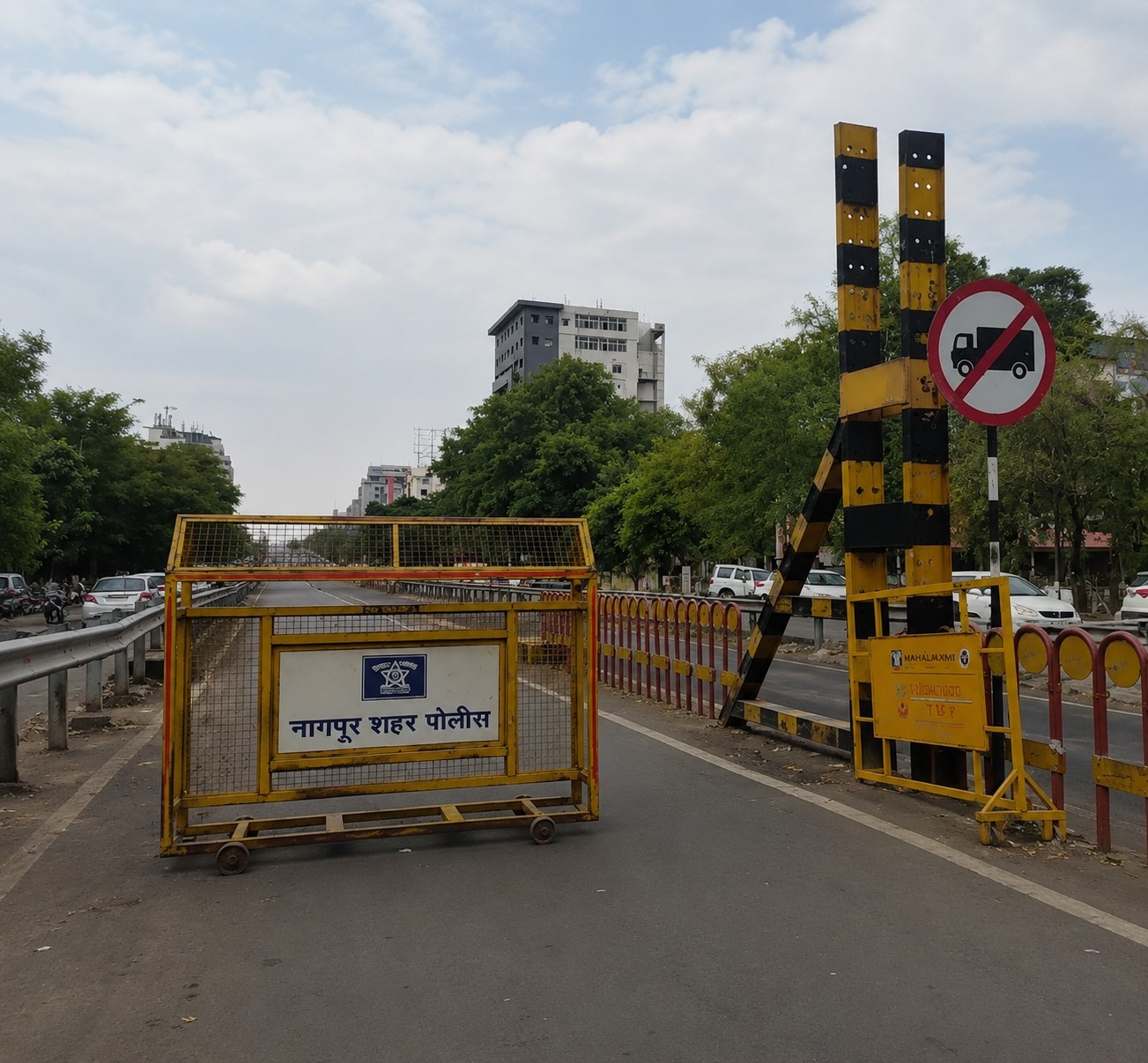
Security agencies conducted a special convoy rehearsal, practising the exact route the Defence Minister’s motorcade will take during his visit. As part of this exercise, several roads across the city were temporarily closed, and security arrangements were thoroughly inspected.


What Happened Today

Detail Information
Visit date Tomorrow (as per today’s report)
Visitor Union Defence Minister Rajnath Singh
Today’s activity Special security convoy rehearsal
Roads affected Several routes temporarily closed
Notable observation Reduced activity and unusual quiet near bridge areas
Purpose Practice run of VVIP convoy route and security checks

A special convoy was taken out today specifically to practise the travel route that will be used during the actual visit. As part of this rehearsal, all related roads were temporarily closed to traffic while security teams inspected the arrangements.


Why Do VVIP Visits Require Such Rehearsals?

For readers unfamiliar with VVIP security protocol, a convoy rehearsal — sometimes called a “dry run” — is a standard and essential part of security planning for visits by senior central ministers, especially those holding portfolios as sensitive as Defence.

The rehearsal serves several purposes:

Route verification — Security teams physically drive the exact route the minister’s convoy will use, checking for any obstacles, road conditions, or unexpected issues.

Timing calculation — Officials measure how long the route takes under rehearsal conditions, helping plan the actual visit’s schedule precisely.

Checkpoint placement — Security personnel identify optimal locations for checkpoints, barricades, and personnel deployment along the route.

Inter-agency coordination — Local police, state security, and central security agencies (including SPG protocols for VVIP movement) coordinate and synchronise their roles during the rehearsal.

Bridge and chokepoint inspection — Areas with bridges, narrow passages, or limited escape routes receive special scrutiny — which explains why the report specifically noted unusual quiet near bridge areas during today’s exercise.


What Nagpur Commuters Should Expect Tomorrow

Based on today’s rehearsal, Nagpur residents should prepare for temporary traffic disruptions tomorrow when the actual visit takes place. Here is what to expect:

Road closures along the convoy route. The same roads that were temporarily closed during today’s rehearsal are highly likely to see similar — and potentially longer — closures during the actual visit.

Brief but significant disruptions. VVIP convoy movements typically cause short but complete halts in traffic flow — usually lasting 15-30 minutes per checkpoint as the convoy passes through.

Heavy police and security presence. Expect visible deployment of police personnel, security barricades, and possibly additional CRPF or central security personnel given the Defence Minister’s profile.

Bridge area restrictions. Given today’s specific focus on bridge areas during the rehearsal, commuters using bridges along the likely route should plan for possible closures or slow-downs.


Tips for Commuters During VVIP Movement

If you need to travel in Nagpur tomorrow, here is how to minimise disruption to your plans:

Check local news and police updates before leaving home — Nagpur Police typically issue specific traffic advisories ahead of VVIP visits, listing exact roads and timings affected.

Avoid the city centre during peak movement hours if your journey is not essential — VVIP convoys typically move during specific windows tied to the visitor’s schedule.

Plan alternate routes in advance — if you know your usual route passes through areas likely to be affected, identify a backup route now.

Allow extra travel time — even areas not directly on the convoy route can experience spillover congestion as traffic is diverted.

Follow Nagpur Traffic Police’s official social media for real-time updates on road closures and reopening.


Why Is the Defence Minister Visiting Nagpur?

While the specific agenda for this visit has not been detailed in available reports, Nagpur has been an increasingly frequent destination for senior central ministers in 2026 — reflecting the city’s growing strategic and economic importance.

Rajnath Singh’s visits to Maharashtra in recent months have focused heavily on defence manufacturing and strategic infrastructure — including his approval of four defence corridors across Maharashtra, including one in Nagpur, and his continued engagement with India’s defence self-reliance push following Operation Sindoor.

Given Nagpur’s growing role in India’s defence ecosystem — including Solar Industries’ significant defence manufacturing operations based in the city — a visit by the Defence Minister to Nagpur would be consistent with this broader pattern of strengthening the city’s defence sector profile.

Nagpur Updates will update this article with the official agenda and itinerary as soon as it is confirmed by official sources.

Q: When is Rajnath Singh visiting Nagpur? Based on today’s (June 19, 2026) report, the visit is expected tomorrow — June 20, 2026.

Q: Which roads will be closed during the visit? The exact roads have not been officially disclosed in available reports, but they correspond to the routes used during today’s security rehearsal, which included areas near bridges in the city.

Q: Why was there a rehearsal a day before the actual visit? VVIP security protocol for senior central ministers — particularly the Defence Minister — typically includes a convoy rehearsal close to the visit date, allowing security agencies to finalise route timing, checkpoint placement, and inter-agency coordination.

Q: How can I get real-time updates on road closures tomorrow? Follow Nagpur Traffic Police’s official social media handles and check local news sources for live updates as the visit progresses.

Q: Is this related to a specific event or facility inauguration? The specific agenda has not been confirmed in currently available reports. We will update this article once official details are released.


Stay Informed, Plan Ahead

VVIP visits are a routine part of life in a city like Nagpur — strategically located at India’s geographic centre and increasingly significant in national defence and infrastructure planning. While the temporary inconvenience of road closures and security checks can be frustrating, they are a necessary part of ensuring the safety of senior dignitaries.

Nagpur Updates will provide live updates on road closures, timing, and the official agenda for Rajnath Singh’s visit as more information becomes available. Stay tuned and plan your travel accordingly.

E85 Ethanol Petrol Now Available in Nagpur: Price, Benefits, and Everything You Need to Know

Nagpur has become one of the first cities in India where E85 ethanol petrol Nagpur 2026 is now being sold at select fuel stations. The high-ethanol fuel blend, which contains 85 per cent ethanol and 15 per cent petrol, was officially launched on World Environment Day, June 5, 2026, by Union Minister of Petroleum and Natural Gas Hardeep Singh Puri. Nagpur has been included in the first phase of the national rollout alongside Delhi-NCR, Mumbai, and Pune.

What Is E85 Fuel and How Is It Different from Regular Petrol?

E85 is a high-ethanol fuel blend consisting of approximately 85 per cent ethanol and 15 per cent petrol. It is specifically designed for Flex-Fuel Vehicles, which can operate on varying ethanol-petrol blends.

This fuel is considered more environmentally friendly than conventional petrol because ethanol is produced from renewable agricultural sources such as sugarcane, maize, rice, and other biomass feedstocks.

India has been selling E20 petrol, which contains 20 per cent ethanol, across the country. E85 is the next major step forward in India’s ethanol blending programme and represents a significant leap in the proportion of ethanol used in transport fuel.

How Much Does E85 Cost in Nagpur?

E85 fuel is expected to be priced around Rs 20 per litre lower than conventional petrol. This is a significant price advantage for consumers who switch to flex-fuel vehicles. At current petrol prices in Nagpur, this translates to meaningful savings for daily commuters and fleet operators who fill up frequently.

This price advantage is expected to encourage consumers to shift towards flex-fuel vehicles and adopt cleaner fuel alternatives.

Which Vehicles Can Use E85 in Nagpur?

This is the most important point for Nagpur drivers to understand. E85 fuel can only be used in compatible flex-fuel vehicles designed to operate on high ethanol blends. Regular petrol or E20 vehicles cannot use E85 and should not attempt to do so.

Maruti Suzuki has showcased the Wagon R Flex Fuel, making it India’s first flex-fuel car. Based on the company’s 1.2-litre K12N petrol engine, the Wagon R can operate on ethanol blends from E20 to E85. For now, it will be offered only to fleet operators and cab aggregators.

Hero MotoCorp has also unveiled E85-compatible motorcycle variants. More flex-fuel vehicle models from various manufacturers are expected to be introduced over the coming months.

How Many Pumps in Nagpur Will Sell E85?

About 500 petrol pumps across Delhi-NCR, Mumbai, Pune, and Nagpur will dispense E85 by the end of 2026, according to Union Minister Hardeep Singh Puri.

The government plans to begin with 50 to 100 E85 dispensing stations across the Delhi-NCR and Mumbai-Pune-Nagpur corridors, before increasing the network to around 500 stations by December 2026. The longer-term target is approximately 5,000 E85 dispensing stations across major Indian cities by the end of 2027. India 

For Nagpur residents, this means the number of available E85 pumps will grow steadily over the rest of the year.

Why India Is Pushing E85 Fuel

India’s push for E85 is rooted in its goal to reduce dependence on expensive imported crude oil. India currently imports nearly 89 per cent of its crude oil requirements, making the economy vulnerable to global energy price shocks and geopolitical disruptions.

India has already raised ethanol blending in petrol from 1.5 per cent in 2014 to 20 per cent today, resulting in foreign exchange savings of Rs 1.84 lakh crore through the substitution of 302 lakh metric tonnes of crude oil. Government of Maharashtra

According to the government, E85 can reduce greenhouse gas emissions by up to 61 per cent compared with petrol. This makes it one of the most impactful green fuel initiatives India has launched in recent years.

Farmers Benefit Too

The E85 programme has a direct positive impact on India’s farming community. Union Minister Puri credited Indian farmers for the success of the ethanol blending programme, noting that farmers have evolved from being the nation’s food providers to energy providers by contributing to domestic ethanol production.

Nagpur and Vidarbha, which have a significant agricultural base, stand to benefit from increased ethanol demand as more farmers in the region supply feedstocks for ethanol production.

What Nagpur Residents Should Do Now

If you already own a flex-fuel vehicle or are planning to buy one, check with your nearest petrol pump whether E85 is available at that outlet. The number of E85 stations in Nagpur will increase significantly over the coming months.

If you own a regular petrol vehicle, do not use E85 in it. Wait until you upgrade to a flex-fuel compatible model before switching to the new fuel blend.

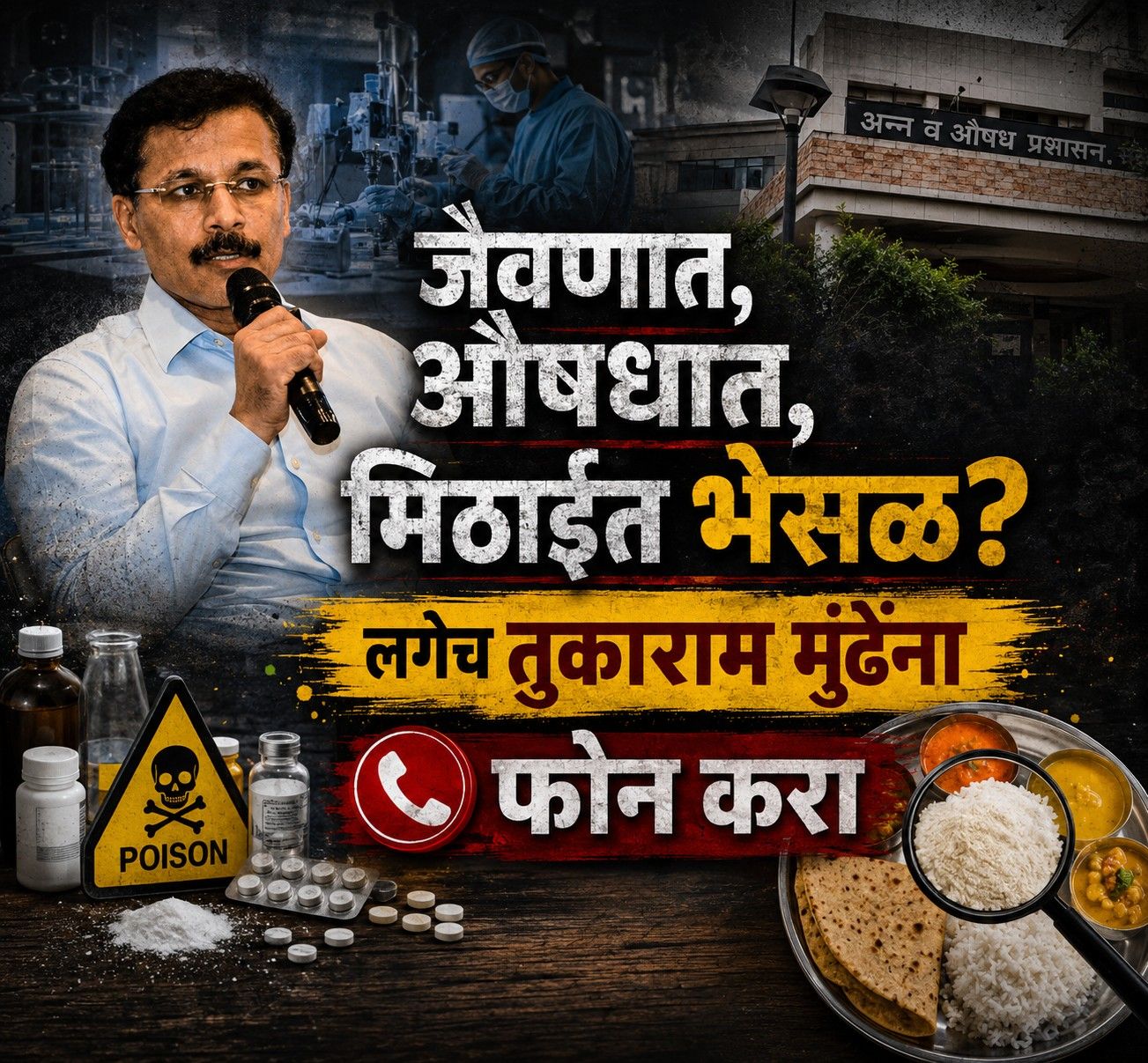
Maharashtra FDA Issues Toll-Free Number to Report Adulterated Food Under Commissioner Tukaram Mundhe

The Maharashtra Food and Drug Administration (FDA) has issued a toll-free helpline number for citizens to report suspected cases of adulterated, substandard, or unsafe food products across the state. Citizens can now call the toll-free helpline 1800222365 or email jc-foodhq@gov.in to lodge complaints about poor-quality food, adulteration, mislabeling, or any other food safety violations. The Maharashtra FDA toll-free number adulterated food initiative has been launched under the leadership of newly appointed FDA Commissioner IAS Tukaram Mundhe.

Who Is Tukaram Mundhe and Why His Appointment Matters

IAS Tukaram Mundhe is one of Maharashtra’s most well-known and respected officers, widely recognised for his no-nonsense, zero-tolerance approach to corruption and public safety violations. Mundhe assumed charge as FDA Commissioner on May 25, 2026, and launched a statewide enforcement drive almost immediately after taking office.

His appointment has been widely welcomed by consumer rights groups and citizens who have long demanded stronger action against food adulteration across Maharashtra.

Safe Food Safe Drug Safe Maharashtra Campaign

The crackdown was initiated under Mundhe’s directives as part of the FDA’s “Safe Food Safe Drug Safe Maharashtra” campaign aimed at ensuring safe food practices and curbing the sale of prohibited products across the state.

Under this campaign, raids were conducted across various districts of Maharashtra between May 29 and May 31, 2026. The campaign targets banned gutkha and pan masala traders, food adulteration, mislabelled products, and establishments violating food safety norms.

One Week of Action: The Numbers

The scale of action taken within Mundhe’s first week in office is significant. Between May 25 and May 31, 2026, the FDA took action against 203 establishments involved in the sale of banned gutkha, pan masala, and adulterated food products. The department arrested 102 persons, sealed 86 establishments, and seized goods worth Rs 1.58 crore.

The action was carried out across Mumbai, Konkan, Pune, Nashik, Chhatrapati Sambhajinagar, and Amravati divisions. Officials targeted traders selling prohibited gutkha and pan masala products and establishments violating food safety norms.

The Maharashtra FDA intensified its crackdown against banned gutkha and pan masala across the state, arresting 32 accused, sealing 26 establishments, and seizing contraband worth Rs 12.16 lakh during raids conducted over May 30 and 31 alone.

According to the FDA, the highest action was reported in the Konkan division, where 16 establishments were raided and 16 persons were arrested. The Nashik division also saw significant enforcement activity, with food safety officers conducting raids across multiple locations in the region.

Nashik Division’s Contribution to the Campaign

The FDA Nashik Division launched a special campaign to ensure that citizens have access to pure, authentic, and nutritious food products. During the seven-day period from May 28 to June 3, 2026, the division seized a stock of suspicious and illegal food products valued at Rs 15,89,533.

This operation was carried out under the directives of FDA Commissioner Tukaram Mundhe and covered multiple locations across the Nashik district.

What Tukaram Mundhe Said

Commissioner Tukaram Mundhe stated that compromising public health would not be tolerated under any circumstances. “Citizens have the right to safe and pure food. Strict action will continue against those involved in food adulteration and the sale of banned substances,” he said. NMC

Mundhe also urged citizens to immediately report suspicious food products and provide details such as the exact address of the establishment and the nature of suspected adulteration while filing complaints.

How Nagpur Residents Can Report Adulterated Food

This initiative is directly relevant to Nagpur residents. If you come across a food product that appears adulterated, smells unusual, has unclear labelling, or is being sold past its expiry date, you can now report it directly to the FDA using the official channels below.

Complaints can be lodged if consumers suspect poor-quality food, adulteration, mislabelling, or other violations related to food safety. Every complaint is reviewed by FDA officials and can trigger an immediate inspection of the reported establishment.

FDA Contact Details for Reporting

Channel Details
Toll-Free Helpline 1800222365
Official Email jc-foodhq@gov.in
Campaign Name Safe Food Safe Drug Safe Maharashtra
Commissioner Tukaram Mundhe, IAS
Active Since May 25, 2026

India’s First Soil-Degradable Milk Pouch: Mother Dairy Launches on World Environment Day — No Plastic, No Price Hike

Published: June 2, 2026 | Category: National | By: Nagpur Updates Desk


The humble milk pouch — a part of daily life for hundreds of millions of Indians — is about to become dramatically more planet-friendly.

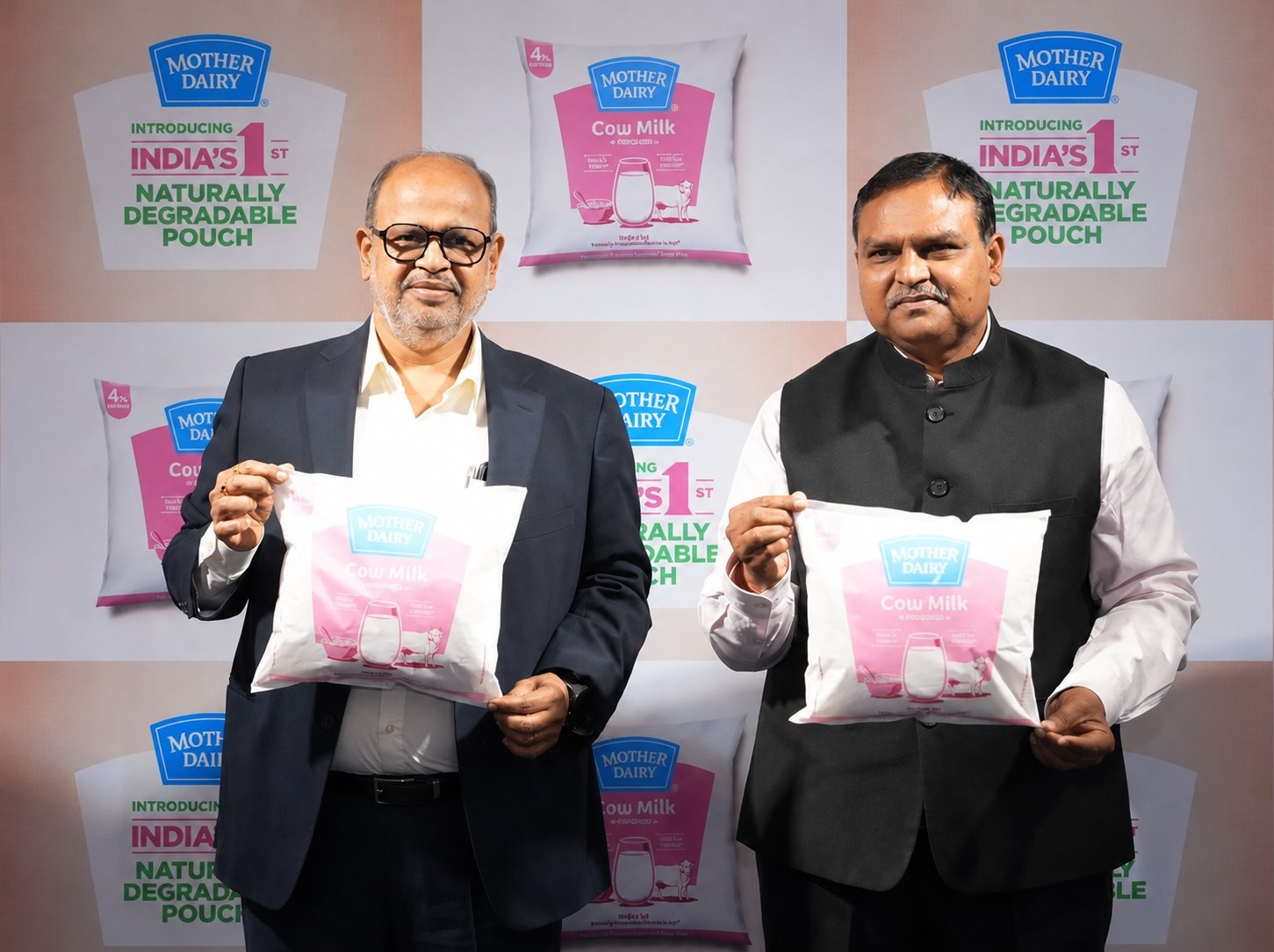
Mother Dairy on Tuesday, June 2, introduced an innovative milk pouch that is naturally degradable in soil as part of its commitment towards environment and sustainability. The company will introduce the new packaging innovation through its popular Cow Milk variant in the Delhi NCR market, along with a refreshed pack design, starting June 5, 2026, on the occasion of World Environment Day.

Most remarkably: this transition is being undertaken without any impact on consumer milk prices.


The Key Facts at a Glance

Detail Information
Company Mother Dairy (subsidiary of NDDB)
Product Cow Milk variant — new degradable packaging
Launch date June 5, 2026 (World Environment Day)
Launch market Delhi-NCR (first market)
Price change None — same price as before
R&D period Over 4 years
Daily milk sold 55 lakh litres across India
Key claim No plastic left in environment

How Does the New Pouch Work?

This is the question everyone is asking — and the science behind it is genuinely innovative.

According to the company, the new milk pouch uses a first-of-its-kind degradable packaging technology that enables the material to transform into bioavailable wax, which is then broken down by microbes in the soil into natural elements.

In simple terms:

Step 1: The used milk pouch is discarded — ideally in soil or compost, not in open drains or water bodies.

Step 2: Microorganisms naturally present in soil begin breaking down the pouch material.

Step 3: Instead of leaving behind persistent plastic fragments (microplastics), the pouch transforms into bioavailable wax — a substance that microbes can further break down into basic natural elements like carbon dioxide, water, and biomass.

Step 4: Within a few years (not centuries, as with conventional plastic), the pouch has completely degraded — leaving no trace of plastic in the environment.

The newly introduced packaging is designed to naturally degrade in soil within a few years rather than centuries.


Why This Matters: India’s Plastic Milk Pouch Problem

India uses an enormous number of plastic milk pouches every single day. Mother Dairy alone sells 55 lakh litres of milk daily — each litre typically packed in a single-use plastic pouch. Across all dairy companies in India, the number of plastic milk pouches entering the waste stream daily runs into the hundreds of millions.

Most of these pouches are made from LDPE (Low-Density Polyethylene) — a plastic that takes 400-1,000 years to degrade in the environment. While technically recyclable, a large proportion of milk pouches end up in landfills, water bodies, and open dumps — where they persist for centuries, contaminating soil and water, and breaking into microplastics that enter the food chain.

The degradable pouch directly addresses this problem. If it degrades in soil within a few years — and does so without leaving microplastic residue — it represents a fundamental shift in the environmental footprint of one of India’s most commonly consumed daily products.


Four Years of R&D — A Genuine Innovation

Rolls out in Delhi-NCR cow milk from June 5 at unchanged prices after over four years of R&D.

This is not a marketing gimmick. Mother Dairy spent over four years developing and testing this packaging technology before its commercial launch. The key challenges that required solving:

  • Maintaining food safety — the packaging must keep milk fresh and uncontaminated
  • Structural integrity — the pouch must not degrade during its shelf life, only after disposal
  • Controlled degradation — it must degrade in soil, not in the distribution chain or consumer’s refrigerator
  • Cost parity — the new packaging must not be significantly more expensive than conventional plastic, so the cost can be absorbed without a price hike

The fact that all four challenges have been solved — and that the product is launching at the same price — suggests that this is a commercially viable, scalable innovation.


What NDDB Chairman Said

“The newly introduced packaging is designed to naturally degrade in soil within a few years rather than centuries, and importantly, this transition is being undertaken without any impact on consumer milk prices,” Meenesh Shah, Chairman of NDDB, said.

Dr. Meenesh Shah, Chairman of the National Dairy Development Board and Mother Dairy, said India’s dairy sector reflects scale, inclusivity, and responsibility, with sustainability deeply embedded across the value chain.


When Will It Come to Nagpur?

The initial launch is limited to Delhi-NCR — through Mother Dairy’s Cow Milk variant from June 5, 2026.

Mother Dairy’s distribution in Nagpur is limited — the company is primarily a Delhi-NCR and North India brand. However, the technology demonstrated here is likely to influence packaging decisions by other dairy companies, including those operating in Nagpur and Maharashtra.

Mother Dairy, an NDDB subsidiary, sells 55 lakh litres daily and also offers Dhara oils and Safal produce. As the company scales this packaging innovation beyond Delhi-NCR, Maharashtra markets may be included in later phases.


FAQ: Your Questions Answered

Q: Is the Mother Dairy degradable milk pouch available in Nagpur? Not yet — the initial launch is in Delhi-NCR only, starting June 5. Expansion to other markets including Maharashtra will depend on how the Delhi launch scales.

Q: Will the price of Mother Dairy milk increase? No — Mother Dairy has confirmed there will be no price change. The new packaging is being introduced at the same consumer price.

Q: Is this truly “zero plastic”? The claim is that the pouch leaves no plastic residue in the environment after degradation in soil. Independent verification of this claim through peer-reviewed testing would add further credibility — something to watch for as the product enters the market.

Q: How should I dispose of the new pouch? For the degradation to work as designed, the pouch should be disposed of in soil — ideally in a composting setup or garden soil. Dumping it in water bodies or drainage systems will likely prevent the intended degradation process.

Q: What is “bioavailable wax”? It is the intermediate product formed when the pouch material begins breaking down. Unlike microplastics (which are harmful and persistent), bioavailable wax can be further digested by soil microbes into harmless natural elements.

Q: Are other dairy companies developing similar packaging? Yes — BAMUL (Bangalore-based dairy) conducted trials of biodegradable milk packets in June 2025. Mother Dairy’s commercial launch accelerates the industry’s shift towards sustainable packaging.


A Small Pouch, A Big Step

Every Indian family tears open a milk pouch every morning. That small act, multiplied by hundreds of millions of households every day, generates an almost unimaginable volume of plastic waste.

The degradable milk pouch does not solve India’s entire plastic problem. But it demonstrates something important: that practical, scalable, consumer-priced sustainable alternatives to everyday plastic products are possible — with sufficient R&D investment and commitment.

Just as Nagpur is investing in sustainable infrastructure — from the Bhandewadi waste-to-energy plant that turns garbage into CNG fuel for buses to cleaning Ambazari Lake of water hyacinth before monsoon — Mother Dairy’s degradable pouch is a reminder that environmental solutions can and do come from where we least expect them.

Nagpur Updates will track when the degradable milk pouch reaches Maharashtra markets and keep you updated on this packaging innovation.


Tags: Mother Dairy, Degradable Milk Pouch, India First, NDDB, World Environment Day 2026, Plastic Free India, Sustainable Packaging, Environment News India

VNIT Nagpur’s GeoWet Technology: Nature-Based Wastewater Treatment That Saves 50% Land

What Happens to the Dirty Water That Flows Out of Your Home Every Day?

Most of it ends up in drains, rivers, or fields — untreated. In India, a large portion of domestic sewage never gets properly cleaned before it mixes back into the environment. The infrastructure to treat it is expensive, space-hungry, and often impractical for smaller towns and villages.

That’s exactly the problem a team of researchers at the Visvesvaraya National Institute of Technology (VNIT), Nagpur decided to solve — and their answer is called GeoWet.


What Is GeoWet Technology?

GeoWet is a nature-based wastewater treatment system developed by the Civil Engineering Department at VNIT Nagpur. It uses geosynthetic materials — specially engineered synthetic components used in construction and environmental engineering — combined with wetland plants to filter and clean domestic sewage water in a compact, low-cost setup.

The technology was developed by Dr. Amit Padole, Dr. Karthik Balasundaram, and research scholar Vishal Meshram from VNIT’s Civil Engineering department.

The name “GeoWet” comes from two words: Geo (geosynthetics) and Wet (wetland). It’s exactly what it sounds like — a wetland system reinforced with geosynthetic engineering materials.


How Does GeoWet Actually Work?

Traditional constructed wetlands treat wastewater by passing it slowly through soil, gravel, and plants. While effective, they need a large area of land — which makes them impractical for small communities.

GeoWet takes the same natural principle but supercharges it using three key geosynthetic components:

1. Geocell — a three-dimensional honeycomb-like structure that confines soil and improves water flow.

2. Geotextile — a permeable fabric layer that filters particles and supports plant root systems.

3. Geomembrane — an impermeable barrier that prevents untreated water from leaking into the ground and controls the treatment pathway.

Together, these materials guide wastewater through an optimized treatment path, allowing natural biological and physical processes to clean the water more efficiently in less space. Wetland plants growing in this engineered environment further absorb pollutants and assist in the purification process.

The result? A system that handles high volumes of sewage effectively while maintaining consistent treatment quality — even under fluctuating loads.


Why Is This a Big Deal?

India faces a growing sewage crisis. According to various estimates, a significant chunk of domestic wastewater generated in Indian cities and towns goes untreated. In rural areas, the problem is even more acute — most villages have no treatment system at all.

The barrier to solving this isn’t just money; it’s land. Conventional wetland-based treatment systems require large areas of land that many communities simply don’t have available.

Here’s where GeoWet changes the equation:

  • The VNIT research team estimates that GeoWet can save more than 50% of the land area needed compared to conventional wetland systems.
  • It requires no electricity or complex mechanical equipment.
  • It’s low-maintenance once installed.
  • It works using natural biological processes — making it sustainable over the long term.

This makes it a viable option for peri-urban areas, small towns, and rural villages across India.


From the Lab to a Real Village

After successful laboratory testing, the researchers didn’t stop at publishing results — they took the technology to the field.

A GeoWet-based wetland treatment unit with a capacity of 10,000 litres (10 KL) per day has been installed in Khubala village near Nagpur. Domestic sewage from the village’s drains is routed into this unit, cleaned naturally, and then safely discharged.

Real-world trials at the village site have delivered encouraging results, validating what the lab tests had shown: the system is effective, stable, and practical.

This field deployment is a crucial step. Lab success is one thing — but proving that a technology works in real conditions, with real sewage and real weather, is what gives it credibility for large-scale adoption.


Patent Protection Underway

Recognizing the significance of the innovation, the VNIT team has initiated the process of filing for patents and design registration for the GeoWet system. This will protect the unique design features and engineering approach behind the technology.

Patenting also opens the door for potential licensing to municipalities, NGOs, and private companies looking to implement low-cost wastewater treatment solutions across India.


Why This Matters for India’s Water Future

India is already experiencing severe water stress in many regions. As groundwater tables drop and rivers become more polluted, the need to treat and recycle wastewater — rather than just discharge it — becomes critical.

Technologies like GeoWet represent a realistic, scalable path forward:

  • They can be built in small spaces, making them suitable for dense urban neighborhoods and remote villages alike.
  • They use natural processes, avoiding the chemical inputs and energy consumption of conventional treatment plants.
  • Their low operational complexity means communities can manage them without specialized technical staff.

If GeoWet can be scaled beyond Khubala village and adopted across India’s thousands of underserved communities, it could have a meaningful impact on water quality, public health, and environmental sustainability.


The Researchers Behind the Innovation

The GeoWet technology is the result of dedicated applied research within VNIT Nagpur’s Civil Engineering department:

  • Dr. Amit Padole — Faculty, Department of Civil Engineering, VNIT Nagpur
  • Dr. Karthik Balasundaram — Faculty, Department of Civil Engineering, VNIT Nagpur
  • Vishal Meshram — Research Scholar, VNIT Nagpur

Their work demonstrates how academic research — when grounded in real-world problems — can translate into practical solutions that benefit communities.


Key Takeaways

  • VNIT Nagpur has developed GeoWet, a geosynthetic-based constructed wetland for domestic wastewater treatment.
  • The system uses geocell, geotextile, and geomembrane materials combined with wetland plants.
  • It can treat wastewater using 50% less land than traditional wetland systems.
  • A 10,000-litre-per-day unit has already been successfully deployed at Khubala village near Nagpur.
  • Patent and design registration is in process.
  • The technology is designed to be affordable, low-maintenance, and scalable for rural and urban communities.

This article is based on research and field deployment conducted by the Civil Engineering Department, VNIT Nagpur. For academic inquiries, contact the Civil Engineering Department directly.


Tags: VNIT Nagpur, GeoWet Technology, Wastewater Treatment, Geosynthetics, Nature Based Solution, Wetland System, Water Conservation, Civil Engineering Innovation, Nagpur, Sustainable Technology, India Water Crisis

Nagpur Cyclist Vijay Ghichare Completes Historic 3,600 Km Char Dham Cycling Expedition

Nagpur cyclist Vijay Ghichare has completed a remarkable 3,600-kilometre cycling expedition from Nagpur to Uttarakhand’s Char Dham region. The Nagpur cyclist Vijay Ghichare 3600 km journey was undertaken to promote fitness, environmental conservation, and sustainable living. Ghichare battled extreme summer heat, mountainous terrain, and long stretches of difficult road to complete one of the most ambitious solo cycling expeditions ever undertaken from Nagpur.

Who Is Vijay Ghichare?

Vijay Ghichare is the President of the Nature Warrior Bicycle Group Nagpur and the Vidarbha Karate Association Nagpur. A passionate cyclist and nature advocate, Ghichare has long championed the cause of eco-friendly living and physical fitness through long-distance cycling. His latest expedition is the most ambitious journey he has undertaken to date and has earned widespread admiration across Nagpur and beyond.

The Route: From Nagpur to the Himalayas

The journey began in Nagpur, Maharashtra, and passed through several cities including Seoni, Jabalpur, Sagar, Lalitpur, Jhansi, Gwalior, Agra, Delhi, Meerut, Muzaffarnagar, Roorkee, Haridwar, and Rishikesh, before reaching Uttarakhand.

The route took Ghichare through the heart of central India and the Indo-Gangetic plains before climbing into the foothills and mountains of Uttarakhand. Each leg of the journey brought new challenges in terms of terrain, weather, and physical endurance.

The Toughest Part: 2,300 Km of Mountain Terrain

During the expedition, Ghichare covered approximately 2,300 kilometres of elevation-based mountainous terrain, negotiating steep climbs, sharp bends, and difficult weather conditions. Riding uphill for extended stretches in peak summer, with temperatures soaring across the plains and unpredictable conditions in the mountains, tested his physical and mental limits at every stage.

In addition to visiting the Char Dham region, he also undertook a demanding uphill cycling ride to the renowned Surkanda Devi Temple near Dehradun. This additional climb added significant distance and difficulty to an already gruelling expedition.

Support from Strangers Along the Way

One of the most inspiring aspects of Ghichare’s journey was the warmth he received from complete strangers across the country. Throughout the journey, local residents at various locations extended their support by providing food, water, accommodation, and encouragement. Ghichare said that the affection, blessings, and cooperation of people along the route became his greatest source of strength.

This outpouring of support from people across different states reflects the universal respect that long-distance cyclists and endurance athletes receive in India.

The Message Behind the Mission

Ghichare was clear that the expedition was not simply about personal achievement. He said the objective was not only to undertake a religious pilgrimage but also to create awareness about environmental protection, cycling, fitness, and a healthy lifestyle. He appealed to young people to stay connected with nature, protect trees, and adopt eco-friendly practices in daily life.

Despite extreme summer heat, challenging terrain, and long-distance travel, Ghichare completed the journey and used the expedition to promote the importance of fitness, adventure, environmental conservation, and sustainable living.

Inspiration for Nagpur’s Youth

Ghichare’s achievement carries a powerful message for young people in Nagpur and across Vidarbha. At a time when sedentary lifestyles and screen dependence are growing concerns among the youth, a solo 3,600-kilometre cycling expedition serves as a compelling call to action. His journey proves that with determination, discipline, and love for nature, extraordinary feats are well within reach.

The Nature Warrior Bicycle Group Nagpur, which Ghichare leads, regularly organises cycling events and awareness rides across the city and region. His Char Dham expedition is expected to inspire greater participation in the group’s upcoming programmes.

Making Reels at Airports Can Get You Banned From Flying — DGCA’s 2026 Rules Explained

Published: June 1, 2026 | Category: Aviation | By: Nagpur Updates Desk


Think twice before making that airport reel for Instagram.

India’s aviation regulator — the Directorate General of Civil Aviation (DGCA) — is considering adding reel-makers and unauthorised videographers at airports to India’s No-Fly List. Combined with already-existing bans on photography at military airports and strict new zero-tolerance rules for unruly passengers, 2026 marks a major tightening of India’s airport and in-flight conduct rules.

Here is everything you need to know — what is banned, what the consequences are, and how to stay on the right side of the law at your next airport visit.


What’s the New Rule About Reels?

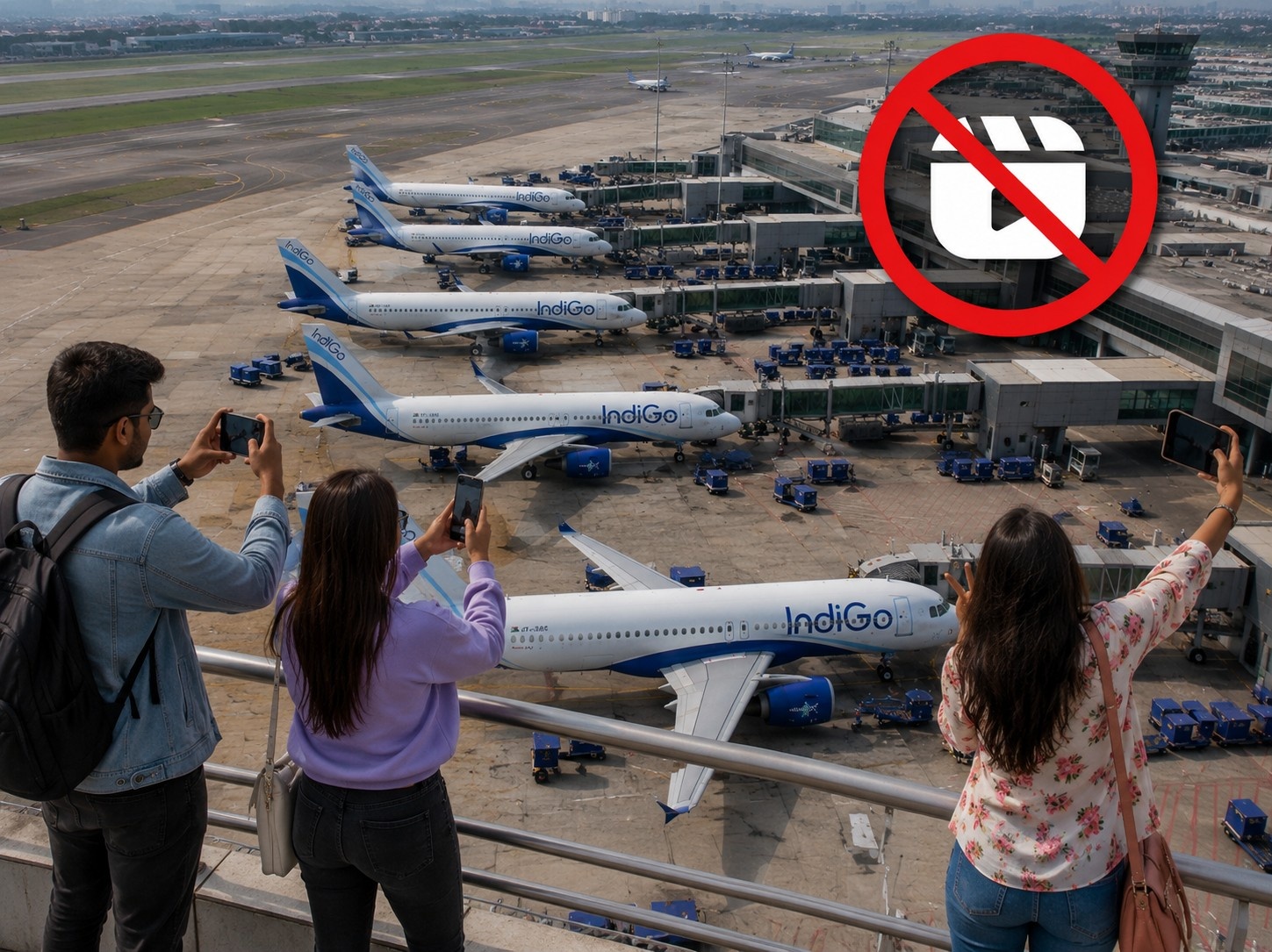
The DGCA is examining whether passengers who make reels, shoot videos, or take photographs at airports without authorisation — particularly in restricted areas — should be included in the No-Fly List.

The concern is straightforward. In recent years, a growing number of travellers have been:

  • Shooting videos inside terminal buildings
  • Making reels on airport tarmacs or near aircraft
  • Filming sensitive areas — including security checkpoints, airfield layouts, and runways
  • Posting footage that inadvertently reveals security vulnerabilities

While most reel-makers are simply seeking social media content, the security risk created by unauthorised videography at airports — particularly those with military or strategic significance — has prompted the DGCA to consider serious consequences.

If included in the No-Fly List, an offending passenger could be barred from flying on Indian airlines for a specified period — a significant deterrent for frequent flyers and travellers.


Photography Already Banned at These Airports

Before the reel discussion, the DGCA had already issued strict photography and video bans at airports near India’s western border and military airbases. These rules are currently in force.

Airports where photography/videography is banned:

  • Amritsar
  • Jammu
  • Srinagar
  • Jaisalmer
  • Bhuj
  • Leh
  • Pathankot
  • Hindon

At these airports — which share infrastructure with or are located near military installations — passengers must:

  • Keep window shades down during takeoff and landing
  • Not photograph or video the airfield, runways, or surrounding areas
  • Follow crew instructions on this rule at all times

The DGCA has warned that violators will face strict legal consequences including fines under civil aviation laws.

What about Nagpur Airport? Nagpur’s Dr. Babasaheb Ambedkar International Airport is not currently on the photography-banned list. However, general airport rules about not filming restricted areas, security checkpoints, or other passengers without consent still apply.


The Bigger Change: DGCA’s Zero-Tolerance Policy 2026

The reel ban discussion is part of a much larger overhaul of passenger conduct rules. In February 2026, the DGCA released draft amendments to the Aircraft Rules, 1937 — the most significant update to passenger conduct rules in years.

Here is what the new rules propose:

Faster Bans — No More Waiting

Old Rule New Rule (Proposed)
Ban process Airline refers to committee — up to 45 days Airline can impose 30-day ban directly — no committee needed
Maximum ban duration 12 months 24 months
Repeat offenders Standard penalty Double penalty

The most significant change: airlines can now immediately impose a 30-day “cooling off” ban on a disruptive passenger without waiting for committee approval. This is a game-changer — previously, the 45-day committee process meant that a disruptive passenger could often continue flying while their case was being reviewed.

Three Levels of Offence

The new rules create a clear three-tier classification:

Level Offence Type Maximum Ban (Proposed)
Level 1 Verbal harassment, unruly gestures 6 months
Level 2 Physical aggression 12 months
Level 3 Life-threatening behaviour 24 months

National Security Additions

In a new provision, the Ministry of Home Affairs can now directly provide a list of individuals identified as national security threats for inclusion in the No-Fly List. These individuals will be barred from flying indefinitely — with no standard appeal process available.


What Counts as “Unruly” Under Current Rules?

Many passengers are unaware of what currently qualifies for No-Fly List inclusion. Here is the existing list of prohibited behaviours:

On board aircraft:

  • Physical or verbal harassment of crew or passengers
  • Drunken and disruptive behaviour
  • Smoking on board
  • Tampering with safety equipment
  • Using mobile phones when prohibited
  • Refusing to follow crew safety instructions
  • Threatening or intimidating behaviour
  • Sexual harassment

At airports (jurisdiction of airport security):

  • Unauthorised access to restricted areas
  • Photography/videography in prohibited zones
  • Threatening airport staff
  • Creating security disturbances

The 166 passengers placed on India’s No-Fly List between 2021 and 2024 were mostly for on-board offences. The proposed extension to airport conduct — including reel-making — would significantly expand the scope of the list.


Why Are Airport Reels a Problem?

For most people, making a reel at an airport seems harmless. And for the vast majority of cases, it probably is. So why is DGCA considering such a severe response?

Security intelligence concerns. Even innocuous footage — a reel showing a cool aircraft livery, an airport terminal background — can inadvertently capture sensitive information: security checkpoint configurations, staff positioning, restricted area access points, or aircraft layouts.

Post-Operation Sindoor context. The TOI article connecting this to the Nagpur airport specifically notes that this issue has gained new urgency following India’s Operation Sindoor — the military action against Pakistan in May 2026. With India on heightened security alert across all strategic infrastructure including airports, the tolerance for any unauthorised documentation of airport facilities has dropped sharply.

Tarmac access incidents. There have been incidents of passengers making reels near or on aircraft aprons — areas where strict safety protocols apply. A distracted person filming near an aircraft creates genuine safety risks.

Q: Can I take photos inside airport terminals at Nagpur or Mumbai? General photography inside terminal buildings (selfies, photos with family) is typically permitted in non-restricted areas. What is prohibited is filming security checkpoints, runways, restricted zones, or airport infrastructure. When in doubt, ask airport security.

Q: What happens if I make a reel at an airport and post it? Currently, consequences depend on where and what you filmed. If you filmed a restricted area, you could face questioning and legal action under aviation security rules. The DGCA is considering adding repeat or serious offenders to the No-Fly List.

Q: Can an airline ban me for 30 days without a hearing? Under the proposed 2026 rules — yes. Airlines would be empowered to impose an immediate 30-day ban as a “cooling off” measure, without waiting for committee approval. You would have the right to appeal subsequently.

Q: Is the No-Fly List public? Yes — the list of individuals placed on India’s No-Fly List is published on the DGCA website at dgca.gov.in.

Q: Can I film an aircraft from outside the airport — from a viewing gallery or public road? Generally yes — filming aircraft from public areas outside the airport perimeter is not prohibited under current rules. What is banned is filming from within the airport premises in restricted or security-sensitive areas.

Q: Are these rules only for Indian airports? The DGCA rules apply to all passengers on flights to or from India — including on foreign airlines, provided the incident is reported to DGCA.


What This Means for Nagpur Airport Visitors

Nagpur’s airport is in the midst of a major transformation — the Union Cabinet recently approved a ₹7,000 crore GMR-led modernisation and a new midpoint RVR safety system has been installed. As the airport grows in scale and strategic importance, security protocols will only get stricter.

For Nagpur residents travelling through the airport — or visiting it for any reason — the new rules are a clear signal: airports are security infrastructure, not content creation studios.


Simple Rules to Stay Safe — and Flying

Follow these simple guidelines at any Indian airport:

  • ✅ Selfies and family photos in open, non-restricted terminal areas — generally fine
  • ✅ Photographing your boarding pass, gate, or aircraft from designated areas — fine
  • ❌ Filming security checkpoints, X-ray machines, or staff — prohibited
  • ❌ Videographing runways, tarmac, or aircraft from restricted areas — prohibited
  • ❌ Making reels in sensitive airport zones — risk of security action and possible No-Fly List
  • ❌ Photography at military airports (Amritsar, Srinagar, Jammu etc.) — strictly banned

When in doubt — put the phone down. No reel is worth losing your flying privileges.

Nagpur Updates will track the DGCA’s final rules on airport photography and the No-Fly List expansion and update you when they come into effect.


Tags: DGCA, No Fly List, Airport Rules India, Airport Reels Ban, Aviation India 2026, Nagpur Airport, Air Travel India, Nagpur Local News 2026

PAN Card Rules 2026: No PAN Needed for These 8 Transactions — Complete Guide to New Limits

Published: May 29, 2026 | Category: Finance | By: Nagpur Updates Desk


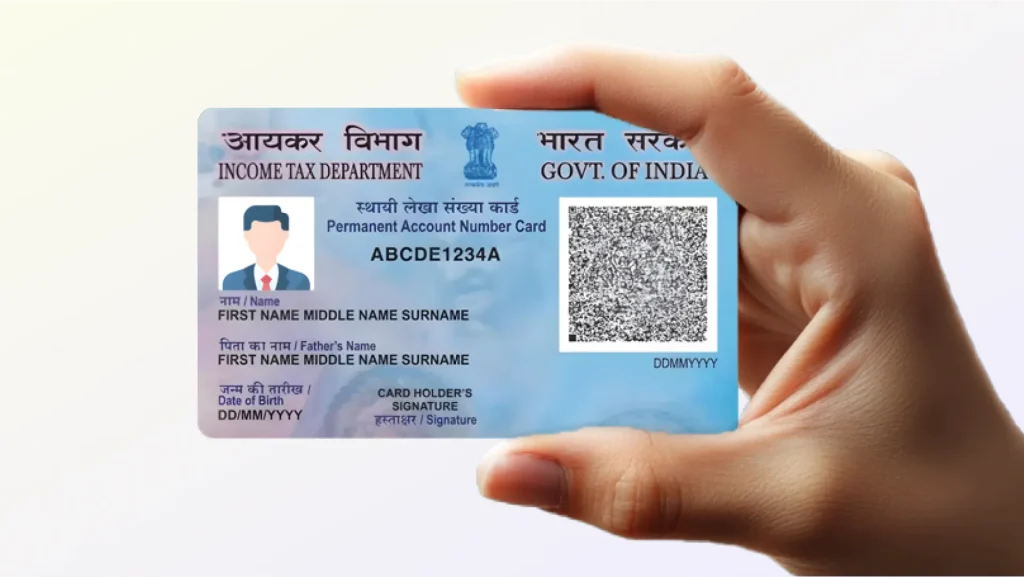
The Government of India has overhauled PAN card rules under the new Income Tax Rules 2026 — bringing relief for small transactions while tightening monitoring on high-value deals.

If you make cash deposits, buy property, pay hotel bills, or purchase insurance — these changes affect you directly. Here is everything explained simply, with the exact old and new limits.


The Big Picture: What Changed and Why

The Central Board of Direct Taxes (CBDT) has revised PAN-related rules under the Income Tax Rules 2026, effective from April 1, 2026. The two core objectives:

  1. Ease the burden on ordinary citizens for small, routine transactions
  2. Tighten monitoring on large cash transactions to curb tax evasion and black money

The most significant administrative change: Form 60 — previously used by people without a PAN — has been replaced by a new Form 97. However, Form 97 is not accepted everywhere, so having a PAN remains important.


8 Transactions Where Rules Have Changed

1. Cash Deposits and Withdrawals — Major Relief

Old Rule New Rule
PAN required when Cash deposit above ₹50,000 in a single day Cash deposit/withdrawal above ₹10 lakh in a financial year

This is the biggest relief. Earlier, depositing ₹50,001 in a single day triggered PAN requirements. Now, you can deposit freely throughout the year — PAN is only required if your total annual cash transactions exceed ₹10 lakh.


2. Property Purchase — Limit Doubled

Old Rule New Rule
PAN required for buying property above ₹10 lakh ₹20 lakh

Good news for first-time buyers in smaller cities. Property purchases up to ₹20 lakh no longer require PAN. However, for purchases above ₹20 lakh, PAN is mandatory — and monitoring will be stricter.


3. Property Sale — New Reporting Added

Old Rule New Rule
Stamp paper monitoring Not clearly specified Above ₹2 lakh (PAN holders), Above ₹1 lakh (non-PAN holders)

When selling property, stamp paper purchases above ₹2 lakh will now be monitored for PAN holders. This is a new monitoring requirement — not just a threshold change.


4. Hotel and Event Payments — Threshold Doubled

Old Rule New Rule
PAN required above ₹50,000 ₹1 lakh

Cash payments at hotels, banquet halls, restaurants, convention centres, and event venues now require PAN only above ₹1 lakh. Normal family stays and modest event bookings get relief. High-value weddings and large events still face scrutiny.


5. Vehicle Purchase — Two-Wheelers Added

Old Rule New Rule
PAN required for vehicles above ₹5 lakh (four-wheelers) ₹5 lakh — now includes two-wheelers
Tractors Included Excluded

The ₹5 lakh threshold stays the same — but two-wheelers are now included. If you are buying a premium motorcycle or scooter above ₹5 lakh, PAN is now mandatory. Tractors are specifically excluded — a relief for farmers.


6. Insurance Premiums — Tightened Significantly

Old Rule New Rule
PAN required Only for premiums above a threshold All new insurance policies — regardless of premium amount

This is a significant tightening. Previously, small insurance policies were exempt. Now, every new insurance policy requires PAN — no matter how small the premium. This brings all insurance transactions into the tax monitoring net.


7. Bank Drafts, Pay Orders and Banker’s Cheques — Relaxed

Old Rule New Rule
PAN required daily For each day’s transactions Relaxed — no longer required daily

The government has relaxed the daily PAN submission requirement for bank drafts, pay orders, and banker’s cheques. This is a practical relief for businesses and individuals who regularly use these instruments.


8. Foreign Exchange Transactions — Monitored More Closely

Foreign exchange transactions involving large amounts will face increased scrutiny under the new rules. Specific thresholds apply — if you are converting large amounts of currency or making international remittances, ensure your PAN is updated and active.


Form 97: Replacing Form 60 — What You Need to Know

Form 60 was previously used by individuals without a PAN to complete financial transactions. It has now been replaced by Form 97.

Key things to know about Form 97:

  • It is the new declaration form for those without PAN
  • It is not accepted everywhere — some financial institutions and transactions still require an actual PAN
  • Having a PAN card remains strongly advisable for any significant financial activity
  • Apply for PAN at incometaxindiaefiling.gov.in if you do not have one

PAN Application Rules Also Changed: Aadhaar-Only No Longer Sufficient

Until March 31, 2026, you could apply for a PAN using only Aadhaar. That option is now gone.

From April 1, 2026, PAN applications require additional documents:

  • Voter ID
  • Passport
  • Birth certificate
  • Other supporting identity documents

This change is designed to tighten identity verification and reduce errors and misuse in PAN issuance.

Additionally, your name on PAN must now match your Aadhaar exactly. Any mismatch can create compliance problems. Check your PAN-Aadhaar name alignment now — before it causes an issue at a bank or registration office.


Quick Reference: Old vs New Limits at a Glance

Transaction Old PAN Limit New PAN Limit
Cash deposit/withdrawal ₹50,000/day ₹10 lakh/year
Property purchase ₹10 lakh ₹20 lakh
Hotel/event payment ₹50,000 ₹1 lakh
Vehicle purchase ₹5 lakh (4-wheelers) ₹5 lakh (includes 2-wheelers)
Insurance premium Above threshold All new policies
Bank drafts/pay orders Daily requirement Relaxed

Q: Do I need PAN to deposit ₹1 lakh in cash at a bank? No — under the new rules, PAN is required only if your total cash deposits and withdrawals exceed ₹10 lakh in a financial year. A single ₹1 lakh deposit does not trigger the requirement on its own.

Q: I am buying a property for ₹18 lakh. Do I need PAN? No — the new threshold for property purchases is ₹20 lakh. At ₹18 lakh, PAN is not mandatory. However, the transaction may still be reported by the registrar.

Q: My hotel bill for a family wedding function is ₹80,000. Do I need PAN? No — the new hotel payment threshold is ₹1 lakh. At ₹80,000, you do not need to provide PAN.

Q: I am buying an electric scooter for ₹1.5 lakh. Do I need PAN? No — PAN is required for two-wheelers above ₹5 lakh. At ₹1.5 lakh, you do not need PAN for the vehicle purchase.

Q: What is Form 97? Is it the same as Form 60? Form 97 replaces Form 60 as the declaration form for individuals without PAN. However, Form 97 is not accepted everywhere — having an actual PAN is still the safest option for any significant financial transaction.

Q: Do I need PAN for a health insurance policy with ₹5,000 annual premium? Yes — under the new rules, all new insurance policies require PAN, regardless of the premium amount. This is a significant change from the previous rule which exempted smaller policies.

Q: My PAN and Aadhaar names are slightly different. Is that a problem? Yes — the new rules require your PAN name to match your Aadhaar exactly. A mismatch can cause compliance issues. Contact your nearest PAN service centre or visit the NSDL/UTI portal to update your name.


What Should You Do Now?

If you have a PAN:

  • Ensure it is active and linked to your Aadhaar
  • Check that your name matches exactly between PAN and Aadhaar
  • Keep PAN handy for property, insurance, and vehicle transactions

If you do not have a PAN:

  • Apply immediately at incometaxindiaefiling.gov.in
  • You will need Aadhaar + additional documents (voter ID, passport, or birth certificate)
  • Form 97 is a temporary alternative — but having a PAN is always better

For businesses:

  • Update your PAN records for all high-value transaction categories
  • Brief your accounts and finance teams on the new limits
  • Ensure hotel and event vendors are aware of the ₹1 lakh threshold

Bottom Line

The new PAN rules of 2026 are a balanced reform — genuine relief for ordinary citizens on routine transactions, tighter monitoring where large cash flows are involved.

The key changes that affect most people: cash deposits are now tracked annually (not daily), hotel thresholds doubled, property threshold doubled. The key tightening: all insurance policies now require PAN, two-wheelers included in vehicle rules.

Stay informed. Stay compliant. And if you do not have a PAN yet — get one.

Nagpur Updates covers financial and civic news that directly affects your daily life. Bookmark us for the latest updates.


Tags: PAN Card, Income Tax Rules 2026, CBDT, Financial Rules India, Cash Deposit Limit, Property Purchase PAN, Form 97, India Finance News, Nagpur Local News 2026

Gadkari Unveils Ethanol Cooking Stove in Nagpur — Cheaper Than LPG? Here’s the Full Story

Published: May 27, 2026 | Category: Nagpur Local | By: Nagpur Updates Desk


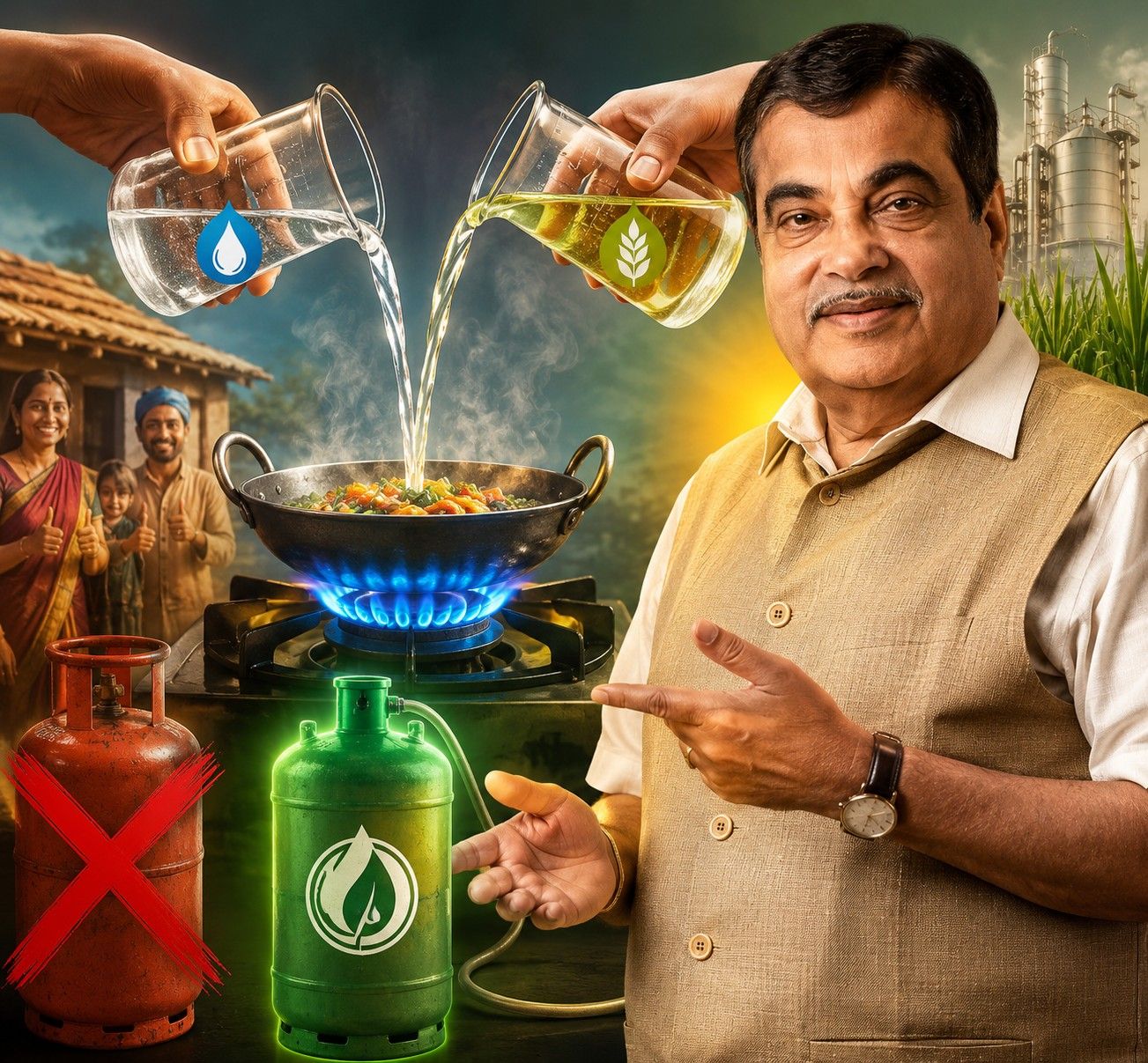
Union Minister Nitin Gadkari has unveiled an ethanol-based cooking stove in Nagpur — claiming it can generate cooking flames at a cost lower than commercial LPG cylinders using just 7% ethanol mixed with water.

The announcement was made at the ‘Mitron Ke Bich’ programme held in Nagpur. It has since sparked significant debate online — with supporters calling it a breakthrough for affordable, clean cooking and critics questioning the science behind it.

Here is everything you need to know.


What Exactly Did Gadkari Announce?

At the Nagpur event, Gadkari demonstrated an indigenous ethanol-based cooking stove technology. The key claim:

  • A mix of just 7% ethanol and 93% water can fuel the stove
  • The cost of cooking with this stove is lower than a commercial LPG cylinder
  • The technology is indigenous — developed in India
  • It aligns with India’s broader ethanol push — from E20 petrol blending to reducing crude oil imports

Gadkari connected the stove directly to farmers — arguing that wider ethanol adoption boosts demand for sugarcane and other crops, increasing farmers’ incomes while reducing India’s dependence on imported crude oil.


How Does an Ethanol Stove Work?

Q: Can ethanol-water really burn?

Yes — but with nuance. Pure ethanol burns well. However, a 7% ethanol + 93% water mixture is significantly more complex to ignite and sustain as a cooking flame compared to pure ethanol or LPG.

Standard ethanol stoves typically require 95% ethanol to burn efficiently. At 7% concentration, the water content is very high — and sustaining a stable cooking flame requires either:

  • A specially designed catalytic burner that vaporises the mixture before combustion
  • A pressurised system to atomise and ignite the diluted fuel

The technology Gadkari unveiled appears to use such an advanced burner design — which is why this is being described as an innovation, not a standard ethanol stove.

Q: Is ethanol-water cheaper than LPG?

At current ethanol prices in India — approximately ₹65–70 per litre for fuel-grade ethanol — and with only 7% ethanol used per litre of fuel mixture, the effective cost per cooking use could potentially undercut LPG.

A standard 14.2 kg LPG cylinder costs approximately ₹900–₹950 in Nagpur currently. Independent verification of the stove’s actual cooking cost per unit has not yet been published — which is a key gap that needs to be filled before the claim can be confirmed.


Why Is There a Debate?

The announcement has divided opinion sharply — and here is why:

Supporters say:

  • Ethanol is a renewable, cleaner-burning fuel compared to LPG
  • If the cost claim holds up, it is a genuine breakthrough for millions of low-income households
  • Reduced LPG dependence = reduced crude oil imports = foreign exchange savings for India
  • More ethanol demand = better prices for sugarcane farmers
  • The technology could complement India’s existing ethanol blending programme

Critics question:

  • The science — burning a 7% ethanol mixture efficiently requires highly specific technology. Can it scale affordably?
  • Real-world cost — the claim of being cheaper than LPG needs independent lab verification, not just a demonstration
  • Cooking efficiency — LPG burns at very high temperatures. Does ethanol-water deliver comparable cooking speed and heat?
  • Stove cost — what does the stove itself cost? A cheap fuel with an expensive stove may not save money overall
  • Safety — ethanol flames are nearly invisible, raising safety concerns in home kitchens

These are legitimate questions — and they are not attacks on the concept. They are the standard tests any new energy technology must pass before being adopted at scale.


Gadkari’s Ethanol Vision: The Bigger Picture

This announcement does not come in isolation. It is part of Gadkari’s long-standing and consistent vision for ethanol as a transformative fuel for India.

Here is the broader context:

Initiative Status
E20 Petrol Blending Nationwide rollout underway — 20% ethanol in petrol
Ethanol from sugarcane/rice Production capacity being expanded aggressively
Flex-fuel vehicles Gadkari has been pushing automakers to manufacture flex-fuel cars
Ethanol cooking stove Newly announced — demonstration stage
Crude oil import reduction India imports 85% of its crude — ethanol can reduce this

The ethanol cooking stove is the latest piece of this puzzle. If it works at scale and at the claimed cost, it could be a genuinely significant development — particularly for rural and semi-urban households that still cook on LPG or biomass.

Gadkari has consistently delivered on ambitious energy targets — his role in the satellite-based toll collection system replacing traditional toll plazas by December 2026 and Nagpur airport’s ₹7,000 crore PPP modernisation show a track record of turning ambitious announcements into reality.


What This Means for Nagpur — and India

For Nagpur specifically:

Nagpur is Gadkari’s constituency. Announcements made here tend to get implementation priority. If the ethanol stove technology is piloted, Nagpur and the Vidarbha region — with its significant sugarcane farming base — are natural candidates for early adoption.

For India:

The implications are enormous — if the technology works at scale. India has over 300 million households. A significant portion still use LPG, biomass, or kerosene for cooking. A cheaper, cleaner, indigenous alternative that also benefits farmers would be transformative.

However, “if” is the operative word. The technology needs:

  1. Independent scientific verification of the 7% ethanol claim
  2. Cost auditing — stove cost + fuel cost vs LPG total cost
  3. Safety certification for home use
  4. Pilot deployment in real households before mass rollout

FAQ: Your Questions Answered

Q: Is the ethanol cooking stove available to buy now? No. The technology was demonstrated at the Nagpur event. It is not commercially available yet. No launch date or price has been announced.

Q: Will this replace LPG cylinders? Not immediately. This is at demonstration stage. Large-scale adoption — if it proceeds — would take several years of piloting, manufacturing scale-up, and distribution network building.

Q: How does ethanol cooking compare to LPG for health and environment? Ethanol burns more cleanly than LPG in terms of particulate emissions. However, an incomplete combustion at low ethanol concentrations can produce acetaldehyde — a concern that proper burner design must address.

Q: What is E20 petrol and how is it related? E20 petrol contains 20% ethanol and 80% petrol. It is part of India’s fuel blending programme to reduce crude imports. The cooking stove technology is a separate application of the same ethanol economy.

Q: Where can I follow updates on this technology? Nagpur Updates will track the ethanol stove technology as it develops. Bookmark our site for the latest updates.


Verdict: Promising, But Questions Remain

Gadkari’s ethanol cooking stove announcement is genuinely exciting — if the science holds up at scale.

The vision is compelling. The alignment with India’s ethanol programme is logical. The potential benefits for farmers, households, and India’s trade balance are real.

But extraordinary claims require extraordinary evidence. A demonstration at a public event is a beginning — not a conclusion. Independent verification, real-world pilots, and transparent cost comparisons are the next essential steps.

Nagpur Updates will bring you verified updates on this technology as they emerge. Stay tuned.


Tags: Nitin Gadkari, Ethanol Stove, LPG Alternative, Nagpur, Clean Cooking India, Ethanol Blending, E20 Petrol, Nagpur Local News 2026

Exit mobile version