MSEDCL Just Said It Doesn’t Need Your Permission to Replace Your Electricity Meter — And a Nagpur Court Is Now Examining That Claim

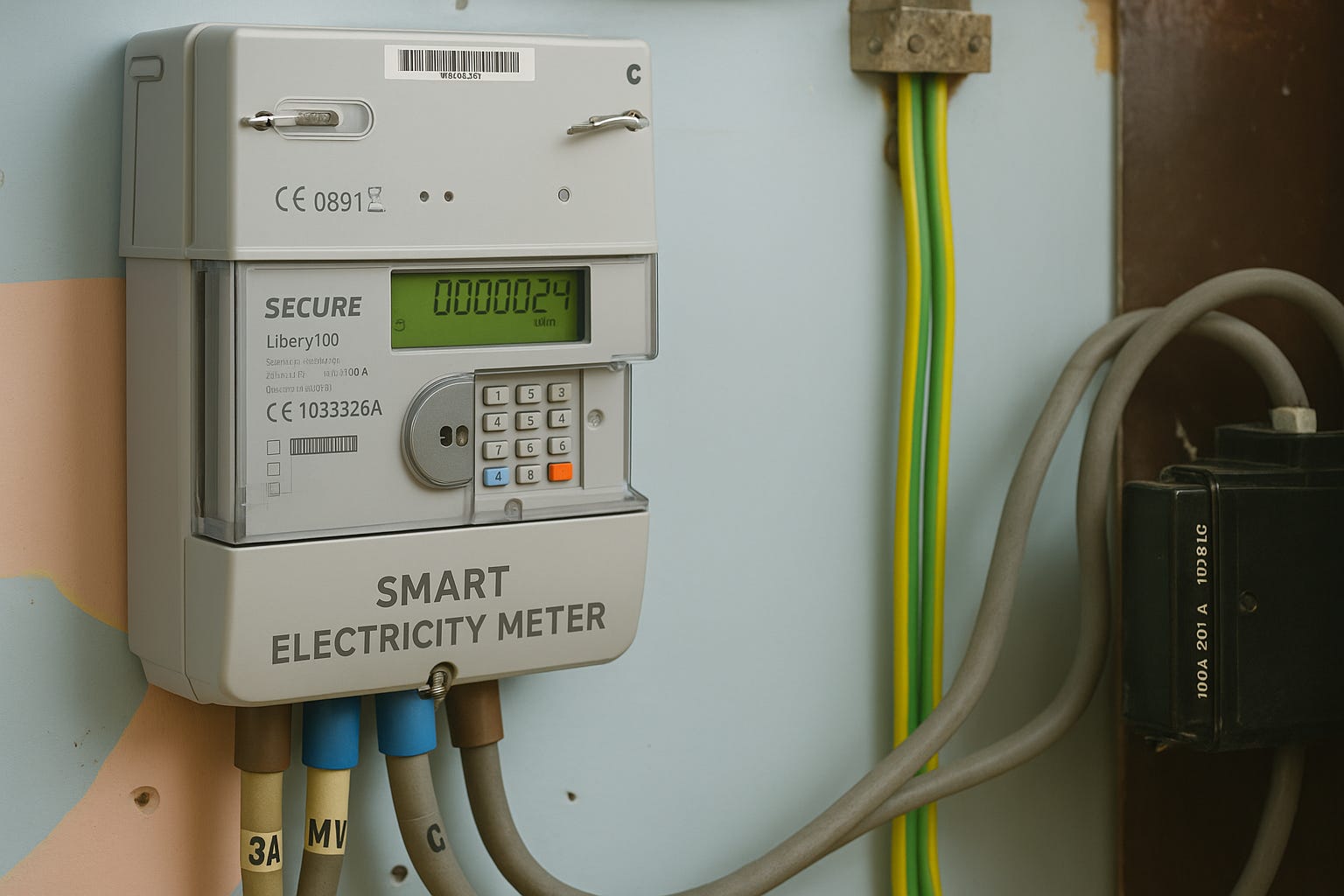
Across Maharashtra, thousands of households have been experiencing a situation they were not prepared for: a contractor arrives at the door, announces that the existing electricity meter is being replaced with a smart meter, and proceeds to do so — without asking for consent, without explaining the change, and without leaving much room for the resident to object.

Many consumers assumed this could not be legal. Surely, they thought, replacing a piece of equipment attached to someone’s home required at least their knowledge, if not their explicit approval?

An RTI reply obtained from the Maharashtra State Electricity Distribution Company Ltd (MSEDCL) has now put that assumption to rest — and not in the way consumers were hoping. The utility has formally stated, in a document submitted before the Nagpur Bench of the Bombay High Court, that consumer consent is not required for replacing existing electricity meters with smart meters.

That reply is now before the court, in the middle of an active Public Interest Litigation on smart meters, and the legal and consumer rights questions it raises are significant for every electricity consumer in Maharashtra — including Nagpur’s nearly 15 lakh domestic consumers.


How This Came to Light — The RTI and the PIL

The MSEDCL reply did not emerge voluntarily. It was obtained under the Right to Information Act by an intervenor in an ongoing Public Interest Litigation on smart meters being heard by the Nagpur Bench of the Bombay High Court.

Advocate Sundeep R. Badana, appearing for the intervenor Rajabal Chandrakant Ilme, submitted the RTI reply before the court through a pursis — a formal written note — stating that the information is directly relevant for deciding both the intervention application and the main PIL.

The PIL itself reflects a broader wave of consumer discomfort across Maharashtra about the smart meter rollout. Citizens and consumer groups have raised a range of concerns: that meters are being replaced without warning or explanation, that smart meters are generating bills that do not match actual consumption, that the technology is not yet working as promised, and that consumers have had no meaningful say in a change that directly affects how their electricity usage is measured and billed.

The RTI reply, now before the court, provides the first formal, official statement from MSEDCL on the core question of consumer consent — and the answer is unambiguous.


What the RTI Reply Actually Says — Point by Point

The MSEDCL RTI reply contains several disclosures that deserve careful reading by every electricity consumer in Maharashtra.

On consumer consent: MSEDCL has clarified that it has no Standard Operating Procedure (SOP) requiring contractors to obtain consumer permission before replacing functional electricity meters. The utility maintained that the replacement of existing meters with smart meters falls within its statutory powers and does not require prior approval from consumers.

This is a significant statement. It means that if a contractor arrives at your home to replace your electricity meter with a smart meter, they are not obligated to seek your consent before doing so. MSEDCL views this as an administrative and technical function that falls within its authority as the licensed electricity distributor — not something that requires the householder’s agreement.

The legal basis MSEDCL is relying on: MSEDCL referred to directions issued by the Union Ministry of Power on February 25, 2021, under which both working and faulty electricity meters are to be replaced with smart meters. This central government direction is the legal foundation on which MSEDCL is proceeding with the nationwide Revamped Distribution Sector Scheme (RDSS), under which smart meter installation across Maharashtra is being implemented.

The uncomfortable admission — the system is not yet fully operational: Perhaps the most significant disclosure in the RTI reply is this: although smart meters have been installed in several areas, meter readings are currently being taken both manually and through the automated system. MSEDCL said the infrastructure required for completely remote meter reading is still under development, indicating that the smart metering system is not yet fully operational.

Read that again. MSEDCL has been installing smart meters across Maharashtra, replacing functioning conventional meters — without consumer consent — under the premise that the new meters will enable accurate, automated, remote billing. But the RTI reply reveals that the infrastructure for completely remote meter reading is still being developed. The system that justifies replacing your old meter is not yet ready to fully deliver what it promises.

This gap between installation and operationalisation has real consequences for consumers — and the RTI documents make those consequences visible.

The Monte Carlo memo: The RTI reply also reveals that an internal memo dated June 16, 2025, directed MSEDCL field officers to assist contractor Monte Carlo Ltd in smart meter installation. MSEDCL clarified that this memo is only an administrative instruction for MSEDCL staff and is not a legally binding order for consumers. However, its existence — and the instruction to field officers to facilitate contractor access — explains why so many consumers across Maharashtra have found official-looking personnel at their door with seeming authority to replace their meters, even without a formal legal order directed at the consumer.

Documents from review meetings: The records attached to the RTI reply include correspondence between MSEDCL and Monte Carlo Ltd, as well as minutes of review meetings held in March and April 2025. The target set for Monte Carlo under the RDSS was to complete smart meter installation across Maharashtra by June 2026. The meeting records also highlight a gap between the number of smart meters installed and the availability of their readings in MSEDCL’s computer system — and show officials instructing the contractor to resolve connectivity issues so that remote meter readings can be used for billing, avoid the issuance of average bills, and ensure that all bills are generated through the smart metering system.

This last point is critical for consumer protection. If remote meter readings are not yet available in MSEDCL’s computer system, how are bills being generated for the smart meters already installed? The answer — confirmed by the review meeting records — is that average bills are being issued in some cases. Average billing is one of the most common sources of consumer complaint in electricity distribution across India, where estimated consumption figures do not match actual usage, leading to either over-billing (where consumers pay more than they used) or accumulated debts (where underestimated bills leave large amounts payable later).


What Is the Revamped Distribution Sector Scheme and Why Is Smart Metering Central to It?

To understand why MSEDCL is proceeding so aggressively with smart meter installation — even without consumer consent and even before the full system is operational — you need to understand the Revamped Distribution Sector Scheme (RDSS).

The RDSS is a central government scheme worth over ₹3 lakh crore nationally, launched in 2021 with the objective of improving the operational and financial health of electricity distribution companies across India. Maharashtra has received substantial funding under RDSS, with smart meter installation as one of the scheme’s core deliverables. Under the RDSS framework, electricity distribution companies like MSEDCL receive funding in tranches tied to achieving specific installation targets.

Smart meters are central to RDSS because they are meant to address one of India’s most persistent electricity sector problems: Aggregate Technical and Commercial (AT&C) losses — the gap between electricity units generated and revenue actually collected. Smart meters, with their automated, tamper-resistant, remotely-readable measurement, are designed to significantly reduce billing errors, meter tampering, and revenue leakage. Maharashtra’s distribution infrastructure has long faced AT&C loss challenges, and RDSS funding is partly contingent on demonstrating progress on smart metering.

This creates a structural pressure on MSEDCL: the scheme’s funding is tied to installation numbers, not to whether the installed meters are actually working as intended. The incentive is to install as many meters as possible as fast as possible — which explains the pace and the absence of formal consumer consent requirements. The system’s operational readiness and the consumer experience follow later, if all goes according to plan.


The Consumer Rights Question the Court Is Now Examining

The PIL pending before the Nagpur Bench of the Bombay High Court is examining a question that the MSEDCL RTI reply has now made considerably more pointed: does a consumer have any rights in this process at all?

MSEDCL’s position — backed by the Ministry of Power direction of February 25, 2021 — is that replacing meters is an administrative function of the licensed distributor, not a contractual change requiring consumer agreement. In law, the electricity connection agreement between MSEDCL and a consumer gives the utility the right to install, inspect, test, and replace meters as part of its function as a licensed distributor under the Electricity Act, 2003.

Consumer advocacy groups and the PIL petitioners, however, argue that this position ignores the practical reality of what smart metering entails. A smart meter is not just a replacement measurement device — it is a system that can potentially enable time-of-day tariffs, prepaid electricity, remote disconnection, and detailed consumption monitoring. The implications for consumers’ billing, their payment obligations, and their privacy are substantially different from those of a conventional meter. Replacing one with the other without the consumer’s knowledge or consent, and before the system is even fully operational, raises questions about fairness and administrative accountability that go beyond the statutory authority of the distribution company.

The Nagpur Bench of the Bombay High Court will now hear these arguments, with MSEDCL’s RTI reply forming part of the evidentiary record. The outcome of this PIL could have implications not just for Nagpur consumers but for every electricity consumer in Maharashtra — and potentially for the smart meter rollout across India.


What Nagpur’s Electricity Consumers Should Know Right Now

Whether or not the High Court eventually rules in favour of greater consumer protections in the smart meter process, here is the practical situation for Nagpur electricity consumers today.

MSEDCL has the legal authority to replace your conventional meter with a smart meter without your consent. If a contractor arrives with authorisation from MSEDCL to install a smart meter at your premises, you do not have a legally established right to refuse the replacement at this stage.

However, you do have rights related to billing accuracy. If your new smart meter is generating average bills rather than bills based on actual meter readings — which the MSEDCL review meeting records confirm is happening in some cases — you have the right to file a formal written complaint with your local MSEDCL office. Any bill based on estimated consumption rather than actual meter reading is disputable.

If your smart meter is not sending readings to MSEDCL’s system — which the RTI reply confirms is a problem in areas where connectivity infrastructure is incomplete — you should request that MSEDCL either arrange a physical meter reading or provide you with a clear timeline for when remote reading will be operational for your meter. Average bills accumulated during this transition period should not be treated as final until confirmed against actual readings.

The Maharashtra Electricity Regulatory Commission (MERC) is the regulatory authority that oversees MSEDCL’s operations. Consumer complaints about smart meter billing can be escalated to the Consumer Grievance Redressal Forum (CGRF) that MSEDCL is required to maintain under MERC’s licensing conditions. Nagpur consumers can approach the CGRF if MSEDCL does not resolve billing complaints within the statutory timeframe.


Nagpur Updates Will Track the High Court PIL

The PIL on smart meters before the Nagpur Bench of the Bombay High Court is an active, ongoing matter. Nagpur Updates will report on significant hearing dates, court observations, and any interim or final orders that affect consumer rights in the smart meter rollout.

If you are a Nagpur electricity consumer who has experienced billing problems or other issues following smart meter installation, share your experience with us at admin@nagpurupdates.in. Your testimony contributes to the public record on this issue.

Sources: The Live Nagpur, MSEDCL RTI reply submitted before Nagpur Bench Bombay High Court, Ministry of Power RDSS documentation, field reporting. Published: July 1, 2026.

Nagpur to Get 307 EV Charging Stations: Mahavitaran Accelerates Electric Mobility Infrastructure

A Major Leap Toward Electric Mobility in Nagpur

Mahavitaran EV chargers: We are witnessing a transformative shift in urban mobility as Nagpur emerges as a leading city in electric vehicle (EV) adoption. With the announcement of 307 EV charging stations by Mahavitaran, the city is positioning itself at the forefront of India’s green transportation revolution. This initiative is not just an infrastructure upgrade—it is a decisive step toward sustainable urban development, reduced carbon emissions, and future-ready mobility solutions.

Mahavitaran’s Strategic Expansion of EV Charging Network

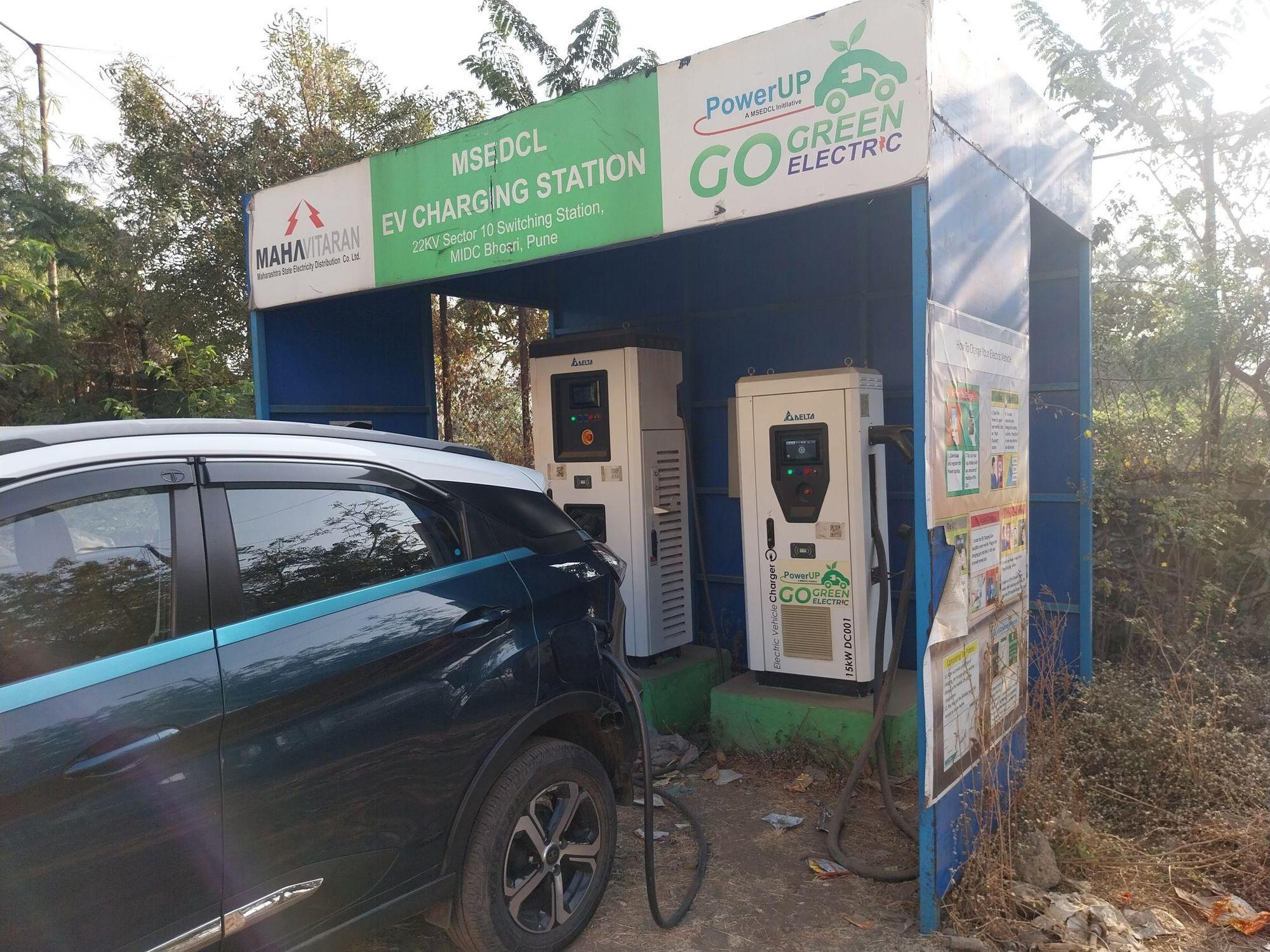
The Maharashtra State Electricity Distribution Company Limited (MSEDCL), popularly known as Mahavitaran, has unveiled a comprehensive plan to install 307 EV charging stations across Nagpur. This initiative aims to address one of the biggest barriers to EV adoption—charging accessibility.

We see this move as a well-planned infrastructure rollout, ensuring that charging stations are distributed across key locations, including:

  • Residential areas
  • Commercial hubs
  • Highways and arterial roads
  • Public parking zones
  • Government buildings

This strategic placement ensures that EV users experience maximum convenience and minimal range anxiety.

Why 307 EV Charging Stations Matter for Nagpur

The installation of 307 charging points is not just a number—it represents a robust ecosystem for electric mobility. We recognize several critical advantages:

1. Eliminating Range Anxiety

With charging stations spread across the city, EV users can travel freely without worrying about battery depletion.

2. Encouraging EV Adoption

A strong charging network directly boosts consumer confidence, leading to increased EV purchases.

3. Supporting Government Policies

This initiative aligns with India’s FAME (Faster Adoption and Manufacturing of Electric Vehicles) scheme and Maharashtra’s EV policy.

4. Reducing Carbon Footprint

We contribute to a cleaner environment by significantly reducing vehicular emissions.

Key Locations Identified for EV Charging Stations

Mahavitaran has carefully identified strategic zones across Nagpur for deploying these charging stations. These include:

  • Metro stations and transport hubs
  • Shopping malls and business districts
  • Fuel stations transitioning into EV hubs
  • Educational institutions
  • Tourist and high-footfall areas

This ensures high utilization rates and seamless access for both daily commuters and long-distance travelers.

Types of EV Chargers to Be Installed

We understand that different EV users have varying needs. Therefore, the infrastructure will include:

Fast Chargers (DC Chargers)

  • Ideal for quick top-ups
  • Suitable for highways and commercial zones
  • Charging time: 30–60 minutes

Slow Chargers (AC Chargers)

  • Perfect for residential and workplace use
  • Charging time: 4–8 hours

Smart Charging Systems

  • Integrated with mobile apps
  • Real-time availability tracking
  • Digital payments and usage analytics

This diversified approach ensures flexibility and efficiency for all types of EV users.

Impact on Nagpur’s Economy and Employment

We anticipate a significant economic boost from this initiative. The installation and maintenance of EV charging stations will create:

  • New job opportunities
  • Growth in EV-related services
  • Expansion of local businesses and startups

Additionally, Nagpur will attract investment in clean energy and smart city technologies, further strengthening its position as a progressive urban center.

Integration with Smart City Vision

Nagpur is already recognized as one of India’s Smart Cities, and this EV infrastructure aligns perfectly with that vision. We are integrating:

  • IoT-enabled charging stations
  • Smart grid systems
  • Renewable energy sources like solar power

This ensures a sustainable and technologically advanced ecosystem.

Environmental Benefits of EV Charging Expansion

We strongly emphasize the environmental advantages of this initiative:

Reduction in Air Pollution

Electric vehicles produce zero tailpipe emissions, significantly improving air quality.

Lower Noise Pollution

EVs operate quietly, contributing to a more peaceful urban environment.

Energy Efficiency

Electric mobility is inherently more efficient compared to fossil fuel-based transportation.

Climate Change Mitigation

By reducing dependence on petrol and diesel, we actively contribute to lower greenhouse gas emissions.

Challenges and Solutions in EV Infrastructure Deployment

While the project is ambitious, we acknowledge certain challenges:

1. High Initial Investment

Solution: Government subsidies and public-private partnerships.

2. Grid Load Management

Solution: Smart grids and energy storage systems.

3. User Awareness

Solution: Awareness campaigns and incentives for EV buyers.

4. Maintenance and Operations

Solution: Dedicated service networks and digital monitoring tools.

Through careful planning, these challenges are being effectively addressed.

Future Roadmap for EV Growth in Nagpur

We are not stopping at 307 charging stations. The future roadmap includes:

  • Expansion to rural and semi-urban areas
  • Integration with renewable energy sources
  • Development of battery swapping stations
  • Collaboration with private EV companies

This long-term vision ensures that Nagpur remains a leader in sustainable mobility.

How This Initiative Benefits EV Owners

We highlight the direct benefits for EV users:

  • Convenient charging access across the city
  • Reduced fuel costs
  • Lower maintenance expenses
  • Increased vehicle lifespan
  • Government incentives and tax benefits

This creates a compelling case for switching to electric vehicles.

Role of Private Sector and Startups

We see immense potential for private sector participation in this ecosystem:

  • Charging station operators
  • EV fleet services
  • Battery technology startups
  • Mobile app developers for EV solutions

This collaboration will accelerate innovation and scalability.

Nagpur Leading India’s Electric Revolution

We firmly believe that the installation of 307 EV charging stations in Nagpur by Mahavitaran marks a turning point in India’s electric mobility journey. This initiative not only strengthens infrastructure but also builds consumer confidence, environmental sustainability, and economic growth.

Nagpur is no longer just adopting electric mobility—it is setting a benchmark for other cities to follow. As we move forward, this robust EV ecosystem will play a crucial role in shaping a cleaner, smarter, and more sustainable future.

Win Smartphones and Smartwatches with MSEDCL’s Lucky Digital Consumer Scheme

Turn Paying Bills into Exciting Prizes!

Win Smartphones with MSEDCL Scheme: Imagine transforming a mundane task like paying your electricity bill into a golden opportunity to win cutting-edge gadgets like smartphones and smartwatches. Sounds exciting, doesn’t it? Maharashtra State Electricity Distribution Company Limited (MSEDCL) has made this dream a reality with its Lucky Digital Consumer Scheme.

This initiative is not just about convenience; it’s about rewarding consumers for embracing the digital era. Let’s dive into all the details that make this scheme a game-changer for electricity consumers in Maharashtra.


What is the Lucky Digital Consumer Scheme?

The Lucky Digital Consumer Scheme is MSEDCL’s innovative way of promoting digital transactions. By simply paying your electricity bills online, you stand a chance to win exciting prizes every month during the promotional period.


Why Did MSEDCL Introduce This Scheme?

  1. Encouraging Digital Payments: Over 70% of electricity consumers in Maharashtra now opt for online bill payments, showcasing a growing trend toward digital convenience.
  2. Enhancing Consumer Experience: MSEDCL aims to make bill payment seamless and rewarding through user-friendly platforms.
  3. Boosting Awareness: The scheme spreads awareness about the benefits of digital payments, such as saving time, money, and effort.

What Prizes Can You Win?

Here’s what’s up for grabs:

  • Smartphones
  • Smartwatches
  • Other Exciting Gadgets

Winners are selected monthly through a lucky draw held at the subdivision level, giving participants multiple chances to win!


Eligibility Criteria

To participate in the scheme, you need to meet the following requirements:

  • Consumer Type: Low-tension (LT) electricity consumers.
  • Payment Mode: Use net banking, debit/credit cards, UPI, wallets, QR codes, or other digital modes.
  • Outstanding Dues: You must clear all outstanding dues during the scheme period.
  • Excluded Categories: Public water supply and streetlight connections are not eligible.

Lucky Draw Details

  • Frequency: Monthly draws in April, May, and June 2025.
  • Winners: Five winners per subdivision each month.
  • Minimum Bill Amount: Rs. 100.
  • Limitations: Each consumer number can win only once during the scheme period.

How to Participate

Step 1: Choose Your Payment Mode

MSEDCL offers multiple options for online payments, including:

  • MSEDCL’s official website (www.mahadiscom.in)
  • Mobile app
  • UPI platforms
  • Digital wallets

Step 2: Pay Your Bills Consistently

Ensure you pay your electricity bills online for three consecutive months between January 1 and May 31, 2025.

Step 3: Wait for the Lucky Draw

Sit back and wait as MSEDCL conducts the lucky draw each month at the subdivision level.


Benefits of Participating in the Scheme

  1. Convenience: Skip long queues and pay from the comfort of your home.
  2. Savings: Enjoy a 0.25% rebate on your bill amount with digital payments.
  3. Excitement: Stand a chance to win premium gadgets as a reward for going digital.

Tips to Maximize Your Chances

  1. Pay on Time: Avoid delays to ensure eligibility.
  2. Go Fully Digital: Use verified digital payment modes to participate.
  3. Stay Updated: Follow MSEDCL’s announcements for any updates or changes.

1. Who can participate in the scheme?

The scheme is open to all low-tension (LT) electricity consumers in Maharashtra who pay their bills online.

2. What payment methods are accepted?

You can use net banking, debit/credit cards, UPI, wallets, QR codes, or other approved digital payment modes.

3. How will the winners be selected?

Winners are chosen through a monthly lucky draw held at the subdivision level.

4. Can a consumer number win more than once?

No, each consumer number can win only once under the scheme.

5. Where can I find more information?

Visit www.mahadiscom.in for all the details and updates about the scheme.

MSEDCL to Start Installing Smart Meters from June 6

MSEDCL Smart Meter Installation: The Maharashtra State Electricity Distribution Company Ltd (MSEDCL) is embarking on a significant transformation with the rollout of smart prepaid meters across Nagpur starting June 6. This initiative, although met with some resistance, promises to modernize the electricity distribution system, improve efficiency, and potentially benefit consumers in the long run. Let’s dive deeper into the details of this development, the benefits, the concerns, and what it means for the residents of Nagpur and Maharashtra at large.

What Are Smart Meters?

Understanding Smart Meters

Smart meters are advanced devices that record electricity consumption in real-time, providing detailed information on usage patterns. Unlike traditional meters, smart meters enable two-way communication between the meter and the electricity supplier, allowing for remote readings, more accurate billing, and enhanced energy management.

Benefits of Smart Meters

  1. Real-time Monitoring: Consumers can track their electricity usage in real-time, helping them manage and reduce consumption.
  2. Accurate Billing: Eliminates the need for estimated bills and manual meter readings, ensuring accuracy.
  3. Quick Detection of Outages: Helps in promptly identifying and addressing power outages.
  4. Enhanced Energy Management: Facilitates better load management and integration of renewable energy sources.

MSEDCL’s Rollout Plan

Initial Phases of Installation

Nagpur district, home to around 14.6 lakh consumers, will be the initial focus of MSEDCL’s smart meter installation drive. An official stated that the replacement process would begin in the Civil Lines and Shankar Nagar sub-divisions, targeting areas with government offices and regular bill payers to ensure smooth implementation and positive word-of-mouth promotion.

Why These Areas First?

Civil Lines and Shankar Nagar were chosen due to their strategic importance:

  • Civil Lines houses numerous government offices, making it a high-priority area.
  • Shankar Nagar is known for its prompt bill payments, likely ensuring a smoother transition.

Opposition and Concerns

Consumer Backlash

Despite the benefits, the initiative has faced significant opposition from various social, political, and consumer groups. Recently, the ‘Pre-paid Meter Virodhi Nagrik Sangharsh Samiti’ was formed to voice these concerns.

Main Points of Contention

  1. Increased Tariffs: Critics argue that the cost of installing these meters will ultimately be passed on to consumers, raising electricity tariffs.
  2. High Expenditure: With an estimated expenditure of ₹27,000 crore, skeptics worry about the financial burden on MSEDCL and, indirectly, on consumers.
  3. Mandatory Replacement: There are disputes over whether it is legally mandatory for consumers to switch to smart meters.

Addressing the Concerns

MSEDCL’s Response

MSEDCL officials have addressed these concerns, emphasizing the long-term benefits and potential cost savings:

  • Efficiency Gains: The manpower currently dedicated to recovering arrears can be redirected to improve customer service.
  • Discounts and Incentives: Consumers paying promptly may receive discounts, offsetting potential tariff increases.

According to MSEDCL, replacing meters that are over five years old is mandatory under current regulations, justifying the smart meter rollout.

Economic Implications

Cost Breakdown

Each smart meter installation is estimated to cost ₹12,000. While the Central government will contribute ₹2,000 crore, MSEDCL will cover the remaining ₹25,000 crore, which it plans to recover through future tariffs.

Potential Savings

While initial costs are high, the efficiency and savings from reduced arrears and improved load management could benefit both MSEDCL and consumers in the long run.

Technological Advancements

Smart Meter Features

  1. Remote Connectivity: Allows MSEDCL to monitor and manage meters without physical visits.
  2. Detailed Usage Reports: Helps consumers understand and optimize their electricity consumption.
  3. Enhanced Security: Reduces tampering and energy theft through advanced monitoring systems.

Environmental Impact

Sustainable Energy Management

Smart meters play a crucial role in promoting sustainable energy usage. By providing detailed usage data, they help in integrating renewable energy sources more efficiently, reducing carbon footprints, and contributing to environmental conservation.

Future Prospects

Expansion Plans

After the initial rollout in Nagpur, MSEDCL plans to extend the installation of smart meters across Maharashtra, gradually replacing the 2.5 crore meters in the state.

Consumer Education

MSEDCL aims to educate consumers about the benefits of smart meters, addressing misconceptions and highlighting how these devices can help save money and energy in the long run.

The rollout of smart meters by MSEDCL represents a significant step towards modernizing the electricity distribution system in Maharashtra. While there are valid concerns and opposition, the long-term benefits of accurate billing, improved energy management, and enhanced consumer services cannot be overlooked. As MSEDCL progresses with this initiative, continuous dialogue with stakeholders and transparent communication will be key to ensuring a smooth transition and maximizing the benefits for all.

  1. What are the benefits of installing smart meters?
    • Smart meters provide real-time monitoring of electricity usage, accurate billing, quick detection of outages, and better energy management.
  2. Why is there opposition to smart meter installation?
    • Concerns include potential tariff increases, high installation costs, and the mandatory nature of the meter replacement.
  3. How will smart meters impact electricity tariffs?
    • While there are concerns about increased tariffs, MSEDCL suggests that efficiency gains and reduced arrears could offset potential costs.
  4. Is it mandatory to switch to smart meters?
    • Yes, according to MSEDCL, replacing meters older than five years is mandatory under current regulations.
  5. What is the environmental impact of smart meters?
    • Smart meters promote sustainable energy usage by providing detailed consumption data, aiding in the integration of renewable energy sources, and reducing carbon footprints.

Empowering Consumer Service: Unveiling ‘Urja’ Chatbot by MSEDCL

Revolutionizing Consumer Interaction

Customer Service: In a pioneering move, Maharashtra’s Deputy Chief Minister, Devendra Fadnavis, unveiled the groundbreaking ‘Urja’ chatbot developed by the Maharashtra State Electricity Distribution Company Limited (MSEDCL). This AI-powered marvel marks a significant shift in how energy consumers engage with their electricity provider. The launch of ‘Urja’ is a pivotal step in MSEDCL’s ongoing initiative to modernize service delivery and embrace digital advancements to cater to the evolving needs of its clientele.

The Proactive Approach of MSEDCL

Embracing digital innovation, MSEDCL showcases its proactive stance towards enhancing customer experience. By harnessing the power of AI, the energy giant aims to deliver swift, personalized assistance to its consumers, fostering heightened satisfaction, trust, and loyalty. Lokesh Chandra, Chairman, and Managing Director of MSEDCL, emphasized that the energy chatbot is seamlessly integrated into the state power utility’s official website and mobile application, ensuring easy accessibility for users.

Empowering Customer Service with Technology

Deputy Chief Minister Devendra Fadnavis underscored the imperative need to leverage information technology, particularly AI, to deliver superior quality customer service to MSEDCL patrons. The ‘Urja’ chatbot serves as a versatile instrument, catering to a diverse array of customer demands, including grievance resolution, bill payment facilitation, and streamlining new electrical connections. Additionally, Fadnavis announced the procurement of 3,300 MW of renewable energy, a move aimed at reducing carbon footprints while ensuring uninterrupted electricity supply.

The introduction of the ‘Urja’ chatbot epitomizes MSEDCL’s commitment to innovation and customer-centricity. By integrating AI technology into its operations, MSEDCL is poised to elevate consumer service standards, thus setting new benchmarks within the energy sector.

Frequently Asked Questions (FAQs)

1. How can I access the ‘Urja’ chatbot?

You can access the ‘Urja’ chatbot through MSEDCL’s official website or mobile application.

2. What services does the ‘Urja’ chatbot offer?

The chatbot is equipped to handle various consumer queries, including grievance resolution, bill payments, and assistance with new electrical connections.

3. Is the ‘Urja’ chatbot available 24/7?

Yes, the chatbot operates round-the-clock to provide prompt assistance to consumers.

4. How does the ‘Urja’ chatbot enhance customer experience?

By leveraging AI technology, the chatbot offers personalized support, thereby promoting higher levels of satisfaction, trust, and loyalty among consumers.

5. Can the ‘Urja’ chatbot help in reducing carbon footprints?

While the chatbot itself doesn’t directly reduce carbon footprints, MSEDCL’s initiatives, such as the procurement of renewable energy, contribute to environmental sustainability.

Exit mobile version