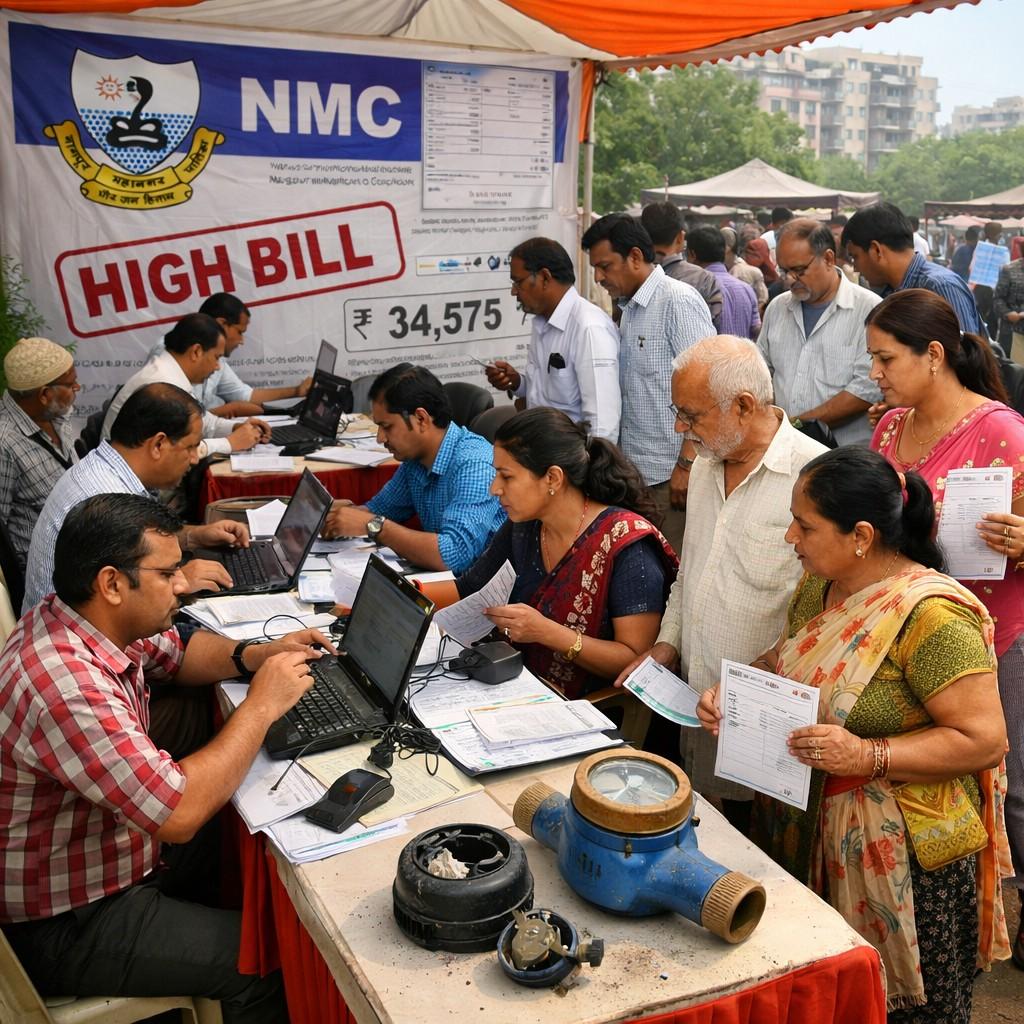
NMC का पानी बिल शिकायत निवारण कैंप 9 और 10 मई को नागपुर के सभी जोन कार्यालयों में आयोजित होगा

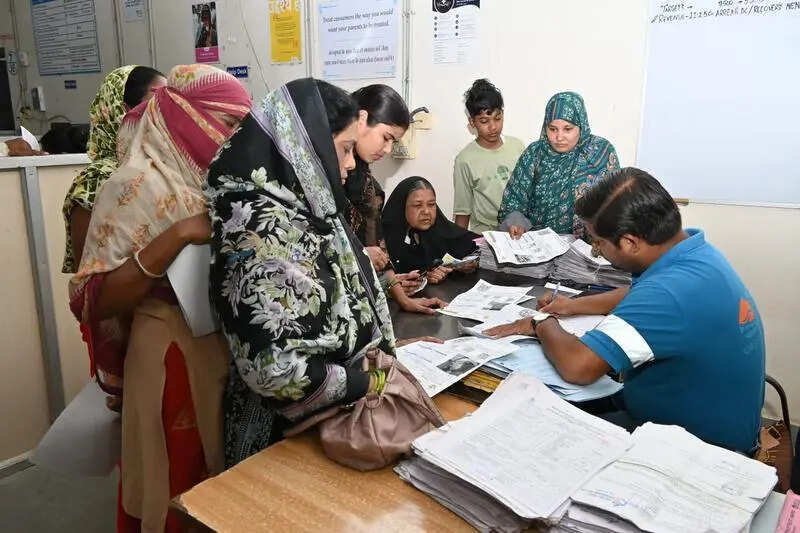
नागपुर, 6 मई 2026 —  NMC पानी बिल शिकायत कैंप मई 2026 नागपुर: नागपुर महानगरपालिका (NMC) ने 9 और 10 मई 2026 को शहर के सभी दस जोन कार्यालयों में पानी बिल शिकायत निवारण कैंप आयोजित करने की घोषणा की है। जिन नागरिकों को ऑरेंज सिटी वॉटर (OCW) की ओर से गलत, अधिक या असामान्य रूप से बड़ा पानी का बिल प्राप्त हुआ है, वे अपने नजदीकी जोन कार्यालय में जाकर अपनी शिकायत का तत्काल समाधान करा सकते हैं।


यह कैंप क्यों आयोजित किया जा रहा है?

हाल के महीनों में नागपुर के बड़ी संख्या में निवासियों को ऑरेंज सिटी वॉटर (OCW) की ओर से असामान्य रूप से अधिक पानी के बिल प्राप्त हुए। NMC के जल आपूर्ति विभाग के हस्तक्षेप के बाद OCW ने कई उपभोक्ताओं को संशोधित और कम बिल भेजना शुरू कर दिया। परंतु अभी भी बड़ी संख्या में शिकायतें लंबित हैं। इन्हीं शेष शिकायतों का त्वरित और प्रत्यक्ष समाधान सुनिश्चित करने के लिए NMC ने नागपुर के सभी जोन कार्यालयों में एक साथ विशेष कैंप आयोजित करने का निर्णय लिया है।


कैंप की तारीख और समय

शिकायत निवारण कैंप शनिवार, 9 मई और रविवार, 10 मई 2026 को प्रातः 10:30 बजे से शाम 5:00 बजे तक NMC के सभी दस जोन कार्यालयों में आयोजित किए जाएंगे।


NMC के सभी 10 जोन कार्यालय और उनके स्थान

जोन क्रमांक जोन का नाम स्थान
1 लक्ष्मीनगर लक्ष्मीनगर वॉटर टैंक के पास
2 धरमपेठ गोकुलपेठ, नागपुर
3 हनुमान नगर जवाहर नगर, तुकड़ोजी पुतला के पास
4 धंतोली धंतोली रेलवे ब्रिज के पास, घाट रोड
5 नेहरू नगर नेहरू नगर क्षेत्र
6 गांधीबाग गांधीबाग क्षेत्र
7 सतरंजीपुरा सतरंजीपुरा क्षेत्र
8 लकड़गंज लकड़गंज क्षेत्र
9 आशी नगर आशी नगर क्षेत्र
10 मंगलवारी मंगलवारी क्षेत्र

नागरिकों से अनुरोध है कि वे अपने आवासीय वार्ड के अंतर्गत आने वाले जोन कार्यालय में ही जाएं।


शिकायतों का समाधान कैसे होगा?

कैंप में दर्ज की गई प्रत्येक शिकायत को एक समर्पित रजिस्टर में दर्ज किया जाएगा। NMC की फील्ड टीमें और OCW के प्रतिनिधि मिलकर अधिक से अधिक शिकायतों का उसी दिन समाधान करने का प्रयास करेंगे। नागरिकों को सलाह दी जाती है कि वे कैंप में जाते समय अपना पानी का बिल, संपत्ति से संबंधित दस्तावेज तथा आधार कार्ड या मतदाता पहचान पत्र जैसा कोई वैध पहचान प्रमाण अवश्य साथ लेकर जाएं।


इस पहल की निगरानी कौन कर रहा है?

यह पहल महापौर नीता ठाकरे के निर्देश पर शुरू की गई है। स्थायी समिति अध्यक्ष शिवानी दानी वाखरे, सत्तारूढ़ दल के नेता नरेंद्र (बल्या) बोरकर और जल आपूर्ति विशेष समिति अध्यक्ष दिव्या धुर्डे इस अभियान की देखरेख कर रहे हैं। कार्यान्वयन की जिम्मेदारी नगर आयुक्त डॉ. विपिन इटनकर, अधीक्षण अभियंता डॉ. श्वेता बनर्जी और कार्यकारी अभियंता श्रीकांत वाइकर के कंधों पर है।


पहले भी हो चुके हैं ऐसे कैंप

यह पहली बार नहीं है जब NMC ने इस प्रकार के कैंप आयोजित किए हैं। अप्रैल 2026 में भी NMC ने जोन-वार शिकायत निवारण कैंप आयोजित किए थे, जिसमें पहले ही दिन 559 शिकायतों का समाधान कर दिया गया था। नागरिकों की ओर से मिली अत्यंत सकारात्मक प्रतिक्रिया को देखते हुए NMC ने इस बार शहर के सभी 10 जोन कार्यालयों में एक साथ कैंप का आयोजन किया है।

👉 यह भी पढ़ें: NMC पानी बिल कैंप: पहले ही दिन 559 शिकायतों का समाधान – Nagpur Updates


क्या ऑनलाइन शिकायत दर्ज कर सकते हैं?

यदि आप कैंप में व्यक्तिगत रूप से उपस्थित नहीं हो सकते, तो आप NMC के ऑनलाइन शिकायत पोर्टल या NMC मोबाइल ऐप के माध्यम से भी अपनी पानी बिल की शिकायत दर्ज कर सकते हैं। इसके अतिरिक्त आप अपने संबंधित जोन कार्यालय से फोन या ईमेल के जरिए भी संपर्क कर सकते हैं।

👉 यह भी पढ़ें: NMC नागपुर में पानी बिल की शिकायत कैसे करें – पूरी जानकारी


संक्षिप्त विवरण

विवरण जानकारी
कैंप की तारीखें 9 और 10 मई 2026
स्थान नागपुर के सभी 10 NMC जोन कार्यालय
समय प्रातः 10:30 बजे – शाम 5:00 बजे
शिकायत का प्रकार पानी बिल – गलत / अधिक बिल
संबंधित ऑपरेटर ऑरेंज सिटी वॉटर (OCW)
प्राधिकरण NMC जल आपूर्ति विभाग

नागपुर की हर बड़ी खबर सबसे पहले पाने के लिए विजिट करें: NagpurUpdates.in

NMC to Hold Water Bill Complaint Resolution Camps on May 9 & 10 at All Zone Offices in Nagpur

NMC water bill complaint camp May 2026 Nagpur | Mayor Neeta Thakre : Nagpur, May 6, 2026 —  The Nagpur Municipal Corporation (NMC) has announced a two-day Water Bill Complaint Resolution Camp to be held on May 9 and 10, 2026, at all ten zone offices across the city. Citizens who have received inflated, incorrect, or excessive water bills from Orange City Water (OCW) can visit their nearest zone office and get their complaints resolved on the spot.


Why Is NMC Organising These Camps?

In recent months, a large number of Nagpur residents reported receiving unusually high water bills issued by Orange City Water (OCW), the private operator managing the city’s water supply. Following intervention by NMC’s Water Supply Department, OCW began issuing revised and reduced bills to many affected consumers. However, a significant number of complaints remained unresolved. To ensure swift and direct resolution for all remaining grievances, NMC has decided to conduct special camps simultaneously at all zone offices across Nagpur.


Camp Schedule and Timings

The grievance redressal camps will be held on Saturday, May 9 and Sunday, May 10, 2026, from 10:30 AM to 5:00 PM at all ten NMC zone offices.


All 10 NMC Zone Office Locations

Zone No. Zone Name Location
1 Laxminagar Near Laxminagar Water Tank
2 Dharampeth Gokulpeth, Nagpur
3 Hanuman Nagar Jawahar Nagar, Near Tukdoji Putla
4 Dhantoli Near Dhantoli Railway Bridge, Ghat Road
5 Nehru Nagar Nehru Nagar Area
6 Gandhibagh Gandhibagh Area
7 Satranjipura Satranjipura Area
8 Lakadganj Lakadganj Area
9 Ashi Nagar Ashi Nagar Area
10 Mangalwari Mangalwari Area

Citizens are requested to visit the zone office that falls under their residential ward.


How Will Complaints Be Handled?

Every complaint submitted at the camp will be recorded in a dedicated register. NMC field teams and OCW representatives will work together to resolve as many complaints as possible on the same day itself. Citizens are advised to carry their water bill copy, property documents, and a valid identity proof such as an Aadhaar card or Voter ID when visiting the camp.


Who Is Supervising the Initiative?

This initiative has been launched under the directives of Mayor Neeta Thakre. The camps are being supervised by Standing Committee Chairperson Shivani Dani Vakhare, Ruling Party Leader Narendra (Balya) Borkar, and Water Supply Special Committee Chairperson Divya Dhurde. The implementation is being overseen by Municipal Commissioner Dr. Vipin Itankar, Superintendent Engineer Dr. Shweta Banerjee, and Executive Engineer Shrikant Waikar.


This Is Not the First Time

NMC had conducted similar zone-wise grievance camps in April 2026 as well, where 559 complaints were resolved on the very first day. The response from citizens was overwhelming, which prompted NMC to organise another round of camps to clear the remaining backlog of water bill complaints.


Can You File a Complaint Online?

If you are unable to attend the camp in person, you can still register your water bill complaint through the NMC online grievance portal or the NMC mobile app. Alternatively, you can contact your respective zone office directly via phone or email.


Quick Summary

Detail Information
Camp Dates May 9 & 10, 2026
Venue All 10 NMC Zone Offices, Nagpur
Timings 10:30 AM – 5:00 PM
Complaint Type Water Bill – Incorrect / Inflated Bills
Operator Involved Orange City Water (OCW)
Authority NMC Water Supply Department

Stay updated with the latest Nagpur news at NagpurUpdates.in

NMC Excess Water Bills: On-the-Spot Correction Drive Brings Relief to Nagpur Citizens

Nagpur water bill correction | NMC billing issue | OCW Nagpur: Have you ever opened your water bill and felt like your monthly usage suddenly turned into a swimming pool’s worth overnight? You’re not alone. Many residents in Nagpur have recently faced the shock of excess water bills, leaving households confused and frustrated. But here’s the good news—Nagpur Municipal Corporation (NMC) has stepped in with a practical solution.

In response to rising complaints, NMC has decided to organize on-the-spot correction camps, allowing citizens to resolve billing issues quickly without running from office to office. Think of it like a “billing clinic” where your water bill gets diagnosed and treated instantly.

Let’s break down what this initiative means, how it works, and what you should do if you’re one of the affected residents.

Sr# Headings
1 Understanding the Excess Water Bill Problem
2 Why Are Water Bills Increasing Suddenly?
3 NMC’s On-the-Spot Correction Initiative
4 How These Correction Camps Work
5 Documents You Need to Carry
6 Common Billing Errors Identified
7 Role of Digital Meters and Technology
8 How Citizens Can File Complaints
9 Benefits of On-the-Spot Resolution
10 Areas Most Affected in Nagpur
11 Challenges Faced by NMC
12 Tips to Avoid Future Billing Issues
13 Citizen Responsibility in Water Usage
14 Future Plans by NMC for Water Billing
15 What This Means for Nagpur’s Urban Management

1. Understanding the Excess Water Bill Problem

The issue of excess water bills has become a major concern for Nagpur residents. Many households reported bills that were 2–5 times higher than usual, even without any change in water usage.

Imagine paying for 10 buckets of water when you’ve only used 3—that’s exactly how people feel. It’s not just about money; it’s about trust in the system.


2. Why Are Water Bills Increasing Suddenly?

There are several reasons behind these inflated bills:

  • Faulty water meters
  • Manual reading errors
  • System glitches in billing software
  • Incorrect data entry
  • Pipeline leakages leading to higher recorded usage

Sometimes, even a small technical error can snowball into a big financial burden.


3. NMC’s On-the-Spot Correction Initiative

To address public complaints, NMC has introduced a citizen-friendly solution—on-the-spot correction camps.

Instead of waiting weeks for complaint resolution, residents can now:

  • Visit designated camps
  • Show their bill
  • Get it verified and corrected instantly

This move shows a shift toward faster governance and accountability.


4. How These Correction Camps Work

The process is simple and hassle-free:

  1. Visit the nearest NMC camp
  2. Submit your water bill complaint
  3. Officials verify meter readings and records
  4. Errors are corrected immediately
  5. Revised bill is issued

It’s almost like a customer service desk—but for your water bill.


5. Documents You Need to Carry

To ensure smooth processing, carry:

  • Latest water bill
  • Previous bills (for comparison)
  • ID proof
  • Property details (if required)

Having these documents ready speeds up the process.


6. Common Billing Errors Identified

During initial checks, NMC found several recurring issues:

  • Meter reading mismatches
  • Duplicate billing cycles
  • Wrong tariff application
  • Estimated readings instead of actual ones

These errors may seem minor but can lead to major billing discrepancies.


7. Role of Digital Meters and Technology

Technology plays a crucial role here. While digital meters aim to improve accuracy, they can sometimes:

  • Malfunction
  • Record incorrect readings
  • Sync poorly with billing systems

NMC is now reviewing its tech systems to minimize such errors in the future.


8. How Citizens Can File Complaints

If you can’t visit a camp, you can still raise a complaint:

  • Through NMC’s official website
  • Via helpline numbers
  • At local ward offices

However, the on-the-spot camps remain the fastest option.


9. Benefits of On-the-Spot Resolution

Why is this initiative so effective?

  • Instant correction
  • No long waiting periods
  • Direct interaction with officials
  • Transparency in the process

It’s a win-win for both citizens and the administration.


10. Areas Most Affected in Nagpur

Certain zones have reported higher complaints, especially:

  • Rapidly developing residential areas
  • Newly connected water supply zones
  • Old pipeline regions with leakage issues

This helps NMC focus its efforts more efficiently.


11. Challenges Faced by NMC

While the initiative is helpful, NMC faces its own hurdles:

  • Managing large crowds at camps
  • Handling outdated infrastructure
  • Ensuring accurate data synchronization
  • Training staff for quick resolution

Despite this, the effort reflects a strong commitment to public service.


12. Tips to Avoid Future Billing Issues

You can also play your part to avoid surprises:

  • Regularly check your meter readings
  • Report leakages immediately
  • Keep track of monthly usage
  • Compare bills with previous months

Think of it as keeping an eye on your wallet before it gets lighter.


13. Citizen Responsibility in Water Usage

While billing errors are one side of the story, responsible usage matters too.

Avoid:

  • Wasting water
  • Ignoring leaks
  • Illegal connections

Water is a shared resource, and every drop counts.


14. Future Plans by NMC for Water Billing

NMC is planning improvements like:

  • Smart water meters
  • Automated billing systems
  • Real-time usage tracking
  • Mobile app integration

These steps aim to make the system more transparent and efficient.


15. What This Means for Nagpur’s Urban Management

This initiative is more than just fixing bills—it reflects:

  • Better governance
  • Citizen-first approach
  • Improved service delivery

It sets an example for other cities facing similar issues.

The issue of excess water bills in Nagpur may have caused stress and confusion, but NMC’s on-the-spot correction camps are a timely and practical solution. By bringing services directly to citizens, the administration has made problem-solving quicker and more accessible.

If you’ve been affected, don’t ignore it. Take action, visit a camp, and get your bill corrected. After all, paying the right amount should never feel like solving a mystery.

1. What should I do if my water bill is too high?

Visit the nearest NMC correction camp with your bill and documents for immediate verification and correction.

2. Are these correction camps available in all areas?

NMC is organizing camps in multiple zones across Nagpur, especially in high-complaint areas.

3. Can I file a complaint online instead?

Yes, you can use NMC’s website or helpline, but on-the-spot camps provide faster resolution.

4. What causes incorrect water bills?

Common reasons include faulty meters, reading errors, software glitches, and data entry mistakes.

5. Will NMC refund excess charges?

Yes, if an error is confirmed, the bill is corrected and adjustments are made in future payments or refunds.

OCW Employees to Visit Every Consumer for Service Satisfaction Survey

Orange City Water (OCW) is taking a proactive approach to enhance customer satisfaction. Over the coming weeks, OCW employees will visit residents to conduct a service satisfaction survey. This initiative aims to gather valuable insights, improve service quality, and ensure a seamless customer experience.

Let’s dive into the details of this survey, why it’s happening, and how it benefits you as a consumer.


What Is the Purpose of the OCW Service Satisfaction Survey?

The main goal of this survey is simple: understand customer needs better. OCW wants to identify areas for improvement in their water services and strengthen relationships with consumers.


Why Is Customer Feedback Important?

Customer feedback is like a compass—it helps businesses navigate their way to better services. By listening to your suggestions and complaints, OCW can address pain points and implement effective solutions.


Who Will Be Conducting the Survey?

OCW employees will personally visit each residence. Here’s what you should know:

  • Identification: Verify their identity by checking their official ID cards.
  • Professional Conduct: Employees will approach you respectfully and prioritize your convenience.
  • Verification: If something seems off, contact the OCW call center or your local zone office immediately.

When Will the Survey Take Place?

Mark your calendars! The survey is running until March 31, 2025. This extended timeline ensures every household gets a chance to share their feedback.


How Can Residents Participate?

Participating in the survey is straightforward:

  1. Engage in the Visit: Answer questions honestly when OCW employees visit your home.
  2. Verify Their Identity: Always check for their official ID to avoid fraudulent activities.
  3. Provide Constructive Feedback: Share specific details to help OCW improve their services.

What Questions Will Be Asked?

The survey covers a range of topics, including:

  • Quality of water supply
  • Timeliness of issue resolution
  • Customer service experience
  • Suggestions for improvement

Why Should You Participate?

Think of this as your chance to shape the services you use daily. By participating, you:

  • Contribute to better water services.
  • Ensure your voice is heard.
  • Help identify and resolve community-wide issues.

Safety Measures During the Survey

Your safety matters. Here are some tips:

  • Verify ID Cards: OCW employees will carry official identification.
  • Report Suspicious Activity: Contact the OCW helpline at 1800 266 9899 for any concerns.

How Will OCW Use Your Feedback?

Feedback collected during the survey will:

  1. Pinpoint recurring problems in water services.
  2. Highlight areas where customer satisfaction is lacking.
  3. Guide improvements in infrastructure and service delivery.

Contacting OCW for Further Assistance

If you have any immediate concerns, OCW provides multiple contact options:


Tips for a Smooth Survey Experience

To ensure everything goes well, keep these tips in mind:

  1. Be available during the survey period.
  2. Keep your suggestions concise and actionable.
  3. Stay informed by following OCW updates.

What Sets This Survey Apart?

Unlike generic feedback forms, this survey involves face-to-face interaction. It creates a more personal and impactful way to communicate your needs directly to OCW representatives.


OCW’s Commitment to Improvement

OCW is dedicated to delivering top-notch water services. This survey is just one of many initiatives demonstrating their commitment to consumer satisfaction.

1. Is the survey mandatory?
No, it’s voluntary, but your feedback is highly valued.

2. How long will the survey take?
Each visit is expected to last around 10–15 minutes.

3. What should I do if I miss the OCW employee?
You can contact the OCW helpline to reschedule a visit.

4. Will my personal information be safe?
Absolutely. OCW adheres to strict data protection guidelines.

5. Can I submit feedback online instead?
Currently, the survey is conducted in person to ensure accurate data collection.

Drowning in Dues: Rs 208 Crore NMC-OCW’s Pending Water Bills Hit

NMC-OCW | Nagpur Water Bill : Water is a precious resource, but in Nagpur, managing the finances tied to it has become a massive challenge. The shift from a quarterly water billing system to a monthly one has stirred some conversation, with Orange City Water (OCW) claiming that the move is for consumer convenience. However, data from the Nagpur Municipal Corporation (NMC) shows another pressing reason behind the change – Rs 208 crore in outstanding water bills. Let’s dive deep into this issue, uncover the real reasons, and explore what it means for Nagpur residents.

 Why the Shift to Monthly Water Billing?

 Consumer Convenience or Debt Collection Strategy?

While OCW has positioned the shift to monthly billing (Nagpur Water Bill )as a way to make payment easier for consumers, it’s hard to ignore the massive Rs 208 crore debt looming over the NMC. The decision appears to be driven by the pressing need to expedite the collection of these outstanding dues.

The Rs 208 Crore Problem

Breaking Down the Debt by Zone

The figures tell a shocking story. Various zones within Nagpur have accumulated massive dues:

  • Satranjipura Zone: Rs 44.57 crore
  • Ashi Nagar Zone: Rs 40.65 crore
  • Gandhibagh Zone: Rs 26.61 crore
  • Lakadganj Zone: Rs 25.10 crore
  • Dharampeth Zone: Rs 20.35 crore
  • Nehru Nagar Zone: Rs 16.73 crore
  • Mangalwari Zone: Rs 16.71 crore
  • Laxmi Nagar Zone: Rs 7.20 crore
  • Dhantoli Zone: Rs 6.05 crore
  • Hanuman Nagar Zone: Rs 4.82 crore

It’s clear from the data that some zones are significantly lagging in payments, with Satranjipura leading the pack.

How Did We Get Here?

The water bill arrears have been building up over time. OCW-NMC generates Rs 58.88 crore worth of water bills (Nagpur Water Bill )each quarter for nearly 400,000 consumers. However, only 53.35% of these bills are paid, leaving a massive portion unpaid each cycle.

 Water Theft – A Hidden Issue?

 Water Usage vs. Billing Discrepancy

Interestingly, while Nagpur receives about 700 million liters of water daily, bills are only being generated for about 400 million liters. What about the remaining 300 million liters? This discrepancy raises questions about potential water theft or unmonitored water usage.

 The Impact on Nagpur Residents

 A Financial Burden on the City

The mounting unpaid water bills have placed immense financial pressure on the city’s infrastructure. While OCW claims that shifting to a monthly billing system will help consumers by offering more manageable payment options, it’s also clear that the NMC is struggling to recoup funds essential for the city’s water supply system.

 How Will Monthly Billing Affect Consumers?

For residents, the shift to a monthly system may offer benefits. Shorter billing cycles could help reduce the accumulation of unpaid dues and make budgeting for water bills easier. However, for those who are already behind on payments, this could mean even more pressure to stay on top of their finances.

 Challenges in Collecting Payments

 The OCW-NMC Struggle to Recover Dues

The recovery of water bill payments has been an ongoing challenge for OCW. Despite providing water services to hundreds of thousands of consumers, a significant portion fails to pay their dues. This has led to a cumulative outstanding amount of Rs 208 crore.

 Why Are Consumers Not Paying?

One reason could be a lack of awareness or understanding of the billing system. For others, it may simply be a matter of financial strain, particularly in economically weaker zones. Some consumers may also be neglecting their bills due to inconsistent water supply or dissatisfaction with services.

 OCW’s Plan to Tackle the Problem

 Monthly Billing to the Rescue?

To address these issues, OCW has switched to a monthly billing system. They argue that this will offer more manageable payment schedules, allowing consumers to pay smaller amounts more frequently, which in turn may help reduce unpaid bills.

 Public Awareness Campaigns

In addition to the billing cycle change, OCW may need to consider launching awareness campaigns to educate consumers about the importance of paying bills on time and the consequences of defaulting. Such campaigns could also address the issue of water theft by encouraging residents to report illegal water connections.

 The Road Ahead for NMC and OCW

 Can NMC-OCW Recover the Rs 208 Crore?

Recovering Rs 208 crore is no small feat, especially when more than half of consumers are not paying their bills on time. The transition to monthly billing is just one step, but more aggressive strategies, such as stricter enforcement and better water monitoring, may be necessary.

 Improving Water Supply Infrastructure

Another solution could involve improving the infrastructure for water supply. Ensuring a consistent water supply may incentivize more consumers to pay their bills on time.

A Long Way to Go

The switch to monthly billing by OCW is undoubtedly a strategic move aimed at addressing a serious financial challenge. With Rs 208 crore in outstanding water bills, Nagpur faces a significant issue that must be tackled head-on. While the move may ease some financial strain on consumers, it remains to be seen whether it will significantly improve payment collection. OCW and NMC must work hand-in-hand to improve public awareness and streamline water management to secure the city’s future.

Q1: What led to the Rs 208 crore debt?
A: The debt accumulated due to unpaid water bills over multiple billing cycles, with only about 53.35% of bills being paid each quarter.

Q2: Why did OCW switch to a monthly billing cycle?
A: OCW transitioned to monthly billing to help consumers manage their payments better and to expedite the collection of outstanding dues.

Q3: What zones owe the most in water bills?
A: The Satranjipura Zone leads with Rs 44.57 crore in unpaid dues, followed by Ashi Nagar with Rs 40.65 crore.

Q4: How does water theft factor into the issue?
A: Nagpur’s water supply is 700 million liters daily, but bills are generated for only 400 million liters, suggesting potential water theft or unmonitored usage.

Q5: What can be done to recover the dues?
A: Stricter enforcement, better monitoring of water supply, public awareness campaigns, and improving infrastructure could help recover the unpaid amounts.

Monthly Billing OCW – Simplified Water Payments for Consumer Convenience

OCW water billing | Water bill payment OCW: In a significant move aimed at enhancing consumer convenience, OCW (Orange City Water) has announced the introduction of monthly billing for its customers. This shift from a quarterly billing system to a monthly one promises to offer a more streamlined and manageable payment process, making it easier for consumers to stay on top of their water usage expenses. The gradual rollout has already begun, with full implementation expected by the end of the year.

This change reflects OCW’s commitment to offering more consumer-friendly services. It is designed to simplify bill payments, improve customer satisfaction, and reduce the chances of overdue bills, thereby aligning with modern consumer expectations.

Why the Shift from Quarterly to Monthly Billing?

For years, OCW (Water bill payment OCW) consumers have been accustomed to receiving bills every three months. While this system worked, it often led to larger lump-sum payments, which could sometimes be challenging for some households to manage. By moving to monthly billing, OCW is looking to ease these burdens, providing a smoother experience.

More Manageable Payments (OCW water billing)

A quarterly bill can often be a significant amount, potentially leading to budgeting challenges for consumers. By breaking down this payment into smaller monthly increments, households can better manage their finances. It’s a little like switching from paying for groceries once every three months to a more regular, weekly routine – much easier to handle.

Improved Consumer Convenience

Monthly billing (Water bill payment OCW) fits well with how modern consumers budget. Today, many services—like electricity, phone, and internet—are billed monthly, making water payments align with other household utilities. This predictability enhances convenience and ensures that there are no unexpected, large bills cropping up every few months.

The Gradual Rollout of Monthly Billing

OCW has committed to gradually rolling out monthly billing to ensure a smooth transition for its customers. This phased implementation allows time for any adjustments or technical updates, ensuring that the change is seamless for all parties involved.

How Will the Rollout Happen?

OCW is rolling out monthly billing in stages, starting with select areas and customer groups. By the end of the year, all customers who are currently receiving quarterly bills will transition to the new system.

Communication is Key

OCW is actively keeping consumers informed about the transition through email notifications, press releases, and on-site announcements. If you haven’t yet received any communication, it’s essential to stay updated by checking their official website or contacting their helpline.

How Monthly Billing Benefits Consumers

The benefits of moving to a monthly billing cycle go beyond just convenience. Here are some key advantages:

  • Smaller, Manageable Payments: Instead of dealing with one large bill every three months, you can expect smaller, more digestible payments each month.
  • Better Budgeting: Monthly billing allows households to budget more effectively, avoiding the shock of large quarterly bills.
  • More Frequent Usage Insights: Consumers will now have access to more regular insights into their water usage, helping them manage consumption better.
  • Lower Risk of Late Payments: With smaller, more frequent bills, the likelihood of forgetting a payment or falling behind is reduced.

How to Prepare for the Shift

As OCW prepares to roll out monthly billing across the board, it’s important for consumers to be ready for the transition. Here’s what you can do to make the switch smooth:

Check Your Contact Information

Make sure that OCW has your up-to-date email address and contact information. This ensures that you receive important notifications about billing changes, due dates, and water usage reports.

Review Your Current Bills

Look at your past quarterly bills to understand your average water usage and expenses. This will give you a good idea of what to expect in terms of monthly payments under the new system.

Set Up Automatic Payments

To avoid missing a payment, consider setting up automatic bill payments through your bank. This is particularly helpful with the new monthly billing schedule.

Budget Accordingly

With monthly bills, you’ll need to adjust your household budget to reflect the new payment cycle. It might be a smaller amount, but it’s still essential to plan ahead.

Key Takeaways for Consumers

The introduction of monthly billing by OCW is a major shift aimed at enhancing consumer convenience. It offers multiple benefits, from smaller and more manageable payments to improved water usage insights. As the rollout continues, consumers are encouraged to stay informed and prepare for the transition.

1. When will monthly billing be fully implemented?
Monthly billing is expected to be fully implemented for all consumers by the end of this year.

2. Will my bill amount change with the new monthly cycle?
No, your total bill will not change. However, it will be divided into smaller, more frequent payments.

3. How will I know when I’ve transitioned to monthly billing?
OCW will notify you via email or phone when your account has been transitioned to monthly billing. You can also check by logging into your account on their website.

4. What if I prefer the quarterly billing system?
Currently, OCW is transitioning all customers to monthly billing to enhance convenience, so opting for the quarterly system may not be available.

5. Who can I contact for more information?
You can contact OCW’s helpline at 1800 266 9899 or email them at contact@ocwindia.com for any questions or concerns.

Nagpur’s 24×7 Water Supply Crisis: NMC Pushes for OCW Rate Cut

The 24×7 water supply project in Nagpur, initiated with the hope of ensuring round-the-clock access to clean water, is now facing serious challenges. As the Nagpur Municipal Corporation (NMC) enters the 14th year of its ambitious plan, issues with the private operator, Orange City Water (OCW) Works Limited, have prompted the NMC to propose significant rate cuts. Despite previous reductions, the water supply in Nagpur remains inconsistent, with only a fraction of the city receiving the promised 24-hour supply. Let’s delve into the current state of the project and what the future holds for Nagpur’s water supply.

Overview of the 24×7 Water Supply Project

The 24×7 water supply project was designed to provide continuous water access to every household in Nagpur. Launched over a decade ago, the project aimed to address the city’s growing water demands and improve the quality of life for its residents. However, as the project progressed, several challenges emerged, leading to widespread dissatisfaction among the citizens.

The Role of OCW in the Project

Orange City Water (OCW) Works Limited, a private operator, was entrusted with the responsibility of implementing and managing the water supply system. The agreement included provisions for OCW to invest in infrastructure, reduce water wastage, and ensure a consistent water supply at adequate pressure. Unfortunately, the reality has been far from the initial promises.

NMC’s Rate Reductions: A Response to OCW’s Performance

In response to OCW’s underperformance, the NMC took the unprecedented step of reducing the rates paid to the operator by 39% in the previous financial year. The rate was brought down from Rs17.66 per unit to Rs10.81 per unit. However, this reduction did not lead to the expected improvements in water supply, leading the NMC to propose an additional 22% reduction this year, bringing the rate further down to Rs8.47 per unit.

Why Did the NMC Propose Further Rate Cuts?

The NMC’s decision to propose further rate cuts is rooted in several key performance issues. The most glaring problem is the widespread inefficiency in water distribution. Despite the ambitious goals set at the project’s outset, nearly 44.5% of the 700 million liters of water treated daily by the NMC is either wasted or pilfered. This staggering figure highlights the systemic issues plaguing the project.

Water Supply in Nagpur: A Grim Reality

While the 24×7 water supply project was supposed to benefit all of Nagpur, the reality is that the city’s water distribution remains uneven and inadequate.

Current Water Supply Statistics

  • Only 29% of Nagpur’s 499 operational zones receive water for 18 to 24 hours daily.
  • 34% of the city gets water for just 2 to 4 hours per day.
  • 42 zones receive less than two hours of water supply each day.

These statistics paint a troubling picture of a city struggling to provide even basic water access to its residents.

Challenges in Meeting Original Goals

Under the original agreement, OCW was expected to bring down non-revenue water (NRW) to 40% within five years and further reduce it to 25% in the next ten years. Additionally, the city was supposed to achieve a consistent water supply at 2 meters pressure. However, these targets remain unmet, contributing to the current crisis.

Infrastructure Delays and Their Impact

One of the key reasons behind the ongoing issues with Nagpur’s water supply is the delay in commissioning Elevated Storage Reservoirs (ESRs) under the AMRUT scheme. These reservoirs were crucial for ensuring a steady supply of water throughout the city. Although several ESRs have been completed and handed over, including those in areas like Jaitala, Dabha, and Godrej Anandam, there has been no noticeable improvement in water availability.

ESRs Commissioned but Ineffective

Despite the completion of key ESRs, the expected improvements have not materialized. The lack of proper planning and execution has left the city’s water infrastructure in a precarious state, unable to meet the growing demands of its population.

Water Contamination Issues: An Added Concern

In addition to supply issues, several localities in Nagpur have reported water contamination problems. Areas like Sindhi Colony in Khamla, Ratan Colony, and Siraspeth have faced persistent contamination issues, leading to health concerns among residents.

NMC’s Intervention in Contamination Cases

Despite repeated complaints from residents, OCW was slow to address these contamination issues. It was only after the NMC’s direct intervention that remedial actions were taken, albeit with mixed results. This has further eroded public trust in both OCW and the 24×7 water supply project.

The Road Ahead: What Can Be Done?

As Nagpur continues to grapple with these challenges, it is clear that a comprehensive overhaul of the water supply system is needed. The NMC’s proposed rate cuts are a step towards holding OCW accountable, but more needs to be done to ensure the success of the 24×7 water supply project.

Potential Solutions for the 24×7 Water Supply Project

  1. Reevaluation of Contractual Obligations: The NMC should reassess the terms of the contract with OCW and consider alternative solutions if the private operator fails to meet its commitments.
  2. Investment in Infrastructure: Accelerating the completion of pending infrastructure projects, particularly the ESRs, is critical to improving water distribution.
  3. Community Engagement: Involving local communities in monitoring water supply and reporting issues can help ensure timely interventions.
  4. Strengthening Regulatory Oversight: The NMC must enhance its regulatory framework to closely monitor OCW’s performance and take corrective actions as needed.
  5. Innovative Water Management Solutions: Exploring advanced water management technologies, such as smart metering and leakage detection systems, can help reduce water wastage and improve overall efficiency.

The 24×7 water supply project in Nagpur, once seen as a beacon of progress, is now facing significant challenges due to the underperformance of OCW and systemic inefficiencies. The NMC’s decision to propose further rate cuts reflects the urgency of the situation. However, without a comprehensive plan to address the underlying issues, Nagpur’s water woes are likely to persist. The future of the project depends on swift and decisive action from all stakeholders, including the NMC, OCW, and the citizens of Nagpur.

  1. What is the 24×7 water supply project in Nagpur? The 24×7 water supply project aims to provide continuous access to clean water for all residents of Nagpur. However, the project has faced several challenges, leading to inconsistent water supply across the city.
  2. Why is the NMC proposing rate cuts for OCW? The NMC is proposing rate cuts due to OCW’s failure to meet its contractual obligations, including reducing water wastage and ensuring a consistent supply of water.
  3. What are the main issues with Nagpur’s water supply? The main issues include widespread inefficiencies in water distribution, delays in infrastructure projects, and contamination problems in several localities.
  4. How can Nagpur’s water supply be improved? Potential solutions include reevaluating contractual obligations, investing in infrastructure, engaging local communities, strengthening regulatory oversight, and adopting innovative water management technologies.
  5. What role does the NMC play in the water supply project? The NMC is responsible for overseeing the project and ensuring that the private operator, OCW, meets its obligations to provide continuous water supply to Nagpur’s residents.

Scheduled Power Outage to Impact Water Supply on Aug 21

Nagpur power outage | water supply disruption: Nagpur residents, brace yourselves for a significant disruption to your daily routine. On Wednesday, August 21, around 70% of the city will experience interruptions in the water supply due to critical electricity maintenance work. The Maharashtra State Electricity Transmission Company Limited (MSETCL) has scheduled this power outage to perform essential maintenance on the 33KV Nagpur Municipal Corporation (NMC) Express Feeder at Navegaon Khairi. This work is crucial for maintaining the reliability of the city’s power infrastructure, but it comes with the side effect of temporarily halting water supply operations in a large portion of the city.

Why is the Maintenance Necessary? (water supply disruption)

Maintenance of the power grid is essential to ensure the smooth functioning of electricity supply across the city. The 33KV NMC Express Feeder, which plays a critical role in delivering power to various parts of Nagpur, requires regular upkeep. This particular feeder is a lifeline for many services, including the operation of water treatment plants that supply water to a majority of Nagpur’s residents. The maintenance work is scheduled from 12 noon to 4 pm, during which time power will be cut off, leading to an interruption in water supply.

Impact on Water Supply (water supply disruption)

The power outage will directly affect the operations at the pumping stations of the Pench-1, Pench-2, Pench-3, and Pench-4 Water Treatment Plants (WTPs). These plants are responsible for treating and supplying water to a significant portion of the city. Without power, these facilities will be unable to pump water, resulting in a temporary suspension of water supply. Residents can expect the water supply to resume by approximately 7 pm, once the power is restored and the pumping stations can resume operations.

Areas Affected by the Outage

The planned outage will have a wide-reaching impact, affecting numerous areas across Nagpur. Key areas likely to experience water supply disruptions include:

  • Laxmi Nagar
  • Gayatri Nagar
  • Pratap Nagar
  • Khamla
  • Jaitala
  • Trimurti Nagar
  • Ram Nagar
  • Civil Lines
  • Seminary Hills
  • Dabha
  • Sitabuldi
  • Dhantoli
  • Chinchbhavan
  • Omkar Nagar
  • Hudkeshwar
  • Narendra Nagar
  • Shankar Nagar
  • Reshimbagh
  • Hanuman Nagar
  • Sakkardara
  • Nara-Nari
  • Jaripatka
  • Gittikhadan
  • Gorewada
  • Sadar

Notably, areas receiving water from the Kanhan River will remain unaffected. Residents in the impacted zones are advised to plan accordingly and make necessary arrangements to manage water usage during this period.

How to Prepare for the Outage

To minimize inconvenience during the scheduled power outage, residents are encouraged to take the following steps:

  1. Store Water in Advance: Ensure that you have an adequate supply of water stored before the outage begins. This will help you manage basic needs until the water supply is restored.
  2. Conserve Water: Use water sparingly during the outage to make your stored supply last longer.
  3. Plan Ahead: If possible, complete tasks that require significant water usage, such as laundry or dishwashing, before the outage.
  4. Stay Informed: Keep in touch with neighbors and stay updated on any changes to the maintenance schedule by checking with the NMC-OCW Helpline or their official website.
  5. Use Helplines for Assistance: The NMC-OCW Helpline is available for any queries or issues during this period. Residents can contact them at 1800 266 9899 or via email at contact@ocwindia.com.

The Importance of Public Cooperation

The successful completion of this maintenance work depends largely on public cooperation. While the temporary disruption may cause some inconvenience, it is essential for the long-term reliability and safety of the city’s power and water supply systems. The Orange City Water (OCW) company has requested that residents remain patient and understanding during this time.

Potential Long-Term Benefits

Although the scheduled maintenance will cause temporary inconvenience, it is expected to provide long-term benefits for the city’s infrastructure. Regular maintenance of the power grid is necessary to prevent more significant, unplanned outages in the future. By addressing potential issues proactively, the MSETCL aims to ensure that Nagpur’s electricity and water supply systems remain stable and efficient.

Alternative Water Sources

For residents who may find themselves in urgent need of water during the outage, there are a few alternatives to consider:

  • Bottled Water: Stock up on bottled water for drinking and cooking purposes.
  • Community Water Tanks: In some areas, community water tanks may be available. Check with your local authorities for the nearest location.
  • Neighboring Areas: If you have friends or family in unaffected areas, consider coordinating with them to secure a temporary water supply.

The Role of Local Authorities

Local authorities, including the Nagpur Municipal Corporation (NMC), are working closely with MSETCL and OCW to ensure that the maintenance work is completed as efficiently as possible. Their collaboration is crucial in minimizing the duration of the outage and ensuring that services are restored promptly.

Emergency Measures in Place (Nagpur power outage)

In the event that the maintenance work extends beyond the scheduled timeframe, emergency measures will be implemented to provide residents with essential services. Tankers may be deployed to supply water to critical areas, and helplines will be available to address any urgent needs.

Staying Connected

During the outage (Nagpur power outage), it’s essential to stay connected with local news outlets and official channels for updates. The situation may evolve, and being informed will help you adapt to any changes.

Post-Outage Considerations

Once the power and water supply is restored, there may be a brief period of time required for the water pressure to normalize. Residents are advised to allow taps to run for a few minutes to clear any air or sediment that may have accumulated in the pipes during the outage.

Looking Ahead

As the city continues to grow and develop, regular maintenance of critical infrastructure like the power grid and water treatment plants will become increasingly important. While temporary outages are inconvenient, they are a necessary part of maintaining the high standards of service that residents expect.

In conclusion, the scheduled power outage on August 21 is a necessary measure to ensure the continued reliability of Nagpur’s power and water supply systems. While it will cause temporary disruptions, careful planning and public cooperation will help minimize the impact on daily life. By storing water in advance, conserving resources, and staying informed, residents can navigate this period with minimal inconvenience. Remember, this short-term sacrifice is for the long-term benefit of everyone in the city.

Understanding OCW’s Impact on Nagpur’s Water Supply

Transformative Changes in Nagpur’s Water Management

Nagpur: In 2012, Orange City Water Limited (OCW) took over the reins of Nagpur’s water supply from the Nagpur Municipal Corporation (NMC), marking a pivotal moment in the city’s infrastructure development. Initially equipped with 33 storage reservoirs, the city’s water infrastructure has since expanded significantly, boasting a total of 77 reservoirs today. This expansion has led to a notable increase in the hours of water supply across various areas.

Extending Water Supply Hours: A Significant Milestone

Nitesh Singh, the Chief Executive Officer of Orange City Water Limited, emphasized the remarkable progress achieved in water supply duration during a recent media interaction. Singh revealed that approximately 50% of Nagpur now receives uninterrupted water supply for up to 24 hours a day, a substantial improvement facilitated by the commissioning of new storage reservoirs. Furthermore, 25% of the city enjoys water availability for 6 to 18 hours, while 18% receives supply between 2 to 6 hours.

Future Expansion Plans

Singh outlined ambitious plans for further enhancing the city’s water infrastructure, with proposals to add 28 additional storage reservoirs. Of these, 14 are currently under construction, while work on the remaining 12 is pending commencement due to land acquisition challenges. Two reservoir projects face delays owing to unresolved land acquisition issues.

Innovative Technologies Driving Efficiency

The introduction of the Integrated Command & Control Centre, powered by Hubgrade Technology, marks a significant milestone in Nagpur’s water management landscape. This centralized monitoring hub leverages advanced technologies to streamline data collation and analysis from various departments. Comprehensive dashboards and GIS maps offer insights into critical metrics such as consumer complaints, supply hours, water pressure, and quality reports.

Combatting Non-Revenue Water (NRW) Losses

OCW has adopted innovative measures, including the deployment of robots for leakage detection, to address non-revenue water losses. Singh expressed confidence in reducing NRW to 25% in the coming years, highlighting a substantial reduction from the previous 67%. The analysis indicates that leakage and illegal tapping contribute significantly to NRW, emphasizing the need for proactive measures to curb wastage.

Addressing Challenges and Ensuring Summer Supply

Despite notable progress, challenges persist in areas such as water contamination, particularly in densely populated zones like Ashi Nagar and Satranjipura. Aging infrastructure and encroachments pose hurdles in delivering uninterrupted water supply. However, OCW remains committed to meeting summer demand by leveraging ample storage facilities in Navegaon Khairi, albeit acknowledging concerns regarding increased power outages.

The transformative initiatives undertaken by Orange City Water Limited have revolutionized Nagpur’s water management landscape, enhancing supply reliability and efficiency. With ongoing infrastructure expansion and technological advancements, the city is poised to overcome existing challenges and meet the evolving demands of its residents.

FAQs:

1. How has OCW improved water supply in Nagpur?

OCW has increased the hours of water supply, with approximately 50% of the city now receiving water for up to 24 hours a day.

2. What measures is OCW taking to combat non-revenue water losses?

OCW has deployed robots for leakage detection and aims to reduce non-revenue water losses to 25% through proactive measures.

3. What challenges does OCW face in ensuring uninterrupted water supply?

Challenges include addressing water contamination, aging infrastructure, and encroachments in densely populated areas.

4. How does OCW plan to meet summer water demand?

OCW utilizes ample storage facilities in Navegaon Khairi but acknowledges concerns regarding increased power outages during summer.

5. What is the future outlook for Nagpur’s water management?

With ongoing infrastructure expansion and technological advancements, Nagpur is poised to meet the evolving demands of its residents while overcoming existing challenges.

Nagpur’s 24×7 Water Supply Revolution: Gadkari’s Bold Announcement

Nagpur 24×7 water supply: Nagpur, the orange city, is set to achieve a milestone in the next four months, becoming the first in the country to enjoy uninterrupted water supply around the clock. This groundbreaking revelation comes from Union Minister and city MP Nitin Gadkari, who shared the exciting news during a recent announcement. Let’s delve into the details and implications of this transformative project.

A City on the Verge of Water Transformation

Current Status of Water Supply

Gadkari revealed that presently, 65% to 70% of Nagpur already receives continuous water supply. This commendable achievement sets the stage for the upcoming 24×7 water supply initiative. The minister emphasized that the situation would further improve once 19 under-construction elevated storage reservoirs become operational.

Bhoomipuja and Development Milestones

Last Saturday marked a significant event as Gadkari performed bhoomipuja and dedicated development works worth ₹73 crore in north Nagpur. The program, organized by Nagpur Municipal Corporation (NMC) at Binaki, showcased the commitment towards enhancing the city’s infrastructure.

Mihan’s Role in Youth Employment

Gadkari proudly announced that Mihan, an ambitious project, has generated 68,000 jobs for the city’s youth. With optimistic foresight, he predicted that within the next six months, Mihan would provide employment for an additional one lakh individuals, contributing significantly to the region’s economic growth.

Healthcare Revolution: A Diagnosis Centre in the Making (Gadkari announcement)

In a compassionate move, Gadkari shared plans to establish a diagnosis centre at Kamal Chowk in memory of his mother. This visionary project aims to bring top-class medical facilities at affordable rates to people from across Vidarbha, ensuring accessible healthcare for all.

Key Role of Dy CM Devendra Fadnavis

Acknowledging the pivotal role played by Deputy Chief Minister Devendra Fadnavis, Gadkari credited him for the city’s transformation over the past decade. Development works worth ₹1 lakh crore have been undertaken, shaping Nagpur into a vibrant and thriving metropolis.

Nagpur’s journey towards a 24×7 water supply signifies a commendable commitment to infrastructure development and citizen well-being. Gadkari’s strategic vision and initiatives, coupled with collaborative efforts, showcase the city’s determination to lead by example.

FAQs

  1. When will Nagpur achieve 24×7 water supply?
    • The city aims to achieve this milestone in the next four months.
  2. How many elevated storage reservoirs are under construction?
    • There are 19 elevated storage reservoirs currently under construction.
  3. What is the employment impact of the Mihan project?
    • Mihan has generated 68,000 jobs, with a plan to employ one lakh people within six months.
  4. Where will the diagnosis centre be located?
    • The diagnosis centre will be situated at Kamal Chowk, honoring Nitin Gadkari’s mother.
  5. Who played a key role in Nagpur’s transformation?
Exit mobile version