Nitin Gadkari Launches Cashless Treatment Scheme for Road Accident Victims

Nitin Gadkari road accident scheme: Road safety in India has been a pressing concern, and Union Minister Nitin Gadkari’s recent announcement of a cashless treatment scheme for road accident victims is a major step forward. This innovative initiative is designed to ease the financial and logistical burdens of accident victims and their families during critical moments. Let’s dive into the details of this game-changing scheme and its broader implications for road safety in India.

What is the Cashless Treatment Scheme? | Nitin Gadkari road accident scheme

Imagine being in an accident and worrying about upfront medical costs—stressful, right? This new scheme eliminates that concern. It ensures cashless medical treatment for accident victims for up to seven days, covering expenses up to ₹1.5 lakh. However, there’s a catch: the accident must be reported to the police within 24 hours to avail of the benefits.

Compensation for Hit-and-Run Cases

Hit-and-run cases are tragic and often leave families financially devastated. Under this scheme:

  • Families of deceased victims will receive ₹2 lakh as compensation.
  • This marks a significant improvement over previous compensation policies, providing a safety net for grieving families.

Pilot Testing and Improvements

The scheme was initially tested in select states. Feedback from these trials highlighted certain challenges, which are now being addressed to make the program more effective. Gadkari emphasized that these changes aim to ensure smoother implementation and greater accessibility for victims.

India’s Alarming Road Accident Statistics

Road accidents are a grim reality in India. Gadkari’s announcement also shed light on some shocking statistics from 2024:

  • 1.8 Lakh Fatalities: India witnessed 1.8 lakh road accident deaths.
  • Helmet Non-Use: Around 30,000 deaths occurred due to the non-use of helmets.
  • Youth Impact: A staggering 66% of fatalities involved individuals aged 18-34.
  • Child Fatalities: Faulty road designs near schools and colleges led to 10,000 child deaths.
  • Unlicensed Drivers: Approximately 3,000 fatalities involved unlicensed drivers.

These numbers underscore the urgent need for improved road safety measures.

The Issue of Driver Shortage

India is grappling with a shortage of 22 lakh skilled drivers. Gadkari highlighted plans to address this issue:

  • Driving Training Centres: Establishing more centers to enhance driver training.
  • Skill Development: Focusing on creating a pool of skilled drivers to reduce accidents caused by human error.

Vehicle Scrappage for a Safer Future

Did you know that scrapping old vehicles can contribute to road safety? Gadkari also promoted the vehicle scrappage initiative, which includes:

  • Recycling Materials: Recycling aluminum, copper, steel, and plastic to support a circular economy.
  • Boosting the Automobile Industry: Creating a demand for new vehicles with better safety features.

How This Scheme Impacts You

This initiative isn’t just about policies; it’s about saving lives and reducing the financial burden on accident victims. Imagine a safer future where victims get immediate medical attention without worrying about costs.

Key Benefits of the Cashless Treatment Scheme

  1. Immediate Medical Assistance: Ensures timely treatment without financial hurdles.
  2. Support for Families: Financial relief for families of hit-and-run victims.
  3. Improved Road Safety: Encourages helmet use and better road design.
  4. Economic Boost: The vehicle scrappage program rejuvenates the economy while promoting safety.

Challenges Ahead

While the scheme is promising, its success depends on:

  • Efficient Implementation: Ensuring quick response and minimal red tape.
  • Awareness Campaigns: Educating the public about the scheme’s benefits and conditions.
  • Infrastructure Upgrades: Improving hospital networks and police reporting mechanisms.

A Vision for Safer Roads

Nitin Gadkari’s cashless treatment scheme is a step toward making Indian roads safer and more secure. It’s not just about addressing the aftermath of accidents but also about preventing them through better policies and infrastructure.

Road accidents are a harsh reality, but initiatives like the cashless treatment scheme provide hope. By addressing financial concerns and promoting better road safety measures, India can pave the way for a safer future. Let’s support and spread awareness about this life-saving initiative.

1. Who is eligible for the cashless treatment scheme?

Any road accident victim can avail of the scheme, provided the accident is reported to the police within 24 hours.

2. What expenses does the scheme cover?

It covers medical expenses for up to seven days or a maximum of ₹1.5 lakh.

3. How does the compensation for hit-and-run cases work?

Families of deceased victims receive ₹2 lakh as compensation under this scheme.

4. What steps are being taken to address the driver shortage in India?

The government plans to establish more driving training centers and enhance skill development programs.

5. How does vehicle scrappage contribute to road safety?

Scrapping old vehicles reduces accidents caused by outdated technology and promotes the use of safer, modern vehicles.

Worried About High Diwali Travel Fares? Rlys, MSRTC Come to Rescue

Diwali travel fares | MSRTC buses: As Diwali approaches, the festive season also brings an increase in travel demand. Unfortunately, this high demand often leads to significant fare hikes, especially on key bus routes. This year is no different, with complaints of private bus operators overcharging passengers, especially on routes from cities like Pune, Nashik, and Hyderabad. But don’t worry—there’s good news for those concerned about their travel budget. The Maharashtra State Road Transport Corporation (MSRTC) and Indian Railways have launched special measures to help commuters travel affordably during Diwali. Here’s everything you need to know about how they’re stepping up to ensure you don’t overpay this festive season.

Why Are Diwali Travel Fares So High?

During the Diwali season, travel (Diwali travel fares) demand reaches its peak as people head home to celebrate with their families. This surge in demand gives private bus operators an opportunity to raise fares, sometimes up to 300% above the usual price. What would typically cost Rs 1,000 can skyrocket to Rs 3,000, leaving travelers frustrated and financially strained.

What Routes Are Most Affected?

Some of the key routes where fares have been reported to surge include:

  • Pune
  • Nashik
  • Hyderabad

These popular routes, especially during festival times, experience the worst of the price hikes.

Government Action to Curb Overcharging

To address this issue, the Maharashtra State Transport Department has stepped in to enforce a fare cap. The department has launched a special drive that runs from October 21 to November 9, specifically aimed at preventing private bus operators from taking advantage of the increased demand.

What Are the New Measures?

State transport commissioner Vivek Bhimanwar instructed regional and deputy transport officers to ensure that private contract buses adhere to the fare cap. As per a government order issued in April 2018, private bus operators are prohibited from charging more than 50% above the rates set by the MSRTC. The goal of this regulation is to ensure that passengers aren’t overcharged during peak travel seasons like Diwali.

Monitoring and Enforcement

To ensure compliance with these regulations, flying squads have been deployed. These squads will monitor both online and offline ticket bookings to ensure that fare limits are respected. The teams will also inspect bus permits, check safety measures like fire extinguishers and emergency exits, and enforce road safety regulations.

Penalties for Violators

Any bus operators found to be violating the fare cap will face penalties. Detailed reports of violations will be submitted for further action, ensuring that operators are held accountable.

Passenger Support (Diwali travel fares)

To assist passengers, fare charts will be displayed prominently at boarding points, showing the maximum permissible fare per kilometer and seat. Additionally, a dedicated helpline will be available for travelers to report fare violations.

Indian Railways’ Contribution: Extra Trains

The Nagpur division of Central Railway is also doing its part to manage the festive rush. Special train services have been announced to accommodate the increased number of travelers from November 2 to 10. Here are some of the key services added:

  • Nagpur to Pune (Daily)
  • Nagpur to Mumbai (Daily)
  • Nagpur to Danapur (Tri-weekly from October 30 to November 13)

In addition to these services, the Nagpur-Pune bi-weekly festival special trains will operate until November 12, giving passengers more travel options.

Where Can You Book These Trains?

Bookings for all the additional train services can be made at computerized reservation centers and online through the IRCTC website.

MSRTC’s Extra Buses: No Extra Charges

In another effort to ease the burden on Diwali travelers, the MSRTC has introduced 43 additional buses starting from October 24. These buses will operate from Nagpur and Bhandara to Pune. Deputy General Manager Shrikant Gabhne confirmed that there will be no extra charges during the festive season, providing a huge relief to passengers worried about fare hikes.

Why This Matters

The additional buses are part of a broader effort by the state to ensure that travel remains accessible and affordable for everyone during Diwali. With both the railways and the MSRTC stepping up, passengers can look forward to a smoother, less stressful travel experience this year.

How to Report Overcharging

If you experience overcharging, you can lodge a complaint with your local transport office. Ensure that you provide evidence of overcharging, such as a receipt, to help the authorities take swift action against operators violating the fare regulations.

What Travelers Should Know

Here are a few things every traveler should be aware of when planning their Diwali trip:

  • Check the maximum fare per kilometer on MSRTC fare charts.
  • Book your tickets in advance, especially if you’re traveling on high-demand routes.
  • Report any cases of overcharging to the authorities through the dedicated helpline.
  • Make use of the extra train and bus services announced for the festive period.

A Collective Effort for Affordable Diwali Travel

With the collaborative efforts of the state transport department, Indian Railways, and the MSRTC, passengers can expect more affordable travel options this Diwali. Whether you’re taking a bus or a train, the steps being taken will ensure that you can celebrate the festival without worrying about inflated travel costs. If you encounter any issues with fare hikes, be sure to report them for a quick resolution. Safe travels, and happy Diwali!

  1. What can I do if I am overcharged for my Diwali travel?
    • You can report overcharging to your local transport office or through the dedicated helpline, providing proof such as a ticket or receipt.
  2. Will there be extra trains during Diwali?
    • Yes, Indian Railways is adding several special trains between key cities like Nagpur, Pune, and Mumbai.
  3. Are the extra MSRTC buses charging more?
    • No, the additional MSRTC buses are not charging extra during the festive season.
  4. Where can I book the special train services?
    • You can book the special train services through IRCTC or at any computerized reservation center.
  5. When will the special transport measures be in effect?
    • The special transport measures will be in place from October 21 to November 9 for bus operators, and additional train services will run from November 2 to 10.

Tadoba Tiger Reserve Now Bigger by 79 Sqkm: A Game-Changer for Tiger Conservation

Tadoba Tiger Reserve Expansion: The Tadoba-Andhari Tiger Reserve (TATR), one of India’s most renowned tiger habitats, has grown by an additional 78.79 square kilometers, boosting both the conservation efforts for tigers and addressing the ongoing man-animal conflict in the Chandrapur district. With this expansion, the total core area of the reserve now stands at a vast 704 square kilometers, offering a broader and safer space for the majestic creatures. This article delves into the importance of this expansion, the challenges faced by local communities, and what this means for the future of tiger conservation.

What is the Tadoba-Andhari Tiger Reserve (TATR)?

The Tadoba-Andhari Tiger Reserve, located in Maharashtra, is one of the oldest and most vital wildlife reserves in India. Initially declared a reserve forest in 1879, Tadoba was later designated as a national park in 1955. Over the years, it has played a crucial role in preserving not just tigers but also the entire ecosystem that supports various species of flora and fauna.

The Expansion of TATR: A Significant Move

Maharashtra’s government has finally issued a notification to expand the 625 square kilometer reserve by an additional 78.79 square kilometers, officially named the ‘Extended Andhari Wildlife Sanctuary.’ This strategic move will greatly benefit the increasing tiger population, providing them with a safer and more sustainable habitat.

Why Was This Expansion (Tadoba Tiger Reserve Expansion) Necessary?

TATR’s core area had reached its carrying capacity, with 93 tigers recorded in 2023. With tigers requiring large territories to thrive, the park was reaching its saturation point, creating competition for space. The extension, which adds mixed forests and bamboo clusters, not only increases space but also enhances the habitat for tigers and other wildlife.

The Role of the Extended Area

The additional 78.79 square kilometers consist of the Palasgaon and Shivni forest ranges and a small portion of Karwa village. These regions provide a habitat rich in biodiversity, offering more prey for the tigers such as gaurs (Indian bison) and herbivores. It’s also a region known for its thick bamboo clusters, which are crucial for the herbivorous animals that tigers prey on.

Jungle Safaris in the New Sanctuary Area

Before its formal inclusion in the sanctuary, the Palasgaon forest range was already hosting jungle safaris. With this expansion, these safaris will now offer an even more enriching experience for wildlife enthusiasts, allowing them to witness the diverse ecosystems of the Tadoba reserve.

The Impact on Local Communities

The expansion also affects local villages like Karwa, which have long struggled with the challenges of living in close proximity to a tiger habitat. With their village now included in the sanctuary’s buffer zone, residents are offered a relocation package under the National Tiger Conservation Authority (NTCA) guidelines.

What Does the Relocation Package Offer?

According to NTCA norms, each family (defined as any individual 18 years or older) is eligible for a relocation package of ₹15 lakh, along with compensation for agricultural land. This package gives villagers the option to move voluntarily, reducing the risk of human-tiger conflicts.

Challenges of Relocation

While the offer of relocation seems like a positive step, it isn’t without its challenges. One of the biggest concerns is whether people will accept the resettlement package, as many are attached to their ancestral lands. Furthermore, recent changes in Supreme Court directives now limit the amount of land given in exchange for relocation, which could influence the decision of villagers.

The Importance of Relocation for Tiger Conservation

From a conservation perspective, the relocation of villages like Karwa is crucial. If successful, this would create an inviolate core area, where human presence is eliminated, providing a safer environment for tigers. Currently, only 30 families remain in Rantalodi village, situated on the edge of the reserve. With over 200 families already relocated, the path forward looks promising, but much depends on how the remaining families react to the new offer.

A Brief History of TATR’s Expansion

The journey of the Tadoba reserve, from a shooting block to a protected tiger sanctuary, has been a long one. Here’s a look at the major milestones:

  • 1879: Tadoba was declared a reserve forest and was used as a shooting block until 1905, when hunting was restricted.
  • 1935: A 45 square kilometer area around Tadoba Lake was declared a sanctuary.
  • 1955: Tadoba became a national park.
  • 1970s: Hunting blocks were permanently closed.
  • 1986: 506 square kilometers were added as Andhari Wildlife Sanctuary.
  • 1993: The national park and the wildlife sanctuary were merged to form the Tadoba-Andhari Tiger Reserve (TATR).

The Future of Tiger Conservation in Tadoba

With the core area now expanded to 704 square kilometers, Tadoba is well-positioned to become one of the most successful tiger conservation areas in India. The extended sanctuary will provide much-needed space for the tigers, ensuring the population remains stable and protected from human interference.

How Will the Expansion Affect the Tiger Population?

By increasing the available territory, the park reduces the likelihood of territorial conflicts among tigers. This will support the long-term sustainability of the population, as younger tigers will have access to new areas, reducing the pressure on the older, more established individuals.

 A Step in the Right Direction

The expansion of the Tadoba-Andhari Tiger Reserve is a game-changer for tiger conservation in India. By adding 79 square kilometers of prime tiger habitat, the state government has not only ensured the long-term viability of the tiger population but has also taken steps to address the human-tiger conflict. The challenge now lies in ensuring the smooth relocation of villagers and the successful management of the new sanctuary areas. Ultimately, this move strengthens India’s commitment to wildlife conservation, setting a precedent for other reserves facing similar challenges.

  1. What is the Tadoba-Andhari Tiger Reserve known for? The reserve is known for its dense tiger population and its rich biodiversity, including a variety of flora and fauna, particularly the Indian bison and other herbivores.
  2. Why was the expansion of TATR necessary? The park had reached its carrying capacity for tigers, and the expansion was necessary to provide additional habitat for these big cats to thrive.
  3. What does the relocation package for villagers include? The relocation package offers ₹15 lakh per family, along with compensation for agricultural land, to encourage voluntary relocation.
  4. How will the expansion benefit the tigers? The expansion provides more territory, reducing territorial conflicts and supporting a healthier, more stable tiger population.
  5. Are there any safaris in the new sanctuary area? Yes, jungle safaris are already operational in the Palasgaon forest, and visitors can expect more enriching experiences following the expansion.

Nagpur-Secunderabad, Durg-Vizag Vande Bharat Trains to be Flagged Off on Monday

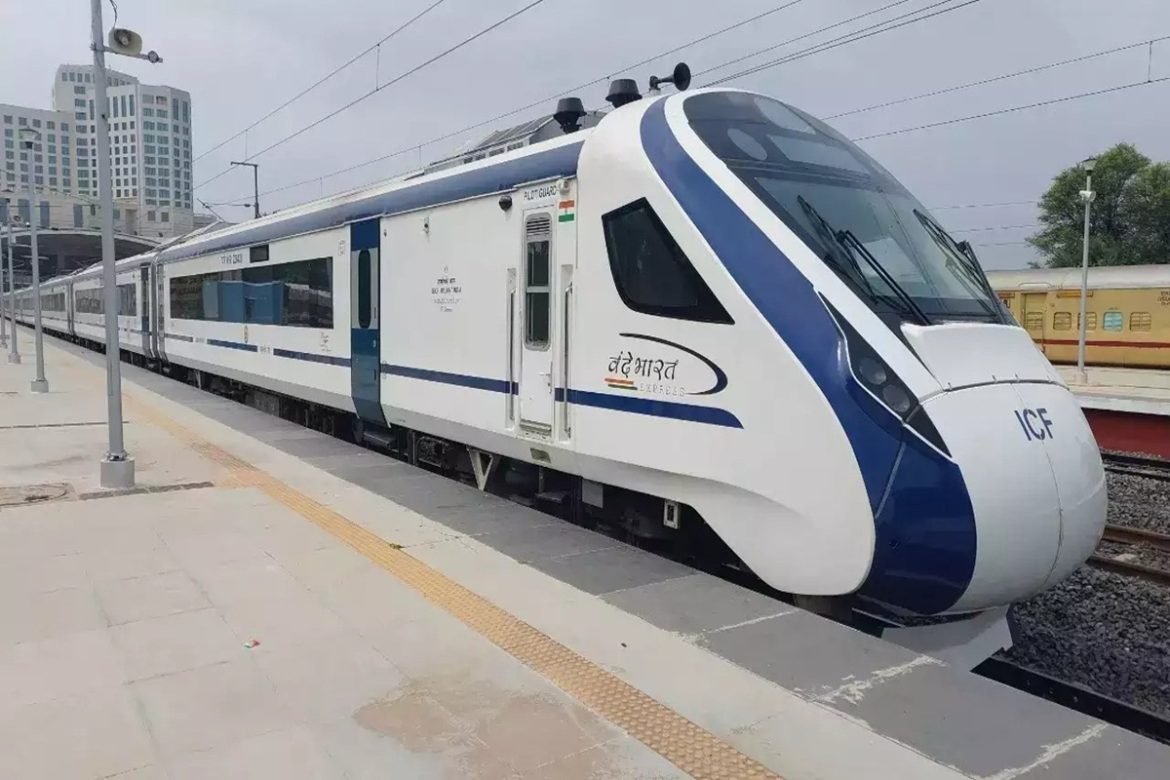
The Vande Bharat Express is making headlines once again as two new routes—Nagpur-Secunderabad and Durg-Visakhapatnam—are set to be launched. These trains will be inaugurated by Prime Minister Narendra Modi on Monday, marking a significant leap forward in the country’s high-speed rail network. Both trains are part of the larger initiative to modernize Indian Railways, ensuring better connectivity and faster travel times between key cities.

Prime Minister’s Role in the Flag-Off Ceremony

Prime Minister Narendra Modi will be leading the inauguration ceremony via a remote video link from Ahmedabad. This event is not just limited to these two trains, but is part of a broader flag-off of seven Vande Bharat trains across various states. This underscores the government’s commitment to improving rail infrastructure across the nation.

Where is the Inauguration Taking Place?

The South Central Railway (SCR) officials have announced that a ceremonial function will be held at Secunderabad Railway Station. Several prominent leaders will be in attendance, including Telangana Governor Jishnu Dev Varma, Chief Minister A. Revanth Reddy, and Union Minister for Coal and Mines G. Kishan Reddy.

Vande Bharat Express: What’s So Special About These Trains?

The Vande Bharat Express trains represent the future of Indian Railways. With cutting-edge technology and improved comfort, these trains provide faster travel and reduced travel times between major cities. Let’s dive deeper into the features of the two new routes.

Nagpur-Secunderabad Vande Bharat Express

Starting from September 19, the Nagpur-Secunderabad Vande Bharat Express will begin its regular operations. The train will cover the distance of 585 km between Nagpur and Secunderabad in just 7 hours and 15 minutes. This will significantly enhance the speed and connectivity between Maharashtra and Telangana, making it easier for passengers to travel between these two states.

Timings and Schedule

  • Train Number 20101 will depart from Nagpur at 05:00 hrs and arrive in Secunderabad at 12:15 hrs.
  • Train Number 20102 will leave Secunderabad at 13:00 hrs and arrive in Nagpur at 20:20 hrs.

The train will make stops at various stations, including Sevagram, Chandrapur, Balharshah, Ramagundam, and Kazipet, giving passengers multiple options to board and disembark.

Seating and Comfort

This Vande Bharat Express comes equipped with 20 coaches—two executive-class coaches and 18 chair car coaches, offering a total seating capacity of 1,440. The train’s design allows for comfortable daytime travel, especially for passengers from Nagpur, Balharshah, and other nearby towns traveling to Secunderabad.

Key Benefits for Passengers

  • Daytime Travel: The convenient timings allow passengers to travel during the day and reach their destination by evening.
  • Fast Travel Time: With a journey time of just over 7 hours, this train provides a quick and efficient mode of travel.

Durg-Visakhapatnam Vande Bharat Express

Another crucial route being inaugurated is the Durg-Visakhapatnam Vande Bharat Express. With a journey time of approximately 8 hours, this train will significantly reduce the travel time between Durg and Visakhapatnam, enhancing connectivity between the two cities.

Timings and Schedule

The Durg-Visakhapatnam Vande Bharat Express will operate six days a week, except on Thursdays, beginning September 20. Below are the detailed timings:

  • Train Number 20829 will depart from Durg at 05:45 hrs and arrive in Visakhapatnam at 13:45 hrs.
  • Train Number 20830 will depart from Visakhapatnam at 14:50 hrs and reach Durg at 22:50 hrs.

Intermediate Stops

This route has multiple stops, allowing passengers from various regions to board the train. Key stops include Raipur, Mahasamund, Khariar Road, Kantabanji, Titlagarh, Kesinga, Rayagada, and Vizianagaram.

Seating and Comfort

The Durg-Visakhapatnam Vande Bharat Express will consist of 16 coaches, designed to provide a comfortable travel experience for passengers.

Key Advantages for Passengers

  • Faster Connectivity: With a reduced travel time of 8 hours, this train offers a faster alternative to traditional train routes between Durg and Visakhapatnam.
  • Six Days a Week: The train operates six days a week, making it a reliable option for regular commuters.

The Broader Impact of Vande Bharat Express

The Vande Bharat trains are a game-changer for the Indian Railways. By providing faster travel times and enhancing connectivity between major cities, these trains are making travel more accessible and efficient. As more routes are added, the network is expected to grow, making rail travel more appealing for passengers who value speed and convenience.

Increased Tourism and Economic Benefits

These new routes are likely to boost tourism and trade between the regions they connect. By cutting travel time, businesses and tourists can now make trips that were previously too time-consuming.

Sustainability and Efficiency

The Vande Bharat trains are also known for their energy efficiency, consuming less energy than traditional trains. This aligns with India’s broader sustainability goals, making the railway network greener and more efficient.

What’s Next for Indian Railways?

With more Vande Bharat trains expected to be flagged off in the coming years, Indian Railways is on a fast track to modernization. These high-speed trains are set to redefine the way we travel, making journeys faster, more comfortable, and more reliable.

The Nagpur-Secunderabad and Durg-Visakhapatnam Vande Bharat Express trains are set to change the travel landscape for passengers in these regions. Offering faster travel times, increased comfort, and better connectivity, these trains are a testament to the modernization of Indian Railways. With Prime Minister Narendra Modi spearheading the inauguration, this is a milestone moment for rail travel in India.

  1. What is the travel time for the Nagpur-Secunderabad Vande Bharat Express?
    • The travel time is 7 hours and 15 minutes.
  2. How many days a week does the Durg-Visakhapatnam Vande Bharat operate?
    • It operates six days a week, excluding Thursdays.
  3. What is the seating capacity of the Nagpur-Secunderabad Vande Bharat?
    • The train has a seating capacity of 1,440 passengers.
  4. When will the trains start operating regularly?
    • The Nagpur-Secunderabad train will start on September 19, while the Durg-Visakhapatnam train will begin on September 20.
  5. What are the main stops on the Durg-Visakhapatnam route?
    • The train stops at Raipur, Mahasamund, Khariar Road, Kantabanji, Titlagarh, Kesinga, Rayagada, and Vizianagaram.

Pench Maha to Offer Monsoon Safari in Buffer Zones

Pench monsoon safari | Wildlife Sanctuary | Tiger Safari | Nagpur safari: Have you ever dreamt of exploring the lush green forests during the monsoon season? Imagine the sound of raindrops hitting the leaves, the fresh earthy smell, and the thrill of spotting a majestic tiger. If this excites you, then we have fantastic news! Pench Maha is now offering a unique monsoon safari experience in its buffer zones. While the core areas of Pench, Bor, and Umred Karhandla wildlife sanctuaries will be closed from July 1 to October 1, the buffer zones remain open for an adventurous safari.

Why Visit Pench During the Monsoon?

Experience Nature in Its Full Glory

Monsoon transforms the forest into a vibrant, green paradise. The flora is in full bloom, the streams are gushing, and the entire ecosystem comes alive. It’s a perfect time to witness the raw beauty of nature.

Less Crowded Safaris

Since the core areas are closed, fewer tourists visit during this season, providing a more intimate and serene safari experience.

The Buffer Zones of Pench (tiger safari)

What are Buffer Zones?

Buffer zones are the areas surrounding the core zones of wildlife sanctuaries. They serve as a protective layer, reducing human-wildlife conflict and providing additional habitat for wildlife.

Buffer Zones Open for Safari

Paoni Gate

Bookings can be made at Sillari and Banera gates for the Paoni gate safari. This zone offers a rich diversity of flora and fauna.

Surewani Gate

Bookings for Kolitmara and Surewani safaris can be made at the Surewani gate. These zones are known for their scenic beauty and wildlife sightings.

Booking Details

On-the-Spot Bookings Only (Nagpur safari)

All bookings for the monsoon safari must be made at the respective gates. There is no provision for online booking, so plan accordingly.

Gate-Specific Bookings

  • Paoni Gate: Bookings available at Sillari and Banera gates.
  • Surewani Gate: Bookings available at Surewani gate.

Dependent on Road Conditions

The continuation of the safari in any buffer gate depends on the road conditions, as heavy rains can sometimes make the trails impassable.

Wildlife to Expect (Nagpur safari)

Tigers and Other Predators (tiger safari)

The buffer zones are home to tigers, leopards, and wild dogs. The monsoon season makes spotting these elusive predators even more exciting.

Herbivores

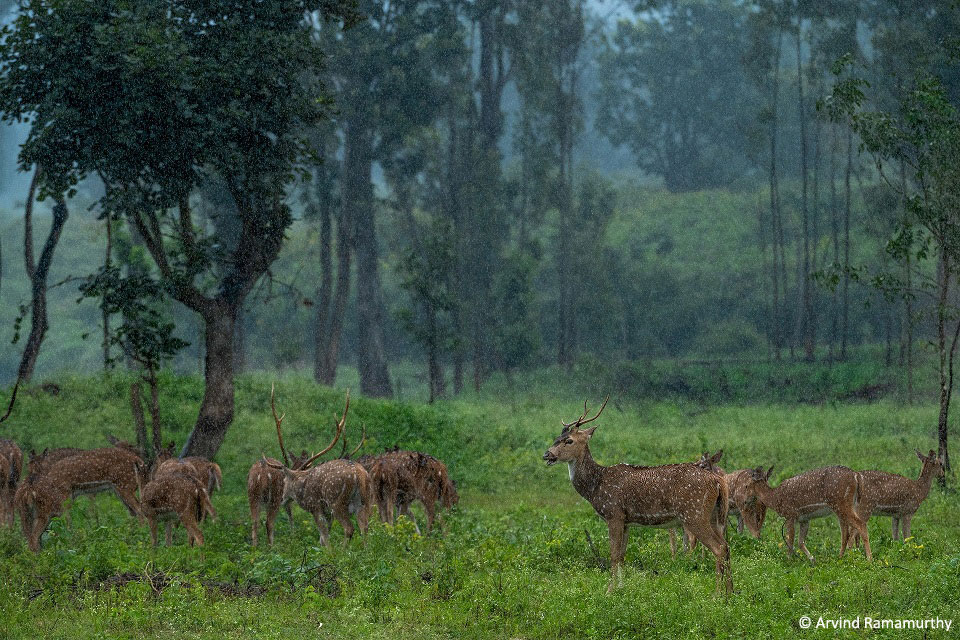
Expect to see deer, wild boar, and the Indian bison grazing in the lush green meadows.

Bird Watching

The monsoon season is a treat for bird watchers, with numerous migratory and resident birds flocking to the area.

Safari Tips for Monsoon Season

Dress Appropriately

Wear light, quick-dry clothing and waterproof shoes. A raincoat or poncho is essential.

Carry Essentials

Bring along insect repellent, a first aid kit, and plenty of water. Binoculars and a camera with a rain cover are also recommended.

Follow Guidelines

Always follow the forest department’s guidelines and respect wildlife. Do not litter and maintain a safe distance from animals.

A monsoon safari in the buffer zones of Pench is a unique and thrilling experience. With the core areas closed, the buffer zones offer a serene and intimate wildlife adventure. Whether you’re a seasoned wildlife enthusiast or a nature lover, this is an opportunity you don’t want to miss.

  1. What is a buffer zone in a wildlife sanctuary? A buffer zone is an area surrounding the core zone of a wildlife sanctuary, serving as an additional habitat for wildlife and reducing human-wildlife conflict.
  2. Can I book the monsoon safari online? No, all bookings for the monsoon safari must be made at the respective gates. There is no provision for online booking.
  3. What wildlife can I expect to see during the monsoon safari? You can expect to see tigers, leopards, wild dogs, deer, wild boar, Indian bison, and various bird species.
  4. Which gates are open for monsoon safari bookings? Bookings for the Paoni gate can be made at Sillari and Banera gates, while bookings for Kolitmara and Surewani safaris can be made at the Surewani gate.
  5. Are there any special preparations needed for a monsoon safari? Yes, wear quick-dry clothing, waterproof shoes, and carry a raincoat or poncho. Bring insect repellent, a first aid kit, water, binoculars, and a camera with a rain cover.

Easing City Gridlock: 21 New On-Street Parking Sites To Hold 9,000+ Vehicles

Nagpur, a bustling city known for its vibrant culture and expansive roads, is taking a significant step towards alleviating its traffic woes. The Nagpur Municipal Corporation (NMC) and traffic police are set to introduce 21 new on-street parking sites, designed to accommodate over 9,000 vehicles. This initiative aims to streamline traffic flow and reduce the persistent problem of road congestion.

Introduction to Nagpur’s Parking Predicament

Nagpur’s roads, though wider than those in many other metro cities, often experience sluggish traffic. This is primarily due to improper utilization of parking spaces in commercial buildings and the encroachment of open parking areas. These issues force many to park on the streets, leading to gridlock.

The Current Parking Scenario

Currently, the NMC and traffic police have designated 11 streets for parking, catering to 3,658 vehicles – 2,996 two-wheelers and 662 four-wheelers. This setup, however, only scratches the surface of the city’s parking needs.

The New On-Street Parking Plan

Increased Capacity

The new plan will see the addition of 21 road stretches, capable of holding 6,661 two-wheelers and 2,391 four-wheelers. This move is expected to significantly ease the parking burden and improve traffic conditions across the city.

Strategic Distribution

To maximize efficiency, two-wheelers will be parked on one side of the road and four-wheelers on the other. This structured approach aims to streamline the parking process and minimize disruptions to traffic flow.

Addressing Previous Delays

The NMC’s ambitious plan initially targeted 75 on-street parking locations. However, procedural issues, including the lack of collaboration with traffic police, led to delays. Despite these hurdles, the identification of 21 new spots marks a significant milestone in the city’s traffic management efforts.

Impact of Misuse and Encroachment

Misuse of Commercial Parking Spaces

A recurring issue has been the misuse of parking areas within commercial complexes. Spaces designated for parking are often repurposed for other uses, reducing the available parking spots and pushing vehicles onto the streets.

Encroachment of Open Parking Areas

Many open parking spaces have been encroached upon, leaving visitors with no option but to park on the roads. This encroachment exacerbates traffic congestion and complicates the city’s traffic management efforts.

Efforts by Traffic Police

The Sitabuldi zone of the traffic police has been proactive in highlighting and penalizing parking violations. Commercial establishments, including coaching centres and hospitals, have been found repurposing their parking areas. Traffic cops have been issuing an average of 225 penalties per zone each month, with approximately 27,199 vehicle owners penalized in the last four months alone.

Joint Inspections and Approvals

The identification of new parking spots involved joint inspections by the NMC and traffic police. This collaborative effort ensures that the selected locations are optimal for easing traffic flow and providing adequate parking spaces.

Implementation of the New Plan

Announcing New Parking Sites

Authorities will soon announce the new roads designated for parking. Signboards will be installed to guide motorists, ensuring a smooth transition to the new system.

Long-Term Benefits

The introduction of these new parking sites is expected to have long-term benefits for Nagpur’s traffic management. By providing designated parking areas, the city can reduce the number of vehicles parked on the streets, leading to smoother traffic flow and reduced congestion.

Challenges and Future Prospects

Ongoing Monitoring and Adjustments

While the new plan is a significant step forward, continuous monitoring and adjustments will be necessary. The NMC and traffic police will need to stay vigilant to ensure the parking areas are used as intended and not encroached upon or misused.

Expansion Plans

Looking ahead, the NMC may revisit its initial goal of establishing 75 on-street parking locations. Expanding the number of designated parking areas could further alleviate traffic congestion and improve the overall driving experience in Nagpur.

Nagpur’s initiative to introduce 21 new on-street parking sites is a crucial step towards easing the city’s traffic woes. By providing designated spaces for over 9,000 vehicles, the NMC and traffic police aim to streamline traffic flow and reduce congestion. Continuous monitoring and future expansions will be key to sustaining these improvements and ensuring a smoother driving experience for all.

1. Why is Nagpur introducing new on-street parking sites?

Nagpur is introducing new on-street parking sites to alleviate traffic congestion caused by vehicles parked on the streets due to the misuse and encroachment of existing parking areas.

2. How many new parking spots will be available?

The new plan will provide parking for 6,661 two-wheelers and 2,391 four-wheelers across 21 road stretches.

3. What issues have caused delays in implementing the parking plan?

Delays were caused by procedural issues, including the lack of collaboration between the NMC and traffic police in finalizing the parking zones.

4. How will the new parking sites be organized?

Two-wheelers will be parked on one side of the road and four-wheelers on the other to streamline the parking process and minimize traffic disruptions.

5. What measures are in place to ensure the new parking areas are used correctly?

The NMC and traffic police will conduct joint inspections and monitor the parking sites to prevent misuse and encroachment, ensuring the areas are used as intended.

Revolutionizing India’s Toll System: Nitin Gadkari’s Vision

A New Era in Toll Collection

India’s transportation sector is on the brink of a significant transformation, with Nitin Gadkari, the Minister of Road Transport and Highways, announcing a groundbreaking shift in the toll collection system. In a recent statement, Gadkari declared the end of tolls, unveiling a revolutionary approach that promises to streamline India’s roadways and enhance the overall transportation experience for its citizens.

Understanding the New Toll System

Under Gadkari’s visionary leadership, the traditional toll collection mechanism is set to undergo a radical overhaul. The new system aims to eliminate toll booths entirely, leveraging advanced technology to facilitate seamless passage for vehicles on national highways. By embracing cutting-edge solutions such as GPS-based toll collection, RFID tags, and cashless transactions, India is poised to embrace a future where congestion at toll plazas becomes a thing of the past.

Key Features of the Overhauled System

1. GPS-Based Toll Collection:

The integration of GPS technology will enable real-time tracking of vehicles, allowing for accurate toll calculation based on distance traveled. This innovation not only enhances convenience for commuters but also ensures fair and transparent toll collection practices.

2. RFID Tags for Efficient Monitoring:

By mandating RFID tags on vehicles, authorities can streamline the toll collection process while minimizing instances of toll evasion. RFID technology enables automated identification of vehicles, significantly reducing wait times and enhancing overall operational efficiency.

3. Cashless Transactions:

The shift towards cashless transactions eliminates the need for physical currency at toll booths, reducing the risk of theft and ensuring a more secure payment ecosystem. Commuters can enjoy hassle-free journeys without the inconvenience of carrying cash or waiting in long queues.

4. Seamless Passage for Vehicles:

With toll booths becoming obsolete, vehicles can now traverse national highways without encountering bottlenecks or delays. This seamless flow of traffic not only saves time for commuters but also contributes to the reduction of carbon emissions and fuel consumption.

Implications for India’s Transportation Landscape

Gadkari’s bold initiative holds immense promise for India’s transportation sector, offering a glimpse into a future characterized by efficiency, transparency, and sustainability. By harnessing the power of technology, India can overcome longstanding challenges associated with toll collection, paving the way for a modernized and interconnected roadway network.

Conclusion: Embracing Innovation for a Brighter Future

As India embarks on this transformative journey in toll collection, Nitin Gadkari’s vision underscores the importance of innovation in shaping the country’s infrastructure landscape. By embracing advanced technologies and reimagining traditional practices, India is poised to usher in a new era of transportation that prioritizes accessibility, affordability, and sustainability.

{finish}

FAQs (Frequently Asked Questions)

1. How will the new toll system impact commuters?

The new toll system aims to enhance the overall commuting experience by reducing congestion at toll plazas and facilitating seamless passage for vehicles.

2. What measures are being taken to ensure transparency in toll collection?

Advanced technologies such as GPS-based tolling and RFID tags are being implemented to ensure fair and transparent toll collection practices.

3. Will the transition to cashless transactions pose any challenges for commuters?

While the transition may require some adjustment, cashless transactions offer greater convenience and security for commuters in the long run.

4. How will the new toll system contribute to environmental sustainability?

By minimizing wait times and reducing fuel consumption, the new toll system helps mitigate carbon emissions and promote environmental sustainability.

5. What role does innovation play in shaping India’s transportation landscape?

Innovation, as exemplified by Gadkari’s vision for toll collection, is crucial in modernizing India’s transportation infrastructure and addressing key challenges in the sector.

Celebrate Holi with Joy: City Bus Services Announcement

Nagpur Apli Bus: Holi:, the vibrant festival of colors, is just around the corner, filling the air with excitement and anticipation. This year, Holi falls on March 24th and 25th, promising two days of exuberant celebrations across the country. However, amidst the festivities, it’s crucial to note an important announcement regarding city bus services, ensuring everyone’s convenience and safety during this joyous occasion.

Understanding the Announcement

On the occasion of Holi, city bus (Nagpur Apli Bus) services will be temporarily suspended to accommodate the festivities and ensure the safety of passengers and staff. Specifically, on Sunday, March 24th, the services will cease from 7:00 PM and will remain closed throughout Monday, March 25th. This temporary suspension allows everyone to immerse themselves fully in the festivities without worrying about transportation.

Resumption of Services

Following the two-day hiatus, city bus services will resume as usual from Tuesday, March 26th, ensuring seamless connectivity for commuters across the city. This resumption ensures that individuals can return to their daily routines promptly after the Holi celebrations conclude.

Impact on Commuters

The temporary closure of city bus services may affect commuters‘ travel plans, especially those reliant on public transportation for their daily commute. However, this announcement allows commuters to plan ahead and make necessary arrangements to accommodate the service suspension during the festive period.

Alternative Transportation Options

While city bus services are suspended, commuters can explore alternative transportation options, such as taxis, ridesharing services, or carpooling with friends and family. Additionally, considering the significance of Holi, many communities may organize special transportation arrangements to facilitate travel during the festivities.

Ensuring Safety and Convenience

The decision to suspend city bus services during Holi underscores the authorities’ commitment to ensuring the safety and convenience of the public. By temporarily halting services, authorities aim to mitigate potential overcrowding and ensure a smooth flow of traffic during the festive period.

Coordination with Authorities

Local authorities and transportation agencies are actively coordinating to implement this temporary suspension smoothly. Clear communication channels are established to disseminate information regarding the service suspension, ensuring that commuters are well-informed and can plan their travel accordingly.

As we gear up to celebrate the vibrant festival of Holi, it’s essential to be aware of the temporary suspension of city bus services. This announcement allows everyone to partake in the festivities wholeheartedly while ensuring their safety and convenience. By planning ahead and exploring alternative transportation options, commuters can navigate this brief interruption seamlessly.

FLY91: Revolutionizing Regional Air Travel

Taking Off: FLY91’s Inaugural Flights

India Connectivity: In an exciting development for air travelers, FLY91, a regional airline, is set to spread its wings and launch commercial operations on March 18. This marks a significant milestone in the aviation industry, as FLY91 prepares to connect key cities in India, enhancing accessibility and convenience for passengers.

Connecting Key Cities

FLY91’s maiden flights will bridge the gap between Goa and Bengaluru,(India Connectivity) as well as Hyderabad. Additionally, passengers will have the opportunity to travel between Bengaluru, Hyderabad, and Sindhudurg, facilitating seamless travel experiences across these vibrant destinations.

A Vision for Expansion

Manoj Chacko, the visionary chief of FLY91, has outlined ambitious plans for the airline’s expansion. With the acquisition of its air operator permit from the esteemed DGCA, FLY91 is poised to embark on a journey of growth and innovation in the aviation sector.

Fleet Expansion

During a recent briefing at Mopa airport, Manoj Chacko, the dynamic Managing Director and CEO of FLY91, revealed plans to bolster the airline’s fleet. Within the span of six months, FLY91 aims to augment its fleet to six state-of-the-art ATR 72-600 planes, a testament to its commitment to excellence and efficiency.

Connecting Communities

FLY91 is committed to fostering connectivity and accessibility across Bharat. Initially, the airline plans to establish connections between 13 city pairs, facilitating seamless travel experiences for passengers from diverse backgrounds and regions.

Looking Ahead: Future Plans

In the coming months and years, FLY91 envisions further expansion and growth. By April, the carrier aims to commence flights to the idyllic destination of Lakshadweep, opening up new avenues for exploration and adventure for travelers.

Over the next five years, FLY91 aims to expand its fleet to approximately 35 planes and connect 50 cities from six strategic bases. This ambitious endeavor reflects FLY91’s unwavering dedication to enhancing air connectivity and accessibility, particularly to Tier 2 and Tier 3 cities.

FLY91’s imminent launch heralds a new era of regional air travel in India. With a focus on connectivity, convenience, and innovation, FLY91 is poised to redefine the travel experience for passengers across the country.

FAQs (Frequently Asked Questions)

  1. When will FLY91 commence its commercial operations?
    • FLY91 will launch its commercial flights on March 18, marking the beginning of its journey in the aviation industry.
  2. What destinations will FLY91 initially serve?
    • Initially, FLY91 will offer flights connecting Goa with Bengaluru and Hyderabad, along with services between Bengaluru, Hyderabad, and Sindhudurg.
  3. What are FLY91’s expansion plans for the future?
    • FLY91 aims to expand its fleet to about 35 planes over the next five years and connect 50 cities from six strategic bases, enhancing air connectivity across India.
  4. Who is behind FLY91’s operations?
    • FLY91 is operated by Just Udo Aviation Pvt Ltd, a Goa-based company committed to revolutionizing regional air travel.
  5. How can passengers book flights with FLY91?
    • Passengers can book flights with FLY91 through various channels, including the airline’s official website, mobile app, and authorized travel agents.

{finish}

Revolutionizing Travel: Pune to Nagpur Journey in Just 6 Hours!

A Game-Changer in Transportation

Pune Nagpur travel time reduced: In a groundbreaking move, the travel time from Pune to Nagpur is set to be slashed to a mere 6 hours, courtesy of visionary initiatives spearheaded by Nitin Gadkari. This transformation promises to revolutionize intercity travel, offering unprecedented convenience and efficiency to commuters.

The Current State of Affairs

At present, the journey from Pune to Nagpur is marred by lengthy travel durations, often stretching beyond 10 hours. This not only imposes a significant burden on travelers but also hampers economic activities and connectivity between these vital cities.

Nitin Gadkari’s Vision: A Swift Transition

Under the dynamic leadership of Nitin Gadkari, the Ministry of Road Transport and Highways has embarked on a mission to enhance infrastructure and streamline transportation networks across the country. The ambitious project aimed at reducing travel time between Pune and Nagpur reflects Gadkari’s unwavering commitment to progress and development.

Key Initiatives Driving Change

  1. Expansion of Expressways: The project entails the expansion and modernization of existing expressways, leveraging cutting-edge technology to optimize traffic flow and ensure seamless connectivity.
  2. Investment in Infrastructure: Significant investments are being made in upgrading road infrastructure, including the construction of new highways and bridges, to facilitate faster and safer travel.
  3. Focus on Efficiency: Gadkari’s emphasis on efficiency and innovation has led to the adoption of advanced construction techniques and sustainable practices, expediting the completion of infrastructure projects.

Impact on Commuters and Economy

Enhanced Connectivity

By reducing travel time to just 6 hours, the initiative will foster greater connectivity between Pune and Nagpur, facilitating smoother movement of goods and people and bolstering trade and commerce.

Boost to Tourism

The improved accessibility between these prominent cities is expected to spur tourism activities, attracting more visitors and driving economic growth in the region.

Time and Cost Savings

Commuters will benefit from significant time and cost savings, as the shortened travel duration translates into reduced fuel expenses and increased productivity.

Conclusion: A Paradigm Shift in Transportation

The impending reduction in travel time from Pune to Nagpur epitomizes the transformative impact of visionary leadership and strategic infrastructure development. Nitin Gadkari’s unwavering dedication to progress underscores the government’s commitment to enhancing the quality of life and fostering economic prosperity across the nation.

Frequently Asked Questions (FAQs)

  1. How soon can we expect the reduced travel time to be implemented?
    • The project is progressing rapidly, and commuters can anticipate experiencing the shortened travel duration in the near future.
  2. Will there be any toll adjustments with the introduction of faster travel routes?
    • While toll adjustments are a possibility, the primary focus is on enhancing travel efficiency and convenience for commuters.
  3. Are there any environmental considerations associated with the infrastructure expansion?
    • Efforts are being made to minimize environmental impact through sustainable construction practices and eco-friendly initiatives.
  4. How will the reduced travel time benefit businesses operating between Pune and Nagpur?
    • Businesses will enjoy improved connectivity and reduced logistical challenges, leading to enhanced operational efficiency and competitiveness.
  5. What role can citizens play in supporting the development of transportation infrastructure?
    • Citizens can contribute by advocating for sustainable development practices, promoting public awareness, and actively engaging in initiatives aimed at enhancing transportation networks.
Exit mobile version