Nagpur Weather Today — May 12, 2026: Temperature to Touch 46°C, IMD Issues Yellow Heatwave Alert

Published: May 12, 2026 | Category: Nagpur Weather | By: Nagpur Updates Desk


Stay indoors. Drink water. Avoid going out between 12 PM and 4 PM.

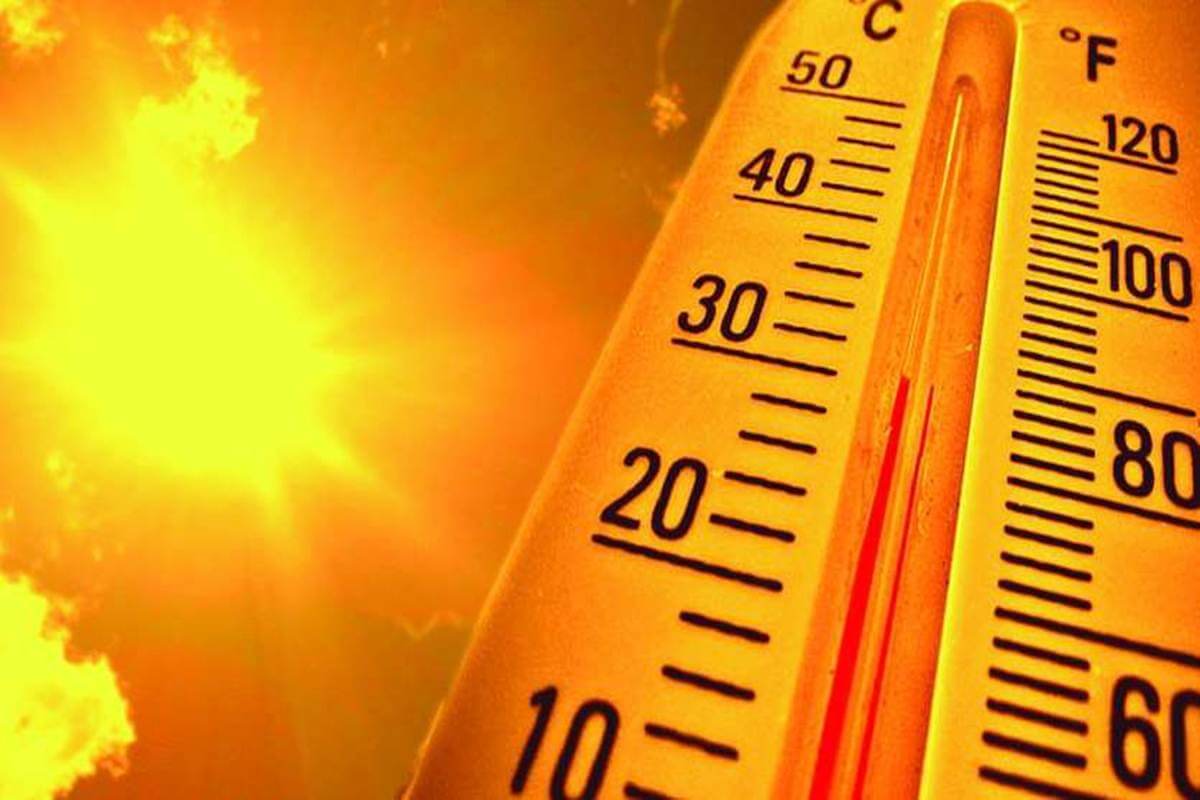
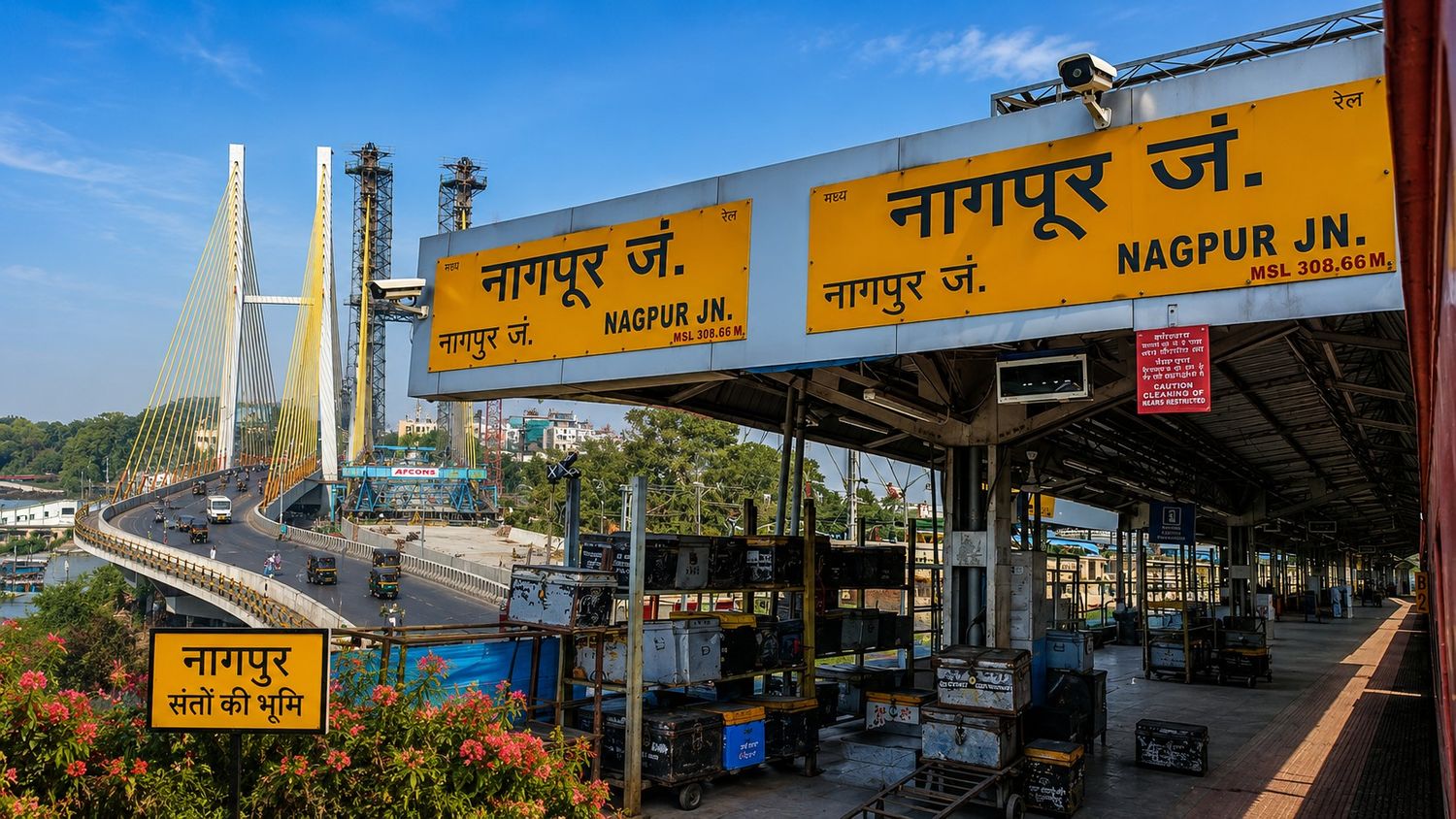
That is the simple, urgent message from the India Meteorological Department (IMD) to Nagpur residents today. On May 12, 2026, the city is bracing for one of its most intense heat days of the season. The maximum temperature is expected to touch 46°C. IMD has issued a Yellow Alert for Nagpur and surrounding Vidarbha districts.


Today’s Weather at a Glance

Here is a quick snapshot of Nagpur’s weather for May 12, 2026:

  • Maximum Temperature: Up to 46°C (expected)
  • Minimum Temperature: Around 28–30°C
  • Humidity: Low — around 20–25%
  • Wind: Dry, hot northwesterly winds
  • Sky Condition: Clear skies — no cloud cover
  • Rain Chance: 0%
  • IMD Alert: Yellow Heatwave Alert
  • Sunrise: 5:14 AM | Sunset: 6:29 PM

Why Is Nagpur So Hot Right Now?

Three factors are combining to create this extreme heat.

First, a strong anticyclone has formed over Rajasthan. This high-pressure system is pushing extremely hot, dry air southward and eastward — directly towards Vidarbha. The same system pushed temperatures in Rajasthan above 46°C before moving this way.

Second, the northwest winds carrying this hot air are completely dry. There is no moisture in the air to provide any relief. Low humidity makes the heat feel even more suffocating than the numbers suggest.

Third, clear, cloudless skies mean the sun beats down without any filter from morning to evening. There is no shade from the atmosphere itself.

Together, these three factors have turned Nagpur into one of the hottest cities in India right now. Vidarbha has been facing a heatwave warning for the next 8 days, with temperatures expected to reach 45–46°C across the region.


IMD Yellow Alert: What Does It Mean?

IMD uses a colour-coded alert system to warn citizens about extreme weather.

A Yellow Alert means: “Be aware. Conditions are dangerous. Take precautions.”

It does not mean you cannot step outside. But it does mean that prolonged outdoor exposure — especially during peak afternoon hours — carries real health risks. For vulnerable groups, it is a serious warning.

The Yellow Alert covers Nagpur, Akola, Amravati, Wardha, and several other Vidarbha districts today.


Who Is Most at Risk?

Not everyone faces the same level of danger in a heatwave. The most vulnerable groups are:

  • Elderly people — the body’s ability to regulate temperature declines with age
  • Young children — small bodies heat up faster and dehydrate quickly
  • Outdoor workers — construction workers, vendors, rickshaw drivers, delivery staff
  • People with health conditions — heart disease, diabetes, and kidney problems increase heat risk
  • People without access to water or shade — daily wage workers and homeless individuals

If you know someone in these categories, check on them today.


Heat Safety Tips for Nagpur Residents

Follow these simple steps to stay safe on a day like today:

Stay hydrated. Drink water every 30 minutes — even if you do not feel thirsty. Carry a water bottle when going out. ORS (Oral Rehydration Solution) is helpful if you feel dizzy or weak.

Avoid peak sun hours. Do not step outside between 12 PM and 4 PM if it can be avoided. This is when temperatures are at their highest and the UV index is most dangerous.

Dress right. Wear loose, light-coloured cotton clothes. Avoid dark colours and synthetic fabrics that trap heat.

Eat light. Heavy, oily meals increase body heat. Stick to fruits, salads, curd, buttermilk, and light food today.

Cool your home. Keep curtains and blinds closed during the afternoon to block out direct sunlight. Use fans and coolers. Wet a cloth and place it on your neck or wrists for quick cooling.

Watch for warning signs. If you or someone near you experiences dizziness, rapid heartbeat, confusion, or stops sweating in the heat — these are signs of heatstroke. Move to a cool place immediately and seek medical help.


Heatwave Impact Across Nagpur City

The extreme heat is being felt across every part of Nagpur today.

Streets that are usually busy in the afternoon are visibly quieter. Auto-rickshaw drivers and street vendors are among the worst affected — forced to work outdoors without any protection. Schools have been advised to adjust their timing or conduct online classes during peak heat periods.

The Nagpur Municipal Corporation (NMC) has been urged to ensure water kiosks and cooling centres are operational across the city — particularly in areas like Mahal, Itwari, Kamptee Road, and Mankapur where large numbers of daily wage workers and outdoor vendors are concentrated.

Just as Gorewada Zoo has taken extensive measures to protect its animals from the 45°C summer heat, Nagpur’s citizens too need proactive steps to stay protected during this brutal heatwave.


Vidarbha Heatwave: The Bigger Picture

Nagpur is not alone in facing this heat. The entire Vidarbha region is under severe heatwave stress right now.

Akola, Amravati, Wardha and Nagpur districts are expected to see temperatures reach 44 to 45 degrees Celsius, prompting IMD to issue Yellow Alerts for all these districts. Akola has been recorded as the hottest city in the country on multiple days this season.

The northwest anticyclone currently positioned over central India is expected to persist for several more days. This means the heatwave is unlikely to ease before mid-to-late May 2026. Pre-monsoon relief — in the form of thunderstorm activity — may provide temporary respite on some evenings, but daytime temperatures will remain extreme.


When Will Relief Come?

The honest answer is: not soon.

May 2026 in Nagpur is forecast to have temperatures ranging from lows of around 29°C to highs of 46°C. The IMD’s long-range forecast suggests that the Southwest Monsoon is expected to arrive in Kerala around the first week of June 2026 — and typically reaches Nagpur and Vidarbha by mid-to-late June.

Until then, Nagpur residents must prepare for several more weeks of intense heat. The coming days will require careful planning, adequate hydration, and respect for the real dangers that a Vidarbha heatwave poses.

Stay safe, Nagpur. Take care of yourselves and your neighbours.

Nagpur Updates will bring you daily weather updates throughout the summer season. Bookmark this page and check back every morning for the latest forecast.


Tags: Nagpur Weather, Heatwave Nagpur, IMD Yellow Alert, Vidarbha Temperature, Nagpur Summer 2026, Weather Forecast Nagpur, IMD Nagpur, Nagpur Local News
Nagpur’s AQI Reaches 163: A Wake-Up Call

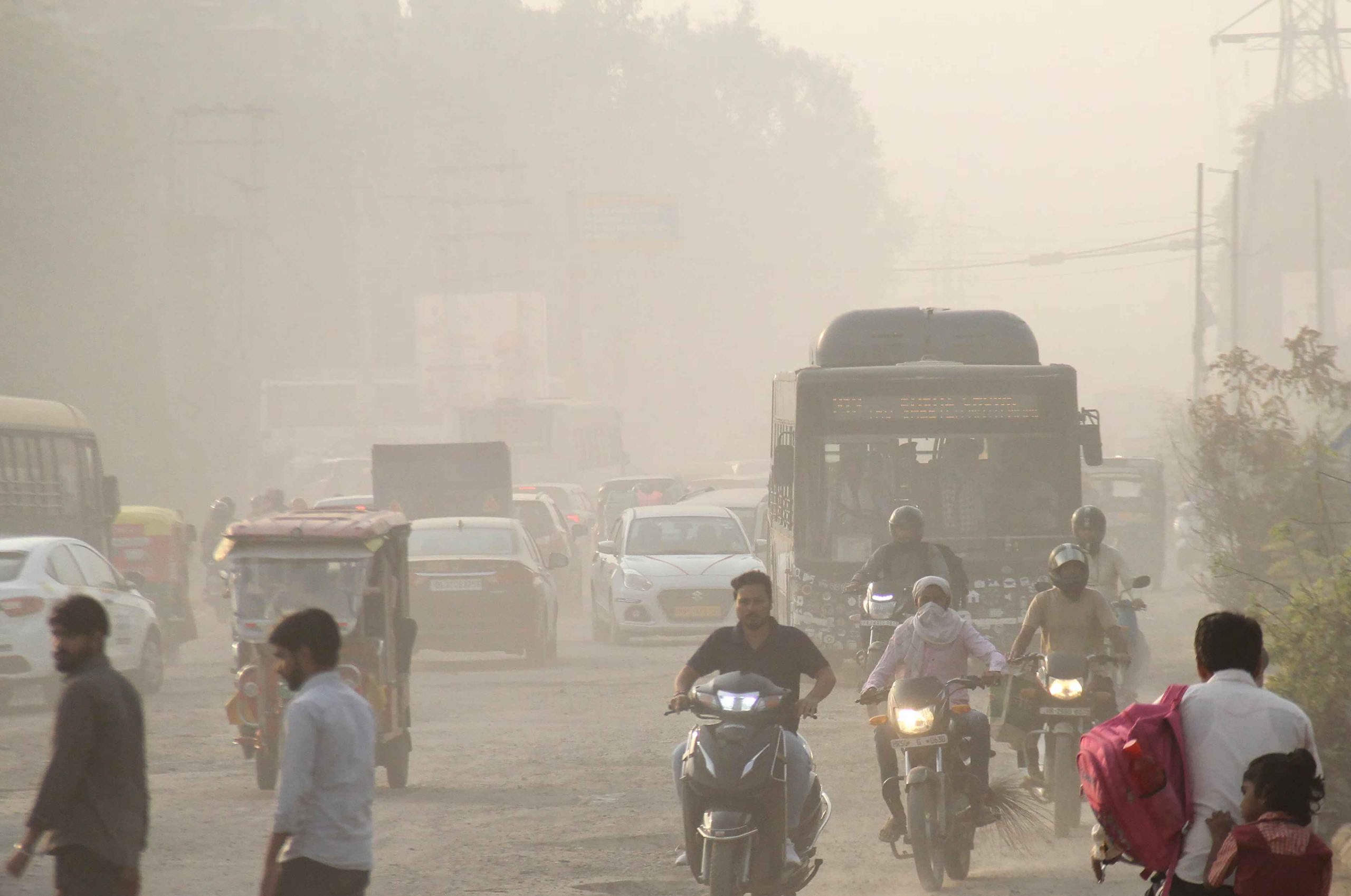
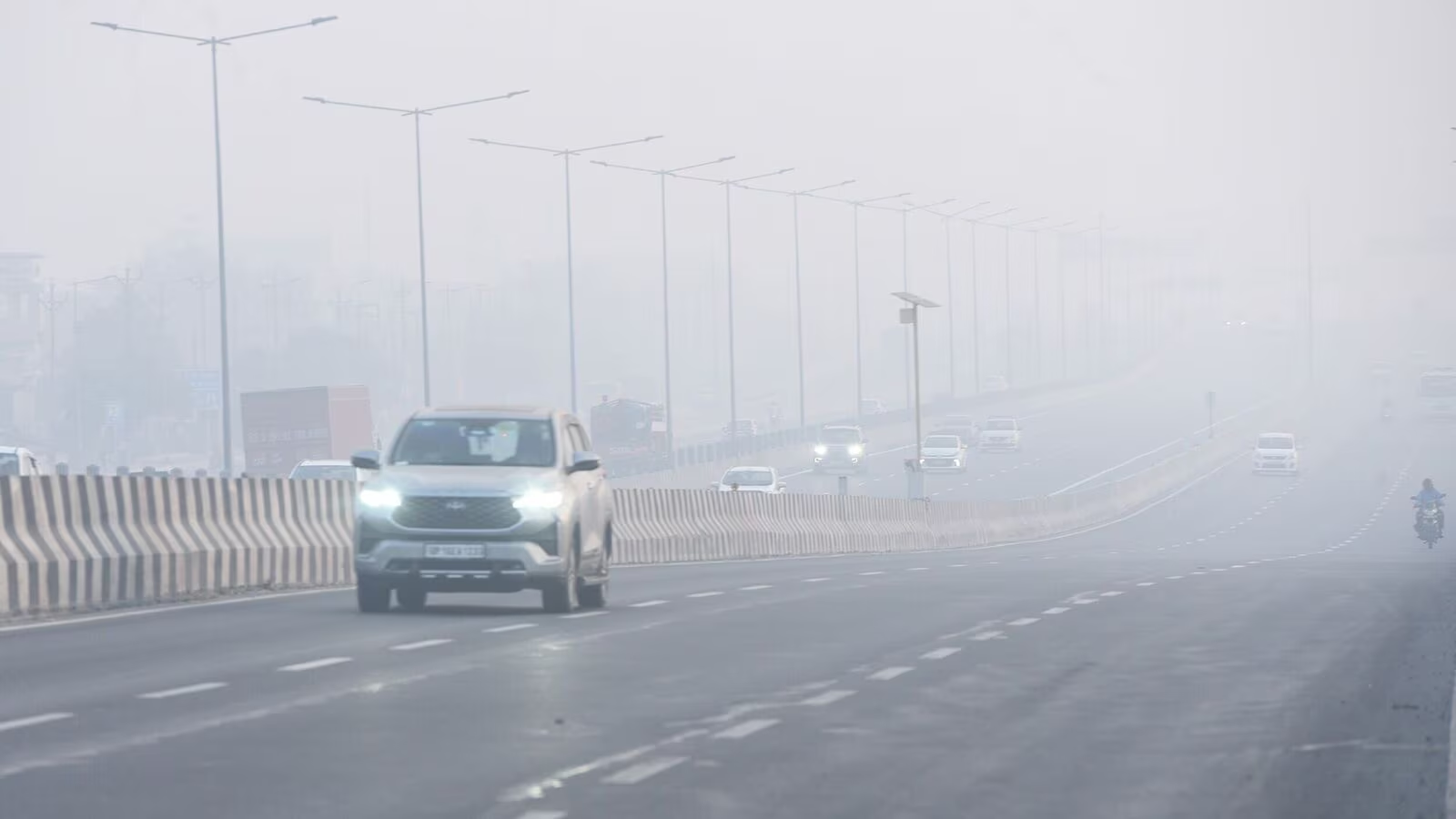
Nagpur AQI Poor Category: Nagpur, often celebrated for its cultural heritage and delectable oranges, faced an alarming environmental challenge recently. On Wednesday, the city’s Air Quality Index (AQI) soared to 163, placing it in the “poor” category. This figure is more than just a number; it’s a clear warning sign of deteriorating air quality that could have severe health implications for its residents. Let’s break down what this means and how it impacts the daily lives of Nagpur’s citizens.

What is AQI, and Why Should We Care?

AQI, or Air Quality Index, is a standardized tool used to measure and report the quality of air in a specific area. It considers various pollutants like particulate matter (PM2.5 and PM10), nitrogen dioxide (NO₂), ozone (O₃), sulfur dioxide (SO₂), and carbon monoxide (CO). The higher the AQI value, the greater the level of air pollution and the greater the health concern.

Key AQI Categories:

  1. Good (0-50): Minimal impact on health.
  2. Moderate (51-100): Acceptable, but some sensitive groups may experience issues.
  3. Poor (101-200): Harmful for sensitive groups and potentially for the general public.
  4. Very Poor (201-300): Increased health risks for everyone.
  5. Severe (301+): Serious health risks for the entire population.

Nagpur’s AQI Breakdown | Nagpur AQI Poor Category

PM2.5: The Silent Invader

The PM2.5 level in Nagpur was recorded at 32 micrograms per cubic meter. These fine particulate matters are tiny enough to penetrate deep into the lungs and even enter the bloodstream. Long-term exposure can lead to respiratory and cardiovascular diseases.

PM10: Coarse, Yet Harmful

PM10 levels stood at 67 micrograms per cubic meter, also in the “poor” category. While larger than PM2.5, these particles can still cause respiratory irritation and exacerbate conditions like asthma and bronchitis.

Nitrogen Dioxide (NO₂): The Gaseous Culprit

With an NO₂ concentration of 31 micrograms per cubic meter, the city’s air quality falls short. Prolonged exposure to NO₂ can lead to reduced lung function and increased susceptibility to respiratory infections.

Other Pollutants: The Silver Lining

Fortunately, levels of ozone (O₃), sulfur dioxide (SO₂), and carbon monoxide (CO) remained within the “good” category, indicating minimal risk from these pollutants.

Why is Nagpur’s Air Quality Declining? (Nagpur AQI Poor Category)

1. Increasing Vehicular Emissions

Nagpur’s burgeoning population and rising number of vehicles contribute significantly to air pollution. Traffic congestion exacerbates the emission of harmful gases like NO₂ and CO.

2. Industrial Activities

Industries in and around Nagpur release pollutants, including PM2.5 and PM10, into the atmosphere. Lack of stringent regulations worsens the situation.

3. Construction Dust

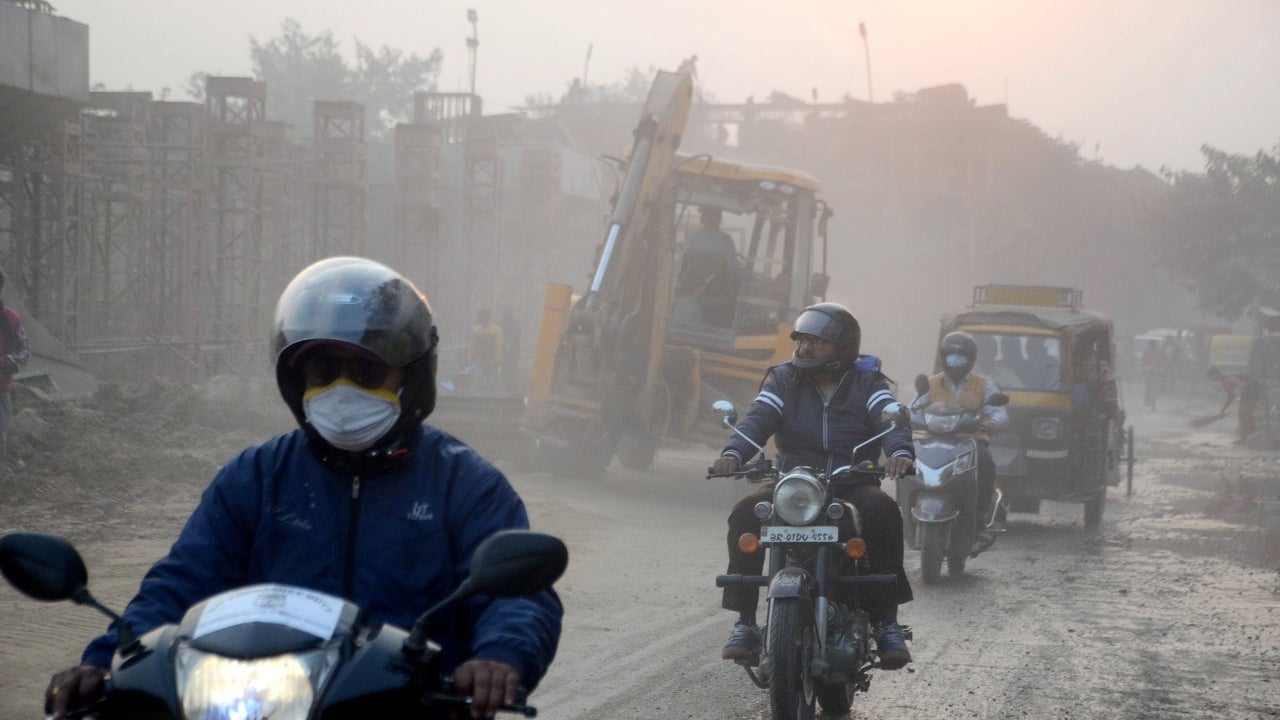
Ongoing construction projects generate significant dust, contributing to elevated PM10 levels.

4. Seasonal Factors

Winter months often trap pollutants closer to the ground due to temperature inversions, worsening air quality.

Health Impacts of Poor AQI

Short-Term Effects

  • Irritation of the eyes, nose, and throat
  • Coughing and shortness of breath
  • Worsening of asthma and other respiratory conditions

Long-Term Consequences

  • Chronic obstructive pulmonary disease (COPD)
  • Increased risk of heart attacks and strokes
  • Premature aging of the lungs

Steps Nagpur Can Take to Improve Air Quality

1. Promoting Public Transport

Encouraging the use of buses, trains, and other public transport options can reduce the number of vehicles on the road.

2. Green Initiatives

Planting more trees and maintaining green belts can help absorb pollutants and improve air quality.

3. Strict Industrial Regulations

Industries should be mandated to use cleaner technologies and adhere to emissions standards.

4. Awareness Campaigns

Educating citizens about the importance of reducing their carbon footprint can foster community-driven change.

What Can Individuals Do?

1. Opt for Carpooling

Sharing rides reduces the number of vehicles on the road.

2. Use Air Purifiers at Home

Investing in air purifiers can help mitigate indoor air pollution.

3. Avoid Outdoor Activities During Peak Pollution Hours

Minimizing outdoor exposure during mornings and evenings can reduce health risks.

4. Adopt Cleaner Energy Alternatives

Switching to solar or wind energy can help reduce reliance on fossil fuels.

Nagpur’s AQI reaching 163 serves as a stark reminder of the environmental challenges the city faces. While the data may seem alarming, it also provides an opportunity for collective action. By adopting sustainable practices, both at an individual and community level, Nagpur can pave the way for a cleaner and healthier future.


1. What is PM2.5, and why is it dangerous?

PM2.5 are fine particulate matters that can penetrate deep into the lungs and bloodstream, causing respiratory and cardiovascular problems.

2. How does NO₂ affect health?

Exposure to NO₂ can lead to reduced lung function, increased susceptibility to respiratory infections, and exacerbation of asthma.

3. What steps can industries take to reduce pollution?

Industries can adopt cleaner technologies, adhere to emissions standards, and install pollution control devices to minimize their impact.

4. How can citizens contribute to improving air quality?

Individuals can use public transport, reduce vehicle usage, plant trees, and adopt cleaner energy alternatives to help improve air quality.

5. Is Nagpur’s air quality worse during specific seasons?

Yes, air quality tends to worsen during winter months due to temperature inversions that trap pollutants closer to the ground.

Winter Delayed: Warmer Nights Ahead as IMD Predicts High Temperatures in November

IMD: Have you noticed how winter feels like it’s playing hide-and-seek this year? If you’re in Nagpur or anywhere in central India, you may be wondering where that familiar chill has gone. Usually, by November, we’re wrapping ourselves in cozy sweaters and sipping hot chai. But not this time. The Indian Meteorological Department (IMD) has issued predictions that November 2024 will be warmer than usual, and here’s everything you need to know about this weather rollercoaster.


The Unusual Weather Trend

October Was Warmer Too

Let’s rewind for a moment. October, which generally gives us a taste of the approaching winter, didn’t deliver the chill this year. Minimum temperatures stayed above average, and nights felt oddly warm.

Why November Usually Brings Chill

Traditionally, the winter season in Nagpur kicks off around mid-November. Past records have shown that temperatures can even dip below 10°C. However, this year, early November is breaking away from the norm.


The Science Behind Warmer Temperatures

IMD’s Insights on November Weather

IMD experts, like Praveen Kumar from the Regional Meteorological Centre, explain that this isn’t just a coincidence. The culprit? Climate change and back-to-back cyclonic circulations in the Bay of Bengal.

Cyclonic Circulations and Their Impact

These cyclonic systems have been messing with wind patterns. Normally, cool northerly winds would flow into the central region by now, dropping temperatures. Instead, we’re getting warm south-easterly and easterly winds that have kept both daytime and nighttime temperatures unseasonably high.


Climate Change: A Bigger Picture

Global Warming’s Role (IMD)

We can’t discuss unusual weather without touching on global warming. Rising global temperatures are altering seasonal norms worldwide. Warmer Novembers are just one sign of the larger issue we’re facing: a climate crisis that’s impacting weather patterns everywhere.

Local Effects of a Global Issue

In regions like Nagpur, this means unpredictable weather—warmer nights, delayed winters, and shorter periods of chill. It’s not just a curiosity; it’s a sign that environmental changes are here, and they’re not going away soon.


How It Affects Daily Life

Impact on Agriculture

Imagine being a farmer counting on the winter season for crops. Warmer nights can affect crop growth and yields, causing economic challenges. Vegetables that thrive in colder weather may not get the right conditions, disrupting the food supply.

Health and Comfort Concerns

Unpredictable temperatures can also take a toll on our health. From seasonal allergies to illnesses, our bodies often struggle to adjust to sudden changes.


Why Wind Patterns Matter

The Role of Wind Currents

To break it down, our winter chill is heavily dependent on the direction of the winds. Northerly winds carry cold air from the Himalayas to central India. But when cyclonic activity dominates the Bay of Bengal, these winds get blocked or redirected.

Warm Winds Dominate

The current scenario features winds from the southeast and east, which are naturally warmer. This shift has kept the cold air away from Nagpur and surrounding areas, leading to higher-than-normal minimum temperatures.


Historical Temperature Trends

Dipping Below 10°C: A Rare Sight (IMD)

Did you know that the minimum temperature in Nagpur has dropped below 10°C in early November only once in recorded history? Between November 10 and 30, temperatures typically range from 10°C to 18°C. But this year, the forecast suggests we may not even get close to these cooler readings.

Longer-Term Shifts

The trend isn’t new; over the past few decades, instances of delayed winters have been increasing. Warmer Novembers are becoming more frequent, raising concerns among scientists and residents alike.


The Role of Urbanization

Heat Islands and Rising Temps

Urban areas, with their concrete structures and minimal green spaces, trap heat. This phenomenon, known as the urban heat island effect, exacerbates the already warmer temperatures in places like Nagpur. Combine this with global warming, and you’ve got a recipe for warmer winters.


Predicting the Future: What’s Next?

Less Winter Chill Expected

As per IMD, the chances of experiencing bone-chilling winter nights this year are slim. If colder winds do make their way south, it might be for a brief period only, giving us fewer chilly days than we’re used to.

Long-Term Forecasting Challenges

Weather forecasting is complex. Even with modern technology, predicting long-term climate trends comes with uncertainties. But one thing is clear: we need to brace ourselves for more unpredictable weather in the years to come.


Adapting to Changing Winters

Smart Clothing Choices

If you’ve packed away your warm clothes, you might still need them—just not as often. Layering can help you stay comfortable as temperatures fluctuate.

Home Preparations

Homes designed for traditional winters may need to adapt. This could mean investing in better ventilation to manage warmer conditions while still being prepared for sudden chills.


Environmental Awareness: The Need of the Hour

Taking Climate Action

What can we do as individuals? Reducing our carbon footprint, supporting renewable energy, and planting trees are just a few actions that can make a difference. Every little bit counts when it comes to fighting global warming.

Community Initiatives

Communities can come together to create more green spaces, reduce urban heat, and advocate for environmental conservation. After all, protecting our planet is a collective responsibility.

The delayed winter and warmer nights in November 2024 are more than just weather oddities; they’re indicators of a changing climate. While we may enjoy the extended warmth, it’s a reminder of the environmental challenges we face. As we adapt to these changes, let’s also work towards a more sustainable future for generations to come.

  1. Why is Nagpur experiencing warmer nights in November? The warmer temperatures are due to cyclonic circulations in the Bay of Bengal and the lack of northerly winds.
  2. How does climate change impact winter patterns in India? Global warming alters traditional weather patterns, leading to delayed winters and unpredictable temperatures.
  3. Will Nagpur see any cold days this winter? Yes, but the chill is expected to be brief and less intense compared to previous years.
  4. How does warmer weather affect agriculture? Warmer nights can disrupt crop growth and affect the yields of winter crops that thrive in cooler conditions.
  5. What can we do to help combat climate change? Simple actions like reducing waste, planting trees, and using renewable energy can contribute to a healthier planet.

Air Quality in Ambazari Hits Poor Zone: What Nagpur Residents Should Know

Nagpur Air Quality | AQI Ambazari: As urban centers grow, air quality becomes a critical concern. Recently, Nagpur’s Ambazari area has seen a concerning dip in air quality, registering an Air Quality Index (AQI) of 209. This places the area’s air quality in the “poor” category, posing potential health risks to residents. In this article, we’ll discuss the factors behind this decline, the impact of high particulate levels, and practical steps for mitigating exposure.

Understanding AQI: What Does It Mean for Nagpur?

The Air Quality Index (AQI) is a numerical scale used to indicate the level of pollution in the air. It helps individuals understand the risk of exposure based on real-time air quality data. Here’s how Nagpur’s recent AQI numbers break down:

  • Ambazari: AQI 209 (Poor)
  • Mahal: AQI 125 (Moderate)
  • Civil Lines: AQI 103 (Moderate)
  • Ram Nagar: AQI 136 (Moderate)

While other areas remain within moderate levels, Ambazari has shifted into a category with health implications, especially for vulnerable groups.

Why Has Ambazari’s AQI Reached Dangerous Levels?

1. Seasonal Temperature Drop

As winter approaches, cooler air traps pollutants closer to the ground, resulting in higher concentrations of harmful particles.

2. Open Burning of Waste

An increase in the open burning of waste, including yard and plastic waste, adds substantial amounts of particulate matter (PM2.5 and PM10) to the air, which are primary contributors to the AQI spike.

3. Traffic and Industrial Emissions

Urban traffic congestion and industrial emissions add to the mix, particularly in densely populated or commercial areas like Ambazari.

Breaking Down the Pollutants: PM2.5 and PM10 (Nagpur Air Quality)

PM2.5 and PM10 are the primary pollutants affecting air quality in Ambazari. Here’s a closer look:

  • PM2.5: Fine particles with a diameter of less than 2.5 micrometers, which can deeply penetrate the respiratory system.
  • PM10: Slightly larger particles that, although less invasive than PM2.5, still pose serious health risks.

Health Implications of Poor Air Quality

Poor air quality can lead to a range of health problems, including respiratory issues, aggravated asthma, and cardiovascular disease. For sensitive individuals, exposure to high AQI levels may cause immediate symptoms such as:

  • Shortness of Breath
  • Irritation in Eyes, Nose, and Throat
  • Coughing and Wheezing

Who is Most Affected by the Poor Air Quality?

1. Children and the Elderly

Young children and elderly individuals are highly susceptible to the effects of poor air quality. Their respiratory systems are either not fully developed or may have weakened defenses.

2. People with Pre-existing Conditions

Individuals with conditions like asthma or cardiovascular disease face heightened risks during high AQI periods.

3. Outdoor Workers

Those who work outdoors, including street vendors and construction workers, are at increased risk of prolonged exposure.

Comparative AQI Data Across Nagpur

  • Ambazari: AQI 209 (Poor) | PM2.5: 329 | PM10: 401
  • Mahal: AQI 125 (Moderate) | PM2.5: 287 | PM10: 325
  • Civil Lines: AQI 103 (Moderate) | PM2.5: 199 | PM10: 250
  • Ram Nagar: AQI 136 (Moderate) | PM2.5: 251 | PM10: 297

Government and Community Measures to Improve Air Quality

1. Regulating Open Waste Burning

Local authorities can implement stricter measures to prevent open burning of waste by raising awareness and providing alternative disposal options.

2. Increasing Green Cover

Trees absorb CO2 and other pollutants, acting as natural air purifiers. Increasing green cover around Ambazari and other high-pollution areas could improve air quality.

3. Reducing Vehicle Emissions

Promoting public transport, carpooling, and electric vehicles can significantly cut down vehicle emissions, a major contributor to AQI in urban centers.

Personal Steps to Reduce Exposure

1. Use Air Purifiers Indoors

Indoor air purifiers with HEPA filters can reduce PM2.5 and PM10 levels inside homes, providing a cleaner environment.

2. Wear Masks Outdoors

Masks can help reduce inhalation of fine particles, especially for those who must spend time outdoors in high AQI areas.

3. Avoid Outdoor Exercise

During high AQI periods, it’s best to avoid strenuous outdoor activities that could increase pollutant inhalation.

Nagpur, like many other growing cities, faces air quality challenges as urbanization and industrial activities increase. Ambazari’s recent AQI readings serve as a reminder of the importance of environmental responsibility and the need for both government and community action. By taking preventive steps and supporting policies aimed at reducing air pollution, residents can contribute to a healthier, more sustainable Nagpur.

1. What are the main causes of poor air quality in Ambazari? The primary causes include open waste burning, vehicular emissions, and seasonal temperature drops that trap pollutants closer to the ground.

2. How can I protect myself from poor air quality? Using air purifiers, wearing masks, and staying indoors during high AQI periods can help reduce exposure to pollutants.

3. What are PM2.5 and PM10, and why are they harmful? PM2.5 and PM10 are fine particles that, when inhaled, can penetrate deep into the lungs and bloodstream, causing health issues.

4. How does air pollution affect children and the elderly? Children and the elderly are more susceptible to respiratory issues, asthma attacks, and cardiovascular problems due to weaker immune and respiratory systems.

5. What steps can the government take to improve air quality? Measures like regulating open waste burning, promoting electric vehicles, and increasing urban green spaces can contribute to better air quality.

Nagpur’s Air Quality Declines as Winter Begins, AQI Hits ‘Poor’ Levels

As the crisp winter air approaches Nagpur, it brings with it a troubling reality—deteriorating air quality. The city’s Air Quality Index (AQI) has consistently hit “Poor” levels, signaling the beginning of a season plagued by pollution. Over the past few days, AQI levels have soared, with multiple monitoring stations in the city reporting dangerous readings, exceeding 200. This article explores the factors contributing to this decline, the health impacts, and what measures can be taken to mitigate the situation.

 Why is Nagpur’s Air Quality Declining?

Nagpur’s air quality declines dramatically as winter sets in, and the reasons are multifaceted. While the cooler weather may bring relief from summer’s heat, it also traps pollutants closer to the ground. The city’s topography and industrial activities play a significant role in amplifying the pollution levels.

The Onset of Winter and Its Effects on Air Quality

Winter weather, particularly in urban areas, often brings with it a rise in air pollution. This phenomenon is attributed to the way cold air traps pollutants, a process known as temperature inversion. During winter, the cool air in Nagpur sits beneath a layer of warmer air, preventing pollutants from dispersing into the upper atmosphere. This creates a concentration of harmful particles near the ground, which is especially evident during the mornings and evenings.

Temperature Inversion – The Key Culprit

Temperature inversion plays a critical role in worsening air quality during winter. It essentially forms a lid over the city, trapping pollutants such as vehicle emissions, industrial waste, and even dust particles, which would otherwise escape into the atmosphere. This results in rising AQI levels, especially in densely populated areas like Nagpur.

The AQI: What Does ‘Poor’ Mean?

The Air Quality Index (AQI) is a number used to communicate how polluted the air currently is or is forecasted to become. Nagpur’s AQI readings exceeding 200 signal “Poor” air quality. But what does this mean for the average citizen?

Health Implications of Poor AQI Levels

A “Poor” AQI reading, between 201 and 300, is unhealthy for sensitive groups, including children, the elderly, and individuals with respiratory or cardiovascular conditions. Prolonged exposure to such air can lead to significant health issues, including asthma attacks, lung infections, and even heart problems.

 Sources of Air Pollution in Nagpur

Nagpur’s pollution is the result of several contributing factors. As winter intensifies, certain sources of pollution become more pronounced.

 Vehicular Emissions – A Major Contributor

Nagpur’s growing population has led to an increase in the number of vehicles on the roads. Vehicular emissions are a significant source of particulate matter (PM), nitrogen dioxide (NO2), and other harmful gases that exacerbate air pollution.

Industrial Pollution and Dust Accumulation

The industrial sector in and around Nagpur plays a huge role in pollution levels. Factories emit a range of pollutants that add to the PM2.5 and PM10 levels, particles that are particularly dangerous to human health. Additionally, construction activities and unpaved roads contribute to dust pollution, worsening air quality.

Garbage Burning and Household Chulhas

During winter, many households resort to burning garbage and using traditional chulhas for warmth and cooking, releasing harmful pollutants like carbon monoxide (CO) and fine particulate matter (PM2.5), which are especially dangerous in poorly ventilated spaces.

 Continuous Ambient Air Quality Monitoring Stations (CAAQMS)

Nagpur has four Continuous Ambient Air Quality Monitoring Stations (CAAQMS) that regularly record and monitor AQI levels across the city. Unfortunately, real-time data from these stations has not been available to the public for several days, adding to the concern.

 The Highest AQI Levels Recorded

The highest AQI was recorded at Town Hall in Mahal, where levels reached 216. Other stations in Ram Nagar, Ambazari, and the Government Post Office (GPO) also showed worrying trends with AQI readings between 192 and 210.

 Effects of Air Pollution on Daily Life

Poor air quality doesn’t just affect your health—it can significantly impact daily activities as well. From limiting outdoor exercise to increasing healthcare visits, the consequences of bad air go beyond physical ailments.

 Limiting Outdoor Activities

As the air quality worsens, it is advised to limit outdoor activities, particularly for vulnerable populations like children, the elderly, and those with pre-existing health conditions. Schools may need to adjust their schedules, and citizens are often urged to stay indoors when AQI levels are especially high.

 Indoor Air Quality Concerns

It’s not just the outdoor air that poses a threat. Indoor pollution from cooking, smoking, and even household cleaners can add to the overall burden of pollutants in the air. In homes without proper ventilation, this can lead to a buildup of harmful substances.

 What Can Be Done to Improve Air Quality in Nagpur?

While the situation may seem bleak, there are steps both citizens and the government can take to improve Nagpur’s air quality. These measures range from reducing emissions to increasing public awareness about the importance of clean air.

Government Initiatives

The Maharashtra Pollution Control Board (MPCB) has implemented the National Clean Air Programme (NCAP) to address pollution levels. These efforts include the installation of more air monitoring stations, stricter regulations on industries, and initiatives to reduce vehicular emissions.

Individual Responsibility

Citizens can also play a role in reducing air pollution. Simple measures like carpooling, using public transportation, and avoiding the burning of garbage can make a big difference. Additionally, installing air purifiers and regularly checking AQI levels can help safeguard health during periods of poor air quality.

Looking Ahead: The Future of Air Quality in Nagpur

While the immediate outlook for Nagpur’s air quality might not be optimistic, long-term solutions are being considered. By combining stricter regulations, technological advancements, and public participation, the city can gradually improve its air quality and protect its citizens from the health risks associated with pollution.

Nagpur’s declining air quality is a serious concern as winter approaches, bringing with it a rise in AQI levels and associated health risks. While the causes of pollution are clear—ranging from vehicular emissions to industrial activity—addressing the issue requires a collective effort. From government initiatives like the NCAP to individual actions, there are steps that can be taken to reverse the trend. Citizens must remain vigilant, stay informed about AQI levels, and take necessary precautions to protect their health.

  1. What is the Air Quality Index (AQI)?
    • The AQI is a measure of air quality, with levels above 200 indicating “Poor” conditions that can negatively impact health.
  2. Why does air quality worsen in winter?
    • Winter leads to temperature inversion, which traps pollutants close to the ground, making the air quality worse.
  3. What are the main sources of pollution in Nagpur?
    • Vehicular emissions, industrial activities, garbage burning, and household chulhas are significant contributors to pollution.
  4. How can individuals reduce their exposure to polluted air?
    • By staying indoors during high AQI periods, using air purifiers, and avoiding outdoor exercise when pollution levels are high.
  5. What steps can the government take to improve air quality?
    • Implementing stricter regulations on industries, promoting clean energy, and increasing public awareness about the dangers of pollution.

Vidarbha Reports 15% Surplus Rains This Year, Nagpur District Receives 8% More Rainfall

Nagpur district: The Vidarbha region experienced an unusual surge in rainfall this monsoon season, marking a 15% surplus compared to the region’s average. Nagpur, one of its prominent districts, saw an 8% increase in rainfall, recording 1056.1 mm of rain between June and September. This significant weather event has brought both relief and challenges to the area, from fertile fields to unexpected floods. But what does this all mean for Vidarbha? Let’s dive into the details.

 Overview of Vidarbha’s Monsoon Surplus

The monsoon season, which officially lasts from June to September, ended on a high note for Vidarbha. This year, the region received 1065 mm of rainfall, exceeding the average by 15%. What makes this even more notable is the consistency of rainfall throughout the season. Vidarbha typically experiences variable rains, but this year brought steady and, at times, heavy downpours.

 Nagpur’s Rainfall Statistics – 8% Above Average

Nagpur, a central hub (Nagpur district) in Vidarbha, played a significant part in the region’s surplus. With 1056.1 mm of rain, Nagpur saw 8% more rainfall than the average of 974-1000 mm. While this has been beneficial for agriculture and water reserves, the increased rainfall also led to challenges like flooding, especially in rural areas. The impact was felt across the city as well, with waterlogging in several urban zones.

 A Monsoon Unlike Last Year’s Extreme Weather

Although Vidarbha saw heavy rainfall, this year’s monsoon didn’t follow the same devastating pattern as last year. The rains were more spread out, helping avoid the extreme floods that affected the region in 2023. However, flooding did occur, particularly in the districts of Bhandara, Chandrapur, Gadchiroli, and Gondia. Villages were cut off due to rising waters, but the damage wasn’t as widespread as feared.

 Impact on Agriculture

The surplus rains have been a mixed blessing for Vidarbha’s agriculture. While many farmers benefited from the plentiful water supply, the flooding in some districts damaged crops and delayed planting. The challenge now lies in salvaging these fields before winter sets in.

 September and October – A Transition in Weather Patterns (Nagpur district)

While September typically experiences less rainfall, this year saw persistent rains that extended into early October. The Indian Meteorological Department (IMD) hasn’t issued any rainfall warnings until October 5, suggesting a gradual retreat of the monsoon. But the lingering showers have led to a delay in the withdrawal of the southwest monsoon from Maharashtra.

 Expected Withdrawal of Monsoon

Monsoon is expected to withdraw from Vidarbha by mid-October. The IMD forecasts that the last monsoon cycle will take place between October 9 and 13. Once the rains end, the region will begin transitioning into cooler, drier months.

 Cyclonic Disturbances and Their Potential Influence

Although the monsoon season is nearing its end, Nagpur(Nagpur district) may still experience heavy rainfall due to cyclonic disturbances from the Bay of Bengal. These disturbances typically cross the Andhra coast and move towards Maharashtra, bringing late-season rains. While these events are rare, they can lead to short bursts of heavy rain in October.

 Weather Statistics for Nagpur in October

October marks a significant shift in Vidarbha’s weather, with temperatures and humidity dropping as the monsoon withdraws. Nagpur, in particular, sees a stark contrast between daytime and nighttime temperatures.

 Temperature Trends

  • Mean Maximum Temperature: 33.2°C
  • Mean Minimum Temperature: 20.2°C

As the days grow warmer and drier, nights become cooler, with a noticeable drop in temperature compared to September.

 Rainfall Patterns in October

Though the monsoon is on its way out, Nagpur can still expect occasional rains. On average, the city receives 53.3 mm of rainfall in October, spread across 2.9 rainy days. Most of these showers are associated with thunderstorms, which occur about 2.5 days in the month.

 Relative Humidity Levels

The relative humidity in October ranges from 74% in the mornings to 63% by the evening. This gradual decrease in humidity signals the approach of winter, which typically sets in after mid-October.

 Looking Ahead – The Onset of Winter

After October 15, Vidarbha will begin to see cooler and more comfortable weather. The southwest monsoon will have completely withdrawn, and winter will start making its presence felt. The drier months ahead will bring much-needed relief to the flood-hit areas, giving farmers time to recover and prepare for the next growing season.

 The Benefits of Post-Monsoon Rains

Late-season showers, while disruptive at times, also play a crucial role in replenishing groundwater levels. They help sustain crops that rely on residual moisture and reduce the immediate impact of water shortages during the dry months.

 Preparing for Winter Crops

Farmers in Vidarbha can now begin focusing on winter crops like wheat, chickpeas, and lentils. The surplus rains have ensured that there will be ample moisture in the soil, setting the stage for a productive winter harvest.

Vidarbha’s 15% surplus in rainfall this year has brought both relief and challenges. While the extra water has boosted agricultural productivity and filled reservoirs, it has also caused flooding in several districts. As the region transitions from monsoon to winter, it faces the task of managing the aftermath of the rains while preparing for the cooler months ahead. With the monsoon expected to withdraw by mid-October, Vidarbha will soon enter a period of drier weather, providing a respite from the heavy rains.

  1. Why did Vidarbha experience a 15% rainfall surplus this year?
    The region benefited from consistent monsoon rains, which were stronger and more prolonged than usual.
  2. How did the extra rainfall affect Nagpur?
    Nagpur saw an 8% increase in rainfall, leading to both benefits for agriculture and challenges like urban flooding.
  3. Will there be more rains in October?
    While the monsoon is retreating, there’s still a possibility of scattered showers and thunderstorms in early October.
  4. When will winter start in Vidarbha?
    Winter typically begins after October 15, once the monsoon has fully withdrawn from the region.
  5. What crops are farmers planting after the monsoon?
    With the surplus rains, farmers are now preparing to plant winter crops such as wheat, chickpeas, and lentils.

City Gets 62mm Rain in Two Days, Respite Predicted

Nagpur Rain Forecast: Nagpur has recently experienced a significant weather event, with the city recording 62mm of rainfall over two days. This article delves into the details of the recent downpour, the forecast for the coming days, and the impact on the surrounding districts.

The Two-Day Downpour

Rainfall Overview (Nagpur Rain Forecast)

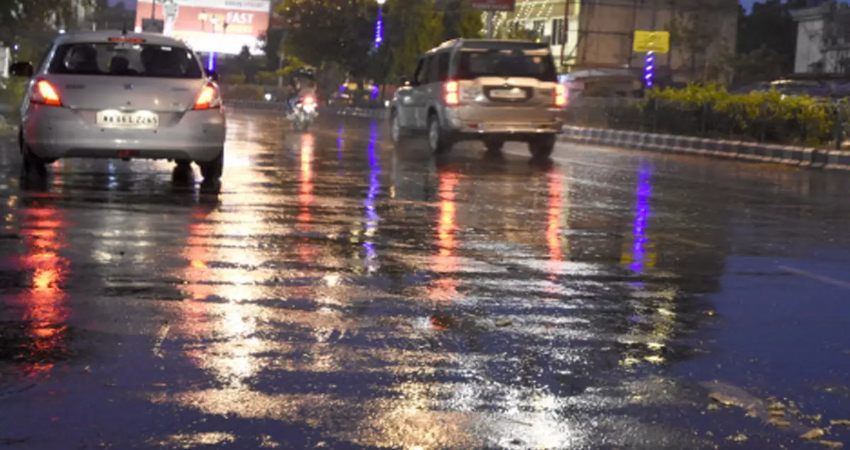
The city saw a heavy bout of rain between 8:30 AM on Saturday and 5:30 PM on Sunday. The downpour intensified on Sunday, matching the orange alert issued by the Indian Meteorological Department (IMD).

Sunday’s Rainfall

Sunday started with moderate rain, which continued through the afternoon. By evening, the rain had eased to intermittent showers, providing a brief respite.

Weather Alerts and Forecasts

IMD’s Orange Alert

The IMD had issued an orange alert for Nagpur, Wardha, and Amravati, predicting heavy rainfall. The prediction proved accurate, with significant rain recorded in these areas.

Forecast for Monday

The IMD forecasts cloudy skies for Monday, with no heavy rain expected. The city might see some sunshine after nearly five days of overcast conditions.

Upcoming Weather Conditions (Nagpur Rain Forecast)

Short-Lived Respite

Although the IMD has issued no alert for Vidarbha for the next 24 hours, suggesting a brief rain break, a new pressure area is likely to develop after 48 hours. This could bring fresh showers to the region later in the week.

Districts Inundated

While Nagpur grappled with heavy rain, other districts in Vidarbha also experienced significant rainfall.

Impact on Vidarbha Districts

Gadchiroli’s Record Rainfall

Gadchiroli recorded 70mm of rain on Sunday, taking its two-day total to a whopping 195mm.

Other Affected Districts

Bhandara received 160mm, Chandrapur 84mm, Yavatmal 65mm, Gondia 61mm, Wardha 56mm, and Amravati 35mm.

Nagpur District’s Hardest-Hit Areas

Within Nagpur district, Bhiwapur was hardest hit, recording 100.5mm of rain on Sunday. Hingna and Kuhi also experienced heavy downpours.

Cumulative Rainfall Statistics

Surpassing Averages

From June 1 to July 28, Nagpur’s cumulative rainfall has already surpassed the average for this period by 27%. The city received over 550mm against the normal 422.6mm.

Surplus and Deficient Areas

Most districts in Vidarbha have recorded surplus rainfall, except Amravati, which is slightly deficient.

Block-Level Forecast for Nagpur

Monday’s Prediction

Nagpur city can expect one or two spells of rain on Monday.

Tuesday’s Weather

Tuesday is predicted to be a dry day.

Rain Resumption

Rainfall activity is likely to resume after Wednesday.

Nagpur has faced a significant weather event, with heavy rainfall over two days. While there is a brief respite predicted, the weather pattern suggests more rain later in the week. Residents should stay informed and prepared for any further weather alerts.

1. How much rain did Nagpur receive in two days?

Nagpur received 62mm of rain between 8:30 AM on Saturday and 5:30 PM on Sunday.

2. What areas were most affected by the rain in Nagpur district?

Bhiwapur, Hingna, and Kuhi were among the hardest-hit areas in Nagpur district.

3. What is the forecast for Nagpur on Monday?

The forecast for Monday predicts cloudy skies with one or two spells of rain.

4. Which district in Vidarbha recorded the highest rainfall?

Gadchiroli recorded the highest rainfall with a total of 195mm over two days.

5. When is the next rain expected in Nagpur?

Rainfall activity is likely to resume after Wednesday.

No Monsoon System Over Vidarbha: RMC Updates

Vidarbha Monsoon Delay | RMC Nagpur Weather: The onset of the monsoon is a crucial event for the Vidarbha region of Maharashtra. Typically, by June 15, the monsoon brings much-needed relief from the scorching summer heat. However, this year, the situation is different. Despite the monsoon advancing into Maharashtra, Vidarbha has only seen scattered rainfall. The Regional Meteorological Centre (RMC) Nagpur has reported that no monsoon system has developed over Vidarbha due to the absence of favorable conditions such as a trough and wind discontinuity.

Current Weather Conditions in Vidarbha (Vidarbha Monsoon Delay | RMC Nagpur Weather)

Scattered Rainfall and Dry Weather

On Monday, while some rural areas experienced scattered rainfall, the city of Nagpur remained predominantly dry. The temperature in Nagpur hovered around 42 degrees Celsius, with Brahmapuri recording the highest temperature at 43 degrees. This has made the heat quite unbearable for the residents.

High Temperatures and Humidity

The lack of a monsoon system has resulted in high temperatures and humidity levels. The weather forecasting officials have noted that the relative humidity is high, and the air temperature is expected to remain around 40 degrees Celsius. This combination of heat and humidity can be quite uncomfortable and even dangerous for vulnerable populations.

Monsoon Advancing Further

According to the Indian Meteorological Department (IMD), the conditions are favorable for the further advancement of the Southwest Monsoon into parts of Maharashtra within the next two days. The northern limit of the monsoon currently passes through Dahanu and Sambhajinagar. This indicates that while Vidarbha is yet to see significant rainfall, other parts of Maharashtra are gradually experiencing the monsoon’s arrival.

Absence of Trough and Wind Discontinuity

The primary reason for the lack of a monsoon system over Vidarbha is the absence of a trough and wind discontinuity. These conditions are essential for the formation of a monsoon system. Without them, cloud formation is scattered, leading to sporadic rainfall in some parts while others remain dry.

Advisories for Gusty Winds and Thunderstorms

The RMC Nagpur has issued advisories for gusty winds, thunderstorms, and rain for Nagpur and other districts in Vidarbha over the next two days. Residents are urged to take precautions during these events. The advisories also indicate generally cloudy skies on June 13 and 14.

Lightning Warnings

The RMC has also issued lightning warnings for several districts, including Wardha, Bhandara, Nagpur, Yavatmal, Gondia, Akola, Washim, and Amravati. During such events, it is crucial to avoid venturing out in the open or taking shelter under trees to prevent lightning strikes.

Impact on Agriculture and Daily Life (Vidarbha Monsoon Delay | RMC Nagpur Weather)

Challenges for Farmers

The delay in the monsoon’s arrival poses significant challenges for farmers in Vidarbha. The agricultural cycle is heavily dependent on timely rainfall, and any delay can affect crop sowing and yield. Farmers are anxiously waiting for consistent rainfall to start their farming activities.

Heat-Related Health Issues

The high temperatures and humidity levels can lead to heat-related health issues such as heat strokes, dehydration, and heat exhaustion. It is essential for residents to stay hydrated, avoid strenuous outdoor activities during peak heat hours, and seek medical attention if they experience symptoms of heat-related illnesses.

Precautionary Measures

Stay Hydrated and Cool

Given the current weather conditions, it is vital to stay hydrated. Drinking plenty of water and consuming electrolyte-rich beverages can help maintain hydration levels. Using fans, air conditioners, or coolers can provide relief from the heat.

Limit Outdoor Activities

Avoiding outdoor activities during the hottest parts of the day can reduce the risk of heat-related illnesses. If outdoor activities are necessary, wearing light, loose-fitting clothing and using sun protection such as hats and sunscreen can help.

Safety During Thunderstorms

During thunderstorms, it is advisable to stay indoors and avoid open fields, tall trees, and water bodies. Electrical appliances should be unplugged to prevent damage from lightning strikes.

Future Weather Predictions

Short-Term Forecast

The IMD has predicted that conditions are favorable for the further advance of the Southwest Monsoon into parts of Maharashtra within the next two days. This could bring some relief to Vidarbha if the monsoon system develops and spreads across the region.

Long-Term Outlook

The long-term weather outlook will depend on the development of favorable conditions such as a trough and wind discontinuity. Meteorological officials will continue to monitor the situation and provide updates as needed.

The delayed monsoon in Vidarbha is a cause for concern, especially for farmers and vulnerable populations. While other parts of Maharashtra are gradually experiencing the monsoon, Vidarbha awaits the development of favorable conditions for consistent rainfall. The RMC Nagpur’s advisories and warnings highlight the importance of taking precautions during this period of high temperatures, humidity, and scattered rainfall. As we wait for the monsoon to establish itself over Vidarbha, it is crucial to stay informed and prepared.

1. When is the normal onset date for the monsoon in Vidarbha?

The normal onset date for the monsoon in Vidarbha is June 15.

2. What are the current weather conditions in Nagpur?

Nagpur is experiencing high temperatures around 42 degrees Celsius with predominantly dry weather and high humidity levels.

3. Why is there no monsoon system over Vidarbha?

The absence of a monsoon system over Vidarbha is due to the lack of favorable conditions such as a trough and wind discontinuity.

4. What precautions should residents take during thunderstorms?

Residents should stay indoors, avoid open fields and tall trees, and unplug electrical appliances during thunderstorms to prevent lightning strikes.

5. How can high temperatures affect health?

High temperatures can lead to heat-related health issues such as heat strokes, dehydration, and heat exhaustion. It is essential to stay hydrated and avoid strenuous outdoor activities during peak heat hours.

Nagpur Did Not Touch 56 Degrees Celsius, Clarifies IMD

Nagpur temperature sensor malfunction: Amid a flurry of reports that Nagpur’s temperature had soared to a scorching 56 degrees Celsius, the India Meteorological Department (IMD) has stepped in to set the record straight. It turns out that this alarming figure was the result of a malfunction in the temperature sensors. Let’s delve into the details of this incident, the implications for weather monitoring technology, and what this means for the residents of Nagpur.

The Initial Report: 56 Degrees Celsius in Nagpur

Sensational Headlines and Public Outcry

When news broke that Nagpur had recorded an unprecedented 56 degrees Celsius, it understandably caused a stir. Residents were alarmed, and the headlines made waves across the country. Such extreme temperatures are not just uncomfortable—they can be downright dangerous, potentially leading to heat strokes and other health hazards.

Location of the Record: PDKV’s Agriculture Field

The supposed record-breaking temperature was recorded at a 24-hectare open agriculture field belonging to Panjabrao Deshmukh Krishi Vidhyalaya (PDKV) in Ramdaspeth. This location became the epicenter of a meteorological anomaly that required immediate attention from experts.

IMD’s Clarification: Sensor Malfunction Identified

Investigation by the India Meteorological Department

Following the report, the IMD and the Regional Meteorological Centre in Nagpur quickly launched an investigation. It was critical to determine whether the reading was accurate or if there had been a mistake. Their findings were crucial for understanding the true state of Nagpur’s climate.

Faulty Sensor: The Culprit Behind the False Reading

After thorough examination, the IMD confirmed that the reading of 56 degrees Celsius was indeed a mistake. The temperature sensor had malfunctioned, leading to an incorrect recording. This clarification was essential to allay public fears and correct the misinformation circulating in the media.

Understanding Temperature Sensors and Their Malfunctions

How Do Temperature Sensors Work?

Temperature sensors are vital tools in weather stations. They measure the thermal state of the atmosphere, providing data that is essential for weather forecasting and climate monitoring. These sensors must be meticulously maintained to ensure accurate readings.

Common Causes of Sensor Malfunctions

Several factors can cause temperature sensors to malfunction. These include physical damage, exposure to extreme environmental conditions, electrical issues, and software glitches. Understanding these causes helps in preventive maintenance and quick troubleshooting.

The Role of Automatic Weather Stations (AWS)

Importance of AWS in Modern Meteorology

Automatic Weather Stations are critical for collecting real-time weather data. They provide continuous monitoring, which is crucial for accurate weather forecasting. AWS are equipped with various sensors, including those for temperature, humidity, wind speed, and rainfall.

Scrutiny of the AWS at PDKV

Following the incident, the AWS at PDKV came under scrutiny. Ensuring the reliability of these stations is paramount, as any malfunction can lead to significant misinformation and potential public panic.

Implications for Weather Monitoring and Public Trust

Rebuilding Trust with Accurate Information

Incidents like these can shake public trust in meteorological data. It’s essential for organizations like the IMD to provide transparent updates and explanations to maintain credibility. Public trust is crucial for the effectiveness of weather advisories and warnings.

Improving Sensor Technology and Maintenance Protocols

This event highlights the need for continual improvement in sensor technology and maintenance protocols. Investing in more robust and reliable technology can help prevent such incidents in the future.

What This Means for Nagpur Residents

Heat Management and Safety Precautions

While the 56 degrees Celsius reading was incorrect, Nagpur still experiences high temperatures. Residents must remain vigilant during heatwaves, ensuring they stay hydrated, avoid peak sun hours, and follow safety guidelines issued by health and weather authorities.

Ongoing Weather Monitoring Efforts

The IMD and local meteorological centers continue to monitor Nagpur’s weather conditions closely. Continuous monitoring and timely updates help residents prepare for and manage extreme weather conditions effectively.

The clarification from the IMD regarding the false temperature reading in Nagpur brings relief but also serves as a reminder of the importance of accurate weather monitoring. As technology evolves, so must our methods for maintaining and verifying the tools we rely on for crucial data. For the residents of Nagpur, staying informed and prepared remains the best defense against the challenges posed by extreme weather.

1. What caused the false reading of 56 degrees Celsius in Nagpur?

The false reading was caused by a malfunction in the temperature sensors at the Automatic Weather Station located in the 24-hectare open agriculture field of Panjabrao Deshmukh Krishi Vidhyalaya.

2. How does the IMD ensure the accuracy of temperature readings?

The IMD ensures accuracy through regular maintenance, calibration of sensors, and thorough investigations whenever anomalies are detected. Continuous monitoring and technological upgrades also play a key role.

3. Are extreme temperatures common in Nagpur?

Nagpur does experience high temperatures, especially during the summer months. However, temperatures as extreme as 56 degrees Celsius are not typical and usually indicate a malfunction.

4. What steps can residents take during a heatwave?

Residents should stay hydrated, avoid outdoor activities during peak sun hours, wear light clothing, and follow guidelines from health and weather authorities to stay safe during a heatwave.

5. How does the IMD communicate weather updates to the public?

The IMD uses multiple channels to communicate weather updates, including their official website, mobile apps, social media, and collaborations with news agencies to ensure timely dissemination of information.

Nagpur’s Scorching Day: Temperatures Hit Record 45.6°C

Nagpur Heat Record | Hottest Day | Maharashtra Heatwave: On Monday, Nagpur experienced its hottest day of the season, with temperatures skyrocketing to an unbearable 45.6°C. This extreme heatwave has surpassed the previous high of 43°C, recorded twice earlier this season. The India Meteorological Department (IMD) has issued warnings and advised residents to take precautions against the soaring temperatures.

Nagpur’s Record-Breaking Heat | Maharashtra Heatwave

Temperature Peaks at 45.6°C

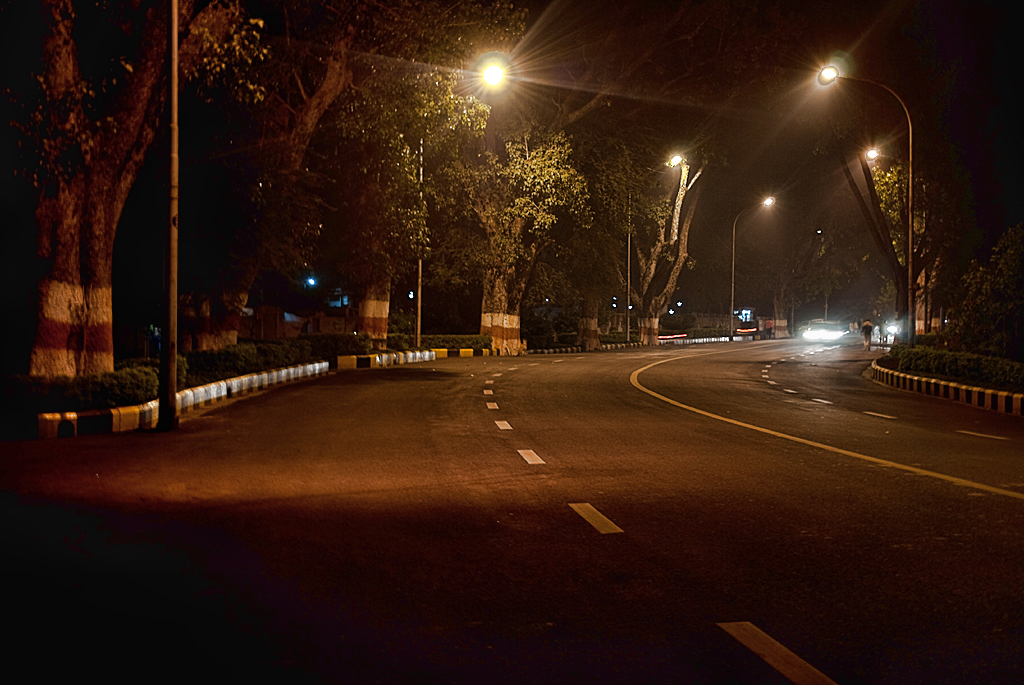
Nagpur’s thermometer hit a scorching 45.6°C, making it the hottest day of the season. The relentless heat forced most residents to stay indoors, with the streets resembling a ghost town until late evening.

Historical Context

This recent temperature spike in Nagpur surpasses the previous highs of 43°C. The last time temperatures soared this high was during previous seasonal peaks, making this a significant event in the city’s weather history.

Bramhapuri’s Blistering Heat

Temperatures Soar to 47.1°C

In Bramhapuri, the mercury climbed to a blistering 47.1°C, marking the highest temperature in Maharashtra on Monday. This intense heatwave is the second highest temperature recorded in Bramhapuri in recent decades.

Comparing Historical Records

The 47.1°C recorded is second only to the 47.7°C experienced on May 27, 1983. This extreme heatwave has left residents seeking shelter and staying hydrated to cope with the oppressive heat.

Deserted Streets and Indoor Life

The extreme heat kept most residents indoors, turning Nagpur’s usually bustling streets into deserted pathways until 5 PM. The combination of high temperatures and hot winds made venturing outside unbearable.

Health Precautions

The IMD has advised people to remain indoors during peak heat hours and to stay hydrated. Drinking plenty of water, buttermilk, or juices is crucial to avoid heatstroke and other heat-related illnesses.

Forecast: No Relief in Sight (Nagpur Heat Record)

Expected Temperature Rise | Nagpur Heat Record

Unfortunately, there’s no immediate relief in sight. The IMD predicts that temperatures will continue to rise throughout the week, both during the day and at night.

Extended Heatwave Alert

With temperatures expected to climb further, the IMD’s warnings remain in place, urging residents to take necessary precautions to protect themselves from the heat.

Heatwave in Other Cities

Wardha and Amravati

Wardha and Amravati also faced extreme heat on Monday, recording temperatures above 45°C. The heatwave is affecting a large part of the region, making it a challenging time for residents.

Other Affected Areas

  • Bhandara: 44.5°C
  • Chandrapur: 44.8°C
  • Gadchiroli: 44°C
  • Gondia: 44.5°C
  • Akola: 42.2°C
  • Yavatmal: 42.5°C
  • Buldhana: Below 40°C (the only exception in Vidarbha)

Staying Safe in Extreme Heat

Hydration is Key

One of the most effective ways to combat the heat is by staying hydrated. The IMD recommends drinking plenty of fluids like water, buttermilk, and juices.

Avoiding Direct Sunlight | Maharashtra Heatwave

Staying indoors during peak hours (typically between 11 AM and 4 PM) can significantly reduce the risk of heat-related illnesses. If you must go outside, wear loose, light-coloured clothing, and use sunscreen to protect your skin.

Using Cooling Methods

Using fans, air conditioning, or taking cool showers can help keep body temperatures down. Additionally, consuming light, easily digestible meals can prevent the body from overheating.

Nagpur’s record-breaking temperatures have ushered in a challenging period for its residents. With the IMD forecasting no immediate relief, it’s crucial to heed their advice and take necessary precautions to stay safe. The extreme heatwave has affected not just Nagpur but several other cities in the region, making it a widespread issue. As we brace for potentially even hotter days, staying informed and prepared is key to enduring this heatwave.

1. What was the highest temperature recorded in Nagpur on Monday?

The highest temperature recorded in Nagpur on Monday was 45.6°C, making it the hottest day of the season.

2. How does the recent heat in Bramhapuri compare to historical records?

Bramhapuri recorded a temperature of 47.1°C, the second highest in recent decades, following the 47.7°C recorded on May 27, 1983.

3. What precautions has the IMD advised during the heatwave?

The IMD advises staying indoors during peak hours, staying hydrated with water, buttermilk, or juices, and avoiding direct sunlight to prevent heatstroke.

4. Are other cities in the region experiencing similar heat?

Yes, other cities like Wardha, Amravati, Bhandara, Chandrapur, Gadchiroli, and Gondia also faced extreme heat, with temperatures significantly above normal.

5. Is there any relief expected from the current heatwave?

No immediate relief is expected, with temperatures forecasted to rise further throughout the week, both during the day and at night.

Exit mobile version