Innovative Mist Cooling System at Nagpur Railway Station

In response to the extreme summer heat that can make waiting at railway platforms unbearable, Nagpur Railway Station has unveiled a state-of-the-art mist cooling system on platforms 1, 2, and 3. This innovative solution aims to enhance passenger comfort during the hottest months, from April to June, when temperatures soar above 45 degrees Celsius.

Summer in Nagpur can be relentless, with temperatures often rising above 45 degrees Celsius. This extreme heat makes waiting on railway platforms a daunting experience. However, Nagpur Railway Station has introduced an innovative solution to tackle this issue—a mist cooling system designed to reduce the ambient temperature and provide relief to passengers.

How the Mist Cooling System Works

The Technology Behind the Cooling

The mist cooling system works by dispersing fine droplets of water through specialized nozzles. These droplets evaporate quickly, absorbing heat from the air and thereby cooling the surrounding area. The primary components of this system include a high-pressure pump, micro filters, a control system, piping, fittings, and the nozzles themselves.

Key Components

High-Pressure Pump

The high-pressure pump is the heart of the mist cooling system. It ensures that water is delivered at the necessary pressure to create a fine mist.

Micro Filters

Micro filters play a crucial role by preventing impurities from clogging the nozzles. This ensures that the system operates efficiently and requires minimal maintenance.

Control System

The control system allows for precise regulation of the mist output, ensuring optimal cooling without wasting water.

Specialized Nozzles

The nozzles are strategically placed around the platforms to maximize the cooling effect. They are designed to disperse water in a way that enhances evaporation and cooling.

Benefits of the Mist Cooling System

Effective Outdoor Cooling

The mist cooling system provides a practical solution for cooling open-air platforms where traditional air conditioning is not feasible. By reducing the ambient temperature by 6 to 8 degrees Celsius, it makes waiting more comfortable for passengers.

Cost-Effective Maintenance

Designed for easy and affordable upkeep, the mist cooling system ensures long-term operation without significant costs. The use of micro filters reduces the likelihood of nozzle blockages, minimizing the need for frequent maintenance.

Energy Efficiency

Consuming minimal energy, the mist cooling system is an environmentally friendly option. It uses significantly less power compared to traditional cooling methods, making it a sustainable choice for large, open areas like railway platforms.

Improved Air Quality

In addition to cooling, the mist cooling system enhances air quality by reducing dust, smoke, and other respirable particles. This creates a cleaner and healthier environment for passengers.

Space-Saving Installation

The system integrates seamlessly into the existing platform infrastructure without requiring additional space. This makes it an ideal solution for busy railway stations where space is at a premium.

Installation and Implementation

Strategic Placement of Nozzles

The nozzles are strategically installed on platforms 1, 2, and 3 to ensure even distribution of the mist. This placement is critical to achieving the maximum cooling effect.

Ease of Operation

The control system is user-friendly, allowing railway staff to easily adjust the mist output based on the ambient temperature and passenger load.

Passenger Feedback and Satisfaction

Immediate Relief

Passengers have reported immediate relief from the scorching heat upon entering the mist-cooled areas. The reduction in temperature makes waiting for trains a more pleasant experience.

Positive Impact on Health and Well-being

The improved air quality and cooler temperatures contribute to better health and well-being for passengers, particularly those who are elderly or have respiratory issues.

Environmental and Economic Impact

Sustainability

The mist cooling system’s low energy consumption makes it a sustainable solution for reducing heat on railway platforms. It aligns with environmental goals by lowering energy use and reducing the carbon footprint.

Economic Efficiency

By reducing the need for high-energy cooling systems, the mist cooling system offers significant cost savings. Its minimal maintenance requirements further enhance its economic viability.

Future Prospects

Expansion Plans

Given the success of the mist cooling system on platforms 1, 2, and 3, there are plans to expand the installation to other platforms at Nagpur Railway Station. This expansion could further improve passenger comfort across the station.

Potential for Other Stations

The success at Nagpur Railway Station sets a precedent for other railway stations facing similar challenges. The mist cooling system could be implemented at other locations to provide relief from extreme heat.

Nagpur Railway Station’s innovative mist cooling system is a game-changer in combating extreme summer heat. By significantly reducing ambient temperatures and improving air quality, it enhances passenger comfort and well-being. This sustainable and cost-effective solution underscores the station’s commitment to passenger satisfaction and environmental responsibility.

1. How much does the mist cooling system reduce the temperature?

The mist cooling system reduces the ambient temperature by 6 to 8 degrees Celsius.

2. Is the mist cooling system energy-efficient?

Yes, the system consumes minimal energy, making it an environmentally friendly option.

3. Does the mist affect visibility on the platforms?

No, the mist is fine enough that it does not affect visibility while providing effective cooling.

4. How often does the system require maintenance?

Thanks to the use of micro filters, the system requires minimal maintenance, ensuring long-term reliability.

5. Can the mist cooling system be installed at other railway stations?

Yes, the success of the system at Nagpur Railway Station suggests it could be implemented at other stations to provide relief from extreme heat.

IMD Forecasts Monsoon Arrival in Kerala by May 31

IMD Monsoon Forecast Kerala | Monsoon Arrival Kerala: The India Meteorological Department (IMD) has announced that the southwest monsoon is expected to set in over Kerala by May 31, with a model error of ± 4 days. This forecast comes as a significant update for the Indian agricultural sector and the overall economy, which heavily relies on the monsoon rains. Let’s dive deeper into what this means for Kerala and the rest of the country.

The Significance of the Southwest Monsoon

Importance of Monsoon for India

The southwest monsoon is a lifeline for India, contributing to over 70% of the country’s annual rainfall. This monsoon period is critical for replenishing water reservoirs, sustaining agricultural activities, and maintaining the water table.

Economic Impact

Over 50% of India’s farmland lacks any form of irrigation other than the monsoon rains. Therefore, the timely arrival and distribution of the monsoon are crucial for crop production, food security, and inflation control.

Forecasting the Monsoon (Monsoon Arrival Kerala)

IMD’s Predictive Model

Since 2005, the IMD has been using an indigenously developed statistical model to forecast the onset of the monsoon in Kerala. This model has a margin of error of ± 4 days, making it a reliable tool for predicting the arrival of the monsoon.

Accuracy of Past Forecasts

Last year, the IMD forecasted the monsoon arrival on June 4, but it actually arrived on June 8. Despite the slight deviation, the forecast was within the acceptable error range. This demonstrates the model’s robustness and reliability.

Current Weather Conditions

Heatwave Alerts

In its latest bulletin, the IMD has issued heatwave warnings for Northwest India starting May 16 and for the eastern regions from May 18. These conditions are expected to persist until the onset of the monsoon.

Heavy Rainfall and Thunderstorms

The southern states are likely to experience heavy rainfall, thunderstorms, lightning, and gusty winds until May 20. These pre-monsoon showers are typical and help in cooling down the region before the main monsoon sets in.

Impact of the Monsoon on Agriculture

Agricultural Production

The IMD has forecasted above-average monsoon rainfall for 2024, which is excellent news for the agricultural sector. Consistent and sufficient rainfall can lead to higher crop yields, benefiting farmers and ensuring food security.

Economic Stability

A robust monsoon season can help stabilize the economy by boosting agricultural production, keeping food prices in check, and controlling inflation. This, in turn, can lead to increased demand for industrial goods and services.

Challenges Posed by Erratic Weather

Last Year’s Monsoon Irregularities

The previous year’s erratic monsoon adversely affected crop production, leading to restrictions on the export of essential commodities like sugar, rice, wheat, and onions. This step was necessary to maintain domestic supply and prevent price hikes.

Preparing for Uncertainties

Farmers and policymakers must remain vigilant and adaptable to weather anomalies. Implementing efficient water management practices and diversifying crops can mitigate the risks associated with unpredictable weather patterns.

The Long-Term Outlook

Historically, the monsoon arrives in Kerala around June 1 and retreats by mid-September. This year, the IMD expects the total rainfall to be 106% of the long-term average, indicating a potentially strong and beneficial monsoon season.

Future Forecasting Improvements (Monsoon Arrival Kerala)

Continuous advancements in meteorological technology and models are improving the accuracy of monsoon forecasts. This helps in better planning and preparedness for the agricultural sector and other industries dependent on the monsoon.

The IMD’s forecast of the southwest monsoon’s arrival in Kerala by May 31 brings hope and anticipation. The monsoon’s role in India’s agriculture and economy cannot be overstated. With the promise of above-average rainfall, the country looks forward to a season of growth, stability, and prosperity.

1. What is the significance of the southwest monsoon in India?

The southwest monsoon is crucial as it provides over 70% of India’s annual rainfall, essential for agriculture, water reservoir replenishment, and maintaining the water table.

2. How accurate are the IMD’s monsoon forecasts?

The IMD uses a statistical model with a margin of error of ± 4 days, which has proven to be reliable over the years.

3. What are the current weather conditions in India?

The IMD has issued heatwave alerts for Northwest and eastern India and forecasted heavy rainfall and thunderstorms in the southern states until May 20.

4. How does the monsoon impact the Indian economy?

A good monsoon boosts agricultural production, stabilizes food prices, controls inflation, and increases demand for industrial goods, contributing to overall economic growth.

5. What challenges do erratic weather patterns pose to India?

Erratic weather can disrupt agricultural production, leading to export restrictions and price hikes. Efficient water management and crop diversification are essential to mitigate these risks.

Rain, Thunderstorms for 3 Days in City, Scorcher to Make a Return by May-End

A Welcome Change in Nagpur’s Weather

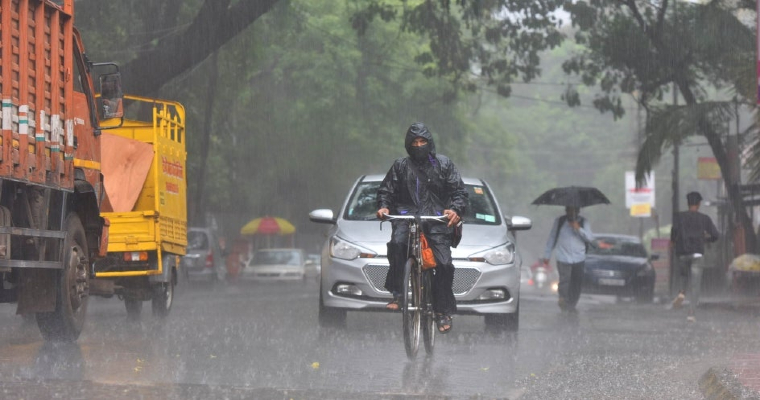
Rain Thunderstorms Nagpur Weather | Nagpur, renowned for its blistering May temperatures, is experiencing a welcome shift. The India Meteorological Department (IMD) has issued a yellow alert for rain and thunderstorms until May 20. This development has brought relief to residents, offering a temporary escape from the typical heat.

Cooler Temperatures and Cloudy Skies

In a surprising turn of events, Nagpur recorded a high of only 34.1°C on May 17. The city has been under a blanket of clouds, with sporadic showers keeping the maximum temperatures significantly lower than usual. This reprieve from the heat is evident across most of Vidarbha, with only Akola and Yavatmal districts seeing highs above 40°C recently.

Impact on Minimum Temperatures

Not only have maximum temperatures dropped, but minimum temperatures have also been lower than normal. This combination has created a generally comfortable climate for residents. The trend of below-average temperatures has been a pleasant surprise for many, making this May less scorching than in previous years.

Rainfall Across the Region

Scattered rainfall has been reported throughout the region. Gadchiroli received the most rain in the last 24 hours with 19mm, followed by Chandrapur (9mm), Amravati (4.4mm), and Yavatmal (1.2mm). These showers have contributed to the cooler weather, providing much-needed moisture to the dry land.

Rainfall Statistics

  • Gadchiroli: 19mm
  • Chandrapur: 9mm
  • Amravati: 4.4mm
  • Yavatmal: 1.2mm

IMD’s Yellow Alert (Rain Thunderstorms Nagpur Weather)

The IMD’s yellow alert signifies a cautionary notice for residents to be prepared for the adverse weather conditions. This alert remains in effect until May 20, urging people to stay safe during thunderstorms and heavy rainfall.

Preparing for the Heatwave’s Return

While the current weather brings relief, Nagpurians should brace for the return of high temperatures. The IMD forecasts that after May 20, temperatures will begin to climb, potentially exceeding 40°C once again. This rise in temperature is expected to bring back the typical scorching heat of late May.

Fire and Emergency Services on High Alert

The recent storms and fierce winds have kept the fire and emergency services busy. In the past 24 hours, they have responded to 21 emergency calls related to uprooted trees and storm damage across the city. The prompt response of these services has been crucial in managing the impact of the weather.

Weather Patterns in Vidarbha

The entire Vidarbha region has seen a pattern of lower-than-usual temperatures and scattered rainfall. This change has provided a break from the relentless heat, making the weather more bearable for residents.

District-wise Weather Observations

  • Akola and Yavatmal: Highs above 40°C
  • Other Districts: Maximum temperatures between 33.5°C to 39°C

The Science Behind the Weather Change

The shift in weather can be attributed to various meteorological factors, including changes in wind patterns and atmospheric pressure. These factors have combined to bring about the cooler, wetter conditions currently experienced in the region.

Long-term Weather Forecast

As we approach the end of May, the IMD predicts a gradual rise in temperatures. This trend indicates a return to the usual heatwave conditions that Nagpur is known for. Residents should be prepared for this change and take necessary precautions to stay cool and hydrated.

Tips for Coping with Heatwaves

  1. Stay Hydrated: Drink plenty of water throughout the day.
  2. Avoid Peak Sun Hours: Try to stay indoors during the hottest part of the day.
  3. Wear Light Clothing: Choose loose, light-coloured clothing to stay cool.
  4. Use Fans and Air Conditioners: Keep your living spaces cool using fans or air conditioning.
  5. Check on Vulnerable Individuals: Ensure that the elderly and young children are staying cool and hydrated.

Nagpur’s brief respite from the scorching May heat has been a relief for its residents. The rain and thunderstorms, accompanied by lower temperatures, have provided a welcome change. However, with the IMD forecasting a return to high temperatures after May 20, it’s crucial for everyone to prepare for the heatwave that lies ahead.

1. What is the current weather situation in Nagpur? Nagpur is experiencing cooler temperatures with rain and thunderstorms expected until May 20.

2. How much rain has been recorded in the region? Gadchiroli recorded 19mm, Chandrapur 9mm, Amravati 4.4mm, and Yavatmal 1.2mm in the past 24 hours.

3. When is the heatwave expected to return? The IMD forecasts that the heatwave will return after May 20, with temperatures rising above 40°C.

4. What precautions should residents take during the heatwave? Residents should stay hydrated, avoid peak sun hours, wear light clothing, use fans or air conditioners, and check on vulnerable individuals.

5. What is the IMD’s yellow alert? The yellow alert is a cautionary notice for adverse weather conditions, urging residents to stay safe during rain and thunderstorms.

Early Monsoon Rains Bring Hope to Maharashtra

A Promising Outlook for Maharashtra’s Monsoon

Early Monsoon Maharashtra Relief: As anticipation for the monsoon builds, Maharashtra residents can look forward to an early arrival of rains this year, with forecasts indicating onset between June 10th and 12th, with Nagpur likely to receive its first showers by June 12th.

Meteorological Insights into Early Monsoon Patterns

Meteorologist Manikarav Khule attributes this to favorable conditions amidst prevailing southwest monsoon patterns, with a cyclonic circulation near Kanyakumari and a low-pressure area off the Kerala coast extending towards Maharashtra, further supporting this prediction.

Nationwide Monsoon Forecast and Projections

Forecasts till May 19th project monsoon rains across the country’s seas, reaching up to the Sumatra Islands, with a likelihood of cyclonic formation in the Bay of Bengal in the coming days.

Early Arrival: Departure from Tradition

Traditionally, the southwest monsoon hits Kerala by June 1st, but this year it’s expected by May 27th to 28th due to current conditions. It’s then projected to advance towards Maharashtra within 10 to 12 days, possibly reaching Vidarbha via coastal areas. Khule emphasizes the significance of the monsoon’s trajectory through the Bay of Bengal post-May 19th and highlights the potential formation of a cyclonic system in the Arabian Sea during its onset, influencing its progression.

A Ray of Hope Amidst Anticipation

The early arrival of monsoon rains brings hope and relief to Maharashtra, promising relief from the scorching heat and replenishment for agricultural activities. As the state eagerly awaits the first drops, the forecasts paint a picture of optimism and renewal.

1. When is the monsoon expected to arrive in Maharashtra?

The monsoon is forecasted to arrive between June 10th and 12th, with Nagpur likely to receive its first showers by June 12th.

2. What factors contribute to the early onset of monsoon rains?

Favorable conditions, including a cyclonic circulation near Kanyakumari and a low-pressure area off the Kerala coast, support the early arrival of monsoon rains in Maharashtra.

3. How does the monsoon progression impact agricultural activities?

The timely onset of monsoon rains is crucial for agricultural activities as it ensures adequate water supply for crops, fostering growth and productivity.

4. What regions of Maharashtra are expected to be affected by the early monsoon?

Coastal areas and regions like Vidarbha are projected to be impacted by the early monsoon, offering relief from the prolonged heatwave.

5. How does the trajectory of the monsoon influence weather patterns in Maharashtra?

The trajectory of the monsoon, particularly through the Bay of Bengal and the Arabian Sea, plays a significant role in determining the intensity and distribution of rainfall across Maharashtra.

Green Nets: Providing Cool Respite for Nagpur’s Motorists

Beat the Heat with Green Nets

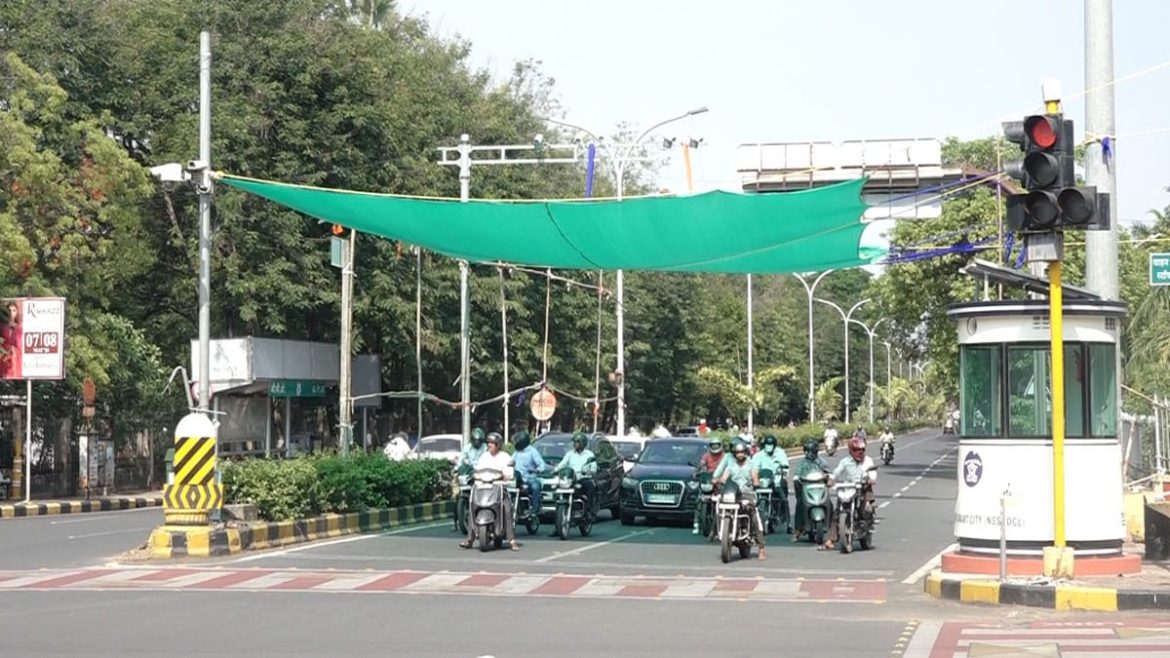
Nagpur motorists: Nagpur, known for its scorching summer heat, is witnessing a remarkable initiative by the Nagpur Municipal Corporation (NMC) aimed at providing relief to motorists. The installation of green nets at various traffic signals seeks to offer shade to commuters, especially two-wheeler riders and vulnerable groups like women and children. With the impending ‘Nautapa’, a period of even higher temperatures, this move comes at a crucial time.

Key Intersections Covered

The NMC has strategically chosen key intersections for the installation of these green nets. Locations such as RBI Square, GPO Square, Law College Square, Shankar Nagar, and Manewada Square are among the initial sites where these nets have been erected. However, challenges arise, particularly on wide roads, due to strong winds threatening the integrity of the nets.

Challenges Faced by the NMC

The NMC faces hurdles in maintaining the green nets on wide roads, primarily due to the region’s strong winds. Despite this, the civic body remains committed to providing relief to motorists, though adjustments to the plan may be necessary.

Expansion Plans and Selection Criteria

Ravindra Bundhade, executive engineer of NMC’s traffic department, highlights the selection criteria for the project. Junctions experiencing longer waiting periods due to heavy traffic and lacking natural shade from trees have been prioritized. The success of this pilot project may lead to its expansion to additional locations.

Site-specific Installations

At each identified intersection, specific considerations have been made for the installation of green nets. For instance, at RBI Square and GPO Square, nets will be erected on sides where natural shade is lacking, ensuring coverage for both inbound and outbound traffic.

Adaptation to Ongoing Construction

Challenges posed by ongoing construction, such as at Law College Square, require adaptability. In such cases, the NMC is working to overcome obstacles and ensure the effectiveness of the green net initiative.

Learning from Past Attempts

Previous endeavors, like the 2016 installation at RBI Square, faced setbacks due to storm damage. However, authorities have learned from these experiences, implementing measures to reinforce the nets against strong winds.

Public Reception and Environmental Impact

The initiative has garnered positive feedback from the public, particularly from two-wheeler riders who appreciate the relief from the intense sun. Environmental activists advocate for collective efforts, including providing water bowls for birds, to mitigate the challenges posed by hot weather.

A Step Towards Urban Well-being

The installation of green nets at traffic signals in Nagpur signifies a proactive approach to improving urban well-being. As the initiative gains momentum, its success highlights the importance of adaptive measures in urban planning.

  1. How do green nets benefit motorists? Green nets provide shade at traffic signals, offering relief from the intense summer heat, especially for vulnerable groups like two-wheeler riders, women, and children.
  2. What criteria were considered for selecting locations for green nets? Locations with heavy traffic flow and inadequate natural shade from trees were prioritized for the installation of green nets.
  3. How does the NMC plan to address challenges posed by strong winds? The NMC is implementing measures to reinforce the green nets against strong winds, learning from past experiences to ensure their durability.
  4. What role do environmental activists play in this initiative? Environmental activists advocate for collective efforts to mitigate the impact of hot weather, including initiatives like providing water bowls for birds.
  5. How might the success of this initiative impact future urban planning? The success of the green net initiative underscores the importance of adaptive measures in urban planning, highlighting the need to prioritize citizen well-being.

Heavy Rain Soaks 20,000 Chilli Sacks in Kalmana Market: Devastating Losses for Growers

Unexpected Rainfall Leads to Catastrophic Losses

Kalamna Market: In the bustling agricultural market yard of Kalmana, (Kalamna Market) a devastating turn of events occurred as heavy rainfall on Thursday morning left 20,000 sacks of vibrant red chillies soaked. This unfortunate incident has inflicted massive financial losses on chilli growers, amounting to lakhs of rupees.

The Background: Anticipation and Bustling Markets

In December, concerns about crop damage due to heavy rainfall loomed over the agricultural community. However, as time progressed, these worries subsided, and the market saw a surge in the arrival of goods. The Kalmana chilli market, operational only on Mondays, witnessed bustling activity as vendors eagerly brought their produce to sell. The demand for chillies in Kalmana stems from both domestic and international markets, fostering a dynamic exchange of goods.

The Impact: Unforeseen Chaos and Financial Setback

Despite the anticipation of a productive market day, chaos ensued with the unexpected downpour. The entire stock of chillies, intended for auction, faced an unforeseen challenge. Unable to swiftly move or protect the vast quantity of goods, approximately 20,000 sacks succumbed to saturation. The soaked chillies now require drying, further adding to the financial burden. Moreover, the quality deterioration due to water damage exacerbates the losses faced by growers. Each sack, holding 35 to 40 kilograms of chillies, represents a significant investment now compromised by the relentless rain. Should the inclement weather persist, the forecast for chilli crop losses remains grim.

Navigating Challenges in Agricultural Markets

The unfortunate incident in Kalmana serves as a reminder of the unpredictability inherent in agricultural endeavors. Despite meticulous planning and anticipation, external factors such as weather can disrupt the delicate balance of supply and demand. As growers and vendors navigate these challenges, resilience and adaptability emerge as essential traits in sustaining agricultural livelihoods.

1. Can the soaked chillies be salvaged?

Yes, efforts are underway to dry the chillies and salvage as much of the crop as possible. However, the quality may be compromised, affecting market value.

2. How will the losses impact local farmers?

The financial losses incurred due to the rain-soaked chillies will have a significant impact on the livelihoods of local farmers, potentially affecting their income for the season.

3. Is there any assistance available for affected growers?

Local agricultural authorities may provide support and guidance to affected growers, offering resources to mitigate the impact of the losses.

4. What measures can be taken to prevent similar incidents in the future?

Growers may explore options such as improved infrastructure for sheltering produce during adverse weather conditions or diversification of crops to mitigate risks associated with single-crop dependence.

5. How does this event reflect broader challenges in agriculture?

The incident underscores the vulnerability of agricultural markets to external factors beyond growers’ control, highlighting the need for resilience and proactive risk management strategies.

Sunday Turns Burnday: Nagpur Sizzles at 43°C

A Scorching Sunday in Nagpur

Nagpur heatwave: Nagpur witnessed scorching temperatures on Sunday, marking the hottest day of the season with mercury soaring to a blistering 43 degrees Celsius. The sweltering heatwave gripped the city, leaving residents seeking respite from the relentless sun.

Relief on the Horizon

Amidst the sweltering heat, there’s a glimmer of hope on the horizon. The Regional Meteorological Centre (RMC) forecasts showers and even hailstorms at isolated locations in the upcoming days. This prediction brings a sigh of relief to many, offering a potential reprieve from the oppressive heat.

Changing Weather Patterns

The RMC predicts rainfall in Nagpur district from Tuesday to Thursday, with expectations of cooling rains spreading across other districts in the region as well. However, it’s crucial to note that these forecasts are subject to change. Despite the accuracy of last month’s predictions, weather patterns remain dynamic and unpredictable.

Temperature Extremes Across Vidarbha

Sunday’s scorching temperatures were not confined to Nagpur alone. Except for Buldhana, where the mercury peaked at 39.6 degrees, all other districts in Vidarbha experienced temperatures exceeding 40 degrees Celsius. Akola claimed the title of the hottest spot in the region, reaching a sweltering 44.4 degrees, closely followed by Chandrapur at 44.2 and Wardha at 44 degrees. Bhandara recorded a slightly lower but still oppressive temperature of 42 degrees.

Forecasted Weather Events

The RMC’s predictions offer a glimpse into the upcoming weather phenomena. While heatwave warnings loom over isolated areas in Chandrapur, thunderstorms with gusty winds at speeds of 30 to 40kmph are expected from Monday to Wednesday. In Akola, isolated heatwaves are forecasted for Monday, coupled with thunderstorm predictions on Wednesday. Gadchiroli and Gondia may experience three days of rain during the week, while thunderstorms are anticipated in Yavamtal from Monday to Thursday at isolated locations.

As Nagpur grapples with scorching temperatures, the promise of rainfall brings hope for relief from the relentless heatwave. While weather forecasts offer insights, the dynamic nature of weather patterns underscores the need for preparedness and adaptability in the face of changing conditions.

1. How accurate are weather forecasts in Nagpur?

Weather forecasts in Nagpur are typically reliable but subject to change due to the dynamic nature of weather patterns.

2. What precautions should residents take during a heatwave?

During a heatwave, it’s essential to stay hydrated, avoid outdoor activities during peak sun hours, and seek shelter in air-conditioned or shaded areas.

3. How does the RMC predict weather events?

The RMC utilizes advanced meteorological tools and data analysis techniques to forecast weather events, including temperature fluctuations, rainfall, and storms.

4. Is climate change contributing to extreme weather in Nagpur?

While individual weather events cannot be directly attributed to climate change, rising global temperatures can influence the frequency and intensity of extreme weather phenomena, including heatwaves.

5. What steps can communities take to mitigate the impacts of extreme heat?

Communities can implement heat action plans, improve urban green spaces, and promote energy-efficient practices to mitigate the impacts of extreme heat and build resilience against future heatwaves.

Met Predicts Thunderstorm, Hail Today: A Detailed Weather Forecast for Nagpur and Surrounding Areas

What to Expect in Nagpur Today and Tomorrow

Weather forecast | Thunderstorm | Vidarbha: As we brace ourselves for the weather in Nagpur and its neighboring regions, the meteorological department’s predictions are paramount. Monday brings with it the anticipation of thunderstorms and hail, while Tuesday promises another wet spell, potentially alleviating the soaring temperatures. Let’s delve into the forecast and understand what lies ahead.

Thunder and Hail: Monday’s Weather Outlook

Today, residents of Nagpur (Vidarbha) should prepare for thunder and hail, adding a dynamic twist to the city’s atmosphere. The regional meteorology department foresees these phenomena not just in Nagpur but across Vidarbha, except for Bhandara and Gondia, which may experience them on April 26th.

Temperature Relief: A Silver Lining Amidst Storms

Despite the impending thunderstorm and hail, there’s a glimmer of relief in the forecast. Tuesday’s wet spell is expected to lower the day temperature to just below 40°C, offering respite from the scorching heat that has gripped the region.

Recent Weather Events: Insights from Sunday

Looking back at Sunday, Nagpur witnessed a significant rise in temperature, soaring to 40.6°C. This surge followed overnight rain and thunder showers in isolated areas, highlighting the unpredictable nature of weather patterns.

Heatwave Concerns: Challenges in Washim

While Nagpur experienced its share of weather fluctuations, Washim faced the brunt of a heatwave, with temperatures crossing 43°C, a staggering 4 notches above normal. Despite the anticipation of rain, the mercury is expected to hover between 40-42°C, posing challenges for residents.

Navigating Weather Variability

As we navigate through the fluctuations in weather patterns, it’s essential to stay informed and prepared. While thunderstorms and hail may disrupt routines, they also offer relief from the relentless heat. By staying vigilant and adapting to changing conditions, residents can mitigate the impact of unpredictable weather.

1. What precautions should I take during a thunderstorm?

During a thunderstorm, it’s advisable to seek shelter indoors, away from windows and doors. Avoid using electronic devices and plumbing fixtures to reduce the risk of lightning strikes.

2. How can I protect my property from hail damage?

To minimize hail damage, consider installing impact-resistant roofing materials and securing outdoor furniture and vehicles. Additionally, trimming trees and shrubs can reduce the risk of falling branches during storms.

3. Will the wet spell on Tuesday affect travel plans?

While the wet spell may cause minor disruptions to travel, major transportation services are likely to operate as usual. However, it’s advisable to stay updated on weather forecasts and road conditions before embarking on any journeys.

4. What causes unseasonal rains in the region?

Unseasonal rains can be attributed to various factors, including climate change, atmospheric disturbances, and local weather patterns. These anomalies underscore the need for ongoing research and adaptation to mitigate their impact.

5. How can I stay informed about weather updates (Weather forecast) in Nagpur?

To stay informed about weather updates in Nagpur and surrounding areas, consider subscribing to official meteorological channels, mobile apps, and local news sources. Additionally, maintaining a weather emergency kit can help you prepare for unforeseen circumstances.

Akola Tops Charts with Sweltering 44 Degrees: A Look at Vidarbha’s Heat Wave

Rising Temperatures in Vidarbha

As the month of April unfolds, the Vidarbha region finds itself in the grip of a scorching heat wave. On a recent Friday, Akola, a city in Vidarbha, clinched the title for the hottest place in the region, with the mercury soaring to a staggering 44 degrees Celsius. Chandrapur, not far behind, is vying to surpass Akola’s record, with temperatures touching 43.8 degrees. Following closely, Washim and Wardha experienced highs of 43.0 and 42.5 degrees respectively. Even Nagpur, a significant city in the region, registered a scorching 41.4 degrees Celsius.

Impact on Voter Turnout: Heat Wave and Elections

The blistering heatwave hasn’t just affected the temperature readings; it has also left its mark on other aspects of life in Vidarbha. Recently, on April 19, polling took place in various constituencies including Nagpur, Bhandara-Gondia, Chandrapur, Gadchiroli-Chimur, and Ramtek. However, despite the efforts of local authorities to encourage voter turnout, the oppressive heat combined with three consecutive holidays resulted in a significantly low voter participation rate in these areas.

Rising Temperatures: A Regional Concern

The temperatures recorded on that fateful Friday soared above the 40-degree mark, indicating a worrying trend for the region. With climate change looming large, such extreme weather events are becoming more frequent and intense, posing significant challenges to both the populace and policymakers alike.

Navigating the Heat Wave

In conclusion, as the temperatures continue to rise, it becomes imperative for residents of Vidarbha to take necessary precautions to mitigate the adverse effects of the heat wave. Additionally, policymakers need to implement measures to address the underlying causes of such extreme weather events to ensure the well-being of the region’s inhabitants.

Frequently Asked Questions (FAQs)

1. How does extreme heat impact voter turnout?

Extreme heat can discourage people from venturing out of their homes, thus leading to a lower voter turnout during elections.

2. What measures can individuals take to stay safe during a heat wave?

Staying hydrated, avoiding prolonged exposure to the sun, and seeking shelter in cool places can help individuals stay safe during a heat wave.

3. Are heat waves becoming more common in Vidarbha?

Yes, with climate change, heat waves are becoming more frequent and intense in Vidarbha and other regions.

4. How do heat waves affect agriculture in Vidarbha?

Heat waves can adversely affect crops by causing dehydration and heat stress, leading to reduced yields and economic losses for farmers.

5. What role does urban planning play in mitigating the effects of heat waves?

Effective urban planning, including the presence of green spaces and proper ventilation, can help mitigate the effects of heat waves by reducing the urban heat island effect.

Unseasonal Rains in Maharashtra: A Detailed Analysis

Unprecedented Forecast: Unseasonal Rains Extending Till April 15

The meteorological department has issued a significant announcement regarding the unseasonal rains in Maharashtra, extending their presence until April 15. The forecast entails not only continued precipitation but also warnings of potential hailstorms in East Vidarbha by Friday. Additionally, both Marathwada and central Maharashtra are expected to experience heavy rainfall during this period.

Forecast Details for the Next 24 Hours

Within the forthcoming 24 hours, regions such as Vidarbha, Central Maharashtra, and Marathwada may encounter substantial rainfall. An orange alert has specifically been issued for districts like Chandrapur, Gadchiroli, and Gondia, indicating the severity of the anticipated weather conditions. Furthermore, thunderstorms and showers are anticipated in various other districts, including Bid, Latur, Dharashiv, Sangli, Parbhani, Yavatmal, Washim, Sambhaji Nagar, and Solapur. A yellow alert has been raised for these districts as a precautionary measure.

Temperature Variations: Impact of Unseasonal Rains

Despite the unusual weather patterns, it’s noteworthy that temperatures in Vidarbha remained below the seasonal average on Friday. Nagpur, for instance, recorded a maximum temperature of 30.4 degrees Celsius, signifying a departure from the typical climatic conditions. Conversely, Akola experienced relatively higher temperatures, reaching a maximum of 35.8 degrees Celsius within the region.

In conclusion, the prolonged presence of unseasonal rains in Maharashtra, as forecasted by the meteorological department, underscores the importance of preparedness and vigilance among residents and authorities alike. Understanding the implications of such weather phenomena is crucial for mitigating potential risks and ensuring the safety and well-being of communities.

FAQs (Frequently Asked Questions)

1. How long are the unseasonal rains expected to last in Maharashtra?

The unseasonal rains are anticipated to persist until April 15, according to the meteorological department’s latest forecast.

2. Which regions are likely to experience heavy rainfall in the next 24 hours?

Vidarbha, Central Maharashtra, and Marathwada are expected to receive substantial rainfall within the next 24 hours.

3. Are there any specific alerts issued for certain districts?

Yes, an orange alert has been issued for Chandrapur, Gadchiroli, and Gondia districts, while a yellow alert is in place for several other districts.

4. How have temperatures been affected by the unseasonal rains?

Temperatures in Vidarbha have remained below the seasonal average, with Nagpur recording a maximum of 30.4 degrees Celsius and Akola reaching 35.8 degrees Celsius.

5. What precautions should residents take during this period of unseasonal rains?

Residents should stay informed about weather updates, avoid unnecessary travel during heavy rainfall, and take necessary precautions to safeguard themselves and their property.

Exit mobile version