IMD Warns of Extreme Heat Conditions: Be Prepared for a Sweltering Summer Ahead

Brace Yourself for the Heatwave Season

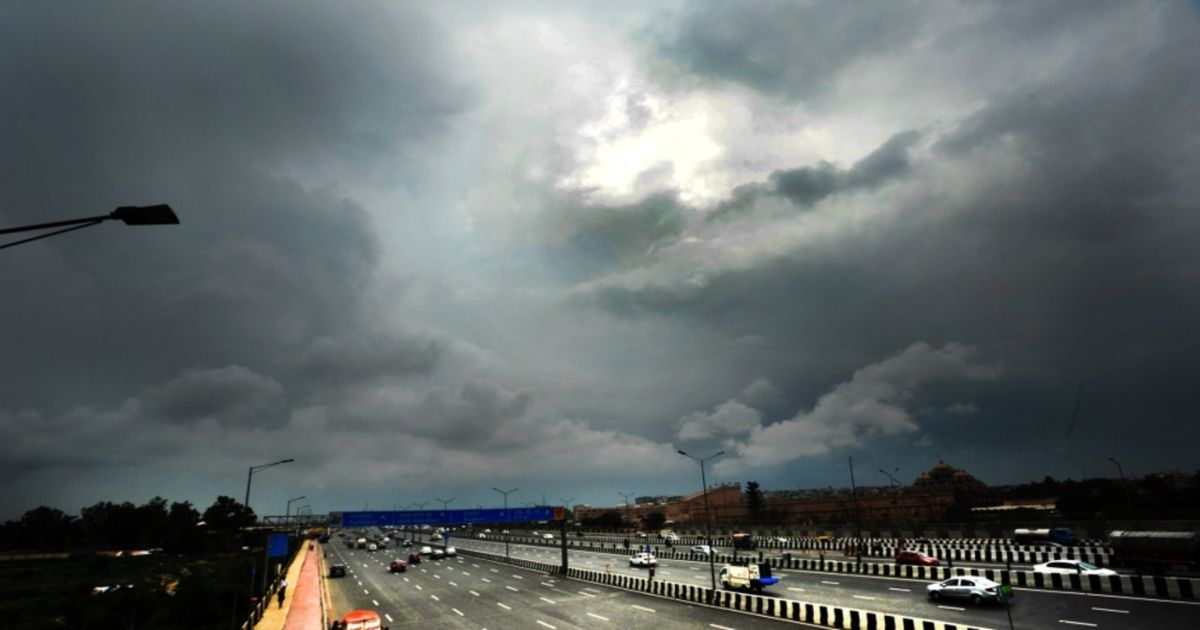
As we gear up for the onset of summer, the India Meteorological Department (IMD) has issued a stern warning about the looming specter of extreme heat conditions during April-June. This forecast, spanning a vast majority of regions across the country, paints a picture of scorching temperatures and prolonged heatwave episodes, lasting as long as 10 to 20 days. Let’s delve deeper into what this means for different parts of India and how we can navigate through this fiery season.

What to Expect: Heatwave Spells and Rising Temperatures

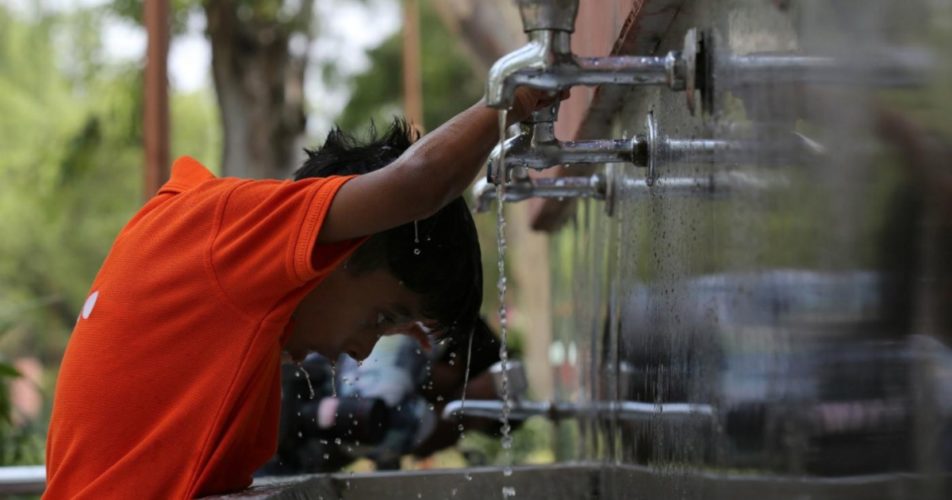
As summer kicks off, expect temperatures to soar across various states including Madhya Pradesh, Maharashtra, Karnataka, Kerala, Telangana, Andhra Pradesh, and Odisha. Heatwave spells, lasting 2 to 8 days, are projected to hit particularly hard in Andhra Pradesh, Saurashtra-Kutch, Maharashtra, and western regions of Madhya Pradesh. The IMD forecast indicates a departure from the norm, with longer and more intense heatwave episodes expected this year.

Impact on Pre-Monsoon Rainfall and Water Scarcity

Unfortunately, the pre-monsoon rainfall performance is anticipated to be below average, especially in coastal India, eastern, and south peninsular regions. This dry trend, persisting since February, exacerbates the aridity and water scarcity issues, amplifying the overall heat forecast for the upcoming summer months.

Regional Vulnerability: Identifying Hotspots

Certain regions are poised to bear the brunt of extreme heat conditions, with Rajasthan, Gujarat, Saurashtra-Kutch, Maharashtra, north Karnataka, Andhra Pradesh, and Odisha topping the list. These areas are expected to experience exceptionally high day temperatures and prolonged heatwaves, raising concerns about public health and safety.

El Nino Influence: Understanding the Global Context

The emergence of El Nino conditions, characterized by abnormal warming of the sea surface in the equatorial Pacific Ocean, has been a significant contributing factor. While these conditions have begun to ease after peaking in December, their lingering effects continue to drive up global temperatures, suppressing rainfall over India and intensifying heatwaves.

Looking Ahead: Transition to ENSO Neutral Conditions

According to multiple global climate models, the ongoing El Nino conditions are expected to dissipate completely, giving way to El Nino Southern Oscillation (ENSO) neutral conditions by June. This transition coincides with India’s southwest monsoon onset, offering a glimmer of hope for relief from the scorching heat.

In recent months, southern peninsular India has already experienced hotter-than-normal weather conditions, with reports of heatwave incidents in Maharashtra, northern Karnataka, Saurashtra-Kutch, and parts of Rajasthan. Maximum temperatures have soared to alarming levels, reaching as high as 42.6 degrees Celsius in certain pockets.

Conclusion: Stay Informed and Stay Safe

As we prepare for the summer ahead, it’s crucial to heed the warnings issued by the IMD and take proactive measures to mitigate the impact of extreme heat conditions. Stay informed about local weather forecasts, stay hydrated, and take necessary precautions to safeguard your health and well-being during this challenging period.

FAQs (Frequently Asked Questions):

1. How long are the heatwave episodes expected to last?

The IMD has forecasted heatwave episodes lasting as long as 10 to 20 days, significantly longer than the normal duration.

2. Which regions are most vulnerable to extreme heat conditions?

Rajasthan, Gujarat, Maharashtra, and parts of southern India are expected to experience exceptionally high day temperatures and prolonged heatwaves.

3. What factors contribute to the intensification of heatwaves?

The emergence of El Nino conditions, along with below-average pre-monsoon rainfall, exacerbates the aridity and heat forecast for the upcoming summer season.

4. When can we expect a transition to ENSO neutral conditions?

Multiple global climate models suggest that El Nino conditions will wane off completely by June, coinciding with the onset of India’s southwest monsoon.

5. How can individuals protect themselves during heatwave episodes?

It’s essential to stay hydrated, avoid outdoor activities during peak heat hours, and seek shelter in cool, ventilated spaces to prevent heat-related illnesses.

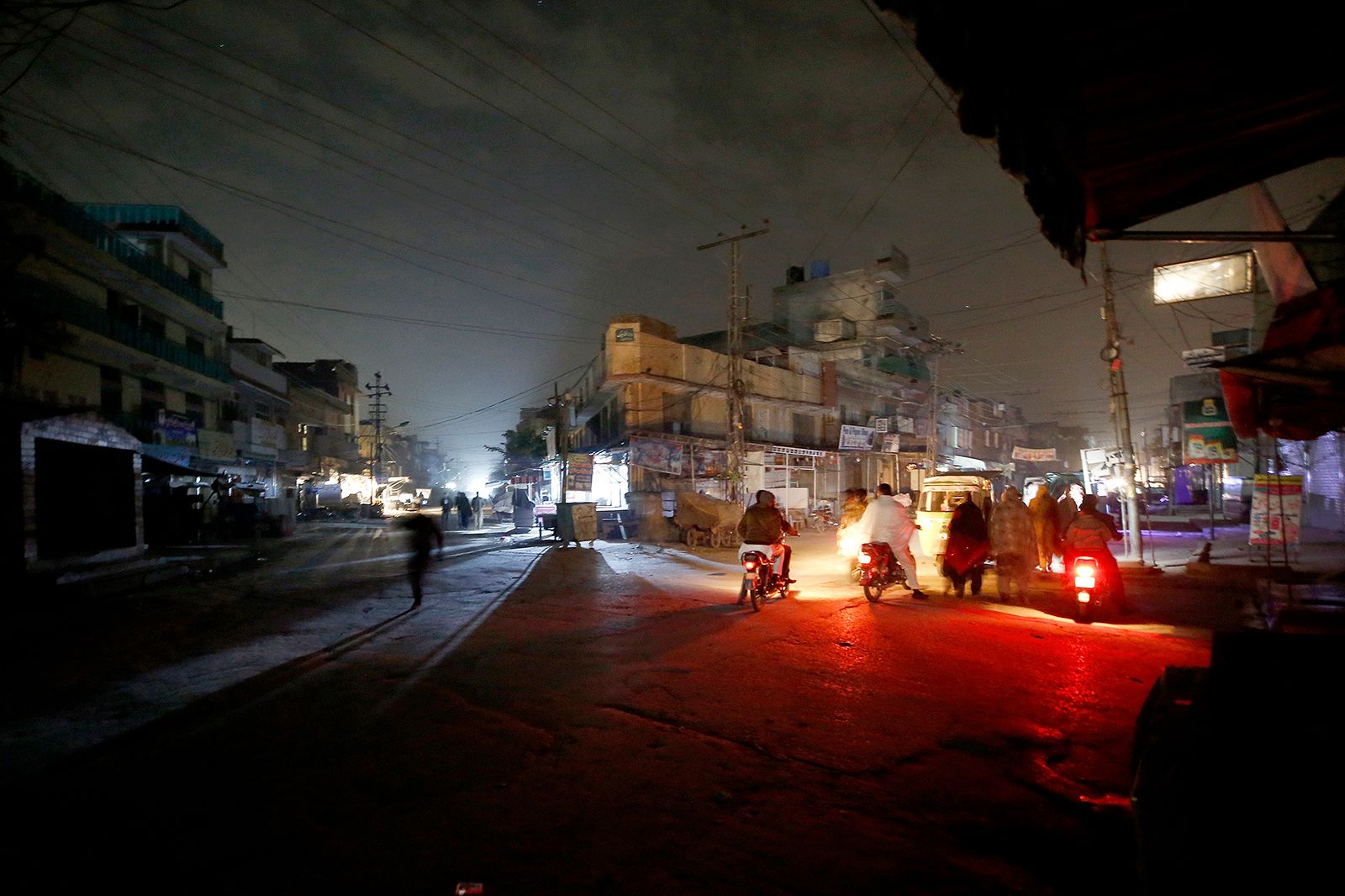
Blackouts in Many City Areas After Downpour

Nagpur Faces Power Outages After Heavy Rain

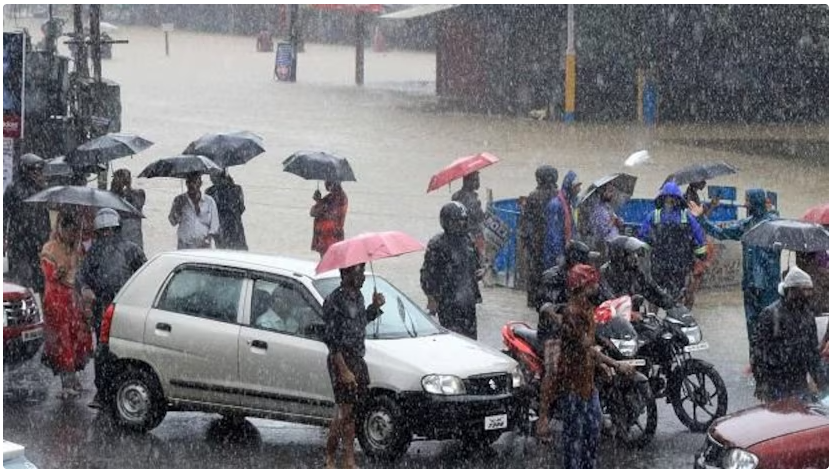
Nagpur, a bustling city in India, has been grappling with significant power outages in several areas following a heavy downpour. The recent torrential rain has exposed the vulnerability of the city’s infrastructure, leading to disruptions in electricity supply across various neighborhoods.

Understanding the Impact of Blackouts

Power outages can have far-reaching consequences, affecting various aspects of daily life for residents. Here’s a closer look at the impact of blackouts:

  1. Disruption of Daily Activities: Residents are facing difficulties in carrying out routine tasks such as cooking, working, and studying due to the lack of electricity.
  2. Safety Concerns: The absence of streetlights and household lighting poses safety risks, especially during the night, increasing the likelihood of accidents and crime.
  3. Health Risks: Medical facilities relying on electricity, such as hospitals and clinics, may face challenges in providing essential services, putting patients at risk.
  4. Economic Losses: Businesses, including shops and offices, experience interruptions in operations, leading to financial losses and setbacks in productivity.

Causes of Power Outages

Infrastructure Vulnerability

Nagpur’s infrastructure, particularly its electrical grid, is susceptible to disruptions during extreme weather events. Aging infrastructure and inadequate maintenance exacerbate the problem, making it difficult to withstand heavy rainfall and other natural calamities.

Overloaded Systems

The increasing demand for electricity, coupled with overloaded systems, puts immense pressure on the city’s power distribution network. During peak hours or adverse weather conditions, the system may struggle to cope with the load, resulting in blackouts.

Efforts to Restore Power

Emergency Response Teams

Authorities have mobilized emergency response teams to assess the extent of damage and expedite restoration efforts. These teams work tirelessly to identify and rectify faults in the power supply infrastructure, aiming to restore electricity to affected areas promptly.

Community Support

In times of crisis, community support plays a crucial role in coping with the aftermath of natural disasters. Residents come together to assist each other, sharing resources and information to mitigate the impact of power outages.

The recent blackouts in Nagpur serve as a stark reminder of the challenges posed by inadequate infrastructure and extreme weather conditions. As the city strives to recover from the aftermath of heavy rain, concerted efforts are needed to strengthen its resilience and ensure reliable electricity supply for all residents.

FAQs

1. What caused the power outages in Nagpur?

The power outages in Nagpur were primarily caused by heavy rainfall, which exposed vulnerabilities in the city’s infrastructure.

2. How long are the blackouts expected to last?

The duration of the blackouts varies depending on the extent of damage and the efficiency of restoration efforts. Authorities are working diligently to minimize disruptions and restore power as quickly as possible.

3. Are there any safety precautions residents should take during blackouts?

Residents are advised to exercise caution during blackouts, especially at night, by using alternative light sources and avoiding unnecessary travel. It’s essential to prioritize safety and stay informed about developments through official channels.

4. What measures can be taken to prevent future power outages?

To prevent future power outages, investments in infrastructure upgrades and maintenance are necessary. Additionally, implementing measures to reduce electricity demand during peak hours can help alleviate strain on the power grid.

5. How can residents contribute to the restoration efforts?

Residents can support restoration efforts by conserving energy, reporting outages promptly, and assisting vulnerable members of the community. By working together, we can overcome the challenges posed by blackouts and build a more resilient city.

Mercury Crosses 40 Celsius in City; Rain Likely for 2 Days

The scorching heat wave has gripped the city of Nagpur as temperatures soar beyond 40 degrees Celsius. Amidst this intense heat, relief seems to be on the horizon with forecasts predicting rain for the next two days. Let’s delve into the details of this weather phenomenon and what it means for the residents of Nagpur.

Rising Temperatures: A Cause for Concern

Unprecedented Heatwave

The mercury has been steadily rising, surpassing the 40-degree mark. Such high temperatures are unusual even for this time of the year, raising concerns about the intensity of the heatwave.

Impact on Daily Life

The soaring temperatures have made outdoor activities unbearable, forcing people to stay indoors to escape the blistering heat. This has implications for various aspects of daily life, including work, transportation, and overall well-being.

Relief in Sight: Rain Forecast

Anticipation of Rainfall

Amidst the sweltering heat, there is a glimmer of hope as weather forecasts predict rain in the coming days. This anticipated rainfall brings much-needed relief to the parched city and its residents.

Duration and Intensity

The forecast indicates that the rain is expected to last for two days, offering a temporary respite from the oppressive heat. The intensity of the rainfall remains to be seen, but any amount of precipitation would be welcomed with open arms.

Preparedness and Precautions

Stay Hydrated

With temperatures soaring, it is crucial to stay hydrated by drinking plenty of water throughout the day. Dehydration poses a significant risk during heatwaves, so maintaining adequate fluid intake is essential.

Dress Appropriately

Wearing light and breathable clothing can help alleviate the discomfort caused by the heat. Opting for loose-fitting garments made from natural fabrics can aid in regulating body temperature and preventing overheating.

Seek Shade and Cool Spaces

When venturing outdoors, seek shade whenever possible to avoid direct exposure to the sun’s rays. Additionally, spending time in air-conditioned or well-ventilated spaces can provide relief from the heat.

As Nagpur grapples with soaring temperatures, the prospect of rainfall offers a glimmer of hope for residents weary of the relentless heatwave. By staying hydrated, dressing appropriately, and seeking shade, individuals can navigate through this period of extreme weather with caution and resilience.

FAQs

1. Will the rainfall be sufficient to alleviate the heatwave completely?

  • While the rainfall is expected to bring relief, it may not entirely eliminate the heatwave. However, it will certainly provide a temporary respite from the high temperatures.

2. How should I prepare for the impending rainfall?

  • It is advisable to keep an umbrella handy and be prepared for wet weather conditions. Additionally, ensure that any outdoor activities are planned accordingly to account for the rain.

3. Can I expect any disruptions due to the rainfall?

  • There may be minor disruptions in transportation and outdoor activities during the rainfall. It’s advisable to stay updated with weather forecasts and plan accordingly.

4. Are there any health concerns associated with the heatwave?

  • Yes, prolonged exposure to high temperatures can increase the risk of heat-related illnesses such as heatstroke and dehydration. It’s essential to take preventive measures and seek medical attention if necessary.

5. How often does Nagpur experience such extreme temperatures?

Thundershowers Likely in City Today: IMD

IMD Forecasts Thunderstorms and Gusty Winds for Nagpur

Nagpur Weather: A day after the city experienced refreshing rains, the India Meteorological Department (IMD) has announced the likelihood of thunderstorms hitting Nagpur on March 19. This forecast comes as a relief from the oppressive hot and humid conditions prevalent recently. Here’s what you need to know about the upcoming weather conditions in Nagpur:

Orange Alert Issued by IMD

The IMD has issued an orange alert for Nagpur, signaling the possibility of thunderstorms accompanied by squall or hail. This alert urges residents and authorities to stay prepared and take necessary precautions to mitigate potential risks.

Widespread Thunderstorms Expected

According to IMD predictions, Vidarbha is likely to witness widespread thunderstorms and lightning on Tuesday. Additionally, there’s a potential risk of hail, adding to the intensity of the weather event.

Gusty Winds Forecast

In addition to thunderstorms, gusty winds with speeds ranging between 40-50 km per hour are expected. These strong winds could cause further disruption, emphasizing the need for caution among the populace.

Clearing Skies Ahead

While the immediate forecast indicates thunderstorms, IMD forecasts partial clearing of the skies from March 20 onwards. This suggests a gradual improvement in weather conditions, with reduced chances of thunderstorms.

As Nagpur braces itself for thunderstorms and gusty winds, it’s crucial for residents to stay informed and prepared. Following IMD advisories and taking necessary precautions can help minimize any adverse effects of the impending weather.

FAQs

Q1. What is the significance of an orange alert issued by the India Meteorological Department? An orange alert indicates the possibility of severe weather conditions, urging people to stay vigilant and take preventive measures.

Q2. How should residents prepare for thunderstorms and gusty winds? Residents should secure loose objects, stay indoors during the storm, and avoid venturing out unless necessary.

Q3. What precautions should be taken during hailstorms? Seek shelter indoors, away from windows, and protect vehicles from potential damage by parking them in covered areas.

Q4. When can we expect the weather to improve after thunderstorms? IMD forecasts partial clearing of skies starting from March 20, suggesting gradual improvement in weather conditions.

Q5. How accurate are IMD weather forecasts? IMD employs advanced technology and extensive data analysis to provide accurate weather forecasts, helping communities prepare for adverse weather events.

Navigating Nagpur’s Rainy Woes: Power Cuts and Tree Mishaps

Unexpected Nature’s Fury Strikes Again

Nagpur, a city accustomed to occasional bouts of inclement weather, found itself grappling once more with the wrath of nature. Just as citizens were recuperating from heavy rains and hailstorms (power cuts) on Saturday, they were caught off guard on Sunday night by another onslaught of rain, fierce winds, and lightning. The aftermath? A city plunged into chaos.

Authorities Rush Into Action

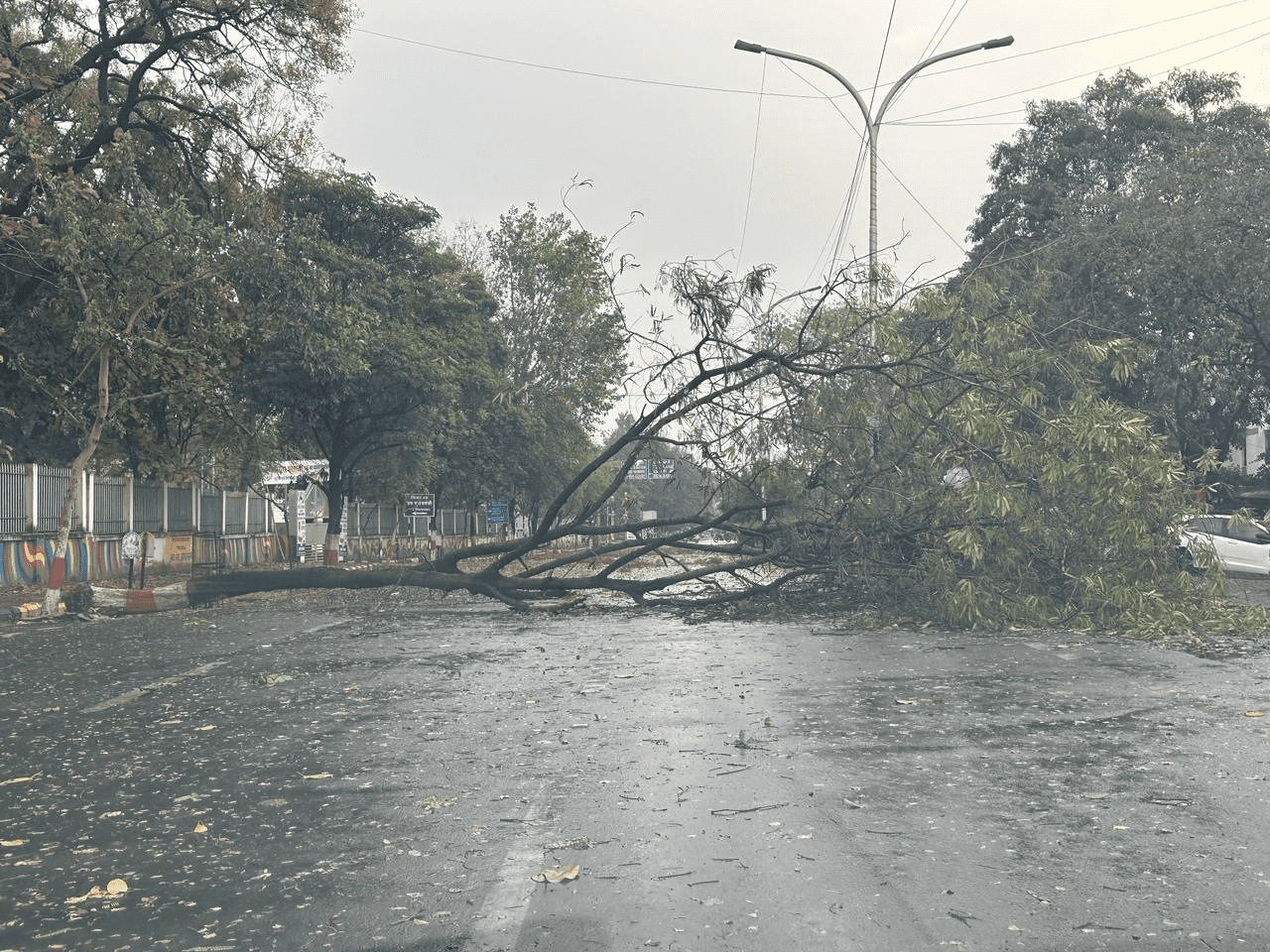
The Nagpur Municipal Corporation (NMC) and Maharashtra State Electricity Distribution Co. Ltd (MSEDCL) officials, already in cleanup mode from Saturday’s deluge (power cuts), were swiftly mobilized yet again. Reports of power outages (power cuts) and trees succumbing to the relentless winds inundated their desks, prompting immediate action.

The Havoc Unleashed

For nearly an hour on Sunday, heavy rains persisted, exacerbating the city’s woes. The NMC’s fire department scrambled to respond to distress calls, with incidents of tree felling reported in multiple areas including Lakadganj, Nari Road, Mhada Colony, and Gorewada Square. Over a staggering ten trees collapsed onto power lines near the Ordnance Factory gate on Amravati Road, resulting in a complete blackout in the Wadi area, as confirmed by an MSEDCL official.

Widespread Disruptions

Electricity disruptions rippled through various neighborhoods, including Old Mangalwari, Kumbhar Toli, Old Bagadganj, Chapru Nagar, and Pratap Nagar. Through the late hours of Sunday night, NMC and MSEDCL officials toiled relentlessly to clear debris and restore power supply to affected areas.

A Glimmer of Relief

Thankfully, amidst the chaos, there were no casualties reported. Chief Fire Officer (CFO) Bhimrao Chandankhede reassured residents, stating that apart from isolated incidents of tree fallings, the situation remained relatively under control. Despite the havoc wreaked by the elements, Chandankhede noted the absence of reports concerning waterlogging, providing a glimmer of relief.

Resilience Amidst Adversity

As the day progressed, NMC officials persisted in their efforts to mitigate damages caused by the previous day’s downpour. The fire department received a significant influx of calls pertaining to fallen trees, indicative of the extensive impact of the storm.

Tales of Loss and Survival

A visit to various locales by TOI on Sunday unearthed stories of loss and resilience. Rajkaran Bhujawade, a resident of Bharatwada, recounted how his dreams, embodied in the construction of an upper floor for his home, were shattered by the storm’s fury. Similarly, Shailesh Raut’s elderly mother narrowly escaped harm when their roof collapsed, a testament to the fragility of life amidst nature’s fury.

Conclusion: Weathering the Storm Together

In the face of adversity, Nagpurians once again demonstrated their resilience. While the rain and winds may have wreaked havoc, the spirit of community and solidarity shines through. As the city picks up the pieces, it stands united, ready to weather any storm that may come its way.

FAQs: Unraveling Nagpur’s Rain Woes

1. How common are such weather events in Nagpur?

  • Nagpur experiences occasional bouts of heavy rainfall and storms, particularly during certain seasons.

2. What measures are in place to mitigate the impact of such incidents?

  • Authorities like the NMC and MSEDCL are tasked with prompt response and restoration of services, along with community-driven efforts for resilience.

3. Are there any long-term solutions being considered to address these issues?

  • Efforts such as better urban planning, robust infrastructure, and early warning systems are being explored to minimize the impact of extreme weather events.

4. How can citizens contribute to disaster preparedness in Nagpur?

  • Citizens can stay informed, follow safety guidelines, and participate in community initiatives aimed at disaster preparedness and response.

5. Is there assistance available for individuals affected by such calamities?

Nagpur on Yellow Alert: Brace for Hailstorms on March 17

Understanding the Hailstorm Warning

The Nagpur Meteorological Centre (RMC) has issued a significant advisory, hoisting a ‘Yellow Alert’ from March 16 to 18 for Vidarbha, encompassing Nagpur and its neighboring regions. This alert serves as a cautionary measure against potential hailstorms and adverse weather conditions during the mentioned period.

Impacted Regions and Predictions

According to the forecasts from the Weather Department, districts including Nagpur, Bhandara, Gondia, and Chandrapur are expected to encounter hailstorms and strong winds primarily on March 17 and 18. Additionally, Wardha and Gadchiroli districts may experience gusty winds starting from March 16 through 18. Conversely, areas such as Amravati, Akola, Yavatmal, Buldhana, and Washim are predicted to remain dry without significant weather disruptions during this period.

Weather Outlook for Vidarbha

Apart from the looming threat of hailstorms and strong winds, the weather outlook for much of Vidarbha suggests partially cloudy conditions, offering relief from the scorching summer heat. This change in weather dynamics is likely to provide a temporary respite for residents in these regions. Conversely, Akola, Buldhana, and Washim are anticipated to maintain dry conditions with minimal fluctuations over the next three days.

residents of Nagpur and surrounding regions are advised to remain vigilant and take necessary precautions in light of the ‘Yellow Alert’ issued by the RMC. While some areas brace for hailstorms and gusty winds, others may experience a temporary reprieve from the relentless summer heat. Stay informed and stay safe.

FAQs (Frequently Asked Questions)

Q1: How should I prepare for a hailstorm?
A1: Secure outdoor items, stay indoors, and avoid windows during a hailstorm to stay safe.

Q2: What precautions should I take during strong winds?
A2: Secure loose objects, trim trees, and stay away from tall structures during strong wind conditions.

Q3: Will the hailstorm affect transportation services?
A3: Depending on the severity, hailstorms may disrupt transportation temporarily, so stay updated with local advisories.

Q4: Can hailstorms cause damage to property?
A4: Yes, hailstorms have the potential to cause damage to vehicles, roofs, and crops, among other things.

Q5: How accurate are weather forecasts for hailstorms?
A5: Weather forecasts are based on scientific data, but conditions may vary, so it’s essential to stay informed with real-time updates.

Nagpur’s Weather: The Rise and Fall of Temperatures

Nagpur weather: Nagpur, a city known for its scorching summers, is experiencing a surge in temperature, inching closer to the alarming 40°C mark. However, amidst the sweltering heat, there’s a glimmer of hope as weekend rains are anticipated to provide much-needed relief. Let’s delve into the intricacies of Nagpur’s weather dynamics and explore how these fluctuations impact the residents.

Understanding the Temperature Surge

The Current Scenario

Nagpur weather is currently grappling with rising temperatures, with the mercury soaring towards the 40°C milestone. The scorching heatwave has enveloped the city, leading to discomfort among its inhabitants.

Factors Contributing to the Surge

Several factors contribute to the escalating temperatures in Nagpur. Urbanization, deforestation, and industrialization have significantly altered the city’s landscape, exacerbating the heat island effect. Additionally, global climate change plays a pivotal role in exacerbating heatwaves across the region.

The Anticipated Relief: Weekend Rains

A Glimpse of Hope

Despite the blistering heatwave, Nagpur residents can anticipate a respite in the form of weekend rains. Meteorologists forecast precipitation over the weekend, which is expected to alleviate the soaring temperatures and provide relief to the city dwellers.

Impact on Temperature (Nagpur weather)

The anticipated rainfall is poised to bring down the temperatures, offering much-needed relief from the scorching heatwave. The cooling effect of the rainwater will provide temporary respite, restoring comfort to the residents.

Nagpur’s weather presents a tale of contrasting fortunes, with the mercury rising relentlessly but the promise of weekend rains offering hope for relief. Understanding the dynamics of temperature fluctuations is crucial for residents to adapt and cope with the ever-changing weather patterns.

Nagpur Takes Lead with India’s First City-Specific Zero Carbon Plan for Buildings

Setting the Stage for Sustainable Development

In the heart of India, Nagpur, often recognized as the geographical center of the nation, is making significant strides towards sustainable development. The city has unveiled the groundbreaking Zero Carbon Buildings Action Plan (ZCBAP), not only setting a precedent for Maharashtra but also pioneering efforts to decarbonize the building sector and contribute to India’s ambitious net-zero by 2070 target.

A Holistic Roadmap: From Public Buildings to Homes

The ZCBAP doesn’t just stop at rhetoric; it provides a comprehensive roadmap covering public buildings, government-affordable housing, commercial spaces, and homes. This ambitious plan lays out a strategic implementation strategy with the aim of achieving net-zero buildings city-wide by 2050. The roadmap encompasses crucial actions, addressing everything from the choice of building materials to the design, construction, management, and even deconstruction processes.

Unveiling the Carbon Impact: A Glimpse into Nagpur’s Past

In 2017-18, Nagpur’s Climate Resilient City Action Plan, developed by the Nagpur Municipal Corporation (NMC) and Nagpur Smart and Sustainable City Development Corporation Limited (NSSCDCL), revealed a startling fact. Residential, commercial, and institutional buildings were responsible for a staggering 58% of the city’s total energy consumption and 56% of its greenhouse gas (GHG) emissions.

Collaborative Efforts: International Partnerships and Local Initiatives

Led by NSSCDCL and NMC, the ZCBAP is not a solitary endeavor. It has garnered support from international partners like the World Resources Institute (WRI), the Global Environment Facility (GEF), the United Nations Environment Programme (UNEP), and ICLEI South Asia through the Zero Carbon Buildings Accelerator (ZCBA) project.

Vision 2050: Transforming Nagpur into a Net-Zero City

Emani Kumar, Executive Director of ICLEI South Asia, articulates the plan’s goal succinctly, aiming to transform Nagpur into a city where all buildings, old or new, achieve net-zero carbon emissions by 2050. Aligned with India’s Nationally Determined Contributions (NDCs), which focus on a 45% reduction in GHG emissions intensity of GDP by 2030 and aspire to reach net-zero emissions by 2070.

Aligning with Global Frameworks: The Key to Success

NSSCDCL CEO Prithviraj BP highlights the alignment of the ZCBAP with crucial frameworks like the Climate Smart Cities Assessment Framework (CSCAF), India’s Long-Term Low-Carbon Development Strategy, and the Urban Outcomes Framework. This alignment ensures effective tracking and assessment of urban sustainability and climate readiness. The plan also positions Nagpur strategically in meeting global commitments with the Global Covenant of Mayors for Climate & Energy (GCoM) and the Race to Zero campaign.

Net-Zero Emissions Explained: A Sustainable Approach

Net-zero emissions entail reducing GHG emissions to the lowest possible level and offsetting any remaining emissions through natural processes like the absorption done by green cover and oceans. The concept extends to net-zero buildings, which aim to minimize GHG emissions throughout their lifecycle, from construction materials to building use and end-of-life demolition.

Conclusion: Paving the Way for a Greener Future

In conclusion, Nagpur’s Zero Carbon Buildings Action Plan is a beacon of hope and a testament to the city’s commitment to sustainable development. The holistic approach, collaborative efforts, and alignment with global frameworks position Nagpur as a leader in the journey towards a greener and more sustainable future.

FAQs: Unveiling the Details

  1. What is the Zero Carbon Buildings Action Plan (ZCBAP)?
    • ZCBAP is Nagpur’s comprehensive strategy to achieve net-zero carbon emissions in all buildings by 2050, covering public, commercial, and residential spaces.
  2. How does the plan address greenhouse gas emissions?
    • The plan considers the entire lifecycle of buildings, from materials to construction, usage, and even demolition, implementing reduction strategies.
  3. Why is international collaboration crucial for ZCBAP?
    • International partners like WRI, GEF, UNEP, and ICLEI provide support, expertise, and resources to ensure the success of the ambitious plan.
  4. What is the significance of aligning with global frameworks?
    • Alignment with frameworks like CSCAF and GCoM ensures Nagpur’s efforts are recognized globally, reinforcing its commitment to sustainability.
  5. How does Net-Zero Emissions contribute to India’s goals?
    • Achieving net-zero emissions aligns with India’s NDCs, focusing on reducing GHG intensity and reaching the nation’s net-zero emissions target by 2070.

Weather Alert: Braces for Hailstorm Fury on February 26-27

In a weather twist, the India Meteorological Department (IMD) issues a hailstorm alert for February 26 and 27 in Vidarbha, including Nagpur, Amravati, Bhandara, Gondia, and Wardha districts. The Regional Meteorological Centre (RMC), Nagpur, predicts a medley of weather events, from light to moderate rainfall with thunderstorms to gusty winds and hailstorms.

residents, get ready for a turbulent weather ride! The IMD’s forecast outlines potential weather chaos, with isolated areas in East and West Vidarbha expecting thunderstorms, lightning, and hailstorms on February 26. The weather spectacle continues into February 27, with Amravati, Nagpur, and Wardha districts bracing for potential hailstorms.

Chasing Thunderstorms Across Regions

The weather drama extends beyond Vidarbha, reaching Chhattisgarh and West Madhya Pradesh on February 26 and 27. A meteorological trough stretching from Chhattisgarh to north Tamil Nadu, cutting across Vidarbha and interior Karnataka, sets the stage for unpredictable weather patterns. As a result, Chhattisgarh and West Madhya Pradesh are on alert for thunderstorms accompanied by lightning during these two days.

Weather Whirlwind: What to Expect

  1. East and West Vidarbha (February 26): Brace for light to moderate rainfall, thunderstorms, gusty winds (30-40 kmph), and possible hailstorms.
  2. Akola, Buldhana, Chandrapur, Gadchiroli, Washim, Yavatmal (February 26): Anticipate thunderstorms, lightning, and moderate rainfall in isolated pockets.
  3. Amravati, Nagpur, Wardha (February 27): Hailstorm possibilities linger, accompanied by thunderstorms and lightning.
  4. Chhattisgarh and West Madhya Pradesh (February 26-27): Thunderstorms with lightning expected due to prevailing weather patterns.

Temperature Rollercoaster

Despite the weather spectacle, temperature fluctuations are subtle. Vidarbha experiences a marginal 1-2 degrees Celsius drop in maximum temperatures. Sunday’s highest recorded temperature in Washim reached 34.6 degrees Celsius, with Yavatmal trailing closely at 34.0 degrees Celsius. Other Vidarbha regions maintained temperatures below 33.0 degrees Celsius.

Frequently Asked Questions (FAQs)

2. How long will the weather turmoil last?

  • The alert spans February 26 and 27, with potential impacts varying across regions.

4. What precautions should residents take?

  • Stay updated on local forecasts, secure outdoor belongings, and avoid unnecessary travel during the alert.

5. Will temperatures see a significant drop during the hailstorm?

  • A marginal temperature decrease is expected, ensuring a relatively moderate impact on the overall climate.

6. How accurate are IMD’s predictions for Hailstorm in Nagpur?

  • IMD’s forecasting is reliable, but local variations might occur; hence, constant updates are crucial.

Conclusion

As [VARIABLE1] braces for a meteorological spectacle, residents should stay weather-wise, heed official alerts, and prepare for the impending weather rollercoaster. The next two days promise a blend of thunderstorms, hailstorms, and gusty winds, making it a weather event worth monitoring closely.

Yellow Alert: Vidarbha Braces for Unpredictable Conditions!

In a recent update, the Regional Meteorological Centre (RMC) based in Nagpur has issued a ‘Yellow Alert’ for Vidarbha, spanning from February 25 to 27. This forecast brings attention to potential weather disruptions that go beyond initial expectations.

Cloudy Skies and Unexpected Showers

The Weather Department’s initial forecast hinted at cloudy weather and light showers. However, the RMC (Regional Meteorological Centre) has heightened concerns, extending the alert to include possible hailstorms, gusty winds, and lightning, specifically on February 26 and 27.

Temperature Dynamics

Farmers are urged to safeguard their crops as maximum temperatures in Vidarbha have already experienced a 1-2 degrees Celsius drop due to recent cloudy weather. This cooling trend is anticipated to persist over the next 2-3 days.

The Epicenter of Agricultural Precautions

Agricultural communities in Vidarbha are at the forefront of concerns, requiring immediate action to shield their crops against the unpredictability that looms in the weather forecast.

Hotspots and Cool Pockets

Varied Temperature Readings

On a recent Saturday, certain regions, including Akola, Wardha, Washim, and Yavatmal, witnessed maximum temperatures surpassing 34 degrees Celsius. In contrast, areas like Amravati, Buldhana, Chandrapur, and Gondia reported more moderate temperature readings.

Nagpur and Gadchiroli Anomalies

Notably, Nagpur and Gadchiroli recorded day temperatures below 34 degrees Celsius, indicating localized variations. Meanwhile, minimum temperatures across Vidarbha showed no significant changes on Saturday. However, the northerly winds have introduced a chilly atmosphere during the night.

A Crucial Factor in Agricultural Strategy

Considering the impending weather challenges emerges as a pivotal element in formulating effective strategies for crop protection and management.

FAQs – Addressing Your Concerns

  1. Why the Yellow Alert? The Yellow Alert is issued to caution residents and businesses about potential disruptions in normal activities due to adverse weather conditions.
  2. What Measures Should Farmers Take? Farmers are advised to secure their crops, taking precautions against hailstorms, gusty winds, and lightning. Protective coverings and reinforcement of crop structures are recommended.
  3. How Long Will the Cooling Trend Last? The anticipated cooling trend is expected to linger for the next 2-3 days, influencing both maximum and minimum temperatures.
  4. Are All Regions Affected Equally? No, there are variations in temperature readings across different regions. Some areas experience higher temperatures, while others witness more moderate conditions.
  5. What’s the Significance of [VARIABLE2] in Weather Preparedness? plays a crucial role in agricultural planning, aiding farmers in adapting to unexpected weather patterns and ensuring the sustainability of their crops.
  6. Is the Chill During the Night Unusual? The northerly winds contributing to the nighttime chill are a noteworthy but temporary phenomenon, emphasizing the dynamic nature of Vidarbha’s current weather conditions.

As Vidarbha navigates through this period of atmospheric uncertainty, the vigilance of both residents and farmers is paramount. Adhering to the recommendations and staying informed about the latest weather updates, especially concerning, is crucial for mitigating potential risks. Stay tuned for further developments as the region continues to grapple with this unexpected meteorological episode.

Exit mobile version