Khasdar Sanskritik Mahotsav 2025 to Begin from November 7: A Celebration of Culture and Heritage

The Khasdar Sanskritik Mahotsav 2025, scheduled to be held from November 7 to November 18, is poised to be one of the most significant cultural festivals in India this year. Under the visionary guidance of Union Minister Nitin Gadkari, this festival continues its mission to promote Indian cultural values, heritage, and traditional arts. The announcement of the event was made by Chandrashekhar Bawankule, Chairman of the Organizing Committee, Maharashtra Revenue Minister, and Guardian Minister of Nagpur district, reaffirming the state’s commitment to fostering a vibrant cultural ecosystem.

This festival serves as an essential platform for artists, performers, writers, and scholars to showcase their talent and connect with a national audience. Over the years, the Mahotsav has grown in scale and reputation, making Nagpur a recognized Cultural City in India.


Foundation Ceremony and Preparations

The foundation ceremony of the Khasdar Sanskritik Mahotsav 2025 took place at Ishwar Deshmukh Physical Education College, Krida Chowk, Nagpur. The ceremony featured traditional rituals where Shri Bawankule symbolically dug the ground, marking the official commencement of festival preparations. He highlighted that this festival is not merely a celebration of arts but also a vehicle to promote social values, community engagement, and personality development among participants and attendees.

Prominent dignitaries at the ceremony included MLAs Krushnaji Khopde, Mohan Mate, Pravin Datke, former MLAs Sudhakar Kohle and Milind Mane, BJP City President Dayashankar Tiwari, Prof. Anil Sole (President, Festival Committee), Gourishankar Parashar, Jayprakash Gupta, and Dr. Deepak Khirwadkar. Their presence underscored the festival’s significance in strengthening Nagpur’s cultural identity and supporting the creative community.


Significance and Vision Behind the Festival

The Khasdar Sanskritik Mahotsav stands as a symbol of India’s rich cultural tapestry, blending traditional and contemporary art forms. Minister Bawankule acknowledged the pivotal role of Nitin Gadkari in giving Nagpur a distinct identity as a hub of culture, noting that the festival offers thousands of artists a national stage to display their craft.

As the festival enters its 10th edition, it has become a leading platform for art, literature, music, dance, and heritage, drawing participants and audiences from across the country. Each year, the Mahotsav aims to preserve traditional art forms while encouraging innovation, thereby nurturing talent and inspiring the next generation of cultural ambassadors.


Art and Literature: A Showcase of Creativity

One of the festival’s central components is its art and literature segment, which offers a diverse spectrum of exhibitions, workshops, and interactive sessions. Local and national artists are invited to display paintings, sculptures, and handicrafts, reflecting India’s rich artistic heritage. Simultaneously, literary sessions include poetry readings, author interactions, and storytelling workshops, emphasizing the importance of language, narrative, and cultural expression.

Through these initiatives, the festival not only celebrates existing talent but also encourages emerging artists to experiment with new forms of cultural expression.


Music and Dance Programs: Celebrating Rhythms of Tradition

Music and dance are cornerstones of the Khasdar Sanskritik Mahotsav. The 2025 edition will feature classical, folk, and contemporary performances by renowned artists from across India. Visitors can look forward to traditional dance forms like Kathak, Bharatnatyam, and Lavani, alongside fusion and modern performances that attract younger audiences.

The festival also includes live concerts, ensemble performances, and instrumental showcases, offering a multi-sensory experience that underscores the diverse musical heritage of India. Workshops on dance techniques and music appreciation are designed to engage enthusiasts and students, promoting skill development and cultural literacy.


Cultural Heritage and Social Engagement

Beyond artistic displays, the Khasdar Sanskritik Mahotsav emphasizes cultural heritage and social responsibility. The festival incorporates heritage walks, educational sessions, and community dialogues, enabling attendees to learn about local history, architecture, and traditions.

The festival also fosters personality development, teamwork, and social cohesion through activities that encourage collaboration and interaction among participants. This approach ensures that the Mahotsav contributes not only to entertainment but also to holistic cultural education.


Notable Guests and Key Personalities

The Mahotsav attracts prominent politicians, scholars, and cultural icons. The 2025 edition will feature dignitaries such as Prof. Anil Sole, Renuka Deshkar, Prof. Rajesh Bagdi, and other leaders committed to enhancing Nagpur’s cultural landscape. Their active involvement highlights the festival’s strategic importance in promoting cultural diplomacy and national pride.


Festival Highlights and Schedule

The Khasdar Sanskritik Mahotsav 2025 promises a rich and engaging itinerary from November 7 to 18:

  • Opening Ceremony: Rituals and speeches marking the festival’s commencement.

  • Art Exhibitions: Featuring local and national artists with interactive sessions.

  • Literature Events: Author readings, poetry competitions, and workshops.

  • Music Performances: Classical, folk, and contemporary concerts.

  • Dance Showcases: Traditional and fusion performances across genres.

  • Cultural Heritage Tours: Guided explorations of Nagpur’s historical and cultural sites.

  • Workshops and Educational Programs: Engaging students, artists, and enthusiasts.

  • Closing Ceremony: Recognition of talent and ceremonial farewell.


Impact on Nagpur’s Cultural Identity

The festival has played a crucial role in shaping Nagpur as a Cultural City, elevating its national and international profile. By providing a platform for creative expression and cultural dialogue, the Mahotsav strengthens community bonds and encourages tourism, local business growth, and cultural education.

Furthermore, the festival fosters inter-generational learning, ensuring that traditional art forms and cultural narratives are preserved while embracing modern innovations and global perspectives.

The Khasdar Sanskritik Mahotsav 2025 stands as a testament to Nagpur’s cultural vision, reflecting the city’s commitment to arts, heritage, and social values. With its comprehensive schedule of performances, exhibitions, and educational programs, the festival offers an immersive cultural experience for residents and visitors alike.

As we look forward to November 7, the Mahotsav not only celebrates Indian tradition but also empowers communities, nurtures talent, and inspires generations to come. This year’s edition promises to surpass expectations and reinforce Nagpur’s status as a hub of cultural excellence in India.

Futala Fountain Project Cost Crosses ₹75 Crore; Contractors Likely to Face Huge Losses

The grand musical fountain and light show project at Futala Lake, envisioned to elevate Nagpur’s beauty to global standards, is now facing a massive cost escalation. Originally budgeted at ₹50 crore, the total project cost has now surged to nearly ₹75 crore — a ₹25 crore jump attributed to prolonged delays, heavy rainfall, and damage caused over the past year.

Launched in September 2023, the project has been stalled for several months due to legal disputes, technical glitches, and financial hurdles. Sources estimate losses of around ₹11 crore have already been incurred. Officials from Nagpur Metro Rail Corporation Limited (NMRCL) have confirmed that technical and financial complications are the primary reasons behind the standstill.

The executing company Studio One and NMRCL are preparing for a detailed review meeting to resolve pending issues. Prolonged inactivity and monsoon damage have severely affected wiring, cables, and infrastructure, further increasing the cost of restarting work.

NMRCL Chairman Sanjay Meena stated, “A technical and financial review meeting will be conducted soon to ensure the project gets back on track. Work will resume at the earliest.”

Meanwhile, citizens continue to question when the much-awaited world-class musical fountain at Futala will finally become a reality.

New GST Rates: Full List of Soft Drinks, Cigarettes & Other Items Getting Costlier From September 22 Under 40% Slab

The Goods and Services Tax (GST) Council has announced a major restructuring of tax slabs, introducing a new 40% GST bracket. Effective from September 22, this new taxation policy will significantly impact luxury items, soft drinks, premium vehicles, and eventually sin goods like tobacco and pan masala. While common household goods and daily essentials are set to become cheaper, certain high-consumption and lifestyle products will get substantially costlier.


New GST Framework: What Changed on September 22

From September 22, the government has introduced a 40% GST slab — the highest category in the tax structure. This new slab is aimed at luxury consumption and lifestyle products rather than essentials. The Finance Ministry clarified that the move targets both luxury indulgence and health-risk products to discourage excessive consumption.

The Council’s decision comes as part of a broader fiscal strategy to rationalize GST rates, support state revenue, and streamline tax compliance across industries.


Complete List of Beverages Under 40% GST Slab

Consumers will notice an immediate hike in the prices of popular soft drinks and caffeinated beverages. The 40% tax will apply to the following categories:

  • Aerated water

  • Carbonated drinks

  • Caffeinated beverages

  • Non-alcoholic flavored drinks

  • Soft drinks

  • Energy drinks

This category directly affects widely consumed brands in India, from colas to sports energy drinks, all of which are now placed under the highest GST bracket.


Luxury Vehicles and Personal Transport Now Costlier

The new GST slab significantly impacts high-end vehicles and recreational transport. Categories affected include:

  • Cars with engine capacity above 1,200cc

  • Cars longer than 4,000 mm

  • Motorcycles over 350cc

  • Luxury SUVs and premium sedans

  • Yachts (personal use only)

  • Private aircraft (non-commercial use)

  • Racing cars

This change means luxury mobility enthusiasts will now pay considerably higher taxes for ownership and import of premium vehicles. However, commercial usage vehicles such as chartered aircraft or yachts for tourism remain outside the scope of the new slab.


Future Inclusion of Sin Goods Under 40% GST Slab

Although soft drinks and luxury transport have already been brought under this regime, tobacco-related products are expected to move into the 40% GST bracket in the future. The Finance Minister Nirmala Sitharaman clarified that this will happen only after the repayment of compensation-related loans taken during the COVID-19 pandemic.

Currently, sin goods continue under the existing cess structure, but once the loans and their interest are cleared, tobacco and related products will migrate to the new 40% GST slab.

Products that will be impacted in the near future include:

  • Pan masala

  • Gutkha

  • Cigarettes

  • Chewing tobacco

  • Zarda

  • Raw tobacco

  • Bidis

This phased approach ensures that state compensation dues are settled before making tobacco products costlier.


Why Sin Goods Taxation is Delayed

During the pandemic, the central government borrowed significantly to compensate states for GST revenue losses. To fund this, a compensation cess was levied on sin goods. Since this system is still active, immediate migration of tobacco products to the new 40% GST bracket is not feasible.

Once all dues are cleared, the Council will decide on the effective date for this transition. Consumers should anticipate a sharp rise in cigarette, gutkha, and tobacco prices in the coming years.


Impact of New GST Rates on Indian Consumers

The 40% GST slab has both short-term and long-term effects:

  1. Immediate Impact: Prices of soft drinks, carbonated beverages, and luxury vehicles have already increased. Middle-class families, youth, and luxury buyers will feel the pinch.

  2. Future Impact: Once tobacco products are added, the cost of cigarettes and gutkha will skyrocket, hitting regular users the hardest.

  3. Behavioral Shift: By raising taxes on non-essential and harmful goods, the government aims to encourage healthier consumer choices and reduce luxury-driven imports.


Economic Rationale Behind the 40% GST Slab

The GST Council has introduced this tax slab with three primary objectives:

  • Revenue Generation: Higher taxes on luxury goods ensure better fiscal health without burdening essential commodities.

  • Discouragement of Sin Goods: High taxation acts as a deterrent against tobacco and harmful drink consumption.

  • Tax Uniformity: This slab ensures clear categorization between essential goods, luxury goods, and sin goods, minimizing tax evasion loopholes.


Key Takeaways for Businesses and Consumers

  • FMCG brands in the beverage sector must prepare for reduced demand due to increased prices.

  • Luxury automobile dealers will likely see a dip in sales of premium cars and motorcycles.

  • Tobacco companies will continue under the current cess regime but should anticipate major restructuring in the near future.

  • Consumers need to plan purchases, especially in the case of luxury items, before costs escalate further.


Final Thoughts

The introduction of the 40% GST slab marks a new era in India’s taxation policy. While common goods are becoming cheaper, the government is shifting the financial burden towards luxury indulgences and harmful products. For now, tobacco products remain under the compensation cess system, but a future price hike is inevitable.

Consumers, businesses, and investors must adapt to this new taxation environment as it reshapes India’s consumption patterns and market dynamics.

RTO Flyover to Open in September First Week After 1.5-Year Delay in Nagpur

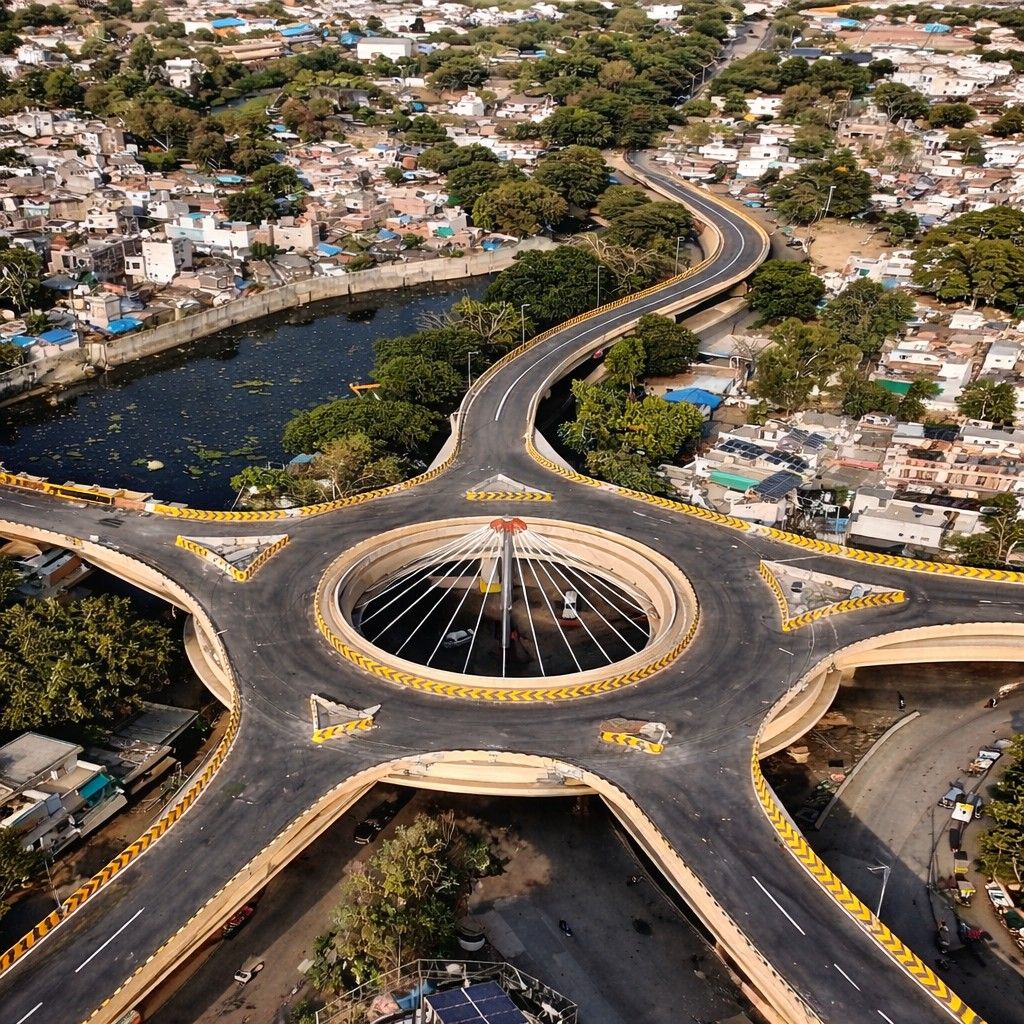
The city of Nagpur is finally set to witness the opening of the much-anticipated Bole Petrol Pump–Futala Square flyover in the first week of September 2025, after facing multiple delays and extensions. The Rs 245 crore project, which is a crucial part of the Amravati Road Traffic Improvement Project (ARTIP), aims to drastically reduce congestion on Amravati Road and improve overall commuting efficiency for thousands of daily travelers.

The Long-Awaited Flyover Project

The flyover construction was originally scheduled to be completed by March 2024 but faced setbacks due to weather conditions, logistical issues, and safety installation delays. The project was then given a one-year extension, with structural works promised to be completed before August 31, 2025.

A senior Public Works Department (PWD) official confirmed that the main structural work is already finished, with only traffic safety measures pending. These include:

  • Installation of rumble strips

  • Road markings with thermoplastic paint

  • Placement of directional and warning signages

  • Final painting and cleaning work

Due to monsoon rains, thermoplastic road marking could not be completed on time, as the material requires a completely dry surface for durability. Officials have assured that all finishing touches will be completed by September 3 or 4, after which the flyover will be open for public use.

Trial Run Before Formal Inauguration

This opening will follow the same pattern as the Wadi flyover, another significant project under the ARTIP. The Wadi flyover was opened to traffic on a trial basis after public demand, even before its formal inauguration ceremony.

The RTO flyover too will first be opened for trial usage, followed by a formal inauguration at a later date. This ensures that citizens benefit from the infrastructure without unnecessary delays while official ceremonies are scheduled.

Relief for Motorists on Amravati Road

Currently, commuters traveling from Bole Petrol Pump Square to Futala Square face long detours, as the stretch between Bole Petrol Pump and Law College Square remains closed. Vehicles are forced to pass through Civil Lines, causing extended travel times and traffic snarls.

Once the flyover opens, it will:

  • Significantly reduce travel time between the two critical points.

  • Ease congestion on Amravati Road, one of Nagpur’s busiest corridors.

  • Provide smoother connectivity to Ravi Nagar, Futala Square, and University Square.

Pending Road and Concretization Works

While the flyover itself is almost ready, PWD officials have listed several pending works that will be completed in the next phase. These include:

  • Road concretization below the flyover from Bole Petrol Pump to Law College Square and Futala T-point to University Square

  • Completion of Ravi Nagar Square, Futala T-point, and Futala Square concretization

  • Installation of stormwater drainage systems, which is currently 30% pending

Officials have assured that these works will not impact the immediate opening of the flyover but will continue alongside to ensure long-term infrastructure stability.

A Key Component of ARTIP

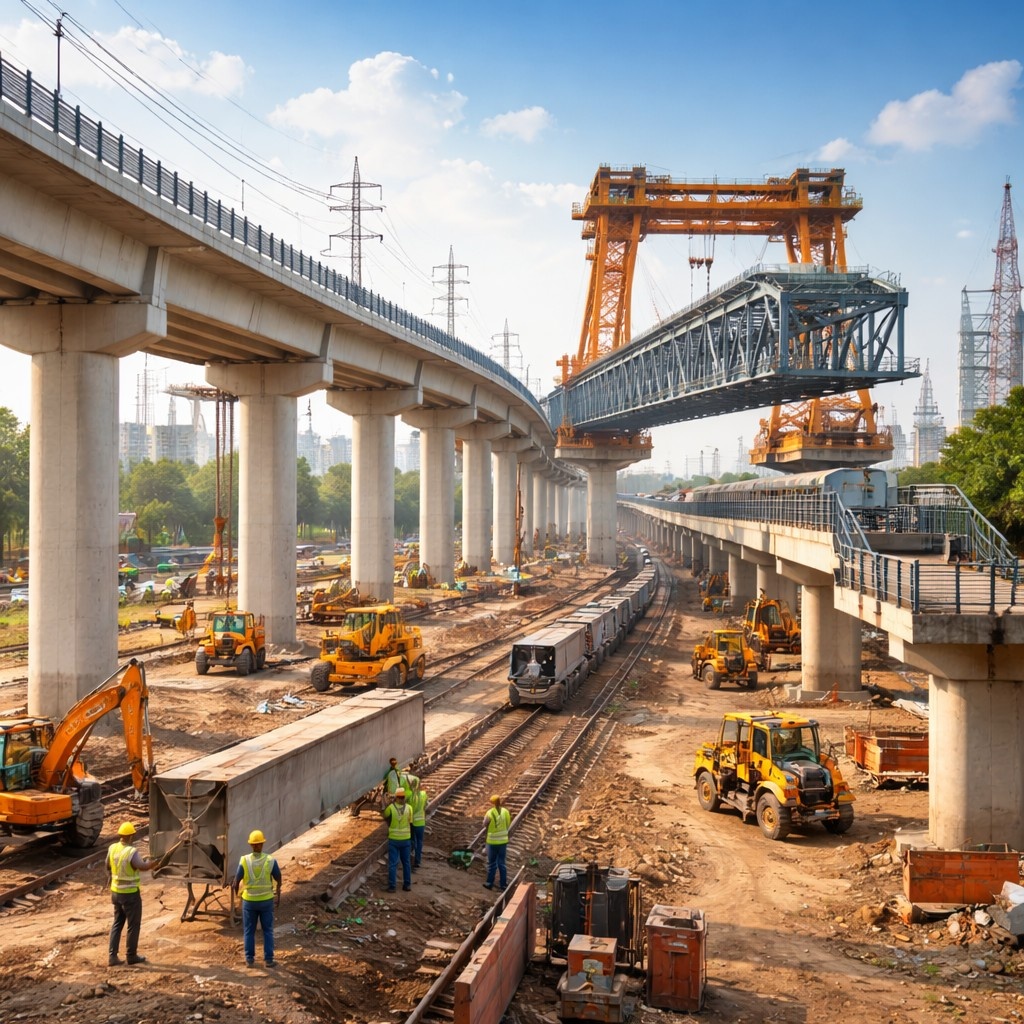
The RTO flyover is a vital component of the Rs 478 crore Amravati Road Traffic Improvement Project (ARTIP). The project, spearheaded by the Ministry of Road Transport and Highways (MoRTH), includes the construction of multiple flyovers, road widening, and traffic management solutions along Amravati Road.

The ARTIP has two major flyovers under its belt:

  1. Wadi Flyover – already operational, providing significant relief to motorists.

  2. RTO Flyover (Bole Petrol Pump–Futala Square) – now nearing completion, expected to transform Nagpur’s western traffic movement.

Both flyovers are designed to handle heavy vehicular loads, reduce bottlenecks, and provide long-term solutions to Nagpur’s traffic congestion.

Impact on Daily Commuters and Businesses

The completion of this flyover is expected to bring tangible benefits not only to commuters but also to local businesses. With reduced traffic jams and smoother accessibility:

  • Daily office-goers will save considerable time.

  • Educational institutions near Law College Square will benefit from eased congestion.

  • Local businesses and shops along Amravati Road will experience improved footfall due to smoother traffic flow.

Safety and Traffic Measures in Place

To ensure commuter safety, the PWD is installing comprehensive traffic safety infrastructure, including:

  • Rumble strips to regulate vehicle speed.

  • Thermoplastic road markings for night visibility and durability.

  • Directional signboards and safety signages at critical turns.

  • Pedestrian-friendly crossings at strategic points.

These measures aim to minimize accidents and create a safe driving environment on one of Nagpur’s busiest roads.

Looking Ahead: Future of Nagpur’s Road Infrastructure

The inauguration of the RTO flyover marks a significant milestone in Nagpur’s infrastructure development journey. The city has been undergoing rapid expansion, and projects like ARTIP are crucial to sustaining its growth. With both the Wadi and RTO flyovers operational, the city’s western traffic is expected to move more seamlessly.

Additionally, upcoming road concretization projects and stormwater drainage systems will strengthen the city’s ability to handle heavy traffic volumes, especially during monsoons.

The RTO flyover opening in the first week of September 2025 is a long-awaited relief for Nagpur’s motorists. After a 1.5-year delay, the project is now ready to deliver on its promise of faster travel, reduced congestion, and improved safety on Amravati Road.

As a core element of the Amravati Road Traffic Improvement Project, this flyover is set to become a cornerstone of Nagpur’s modern urban infrastructure. Citizens can expect not only smoother travel but also enhanced safety, efficiency, and long-term growth benefits once the entire project reaches completion.

PM Modi to Flag Off Nagpur-Pune Vande Bharat Express on August 10

A New Era in High-Speed Travel Between Nagpur and Pune Begins

Nagpur Pune Vande Bharat Express | Vande Bharat Nagpur to Pune: In a historic moment for Indian Railways and Maharashtra’s travelers, Prime Minister Narendra Modi is set to flag off the maiden Nagpur-Pune Vande Bharat Express on August 10. The new semi-high-speed train service promises to drastically cut travel time between two of Maharashtra’s major cities — Nagpur and Pune — making the journey smoother, faster, and more convenient than ever before.

A Much-Awaited Connection Comes Alive

The anticipation has been building for months, and now it’s finally official. The Nagpur-Pune Vande Bharat Express, India’s premium passenger service, will depart from Ajni Railway Station in Nagpur and terminate at Hadapsar Station in Pune. This move comes as Pune Junction lacks the current infrastructure to accommodate new train services.

Initially expected to feature the first sleeper-class Vande Bharat rake, the service will instead begin with AC chair car coaches, as sleeper variants are expected to be inducted from next year. Despite this limitation, the journey is expected to be completed in under 12 hours, a significant improvement over the current 16 to 18-hour travel time via existing Mail/Express trains such as the Maharashtra Express.


Why This Train Service is a Game-Changer

Fastest Travel Time on the Route

Currently, the journey between Nagpur and Pune by conventional trains takes around 16-18 hours, depending on the service. The Vande Bharat Express will reduce this travel time to approximately 11-12 hours, making it the fastest train on this corridor. This speed improvement will be a boon for thousands of working professionals, students, and frequent travelers between Vidarbha and Western Maharashtra.

Initial Schedule and Frequency Nagpur Pune Vande Bharat Express 

While the exact timings and train number will be finalized and loaded into the PRS (Passenger Reservation System) just two days before the inaugural run, preliminary discussions suggest the following:

  • Departure from Ajni: Likely in the evening

  • Departure from Hadapsar (Pune): Expected at 6:00 AM

Initially, the train is planned as a tri-weekly service, subject to track availability, due to ongoing third and fourth line works in the busy corridor. Officials from the railway board are still coordinating to identify optimal time slots for the train, balancing other heavy-traffic operations.


A Strategic Move Benefiting the Working Class | Vande Bharat Nagpur to Pune:

The Nagpur-Pune belt is a high-mobility zone, particularly for professionals employed in Pune’s booming IT and manufacturing sectors. As many from Vidarbha have migrated to Pune, a fast and reliable train service between the two cities has been in demand for years. The Vande Bharat Express directly caters to this need by offering rapid connectivity with modern comfort.


Challenges at Ajni Station: A Premium Train vs. Outdated Infrastructure | Nagpur Pune Vande Bharat Express

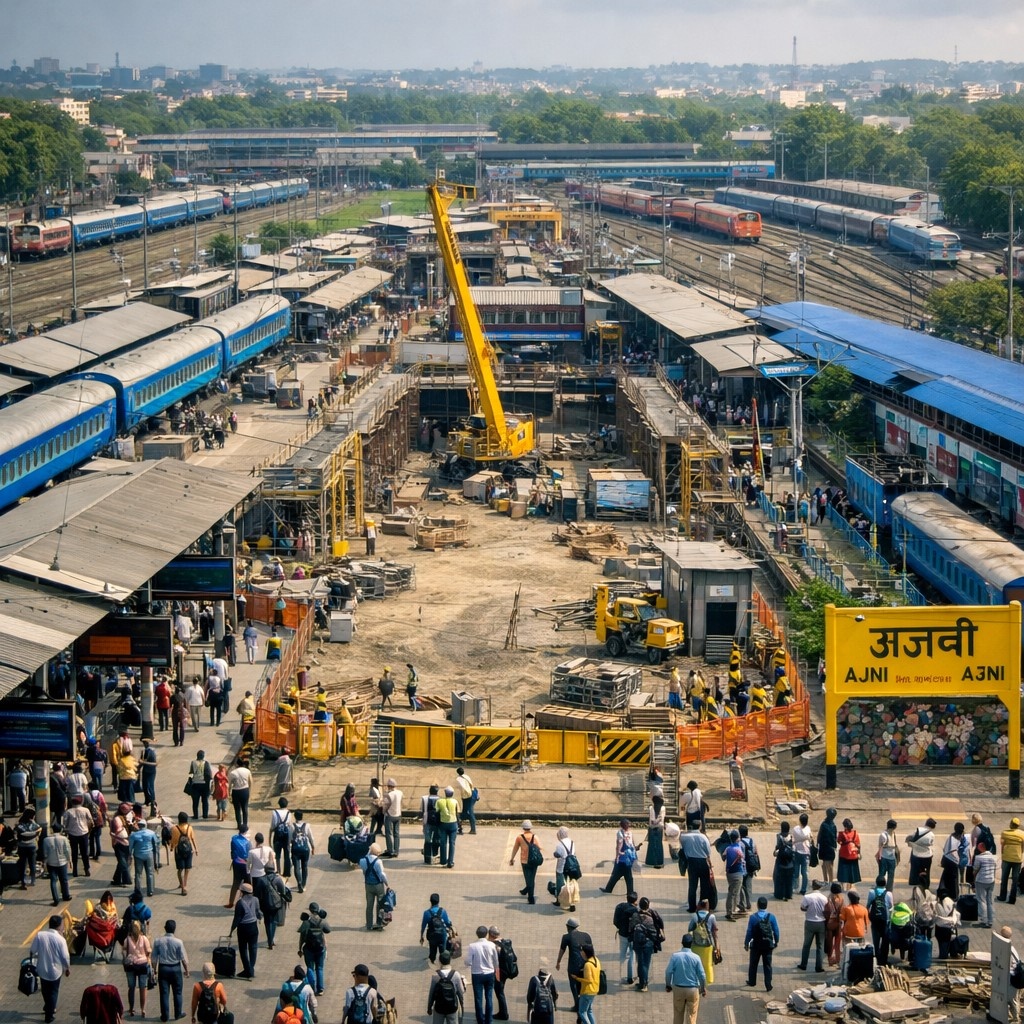
Ironically, while Ajni Railway Station has been chosen as the origin point for this premium Vande Bharat service, its infrastructure remains woefully inadequate. Passengers departing from platform no. 2, which is expected to be used for the Vande Bharat Express, face the following issues:

  • No shed or roofing to protect against rain

  • Ongoing remodelling work affecting amenities

  • Limited space for seating and passenger shelter

Despite these concerns, officials are hoping to speed up work to make the station ready for the inaugural event. However, unless there is a rapid escalation in construction activity, Ajni Station may not match the prestige of the train it’s launching.


Part of a Larger Inauguration Drive by the Prime Minister

The Nagpur-Pune Vande Bharat Express is part of a broader initiative where Prime Minister Narendra Modi is expected to flag off three new Vande Bharat trains from Karnataka on August 10:

  • Bengaluru-Belagavi

  • Nagpur-Pune

  • Amritsar to Shri Mata Vaishno Devi Katra

This marks a significant expansion in the Vande Bharat network, offering faster, cleaner, and more efficient rail options to passengers across India.


Awaited Details: Final Rake Composition, Stops, and Timings

While many key aspects are known, railway officials are still working on:

  • Finalizing the stoppage points

  • Defining days of operation

  • Confirming the coach composition

Given the current demand and logistics, the train will likely have minimal halts, potentially stopping only at critical junctions like Wardha, Akola, Bhusaval, Manmad, and Daund. This limited-stop approach will allow for maximum speed efficiency, keeping journey time within the promised 12-hour window.


The Road Ahead: Future Upgrades and Expectations

With the sleeper-class Vande Bharat trains expected to be introduced from 2026, travelers on longer routes like Nagpur to Pune can look forward to overnight journeys with improved comfort. Furthermore, with continued infrastructure development at Ajni and Hadapsar, both ends of the journey are expected to become more passenger-friendly.


A New Chapter in Maharashtra’s Rail Travel

The launch of the Nagpur-Pune Vande Bharat Express is more than just the introduction of another train — it symbolizes a technological and logistical leap forward for the Indian Railways and a major lifestyle upgrade for travelers in Maharashtra.

As we move towards faster, smarter, and more efficient transport systems, the Vande Bharat series stands as a beacon of India’s rail ambitions. The Ajni-Hadapsar express is just the beginning of a much-needed revolution in inter-city travel in the country.

Poonam Tower Controversy: Maharashtra Government Pushes for Structural Audit and Acquisition for Vidhan Bhavan Expansion

Vidhan Bhavan expansion:  The Poonam Tower Nagpur—a half-constructed and long-abandoned building standing right opposite the Maharashtra Vidhan Bhavan in Nagpur—has once again returned to the spotlight. After years of valuation disputes, failed negotiations, and a history of structural neglect, the Maharashtra Government has now taken concrete steps to acquire the structure. This move is part of a broader initiative to expand the Vidhan Bhavan complex, which serves as the legislative headquarters for the state.


PWD Ordered to Conduct Fresh Structural Audit

According to highly placed sources, the Public Works Department (PWD) has been instructed to carry out a new structural audit of Poonam Tower. Simultaneously, the District Collectorate has been directed to assess the building’s market value, factoring in its present condition, decades of weathering, and incomplete construction.

This renewed interest reflects the state government’s urgency to resolve the decades-old stalemate and to reclaim valuable urban land for institutional use.


A Price Deadlock That Stalled Progress

The valuation of Poonam Tower has remained a persistent issue. Despite repeated efforts by the Government to strike a deal, the builder, N. Kumar, has refused to settle for less than ₹150 crore, while the Government had offered ₹55 crore.

Past attempts at acquisition faltered due to this wide gap in valuation, leading to repeated delays. MLC Dr. Parinay Fuke even proposed constructing underground passageways linking the tower to Vidhan Bhavan, envisioning the tower as an extension of the legislative complex. However, no consensus was ever reached, keeping the fate of Poonam Tower hanging in the balance.


2019 Structural Audit Raised Red Flags

In 2019, the PWD in collaboration with VNIT (Visvesvaraya National Institute of Technology), conducted a structural audit that revealed serious concerns:

  • Non-plastered exterior walls were heavily exposed to weather-related degradation.

  • No protective coatings or paints were applied to prevent corrosion.

  • Concrete deterioration and reinforcement corrosion was observed throughout the building.

  • The main column supporting the front porch was crushed at its base, threatening the stability of the entire structure.

  • Several interior slabs and walls remained unfinished, leaving the skeletal structure vulnerable to the elements.

The report strongly recommended a complete structural overhaul and, most importantly, the removal of the unsafe porch area.


Construction Stalled Since 1996 | Poonam Tower Nagpur 

According to local sources and former tenants, the construction of Poonam Tower began in 1996 but was abruptly stalled midway. While official explanations remain vague, some attribute the halt to security concerns due to its proximity to Vidhan Bhavan.

N. Kumar, the builder, maintains that he began the project only after receiving full approval from civic authorities. “If permission wasn’t granted, I wouldn’t have invested in the construction,” Kumar argued, adding that the abandoned project is a financial burden—a dead investment that can neither be used nor sold.


Government’s Silent Strategy to Resolve the Impasse | Vidhan Bhavan expansion

While public discourse around Poonam Tower has been largely muted, insiders report that the Government is quietly working on a resolution. A senior MLA, requesting anonymity, disclosed that Chief Minister Devendra Fadnavis is determined to see the acquisition through.

Further, Assembly Speaker Adv. Rahul Narvekar and State Council Chairman Ram Shinde have convened multiple meetings in Mumbai and Nagpur to explore expansion strategies for Vidhan Bhavan. The Poonam Tower issue has been tabled repeatedly, yet no public decisions have been shared, suggesting that a behind-the-scenes negotiation strategy is underway.


Government Press Land Now in the Mix

In a parallel development, the Government has begun evaluating the land currently occupied by the Government Press for the expansion of Vidhan Bhavan (Vidhan Bhavan expansion). This pivot indicates that multiple options are on the table, and the decision could swing based on feasibility, cost, and time efficiency.

However, Poonam Tower’s location remains strategically unmatched—it lies directly across from the legislative building, making it the most viable candidate for seamless expansion.


What Lies Ahead for Poonam Tower Nagpur?

The fate of Poonam Tower now hinges on two factors:

  1. Findings of the upcoming structural audit by PWD

  2. Agreement between Government and N. Kumar on valuation terms

If the audit deems the structure unsafe beyond repair, a demolition followed by reconstruction may be proposed. Alternatively, if structural integrity can be restored, the building may be retrofitted and repurposed for official legislative use, as originally envisioned.

Regardless of the route taken, it is clear that the Government is serious this time—Poonam Tower will either be acquired or bypassed, but it won’t be ignored any longer.

The Poonam Tower saga, spanning nearly three decades, might finally be drawing to a close. With political will, structural assessment, and property valuation aligning for the first time in years, Maharashtra Government appears poised to break the deadlock. Whether through acquisition, demolition, or compromise, this long-stalled project is finally back on the agenda—and the clock is ticking.

SECR Nagpur Division to Develop World-Class Cricket Ground at Kalamna to Boost Sports Infrastructure

Kalamna cricket ground: In a significant move to promote sports culture and nurture emerging talent within its ranks, the South East Central Railway (SECR) Nagpur Division has announced the development of a dedicated cricket ground at Kalamna, East Nagpur. With a sanctioned budget of ₹92 lakh, the project aims to transform unused railway land into a premier sports facility designed specifically to encourage cricket and support the well-being of railway personnel and their families.


Strategic Initiative to Enhance Sports Ecosystem

The decision to build the cricket ground was taken during a recent Sports Council meeting, where railway officials expressed concerns over the lack of comprehensive sports infrastructure within the division. Presently, SECR Nagpur operates only a football ground at Motibagh, which, despite fostering a successful football team, has not been sufficient to cater to other sports, particularly cricket—a game with immense following and participation potential in India.

The unanimous approval for this project underscores the council’s commitment to creating a multi-faceted sports environment for railway employees, with a specific focus on youth engagement and holistic development.


Cricket Ground to Rise on 10 Acres of Railway Land

The proposed site for the new cricket facility is a sprawling 10-acre plot of railway land situated in Kalamna, a rapidly developing region in East Nagpur. This land, currently underutilized, offers ample space not just for a professional-standard cricket pitch, but also for pavilions, practice nets, spectator amenities, and other essential infrastructure.

Dilip Singh, the Senior Divisional Commercial Manager and Sports Officer of SECR Nagpur Division, confirmed that this project will unlock the potential of existing land assets, converting them into productive, community-focused spaces.


Key Facilities to be Developed in Phase One

The cricket ground’s (Kalamna cricket ground) first phase of development will focus on creating two pavilions, establishing turf and matting pitches, and implementing foundational support systems to sustain year-round activity. The ground will be secured with a boundary wall, and four wide protective screens will be installed to ensure that external disruptions are minimized during matches and practice sessions.

These state-of-the-art additions aim to provide a safe and professional environment for training and tournaments, in line with modern standards followed by cricketing institutions across the country.


Water-Efficient Grass Maintenance and Long-Term Vision

To maintain lush green outfields regardless of seasonal variations, a sprinkler irrigation system will be embedded into the turf management strategy. This not only ensures year-round greenery but also significantly reduces manual maintenance effort and water waste, aligning with sustainability goals.

In addition to the planned developments, the Sports Council has envisioned the construction of spectator stands in later phases. These would offer seating for local communities and families, turning the cricket ground into a local sports hub, especially for residents of East Nagpur, where sporting venues are currently limited.


Dedicated Cricket Academy Planned at Kalamna | Kalamna cricket ground

Perhaps the most exciting aspect of the SECR’s vision is the launch of a dedicated cricket academy at the Kalamna site (Kalamna cricket ground). According to Sports Council representative Sadawarte, the academy is expected to operate throughout the year, providing structured training sessions, coaching camps, and skill development programs for young cricketers from railway families and nearby communities.

This initiative is especially valuable for East Nagpur, which lacks sufficient grassroots-level sports academies. By making high-quality coaching accessible, the cricket academy is poised to become a launchpad for young talent, bridging the gap between amateur enthusiasm and professional training.


Relief from Dependence on Ajni Sports Ground

Currently, the SECR cricket team has no dedicated ground of its own and relies on Ajni Sports Ground, managed by the Central Railway’s Nagpur Division, for practices and inter-division tournaments. This arrangement has led to logistical challenges and limited training slots, affecting the team’s growth potential.

With the upcoming Kalamna facility, the SECR team will have exclusive access to their own ground, which will greatly improve training frequency, match preparedness, and overall team performance. This development is expected to strengthen the division’s standing in inter-railway competitions and boost morale among players and coaching staff.


Timeline for Completion and Execution Strategy

As per Aniruddha Sarwate from the Sports Cell, the goal is to complete the cricket ground before March, aligning with the onset of summer to begin early practice sessions. The project is currently in the planning stage, with tender documentation in progress.

Once the tender is floated, construction work will be initiated at a fast pace to ensure timely delivery of the facility. The strategic timing also aligns with school vacations and cricket season, ensuring maximum utility of the ground from the get-go.


A Long-Term Asset for SECR and Nagpur’s Sports Landscape | Kalamna cricket ground

This move by SECR Nagpur Division is not just about building a sports facility—it reflects a long-term commitment to employee welfare, youth empowerment, and sporting excellence. In a city like Nagpur that is fast emerging as an infrastructure and development hub, such sporting investments are crucial to maintaining a balanced and healthy urban lifestyle.

Once operational, the Kalamna cricket ground will also have the potential to host zonal and inter-divisional cricket tournaments, positioning Nagpur as a key player in railway sports networks.

The development of a dedicated cricket ground by SECR Nagpur Division at Kalamna represents a visionary step toward uplifting sports infrastructure, promoting health and fitness, and unlocking youth potential within the railway community. With a carefully planned layout, substantial budget, and forward-looking features, the project stands as a model for other railway divisions and public sector undertakings to emulate.

Top Friendship Day Events Happening in Nagpur 2025 | Friendship Day Events Nagpur 2025

Friendship Day Events Nagpur 2025: As Friendship Day 2025 draws near, Nagpur is gearing up to host some of the most vibrant, musical, and heartwarming events in the city. Whether you’re planning to chill with your childhood squad or paint the town with your college gang, the Orange City has something extraordinary lined up. On Sunday, August 3rd, Nagpur turns into a celebration hub where beats, laughter, and memories will echo through the night.

Friendship Day Events Nagpur 2025


Friendship Day Sundowner at Raasta Nagpur | 4:00 PM Onwards

Set the tone for your day with the ultimate sundowner experience at Raasta Nagpur. The vibe is mellow, the music is soulful, and the setting is perfect for heartfelt conversations as the sun sets. Known for its scenic rooftop and chill vibes, this Friendship Day Sundowner will offer exclusive cocktails, live performances, and a curated menu to get you in the groove.

Highlights:

  • Sundown DJ set

  • Rooftop ambiance

  • Special friendship-themed cocktails


️ Yaaro Ki Party at DhundhDhundh Club and Kitchen | 2:00 PM | Friendship Day Events Nagpur 2025

If your idea of fun involves laughter, great food, and lively music, then the Yaaro Ki Party at DhundhDhundh Club and Kitchen is the place to be. Kicking off early in the afternoon, this party promises unfiltered energy, a dash of nostalgia, and beats that get your feet tapping.

What to Expect:

  • Electrifying DJ sets

  • Themed décor and selfie corners

  • Group games and giveaways

  • Delicious multicuisine delights


Satrangi Yaariyan at Zero Degree Lounge, Wanadongri | 5:00 PM

Celebrate the colors of friendship at Zero Degree Lounge with Satrangi Yaariyan, an event that lives up to its name. Think rainbow lights, multi-genre music, and a crowd that lives for the moment. This one’s a sensory overload, in the best way possible.

Event Features:

  • DJ Ragana & DJ Aja spinning global tunes

  • Colorful, Instagram-worthy setups

  • Unlimited dancing and curated food menu


House Of Friends at Brillo Club & Kitchen | 8:00 PM

Turn the volume up and dive into a night of unstoppable celebration with your ride-or-die crew at Brillo Club & Kitchen. House Of Friends brings together top DJs, craft cocktails, and a dance floor that doesn’t stop.

Get Ready For:

  • DJ Daku Duo taking over the decks

  • LED visual mapping

  • A friendship wall to pin memories


Sham-E-Mehfil at Skylite Lounge | 8:00 PM

Prefer a more elegant, soulful evening? Sham-E-Mehfil at Skylite Lounge is your go-to. With live ghazals, sufi fusion, and acoustic music, this event is perfect for those who want to celebrate bonds with serenity and style.

Experience Includes:

  • Live musical ensemble

  • Mughlai and Indian cuisine menu

  • Candle-lit seating and rooftop charm


Friends & Beyond Ft. DJ Novak & DJ Tanishq at Eden Greenz | Friendship Day Events Nagpur 2025

Go beyond boundaries with Friends & Beyond at Eden Greenz, a clubbing experience powered by DJ Novak & DJ Tanishq. This is the ultimate place for EDM lovers and dance floor fanatics who want to take their friendship celebrations to a new high.

Lineup Features:

  • High-octane beats

  • Neon party décor

  • Free shots for group entries


Friendship Day Bash Ft. DJ Daku Duo

End your day with a bang at the Friendship Day Bash featuring none other than DJ Daku Duo. Whether you’re reliving old memories or making new ones, this party delivers unmatched musical energy, a pumped-up crowd, and a vibe that defines 2025’s Friendship Day celebration in Nagpur.

Highlights:

  • High-energy club experience

  • Visual FX and LED backdrop

  • Group entry offers and VIP tables


Plan Your Friendship Day 2025 in Nagpur

Nagpur isn’t just throwing parties; it’s curating experiences that celebrate real bonds, endless laughter, and timeless friendship. Whether you’re a party animal, a mellow music lover, or someone who enjoys deep conversations over dinner, this Friendship Day in Nagpur is tailored just for you.

NMC Launches Heritage Revival Plan to Restore Gandhi Gate in Mahal, Nagpur

A New Dawn for an Ancient Gateway

In a significant step toward reviving Nagpur’s historical legacy, the Nagpur Municipal Corporation (NMC) has announced a comprehensive restoration and conservation plan for Gandhi Gate, also known as Jumma Darwaza. Located in the heart of Mahal, this centuries-old Mughal-era structure is one of the last surviving symbols of the city’s pre-colonial glory and its deep connection with India’s First War of Independence.

This initiative, spearheaded by Municipal Commissioner Abhijeet Chaudhari, is not merely about preserving a stone structure — it’s about resurrecting memory, identity, and pride for a city that is evolving rapidly into a smart urban center.


Historical Roots of Gandhi Gate: From Royal Entrance to Revolutionary Landmark

Built by Chand Sultan, Son of Gond King Bakht Buland Shah

The history of Gandhi Gate dates back to the early 18th century, built by Chand Sultan, a royal descendant of the Gond dynasty, soon after Raghuji Maharaj-I declared Nagpur as the capital in 1735. The gateway once stood as part of a magnificent palace complex that stretched from Kotwali police station to DD Nagar Vidyalaya, housing royal residences, temples, and administrative halls.

Survivor of 1818 British Invasion

In 1818, during the British annexation of the region, a devastating fire — believed to have raged for six months — destroyed much of the structure. Yet, Gandhi Gate withstood the carnage, standing tall as the last sentinel of the Gond-Maratha era.


The Forgotten Martyrs of 1857: A Gateway Stained with Sacrifice

Site of Execution During the 1857 Revolt

The Gandhi Gate’s most poignant historical moment came during the First War of Independence in 1857. As the uprising surged across India, the British forces in Nagpur captured and executed nine brave revolutionaries at this very site. Their names echo through history:

  • Nawab Qadir Khan

  • Siddiq Ali Khan

  • Akbar Ali Khan

  • Vilayat Ali Khan

  • Bunyad Ali Risaldar

  • Yusuf Khan

  • Uniform Major

  • Moinuddin Husain Jamadar

  • Inayatullah Khan

  • Maratha patriot Waghle Jamadar

Their bodies were left hanging from the gate for three days, a brutal colonial tactic meant to deter further rebellion. Today, their legacy rests at the Nine Gazi Memorial on Sitabuldi Hill — a name too few in Nagpur remember.


The Restoration Vision: Blending Conservation with Civic Pride

Led by a Dedicated Team and Technical Experts

The NMC, under Commissioner Abhijeet Chaudhari’s leadership, is inviting Project Management Consultants (PMCs) who specialize in heritage conservation to take charge of the initiative. As confirmed by Executive Engineer Ashwini Yelchatwar, the scope of work includes:

  • Creating a Detailed Project Report (DPR)

  • Conducting structural assessments

  • Developing architectural redesigns

  • Implementing site-specific conservation techniques

A pre-bid meeting and subsequent technical evaluations will determine the final consultant, following which the project budget will be finalized.


Gandhi Gate in Present Day: Neglect Amid Narrow Lanes

Today, Gandhi Gate lies buried under urban neglect. Surrounded by vibrant commercial lanes, historic wadas (stone homes), old temples, and colonial-era schools, the monument is encroached upon, obscured by the hustle of daily life.

Yet, its stone arches and aged bricks whisper tales of royal dynasties, architectural grandeur, and revolutionary bravery. The NMC’s plan is to not only restore the structure physically but also reintegrate its stories into public consciousness.

“This is about reintroducing Nagpurians to their own history — stories that never made it to school textbooks,” said Yelchatwar.


Key Objectives of the Restoration Project

1. Physical Conservation of Gandhi Gate

  • Cleaning, stabilizing, and restoring stonework

  • Preserving original design elements with historical accuracy

  • Removing modern encroachments that damage the heritage site

2. Urban Redesign and Cultural Integration

  • Enhancing the surrounding streetscape to reflect the gate’s historic importance

  • Creating informational plaques and QR-code guided tours

  • Possibly including a heritage walk route in the Mahal area

3. Reviving Public Memory

  • Installing interpretive panels detailing the 1857 executions

  • Honoring the Nine Gazi Martyrs in the context of India’s freedom struggle

  • Organizing local awareness campaigns, exhibitions, and student outreach programs


Why Gandhi Gate Matters Today

In a city rapidly transforming into a modern Smart City, there’s a growing urgency to protect the few remaining heritage markers that link present-day Nagpur to its glorious and often painful past. Gandhi Gate is not just a relic; it is a symbol of resistance, continuity, and forgotten courage.

Restoring Gandhi Gate is more than a construction project — it’s a cultural mission to ensure that every Nagpurian, young or old, understands and cherishes the legacy beneath their feet.


A Monument Worth Remembering, A History Worth Preserving

As the NMC sets the wheels in motion to breathe new life into Gandhi Gate, Nagpur stands at a historic crossroads. Will it embrace its identity as a city rich in heritage and rebellion? With public support and expert execution, the Gandhi Gate restoration can be a defining milestone in how cities remember, honor, and preserve their soul.

We look forward to seeing Gandhi Gate once again become a beacon — not just of stone and mortar, but of memory, martyrdom, and pride.

Mandals Can Register Till July 31 for Khasdar Sanskritik Ganesh Utsav: A Cultural Celebration in Nagpur That’s Rewriting Tradition

Nagpur’s Cultural Renaissance Through Ganeshotsav

What began in 2021 as a modest attempt to blend spiritual devotion with cultural enrichment has evolved into one of Nagpur’s most celebrated cultural initiatives — the Khasdar Sanskritik Ganesh Utsav. Backed by the Khasdar Sanskritik Mahotsav Samiti, this movement has not only rekindled the spirit of traditional folk arts but also redefined how Ganeshotsav is experienced across the city.

This year, Ganesh mandals have until July 31 to register for the upcoming festival, while artists and cultural groups have until August 5. The registration process is offline, and it takes place at Nitin Gadkari’s Public Relations Office, Savarkar Nagar, opposite Orange City Hospital, Khamla Chowk, between 12 noon to 3 PM.


From 55 to 300 Mandals: A Festival on the Rise

In its inaugural year, the Sanskritik Ganesh Utsav hosted 55 mandals and 350 artists. Fast forward to 2024, and the scale has dramatically expanded to over 300 mandals and more than 2,000 performing artists. This exponential growth speaks volumes about the festival’s resonance within the community.

Unlike traditional Ganeshotsavs, which often revolve around pomp and loud celebrations, this initiative emphasizes meaningful cultural engagement, offering a stage to artists who were severely impacted by the COVID-19 pandemic.


Why Should Mandals Participate?

Participating in the Khasdar Sanskritik Ganesh Utsav is not just about celebrating Lord Ganesha — it’s about preserving heritage and giving back to the community. Registered mandals receive:

  • Access to a curated list of talented artists from across Maharashtra

  • Financial assistance and artist remuneration supported by the organizing committee

  • Guidance on program structure and logistical support

  • Opportunities to host folk, literary, and devotional performances that elevate their celebration

The secretary of the Mahotsav Samiti, Jayprakash Gupta, emphasizes that this platform revives traditional arts and creates income-generating opportunities for artists, poets, musicians, dancers, and dramatists.


Event Highlights 2024: What to Expect

🎭 Live Cultural Performances

Expect to witness a rich array of musical dramas, mimicry acts, bhajans, and kirtans performed by local talents and renowned artists. These events are aimed at all age groups, fostering inclusivity and appreciation for various art forms.

🎶 Traditional and Devotional Music

Programs will feature:

  • Bhav Geet

  • Patriotic songs

  • Abhangs

  • Geet Ramayan recitations

These performances invoke not just religious sentiments, but also a deep sense of pride and cultural belonging.

🌾 Folk & Tribal Acts

Folk artists will perform Gondhal, Bharud, and Dandar, bringing rare and lesser-known Maharashtrian rural art forms into the city spotlight. These acts highlight regional narratives that are often overshadowed in mainstream events.

📚 Literary and Intellectual Programs

  • Poetry readings

  • Monologues in Hindi and Marathi

  • Storytelling sessions
    These segments will cater to the city’s literary enthusiasts, offering performances that engage, provoke thought, and inspire dialogue.

🎨 Cultural Workshops

Interactive sessions on Rangoli art, traditional Indian games, and craft demonstrations will allow attendees — especially children — to learn, play, and create.

💃 Dance & Instrumental Showcases

From solo classical dances to group folk performances, as well as instrumental jugalbandis, these vibrant showcases will add rhythm and movement to the spiritual celebration.

🌙 Overnight Devotional Series

Special night-long devotional programs will be held featuring spiritual talks, bhakti sangeet, and audiovisual presentations that tell the story of Ganesha and Indian cultural values.


How Mandals and Artists Can Register

Mandals must register by July 31, and cultural artists/groups by August 5. The registration process is simple but strictly offline. Interested parties must:

  • Visit Nitin Gadkari’s Public Relations Office

  • Address: Savarkar Nagar, Opp. Orange City Hospital, Khamla Chowk

  • Timings: 12 PM to 3 PM, all working days

We recommend registering early, as the number of performances and slots are limited and in high demand.


The Vision Behind the Festival

Spearheaded by Anil Sole (President) and supported by a dedicated team including Gauri Shankar Parashar, Ashok Mankar, Dilip Jadhav, Rajesh Bagdi, Balasaheb Kulkarni, and Sanjay Gulkari, the Samiti’s vision is to merge devotion with heritage.

Their collective goal is to:

  • Encourage community participation

  • Restore the artistic value of Ganeshotsav

  • Make art accessible and sustainable

  • Create an ecosystem that benefits both devotees and artists

This model not only celebrates Lord Ganesha in a spiritually uplifting manner but also provides tangible support to local artists who often lack platforms to showcase their talent.


Cultural Revival and Social Impact

Beyond festivities, the Khasdar Sanskritik Ganesh Utsav serves as a blueprint for cultural revival in post-pandemic India. It transforms religious events into platforms for social cohesion, educational exposure, and creative exploration.

With over 300 mandals, the impact on local businesses, performers, sound technicians, decorators, and vendors is immense. It’s more than just a celebration; it’s an economic and artistic movement.

The Khasdar Sanskritik Ganesh Utsav is more than a festival — it is Nagpur’s collective cultural heartbeat. If you are part of a Ganesh mandal or a cultural group, don’t miss the opportunity to showcase your devotion through culture. Register now and be a part of something bigger than tradition — a renaissance of art, faith, and community.

Registration Deadline for Mandals: July 31, 2024
Artist Registration Closes: August 5, 2024
Location: Savarkar Nagar, Khamla Chowk, Nagpur (12 PM to 3 PM)

Exit mobile version