Ambazari Bridge to Open for Public on April 1: Govt to HC

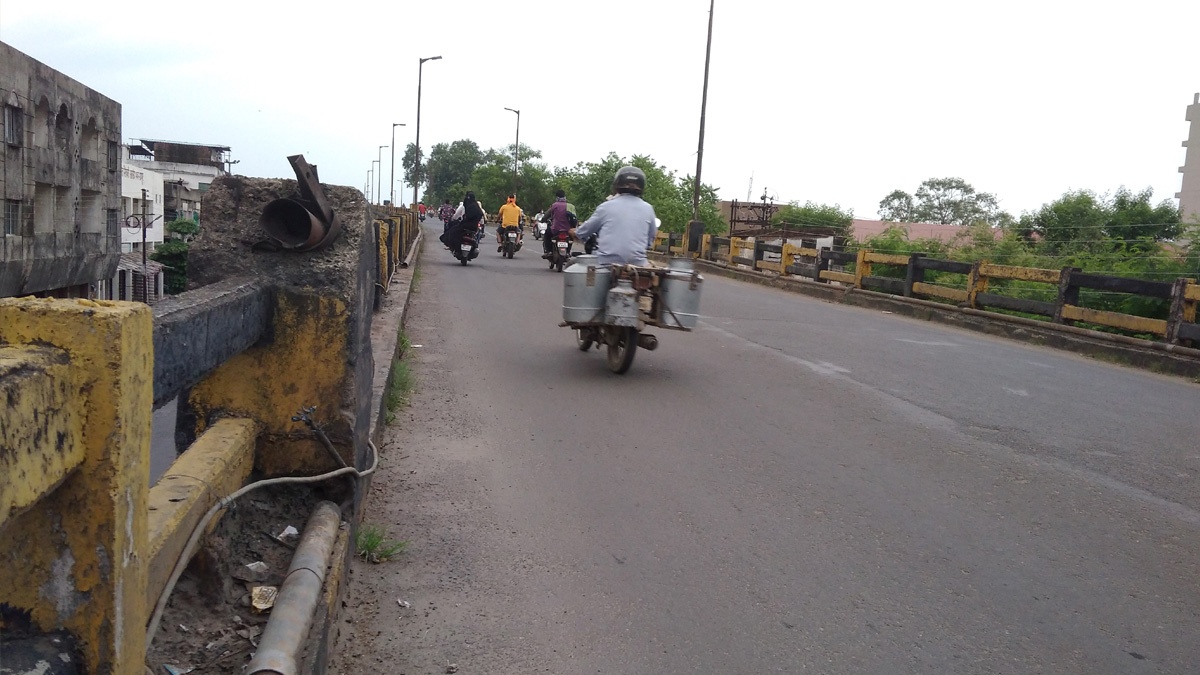
The long-awaited opening of the Ambazari Bridge in Nagpur has been officially announced. According to an affidavit presented in the Nagpur Bench of the Bombay High Court, the bridge will be fully operational for public use starting April 1, 2025. This announcement follows years of construction delays, bureaucratic hurdles, and public inconvenience. The Public Works Department (PWD) and Maharashtra State Electricity Transmission Company Limited (MSETCL) have assured the completion of all pending works by March 31, 2025.


Project Background and Timeline

Why Was the Bridge Delayed?

The construction of the Ambazari Bridge faced repeated delays due to multiple factors, including:

  • Shifting of 132KV High-Tension Cables – A crucial factor in the delay was the relocation of these power lines.
  • Lack of Timely Funds – The government had not sanctioned the necessary budget on time.
  • Bureaucratic Approvals – Coordination between multiple agencies led to unnecessary lags.

Court’s Intervention

The Nagpur Bench of Bombay HC took note of the persistent delays and issued strong directives to expedite the project. The court emphasized that prolonged construction was leading to severe traffic congestion near the Vivekananda Memorial at Ambazari Lake, creating daily challenges for commuters.


Breakthrough Decisions and Final Steps

Government’s Commitment to Completion

After continuous pressure from the High Court, the state government finally sanctioned ₹3.77 crore for the relocation of high-tension cables. These funds were directed to MSETCL, allowing them to complete the relocation process without further hindrance.

Key Meetings and Progress Reports

A high-power committee meeting was held on February 10, 2025, under the leadership of Additional Divisional Commissioner Madhavi Khode Chaware. In this meeting, the officials from PWD, MSETCL, the Irrigation Department, and the Nagpur Municipal Corporation (NMC) reviewed the project status and committed to an April 1 deadline.


Impact on Traffic and Commuters

Traffic Congestion Challenges

The delay in opening the Ambazari Bridge led to:

  • Increased congestion on alternative routes
  • Longer travel times for daily commuters
  • Unsafe conditions for pedestrians

Expected Relief After Opening

With the full opening of the bridge, commuters can expect:

  • Smoother traffic flow
  • Reduced travel time
  • Improved safety for vehicles and pedestrians

Structural Enhancements and Flood Control Measures

Flood Mitigation Efforts

The Central Water and Power Research Station (CWPRS) conducted an independent study that ruled out the Swami Vivekananda statue as a cause of flash floods in Nagpur. Instead, their report pointed out that limited passage beneath the old bridge was a primary reason for water overflow during heavy rains.

To prevent future flooding, authorities have introduced:

  • Enhanced water drainage mechanisms
  • Improved flood mitigation barriers

Strengthening of the Ambazari Dam

The Irrigation Department confirmed that 95% of dam-strengthening work is completed, with the remaining work set to finish by March 31.


Lessons Learned and Future Infrastructure Plans

Avoiding Future Delays

One of the key takeaways from this project is the importance of inter-departmental coordination. The high-power committee has recommended:

  • Better project oversight to ensure future timelines are met
  • Proactive problem-solving measures to avoid bureaucratic roadblocks
  • Regular updates to the public on large-scale projects

Upcoming Infrastructure Projects in Nagpur

With the successful completion of Ambazari Bridge, the government aims to focus on:

  • Upgrading road networks to support the increasing population
  • Expanding flyovers to reduce congestion in high-traffic areas
  • Improving public transport connectivity

After years of delays, the much-needed Ambazari Bridge will finally open to the public on April 1, 2025. The project faced multiple obstacles, from fund shortages to bureaucratic hurdles, but judicial intervention and public pressure ensured its completion. Commuters can now look forward to smoother travel and reduced congestion in the area. Moving forward, it is crucial for authorities to learn from these delays and implement better planning strategies to prevent similar setbacks in future projects.


1. When will the Ambazari Bridge open?

The bridge will be fully open for public use on April 1, 2025.

2. Why was the bridge construction delayed?

The project faced delays due to funding issues, bureaucratic approvals, and the relocation of high-tension power cables.

3. How will the bridge impact traffic in Nagpur?

Once open, the bridge will reduce congestion, cut down travel time, and improve road safety in the area.

4. What measures were taken to prevent flooding near the bridge?

The CWPRS study identified water drainage issues, leading to the construction of flood mitigation barriers to prevent future flooding.

5. What lessons have been learned from this project?

The project highlighted the importance of timely funding, better inter-departmental coordination, and proactive problem-solving to prevent unnecessary delays.

IIM Nagpur Signs MoU with Skyline University College, Sharjah

The Indian Institute of Management Nagpur (IIM-N) has taken a significant step in expanding its global academic network by signing a Memorandum of Understanding (MoU) with Skyline University College (SUC), Sharjah. This strategic collaboration aims to foster academic excellence, research innovation, and industrial expertise between the two institutions, benefiting students and faculty alike.

A Historic Collaboration

On this momentous occasion, IIM-N Director Bhimaraya Metri and SUC Vice-Chancellor Professor Mohd In’iarat officially signed the MoU. The event was attended by notable dignitaries, including Professors Prashant Gupta, Shailendra Nigam, Naseem Abidi, Kamil Agha, and Mohd Rasheed Khalid, marking a new milestone in educational partnerships.

The Vision Behind the MoU

The primary objective of this partnership is to establish a knowledge-based society by integrating cultural and academic diversity. This agreement will create an ecosystem that encourages innovation, promotes research, and enhances academic engagement across borders.

Key Highlights of the MoU

  • Student and Faculty Exchange Programs: Enabling immersive learning experiences across both institutions.
  • Collaborative Research Projects: Encouraging joint research initiatives to address global challenges.
  • Executive Education Programs: Offering skill-enhancing programs tailored for professionals.
  • Industry-Academia Collaboration: Bridging the gap between academic learning and industry requirements.

What This Means for Students and Faculty

Broader Learning Opportunities

Students will now have the chance to explore international education perspectives, gaining insights into global business and management strategies. The exchange programs will provide hands-on exposure to new learning methodologies.

Joint Research Initiatives

Faculty from both institutions will collaborate on interdisciplinary research, addressing industry-specific problems and contributing to global knowledge development.

Global Networking

This partnership enhances networking opportunities, allowing students and faculty to connect with industry experts, researchers, and academicians across the world.

Why This MoU is a Game-Changer?

Enhancing Cross-Cultural Learning

With Skyline University College being a hub of cultural diversity, IIM Nagpur students will gain exposure to varied educational approaches, fostering a more inclusive learning environment.

Industry-Aligned Education

By combining the academic strength of IIM Nagpur with the regional expertise of SUC, students will benefit from a curriculum that is both academically rigorous and industry-relevant.

Strengthening India-UAE Educational Ties

This agreement signifies a crucial step in fortifying educational relations between India and the UAE, paving the way for future collaborations.

Future Prospects

The partnership is expected to lead to further initiatives, such as:

  • Co-branded certification courses
  • International business case study development
  • Internship and placement collaborations
  • Joint academic conferences and seminars

The MoU between IIM Nagpur and Skyline University College, Sharjah, is a strategic initiative that will revolutionize the academic landscape for both institutions. By fostering student and faculty exchange, joint research, and industry-academic collaborations, this partnership is poised to create a dynamic learning environment. The collaboration reflects a forward-thinking approach to education, empowering future leaders with global perspectives and expertise.

Frequently Asked Questions (FAQs)

1. What is the main objective of the MoU between IIM Nagpur and Skyline University College?

The MoU aims to enhance academic collaboration, research initiatives, and student-faculty exchange programs between the two institutions.

2. How will students benefit from this partnership?

Students will gain international exposure, access to diverse learning methodologies, and better career opportunities through networking and industry connections.

3. What are the research collaboration opportunities under this MoU?

Faculty from both institutions will engage in interdisciplinary research projects, contributing to global knowledge and solving industry-related challenges.

4. Will there be joint certification programs?

Yes, the partnership paves the way for co-branded certification courses, executive education programs, and industry-aligned training sessions.

5. How does this MoU impact educational relations between India and the UAE?

This agreement strengthens educational ties between the two nations, promoting knowledge exchange, research collaboration, and academic excellence.

Pilot Training Centre at Amravati Airport to Open Soon

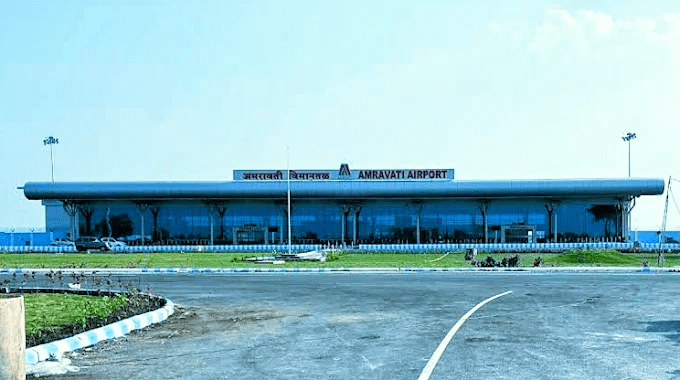
A major development in the Indian aviation sector is set to take flight! The much-anticipated pilot training centre at Amravati Airport is scheduled to commence operations in July this year. Spearheaded by Tata Group’s Air India, this training hub will offer commercial pilot training at Belora Airport in Amravati. With an intake capacity of 180 trainees, the project positions Amravati as a critical player on India’s aviation map. The existing airport is undergoing rapid development, making this training centre the largest in Maharashtra.

Key Highlights of the Pilot Training Centre

  • Location: Belora Airport, Amravati
  • Launch Date: Expected in July this year
  • Capacity: 180 trainees
  • Total Area: 10 acres
  • Facilities: Administrative wing, hostel for trainees
  • Development Authorities: Maharashtra Airport Development Company & Air India Pilot Training Centre

Why Amravati?

Amravati, a fast-growing city in Maharashtra, is strategically located to host the state’s biggest pilot training centre. The availability of land, a developing aviation infrastructure, and government support make it an ideal choice. With the aviation industry expanding rapidly, the demand for trained pilots is at an all-time high.

Project Overview: A Game Changer for Aviation

The training centre, spanning 10 acres, will include a dedicated administrative wing and hostel facilities for students. This initiative is a collaboration between the Maharashtra Airport Development Company (MADC) and Air India Pilot Training Centre, aiming to bolster India’s aviation sector.

1. Infrastructure & Facilities

  • Modern training simulators for hands-on learning
  • Spacious classrooms with advanced aviation technology
  • Dedicated airstrip for pilot training
  • On-site accommodation with hostel facilities
  • Administrative block for seamless operations

2. Expansion of Amravati Airport

The Belora Airport is undergoing rapid upgrades to accommodate the training centre. This includes runway extensions, navigation system upgrades, and improved air traffic control to support smooth operations.

How Will This Benefit Aspiring Pilots?

  • Access to world-class training within India
  • Cost-effective pilot training compared to overseas programs
  • Job opportunities with major airlines, including Air India
  • Boost to the local economy through aviation-related businesses

Government Support & Approvals

The Central Aviation Ministry is expected to approve passenger traffic operations at Belora Airport. A new flight connecting Amravati and Mumbai via a 72-seater aircraft is planned to launch by the end of March this year, further integrating Amravati into India’s aviation network.

Future Prospects of the Amravati Training Centre

This centre will contribute to the increasing demand for pilots in India. With air traffic surging, India requires more trained pilots, and this facility will play a crucial role in addressing that demand.

The pilot training centre at Amravati Airport marks a significant milestone in India’s aviation industry. With state-of-the-art facilities, government backing, and strategic location, this centre is set to revolutionize pilot training in Maharashtra and beyond. As the project nears completion, aspiring pilots and aviation enthusiasts can look forward to world-class training opportunities right in Amravati.

1. When will the Amravati Pilot Training Centre open?

The training centre is expected to start operations in July this year.

2. How many students will be trained at the centre?

The centre will have a training capacity of 180 students.

3. What facilities will the training centre provide?

The centre will offer modern flight simulators, classrooms, a dedicated airstrip, a hostel for trainees, and an administrative wing.

4. Will Belora Airport allow commercial flights?

Yes, the Central Aviation Ministry is likely to approve commercial operations, with an Amravati-Mumbai flight planned by March.

5. Why is this training centre important for Indian aviation?

This centre will help meet the rising demand for trained pilots in India, reduce reliance on overseas training, and boost local aviation development.

Ambazari Lake High on Weed – A Growing Environmental Crisis

Ambazari Lake, one of Nagpur’s most significant water bodies, is battling a severe infestation of Eichhornia (water hyacinth). Despite substantial efforts and expenses by the local administration, the problem continues to escalate. With a sewage treatment plant (STP) under construction and industrial waste being a major concern, it is high time authorities take a more proactive approach to restore the lake’s health.

What is Eichhornia and Why is it a Problem?

The Rapid Spread of Water Hyacinth

Eichhornia, commonly known as water hyacinth, is an invasive aquatic plant notorious for its rapid growth. It thrives in nutrient-rich water, forming dense mats that choke lakes, disrupt aquatic life, and lead to flooding by blocking natural water flow.

Impact on Ambazari Lake

  • Reduces Oxygen Levels: The thick cover of Eichhornia depletes dissolved oxygen, leading to fish deaths.
  • Obstructs Water Flow: It clogs drainage systems, causing water stagnation and increasing flood risks.
  • Encourages Mosquito Breeding: Stagnant water provides a perfect breeding ground for mosquitoes, leading to health hazards.
  • Affects Biodiversity: The weed outcompetes native plants and disrupts the ecological balance.

Efforts to Combat the Eichhornia Infestation

Ongoing Cleaning Operations

The Nagpur Municipal Corporation (NMC) is spending a significant amount on manually removing the weed daily. However, without addressing the root cause, these efforts remain ineffective in the long term.

Sewage Treatment Plant (STP) – A Ray of Hope?

An 11 MLD STP is under construction in Wadi to treat sewage before it enters the lake. Authorities believe this plant, expected to be operational in six months, could help curb the Eichhornia spread by reducing nutrient load in the lake.

Industrial Waste Intrusion – A Major Concern

Studies indicate that industrial effluents from MIDC Hingna may be contaminating the lake. However, the Maharashtra Pollution Control Board (MPCB) has not found conclusive evidence against MIDC, leading to ongoing disputes about the actual source of pollution.

The 2023 Nagpur Floods – A Warning Sign

How Ambazari Lake Contributed to the Disaster

In September 2023, Nagpur witnessed severe flooding in the Nag River due to the overflow of Ambazari Lake. The Eichhornia mats blocked a crucial culvert under a bridge, worsening the flood situation and affecting hundreds of families.

Lack of Administrative Action

Despite clear warnings from experts, the administration failed to take timely action, leaving affected families to struggle with losses amounting to crores of rupees.

Public Concerns and Local Impact

Decline in Fishing and Swimming Activities

Local fishermen report a drastic reduction in fish populations due to oxygen depletion caused by the weeds. Similarly, regular swimmers now avoid the lake due to the deteriorating water quality.

Health Risks for Nearby Residents

  • Mosquito-borne diseases: Increased cases of malaria and dengue.
  • Water contamination: Higher risk of waterborne illnesses.
  • Air pollution: Decomposing weeds emit foul odors, affecting air quality.

Need for Long-Term Solutions

Comprehensive Cleanup Strategy

  • Use of Biological Controls: Introducing weevils and other natural predators of Eichhornia.
  • Mechanical Removal: Deploying advanced weed harvesters for efficient removal.
  • Chemical Treatment: Using eco-friendly herbicides to control growth.

Policy Changes and Stricter Regulations

  • Industrial Waste Monitoring: Conducting frequent water quality tests near industrial zones.
  • Strict Waste Disposal Laws: Enforcing penalties for industries dumping untreated waste.
  • Regular Maintenance: Allocating funds for periodic cleaning and monitoring of the lake.

The infestation of Eichhornia in Ambazari Lake is a pressing environmental issue that demands immediate attention. While efforts like the STP construction and daily cleaning are steps in the right direction, a more robust and sustainable strategy is needed. The authorities must take strict action against pollution sources and implement long-term ecological solutions to restore the lake’s health.

1. Why is Eichhornia growing so fast in Ambazari Lake?

Eichhornia thrives in nutrient-rich water, primarily fueled by untreated sewage and industrial waste entering the lake.

2. How does Eichhornia contribute to flooding?

The thick weed mats block water flow and drainage points, leading to water stagnation and overflow during heavy rains.

3. Can the problem be solved permanently?

Yes, through a combination of biological control, mechanical removal, strict pollution control, and long-term maintenance plans.

4. What can local residents do to help?

Residents can avoid dumping waste into the lake, participate in cleanup drives, and report pollution sources to authorities.

5. What role does the STP play in solving this issue?

The STP will help reduce nutrient levels in the water, limiting the excessive growth of Eichhornia and improving overall water quality.

Nagpur Prepares for a Grand Shiv Jayanti Padyatra on February 19

Nagpur Shiv Jayanti Padyatra: Nagpur is all set to celebrate the 395th birth anniversary of Chhatrapati Shivaji Maharaj with a grand Shiv Jayanti Padyatra on February 19. The event, titled ‘Jai Shivaji Jai Bharat’ Padyatra, will be held across all districts of the Nagpur Division.

Significance of Shiv Jayanti

Chhatrapati Shivaji Maharaj was one of the greatest warriors in Indian history. His legacy of valor, governance, and administration continues to inspire generations. Shiv Jayanti is celebrated with great fervor across Maharashtra, and Nagpur is leaving no stone unturned in making this year’s celebrations grander than ever.

Preparations for the Padyatra

Divisional Commissioner’s Review

Divisional Commissioner Madhavi Chavare has personally reviewed the arrangements and encouraged citizens to participate in large numbers. The administration is working diligently to ensure a well-organized event.

Who Will Participate?

The padyatra will witness participation from various groups, including:

  • School students
  • Municipal and Zilla Parishad officials
  • Social and cultural organizations
  • Local residents and history enthusiasts

Event Highlights

Traditional Performances

To add cultural vibrancy to the event, various traditional performances will take place, including:

  • Lezim – A traditional dance form with rhythmic beats
  • Danpatta – A display of swordsmanship
  • Malkhamb – An ancient Indian sport involving gymnastic poses on a pole or rope

Social Welfare Activities

In addition to the padyatra, several social initiatives will be conducted, such as:

  • Blood donation camps along the route
  • Awareness programs on Shivaji Maharaj’s contributions

Padyatra Route in Nagpur City

The padyatra will start at 7 AM from Raje Raghuji Bhosale Memorial in Sakkardara Chowk and will pass through key locations:

  1. Gajanan Chowk
  2. Juni Puri
  3. Keshav Dwar Chowk
  4. Reshimbagh Chowk
  5. CP & Berar Chowk
  6. Kotwali Chowk
  7. Ending at Gandhi Gate Chowk

Security and Traffic Arrangements

Officials have taken measures to ensure the safety and smooth flow of the padyatra:

  • Traffic diversions along the route
  • Emergency medical teams on standby
  • Police personnel deployment for crowd control

Why You Should Participate

  • Pay tribute to a legendary warrior
  • Be a part of history and heritage
  • Witness Maharashtrian culture in full grandeur
  • Contribute to social welfare initiatives

Nagpur is set to make the 395th Shiv Jayanti a truly unforgettable celebration. The ‘Jai Shivaji Jai Bharat’ Padyatra will be a remarkable event blending culture, tradition, and community service. Join the padyatra and be a part of this grand tribute to Chhatrapati Shivaji Maharaj!

1. When and where will the Shiv Jayanti Padyatra take place?

The padyatra will be held on February 19 across all districts of Nagpur Division, starting at 7 AM from Raje Raghuji Bhosale Memorial in Sakkardara Chowk.

2. What is the purpose of the event?

The event aims to celebrate Chhatrapati Shivaji Maharaj’s 395th birth anniversary, honor his legacy, and promote cultural heritage.

3. Will there be any road restrictions?

Yes, traffic diversions will be in place along the padyatra route to ensure a smooth procession. Authorities will issue detailed guidelines in advance.

4. Can anyone participate in the padyatra?

Yes, the event is open to all, including students, government officials, and the general public.

5. How can I contribute to the celebration?

You can participate in the padyatra, volunteer for event organization, or donate blood at the camps along the route.

Film City to Come Up Near Khindsi Lake in Ramtek

A new Film City is set to emerge near Khindsi Lake in Ramtek, a development that promises to boost the local economy and film industry. Cultural Affairs Minister Ashish Shelar has initiated the process by requesting the Revenue Department to transfer 128 acres of land for the project. This initiative is expected to attract filmmakers from across India and generate significant employment opportunities.

Why Ramtek for the Film City?

1. Scenic Beauty and Natural Backdrop

Nestled amidst lush greenery and serene water bodies, Khindsi Lake provides an ideal setting for film shoots. The location offers a mix of forest landscapes, hills, and water bodies, perfect for diverse cinematic requirements.

2. Strategic Location

  • Only 40 kilometers from Nagpur Airport.
  • Surrounded by resorts and tourist-friendly locations.
  • Well-connected via roads and railways, making it convenient for film crews.

3. Boost for Regional Filmmakers

The Film City is expected to serve filmmakers from Madhya Pradesh and Chhattisgarh, offering them a nearby alternative to Mumbai and Hyderabad for shooting documentaries, feature films, and web series.

Government’s Vision for the Film City

1. Employment Generation

The project is expected to create thousands of jobs in the film industry, from technical crew to creative professionals.

2. Skill Development and Training Centre

A film training centre will be established to develop a skilled workforce. Workshops and training programs will help aspiring filmmakers, editors, cinematographers, and technicians gain hands-on experience.

3. Infrastructure Development

The government plans to build world-class facilities, including:

  • State-of-the-art studios for film production.
  • Editing and post-production labs.
  • Outdoor and indoor shooting spaces.

Economic and Tourism Impact

1. Tourism Boost

The Film City will turn Ramtek into a tourism hub, attracting film enthusiasts, travelers, and adventure seekers.

2. Revenue Generation

Local businesses, hotels, and restaurants will benefit, leading to increased revenue and overall economic growth.

3. Strengthening the Local Economy

With more people visiting and investing in the region, the Film City will act as a catalyst for economic development.

Comparisons with Other Film Cities

1. Ramoji Film City (Hyderabad)

  • Largest film city in the world.
  • Ramtek aims to replicate its success on a regional scale.

2. Film City Mumbai

  • The heart of Bollywood.
  • Ramtek’s project offers a natural and cost-effective alternative.

3. Noida Film City

  • Major hub for TV and media production.
  • Ramtek will focus on both mainstream and regional cinema.

Challenges and Roadblocks

1. Land Acquisition Issues

The transfer of 128 acres of land is a crucial step. The government must ensure a smooth and dispute-free acquisition process.

2. Infrastructure Development Costs

Building a fully functional film city requires significant investment. The authorities must attract private investors and stakeholders.

3. Environmental Considerations

Being close to forest areas, sustainability measures should be taken to protect the ecosystem.

Future Prospects of Ramtek Film City

1. Attracting Big-Budget Films

With state-of-the-art facilities, major Bollywood and regional film productions may choose Ramtek over other expensive locations.

2. International Collaboration

The Film City could attract foreign filmmakers, boosting cross-border cinematic projects.

3. A Hub for OTT Content

With the rise of streaming platforms, Ramtek’s Film City can serve as a production hub for web series and digital films.

The Film City near Khindsi Lake in Ramtek is a game-changer for the Indian film industry. It not only provides a picturesque shooting location but also offers immense employment opportunities and economic benefits. With proper planning, investment, and execution, this project has the potential to become a premier film production destination in India.

1. When will the Ramtek Film City be operational?

The timeline is yet to be announced, but the initial stages of land transfer and planning are underway.

2. What makes Ramtek’s Film City unique?

Its natural beauty, strategic location, and accessibility make it an attractive choice for filmmakers.

3. Will there be training programs for aspiring filmmakers?

Yes, a training centre will be established to develop skilled manpower for the industry.

4. How will the local economy benefit?

The project will boost tourism, create jobs, and generate revenue for local businesses.

5. Can independent filmmakers use the facilities?

Yes, the Film City aims to support both large-scale and independent film productions.

Two RVR Systems Installed at Nagpur Airport to Enhance Flight Safety

RVR System at Nagpur Airport: Ensuring safe landings and take-offs in all weather conditions is a top priority for any airport. To enhance flight safety at Dr. Babasaheb Ambedkar International Airport, Nagpur, the Aerodrome Meteorological Offices (AMO), Nagpur has installed two advanced Runway Visual Range (RVR) systems. These state-of-the-art systems provide real-time visibility data, minimizing flight disruptions and ensuring safe operations even in low-visibility conditions.

What is a Runway Visual Range (RVR) System?

An RVR system is a high-tech setup that continuously measures the visibility range along a runway. It uses optical and atmospheric sensors to deliver accurate data to air traffic controllers and pilots. This helps them make precise decisions during landings and take-offs, especially in fog, heavy rain, or haze.

Why Was the RVR System Needed at Nagpur Airport?

Dr. Babasaheb Ambedkar International Airport serves as a key aviation hub in Central India. Given the high volume of domestic and international flights, improving visibility for incoming and outgoing flights became a necessity. The manual process previously in use was prone to errors, as it relied on human estimation. With RVR technology, visibility readings are now automated with 99% accuracy.

Where Were the RVR Systems Installed?

  • Runway No. 32
  • Runway No. 14
  • Mid-runway system (under installation, operational soon)

How the RVR System Works

  1. Real-time Data Collection – The system continuously monitors visibility levels using advanced sensors.
  2. Data Transmission – The information is sent to Air Traffic Controllers (ATC) and pilots.
  3. Decision Making – ATC uses this data to set operational categories, while pilots use it for safe landing and take-off decisions.

Key Benefits of RVR Technology at Nagpur Airport

1. Enhanced Safety During Low-Visibility Conditions

Weather conditions such as fog, rain, and haze can significantly reduce visibility. The RVR system ensures that pilots receive accurate data to make safe flying decisions.

2. Reduced Flight Delays and Disruptions

With precise real-time data, unnecessary delays due to poor visibility can be minimized, improving overall airport efficiency.

3. Compliance with Global Aviation Standards

The installation of the RVR system aligns Nagpur Airport with international safety standards, making it a more reliable hub for airlines.

4. Improved Air Traffic Management

The RVR system assists Air Traffic Control (ATC) in maintaining a smooth flow of air traffic, reducing congestion and increasing operational efficiency.

How RVR Installation Was Carried Out

Installing an RVR system requires clearances from multiple regulatory bodies like the Directorate General of Civil Aviation (DGCA). For Nagpur Airport, the entire process took two years, ensuring compliance with all necessary safety and operational guidelines.

Who Provided the RVR Technology?

The RVR systems at Nagpur Airport were sourced from Vaisala Oyj, a Finnish company specializing in environmental and industrial measurement technologies.

Future Plans for Nagpur Airport

  • Completion of the third RVR system installation.
  • Integration of RVR data into advanced air traffic management systems.
  • Enhancements in weather monitoring systems for further operational efficiency.

With the installation of these advanced RVR systems, Nagpur Airport has significantly improved its flight safety, operational efficiency, and compliance with international standards. This upgrade ensures that both domestic and international flights can operate smoothly, even in challenging weather conditions.

1. What is an RVR system, and why is it important?

An RVR system measures visibility along the runway in real time, helping pilots and air traffic controllers make informed decisions, especially in poor weather.

2. How many RVR systems are installed at Nagpur Airport?

Currently, two RVR systems are operational, with a third one under installation.

3. How does the RVR system improve flight safety?

The system provides accurate visibility data, reducing the chances of flight disruptions and unsafe landings.

4. Who manufactured the RVR systems installed at Nagpur Airport?

The RVR systems were procured from Vaisala Oyj, a leading Finnish company specializing in weather and industrial measurement solutions.

5. How long did it take to install the RVR system at Nagpur Airport?

The entire process took two years, requiring multiple regulatory approvals and technical assessments.

Sonegaon Lake: A Seeping Issue

Nagpur: Sonegaon Lake, once a symbol of Nagpur’s rich history and ecological balance, is now facing a severe environmental threat. The lake is being contaminated by untreated sewage water, which seeps in due to inefficient waste management. Despite rejuvenation efforts, the water quality remains questionable, putting aquatic life at risk. This article explores the issue, its causes, the ongoing restoration project, and what can be done to save this historic water body.

The Historical Significance of Sonegaon Lake

Sonegaon Lake has been an integral part of Nagpur’s landscape for centuries. It not only serves as a recreational spot but also plays a crucial role in maintaining groundwater levels and supporting local biodiversity.

The Current Crisis: Sewage Contamination

How Did Sewage Start Seeping into the Lake?

In June 2024, reports from The Hitavada revealed that untreated sewage was entering Sonegaon Lake through a nearby nullah. The Nagpur Improvement Trust (NIT) had set up a sewage treatment plant (STP) to treat wastewater before discharging it into the lake, but concerns were raised regarding the efficiency of the treatment process.

NMC’s Response to the Issue

The Nagpur Municipal Corporation (NMC) issued a show cause notice to NIT, demanding proper treatment of sewage water before it entered the lake. However, NIT maintains that only clean water is being released into the water body.

Environmental Impact of Contaminated Water

Harm to Aquatic Life

Pollution in Sonegaon Lake threatens the survival of fish and other aquatic organisms. The presence of toxic substances reduces oxygen levels, leading to fish kills and disruption of the ecosystem.

Health Hazards for Locals

Contaminated water can cause serious health issues for people living nearby. It increases the risk of waterborne diseases and makes the lake unsuitable for recreational activities.

The Restoration Project: A Step Towards Revival

Phase 1: Initial Efforts

The first phase of the lake’s rejuvenation began in June 2021 and was inaugurated in April 2024. With an estimated cost of ₹17 crore, the project focused on the east and north sides of the lake, including:

  • Retaining wall construction
  • Walking track development
  • Beautification efforts

Phase 2: The Current Progress

The second phase, expected to be completed by September 2, 2025, is estimated at ₹25 crore. This includes work on the west and south sides of the lake, along with the addition of amenities such as:

  • A food court
  • A recharge shaft
  • A toilet block
  • Landscaping improvements

Challenges Faced During Rejuvenation

Delayed Completion

Despite significant investments, the project has been delayed due to bureaucratic red tape and insufficient planning.

Ongoing Water Contamination

While the infrastructure around the lake is improving, the fundamental problem—untreated sewage water—remains unresolved.

Can Sonegaon Lake Be Saved?

The rejuvenation of Sonegaon Lake can only be successful if the quality of water improves. Authorities must ensure strict monitoring of the STP and take immediate action against negligence.

Sonegaon Lake’s revival is crucial for Nagpur’s environment and historical heritage. While beautification projects are a positive step, addressing the root cause of contamination is necessary. Only through collective efforts from authorities and citizens can we restore the lake to its former glory.

1. What is the main cause of pollution in Sonegaon Lake?

The main cause is untreated sewage water seeping into the lake through a nullah, which should have been processed by an STP before discharge.

Nagpur’s New Dumping Yard: Road Connecting Sahakar Nagar to Airport

Sahakar Nagar Nagpur, once known for its cleanliness and lush green spaces, is now struggling with an emerging waste crisis. A particular area from Sahakar Nagar, Nagpur crematorium to the airport has turned into an unofficial dumping yard, raising serious concerns for both environmental and public safety. This article delves into the alarming issue and explores possible solutions.

Overview of the Issue

The road that once stood as a symbol of beauty and civic responsibility is now covered in heaps of garbage. The presence of plastic waste, empty liquor bottles, and even used condoms points towards illegal and suspicious activities happening in the area. The problem is growing daily, posing a threat to both the environment and the well-being of local residents.

Once a Scenic Route, Now a Dumping Yard

This road was once a pride of the city, often used by morning walkers and nature lovers. Dubbed the ‘Natural Oxygen Park,’ it was known for its serene beauty. However, today, this stretch has transformed into a waste-laden, unpleasant site that has lost its former charm.

Types of Waste Found

Upon visiting the location, various types of waste can be seen:

  • Household garbage: Large sacks filled with household waste dumped by local residents.
  • Alcohol bottles: A clear indication of nighttime activities involving liquor consumption.
  • Suspicious items: Items like used condoms hint at immoral and illegal activities occurring after dark.

Illegal and Immoral Activities in the Area

Residents have raised concerns over the questionable activities that take place along this stretch at night. Cars and bikes are often parked, and the area remains largely deserted, making it a hub for illicit gatherings. The absence of strict surveillance adds to the problem.

Impact on Morning Walkers and Residents

For years, morning walkers used this road as a part of their daily routine. However, with rising waste levels and security concerns, people are now hesitant to visit. The foul smell, scattered litter, and unsafe environment have turned this once-healthy space into an undesirable one.

Negligence by Authorities

One of the major issues is the lack of accountability among government bodies. According to reports, MIHAN India claims that the maintenance of this road falls under the jurisdiction of Maharashtra Airport Development Company (MADC). However, MADC officials remain unresponsive, leading to further mismanagement.

The Role of Local Residents in the Problem

While government negligence is evident, some responsibility also lies with local residents. Many contribute to the problem by dumping their household waste along the roadside, ignoring the long-term consequences of their actions.

Health and Environmental Hazards

Improper waste disposal leads to numerous environmental and health issues, including:

  • Air pollution from decomposing waste
  • Contamination of groundwater
  • Increased risk of diseases like dengue and cholera

Crime and Safety Concerns

The presence of illegal activities poses a severe risk to women, children, and senior citizens living in nearby areas. The deserted stretch is becoming a hotspot for crime, making urgent intervention necessary.

Possible Solutions to the Problem

Addressing this issue requires a multi-pronged approach:

  1. Improved waste management: Proper garbage collection and disposal services should be implemented.
  2. Active involvement of civic bodies: Authorities must take responsibility and enforce strict anti-littering laws.
  3. Community awareness programs: Educating people on waste disposal and its effects.

Need for Strict Surveillance and Policing

Installing CCTV cameras and increasing police patrols can help curb suspicious activities. A visible security presence would deter offenders and bring back safety to the area.

Community Participation in Cleaning Up the Area

Residents must take initiative in keeping their surroundings clean. Organizing cleanliness drives and awareness campaigns can encourage responsible behavior.

The road from Sahakar Nagar, Nagpur crematorium to the airport is a classic case of negligence and mismanagement. The issue requires immediate attention from authorities and active participation from residents. If corrective measures are not taken, the situation will only worsen. It’s time for both civic bodies and citizens to step up and restore this road to its former glory.

1. Who is responsible for maintaining the cleanliness of this road?

The maintenance of the road falls under the jurisdiction of Maharashtra Airport Development Company (MADC), but there is a lack of active management.

2. Why has the area become a dumping ground?

A mix of local residents dumping waste and lack of proper waste disposal facilities has contributed to this issue.

3. What steps can authorities take to resolve this problem?

Authorities should enforce strict waste disposal laws, install CCTV cameras, and increase police surveillance.

4. How can residents help in improving the situation?

Residents can take responsibility by disposing of their waste properly and organizing cleanliness drives.

5. What are the risks associated with the current state of the road?

The risks include health hazards, environmental pollution, increased crime rates, and unsafe conditions for pedestrians.

Vintage Car Exhibition at Raman Science Centre on February 16, 2025

Vintage Car Exhibition: Nagpur’s Raman Science Centre will host an extraordinary Vintage Car Exhibition on February 16, 2025. This highly anticipated event will showcase some of the finest and most meticulously restored classic cars, allowing enthusiasts and history buffs to marvel at the evolution of automotive engineering and design. The exhibition promises a spectacular display of automobiles from different eras, showcasing their timeless charm, craftsmanship, and technological advancements.

A Celebration of Automotive Heritage

The Vintage Car Exhibition at the Raman Science Centre is much more than a display of old cars—it is a tribute to the rich legacy of the automobile industry. Attendees will get an opportunity to witness firsthand the transformation of automobiles from early models to more sophisticated designs. Each car tells a unique story, reflecting the technological progress, design trends, and cultural influences of its time.

What to Expect at the Exhibition

A Stunning Collection of Classic Cars

This exhibition will feature a diverse range of vintage automobiles, each restored to its former glory. Visitors can expect to see legendary models from various manufacturers, including Ford, Rolls-Royce, Bentley, Mercedes-Benz, Cadillac, and Chevrolet. These beautifully maintained vehicles highlight the golden era of motoring and provide a glimpse into the craftsmanship that defined automotive excellence in the past.

Restored Vintage Beauties

One of the most exciting aspects of the exhibition is the meticulous restoration work that has gone into each vehicle. Owners and restorers have spent countless hours preserving the authenticity and mechanical integrity of these classics. From gleaming chrome finishes to handcrafted wooden dashboards, every detail is a testament to the skill and dedication required to maintain these historical treasures.

Interactive Sessions with Car Experts

Visitors will have the opportunity to engage with renowned automobile historians, collectors, and restorers. These experts will provide insights into the history, engineering, and unique features of the vintage cars on display. If you have ever been curious about what goes into restoring a classic car or the challenges faced by collectors, this exhibition is the perfect place to get answers.

Photography and Social Media Engagement

The event offers a picturesque setting for car enthusiasts and photographers. Whether you are a professional photographer or simply an admirer of vintage cars, the exhibition presents countless opportunities to capture stunning images. Social media enthusiasts can share their experience using official event hashtags, connecting with other classic car lovers worldwide.

Why You Should Attend the Vintage Car Exhibition

Attending this exclusive exhibition at Raman Science Centre offers numerous benefits, including:

  • A Rare Opportunity: Vintage cars are not something you see every day, and this exhibition provides a unique chance to admire these beauties up close.
  • Educational Experience: Learn about the evolution of automobiles, their impact on society, and the technological innovations that shaped the industry.
  • Networking with Enthusiasts: Meet like-minded individuals who share a passion for classic automobiles.
  • Family-Friendly Event: The exhibition is suitable for all age groups, making it an ideal outing for families, students, and car lovers alike.

The Venue: Raman Science Centre, Nagpur

Located in the heart of Nagpur, the Raman Science Centre is known for hosting educational and engaging events that promote science, technology, and history. The venue provides a spacious and well-organized environment, ensuring a comfortable experience for all attendees. The easy accessibility and excellent facilities make it the perfect location for a grand vintage car exhibition.

Event Details

  • Date: February 16, 2025
  • Venue: Raman Science Centre, Nagpur
  • Entry Fee: Free / Nominal Fee (To Be Confirmed)
  • Timings: 10:00 AM to 6:00 PM

The Vintage Car Exhibition at Raman Science Centre is a must-visit event for automobile enthusiasts, history lovers, and families looking for a unique experience. This showcase of automotive heritage will not only transport you back in time but also offer a deeper appreciation for the craftsmanship and innovation of classic cars.

Make sure to mark your calendar and join us for an unforgettable journey through the golden age of motoring!

Exit mobile version