Central Railway Introduces Special Holi Trains Between Pune, Mumbai, and Nagpur

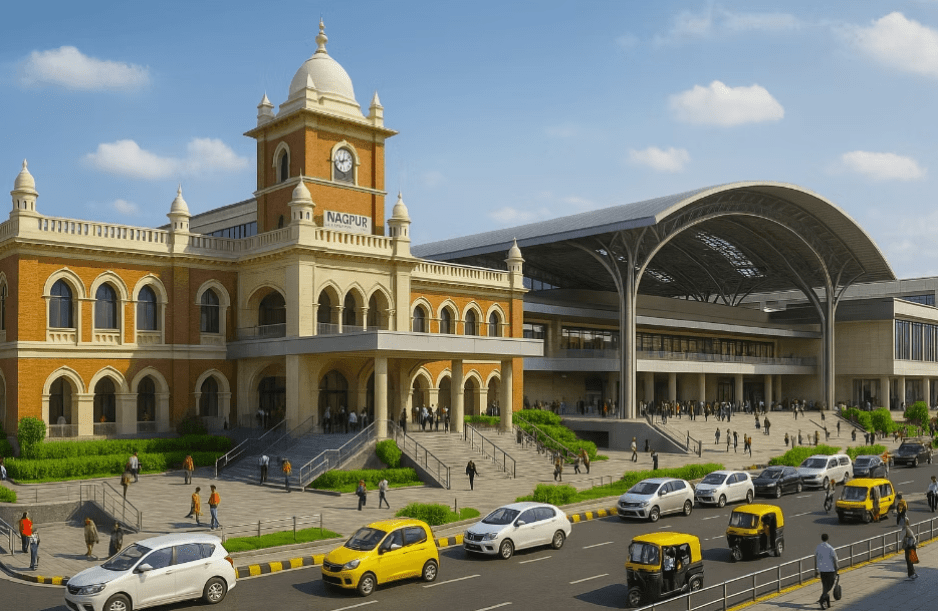
Holi, the vibrant festival of colors, brings together families and friends across India. Recognizing the surge in travel during this festive period, Central Railway has announced special superfast trains connecting Pune, Mumbai, and Nagpur. These trains aim to accommodate the increased passenger demand and ensure a smooth journey for all travelers.

Understanding the Need for Special Holi Trains | Special Holi Trains Central Railway

Every year, Holi witnesses a significant rise in travel as people return to their hometowns or visit loved ones. The regular train services often struggle to handle this influx, leading to overcrowded trains and waitlisted tickets. To alleviate this issue, Central Railway has proactively introduced special trains to manage the festive rush effectively.

Details of the Special Superfast Trains

Central Railway has scheduled multiple superfast trains on specific routes to cater to the Holi travelers. Below are the details:

1. Mumbai (CSMT) – Nagpur – Mumbai (CSMT) Bi-Weekly Superfast Special

  • Train No. 02139 Mumbai (CSMT) – Nagpur Superfast Special

    • Days of Operation: Sunday & Tuesday
    • Departure from Mumbai (CSMT): 00:20 hrs
    • Arrival at Nagpur: 15:10 hrs
    • Trips: 09.03.2025, 11.03.2025, 16.03.2025, 18.03.2025
  • Train No. 02140 Nagpur – Mumbai (CSMT) Superfast Special

    • Days of Operation: Sunday & Tuesday
    • Departure from Nagpur: 20:00 hrs
    • Arrival at Mumbai (CSMT): 13:30 hrs (Next Day)
    • Trips: 09.03.2025, 11.03.2025, 16.03.2025, 18.03.2025

Composition: 24 ICF Coaches (2 Brake & luggage, 4 General, 4 Sleeper, 1 First AC, 1 First AC cum Second AC, 2 Second AC, 10 Third AC)

Stoppages: Dadar, Thane, Kalyan, Igatpuri, Nashik Road, Manmad, Jalgaon, Bhusawal, Malkapur, Shegaon, Akola, Murtijapur, Badnera, Dhamangaon, Wardha.

2. Pune – Nagpur – Pune Weekly Superfast Special

  • Train No. 01469 Pune – Nagpur Superfast Special

    • Days of Operation: Tuesday
    • Departure from Pune: 15:50 hrs
    • Arrival at Nagpur: 06:30 hrs (Next Day)
    • Trips: 11.03.2025, 18.03.2025
  • Train No. 01470 Nagpur – Pune Superfast Special

    • Days of Operation: Wednesday
    • Departure from Nagpur: 08:00 hrs
    • Arrival at Pune: 23:30 hrs
    • Trips: 12.03.2025, 19.03.2025

Composition: 20 LHB Coaches (1 Generator, 1 Brake & luggage, 15 Third AC, 3 Second AC)

Stoppages: Uruli, Daund Chord Line, Ahmednagar, Belapur, Kopargaon, Manmad, Jalgaon, Bhusawal, Malkapur, Shegaon, Akola, Badnera, Dhamangaon, Wardha.

3. Pune – Nagpur – Pune Weekly Superfast Special

  • Train No. 01467 Pune – Nagpur Superfast Special

    • Days of Operation: Wednesday
    • Departure from Pune: 15:50 hrs
    • Arrival at Nagpur: 06:30 hrs (Next Day)
    • Trips: 12.03.2025, 19.03.2025
  • Train No. 01468 Nagpur – Pune Superfast Special

    • Days of Operation: Thursday
    • Departure from Nagpur: 08:00 hrs
    • Arrival at Pune: 23:30 hrs
    • Trips: 13.03.2025, 20.03.2025

Composition: 17 ICF Coaches (2 Brake & luggage, 6 General, 1 Second AC, 1 First AC, 5 Sleeper, 2 Third AC)

Stoppages: Uruli, Daund Chord Line, Ahmednagar, Belapur, Kopargaon, Manmad, Jalgaon, Bhusawal, Malkapur, Shegaon, Akola, Badnera, Dhamangaon, Wardha.

Booking Information and Guidelines

To ensure a hassle-free journey, passengers are encouraged to book their tickets in advance. Reservations can be made through authorized railway booking counters or online via the IRCTC website. Given the high demand during the festive season, early booking is advisable to secure confirmed seats.

Safety Measures and Travel Tips

Traveling during festivals can be overwhelming. Here are some tips to ensure a safe and pleasant journey:

  • Arrive Early: Reach the station well ahead of the departure time to avoid last-minute rush.
  • Keep Essentials Handy: Carry valid ID proofs, tickets (printed or digital), and necessary personal items.
  • Stay Informed: Regularly check for any schedule changes or announcements related to your train.
  • Follow Safety Protocols: Adhere to railway safety guidelines and be cautious of your belongings.

Central Railway’s initiative to introduce special superfast trains during Holi 2025 is a commendable step to accommodate the festive travel surge. By planning ahead and booking tickets promptly, passengers can look forward to celebrating Holi with their loved ones without the stress of travel uncertainties.

  1. How can I book tickets for the special Holi trains?

    • Tickets can be booked through authorized railway booking counters or online via the IRCTC website.
  2. Are there any additional charges for these special trains?

    • The fare structure for special trains is typically similar to regular services, but it’s advisable to check the exact fare during booking.
  3. What safety measures are in place during the journey?

    • Passengers are encouraged to follow standard safety protocols, including keeping personal belongings secure and adhering to railway guidelines.
  4. Can I cancel my ticket if my plans change?

    • Yes, ticket cancellation is possible as per Indian Railways’ cancellation policy. Refunds will be processed according to the prevailing rules.
  5. Where can I find more information about train schedules and stoppages?

    • Detailed information is available on the official Indian Railways website or by inquiring at the nearest railway station.

Nagpur Traffic Police Introduce ‘Traffic Mitra’ WhatsApp Helpline for Public Complaints

Traffic congestion and rule violations have been persistent issues in urban areas, making daily commuting a challenge. To combat these problems and improve road safety, the Nagpur Traffic Police have launched an innovative initiative called ‘Traffic Mitra’—a dedicated WhatsApp helpline for the public to report traffic-related concerns.

What is Traffic Mitra?

Traffic Mitra is a citizen-friendly initiative aimed at enhancing public participation in traffic regulation. The WhatsApp helpline (8976897698) enables residents to report traffic violations, congestion, accidents, and illegal parking with ease.

How Does the Traffic Mitra Helpline Work?

Residents can utilize the helpline to send WhatsApp messages regarding any traffic-related issue. These complaints are then forwarded to the Nagpur Police Control Room, where they are reviewed and addressed by the traffic department.

What Can Citizens Report?

  • Traffic rule violations (e.g., jumping signals, reckless driving)
  • Traffic congestion (e.g., bottlenecks, roadblocks)
  • Accidents (e.g., collisions, hit-and-run cases)
  • Illegal parking (e.g., vehicles parked in no-parking zones)

How to Lodge a Complaint Effectively?

For a quick and effective response, the Nagpur Traffic Police recommend that complainants include the following details:

  1. Clear Images: Capturing rule violations or road obstructions.
  2. Accurate Location: Sharing GPS coordinates or a detailed address.
  3. Incident Timing: Mentioning the exact time of the occurrence.

Why WhatsApp?

Using WhatsApp as a complaint platform offers several advantages:

  • Ease of Use: Most citizens are familiar with WhatsApp, making it an accessible platform.
  • Real-Time Reporting: Instant message delivery ensures quick action.
  • Image and Location Sharing: Enables authorities to assess the situation efficiently.

Police Response Mechanism

Once a complaint is received:

  1. The Nagpur Traffic Police Control Room evaluates the issue.
  2. Complaints are verified using provided details.
  3. The appropriate traffic enforcement teams are deployed for immediate action.

Public Awareness and Participation

The success of Traffic Mitra depends on public involvement. Authorities urge citizens to actively report issues and contribute to making Nagpur’s roads safer.

Limitations of the Traffic Mitra Helpline

  • No Voice Calls: The helpline supports only WhatsApp messages.
  • Not for Emergency Situations: In case of severe accidents or medical emergencies, citizens should dial 100 or 112.
  • Response Time May Vary: Depending on complaint volume, responses may take time.

Impact of Traffic Mitra on Nagpur’s Traffic Management

This initiative is expected to:

  • Enhance road safety by curbing violations.
  • Improve traffic flow by addressing congestion promptly.
  • Strengthen community policing by fostering citizen-police collaboration.

Conclusion

The Traffic Mitra WhatsApp Helpline is a game-changer for Nagpur’s traffic management. It empowers citizens to participate in road safety actively and ensures quicker action against traffic violations. If used effectively, it can lead to smoother and safer roads for everyone.

FAQs

1. Can I report a complaint anonymously?
Yes, complaints can be lodged anonymously. However, providing your contact details can help authorities seek clarification if needed.

2. Will I receive a response after filing a complaint?
While immediate acknowledgment may not be available, authorities will take action based on the severity of the issue.

3. What if my complaint is not addressed?
If no action is taken within a reasonable timeframe, citizens can follow up with the Nagpur Traffic Police directly.

4. Can I report non-traffic-related issues on this helpline?
No, the helpline is strictly for traffic-related complaints. Other issues should be reported to relevant departments.

5. Is the Traffic Mitra initiative available 24/7?
Yes, complaints can be sent at any time, but response times may vary based on urgency and police availability.

SEO Elements:
Focus Keywords: Nagpur Traffic Police WhatsApp Helpline
SEO Title: Nagpur Traffic Police WhatsApp Helpline | Report Traffic Issues
Slug: nagpur-traffic-mitra
Meta Description: Report traffic violations in Nagpur using the Traffic Mitra WhatsApp Helpline. Share images, locations, and details for swift police action.
Alt Text for Image: A citizen using WhatsApp to report a traffic violation to Nagpur Traffic Police.

Pardi Flyover Now Fully Operational, NHAI Opens Two Arms on Trial Basis

The long-awaited Pardi flyover in Nagpur is now fully functional, bringing much-needed relief to commuters. Nine years after construction began, the National Highways Authority of India (NHAI) has finally opened all five arms of the flyover. The last two remaining arms, connecting Central Avenue and Manewada, were opened on a trial basis to assess traffic flow.

The Pardi Flyover Project: An Overview

The Pardi flyover was envisioned as a solution to Nagpur’s growing traffic congestion, especially in East Nagpur. Spanning 7 km, this multi-armed structure has been a significant infrastructure project aimed at streamlining vehicular movement.

A Multi-Armed Design for Maximum Efficiency

Nicknamed ‘Kekda’ (crab) by engineers due to its five-armed structure, the flyover is a crucial link connecting Itwari, Kalamna, Bhandara Road, Central Avenue, and Manewada.

A Timeline of Delays and Challenges

The project faced numerous obstacles, pushing its completion nearly a decade beyond the initial deadline.

2016: The Beginning

Construction officially commenced in 2016, with an initial budget of ₹450 crore.

2021: A Major Setback

In 2021, a portion of the flyover collapsed, causing further delays and increasing safety concerns. The incident led to an extensive review and redesign of certain structural elements.

2023: Partial Opening

In September 2023, three of the five arms were made operational, easing traffic on some routes while work continued on the remaining sections.

2024: Full Completion

The final two arms were opened in February 2024 on a trial basis, marking the complete functionality of the flyover.

How the Pardi Flyover Will Improve Traffic Flow

With all five arms operational, commuters can expect smoother travel across East Nagpur.

Reduced Congestion

The flyover eliminates multiple bottlenecks, significantly cutting down travel time during peak hours.

Improved Road Safety

By diverting high-speed traffic above ground, the flyover reduces the risk of accidents at intersections.

Better Connectivity

It establishes faster routes between key areas like Itwari, Kalamna, and Bhandara Road, enhancing accessibility for both daily commuters and commercial transport.

Financial Aspects: Cost Overruns and Budget Adjustments

Initially planned at ₹450 crore, the prolonged delays and redesigns pushed the project cost to ₹600 crore. Factors like rising material costs and labor expenses contributed to the budget escalation.

NHAI’s Trial Run: What It Means for Commuters

The final two arms have been opened temporarily to monitor traffic patterns. NHAI will assess congestion levels, traffic behavior, and safety before giving a final nod to permanent operations.

Public Reactions and Feedback

Commuters and local businesses have mixed reactions to the flyover’s completion:

  • Positive Reactions: Many praise the decongestion benefits, noting significant travel time reductions.
  • Concerns: Some motorists worry about potential bottlenecks at merging points, urging authorities to optimize lane management.

Future Infrastructure Plans in Nagpur

With the Pardi flyover operational, NHAI has its sights set on further improving Nagpur’s road network. Upcoming projects include additional flyovers and expressways aimed at making the city traffic-friendly.

The full operation of the Pardi flyover marks a milestone in Nagpur’s urban infrastructure development. Despite years of setbacks, the project’s completion brings significant benefits to commuters. With NHAI monitoring its impact, the flyover is expected to reshape traffic dynamics in the region for years to come.

1. Why was the Pardi flyover delayed for so long?

The project faced multiple challenges, including design changes, a bridge collapse in 2021, and rising construction costs, all of which contributed to delays.

2. How will the Pardi flyover help in reducing traffic congestion?

By providing a direct elevated route across major intersections, it prevents bottlenecks and ensures smoother traffic movement in East Nagpur.

3. What are the key routes connected by the flyover?

The flyover links Itwari, Kalamna, Bhandara Road, Central Avenue, and Manewada, improving connectivity in Nagpur’s eastern corridor.

4. What happens after the trial run of the last two arms?

NHAI will monitor traffic conditions for at least a month before deciding on permanent operational strategies.

5. How much did the Pardi flyover cost?

The initial estimate was ₹450 crore, but delays and structural modifications pushed the total cost to ₹600 crore.

Exclusive Library for Tribal Students to Be Established in Nagpur: Dr. Uike

Dr Ashok Uike: In a significant move to uplift the educational standards of tribal students in Maharashtra, the state government has announced the establishment of a central library in Nagpur exclusively for them. This initiative, spearheaded by State Tribal Development Minister Dr. Ashok Uike, aims to provide advanced facilities and a vast collection of books to assist tribal students in preparing for competitive examinations. Importantly, this facility will be free of cost for these students.

A Vision for Educational Empowerment

Advanced Facilities for Holistic Learning

The proposed library is not just a repository of books; it’s envisioned as a comprehensive learning hub. Equipped with modern amenities, it will offer:

  • Digital Resources: Access to online journals, e-books, and educational databases.
  • Study Rooms: Quiet and comfortable spaces conducive to focused study sessions.
  • Workshops and Seminars: Regular events to enhance skills and knowledge.

Free Access to Knowledge

Understanding the financial constraints faced by many tribal students, the government has ensured that all services provided by the library will be free. This move is expected to alleviate the economic burden and encourage more students to pursue higher education and competitive exams.

Historical Context and Future Plans

Revival of the Tribal Museum Project | Dr Ashok Uike

Years ago, a tribal museum was planned at Suraburdi in Nagpur. However, due to political interventions, the project was shifted to Parseoni and eventually stalled. Addressing this, Dr. Uike stated, “Chief Minister Devendra Fadnavis has given all of us a 100-day plan, and this project is part of it. We will perform bhoomipujan of this museum in mid-April this year.”

Government’s Commitment to Tribal Welfare

Dr. Uike praised Chief Minister Fadnavis for his dedication to tribal affairs, highlighting that it was under his leadership that the recommendations of the Sukhtankar Committee on tribal issues were implemented. The state government allocates significant funds annually for various projects aimed at the welfare of the tribal community. Despite these efforts, challenges persist in certain areas.

Enhancing Tribal Education Infrastructure

Feedback-Driven Improvements

The Tribal Development Department has undertaken visits to tribal hostels and ashramshalas to gather feedback directly from students. Based on these insights, plans are underway to improve living conditions and educational facilities in these institutions.

Budgetary Allocations

In the fiscal year 2024-25, a provision of Rs 17,200 crore was made for the Tribal Department. Dr. Uike has requested a 10% increase in this allocation for the current year, emphasizing the Chief Minister’s special commitment to the tribal community.

Recognizing Unique Tribal Talents

Tailored Schemes for Diverse Skills

Dr. Uike acknowledged the unique qualities and artistic skills of the tribals in Gadchiroli. He emphasized the need for schemes tailored to the specific talents and preferences of tribal communities in different regions.

Digital Advancements in Tribal Education

Establishment of Digital Schools

As per the Chief Minister’s directives, 100 digital schools are set to be established for tribal students within 100 days. This initiative aims to bridge the digital divide and provide quality education to tribal students across the state.

Formation of a State Tribal Commission

Efforts are also underway to create a separate commission for tribal people in the state, akin to the Central Government’s Tribal Commission. This body will focus on addressing the unique challenges faced by the tribal population and ensuring their rights and welfare are prioritized.

The establishment of an exclusive library in Nagpur marks a significant milestone in the Maharashtra government’s ongoing efforts to empower tribal students. By providing free access to advanced educational resources, the state aims to bridge the educational gap and pave the way for a brighter future for its tribal communities.

  1. What facilities will the exclusive library offer to tribal students?

    • The library will provide digital resources, study rooms, and host workshops and seminars, all free of cost.
  2. When is the tribal museum project expected to commence?

    • The bhoomipujan for the tribal museum is scheduled for mid-April this year.
  3. How is the government addressing the unique talents of tribals in Gadchiroli?

    • Tailored schemes are being developed to suit the specific skills and preferences of the tribals in different regions, including Gadchiroli.
  4. What steps are being taken to digitize tribal education?

    • The government plans to establish 100 digital schools for tribal students within 100 days to enhance digital learning.
  5. Is there a proposal for a state-level commission for tribal affairs?

    • Yes, efforts are underway to create a separate state commission for tribal people, similar to the Central Government’s Tribal Commission.

India vs Pakistan Live Screening in Nagpur: Check Out the Top Venues!

India vs Pakistan Live Screening Nagpur: The cricketing world is abuzz with anticipation as the arch-rivals, India and Pakistan, are set to face off on February 23, 2025, at the Dubai International Cricket Stadium. This high-stakes match is a highlight of the ICC Champions Trophy 2025, running from February 19 to March 9. Due to political considerations, all of India’s matches, including this one, are being held at a neutral venue in Dubai.

For cricket enthusiasts in Nagpur, the excitement doesn’t have to be confined to their living rooms. The city offers a plethora of venues that are organizing live screenings of the match, ensuring fans can experience the electrifying atmosphere in a communal setting. Below is a curated list of top spots in Nagpur where you can catch the live action: (India vs Pakistan Live Screening Nagpur)

1. Warehouse Cafe Nagpur, Medical Square

Located in the bustling area of Medical Square, Warehouse Cafe is known for its vibrant ambiance and large screens, making it an ideal spot to enjoy the match with fellow fans.

2. Dabo Nagpur, Wardha Road

Situated on Wardha Road, Dabo offers a cozy environment with excellent food and drink options, perfect for a relaxed yet enthusiastic match-watching experience.

3. Havana Highway Restro, Waroda Village

For those looking to escape the city’s hustle, Havana Highway Restro in Waroda Village provides a serene setting with live match screenings, combining the love of cricket with nature.

4. Raasta Nagpur, Dharampeth

Raasta, located in Dharampeth, is popular among the youth for its lively atmosphere and has made special arrangements to screen the India vs. Pakistan match live.

5. Agent Jacks Nagpur, Medical Square

Another gem in Medical Square, Agent Jacks, offers a unique ordering experience and has set up large screens to ensure fans don’t miss a single moment of the action.

6. Pablo Nagpur, Civil Lines

Pablo, situated in the upscale area of Civil Lines, combines elegance with enthusiasm, providing a premium match-viewing experience.

7. Dali The Art Cafe, Wardha Road

For art and cricket lovers alike, Dali The Art Cafe on Wardha Road offers a creative ambiance with live match screenings, making it a unique spot to enjoy the game.

8. Angels & Devils Restro, Hingna

Located in Hingna, Angels & Devils Restro caters to diverse palates and has arranged for live screening of the match, ensuring a delightful experience for all attendees.

9. The Spirited Spot, Dharampeth

A favorite among locals, The Spirited Spot in Dharampeth offers a spirited environment with multiple screens, ensuring every seat has a great view of the match.

10. Bella Vista Nagpur, Civil Lines

Bella Vista, nestled in Civil Lines, combines luxury with excitement, providing an upscale venue to watch the match live with fellow cricket enthusiasts.

11. Cyclone Modern Dine-In and Club, Dharampeth

Cyclone Modern Dine-In and Club in Dharampeth offers a modern dining experience with live match screenings, making it a perfect spot for families and friends.

12. Two Joes Nagpur, Abhyankar Nagar

Located in Abhyankar Nagar, Two Joes is known for its eclectic menu and has set up special screenings for the India vs. Pakistan match, ensuring fans have a memorable time.

13. The Atmosphere Nagpur, Amravati Road

The Atmosphere on Amravati Road offers an open-air experience with large screens, allowing fans to enjoy the match under the sky.

14. Puran Singh Jamtha, Jamtha

Situated near the cricket stadium in Jamtha, Puran Singh Jamtha provides an authentic local experience with live match screenings, perfect for die-hard cricket fans.

15. Drive-In Restaurant, Jamtha

For those who prefer watching the match from the comfort of their cars, the Drive-In Restaurant in Jamtha offers a unique drive-in screening experience.

16. The Nirvana Restaurant, Amravati Road

The Nirvana Restaurant on Amravati Road combines tranquility with excitement, providing a peaceful setting to enjoy the high-octane match.

17. Rahul Garden Restaurant, Suraburdi

Located in Suraburdi, Rahul Garden Restaurant offers a spacious environment with live match screenings, making it ideal for large groups.

18. Buzz of Bees, Wanadongri

Buzz of Bees in Wanadongri is known for its buzzing atmosphere and has made arrangements to screen the match live, ensuring fans have a buzzing good time.

19. Chakna Kitchen, Nandanvan

Chakna Kitchen in Nandanvan offers delectable dishes and live match screenings, making it a go-to spot for food and cricket lovers alike.

20. Gondwana Club Nagpur, Seminary Hills

Gondwana Club in Seminary Hills offers a premium environment with live match screenings, perfect for members and their guests to enjoy the game in style.

21. Ozone Restro Nagpur, Dharampeth

Ozone Restro in Dharampeth provides a lively atmosphere with multiple screens, ensuring fans don’t miss any action.

22. Masala Makhani, Wardha Road

Masala Makhani on Wardha Road offers a rich culinary experience with live match screenings, making it a delightful spot for families and friends.

23. Faba India, Gokulpeth

Faba India in Gokulpeth combines traditional flavors with modern amenities, providing live match screenings for an enjoyable experience.

24. The Beer Cafe Nagpur, Gokulpeth

The Beer Cafe in Gokulpeth is a haven for beer lovers and cricket fans, offering a wide selection of brews and live match screenings.

25. Liberty Family Restaurant, Sadar

Liberty Family Restaurant in Sadar offers a family-friendly environment with live match screenings, ensuring fans of all ages can enjoy the game together.

26. Penthaus Nagpur, Ganeshpeth

Penthaus in Ganeshpeth provides a rooftop experience with live match screenings, allowing fans to enjoy the game with a panoramic view of the city.

27. The Seven Hotel, Laxmi Nagar

The Seven Hotel in Laxmi Nagar offers a luxurious setting with live match screenings, perfect for those looking to enjoy the game in comfort and style.

28. Rana Punjabi Dhaba, Amravati Road

For fans craving authentic Punjabi cuisine alongside the match, Rana Punjabi Dhaba on Amravati Road offers live screenings in a rustic setting.

Important Considerations for Attendees

While these venues are gearing up to provide an exhilarating match-viewing experience, it’s essential to be aware of local regulations. In previous high-profile matches, such as during the Asia Cup in September 2023, the Nagpur Police issued notifications under Section 144 of the Criminal Procedure Code, prohibiting live public screenings without prior permission. Organizers were required to obtain No Objection Certificates (NOCs) from the police, Nagpur Municipal Corporation, and the fire department before hosting public screenings. These measures were implemented to maintain peace and ensure the safety of attendees

Pardi Flyover’s Long-Awaited Arms to Open for Traffic on Thursday

Nagpur: The residents of Nagpur have a reason to celebrate as the much-anticipated arms of the Pardi Flyover are set to open for vehicular movement this Thursday. This development marks the full completion of the Pardi Flyover project, including the Railway Over Bridge (RoB) and Railway Under Bridge (RuB), as announced by MLA Krishna Khopde.

Inauguration Ceremony Details

A formal inauguration ceremony is scheduled for 10:30 AM in front of D2D Super Bazar at Wardhaman Nagar. Esteemed citizens such as Purshottam Malu, Govind Poddar, and Raju Agrawal will join MLA Khopde in dedicating this infrastructure marvel to the public. Notably, just two days prior, Union Minister Nitin Gadkari and Chief Minister Devendra Fadnavis conducted a trial run on the newly completed flyover arms, signaling their readiness for public use.

Alleviating Traffic Woes at Pardi Junction

Historical Traffic Challenges

Pardi Junction, situated on Bhandara Road, has long been a bottleneck for commuters. The proximity to the Agriculture Produce Market Committee (APMC) mega market in Kalamna and the Small Factory Area on Bhandara Road results in continuous heavy vehicle movement. This influx has historically led to severe traffic congestion, making daily commutes a daunting task for residents and traders alike.

Strategic Importance of the Flyover

The Pardi Flyover serves as a critical infrastructure project aimed at decongesting this pivotal junction. By providing elevated pathways, the flyover facilitates smoother traffic flow, effectively segregating heavy vehicles from regular commuter traffic. This separation is expected to reduce travel time and enhance road safety for all users.

Project Execution and Challenges

Role of the National Highway Authority of India (NHAI)

Entrusted with the mission to streamline traffic movement and offer relief to commuters, the National Highway Authority of India (NHAI) spearheaded the Pardi Flyover Nagpur project. Their mandate was to design and execute a solution that addressed the unique traffic dynamics of the region.

Design Modifications and Land Acquisition Hurdles

The project was not without its challenges. The original design underwent multiple revisions to better align with on-ground realities and stakeholder feedback. Additionally, delays in acquiring private land parcels essential for the flyover’s construction further extended the project’s timeline. These hurdles, while significant, were systematically addressed to bring the project to fruition.

Key Features of the Pardi Flyover

Structural Highlights

  • Length and Design: The flyover spans a considerable length, incorporating modern engineering techniques to ensure durability and functionality.
  • Connectivity: It boasts arms leading towards Wardhaman Nagar and Wathoda Ring Road, enhancing connectivity to these vital areas.

Safety Measures

  • Railway Over Bridge (RoB) and Under Bridge (RuB): These components ensure uninterrupted traffic flow over and under railway tracks, minimizing potential collision points.
  • Advanced Signage and Lighting: The flyover is equipped with state-of-the-art signage and lighting systems to guide drivers effectively, especially during nighttime.

Anticipated Benefits to the Community

Economic Upliftment

The improved traffic flow is expected to boost local businesses by facilitating easier access to markets and reducing transportation costs. Traders and merchants operating in the APMC mega market and Small Factory Area stand to gain significantly from the reduced congestion.

Enhanced Quality of Life

Residents will experience shorter commute times, leading to increased personal time and reduced vehicular emissions. This development is poised to contribute positively to the overall quality of life in the region.

Comparative Analysis: Pardi Flyover and Other Indian Flyovers

Kanakadurga Flyover, Vijayawada

The Kanakadurga Flyover in Vijayawada, spanning 2.6 km, was inaugurated in 2020 to address traffic congestion near the Kanaka Durga Temple. Similar to the Pardi Flyover, it aimed to decongest a critical junction, enhancing commuter experience.

Maa Flyover, Kolkata

Opened in 2015, the 7.5 km Maa Flyover connects EM Bypass with Park Circus 7-Point Crossing in Kolkata. Its primary objective was to streamline traffic flow in a densely populated urban area, much like the goals set for the Pardi Flyover.

Community Reactions and Future Outlook

Public Sentiment

The inauguration of the Pardi Flyover has been met with widespread approval from local residents, business owners, and daily commuters. Many express optimism that this development will herald a new era of growth and convenience for the region.

Long-Term Projections

Looking ahead, the flyover is expected to serve as a catalyst for further infrastructural developments in Nagpur. Its successful completion sets a precedent for future projects aimed at urban improvement and economic development.

The opening of the Pardi Flyover’s arms is a monumental milestone for Nagpur, promising to alleviate longstanding traffic issues and foster economic growth. As vehicles begin to traverse this new pathway, the city moves towards a future of enhanced connectivity and prosperity.

1. What is the primary purpose of the Pardi Flyover?

The Pardi Flyover aims to decongest the heavily trafficked Pardi Junction on Bhandara Road, facilitating smoother traffic flow and reducing commute times.

2. Who were the key figures involved in the inauguration?

The inauguration ceremony featured MLA Krishna Khopde, Union Minister Nitin Gadkari, Chief Minister Devendra Fadnavis, and esteemed citizens like Purshottam Malu, Govind Poddar, and Raju Agrawal.

3. What challenges did the project face during its execution?

The project encountered challenges such as multiple design revisions and delays in private land acquisition, which extended the completion timeline.

4. How does the Pardi Flyover compare to other flyovers in India?

Similar to the Kanakadurga Flyover in Vijayawada and the Maa Flyover in Kolkata, the Pardi Flyover addresses critical traffic congestion issues, enhancing urban mobility.

5. What benefits can the local community expect from the flyover?

Residents and businesses can anticipate reduced travel times, improved road safety, and economic upliftment due to enhanced connectivity and reduced transportation costs.

Nagpur Airport Runway Recarpeting Nears Completion, Handover to GMR Expected in April

The re-carpeting of the runway at Nagpur Airport is progressing swiftly, with the second layer almost complete and the third layer set to begin within two weeks. However, occasional disruptions occur due to VIP landings on special occasions, slightly affecting the project’s pace.

Progress of Runway Recarpeting

According to airport sources, if the scheduled eight-hour daily work period had been consistently maintained, the runway recarpeting could have been completed by the end of February. The Airports Authority of India (AAI) has assured that the project will be finished by March 31, though the current pace suggests it might be completed a few days ahead of schedule. The new layers have provided the runway with a smoother and shinier surface, enhancing safety and operational efficiency.

Challenges Faced During Recarpeting

Despite the steady progress, the project has faced occasional disruptions. VIP landings on special occasions have necessitated temporary halts in the work, slightly affecting the project’s pace. Maintaining a consistent eight-hour daily work schedule has been challenging, contributing to delays.

Airport Handover to GMR in April

Following the completion of recarpeting in March, Mihan India Limited (MIL) is expected to finalize the necessary documentation by April. As per MIL sources, the airport could be handed over to GMR in April, marking a significant step in the airport’s upgradation to world-class standards.

GMR’s Role in Nagpur Airport’s Development

GMR, which operates several major airports in India, has been entrusted with expanding flight operations from Nagpur. As part of this expansion, plans include the construction of a second runway, which will be 4,000 meters long and 60 meters wide, located within the MIHAN area. Additionally, land has been reserved near this runway for the Nagpur Flying Club, aiming to enhance training flight activities.

Enhancing Safety and Operational Efficiency

The recarpeting project is not just about giving the runway a facelift; it’s a critical measure to enhance safety and operational efficiency. The new layers provide a smoother surface, reducing wear and tear on aircraft and minimizing the risk of foreign object debris.

Community and Economic Impact

The airport’s upgrade is poised to have a positive impact on the local community and economy. Improved infrastructure can attract more airlines and passengers, leading to increased business opportunities and job creation in the region.

Environmental Considerations

While development is essential, it’s crucial to balance it with environmental considerations. The construction of the second runway and other expansions will adhere to environmental guidelines to minimize ecological impact.

Future Prospects

With GMR at the helm, Nagpur Airport is set to transform into a major aviation hub. The planned expansions and upgrades will position it as a key player in the region’s air travel landscape.

The ongoing recarpeting of Nagpur Airport’s runway is nearing completion, with the handover to GMR expected in April. This development marks a significant milestone in enhancing the airport’s infrastructure, safety, and operational efficiency, paving the way for future growth and expansion.

  1. What is the expected completion date for the runway recarpeting at Nagpur Airport?

    • The recarpeting is expected to be completed by March 31, with the possibility of finishing ahead of schedule.
  2. Why have there been delays in the recarpeting project?

    • Occasional VIP landings have caused temporary disruptions, affecting the project’s pace.
  3. What are GMR’s plans for Nagpur Airport after the handover?

    • GMR plans to expand flight operations, including constructing a second runway and enhancing training facilities.
  4. How will the airport’s upgrade impact the local community?

    • The upgrade is expected to boost the local economy by attracting more airlines and passengers, leading to increased business opportunities and job creation.
  5. What measures are being taken to address environmental concerns during the expansion?

    • The construction and expansion plans will adhere to environmental guidelines to minimize ecological impact.

Mumbai-Nagpur Expressway Nears Completion: 76-km Igatpuri-Amane Stretch to Open in March

The much-anticipated Mumbai-Nagpur Expressway is nearing completion, marking a major milestone in Maharashtra’s infrastructure development. The 76-km stretch from Igatpuri to Amane is set to open by March, significantly reducing travel time and improving connectivity between Mumbai and Nagpur. According to the Maharashtra State Road Development Corporation (MSRDC), final preparations, including lane markings and painting, will be completed by the end of February.

Step-by-Step Development of the Mumbai-Nagpur Expressway

The Mumbai-Nagpur Expressway, officially known as the Hindu Hrudaysamrat Balasaheb Thackeray Maharashtra Samruddhi Mahamarg, has been opening in phases since December 2022:

  • December 2022: The first 520 km from Nagpur to Shirdi was inaugurated by Prime Minister Narendra Modi.
  • May 2023: A 105-km stretch from Shirdi to Bharvir was opened to the public.
  • March 2024: A 25-km section leading to Igatpuri became operational.
  • March 2025 (Upcoming): The Igatpuri-Amane stretch is set to open, completing a significant portion of the project.

With the imminent Bhiwandi extension, the expressway will connect directly to Mumbai, ensuring smoother travel and reduced congestion.

A Game-Changer for Transportation in Maharashtra

The Mumbai-Nagpur Expressway, launched in 2015 and under construction since February 2019, is designed to be one of India’s fastest expressways, supporting speeds up to 150 kmph. Built in 16 sections, the project is expected to revolutionize long-distance travel in Maharashtra by:

  • Reducing travel time between Mumbai and Nagpur from 16 hours to 8 hours.
  • Enhancing road safety with features such as wildlife underpasses, pedestrian crossings, and dedicated flyovers.
  • Boosting economic growth by facilitating faster transportation of goods and passengers.

Additionally, MSRDC has implemented a 40-year toll system to recover the project costs while maintaining world-class infrastructure standards.

Modern Facilities and Passenger Convenience

To enhance traveler comfort, MSRDC is developing ten service areas along the expressway. These facilities will include:

  • Fuel stations for uninterrupted long-distance travel.
  • Food courts and restaurants catering to diverse preferences.
  • Rest areas and toilets ensuring comfort and hygiene.

These amenities will make long journeys more convenient, encouraging greater use of the expressway.

Final Preparations Before the Igatpuri-Amane Section Opening

The Igatpuri-Amane section, initially scheduled for late 2024, faced delays due to political and administrative hurdles. However, MSRDC has prioritized completing the remaining work before opening the stretch to ensure a seamless experience for commuters.

Currently, the expressway extends from Igatpuri to Nagpur, covering 625 km. Upon completion, the new Igatpuri-Amane segment will integrate with the Mumbai-Vadodara Expressway, providing a crucial link to Jawaharlal Nehru Port and Gujarat.

Bhiwandi Extension: A Major Milestone

A key upcoming development is the Bhiwandi extension, which will:

  • Eliminate bottlenecks caused by temporary detours.
  • Provide direct access between Mumbai and the expressway.
  • Further reduce travel time, ensuring faster logistics movement.

This extension is expected to boost industrial and commercial activities along the corridor, making Maharashtra’s transport network even more efficient.

Economic and Environmental Impact

The Mumbai-Nagpur Expressway is set to create a significant economic impact by:

  • Facilitating industrial growth in key regions such as Nashik, Aurangabad, and Amravati.
  • Encouraging investments in logistics hubs along the corridor.
  • Reducing fuel consumption and carbon emissions through efficient traffic movement.

Additionally, the expressway integrates green initiatives, including solar-powered lighting and extensive tree plantations, contributing to sustainable development.

The Mumbai-Nagpur Expressway is poised to transform Maharashtra’s transportation landscape. With the Igatpuri-Amane stretch opening in March and the Bhiwandi extension underway, commuters and businesses will experience unparalleled connectivity, reduced travel times, and enhanced road safety. As MSRDC completes the final stages, Maharashtra is set to witness one of India’s most ambitious and impactful infrastructure projects come to life.

Nagpur Couple Replicates Kashmir’s Climate to Grow Saffron, Earns Rs 50 Lakh Annually

Grow saffron in Nagpur: In an extraordinary feat of innovation and determination, a Nagpur-based couple has successfully cultivated saffron, the world’s most expensive spice, using an aeroponic technique that requires neither soil nor water. In a city known for its scorching temperatures, Akshay Holey and Divya Lohakare Holey have recreated the cool climate of Kashmir within their 400-square-foot apartment, yielding an impressive annual revenue of Rs 50 lakh.

Pioneering Aeroponic Saffron Farming in Nagpur

Saffron farming has traditionally been confined to the cold terrains of Kashmir, Iran, and Spain, where specific climatic conditions allow the delicate Crocus sativus flowers to flourish. However, Akshay, a BBA graduate, and his wife Divya, a banking professional, decided to challenge convention. They spent over three-and-a-half months in Kashmir over two years, mastering the nuances of traditional saffron farming before setting up their own high-tech aeroponic system.

How the Journey Began

Their journey started in 2020 when they launched a small 80-square-foot vertical farming unit on their terrace in Lok Sewa Nagar, Nagpur. Their initial investment was 100 saffron corms (around 1 kg), which yielded only a few grams of saffron. Undeterred by the modest outcome, they expanded their investment, purchasing 350 kg of saffron corms and setting up a larger 400-square-foot unit in Hingna.

Scaling Up for Massive Success | Grow saffron in Nagpur

Through meticulous research and refinement of their aeroponic method, the couple scaled their production exponentially. By 2023, their total cultivation area expanded to 480 square meters across multiple locations. The results were astounding—

  • Their annual saffron production reached 1,600 grams.
  • They established partnerships with 29 other farmers, who successfully set up their own units across Maharashtra.
  • They trained over 150 individuals in aeroponic saffron cultivation, charging Rs 15,000 per participant.
  • Their total production, including partner farms, hit 45 kg last year.

High-Profit Margins with Minimal Costs

One of the most significant advantages of aeroponic saffron farming is its cost-efficiency. Unlike traditional farming, which requires vast land, water, and fertilizers, their system operates with minimal overhead:

  • One-time investment of Rs 10 lakh for a 100-square-foot unit
  • Annual yield valued at Rs 5 lakh per 100-square-foot unit
  • No recurring expenses on water, soil, or fertilizers
  • Solar power eliminates electricity costs
  • Self-sufficient farming model with no need for hired labor

With these advantages, the couple maintains an 80% profit margin, making saffron cultivation an incredibly lucrative venture.

The Science Behind Aeroponic Saffron Farming

Aeroponics is a soilless cultivation method where plants grow in an air or mist environment without soil. The system involves:

  1. Suspending saffron corms in a controlled chamber.
  2. Providing essential nutrients via nutrient-rich mist.
  3. Maintaining temperature and humidity similar to Kashmir.
  4. Using LED lighting to regulate growth cycles.

This precision farming technique ensures higher yields, minimal waste, and year-round production, making saffron cultivation possible even in extreme climates like Nagpur.

Quality and Market Value of Their Saffron | Grow saffron in Nagpur

The saffron produced by Akshay and Divya is graded by the Saffron Institute of Kashmir, ensuring premium quality. Their saffron sells for Rs 630 per gram, a competitive rate in the high-value saffron market.

Additionally, since saffron is harvested only once a year (August-December), their strategic approach includes cultivating seeds throughout the year to maintain a steady production cycle.

Sustainable and Future-Proof Farming

Apart from financial success, their saffron farming model promotes sustainable agricultural practices:

  • Zero water wastage, as aeroponics uses 95% less water than traditional methods.
  • No synthetic fertilizers or pesticides, resulting in pure organic saffron.
  • Machinery designed to last 20-25 years, ensuring long-term sustainability.
  • Empowering other farmers and entrepreneurs through training and mentorship.

Investment vs. Returns – Why Aeroponic Saffron Farming is Lucrative

The financials of aeroponic saffron farming make it an attractive investment:

Investment Yield Annual Revenue ROI Period
Rs 10 lakh 1 kg saffron Rs 5 lakh 2 years
Rs 55 lakh 8 kg saffron Rs 40-50 lakh 1.5 years

Since 2020, Akshay and Divya have invested Rs 55 lakh and have already earned Rs 1.3 crore, with the majority of profits generated in the last two years. The high demand for saffron, coupled with their low-cost, high-yield model, makes this an ideal agricultural business.

Encouraging a New Wave of Urban Farmers

The success of this Nagpur-based saffron farming venture is paving the way for other aspiring farmers and entrepreneurs. The couple offers a full-fledged training program, equipping new growers with the knowledge and tools to start their own aeroponic saffron farms.

By combining traditional knowledge with modern technology, Akshay and Divya have achieved what many thought impossible—growing saffron in a city where summer temperatures exceed 45°C. Their inspiring journey demonstrates that innovation in agriculture can break geographical barriers and open doors to lucrative, sustainable businesses.

Nagpur’s Historic Ganjipeth Fire Station Set for Major Overhaul

Nagpur first fire station, the British-era Ganjipeth Fire Station, is set for a significant overhaul. Built in 1927, the 1,700 sq m facility has played a crucial role in protecting densely populated areas like Mahal, Gandhibagh, and Mominpura. However, the structure has deteriorated over time, necessitating urgent reconstruction. The Nagpur Municipal Corporation (NMC) has now stepped in to revamp the fire station into a state-of-the-art facility.

A Glimpse Into History: The Ganjipeth Fire Station

A Legacy of Nearly a Century

The Ganjipeth Fire Station has been a key component of Nagpur’s emergency response system for nearly a century. Established in 1927, it was the city’s first fire station and has since remained a pillar of fire safety.

Strategic Location for Maximum Efficiency

Positioned centrally, the fire station has provided quick access to crucial areas, ensuring rapid emergency responses.

Why the Overhaul is Necessary

Structural Deterioration Over Time

Years of wear and tear have left the fire station in a dilapidated condition. The existing infrastructure is no longer sufficient to handle modern firefighting demands.

Expanding Capacity and Modernization

The station currently accommodates only three fire engines. With the growing urban sprawl, increasing this capacity is essential for better emergency response.

NMC’s Vision for Transformation

State-of-the-Art Facilities

NMC commissioner Abhijeet Chaudhari has directed officials to propose a comprehensive redevelopment plan. The new facility will house:

  • A ground floor and an additional level.
  • Space to accommodate four fire engines.
  • An upgraded office and firefighter amenities.

First-of-its-Kind Fire Station-Cum-Commercial Complex

In a unique initiative, the existing Ganeshpeth Fire Station at Jadhav Square will be redeveloped into a seven-story fire station-cum-commercial building at an estimated cost of ₹62 crore. This marks the first such integration in Nagpur.

Execution Under DBFOS Model

The redevelopment will follow the Design, Build, Finance, Operate, and Sale (DBFOS) model to ensure efficient and sustainable execution.

Implications of the Redevelopment

Enhanced Fire Response Efficiency

With additional capacity and modern technology, the revamped fire station will significantly improve emergency response times.

Improved Working Conditions for Firefighters

Firefighters will benefit from upgraded quarters, better equipment, and enhanced workspaces.

Commercial Benefits for the City

The integration of a commercial complex will generate revenue, contributing to the city’s development.

Key Officials Behind the Project

Leadership and Decision-Making

The project has been closely monitored by:

  • Abhijeet Chaudhari (NMC Commissioner & Administrator)
  • Ajay Charathankar (Additional Commissioner)
  • Ashok Garate & Ganesh Rathod (Deputy Commissioners)
  • Manoj Talewar (Superintendent Engineer)
  • BP Chandankhede (Officiating Chief Fire Officer)

Project Inspection and Planning

During a recent inspection, officials reviewed the station’s infrastructure, ensuring a well-structured proposal for its redevelopment.

Challenges and Roadblocks

Funding and Budget Allocation

A project of this scale requires substantial funding. Ensuring seamless allocation and execution within budget constraints is critical.

Managing the Transition Period

Fire safety operations must continue smoothly while the station undergoes redevelopment.

Balancing Commercial and Safety Interests

The integration of a commercial space must not compromise the fire station’s operational efficiency.

The overhaul of the historic Ganjipeth Fire Station is a milestone in Nagpur’s fire safety infrastructure. The project’s success will set a precedent for future urban redevelopment initiatives, ensuring that the city keeps pace with modern safety standards while optimizing space for commercial growth.

1. Why is the Ganjipeth Fire Station being redeveloped?

The station has deteriorated over time, and the infrastructure needs modernization to meet current fire safety demands.

2. What improvements will the new fire station include?

The station will have increased capacity for fire engines, upgraded facilities for firefighters, and improved emergency response mechanisms.

3. What is unique about the Ganeshpeth Fire Station redevelopment?

It will be Nagpur first fire station integrated with a commercial complex, optimizing urban space.

4. How will the redevelopment impact Nagpur’s firefighting efficiency?

The upgraded infrastructure will enhance response times and improve operational effectiveness in high-risk areas.

5. When is the redevelopment expected to be completed?

While timelines haven’t been finalized, the NMC has emphasized swift action, aiming for completion within the next few years.

Exit mobile version