Pune–Nagpur Vande Bharat Update: Relief for Maharashtra Commuters Soon?

The long wait might just be over for thousands of commuters in Maharashtra. The Pune–Nagpur Vande Bharat Express, a much-anticipated high-speed rail project, is inching closer to reality. With recent developments involving the Union Railways Minister and Maharashtra’s Chief Minister, the idea of connecting Pune and Nagpur with a superfast train could soon turn into action.

Let’s dive deep into what this means for the state, the common traveller, and how this project is part of a larger plan to transform Maharashtra’s rail network.


🚄 What Is the Pune–Nagpur Vande Bharat Project All About?

Imagine slashing your 16-hour train journey to a swift and comfortable 8 hours. That’s the core promise of the Pune–Nagpur Vande Bharat Express—a high-speed, semi-bullet train that’s part of the Vande Bharat initiative, India’s flagship rail modernization effort.

This train is expected to bring Pune and Nagpur, two vital urban centers, closer than ever before—boosting commerce, tourism, and everyday convenience.


📢 Recent Developments: Green Signals from the Top

Union Railways Minister Ashwini Vaishnaw, in a recent press meet in Pune, revealed that discussions are actively underway with Maharashtra CM Devendra Fadnavis. The Centre and the State are on the same page about launching this service as soon as possible.

That’s not just political talk. It’s a sign that plans are moving from paper to progress.


🕒 Current Travel Time vs. Projected Time

Let’s face it, nobody enjoys spending 16 long hours on a train for a domestic trip within the same state. With the Vande Bharat Express, this ordeal could be cut by half, bringing the total time down to approximately 7 to 8 hours.

This is not just a time-saver. It’s a quality-of-life booster for daily commuters, business travellers, and tourists alike.


🚉 Strengthening Maharashtra’s Rail Backbone

Apart from the Pune–Nagpur link, the Minister also announced big upgrades to other parts of Maharashtra’s rail infrastructure:

  • Pune Railway Station: Complete redevelopment with world-class facilities and four new platforms.

  • Other Stations: Makeovers for Hadapsar, Khadki, Shivajinagar, Uruli Kanchan, and Alandi.

  • These enhancements are reportedly in their final stages—a clear indicator of full-scale modernization.


🔄 Pune–Nashik High-Speed Rail: Lessons for Pune–Nagpur

Interestingly, the Pune–Nashik corridor faced a hurdle due to its proximity to the Giant Metrewave Radio Telescope (GMRT). Scientists raised concerns that electromagnetic interference could affect the observatory.

Learning from that, the Pune–Nagpur project will be designed with scientific safeguards and smart alignment, ensuring progress without disruption.


📡 Why GMRT Matters in This Story

For those wondering—why is a radio telescope relevant here? The GMRT, managed by the National Centre for Radio Astrophysics (NCRA), is a globally recognized research facility. With 30 antennas operating between 150–1420 MHz, it’s sensitive to even the smallest interference.

Respecting this scientific gem is now part of Maharashtra’s rail planning DNA.


👥 What This Means for Maharashtra Commuters

Let’s break it down:

  • Reduced Travel Time

  • Comfortable Journeys with modern amenities

  • Boost to Daily Commutes between cities

  • Business Travel Becomes Easier

  • Tourism Will Surge with faster connectivity

That’s a win-win-win—for the public, the government, and the state’s economy.


💬 Voices from the Ground

Commuters and city dwellers are optimistic:

“If I can reach Nagpur in 7 hours, I’ll ditch flights entirely!”
“Finally, Pune and Nagpur won’t feel like they’re on opposite sides of the planet.”

These are real sentiments that show how deeply people need this change.


📈 Economic Ripple Effects

Faster trains mean faster business. Whether you’re a startup founder in Pune or a logistics manager in Nagpur, reduced travel time = more deals, more growth.

Plus, regional tourism will get a solid push, helping small towns and businesses along the route thrive.


🏗️ What’s Next in the Timeline?

Though there’s no official launch date yet, here’s what to expect:

  1. Route Planning Finalization

  2. Infrastructure and Station Upgrades

  3. Testing and Safety Trials

  4. Official Launch Announcement

With Centre–State alignment and technical assessments already underway, we could hear launch news sooner than expected.


🧱 Pune’s Urban Railway Overhaul

While the focus is on the Pune–Nagpur express, the bigger picture shows Pune as a hub for railway growth.

Key points:

  • Pune station revamp will enhance capacity and commuter experience.

  • The addition of platforms will help accommodate new trains like Vande Bharat.

  • Integrated transit plans will ease local transport congestion.


🌐 Balancing Science and Infrastructure

Balancing progress with responsibility is a hallmark of good governance. By planning reroutes to protect GMRT and pushing eco-sensitive construction, India shows how technology and science can coexist.


📍 Strategic Importance of Pune–Nagpur Corridor

This isn’t just about connecting two cities.

  • Pune: IT, education, manufacturing

  • Nagpur: Logistics, minerals, defense

Linking them with a high-speed train means strengthening Maharashtra’s spine.


🧭 Looking Ahead: Will This Be the Future of Travel?

Absolutely. The Pune–Nagpur Vande Bharat isn’t just a train. It’s a symbol of India’s shift toward faster, smarter, and commuter-first transportation.

Think of it as India switching from dial-up to high-speed broadband—but on rails.


🌟 Conclusion: A New Era Is Just Around the Corner

The Pune–Nagpur Vande Bharat train is more than a transport project—it’s a promise of speed, comfort, and connectivity. It’s about people reclaiming their time, businesses gaining momentum, and cities growing closer in spirit and economy.

With all eyes on final approvals and launch announcements, commuters in Maharashtra have every reason to stay hopeful.

1. When will the Pune–Nagpur Vande Bharat train start?

There is no confirmed launch date yet, but discussions are actively progressing between central and state officials.

2. How much time will the Vande Bharat train save?

It could cut travel time from around 16 hours to approximately 7–8 hours.

3. Will the train have stops in between?

While exact stops are yet to be finalized, key stations along the route are expected to be included.

4. Is the Pune railway station being upgraded for this train?

Yes, Pune station is undergoing a major redevelopment with additional platforms and world-class facilities.

5. Will this affect scientific facilities like GMRT?

No. The project is being planned with a re-aligned route to avoid interference with sensitive equipment at GMRT.

Maharashtra HSC 2025 Results to Be Declared Tomorrow at 1 PM — Check Complete Details

The long wait is finally over! The Maharashtra State Board of Secondary and Higher Secondary Education (MSBSHSE) has officially announced that the HSC 2025 results will be declared tomorrow, May 5th at 1 PM. If you’re one of the thousands of students waiting with bated breath, we’ve got all the essential details covered for you in this guide. From checking your results to accessing your digital marksheets and what to do next, here’s everything you need to know.


📢 Breaking News: MSBSHSE to Declare Results at 1 PM

On Saturday, Devadas Kulal, the secretary of MSBSHSE, confirmed that the Maharashtra HSC 2025 results will be announced on Monday, May 5 at 1 PM. This update has come as a sigh of relief for lakhs of students and parents across the state.


📍 Where and How to Check Your Maharashtra HSC 2025 Results

Students can check their results online using any of the official result portals:

Steps to Check Your Result Online

  1. Visit one of the official websites mentioned above.

  2. Click on the HSC 2025 Result link.

  3. Enter your roll number and mother’s first name.

  4. Click “Submit” to view your results.

  5. Download or print your marksheet for reference.


📲 DigiLocker for Instant Digital Marksheet Access

No need to wait in line at your college! Your subject-wise digital marksheets will be available directly via the DigiLocker app. This not only saves time but also ensures you can access them anytime, anywhere.


🏫 For Junior Colleges: Access Through College Logins

Junior colleges will be able to download the consolidated result sheets from mahahsscboard.in using their college login credentials. This streamlines the process and helps institutions maintain digital records efficiently.


🗓️ Exam Timeline Recap: February to March 2025

The HSC exams were held across nine divisional offices:

  • Pune

  • Nagpur

  • Chhatrapati Sambhajinagar

  • Mumbai

  • Kolhapur

  • Amravati

  • Nashik

  • Latur

  • Konkan

Thousands of students appeared for the exams conducted between February and March 2025 under strict supervision.


👨‍⚕️ NEET-UG 2025: A Parallel Academic Highlight

Coinciding with the HSC results buzz, over 20.8 lakh candidates appeared for NEET-UG 2025 on Sunday. This national-level medical entrance exam was held in 548 cities in India and 14 international centres.

Despite a few minor hiccups like late arrivals and confusion about dress codes, the examination proceeded without any major disruptions or malpractice.


🛡️ NTA’s Robust Exam Oversight: NEET 2025 Edition

The National Testing Agency (NTA) went above and beyond to ensure fairness in NEET-UG 2025. Here’s what they did:

  • Established a centralized control room with representation from:

    • Ministry of Education

    • Ministry of Home Affairs

    • Ministry of Defence

    • Ministry of Health and Family Welfare

    • Ministry of Electronics & IT (MeitY)

  • Conducted mock drills in all 5,453 centers.

  • Ensured proper setup of mobile jammers, biometric systems, and frisking stations.

  • Deployed nodal Higher Education Institutions (HEIs) to monitor and report ground activities.


🎯 Why Maharashtra HSC Results Matter So Much

Think of the HSC results as a launchpad. For most students, these scores decide college admissions, scholarships, and even entrance into competitive exams like JEE and NEET. No pressure, right?

Whether you’re aiming for engineering, medicine, law, or the arts, your Class 12 marks are often the first checkpoint of your journey.


💼 What’s Next After the Result?

Here’s what you should focus on once your result is out:

1. Download and Save Your Marksheet

You’ll need it for:

  • College applications

  • Entrance exams

  • Scholarship forms

2. Apply for Revaluation (If Needed)

Not happy with your scores? Don’t panic. You can apply for a re-evaluation or rechecking through the official website shortly after the result announcement.

3. Start Your Admission Process

Get your documents in order and keep an eye out for college admission forms and cut-off lists.


📈 Trends to Watch: Performance Statistics

While the detailed statistics will be available post-result declaration, here are some trends from past years:

  • Pass Percentage: Generally ranges between 88% to 94%.

  • Stream-wise Performance: Science stream tends to have the highest pass percentage.

  • Top Scoring Divisions: Pune and Mumbai often lead in merit lists.


🧾 Frequently Used Official Websites

To make things easier, here’s a quick recap:

Platform Purpose
results.digilocker.gov.in Digital marksheet download
mahahsscboard.in Result, notifications, revaluation
hscresult.mkcl.org HSC Result access portal

💡 Pro Tips for Students

  • Avoid last-minute website rush. Try accessing your result 5–10 minutes after the announcement to avoid crashes.

  • Keep your credentials ready. Roll number and mother’s first name are mandatory.

  • Double-check details. If there’s any error in your name, DOB, or marks, report it immediately.


🎓 From HSC to Higher Education: Plan Ahead

This is just the beginning. Whether you’re heading to a junior college, appearing for NEET/JEE, or exploring abroad education options, this result will be the anchor of your next chapter.

And remember, a single score doesn’t define your worth—it’s just a stepping stone. So breathe easy, you’ve got this!


📞 Need Help? Here’s Who to Contact

If you face issues:

  • Use the helpdesk available on the official portals.

  • Contact your school/college administration.

  • Visit your nearest MSBSHSE divisional office.


🏁 One Step Closer to Your Dreams

As the Maharashtra HSC 2025 results go live, this marks a big day in the academic journey of lakhs of students. While the results are a milestone, they’re also the beginning of new adventures. Whether you’re thrilled with your scores or planning your next steps, stay focused, stay motivated, and know that the best is yet to come.

We wish every student the very best of luck!

1. When will the Maharashtra HSC 2025 results be declared?
The results will be announced on May 5th, 2025 at 1 PM.

2. Where can I check my result online?
You can check it on results.digilocker.gov.in, mahahsscboard.in, or hscresult.mkcl.org.

3. Can I access my marksheet via DigiLocker?
Yes, the subject-wise marksheet will be available on the DigiLocker app.

4. What if there is an error in my marksheet?
You should contact your school or divisional MSBSHSE office immediately for correction.

5. When can I apply for revaluation?
The application window usually opens a few days after the result declaration on the official website.

Nagpur Rural SP Office Stands 2nd in State: A Model of Modern Governance

Have you ever heard of a police office becoming a benchmark for governance, technology, and transparency? Well, Nagpur Rural SP Office just did that — and with style! Scoring a stunning 80 out of 100 in the Maharashtra State Government’s ‘100-Day Action Plan for Regional Offices’, this rural policing office has emerged as a statewide role model. It’s not just about catching criminals anymore — it’s about transforming how policing is done, inside and out.

Let’s take a deep dive into how this once low-profile department became a champion of efficiency, transparency, and digital transformation.


🎯 The 100-Day Action Plan: A Quick Recap

The Maharashtra government, under the leadership of Chief Minister Devendra Fadnavis, kicked off a 100-Day Action Plan that ran from January 7 to April 16. This was no ordinary drill — it was a high-stakes mission to push regional offices to the next level in:

  • Digital governance

  • Administrative cleanliness

  • Public service efficiency

  • Citizen-focused operations

The evaluation was carried out by the Indian Quality Council, a neutral and respected non-profit. Among the numerous police departments, only five SP offices made it to the top — and Nagpur Rural stood proudly at #2!


📊 Key Performance Metrics That Stood Out

✅ 1. Completion of 100% Action Items

That’s right — 100% of the campaign objectives were achieved. This included targets across 8 major domains:

  • Digital Infrastructure

  • Cleanliness & Maintenance

  • Grievance Redressal

  • Internal Workflow Optimization

  • Officer Training

  • Use of Artificial Intelligence

  • Coordination with Central Government

  • Community & Industrial Engagement


🌐 A Digital Leap: Transparent and Real-Time Website

What’s the first thing that makes a system transparent? A well-built digital platform.

Nagpur Rural SP Office developed a public-facing website that updates citizens in real-time about:

  • Transfers

  • Promotions

  • Welfare schemes

  • Public services

This wasn’t just a flashy upgrade. The site was audited by the Ministry of Electronics and Information Technology, which praised its ease of use and transparent structure.


🧹 Cleaning Up the System – Literally

This office didn’t just clean up its act metaphorically — they physically decluttered and deep-cleaned the place:

  • 750+ obsolete items removed

  • 613 outdated records shredded

  • Unused vehicles de-registered

And yes, they even upgraded office amenities:

  • Drinking water stations

  • Waiting rooms for citizens

  • Signage for easy navigation


💬 Grievance Redressal? Streamlined and Swift

We all know how frustrating it is when complaints vanish into a black hole, right? Not here.

  • 346 complaints were received via the e-office system

  • All were resolved

  • The internal decision-making flow was shortened to just 4 levels for lightning-fast response.

This drastically improved citizen trust and operational clarity.


🧠 Tech-Savvy Policing: AI to the Rescue

Here’s where it gets really exciting — the use of Artificial Intelligence.

The department introduced AI-powered systems for:

  • Crime pattern detection

  • Investigation assistance

  • Document analysis

And how did they do that? With:

  • Chatbots for FAQs and case tracking

  • Geo-mapping for crime hotspots

  • Video analytics from CCTV networks

  • Automated data extraction from large reports

In short, they turned into a tech-first law enforcement agency.


🎓 Empowering Officers with Knowledge

Training wasn’t optional — it was mission-critical.

  • 167 officers and 2,066 staff members received in-depth training on new criminal laws

  • All confidential reports and service records were updated for accuracy

This made the force more responsive, skilled, and legally equipped.


🏗️ Strong Ties with Industry and Community

Nagpur Rural Police understood something key — law enforcement is a team game. They engaged with industrial sectors and the general public in powerful ways:

  • 115 meetings with industrialists

  • Law and order issues at key locations like NTPC Mauda and Morarji Company were resolved

  • Their actions directly reduced crime risks at major economic hubs


💎 Transparent Recovery of Stolen Property

Now, this is huge — the SP office recovered and returned 1,412 stolen items in 2025.

Compare that to the previous year, and you’ll find the recovery rate has more than doubled! That’s not just effective policing — that’s accountable governance.


👥 Team Effort Behind the Success

The press conference, which announced this incredible achievement, had some key officers in attendance:

  • Addl SP Ramesh Dhumal

  • SDPO (Butibori) Deepak Agrawal

  • SDPO (Kanhan) Santosh Gaikwad

Their combined leadership and team-first approach have made this transformation possible.


🔎 Why This Achievement Matters

This isn’t just a feather in the cap for Nagpur Rural — it’s a blueprint for other districts across India. They’ve proven that:

  • Digital governance can work, even in rural areas.

  • Transparency builds citizen trust.

  • AI can empower local law enforcement.

  • Internal systems, when optimized, make a big external impact.


📈 What Other Districts Can Learn from Nagpur Rural

1. Audit Your Internal Systems

Start with identifying bottlenecks in workflows. Streamline those first.

2. Invest in Officer Training

Modern challenges require modern skills.

3. Build Transparent Citizen Interfaces

Public websites, chatbot assistants, and e-complaint portals go a long way.

4. Embrace AI Early

The sooner departments adopt smart tools, the faster they’ll deliver results.


📝 Wrapping It Up: A New Era of Rural Policing

So, what’s the takeaway here?

The Nagpur Rural SP Office has set a gold standard in efficient, technology-enabled, and citizen-focused policing. From website transparency to AI tools and from officer training to community engagement, they’ve covered every base. Their efforts not only won them the #2 rank in Maharashtra, but also earned them people’s respect.

Here’s hoping that more departments across India follow their lead — because when governance improves, every citizen wins.

1. What is the ‘100-Day Action Plan’ in Maharashtra?

It’s a government initiative aimed at improving administrative performance, transparency, and digital governance in regional offices.

2. How did the Nagpur Rural SP Office score so high?

They completed all objectives, revamped internal systems, embraced AI, trained their officers, and introduced transparent public-facing platforms.

3. What kind of AI tools were used in the SP Office?

Tools like chatbots, geo-mapping, video analytics, and automated data extraction helped improve investigation and decision-making.

4. Was the public involved in this transformation?

Yes, citizen complaints were actively resolved, and public-facing services like websites and waiting areas were significantly improved.

5. Will this model be adopted in other regions?

The success of Nagpur Rural SP Office makes it a strong candidate to be replicated in other districts aiming for modern, efficient policing.

HC To Examine Legal Liability Over Nagpur-Katol Highway Project Delay

When Roads Turn into Roadblocks

Nagpur Katol highway delay: Ever driven down a road that felt more like an obstacle course than a highway? If you’ve been on the Nagpur-Katol stretch lately, you know the frustration. The long-standing delay in widening this crucial 49.9-km highway has turned into a legal tug-of-war. The Bombay High Court’s Nagpur Bench has now stepped in — not just to nudge the project forward, but to determine if this chronic delay violates the law, particularly under the Motor Vehicles Act.

Let’s dive into the potholes of this issue — literally and legally.


⚖️ The Background of the Case

A Road That’s Been Going Nowhere

It all started back in September 2021, when the National Highways Authority of India (NHAI) awarded a contract to Agarwal Global Infrastructure and Joint Stock Company Industrial Association. The mission? To convert the two-lane Nagpur-Katol road into a four-lane modern highway by October 2023.

But Then… Nothing Moved

Citing concerns about a wildlife corridor, the contractors halted the work — and the silence has been deafening ever since. No bulldozers, no workers, no progress. The halt lasted over 18 months.


🚧 The Legal Nudge From the High Court | Nagpur Katol highway delay

The PIL That Lit the Fire

Two citizens, Dinesh Thakre and another petitioner, decided enough was enough. They filed Public Interest Litigation (PIL No. 27/2025), dragging not just NHAI but also Union of India and the contractors into court.

Judicial Muscle in Action

A division bench comprising Justices Nitin Sambre and Vrushali Joshi took up the case. They didn’t just raise eyebrows — they raised legal questions. Can public suffering due to stalled road projects trigger legal consequences under the Motor Vehicles Act?


📜 The Role of the Motor Vehicles Act

What’s the Legal Angle Here?

The court is exploring if prolonged delays in highway projects — especially those affecting public safety and transportation — could be seen as a violation of laws meant to protect commuters.

The Motor Vehicles Act isn’t just about speed limits and helmets. It covers broader public interest issues, including infrastructure hazards.


🛑 Who’s to Blame? | Nagpur Katol highway delay

Contractors vs. NHAI

  • NHAI’s Claim: Permissions were in place by September 28, 2023.

  • Contractors’ Excuse: They cited environmental clearance issues, even though the court found no official embargo from the forest department.

Sounds fishy, right?

Lack of Accountability

Despite being served notices, the contractors hadn’t even bothered to file replies. That’s like ghosting a judge — not a smart move.


🕵️‍♂️ High Court’s Frustration Is Palpable

Imposed Fines and Recalls

Earlier, the court slapped a ₹5,000 fine on departments like urban development and public works for ignoring the case. Later, some of these fines were recalled after they gave reasonable explanations.

Still, the Court Isn’t Backing Down

Senior advocate Deven Chauhan was roped in to help examine if the contractors’ inaction could actually be prosecuted. Now, that’s a plot twist you don’t see in your average courtroom drama.


📆 What’s Next in Court?

The contractors have been given time until May 5 to file their reply. The next hearing is on May 6, and all eyes are on whether the bench will actually take punitive steps.

Will it be another extension or a landmark ruling?


🚗 The Real Impact: Daily Struggles for Commuters

Five Years of Frustration

Imagine facing potholes, dust storms, long detours, and dangerous driving conditions for nearly five years. That’s the current reality for thousands of daily commuters.

It’s Not Just an Inconvenience — It’s Unsafe

  • Emergency vehicles are delayed.

  • Accidents have increased.

  • Businesses along the route are losing money.

This delay is costing more than time — it’s costing lives and livelihoods.


🌳 Environmental Concerns: Genuine or Excuse?

Wildlife Corridor Debate

The contractors claimed they paused work to protect a wildlife corridor. But the forest department never issued an official stop-work notice.

Was this a precaution or a pretext?


💼 Contractual Obligations: Are They Just Paper Tigers?

Legally Binding or Just Suggestions?

Contracts are supposed to ensure delivery. When timelines are missed and clauses ignored, shouldn’t that be treated as a breach with real consequences?

The court is examining just that — whether failing to deliver infrastructure projects can be considered a legal offense, especially when it affects public welfare.


⚖️ The Bigger Picture: Legal Precedent in the Making?

Can This Case Set a New Benchmark?

If the court decides that chronic delays equate to legal violations, this could set a massive precedent for future infrastructure projects.

Imagine holding every government agency and contractor legally responsible for delays. That’s accountability with teeth.


🗣️ What the Petitioners Really Want

They’re not just seeking justice — they’re seeking accountability. And it’s not just about one road. It’s about every failed promise, every unsafe detour, and every wasted tax rupee.


🏗️ Lessons for Future Projects

  1. Strict Contract Monitoring

  2. Transparent Reporting

  3. Independent Oversight Bodies

  4. Time-bound Environmental Approvals

  5. Legal Clauses with Real Bite


🤝 Why We Should All Care

We might not all drive on the Nagpur-Katol highway, but every city has its version of it. A stalled flyover, a pothole-ridden main road — public infrastructure affects everyone.


🧠 Conclusion: From Traffic Jams to Courtrooms

This case isn’t just about a road. It’s about justice on the highway of governance. As the Bombay High Court ponders over the Motor Vehicles Act and the legality of prolonged delays, one thing is clear — roads should lead somewhere, not leave us stranded.

Let’s hope this case drives more than just legal scrutiny — let it drive change.

1. Why has the Nagpur-Katol highway project been delayed for so long?
The contractors cited environmental concerns, but the court found no official stop order from the forest department. Delays are largely due to mismanagement and lack of follow-through.

2. What is the role of the Motor Vehicles Act in this case?
The court is examining if the Act can be used to hold those responsible for public inconvenience and road safety hazards legally accountable.

3. Who are the contractors involved in the project?
Agarwal Global Infrastructure and Joint Stock Company Industrial Association were awarded the contract in 2021.

4. What are the potential outcomes of this legal case?
If the court rules that prolonged delay constitutes a legal offense, it could lead to penalties, stricter future contracts, and possibly even compensation mechanisms.

5. When is the next court hearing?
The next hearing is scheduled for May 6, where further arguments and possibly key decisions will take place.

Minor Fire Disrupts Services at Rahate Colony Metro Station

Rahate Colony Metro Station: On a regular Friday morning in Nagpur, commuters faced an unexpected disruption at the Rahate Colony Metro Station. A minor fire incident brought services to a halt, highlighting potential vulnerabilities in infrastructure amidst rising temperatures. Let’s dive into the details of what happened, how it was managed, and what steps are being taken to prevent such occurrences in the future.

The Incident: What Happened?

Fire Breaks Out on the Rooftop

Around 11:13 AM, a rooftop solar panel at the Rahate Colony Metro Station caught fire. Initial reports suggest that intense heat combined with a wiring fault in the tin shed caused a short circuit, sparking the blaze.

Immediate Impact on Services

As a precaution, Metro services were suspended for approximately 50 minutes. Commuters were temporarily stranded, with operations resuming at 12:20 PM after thorough safety checks.

The Response Team in Action

Quick Notification and Deployment

Metro Bhawan Officer Akhilesh Kumar swiftly alerted the municipal corporation’s control room. Responding promptly, the Narendra Nagar Fire Station dispatched a team led by officer Ravindra Marskolhe, supported by personnel Ashutosh Adamne, Deepak Uke, Uday Khare, and Rahul Chauhan.

Efficient Containment

The fire was confined to the rooftop’s cable system and did not spread further. The team’s quick action ensured minimal damage and no reported injuries. By noon, the situation was fully under control.

Assessing the Damage

Extent of Loss

While no injuries were reported, the wiring system suffered significant damage. Officials are currently assessing the financial impact of the incident.

Safety First: Commuter Assurance

MahaMetro assured the public that all safety protocols were followed meticulously, ensuring no risk to commuters. The priority was and remains the safety and convenience of the passengers.

Why Did This Happen?

Heat and Infrastructure

Nagpur’s soaring temperatures are suspected to have played a role in the short circuit. Coupled with wiring faults, it created a perfect storm for the fire to ignite.

A Lesson in Maintenance

This incident underlines the need for regular maintenance checks, especially for temperature-sensitive components like solar panels and wiring systems.

Metro Operations Resume

By 12:20 PM, after exhaustive safety inspections, Metro services were back on track. Commuters were relieved as the disruption was resolved swiftly and efficiently.

Preventing Future Incidents

Comprehensive Inquiry

MahaMetro has initiated a full inquiry to identify the exact cause and take corrective measures. This will also involve examining existing infrastructure resilience to high temperatures.

Proactive Measures

Steps like enhancing wiring insulation, frequent safety audits, and employee training are being considered to mitigate future risks.

A Rare Occurrence

Interestingly, this is the first such incident at a Nagpur Metro station since its inception. While it’s a rare event, it serves as a wake-up call for robust infrastructure management.

Key Takeaways for Commuters

  1. Stay Calm During Emergencies: Trust in the authorities’ protocols to handle situations effectively.
  2. Be Aware of Safety Measures: Familiarize yourself with emergency exits and safety guidelines.
  3. Report Anomalies: If you notice unusual activity or potential hazards, notify Metro officials immediately.

The minor fire at Rahate Colony Metro Station was a reminder of the importance of robust safety protocols and proactive maintenance. Thanks to the prompt response by the fire department and Metro officials, the situation was resolved without injuries or major disruption. As Nagpur Metro continues to serve thousands daily, ongoing vigilance and improved safety measures will ensure smoother operations in the future.

1. What caused the fire at Rahate Colony Metro Station?

The fire was caused by a short circuit in the rooftop solar panel wiring, exacerbated by intense heat and a wiring fault.

2. Were there any injuries reported?

No injuries were reported, and the fire was quickly contained by the response team.

3. How long were Metro services disrupted?

Services were halted for approximately 50 minutes and resumed at 12:20 PM after safety inspections.

4. What steps are being taken to prevent such incidents in the future?

MahaMetro has initiated a full inquiry and is considering enhanced wiring insulation, frequent audits, and improved training for staff.

5. Is the Nagpur Metro safe for commuters?

Yes, the Nagpur Metro is safe. This incident was an isolated one, and all safety protocols were followed to protect commuters.

Nagpur to Mumbai Vande Bharat Express Train: Everything You Need to Know

The Indian Railways is all set to revolutionize travel with the introduction of the Nagpur to Mumbai Vande Bharat Express train. This semi-high-speed train promises unparalleled comfort and speed, making it a game-changer for passengers commuting between these two bustling cities. Let’s dive into the details, from its route and travel time to ticket prices and amenities.

What is the Vande Bharat Express?

The Vande Bharat Express, also known as Train 18, is a state-of-the-art semi-high-speed train manufactured by the Integral Coach Factory (ICF) in Chennai. Known for its advanced technology and superior passenger experience, it has already become a favorite among travelers across India. Currently, 136 Vande Bharat services operate nationwide, and the Nagpur-Mumbai route is the latest addition.

Route and Distance

Nagpur to Mumbai Route Overview

The Nagpur to Mumbai Vande Bharat Express train will connect Nagpur, the orange city of India, with Mumbai, the financial capital. The route covers a total distance of 837 kilometers, linking major cities and towns along the way.

Key Stations on the Route

The train will make stops at several significant junctions, ensuring maximum convenience for passengers. Here are the major stoppages:

  • Wardha Junction
  • Badnera Junction
  • Akola Junction
  • Bhusaval Junction
  • Jalgaon Junction
  • Nashik Road
  • Kalyan Junction
  • Dadar

Travel Time and Speed

The Nagpur-Mumbai Vande Bharat Express is designed to cover the 837 km distance in less than 9 hours. Operating at a top speed of 160 km/h, it is set to be the fastest train on this route, drastically reducing travel time compared to other modes of transport.

Train Timings and Schedule

Nagpur to Mumbai (CSMT)

  • Departure: 05:00 hrs
  • Arrival: 14:00 hrs

Mumbai (CSMT) to Nagpur

  • Departure: 15:00 hrs
  • Arrival: 23:50 hrs

This efficient timetable ensures that passengers can make the most of their day at either end.

Coach Composition and Seating Options

The Nagpur to Mumbai Vande Bharat Express will feature a total of 8 coaches, including:

  • 1 Executive AC Coach
  • 7 AC Chair Car Coaches

Passengers can expect spacious seating, ergonomic design, and modern amenities for a comfortable journey.

Ticket Prices

Fare Details

  • AC Chair Car: Approx. ₹1600
  • Executive AC: Approx. ₹2600

These fares include top-notch facilities and onboard services, ensuring value for money.

Amenities Onboard

Modern Features

The train is equipped with:

  • Automatic doors
  • Reclining seats
  • LED lighting
  • GPS-based passenger information system
  • Bio-vacuum toilets

Catering Services

Passengers can enjoy pre-booked meals and beverages, ensuring a delightful culinary experience.

Environmental Benefits

The Vande Bharat Express is an energy-efficient train designed to reduce carbon emissions. Its lightweight aluminum body and advanced propulsion systems contribute to sustainable travel.

Why Choose the Vande Bharat Express?

  • Speed: Save time with a travel duration of under 9 hours.
  • Comfort: Enjoy plush seating and modern amenities.
  • Convenience: Multiple stoppages for better connectivity.
  • Sustainability: Eco-friendly travel options.

1. How long does the Nagpur to Mumbai Vande Bharat Express take?

The train takes less than 9 hours to cover the distance of 837 km.

2. What are the ticket prices for the Nagpur-Mumbai Vande Bharat Express?

The fares are approximately ₹1600 for AC Chair Car and ₹2600 for Executive AC.

3. What are the major stoppages along the route?

Key stations include Wardha Junction, Nashik Road, Kalyan Junction, and Dadar.

4. What amenities are provided onboard?

The train offers reclining seats, LED lighting, bio-vacuum toilets, and a GPS-based passenger information system.

5. Is the train environmentally friendly?

Yes, the Vande Bharat Express is designed for energy efficiency and reduced carbon emissions.

Butibori Flyover to Reopen in May: Everything You Need to Know

Butibori flyover reopening May: The Butibori flyover in Nagpur, a crucial link for daily commuters, is set to reopen in May after months of closure due to severe structural damage. What caused the damage? How was it repaired? And most importantly, what does this mean for you? Let’s dive into the details.


The Importance of the Butibori Flyover

A Critical Infrastructure for Nagpur

The Butibori flyover isn’t just any overpass; it’s a lifeline for thousands of vehicles navigating the bustling city of Nagpur. This six-lane bridge connects key industrial and residential areas, reducing congestion and cutting travel time significantly.

Impact of Its Closure

When the flyover was closed in January, commuters faced major disruptions. The rerouting led to increased traffic on alternate routes, longer travel times, and economic losses for businesses reliant on seamless transportation.


Why Was the Flyover Closed?

Structural Damage Uncovered

In January, alarming cracks were discovered in 11 strut pockets—the essential structures supporting the flyover’s cantilever. Upon investigation, it was revealed that a heavy vehicle carrying electric transformers had caused significant damage by operating on a section not designed for such loads.

Negligence or Misuse?

The heavy vehicle in question violated traffic norms by using the flyover without special permission. This incident highlights the importance of stringent adherence to regulations for flyover usage.


How Was the Damage Repaired?

Cutting-Edge Repair Techniques

To restore the Butibori flyover, the National Highways Authority of India (NHAI) employed advanced methods:

  1. High-Strength Epoxy Grout: This material was used to reinforce the damaged strut pockets, ensuring a robust repair.
  2. Carbon Lamination Process: Acting as a protective shield, this technique enhanced the structural integrity of the repaired sections.

Expert Collaboration

The NHAI enlisted the expertise of a Bengaluru-based firm and collaborated with specialists from the Visvesvaraya National Institute of Technology (VNIT). This ensured that the repairs were both swift and sustainable.

Load Testing Before Reopening

Before welcoming traffic back onto the flyover, a comprehensive load test will be conducted. This step guarantees the flyover’s safety and durability under real-world conditions.


Lessons Learned and Preventive Measures

Reinforcing Accountability

The NHAI has issued notices to the private contractor responsible for the project and the third-party consultant overseeing it. This step ensures accountability and prevents future lapses.

Strengthening Regulations

Going forward, stricter monitoring of vehicle permissions and adherence to weight limits will be enforced to protect critical infrastructure like the Butibori flyover.


What Does This Mean for Commuters?

Improved Traffic Flow

Once reopened, the flyover will alleviate congestion on alternate routes, bringing much-needed relief to daily commuters.

Enhanced Safety Measures

The repairs and preventive strategies implemented will ensure a safer journey for all users.


Timeline of Events

  1. January: Cracks discovered; flyover closed.
  2. February: Damage assessment and repair planning.
  3. March: Repair work initiated with high-strength materials.
  4. April: Carbon lamination process underway.
  5. May: Scheduled reopening after successful load testing.

The reopening of the Butibori flyover marks a significant milestone in Nagpur’s infrastructure restoration efforts. With state-of-the-art repair techniques and enhanced safety measures, commuters can look forward to a smoother and safer journey. However, this incident serves as a reminder of the importance of adhering to traffic regulations to safeguard our critical infrastructure.


1. What caused the damage to the Butibori flyover?

A heavy vehicle carrying electric transformers violated regulations, damaging 11 strut pockets.

2. When will the flyover reopen?

The flyover is expected to reopen by mid-May, following a successful load test.

3. What repairs were undertaken?

High-strength epoxy grout and carbon lamination techniques were used to restore the flyover.

4. How will the repairs improve safety?

The advanced materials and methods used ensure enhanced structural integrity and durability.

5. What measures will prevent future damage?

Stricter vehicle monitoring and enforcement of weight limits will be implemented.

Pay No Toll For EVs in Maharashtra: Free Entry on Mumbai-Pune Expressways, Atal Setu And More

EV Toll Free Maharashtra: Electric vehicles (EVs) are not just changing the way we drive—they’re reshaping the roads we drive on. In a bold and eco-forward move, the Maharashtra government has just rolled out a game-changing incentive: no toll for four-wheeler EVs and buses on major expressways like the Mumbai-Pune Expressway, Atal Setu, and Samruddhi Mahamarg. Curious to know how this impacts you, your wallet, and the planet? Buckle up, because we’re diving deep into what this new Electric Vehicle Policy 2025 means for EV owners, the environment, and the future of mobility.


🚗 What’s All the Buzz About?

This isn’t just a regular government update. It’s a revolution in motion. On April 29, during a cabinet meeting chaired by Chief Minister Devendra Fadnavis, Maharashtra unveiled the Electric Vehicle Policy 2025—a plan that makes owning and driving EVs more rewarding than ever.


🔑 Key Highlights of the Policy

  • 100% toll exemption on Mumbai-Pune Expressway, Atal Setu, Samruddhi Mahamarg for 4-wheeler EVs and buses.

  • 50% toll reduction on state and national highways for EVs.

  • Valid till 2030.

  • Rs 1,993 crore allocated for EV incentives and infrastructure.

  • Charging stations every 25 km on national highways.

  • 10%-15% purchase concession for various EV types.

  • Zero registration fees for EVs.


⚡ Why This Move Matters for Maharashtra

1. Pollution, Meet Your Match

Think of this policy as a breath of fresh air—literally. Maharashtra is tackling urban pollution head-on by promoting clean, green transportation. By making EVs more affordable and convenient, the government is nudging citizens toward a low-emission lifestyle.

2. Your Wallet Will Thank You

Let’s be honest—toll fees on expressways can burn a hole in your pocket. With toll-free travel, EV owners can save thousands annually, especially those who commute daily between cities like Mumbai and Pune.


🛣️ Roads That Are Now Toll-Free for EVs

✅ Mumbai-Pune Expressway

The most traveled highway in Maharashtra now welcomes EVs with zero toll. Weekend getaways just got greener!

✅ Atal Setu (Mumbai Trans Harbour Link)

This engineering marvel is now also a symbol of clean mobility. If you’re in Navi Mumbai or Mumbai, you’ll feel the benefit almost immediately.

✅ Samruddhi Mahamarg (Nagpur-Mumbai Expressway)

Long-distance travel just got eco-friendlier. Whether it’s work or wanderlust, your EV can now cruise toll-free.


🔋 Charging Infrastructure: Powering Up Every 25 KM

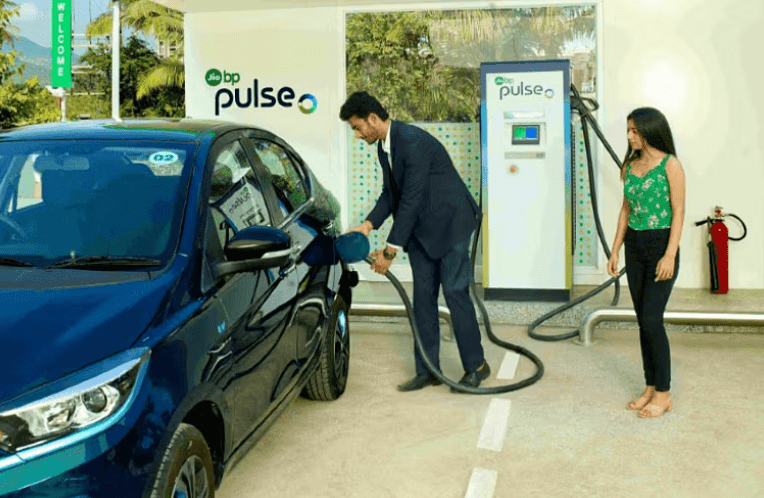
Range anxiety? Not anymore. The state will install charging stations every 25 km on national highways. No more hunting for chargers or panicking mid-trip—just plug in and power up wherever you go.


🎯 Subsidies Galore: Who Gets What?

🛵 Electric Two & Three-Wheelers

  • 10% subsidy on purchase.

  • Designed to encourage delivery fleets and last-mile transport services.

🚗 Private Four-Wheelers

  • Eligible for 10% discount on purchase price.

  • Plus, you get waived registration fees.

🚌 State Transport Buses & Private Buses

  • Full toll exemption and purchase subsidy.

  • Helps public transport go green.

🚛 Goods Vehicles & Tractors

  • 15% subsidy for goods-carrying EVs and electric tractors.

  • Big win for logistics and agriculture!


🧾 No More Registration Fees for EVs

That’s right. All EV owners—whether it’s a car, scooter, or electric rickshaw—will be exempted from paying registration charges. It’s not just a win for the environment, but also a pocket-friendly shift for first-time EV buyers.


🌍 Clean Mobility Transition Model (CMTM)

This is where things get futuristic. Maharashtra is embracing the Clean Mobility Transition Model, which aims to gradually phase out fossil-fuel vehicles by promoting:

  • Cleaner production of EVs.

  • State-sponsored incentives.

  • Urban planning with EV-first infrastructure.


📊 How Will the Rs 1,993 Crore Be Spent?

  • Charging Infrastructure – 40%

  • Subsidies – 30%

  • Awareness & Promotion – 15%

  • EV Manufacturing Incentives – 10%

  • Research & Monitoring – 5%

Smart investments now will bring smarter, cleaner transportation later.


🏭 Boosting Local EV Manufacturing

Under this policy, Maharashtra is becoming a hotbed for EV production. Manufacturers setting up plants in the state will get added incentives. This means more local jobs, tech innovation, and a sustainable economy.


🚦 Making Every Ride Smarter and Greener

With integrated apps, GPS-guided chargers, and dedicated EV lanes coming soon, Maharashtra’s roads are being redesigned for future-ready driving.


💬 What EV Owners Are Saying

“I travel between Mumbai and Pune thrice a week. The toll exemption just made my EV the smartest investment of the year!” – Anil M., EV Owner

“The charging points every 25 km mean I can plan long drives without stress. Finally, EV travel feels practical.” – Reena D., Tech Professional


📅 How Long Will These Benefits Last?

The Electric Vehicle Policy 2025 will remain active till 2030. So if you’re thinking of buying an EV, now’s the time to make that move while the perks are still hot.


🛠️ What Needs to Be Improved?

No plan is perfect. Here’s what we hope gets better:

  • Faster rollout of charging stations.

  • Better awareness campaigns in rural areas.

  • Inclusion of used EVs in subsidy plans.


🌱 Final Thoughts: Drive the Change

Maharashtra has thrown down the gauntlet and challenged the status quo. With zero tolls, juicy subsidies, and a vision for green mobility, the future is not just electric—it’s exhilarating.

So, if you’ve ever flirted with the idea of going electric, now’s the time to stop thinking and start driving. Because in Maharashtra, every EV isn’t just a vehicle—it’s a ticket to a cleaner, smarter tomorrow.

1. Is the toll exemption only for private EVs?

Nope! It also includes state and private buses that run on electricity.

2. Do I need any special documents to avail toll exemptions?

Usually, your EV registration should be enough. However, check for updates at your local RTO.

3. Will this toll-free policy apply outside Maharashtra?

Currently, it’s valid only on select roads within Maharashtra. Other states may follow suit in the future.

4. Are hybrid cars included in this exemption?

As of now, the policy mainly focuses on pure EVs, not hybrids.

5. Can tourists driving EVs from other states enjoy toll-free travel?

Yes, as long as the EV is a four-wheeler or bus, it qualifies regardless of registration state.

Kolhapur-Nagpur Flight: An Exciting News for Nagpurkars!

Nagpur Kolhapur Flight Service: Imagine cutting down the long hours of road travel to a mere 90 minutes. Sounds like a dream, right? Well, Nagpurkars, your dream is turning into reality! Starting next month, a new flight service between Nagpur and Kolhapur will make visiting the famous Ambabai temple a breeze. No more exhausting road trips; now you can reach Kolhapur in the blink of an eye.

Introducing Nagpur-Kolhapur Flight Services

Starting on the 15th of next month, Nagpur and Kolhapur will be connected via direct flights. Thanks to the relentless efforts of Member of Parliament Dhananjay Mahadik, this service is set to become a game-changer for travelers, businesses, and tourists alike.

Key Details of the Service

  • Operated by: Star Airways
  • Frequency: Five days a week
  • Aircraft: Equipped with 12 Business Class and 64 Economy Class seats

This service also complements the existing Kolhapur-Goa and Kolhapur-Delhi flight routes, adding more versatility to Kolhapur’s aviation landscape.

Why This is a Big Deal

Boosting Tourism

Kolhapur is home to the iconic Mahalakshmi Temple, a spiritual hotspot attracting millions of devotees annually. The new flight route eliminates the hassle of long journeys, making it easier for pilgrims to seek blessings.

Enhancing Trade and Industry

Kolhapur’s thriving industrial and business sectors will benefit immensely. Faster connectivity means quicker meetings, faster delivery of goods, and more opportunities for collaboration.

Convenience Like Never Before

Whether it’s a quick getaway, a business trip, or a pilgrimage, this flight service saves precious time and energy.

How to Book Your Tickets

Booking tickets is a hassle-free process. Travelers can visit the official Star Airways website or book through popular travel platforms. Early bookings are recommended to secure seats, especially during peak seasons.

Flight Schedule and Timings

  • Departure from Nagpur: Morning and evening slots available
  • Arrival in Kolhapur: Conveniently timed for business and tourism needs
  • Return Flights: Optimized for same-day travelers

Pro Tip

Book your tickets at least two weeks in advance to get the best rates and ensure availability.

Experience the Benefits First-Hand

Comfortable Travel

Star Airways’ aircraft are designed for a comfortable journey. With spacious seats and premium in-flight services, passengers can relax and enjoy the flight.

Affordability Meets Luxury

The dual-class seating arrangement ensures options for every budget. Business travelers can opt for luxurious Business Class, while Economy Class offers affordability without compromising on comfort.

What This Means for Kolhapur Airport

Kolhapur Airport is scaling new heights with this addition. From a modest facility to a bustling hub, the airport is now equipped to handle increased passenger traffic, making it a significant player in Maharashtra’s aviation network.

Future Prospects

Plans are already in motion to introduce more domestic and international routes, further enhancing Kolhapur’s connectivity.

1. How often will the Nagpur-Kolhapur flights operate?

The service will run five days a week, ensuring flexibility for travelers.

2. What is the seating capacity of the flights?

Each flight offers 12 Business Class seats and 64 Economy Class seats.

3. Are there any special discounts for early bookings?

Yes, early birds can avail of promotional offers on ticket prices. Keep an eye on Star Airways’ website for updates.

4. How will this service impact tourism in Kolhapur?

The new route is expected to significantly boost tourism by providing faster and more convenient access to Kolhapur’s attractions.

5. Are connecting flights available from Kolhapur to other destinations?

Yes, Star Airways also operates flights on Kolhapur-Goa and Kolhapur-Delhi routes, offering seamless connectivity.

New Museum in Nagpur Opens to Showcase the Glorious History of the IAF

Nagpur residents now have an incredible opportunity to dive into the rich legacy of the Indian Air Force (IAF) with the unveiling of a brand-new Air Force Museum. Strategically located near Air Force Nagar, Dabha Gate, this museum is a monumental initiative by the Air Force Maintenance Command. Officially inaugurated on Friday by Air Marshal Vijay Kumar Garg, the Air Officer Commanding-in-Chief of Air Headquarters Maintenance Command, the museum opened its doors to the public at 10 am on Saturday.

A Tribute to Valor and Innovation

The museum is much more than just a collection of artifacts; it is a vivid portrayal of the IAF’s illustrious journey. Through a perfect blend of traditional exhibits and modern technology, the space captures the essence of the IAF’s bravery, sacrifices, and remarkable advancements. Here’s what makes this museum a must-visit:

Interactive Exhibits to Inspire Curiosity

Visitors are greeted with an array of models showcasing aircraft, helicopters, and missiles. These exhibits offer an immersive glimpse into the evolution of the IAF, sparking interest and admiration for its cutting-edge technology and dedication.

Statues Honoring Heroes

The museum’s statues pay homage to the courageous warriors who have served the nation. Each statue narrates a tale of bravery, sacrifice, and resilience, leaving visitors inspired and filled with pride.

Educational Endeavors for the Youth

One of the museum’s core missions is to educate young minds about the IAF’s glorious past and its pivotal role in safeguarding the nation. It serves as a living classroom where history comes to life, fostering a deep sense of patriotism.

Simulated Experiences for Thrill Seekers

Ever dreamt of being a fighter pilot? The museum makes it possible, albeit virtually. With advanced simulators, visitors can experience flying a fighter jet or launching missile attacks, creating memories that are both exhilarating and educational.

Audio-Visual Insights into IAF’s Legacy

For those who wish to delve deeper into the IAF’s achievements, a dedicated theatre showcases audio-visual presentations. These presentations vividly capture the force’s strength, milestones, and extraordinary contributions to the nation.

A Blend of Inspiration and Patriotism

Every corner of the museum resonates with tales of valor and technological prowess. By presenting the IAF’s achievements in an engaging manner, the museum instills a sense of pride and patriotism among visitors.

Visitor Information and Highlights

  • Location: Near Air Force Nagar, Dabha Gate, Nagpur.
  • Timings: Opens daily at 10 am.
  • Special Features:
    • Fighter jet models.
    • Missile and equipment displays.
    • Interactive simulators.
    • Audio-visual presentations.
    • Educational content for all age groups.

Why Nagpur is Proud of This Landmark

The museum’s establishment in Nagpur is a testament to the city’s growing prominence as a hub of history and culture. By housing such a remarkable repository of the IAF’s achievements, Nagpur has solidified its place on the national map as a city that values and celebrates its rich heritage.

Preserving History for Future Generations

With its state-of-the-art displays and comprehensive storytelling, the museum ensures that the IAF’s legacy is preserved and celebrated for years to come. It’s a treasure trove for history buffs, students, and anyone eager to understand India’s military journey.

Plan Your Visit Today!

Whether you’re a history enthusiast, a technology aficionado, or simply looking for a unique weekend outing, the Air Force Museum in Nagpur promises an experience that’s both enriching and unforgettable. Don’t miss the chance to explore this gem!

The newly inaugurated Air Force Museum in Nagpur is a remarkable initiative that brings the IAF’s legacy closer to the people. Through its interactive exhibits, inspiring stories, and advanced simulations, the museum serves as a beacon of knowledge and patriotism. Make it a point to visit and immerse yourself in the glorious history of the IAF.

1. What are the timings of the Air Force Museum in Nagpur?
The museum opens daily at 10 am. Specific closing times may vary, so it’s best to confirm before planning your visit.

2. Is there an entry fee for the museum?
Details about the entry fee haven’t been disclosed yet. Check the museum’s official website or contact them for updates.

3. Can children use the flight simulators?
Yes, children can use the simulators under expert supervision, making it a safe and enjoyable experience.

4. Are group tours available?
Group tours may be arranged. It’s advisable to contact the museum in advance for special arrangements.

5. How can I reach the museum?
The museum is located near Air Force Nagar, Dabha Gate, Nagpur. It’s easily accessible by local transport and private vehicles.

Exit mobile version