Outer Ring Road to Open for Traffic by April 2025

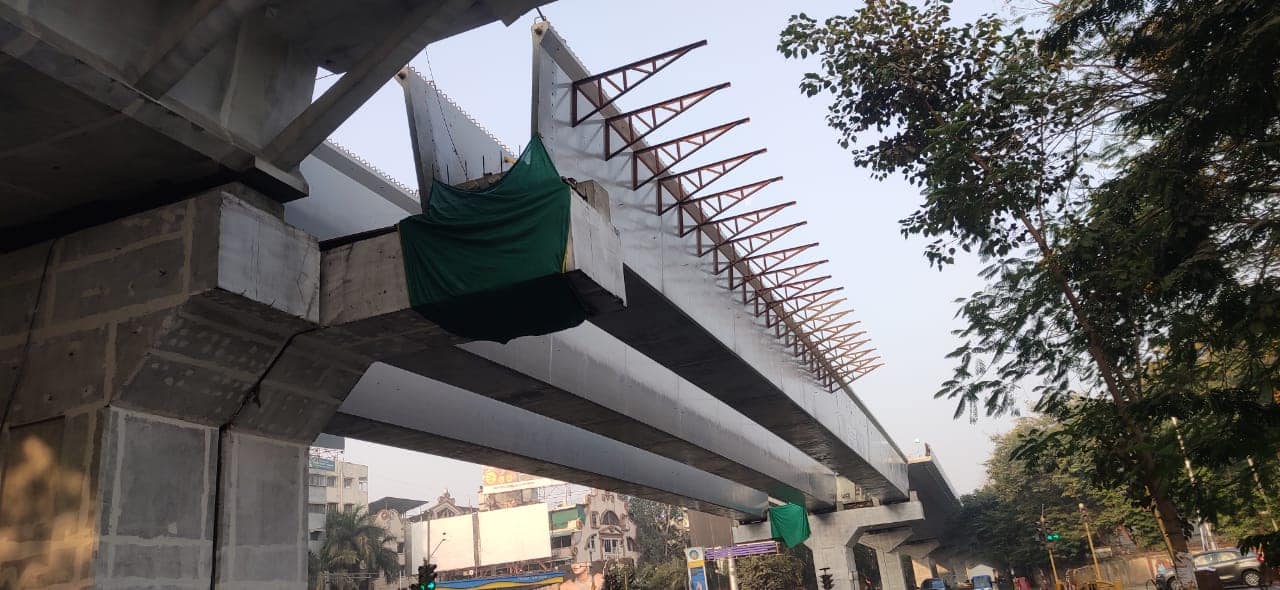
The much-awaited Outer Ring Road in Nagpur, a 64-km expressway designed to decongest city roads, is set to open for traffic in the first week of April 2025. After years of construction and a massive ₹2,000 crore investment, the project is finally in its last phase. Once operational, it will significantly reduce traffic congestion, improve connectivity, and offer a smoother bypass route for vehicles entering Nagpur.

The Outer Ring Road is designed to ease the burden of traffic congestion in Nagpur by offering an alternative route for heavy vehicles and transit traffic. Initially planned for completion in 2019, the project faced multiple delays but has now entered its final phase.

History and Development

The foundation stone for the Outer Ring Road was laid in 2016, with an initial deadline of 2019. However, various challenges, including land acquisition, funding issues, and technical hurdles, pushed the completion date forward.

Route and Connectivity

The 64-km road connects major highways and junctions, allowing vehicles to bypass Nagpur’s city roads. The route starts from Jamtha on Wardha Road, passing through Samruddhi Expressway Junction, Katol Road, Koradi, Fetri, and Nagpur-Jabalpur Highway, ending at Nagpur bypass near Kapsi.

Key Connecting Points:

  • Jamtha (Wardha Road)
  • Samruddhi Expressway Junction
  • Katol Road
  • Koradi & Fetri
  • Nagpur-Jabalpur Highway
  • Kapsi (Nagpur Bypass)

Benefits of the Outer Ring Road

  • Reduced traffic congestion in Nagpur
  • Direct connectivity for intercity travelers
  • Smoother transport for heavy vehicles
  • Decreased pollution and fuel consumption
  • Faster commute for local passengers

Project Cost and Execution

The Outer Ring Road project has been executed under the National Highways Authority of India (NHAI) with a budget of ₹2,000 crore. Despite delays, the final phase is now nearing completion.

Traffic Relief for Nagpur

With a rising population and increasing vehicles, Nagpur’s traffic situation has worsened over the years. The Outer Ring Road will divert heavy vehicles, significantly reducing congestion in key areas.

Impact on Heavy Vehicles

  • Truck traffic from Hyderabad to Jabalpur will have a direct route.
  • Vehicles from Betul to Bhandara can bypass Nagpur and head towards Kolkata.
  • Reduces pressure on existing roads and bridges.

Phase-Wise Completion

The project was divided into two phases:

  1. Phase 1: Jamtha to Nagpur bypass
  2. Phase 2: Fetri to Kapsi

Most of Phase 1 is already completed, and Phase 2 is expected to wrap up soon.

Challenges Faced During Construction

  • Land acquisition disputes
  • Delays in funding approvals
  • Technical difficulties in road alignment
  • Weather-related setbacks

Final Touches and Remaining Work

Experts predict that minor pending work on the Outer Ring Road will be completed by March 2025, making it fully operational in April 2025.

Comparison with Inner Ring Road

Nagpur already has an Inner Ring Road, but due to increased traffic demand, the Outer Ring Road was developed to further ease congestion and support long-distance travelers.

Government’s Future Plans

Authorities plan to expand road infrastructure, improve connectivity, and build additional bypasses for better traffic management.

Public Reaction and Expectations

Residents of Nagpur are eager for the Outer Ring Road to open, expecting faster commutes, reduced traffic, and better city management.

The Outer Ring Road in Nagpur is set to revolutionize traffic movement by offering an efficient alternative for heavy vehicles and commuters. With April 2025 as the final launch date, Nagpur’s road network is on the brink of a major transformation.

1. What is the purpose of the Outer Ring Road in Nagpur?

The Outer Ring Road aims to reduce congestion in Nagpur by providing a bypass for heavy vehicles and improving connectivity.

2. When will the Outer Ring Road be fully operational?

The road is expected to be fully open for traffic by April 2025.

3. How will the Outer Ring Road benefit commuters?

It will shorten travel time, reduce pollution, and offer a hassle-free alternative to city roads.

4. What areas does the Outer Ring Road connect?

It connects Jamtha, Samruddhi Expressway, Katol Road, Koradi, Fetri, and Kapsi, among other key junctions.

5. How much did the Outer Ring Road cost?

The project was built with an estimated budget of ₹2,000 crore.

Dinesh Rathi Elected as Chairman of ICAI Nagpur Branch for 2025-26

Nagpur: In a significant development for the local accounting community, CA Dinesh Rathi has been unanimously elected as the Chairman of the Nagpur Branch of the Institute of Chartered Accountants of India (ICAI) for the term 2025-26. This election marks a pivotal moment, reflecting the branch’s commitment to dynamic leadership and progressive initiatives.

The New Leadership Team

Alongside CA Dinesh Rathi, the newly elected office bearers include:

  • Vice-Chairperson: CA Swaroopa Wazalwar
  • Secretary: CA Deepak Jethwani
  • Treasurer: CA Trupti Bhattad
  • Chairman of WICASA Nagpur: CA Vinod Agrawal

The managing committee is further strengthened by members CA Prateek Palan, CA Ankush Kesharwani, CA Pranav Kumar Limaja, CA Ashish L. Agarwal, and CA Jitendra Saglani. Additionally, the Regional Council Member (RCM) will serve as an ex-officio member of the committee.

Vision for the Term

Upon assuming office, CA Dinesh Rathi emphasized a strategic focus on organizing impactful programs that contribute to nation-building, professional development, and enhanced interaction with government and semi-government authorities. He expressed gratitude to the members for entrusting leadership to a young professional and assured that the branch will serve as a dynamic platform for knowledge sharing between senior and young members in a collaborative and friendly environment.

Key Focus Areas

The leadership has outlined several key focus areas for the term:

  1. Organizing Knowledge-Enriching Programs: Hosting seminars, workshops, and conferences to keep members updated on the latest developments in the field.

  2. Empowering the Next Generation of Professionals: Initiatives aimed at mentoring and supporting aspiring chartered accountants.

  3. Strengthening Member Engagement: Fostering a sense of community and collaboration among members.

  4. Promoting Social Responsibility and Outreach Initiatives: Engaging in activities that benefit society and enhance the profession’s public image.

  5. Advancing Technological Adoption in the Profession: Encouraging the use of modern technologies to improve efficiency and service delivery.

Appreciation for Past Leadership

CA Dinesh Rathi extended his heartfelt appreciation to past presidents CA Ashok Chandak and CA Jaydeep Shah for their continued guidance and support to the branch. He affirmed that the branch will strive for the all-round progress of members and students through a series of impactful activities, making 2025-26 one of the most eventful years for the ICAI Nagpur Branch.

The election of CA Dinesh Rathi as Chairman of the ICAI Nagpur Branch signifies a commitment to progressive leadership and the advancement of the accounting profession in the region. With a clear vision and dedicated team, the branch is poised to achieve significant milestones in the upcoming term.

  1. What is the ICAI Nagpur Branch?

    The ICAI Nagpur Branch is a regional chapter of the Institute of Chartered Accountants of India, serving chartered accountants in the Nagpur region.

  2. Who are the other office bearers elected for the 2025-26 term?

    The other office bearers include Vice-Chairperson CA Swaroopa Wazalwar, Secretary CA Deepak Jethwani, Treasurer CA Trupti Bhattad, and Chairman of WICASA Nagpur CA Vinod Agrawal.

  3. What initiatives are planned under the new leadership?

    The new leadership plans to focus on knowledge-enriching programs, empowering upcoming professionals, strengthening member engagement, promoting social responsibility, and advancing technological adoption.

  4. How does the branch plan to engage with government authorities?

    The branch aims to enhance interaction with government and semi-government authorities to contribute to nation-building and professional development.

  5. Who are the past presidents acknowledged by the new chairman?

    The new chairman acknowledged past presidents CA Ashok Chandak and CA Jaydeep Shah for their guidance and support.

‘Pandharpur of Vidarbha’ Set for Rs206 Crore Redevelopment Boost

Dhapewada Temple Redevelopment: The historic Lord Vitthal and Goddess Rukmini Temple in Dhapewada, Kalmeshwar tehsil, is undergoing a massive ₹206 crore redevelopment. This initiative aims to enhance the temple’s sanctity, infrastructure, and surroundings, transforming it into a major pilgrimage and tourist attraction in central India. The bhoomipujan ceremony is set to take place, graced by prominent dignitaries including Union Minister Nitin Gadkari and Chief Minister Devendra Fadnavis.

Historical Significance of Dhapewada Temple

A Sacred Discovery

The self-manifested idol of Lord Vitthal was discovered in a well and consecrated in 1741. Since then, the temple has become a revered religious site, drawing thousands of devotees daily.

The ‘Pandharpur of Vidarbha’

Due to its immense spiritual significance, the temple is often referred to as the ‘Pandharpur of Vidarbha’. It attracts nearly 1,000–1,500 devotees daily, with numbers swelling to 4–5 lakh during the Ashadhi and Kartiki Ekadashi festivals.

Why the Redevelopment is Needed

Currently, inadequate infrastructure and outdated facilities pose challenges for visitors. The Public Works Department (PWD) has allocated ₹165 crore for temple redevelopment, with an additional ₹40 crore for environmental projects.

Key Features of the ₹206 Crore Redevelopment Project

Temple Infrastructure Enhancements

  • New administrative building with a VIP lounge, prasad counter, staff quarters, and visitor amenities.
  • Revamp of Shri Kolba Swami Temple, a significant part of Dhapewada’s spiritual landscape.
  • Asthi Visarjan facility with an immersion pond, mundan shed, and worship areas.

Bridging Accessibility Gaps

  • A new bridge over the Chandrabhaga River, improving connectivity between the parking area and the temple.
  • Two large bridges designed specifically for the temple’s grand chariot procession, ensuring a safer route for devotees.

Environmental Sustainability Initiatives

  • Sewage Treatment Plant (STP) with sequencing batch reactor (SBR) technology to prevent pollution of the Chandrabhaga River.
  • Strengthening the riverbank with a protective wall and well-developed ghats.
  • Widening and deepening the Chandrabhaga River to prevent flooding and improve water flow.

Improved Visitor Amenities

  • Ample parking space for 20 buses, 150 four-wheelers, and 500 two-wheelers.
  • Streetlights with integrated speakers and CCTV cameras for safety and enhanced visitor experience.
  • Additional facilities such as a restaurant, children’s park, landscaped gardens, and fountains.

Green Energy Integration

  • A 450 KW rooftop solar power system to make the temple premises energy-efficient.

Economic and Social Impact

The redevelopment will generate employment for local residents and establish Dhapewada as a key destination in the Dhapewada-Adasa tourist cluster.

The ₹206 crore redevelopment project of the ‘Pandharpur of Vidarbha’ will not only modernize the temple infrastructure but also ensure a cleaner, more sustainable environment for future generations. With improved accessibility, enhanced facilities, and eco-friendly measures, the temple is set to become a spiritual and cultural landmark in central India.

1. Why is Dhapewada Temple called the ‘Pandharpur of Vidarbha’?

Dhapewada Temple holds immense religious significance, much like Pandharpur, due to the presence of Lord Vitthal’s self-manifested idol.

2. How will the redevelopment benefit devotees?

The project includes better amenities, increased accessibility, improved security, and enhanced environmental measures for a seamless pilgrimage experience.

3. What measures are being taken to protect the Chandrabhaga River?

The STP with SBR technology, river widening, and deepening efforts will prevent pollution and flooding, improving the river’s health.

4. What are the key infrastructure upgrades planned?

New bridges, administrative buildings, visitor amenities, and green energy installations are part of the redevelopment plan.

5. When will the project be completed?

While the bhoomipujan ceremony is scheduled soon, the full project completion timeline will be shared by the authorities after work commences.

Ganapati Atharvashirsha Recitation Ceremony at Adasa on March 2

Adasa Temple: The spiritual town of Adasa Temple is set to witness a grand religious gathering on March 2, 2025. A mass recitation of Shri Ganapati Atharvashirsha Stotra has been organized, initiated by Union Minister Nitin Gadkari. Devotees from across the region are expected to participate in this auspicious event, making it a significant occasion for Lord Ganesha’s followers.

Significance of Ganapati Atharvashirsha

Ganapati Atharvashirsha, a powerful Vedic hymn dedicated to Lord Ganesha, holds immense spiritual value. Chanting this sacred text is believed to bestow wisdom, remove obstacles, and bring prosperity.

What is Ganapati Atharvashirsha?

This scripture is an Upanishadic text that glorifies Lord Ganesha, describing his supreme nature and significance in the universe.

Why is Reciting It Important?

  • Enhances concentration and intellect
  • Removes hurdles from life’s path
  • Brings peace and spiritual upliftment

Event Details

Date and Venue

  • Date: March 2, 2025
  • Location: Shrikshetra Adasa, (Adasa Temple) Maharashtra
  • Time: Morning session for recitation, followed by Aarti

Special Highlights of the Ceremony

Collective Chanting of 21 Rounds

The main attraction of the event will be the 21-round collective chanting of the Ganapati Atharvashirsha Stotra, filling the atmosphere with divine vibrations.

Aarti and Devotional Program

After the recitation, a grand Aarti will be performed in honor of Lord Ganesha.

Evening Bhajan Program

At 6 PM, renowned singers Mugdha Vaishampayan and Prathamesh Laghate will mesmerize the audience with soulful bhajans at the courtyard near the river in Dhapewada.

Role of Nitin Gadkari in the Event

Union Minister Nitin Gadkari and his family will actively participate in the event. His initiative in organizing such a grand spiritual gathering reflects his deep faith and commitment to promoting cultural traditions.

How to Participate?

Devotees are encouraged to attend the event in large numbers and seek the blessings of Lord Ganesha.

  • Entry: Free for all devotees
  • Contact Information: Gadkari’s public relations office at Khamla Square

The Ganapati Atharvashirsha recitation ceremony at Adasa is an opportunity to immerse oneself in devotion and spiritual bliss. Whether through chanting, attending the Aarti, or enjoying the bhajans, this event promises to be a divine experience for all attendees.

1. What is the significance of the number 21 in the recitation?

The number 21 holds a sacred place in Hinduism, symbolizing the 21 forms of Lord Ganesha and bringing auspicious energy.

2. Can anyone participate in the event?

Yes, the event is open to all devotees, and participation is free.

3. Do I need prior registration?

No prior registration is required. Attendees can directly join the event at the venue.

4. What should I bring for the event?

Devotees can bring flowers, coconut, and sweets as offerings for Lord Ganesha.

5. Will there be arrangements for seating?

Yes, adequate seating arrangements will be made for all attendees.

Nagpur Airport to Operate 24×7: New Summer Flight Slots Approved

Nagpur Airport 24×7 Operations: Dr. Babasaheb Ambedkar International Airport in Nagpur is set to operate round the clock starting April 1, 2025. This expansion follows approvals granted during the slot coordination meeting held in Delhi from February 18 to 21, 2025. The finalized slots cover the summer schedule from March 30 to October 25, 2025, bringing increased connectivity and better passenger convenience.

Why the 24×7 Operation Matters

With continuous flight operations, travelers can expect improved accessibility, reduced layovers, and better flight options. This move aims to establish Nagpur as a major transit hub in Maharashtra.

New Flight Slots to Enhance Connectivity

The approval of new afternoon flight slots and additional departures and arrivals between 10 AM and 6 PM will provide passengers with more travel choices and flexibility.

Key Flight Additions

  • Indigo 6416: Arrives from Jaipur at 11:05 PM
  • Indigo 6411: Departs for Jaipur at 7:20 AM

New Afternoon Flights (April 1 – October 25, 2025)

  • Star Air 250: Arrives from Kolhapur at 3:45 PM
  • Star Air 251: Departs for Kolhapur at 4:15 PM
  • Indigo 2518: Arrives from Noida at 4:00 PM (from April 30)
  • Indigo 2519: Departs for Noida at 4:30 PM (from April 30)

Additional Flights Between 10 AM – 6 PM

  • Indigo 7336: Arrives from Indore at 12:10 PM (July 26 – October 25)
  • Indigo 7337: Departs for Indore at 12:35 PM (July 26 – October 25)
  • Indigo 6139: Arrives from Kolkata at 12:15 PM (Wednesdays only, July 30 – October 22)
  • Indigo 2380: Departs for Delhi at 12:45 PM (Wednesdays only, July 30 – October 22)
  • Star Air 2455: Arrives from Pune at 1:05 PM
  • Star Air 246: Departs for Kishangarh at 1:30 PM
  • Indigo 6455: Arrives from Bangalore at 2:20 PM
  • Indigo 6456: Departs for Bangalore at 2:55 PM
  • Indigo 2481: Arrives from Pune at 3:10 PM (except Saturdays)
  • Indigo 202: Departs for Pune at 3:45 PM (except Saturdays)

How This Benefits Nagpur’s Aviation Scene

1. Increased Passenger Convenience

Passengers will enjoy seamless connectivity to major cities with reduced waiting times.

2. Strengthening Nagpur as a Key Aviation Hub

This expansion makes Nagpur more attractive for airlines and businesses looking to establish operations in Central India.

3. Boost to Tourism and Economy

With better connectivity, tourism and business opportunities in Nagpur are expected to rise significantly.

4. Improved Cargo Operations

24×7 operations will facilitate better cargo handling, benefiting local industries and exporters.

Final Thoughts

The expansion of Nagpur Airport’s operational hours and the addition of new flight slots mark a significant milestone in the city’s aviation growth. With better connectivity, passengers will have more flexibility and options for travel, positioning Nagpur as a crucial transit point in Maharashtra.

1. When will Nagpur Airport start operating 24×7?
Nagpur Airport will begin 24×7 operations on April 1, 2025.

2. What are the benefits of 24×7 flight operations?
Passengers will have more flight options, better connectivity, and reduced layover times.

3. Which new flights have been added to Nagpur’s schedule?
New afternoon flights and additional slots between 10 AM – 6 PM have been introduced, improving connectivity to cities like Noida, Jaipur, and Bangalore.

4. Will there be an increase in international flights?
While this expansion primarily focuses on domestic routes, it may pave the way for more international connections in the future.

5. How will this impact Nagpur’s economy?
With increased flights, tourism, business opportunities, and cargo operations are expected to see significant growth.

Long Wait for Mumbai-Nagpur Expressway Is Over: Here’s When It Will Open to Traffic

The much-anticipated Mumbai-Nagpur Samruddhi Expressway is now on the brink of full completion. With the last 76-km stretch ready, Maharashtra is set to witness one of the biggest infrastructural transformations. This expressway will slash travel time between Mumbai and Nagpur from 16 hours to just 8 hours, revolutionizing connectivity and boosting economic growth across the state.
What is the Mumbai-Nagpur Samruddhi Expressway?

The Mumbai-Nagpur Expressway, officially known as the Hindu Hrudaysamrat Balasaheb Thackeray Maharashtra Samruddhi Mahamarg, is a 701-km long highway connecting Mumbai with Nagpur. This state-of-the-art roadway will enhance connectivity for 14 districts in Maharashtra, providing seamless transit across the state.

Seamless Connectivity Across Maharashtra

Currently, commuters can travel from Igatpuri (near Nashik) to Nagpur, covering 625 km of the highway. With the completion of the last phase, the expressway will provide uninterrupted connectivity, benefiting thousands of daily travelers and commercial vehicles.

Which Districts Will the Expressway Connect?

The expressway will link 14 key districts, including:

  • Bhandara
  • Yavatmal
  • Gondia
  • Parbhani
  • Chandrapur
  • Akola
  • Raigad
  • Beed
  • Hingoli
  • Gadchiroli
  • Jalgaon
  • Dhule
  • Palghar
  • Nanded

This project ensures smoother transportation and economic growth in these regions.

Mumbai-Nagpur Expressway Route & Major Stops

The expressway will pass through key regions such as:

  • Bhiwandi
  • Kalyan
  • Shahapur
  • Igatpuri (Nashik)
  • Sinnar
  • Kopargaon
  • Shirdi
  • Aurangabad
  • Jalna
  • Mehkar
  • Karanja
  • Wardha
  • Seloo
  • MIHAN SEZ (Nagpur)

These major stops ensure efficient transportation for both passengers and freight, reducing traffic congestion on alternate routes.

Mumbai-Nagpur Expressway Toll Charges

According to reports, the expressway will have 26 toll booths, with the following estimated one-way toll charges:

  • Private Cars: ₹1,212
  • Commercial Vehicles: ₹1,955
  • Oversized Trucks: ₹7,830

These toll fees contribute to the maintenance and operation of the expressway.

Reduction in Travel Time & Enhanced Connectivity

Once operational, the expressway will significantly reduce travel time:

  • Mumbai to Nagpur: 16 hours → 8 hours
  • Mumbai to Navi Mumbai International Airport: 2 hours
  • Mumbai to Chhatrapati Shivaji Maharaj International Airport: 4.5 hours → 2.5 hours

This will streamline logistics, enhance trade, and ease passenger movement.

Boost to Trade & Economic Growth

The expressway will improve connectivity between Jawaharlal Nehru Port Trust (JNPT) in Mumbai and the upcoming Nagpur Multimodal International Airport. This is expected to boost trade, logistics, and industrial growth in Maharashtra.

Project Delays and Timeline Adjustments

The project was initially launched in phases:

  1. Phase 1: Nagpur to Shirdi (520 km) – Opened on December 11, 2022
  2. Phase 2: Shirdi to Bharvir (105 km) – Opened on May 23, 2023
  3. Phase 3: Bharvir to Igatpuri (25 km) – Opened on March 4, 2024
  4. Final Phase: Igatpuri to Amane (76 km) – Opening by mid-March 2025

Political transitions and construction delays led to minor setbacks, but the entire route is now set to be fully operational.

Safety and Security Features

The expressway includes advanced safety measures, such as:

  • Crash barriers
  • Emergency helpline numbers
  • CCTV surveillance
  • Speed monitoring systems
  • Medical aid centers

These ensure a safer journey for all commuters.

Why This Expressway Is a Game Changer

The Mumbai-Nagpur Expressway is not just a road; it is a symbol of progress. With reduced travel time, enhanced trade, and better connectivity, Maharashtra is poised for a massive infrastructural transformation. As the expressway opens in March 2025, it will be a landmark achievement in India’s highway network.

The wait is finally over! The Mumbai-Nagpur Samruddhi Expressway is set to open its final stretch in March 2025, reducing travel time and boosting economic development. This expressway marks a major leap forward for Maharashtra, paving the way for better trade, tourism, and transportation.

1. When will the Mumbai-Nagpur Expressway be fully operational?

The final phase will be completed and opened by mid-March 2025.

2. How much time will it take to travel from Mumbai to Nagpur on this expressway?

The travel time will be reduced from 16 hours to just 8 hours.

3. What are the toll charges for private cars on this expressway?

Private cars will be charged ₹1,212 for a one-way trip on the expressway.

4. Which major districts does the expressway pass through?

It passes through 14 key districts, including Nashik, Aurangabad, Jalna, and Wardha.

5. How will the expressway benefit Maharashtra’s economy?

It will enhance trade, logistics, tourism, and industrial development, making transportation more efficient and cost-effective.

Nagpur Collectorate Leads Maharashtra in Transparent Governance

Nagpur collector | Dr. Vipin Itankar: In a remarkable achievement, the Nagpur district collectorate has clinched the top spot in Maharashtra for its people-centric, dynamic, and transparent administration. This accolade comes as part of the state government’s ambitious 100-day office reform campaign, aimed at overhauling governmental operations to better serve the public.

The 100-Day Office Reform Campaign: A Brief Overview

Launched with the vision of enhancing governmental efficiency and transparency, the 100-day office reform campaign sought to revamp administrative processes across Maharashtra. The initiative encouraged district collectorates to showcase their reforms through detailed presentations, emphasizing improvements in public dealings and administrative transparency.

Nagpur’s Path to Excellence

Strategic Planning and Execution

Under the astute leadership of Collector Dr. Vipin Itankar, the Nagpur district administration embarked on a mission to redefine governance. By identifying bottlenecks and implementing innovative solutions, the team ensured that public services were not only efficient but also transparent.

Embracing Technology

Recognizing the pivotal role of technology in modern governance, the collectorate (Dr. Vipin Itankar | Nagpur collector) integrated advanced digital tools to streamline operations. This digital transformation facilitated real-time tracking of public grievances, expedited service delivery, and fostered a culture of accountability.

Community Engagement Initiatives

Understanding that governance is most effective when inclusive, the administration prioritized community engagement. Regular interactions with citizens, feedback mechanisms, and participatory decision-making processes ensured that the public remained at the heart of administrative reforms.

Recognition from the State

The culmination of these efforts was evident when Chief Minister Devendra Fadnavis felicitated Collector Dr. Vipin Itankar (Nagpur collector) in Mumbai. The chief minister lauded the collective endeavors of the Nagpur district administration, highlighting their commitment to making governance more accessible and effective.

Key Developmental Initiatives in Nagpur

Beyond administrative reforms, Nagpur district has witnessed a slew of developmental projects aimed at holistic growth.

Advancements in Medical Infrastructure

The district has seen significant investments in healthcare, with new hospitals and clinics being established to cater to the growing population. These facilities are equipped with state-of-the-art medical equipment, ensuring residents have access to quality healthcare services.

Agricultural Innovations through Agristack

To bolster the agricultural sector, the introduction of Agristack has been a game-changer. This digital repository provides farmers with vital information, from weather forecasts to crop management techniques, empowering them to make informed decisions and enhance productivity.

MIHAN Project: A Global Hub in the Making

The Multi-modal International Cargo Hub and Airport at Nagpur (MIHAN) project is poised to transform the district into an international hub for passenger and cargo transport. This initiative promises to boost economic activities, create job opportunities, and position Nagpur prominently on the global map.

Mining Development

The district’s rich mineral resources have been harnessed responsibly, with sustainable mining practices ensuring environmental conservation while contributing to economic growth.

Tourism and Hospitality Growth

Nagpur’s cultural heritage and natural beauty have been promoted through various tourism initiatives. The growth of the hotel industry complements this, offering visitors world-class amenities and boosting local employment.

Skill Development Programs

Recognizing the importance of a skilled workforce, numerous training programs have been launched. These initiatives equip residents with the necessary skills to thrive in various industries, from IT to manufacturing.

Animal Husbandry Enhancements

Efforts to improve animal husbandry practices have led to increased productivity and better livelihoods for those involved in this sector. Training sessions and resource availability have been pivotal in this transformation.

The Role of Guardian Minister Chandrashekhar Bawankule

Guardian Minister Chandrashekhar Bawankule has been instrumental in guiding the district’s administrative and developmental trajectory. His insights and directives have ensured that projects align with the broader vision of sustainable and inclusive growth.

A Model for Other Districts

Nagpur’s success story serves as an inspiring blueprint for other districts aiming to revamp their administrative frameworks. The blend of strategic planning, technological adoption, and community involvement underscores the potential of collaborative governance.

The Nagpur district collectorate’s ascent to the top position in Maharashtra for transparent administration is a testament to what visionary leadership and collective effort can achieve. As the district continues to implement various developmental schemes, it stands as a beacon of effective governance, illuminating the path for others to follow.

1. What was the primary objective of Maharashtra’s 100-day office reform campaign?

The campaign aimed to enhance governmental efficiency and transparency, ensuring that public dealings are conducted effectively and openly.

2. How did the Nagpur collectorate achieve the top rank in the state?

Through strategic planning, embracing technology, and prioritizing community engagement, the Nagpur collectorate redefined its administrative processes, leading to this recognition.

3. What is the MIHAN project, and how does it benefit Nagpur?

The MIHAN (Multi-modal International Cargo Hub and Airport at Nagpur) project aims to establish Nagpur as an international hub for passenger and cargo transport, boosting economic activities and creating job opportunities.

4. How has technology improved governance in Nagpur?

The integration of digital tools has streamlined operations, enabled real-time tracking of public grievances, expedited service delivery, and fostered accountability within the administration.

5. What role did community engagement play in Nagpur’s administrative reforms?

By involving citizens through regular interactions and feedback mechanisms, the administration ensured that governance remained inclusive, addressing the genuine needs and concerns of the public.

South Korean Company HS Hoysung Signs MoU for Rs1,740 Crore Plant in Butibori

South Korea | HS Hoysung Butibori Investment: A major industrial development is on the horizon for Nagpur as South Korean conglomerate HS Hoysung Advance Materials has signed a Memorandum of Understanding (MoU) with the Maharashtra state government. The deal, worth Rs1,740 crore, will see the establishment of a greenfield polymer fabric plant at Butibori’s industrial estate, significantly boosting the region’s industrial landscape.

What is HS Hoysung (South Korea) Advance Materials?

HS Hoysung is a multinational conglomerate with operations spanning textiles, chemicals, heavy industries, and information technology. It is widely recognized for producing carbon fiber, aramid fiber, industrial yarn, and automotive seat belt yarn, making it a significant player in the automobile and industrial sectors.

Details of the Investment

  • Investment Amount: Rs1,740 crore
  • Location: Additional Butibori Industrial Estate, Maharashtra
  • Land Area: 70 to 100 acres
  • Purpose: Production of polymer fabric for tyre reinforcement and other industrial applications
  • Employment Opportunities: 400 direct jobs expected
  • Expansion Potential: Further investments in Pune and Chhatrapati Shambhaji Nagar facilities

Significance of Butibori Industrial Estate

Butibori Industrial Estate is one of Maharashtra’s largest MIDC-developed industrial zones, offering excellent infrastructure and connectivity. The availability of skilled labor, robust transportation networks, and business-friendly policies make it an attractive investment destination.

Economic Impact on Nagpur

The establishment of this plant will have several positive effects:

  1. Job Creation – Direct employment for 400 individuals.
  2. Boost to Local Economy – Increased demand for local services and industries.
  3. Technology Transfer – Exposure to advanced South Korean manufacturing technologies.
  4. Infrastructure Development – Growth of industrial and transportation infrastructure.

Government Support and Strategic Vision

Maharashtra’s Chief Minister Devendra Fadnavis has expressed strong support for this investment, highlighting its role in industrial expansion and economic growth. The government is keen to facilitate quick land allocation and necessary approvals to accelerate the project’s commencement.

HS Hoysung’s Existing Presence in India

HS Hoysung has already established successful operations in India, including:

  • Pune Unit: Operational since 2015, employing 350 workers and generating Rs845 crore in revenue.
  • Chhatrapati Shambhaji Nagar Unit: Started in 2018, employing 500 workers with an annual revenue of Rs1,650 crore.

Industrial Growth in Maharashtra

Maharashtra has been actively attracting investments. Recent MoUs signed at the World Economic Forum in Davos (South Korea) include agreements with:

  • JSW Group – Investments in lithium battery projects.
  • Waaree Energy – Solar panel manufacturing.
  • Vardaan Lithium – Development of lithium-ion technology.

Future Outlook

HS Hoysung’s new investment aligns with India’s Make in India and Atmanirbhar Bharat initiatives. With Maharashtra’s growing reputation as a hub for automobile and polymer industries, this project is expected to fuel further industrial development.

The Rs1,740 crore investment by HS Hoysung Advance Materials in Butibori marks a significant milestone in Maharashtra’s industrial expansion. This move will generate employment, strengthen the regional economy, and position Nagpur as a key player in the polymer and automobile sectors.

1. What will the new HS Hoysung plant in Butibori produce?

The plant will manufacture polymer fabric primarily for tyre reinforcement and other industrial applications.

2. How many jobs will this project create?

It is expected to create 400 direct employment opportunities, along with additional indirect job prospects in the region.

3. Why is HS Hoysung investing in Butibori?

Butibori’s strategic location, excellent infrastructure, and business-friendly policies make it an ideal investment destination for the company.

4. What other projects has HS Hoysung set up in India?

The company already operates two units in Pune and Chhatrapati Shambhaji Nagar, generating a combined annual revenue of over Rs2,495 crore.

5. How will this investment impact Maharashtra’s industrial sector?

The investment will boost local manufacturing, drive employment, and strengthen Maharashtra’s position as a hub for industrial innovation.

NHAI’s Complex Rs998 Crore Indora to Dighori Project Gains Momentum

Indora to Dighori Flyover: Nagpur is witnessing a transformative infrastructure development with the Rs998 crore Indora to Dighori flyovers project. Spearheaded by the National Highway Authority of India (NHAI), this ambitious initiative is set to decongest North and South Nagpur. Once completed, the travel time from Indora to Dighori will be reduced from nearly an hour during peak hours to just 15 minutes. The project includes two strategically designed flyovers to enhance traffic flow, and NHAI aims to complete the work by December 2025, ahead of the official June 2026 deadline.


Project Overview |Indora to Dighori Flyover

What is the Indora to Dighori Project?

The Indora to Dighori project is a high-priority infrastructure plan designed to alleviate traffic congestion in Nagpur. This initiative involves the construction of two flyovers spanning crucial intersections and roadways, significantly improving traffic movement and connectivity.

Project Cost and Funding

With an investment of Rs998 crore, this project is among the largest undertaken by NHAI in Nagpur. The funding covers construction, utility shifting, and overcoming various logistical challenges.


Key Features of the Project

Two Major Flyovers

The project consists of two flyovers to facilitate seamless travel:

  • First Flyover: A 4km stretch from Kamal Chowk to Reshimbagh Square.
  • Second Flyover: A 2.2km stretch from Bhande Plot Square to Dighori Square.

Road Under Bridges (RuBs)

Two RuBs will be constructed at level crossings 571 and 572 under the existing Pachpaoli Flyover, eliminating traffic halts at railway crossings.

No Land Acquisition Required

Remarkably, NHAI has ensured that the project proceeds without acquiring any additional land, optimizing existing road space.


Detailed Breakdown of Flyovers

First Flyover: Kamal Chowk to Reshimbagh Square

  • Starts before Kamal Square.
  • Passes through Golibar Square, Lal Imli Square, Agrasen Square, Gandhi Gate, and Ashok Square.
  • Features three landing points at Ashok Square for Nandanvan, Bus Stand, and GMCH.
  • Two down ramps near Daga Hospital for easy access.
  • Replaces the existing Pachpaoli Flyover.
  • Lands just before the Sakkardara Flyover.

Second Flyover: Bhande Plot Square to Dighori Square

  • Starts after the Sakkardara Flyover.
  • Passes over Bhande Plot Square, Shitlamata Square, and Dighori Square.
  • Includes an up-and-down ramp at Taj Bagh.
  • Overpasses the existing Dighori Chowk Flyover.
  • Ends a short distance ahead towards Umred Road.

Project Benefits Indora to Dighori Flyover

Massive Reduction in Travel Time

Motorists will experience an uninterrupted, signal-free commute from Kamal Chowk to Dighori, cutting down travel time significantly.

Improved Traffic Flow

By elevating vehicle movement above congested streets, the flyovers will prevent traffic snarls and improve road safety.

Enhanced Commuter Convenience

With strategically placed ramps and access points, daily commuters, emergency vehicles, and public transport will benefit immensely.


Challenges Faced in Implementation

Encroachments and Congested Areas

Implementing such a large-scale project in densely populated zones is a major challenge.

Utility Shifting

Relocation of underground utilities, power lines, and water pipelines is crucial to ensure seamless construction.

Minimizing Traffic Disruptions

Maintaining smooth traffic flow while construction is underway is a priority for NHAI.


Timeline and Completion Goals

Project Timeline

  • 2022: Tender awarded.
  • June 2026: Official deadline.
  • December 2025: Targeted early completion.

NHAI is expediting construction efforts to complete the project well ahead of schedule.


The Indora to Dighori flyovers project is set to redefine Nagpur’s road infrastructure. With efficient planning and execution, NHAI aims to ease congestion, improve commute times, and enhance overall road safety. As the project progresses, Nagpur residents can look forward to a faster, smoother, and hassle-free travel experience.


1. When is the Indora to Dighori Flyover project expected to be completed?

The official deadline is June 2026, but NHAI is aiming for an early completion by December 2025.

2. What is the total cost of the project?

The project is estimated to cost Rs998 crore.

3. How many flyovers are being built?

Two flyovers are being constructed: a 4km stretch from Kamal Chowk to Reshimbagh Square and a 2.2km stretch from Bhande Plot Square to Dighori Square.

4. Will there be any traffic signals on the flyovers?

No, vehicles traveling from Kamal Chowk to Dighori will experience a signal-free journey.

5. Is land acquisition required for this project?

No, NHAI has designed the project to utilize existing road space without requiring additional land.

Mumbai-Nagpur Samruddhi Expressway: Final Stretch Fully Complete, All Set To Open In March

The long-awaited Mumbai-Nagpur Samruddhi Expressway is now fully complete, with the last 76 km of the 701-km expressway ready for operation. This key infrastructure project, spearheaded by Devendra Fadnavis, will soon open to the public, revolutionizing travel between Mumbai and Nagpur.

Mumbai-Nagpur Samruddhi Expressway: An Overview

What is the Samruddhi Expressway?

The Mumbai-Nagpur Samruddhi Expressway, officially known as the Hindu Hrudaysamrat Balasaheb Thackeray Maharashtra Samruddhi Mahamarg, is a 701-km long highway aimed at improving connectivity and boosting economic growth in Maharashtra.

Why is This Expressway Important?

  • Reduces travel time between Mumbai and Nagpur from 16 hours to just 8 hours.
  • Enhances connectivity between JNPT in Mumbai and Nagpur Multimodal International Airport.
  • Provides a direct link for industries, businesses, and logistics hubs.

Final Stretch Ready for Public Use

Current Status of the Project

  • Total Length: 701 km
  • Operational Length: 625 km already in use
  • Final Stretch: 76 km fully completed
  • Expected Opening Date: Mid-March 2025

Pending Work on Connecting Road

Although the expressway is ready, the connecting road built by the National Highway Authority of India (NHAI) is still under construction and expected to be completed by March 10, 2025.

Impact on Travel and Economy

Faster Commutes and Economic Growth

  • The expressway will cut down travel time significantly, making it a preferred route for commuters and businesses.
  • Expected to boost tourism and trade in Maharashtra, encouraging investment in surrounding areas.

Improved Safety Measures

  • Designed with advanced traffic management systems.
  • Equipped with emergency response services for road safety.

Key Milestones in the Project

Phased Inauguration of the Expressway

  • December 11, 2022: PM Narendra Modi inaugurated the 520-km stretch between Nagpur and Shirdi.
  • May 23, 2023: CM Eknath Shinde opened the 105-km section from Shirdi to Bharvir.
  • March 4, 2024: A 25-km section from Bharvir to Igatpuri was opened.

What Makes This Expressway Unique?

Smart Infrastructure and Features

  • Multiple Lanes: Ensures smooth traffic flow without congestion.
  • Eco-Friendly Measures: Includes green corridors and wildlife crossings.
  • Fuel and Rest Stations: Strategically placed at regular intervals for convenience.

Toll System and Charges

  • The toll charges will be based on the distance traveled.
  • Electronic toll collection systems will be implemented to reduce waiting time.

Public Reaction and Expectations

Excitement Among Motorists

  • Travelers are eager to experience faster and smoother road trips between Mumbai and Nagpur.
  • Business owners anticipate improved logistics and supply chain management.

Challenges and Concerns

  • Regular maintenance and monitoring will be essential to ensure road safety.
  • Concerns about toll prices affecting affordability for daily commuters.

The Mumbai-Nagpur Samruddhi Expressway is a game-changer for Maharashtra’s transport and economic landscape. With the final stretch now complete, the expressway promises to offer a faster, safer, and more efficient travel experience. As the last-minute touch-ups wrap up, Maharashtra is set to welcome this monumental infrastructure upgrade with open arms.

1. When will the Mumbai-Nagpur Samruddhi Expressway be fully open?

The expressway is expected to be fully operational by mid-March 2025.

2. How much will the toll charges be?

Toll charges will be distance-based, with electronic toll collection ensuring smooth transactions.

3. How long will it take to travel between Mumbai and Nagpur?

The travel time will be reduced from 16 hours to just 8 hours.

4. Are there any safety measures in place?

Yes, the expressway is equipped with advanced traffic management systems and emergency response services.

5. What are the economic benefits of this expressway?

The expressway will boost trade, tourism, and connectivity, attracting investments in Maharashtra.

Exit mobile version