Experience the Maha Kumbh in Nagpur with Rituals, Aarti & Devotion on Feb 15-16

The Maha Kumbh Mela, renowned as one of the world’s largest religious gatherings, is traditionally held in Prayagraj. However, this year, Nagpur is set to host a unique event, the ‘Maha Kumbh Prayag Yog,’ bringing the spiritual essence of the Kumbh Mela to the city on February 15 and 16. Organized by the Valuable Group in collaboration with the SatSang Foundation, this event offers devotees an opportunity to partake in sacred rituals without traveling to Prayagraj.

Bringing the Holy Waters to Nagpur

In a remarkable endeavor, thousands of liters of holy water from the Triveni Sangam in Prayagraj have been transported to Nagpur. The sacred water is scheduled to arrive in Ramtek on Wednesday, followed by a grand procession from Gandhi Chowk to Gad Mandir. This initiative allows devotees in Nagpur to experience the sanctity of the Kumbh Mela firsthand.

Procession and Rituals Across Nagpur

On February 13, the holy water will be used for ‘abhishek’ (ritual bathing) at Gad Mandir. Following this, it will be carried in sacred pots (kalashas) to various temples across Nagpur, including:

  • Tekdi Ganpati Mandir
  • Kalyaneshwar Mandir (Telangkhedi)
  • Ram Mandir (Ram Nagar)
  • Durga Mandir (Pratap Nagar)
  • Kalyaneshwar Mandir (Mahal)
  • Ramna Maruti Mandir (East Nagpur)

This journey symbolizes the dissemination of divine blessings throughout the city.

Culmination at Reshimbagh Ground

The sacred water will then be taken to Reshimbagh Ground, where it will be used for ‘abhishek’ on the ‘padukas’ (footwear) of revered saints. The ceremony will conclude with a grand ‘Maha Aarti’ performed by Chief Minister Devendra Fadnavis and Cultural Affairs Minister Ashish Shelar, with blessings from spiritual guru Shri M. This event signifies the unity of political leadership and spiritual guidance in honoring tradition.

Virtual Kumbh Snan Experience

On February 15 and 16, devotees can immerse themselves in the Kumbh Mela’s spiritual aura through modern water projections. This innovative approach offers a virtual ‘Kumbh Snan’ (holy bath), allowing participants to experience the sanctity of the ritual in a contemporary setting.

Devotional Music and Spiritual Discourses

The event will feature a rich tapestry of devotional music, including ‘satsangs’ (spiritual discourses), ‘bhajans’ (devotional songs), and a ‘Shiv Shakti Yag’ performed by Maharashtra’s Brahmavrinda group. These activities aim to elevate the spiritual atmosphere, providing attendees with a profound sense of devotion and community.

Distinguished Attendees

Union Minister Nitin Gadkari is slated to attend the event on Sunday, February 16, further enhancing its significance. The presence of esteemed leaders underscores the event’s importance in the cultural and spiritual landscape of Nagpur.

Invitation to All

Padma Shri Shri M of the SatSang Foundation and Amey Hete of the Valuable Group extend a heartfelt invitation to everyone to join this divine celebration. This event is a testament to the inclusive nature of spiritual gatherings, welcoming individuals from all walks of life to partake in the shared experience of devotion.

Significance of the Maha Kumbh Mela

The Maha Kumbh Mela, held every 12 years, is a significant Hindu pilgrimage, attracting millions of devotees to bathe at the confluence of sacred rivers. The ritual bath, or ‘snan,’ is believed to cleanse participants of sins and aid in attaining ‘moksha’ (liberation). This year, the event in Prayagraj commenced on January 13 and will conclude on February 26, marking a rare celestial alignment that occurs once every 144 years.

Historical Context

The Kumbh Mela has a rich history, with its origins rooted in ancient Hindu mythology. It is believed that during a cosmic battle between gods and demons, drops of the nectar of immortality fell at four locations, including Prayagraj. These sites became the venues for the Kumbh Mela, celebrated in rotation. The festival has evolved over centuries, becoming a symbol of faith and unity.

Cultural Impact

Beyond its religious significance, the Kumbh Mela serves as a cultural confluence, bringing together people from diverse backgrounds. It showcases a plethora of traditional practices, art forms, and culinary delights, offering a holistic experience of India’s rich heritage. The event in Nagpur aims to encapsulate this cultural vibrancy, providing attendees with a microcosm of the larger festival.

Logistical Arrangements

Organizing an event of this magnitude requires meticulous planning. The organizers have ensured that all necessary arrangements are in place, including security measures, medical facilities, and amenities for devotees. Volunteers have been mobilized to assist participants, ensuring a seamless and enriching experience for all.

Environmental Considerations

In line with contemporary concerns, the event emphasizes environmental sustainability. Measures have been implemented to manage waste effectively, promote the use of eco-friendly materials, and maintain the sanctity of the venues. Devotees are encouraged to participate responsibly, honoring both tradition and the environment.

Anticipated Outcomes

The ‘Maha Kumbh Prayag Yog’ in Nagpur is expected to draw thousands of participants, fostering a sense of community and shared spirituality. It offers an opportunity for individuals to reconnect with their cultural roots, engage in introspection, and experience the collective energy of communal worship.

The ‘Maha Kumbh Prayag Yog’ event in Nagpur on February 15 and 16 stands as a beacon of spiritual unity, bringing the profound experience of the Kumbh Mela to the local populace. Through sacred rituals, devotional music, and innovative virtual experiences, it offers a unique opportunity for devotees to immerse themselves in a tradition that transcends time and space.

  1. What is the ‘Maha Kumbh Prayag Yog’ event in Nagpur?

    The ‘Maha Kumbh Prayag Yog’ is a special religious event organized to bring the spiritual experience of the Maha Kumbh Mela in Prayagraj to Nagpur. It includes rituals, devotional music, and a virtual ‘Kumbh Snan’ experience.

  2. When and where is the event taking place?

    The event is scheduled for February 15 and 16 at various locations in Nagpur, culminating at Reshimbagh Ground.

  3. Is there a fee to participate in the event?

    The event is open to all, and there is no participation fee. Devotees are welcome to join the celebrations and partake in the rituals.

  4. What should participants bring to the event?

    Participants are encouraged to bring essentials such as water bottles, comfortable clothing, and any personal devotional items. It is also advisable to follow any guidelines issued by

Four New Companies Approved for MIHAN SEZ, Bringing Total to 50

Nagpur MIHAN Special Economic Zone (SEZ) continues to expand. Four new companies have been approved to commence operations, bringing the total number of firms in the SEZ to 50. This marks another milestone in the region’s economic growth.

The approvals were granted during the fourth Unit Approval Committee (UAC) meeting held on January 28, where 12 proposals were reviewed. Out of these, five were new applications, and four companies secured immediate approval, while one awaits further documentation.

With a combined investment of ₹4.50 crore, these companies are expected to generate approximately 170 new jobs, further boosting employment opportunities in Nagpur. Authorities continue their efforts to attract more businesses and investments to MIHAN SEZ.

What is MIHAN SEZ?

MIHAN SEZ (Multi-modal International Hub Airport at Nagpur Special Economic Zone) is a strategic initiative aimed at transforming Nagpur into a global business hub. It offers incentives and infrastructure to attract companies from various sectors, including IT, manufacturing, and aviation.

Companies Approved for MIHAN SEZ

The four newly approved companies specialize in diverse sectors:

1. Perla IT (Nagpur)

  • Expertise: Computer services, software development, web design, and product management.
  • Contribution: Strengthening Nagpur’s IT landscape and generating tech-driven employment opportunities.

2. Cloud Science Labs Pvt. Ltd. (Delhi)

  • Expertise: Designing and developing cloud-based CRM services.
  • Contribution: Enhancing digital transformation efforts through cloud-based solutions.

3. People Global Services Pvt. Ltd. (Nagpur)

  • Expertise: IT consulting and support services.
  • Contribution: Providing businesses with advanced IT solutions and consulting expertise.

4. Master Medical Solutions Pvt. Ltd. (Nagpur)

  • Expertise: Manufacturing medical, surgical, dental, and veterinary instruments.
  • Contribution: Strengthening the medical device sector and ensuring high-quality healthcare equipment.

Investment and Employment Impact

  • Total Investment: ₹4.50 crore.
  • Job Creation: 170 new employment opportunities.
  • Long-term Growth: Attracting further investments and strengthening Nagpur’s economy.

ADCC’s Investment Proposal Under Review

Nagpur-based ADCC has proposed an investment of ₹11.64 crore to establish operations within MIHAN. However, its proposal is currently pending due to incomplete documentation. Authorities expect the necessary details to be resubmitted soon, paving the way for final clearance.

Why MIHAN SEZ is Attracting Companies?

MIHAN SEZ offers numerous benefits that make it an attractive business hub:

  • Tax Incentives: SEZs provide tax exemptions and financial benefits.
  • Strategic Location: Central India’s positioning facilitates seamless logistics and trade.
  • Infrastructure: State-of-the-art facilities ensure smooth business operations.
  • Workforce Availability: Access to skilled professionals across industries.

Future Growth Prospects for MIHAN SEZ

With consistent efforts from the government and development authorities, MIHAN SEZ is poised for further expansion. Upcoming projects and ongoing investments will continue to boost the local economy and generate employment.

MIHAN approval of four new companies marks another step in its growth trajectory. With increased investment, job creation, and an attractive business environment, Nagpur’s SEZ is rapidly becoming a hub for innovation and industrial expansion. As more firms explore opportunities in MIHAN, the region is set to witness a transformative economic shift.

1. What is the total number of companies in MIHAN SEZ?

Currently, MIHAN SEZ hosts 50 companies, with four new approvals in 2024.

2. How many jobs will the newly approved companies generate?

The four new companies will create approximately 170 jobs in the MIHAN SEZ.

3. What sectors do the new MIHAN  companies belong to?

The companies specialize in IT services, cloud solutions, consulting, and medical device manufacturing.

4. What are the benefits of establishing a business in MIHAN?

Businesses in MIHAN SEZ enjoy tax benefits, strategic location advantages, world-class infrastructure, and skilled workforce availability.

5. When will ADCC’s proposal be approved?

ADCC’s proposal is under review, pending submission of additional documentation.

Nagpur-Secunderabad Vande Bharat Train to Be Reduced to 8 Coaches from February 19

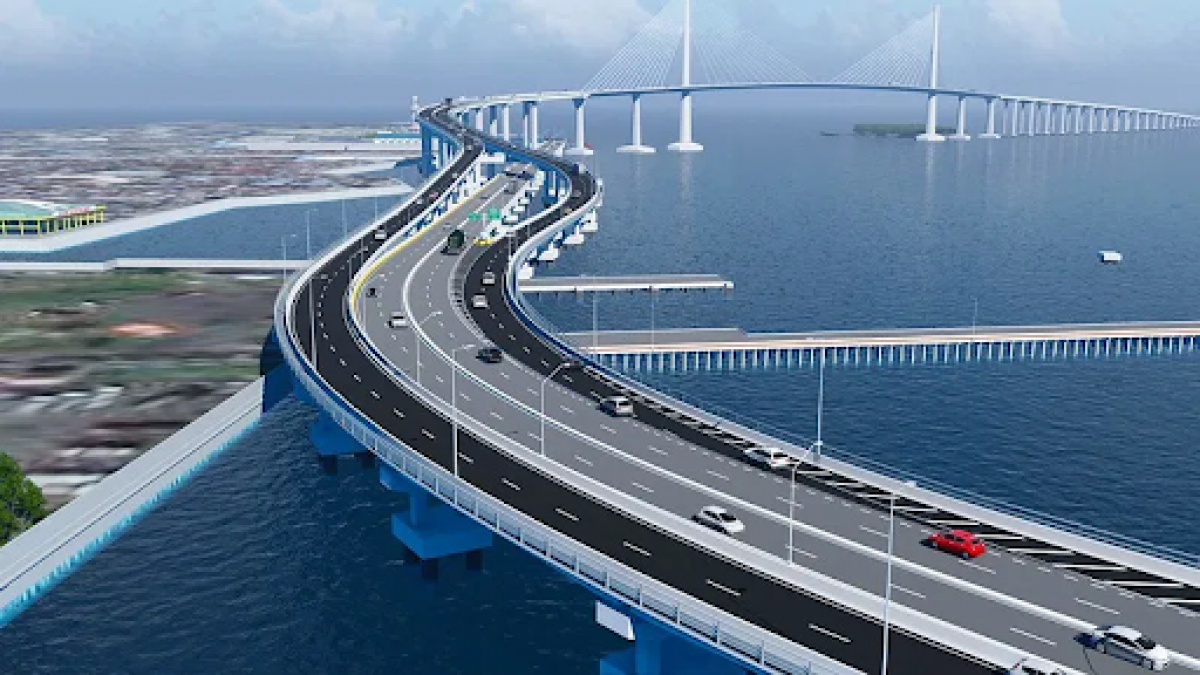
Indian Railways’ flagship semi-high-speed train, the Nagpur-Secunderabad Vande Bharat Express, is set to undergo a significant change. From February 19, 2024, this 20-coach train will be reduced to an 8-coach rake due to low occupancy rates. Despite being India’s first 20-coach Vande Bharat train, it failed to attract the expected number of passengers, prompting officials to take action.

In this article, we’ll break down the reasons behind this decision, explore its impact, and discuss the future of Vande Bharat trains in India.

The Rise and Fall of Nagpur-Secunderabad Vande Bharat

A Grand Launch with High Hopes

The Nagpur-Secunderabad Vande Bharat Express was launched in September 2023 with great enthusiasm. It was expected to revolutionize rail travel between the two major cities, providing a faster, more comfortable, and premium travel experience.
Why the Occupancy Rates Fell Short

Despite its promising start, the train saw only 25% occupancy on average. Several factors contributed to its struggle:

  • Odd Departure Timings: The train leaves Nagpur at 5 AM and reaches Secunderabad in the afternoon. This schedule is inconvenient for many travelers, especially business commuters.
  • Marginal Time Savings: The train takes 7 hours and 15 minutes, whereas conventional express trains cover the same distance in 7.5 to 8 hours.
  • Expensive Ticket Fares: Compared to traditional trains, Vande Bharat’s fares are significantly higher, making it less attractive to budget-conscious travelers.
  • Preference for Overnight Travel: Many passengers prefer overnight trains or even road transport for better flexibility and comfort.

Railways’ Decision to Downsize the Train

Official Statement on Reduction

According to a coaching notification issued by the Principal Chief Operations Manager (PCOM) of Central Railway, the train will now run with only 8 coaches instead of 20. This decision is aimed at redeploying resources more efficiently and optimizing operations based on demand.

Similar Cases in Other Vande Bharat Trains

The Nagpur-Secunderabad route is not the only one facing such an issue. The Nagpur-Bilaspur Vande Bharat Express also started with 16 coaches, but due to low occupancy, it was reduced to 8 coaches within a few months.

How Will This Impact Passengers?

Pros of Downsizing

  • Better Efficiency: Reducing the number of coaches will optimize operational costs.
  • Resource Allocation: Extra coaches can be used for other high-demand routes.
  • Sustainability: Running an underutilized train is economically and environmentally unsustainable.

Cons of Downsizing

  • Limited Seating: Fewer coaches mean reduced availability, which might lead to higher competition for tickets.
  • Uncertain Future: If occupancy doesn’t improve, further modifications might be made to the route or frequency.

What This Means for the Future of Vande Bharat Trains

The Vande Bharat initiative has been a mixed bag of success and challenges. While some routes have thrived, others have struggled to attract passengers. This highlights the importance of:

  1. Careful Route Planning: Indian Railways must analyze demand before launching new trains.
  2. Fare Adjustments: Competitive pricing is crucial to attracting more passengers.
  3. Flexible Timings: Timings should align better with passenger preferences.

The downsizing of the Nagpur-Secunderabad Vande Bharat Express is a reminder that even the most advanced trains need strategic planning to succeed. While the train’s reduced size may improve efficiency, it also reflects the need for Indian Railways to reevaluate schedules, pricing, and passenger demand.

With better planning, the Vande Bharat initiative can still fulfill its promise of modernizing Indian rail travel. The key lies in adapting to real-world passenger needs.

1. Why is the Nagpur-Secunderabad Vande Bharat train being reduced to 8 coaches?

The train has seen low occupancy (25%), making it uneconomical to run a 20-coach train. Downsizing helps redeploy resources to more profitable routes.

2. Will the train timings change after the reduction?

As of now, there are no official changes to the schedule. However, Indian Railways might revise timings in the future to improve demand.

3. Are ticket prices expected to drop after the change?

No official announcement has been made, but lower demand may lead to fare adjustments to attract more passengers.

4. Will more Vande Bharat trains face similar reductions?

It is possible. If other routes experience low demand, they might also see reductions in coaches or schedule modifications.

5. Is Vande Bharat still a successful train project?

Yes, despite some setbacks, many Vande Bharat routes are successful. The project needs route-specific optimizations to maximize efficiency.

Enhancing Airport Connectivity: Nagpur Metro’s Plan for Extended Hours and Additional Buses

Nagpur Metro is gearing up to revolutionize airport connectivity by extending operational hours and introducing more buses, particularly focusing on the Airport Metro Station. This initiative aims to address the growing concerns of passengers regarding first and last-mile connectivity.

Current Operational Hours and Challenges

Presently, Nagpur Metro operates from 6 AM to 10 PM, with trains running every 10 minutes during peak hours and every 15 minutes during off-peak times. However, this schedule doesn’t align well with many flight timings, leading to over half of the flights either overlapping with or falling outside the metro’s operating hours. Consequently, a significant 87% of travelers resort to taxis or private vehicles to reach the airport.

Expert Insights on Extended Hours

Transportation experts believe that extending the metro’s operational hours could substantially improve airport connectivity. For instance, Delhi Metro operates from 5 AM to 11:30 PM, with its airport line starting as early as 4:45 AM. Similarly, Bangalore Metro runs from 5 AM to 11 PM, and Pune Metro from 6 AM to 11 PM. Aligning Nagpur Metro’s schedule with these cities could help synchronize with nearly 60% of flight departures.

MahaMetro’s Response to Connectivity Concerns

In response to these challenges, MahaMetro is actively working on multimodal integration and plans to introduce additional shuttle buses. A senior MahaMetro official stated, “We are working on multimodal integration and additional shuttle buses. The Detailed Project Report (DPR) for this proposal is in progress and will soon be submitted to the state government, following a recent meeting with Chief Secretary Sujata Saunik.”

Evaluating Feasibility of Extended Service Hours

MahaMetro is also assessing the feasibility of extending metro service hours. The official added, “We plan to extend operational timings till late night once the Butibori line of Phase 2 becomes operational. With additional rolling stock from Phase 2, along with the existing Phase 1 fleet, we aim to cater to both night-shift workers at Butibori MIDC and airport travelers. However, extending service hours at just one station is challenging at this stage, as multiple factors need to be considered.”

Infrastructure Improvements for Seamless Connectivity

Beyond operational extensions, MahaMetro is exploring further infrastructure enhancements. “We are considering a dedicated physical link between the airport and the Airport Metro Station. The goal is to ensure a seamless transition for flyers using the metro,” the official noted.

Current Utilization of Airport Metro Station

Despite achieving a daily ridership of 1.5 lakh, the Airport Metro Station remains underutilized, with only about 530 passengers per day. Authorities believe that improved connectivity, extended hours, and additional shuttle services could significantly boost metro usage among airport-bound travelers, reducing congestion and promoting sustainable transport.

Nagpur Metro’s proactive approach to extending operational hours and enhancing connectivity through additional shuttle services and infrastructure improvements is poised to transform airport transit in the city. These initiatives not only aim to provide convenience to passengers but also promote sustainable and efficient urban transportation.

  1. What are the current operational hours of Nagpur Metro?

    • Nagpur Metro currently operates from 6 AM to 10 PM.
  2. Why is there a need to extend metro operational hours?

    • Extending operational hours would better align with flight schedules, providing improved connectivity for airport travelers.
  3. What steps is MahaMetro taking to improve airport connectivity?

    • MahaMetro plans to extend operational hours, introduce additional shuttle buses, and explore infrastructure improvements like a dedicated link between the airport and the Airport Metro Station.
  4. How does Nagpur Metro’s current schedule compare to other cities?

    • Cities like Delhi, Bangalore, and Pune have longer metro operating hours, starting as early as 5 AM and ending around 11 PM, which better accommodate airport travelers.
  5. What is the current daily ridership of the Airport Metro Station?

    • The Airport Metro Station currently has about 530 passengers per day, despite the overall metro system’s daily ridership of 1.5 lakh.

40% of Nagpur Smart City CCTV Cameras Non-Functional

Nagpur Smart City CCTV Issue: Nagpur’s ambitious smart city project is facing a serious challenge: 40% of the CCTV cameras installed for city surveillance are non-functional. The Nagpur Smart and Sustainable City Development Corporation Limited (NSSCDC) has consistently missed installation targets, and maintenance issues have led to a rapid decline in working cameras. But why is this happening, and what does it mean for the city’s safety and traffic management?

Nagpur Smart City CCTV Project: An Overview

The NSSCDC launched an extensive CCTV surveillance network to enhance security and improve traffic management. The goal was to install thousands of cameras across the city, yet a significant percentage remain non-operational.

Planned vs. Actual Installations

  • 2019-20 Target: 3,912 cameras
  • Cameras Installed: 3,692
  • 2023-24 Target: 3,841 cameras
  • Cameras Installed: Far below target

The trend of failing to meet targets has continued for years, with little improvement in execution.

Why Are So Many Cameras Non-Functional?

Several factors contribute to the declining functionality of Nagpur’s CCTV network.

1. Poor Maintenance

The number of operational cameras has decreased from 3,412 in 2019-20 to just 2,671 in 2023-24 due to inadequate maintenance and repairs.

2. Infrastructure Damage

Ongoing road construction, power cable installations, and pipeline projects have damaged fiber optic connections, leading to connectivity issues.

3. Budget Constraints

NSSCDC has struggled with budget allocations, delaying repairs and replacement of faulty cameras.

4. Vandalism and Theft

Some cameras have been stolen or vandalized, further reducing their effectiveness.

Importance of CCTV Cameras in Nagpur’s Smart City Initiative

CCTV cameras are not just about surveillance; they play a crucial role in:

1. Traffic Management

The Intelligent and Integrated Traffic Management System (IITMS) relies on these cameras to:

  • Synchronize traffic signals
  • Detect red-light and stop-line violations
  • Recognize number plates automatically
  • Monitor vehicle speed

2. Crime Prevention

Functioning CCTV cameras deter criminal activity and help law enforcement solve crimes.

3. Public Safety

Cameras enhance security at traffic junctions, public places, and crowded areas, ensuring a safer environment for citizens.

NSSCDC’s Next Move: Hiring a Private Agency

With persistent issues in installation and maintenance, NSSCDC has decided to outsource CCTV network management to a private agency. This step aims to:

  • Ensure better maintenance and repairs
  • Improve uptime of existing cameras
  • Enhance real-time monitoring and efficiency

Challenges in Outsourcing CCTV Maintenance | Nagpur Smart City CCTV Issue

While hiring a private firm sounds promising, there are concerns:

  • Costly contracts: Will taxpayers bear the extra cost?
  • Efficiency concerns: Will the private agency deliver better results than NSSCDC?
  • Accountability issues: Who will be responsible for system failures?

How Can Nagpur Improve Its CCTV Network?

Here are some steps that can help fix the city’s CCTV issues:

1. Regular Maintenance Checks

Implementing scheduled maintenance will ensure that cameras remain functional.

2. Improved Infrastructure Planning

Coordinating with city planners can prevent fiber optic damage during road and cable projects.

3. Increased Budget Allocation

More funds should be dedicated to maintaining and upgrading the CCTV network.

4. Stronger Security Measures

Preventing vandalism and theft with protective enclosures and security patrols will help safeguard camera installations.

Nagpur’s smart city vision is heavily dependent on a robust surveillance network. However, the non-functionality of 40% of its CCTV cameras is a major setback. By outsourcing maintenance, improving infrastructure coordination, and increasing security measures, the city can regain control over its surveillance system. But the real question remains—will these steps be enough to turn things around?

1. Why are so many CCTV cameras in Nagpur not working?

Poor maintenance, fiber optic damage from infrastructure work, budget constraints, and vandalism are the primary reasons.

2. How does this issue affect Nagpur’s traffic management?

Dysfunctional cameras hinder IITMS operations, leading to inefficient traffic signal synchronization and poor enforcement of traffic rules.

3. What steps is NSSCDC taking to fix the problem?

The organization is outsourcing CCTV network management to a private agency to improve maintenance and functionality.

4. Can a private company ensure better CCTV maintenance?

It depends on the contract’s execution, accountability measures, and funding allocation. If managed well, a private firm can improve uptime and monitoring.

5. How can citizens help improve Nagpur’s CCTV network?

Citizens can report damaged or stolen cameras, support security initiatives, and push for better governance in surveillance system management.

Taj Group to Open Luxury Hotel in Nagpur Following CM Fadnavis’ Proposal

In a significant development for Nagpur’s hospitality sector, the Indian Hotels Company Limited (IHCL), the parent company of the Taj Group, has announced plans to establish a new luxury Taj Hotel in the city. This decision comes in response to a proposal by Maharashtra Chief Minister Devendra Fadnavis during a recent ceremony in Mumbai.

IHCL’s Commitment to Maharashtra

Puneet Chhatwal, Managing Director and CEO of IHCL, confirmed the company’s commitment to expanding its presence in Maharashtra. He highlighted plans for upcoming projects in Sindhudurg and emphasized the group’s strategy to grow in key locations across the state.

Expansion in Nagpur: A Second Ginger Hotel

In addition to the new Taj Hotel, IHCL will introduce a second Ginger Hotel in Nagpur. The city already hosts one Ginger property, and this new venture aims to meet the increasing demand for premium hospitality services.

Chief Minister’s Appreciation

CM Fadnavis expressed appreciation for IHCL’s swift decision, praising the Taj Group for its legacy in the hospitality sector. He remarked, “This hotel will elevate Nagpur’s profile and provide world-class services to its residents and visitors.”

Boost to Nagpur’s Hospitality Landscape

The announcement is seen as a significant boost to Nagpur’s hospitality landscape and aligns with IHCL’s broader expansion strategy in Maharashtra.

IHCL’s decision to establish a new Taj Hotel in Nagpur marks a pivotal moment for the city’s hospitality sector. This development is expected to enhance Nagpur’s profile and provide world-class services to its residents and visitors.

  1. What prompted IHCL to open a new Taj Hotel in Nagpur?

    • The decision was made following a proposal by Maharashtra Chief Minister Devendra Fadnavis during a ceremony in Mumbai.
  2. What other projects does IHCL have planned in Maharashtra?

    • IHCL has plans for upcoming projects in Sindhudurg, highlighting the company’s growth strategy in key locations across the state.
  3. Will there be any other new hotels in Nagpur?

    • Yes, in addition to the new Taj Hotel, IHCL will introduce a second Ginger Hotel in Nagpur.
  4. How did CM Fadnavis react to IHCL’s decision?

    • CM Fadnavis expressed appreciation for IHCL’s swift decision, praising the Taj Group for its legacy in the hospitality sector.
  5. What impact will the new Taj Hotel have on Nagpur?

    • The new Taj Hotel is expected to elevate Nagpur’s profile and provide world-class services to its residents and visitors.

Vande Bharat Sleeper Trains: Revolutionizing Travel Between Nagpur, Mumbai, and Pune

Vande Bharat Sleeper train Nagpur | Mumbai: Imagine zipping through the heart of Maharashtra, cutting down hours of travel time, all while lounging in the comfort of a state-of-the-art sleeper train. Sounds like a dream, right? Well, this dream is about to become a reality with the introduction of the Vande Bharat Sleeper trains.

A New Era in Rail Travel

The Indian Railways is gearing up to launch the Vande Bharat Sleeper, a semi-high-speed superfast train service set to connect Nagpur with Mumbai and Pune. This initiative aims to significantly enhance passenger convenience and connectivity on these high-demand routes.

Current Travel Scenario

Let’s face it; the current train journeys can be quite the marathon.

  • Nagpur to Mumbai: Mail trains take approximately 16 hours, while superfast trains complete the trip in 12 to 13 hours. The Duronto Express offers a slightly faster alternative, covering the distance in 11 to 12 hours.
  • Nagpur to Pune: The journey currently takes around 8 to 10 hours, depending on the train service.

Enter Vande Bharat Sleeper

The Vande Bharat Sleeper is set to revolutionize travel by reducing journey times significantly:

  • Nagpur to Mumbai: Travel time will be slashed to just 10 hours.
  • Nagpur to Pune: The journey will be cut down to a mere 3 hours.

That’s like turning a long-haul flight into a short domestic hop!

Why the Need for Speed?

Over the years, passenger traffic on the Nagpur-Pune and Nagpur-Mumbai routes has surged beyond the capacity of existing trains. This has forced many travelers to rely on road transport, which is often less efficient and comfortable. The introduction of these high-speed sleeper trains aims to address the increasing demand for faster and more comfortable travel options.

Current Train Services: A Bottleneck

Currently, the Nagpur-Pune route is served by:

  • Superfast Express: Operates three times a week.
  • Garib Rath Express: Also runs thrice weekly.
  • Humsafar Express: Operates once a week.

Additionally, the Azad Hind Express and Hatia-Pune Superfast Express provide alternative travel options. However, during peak seasons, these services often struggle to accommodate the high passenger demand.

Similarly, the Nagpur-Mumbai route has limited options:

  • Vidarbha Express: Runs on the Gondia-Mumbai route.
  • Sevagram Express: Serves the Nagpur-Mumbai route.

These limited services lead to extended waiting times for travelers.

The Vision Behind Vande Bharat Sleeper

Vinayak Garg, the Divisional Railway Manager (DRM) of Nagpur, emphasized Nagpur’s strategic significance in the railway network, stating, “With over 125 trains operating daily, Nagpur serves as a crucial junction. The introduction of the Vande Bharat Sleeper train will significantly enhance passenger convenience and connectivity.” He further noted that the new service is expected to launch shortly.

Features of the Vande Bharat Sleeper Trains

Renowned for cutting-edge technology, Vande Bharat trains prioritize passenger comfort and reliability. The introduction of sleeper variants will further elevate the experience of long-distance travel, providing state-of-the-art amenities designed for overnight journeys.

Key Features Include:

  • Modern Sleeper Coaches: Designed for overnight comfort with advanced safety measures.
  • Semi-High-Speed Capability: Enabling reduced travel times between major cities.
  • Enhanced Efficiency: Improved scheduling and faster turnaround times.

Impact on Maharashtra’s Railway Infrastructure

The launch of these trains represents a significant step forward in modernizing Maharashtra’s railway infrastructure, offering passengers a faster, safer, and more convenient mode of travel.

Benefits to Passengers

  • Reduced Travel Time: Spend less time commuting and more time at your destination.
  • Increased Comfort: Modern amenities ensure a pleasant journey.
  • Enhanced Connectivity: More frequent services reduce waiting times.

Looking Ahead

As the Vande Bharat Sleeper trains prepare to roll out, passengers can look forward to a new era of rail travel in Maharashtra. This development not only promises to cut down travel times but also aims to provide a more comfortable and efficient journey for all.

The introduction of the Vande Bharat Sleeper trains marks a transformative moment in Maharashtra’s transportation landscape. By significantly reducing travel times and enhancing passenger comfort, these trains are set to become the preferred mode of travel between Nagpur, Mumbai, and Pune. As we await their launch, the promise of a faster, more comfortable journey is on the horizon.

  1. When will the Vande Bharat Sleeper trains start operating?

    The exact launch date has not been announced yet, but the service is expected to commence shortly.

  2. Will the Vande Bharat Sleeper trains run daily?

    The frequency of the service has not been specified yet.

  3. What amenities can passengers expect on the Vande Bharat Sleeper trains?

    Passengers can look forward to modern sleeper coaches designed for overnight comfort, advanced safety measures, and semi-high-speed capabilities.

  4. How much will tickets cost for the Vande Bharat Sleeper trains?

    Ticket pricing has not been announced yet.

  5. Will the Vande Bharat Sleeper trains have catering services on board?

    While not specified, Vande Bharat trains typically offer onboard catering services.

3-in-1 Flyover to Decongest Inner Ring Road Stretch from Manewada Square to Mhalgi Nagar Square

Nagpur Inner Ring Road flyover: Nagpur’s Inner Ring Road has long been a bottleneck, especially between Manewada Square and Mhalgi Nagar Square. To tackle this persistent issue, the state Public Works Department (PWD) has greenlit an ambitious project: a 3-in-1 flyover designed to streamline traffic flow and enhance road safety.

The Vision Behind the 3-in-1 Flyover

The concept is straightforward yet innovative. By connecting two proposed flyovers at Manewada and Mhalgi Nagar Squares with a third, the PWD aims to create a seamless 2.80-kilometer elevated corridor. This continuous stretch will start just before Manewada Square and descend beyond Mhalgi Nagar Square, effectively bypassing the congested intersections below.

Breaking Down the Project Components | Nagpur Inner Ring Road flyover

  1. Manewada Square Flyover: Approved in 2023 with a budget of ₹73.14 crore, this flyover addresses the frequent traffic snarls and accidents at this busy junction.
  2. Mhalgi Nagar Square Flyover: Similarly budgeted at ₹73.14 crore, this structure aims to alleviate congestion at Mhalgi Nagar Square.
  3. Connecting Flyover: The linchpin of the project, this 1.43-kilometer stretch, comes with an administrative approval of ₹185 crore. Once completed, it will link the two flyovers, forming a unified elevated route.

Project Genesis and Leadership Insights

The groundwork for this initiative was laid during the bhoomipuja (groundbreaking ceremony) in August 2024. Union Minister Nitin Gadkari emphasized the importance of connecting the two flyovers to optimize traffic flow on the Inner Ring Road. Taking this recommendation to heart, the PWD devised the plan for the third connecting flyover.

Current Progress and Design Adjustments | Nagpur Inner Ring Road flyover

Construction has already commenced on the Mhalgi Nagar flyover, with foundational work underway. However, integrating the third flyover necessitated design modifications for the initial two structures. Specifically, the landing of the Manewada Square flyover and the ascending ramp of the Mhalgi Nagar Square flyover were redesigned to ensure a cohesive connection.

Anticipated Benefits of the Unified Flyover

Upon completion, this 2.80-kilometer flyover is expected to:

  • Reduce Travel Time: Motorists can bypass two major intersections, leading to quicker commutes.
  • Enhance Safety: Elevating heavy vehicle traffic will minimize the risk of accidents on the road below.
  • Improve Traffic Flow: The Inner Ring Road will experience reduced congestion, benefiting daily commuters.

Addressing Construction Challenges

While the project promises significant benefits, the construction phase has introduced temporary challenges. Excavation and barricading have narrowed road widths, leading to traffic disruptions. Local motorists have reported increased congestion due to these ongoing works.

Community Concerns and Feedback

Some residents question the necessity of the flyovers, citing existing wide roads and suggesting that better traffic management could suffice. They advocate for enhanced traffic policing and stricter adherence to traffic rules as alternative solutions.

Comparative Analysis: Flyovers in Urban Planning

Urban centers worldwide have utilized flyovers to address traffic congestion. While effective in many scenarios, it’s crucial to consider local contexts. In some cases, flyovers have led to increased traffic beneath them or shifted congestion to adjacent areas. Therefore, comprehensive planning and community engagement are essential.

Future Outlook: Beyond the Flyover

Infrastructure projects like this are part of a broader strategy to modernize urban transportation in Nagpur. Complementary measures, such as public transportation enhancements, smart traffic management systems, and non-motorized transport infrastructure, will play pivotal roles in creating a holistic solution.

Environmental and Social Considerations

Large-scale construction projects inevitably impact the environment and local communities. It’s imperative to conduct thorough environmental assessments, implement mitigation strategies, and engage with affected communities to ensure sustainable and inclusive development.

The 3-in-1 flyover project represents a significant investment in Nagpur’s infrastructure, aiming to alleviate longstanding traffic issues on the Inner Ring Road. While challenges and differing opinions exist, the project’s success will hinge on effective execution, continuous stakeholder engagement, and adaptive planning to meet the city’s evolving needs.

  1. What is the total cost of the 3-in-1 flyover project?

    The combined budget for the project is approximately ₹331.28 crore, encompassing all three flyovers.

  2. When is the expected completion date for the flyovers?

    Each flyover has a projected completion timeline of 24 months from the start of construction.

  3. How will the flyovers impact daily commuters during construction?

    Temporary traffic disruptions are anticipated due to construction activities. Commuters are advised to plan for potential delays and stay updated on traffic advisories.

  4. Are there alternative solutions to building flyovers for traffic decongestion?

    Some community members suggest that improved traffic management and enforcement could address congestion without the need for flyovers.

  5. How can residents voice their concerns or suggestions about the project?

    Residents can participate in public consultations or reach out to the PWD through official channels to share their feedback.

GMCH Auditorium Gets Grand Makeover After 72 Years

GMCH Auditorium Makeover: The Government Medical College and Hospital (GMCH) in Nagpur, home to the second-largest hospital in Asia, has witnessed a historic transformation. After 72 years, its auditorium has undergone a remarkable facelift, turning it into a state-of-the-art facility. This Rs 5.23 crore renovation marks the first major revamp since the building was inaugurated in 1953 by India’s first President, Dr. Rajendra Prasad.

Let’s explore the details of this stunning transformation and understand why this upgrade is a game-changer for students, faculty, and medical professionals alike.

A Historic Transformation: What’s New? | GMCH Auditorium Makeover

Increased Seating Capacity for Better Accessibility

Earlier, the auditorium could accommodate only 375 attendees. Now, it boasts a seating capacity of 535, ensuring that more students and faculty members can participate in academic events without overcrowding.

Fully Air-Conditioned Space for Enhanced Comfort

Gone are the days of sweltering heat and discomfort! The newly upgraded auditorium is now fully air-conditioned, making it a more comfortable space for attendees, even during peak summers.

Advanced Audio and Visual Systems

A modern auditorium demands high-quality acoustics and visuals. With a cutting-edge sound system and an ultra-clear display screen, attendees can now enjoy crystal-clear audio and visuals, making lectures, seminars, and workshops more engaging.

Attractive Lighting and Aesthetic Appeal

Bright and elegant lighting has completely transformed the ambiance of the auditorium. Whether it’s a conference or a guest lecture, the enhanced lighting system ensures a visually appealing experience for all.

Upgraded Infrastructure for Added Convenience | GMCH Auditorium Makeover

  • Two green rooms have been added for speakers and panelists.
  • Drinking water facilities ensure hydration during long sessions.
  • Well-maintained restrooms provide added comfort for attendees.
  • Renovated premises around the auditorium offer a clean and organized look.

Why Is an Auditorium Important in a Medical College?

1. A Hub for Training and Knowledge Sharing

Medical education extends beyond textbooks. A well-equipped auditorium allows for live demonstrations, expert lectures, and workshops, which are crucial for medical students and professionals.

2. Encourages Interactive Learning

With a spacious setup, high-quality sound systems, and a large screen for live training, students can grasp complex medical concepts more effectively.

3. Facilitates Professional Development

Workshops, training sessions, and research presentations held in a modern auditorium contribute to the overall growth of students and faculty.

4. Enhances Skill Development

From surgical workshops to guest lectures by renowned doctors, an auditorium provides a space where students can refine their practical knowledge.

Key Features of the Revamped Auditorium

1. State-of-the-Art Sound System

With a newly installed high-tech sound system, the auditorium ensures that every word spoken on stage is heard clearly, even by those sitting at the back.

2. Large Stage Screen for Live Demonstrations

Medical students can now witness live surgical procedures and medical demonstrations with enhanced clarity, making learning more interactive and practical.

3. Comfortable and Spacious Seating

The new 535-seater arrangement ensures better seating comfort and clear visibility, making long sessions more bearable.

4. Energy-Efficient and Sustainable Design

The new lighting setup is not only visually appealing but also energy-efficient, aligning with modern sustainability practices.

Impact of the Revamp on Students and Faculty

For Students:

  • More engaging lectures and workshops
  • Improved comfort during long sessions
  • Better visibility of training and presentations

For Faculty:

  • Enhanced teaching environment
  • Seamless organization of seminars
  • A prestigious venue for hosting expert talks

The Road Ahead: Future Prospects

With the new upgrade, the GMCH auditorium is set to host several medical conferences, research symposiums, and hands-on training sessions. This transformation will pave the way for better medical education and professional development.

Final Thoughts

The grand revamp of the GMCH auditorium after 72 years is a monumental milestone. With enhanced seating, modern amenities, and state-of-the-art technology, the auditorium is now a premier venue for medical learning and professional growth. This upgrade not only benefits students and faculty but also elevates the overall educational experience at GMCH.

1. What was the cost of the GMCH auditorium renovation?

The renovation cost Rs 5.23 crore, covering major infrastructure and technological upgrades.

2. How many seats does the new auditorium have?

The seating capacity has been expanded from 375 to 535 for better accessibility.

3. What are the key features of the upgraded auditorium?

Some key

Dr. Ambedkar Super Specialty Hospital Set to Break Ground in Indora

After years of anticipation, the Dr. Babasaheb Ambedkar Super Specialty Hospital in Indora is finally moving forward. It promises to revolutionize healthcare in Nagpur.

A Long-Awaited Milestone

It’s been a journey, hasn’t it? The dream of a state-of-the-art medical facility in Indora has faced its fair share of hurdles. But now, with all bureaucratic obstacles cleared, the Nagpur Improvement Trust (NIT) has given the green light. Construction is slated to commence soon, marking a significant leap for healthcare in the region.

Phased Construction Approach

Rome wasn’t built in a day, and neither will this hospital. The project is divided into two distinct phases to ensure meticulous execution.

Phase One: The Foundation

The initial phase focuses on constructing a G+8 hospital complex. With an estimated budget of ₹402.08 crore, this phase covers civil work, electrical systems, and fire safety measures. The plan is to appoint a private contractor within the next two months to kickstart the work.

Phase Two: Expansion and Education

Looking ahead, the second phase aims to establish a medical college and housing facilities for postgraduate students. This move underscores a commitment not just to immediate healthcare needs but also to the future of medical education in the region.

State-of-the-Art Facilities

Imagine a hospital that caters to a wide array of medical needs under one roof. That’s precisely what’s in store.

Comprehensive Medical Services

The hospital will boast 857 beds spread across nine floors and house 25 operation theatres. Specialized units will include:

  • Trauma Center
  • Nephro-Urology Department
  • Dialysis Facilities
  • Surgical Intensive Care Unit (SICU)
  • Medical Intensive Care Unit (MICU)
  • Neonatal Intensive Care Unit (NICU)
  • Pediatric Intensive Care Unit (PICU)

General wards are planned for the upper floors, ensuring a structured and efficient layout.

Sustainable Design Elements

In today’s world, sustainability is key. The hospital’s design incorporates a large solar canopy, aiming to reduce reliance on conventional electricity sources. This eco-friendly approach not only benefits the environment but also sets a precedent for future infrastructure projects.

Amenities for All

A hospital experience isn’t just about medical care; it’s also about comfort and convenience.

Patient and Staff Comfort

The facility will feature a spacious cafeteria and a fine-dining area exclusively for staff. Additionally, amenities such as a retail pharmacy, blood bank, and ATMs will be available on-site, ensuring that both patients and staff have access to essential services without leaving the premises.

A Broad Spectrum of Specialties

Healthcare needs are diverse, and this hospital is prepared to meet them.

Diverse Medical Departments

The hospital will offer services across various specialties, including:

  • Cardiology
  • Orthopedics
  • Pediatrics
  • Dermatology

This comprehensive approach ensures that patients receive specialized care tailored to their specific health concerns.

Overcoming Past Challenges

Every significant project faces obstacles, and this hospital is no exception.

Initial Hurdles

The development journey began in June 2018 but encountered delays due to land disputes with a nearby school. These challenges temporarily stalled progress, but persistence and negotiation have paved the way forward.

Financial Blueprint

Funding a project of this magnitude requires careful planning.

Budget Allocation

The total project cost is estimated at ₹575 crore, with ₹431.84 crore allocated for civil construction and ₹143.94 crore earmarked for medical equipment. This financial strategy ensures that both the infrastructure and the technological aspects of the hospital are adequately funded.

Community Impact

The establishment of this hospital is poised to have a profound effect on the local community.

Healthcare Accessibility

Residents of Indora and surrounding areas will soon have access to top-tier medical services close to home. This development is expected to reduce the need for patients to travel long distances for specialized care, thereby improving health outcomes and patient satisfaction.

Economic Upliftment

Beyond healthcare, the hospital’s construction and operation are anticipated to create numerous job opportunities, stimulating the local economy. From construction workers to medical professionals, various sectors stand to benefit.

Future Prospects

The vision for this hospital extends beyond immediate healthcare delivery.

Educational Opportunities

With the planned addition of a medical college and postgraduate housing in the second phase, the facility aims to become a hub for medical education. This initiative will attract aspiring medical professionals to the region, fostering a culture of learning and innovation.

Technological Advancements

Embracing modern technology is at the forefront of the hospital’s mission. From advanced medical equipment to electronic health records, the facility is committed to utilizing technology to enhance patient care and operational efficiency.

Community Engagement

A hospital thrives when it engages with the community it serves.

Health Awareness Programs

Plans are underway to conduct regular health camps and awareness programs, educating the public on various health issues and preventive measures. This proactive approach aims to promote a healthier community overall.

Feedback Mechanisms

Establishing channels for patient and community feedback will be crucial. By listening to the needs and concerns of the community, the hospital can continuously improve its services and ensure patient satisfaction.

The impending construction of the Dr. Babasaheb Ambedkar Super Specialty Hospital in Indora marks a monumental step forward for healthcare in Nagpur. With its comprehensive medical services, sustainable design, and commitment to education and community engagement, the hospital is set to become a beacon of excellence in the region.

  1. When is the construction of the hospital expected to begin?
    • Construction is slated to commence soon, with a private contractor expected to be appointed within the next two months.
  2. What specialties will the hospital offer?
    • The hospital will provide services in various specialties, including cardiology, orthopedics, pediatrics, and dermatology.
  3. How many beds will the hospital have?
    • The facility will feature 857 beds across nine floors.
  4. Will there be educational facilities associated with the hospital?
    • Yes, the second phase of the project includes plans for a medical college and postgraduate student housing.
  5. What sustainable features are included in the hospital’s design?
    • The hospital will incorporate a large solar canopy to reduce reliance on conventional electricity sources.
Exit mobile version