Nagpur Prepares for a Grand Shiv Jayanti Padyatra on February 19

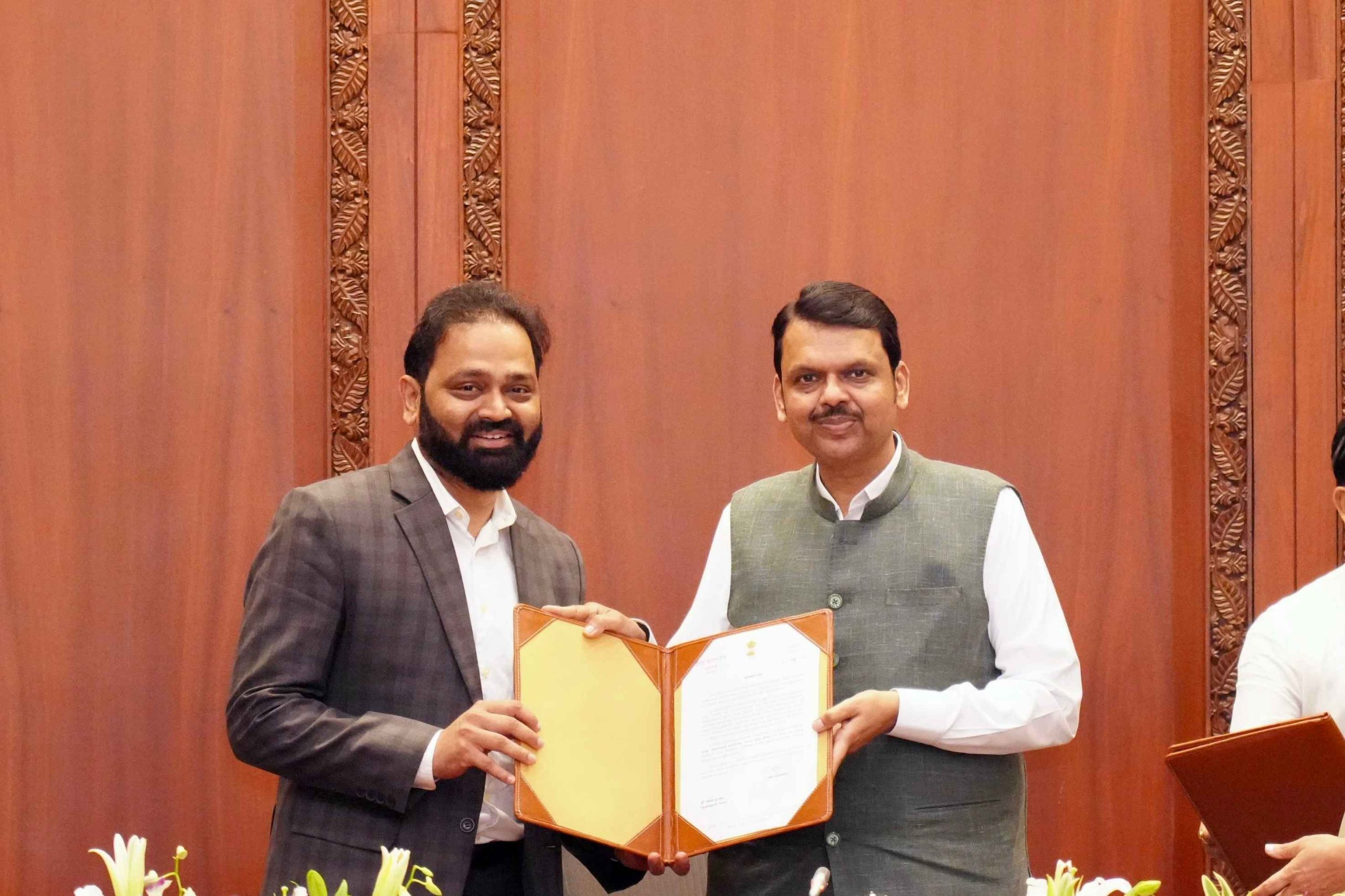
Nagpur Shiv Jayanti Padyatra: Nagpur is all set to celebrate the 395th birth anniversary of Chhatrapati Shivaji Maharaj with a grand Shiv Jayanti Padyatra on February 19. The event, titled ‘Jai Shivaji Jai Bharat’ Padyatra, will be held across all districts of the Nagpur Division.

Significance of Shiv Jayanti

Chhatrapati Shivaji Maharaj was one of the greatest warriors in Indian history. His legacy of valor, governance, and administration continues to inspire generations. Shiv Jayanti is celebrated with great fervor across Maharashtra, and Nagpur is leaving no stone unturned in making this year’s celebrations grander than ever.

Preparations for the Padyatra

Divisional Commissioner’s Review

Divisional Commissioner Madhavi Chavare has personally reviewed the arrangements and encouraged citizens to participate in large numbers. The administration is working diligently to ensure a well-organized event.

Who Will Participate?

The padyatra will witness participation from various groups, including:

  • School students
  • Municipal and Zilla Parishad officials
  • Social and cultural organizations
  • Local residents and history enthusiasts

Event Highlights

Traditional Performances

To add cultural vibrancy to the event, various traditional performances will take place, including:

  • Lezim – A traditional dance form with rhythmic beats
  • Danpatta – A display of swordsmanship
  • Malkhamb – An ancient Indian sport involving gymnastic poses on a pole or rope

Social Welfare Activities

In addition to the padyatra, several social initiatives will be conducted, such as:

  • Blood donation camps along the route
  • Awareness programs on Shivaji Maharaj’s contributions

Padyatra Route in Nagpur City

The padyatra will start at 7 AM from Raje Raghuji Bhosale Memorial in Sakkardara Chowk and will pass through key locations:

  1. Gajanan Chowk
  2. Juni Puri
  3. Keshav Dwar Chowk
  4. Reshimbagh Chowk
  5. CP & Berar Chowk
  6. Kotwali Chowk
  7. Ending at Gandhi Gate Chowk

Security and Traffic Arrangements

Officials have taken measures to ensure the safety and smooth flow of the padyatra:

  • Traffic diversions along the route
  • Emergency medical teams on standby
  • Police personnel deployment for crowd control

Why You Should Participate

  • Pay tribute to a legendary warrior
  • Be a part of history and heritage
  • Witness Maharashtrian culture in full grandeur
  • Contribute to social welfare initiatives

Nagpur is set to make the 395th Shiv Jayanti a truly unforgettable celebration. The ‘Jai Shivaji Jai Bharat’ Padyatra will be a remarkable event blending culture, tradition, and community service. Join the padyatra and be a part of this grand tribute to Chhatrapati Shivaji Maharaj!

1. When and where will the Shiv Jayanti Padyatra take place?

The padyatra will be held on February 19 across all districts of Nagpur Division, starting at 7 AM from Raje Raghuji Bhosale Memorial in Sakkardara Chowk.

2. What is the purpose of the event?

The event aims to celebrate Chhatrapati Shivaji Maharaj’s 395th birth anniversary, honor his legacy, and promote cultural heritage.

3. Will there be any road restrictions?

Yes, traffic diversions will be in place along the padyatra route to ensure a smooth procession. Authorities will issue detailed guidelines in advance.

4. Can anyone participate in the padyatra?

Yes, the event is open to all, including students, government officials, and the general public.

5. How can I contribute to the celebration?

You can participate in the padyatra, volunteer for event organization, or donate blood at the camps along the route.

Film City to Come Up Near Khindsi Lake in Ramtek

A new Film City is set to emerge near Khindsi Lake in Ramtek, a development that promises to boost the local economy and film industry. Cultural Affairs Minister Ashish Shelar has initiated the process by requesting the Revenue Department to transfer 128 acres of land for the project. This initiative is expected to attract filmmakers from across India and generate significant employment opportunities.

Why Ramtek for the Film City?

1. Scenic Beauty and Natural Backdrop

Nestled amidst lush greenery and serene water bodies, Khindsi Lake provides an ideal setting for film shoots. The location offers a mix of forest landscapes, hills, and water bodies, perfect for diverse cinematic requirements.

2. Strategic Location

  • Only 40 kilometers from Nagpur Airport.
  • Surrounded by resorts and tourist-friendly locations.
  • Well-connected via roads and railways, making it convenient for film crews.

3. Boost for Regional Filmmakers

The Film City is expected to serve filmmakers from Madhya Pradesh and Chhattisgarh, offering them a nearby alternative to Mumbai and Hyderabad for shooting documentaries, feature films, and web series.

Government’s Vision for the Film City

1. Employment Generation

The project is expected to create thousands of jobs in the film industry, from technical crew to creative professionals.

2. Skill Development and Training Centre

A film training centre will be established to develop a skilled workforce. Workshops and training programs will help aspiring filmmakers, editors, cinematographers, and technicians gain hands-on experience.

3. Infrastructure Development

The government plans to build world-class facilities, including:

  • State-of-the-art studios for film production.
  • Editing and post-production labs.
  • Outdoor and indoor shooting spaces.

Economic and Tourism Impact

1. Tourism Boost

The Film City will turn Ramtek into a tourism hub, attracting film enthusiasts, travelers, and adventure seekers.

2. Revenue Generation

Local businesses, hotels, and restaurants will benefit, leading to increased revenue and overall economic growth.

3. Strengthening the Local Economy

With more people visiting and investing in the region, the Film City will act as a catalyst for economic development.

Comparisons with Other Film Cities

1. Ramoji Film City (Hyderabad)

  • Largest film city in the world.
  • Ramtek aims to replicate its success on a regional scale.

2. Film City Mumbai

  • The heart of Bollywood.
  • Ramtek’s project offers a natural and cost-effective alternative.

3. Noida Film City

  • Major hub for TV and media production.
  • Ramtek will focus on both mainstream and regional cinema.

Challenges and Roadblocks

1. Land Acquisition Issues

The transfer of 128 acres of land is a crucial step. The government must ensure a smooth and dispute-free acquisition process.

2. Infrastructure Development Costs

Building a fully functional film city requires significant investment. The authorities must attract private investors and stakeholders.

3. Environmental Considerations

Being close to forest areas, sustainability measures should be taken to protect the ecosystem.

Future Prospects of Ramtek Film City

1. Attracting Big-Budget Films

With state-of-the-art facilities, major Bollywood and regional film productions may choose Ramtek over other expensive locations.

2. International Collaboration

The Film City could attract foreign filmmakers, boosting cross-border cinematic projects.

3. A Hub for OTT Content

With the rise of streaming platforms, Ramtek’s Film City can serve as a production hub for web series and digital films.

The Film City near Khindsi Lake in Ramtek is a game-changer for the Indian film industry. It not only provides a picturesque shooting location but also offers immense employment opportunities and economic benefits. With proper planning, investment, and execution, this project has the potential to become a premier film production destination in India.

1. When will the Ramtek Film City be operational?

The timeline is yet to be announced, but the initial stages of land transfer and planning are underway.

2. What makes Ramtek’s Film City unique?

Its natural beauty, strategic location, and accessibility make it an attractive choice for filmmakers.

3. Will there be training programs for aspiring filmmakers?

Yes, a training centre will be established to develop skilled manpower for the industry.

4. How will the local economy benefit?

The project will boost tourism, create jobs, and generate revenue for local businesses.

5. Can independent filmmakers use the facilities?

Yes, the Film City aims to support both large-scale and independent film productions.

Two RVR Systems Installed at Nagpur Airport to Enhance Flight Safety

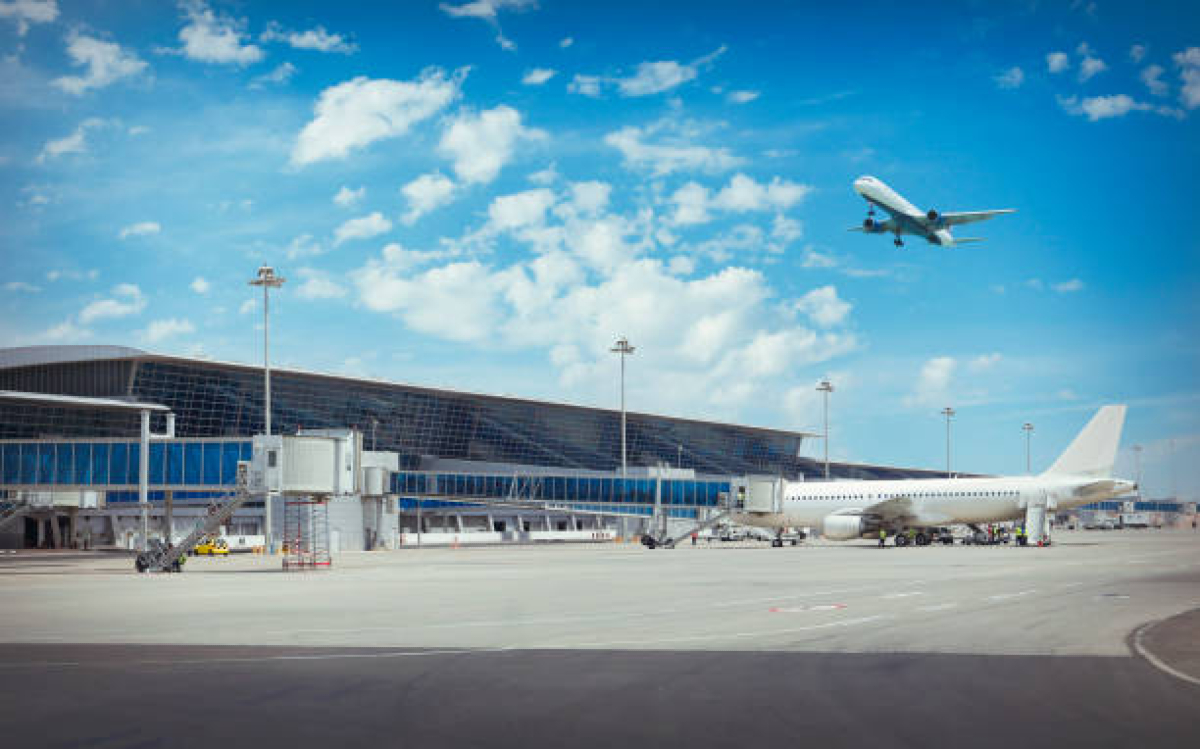
RVR System at Nagpur Airport: Ensuring safe landings and take-offs in all weather conditions is a top priority for any airport. To enhance flight safety at Dr. Babasaheb Ambedkar International Airport, Nagpur, the Aerodrome Meteorological Offices (AMO), Nagpur has installed two advanced Runway Visual Range (RVR) systems. These state-of-the-art systems provide real-time visibility data, minimizing flight disruptions and ensuring safe operations even in low-visibility conditions.

What is a Runway Visual Range (RVR) System?

An RVR system is a high-tech setup that continuously measures the visibility range along a runway. It uses optical and atmospheric sensors to deliver accurate data to air traffic controllers and pilots. This helps them make precise decisions during landings and take-offs, especially in fog, heavy rain, or haze.

Why Was the RVR System Needed at Nagpur Airport?

Dr. Babasaheb Ambedkar International Airport serves as a key aviation hub in Central India. Given the high volume of domestic and international flights, improving visibility for incoming and outgoing flights became a necessity. The manual process previously in use was prone to errors, as it relied on human estimation. With RVR technology, visibility readings are now automated with 99% accuracy.

Where Were the RVR Systems Installed?

  • Runway No. 32
  • Runway No. 14
  • Mid-runway system (under installation, operational soon)

How the RVR System Works

  1. Real-time Data Collection – The system continuously monitors visibility levels using advanced sensors.
  2. Data Transmission – The information is sent to Air Traffic Controllers (ATC) and pilots.
  3. Decision Making – ATC uses this data to set operational categories, while pilots use it for safe landing and take-off decisions.

Key Benefits of RVR Technology at Nagpur Airport

1. Enhanced Safety During Low-Visibility Conditions

Weather conditions such as fog, rain, and haze can significantly reduce visibility. The RVR system ensures that pilots receive accurate data to make safe flying decisions.

2. Reduced Flight Delays and Disruptions

With precise real-time data, unnecessary delays due to poor visibility can be minimized, improving overall airport efficiency.

3. Compliance with Global Aviation Standards

The installation of the RVR system aligns Nagpur Airport with international safety standards, making it a more reliable hub for airlines.

4. Improved Air Traffic Management

The RVR system assists Air Traffic Control (ATC) in maintaining a smooth flow of air traffic, reducing congestion and increasing operational efficiency.

How RVR Installation Was Carried Out

Installing an RVR system requires clearances from multiple regulatory bodies like the Directorate General of Civil Aviation (DGCA). For Nagpur Airport, the entire process took two years, ensuring compliance with all necessary safety and operational guidelines.

Who Provided the RVR Technology?

The RVR systems at Nagpur Airport were sourced from Vaisala Oyj, a Finnish company specializing in environmental and industrial measurement technologies.

Future Plans for Nagpur Airport

  • Completion of the third RVR system installation.
  • Integration of RVR data into advanced air traffic management systems.
  • Enhancements in weather monitoring systems for further operational efficiency.

With the installation of these advanced RVR systems, Nagpur Airport has significantly improved its flight safety, operational efficiency, and compliance with international standards. This upgrade ensures that both domestic and international flights can operate smoothly, even in challenging weather conditions.

1. What is an RVR system, and why is it important?

An RVR system measures visibility along the runway in real time, helping pilots and air traffic controllers make informed decisions, especially in poor weather.

2. How many RVR systems are installed at Nagpur Airport?

Currently, two RVR systems are operational, with a third one under installation.

3. How does the RVR system improve flight safety?

The system provides accurate visibility data, reducing the chances of flight disruptions and unsafe landings.

4. Who manufactured the RVR systems installed at Nagpur Airport?

The RVR systems were procured from Vaisala Oyj, a leading Finnish company specializing in weather and industrial measurement solutions.

5. How long did it take to install the RVR system at Nagpur Airport?

The entire process took two years, requiring multiple regulatory approvals and technical assessments.

Sonegaon Lake: A Seeping Issue

Nagpur: Sonegaon Lake, once a symbol of Nagpur’s rich history and ecological balance, is now facing a severe environmental threat. The lake is being contaminated by untreated sewage water, which seeps in due to inefficient waste management. Despite rejuvenation efforts, the water quality remains questionable, putting aquatic life at risk. This article explores the issue, its causes, the ongoing restoration project, and what can be done to save this historic water body.

The Historical Significance of Sonegaon Lake

Sonegaon Lake has been an integral part of Nagpur’s landscape for centuries. It not only serves as a recreational spot but also plays a crucial role in maintaining groundwater levels and supporting local biodiversity.

The Current Crisis: Sewage Contamination

How Did Sewage Start Seeping into the Lake?

In June 2024, reports from The Hitavada revealed that untreated sewage was entering Sonegaon Lake through a nearby nullah. The Nagpur Improvement Trust (NIT) had set up a sewage treatment plant (STP) to treat wastewater before discharging it into the lake, but concerns were raised regarding the efficiency of the treatment process.

NMC’s Response to the Issue

The Nagpur Municipal Corporation (NMC) issued a show cause notice to NIT, demanding proper treatment of sewage water before it entered the lake. However, NIT maintains that only clean water is being released into the water body.

Environmental Impact of Contaminated Water

Harm to Aquatic Life

Pollution in Sonegaon Lake threatens the survival of fish and other aquatic organisms. The presence of toxic substances reduces oxygen levels, leading to fish kills and disruption of the ecosystem.

Health Hazards for Locals

Contaminated water can cause serious health issues for people living nearby. It increases the risk of waterborne diseases and makes the lake unsuitable for recreational activities.

The Restoration Project: A Step Towards Revival

Phase 1: Initial Efforts

The first phase of the lake’s rejuvenation began in June 2021 and was inaugurated in April 2024. With an estimated cost of ₹17 crore, the project focused on the east and north sides of the lake, including:

  • Retaining wall construction
  • Walking track development
  • Beautification efforts

Phase 2: The Current Progress

The second phase, expected to be completed by September 2, 2025, is estimated at ₹25 crore. This includes work on the west and south sides of the lake, along with the addition of amenities such as:

  • A food court
  • A recharge shaft
  • A toilet block
  • Landscaping improvements

Challenges Faced During Rejuvenation

Delayed Completion

Despite significant investments, the project has been delayed due to bureaucratic red tape and insufficient planning.

Ongoing Water Contamination

While the infrastructure around the lake is improving, the fundamental problem—untreated sewage water—remains unresolved.

Can Sonegaon Lake Be Saved?

The rejuvenation of Sonegaon Lake can only be successful if the quality of water improves. Authorities must ensure strict monitoring of the STP and take immediate action against negligence.

Sonegaon Lake’s revival is crucial for Nagpur’s environment and historical heritage. While beautification projects are a positive step, addressing the root cause of contamination is necessary. Only through collective efforts from authorities and citizens can we restore the lake to its former glory.

1. What is the main cause of pollution in Sonegaon Lake?

The main cause is untreated sewage water seeping into the lake through a nullah, which should have been processed by an STP before discharge.

Nagpur’s New Dumping Yard: Road Connecting Sahakar Nagar to Airport

Sahakar Nagar Nagpur, once known for its cleanliness and lush green spaces, is now struggling with an emerging waste crisis. A particular area from Sahakar Nagar, Nagpur crematorium to the airport has turned into an unofficial dumping yard, raising serious concerns for both environmental and public safety. This article delves into the alarming issue and explores possible solutions.

Overview of the Issue

The road that once stood as a symbol of beauty and civic responsibility is now covered in heaps of garbage. The presence of plastic waste, empty liquor bottles, and even used condoms points towards illegal and suspicious activities happening in the area. The problem is growing daily, posing a threat to both the environment and the well-being of local residents.

Once a Scenic Route, Now a Dumping Yard

This road was once a pride of the city, often used by morning walkers and nature lovers. Dubbed the ‘Natural Oxygen Park,’ it was known for its serene beauty. However, today, this stretch has transformed into a waste-laden, unpleasant site that has lost its former charm.

Types of Waste Found

Upon visiting the location, various types of waste can be seen:

  • Household garbage: Large sacks filled with household waste dumped by local residents.
  • Alcohol bottles: A clear indication of nighttime activities involving liquor consumption.
  • Suspicious items: Items like used condoms hint at immoral and illegal activities occurring after dark.

Illegal and Immoral Activities in the Area

Residents have raised concerns over the questionable activities that take place along this stretch at night. Cars and bikes are often parked, and the area remains largely deserted, making it a hub for illicit gatherings. The absence of strict surveillance adds to the problem.

Impact on Morning Walkers and Residents

For years, morning walkers used this road as a part of their daily routine. However, with rising waste levels and security concerns, people are now hesitant to visit. The foul smell, scattered litter, and unsafe environment have turned this once-healthy space into an undesirable one.

Negligence by Authorities

One of the major issues is the lack of accountability among government bodies. According to reports, MIHAN India claims that the maintenance of this road falls under the jurisdiction of Maharashtra Airport Development Company (MADC). However, MADC officials remain unresponsive, leading to further mismanagement.

The Role of Local Residents in the Problem

While government negligence is evident, some responsibility also lies with local residents. Many contribute to the problem by dumping their household waste along the roadside, ignoring the long-term consequences of their actions.

Health and Environmental Hazards

Improper waste disposal leads to numerous environmental and health issues, including:

  • Air pollution from decomposing waste
  • Contamination of groundwater
  • Increased risk of diseases like dengue and cholera

Crime and Safety Concerns

The presence of illegal activities poses a severe risk to women, children, and senior citizens living in nearby areas. The deserted stretch is becoming a hotspot for crime, making urgent intervention necessary.

Possible Solutions to the Problem

Addressing this issue requires a multi-pronged approach:

  1. Improved waste management: Proper garbage collection and disposal services should be implemented.
  2. Active involvement of civic bodies: Authorities must take responsibility and enforce strict anti-littering laws.
  3. Community awareness programs: Educating people on waste disposal and its effects.

Need for Strict Surveillance and Policing

Installing CCTV cameras and increasing police patrols can help curb suspicious activities. A visible security presence would deter offenders and bring back safety to the area.

Community Participation in Cleaning Up the Area

Residents must take initiative in keeping their surroundings clean. Organizing cleanliness drives and awareness campaigns can encourage responsible behavior.

The road from Sahakar Nagar, Nagpur crematorium to the airport is a classic case of negligence and mismanagement. The issue requires immediate attention from authorities and active participation from residents. If corrective measures are not taken, the situation will only worsen. It’s time for both civic bodies and citizens to step up and restore this road to its former glory.

1. Who is responsible for maintaining the cleanliness of this road?

The maintenance of the road falls under the jurisdiction of Maharashtra Airport Development Company (MADC), but there is a lack of active management.

2. Why has the area become a dumping ground?

A mix of local residents dumping waste and lack of proper waste disposal facilities has contributed to this issue.

3. What steps can authorities take to resolve this problem?

Authorities should enforce strict waste disposal laws, install CCTV cameras, and increase police surveillance.

4. How can residents help in improving the situation?

Residents can take responsibility by disposing of their waste properly and organizing cleanliness drives.

5. What are the risks associated with the current state of the road?

The risks include health hazards, environmental pollution, increased crime rates, and unsafe conditions for pedestrians.

Vintage Car Exhibition at Raman Science Centre on February 16, 2025

Vintage Car Exhibition: Nagpur’s Raman Science Centre will host an extraordinary Vintage Car Exhibition on February 16, 2025. This highly anticipated event will showcase some of the finest and most meticulously restored classic cars, allowing enthusiasts and history buffs to marvel at the evolution of automotive engineering and design. The exhibition promises a spectacular display of automobiles from different eras, showcasing their timeless charm, craftsmanship, and technological advancements.

A Celebration of Automotive Heritage

The Vintage Car Exhibition at the Raman Science Centre is much more than a display of old cars—it is a tribute to the rich legacy of the automobile industry. Attendees will get an opportunity to witness firsthand the transformation of automobiles from early models to more sophisticated designs. Each car tells a unique story, reflecting the technological progress, design trends, and cultural influences of its time.

What to Expect at the Exhibition

A Stunning Collection of Classic Cars

This exhibition will feature a diverse range of vintage automobiles, each restored to its former glory. Visitors can expect to see legendary models from various manufacturers, including Ford, Rolls-Royce, Bentley, Mercedes-Benz, Cadillac, and Chevrolet. These beautifully maintained vehicles highlight the golden era of motoring and provide a glimpse into the craftsmanship that defined automotive excellence in the past.

Restored Vintage Beauties

One of the most exciting aspects of the exhibition is the meticulous restoration work that has gone into each vehicle. Owners and restorers have spent countless hours preserving the authenticity and mechanical integrity of these classics. From gleaming chrome finishes to handcrafted wooden dashboards, every detail is a testament to the skill and dedication required to maintain these historical treasures.

Interactive Sessions with Car Experts

Visitors will have the opportunity to engage with renowned automobile historians, collectors, and restorers. These experts will provide insights into the history, engineering, and unique features of the vintage cars on display. If you have ever been curious about what goes into restoring a classic car or the challenges faced by collectors, this exhibition is the perfect place to get answers.

Photography and Social Media Engagement

The event offers a picturesque setting for car enthusiasts and photographers. Whether you are a professional photographer or simply an admirer of vintage cars, the exhibition presents countless opportunities to capture stunning images. Social media enthusiasts can share their experience using official event hashtags, connecting with other classic car lovers worldwide.

Why You Should Attend the Vintage Car Exhibition

Attending this exclusive exhibition at Raman Science Centre offers numerous benefits, including:

  • A Rare Opportunity: Vintage cars are not something you see every day, and this exhibition provides a unique chance to admire these beauties up close.
  • Educational Experience: Learn about the evolution of automobiles, their impact on society, and the technological innovations that shaped the industry.
  • Networking with Enthusiasts: Meet like-minded individuals who share a passion for classic automobiles.
  • Family-Friendly Event: The exhibition is suitable for all age groups, making it an ideal outing for families, students, and car lovers alike.

The Venue: Raman Science Centre, Nagpur

Located in the heart of Nagpur, the Raman Science Centre is known for hosting educational and engaging events that promote science, technology, and history. The venue provides a spacious and well-organized environment, ensuring a comfortable experience for all attendees. The easy accessibility and excellent facilities make it the perfect location for a grand vintage car exhibition.

Event Details

  • Date: February 16, 2025
  • Venue: Raman Science Centre, Nagpur
  • Entry Fee: Free / Nominal Fee (To Be Confirmed)
  • Timings: 10:00 AM to 6:00 PM

The Vintage Car Exhibition at Raman Science Centre is a must-visit event for automobile enthusiasts, history lovers, and families looking for a unique experience. This showcase of automotive heritage will not only transport you back in time but also offer a deeper appreciation for the craftsmanship and innovation of classic cars.

Make sure to mark your calendar and join us for an unforgettable journey through the golden age of motoring!

Pardi Flyover to Finally Open on February 16 After Years of Delays

A Long-Awaited Relief for Nagpur Commuters

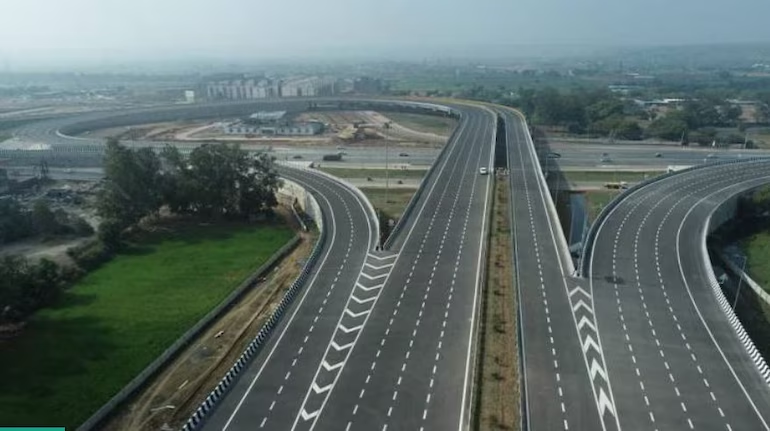
After nearly a decade of delays and setbacks, the Pardi Flyover in Nagpur, India is set to finally open on February 16, 2025. Originally conceived to ease congestion and enhance traffic flow in the eastern part of the city, the project has faced multiple obstacles, including financial constraints, contractor issues, and unforeseen structural failures.

The National Highways Authority of India (NHAI) has confirmed that the final touches, such as recarpeting, lighting, and safety installations, are being completed. This development comes as a much-needed relief for commuters who have endured prolonged inconvenience due to the construction delays.


Project Overview and Key Milestones

The Pardi Flyover Project has been one of the most ambitious infrastructure projects in Nagpur. However, its execution has been fraught with difficulties, leading to significant cost escalations and missed deadlines.

Key Details of the Project:

  • Initial Estimated Cost: ₹446 crore
  • Revised Cost: ₹650 crore
  • Total Length: 7.1 km
  • Bhoomipujan Ceremony: August 2014
  • Construction Start: June 2016
  • Original Completion Deadline: June 2019
  • Major Girders Collapse: October 2021
  • Partial Opening (Three Arms): September 2023
  • Final Opening Date: February 16, 2025

The project, initially slated for completion in 2019, suffered multiple delays due to structural failures and logistical hurdles. The most severe setback occurred in October 2021, when ten girders collapsed on the Kalamna arm, causing further delays and raising serious safety concerns.


Challenges Faced During Construction

1. Structural Failures and Design Issues

One of the most significant challenges in this project was the collapse of ten girders in October 2021, which led to a complete halt in construction for several months. Investigations revealed that poor material quality and engineering flaws contributed to the incident, forcing authorities to reassess the construction approach.

2. Budget Overruns and Delays

Originally budgeted at ₹446 crore, the final cost of the project has escalated to ₹650 crore, a 46% increase from the initial estimate. The primary reasons for this spike include inflation, revised safety measures, and structural modifications after the 2021 collapse.

3. Traffic Congestion and Commuter Inconvenience

For years, commuters traveling through Pardi, Kalamna, and Bhandara Road have suffered severe traffic congestion. The alternative roads beneath the flyover were riddled with potholes and uneven surfaces, making daily travel frustrating and unsafe.

4. Political and Administrative Delays

The project has also been marred by bureaucratic hurdles, contractor disputes, and changes in governance. Multiple shifts in administrative policies and fund allocations contributed to the extended timeline.


Impact of the Pardi Flyover Opening

With the full operational launch of the flyover on February 16, 2025, significant benefits are expected:

1. Improved Traffic Flow and Reduced Travel Time

The flyover is designed to decongest Pardi Junction, a critical traffic bottleneck in Nagpur. The direct connectivity it offers will cut travel time by 30-40% for daily commuters.

2. Enhanced Safety for Motorists and Pedestrians

The installation of high-mast LED lights, modern crash barriers, and designated pedestrian pathways will improve overall road safety. The flyover will also eliminate several accident-prone zones previously caused by potholes and uneven road conditions.

3. Economic Growth and Infrastructure Development

The completion of this project is expected to boost commercial activities in East Nagpur, particularly in areas like Kalamna, Bhandara Road, and Pardi. Improved connectivity will enhance trade and logistics for local businesses.

4. Reduced Pollution and Fuel Consumption

By alleviating congestion, the flyover will contribute to lower vehicle emissions and reduced fuel wastage, promoting an environmentally friendly urban transit system.


Final Touches Before the Grand Opening

As the inauguration date nears, the NHAI and local authorities are ensuring that all aspects of the project meet the necessary safety and quality standards. The final steps include:

  • Last-phase asphalt laying and recarpeting.
  • Installation of LED street lights for enhanced nighttime visibility.
  • Signage and lane markings to guide motorists.
  • Crash barriers and pedestrian crossings for safety.
  • Beautification of adjacent roads and underpasses.

Public Reaction and Expectations

Residents of Nagpur, particularly those who rely on Pardi Junction, have expressed a mix of relief and frustration. Many commuters have endured years of detours and extended travel times, leading to heightened anticipation for the flyover’s full opening.

Local Voices:

  • Rajesh Sharma, a daily commuter: “This project has been delayed far too long. But now that it’s finally opening, we hope it truly solves the traffic mess in this area.”
  • Anita Deshmukh, a shop owner near Pardi: “We’ve suffered losses because customers avoided this area due to road conditions. Hopefully, business will pick up now.”
  • Sunil Verma, a logistics operator: “Transporting goods through this route was a nightmare. The flyover will save us both time and fuel.”

The opening of the Pardi Flyover marks a milestone in Nagpur’s urban infrastructure development. While the journey to completion has been fraught with challenges, its operationalization will significantly enhance commuter convenience, road safety, and economic activity. As Nagpur continues to expand, such projects are crucial for ensuring a modern and efficient transportation network.

With the long-anticipated launch just days away, the Pardi Flyover is set to bring a new era of smooth and seamless connectivity to the people of Nagpur.

Nagpur Municipal Corporation’s Property Tax Recovery: A Race Against Time

NMC Property Tax Recovery: As the fiscal year draws to a close on March 31, 2025, the Nagpur Municipal Corporation (NMC) finds itself in a challenging position. With just over a month remaining, the civic body is striving to bridge a significant gap in its property tax collection target. Let’s delve into the current scenario, the strategies employed, and the road ahead for the NMC.

Current Collection Status

The NMC had set an ambitious property tax collection target of Rs. 350 crore for the 2024-25 fiscal year. As of now, the corporation has successfully collected Rs. 205 crore, leaving a shortfall of Rs. 145 crore. This gap underscores the urgency for intensified recovery efforts to meet the fiscal objectives.

Strategies Implemented for Recovery

To address the shortfall, the NMC has adopted several measures aimed at accelerating property tax recovery:

  1. Issuance of Warrants: The corporation has issued warrants to property owners with outstanding dues, signaling the seriousness of the recovery drive.

  2. Property Attachments: In cases of continued non-payment, the NMC has initiated the attachment of properties, a move that underscores the consequences of defaulting on tax obligations.

  3. Amnesty Schemes: To encourage taxpayers to clear their dues, the NMC introduced an amnesty scheme offering significant rebates. Property owners who paid their full property tax for FY 2024-25 online received a 10% rebate, while offline payments qualified for a 5% rebate.

Zone-Wise Recovery Analysis

A closer look at the zone-wise recovery reveals varying levels of compliance among property owners:

  • Nehru Nagar Zone: This zone recorded the highest collection, with Rs. 108.9 million contributed by 24,526 property owners.

  • Ashi Nagar Zone: Following closely, this zone saw a collection of Rs. 95.1 million.

  • Laxmi Nagar Zone: Property owners here contributed Rs. 87.2 million.

  • Dharampeth Zone: This zone reported the lowest collection, with Rs. 47 million from 5,820 taxpayers.

Challenges Faced

Despite the concerted efforts, the NMC faces several challenges in its tax recovery drive:

  • Taxpayer Reluctance: A significant number of property owners remain hesitant to clear their dues, necessitating more stringent enforcement measures.

  • Dependence on Traditional Payment Methods: Despite efforts to promote online payments, a majority of taxpayers continue to prefer traditional methods, which can slow down the collection process.

The Road Ahead

With the fiscal year-end approaching, the NMC is expected to ramp up its enforcement measures. This includes:

  • Intensified Recovery Drives: Continued issuance of warrants and property attachments to deter defaulters.

  • Legal Actions: Initiating legal proceedings against major defaulters to expedite recovery.

  • Public Awareness Campaigns: Educating property owners about the importance of timely tax payments and the benefits of availing rebate schemes.

The NMC’s efforts to recover property tax dues are crucial for maintaining and developing the city’s infrastructure and services. As the deadline approaches, it is imperative for property owners to fulfill their tax obligations, not only to avoid penalties but also to contribute to the city’s growth and development.

  1. What is the current property tax collection status of the NMC?

    As of now, the NMC has collected Rs. 205 crore against a target of Rs. 350 crore for the 2024-25 fiscal year.

  2. What measures has the NMC implemented to recover outstanding property taxes?

    The NMC has issued warrants, attached properties of defaulters, and introduced amnesty schemes offering rebates to encourage timely payments.

  3. Are there any rebates available for property tax payments?

    Yes, property owners who paid their full property tax for FY 2024-25 online received a 10% rebate, while offline payments qualified for a 5% rebate.

  4. What are the consequences of not paying property taxes on time?

    Defaulters may face property attachments, legal actions, and penalties, including a 2% monthly interest on outstanding dues.

  5. How can property owners pay their taxes?

    Taxes can be paid online via the NMC’s official website or by visiting the respective zone offices.

MSRTC Introduces Additional Buses for Mahashivratri Pilgrimage to Pachmarhi

Buses Nagpur Pachmarhi: Every year, Mahashivratri draws countless devotees to sacred sites across India. Recognizing the surge in pilgrim traffic, the Maharashtra State Road Transport Corporation (MSRTC) has announced plans to operate additional buses between Nagpur and Pachmarhi from February 18 to 27, 2025. This initiative aims to provide seamless travel for devotees heading to Pachmarhi’s revered Mahadev temple during the Mahashivratri celebrations.

Significance of Mahashivratri

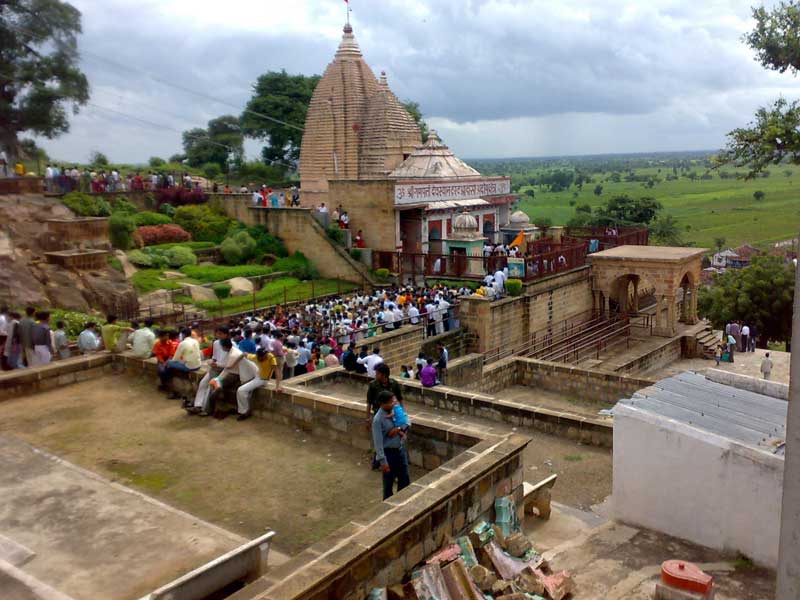
Mahashivratri, translating to “The Great Night of Shiva,” is a prominent Hindu festival dedicated to Lord Shiva. Celebrated with fervor, devotees observe fasts, chant prayers, and visit temples to seek blessings. Pachmarhi’s Mahadev temple becomes a focal point during this period, attracting worshippers from various regions.

Pachmarhi: The Spiritual Abode

Nestled in the Satpura range, Pachmarhi is not only a hill station but also a spiritual haven. The Mahadev temple, situated within a cave, holds immense religious significance. During Mahashivratri, the temple witnesses a substantial influx of devotees, leading to increased demand for transportation.

MSRTC’s Initiative

To cater to the anticipated rise in passengers, MSRTC has scheduled additional bus services between Nagpur and Pachmarhi from February 18 to 27, 2025. This move ensures that devotees have reliable and affordable transportation options during the festive period.

Departure Points in Nagpur

For the convenience of passengers, buses will depart from multiple locations in Nagpur:

  • Central Bus Stand, Ganeshpeth: A primary hub for MSRTC services, offering extensive connectivity.
  • Ghat Road Depot: Serving passengers from the northern parts of the city.
  • Imamwada Depot: Catering to travelers from the southern regions.
  • Wardhaman Nagar Depot: Convenient for residents in the eastern zones.

Benefits of the Additional Services

  • Enhanced Accessibility: Multiple departure points ensure that devotees from various parts of Nagpur can easily access the services.
  • Regulated Fares: The initiative aims to curb arbitrary pricing by private operators, offering standardized and affordable fares.
  • Safety and Reliability: MSRTC’s commitment to passenger safety ensures a secure journey for all travelers.

Booking and Reservations

Passengers can book tickets through the following methods:

  • Online Booking: Visit the official MSRTC website for reservations.
  • Mobile App: Utilize the MSRTC mobile application for convenient booking.
  • On-site Counters: Tickets can also be purchased at the departure depots.

MSRTC’s Commitment to Service

This initiative reflects MSRTC’s dedication to serving the public, especially during significant cultural and religious events. By providing additional services, the corporation ensures that devotees can partake in the Mahashivratri celebrations without transportation concerns.

MSRTC’s decision to introduce extra buses between Nagpur and Pachmarhi during Mahashivratri underscores its role in facilitating cultural and religious participation. Devotees are encouraged to utilize these services for a safe and comfortable journey to the Mahadev temple.

  1. What are the dates for the additional bus services to Pachmarhi?

    • The additional services will operate from February 18 to 27, 2025.
  2. Where can I board the bus in Nagpur?

    • Buses will depart from Central Bus Stand (Ganeshpeth), Ghat Road Depot, Imamwada Depot, and Wardhaman Nagar Depot.
  3. How can I book a ticket?

    • Tickets can be booked online via the MSRTC website, through the MSRTC mobile app, or at the departure depots.
  4. Will the fares be higher during this period?

    • No, MSRTC aims to provide standardized and affordable fares, preventing arbitrary pricing by private operators.
  5. Is it necessary to book in advance?

    • While not mandatory, advance booking is recommended to ensure seat availability during the festive period.

IndiGo’s Inaugural Direct Flight from Pune to Prayagraj Commences February 16

The anticipation is palpable as IndiGo Airlines prepares to launch its first-ever direct flight between Pune and Prayagraj on February 16, 2025. This development is particularly timely, as it will cater to the surge of travelers heading to the Maha Kumbh Mela.

Flight Schedule and Frequency

Operating six days a week, excluding Saturdays, the flight schedule is as follows:

  • Prayagraj to Pune (Flight 6E 2062): Departs at 11:10 AM, arriving in Pune at 1:10 PM.
  • Pune to Prayagraj (Flight 6E 2065): Departs at 2:00 PM, landing in Prayagraj at 4:10 PM.

This schedule offers flexibility and convenience for passengers traveling between these two significant cities.

Addressing the Demand of Maha Kumbh Mela Pilgrims

The Maha Kumbh Mela, renowned as one of the world’s largest religious gatherings, attracts millions of devotees. Recognizing the increased travel demand during this period, IndiGo’s introduction of a direct flight provides a seamless travel option for pilgrims from Pune and surrounding regions.

Competitive Edge in the Aviation Market

Before this launch, travelers between Pune and Prayagraj had to rely on flights with layovers, often leading to extended travel times. With IndiGo’s direct service, passengers can now enjoy a non-stop journey, reducing travel time and enhancing comfort. Competing airlines like Akasa Air, SpiceJet, and Air India currently offer flights on this route with layovers, making IndiGo’s offering particularly appealing.

Ticket Pricing and Booking Details

While IndiGo has yet to officially announce the fare structure, online booking platforms indicate that prices start at approximately ₹20,000. Passengers are encouraged to book early to secure seats, given the anticipated high demand during the Maha Kumbh Mela.

Potential Extension Beyond the Maha Kumbh Mela

Initially introduced to cater to the Maha Kumbh Mela crowd, there is speculation that IndiGo might continue this direct service beyond the event’s conclusion, depending on passenger demand and route performance.

Enhancing Connectivity Between Pune and Prayagraj

This new route not only facilitates religious tourism but also strengthens the cultural and economic ties between Pune and Prayagraj. Improved connectivity is expected to boost tourism, trade, and mutual understanding between the residents of these cities.

IndiGo’s Commitment to Passenger Convenience

IndiGo has consistently focused on expanding its network to meet passenger needs. The introduction of this direct flight underscores the airline’s dedication to providing efficient and convenient travel solutions, especially during significant cultural events.

Alternative Travel Options

For travelers who may not opt for air travel, traditional modes like trains and buses remain available. However, during events like the Maha Kumbh Mela, these modes often experience overcrowding and extended travel times, making the direct flight a more attractive option for many.

Cultural Significance of the Maha Kumbh Mela

The Maha Kumbh Mela holds profound spiritual importance, drawing participants from across the globe. The availability of direct flights enhances accessibility, allowing more individuals to partake in this sacred event without the challenges of prolonged travel.

Future Prospects for Air Travel in India

IndiGo’s proactive approach in launching new routes in response to passenger demand sets a precedent in the Indian aviation industry. As the country’s middle class grows and more individuals seek efficient travel options, such initiatives are likely to become more common.

Passenger Experience and Expectations

Travelers can anticipate IndiGo’s standard of service on this new route, including punctual departures, comfortable seating, and attentive in-flight service. The reduced travel time compared to connecting flights is a significant advantage for passengers.

Environmental Considerations

While air travel offers unparalleled convenience, it also raises environmental concerns. IndiGo has been exploring measures to reduce its carbon footprint, and passengers are encouraged to be mindful of their environmental impact when choosing their travel options.

Feedback and Continuous Improvement

IndiGo values passenger feedback and will likely monitor the performance of this new route closely. Traveler experiences and suggestions will play a crucial role in determining the future of this service and potential adjustments to better meet passenger needs.

IndiGo’s launch of the direct Pune-Prayagraj flight is a commendable step towards enhancing connectivity during a time of significant cultural importance. This initiative not only serves the immediate needs of Maha Kumbh Mela pilgrims but also sets the stage for future advancements in India’s domestic aviation sector.

  1. When does the direct Pune-Prayagraj flight commence?

    • The service begins on February 16, 2025.
  2. How often will the flights operate?

    • The flights will operate six days a week, excluding Saturdays.
  3. What are the flight timings?

    • Prayagraj to Pune: Departs at 11:10 AM, arrives at 1:10 PM.
    • Pune to Prayagraj: Departs at 2:00 PM, arrives at 4:10 PM.
  4. What is the starting fare for these flights?

    • Online bookings indicate prices starting at over ₹20,000.
  5. Will this direct flight service continue after the Maha Kumbh Mela?

    • While initially planned for the Maha Kumbh Mela, the continuation of the service will depend on passenger demand and other factors.
Exit mobile version