India vs Pakistan Live Screening in Nagpur: Check Out the Top Venues!

India vs Pakistan Live Screening Nagpur: The cricketing world is abuzz with anticipation as the arch-rivals, India and Pakistan, are set to face off on February 23, 2025, at the Dubai International Cricket Stadium. This high-stakes match is a highlight of the ICC Champions Trophy 2025, running from February 19 to March 9. Due to political considerations, all of India’s matches, including this one, are being held at a neutral venue in Dubai.

For cricket enthusiasts in Nagpur, the excitement doesn’t have to be confined to their living rooms. The city offers a plethora of venues that are organizing live screenings of the match, ensuring fans can experience the electrifying atmosphere in a communal setting. Below is a curated list of top spots in Nagpur where you can catch the live action: (India vs Pakistan Live Screening Nagpur)

1. Warehouse Cafe Nagpur, Medical Square

Located in the bustling area of Medical Square, Warehouse Cafe is known for its vibrant ambiance and large screens, making it an ideal spot to enjoy the match with fellow fans.

2. Dabo Nagpur, Wardha Road

Situated on Wardha Road, Dabo offers a cozy environment with excellent food and drink options, perfect for a relaxed yet enthusiastic match-watching experience.

3. Havana Highway Restro, Waroda Village

For those looking to escape the city’s hustle, Havana Highway Restro in Waroda Village provides a serene setting with live match screenings, combining the love of cricket with nature.

4. Raasta Nagpur, Dharampeth

Raasta, located in Dharampeth, is popular among the youth for its lively atmosphere and has made special arrangements to screen the India vs. Pakistan match live.

5. Agent Jacks Nagpur, Medical Square

Another gem in Medical Square, Agent Jacks, offers a unique ordering experience and has set up large screens to ensure fans don’t miss a single moment of the action.

6. Pablo Nagpur, Civil Lines

Pablo, situated in the upscale area of Civil Lines, combines elegance with enthusiasm, providing a premium match-viewing experience.

7. Dali The Art Cafe, Wardha Road

For art and cricket lovers alike, Dali The Art Cafe on Wardha Road offers a creative ambiance with live match screenings, making it a unique spot to enjoy the game.

8. Angels & Devils Restro, Hingna

Located in Hingna, Angels & Devils Restro caters to diverse palates and has arranged for live screening of the match, ensuring a delightful experience for all attendees.

9. The Spirited Spot, Dharampeth

A favorite among locals, The Spirited Spot in Dharampeth offers a spirited environment with multiple screens, ensuring every seat has a great view of the match.

10. Bella Vista Nagpur, Civil Lines

Bella Vista, nestled in Civil Lines, combines luxury with excitement, providing an upscale venue to watch the match live with fellow cricket enthusiasts.

11. Cyclone Modern Dine-In and Club, Dharampeth

Cyclone Modern Dine-In and Club in Dharampeth offers a modern dining experience with live match screenings, making it a perfect spot for families and friends.

12. Two Joes Nagpur, Abhyankar Nagar

Located in Abhyankar Nagar, Two Joes is known for its eclectic menu and has set up special screenings for the India vs. Pakistan match, ensuring fans have a memorable time.

13. The Atmosphere Nagpur, Amravati Road

The Atmosphere on Amravati Road offers an open-air experience with large screens, allowing fans to enjoy the match under the sky.

14. Puran Singh Jamtha, Jamtha

Situated near the cricket stadium in Jamtha, Puran Singh Jamtha provides an authentic local experience with live match screenings, perfect for die-hard cricket fans.

15. Drive-In Restaurant, Jamtha

For those who prefer watching the match from the comfort of their cars, the Drive-In Restaurant in Jamtha offers a unique drive-in screening experience.

16. The Nirvana Restaurant, Amravati Road

The Nirvana Restaurant on Amravati Road combines tranquility with excitement, providing a peaceful setting to enjoy the high-octane match.

17. Rahul Garden Restaurant, Suraburdi

Located in Suraburdi, Rahul Garden Restaurant offers a spacious environment with live match screenings, making it ideal for large groups.

18. Buzz of Bees, Wanadongri

Buzz of Bees in Wanadongri is known for its buzzing atmosphere and has made arrangements to screen the match live, ensuring fans have a buzzing good time.

19. Chakna Kitchen, Nandanvan

Chakna Kitchen in Nandanvan offers delectable dishes and live match screenings, making it a go-to spot for food and cricket lovers alike.

20. Gondwana Club Nagpur, Seminary Hills

Gondwana Club in Seminary Hills offers a premium environment with live match screenings, perfect for members and their guests to enjoy the game in style.

21. Ozone Restro Nagpur, Dharampeth

Ozone Restro in Dharampeth provides a lively atmosphere with multiple screens, ensuring fans don’t miss any action.

22. Masala Makhani, Wardha Road

Masala Makhani on Wardha Road offers a rich culinary experience with live match screenings, making it a delightful spot for families and friends.

23. Faba India, Gokulpeth

Faba India in Gokulpeth combines traditional flavors with modern amenities, providing live match screenings for an enjoyable experience.

24. The Beer Cafe Nagpur, Gokulpeth

The Beer Cafe in Gokulpeth is a haven for beer lovers and cricket fans, offering a wide selection of brews and live match screenings.

25. Liberty Family Restaurant, Sadar

Liberty Family Restaurant in Sadar offers a family-friendly environment with live match screenings, ensuring fans of all ages can enjoy the game together.

26. Penthaus Nagpur, Ganeshpeth

Penthaus in Ganeshpeth provides a rooftop experience with live match screenings, allowing fans to enjoy the game with a panoramic view of the city.

27. The Seven Hotel, Laxmi Nagar

The Seven Hotel in Laxmi Nagar offers a luxurious setting with live match screenings, perfect for those looking to enjoy the game in comfort and style.

28. Rana Punjabi Dhaba, Amravati Road

For fans craving authentic Punjabi cuisine alongside the match, Rana Punjabi Dhaba on Amravati Road offers live screenings in a rustic setting.

Important Considerations for Attendees

While these venues are gearing up to provide an exhilarating match-viewing experience, it’s essential to be aware of local regulations. In previous high-profile matches, such as during the Asia Cup in September 2023, the Nagpur Police issued notifications under Section 144 of the Criminal Procedure Code, prohibiting live public screenings without prior permission. Organizers were required to obtain No Objection Certificates (NOCs) from the police, Nagpur Municipal Corporation, and the fire department before hosting public screenings. These measures were implemented to maintain peace and ensure the safety of attendees

Pardi Flyover’s Long-Awaited Arms to Open for Traffic on Thursday

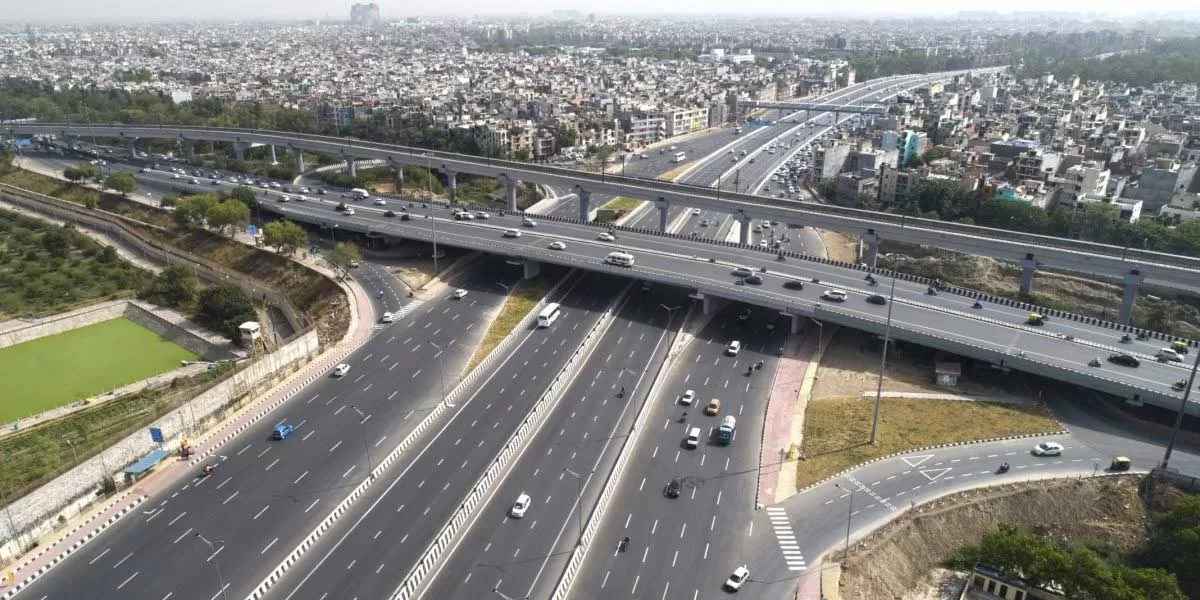
Nagpur: The residents of Nagpur have a reason to celebrate as the much-anticipated arms of the Pardi Flyover are set to open for vehicular movement this Thursday. This development marks the full completion of the Pardi Flyover project, including the Railway Over Bridge (RoB) and Railway Under Bridge (RuB), as announced by MLA Krishna Khopde.

Inauguration Ceremony Details

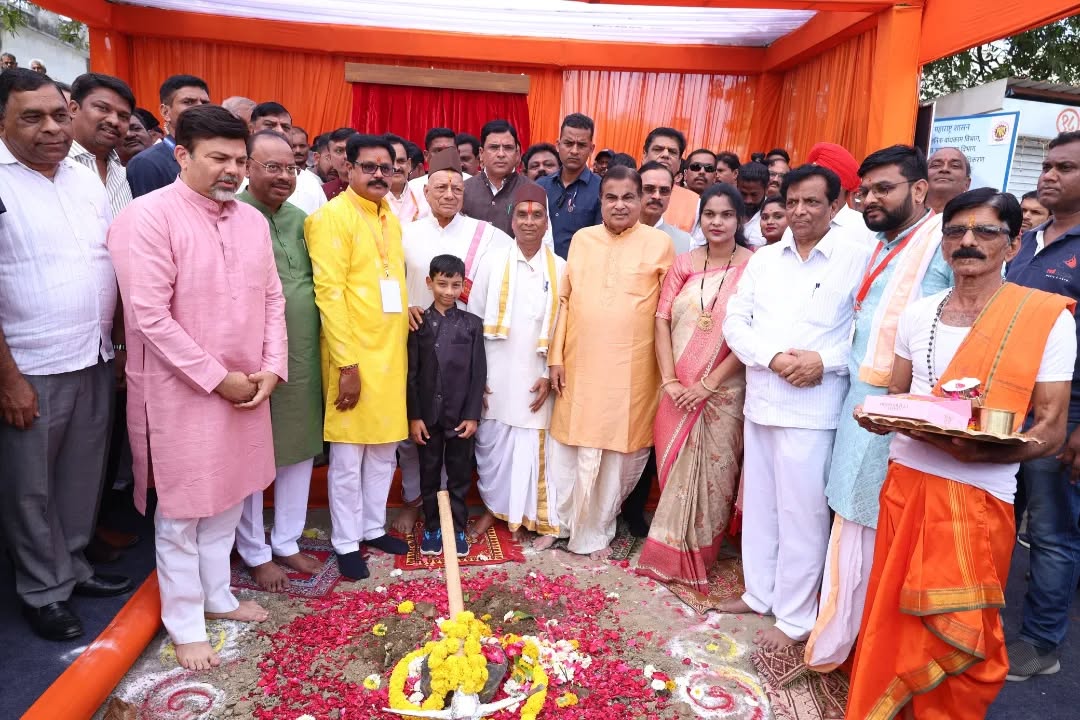
A formal inauguration ceremony is scheduled for 10:30 AM in front of D2D Super Bazar at Wardhaman Nagar. Esteemed citizens such as Purshottam Malu, Govind Poddar, and Raju Agrawal will join MLA Khopde in dedicating this infrastructure marvel to the public. Notably, just two days prior, Union Minister Nitin Gadkari and Chief Minister Devendra Fadnavis conducted a trial run on the newly completed flyover arms, signaling their readiness for public use.

Alleviating Traffic Woes at Pardi Junction

Historical Traffic Challenges

Pardi Junction, situated on Bhandara Road, has long been a bottleneck for commuters. The proximity to the Agriculture Produce Market Committee (APMC) mega market in Kalamna and the Small Factory Area on Bhandara Road results in continuous heavy vehicle movement. This influx has historically led to severe traffic congestion, making daily commutes a daunting task for residents and traders alike.

Strategic Importance of the Flyover

The Pardi Flyover serves as a critical infrastructure project aimed at decongesting this pivotal junction. By providing elevated pathways, the flyover facilitates smoother traffic flow, effectively segregating heavy vehicles from regular commuter traffic. This separation is expected to reduce travel time and enhance road safety for all users.

Project Execution and Challenges

Role of the National Highway Authority of India (NHAI)

Entrusted with the mission to streamline traffic movement and offer relief to commuters, the National Highway Authority of India (NHAI) spearheaded the Pardi Flyover Nagpur project. Their mandate was to design and execute a solution that addressed the unique traffic dynamics of the region.

Design Modifications and Land Acquisition Hurdles

The project was not without its challenges. The original design underwent multiple revisions to better align with on-ground realities and stakeholder feedback. Additionally, delays in acquiring private land parcels essential for the flyover’s construction further extended the project’s timeline. These hurdles, while significant, were systematically addressed to bring the project to fruition.

Key Features of the Pardi Flyover

Structural Highlights

  • Length and Design: The flyover spans a considerable length, incorporating modern engineering techniques to ensure durability and functionality.
  • Connectivity: It boasts arms leading towards Wardhaman Nagar and Wathoda Ring Road, enhancing connectivity to these vital areas.

Safety Measures

  • Railway Over Bridge (RoB) and Under Bridge (RuB): These components ensure uninterrupted traffic flow over and under railway tracks, minimizing potential collision points.
  • Advanced Signage and Lighting: The flyover is equipped with state-of-the-art signage and lighting systems to guide drivers effectively, especially during nighttime.

Anticipated Benefits to the Community

Economic Upliftment

The improved traffic flow is expected to boost local businesses by facilitating easier access to markets and reducing transportation costs. Traders and merchants operating in the APMC mega market and Small Factory Area stand to gain significantly from the reduced congestion.

Enhanced Quality of Life

Residents will experience shorter commute times, leading to increased personal time and reduced vehicular emissions. This development is poised to contribute positively to the overall quality of life in the region.

Comparative Analysis: Pardi Flyover and Other Indian Flyovers

Kanakadurga Flyover, Vijayawada

The Kanakadurga Flyover in Vijayawada, spanning 2.6 km, was inaugurated in 2020 to address traffic congestion near the Kanaka Durga Temple. Similar to the Pardi Flyover, it aimed to decongest a critical junction, enhancing commuter experience.

Maa Flyover, Kolkata

Opened in 2015, the 7.5 km Maa Flyover connects EM Bypass with Park Circus 7-Point Crossing in Kolkata. Its primary objective was to streamline traffic flow in a densely populated urban area, much like the goals set for the Pardi Flyover.

Community Reactions and Future Outlook

Public Sentiment

The inauguration of the Pardi Flyover has been met with widespread approval from local residents, business owners, and daily commuters. Many express optimism that this development will herald a new era of growth and convenience for the region.

Long-Term Projections

Looking ahead, the flyover is expected to serve as a catalyst for further infrastructural developments in Nagpur. Its successful completion sets a precedent for future projects aimed at urban improvement and economic development.

The opening of the Pardi Flyover’s arms is a monumental milestone for Nagpur, promising to alleviate longstanding traffic issues and foster economic growth. As vehicles begin to traverse this new pathway, the city moves towards a future of enhanced connectivity and prosperity.

1. What is the primary purpose of the Pardi Flyover?

The Pardi Flyover aims to decongest the heavily trafficked Pardi Junction on Bhandara Road, facilitating smoother traffic flow and reducing commute times.

2. Who were the key figures involved in the inauguration?

The inauguration ceremony featured MLA Krishna Khopde, Union Minister Nitin Gadkari, Chief Minister Devendra Fadnavis, and esteemed citizens like Purshottam Malu, Govind Poddar, and Raju Agrawal.

3. What challenges did the project face during its execution?

The project encountered challenges such as multiple design revisions and delays in private land acquisition, which extended the completion timeline.

4. How does the Pardi Flyover compare to other flyovers in India?

Similar to the Kanakadurga Flyover in Vijayawada and the Maa Flyover in Kolkata, the Pardi Flyover addresses critical traffic congestion issues, enhancing urban mobility.

5. What benefits can the local community expect from the flyover?

Residents and businesses can anticipate reduced travel times, improved road safety, and economic upliftment due to enhanced connectivity and reduced transportation costs.

Nagpur Airport Runway Recarpeting Nears Completion, Handover to GMR Expected in April

The re-carpeting of the runway at Nagpur Airport is progressing swiftly, with the second layer almost complete and the third layer set to begin within two weeks. However, occasional disruptions occur due to VIP landings on special occasions, slightly affecting the project’s pace.

Progress of Runway Recarpeting

According to airport sources, if the scheduled eight-hour daily work period had been consistently maintained, the runway recarpeting could have been completed by the end of February. The Airports Authority of India (AAI) has assured that the project will be finished by March 31, though the current pace suggests it might be completed a few days ahead of schedule. The new layers have provided the runway with a smoother and shinier surface, enhancing safety and operational efficiency.

Challenges Faced During Recarpeting

Despite the steady progress, the project has faced occasional disruptions. VIP landings on special occasions have necessitated temporary halts in the work, slightly affecting the project’s pace. Maintaining a consistent eight-hour daily work schedule has been challenging, contributing to delays.

Airport Handover to GMR in April

Following the completion of recarpeting in March, Mihan India Limited (MIL) is expected to finalize the necessary documentation by April. As per MIL sources, the airport could be handed over to GMR in April, marking a significant step in the airport’s upgradation to world-class standards.

GMR’s Role in Nagpur Airport’s Development

GMR, which operates several major airports in India, has been entrusted with expanding flight operations from Nagpur. As part of this expansion, plans include the construction of a second runway, which will be 4,000 meters long and 60 meters wide, located within the MIHAN area. Additionally, land has been reserved near this runway for the Nagpur Flying Club, aiming to enhance training flight activities.

Enhancing Safety and Operational Efficiency

The recarpeting project is not just about giving the runway a facelift; it’s a critical measure to enhance safety and operational efficiency. The new layers provide a smoother surface, reducing wear and tear on aircraft and minimizing the risk of foreign object debris.

Community and Economic Impact

The airport’s upgrade is poised to have a positive impact on the local community and economy. Improved infrastructure can attract more airlines and passengers, leading to increased business opportunities and job creation in the region.

Environmental Considerations

While development is essential, it’s crucial to balance it with environmental considerations. The construction of the second runway and other expansions will adhere to environmental guidelines to minimize ecological impact.

Future Prospects

With GMR at the helm, Nagpur Airport is set to transform into a major aviation hub. The planned expansions and upgrades will position it as a key player in the region’s air travel landscape.

The ongoing recarpeting of Nagpur Airport’s runway is nearing completion, with the handover to GMR expected in April. This development marks a significant milestone in enhancing the airport’s infrastructure, safety, and operational efficiency, paving the way for future growth and expansion.

  1. What is the expected completion date for the runway recarpeting at Nagpur Airport?

    • The recarpeting is expected to be completed by March 31, with the possibility of finishing ahead of schedule.
  2. Why have there been delays in the recarpeting project?

    • Occasional VIP landings have caused temporary disruptions, affecting the project’s pace.
  3. What are GMR’s plans for Nagpur Airport after the handover?

    • GMR plans to expand flight operations, including constructing a second runway and enhancing training facilities.
  4. How will the airport’s upgrade impact the local community?

    • The upgrade is expected to boost the local economy by attracting more airlines and passengers, leading to increased business opportunities and job creation.
  5. What measures are being taken to address environmental concerns during the expansion?

    • The construction and expansion plans will adhere to environmental guidelines to minimize ecological impact.

Mumbai-Nagpur Expressway Nears Completion: 76-km Igatpuri-Amane Stretch to Open in March

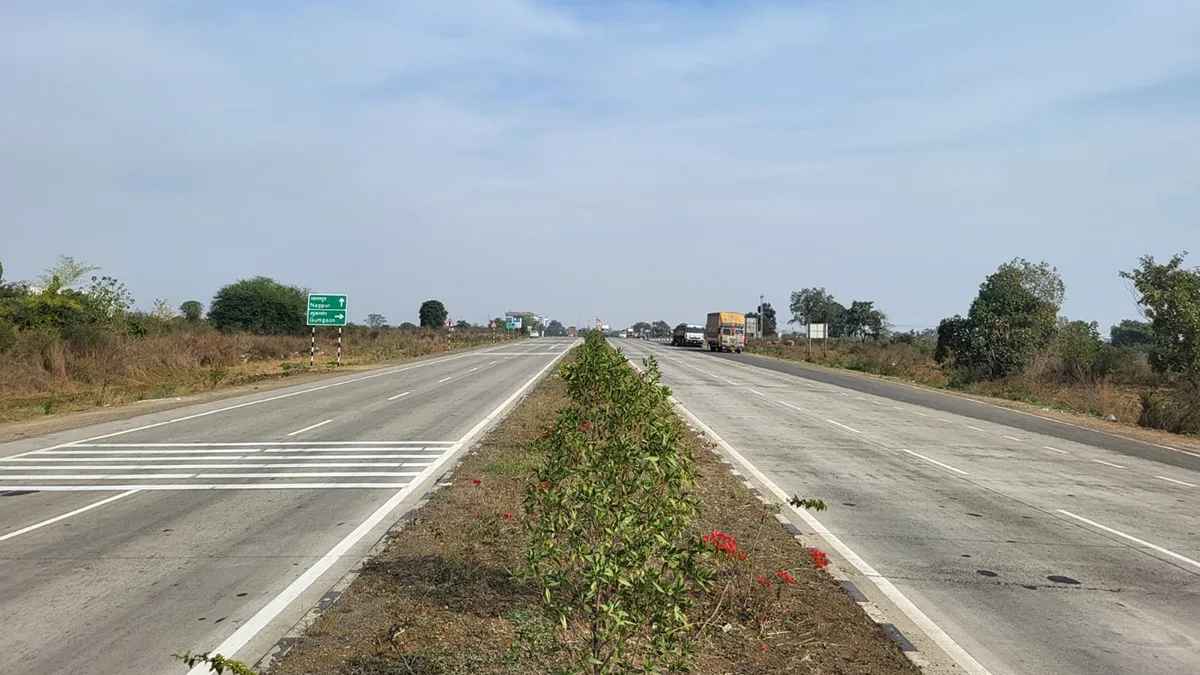
The much-anticipated Mumbai-Nagpur Expressway is nearing completion, marking a major milestone in Maharashtra’s infrastructure development. The 76-km stretch from Igatpuri to Amane is set to open by March, significantly reducing travel time and improving connectivity between Mumbai and Nagpur. According to the Maharashtra State Road Development Corporation (MSRDC), final preparations, including lane markings and painting, will be completed by the end of February.

Step-by-Step Development of the Mumbai-Nagpur Expressway

The Mumbai-Nagpur Expressway, officially known as the Hindu Hrudaysamrat Balasaheb Thackeray Maharashtra Samruddhi Mahamarg, has been opening in phases since December 2022:

  • December 2022: The first 520 km from Nagpur to Shirdi was inaugurated by Prime Minister Narendra Modi.
  • May 2023: A 105-km stretch from Shirdi to Bharvir was opened to the public.
  • March 2024: A 25-km section leading to Igatpuri became operational.
  • March 2025 (Upcoming): The Igatpuri-Amane stretch is set to open, completing a significant portion of the project.

With the imminent Bhiwandi extension, the expressway will connect directly to Mumbai, ensuring smoother travel and reduced congestion.

A Game-Changer for Transportation in Maharashtra

The Mumbai-Nagpur Expressway, launched in 2015 and under construction since February 2019, is designed to be one of India’s fastest expressways, supporting speeds up to 150 kmph. Built in 16 sections, the project is expected to revolutionize long-distance travel in Maharashtra by:

  • Reducing travel time between Mumbai and Nagpur from 16 hours to 8 hours.
  • Enhancing road safety with features such as wildlife underpasses, pedestrian crossings, and dedicated flyovers.
  • Boosting economic growth by facilitating faster transportation of goods and passengers.

Additionally, MSRDC has implemented a 40-year toll system to recover the project costs while maintaining world-class infrastructure standards.

Modern Facilities and Passenger Convenience

To enhance traveler comfort, MSRDC is developing ten service areas along the expressway. These facilities will include:

  • Fuel stations for uninterrupted long-distance travel.
  • Food courts and restaurants catering to diverse preferences.
  • Rest areas and toilets ensuring comfort and hygiene.

These amenities will make long journeys more convenient, encouraging greater use of the expressway.

Final Preparations Before the Igatpuri-Amane Section Opening

The Igatpuri-Amane section, initially scheduled for late 2024, faced delays due to political and administrative hurdles. However, MSRDC has prioritized completing the remaining work before opening the stretch to ensure a seamless experience for commuters.

Currently, the expressway extends from Igatpuri to Nagpur, covering 625 km. Upon completion, the new Igatpuri-Amane segment will integrate with the Mumbai-Vadodara Expressway, providing a crucial link to Jawaharlal Nehru Port and Gujarat.

Bhiwandi Extension: A Major Milestone

A key upcoming development is the Bhiwandi extension, which will:

  • Eliminate bottlenecks caused by temporary detours.
  • Provide direct access between Mumbai and the expressway.
  • Further reduce travel time, ensuring faster logistics movement.

This extension is expected to boost industrial and commercial activities along the corridor, making Maharashtra’s transport network even more efficient.

Economic and Environmental Impact

The Mumbai-Nagpur Expressway is set to create a significant economic impact by:

  • Facilitating industrial growth in key regions such as Nashik, Aurangabad, and Amravati.
  • Encouraging investments in logistics hubs along the corridor.
  • Reducing fuel consumption and carbon emissions through efficient traffic movement.

Additionally, the expressway integrates green initiatives, including solar-powered lighting and extensive tree plantations, contributing to sustainable development.

The Mumbai-Nagpur Expressway is poised to transform Maharashtra’s transportation landscape. With the Igatpuri-Amane stretch opening in March and the Bhiwandi extension underway, commuters and businesses will experience unparalleled connectivity, reduced travel times, and enhanced road safety. As MSRDC completes the final stages, Maharashtra is set to witness one of India’s most ambitious and impactful infrastructure projects come to life.

Nagpur Couple Replicates Kashmir’s Climate to Grow Saffron, Earns Rs 50 Lakh Annually

Grow saffron in Nagpur: In an extraordinary feat of innovation and determination, a Nagpur-based couple has successfully cultivated saffron, the world’s most expensive spice, using an aeroponic technique that requires neither soil nor water. In a city known for its scorching temperatures, Akshay Holey and Divya Lohakare Holey have recreated the cool climate of Kashmir within their 400-square-foot apartment, yielding an impressive annual revenue of Rs 50 lakh.

Pioneering Aeroponic Saffron Farming in Nagpur

Saffron farming has traditionally been confined to the cold terrains of Kashmir, Iran, and Spain, where specific climatic conditions allow the delicate Crocus sativus flowers to flourish. However, Akshay, a BBA graduate, and his wife Divya, a banking professional, decided to challenge convention. They spent over three-and-a-half months in Kashmir over two years, mastering the nuances of traditional saffron farming before setting up their own high-tech aeroponic system.

How the Journey Began

Their journey started in 2020 when they launched a small 80-square-foot vertical farming unit on their terrace in Lok Sewa Nagar, Nagpur. Their initial investment was 100 saffron corms (around 1 kg), which yielded only a few grams of saffron. Undeterred by the modest outcome, they expanded their investment, purchasing 350 kg of saffron corms and setting up a larger 400-square-foot unit in Hingna.

Scaling Up for Massive Success | Grow saffron in Nagpur

Through meticulous research and refinement of their aeroponic method, the couple scaled their production exponentially. By 2023, their total cultivation area expanded to 480 square meters across multiple locations. The results were astounding—

  • Their annual saffron production reached 1,600 grams.
  • They established partnerships with 29 other farmers, who successfully set up their own units across Maharashtra.
  • They trained over 150 individuals in aeroponic saffron cultivation, charging Rs 15,000 per participant.
  • Their total production, including partner farms, hit 45 kg last year.

High-Profit Margins with Minimal Costs

One of the most significant advantages of aeroponic saffron farming is its cost-efficiency. Unlike traditional farming, which requires vast land, water, and fertilizers, their system operates with minimal overhead:

  • One-time investment of Rs 10 lakh for a 100-square-foot unit
  • Annual yield valued at Rs 5 lakh per 100-square-foot unit
  • No recurring expenses on water, soil, or fertilizers
  • Solar power eliminates electricity costs
  • Self-sufficient farming model with no need for hired labor

With these advantages, the couple maintains an 80% profit margin, making saffron cultivation an incredibly lucrative venture.

The Science Behind Aeroponic Saffron Farming

Aeroponics is a soilless cultivation method where plants grow in an air or mist environment without soil. The system involves:

  1. Suspending saffron corms in a controlled chamber.
  2. Providing essential nutrients via nutrient-rich mist.
  3. Maintaining temperature and humidity similar to Kashmir.
  4. Using LED lighting to regulate growth cycles.

This precision farming technique ensures higher yields, minimal waste, and year-round production, making saffron cultivation possible even in extreme climates like Nagpur.

Quality and Market Value of Their Saffron | Grow saffron in Nagpur

The saffron produced by Akshay and Divya is graded by the Saffron Institute of Kashmir, ensuring premium quality. Their saffron sells for Rs 630 per gram, a competitive rate in the high-value saffron market.

Additionally, since saffron is harvested only once a year (August-December), their strategic approach includes cultivating seeds throughout the year to maintain a steady production cycle.

Sustainable and Future-Proof Farming

Apart from financial success, their saffron farming model promotes sustainable agricultural practices:

  • Zero water wastage, as aeroponics uses 95% less water than traditional methods.
  • No synthetic fertilizers or pesticides, resulting in pure organic saffron.
  • Machinery designed to last 20-25 years, ensuring long-term sustainability.
  • Empowering other farmers and entrepreneurs through training and mentorship.

Investment vs. Returns – Why Aeroponic Saffron Farming is Lucrative

The financials of aeroponic saffron farming make it an attractive investment:

Investment Yield Annual Revenue ROI Period
Rs 10 lakh 1 kg saffron Rs 5 lakh 2 years
Rs 55 lakh 8 kg saffron Rs 40-50 lakh 1.5 years

Since 2020, Akshay and Divya have invested Rs 55 lakh and have already earned Rs 1.3 crore, with the majority of profits generated in the last two years. The high demand for saffron, coupled with their low-cost, high-yield model, makes this an ideal agricultural business.

Encouraging a New Wave of Urban Farmers

The success of this Nagpur-based saffron farming venture is paving the way for other aspiring farmers and entrepreneurs. The couple offers a full-fledged training program, equipping new growers with the knowledge and tools to start their own aeroponic saffron farms.

By combining traditional knowledge with modern technology, Akshay and Divya have achieved what many thought impossible—growing saffron in a city where summer temperatures exceed 45°C. Their inspiring journey demonstrates that innovation in agriculture can break geographical barriers and open doors to lucrative, sustainable businesses.

Nagpur’s Historic Ganjipeth Fire Station Set for Major Overhaul

Nagpur first fire station, the British-era Ganjipeth Fire Station, is set for a significant overhaul. Built in 1927, the 1,700 sq m facility has played a crucial role in protecting densely populated areas like Mahal, Gandhibagh, and Mominpura. However, the structure has deteriorated over time, necessitating urgent reconstruction. The Nagpur Municipal Corporation (NMC) has now stepped in to revamp the fire station into a state-of-the-art facility.

A Glimpse Into History: The Ganjipeth Fire Station

A Legacy of Nearly a Century

The Ganjipeth Fire Station has been a key component of Nagpur’s emergency response system for nearly a century. Established in 1927, it was the city’s first fire station and has since remained a pillar of fire safety.

Strategic Location for Maximum Efficiency

Positioned centrally, the fire station has provided quick access to crucial areas, ensuring rapid emergency responses.

Why the Overhaul is Necessary

Structural Deterioration Over Time

Years of wear and tear have left the fire station in a dilapidated condition. The existing infrastructure is no longer sufficient to handle modern firefighting demands.

Expanding Capacity and Modernization

The station currently accommodates only three fire engines. With the growing urban sprawl, increasing this capacity is essential for better emergency response.

NMC’s Vision for Transformation

State-of-the-Art Facilities

NMC commissioner Abhijeet Chaudhari has directed officials to propose a comprehensive redevelopment plan. The new facility will house:

  • A ground floor and an additional level.
  • Space to accommodate four fire engines.
  • An upgraded office and firefighter amenities.

First-of-its-Kind Fire Station-Cum-Commercial Complex

In a unique initiative, the existing Ganeshpeth Fire Station at Jadhav Square will be redeveloped into a seven-story fire station-cum-commercial building at an estimated cost of ₹62 crore. This marks the first such integration in Nagpur.

Execution Under DBFOS Model

The redevelopment will follow the Design, Build, Finance, Operate, and Sale (DBFOS) model to ensure efficient and sustainable execution.

Implications of the Redevelopment

Enhanced Fire Response Efficiency

With additional capacity and modern technology, the revamped fire station will significantly improve emergency response times.

Improved Working Conditions for Firefighters

Firefighters will benefit from upgraded quarters, better equipment, and enhanced workspaces.

Commercial Benefits for the City

The integration of a commercial complex will generate revenue, contributing to the city’s development.

Key Officials Behind the Project

Leadership and Decision-Making

The project has been closely monitored by:

  • Abhijeet Chaudhari (NMC Commissioner & Administrator)
  • Ajay Charathankar (Additional Commissioner)
  • Ashok Garate & Ganesh Rathod (Deputy Commissioners)
  • Manoj Talewar (Superintendent Engineer)
  • BP Chandankhede (Officiating Chief Fire Officer)

Project Inspection and Planning

During a recent inspection, officials reviewed the station’s infrastructure, ensuring a well-structured proposal for its redevelopment.

Challenges and Roadblocks

Funding and Budget Allocation

A project of this scale requires substantial funding. Ensuring seamless allocation and execution within budget constraints is critical.

Managing the Transition Period

Fire safety operations must continue smoothly while the station undergoes redevelopment.

Balancing Commercial and Safety Interests

The integration of a commercial space must not compromise the fire station’s operational efficiency.

The overhaul of the historic Ganjipeth Fire Station is a milestone in Nagpur’s fire safety infrastructure. The project’s success will set a precedent for future urban redevelopment initiatives, ensuring that the city keeps pace with modern safety standards while optimizing space for commercial growth.

1. Why is the Ganjipeth Fire Station being redeveloped?

The station has deteriorated over time, and the infrastructure needs modernization to meet current fire safety demands.

2. What improvements will the new fire station include?

The station will have increased capacity for fire engines, upgraded facilities for firefighters, and improved emergency response mechanisms.

3. What is unique about the Ganeshpeth Fire Station redevelopment?

It will be Nagpur first fire station integrated with a commercial complex, optimizing urban space.

4. How will the redevelopment impact Nagpur’s firefighting efficiency?

The upgraded infrastructure will enhance response times and improve operational effectiveness in high-risk areas.

5. When is the redevelopment expected to be completed?

While timelines haven’t been finalized, the NMC has emphasized swift action, aiming for completion within the next few years.

Ambazari Bridge to Open for Public on April 1: Govt to HC

The long-awaited opening of the Ambazari Bridge in Nagpur has been officially announced. According to an affidavit presented in the Nagpur Bench of the Bombay High Court, the bridge will be fully operational for public use starting April 1, 2025. This announcement follows years of construction delays, bureaucratic hurdles, and public inconvenience. The Public Works Department (PWD) and Maharashtra State Electricity Transmission Company Limited (MSETCL) have assured the completion of all pending works by March 31, 2025.


Project Background and Timeline

Why Was the Bridge Delayed?

The construction of the Ambazari Bridge faced repeated delays due to multiple factors, including:

  • Shifting of 132KV High-Tension Cables – A crucial factor in the delay was the relocation of these power lines.
  • Lack of Timely Funds – The government had not sanctioned the necessary budget on time.
  • Bureaucratic Approvals – Coordination between multiple agencies led to unnecessary lags.

Court’s Intervention

The Nagpur Bench of Bombay HC took note of the persistent delays and issued strong directives to expedite the project. The court emphasized that prolonged construction was leading to severe traffic congestion near the Vivekananda Memorial at Ambazari Lake, creating daily challenges for commuters.


Breakthrough Decisions and Final Steps

Government’s Commitment to Completion

After continuous pressure from the High Court, the state government finally sanctioned ₹3.77 crore for the relocation of high-tension cables. These funds were directed to MSETCL, allowing them to complete the relocation process without further hindrance.

Key Meetings and Progress Reports

A high-power committee meeting was held on February 10, 2025, under the leadership of Additional Divisional Commissioner Madhavi Khode Chaware. In this meeting, the officials from PWD, MSETCL, the Irrigation Department, and the Nagpur Municipal Corporation (NMC) reviewed the project status and committed to an April 1 deadline.


Impact on Traffic and Commuters

Traffic Congestion Challenges

The delay in opening the Ambazari Bridge led to:

  • Increased congestion on alternative routes
  • Longer travel times for daily commuters
  • Unsafe conditions for pedestrians

Expected Relief After Opening

With the full opening of the bridge, commuters can expect:

  • Smoother traffic flow
  • Reduced travel time
  • Improved safety for vehicles and pedestrians

Structural Enhancements and Flood Control Measures

Flood Mitigation Efforts

The Central Water and Power Research Station (CWPRS) conducted an independent study that ruled out the Swami Vivekananda statue as a cause of flash floods in Nagpur. Instead, their report pointed out that limited passage beneath the old bridge was a primary reason for water overflow during heavy rains.

To prevent future flooding, authorities have introduced:

  • Enhanced water drainage mechanisms
  • Improved flood mitigation barriers

Strengthening of the Ambazari Dam

The Irrigation Department confirmed that 95% of dam-strengthening work is completed, with the remaining work set to finish by March 31.


Lessons Learned and Future Infrastructure Plans

Avoiding Future Delays

One of the key takeaways from this project is the importance of inter-departmental coordination. The high-power committee has recommended:

  • Better project oversight to ensure future timelines are met
  • Proactive problem-solving measures to avoid bureaucratic roadblocks
  • Regular updates to the public on large-scale projects

Upcoming Infrastructure Projects in Nagpur

With the successful completion of Ambazari Bridge, the government aims to focus on:

  • Upgrading road networks to support the increasing population
  • Expanding flyovers to reduce congestion in high-traffic areas
  • Improving public transport connectivity

After years of delays, the much-needed Ambazari Bridge will finally open to the public on April 1, 2025. The project faced multiple obstacles, from fund shortages to bureaucratic hurdles, but judicial intervention and public pressure ensured its completion. Commuters can now look forward to smoother travel and reduced congestion in the area. Moving forward, it is crucial for authorities to learn from these delays and implement better planning strategies to prevent similar setbacks in future projects.


1. When will the Ambazari Bridge open?

The bridge will be fully open for public use on April 1, 2025.

2. Why was the bridge construction delayed?

The project faced delays due to funding issues, bureaucratic approvals, and the relocation of high-tension power cables.

3. How will the bridge impact traffic in Nagpur?

Once open, the bridge will reduce congestion, cut down travel time, and improve road safety in the area.

4. What measures were taken to prevent flooding near the bridge?

The CWPRS study identified water drainage issues, leading to the construction of flood mitigation barriers to prevent future flooding.

5. What lessons have been learned from this project?

The project highlighted the importance of timely funding, better inter-departmental coordination, and proactive problem-solving to prevent unnecessary delays.

IIM Nagpur Signs MoU with Skyline University College, Sharjah

The Indian Institute of Management Nagpur (IIM-N) has taken a significant step in expanding its global academic network by signing a Memorandum of Understanding (MoU) with Skyline University College (SUC), Sharjah. This strategic collaboration aims to foster academic excellence, research innovation, and industrial expertise between the two institutions, benefiting students and faculty alike.

A Historic Collaboration

On this momentous occasion, IIM-N Director Bhimaraya Metri and SUC Vice-Chancellor Professor Mohd In’iarat officially signed the MoU. The event was attended by notable dignitaries, including Professors Prashant Gupta, Shailendra Nigam, Naseem Abidi, Kamil Agha, and Mohd Rasheed Khalid, marking a new milestone in educational partnerships.

The Vision Behind the MoU

The primary objective of this partnership is to establish a knowledge-based society by integrating cultural and academic diversity. This agreement will create an ecosystem that encourages innovation, promotes research, and enhances academic engagement across borders.

Key Highlights of the MoU

  • Student and Faculty Exchange Programs: Enabling immersive learning experiences across both institutions.
  • Collaborative Research Projects: Encouraging joint research initiatives to address global challenges.
  • Executive Education Programs: Offering skill-enhancing programs tailored for professionals.
  • Industry-Academia Collaboration: Bridging the gap between academic learning and industry requirements.

What This Means for Students and Faculty

Broader Learning Opportunities

Students will now have the chance to explore international education perspectives, gaining insights into global business and management strategies. The exchange programs will provide hands-on exposure to new learning methodologies.

Joint Research Initiatives

Faculty from both institutions will collaborate on interdisciplinary research, addressing industry-specific problems and contributing to global knowledge development.

Global Networking

This partnership enhances networking opportunities, allowing students and faculty to connect with industry experts, researchers, and academicians across the world.

Why This MoU is a Game-Changer?

Enhancing Cross-Cultural Learning

With Skyline University College being a hub of cultural diversity, IIM Nagpur students will gain exposure to varied educational approaches, fostering a more inclusive learning environment.

Industry-Aligned Education

By combining the academic strength of IIM Nagpur with the regional expertise of SUC, students will benefit from a curriculum that is both academically rigorous and industry-relevant.

Strengthening India-UAE Educational Ties

This agreement signifies a crucial step in fortifying educational relations between India and the UAE, paving the way for future collaborations.

Future Prospects

The partnership is expected to lead to further initiatives, such as:

  • Co-branded certification courses
  • International business case study development
  • Internship and placement collaborations
  • Joint academic conferences and seminars

The MoU between IIM Nagpur and Skyline University College, Sharjah, is a strategic initiative that will revolutionize the academic landscape for both institutions. By fostering student and faculty exchange, joint research, and industry-academic collaborations, this partnership is poised to create a dynamic learning environment. The collaboration reflects a forward-thinking approach to education, empowering future leaders with global perspectives and expertise.

Frequently Asked Questions (FAQs)

1. What is the main objective of the MoU between IIM Nagpur and Skyline University College?

The MoU aims to enhance academic collaboration, research initiatives, and student-faculty exchange programs between the two institutions.

2. How will students benefit from this partnership?

Students will gain international exposure, access to diverse learning methodologies, and better career opportunities through networking and industry connections.

3. What are the research collaboration opportunities under this MoU?

Faculty from both institutions will engage in interdisciplinary research projects, contributing to global knowledge and solving industry-related challenges.

4. Will there be joint certification programs?

Yes, the partnership paves the way for co-branded certification courses, executive education programs, and industry-aligned training sessions.

5. How does this MoU impact educational relations between India and the UAE?

This agreement strengthens educational ties between the two nations, promoting knowledge exchange, research collaboration, and academic excellence.

Pilot Training Centre at Amravati Airport to Open Soon

A major development in the Indian aviation sector is set to take flight! The much-anticipated pilot training centre at Amravati Airport is scheduled to commence operations in July this year. Spearheaded by Tata Group’s Air India, this training hub will offer commercial pilot training at Belora Airport in Amravati. With an intake capacity of 180 trainees, the project positions Amravati as a critical player on India’s aviation map. The existing airport is undergoing rapid development, making this training centre the largest in Maharashtra.

Key Highlights of the Pilot Training Centre

  • Location: Belora Airport, Amravati
  • Launch Date: Expected in July this year
  • Capacity: 180 trainees
  • Total Area: 10 acres
  • Facilities: Administrative wing, hostel for trainees
  • Development Authorities: Maharashtra Airport Development Company & Air India Pilot Training Centre

Why Amravati?

Amravati, a fast-growing city in Maharashtra, is strategically located to host the state’s biggest pilot training centre. The availability of land, a developing aviation infrastructure, and government support make it an ideal choice. With the aviation industry expanding rapidly, the demand for trained pilots is at an all-time high.

Project Overview: A Game Changer for Aviation

The training centre, spanning 10 acres, will include a dedicated administrative wing and hostel facilities for students. This initiative is a collaboration between the Maharashtra Airport Development Company (MADC) and Air India Pilot Training Centre, aiming to bolster India’s aviation sector.

1. Infrastructure & Facilities

  • Modern training simulators for hands-on learning
  • Spacious classrooms with advanced aviation technology
  • Dedicated airstrip for pilot training
  • On-site accommodation with hostel facilities
  • Administrative block for seamless operations

2. Expansion of Amravati Airport

The Belora Airport is undergoing rapid upgrades to accommodate the training centre. This includes runway extensions, navigation system upgrades, and improved air traffic control to support smooth operations.

How Will This Benefit Aspiring Pilots?

  • Access to world-class training within India
  • Cost-effective pilot training compared to overseas programs
  • Job opportunities with major airlines, including Air India
  • Boost to the local economy through aviation-related businesses

Government Support & Approvals

The Central Aviation Ministry is expected to approve passenger traffic operations at Belora Airport. A new flight connecting Amravati and Mumbai via a 72-seater aircraft is planned to launch by the end of March this year, further integrating Amravati into India’s aviation network.

Future Prospects of the Amravati Training Centre

This centre will contribute to the increasing demand for pilots in India. With air traffic surging, India requires more trained pilots, and this facility will play a crucial role in addressing that demand.

The pilot training centre at Amravati Airport marks a significant milestone in India’s aviation industry. With state-of-the-art facilities, government backing, and strategic location, this centre is set to revolutionize pilot training in Maharashtra and beyond. As the project nears completion, aspiring pilots and aviation enthusiasts can look forward to world-class training opportunities right in Amravati.

1. When will the Amravati Pilot Training Centre open?

The training centre is expected to start operations in July this year.

2. How many students will be trained at the centre?

The centre will have a training capacity of 180 students.

3. What facilities will the training centre provide?

The centre will offer modern flight simulators, classrooms, a dedicated airstrip, a hostel for trainees, and an administrative wing.

4. Will Belora Airport allow commercial flights?

Yes, the Central Aviation Ministry is likely to approve commercial operations, with an Amravati-Mumbai flight planned by March.

5. Why is this training centre important for Indian aviation?

This centre will help meet the rising demand for trained pilots in India, reduce reliance on overseas training, and boost local aviation development.

Ambazari Lake High on Weed – A Growing Environmental Crisis

Ambazari Lake, one of Nagpur’s most significant water bodies, is battling a severe infestation of Eichhornia (water hyacinth). Despite substantial efforts and expenses by the local administration, the problem continues to escalate. With a sewage treatment plant (STP) under construction and industrial waste being a major concern, it is high time authorities take a more proactive approach to restore the lake’s health.

What is Eichhornia and Why is it a Problem?

The Rapid Spread of Water Hyacinth

Eichhornia, commonly known as water hyacinth, is an invasive aquatic plant notorious for its rapid growth. It thrives in nutrient-rich water, forming dense mats that choke lakes, disrupt aquatic life, and lead to flooding by blocking natural water flow.

Impact on Ambazari Lake

  • Reduces Oxygen Levels: The thick cover of Eichhornia depletes dissolved oxygen, leading to fish deaths.
  • Obstructs Water Flow: It clogs drainage systems, causing water stagnation and increasing flood risks.
  • Encourages Mosquito Breeding: Stagnant water provides a perfect breeding ground for mosquitoes, leading to health hazards.
  • Affects Biodiversity: The weed outcompetes native plants and disrupts the ecological balance.

Efforts to Combat the Eichhornia Infestation

Ongoing Cleaning Operations

The Nagpur Municipal Corporation (NMC) is spending a significant amount on manually removing the weed daily. However, without addressing the root cause, these efforts remain ineffective in the long term.

Sewage Treatment Plant (STP) – A Ray of Hope?

An 11 MLD STP is under construction in Wadi to treat sewage before it enters the lake. Authorities believe this plant, expected to be operational in six months, could help curb the Eichhornia spread by reducing nutrient load in the lake.

Industrial Waste Intrusion – A Major Concern

Studies indicate that industrial effluents from MIDC Hingna may be contaminating the lake. However, the Maharashtra Pollution Control Board (MPCB) has not found conclusive evidence against MIDC, leading to ongoing disputes about the actual source of pollution.

The 2023 Nagpur Floods – A Warning Sign

How Ambazari Lake Contributed to the Disaster

In September 2023, Nagpur witnessed severe flooding in the Nag River due to the overflow of Ambazari Lake. The Eichhornia mats blocked a crucial culvert under a bridge, worsening the flood situation and affecting hundreds of families.

Lack of Administrative Action

Despite clear warnings from experts, the administration failed to take timely action, leaving affected families to struggle with losses amounting to crores of rupees.

Public Concerns and Local Impact

Decline in Fishing and Swimming Activities

Local fishermen report a drastic reduction in fish populations due to oxygen depletion caused by the weeds. Similarly, regular swimmers now avoid the lake due to the deteriorating water quality.

Health Risks for Nearby Residents

  • Mosquito-borne diseases: Increased cases of malaria and dengue.
  • Water contamination: Higher risk of waterborne illnesses.
  • Air pollution: Decomposing weeds emit foul odors, affecting air quality.

Need for Long-Term Solutions

Comprehensive Cleanup Strategy

  • Use of Biological Controls: Introducing weevils and other natural predators of Eichhornia.
  • Mechanical Removal: Deploying advanced weed harvesters for efficient removal.
  • Chemical Treatment: Using eco-friendly herbicides to control growth.

Policy Changes and Stricter Regulations

  • Industrial Waste Monitoring: Conducting frequent water quality tests near industrial zones.
  • Strict Waste Disposal Laws: Enforcing penalties for industries dumping untreated waste.
  • Regular Maintenance: Allocating funds for periodic cleaning and monitoring of the lake.

The infestation of Eichhornia in Ambazari Lake is a pressing environmental issue that demands immediate attention. While efforts like the STP construction and daily cleaning are steps in the right direction, a more robust and sustainable strategy is needed. The authorities must take strict action against pollution sources and implement long-term ecological solutions to restore the lake’s health.

1. Why is Eichhornia growing so fast in Ambazari Lake?

Eichhornia thrives in nutrient-rich water, primarily fueled by untreated sewage and industrial waste entering the lake.

2. How does Eichhornia contribute to flooding?

The thick weed mats block water flow and drainage points, leading to water stagnation and overflow during heavy rains.

3. Can the problem be solved permanently?

Yes, through a combination of biological control, mechanical removal, strict pollution control, and long-term maintenance plans.

4. What can local residents do to help?

Residents can avoid dumping waste into the lake, participate in cleanup drives, and report pollution sources to authorities.

5. What role does the STP play in solving this issue?

The STP will help reduce nutrient levels in the water, limiting the excessive growth of Eichhornia and improving overall water quality.

Exit mobile version