Nagpur RTO to Launch MH 31 GC Series for Two-Wheelers from Feb 10

The Nagpur Regional Transport Office (RTO) is set to introduce a new vehicle registration series, MH 31 GC, specifically for two-wheelers, starting from February 10. This initiative aims to streamline the registration process and offer citizens the opportunity to select fancy numbers for their vehicles.

Key Details of the MH 31 GC Series Launch

  • Launch Date: February 10
  • Applicable Vehicles: Two-wheelers
  • Application Timing: 10 AM to 2 PM at the Nagpur RTO office

Procedure to Apply for a Fancy Number

Citizens interested in obtaining a fancy number for their two-wheelers can apply in person at the Nagpur RTO office between 10 AM and 2 PM. The application process requires the submission of specific documents to verify identity and address.

Required Documents for Application

Applicants must provide attested copies of the following documents:

  1. Address Proof: Acceptable documents include:
    • Aadhar Card
    • Voter ID
    • Passport
  2. PAN Card
  3. Email ID

Fancy Number Allocation for Other Vehicles

For vehicles other than two-wheelers, applicants can secure a fancy number by paying three times the usual charges. This provision allows owners of cars and other vehicles to personalize their registration numbers by opting for unique or preferred sequences.

Understanding the MH 31 GC Series

The MH 31 GC series is a new addition to the existing vehicle registration codes in Nagpur. The ‘MH’ denotes Maharashtra, while ’31’ is the code assigned to the Nagpur (Urban) RTO. The ‘GC’ suffix is specific to this new series for two-wheelers.

Benefits of the New Registration Series

The introduction of the MH 31 GC series offers several advantages:

  • Personalization: Vehicle owners can choose preferred or auspicious numbers.
  • Streamlined Process: Dedicated application hours ensure efficient processing.
  • Revenue Generation: Additional charges for fancy numbers contribute to state revenue.

Contact Information for Nagpur RTO

For further inquiries or assistance, applicants can contact the Nagpur RTO at:

  • Phone: 0712-2561698, 2560781
  • Email: rto.31-mh@gov.in
  • Address: Regional Transport Office, Opp. Giripeth Post Office, Nagpur – 440 001

The launch of the MH 31 GC series by the Nagpur RTO provides two-wheeler owners with an excellent opportunity to personalize their vehicle registration numbers. By following the outlined application process and submitting the necessary documents, applicants can secure their desired fancy numbers efficiently.

  1. What is the MH 31 GC series?
    • The MH 31 GC series is a new vehicle registration code introduced by the Nagpur RTO specifically for two-wheelers, starting from February 10.
  2. How can I apply for a fancy number for my two-wheeler?
    • You can apply in person at the Nagpur RTO office between 10 AM and 2 PM, submitting the required documents.
  3. What documents are needed for the application?
    • Applicants must provide attested copies of address proof (Aadhar Card, Voter ID, or Passport), PAN card, and an Email ID.
  4. Are fancy numbers available for vehicles other than two-wheelers?
    • Yes, applicants for other vehicles can secure a fancy number by paying three times the usual charges.
  5. How can I contact the Nagpur RTO for more information?
    • You can reach the Nagpur RTO at 0712-2561698 or via email at rto.31-mh@gov.in.

“Chai Acchi Lagi”: Shoaib Akhtar Meets Viral Personality Dolly Chaiwala During ILT20

In a heartwarming encounter at the International League T20 (ILT20), Pakistan’s cricket legend Shoaib Akhtar met India’s viral internet sensation Dolly Chaiwala. The meeting took place before the highly anticipated match between Gulf Giants and MI Emirates, creating an unforgettable moment that blended the worlds of cricket and internet fame.

Who is Shoaib Akhtar?

Shoaib Akhtar, famously known as the “Rawalpindi Express,” is one of the most celebrated fast bowlers in cricket history. With his raw pace and fiery temperament, Akhtar has created numerous memorable moments on the field. His contributions to Pakistan cricket have made him a legend, not only in his home country but globally as well.

Who is Dolly Chaiwala?

Dolly Chaiwala (From Nagpur), on the other hand, is a viral internet personality from India, best known for his unique chai-making videos. His engaging and fun approach to serving tea has caught the attention of millions across social media platforms. Dolly became famous after sharing a video of himself serving his signature chai to Bill Gates, which went viral. His cheerful demeanor and distinct style have made him an online sensation.

The Meeting at ILT20

The meeting between Shoaib Akhtar and Dolly Chaiwala took place in the midst of the ILT20 tournament. Both figures represent the fusion of sports and entertainment in their own way, with Akhtar being a cricket legend and Dolly bringing smiles to millions with his chai-making antics. Akhtar took to his ‘X’ (formerly Twitter) account to praise Dolly, saying, “Ran into Dolly Chaiwala at the stadium. What a lovely character with an inspiring story.” This gesture by Akhtar further solidified the warmth and admiration both personalities share for each other.

What Happened in the ILT20 on 31st January?

The 31st of January witnessed an exhilarating match between MI Emirates and Gulf Giants at the ILT20. The match, held in Dubai, was a nail-biting affair, with MI Emirates securing a five-wicket victory over Gulf Giants.

Match Overview

Gulf Giants batted first, posting a total of 173/6 in their 20 overs. James Vince, the captain of the Gulf Giants, led from the front with a brilliant knock of 86 runs off 50 balls. His innings featured six boundaries and three sixes, but despite his heroics, the Giants struggled to defend their total.

MI Emirates’ Chase

MI Emirates set out to chase the target of 174 runs. Their pursuit was anchored by Nicholas Pooran, who played an outstanding knock of 58 not out from 37 balls. His efforts, which included six fours and three sixes, earned him the Player of the Match award. Pooran’s calm and calculated innings helped MI Emirates reach their target in just 19.1 overs, achieving 174/5 with five balls to spare.

Key Performances

  • Nicholas Pooran: Scored 58* off 37 balls, leading his team to victory.
  • James Vince: Played a crucial knock of 86 runs, but it wasn’t enough for the Giants.
  • Aayan Afzal Khan: Took two important wickets for just nine runs in his two overs, putting a decisive dent in the Gulf Giants’ batting line-up.
  • Romario Shepherd: Played a quickfire 23 not out, supporting Pooran in the chase.

Dolly Chaiwala’s Viral Impact

While the cricketing world was focused on the exciting match, Dolly Chaiwala’s presence brought an extra layer of charm to the event. His engaging videos, where he crafts his signature chai with flair, have resonated deeply with audiences across India. His story is one of resilience and passion, with each video showcasing his love for chai-making. Dolly has turned a simple act of brewing tea into an art form, captivating viewers and making chai an even bigger part of Indian culture.

The Power of Social Media in Shaping Modern Icons

Dolly Chaiwala’s rise to fame is a testament to the power of social media. With platforms like Instagram, YouTube, and X, individuals can now reach a global audience with their unique talents and stories. What was once a simple chai stall in India has now transformed into a worldwide phenomenon, thanks to the digital age. Dolly’s viral videos have created a unique blend of tea culture and internet fame, captivating millions of tea lovers and curious viewers.

A Legendary Encounter: Cricket and Chai

The meeting between Shoaib Akhtar and Dolly Chaiwala represents the beautiful intersection of two worlds – cricket and chai. While Akhtar has long been associated with international cricketing excellence, Dolly brings a refreshing and fun-loving approach to chai-making, making both personalities beloved by their fans.

This encounter not only highlights the charm of both figures but also showcases the diverse ways in which different cultures and passions can come together, even in a setting as global as the ILT20. It’s a reminder that inspiration can come from anywhere, whether it’s from a cricket field or a chai stall.

The Significance of the ILT20

The ILT20 tournament has brought together some of the best cricketers and teams from around the world. Held in the UAE, the tournament has not only been about cricket but also about the culture, passion, and energy that comes with it. With stars like Shoaib Akhtar and viral personalities like Dolly Chaiwala, the ILT20 has become more than just a cricket tournament – it’s an event that bridges the gap between sports, entertainment, and viral culture.

In conclusion, the meeting of Shoaib Akhtar and Dolly Chaiwala at the ILT20 event encapsulates the spirit of modern-day entertainment, where sports and internet culture blend seamlessly. Akhtar’s warm praise of Dolly Chaiwala reflects the admiration that celebrities, regardless of their fields, have for one another. As Dolly continues to captivate audiences with his chai-making skills, Shoaib Akhtar remains a cricketing icon who continues to inspire both on and off the field. This delightful interaction between the two is a shining example of how cricket and social media can create unexpected, yet heartwarming moments.

1. Who is Shoaib Akhtar?

Shoaib Akhtar is a former Pakistani cricketer, widely regarded as one of the fastest bowlers in cricket history.

2. What is Dolly Chaiwala famous for?

Dolly Chaiwala is famous for his viral videos of making chai, including one where he served tea to Bill Gates, which gained widespread attention.

3. What happened in the ILT20 match on January 31st?

MI Emirates defeated Gulf Giants by five wickets in a thrilling chase, with Nicholas Pooran playing a match-winning knock of 58* runs.

4. How did Dolly Chaiwala become an internet sensation?

Dolly Chaiwala went viral after sharing a video of himself serving tea to Bill Gates, leading to widespread fame across social media.

5. What is the significance of the Shoaib Akhtar and Dolly Chaiwala meeting?

The meeting symbolizes the crossover between cricket and viral internet culture, showcasing the bond between two influential figures from different worlds.

Central Railway: QR Code and UTS App Facilities for Ticket and Parcel Booking

UTS App Facilities: In the fast-paced world we live in, digital transformation has become a key player in enhancing our daily experiences. For railway passengers, this means a smoother, faster, and more convenient travel experience. Central Railway, under the dynamic leadership of Divisional Railway Manager Shri Vinayak Garg, has embraced cutting-edge technologies like QR code-based payments and the UTS mobile app. These innovations are designed to make ticket and parcel booking easier, safer, and more efficient. Let’s take a deep dive into these services and how they are reshaping railway travel for the better.

Central Railway is always at the forefront when it comes to enhancing the passenger experience. The Nagpur Division, led by Shri Vinayak Garg, has spearheaded the introduction of two significant digital innovations—QR code-based payments for ticket and parcel bookings and the UTS mobile app. These efforts are part of a larger initiative to make rail travel more accessible and efficient.

With technology making every aspect of our lives more convenient, why not bring it to our railway systems as well? By embracing digital solutions, Central Railway has made significant strides toward transforming the way we travel.

QR Code-Based Payment for Ticket Booking | UTS App Facilities

Gone are the days of waiting in long lines, fumbling with cash, or worrying about card payments. Now, passengers can simply scan a QR code to pay for their reserved or unreserved (general) tickets. This revolutionary feature eliminates the need for cash or POS machines, enabling faster and hassle-free payments.

Why QR Code Payment is a Game-Changer

  • Quick and Easy: All you need is your smartphone to scan the QR code displayed at the ticket counter.
  • Secure Transactions: Digital payments are secure, reducing the chances of errors or fraud.
  • Time-Saving: Forget long queues or waiting for your turn to swipe a card. QR code payments speed up the process.
  • Promotes Digital Payments: This system aligns with the broader initiative to reduce cash usage and encourage digital transactions, making the entire process more transparent and efficient.

By adopting this method, Central Railway not only ensures a smoother travel experience for passengers but also supports the government’s push for a cashless society.

QR Code-Based Payment for Parcel Booking

Not only is ticket booking becoming easier, but parcel booking is also undergoing a digital makeover. Central Railway has introduced QR code-based payment options for parcel bookings as well. This brings added convenience for customers sending or receiving parcels via rail.

Benefits of QR Code Payments for Parcel Booking

  • Streamlined Process: No need to wait for cash transactions or swipe cards. Simply scan the QR code to complete the payment.
  • Transparent Payment Process: Digital payments ensure a transparent, hassle-free method for customers.
  • Secure and Efficient: This method ensures the security of payments, making it safe for both customers and railway staff.

With this system, sending parcels via rail has never been easier or more convenient.

UTS Mobile App: A Digital Solution for Unreserved Ticket Booking (UTS App Facilities)

In an effort to make ticket booking even more seamless, the UTS Mobile App has become an essential tool for passengers. The app allows users to book unreserved tickets, season tickets, and platform tickets all from the comfort of their phones. Gone are the days of standing in long lines at the station!

Key Features of the UTS App | UTS App Facilities

  • Paperless Tickets: Say goodbye to paper tickets! All your bookings, including general tickets, season tickets, and platform tickets, are stored digitally within the app.
  • Paper Tickets: If needed, tickets booked via the app can easily be printed at Automatic Ticket Vending Machines (ATVM) or ticket counters.
  • Season Tickets: Whether it’s a monthly, half-yearly, or yearly season ticket, the app allows passengers to purchase these with ease.
  • Ticket Cancellation: Need to cancel a ticket? The app provides a flexible cancellation option with applicable charges.

How to Download the UTS App?

To get started, passengers can download the UTS app on their smartphones. It’s available for both Android and iOS users.

Experience Modern Facilities with Central Railway

By adopting these digital solutions, Central Railway is setting a high bar for other railway services. The integration of QR code-based payments and the UTS mobile app ensures passengers can enjoy a more efficient, seamless, and secure travel experience.

How These Innovations Are Shaping the Future of Rail Travel

  1. Convenience: Both QR codes and the UTS app offer unmatched convenience. Passengers no longer need to carry cash or stand in long lines to book tickets or parcels.
  2. Security: With digital payments becoming the norm, these innovations ensure secure transactions, minimizing the risk of fraud.
  3. Efficiency: The elimination of manual processes makes booking and payment faster, which is a win for both passengers and railway staff.

Central Railway is embracing the future, and passengers are already reaping the benefits.

The introduction of QR code-based payments and the UTS mobile app by Central Railway is a clear indication that the future of rail travel is here. These services not only provide passengers with more convenience and security but also align with the larger vision of a digitally-driven, cashless society. By embracing such innovations, Central Railway has set an example of how technology can transform everyday experiences for the better.

So, next time you’re planning your rail journey or sending a parcel, remember that Central Railway has simplified the process. Experience smart travel, digital payments, and the future of railways today!

  1. How do I use QR code payments for ticket booking?
    • Simply scan the QR code displayed at the ticket counter and make the payment using your phone.
  2. Is the UTS mobile app available for both Android and iOS?
    • Yes, the UTS app can be downloaded on both Android and iOS devices.
  3. Can I cancel tickets booked via the UTS app?
    • Yes, you can cancel tickets booked through the app, with applicable cancellation charges.
  4. What types of tickets can I book using the UTS app?
    • You can book general tickets, season tickets, and platform tickets via the UTS app.
  5. How does QR code-based payment improve parcel booking?
    • It ensures a quicker, secure, and more transparent payment process, making parcel booking more efficient.

NMC Arranges Special Bus Service for India vs. England ODI at VCA Stadium

India vs England ODI | NMC Bus Service | VCA Stadium Jamtha: Cricket fever is reaching its peak as Nagpur gears up to host the thrilling One Day International (ODI) between India and England on February 6, 2025, at the Vidarbha Cricket Association (VCA) Stadium in Jamtha. To ensure fans have a seamless journey to the stadium and to alleviate potential traffic congestion, the Nagpur Municipal Corporation (NMC) has rolled out a special city bus service tailored for this grand event.

Special Bus Service Details

Route and Frequency

Starting from 9:00 AM on match day, buses will shuttle between Panchsheel Square, Sitabuldi, and Jamtha Stadium every 15 minutes. This frequent service will continue late into the night, ensuring fans can arrive and depart conveniently. Importantly, these buses will operate at regular fare rates, making it an affordable option for all cricket enthusiasts.

Advance Ticket Booking via ‘Chalo’ App

Anticipating possible mobile network issues in the stadium vicinity, NMC recommends spectators book their bus tickets in advance using the ‘Chalo’ app. Tickets will be available online both the day before and on match day. Passengers can simply display their digital tickets to the bus conductor upon boarding. For those who prefer on-the-spot bookings, a ticket counter will be set up near Jamtha T-Point.

Encouragement to Use Public Transport

To minimize traffic snarls and ensure timely arrival at the stadium, NMC urges all spectators to utilize the city bus service. By opting for public transport, fans can enjoy a hassle-free journey and contribute to reducing the overall traffic burden on match day.

Additional Night Services

Understanding that the excitement of the match might extend late into the night, NMC has arranged extra buses post-match from Sitabuldi to areas including Wadi, Koradi, Katol Naka, Kamptee, and Pardi. This ensures that fans residing in various parts of the city have reliable transportation options to return home safely.

Dedicated Control Room

To oversee and manage bus operations efficiently during the match, Municipal Commissioner Dr. Abhijeet Chaudhari has established a dedicated control room. This initiative aims to address any unforeseen issues promptly, ensuring a smooth experience for all passengers.

Contact Information for Assistance

Should spectators encounter any issues related to bus transport, they can reach out to:

  • Sachin Gadbail: 7709955055
  • Pravin Sarode: 9765978406

Additional Match Day Information

Stadium Capacity and History

The VCA Stadium in Jamtha boasts a seating capacity of approximately 44,000 spectators. This ODI marks a significant occasion, as it’s the first one being hosted at this venue after a six-year hiatus, with the last ODI held in March 2019 against Australia. Notably, this will be the 9th ODI at Jamtha Stadium and the 23rd overall in Nagpur.

Team Arrivals and Practice Sessions

Both the Indian and English cricket teams are scheduled to arrive in Nagpur on February 3, 2025. They will engage in practice sessions on February 4 and 5 at the Jamtha Stadium, gearing up for the much-anticipated face-off.

Match Timings

  • First Session: 1:30 PM to 5:00 PM
  • Innings Break: 5:00 PM to 5:45 PM
  • Second Session: 5:45 PM onwards

Ticketing Information | India vs England ODI

  • For VCA Members: Ticket sales will be conducted offline from January 29 to 31, 2025, at Bilimoria Hall, VCA, Civil Lines, Nagpur, between 9:30 AM and 8:00 PM.
  • For Specially Abled Persons: Tickets will be available on February 1, 2025, at the same venue and timings. A valid government certificate is required for purchase.
  • For General Public: Online ticket sales commence on February 2, 2025, from 10:00 AM onwards via the ‘District by Zomato’ app and the official website ‘district.in’. Each individual can book up to two tickets linked to a single mobile number and email ID.

Ticket Redemption

Tickets booked online can be redeemed from February 3 to 5, 2025, between 9:30 AM and 8:00 PM at Bilimoria Hall, Civil Lines, Nagpur. On match day, redemption is available from 9:00 AM to 2:00 PM at the same location. Notably, there will be no ticket redemption counters at Jamtha Stadium.

Guidelines for Spectators

  • Prohibited Items: Items such as briefcases, carry bags, ladies’ purses, perfumes, water bottles, food, matchboxes, cigarette packets, lighters, tins, knives, musical instruments, pets, umbrellas, flammable or hazardous substances, metal containers, transistors, computers, cameras, sticks, and any audio-visual recording equipment are strictly prohibited inside the stadium.
  • Alcohol: Strictly prohibited within the stadium premises.
  • Behavior: Foul, abusive, or discriminatory language, unruly behavior, or any actions that could bring disrepute to Nagpur are not tolerated and may result in ejection from the ground and possible legal action.
  • Field Entry: Unauthorized entry onto the field of play and throwing any articles are strictly prohibited.

Parking and Transportation

While ample free parking is available at the stadium, spectators are encouraged to use public transport to avoid congestion. VCA has requested additional buses from NMC and extra services from Maha Metro up to Khapri Metro Station. Shuttle bus services will also operate from the parking area near Ultra Tech Cement Plant to and from Jamtha Stadium T Point.

Gate Opening Time

On match day, stadium gates will open at 11:00 AM, subject to police permission. Spectators are advised to arrive early to avoid last-minute rushes.

Facilities at the Stadium

  • Drinking Water: Free and adequate drinking water will be available.
  • Food Purchases: Due to potential internet and network issues, spectators are advised to make cash payments for food items.

Re-Entry Policy

Each entry ticket is valid for one person only. One re-entry is allowed within the turnstiles-covered area. If a ticket holder leaves the main gate, re-entry will not be permitted under any circumstances.

The upcoming India vs. England ODI at VCA Stadium promises to be an exhilarating experience for cricket fans. With the NMC’s special bus services and meticulous planning, spectators can look forward to a seamless and enjoyable match day. By adhering to the provided guidelines and opting for public transport, fans can contribute to a smooth and memorable event.

Do People Really Need Manewada-Mhalginagar Flyovers?

When it comes to urban development, few topics spark as much debate as the construction of new flyovers. In August 2024, the ground-breaking ceremony for two flyovers from Narendra Nagar bridge to Dighori flyover on Umred Road took place, aiming to alleviate traffic congestion in South Nagpur.

Understanding the Current Traffic Scenario

Anyone who has navigated the roads between 4 PM and 9 PM can attest to the severe traffic congestion. The increasing population, rise in the number of vehicles, and rapid industrialization have all contributed to this pressing issue. The situation is akin to a clogged artery, where the free flow of traffic is impeded, leading to delays and frustration among commuters.

The Case for the Flyovers

Proponents argue that the construction of these flyovers is essential for several reasons:

  • Alleviating Traffic Congestion: By providing an elevated route, flyovers can help in decongesting busy intersections, allowing for smoother traffic flow.
  • Reducing Accidents: With heavy vehicles often contributing to road mishaps, flyovers can segregate different types of traffic, thereby reducing the likelihood of accidents.
  • Saving Time: For daily commuters, time is of the essence. Flyovers can significantly cut down travel time, making daily commutes more efficient.

Environmental Considerations

While flyovers can offer immediate relief from traffic woes, it’s crucial to consider their environmental impact:

  • Air Pollution: Studies have shown that flyovers can lead to a reduction in vehicle emissions by decreasing idling time at congested intersections.
  • Noise Pollution: Elevated roads can sometimes amplify noise levels, affecting nearby residential areas.
  • Green Spaces: The construction process may necessitate the removal of trees and green cover, impacting urban biodiversity.

Impact on Small Businesses

Small businesses often bear the brunt of large infrastructure projects:

  • Reduced Visibility: Shops located beneath or adjacent to flyovers may experience decreased visibility, leading to a drop in customer footfall.
  • Accessibility Issues: Construction activities can disrupt access routes, making it challenging for customers to reach these businesses.
  • Long-Term Benefits: On the flip side, improved traffic flow can lead to increased accessibility in the long run, potentially benefiting businesses.

Lessons from Past Projects

Reflecting on previous flyover constructions offers valuable insights:

  • Initial Opposition: Many residents initially opposed the flyover at Buldi, deeming it unnecessary. However, post-construction, the reduction in congestion at Jhansi Rani Square changed public perception.
  • Comprehensive Mobility Plans: Urban planners emphasize the importance of thorough evaluations before constructing flyovers, suggesting that they should be part of a broader mobility strategy.

Balancing Development and Sustainability

It’s imperative to strike a balance between infrastructural development and environmental sustainability:

  • Alternative Solutions: Enhancing public transport and promoting non-motorized modes of travel can complement flyover construction.
  • Community Engagement: Involving local communities in the planning process ensures that the projects address genuine needs without compromising the environment.

The debate over the necessity of the Manewada-Mhalginagar flyovers underscores the complexities involved in urban planning. While flyovers can offer solutions to traffic congestion, it’s essential to consider their environmental impact and effects on small businesses. A holistic approach, incorporating alternative transportation solutions and community feedback, is crucial for sustainable urban development.

  1. What are the primary benefits of constructing the Manewada-Mhalginagar flyovers?

    The flyovers aim to reduce traffic congestion, decrease accidents, and save commuting time for residents in South Nagpur.

  2. How might the flyovers impact the environment?

    While they can reduce vehicle emissions by alleviating traffic jams, concerns include potential increases in noise pollution and loss of green spaces during construction.

  3. Will small businesses be affected by the flyover construction?

    Yes, businesses near the construction zones might face challenges like reduced visibility and accessibility during and after construction.

  4. Are there alternative solutions to building flyovers for traffic management?

    Enhancing public transportation, developing dedicated bicycle lanes, and improving pedestrian facilities are viable alternatives to manage traffic congestion.

  5. How can the community be involved in such infrastructure projects?

    Public consultations and feedback sessions can ensure that the projects meet the needs and expectations of local residents, balancing development with community interests.

Enhancing Connectivity: Indore-Nagpur Vande Bharat Express Introduces Experimental Halt at Narmadapuram Station

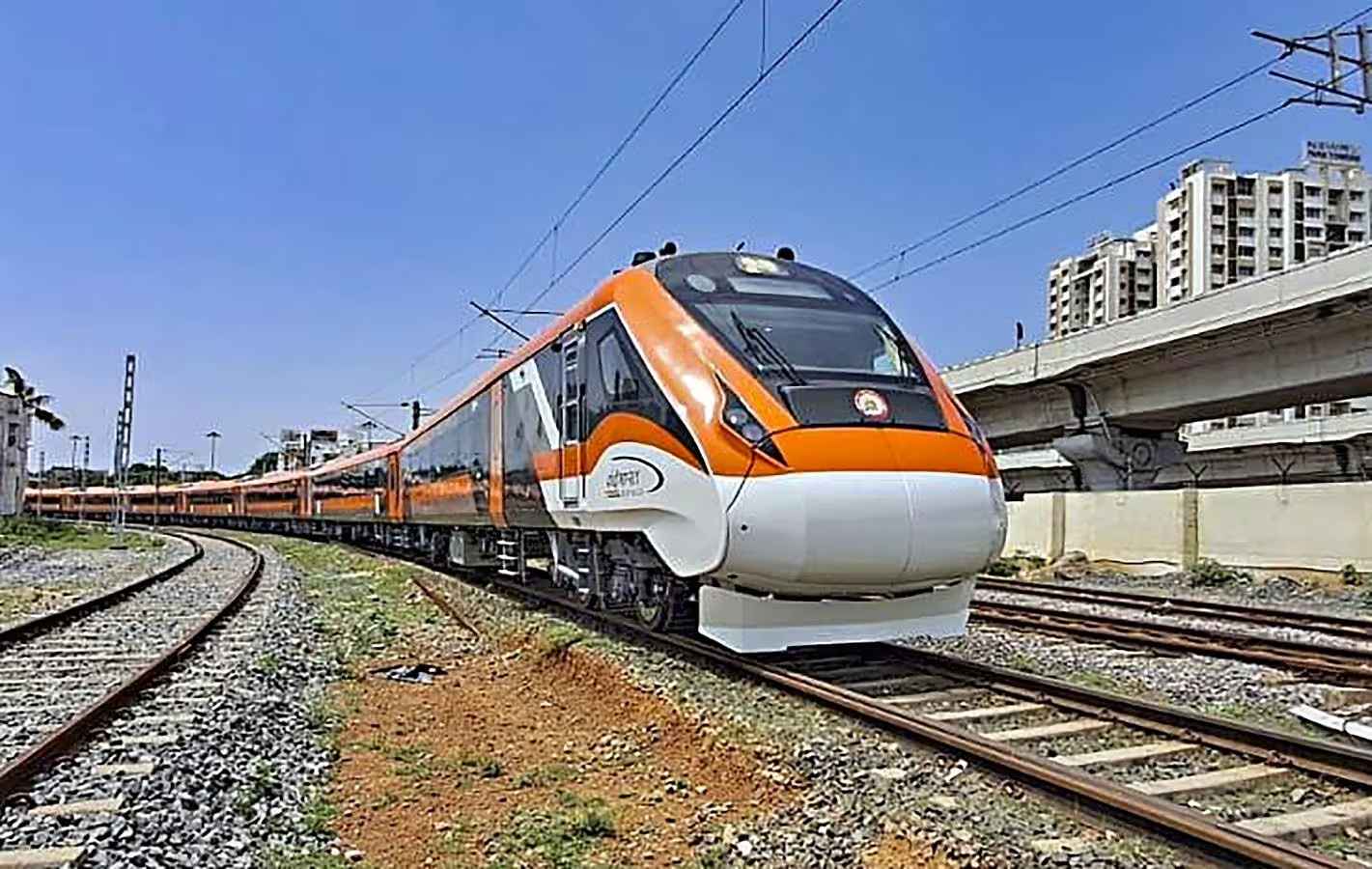
In a significant move to boost passenger convenience, the Railway Board has greenlit an experimental halt for the Indore–Nagpur Vande Bharat Express at Narmadapuram Station, situated within the Bhopal Division of the West Central Railway (WCR). This initiative, effective from January 31, 2025, underscores the Railways’ commitment to enhancing regional connectivity and passenger satisfaction.

Key Details of the Experimental Halt

  • Division: Bhopal
  • Train Numbers and Routes:
    • Train No. 20911 Indore-Nagpur Vande Bharat Express
      • Arrival at Narmadapuram: 10:22 hrs
      • Departure from Narmadapuram: 10:23 hrs
    • Train No. 20912 Nagpur-Indore Vande Bharat Express
      • Arrival at Narmadapuram: 19:22 hrs
      • Departure from Narmadapuram: 19:23 hrs

This experimental stoppage will be closely monitored over a five-month period. Passenger footfall, traffic data, and feedback will play pivotal roles in determining the halt’s future.

Understanding the Indore-Nagpur Vande Bharat Express

The Indore–Nagpur Vande Bharat Express, operational since June 27, 2023, connects Indore in Madhya Pradesh with Nagpur in Maharashtra. This semi-high-speed train has been instrumental in reducing travel time and enhancing passenger comfort between these major cities.

Route and Schedule

The train operates six days a week, excluding Sundays, covering a distance of approximately 636 kilometers in about 8 hours and 20 minutes. Key stoppages include:

  • Indore Junction (INDB): Departure at 06:10 hrs
  • Ujjain Junction (UJN): Arrival at 06:50 hrs; Departure at 06:55 hrs
  • Bhopal Junction (BPL): Arrival at 09:10 hrs; Departure at 09:15 hrs
  • Itarsi Junction (ET): Arrival at 10:35 hrs; Departure at 10:40 hrs
  • Betul (BZU): Arrival at 11:58 hrs; Departure at 12:00 hrs
  • Nagpur Junction (NGP): Arrival at 14:30 hrs

Note: The above schedule is subject to change. Passengers are advised to verify timings before travel.

Significance of the Narmadapuram Halt

Introducing a halt at Narmadapuram Station is a strategic move to enhance regional connectivity. This decision is expected to:

  • Boost Local Economy: Improved accessibility can lead to increased economic activities in Narmadapuram and surrounding areas.
  • Enhance Passenger Convenience: Residents of Narmadapuram will benefit from direct access to a premium train service, reducing the need to travel to distant stations.
  • Gather Valuable Feedback: The experimental halt will provide insights into passenger demand and operational feasibility.

Monitoring and Evaluation

Over the next five months, the Railway Board will assess:

  • Passenger Footfall: Monitoring the number of passengers boarding and alighting at Narmadapuram.
  • Traffic Data: Analyzing the impact on overall train schedules and punctuality.
  • Passenger Feedback: Collecting opinions to gauge satisfaction and areas of improvement.

Based on these evaluations, a decision will be made regarding the permanent inclusion of the Narmadapuram halt.

Passenger Information

For those planning to utilize the new halt, here are some key points:

  • Ticket Booking: Tickets can be booked through the official Indian Railways booking platforms. Ensure to select Narmadapuram as your boarding or destination station.
  • Amenities: The Vande Bharat Express offers modern amenities, including comfortable seating, onboard catering, and Wi-Fi services.
  • Punctuality: Passengers are advised to arrive at the station at least 15 minutes before the scheduled departure to ensure a smooth boarding experience.

The experimental stoppage of the Indore–Nagpur Vande Bharat Express at Narmadapuram Station marks a proactive step by the Railway Board to enhance passenger convenience and regional connectivity. This initiative reflects the Railways’ dedication to continuous improvement and responsiveness to passenger needs. As the evaluation progresses, passenger participation and feedback will be crucial in shaping the future of this service enhancement.

  1. What is the purpose of the experimental halt at Narmadapuram Station?
    • The halt aims to enhance passenger convenience and assess the demand for a stop at Narmadapuram.
  2. How long will the experimental halt be in place?
    • The halt will be monitored over a five-month period, after which a decision will be made regarding its permanence.
  3. Can I book tickets to or from Narmadapuram Station on the Vande Bharat Express?
    • Yes, passengers can book tickets to or from Narmadapuram Station through official Indian Railways booking platforms.
  4. What amenities are available on the Indore–Nagpur Vande Bharat Express?
    • The train offers comfortable seating, onboard catering, Wi-Fi services, and modern passenger facilities.
  5. How can I provide feedback about the new halt at Narmadapuram?
    • Passengers can share their feedback through official Indian Railways channels or at Narmadapuram Station.

Missing 10-Year-Old Boy Found Safe by Wathoda Police, Birthday Celebrated with Family

Nagpur News | Nagpur: A 10-year-old boy, Sanchit Arvind Nard, who went missing from his home in Shriram Nagar under the jurisdiction of Wathoda Police Station, was found safe on the evening of Thursday, January 30. Thanks to the swift action of the police, what could have been a tragic incident turned into a heartwarming story of relief and celebration.

Boy Leaves Home After Birthday Disappointment

According to police sources, Sanchit left his home around 11:00 a.m., upset that his birthday celebration had not taken place in the morning. His family, unaware of his whereabouts, grew increasingly worried as the hours passed. After searching for him on their own, they reported his disappearance to the Wathoda Police Station at around 4:00 p.m.

Swift Action by Wathoda Police (Nagpur news)

Upon receiving the complaint, senior officers immediately formed multiple search teams to locate the missing child. The police intensified their search in surrounding areas, scanning streets, marketplaces, and public spaces where a child might be found.

At approximately 4:55 p.m., Beat Marshal No. 2, Police Constable Shashikant Bakkal and Police Constable Shailendra Singh, spotted Sanchit near the Swaminarayan Temple area. He was found safe but appeared slightly distressed. The officers comforted him and promptly reunited him with his worried parents.

A Birthday Celebration at the Police Station

In a wonderful gesture, the Wathoda police decided to turn the emotional moment into a joyous occasion. They organized a small birthday celebration at the police station, cutting a cake with Sanchit and his family. The boy, initially upset over his missed birthday celebration, was visibly overjoyed by the surprise.

Sanchit’s parents expressed their deep gratitude to the police, commending their prompt response and compassionate approach. “We were terrified when we couldn’t find him. The police acted so quickly and not only brought him back but also made sure he was happy. We are truly grateful,” said Sanchit’s father, Arvind Nard.

Community Applauds Police Efforts

The efforts of Wathoda Police have been widely appreciated by the local community. Residents praised the department for their efficiency and kindness in handling the case. Social media users also lauded the officers, with many commenting on the police force’s dedication to both duty and humanity.

This incident highlights the importance of quick police response and community vigilance in ensuring children’s safety. The timely intervention by Wathoda Police transformed a potentially distressing situation into a heartwarming memory for Sanchit and his family.

Would you like any further additions or modifications?

Rs 425.32 Billion Lithium Refinery to Launch in Nagpur in 2025

Lithium Refinery in Nagpur 2025: India is making a giant leap in the energy sector with the establishment of its first-ever lithium refinery in Nagpur. This ambitious project, backed by an investment of Rs 425.32 billion, is set to redefine India’s clean energy landscape. But why is this project so crucial, and how will it shape the future of India’s industrial and energy sectors? Let’s dive in!

The Agreement and Investment

  • The Maharashtra government has signed an agreement with Vardhaan Lithium (I) Pvt. Ltd to set up this state-of-the-art lithium refinery.
  • The deal was finalized at Davos, Switzerland, highlighting the international significance of this project.
  • With an investment of Rs 425.32 billion, this refinery will be a game-changer in India’s energy sector.

Why Nagpur?

Nagpur, often referred to as the geographical heart of India, is an ideal location for this groundbreaking project. But what makes it so special?

  • Strategic Location: Excellent connectivity with major cities and industries.
  • Industrial Hub: Presence of several industrial and manufacturing units.
  • Government Support: Maharashtra’s policies favor industrial growth and sustainability.

Key Features of the Lithium Refinery | Lithium Refinery in Nagpur 2025

This lithium refinery is designed to be a cutting-edge facility that will significantly boost India’s energy independence. Some of its key features include:

  • 500-acre facility located in Butibori, Nagpur.
  • Annual refining capacity of 60,000 tonnes of lithium.
  • Production capability of 20 GWh of batteries.
  • Reduction in lithium imports, strengthening domestic supply chains.
  • Boost to India’s clean energy goals, positioning the country as a leader in battery manufacturing.

Impact on India’s Energy Sector

1. Strengthening the Domestic Lithium Supply Chain

Currently, India is heavily dependent on lithium imports from countries like China and Australia. With this refinery:

  • India can reduce reliance on foreign suppliers.
  • It will establish a strong domestic lithium ecosystem.
  • It will help in price stabilization of lithium-based products.

2. Growth in Battery Manufacturing

The demand for lithium-ion batteries is skyrocketing due to the rise of:

  • Electric Vehicles (EVs)
  • Renewable energy storage solutions
  • Smartphones and consumer electronics With a 20 GWh production capacity, the facility will cater to these growing demands efficiently.

3. Contribution to Clean Energy Goals

  • India aims to become a carbon-neutral economy by 2070.
  • The lithium refinery aligns perfectly with sustainability and clean energy initiatives.
  • This project will accelerate the adoption of EVs and renewable energy solutions.

Economic and Employment Benefits

1. Job Creation

A massive industrial project like this brings enormous employment opportunities, including:

  • Direct jobs in operations, engineering, and management.
  • Indirect jobs in logistics, maintenance, and supply chain sectors.

2. Boost to Local Economy

  • Increased industrial activity will enhance Nagpur’s economy.
  • Development of ancillary industries like battery recycling and component manufacturing.
  • Growth of research and development centers focusing on lithium technology.

Challenges and Roadblocks

Despite the many advantages, there are some challenges:

  • Raw Material Sourcing: India has limited lithium reserves.
  • Environmental Concerns: Lithium extraction and processing can have ecological impacts.
  • Infrastructure Development: Setting up and maintaining large-scale production units is cost-intensive.

The Road Ahead: Future Prospects

1. Expanding Lithium Reserves

To ensure long-term success, India is:

  • Exploring lithium reserves in Jammu & Kashmir and Karnataka.
  • Investing in lithium recycling technology to maximize resources.

2. Government Policies and Incentives

The Indian government is introducing policies and subsidies to support:

  • EV battery manufacturing
  • Renewable energy storage solutions
  • Lithium-based research and innovation

3. Global Competitiveness

With this refinery, India aims to:

  • Compete with global lithium giants like China and Australia.
  • Attract foreign investments in the clean energy sector.
  • Establish itself as a global leader in lithium technology.

The Rs 425.32 billion lithium refinery in Nagpur marks a historic milestone for India. By reducing lithium dependency, boosting battery production, and promoting clean energy solutions, this project is set to transform the country’s energy landscape. As we move towards a greener future, initiatives like these will play a crucial role in shaping India’s self-sufficient and sustainable energy ecosystem.

1. What is the significance of the lithium refinery in Nagpur?

The lithium refinery will reduce India’s dependence on imports, boost domestic battery production, and support the country’s clean energy initiatives.

2. Who is investing in the Nagpur lithium refinery?

The project is backed by Vardhaan Lithium (I) Pvt. Ltd in partnership with the Maharashtra government.

3. How will this refinery impact India’s EV sector?

By increasing battery production, the refinery will help lower EV costs, making electric vehicles more accessible to consumers.

4. What are the challenges faced by the project?

Challenges include raw material sourcing, environmental concerns, and infrastructure development costs.

5. When will the lithium refinery become operational?

The refinery is expected to launch in 2025, as per official reports.

Chief Minister Fadnavis Urges Swift Completion of New Law College Building in Nagpur

In a significant move to bolster legal education infrastructure, Maharashtra Chief Minister Devendra Fadnavis has emphasized the timely completion of a new state-of-the-art building for Nagpur University’s Dr. Babasaheb Ambedkar College of Law. Announced during the college’s centenary celebrations, this initiative underscores the government’s commitment to enhancing educational facilities in the region.

A Vision for the Future

The proposed Rs. 200 crore project draws architectural inspiration from the Nagpur bench of the Bombay High Court and the Reserve Bank of India building. This design aims to create a distinguished landmark that reflects the institution’s rich history and its aspirations for the future.

Personal Reflections from the Chief Minister

Addressing a gathering of esteemed judges, legal professionals, students, faculty, and alumni, Chief Minister Fadnavis reminisced about his formative years at the college. He expressed deep gratitude to the institution for laying a robust foundation for his legal and legislative career. “The knowledge and principles instilled in me by this college were invaluable during my tenure as an MLA, especially in legislative work,” he remarked.

A Call to Action

The Chief Minister has directed Nagpur University Vice-Chancellor Prashant Bokare and Principal Ravi Mor to ensure the completion of the new building within three and a half years. He assured that financial constraints would not hinder the project’s progress, emphasizing the government’s resolve to provide world-class infrastructure for the institution.

Architectural Excellence

Renowned architect Habib Khan, known for his innovative designs, has been suggested to lead the planning of the new structure. His involvement is anticipated to blend modernity with the institution’s historical essence, creating a facility that meets contemporary educational needs while honoring its legacy.

Celebrating a Legacy of Excellence

Dr. Babasaheb Ambedkar College of Law has a storied history of producing distinguished legal professionals, including judges, lawyers, ministers, and even Chief Justices of India. The Chief Minister highlighted the college’s significant contributions to the judiciary and governance, noting its role in shaping the nation’s legal landscape.

Integrating Technology in Legal Education

Acknowledging rapid technological advancements, including artificial intelligence, Chief Minister Fadnavis emphasized the importance of integrating technology into legal education. He lauded the establishment of three Maharashtra National Law Universities (MNLUs), including one in Nagpur, as steps toward modernizing legal studies.

A Groundbreaking Ceremony on the Horizon

To mark the centenary year, the Chief Minister proposed conducting a groundbreaking ceremony (Bhoomipujan) for the new building. This event would symbolize the commencement of a new chapter in the college’s illustrious history.

The commitment to constructing a new, state-of-the-art building for Dr. Babasaheb Ambedkar College of Law reflects a broader vision to enhance legal education infrastructure in Maharashtra. With the government’s support and a clear timeline, the institution is poised to continue its legacy of excellence well into the future.

  1. What is the estimated cost of the new law college building?
    • The project is estimated to cost Rs. 200 crore.
  2. Who has been suggested to lead the architectural planning of the new building?
    • Renowned architect Habib Khan has been recommended to oversee the planning.
  3. What is the proposed timeline for completing the new building?
    • The Chief Minister has directed that the building be completed within three and a half years.
  4. How does the design of the new building reflect the institution’s legacy?
    • The design draws inspiration from iconic structures like the Nagpur bench of the Bombay High Court and the Reserve Bank of India building, symbolizing a blend of tradition and modernity.
  5. What significance does the new building hold for the future of legal education in Nagpur?
    • The state-of-the-art facility aims to provide world-class infrastructure, ensuring that the institution remains a premier choice for legal education in the region.

Work on Nagpur Airport Runway Nears Completion, Deadline Set for March 31

Nagpur Airport Runway: Hey there! Have you heard the latest buzz about Nagpur‘s Dr. Babasaheb Ambedkar International Airport? Big things are happening! The much-anticipated recarpeting of the runway is racing towards the finish line, with a deadline set for March 31, 2025. Let’s dive into what’s been going on and what this means for all of us.

The Recarpeting Journey: A Quick Recap

So, why all the fuss about recarpeting? Well, just like how our roads need a fresh layer now and then, airport runways require regular maintenance to ensure they’re safe and smooth for aircraft operations. The last time this runway got a makeover was over a decade ago, and with the daily wear and tear, it was high time for some TLC.

Who’s Behind the Wheel? The Key Players

Several big names are steering this project:

  • MIHAN India Limited (MIL): The primary operator of the airport, working in collaboration with the Airports Authority of India (AAI).
  • M/s K G Gupta: The contractor tasked with the recarpeting work.
  • Monitoring Committee: Established to keep a close eye on the project’s progress and ensure everything stays on track.

A Nudge from the Top: Ministerial Involvement | Nagpur Airport Runway

Last month, Union Minister Nitin Gadkari paid a visit to the site. He didn’t mince words, urging the contractor to expedite the work and hinting at potential consequences if deadlines weren’t met. Such high-level attention underscores the project’s significance.

Progress Report: How Far Have We Come?

As of now, about 60% of the recarpeting work is complete. The remaining 40% is slated to wrap up by March 31. The critical layer on the airstrip has been laid, and the final touches are underway. It’s like building a cake: the base is done, and now it’s time for the icing!

Challenges Along the Way | Nagpur Airport Runway

Every project has its hurdles, and this one is no exception:

  • Delays: The contractor faced criticism for not sticking to the initial timeline, leading to the formation of the monitoring committee.
  • Operational Hours: Since May 2024, the runway has been operational for only 8 hours daily to accommodate the work. This limited window has caused some inconvenience to passengers and even led to higher flight fares.

Why the Delay? Unpacking the Reasons

Several factors contributed to the project’s delays:

  • Tender Process: The Airports Authority of India (AAI) took over five months to finalize the contractor, M/s K G Gupta, after initiating the tender in December 2023.
  • Safety Permissions: The Directorate General of Civil Aviation (DGCA) granted safety permissions only in September 2024, which meant work couldn’t commence earlier.
  • Election Season: The runway had to remain open for chartered flights carrying VIPs during election campaigns, causing further interruptions.

The Impact on Passengers

The reduced operational hours have been a bit of a bummer for travelers. Fewer flight options and increased fares have been the main pain points. But the silver lining? Once the recarpeting is complete, the runway will be in top-notch condition, promising smoother operations and potentially more flight options.

Looking Ahead: What’s Next?

With the March 31 deadline in sight, all hands are on deck to ensure timely completion. District Collector Dr. Vipin Itankar is overseeing the project, emphasizing the importance of wrapping up ahead of schedule to minimize passenger inconvenience.

The Bigger Picture: Why This Matters

A well-maintained runway isn’t just about smooth landings and takeoffs. It’s about safety, efficiency, and the overall growth of Nagpur as a significant hub in the region. This project reflects the city’s commitment to providing top-tier infrastructure and services to its residents and visitors.

The recarpeting of Dr. Babasaheb Ambedkar International Airport’s runway is more than just a construction project; it’s a testament to Nagpur’s dedication to progress and excellence. As we approach the March 31 deadline, the anticipation builds for a smoother, safer, and more efficient travel experience.

  1. Why is the runway recarpeting necessary?

    Regular recarpeting ensures the runway remains safe and smooth for aircraft operations, preventing potential risks during landing and takeoff.

  2. How has the recarpeting work affected flight operations?

    The runway’s operational hours have been limited to 8 hours daily since May 2024, leading to fewer flight options and increased fares.

  3. Who is responsible for the recarpeting work?

    The contractor, M/s K G Gupta, is handling the recarpeting, under the supervision of MIHAN India Limited (MIL) and the Airports Authority of India (AAI).

  4. What challenges have caused delays in the project?

    Delays stemmed from prolonged tender processes, late safety permissions from the DGCA, and interruptions due to VIP chartered flights during election campaigns.

  5. When is the recarpeting expected to be completed?

    The project is slated for completion by March 31, 2025, with efforts underway to finish ahead of schedule to reduce passenger inconvenience.

Exit mobile version