With Apathetic Govt, Maharajbag Zoo Fights for Survival

Nagpur zoo: Nagpur is a city known for its rich history and vibrant culture, but there’s a dark cloud hanging over one of its most iconic landmarks – the Maharajbag Zoo. While the city boasts the impressive Balasaheb Thackeray Gorewada International Zoo, known for its modern facilities and well-maintained environment for both animals and tourists, the same cannot be said for Maharajbag Zoo. Struggling to survive amidst crumbling infrastructure and a lack of attention from authorities, the zoo’s future looks bleak.

A Brief History of Maharajbag Zoo

Founded over 130 years ago by the Bhonsale dynasty for hunting purposes, the Maharajbag Zoo has since evolved into a key tourist attraction in the heart of Nagpur. In 1969, the green patch in the Sitabuldi area was handed over to Dr. Panjabrao Deshmukh Krishi Vidyapeeth (PDKV) in Akola, and from then onwards, the zoo came under the supervision of the Associate Dean of Agriculture College at PDKV.

However, the zoo’s infrastructure has deteriorated over time, and the lack of maintenance has led to the zoo’s current dilapidated condition.

Maharajbag Zoo’s Declining Condition

The zoo, once a symbol of pride for the city, is now fighting for survival. Despite thousands of visitors daily, the zoo has become an eyesore. Most of the cages are dark, the iron nets rusted, and the animal enclosures are dirty. The overall lack of cleanliness and maintenance has turned the zoo into a shadow of its former self. Visitors are met with tall bushes outside the enclosures that restrict visibility, making it difficult to see the animals up close.

A Glimpse at the Tiger Enclosures

One of the major attractions at Maharajbag Zoo is the two tigers housed in the same enclosure. However, these tigers are living in poor conditions. The partition between their enclosures is tilted, held up by bamboo sticks, leaving the tigers vulnerable. The rusted cages and neglected space are a stark contrast to the majestic animals inside. This not only puts the well-being of the tigers at risk but also lowers the zoo’s appeal among visitors.

The State of Other Enclosures and Facilities

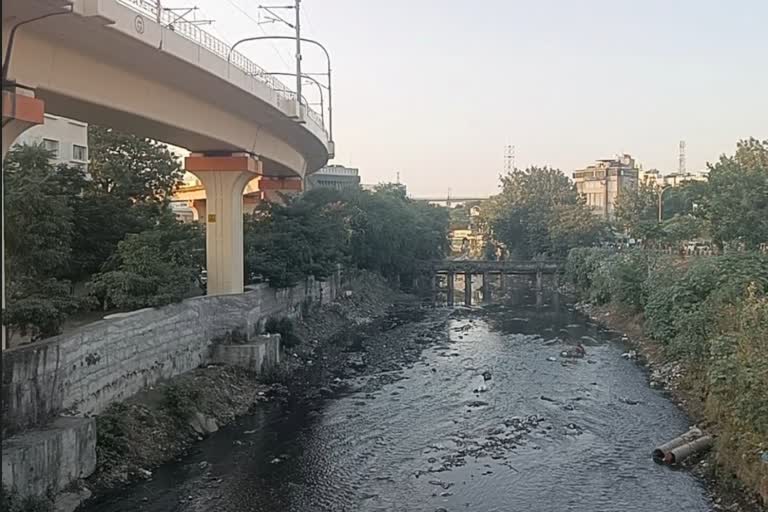
The Mowgli Garden, an area within the zoo where visitors can enjoy various adventure activities, is also in a state of disrepair. The adventure rides are in bad shape, and the bamboo bridge, which is the only way to cross the Naag River into the Mowgli Garden, is precarious. Crossing it is an adventure in itself for many visitors, and not in a good way.

In addition to the poor condition of the zoo’s enclosures and facilities, there is a significant issue with dust pollution. Construction work around the zoo has left the trees, bushes, and shrubs covered in dust, further detracting from the zoo’s appeal.

Management Struggles and Lack of Government Support

According to Sunil Bawaskar, the Officer in Charge of the zoo, the situation is dire. The zoo’s management is struggling to maintain the facility without adequate support from the government. The zoo’s only source of revenue comes from ticket sales, and while footfall is high during national holidays, the daily number of visitors is far lower.

Employee Struggles

Maharajbag Zoo employs around 55 staff members who are responsible for caring for the zoo, the animals, and the gardens. Despite their efforts, the lack of proper resources and funds has made it difficult for them to ensure the zoo’s upkeep. There are currently 13 open animal enclosures and 24 night shelters, housing a total of 246 animals, birds, and reptiles. The employees are doing the best they can with what little they have, but the strain is evident.

The Role of Internal Disputes in the Zoo’s Decline

Another factor contributing to the zoo’s condition is the internal disputes and lack of coordination within the administration. These administrative issues further hinder the zoo’s ability to receive the necessary support for its survival. The zoo’s management and staff are caught in a cycle of indecision, making it difficult for them to focus on providing the care and attention the zoo needs.

The Visitor Experience: A Bitter Reality

Despite the poor condition of the zoo, visitors still flock to the facility. Many people still enjoy spending time with their families and friends at the zoo, even though it is clear that the space is in need of significant improvement. Broken benches, dilapidated rides, and an overall sense of neglect have left the zoo in a sorry state in the eyes of many visitors. Yet, the zoo continues to receive a steady stream of people, some of whom still appreciate what the zoo once represented.

Government and Civic Administration’s Role

It is now more urgent than ever for the government and civic administration to step in and address the situation. The zoo, once a shining example of Nagpur’s commitment to wildlife and nature, is at risk of being lost if immediate action is not taken.

The local authorities must prioritize the zoo’s renovation, maintenance, and sustainability. This includes improving the conditions for the animals, enhancing the visitor experience, and addressing the administrative inefficiencies that have plagued the zoo for years.

A Call for Change

Maharajbag Zoo’s struggle for survival is a poignant reflection of the disconnect between the government and the real needs of the people. While other zoos in the country are flourishing with modern amenities and care, Maharajbag Zoo, once an iconic part of Nagpur, is fighting to stay afloat. It is time for the authorities to step up and take responsibility for one of the city’s most cherished landmarks. The zoo deserves more than just survival; it deserves the care and attention it needs to thrive once again.

1. Why is Maharajbag Zoo in such a poor condition?

The zoo’s condition has deteriorated over the years due to a lack of proper maintenance, insufficient government funding, and internal administrative disputes.

2. How many animals are there in Maharajbag Zoo?

Maharajbag Zoo houses a total of 246 animals, including birds and reptiles.

3. What is the primary source of revenue for the zoo?

The zoo relies primarily on ticket sales for its revenue, which is used to pay staff and maintain the facility.

4. Are there any major issues with the zoo’s infrastructure?

Yes, the zoo has several issues, including rusted cages, dilapidated enclosures, and poor infrastructure in the Mowgli Garden area.

5. What can be done to improve Maharajbag Zoo?

The government and civic administration need to invest in the zoo’s renovation and maintenance to improve conditions for both the animals and the visitors.

‘Change Nagpur-Bilaspur Vande Bharat Timing’

The Nagpur-Bilaspur Vande Bharat train is one of the most crucial transportation options for passengers traveling between these two key cities in Maharashtra and Chhattisgarh. However, a recent proposal by the Divisional Railway Users’ Consultative Committee (DRUCC) of the South East Central Railway (SECR) suggests that the timing of the train be modified to better align with the Nagpur-Indore Vande Bharat. In this article, we will delve into the details of this suggestion, its implications, and the broader impact it may have on travelers.

What is the Proposal to Change the Timing of Nagpur-Bilaspur Vande Bharat?

The proposal to adjust the timing of the Nagpur-Bilaspur Vande Bharat train came up during a meeting between the DRUCC and SECR authorities, led by Divisional Regional Manager (DRM) Deepak Kumar Gupta. The primary aim of the proposal is to improve the connectivity between Nagpur and Bilaspur by aligning the timings of the two popular Vande Bharat trains: Nagpur-Bilaspur and Nagpur-Indore.

Why is This Change Needed?

Currently, the Nagpur-Bilaspur Vande Bharat operates on a different schedule compared to the Nagpur-Indore Vande Bharat, which affects the overall ease of travel for passengers who wish to use both services. Aligning the timings would allow passengers to switch between the two trains seamlessly, thus enhancing connectivity and reducing travel time.

How Will the Change Improve Connectivity?

Better coordination between the two trains means that passengers will no longer have to wait for long hours between connections. With synchronized timings, travelers can expect faster and more efficient transfers, boosting overall satisfaction and reducing congestion at major stations.

The Role of DRUCC in This Proposal

The Divisional Railway Users’ Consultative Committee (DRUCC) plays a significant role in representing the concerns of passengers to the railway authorities. In this case, the DRUCC members have underlined the importance of enhancing train services for better connectivity, not just between Nagpur and Bilaspur, but across the region. The DRUCC’s active involvement in proposing changes like these demonstrates their commitment to improving the railway system for everyday travelers.

What Other Issues Were Raised During the Meeting?

Apart from the timing change proposal, the DRUCC also discussed other pressing concerns related to railway services. Some of the significant issues raised include:

  • Increase in Stoppages at Wadsa Station: Wadsa station is currently the only operational railway station in the Gadchiroli district, and DRUCC members have requested more stoppages and increased frequency of trains passing through this area to serve the local population better.
  • Stoppages at Dongargaon Station: Dongargaon station sees heavy footfall, especially from devotees visiting nearby holy places. The DRUCC has demanded permanent stoppages for key long-distance trains at this station to ease the burden on passengers.
  • Lack of Lifts and Escalators at Kamptee Station: DRUCC members highlighted the absence of lifts or escalators at Kamptee station, which is a significant inconvenience for elderly and physically challenged passengers.
  • Gondia Station Platform Issues: Platform number six at Gondia station does not have a digital display, which can cause confusion among passengers, particularly for those relying on real-time information.

Addressing the Needs of Physically Challenged Passengers

Another important issue raised by the DRUCC members was the need for battery-operated cars to be available at key stations for the physically challenged and elderly. This would ensure better mobility and provide a more inclusive experience for all passengers, regardless of their physical condition.

How Will SECR Respond to These Suggestions?

The meeting concluded with DRM Deepak Kumar Gupta assuring the DRUCC representatives that he would personally look into these concerns and work on resolving them at either the regional level or by escalating them to the Railway Board. While some of the changes may take time to implement, the collaboration between the DRUCC and SECR is a step in the right direction for improving rail services in the region.

Will These Changes Affect Other Train Services?

While the Nagpur-Bilaspur Vande Bharat timing change is the primary focus of the DRUCC’s proposal, the suggestions for increased stoppages at various stations and the improvement of station facilities could lead to operational adjustments in several other services. These improvements will likely create a ripple effect, enhancing the overall efficiency and safety of the railway network.

The Future of Nagpur-Bilaspur Vande Bharat

As the Nagpur-Bilaspur Vande Bharat train service continues to gain popularity, it is essential for the railway authorities to ensure that the service meets the growing demands of passengers. Aligning the timings with other trains, improving station facilities, and addressing passenger concerns are vital steps in maintaining the efficiency of the service and keeping up with the rising expectations of travelers.

A Positive Step Forward for Railway Connectivity

The proposed change in the Nagpur-Bilaspur Vande Bharat timings is an essential move towards improving connectivity between Nagpur and Bilaspur, as well as enhancing the overall passenger experience. While this is just one of the many proposals being discussed by the DRUCC and SECR, it signifies a positive direction for the future of rail travel in the region. By addressing concerns like station accessibility, train stoppages, and better connectivity, the authorities are showing that they are committed to improving the quality of service for all railway passengers.

  1. Why does the DRUCC want to change the Nagpur-Bilaspur Vande Bharat timings?
    • The DRUCC wants to align the timings with the Nagpur-Indore Vande Bharat train for better connectivity and smoother transfers for passengers.
  2. What other issues were raised during the DRUCC meeting?
    • Other issues included increased stoppages at Wadsa and Dongargaon stations, better facilities at Kamptee and Gondia stations, and making battery-operated cars available for elderly passengers.
  3. How will the change in timing affect passengers?
    • Aligning the timings will make it easier for passengers to switch between the two trains, improving travel efficiency and reducing waiting times.
  4. Will these changes be implemented immediately?
    • While the changes are being considered, some may take time to implement as they need to be addressed at various levels of the railway authorities.
  5. What role does the DRUCC play in improving railway services?
    • The DRUCC acts as a bridge between passengers and railway authorities, raising important concerns and suggesting improvements to enhance services.

Bhandewadi: 54 Acres of Land Reclaimed Through Biomining

Transforming Waste into Wealth

Bhandewadi biomining project Nagpur: Imagine a world where mountains of garbage disappear, replaced by lush greenery and productive spaces. That’s exactly what the Nagpur Municipal Corporation (NMC) achieved with their biomining initiative at Bhandewadi. By processing nearly 10 lakh metric tonnes of legacy waste, NMC has reclaimed 54 acres of land, proving that sustainable waste management is not just a dream but a tangible reality.


What Led to the Crisis at Bhandewadi?

The Overflowing Dump Yard

By 2019, the 54-acre site near Bhandewadi-Bidgaon Road had become an environmental eyesore, overburdened with unprocessed waste. With no immediate solution in sight, the area posed significant health and ecological risks.

MPCB Regulations and the Need for Action

Under the Maharashtra Pollution Control Board (MPCB) guidelines, Bhandewadi was designated as a waste dumping and processing site. However, ineffective management turned it into a hazard rather than a resource.


The Biomining Initiative: A Game-Changer | Bhandewadi biomining project Nagpur

What Is Biomining?

Biomining is a sustainable waste management technique where legacy waste is segregated and processed to extract recyclable materials, compost, and inert residue. Think of it as giving trash a second life!

Implementation by NMC

To tackle the crisis, NMC launched a self-funded biomining project. Over time, they processed 20 lakh metric tonnes of waste, 10 lakh metric tonnes of which underwent biomining. The result? A cleaner, greener Bhandewadi.


Key Achievements of the Bhandewadi Project

Reclaiming 54 Acres

Through biomining, 54 acres of land were transformed from a dumping ground into a clean, open area ready for development.

Environmental Initiatives on Reclaimed Land

The reclaimed space is now a hub of eco-friendly projects, including:

  • A construction and demolition waste processing center.
  • A waste-to-energy plant with a capacity of 1,000 metric tonnes per day.
  • A sanitary landfill.
  • A Miyawaki forest project featuring 15,500 trees on 5,000 square meters of land.

Expanding the Effort: Adjacent 55-Acre Area | Bhandewadi biomining project Nagpur

Current Status

Efforts are ongoing to clear an additional 55-acre area containing 21.30 lakh metric tonnes of waste. So far, 10 lakh metric tonnes have been processed, reclaiming 15 acres.

Future Plans

By 2026, NMC aims to complete the project, reclaiming an additional 27 acres for further environmental and developmental initiatives.


The Broader Impact on Nagpur

Daily Waste Management

Nagpur generates 1,300 to 1,400 metric tonnes of solid waste daily. The Bhandewadi projects aim to:

  • Reduce pollution.
  • Improve living conditions for nearby residents.
  • Set a benchmark for sustainable waste management.

Community and Environmental Benefits

The Miyawaki forest initiative and other green projects have significantly improved air quality and biodiversity in the region, turning Bhandewadi into a symbol of hope for other cities facing similar challenges.


How Biomining Aligns with Global Goals

Sustainable Development Goals (SDGs)

The project supports several SDGs, including:

  • Goal 11: Sustainable cities and communities.
  • Goal 12: Responsible consumption and production.
  • Goal 15: Life on land.

A Model for Replication

Bhandewadi serves as a blueprint for other municipalities aiming to tackle waste management sustainably.


Challenges and Lessons Learned

Initial Roadblocks

  • Resistance to change.
  • Logistical challenges in waste segregation and processing.

Key Takeaways

  • Community engagement is crucial.
  • Transparent funding and governance ensure project success.
  • Investing in advanced technology accelerates outcomes.

A Cleaner, Greener Future

The Bhandewadi biomining project is more than just a waste management success story; it’s a testament to human ingenuity and commitment to environmental conservation. By reclaiming 54 acres of land, NMC has shown that with the right strategies, even the most daunting challenges can be overcome. So, the next time you hear about waste management, remember—it’s not just about cleaning up; it’s about creating a sustainable future.


1. What is biomining, and how does it work?

Biomining involves segregating and processing legacy waste to extract reusable materials, compost, and inert residue, transforming garbage into valuable resources.

2. How much land has been reclaimed at Bhandewadi?

NMC has reclaimed 54 acres of land through biomining and is working on an additional 55-acre area.

3. What are the environmental benefits of the Bhandewadi project?

The project has reduced pollution, improved air quality, and increased biodiversity through initiatives like the Miyawaki forest.

4. How is the reclaimed land being utilized?

Reclaimed land hosts eco-friendly projects, including waste-to-energy plants, construction waste centers, and afforestation initiatives.

5. What is the future of waste management in Nagpur?

NMC aims to complete the adjacent 55-acre biomining project by 2026, further enhancing Nagpur’s waste management and environmental sustainability.

Nagpur Traffic Police Launches ‘Footpath Freedom’ Campaign to Tackle Illegal Parking and Encroachments

Why ‘Footpath Freedom’ Matters

Imagine navigating busy streets, only to find yourself forced to walk amidst honking cars because the sidewalks are blocked. Sounds frustrating, right? Nagpur Traffic Police have stepped in with a game-changing initiative—the “Footpath Freedom” campaign—aimed at reclaiming pedestrian spaces and tackling illegal parking and hawker encroachments. Let’s dive into what this campaign is all about and why it’s a big deal for everyone in the city.


 Understanding the Footpath Freedom Campaign

 The Core Objectives

The primary goal of the Footpath Freedom campaign is to ensure pedestrian safety and smooth traffic flow. By targeting illegal parking and unauthorized hawker setups, the initiative aims to:

  • Reclaim sidewalks for pedestrians.
  • Reduce traffic congestion.
  • Minimize accidents caused by pedestrians walking on roads.

 The Problem of Illegal Parking

 Blocking Pedestrian Pathways

Many vehicle owners casually park on footpaths, leaving no space for pedestrians. This forces people to walk on busy roads, increasing the risk of accidents.

 Legal Consequences

The traffic police are towing vehicles parked on footpaths under:

  • Section 122 of the Motor Vehicle Act: Prohibits unauthorized parking.
  • Section 127 of the Motor Vehicle Act: Allows vehicle removal from no-parking zones.
  • Section 177 of the Motor Vehicle Act: Imposes penalties for violations.

 The Issue of Hawker Encroachments

 Temporary Setups with Long-Term Impact

Unauthorized hawkers often set up stalls on sidewalks. While convenient for shoppers, these stalls obstruct pathways and worsen traffic.

 Action Taken by Authorities

Under Sections 102 and 117 of the Maharashtra Police Act, the traffic police and Nagpur Municipal Corporation (NMC) are working together to remove these unauthorized setups.


 Key Features of the Campaign

 Collaborative Enforcement

The Nagpur Municipal Corporation has deployed towing vehicles to assist in clearing footpaths. This partnership ensures effective and sustained enforcement.

 Awareness Initiatives

 Educating Citizens

Deputy Commissioner of Police (Traffic), Archit Chandak, has appealed to citizens to park responsibly and use designated spaces. Hawkers have been advised to:

  • Avoid obstructing footpaths.
  • Encourage customers to use proper parking.

 Leveraging Media

Through social media and local news, the police are spreading awareness about the campaign’s objectives and legal repercussions for violations.


 The Impact on Nagpur’s Traffic and Safety

 Enhanced Pedestrian Safety

Clear footpaths mean pedestrians no longer risk walking on busy roads, reducing the likelihood of accidents.

 Smoother Traffic Flow

With fewer vehicles parked haphazardly, traffic congestion is significantly reduced, making commutes quicker and less stressful.

 Positive Public Response

Citizens have started noticing the difference, with many praising the initiative for restoring order to the city’s streets.


 How Can Citizens Contribute?

 Follow Parking Rules

Always park in designated areas and encourage others to do the same. It’s a simple step that can make a big difference.

 Support Hawker Compliance

Shop from hawkers who adhere to rules and avoid encroaching on public spaces.

 Report Violations

If you notice illegal parking or encroachments, report them to the authorities. Be the change you want to see.


 The Road Ahead

The Footpath Freedom campaign is a significant step toward creating a safer and more organized Nagpur. However, its success depends on collective effort. Authorities are doing their part, but it’s up to each citizen to support and sustain this initiative. Together, we can ensure that Nagpur’s streets are safe and accessible for everyone.


The “Footpath Freedom” campaign is more than just a crackdown on illegal parking and encroachments; it’s a movement toward reclaiming public spaces for pedestrians. Let’s embrace this initiative, follow the rules, and encourage others to do the same. After all, safer streets mean a better quality of life for all Nagpurians.


1. What is the Footpath Freedom campaign?

The campaign is an initiative by Nagpur Traffic Police to tackle illegal parking and hawker encroachments on footpaths, ensuring pedestrian safety and smoother traffic flow.

2. How are violations being addressed?

Vehicles parked on footpaths are being towed under the Motor Vehicle Act, and unauthorized hawker setups are removed under the Maharashtra Police Act.

3. What can citizens do to support this initiative?

Citizens can park in designated areas, avoid shopping from non-compliant hawkers, and report violations to authorities.

4. Who is leading the campaign?

Deputy Commissioner of Police (Traffic), Archit Chandak, is spearheading the initiative with support from the Nagpur Municipal Corporation.

5. What are the expected outcomes?

The campaign aims to enhance pedestrian safety, reduce traffic congestion, and promote a more organized city environment.

A Lake Without Water: Sakkardara Lake Dry Again, This Time for Deepening Work

Sakkardara Lake Rejuvenation: What comes to your mind when you think of a lake? A serene waterbody, surrounded by lush greenery, perhaps? Unfortunately, South Nagpur’s iconic Sakkardara Lake paints a very different picture today. Once a thriving ecosystem, this 200-year-old lake is now bone dry—and not for the first time. But this time, it’s for a cause: deepening and rejuvenation work spearheaded by the Nagpur Municipal Corporation (NMC). But is it too little, too late? Let’s dive in.


The Deplorable State of Sakkardara Lake

A Rich History, A Grim Reality

Sakkardara Lake isn’t just another waterbody; it’s a historical gem. Over the years, however, neglect and anthropogenic activities have pushed it to the brink of collapse. For the second time in its storied existence, the lake has completely dried up—this time as part of rejuvenation efforts.

Why Is It Dry Again?

The NMC initiated desilting of the lake bed by draining its water entirely. While this might sound promising, it has raised eyebrows among environmentalists and local experts.


Phases of Rejuvenation: What’s Happening?

Phase I: Beautification Before Conservation?

In Phase I, Rs 10 crore was allocated for the lake’s rejuvenation. Instead of prioritizing the lake’s health, the NMC focused on peripheral beautification. Walking tracks, parapet walls, and murals took precedence over essential deepening and cleaning work.

Phase II: The Current Plan

In the ongoing Phase II, the NMC has started draining the lake for desilting. Key activities include:

  • Construction of new parapet walls.
  • Prevention of sewage dumping by nearby residents.
  • Murals and decorative enhancements.

Dr. Shweta Banerjee, NMC’s Superintending Engineer, asserts that these measures aim to restore the lake’s glory. But is beautification masking deeper issues?


Challenges Faced During Rejuvenation

Funding Delays

The rejuvenation journey has been marred by financial hurdles. Although the State Government sanctioned Rs 10 crore under the Amrut Scheme, delays in fund release slowed progress significantly.

Political Roadblocks

The political climate has also impacted the lake’s restoration. Former Chief Minister Devendra Fadnavis allotted Rs 13 crore in 2019, but only Rs 2 crore was released after a change in government. Such disruptions hinder consistent progress.

Escalating Costs

The slow pace of work has inflated project costs. What started as a modest budget has ballooned due to inefficiencies.


Environmentalists’ Perspective

Conservation Over Beautification

Environmentalists like Kaustav Chatterjee, founder of Green Vigil Foundation, have been vocal about prioritizing conservation over aesthetics. They argue that deepening and cleaning the lake should have been undertaken during its natural dry phases, such as in 2021.

Impact of Draining Water

Draining the lake’s water is seen by many as wasteful, especially in a region prone to water scarcity. Experts believe that this step should have been accompanied by effective water management strategies.


Significance of Sakkardara Lake

Ecological Importance

Sakkardara Lake is a vital component of Nagpur’s ecosystem. It supports:

  • Local flora and fauna.
  • Groundwater recharge.

Cultural Heritage

Beyond its ecological value, the lake is an emblem of South Nagpur’s rich cultural history, making its conservation even more critical.


Steps Taken for Improvement

  1. Boundary Walls: Preventing solid waste dumping.
  2. Sewage Management: Halting untreated sewage inflow.
  3. Community Engagement: Educating locals about conservation.

Is the Work Enough?

While efforts are commendable, they’re far from sufficient. A more holistic approach—combining conservation, beautification, and public awareness—is essential to restore Sakkardara Lake to its former glory.


Sakkardara Lake’s dry state is a wake-up call. While the NMC’s rejuvenation work offers hope, the focus must shift from superficial beautification to long-term conservation. After all, what good is a beautiful lake if there’s no water in it?


1. Why is Sakkardara Lake dry again?

The lake has been drained as part of desilting and deepening work under the NMC’s rejuvenation project.

2. What is the NMC doing to restore the lake?

The NMC is constructing parapet walls, preventing sewage dumping, and undertaking beautification efforts.

3. Why was the rejuvenation work delayed?

Delays in fund release and political changes contributed to the slow progress of the project.

4. How can the lake’s condition improve?

A focus on conservation, effective water management, and community engagement can significantly improve the lake’s condition.

5. What is the ecological importance of Sakkardara Lake?

The lake supports local biodiversity, aids in groundwater recharge, and serves as a cultural landmark for South Nagpur.

Nagpur Railway Station Marks 100 Glorious Years Of Service: A Century Of Heritage, Connectivity, And Progress

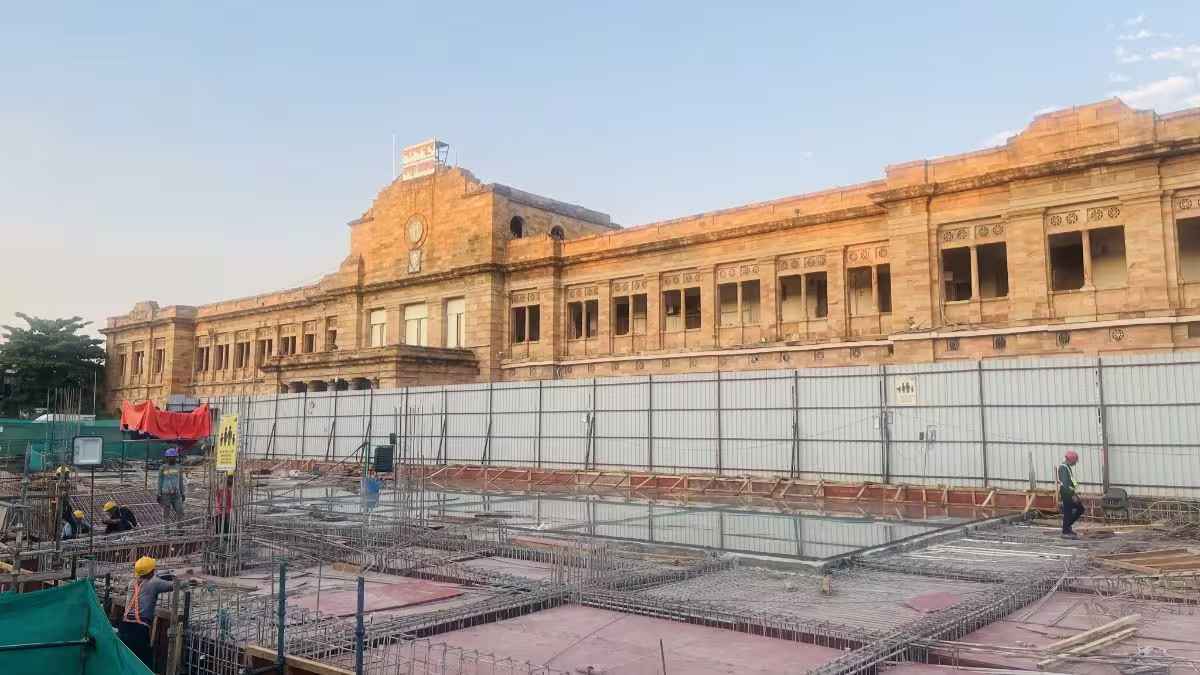
Nagpur Railway Station Heritage: Nagpur Railway Station, a monumental hub in the heart of India’s rail network, recently celebrated a remarkable milestone—100 years of dedicated service. Officially inaugurated on January 15, 1925, by Sir Frank Sly, the then Governor of the Central Provinces, the station has evolved into a vibrant symbol of connectivity, heritage, and progress.

A Glimpse Into The Past

The Beginning of Nagpur’s Rail Journey | Nagpur Railway Station Heritage

The journey began in 1867 when the railways first reached Nagpur, ushering in a new era of connectivity. Originally a modest structure, it gradually gained prominence as the city’s lifeline.

The Renaming and Mahatma Gandhi’s Visit

Renamed Nagpur Junction in 1920, the station’s significance soared when it hosted Mahatma Gandhi during the Non-Cooperation Movement. This marked a pivotal moment in the station’s history, intertwining it with India’s struggle for independence.

The Iconic Inauguration in 1925

In 1925, the current station building was inaugurated, reflecting colonial architectural brilliance. This structure has withstood the test of time, symbolizing Nagpur’s enduring heritage.

Strategic Importance of Nagpur Railway Station

At the Crossroads of India’s Rail Network

Strategically located at the intersection of the Howrah–Mumbai and Delhi–Chennai corridors, Nagpur Railway Station serves as a crucial junction. Its iconic Diamond Crossing—a unique point where two major railway lines intersect—cements its role in connecting diverse regions of the country.

A Hub of Activity

Handling an average of 283 trains daily, including 96 originating or terminating at the station, Nagpur is one of the busiest railway hubs in India. It also serves as the starting point for 18 trains, ensuring its prominence in the national network.

Passenger Growth Over the Years

Surging Passenger Numbers

The station’s passenger footfall has grown exponentially over the decades. During the financial year 2023-24, it recorded an average daily footfall of 64,541, totaling 2.36 crore passengers. This number surged to 68,729 daily passengers in the current financial year, highlighting its increasing importance.

Meeting Rising Demands

Nagpur Railway Station’s ability to adapt to growing demands has been crucial. Its infrastructure and services have evolved to accommodate the rising influx of passengers while maintaining operational efficiency.

A Beacon of Modernization

Redevelopment Project: A New Era

In December 2022, Prime Minister Narendra Modi launched an ambitious redevelopment project worth ₹488 crore. This initiative aims to transform Nagpur Railway Station into a world-class facility, featuring:

  • A roof plaza
  • Multimodal integration
  • Eco-friendly infrastructure

These upgrades are set to redefine passenger experiences and operational capabilities.

Introduction of Vande Bharat Express

The prestigious Vande Bharat Express was introduced in December 2022, further solidifying Nagpur’s reputation as a hub of innovation and progress within the Indian Railways network.

Architectural Charm and Historical Significance

Colonial Design Meets Modern Needs

The station’s colonial-era design seamlessly blends with modern amenities, offering a unique travel experience. Its grandeur speaks volumes about its historical and cultural significance.

Memories Through the Decades

From hosting freedom fighters to witnessing technological advancements, Nagpur Railway Station has been a silent observer of India’s transformation.

Sustainability Initiatives

Eco-Friendly Infrastructure

The station’s redevelopment includes eco-friendly features such as energy-efficient lighting, rainwater harvesting, and waste management systems.

Green Certification

Efforts are underway to secure green certifications, ensuring the station’s sustainability for future generations.

Cultural and Economic Impact

Boosting Tourism

Nagpur Railway Station acts as a gateway to nearby tourist attractions, including wildlife sanctuaries and historical landmarks. This boosts local tourism and contributes to the economy.

Employment Opportunities

The station’s operations and redevelopment projects have created numerous job opportunities, fostering economic growth in the region.

Looking Ahead

Preparing for the Next Century

As Nagpur Railway Station celebrates a century of excellence, it remains committed to evolving with the times. The ongoing redevelopment and modernization efforts ensure it will continue to serve as a cornerstone of India’s rail infrastructure for another hundred years and beyond.

A Legacy of Service and Connectivity

With its rich history and bold vision for the future, Nagpur Railway Station stands as a testament to India’s progress and resilience. It is more than just a transit point; it is a living legacy of connectivity and heritage.

Nagpur Railway Station’s centennial milestone is a celebration of its journey from a modest station to a bustling hub of heritage and progress. As it gears up for the future, the station continues to inspire, connect, and serve millions of passengers every year. Here’s to another century of excellence!

1. When was Nagpur Railway Station inaugurated?

Nagpur Railway Station was officially inaugurated on January 15, 1925, by Sir Frank Sly.

2. What is the significance of the Diamond Crossing at Nagpur?

The Diamond Crossing is a unique intersection where two major railway lines—Howrah–Mumbai and Delhi–Chennai—converge, highlighting Nagpur’s strategic importance.

3. What are the key features of the redevelopment project?

The redevelopment project includes a roof plaza, multimodal integration, eco-friendly infrastructure, and improved passenger amenities.

4. How many trains are handled daily at Nagpur Railway Station?

The station handles an average of 283 trains daily, including 96 that originate or terminate there.

5. What role does Nagpur Railway Station play in tourism?

The station serves as a gateway to regional tourist attractions, boosting local tourism and contributing to the economy.

Connecting Faiths: All About the 802-km Nagpur-Goa Shaktipeeth Expressway

Imagine cutting down a daunting 18-20 hour road trip to a breezy 8-10 hours. That’s precisely the promise of the 802-km Nagpur-Goa Shaktipeeth Expressway, a six-lane marvel spearheaded by the Maharashtra State Road Development Corporation (MSRDC). But it’s not just about speed; it’s about connecting faith, culture, and commerce. Let’s hit the road and uncover what makes this expressway truly transformative.

What Is the Nagpur-Goa Shaktipeeth Expressway?

The Shaktipeeth Expressway is an ambitious infrastructure project aimed at bridging the distance between Nagpur in central Maharashtra and Goa on the western coast. Spanning 802 kilometers, this expressway promises faster travel, spiritual connectivity, and economic growth.


Why This Expressway Matters

1. Revolutionizing Travel Times

  • Current travel duration: 18-20 hours.
  • New travel time: 8-10 hours.
  • Reduced travel fatigue and cost.

This time-saving revolution ensures a smoother, stress-free journey for commuters and tourists alike.

2. A Six-Lane Powerhouse

Designed as a six-lane highway, the expressway guarantees:

  • Seamless traffic flow.
  • Enhanced safety measures.
  • Adequate capacity for future traffic growth.

3. A Longest-Route Record

It’s set to outshine the Nagpur-Mumbai Expressway (701 km), claiming the title of India’s longest expressway.


The Route: Connecting Pilgrims and Progress

1. Start to Finish

  • Starting Point: Pavnar, Wardha District.
  • Endpoint: Patradevi, Maharashtra-Goa Border.

2. Path Through 12 Districts

This expressway threads through major districts, including:

  • Wardha
  • Yavatmal
  • Hingoli
  • Nanded
  • Parbhani
  • Sindhudurg

Each district adds its unique cultural and economic flavor to the journey.

3. Linking Shaktipeeths

Pilgrims rejoice! The expressway directly connects some of the most revered Shaktipeeth pilgrimage sites, boosting religious tourism and spiritual unity.


Economic and Cultural Impact

1. Boosting Tourism

  • Simplified access to coastal attractions in Goa.
  • Enhanced pilgrimage circuits.
  • Promotion of local heritage and festivals.

2. Economic Growth

The expressway is poised to:

  • Create job opportunities during construction and beyond.
  • Accelerate trade and commerce.
  • Encourage investment in adjacent areas.

3. Empowering Local Communities

Improved infrastructure can transform rural economies by providing better access to markets, healthcare, and education.


Environmental Concerns and Solutions

1. Challenges Faced

  • Potential ecological damage.
  • Loss of fertile agricultural land.

2. Overcoming Hurdles

To address these concerns, the MSRDC has:

  • Submitted a revised environmental clearance application.
  • Proposed alternative routes to mitigate ecological impact.

3. Transparent Government Efforts

Key political figures, including Devendra Fadnavis, Eknath Shinde, and Ajit Pawar, have emphasized striking a balance between development and preservation.


Public Reception: A Mixed Bag

1. Supportive Stakeholders

  • Landowners in Vidarbha and Marathwada see the potential for economic upliftment.

2. Resistance in Certain Areas

  • Concerns linger in Sangli and Kolhapur over agricultural land loss.

3. Government’s Commitment

Efforts to address local concerns transparently are underway, ensuring inclusive development.


Symbolism of Progress and Unity

The Shaktipeeth Expressway is more than a road; it’s a symbol of unity and progress. By linking people, religious traditions, and opportunities, it’s paving the way for a connected and prosperous Maharashtra.


Key Highlights at a Glance

  1. Length: 802 km.
  2. Start & End: Wardha to Sindhudurg.
  3. Districts Covered: 12.
  4. Travel Time Reduced: From 20 hours to 8 hours.
  5. Purpose: Spiritual, cultural, and economic integration.

The Nagpur-Goa Shaktipeeth Expressway is not just a feat of engineering; it’s a game-changer for connectivity and development. It exemplifies how modern infrastructure can coexist with cultural preservation and environmental responsibility. As Maharashtra’s longest expressway, it’s set to redefine travel, trade, and tourism for generations to come.


1. What is the total length of the Nagpur-Goa Shaktipeeth Expressway?

The expressway spans a whopping 802 kilometers, making it India’s longest.

2. How many districts does the expressway cover?

It connects 12 districts, from Wardha to Sindhudurg.

3. What is the primary purpose of the expressway?

The expressway aims to enhance spiritual connectivity, boost tourism, and drive economic growth.

4. What are the environmental concerns?

Key issues include ecological damage and the loss of fertile farmland, which the government is addressing through revised plans.

5. How will the expressway benefit travelers?

It reduces travel time significantly—from 18-20 hours to just 8-10 hours.

Nagpur to Host 10th Campus of National Forensic Science University (NFSU)

National Forensic Science University Nagpur | NFSU Nagpur Campus: Nagpur, a bustling city already home to prestigious educational institutions such as AIIMS, IIM, IIIT, and VNIT, is set to become the latest hub for higher education in India. The addition of the National Forensic Science University (NFSU) campus is poised to elevate Nagpur’s academic reputation even further. This article delves into the exciting developments surrounding NFSU’s expansion and its impact on the city, students, and the region as a whole.

NFSU to Set Up Its 10th Campus in Nagpur

The National Forensic Science University (NFSU) is all set to establish its 10th campus in Nagpur. This university, renowned for its expertise in forensic science, will offer specialized courses in forensic science, cyber security, and cyber forensics. The establishment of NFSU in Nagpur will undoubtedly be a game-changer for the city and central India, attracting students from all over the nation.

Why Nagpur? The Strategic Choice for NFSU’s Expansion

Nagpur is emerging as an educational hub in India, thanks to its well-established institutions like AIIMS, IIM, IIIT, and VNIT. The addition of NFSU’s campus aligns with the growing demand for specialized programs in fields such as forensic science and cyber security, which are critical in today’s digital age. The Maharashtra government’s support for this initiative and the university’s reputation make Nagpur the perfect choice for expanding NFSU’s academic footprint.

The Location: Mouza Chincholi in Kamptee

The new NFSU campus will occupy a sprawling 50-acre site at Mouza Chincholi, located in Kamptee. This site is not only spacious but also strategically located, ensuring easy access for students from Nagpur and surrounding regions. The development of this campus is expected to bring both educational and economic benefits to the area, making Kamptee a prominent educational zone in Maharashtra.

Maharashtra Government’s Role in the Project

The Maharashtra government has played a pivotal role in the establishment of NFSU’s campus in Nagpur. The government has already identified and approved the land for the project. Additionally, the land has been inspected twice, ensuring that the project is moving forward smoothly. The government’s commitment to the growth of Nagpur’s educational infrastructure further highlights the significance of this development.

Temporary Campus at Nagpur University (NU)

While the permanent NFSU (National Forensic Science University Nagpur) campus is under construction, the university will begin its operations from a temporary campus near Visvesvaraya National Institute of Technology (VNIT). Nagpur University (NU) has offered two vacant floors in a building currently housing the Bharosa Cell. This interim arrangement ensures that classes for the first academic session will begin as planned in June.

Inaugural Academic Session to Begin in June

NFSU will offer a range of undergraduate courses, including Forensic Science, Cyber Security, and Cyber Forensics. These fields are in high demand, both domestically and internationally, and the courses are expected to attract a large number of applicants. The inaugural academic session will have an intake of approximately 180 students, with advertisements for admissions set to be published in April.

Undergraduate and Postgraduate Courses: Catering to Growing Demand

NFSU will initially offer undergraduate (UG) programs in forensic science, cyber security, and cyber forensics. Additionally, the university plans to offer postgraduate (MSc) courses in these specialized fields. The rise in cybercrime, digital forensics, and security breaches globally has led to an increased demand for professionals trained in these fields, making these programs highly relevant in today’s world.

NFSU: A Global Leader in Forensic Education

Founded in 2009 by Prime Minister Narendra Modi when he was the Chief Minister of Gujarat, NFSU has grown to become a recognized leader in forensic science education. NFSU’s primary campus is located in Gandhinagar, Gujarat, and it has since expanded across India, including a global campus in Uganda. The new campus in Nagpur will be the second NFSU campus in Maharashtra, following the establishment of one in Pune.

The Future of Forensic Science Education in Nagpur

The establishment of NFSU in Nagpur is a major milestone in the region’s educational development. As the only institution of its kind in central India, NFSU will fill a crucial gap in higher education by offering specialized programs that prepare students for careers in forensic science, cyber forensics, and related fields.

Specialized Programs in High Demand

The need for skilled professionals in forensic sciences, particularly in the areas of cyber and digital forensics, has skyrocketed due to the growing reliance on technology in every aspect of life. NFSU’s curriculum is designed to equip students with the knowledge and practical skills necessary to excel in these high-demand fields, preparing them for a wide range of career opportunities both in India and abroad.

Expansion Plans: Future Growth at NFSU Nagpur Campus

The NFSU campus in Nagpur is expected to undergo significant growth in the coming years. Plans are already underway for future expansion, including the construction of a new vertical building to accommodate the growing number of students and faculty. The campus will evolve into a state-of-the-art educational facility that meets the demands of both students and the industry.

A Bright Future for Nagpur’s Education Landscape

The addition of the National Forensic Science University to Nagpur’s educational ecosystem is a significant step forward for the region. It will provide world-class education in forensic science and related disciplines, ensuring that Nagpur remains at the forefront of higher education in India. With specialized programs in high-demand fields, NFSU is poised to make a lasting impact on the academic and professional landscape of central India.

  1. What is the National Forensic Science University (NFSU)? NFSU is a leading institution in forensic science education, offering undergraduate and postgraduate programs in various forensic and cyber forensics disciplines.
  2. Where will the NFSU campus in Nagpur be located? The NFSU campus in Nagpur will be located at Mouza Chincholi in Kamptee, spanning 50 acres.
  3. What programs will NFSU offer in Nagpur? NFSU will offer undergraduate programs in Forensic Science, Cyber Security, and Cyber Forensics, along with postgraduate courses in these fields.
  4. When will the NFSU campus in Nagpur start its operations? The NFSU campus in Nagpur will begin classes in June, with a temporary campus set up at Nagpur University (NU) in the interim.
  5. Why is NFSU’s Nagpur campus significant for central India? NFSU’s campus in Nagpur will be the only institution of its kind in central India, offering specialized programs in high-demand fields like forensic science and cyber forensics.

Butibori Traffic Diversion to Continue Until April 9

Butibori Traffic Diversion :The picturesque town of Butibori is facing a traffic ordeal as repairs to the flyover continue to disrupt normal commutes. A closure originally triggered by a structural failure on December 24 has extended the diversion, with significant implications for residents and travelers alike. Let’s dive into the details and explore how this situation impacts the daily life of Butibori’s community.

Why Is the Butibori Flyover Closed?

On December 24, disaster struck when a heavily loaded truck traversed the newly constructed flyover. The cantilever, unable to bear the weight, suffered damage, causing debris to fall and raising immediate safety concerns. Constructed just two years ago, this bridge is now under scrutiny by a team from the Visvesvaraya National Institute of Technology (VNIT), tasked with identifying the root cause and suggesting a resolution.

Timeline for Repairs

Following joint inspections by the National Highway Authority of India (NHAI) and VNIT, it was deemed unsafe for vehicular use. Consequently, authorities have decided to keep the bridge closed until repairs are completed and it is declared safe. The diversion will remain effective from January 10 to April 9, subject to further review.

Alternative Routes for Traffic

With the flyover out of commission, traffic has been rerouted:

From Wardha Road:

  1. Vehicles must use the ACC Square underpass.
  2. Follow the left-side service road.
  3. Pass the Fire Brigade office and Indorama Company.
  4. Join the Samruddhi Expressway via Salaidhaba to reach Nagpur.

From Chandrapur Road:

  1. Vehicles must turn left at Y-point.
  2. Follow the same path as traffic from Wardha Road.
  3. Use the Samruddhi Expressway to proceed to Nagpur.

Impact on Commuters

Traffic Congestion

The diversion has led to increased congestion, particularly in the MIDC area. This has added to travel times and raised concerns among commuters who regularly use this route.

Inconvenience to Locals

For Butibori residents, the detours have disrupted routines, with the town’s main square bearing the brunt of redirected traffic. Local businesses and citizens are clamoring for faster action to restore normalcy.

Accountability and Safety

Defect Liability Period

The Butibori flyover’s construction falls under a 10-year Defect Liability Period, holding the contractor accountable for any structural issues. The NHAI has reportedly initiated measures to penalize the responsible parties.

VNIT’s Investigation

The VNIT team’s findings will not only determine the extent of repairs but also set a precedent for ensuring such incidents do not recur in future infrastructure projects.

Public Sentiment

Local residents are growing increasingly frustrated. Their demands for swift action emphasize the need for immediate solutions to alleviate traffic woes and enhance road safety. Petitions and calls for governmental intervention have been gaining traction.

Long-Term Solutions

Structural Audits

Frequent and thorough inspections of existing infrastructure could prevent similar incidents.

Traffic Management Plans | Butibori Traffic Diversion

Developing robust alternative routes and preemptive traffic plans can ease congestion during emergencies.

Community Engagement

Keeping residents informed fosters cooperation and reduces frustration during disruptions.

The prolonged closure of the Butibori flyover highlights pressing issues in infrastructure safety and accountability. While the repairs progress, the resilience of Butibori’s community shines through as they adapt to these challenges. Swift action and transparent communication from authorities will be pivotal in restoring normalcy and ensuring trust in future projects.

1. Why is the Butibori flyover closed? The flyover was closed due to structural damage caused by an overloaded truck on December 24, 2023.

2. What alternative routes are available? Traffic is being diverted through the ACC Square underpass, the service road, and the Samruddhi Expressway.

3. When will the flyover reopen? Repairs are expected to conclude by April 9, 2024, but this timeline is subject to further inspections.

4. Who is responsible for the flyover’s damage? The contractor is held accountable under the 10-year Defect Liability Period, and NHAI is taking corrective action.

5. How is the community affected? Residents face increased travel times, congestion, and disruptions to daily routines due to the traffic diversion.

McDonald’s Opens First Drive-Thru in Nagpur

McDonald’s drive-thru Nagpur: McDonald’s has just dropped a big treat for Nagpur residents! The global fast-food giant has launched its first-ever stand-alone drive-thru in the city, marking a milestone in its Indian journey. Situated on Nagpur’s bustling Katol Road, this new outlet is already creating a buzz among foodies and convenience seekers alike.

Where Is It Located?

The brand-new McDonald’s drive-thru is strategically placed on Nagpur’s Katol Road. Spanning a massive built-up area of 3,867 square feet on a 10,000-square-foot plot, this restaurant is designed to cater to large volumes of customers. Whether you’re craving a quick burger on the go or planning a cozy dine-in experience, this location has you covered.

What Makes This Drive-Thru Special?

Let’s face it: McDonald’s has always been about convenience and innovation, and this drive-thru is no exception. Here’s what you can look forward to:

1. Digital Order Display

Imagine scrolling through a menu digitally and making your choice with a few taps. The new drive-thru features a cutting-edge digital order display that makes placing orders a breeze.

2. Lightning-Fast Orders

How does a 120-second order sound? With an efficient system in place, McDonald’s ensures that your favorite meal is ready in no time. It’s like fast-forwarding your hunger straight to satisfaction!

3. Self-Ordering Kiosks (SOKs)

For those who prefer a touchless and seamless experience, self-ordering kiosks are at your service. Customize your meal, pay, and pick up without a hitch.

A Peek Into McDonald’s Drive-Thru History in India

Did you know that McDonald’s introduced its first drive-thru in India way back in 2001? The pioneering outlet was set up in Kalamboli, Navi Mumbai. Since then, the brand has steadily expanded its drive-thru network, aiming to provide a quick-service experience that resonates with today’s fast-paced lifestyles.

Commitment to Expansion

McDonald’s is on a mission to make drive-thru dining a norm across India. According to their recent press release, 30-35% of all new outlets in the next 3-4 years will feature drive-thru facilities. From suburbs to highways, the golden arches are set to shine brighter!

Hardcastle Restaurants: The Driving Force

In West and South India, McDonald’s operations are managed by Hardcastle Restaurants, a subsidiary of Westlife Foodworld Ltd. With a master franchisee agreement in place since 1996, this company has been instrumental in adapting the global brand to local tastes and preferences.

Diverse Formats for Every Customer

From standalone restaurants to 24/7 outlets, McBreakfast services, McDelivery, and dessert kiosks, Hardcastle Restaurants ensures there’s something for everyone. This new drive-thru in Nagpur is a testament to their commitment to innovation.

Why Nagpur?

Nagpur is often referred to as the heart of India, not just geographically but also culturally and economically. Its strategic location and growing urban population make it an ideal spot for a drive-thru. Plus, who wouldn’t want to grab a quick McAloo Tikki while exploring the city’s vibrant streets?

How Does It Benefit the Locals?

  • Convenience on the Go: Whether you’re heading to work or taking a road trip, the drive-thru ensures you’re fueled up without delay.
  • Jobs and Opportunities: The new outlet also brings employment opportunities to the region, contributing to Nagpur’s economic growth.
  • Global Meets Local: By combining international standards with local flavors, McDonald’s creates a unique dining experience.

The Buzz on Social Media

Saket Tikkas, Deputy Project Manager at McDonald’s, recently shared images of the new outlet on LinkedIn, sparking excitement among followers. His post highlighted the store’s innovative features and its significance as Nagpur’s first-ever free-standing drive-thru.

What’s on the Menu?

Of course, McDonald’s menu needs no introduction. From classics like the Big Mac and McChicken to India-specific delights like the Maharaja Mac and Masala Wedges, there’s something for everyone. Don’t forget to indulge in their desserts – a McFlurry always hits the spot!

Sustainability Efforts

McDonald’s isn’t just about fast food; it’s also about responsible food. The company is committed to reducing plastic use and implementing eco-friendly practices. The Nagpur outlet aligns with this vision by incorporating sustainable designs and operations.

Future Prospects

With plans to establish more drive-thrus across India, McDonald’s is set to revolutionize the quick-service restaurant (QSR) industry. As suburban areas and highways become hubs for fast food, we can expect the brand to lead the way with innovation and customer satisfaction.

Why Drive-Thrus Are the Future

Post-pandemic, the demand for contactless services has skyrocketed. Drive-thrus offer the perfect solution, combining safety with speed. McDonald’s drive-thru model is not just a convenience but a lifestyle upgrade.

The opening of McDonald’s first drive-thru in Nagpur is more than just an expansion; it’s a promise of convenience, quality, and innovation. With its prime location, state-of-the-art features, and commitment to sustainability, this outlet is set to become a favorite hangout spot for locals and travelers alike. So, what are you waiting for? Head over to Katol Road and treat yourself to the McDonald’s experience like never before!

1. Where is the new McDonald’s drive-thru located in Nagpur?

The drive-thru is located on Katol Road, spanning a 3,867-square-foot area on a 10,000-square-foot plot.

2. What features does the Nagpur drive-thru offer?

The outlet boasts a digital order display, 120-second order completion, and self-ordering kiosks.

3. When did McDonald’s open its first drive-thru in India?

The first drive-thru in India was opened in 2001 at Kalamboli, Navi Mumbai.

4. Who operates McDonald’s outlets in West and South India?

Hardcastle Restaurants, a subsidiary of Westlife Foodworld Ltd., manages McDonald’s operations in these regions.

5. Is the Nagpur drive-thru environmentally friendly?

Yes, the outlet aligns with McDonald’s commitment to sustainability by incorporating eco-friendly designs and operations.

Exit mobile version