Ogawa Society, IBC to Celebrate 25th Anniversary of Dragon Palace

Dragon Palace  Nagpur: The Ogawa Society and International Buddhist Confederation (IBC) are preparing to commemorate the 25th anniversary of the renowned Dragon Palace Temple in Kamptee, near Nagpur. The two-day event, scheduled for November 15-16, 2024, promises to be a significant cultural and spiritual gathering on Kartik Purnima. With esteemed dignitaries and a range of vibrant programs, this anniversary is set to honor the temple’s legacy and impact on Buddhist culture worldwide.

A Rich Legacy: The History of Dragon Palace Temple

The Dragon Palace Temple, established in Kamptee 25 years ago, has grown to become a beacon of Buddhist faith and culture. Built with the support of the late Madam Noriko Ogawa, the temple was designed to foster peace and unity among Buddhists around the world. Its unique architectural beauty, combined with its spiritual significance, makes it one of the most visited temples in India.

Significance of the 25th Anniversary

Marking a quarter-century, the celebration highlights the Dragon Palace Temple’s contributions to promoting Buddhist teachings, peace, and community. This milestone is not only a celebration of the temple’s history but also a renewed commitment to the values it upholds.

Event Details: When and Where

The 25th-anniversary Dhammotsav program will span two days, beginning on November 15 and continuing through November 16 at the Dragon Palace Temple Nagpur. The festivities will begin each day at 11 a.m., creating an immersive experience of Buddhist culture and faith.

The Special Day of Kartik Purnima

The event is strategically held during Kartik Purnima, a day of great significance in the Buddhist calendar. This timing underscores the celebration’s spiritual depth, aligning it with the tradition of enlightenment and renewal.

Key Guests and Honorees

The event will be graced by notable dignitaries from the global Buddhist community, including:

  • Kansen (Nichiyu) Mochida – President of the International Buddhist Fellowship Association, who will preside over the function.
  • Khensur Rinpoche Jangchup Choeden – Secretary General of the International Buddhist Confederation, as a special guest.
  • Sulekha Kumbhare – Founder and President of the Ogawa Society and head of the Dragon Palace Temple.

The presence of these distinguished figures underscores the global importance of the anniversary and the temple’s impact.

Honoring Madam Noriko Ogawa’s Legacy

The late Madam Noriko Ogawa, a key figure behind the temple’s foundation, will be posthumously honored with the Jagvikhyat Buddhist Mahaupasika Award. This award will be presented by Kansen Mochida and Sulekha Kumbhare, with Madam Ogawa’s daughter, Takako Tanaka, accepting the honor on her behalf. This tribute highlights Madam Ogawa’s profound dedication to the Buddhist community and the temple’s vision.

The Dhammotsav Program Schedule

Day 1: November 15

  • Opening Ceremony – The event will commence at 11 a.m. with an introduction by dignitaries.
  • Cultural Programs (7 p.m. to 10 p.m.) – Featuring a special performance by the Pawa Musical Group, which will present Buddha songs that connect audiences to Buddhist teachings.

Day 2: November 16

  • Award Ceremony – Presentation of the Jagvikhyat Buddhist Mahaupasika Award to Madam Noriko Ogawa, honoring her legacy.
  • Musical Performances (7 p.m. to 10 p.m.) – Noted playback singer Adarsh Shinde will perform Buddha and Bhim songs, adding a musical tribute to the evening.

Cultural Programs to Foster Unity and Peace

Each evening will showcase cultural performances, connecting participants to the spiritual essence of the occasion. These events aim to promote unity and peace through the power of music and shared experiences.

As the Dragon Palace Temple celebrates 25 years, this Dhammotsav marks a time to honor the temple’s heritage and reinforce its mission of peace and unity. Through this celebration, the Ogawa Society and IBC continue to inspire the global Buddhist community and beyond.

NMC Launches Citywide Playground Cleanliness Drive

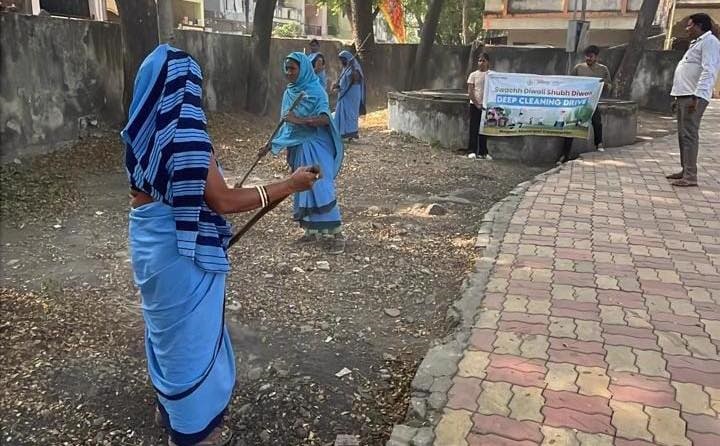
Playground Cleanliness Drive Nagpur: The Nagpur Municipal Corporation (NMC) has launched a proactive playground cleanliness campaign across the city’s playgrounds, aiming to transform these open spaces into safe, clean, and inviting areas for the community. Covering all ten city zones, this drive is set to run until November 16, focusing on meticulous cleaning, weed removal, and maintenance work.

After the heavy monsoon season, weeds and unwanted vegetation have spread across many playgrounds, not only spoiling the visual appeal of these open spaces but also creating breeding sites for mosquitoes. The NMC’s efforts in prioritizing playgrounds signify its commitment to enhancing the quality of life for the citizens by ensuring that these areas remain accessible and enjoyable for everyone.

The Purpose Behind the Playground Cleanliness Drive

NMC’s playground cleanliness drive aims to address a few key community concerns: (Playground Cleanliness Drive Nagpur)

  • Public Safety: Overgrown vegetation and debris can become dangerous and limit visibility.
  • Health Concerns: Weeds, puddles, and damp ground serve as breeding sites for mosquitoes, raising the risk of diseases.
  • Aesthetic Enhancement: By removing unwanted vegetation, the campaign makes playgrounds more visually appealing and welcoming.

Through this focused effort, the NMC hopes to maintain a healthier environment across neighborhoods, allowing residents to make the best use of these community spaces.

First Day Success: 42 Playgrounds Cleaned

In just the first day, the NMC made significant strides by cleaning 42 playgrounds across Nagpur. Teams removed weeds, cut overgrown grass, and cleared debris. This initial success is a promising start, and the drive’s momentum is expected to continue throughout the campaign.

How the Clean-Up Works: Team Effort Across Zones

Each zone’s Zonal Officers, along with Cleanliness Inspectors, are leading the clean-up efforts. The systematic approach to cleaning includes:

  1. Ground Preparation: Inspecting each playground to identify major problem areas.
  2. Weed Removal: Cutting down overgrown grass and removing weeds to create a more organized space.
  3. Trash Collection: Clearing playgrounds of litter, debris, and vegetation waste.

The NMC’s structured plan ensures that playgrounds in all ten zones receive attention.

Spotlight on Laxmi Nagar Zone’s Playgrounds

In the Laxmi Nagar Zone, playgrounds in notable areas like West Samarth Nagar, Hanuman Temple Ground in Ujjwal Nagar, Indian Gymkhana, Dhantoli, and the basketball ground in Bajaj Nagar were cleaned thoroughly on the first day. Residents of this zone can already see a significant difference in their local playgrounds, and community feedback has been highly positive.

Additional Playgrounds Covered Across Nagpur

Beyond Laxmi Nagar, the NMC has also extended its efforts to other significant playgrounds:

  • Sita Nagar Dhawad College
  • Hanuman Mandir-Pande Layout
  • Futala Lake Ground at Dharampeth Layout
  • Priyadarshani Colony and Civil Lines
  • The garden at Gandhi Square, Sadar
  • The ground behind Sule School, Dhantoli
  • Yoga Bhavan and Mahalaxmi Nagar Square Ground

This extensive reach across Nagpur’s various neighborhoods ensures that every community benefits from the drive.

Key Benefits of the Playground Cleanliness Drive

The cleanliness drive is not just about tidying up—it has broader benefits for the community as a whole:

1. Safer Play Areas for Kids and Families

With the removal of overgrown weeds and unwanted debris, playgrounds are safer for children to play in, minimizing hazards from hidden sharp objects or pests.

2. Community Health Benefits

By reducing mosquito breeding grounds, the NMC is actively combating potential health risks like malaria and dengue, which can spread rapidly through stagnant water and unkempt vegetation.

3. Enhanced Community Spirit

Clean and well-maintained playgrounds invite more community activities, from sports and exercise to social gatherings, fostering a sense of community and shared responsibility.

Public Feedback: How Citizens Are Responding

Residents have voiced their appreciation for NMC’s proactive approach to cleaning up playgrounds. Community members feel more encouraged to spend time outdoors, engage in recreational activities, and participate in maintaining these spaces.

Some Resident Testimonials

  • Amit P.: “It’s refreshing to see the playground near my home finally cleaned up. My kids love playing there, and now I don’t have to worry about weeds and trash.”
  • Meena R.: “The NMC’s clean-up campaign is a wonderful initiative! It’s encouraging to see our taxes being put to good use.”
  • Kiran S.: “I’ve noticed fewer mosquitoes around the playground in my area, and it’s making a real difference for my family.”

Challenges Faced by the NMC

While the drive has been successful, it has not been without challenges:

  • Monsoon Aftermath: The heavy rains left behind waterlogged and muddy areas, making weed and grass removal difficult.
  • Limited Resources: Mobilizing resources and manpower for such an extensive drive across all ten zones has been demanding.
  • Community Awareness: While feedback has been positive, encouraging long-term maintenance by the community remains a challenge.

What’s Next for NMC? Maintaining Cleanliness in Playgrounds

The NMC plans to sustain these cleanliness efforts beyond the November 16 end date. They have proposed:

  • Regular Clean-Up Days: Designating specific days each month for cleaning up playgrounds.
  • Community Involvement Initiatives: Encouraging residents to actively participate in playground maintenance.
  • Educational Campaigns: Raising awareness on the importance of keeping public spaces clean and free of litter.

The NMC’s citywide playground cleanliness drive is an inspiring initiative that shows the impact of prioritizing community health, safety, and well-being. Through their comprehensive cleaning and maintenance efforts, playgrounds across Nagpur have been transformed into safe, welcoming spaces that encourage outdoor activities and strengthen community ties. With continued public support and participation, these playgrounds can remain well-maintained for the long term.

1. Why did the NMC launch the playground cleanliness drive?
The drive aims to enhance playground safety, reduce mosquito breeding grounds, and improve the visual appeal of community spaces following the monsoon season.

2. How long will the cleanliness drive last?
The drive is scheduled to run until November 16, covering playgrounds in all ten zones of Nagpur.

3. How many playgrounds has the NMC cleaned so far?
As of the first day, the NMC cleaned 42 playgrounds, with plans to continue until all playgrounds are addressed.

4. What are the benefits of this initiative?
The drive makes playgrounds safer for children, reduces health risks from mosquitoes, and enhances the appearance of community spaces.

5. How can the community support this initiative?
Community members can support the initiative by keeping playgrounds clean, avoiding littering, and participating in clean-up efforts organized by the NMC.

“I Am Only CM In Maharashtra Who Doesn’t Own A House In Mumbai”: Devendra Fadnavis

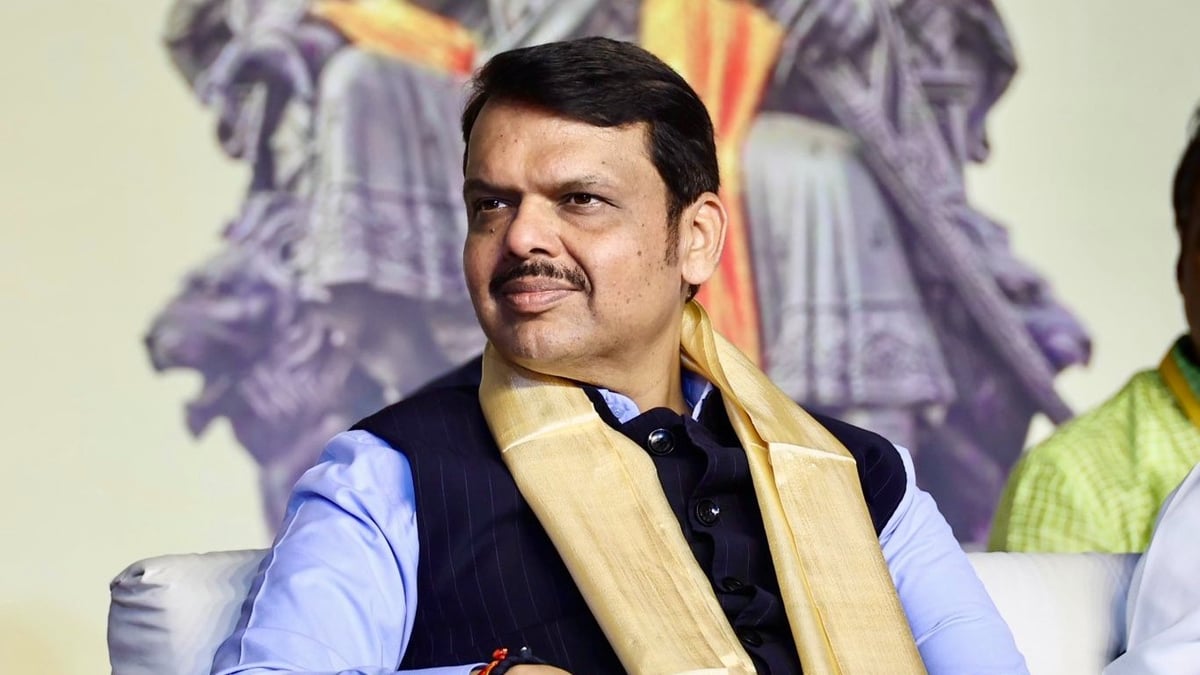
Devendra Fadnavis Mumbai House: With less than a week before Maharashtra’s assembly elections, the state’s political leaders are intensifying their campaigns. Among them, Devendra Fadnavis, BJP leader and Maharashtra’s Deputy Chief Minister, has drawn attention with a unique and emotional message. At a recent rally, he declared that he is the only Chief Minister of Maharashtra who does not own a home in Mumbai. Instead, he takes pride in his Nagpur roots and residence, which is seen as a significant personal stance in a city known for its booming real estate.

Fadnavis’ Unique Position in Maharashtra Politics

Why This Statement Matters

In a city where real estate is highly prized, Fadnavis’ choice to forgo owning property in Mumbai makes a strong statement, distinguishing him from other high-profile leaders.

Mumbai: The Real Estate Hub

Mumbai is not only Maharashtra’s capital but one of the most valuable real estate markets in India. Many prominent politicians and public figures invest in Mumbai properties, viewing it as a status symbol and a wise financial asset.

The Importance of Roots: Why Nagpur Matters

Fadnavis has continually emphasized his deep connection to Nagpur, often highlighting the city as a central part of his identity. This connection has fostered loyalty among his constituents, particularly in Nagpur South West, his long-held constituency.

A Glimpse Into Fadnavis’ 25-Year Political Career

Political Tenure Without Personal Gain

For 25 years, Fadnavis has represented Nagpur, advocating for public causes rather than private gain. At the rally, he noted his dedication to public service, refraining from investing in businesses or institutions for personal profit.

The Legacy of a CM Without a Mumbai Home (Devendra Fadnavis Mumbai House)

Out of Maharashtra’s 20 Chief Ministers to date, Fadnavis claims to be the only one who does not own a home in the state capital. This distinction has become a focal point in his campaign, aiming to connect with voters on a personal level.

The 2024 Elections: High Stakes for All Parties

Political Climate Leading Up to Elections

With political leaders rallying across Maharashtra, there’s a heightened focus on personal narratives and individual qualities of candidates. Fadnavis’ unique stance is an attempt to appeal emotionally to voters.

The Dynamics Between Mahayuti and MVA

As the 2024 elections approach, the alliance between BJP, Eknath Shinde’s Shiv Sena, and Ajit Pawar’s NCP is challenging the Maha Vikas Aghadi (MVA). This election marks their second major contest following the 2024 Lok Sabha elections.

Why Fadnavis’ Statement Resonates With Voters

Public Image and Transparency

By making such a statement, Fadnavis is setting a tone of transparency and personal sacrifice, seeking to relate to voters who may feel distanced from politicians’ lifestyles.

Connecting With the Everyday Voter

Fadnavis’ decision not to own a home in Mumbai adds to his image as a politician focused on duty over personal gain, a narrative that aims to resonate with the general public.

As the Maharashtra elections approach, political leaders are employing personal narratives to win voters’ support. Devendra Fadnavis’ declaration of being the only CM without a home in Mumbai aligns with his long-standing identity as a public servant. For Fadnavis, the focus on Nagpur is not just a campaign stance but a defining part of his public life.

Ladki Bahin Yojna to Expand if Fadnavis Wins Maharashtra Assembly Election 2024

Maharashtra Election | Devendra Fadnavis Nagpur | Ladki Bahin Yojna and Its Impact on Maharashtra’s Women

Maharashtra Election | Nagpur : The Ladki Bahin Yojna, launched by Devendra Fadnavis, aims to uplift women across Maharashtra by providing financial aid and empowering them with new opportunities. As Fadnavis campaigns for the 2024 Maharashtra Assembly Elections, he has vowed to increase the scheme’s benefits from ₹1,500 to ₹2,100 per eligible woman, contingent on his election win. This promise highlights his commitment to social welfare, infrastructure improvements, and educational enhancements across the state.

What is Ladki Bahin Yojna?

The Ladki Bahin Yojna is a social welfare scheme primarily focused on financial assistance for women in Maharashtra. It represents Fadnavis’s broader vision of empowering women economically and socially.

Key Features of Ladki Bahin Yojna

  • Financial aid of ₹1,500 per woman (proposed to increase to ₹2,100)
  • Focus on women’s empowerment and upliftment
  • Aims to provide economic stability and increased opportunities

Fadnavis’s Promise: Enhancing Maharashtra’s Social Welfare Programs

During his recent public rallies, Fadnavis reaffirmed his dedication to improving Maharashtra’s welfare landscape. By expanding Ladki Bahin Yojna, he hopes to impact a larger demographic and improve quality of life for women across Maharashtra.

Commitment to Infrastructure: A Vision for Nagpur

Beyond social welfare, Fadnavis is keen on transforming Nagpur’s infrastructure to international standards. In his speeches, he has outlined plans to modernize the city’s roads, public transportation, and other essential services, making it a model city in Maharashtra.

1. Enhanced Road Networks

Under Fadnavis’s leadership, significant improvements have already been made to Nagpur’s roads, facilitating smoother traffic and better connectivity.

2. Metro System Upgrades

The city’s metro system is undergoing major upgrades, aiming for safer and faster travel options for Nagpur’s residents. This move aligns with Fadnavis’s broader goals for urban development.

Education and Skill Development Initiatives

Fadnavis has also shown a strong commitment to education. Some prominent educational institutions, including AIIMS, IIIT, and IIM, were established under his leadership, creating better learning opportunities for Maharashtra’s youth.

1. AIIMS, Nagpur

The establishment of AIIMS has boosted Nagpur’s medical education and healthcare services, providing a top-tier institution for aspiring doctors.

2. IIIT and IIM: Driving Technical and Management Excellence

IIIT and IIM are known for their quality education and excellent faculty, attracting students nationwide and contributing to Nagpur’s educational prestige.

The COVID-19 Response: A Leadership in Crisis

Reflecting on his leadership during the COVID-19 pandemic, Fadnavis highlighted his efforts to provide oxygen cylinders and other essential resources, ensuring that citizens received timely support in times of crisis.

Devendra Fadnavis Vision for Maharashtra’s Future

Fadnavis emphasized his commitment to Maharashtra’s progress. Unlike some other politicians, he openly stated that he does not own land, schools, or colleges, focusing instead on building trust and fulfilling his promises.

What This Means for Maharashtra’s Women

If Ladki Bahin Yojna is expanded, it could bring significant positive change to women across Maharashtra. The increased financial support could help women cover educational expenses, invest in small businesses, or achieve greater independence.

Key Questions and Concerns

1. How will the expanded Ladki Bahin Yojna be funded?

Funding sources and budget allocations for social schemes like Ladki Bahin Yojna will be a point of focus if Fadnavis’s party wins the election.

2. Will there be eligibility criteria changes?

Currently, eligibility criteria include residency and income limits, but details on any changes are yet to be discussed.

3. How can women apply for the scheme?

The application process is expected to be simplified through online platforms, making it accessible to all eligible women in Maharashtra.

A Hopeful Future with Ladki Bahin Yojna

With Devendra Fadnavis’s vision for Maharashtra, the Ladki Bahin Yojna stands as a testament to his commitment to social welfare, infrastructure, and education. His proposed increase in financial aid under the scheme could bring transformative change to women’s lives across the state, fostering economic stability and independence. As election day approaches, this scheme continues to play a central role in his campaign, symbolizing a promise of hope for a brighter future in Maharashtra.

Q1. What is the proposed increase in Ladki Bahin Yojna’s benefits?
A1. If Fadnavis wins, the scheme’s financial assistance will increase from ₹1,500 to ₹2,100 per eligible woman.

Q2. How does Ladki Bahin Yojna support women’s empowerment?
A2. It provides financial aid aimed at improving economic stability and independence for women.

Q3. Who is eligible for Ladki Bahin Yojna?
A3. Eligibility criteria currently include residency and income limits, though details may evolve if the scheme expands.

Q4. What are some of Fadnavis’s other initiatives for Maharashtra?
A4. Fadnavis has championed projects in education, infrastructure, and social welfare, such as the establishment of AIIMS and IIIT in Nagpur.

Q5. How does Ladki Bahin Yojna align with Fadnavis’s broader vision?
A5. The scheme aligns with Fadnavis’s goal of uplifting underrepresented groups and improving economic conditions across Maharashtra.

India’s Tour of England 2025: Complete Test, T20I, and ODI Fixture Breakdown

India vs England 2025 | Vidarbha Cricket Association Stadium (VCA), Nagpur: : Cricket enthusiasts around the world have a thrilling year ahead with the much-anticipated India’s Tour of England 2025. The tour, scheduled between January and August, promises an action-packed series of T20Is, ODIs, and Test matches that will see India facing England across iconic cricket grounds. Let’s dive into the details of this exciting series, analyze the fixtures, and see what’s in store for fans!

India vs England 2025 Series Overview {#series-overview}

The India vs England 2025 series is structured into three formats: T20I, ODI, and Test matches. Starting with T20Is in January, the competition will carry on through to the Test series in June, offering a range of exciting encounters across different playing conditions.

T20I Series Schedule {#t20i-schedule}

India and England will kick off their tour with five T20I matches across iconic Indian stadiums. These fast-paced games are sure to bring high energy as both teams showcase their strengths in limited-overs cricket.

  • 1st T20IEden Gardens, Kolkata: January 22
  • 2nd T20IMA Chidambaram Stadium, Chennai: January 25
  • 3rd T20INiranjan Shah Stadium, Rajkot: January 28
  • 4th T20IPune: January 31
  • 5th T20IWankhede Stadium, Mumbai: February 2

ODI Series Schedule {#odi-schedule}

The three-match ODI series provides a more strategic and endurance-testing format, where teams balance aggression with tactics to dominate the field.

  • 1st ODIVidarbha Cricket Association (VCA) Stadium, Nagpur: February 6 (India vs England 2025 VCA Nagpur)
  • 2nd ODIBarabati Stadium, Cuttack: February 9
  • 3rd ODINarendra Modi Stadium, Ahmedabad: February 12

Test Series Schedule {#test-schedule}

The Test series, spanning five matches, will be the true test of skill, endurance, and strategy for both teams. The Test matches will be played in England, with games held at world-renowned stadiums that have hosted some of the most memorable moments in cricket history.

  • 1st TestHeadingley, Leeds: June 20-24
  • 2nd TestEdgbaston, Birmingham: July 2-6
  • 3rd TestLord’s, London: July 10-14
  • 4th TestEmirates Old Trafford, Manchester: July 23-27
  • 5th TestThe Kia Oval, London: July 31-August 4

Anticipated Highlights of the Tour {#anticipated-highlights}

  • Historic Venues: Each venue has a distinct cricketing legacy and brings unique challenges.
  • Key Match-Ups: Expect fiery showdowns between premier bowlers and explosive batsmen.
  • Strategic Variability: Playing conditions will vary, impacting team strategies.

Key Players to Watch {#key-players}

India and England have some of the finest talents in world cricket. Here’s who to keep an eye on:

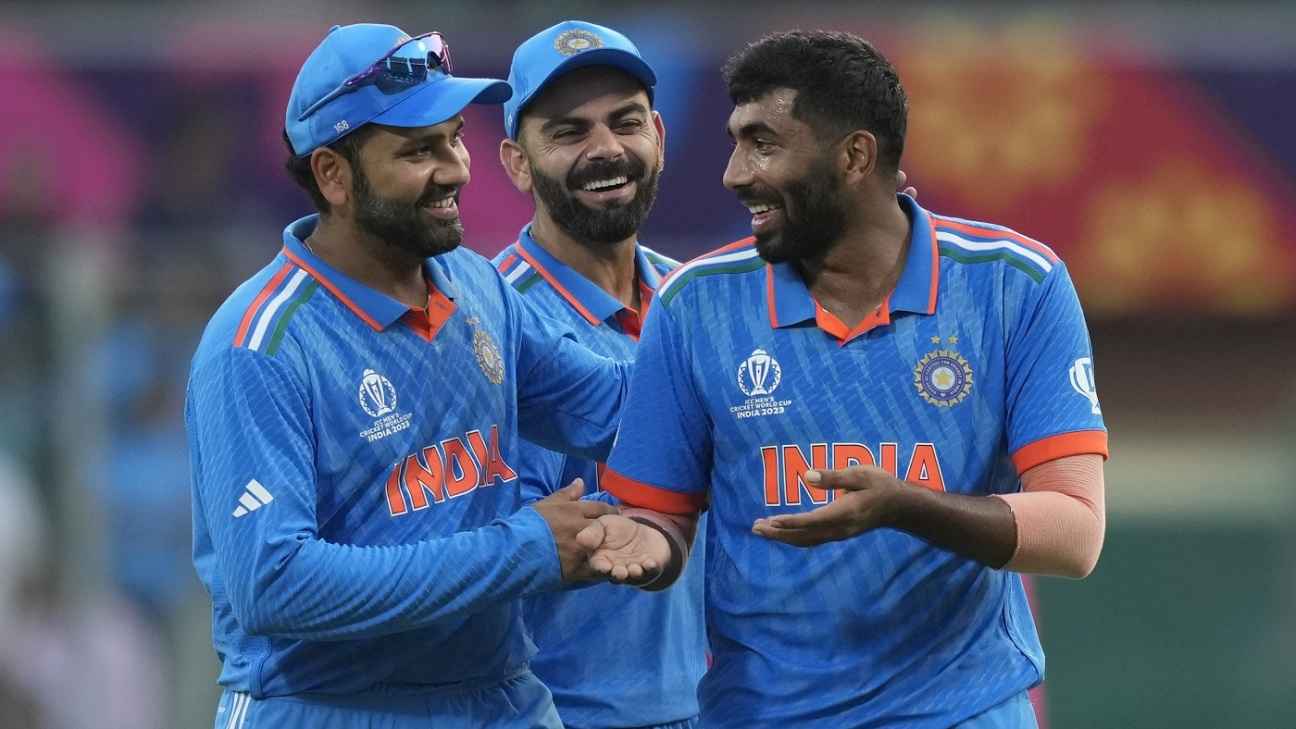
  • India’s Stars: Virat Kohli, Rohit Sharma, Jasprit Bumrah.
  • England’s Powerhouses: Joe Root, Ben Stokes, Jofra Archer.

Historical Rivalry: India vs England {#historical-rivalry}

The rivalry between India and England dates back to their first Test series in 1932. Since then, both teams have produced countless unforgettable matches and thrilling moments, fueling this long-standing cricket rivalry.

The Iconic Venues {#iconic-venues}

Each match venue adds a unique flavor to the tour:

  • Eden Gardens: Known for its electrifying crowd.
  • Lord’s: The “Home of Cricket,” offering a traditional English cricket experience.
  • Old Trafford: Known for its unpredictable weather and challenging pitch.

Why This Series is a Must-Watch {#must-watch-series}

For fans of cricket, India’s 2025 tour of England is a spectacle not to miss. The combination of seasoned players, historic venues, and the varied formats makes it a comprehensive test of skill and a thrilling viewing experience.

1. How many Test matches will India play against England in 2025?

India will play five Test matches against England from June to August 2025.

2. When does the T20I series between India and England start?

The T20I series begins on January 22, 2025, at Eden Gardens, Kolkata.

3. What is the schedule for the ODI matches?

The ODIs are scheduled for February 6, 9, and 12, 2025, across Nagpur, Cuttack, and Ahmedabad.

4. Which players are expected to be key for this series?

For India, players like Virat Kohli and Rohit Sharma will be crucial. For England, look out for Joe Root and Ben Stokes.

5. Why is this series anticipated as one of the biggest in 2025?

With varied formats, top talent, and iconic venues, the India-England 2025 series offers fans a complete cricketing experience.

MVA’s Five Key Promises for Maharashtra Elections: Rs 3,000 for Women and Rs 4,000 for Unemployed Youth

MVA Guarantees Maharashtra Election | assembly elections 2024: The Maha Vikas Aghadi (MVA) coalition recently revealed a set of promises aimed at addressing social and economic issues in Maharashtra, as part of their campaign for the upcoming assembly elections . (assembly elections 2024)Announced in a powerful rally attended by prominent leaders, these “five guarantees” form the backbone of the MVA’s pitch to voters. With a focus on financial assistance for women and unemployed youth, agricultural debt relief, healthcare improvements, and more, these initiatives seek to reshape Maharashtra’s future.

1. Mahalakshmi Yojana: Empowering Women in Every Household

Under the Mahalakshmi Yojana, the MVA (MVA Guarantees Maharashtra Election) has proposed a monthly payment of Rs 3,000 to one woman in each family, helping to alleviate financial strain and promote gender equity. In addition to the monetary aid, the plan also offers free bus travel for all women in Maharashtra, aiming to boost mobility and independence for women across the state.

1.1 Impact of Mahalakshmi Yojana on Women Empowerment

With rising costs of living, many women bear the financial burdens of household expenses. The Mahalakshmi Yojana promises to support these women, potentially reducing poverty levels and increasing opportunities for skill development and entrepreneurship.

2. Loan Waivers and Incentives for Farmers

The MVA’s promises (MVA Guarantees Maharashtra Election) include agricultural loan waivers up to Rs 3 lakhs, aimed at reducing debt burdens that have often led to extreme hardship for farmers. Additionally, an incentive of Rs 50,000 will be provided to those who make regular loan repayments, a scheme designed to encourage responsible financial behavior while offering critical support.

2.1 The Importance of Financial Relief for Farmers

Agriculture forms the backbone of Maharashtra’s economy. Loan waivers and financial incentives are expected to foster economic stability in rural areas, easing the pressure on farmers who struggle to make ends meet due to crop failures, market instability, and high debt.

3. Health Insurance of Rs 25 Lakh for All Families

Recognizing the importance of healthcare accessibility, the MVA has pledged to provide health insurance coverage worth Rs 25 lakh to every family. This comprehensive policy aims to alleviate the financial stress associated with medical emergencies and treatments.

3.1 Free Essential Medicines for All

To further enhance healthcare support, essential medicines will be made available for free across state hospitals. This promise ensures that basic health needs are met without placing an additional financial burden on families, particularly in rural and underserved areas.

4. Rs 4,000 Monthly Support for Unemployed Youth

To address unemployment, the MVA proposes Rs 4,000 in monthly assistance for job-seeking youth until they find employment. This promise is aimed at providing financial stability for young individuals, reducing their dependence on family support and enabling them to focus on skill-building and job opportunities.

4.1 Empowering Youth for a Productive Future

With the youth comprising a significant part of Maharashtra’s population, this financial aid could pave the way for a more skilled, self-sufficient workforce. The Rs 4,000 monthly assistance encourages young people to seek better job opportunities without the immediate pressure of financial insecurity.

5. Caste Census and Reservation Policies

The MVA has also committed to conducting a caste census and taking steps to remove the 50% cap on reservations. This initiative is rooted in the goal of ensuring fair representation for all communities, especially marginalized groups, and addressing longstanding inequalities.

5.1 The Role of Caste Census in Social Equality

A caste census would provide critical data on the socioeconomic conditions of various groups in Maharashtra, helping to create a more equitable distribution of resources and opportunities across the state.

MVA’s Stand Against BJP’s Governance (assembly elections 2024)

During the rally, MVA leaders criticized the ruling BJP government for failing to fulfill its promises. They accused the BJP of destabilizing elected governments through tactics involving agencies such as the CBI and ED. The MVA also highlighted its ideological opposition to the BJP and RSS, emphasizing the need to protect democratic values and the Constitution.

The MVA’s five guarantees offer a comprehensive vision for Maharashtra’s future, addressing social and economic issues through targeted schemes. With promises of financial support for women and youth, healthcare reforms, agricultural relief, and a focus on social equality, the coalition hopes to gain widespread support. These guarantees, if implemented, could transform the lives of millions, promoting a more inclusive and prosperous Maharashtra.

1. What is the Mahalakshmi Yojana?
The Mahalakshmi Yojana provides Rs 3,000 monthly to one woman in each household, along with free bus travel for women across Maharashtra.

2. How much financial aid will farmers receive under MVA’s plan?
Farmers with loans up to Rs 3 lakhs can benefit from loan waivers, along with a Rs 50,000 incentive for regular repayment.

3. What healthcare benefits are included in MVA’s guarantees?
The MVA promises health insurance coverage of Rs 25 lakh for all families, along with free essential medicines in government hospitals.

4. How does MVA plan to support unemployed youth?
Unemployed youth will receive Rs 4,000 monthly until they secure employment, providing financial relief and encouraging skill development.

5. What is the significance of the caste census promised by MVA?
A caste census aims to provide accurate data on the demographics of Maharashtra, which will inform policies for fair representation and resources allocation.

Maharashtra: Rahul Gandhi’s Nagpur Event Faces Backlash As Media Access Denied

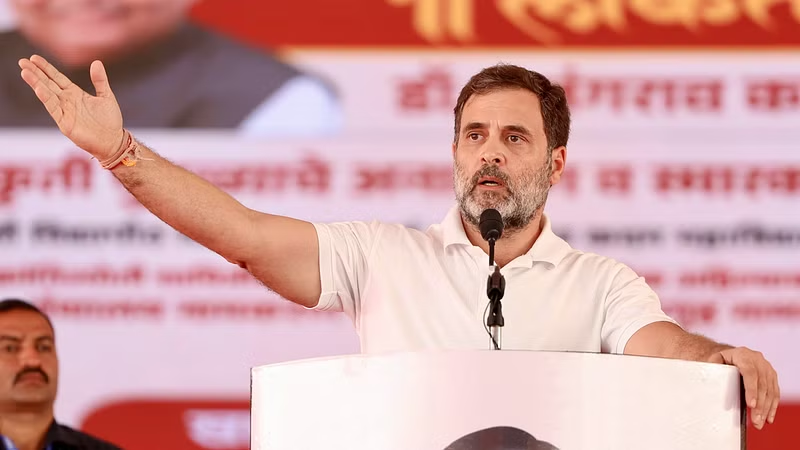
Rahul Gandhi Nagpur Event: A fresh controversy is brewing in Maharashtra as Congress faces backlash over its decision to restrict media access to Rahul Gandhi’s “Constitution Respect Conference” in Nagpur. For a party that has long championed freedom of the press, the decision seems paradoxical and has ignited fierce debates. Let’s dive into the issue.

The Event in Question (Rahul Gandhi Nagpur Event)

Rahul Gandhi’s highly anticipated event, the “Constitution Respect Conference,” is set to take place on November 6 at the Suresh Bhat Auditorium in Nagpur’s Reshim Bagh. The gathering is expected to attract notable social activists, intellectuals, and civil society members. But there’s a catch — no media allowed.

Why Block Media Access?

The Congress party, known for advocating transparency and press freedom, has stirred controversy by barring journalists from attending. It’s not just about preventing a few reporters from covering a conference. This decision raises bigger questions: Is Congress afraid of scrutiny? Does the move undermine their democratic values?

Political Opponents React Strongly

Predictably, political rivals didn’t hold back. The Bharatiya Janata Party (BJP) was quick to jump on this, labeling the Congress as hypocritical. Critics argue that a party emphasizing constitutional respect cannot pick and choose when to honor democratic norms. How ironic is that?

BJP’s Claims of Hypocrisy

The BJP pointed to past Congress amendments, accusing the party of double standards. They argue that barring media from a democracy-themed event contradicts Congress’s stand on freedom of speech and transparency. Are these accusations fair, or is it a strategic overreaction?


The Role of OBC Yuva Adhikar Manch (Rahul Gandhi Nagpur Event)

Congress leaders have tried to distance themselves from the controversy. According to senior leader Vijay Wadettiwar, the event was organized by the OBC Yuva Adhikar Manch, not Congress itself. The Manch, he clarified, decided the media policy independently.

Congress Defends Its Position

Despite these explanations, many aren’t convinced. Critics see it as an attempt to control the narrative ahead of the crucial Maharashtra Assembly elections. Could Congress’s distancing tactic be a smokescreen?

Press Freedom vs. Political Strategy

The controversy raises broader concerns about press freedom in India. Journalists play a crucial role in keeping democracy transparent, so restricting access to a conference about constitutional values seems contradictory. Is this a strategic move to manage messaging, or is Congress trying to avoid difficult questions?


Maharashtra’s Political Landscape Heats Up

With the Maharashtra Assembly elections on the horizon, the event has become a flashpoint for political posturing. Every decision, every move, is magnified in the high-stakes pre-election atmosphere. Could this media ban affect Congress’s chances at the polls?

Timing Is Everything

Political analysts argue that the ban is poorly timed. When transparency should be a political asset, it now appears to be Congress’s liability. The opposition has seized the opportunity, framing Congress as a party that preaches one thing but practices another.


Why Transparency Matters in Politics

Democracy thrives on accountability. Blocking the media from an event about upholding constitutional values sends mixed signals. Remember, perception is often reality in politics. So, how does this incident reflect on Congress’s image?

The Impact on Public Perception

Voters care about what they perceive as authentic leadership. If Congress wants to be seen as defenders of democratic values, this move may have caused more harm than good. The question remains: Can they regain the public’s trust?


Constitution Respect Conference: What’s at Stake?

The conference isn’t just another political event. It is a platform meant to highlight the importance of respecting and preserving constitutional values. Yet, by keeping journalists out, the focus has shifted from the conference’s message to Congress’s actions. Talk about missing the point!

The Congress Agenda

The keynote by Rahul Gandhi will likely cover pressing issues about constitutional respect and the safeguarding of democratic institutions. But will the message land effectively without media coverage?


Congress’s Defense: Event Organizer’s Decision

Congress claims that the OBC Yuva Adhikar Manch made the call, not the party. But skeptics aren’t buying it. Whether this decision truly originated from the Manch or Congress, the optics are less than ideal.

Vijay Wadettiwar’s Clarification

Senior Congress leader Vijay Wadettiwar reiterated that the media policy had nothing to do with Congress. However, as the party’s brand is associated with the event, critics argue that deflecting responsibility is not a solid defense.


Political Fallout and Election Implications

As Maharashtra gears up for its assembly elections, every move matters. Could this controversy cost Congress voter support? It’s a high-stakes gamble, especially in a state where political dynamics are so volatile.

Controlling the Narrative or Avoiding Accountability?

Many speculate that Congress is using this opportunity to control the narrative. By keeping the media at bay, the party may be hoping to dodge difficult questions and controversies. But this strategy could backfire spectacularly.


The Bigger Picture: Press Freedom in India

Press freedom is a cornerstone of any democracy. Events like this one remind us of the thin line between strategic communication and censorship. How will this incident influence India’s discourse on media independence?

Broader Implications for Press Freedom

While Congress defends its actions, the incident underscores ongoing tensions around press freedom in India. Is the country at risk of sliding into a more restrictive media environment?


The Verdict: Congress Faces a Tough Battle

Congress has a lot riding on the upcoming elections, and this controversy has added fuel to the fire. Will the party’s stance on press freedom come back to haunt them, or will voters focus on other issues?

As the political temperature in Maharashtra continues to rise, the “Constitution Respect Conference” controversy is more than just a debate about media access. It’s a reflection of the evolving power dynamics and the crucial role transparency plays in modern governance. Only time will tell if Congress can weather this storm.

  1. Why was media access denied at Rahul Gandhi’s Nagpur event? The event organizers, OBC Yuva Adhikar Manch, decided to restrict media access, not Congress. Critics see this as an attempt to control the narrative.
  2. What is the significance of the Constitution Respect Conference? The conference aims to highlight the importance of constitutional values, with Rahul Gandhi as the keynote speaker addressing issues related to democracy.
  3. How has the BJP reacted to the media ban? The BJP accused Congress of hypocrisy, arguing that a party advocating press freedom cannot block journalists from such an event.
  4. Does Congress defend the decision to restrict the press? Congress leaders claim the decision wasn’t theirs but stress that the event’s organizer acted independently, a defense that has not convinced many.
  5. Will this controversy affect Congress in the upcoming elections? It could. With elections near, any misstep can impact voter perception, and this incident adds to the challenges Congress faces.

IPL 2025 Auction Likely to Be Held in Riyadh on November 24, 25

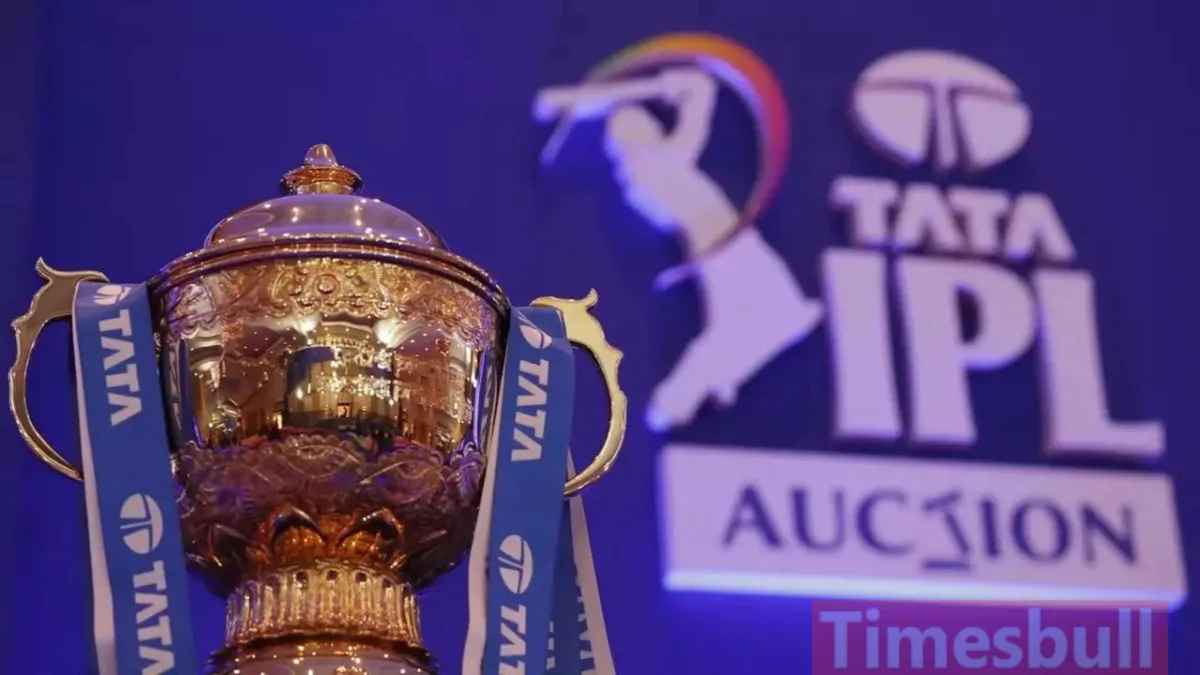
IPL 2025 auction Riyadh: The cricketing world is abuzz as the Indian Premier League (IPL) 2025 mega auction is set to reach new heights, both literally and figuratively. Riyadh, Saudi Arabia, is expected to host this monumental event on November 24 and 25. While the Board of Control for Cricket in India (BCCI) has yet to confirm these details officially, various sources suggest that final arrangements are nearly complete.

So, why is Riyadh in the spotlight, and what challenges lie ahead? Let’s dig into everything you need to know.

Why Riyadh? The Story Behind the Venue Selection

A Global Expansion of the IPL

The IPL is no longer just an Indian affair. With its massive global following, the tournament has transcended borders. Hosting the auction in Riyadh signifies the league’s expansion, cementing cricket’s growing popularity in the Middle East.

Venues Considered Before Riyadh

Before settling on Riyadh, the BCCI explored various international venues, including:

  • Jeddah: Initially, a strong contender but eventually ruled out.
  • Dubai and Singapore: Popular choices but ultimately not selected.
  • Vienna: A surprising candidate, though Riyadh prevailed as the final pick.

Challenges of Scheduling: The India-Australia Test Match Overlap

A Clash of Dates

The auction dates coincide with India’s first Test against Australia in Perth, scheduled from November 22 to 26. Given that Disney Star holds the broadcast rights for both events, there is understandable concern about overlapping viewership.

Mitigating Broadcast Conflicts

The time difference between India and Australia might just save the day. If the auction is held in the afternoon (IST), it could seamlessly avoid clashing with the match broadcast. Still, this has stirred debates and discussions among cricket fans and administrators alike.

Bidding Wars: Players to Watch Out For

The IPL 2025 auction promises to be as electrifying as ever. Here are some players expected to fetch top dollar:

1. Rishabh Pant

  • Role: Wicketkeeper-batsman
  • Strengths: Explosive batting, exceptional agility behind the stumps
  • Why He’s Valuable: Pant’s unmatched aggression makes him a hot commodity in any T20 format.

2. Shreyas Iyer

  • Role: Middle-order batsman and captain material
  • Strengths: Solid technique, proven leadership
  • Why He’s Valuable: Iyer’s ability to anchor innings while leading a team sets him apart.

3. KL Rahul

  • Role: Opening batsman
  • Strengths: Consistency, adaptability
  • Why He’s Valuable: His calm demeanor combined with a penchant for big scores is irresistible to franchises.

4. Arshdeep Singh

  • Role: Fast bowler
  • Strengths: Death bowling specialist
  • Why He’s Valuable: Arshdeep’s knack for delivering under pressure makes him a crucial asset.

5. Ishan Kishan

  • Role: Wicketkeeper-batsman
  • Strengths: Explosive batting, electric fielding
  • Why He’s Valuable: His ability to change the game’s momentum in a matter of overs is invaluable.

Teams’ Strategies and Retentions

Retention Announcements and Key Moves

Franchises have started announcing their retentions ahead of the auction. The October 31 retention deadline has fueled strategic decisions as teams lock in their core players.

Budget Management

With marquee players commanding high prices, balancing the budget becomes crucial. Teams are likely to offload some high-cost players to bid for younger, promising talents.

The Logistics: Preparations for Riyadh

Preliminary Visits and Venue Assessment

Reports suggest that BCCI officials have already visited Saudi Arabia to assess potential venues. A second delegation is expected to fly soon to finalize the arrangements. Riyadh’s capital status and excellent facilities have made it the top pick for hosting the auction.

Travel and Accommodation for Teams

With the auction taking place abroad, IPL franchises are pushing for clarity on travel and logistics. Coordinating international flights, accommodation, and other arrangements needs ample time.

The Financial Aspect: BCCI’s Revenue Strategy

Monetizing Global Appeal

Taking the auction to Riyadh isn’t just about expanding cricket’s reach but also a strategic move to generate higher revenues. The Middle Eastern market, with its growing interest in sports, presents lucrative opportunities.

Sponsorships and Partnerships

Expect a flurry of sponsorship deals. The Middle East is known for its extravagant events, and the IPL auction is likely to attract big names from various sectors.

Impact on Players and Teams

Player Reactions to an Overseas Auction

While players are accustomed to traveling for matches, an overseas auction adds a new twist. The idea of starting a new IPL journey from Riyadh is both exciting and logistically complex.

Training Camps and Preparation

Teams will need to organize pre-season camps well in advance. The auction outcomes will dictate training schedules, player bonding sessions, and overall strategies.

Saudi Arabia’s Growing Sports Industry

From Football to Cricket

Saudi Arabia has made headlines with its investments in football, Formula 1, and even WWE. Now, cricket is set to join this growing list, emphasizing the country’s vision of becoming a global sports hub.

Vision 2030 and Sports Investments

The kingdom’s Vision 2030 plan highlights sports as a key area for economic diversification. Hosting the IPL auction aligns perfectly with this strategy.

The IPL 2025 auction is not just about players and franchises; it’s a global spectacle. From Riyadh’s unique cultural backdrop to the high-stakes bidding wars, this auction is set to make history. As fans, we’re in for an exhilarating ride.

1. Will the IPL auction in Riyadh affect the player pool?
No, the auction’s location won’t impact the player pool. All franchises will still have equal opportunities to bid on their targets.

2. Why is Riyadh hosting the auction?
Riyadh was chosen to expand cricket’s reach and tap into the Middle Eastern market, aligning with the BCCI’s global vision.

3. How will the overlap with the India-Australia Test series be managed?
The time difference between Perth and India should minimize any clash, with the auction likely scheduled to avoid overlapping broadcasts.

4. Are there any security concerns in Riyadh?
No significant concerns have been reported. The BCCI and Saudi authorities are working closely to ensure a secure and smooth event.

5. What impact will this have on future IPL seasons?
Hosting the auction abroad could pave the way for more international events and partnerships, making the IPL even more global.

Festive Rush: Nagpur Railway Station Managing Over 1 Lakh Passengers Daily

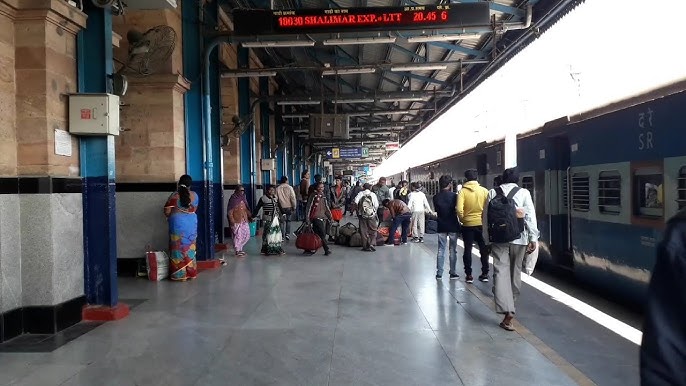
Nagpur Railway Station: Festive seasons bring a whirlwind of excitement, but at Nagpur Railway Station, it’s a storm of people. Imagine handling over 1 lakh passengers per day with trains running back-to-back. Let’s explore how this bustling hub is managing such a massive footfall, the strategies implemented, and what it means for the passengers.


Rising Footfalls at Nagpur Railway Station

A 67% Increase in Footfall

The usual 60,000 daily passengers have shot up to over 1 lakh. With about 140 trains, including 40 special ones for Diwali and Chhath Puja, this spike represents a whopping 67% increase. Have you ever been caught in a sea of people during the holidays? That’s what Nagpur station is dealing with every day.

How Many Trains Pass Through Daily?

Around 140 trains pass through Nagpur Railway Station daily. That’s equivalent to a train almost every 10 minutes! This includes regular services and special festive trains to accommodate the festive crowd.


Managing the Festive Rush: What’s Being Done?

Restricted Platform Entry Times

To manage the influx, passengers cannot access the platforms more than four hours before their departure. This restriction aims to reduce overcrowding, ensuring the station doesn’t become a chaotic mess. It’s like being in a busy airport with controlled boarding areas.

‘Cloning’ of Long-Distance Trains

What’s this all about? The Nagpur division has cloned 15 long-distance trains, replicating routes of popular ones like the Sanghamitra Express and Secunderabad-Danapur Express. Essentially, they’ve created backup plans for the masses, like adding more lanes on a highway during rush hour.

Special Holding Areas for Passengers

Remember the tragic stampede at Vandre station in Mumbai? Nagpur’s administration has learned from past events. Makeshift holding areas on the western side of the station offer a safer, more organized waiting experience. It’s a thoughtful move to prevent overcrowding.


Enhanced Security Measures

Deployment of Railway Protection Force (RPF)

Managing over 1 lakh people requires a security army. The RPF has deployed 80 additional personnel, ensuring everyone’s safety. These officers are stationed across the entire platform to maintain order.

Round-the-Clock Surveillance

The security efforts go beyond just manpower. A robust monitoring system is in place, with officials keeping a close watch over passengers, especially in reserved coaches. This approach ensures that passengers without reserved tickets don’t sneak into these areas.

Anti-Tout Drives

The Central Railway has cracked down hard on ticket touts. Anti-tout drives are in full swing, and special vigilance has been set up at Tatkal ticket counters to ensure fairness. If you’ve ever felt cheated while buying a ticket, know that this year, things are different.


Ticketing and Waiting Area Enhancements

Nine Ticket Windows for Reserved Passengers

Buying a ticket isn’t a nightmare anymore. With nine windows dedicated to reserved tickets, waiting times are significantly reduced. This move has eased the chaos at the booking counters.

Seven Unreserved Ticket Windows

Not everyone books in advance, right? For those buying unreserved tickets, there are seven windows operating efficiently. Special attention is being paid to these areas to streamline the process.

Tatkal Window Vigilance

Tatkal bookings can be a frenzy. With stringent checks and constant monitoring, the station is making sure these bookings are done fairly and transparently. It’s like having a lifeguard for the booking pool.


Crowd Control and Complaint Management

Comprehensive Crowd Management Plan

The crowd management strategy, led by DRM Manish Agrawal, is meticulous. From maintaining crowd flow to ensuring emergency services are on standby, every detail is covered. Think of it as a well-oiled machine working day and night to keep passengers safe.

Reduced Complaint Calls

A great indicator of success? Fewer complaints. The redressal system now receives only 30 calls daily, down from the usual 100. It shows how effective the measures have been.

Additional Support from NGOs

Non-Governmental Organizations have stepped in, offering services like water distribution and general assistance. It’s a community effort, with volunteers ensuring everyone is cared for.


Passenger Experience Enhancements

Additional Inquiry Booths and ‘May I Help You’ Kiosks

For those who easily get lost or confused, extra help is available. More inquiry booths and “May I Help You” kiosks have been set up. These additions make navigating the station a breeze.

No Sleeping Policy on Platforms

In a move to keep platforms clear, sleeping is strictly prohibited. It ensures better crowd flow and keeps the station safe and organized.

Encroachment Clearance Drives

Removing encroachments from station premises is crucial for managing foot traffic. The RPF and commercial department have jointly taken action, freeing up space for better passenger movement.


The Role of Technology in Crowd Management

Digital Monitoring Systems

Advanced digital surveillance ensures that every inch of the station is under watch. This high-tech system allows authorities to act swiftly in case of emergencies.

Automated Announcements and Alerts

Passengers are constantly updated through automated announcements, reducing confusion. From train timings to safety protocols, everything is broadcasted efficiently.


Looking Ahead: Plans for Future Festive Seasons

Expanding Infrastructure

Future plans may include expanding the station’s infrastructure to handle even more passengers. With Nagpur being a key junction, investment in growth is inevitable.

Learning from Experiences

Every festive season provides a learning opportunity. Authorities are continuously fine-tuning strategies to improve year after year.

Navigating through Nagpur Railway Station during the festive rush is no less than an adventure. But thanks to effective crowd management, safety measures, and enhanced passenger services, it’s a more organized chaos than one might imagine. With careful planning and community support, the station stands as a testament to resilience and efficiency.

  1. Why are passengers restricted to entering only four hours before their train?
    • This helps reduce overcrowding on platforms, ensuring a safer and more manageable environment.
  2. What are ‘cloned’ trains, and how do they help?
    • Cloned trains mimic popular routes, adding extra capacity to manage the massive passenger load.
  3. How is the Railway Protection Force contributing to security?
    • The RPF has increased personnel and conducts continuous surveillance to maintain order.
  4. Are Tatkal ticket counters being monitored?
    • Yes, special vigilance and anti-tout drives ensure fair and transparent booking at Tatkal windows.
  5. Can passengers sleep at Nagpur Railway Station?
    • No, sleeping is prohibited on platforms to maintain safety and crowd flow.

Nagpur Central, Umred: Shelke Declares Rs13L Assets

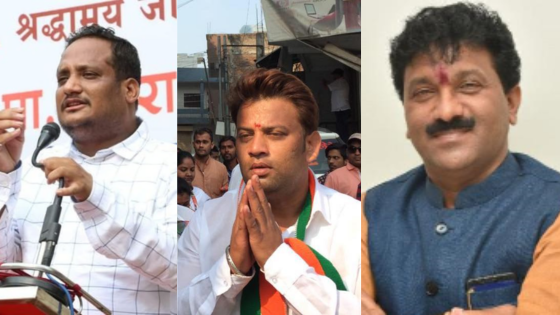
Bunty shelke | Pravin Datke | Raju Parwe | Nagpur: In the suspenseful buildup to the Maharashtra elections, the spotlight is firmly on the candidates from Nagpur Central and Umred. The last-minute announcements have added a layer of intrigue, especially with revelations from their filed affidavits. Among these, Bunty Shelke stands out, not for his wealth but his surprising lack thereof. In this article, we delve deep into the financial disclosures, backgrounds, and contrasts between key political figures, including Shelke, Pravin Datke, Sudhir Parwe, and Raju Parwe. Get ready to unravel the fascinating web of political profiles shaping the region.

Nagpur Central: An Election Full of Surprises

Who is Bunty Shelke?

Bunty Shelke, the Congress candidate from Nagpur Central, has raised eyebrows. Unlike the usual opulence associated with political figures, Shelke’s declared assets amount to just Rs13.11 lakh. No immovable property? You heard that right! Additionally, he has a small liability of Rs22,779, making his financial situation notably modest. Yet, the real twist comes with his legal entanglements: 26 FIRs are pending against him, highlighting a career marked by controversies.

Shelke’s Profile at a Glance

  • Total Movable Assets: Rs13.11 lakh
  • Total Immovable Assets: None
  • Liabilities: Rs22,779
  • Pending FIRs: 26
  • Educational Qualification: Matriculation

Shelke’s situation begs the question: Can a financially modest and legally burdened candidate make a strong impact in Nagpur Central?

Pravin Datke: The Seasoned Politician with Crores to His Name

Pravin Datke, representing Mahayuti, brings a contrasting profile. The current Maharashtra Legislative Council (MLC) member is no stranger to wealth. He declared Rs1.83 crore in movable assets and Rs2.57 crore in immovable property, underlining a robust financial background. But Datke’s candidacy isn’t without blemishes. Seven FIRs are filed against him, adding complexity to his political persona.

A Quick Breakdown of Datke’s Assets

  • Movable Assets: Rs1.83 crore
  • Immovable Assets: Rs2.57 crore
  • Total Assets: Rs4.4 crore
  • Pending FIRs: 7
  • Highest Educational Qualification: Matriculation

Datke’s financial power stands in stark contrast to Shelke’s simplicity. Will it make a decisive difference?

Umred Constituency: A Battle Between Business Acumen and Politics

Sudhir Parwe: The Affluent BJP Candidate

Sudhir Parwe, a significant BJP contender in Umred, comes with both wealth and an agricultural-business background. His financial declaration stands tall at Rs5.71 crore, split between Rs84.41 lakh in movable assets and Rs4.87 crore in immovable assets. Unlike some of his peers, Parwe boasts a clean slate with no criminal cases.

Assets and Background of Sudhir Parwe

  • Movable Assets: Rs84.41 lakh
  • Immovable Assets: Rs4.87 crore
  • Total Assets: Rs5.71 crore
  • Criminal Cases: None
  • Educational Qualification: 12th Pass
  • Vehicles Owned: Honda City, Tata Safari

Parwe’s combination of business and political acumen makes him a formidable candidate, but can his wealth translate to votes?

Raju Parwe: Independent Yet Influential

Raju Parwe, backed by the Shiv Sena – Shinde faction but running as an independent, adds yet another dimension. He declared Rs35.88 lakh in movable assets and Rs4.98 crore in immovable property, totaling Rs5.33 crore. However, one pending FIR looms over his candidacy, raising questions about his political future.

Snapshot of Raju Parwe’s Financials

  • Movable Assets: Rs35.88 lakh
  • Immovable Assets: Rs4.98 crore
  • Total Assets: Rs5.33 crore
  • Liabilities: Rs15.32 lakh
  • Pending FIRs: 1
  • Educational Qualification: 12th Grade
  • Businesses: Purvesh Automobile, Balaji Bar and Restaurant

Despite his assets, Raju Parwe’s legal history and business involvement add complexity to his independent run.

The Wealth Gap: A Reflection of Political Dynamics?

It’s hard to ignore the stark contrast between these candidates. Shelke’s Rs13.11 lakh seems almost insignificant next to the multi-crore declarations of Parwe and Datke. Yet, wealth isn’t the only factor in winning elections. Sometimes, a simple, relatable background can resonate more with the common voter. So, does money truly win elections, or does a grounded profile hold more weight?

Why Asset Declarations Matter

These financial disclosures aren’t just numbers; they offer a glimpse into the transparency and integrity of the candidates. Voters are increasingly aware of the need to scrutinize not just political promises but also financial backgrounds. With the political landscape evolving, understanding a candidate’s assets helps make informed decisions.

The Battle Lines Are Drawn

As the dust settles on candidate announcements, the stage is set for an intense electoral battle in Nagpur Central and Umred. From Shelke’s humble financial profile to Parwe’s substantial assets, voters have a diverse slate to choose from. Will the wealth disparity influence voter sentiment, or will the candidates’ backgrounds and legal histories take center stage? Only time will tell.

  1. What makes Bunty Shelke’s candidacy unique? Shelke stands out due to his modest assets of Rs13.11 lakh and 26 pending FIRs, a stark contrast to wealthier candidates.
  2. Who has the most assets among the candidates? Sudhir Parwe tops the list with Rs5.71 crore, highlighting a blend of political and business success.
  3. Are asset declarations public and important? Yes, they provide transparency and help voters understand the financial standing of candidates.
  4. Do criminal cases impact election chances? They can sway public opinion, depending on the severity and the candidate’s defense.
  5. Why is Nagpur Central a key constituency? It’s significant due to its diverse candidates and the high stakes of the Mahayuti vs. Congress battle.
Exit mobile version