Vishnu Manohar Brings Saoji Food Festival to Nagpur: A Culinary Extravaganza

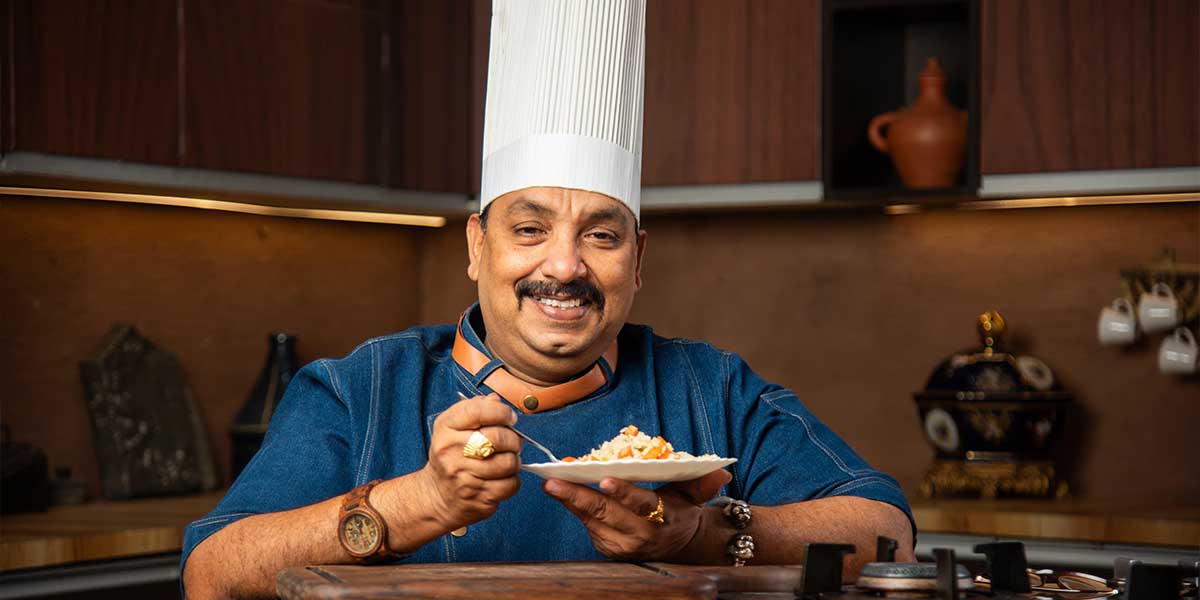
Vishnu Manohar | Saoji Food Festival Nagpur: Are you ready for a mouth-watering journey into Nagpur’s iconic Saoji cuisine? Renowned chef Vishnu Manohar is hosting a 6-day Saoji Food Festival from December 24 to 29 at the Institution of Engineers Hall, located conveniently next to the IE Metro Station on North Ambazari Road. This festival is not just about food; it’s a celebration of culture, taste, and togetherness. Let’s dive into what makes this event unmissable.


What is Saoji Cuisine?

A Rich Culinary Tradition

Saoji cuisine is synonymous with Nagpur. Known for its bold and spicy flavors, this traditional fare reflects the city’s vibrant culinary heritage. The dishes, often made with a secret blend of spices, are a treat for anyone who loves food with character.

Signature Dishes to Expect

Some classic Saoji dishes you’ll find include:

  • Saoji Mutton Curry
  • Black Lentil Curry (Kala Dal)
  • Spicy Saoji Chicken
  • Traditional Saoji-style Bhakri (Flatbread)

Event Details You Should Know (Saoji Food Festival Nagpur)

Where and When?

  • Venue: Institution of Engineers Hall
  • Location: Adjacent to the IE Metro Station, North Ambazari Road
  • Dates: December 24 to 29
  • Timings: 11 AM to 10 PM

Entry and Discounts

  • Entry Fee: Standard charges apply
  • Discounts for Metro Commuters: Show a valid Nagpur Metro ticket and get Rs 25 off on the entry fee.

What Makes This Festival Unique?

Convenient Location

Situated near the Aqua Line of Nagpur Metro, the festival ensures easy access for commuters.

Separate Zones for All Preferences

The organizers have thoughtfully designed separate zones for vegetarian and non-vegetarian food lovers, ensuring everyone has a comfortable experience.

Exclusive Crowd Control Measures

To maintain a relaxed and enjoyable ambiance, entry will be limited. Patrons are encouraged to plan their visits accordingly.


Why You Should Attend

A Chance to Meet Chef Vishnu Manohar

Chef Vishnu Manohar, a celebrated name in Indian culinary circles, has been instrumental in putting Nagpur’s food on the national map. This event is your opportunity to witness his magic up close.

Support Local Cuisine

By attending, you’re not just indulging in great food but also promoting Nagpur’s rich culinary traditions.

Affordable and Accessible

The event’s tie-up with Nagpur Metro makes it budget-friendly and convenient for visitors from all walks of life.


How to Plan Your Visit

Step 1: Use the Metro

The Aqua Line is your best bet for reaching the venue effortlessly.

Step 2: Arrive Early

Beat the crowd and enjoy the festival without long waits.

Step 3: Bring Your Appetite

With so many delicacies to try, come prepared to eat and explore!


1. What are the timings of the festival?

The festival runs from 11 AM to 10 PM daily, from December 24 to 29.

2. Is there parking available at the venue?

Yes, the venue has ample parking space for visitors arriving by car.

3. Are there options for vegetarians?

Absolutely! Separate zones for vegetarian and non-vegetarian food lovers ensure everyone is catered to.

4. How can I avail the Metro ticket discount?

Simply present a valid Metro ticket at the entry to receive Rs 25 off on the entry fee.

5. Are kids allowed at the festival?

Yes, the festival is family-friendly and welcomes visitors of all ages.


If you’re a food enthusiast or simply looking for a unique outing, the Saoji Food Festival is your ticket to a flavorful adventure. With its perfect blend of tradition, taste, and thoughtful planning, this 6-day event is bound to leave you craving for more. So, mark your calendars, grab your Metro ticket, and get ready to immerse yourself in the spicy, delightful world of Saoji cuisine.

CID Files Comprehensive 425-Page Chargesheet in Ram Jhula Flyover Accident

Ritu malu: The Ram Jhula flyover accident case has taken a major turn with the Criminal Investigation Department (CID) filing a meticulous 425-page chargesheet. This document highlights the culpability of Ritika Maloo, her husband Dinesh Maloo, and co-passenger Madhuri Sarda in the tragic accident that claimed the lives of two youngsters. Let’s dive into the details.


What Happened on February 25?

On February 25, Nagpur witnessed a heart-wrenching tragedy. Ritika Maloo, driving her black Mercedes under the influence of alcohol, mowed down two young men, Mohd Atif and Mohd Hussain Mustafa, on the Ram Jhula flyover. The sequence of events, unfolding after a night out at CP Club, would later unravel a shocking tale of negligence and alleged police misconduct.


The Accused and Their Roles

1. Ritika Maloo

  • Main Accused: Ritika’s reckless driving while intoxicated led to the deaths of the two victims.
  • Alcohol Levels Detected: Blood tests confirmed alcohol traces.

2. Dinesh Maloo

  • Evidence Tampering: Ritika’s husband reportedly orchestrated her escape from the scene, delaying her medical examination by six hours.

3. Madhuri Sarda

  • Co-Passenger: Accompanied Ritika during the incident and fled the scene.

Legal Proceedings: A Race Against Time

The case’s legal proceedings have been fraught with challenges:

  • Missed Deadline: Ritika was granted default bail after the CID missed its 60-day deadline to file the chargesheet.
  • Section 304(II): Non-bailable charges for culpable homicide not amounting to murder were invoked.
  • Potential Sentence: If convicted, Ritika faces more than nine years in prison.

Key Evidence Secured by CID

Blood Alcohol Level Reports

The Regional Forensic Science Laboratory confirmed alcohol traces in Ritika’s (Ritu malu) blood.

CCTV Footage

CID obtained critical footage from multiple sources, reconstructing the incident timeline.

Eyewitness Testimonies

Two key eyewitness statements were recorded before a magistrate, strengthening the case.


The Investigation: A Rollercoaster Ride

From Tehsil Police to CID

Initially handled by Tehsil police, the investigation faced backlash for procedural lapses, leading to the high court’s decision to transfer the case to CID.

Police Misconduct

Several allegations have surfaced against the Tehsil police, including:

  • Allowing Ritika (Ritu malu) and Madhuri to flee the scene.
  • Releasing the black Mercedes prematurely.

Supplementary Chargesheet in the Works

CID is preparing a supplementary chargesheet targeting:

  • Sub-inspector Parshuram Bhawal for enabling the accused’s escape.
  • Other officials for dereliction of duty.

Public Outrage and Demand for Justice

The incident has sparked widespread anger, highlighting the dangers of drunk driving and the critical need for accountability within law enforcement agencies.


What Lies Ahead?

The Ram Jhula flyover accident case serves as a grim reminder of how lapses in judgment can lead to irreversible tragedies. With the CID’s thorough investigation and mounting evidence, there’s a strong likelihood of conviction.


1. What charges are filed against Ritika Maloo?

She faces charges under Section 304(II) of the Indian Penal Code for culpable homicide not amounting to murder.

2. Why was Ritika granted bail initially?

The CID missed the 60-day deadline to file the chargesheet, leading to default bail.

3. What evidence strengthens the case?

Key evidence includes blood alcohol reports, CCTV footage, and eyewitness testimonies.

4. What is the role of Dinesh Maloo in the case?

Dinesh Maloo has been charged with destruction of evidence for assisting Ritika in fleeing the accident scene.

5. How has the police investigation come under scrutiny?

Tehsil police officials are under investigation for procedural lapses, including enabling the accused’s escape and mishandling evidence.

Rs 227 Crore IIM-Nagpur Plans Infrastructure Expansion

A Leap Towards Excellence

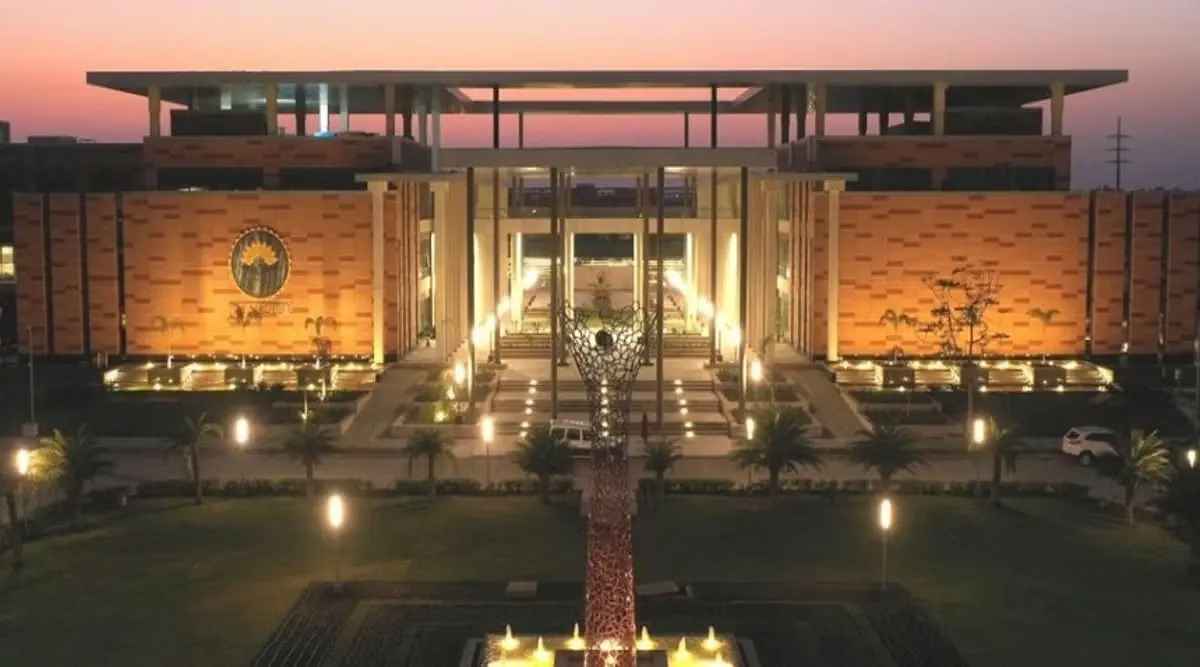
Imagine a campus buzzing with ambition, ideas, and world-class infrastructure. That’s exactly what the Indian Institute of Management Nagpur (IIM-Nagpur) envisions with its Rs 227 crore infrastructure expansion plan. Located in the MIHAN area, the institute aims to cater to its growing needs by enhancing its facilities. Let’s dive into the specifics of this ambitious project and explore what it means for the future of IIM-Nagpur.


The Vision Behind the Expansion

IIM-Nagpur, one of India’s leading business schools, is growing rapidly. With the addition of new courses and students, the need for upgraded infrastructure has become imperative. This expansion plan, covering Phase II and III of construction, aims to address these challenges while creating a state-of-the-art learning environment.


Key Highlights of the Rs 227 Crore Expansion

New Student Hostels

  • Capacity: A brand-new hostel with 280 rooms will be built to accommodate the growing number of students.
  • Executive Hostel: Additionally, an executive hostel featuring 100 rooms will be constructed to support advanced management programs.

Enhanced Learning Facilities

  • Classrooms: The expansion will include additional classrooms equipped with modern technology to enhance the learning experience.
  • Library: A state-of-the-art library is part of the plan, ensuring students have access to the best academic resources.

Dining and Recreational Spaces

  • Dining Hall: A new dining hall will provide a welcoming space for students to unwind and connect over meals.
  • Recreational Areas: Additional recreational facilities, including a golf course and academy, have already been developed.

Sustainable Development Initiatives

Sustainability is at the heart of IIM-Nagpur’s expansion plans. The institute is investing Rs 9 crore in solar panels to generate 2 MW of electricity. These panels will be installed over 7 acres of open land, reducing the campus’s carbon footprint and promoting green energy.


Timeline and Execution

The expansion project is currently in the tendering stage, with construction expected to begin soon. The entire project is slated for completion by December 2026.

Phase I Success

In Phase I, the institute successfully completed 61,000 square meters of construction at a cost of Rs 279.68 crore. This solid foundation sets the stage for the upcoming phases.


From Modest Beginnings to Global Recognition

IIM-Nagpur’s journey began in 2015 under the mentorship of IIM Ahmedabad. Initially operating from the Visvesvaraya National Institute of Technology Nagpur campus, it shifted to its MIHAN campus in 2021. Today, it stands as a beacon of academic excellence, spread across 135 acres.


Driving Factors Behind the Expansion

Increasing Student Intake

The institute’s current capacity of 600 students is insufficient for its ambitious growth plans. With the new facilities, IIM-Nagpur aims to accommodate 1,170 students, effectively doubling its intake.

Growing Demand for Programs

IIM-Nagpur’s reputation as a top-tier business school has led to an increased demand for its programs. This expansion ensures that the institute can meet this demand while maintaining its high standards.


Economic and Academic Impact

Boosting the Local Economy

The construction and operation of new facilities will create jobs and stimulate economic activity in the MIHAN region.

Elevating Academic Standards

With cutting-edge facilities, IIM-Nagpur is poised to attract top faculty and students, further enhancing its academic reputation.


Innovations on the Horizon

Technology Integration

The expanded campus will feature smart classrooms and integrated learning systems, keeping pace with global educational trends.

Focus on Holistic Development

Beyond academics, the new facilities emphasize holistic development, with spaces for extracurricular activities and community engagement.


A Golf Course to Foster Leadership

Yes, you read that right! IIM-Nagpur has developed a golf course and academy on its campus. Golf, often associated with leadership and strategic thinking, is a unique addition that reflects the institute’s innovative approach to education.


 A Bright Future Awaits

IIM-Nagpur’s Rs 227 crore infrastructure expansion is more than just a construction project; it’s a vision for the future. By addressing the needs of its growing student body and embracing sustainability, the institute is setting a benchmark for educational excellence in India. With its new facilities, IIM-Nagpur is well on its way to becoming a global leader in management education.


1. What is the total investment for IIM-Nagpur’s expansion?

The institute has allocated Rs 227 crore for its Phase II and III infrastructure development.

2. When will the new facilities be completed?

The new facilities are expected to be ready by December 2026.

3. How will the expansion impact student intake?

The expansion will increase the capacity from 600 to 1,170 students.

4. What sustainable practices are being implemented?

IIM-Nagpur is installing solar panels to generate 2 MW of electricity, promoting green energy and reducing its carbon footprint.

5. What makes IIM-Nagpur’s campus unique?

In addition to world-class facilities, the campus boasts a golf course and academy, emphasizing holistic development and leadership.

Maharashtra: Wanted Drug Smuggler Arrested During Pushpa 2 Movie Screening in Nagpur

Maharashtra drug smuggler arrest: Imagine watching an action-packed movie like Pushpa 2: The Rule and suddenly witnessing real-life drama unfold. This is precisely what happened in Nagpur, Maharashtra, when police arrested a notorious drug smuggler and gangster, Vishal Meshram, during the screening of the much-anticipated film. This unexpected turn of events left the audience both shocked and intrigued.


The Dramatic Arrest: A Scene to Remember

When Entertainment Met Reality

The arrest took place just after midnight, causing a brief interruption in the screening. However, the police ensured minimal disruption by promptly apprehending Meshram and allowing moviegoers to continue enjoying the film. The situation was handled so seamlessly that it almost felt like an extension of the movie’s storyline.

Who Is Vishal Meshram?

Meshram is no ordinary criminal. With a staggering 27 cases against him, his record includes two murders, drug trafficking, and attacks on law enforcement. For nearly ten months, this gangster managed to evade capture, making his arrest a significant achievement for the authorities.


How Pushpa 2 Played a Role in the Arrest

A Tip-Off Sparks a Chase

Authorities had been closely monitoring Meshram’s movements, receiving intelligence that he planned to attend the screening of Pushpa 2. The movie’s release served as the perfect bait to corner this elusive criminal.

Cyber Surveillance in Action (Maharashtra drug smuggler arrest)

Using advanced cyber surveillance techniques, the police pinpointed Meshram’s location to a sports utility vehicle (SUV) parked outside the cinema. To ensure he wouldn’t escape, officers deflated the tyres of his vehicle before moving in.


The Arrest Execution: Precision and Planning

The Element of Surprise

As the movie reached its climax, police officers quietly entered the cinema hall. Meshram, engrossed in the film, was entirely unaware of their presence. This element of surprise ensured a smooth arrest without resistance.

A Coordinated Effort

The operation was a testament to meticulous planning and coordination. Officers worked together seamlessly to ensure Meshram’s capture without endangering the audience.


Reactions from Moviegoers and Authorities

Audience Shock and Awe

For the audience, it was a surreal experience. One moment they were immersed in the fictional world of Pushpa, and the next, they witnessed real-life law enforcement action.

Police Statements

The police reassured the public about their safety and highlighted the importance of such operations in maintaining law and order. “We acted swiftly to apprehend the suspect without causing panic,” stated a senior officer.


Meshram’s Criminal History: A Closer Look

A Life of Crime

Meshram’s criminal activities span over a decade, including:

  • Murder: He is accused of committing two homicides.
  • Drug Trafficking: A major player in the illegal drug trade.
  • Violence Against Police: Known for his audacious attacks on law enforcement.

Evading Capture

Despite numerous attempts to apprehend him, Meshram managed to remain at large, leveraging his network and resources to evade justice.


The Importance of Cyber Surveillance in Modern Policing

A Game-Changer in Law Enforcement

Cyber surveillance has revolutionized policing, enabling authorities to track suspects with precision. In Meshram’s case, digital tools were instrumental in narrowing down his location.

Future Implications

The successful use of technology in this operation underscores its potential in tackling organized crime and ensuring public safety.


Lessons Learned from the Operation

Preparedness Is Key

This arrest highlights the importance of thorough planning and preparation in law enforcement operations.

Community Safety Comes First

By prioritizing the safety of moviegoers, the police demonstrated their commitment to protecting the public while executing high-risk operations.


The arrest of Vishal Meshram during the screening of Pushpa 2 was a dramatic yet effective operation that showcased the capabilities of modern policing. It served as a reminder that even the most elusive criminals cannot escape justice forever. For the moviegoers, it was an unforgettable night where fiction met reality in the most unexpected way.


1. Who is Vishal Meshram?

Vishal Meshram is a notorious gangster with a criminal record that includes 27 cases, ranging from murder to drug trafficking.

2. How was Meshram caught?

He was apprehended during a movie screening in Nagpur, thanks to advanced cyber surveillance and meticulous planning by the police.

3. Did the arrest disrupt the movie screening?

The arrest caused a brief interruption, but the police quickly reassured the audience and allowed the screening to continue.

4. What role did Pushpa 2 play in the arrest?

Authorities used the movie screening as a lead to locate Meshram, who was a fan of the film.

5. What does this arrest signify for law enforcement?

The successful operation highlights the effectiveness of modern policing techniques like cyber surveillance and precise planning.

Shivaji Maharaj’s Legendary Weapons, Including Wagh Nakh, to Be Displayed in Nagpur

Nagpur is set to host a historic exhibition showcasing the iconic weapons of Chhatrapati Shivaji Maharaj, including his legendary Wagh Nakh (tiger claws). This rare opportunity to witness the valorous legacy of the Maratha king will be available to the public starting the first week of February.

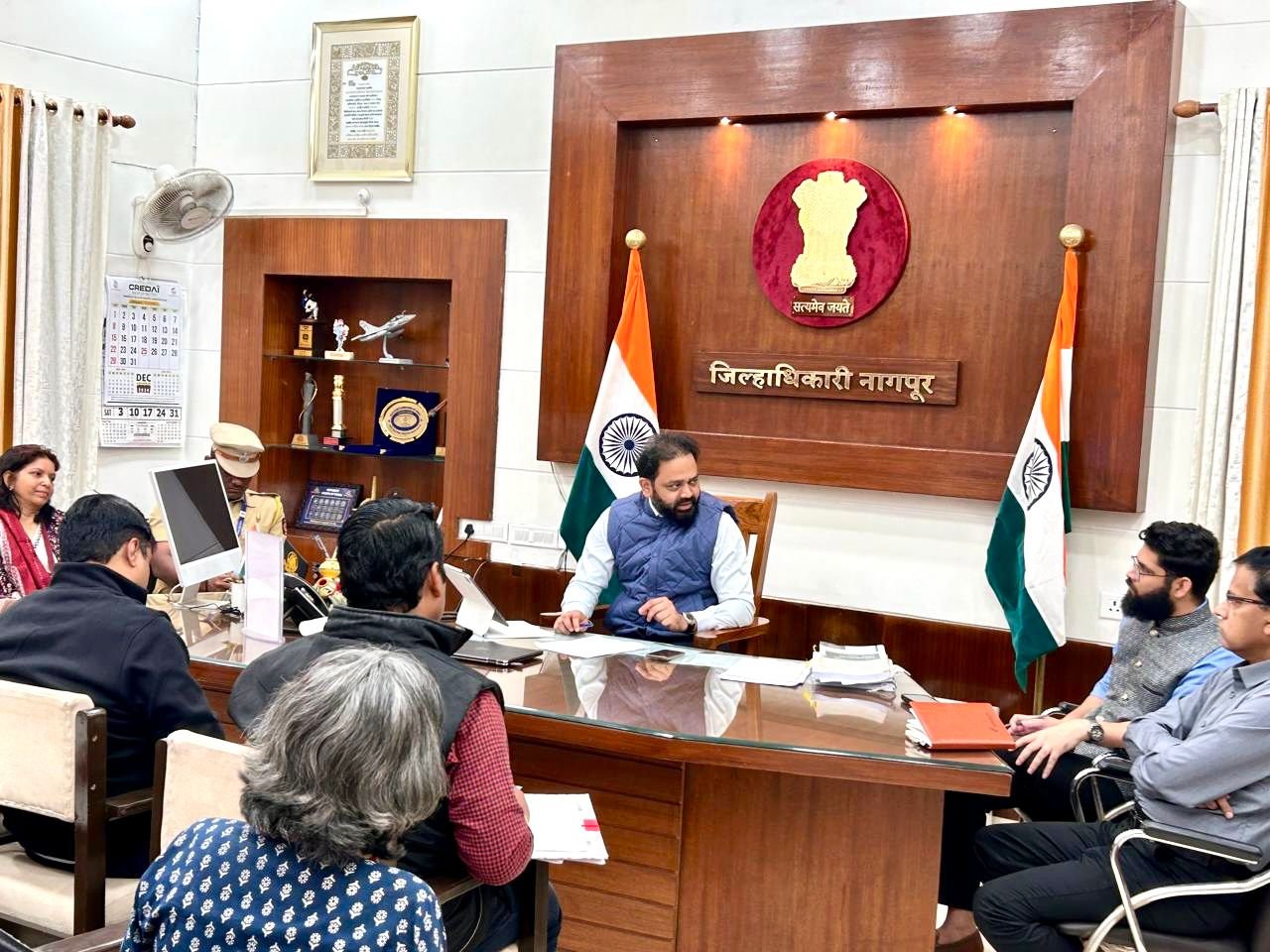
Dr. Vipin Itankar, District Collector of Nagpur, announced that the exhibition aims to honor the rich heritage of Maharashtra and inspire visitors with the courage and tactical brilliance of Shivaji Maharaj. The Wagh Nakh, famously used to defeat Afzal Khan, will be the highlight of the exhibition alongside other significant artifacts from the Shivaji era.

Exhibition Highlights:

– *Historic Artifacts:* Authentic weapons and items used by Chhatrapati Shivaji Maharaj.
– *Cultural Significance:* An opportunity to delve into Maharashtra’s proud history.
– *Location:* Nagpur, a hub of cultural and historical events.

This exhibition promises to be a significant event, offering an educational and emotional journey through the life of one of India’s greatest warriors. Visitors and history enthusiasts are encouraged to mark their calendars for this unique opportunity.
Nagpur District Collector Dr. Vipin Itankar shared that the exhibition aims to bring history to life and provide an immersive experience for visitors. It is a golden opportunity for history enthusiasts, students, and citizens to witness the rich cultural and historical heritage of Maharashtra.

The exhibition will be held at a prominent venue in Nagpur, making it accessible to locals and visitors alike. This event is expected to draw significant interest and serve as a tribute to the legendary warrior (Shivaji Maharaj) who shaped Indian history.

Mark your calendars and don’t miss this rare opportunity to connect with history!

Govinda As Avatar? AI’s Hilarious Interpretation Has Fans in Stitches

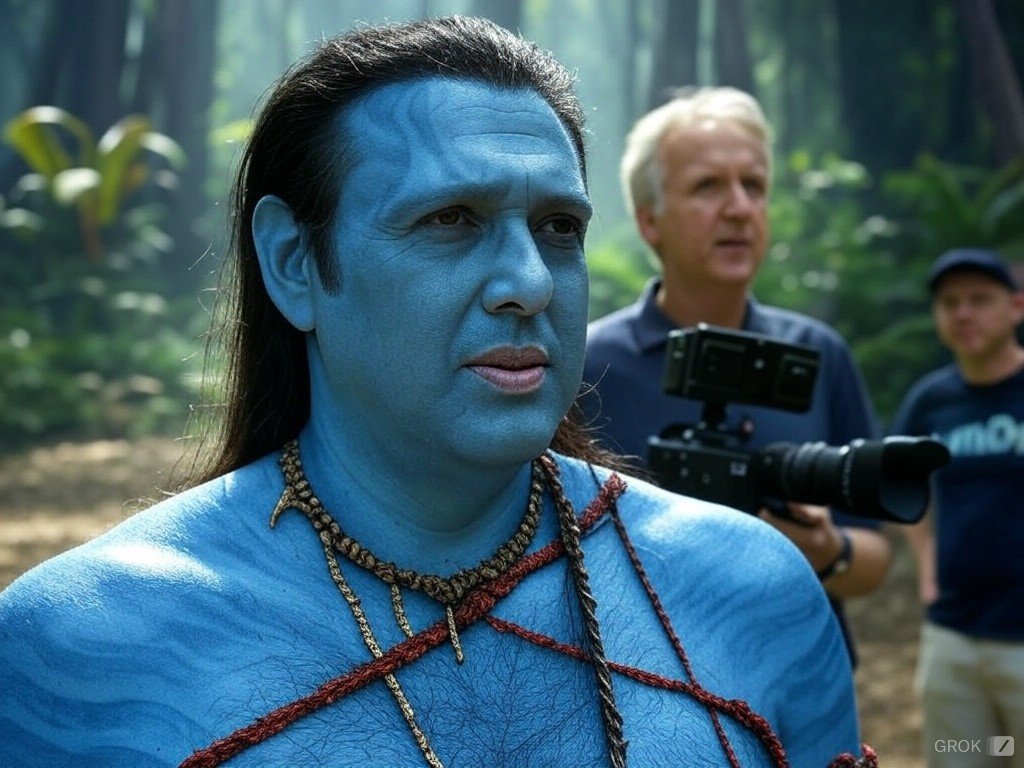
Govinda Avatar AI meme: In a hilarious twist of fate, Govinda, the beloved Bollywood star, has found himself at the center of a viral trend after his infamous remarks about rejecting a role in Avatar. The comment, made during his 2019 appearance on Aap Ki Adalat, has resurfaced, sparking waves of speculation on social media. Fans, armed with AI image-generating tools, have started creating visual representations of Govinda as a Na’vi character in the world of Avatar. The internet has gone wild, with memes, jokes, and viral images flooding timelines, and fans are having the time of their lives imagining what it would be like if Govinda were part of James Cameron’s cinematic universe.

Govinda’s Remark That Sparked a Frenzy

In 2019, during an appearance on the popular Indian TV show Aap Ki Adalat, Govinda revealed that he had been approached for a role in the 2009 blockbuster Avatar. However, he claimed that he rejected the offer because he didn’t want to wear blue makeup. Yes, you read that right—Govinda, in all his glory, turned down the chance to be a part of one of the biggest films of all time due to a seemingly trivial reason: the blue paint.

But that wasn’t all. Govinda went a step further, claiming he had even suggested the film’s title to director James Cameron, which sparked a wave of mockery and disbelief on social media. As the actor shared his perspective, the comment became a subject of endless debate, jokes, and viral memes.

Govinda’s Comments Cause a Social Media Storm (Govinda Avatar AI meme)

Govinda’s story didn’t sit well with many social media users. They were quick to point out the absurdity of his claims, particularly when he stated that the title Avatar was his idea. Fans on Twitter and Instagram began mocking the actor, creating memes that poked fun at the situation.

One user humorously remarked, “Finally, the dream is coming true! This will be the biggest blockbuster, beating all previous records, with a 1000 cr opening day collection.” Another couldn’t resist picturing Govinda performing his signature dance moves in the Avatar universe. Imagine him shaking a leg with the Na’vi—what a sight that would be!

AI Imagines Govinda in Avatar: The Hilarity Ensues

The internet, as expected, did not hold back. With the rise of AI image generators, fans began to create their own interpretations of what it would look like if Govinda had joined the Avatar franchise. The results were nothing short of hilarious.

AI tools transformed the Bollywood star into a Na’vi, complete with blue skin, glowing tattoos, and the unmistakable charm of Govinda. Some images even depicted him in full dance poses, performing his famous “Govinda Step” alongside the Na’vi warriors. The internet exploded with laughter, and memes flooded the feeds faster than you could say “Husn Hai Suhaana.”

Fan Reactions: Laughter, Memes, and Creative Outbursts

As expected, fans didn’t just stop at creating memes. They shared their hilarious thoughts on what the Avatar universe would look like with Govinda in the picture.

One user joked, “Teri species mari to mai kya karu?” (What should I do if your species is dead?). Another person quipped, “This is at another dimension!! Speechless.” The creativity, wit, and humor in these reactions were endless.

Another notable comment read, “What happened to Jake Sully?” implying that Govinda’s entry into the Na’vi world might just be the biggest plot twist Avatar fans could never have imagined.

The Potential Blockbuster: Govinda’s Avatar

Imagine this: Govinda, with his signature comedic timing and flair, as a Na’vi in the lush jungles of Pandora. Can you picture him in a serious scene with the mighty Jake Sully, using his famous one-liners? It would undoubtedly be a moment of pure Bollywood meets Hollywood.

The fans couldn’t resist speculating on how Govinda might have fit into the Avatar saga. Some even took it a step further, imagining him as a leader of the Na’vi tribe, bringing his own brand of dance and humor to the already vibrant world of Pandora.

AI’s Role in This Hilarious Situation

It’s fascinating to see how AI has become an integral part of the joke. These AI-generated images of Govinda as a Na’vi have provided fans with endless entertainment. The ability to see the Bollywood star in such an alien world, with his characteristic expressions and moves, has added a new layer of humor to the whole scenario.

It’s a perfect example of how AI technology is being used not only to create art but also to fuel comedy and memes. And let’s be honest, who doesn’t love a good laugh?

The Unlikely Pairing: Bollywood and Hollywood

The idea of Bollywood and Hollywood crossing paths isn’t new. We’ve seen it with stars like Priyanka Chopra and Deepika Padukone. But a Bollywood star like Govinda making his way into the Avatar universe? That’s something entirely new, and the idea has captured the imagination of fans everywhere.

The blending of two vastly different film industries, each with its own unique style, would create an interesting dynamic. But the real question is: could Govinda’s antics bring something fresh and fun to the Avatar franchise? If the AI-generated images are anything to go by, it’s a definite yes!

Govinda’s Ayurveda Commitment: The Real Reason Behind the Rejection

While the memes and jokes are fun, it’s important to revisit Govinda’s original explanation for turning down the role (Govinda Avatar AI meme). According to the actor, his decision was based on his commitment to Ayurveda, a holistic system of medicine he has been a strong advocate for. In his 2019 interview, he mentioned that he was focused on his health and didn’t want to undergo the intense makeup sessions required for Avatar. His decision was rooted in personal values, and while it might seem odd to some, it’s admirable that he stuck to his beliefs.

However, the confusion regarding his claim about suggesting the title to James Cameron remains a source of amusement. Even though producer Pahlaj Nihalani clarified that Govinda might have mixed up the Avatar project with an unfinished Hindi film, the drama surrounding the entire situation remains a hot topic.

 The Joke That Keeps on Giving (Govinda Avatar AI meme)

As we reflect on Govinda’s comments about Avatar and the hilarious reactions from fans, one thing is clear: this joke has legs. From AI-generated images to witty social media comments, the internet has had a field day imagining what it would be like if Govinda joined the Avatar universe. Whether you find the situation funny or just plain bizarre, it’s hard not to appreciate the creativity and humor that has come out of this unexpected viral moment.

With the endless potential for memes and AI interpretations, Govinda’s Avatar saga will likely continue to entertain fans for a long time.

  1. Why did Govinda reject the role in Avatar? Govinda rejected the role in Avatar because he didn’t want to undergo the blue makeup process. He explained that his commitment to Ayurveda, which focuses on natural health practices, influenced his decision.
  2. What did Govinda say about suggesting the title of Avatar? Govinda claimed he suggested the title Avatar to James Cameron, although this story has been met with skepticism. Producer Pahlaj Nihalani clarified that Govinda may have confused the film with another unfinished project.
  3. How have fans reacted to Govinda’s comment about Avatar? Fans have reacted with humor and creativity, creating memes and AI-generated images of Govinda as a Na’vi in the Avatar universe. Comments have included witty remarks and imaginative scenarios.
  4. How has AI contributed to the viral moment? AI image generators have allowed fans to create funny and surreal images of Govinda as a Na’vi, which has added to the comedy and viral nature of the situation.
  5. Could Govinda have been a part of the Avatar universe? While it’s impossible to say for sure, the idea of Govinda as a Na’vi brings a fresh, comedic element to the Avatar franchise that would certainly have been entertaining.

DGP Shukla Commends Simba App During Command Control Centre Visit

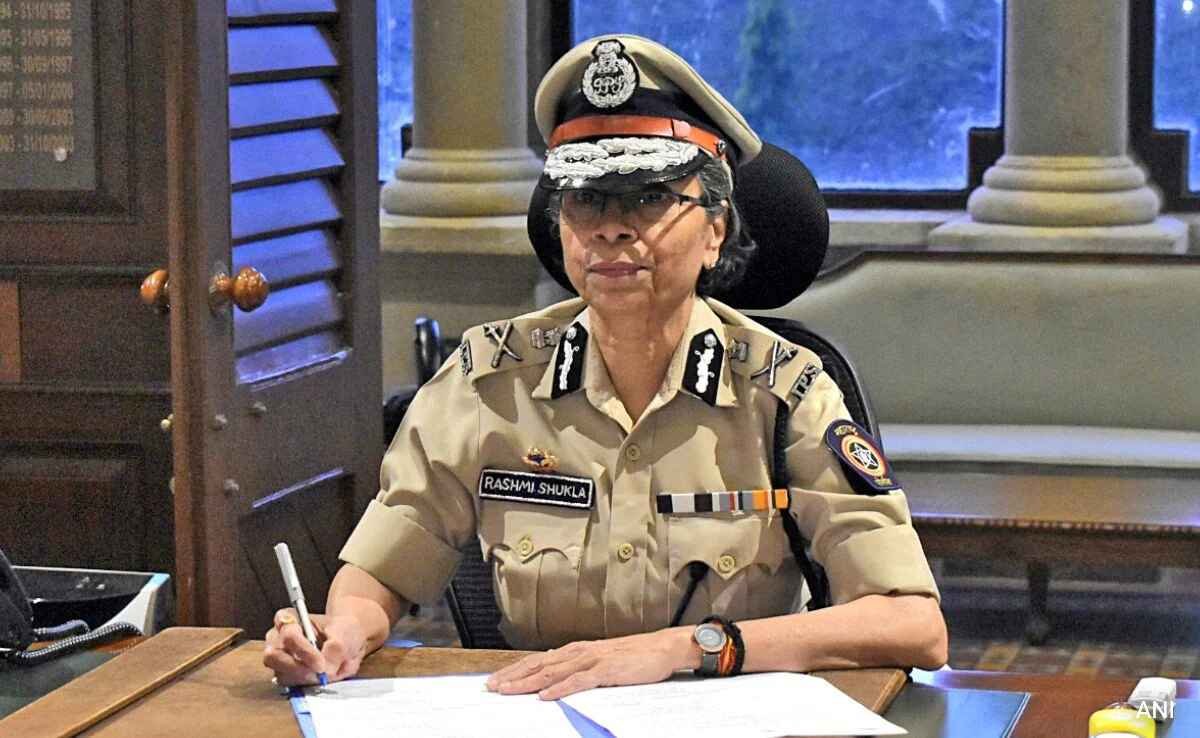
DGP Rashmi Shukla: Imagine having a tool that provides instant access to crucial criminal data with just a single click. Sounds futuristic, doesn’t it? But in Nagpur, the future is already here! Maharashtra’s Director General of Police (DGP), Rashmi Shukla, recently visited the Command-and-Control Centre (CCC) to witness firsthand how cutting-edge technology is revolutionizing policing in the city. From the highly effective Simba App to advanced CCTV surveillance systems, let’s dive into the details of this groundbreaking visit.


H1: The Significance of DGP Rashmi Shukla’s Visit

H2: Understanding the Command-and-Control Centre (CCC)

The CCC isn’t just another facility; it’s the nerve center of Nagpur’s modern policing strategy. Equipped with a robust CCTV network, this center monitors activities across the city, ensuring public safety and effective crime management.

H2: Rashmi Shukla’s Leadership in Action

During her visit, DGP Rashmi Shukla emphasized the importance of technology in creating a safer environment. Accompanied by Commissioner of Police Ravinder Singal and other top officials, her engagement highlighted the state’s commitment to leveraging innovation in law enforcement.


H1: Exploring the Simba App

H2: What is the Simba App?

The Simba App is a game-changer for the police force. Imagine having a comprehensive database of criminal records accessible at your fingertips. That’s exactly what this app offers!

H3: Key Features of the Simba App

  • Instant Access to Data: Provides cumulative criminal data within seconds.
  • Personalized IDs: Undergoing a software upgrade to assign unique IDs to criminals.
  • Ease of Use: Intuitive interface for quick navigation.

H3: Benefits of the Simba App

  • Enhanced operational efficiency.
  • Streamlined criminal tracking.
  • Reduced manual workload for officers.

H1: Advanced CCTV Monitoring Mechanism

H2: How CCTV Cameras Improve Policing

With over 2,000 personnel relying on real-time data from these cameras, the system is a cornerstone of Nagpur’s security framework.

H3: Traffic Management

The cameras aid in regulating traffic flow and identifying violations through vehicle registration numbers.

H3: Crime Prevention

Suspicious activities in crowded areas are flagged using a state-of-the-art facial recognition system. Think of it as having a thousand eyes ensuring safety!


H1: Online Traffic Challan System

H2: Revolutionizing Traffic Violations

Gone are the days of manual challans. The online traffic challan system ensures that violations are detected and penalized seamlessly.

H3: Key Highlights

  • Automatic Detection: Cameras identify violations instantly.
  • Transparency: Eliminates human error and biases.
  • Convenience: Citizens can settle fines online, avoiding lengthy queues.

H1: The Role of Technology in Modern Policing

H2: Why Technology Matters

Technology bridges the gap between limited manpower and growing urban challenges. Tools like the Simba App and CCTV systems empower the police to stay one step ahead of criminals.

H2: Future Upgrades

With continuous software updates, the systems are evolving to meet emerging challenges. Personalized IDs for criminals, for instance, are set to revolutionize tracking and database management.


H1: DGP Shukla’s Vision for Safer Cities

H2: Collaboration and Innovation

Shukla’s visit underscored the importance of teamwork and cutting-edge tools. By fostering collaboration between departments, the state aims to create a cohesive security network.

H2: Public Awareness and Trust

Technology not only improves policing but also builds trust among citizens. When people see systems like Simba and advanced CCTV in action, their confidence in law enforcement soars.


Conclusion

DGP Rashmi Shukla’s visit to the CCC in Nagpur was more than just an inspection; it was a testament to Maharashtra’s commitment to innovation in public safety. Tools like the Simba App and advanced CCTV monitoring are paving the way for a smarter, safer city. With continuous upgrades and a vision for the future, Nagpur is setting an example for the entire nation.


1. What is the Simba App?

The Simba App is a technological tool that provides instant access to a comprehensive database of criminal records, enhancing police efficiency.

2. How does the CCTV network assist the police?

The CCTV network monitors city activities, aids in traffic management, and identifies suspicious movements using facial recognition technology.

3. What are the benefits of the online traffic challan system?

This system ensures seamless detection and penalty for traffic violations, offering convenience and transparency.

4. How does technology improve public safety?

Tools like the Simba App and advanced CCTV systems streamline operations, enhance efficiency, and build public trust in law enforcement.

5. What was the focus of DGP Rashmi Shukla’s visit?

Her visit highlighted the role of technology in modern policing and emphasized continuous upgrades for better public safety.

Indora Square’s Metro Station To Open Today

Nagpur commuters, rejoice! The long wait for the Indora Square Metro Station is finally over. Starting from 6 PM on Friday, December 20, the station will officially begin its passenger services. With this addition, Nagpur Metro’s Phase-I project, encompassing all 38 stations, will be fully operational. Let’s dive into the details and explore why this station’s opening is such a significant milestone.

The Big Day: December 20

The excitement surrounding Indora Square Metro Station’s inauguration is palpable. The first trains from Automotive Square and Khapri stations will arrive at 6:05 PM and 6:02 PM, respectively. Located on the Orange Line, this station bridges the gap between residential and commercial hubs in the city.

A Journey Marked by Delays

The Land Acquisition Hurdle

Construction for Indora Square began in November 2022, shortly after land acquisition was finalized in October 2022. Compared to other Phase-I stations, where land acquisition wrapped up by 2016, Indora Square faced significant delays.

Missed Deadlines

Initially slated to open in April 2024, the station’s inauguration was postponed multiple times—to June, August, and then November. Each delay brought frustration and protests from commuters and local organizations.

Awaiting Certification

Even after the station was declared ready, it awaited inspection and approval from the Commissioner of Metro Rail Safety (CMRS). The CMRS’s inspection on November 26 highlighted minor compliances, which were promptly addressed. With certification now in hand, the station is set to welcome the public.

Why Indora Square Metro Station Matters

Boosting Connectivity

The station is strategically located to serve areas like Pachpaoli, Jaripatka, Kamal Chowk, and Mecosabagh. These are bustling zones with a mix of residential and commercial activities.

Easing Commuter Struggles

Before its opening, nearby stations like Kadbi Chowk and Nari Road catered to over 2,000 passengers daily. Approximately 500-700 commuters were inconvenienced due to Indora Square’s inaccessibility. This new station will undoubtedly alleviate pressure on surrounding hubs.

Catalyst for Economic Growth

By improving connectivity, the station is expected to boost local businesses and make daily commutes smoother for thousands of residents.

Features of Indora Square Metro Station

Modern Amenities

  • Elevators and Escalators: Seamless access to platforms.
  • Parking Facilities: Adequate space for two-wheelers and cars.
  • Digital Displays: Real-time train schedules and updates.

Safety Measures

  • CCTV Surveillance: 24/7 monitoring for passenger safety.
  • Fire Safety Systems: Comprehensive measures to handle emergencies.

Sustainability Focus

The station integrates eco-friendly features such as energy-efficient lighting and water-saving systems.

Impact on Nagpur’s Metro Network

Phase-I Completion

With Indora Square operational, all 38 stations under Phase-I are now active. This milestone marks a significant achievement in Nagpur Metro’s journey.

Enhanced Orange Line Services

The Orange Line’s connectivity from Khapri to Automotive Square is now more robust, making travel across the city faster and more efficient.

What Commuters Can Expect

Smooth Operations

The station’s advanced systems ensure punctual train arrivals and departures. Say goodbye to long waits!

Affordable Travel

Nagpur Metro’s cost-effective ticketing system makes it a budget-friendly choice for daily commuters.

Improved Accessibility

With features like wheelchair-friendly access and tactile pathways, the station is inclusive for all.

Challenges Faced During Construction

Land Disputes

Negotiations for land acquisition took longer than expected, delaying the project’s timeline.

Resource Allocation

Redirecting manpower and materials from other projects to expedite Indora Square’s construction was a logistical challenge.

Public Backlash

Prolonged delays sparked protests, highlighting the urgency of completing the station.

Looking Ahead: Future Metro Expansions

Nagpur Metro’s success story doesn’t end here. Plans for Phase-II are already in motion, promising even greater connectivity for the city.

The opening of Indora Square Metro Station is a landmark moment for Nagpur. It’s not just about a new station; it’s about enhancing lives, boosting the economy, and fulfilling long-awaited promises. So, if you’re in Nagpur, why not take a ride and experience this new chapter in the city’s transportation history?

1. What time will the Indora Square Metro Station open?

The station will begin passenger services at 6 PM on December 20.

2. Why was the station’s opening delayed?

Delays were primarily due to land acquisition issues and pending certification from the CMRS.

3. How will the station benefit commuters?

It will improve connectivity, ease congestion at nearby stations, and make daily travel more convenient.

4. What are the station’s key features?

Modern amenities, robust safety measures, and eco-friendly systems make it a standout facility.

5. What’s next for Nagpur Metro?

Phase-II expansions are in progress, aiming to further enhance the city’s metro network.

CR to Run 34 Special Trains for Kumbh Mela 2025: A Detailed Overview

The Kumbh Mela is one of the largest religious gatherings in the world, attracting millions of devotees from all corners of India and abroad. With the 2025 Kumbh Mela scheduled to take place in Prayagraj, the Central Railway (CR) has announced the operation of 34 special trains to manage the surge in passenger traffic between January 13 and February 26, 2025. These trains will run between key locations such as Chhatrapati Shivaji Maharaj Terminus (CSMT), Pune, Mau, Nagpur, and Danapur, ensuring that the rush of pilgrims and travelers is accommodated efficiently.

In this article, we will explore the details of these special trains, including their schedules, routes, halts, train composition, and how to book tickets.

 Kumbh Mela 2025 Overview

The Kumbh Mela, a major Hindu festival, occurs every few years at four rotating locations: Prayagraj, Haridwar, Nashik, and Ujjain. Prayagraj is set to host the event in 2025, and it is expected to draw over 100 million people. Due to the vast number of participants, the railway network plays a crucial role in ensuring smooth transportation.

 Special Trains Between CSMT/Pune and Mau

The Central Railway will operate 14 special trains between Chhatrapati Shivaji Maharaj Terminus (CSMT) and Mau, which will run from 9th January to 27th February 2025.

Train Schedule:

  • Train 01033 (CSMT to Mau)
    Departure: 11:30 hrs (9th, 17th, 22nd, 25th Jan; 5th, 22nd, 26th Feb 2025)
    Arrival: 22:00 hrs next day
  • Train 01034 (Mau to CSMT)
    Departure: 23:50 hrs (10th, 18th, 23rd, 26th Jan; 6th, 23rd, 27th Feb 2025)
    Arrival: 14:30 hrs next day

Halts:

Dadar, Thane, Kalyan, Igatpuri, Nashik Road, Manmad, Jalgaon, Bhusaval, Khandwa, Talvadiya, Chhanera, Khirkiya, Harda, Banapura, Itarsi, Pipariya, Narsinghpur, Jabalpur, Katni, Maihar, Satna, Manikpur, Prayagraj Chheoki, Mirzapur, Chunar, Varanasi, Shahganj, Azamgarh.

Train Composition:

  • Two AC 2-Tier
  • Four AC 3-Tier
  • Six Sleeper Class
  • Six General Second Class
  • Two General Second Class cum Guard’s Brake Van

Special Trains Between Pune and Mau

In addition to the CSMT-Mau specials, 12 special trains will also run between Pune and Mau, offering enhanced connectivity from Western India.

Train Schedule:

  • Train 01455 (Pune to Mau)
    Departure: 10:10 hrs (8th, 16th, 24th Jan; 6th, 8th, 21st Feb 2025)
    Arrival: 22:00 hrs next day
  • Train 01456 (Mau to Pune)
    Departure: 23:50 hrs (9th, 17th, 25th Jan; 7th, 9th, 22nd Feb 2025)
    Arrival: 16:45 hrs next day

Halts:

Daund Chord Line, Ahmednagar, Belapur, Manmad, Jalgaon, Bhusaval, Khandwa, Talvadiya, Chhanera, Khirkiya, Harda, Banapura, Itarsi, Pipariya, Narsinghpur, Jabalpur, Katni, Maihar, Satna, Manikpur, Prayagraj Chheoki, Mirzapur, Chunar, Varanasi, Shahganj, Azamgarh.

Train Composition:

  • Two AC 2-Tier
  • Two AC 3-Tier
  • Six Sleeper Class
  • Six General Second Class / Chair Car
  • One General Second Class cum Guard’s Brake Van
  • One Generator Van

 Special Trains Between Nagpur and Danapur

For passengers traveling from Nagpur to Danapur, the 8 special trains are designed to alleviate crowding and enhance convenience.

Train Schedule:

  • Train 01217 (Nagpur to Danapur)
    Departure: 10:10 hrs (26th Jan, 5th, 9th, 23rd Feb 2025)
    Arrival: 11:00 hrs next day
  • Train 01218 (Danapur to Nagpur)
    Departure: 16:00 hrs (27th Jan, 6th, 10th, 24th Feb 2025)
    Arrival: 19:30 hrs next day

Halts:

Narkher, Amla, Betul, Itarsi, Pipariya, Narsinghpur, Jabalpur, Katni, Maihar, Satna, Manikpur, Prayagraj Chheoki, Mirzapur, Chunar, Pt. Deen Dayal Upadhyay Jn, Buxar, Ara.

Train Composition:

  • Two AC 2-Tier
  • Four AC 3-Tier
  • Six Sleeper Class
  • Six General Second Class
  • Two General Second Class cum Guard’s Brake Van

 Reservation and Booking Details

Ticket bookings for these Kumbh Mela Special Trains will open on December 20, 2024. Passengers can book their tickets through various platforms:

  • IRCTC website: www.irctc.co.in
  • PRC Centers: Tickets can also be purchased at Passenger Reservation System (PRS) centers across the country.
  • Unreserved Coaches: Some general second-class coaches will operate as unreserved coaches, and tickets for these can be booked via the UTS (Unreserved Ticketing System) app.

 Tips for Travelers

  • Plan in Advance: Given the heavy rush, it’s best to book tickets as soon as possible to avoid last-minute disappointments.
  • Check Train Status: For the latest updates, consult the NTES App or visit the official railway inquiry website.
  • Safety First: Ensure you follow all health and safety guidelines during the journey, especially during such a high-traffic event.

With the Kumbh Mela 2025 around the corner, the Central Railway’s move to run 34 special trains is a significant step toward ensuring the comfort and safety of millions of passengers. The availability of these special trains from CSMT, Pune, and Nagpur to Mau and Danapur will help manage the increased passenger flow while offering better connectivity to Prayagraj.

Whether you’re traveling for the Kumbh Mela or just using the trains for regular travel, it’s important to stay informed about the schedules, halts, and booking details. Make sure to plan your journey in advance to experience the festivities comfortably and safely.

  1. How can I book tickets for the Kumbh Mela special trains?
    • Tickets can be booked on the IRCTC website or through PRS centers. Unreserved coaches can be booked via the UTS app.
  2. When do bookings open for these special trains?
    • Bookings will begin on 20th December 2024.
  3. What is the schedule for the Kumbh Mela special trains?
    • The trains will run between January 9 to February 27, 2025, with multiple departures from CSMT, Pune, and Nagpur.
  4. Are there any unreserved coaches on these special trains?
    • Yes, some general second-class coaches are unreserved, and tickets can be booked via UTS.
  5. How can I check the train status during the Kumbh Mela?
    • You can check the train status using the NTES App or visit the official Indian Railways inquiry website.

Maharashtra: New Website Launched For Goseva Commission In Nagpur To Promote Indigenous Cattle Welfare

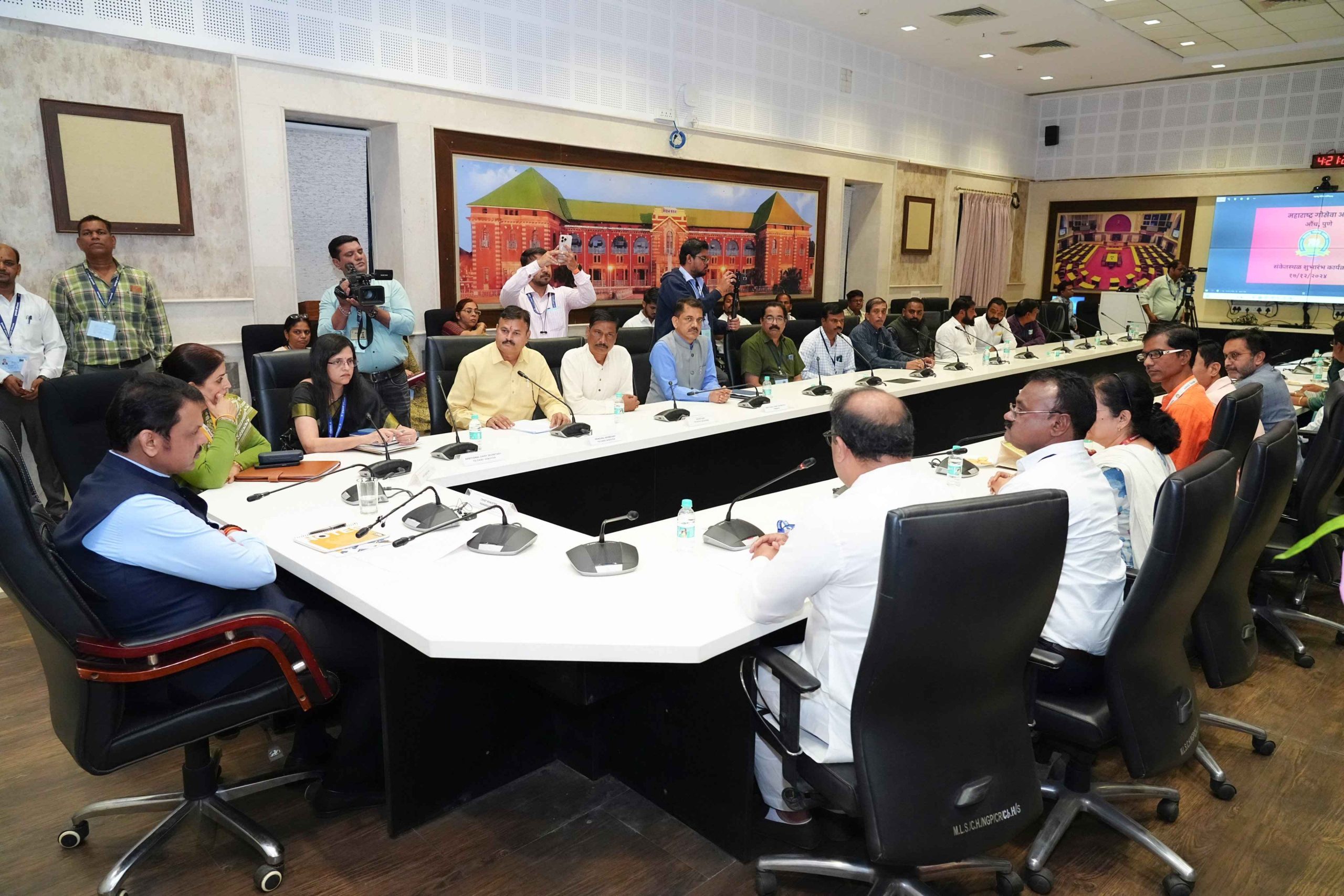
Maharashtra Goseva Commission: Maharashtra’s commitment to preserving its indigenous cattle heritage just took a big step forward with the launch of a new website for the Goseva Commission. Unveiled in the committee hall of the Vidhan Bhavan at Nagpur on Tuesday, the website is designed to enhance the efforts towards promoting and protecting the welfare of indigenous cattle in the state. The launch of this digital platform marks a significant milestone in the commission’s goal to ensure the well-being of Maharashtra’s native cattle population, which currently stands at 1.39 crore.

What is the Maharashtra Goseva Commission?

The Maharashtra Goseva Commission has been set up with the primary aim of overseeing the welfare of indigenous cattle in the state. The commission is tasked with the protection, promotion, and management of these cows, which play a crucial role in the agricultural and cultural fabric of the state.

Key Objectives of the Goseva Commission

The commission’s core objectives include:

  • Protection of Indigenous Cattle: The commission works to safeguard the indigenous cattle from threats such as extinction and malpractices.
  • Promotion of Cattle Welfare Programs: They implement welfare programs like the ‘Go Ten’ initiative, which focuses on cow conservation, protection, and management.
  • Facilitating Dairy Farming and Cow Tourism: The commission aims to support sustainable dairy farming and promote cow tourism as an economic activity.
  • Veterinary Services and Public Awareness: They are involved in providing veterinary services and spreading awareness about the importance of cattle care.

The Role of the New Website in Promoting Cattle Welfare

The new website is more than just a digital presence; it serves as a vital tool for communication, outreach, and education. The platform is designed to help the commission streamline its activities and connect with the public more effectively. It will feature:

  • Information on Cattle Welfare Programs: The site provides details on various programs like the Go Ten initiative and other conservation efforts.
  • Access to Resources: Users can find resources related to cattle care, including veterinary services, cow shelter management, and best practices for indigenous cattle farming.
  • Online Initiatives and Campaigns: The website will also host online campaigns, fostering a sense of community and encouraging active participation from citizens in cattle welfare.

The ‘Go Ten’ Initiative: A Revolutionary Step for Cattle Welfare

One of the flagship programs under the Goseva Commission is the ‘Go Ten’ initiative. This program is a comprehensive effort to conserve, protect, and manage the state’s indigenous cattle. Here’s how it works:

  • Cow Conservation: The initiative focuses on preserving traditional cattle breeds that are native to Maharashtra.
  • Dairy Farming Support: By promoting indigenous cows, the initiative encourages dairy farming that’s more sustainable and aligned with the needs of the environment.
  • Cow-Based Agriculture: The commission supports agriculture that benefits from cow-based practices like organic farming and natural fertilizers.
  • Cow Tourism: The initiative also explores the concept of cow tourism, where people can visit farms and shelters dedicated to indigenous cattle and learn about their significance in the culture and ecosystem.

A New Era for Indigenous Dairy Farms

Special dairy farms dedicated to indigenous cows are another exciting aspect of this initiative. These farms will focus on improving the health and productivity of indigenous cattle, using methods that are both environmentally sustainable and beneficial to the farmers involved. These farms will:

  • Ensure that indigenous cows receive the highest standards of care.
  • Provide high-quality dairy products that are better for both the cows and consumers.
  • Create a sustainable ecosystem where farming, cattle care, and dairy production thrive together.

Maharashtra’s Commitment to Indigenous Cattle

The welfare of indigenous cattle is not just about protecting a species; it’s about preserving a way of life that has sustained communities for centuries. Indigenous cows have unique qualities that make them integral to Maharashtra’s agricultural ecosystem. They are resilient, well-adapted to the local climate, and contribute significantly to the state’s economy through dairy products, organic farming, and more.

The launch of this website is a clear indication that the Maharashtra government recognizes the importance of these cattle. With a robust digital platform and the support of the Goseva Commission, the state is setting an example of how technology can aid in the conservation and promotion of indigenous breeds.

The Future of Indigenous Cattle Welfare in Maharashtra

Looking ahead, the Goseva Commission plans to expand its reach and impact even further. The new website will serve as a hub for all activities related to cattle welfare, from fundraising and donations to educational resources for farmers. Furthermore, with the growing interest in sustainable agriculture and ethical dairy farming, there is a strong potential for Maharashtra to become a model state for indigenous cattle conservation and welfare.

Expected Outcomes and Benefits

  • Sustainability: The promotion of indigenous cattle will encourage more sustainable farming and dairy practices.
  • Economic Growth: The initiatives will help generate employment and income for local farmers, entrepreneurs, and communities.
  • Cultural Preservation: By maintaining the health of indigenous cattle, the state helps preserve its agricultural heritage and cultural identity.

Conclusion: A Step Towards a Better Future for Indigenous Cattle

The launch of the Maharashtra Goseva Commission’s website marks a turning point in the state’s efforts to safeguard its indigenous cattle population. This digital initiative brings together resources, information, and support for all stakeholders involved in cattle welfare. With initiatives like the ‘Go Ten’ program and the creation of specialized dairy farms, Maharashtra is setting a new standard for how technology, culture, and agriculture can come together to ensure the welfare of indigenous species.

The Goseva Commission’s website is not just an online platform; it’s a gateway to a brighter future for Maharashtra’s cattle, farmers, and the environment. By embracing technology, education, and community participation, the state is building a sustainable ecosystem for generations to come.

1. What is the purpose of the Maharashtra Goseva Commission?

The Maharashtra Goseva Commission aims to promote, protect, and oversee the welfare of indigenous cattle in the state. It focuses on conservation, cow shelters, and sustainable farming practices.

2. How does the ‘Go Ten’ initiative contribute to cattle welfare?

The ‘Go Ten’ initiative helps in conserving indigenous cattle, promoting dairy farming, supporting cow-based agriculture, and even developing cow tourism to raise awareness about the importance of cattle in the community.

3. Will the new website provide information on cow shelters and farms?

Yes, the website includes resources on cow shelters, best practices for cow management, and information about indigenous dairy farms and related initiatives.

4. Can farmers benefit from the Goseva Commission’s programs?

Farmers can access various support programs, including veterinary services, training, and resources to improve cattle welfare and farm sustainability.

5. How can people contribute to the welfare of indigenous cattle in Maharashtra?

The website will offer opportunities for donations, volunteering, and participation in awareness campaigns to support cattle welfare efforts.

Exit mobile version