Nagpur Police Restrict Use of Beam Lights Near Airport to Ensure Air Safety

Nagpur Airport Beam Light Ban: In a significant stride toward enhancing air safety, the Nagpur Police, under the leadership of Joint Commissioner Nisar Tamboli, have enforced a restriction on the use of high-intensity beam lights around Dr. Babasaheb Ambedkar International Airport. This order, activated under Section 163 of the Indian Civil Protection Code, 2023, aims to minimize risks to aircraft operations, particularly during the critical landing and take-off phases. Covering a 15-kilometre radius, the regulation is set to be in effect from October 29, 2024, to December 27, 2024, between 6:00 PM and 6:00 AM daily.

Let’s explore how this preventive measure works to secure air safety and what implications it holds for nearby residents and event organizers.

Understanding the Necessity of Beam Light Restrictions

The Impact of High-Intensity Lights on Aviation

High-intensity beam lights directed toward the sky can temporarily blind pilots, impacting visibility and orientation, especially during nighttime operations. Pilots have reported issues due to bright lights from events around airports, which can interfere with their ability to make crucial decisions. This has necessitated the restriction on using beam lights, especially in close proximity to airports.

Key Safety Concerns and Pilot Feedback

Navigational Challenges at Night

At night, the role of runway and ATC (Air Traffic Control) tower lights becomes indispensable in assisting aircraft to land or take off safely. High-intensity lights from surrounding areas could compromise this carefully regulated lighting environment, posing a direct threat to aviation safety.

Reports of Temporary Blindness

The growing trend of nighttime events using beam lights has led pilots to report instances of temporary blindness, which could be dangerous during critical phases like landing and take-off. Temporary visual impairment, even for a few seconds, can significantly raise the risk of accidents.

Details of the Beam Light Ban

Legal Framework: Section 163 of the Indian Civil Protection Code

The preventive order is enforced under Section 163 of the Indian Civil Protection Code, 2023. This regulation not only prohibits the use of certain lights but also mandates a fine and potential legal consequences for violations, enhancing the safety measures for all involved parties.

15-Kilometre Safety Radius Around Nagpur Airport

The order strictly applies to a 15-kilometre radius around the airport to ensure that aircraft in the vicinity are not affected by the light interference. This is a strategic decision to protect the direct airspace zone that aircraft frequently pass through.

Restrictions for Event Organizers and Individuals

Timing of the Restriction

The prohibition on high-intensity beam lights is enforced between 6:00 PM and 6:00 AM. This time frame considers peak operational hours for night flights, ensuring minimal disruption for pilots operating in low-light conditions.

Penalties for Non-Compliance

Violators of this regulation face penalties under Section 223 of the Indian Justice Code, 2023. Additionally, organizers may incur further legal repercussions depending on the severity of the violation, deterring individuals from disregarding these safety guidelines.

Why This Move is Essential for Air Safety in Nagpur

Supporting Pilots and Aviation Authorities

The police directive supports pilots’ safety and aligns with guidelines set by aviation authorities, ensuring that air navigation remains unhindered and that pilots feel secure, particularly when flying in or out of Nagpur at night.

Prioritizing the Well-Being of Local Communities

By reducing potential aviation accidents, these restrictions also protect the local communities surrounding the airport. A safe landing and take-off environment benefit everyone in the vicinity by ensuring that both air and ground safety standards are met.

How This Ban Affects Event Planners (Nagpur Airport Beam Light Ban)

Guidelines for Safe Event Lighting

Event planners are encouraged to consider alternative lighting solutions that do not interfere with air navigation, such as ground-based lighting or enclosed spaces, to comply with the restrictions without compromising the atmosphere of their events.

Seeking Prior Permissions

For events close to the airport, organizers should consider seeking permissions or consulting local authorities to confirm their lighting setup adheres to the new regulations, ensuring a hassle-free experience.

  1. What areas are affected by the beam light restriction? The restriction applies within a 15-kilometre radius of Dr. Babasaheb Ambedkar International Airport, Nagpur.
  2. What are the hours during which the restriction is enforced? Beam lights are prohibited between 6:00 PM and 6:00 AM during the specified period.
  3. What penalties exist for violating this restriction? Violators may face penalties under Section 223 of the Indian Justice Code, 2023, which could include fines and legal action.
  4. Can events use alternative lighting options? Yes, organizers can explore alternative lighting solutions that do not pose risks to aviation, such as ground-focused lights.
  5. How long will the restriction be in effect? The restriction is in place from October 29, 2024, to December 27, 2024.

Chef Vishnu Manohar’s 24-Hour Dosa Marathon: A Culinary Record Attempt Like No Other

 Vishnu Manohar’s Record-Breaking Dosa Challenge

Chef Vishnu Manohar, one of India’s beloved culinary personalities, is about to take on an extraordinary feat – cooking dosas for 24 hours straight. This unique event, starting on October 27, will see Chef Vishnu attempting to break not one but two world records, right in the heart of Nagpur.

Who is Chef Vishnu Manohar?

With a career dedicated to celebrating and modernizing Indian cuisine, Chef Vishnu Manohar has become a household name, known for his unique recipes and vibrant personality. From television appearances to his culinary ventures, Vishnuji Ki Rasoi, he’s made his mark in the Indian food scene. Now, he’s ready to go one step further.

The Dosa Challenge: Aiming for 24-Hour Non-Stop Cooking

Imagine making dosas non-stop for 24 hours! That’s exactly what Chef Vishnu is set out to do. His goal is ambitious: to break two records—cooking dosas for the longest continuous duration and making the maximum number of dosas within 24 hours.

Venue and Date: Where to Witness the Magic

This incredible challenge will unfold at the Girish Gandhi Khule Rang Manch, part of Vishnuji Ki Rasoi in Bajaj Nagar, Nagpur. The event will kick off at 8 AM on October 27, with entry open to the public and free of charge.

World Record Goals and Preparation

Chef Vishnu’s team has spared no effort in preparing for this event, setting up a strategic plan to keep the dosas coming for 24 hours. By doing so, they aim to set records for both duration and quantity.

The Setup: Three Bhattas and 24 Tavas

To manage such a colossal task, Chef Vishnu will be using three traditional dosa-making stoves, or “bhattas,” each equipped with eight tavas (dosa pans). This unique arrangement will allow him to make 24 dosas simultaneously!

Creating 6,000 Dosas: How It’s Done

With a target of making around 6,000 dosas by the end of 24 hours, the event is set to be a culinary marvel. Each dosa will be expertly crafted, ensuring quality and taste with every bite.

A Mountain of Chutney: 1,000 kg to Serve

What’s a dosa without chutney? Chef Vishnu’s team has prepared up to 1,000 kg of chutney to ensure every dosa is served with a generous helping of this essential accompaniment.

24 Hours of Entertainment and Celebration

The event promises more than just dosas! For a full 24 hours, attendees can enjoy live performances, including Hindi and Marathi songs, ghazals, bhajans, monologues, and stand-up comedy.

Late Night Dosas: Midnight Treats for All

Hungry for a midnight snack? Chef Vishnu’s dosa marathon has you covered. The event will run through the night, with dosas served on a first-come, first-served basis – even during the late hours!

Diwali Pahat: A Joyful Conclusion

To wrap up the festivities, a special Diwali Pahat program will bring in the dawn on October 28, adding a festive touch to this record-breaking culinary event.

Dosas for Orphanages and Old Age Homes

True to his generous spirit, Chef Vishnu plans to donate a portion of the dosas to orphanages, special schools, and old age homes, ensuring that his record-breaking feat also serves the community.

Event Highlights: What Not to Miss

From Chef Vishnu’s skillful dosa-making to the live entertainment, the event is packed with experiences. Be sure to catch the traditional songs, comedy acts, and, of course, the countless dosas!

The Team Behind the Scenes

Making dosas for 24 hours straight is no easy task, and Chef Vishnu will be supported by a dedicated team. From sous chefs to volunteers, every member plays a crucial role.

Be Part of History

Don’t miss the chance to witness a unique culinary event! Join Chef Vishnu and his team as they strive to make history with this 24-hour dosa marathon. It’s a celebration of food, community, and culture that promises to be unforgettable.

1. What records is Chef Vishnu trying to break?
Chef Vishnu aims to break the records for the longest continuous dosa-making session and the maximum number of dosas made in 24 hours.

2. Where is the event taking place?
The event will be held at Girish Gandhi Khule Rang Manch, Vishnuji Ki Rasoi, Bajaj Nagar, Nagpur.

3. What time does the event start?
The event starts at 8 AM on October 27 and will continue until 8 AM on October 28.

4. Is there an entry fee?
No, entry is free for all attendees.

5. Will food be donated to the community?
Yes, a portion of the dosas will be shared with orphanages, special schools, and old age homes

Nagpur’s Traffic Woes Intensify with 78,000 Cases of Illegal Parking This Year

Diwali traffic: As one of India’s rapidly growing cities, Nagpur is grappling with increasing traffic problems, particularly related to illegal parking. As more vehicles hit the streets and available parking spaces shrink, the city is facing a parking crisis that shows no sign of slowing down. In the first 295 days of this year, over 78,000 cases of illegal parking have been registered under sections 122/177 of the Motor Vehicles Act. This traffic violation wave is contributing to daily congestion, leaving commuters frustrated and impacting road safety.

The Surge in Illegal Parking

Why the Numbers Are So High
From January 1 to October 22, the city’s traffic police have issued an average of 266 challans per day for illegal parking. By the end of the year, this figure is expected to surpass the previous year’s total of 88,187 cases. But what’s causing this surge in illegal parking violations?

With the Diwali season (Diwali traffic) in full swing, families are rushing to markets, making the city’s traffic conditions even more chaotic. More vehicles on the road mean more people looking for parking, which often results in cars being parked illegally when no space is available.

Traffic Zones Worst Affected (Diwali traffic)

Sitabuldi: The Epicenter of Illegal Parking

Leading the list of violators is Sitabuldi, one of Nagpur’s busiest commercial areas. The area reported a staggering 22,305 parking violations. Sitabuldi’s narrow streets and bustling marketplace mean parking is at a premium, with cars often parked haphazardly, blocking turnings and exacerbating traffic (Diwali traffic) flow problems.

Other Problem Zones

Sitabuldi isn’t the only area affected. The following zones also face a heavy burden:

  • Cotton Market: 11,922 cases
  • Sonegaon: 9,637 cases
  • Sadar: 9,780 cases
  • Sakkardara: 10,606 cases

These areas have major roads that serve as key arteries for traffic in and out of Nagpur, making illegal parking an especially pressing issue.

Key Roads Suffering from Illegal Parking

Several major roads in Nagpur are choked by vehicles parked illegally. Some of the most congested roads include:

  • Residency Road
  • Central Avenue
  • Cotton Market Road
  • Itwari
  • Gandhibagh
  • West High Court Road
  • East High Court Road

These roads are vital for the daily commute, and illegal parking, especially around turnings, further aggravates the already slow-moving traffic.

Diwali Season: A Peak Time for Parking Violations

Festive Rush Intensifies the Problem

Diwali is traditionally one of the busiest shopping times of the year. Markets are packed with people, and naturally, vehicles. This surge in vehicles leads to an increase in parking violations as drivers scramble for space in crowded market areas.

Parking Spaces Are Scarce

With parking space already limited, the influx of holiday shoppers only makes the problem worse. In places like Sitabuldi and Cotton Market, where parking is already a nightmare, Diwali turns the situation into a logistical disaster.

The Role of Nagpur Traffic Police

Special Drives to Curb the Issue

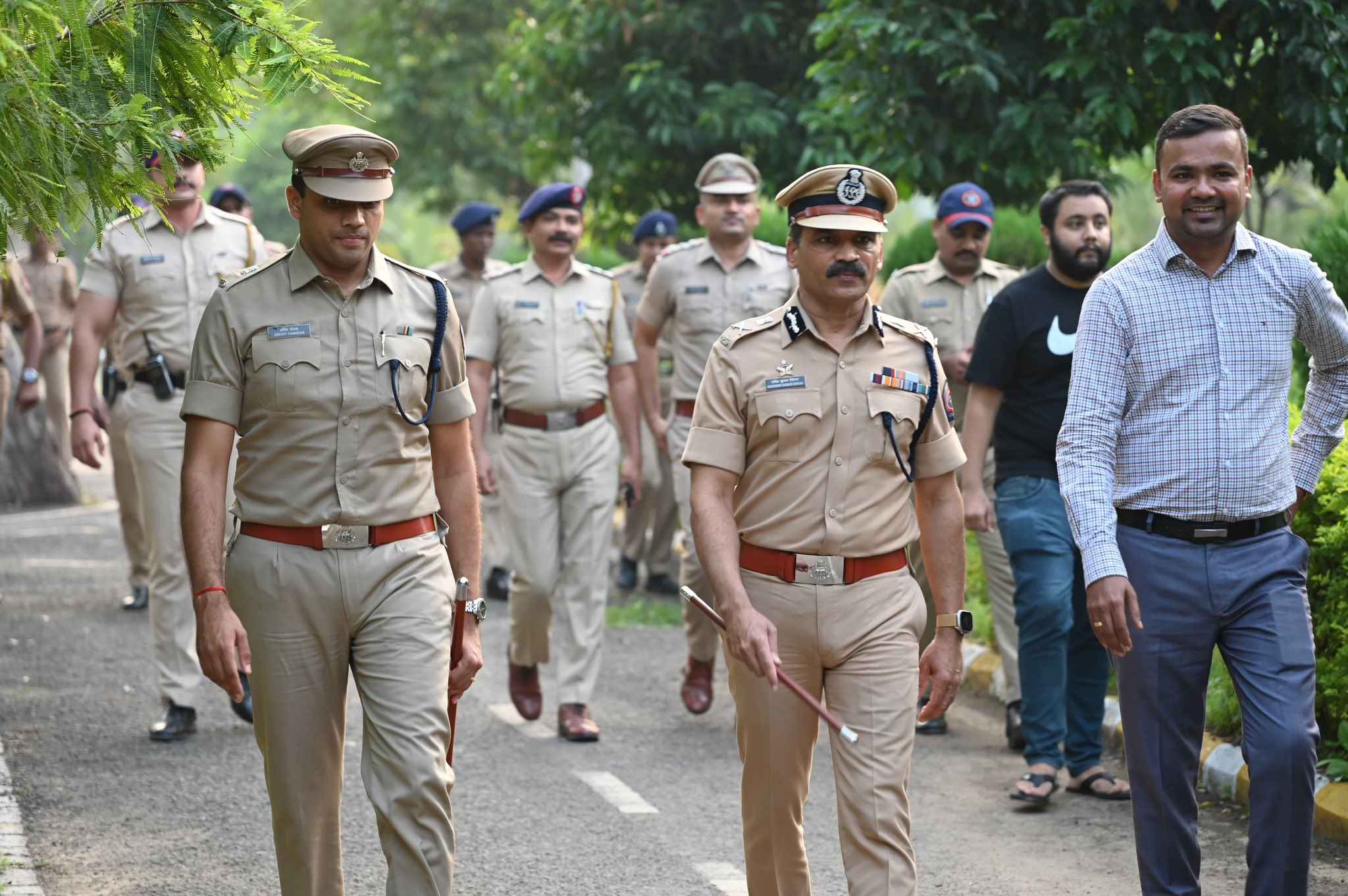
To tackle the situation, Nagpur’s traffic police, under the leadership of Deputy Commissioner of Police Archit Chandak, have launched special drives targeting areas with frequent violations. The focus has been on clearing parking around road turnings and commercial zones, aiming to improve traffic flow and reduce congestion.

Fines and Strict Enforcement

The police have also intensified enforcement of existing parking regulations. Fines are being issued daily, and towing vehicles is becoming a more common practice. However, without a long-term solution for parking infrastructure, enforcement alone won’t fix the problem.

Commercialization of Residential Areas: A Growing Concern

The Impact of Unplanned Commercialization

Another factor contributing to Nagpur’s parking woes is the unplanned commercialization of residential areas. In neighborhoods like Ramdaspeth, Dharampeth, and Gokulpeth, residential properties are being converted into commercial establishments, often without providing sufficient visitor parking. This transformation has resulted in an overflow of vehicles onto narrow lanes, disrupting the flow of traffic.

Narrow Lanes and Traffic Obstructions

Vehicles parked on the streets of these residential areas often block roads, leaving commuters stuck in slow-moving traffic. Without proper planning or designated parking, these areas are now hotspots for traffic jams.

How Illegal Parking Affects Emergency Services

Access Blocked for Emergency Vehicles

One of the gravest concerns surrounding illegal parking is its impact on emergency services. Illegally parked cars can block roads, making it difficult for ambulances, fire trucks, and police vehicles to pass. This poses a severe risk to public safety, particularly in densely populated areas where quick response times are critical.

Risk to Public Safety

Illegal parking not only slows down traffic but also heightens the risk of accidents, especially at congested turnings. Vehicles blocking visibility or parked too close to intersections make it harder for drivers to navigate safely.

Solutions to Nagpur’s Parking Crisis

Long-Term Infrastructure Development

For Nagpur to effectively manage its parking issues, long-term infrastructure solutions are needed. Building more parking garages and creating designated parking zones in commercial areas are critical steps toward solving the problem.

Public Transportation as a Solution

Encouraging the use of public transportation can also reduce the number of vehicles on the road. Expanding the city’s bus network and improving the availability of metro services could ease congestion, particularly in heavily trafficked areas like Sitabuldi and Cotton Market.

Improved Parking Regulations

Nagpur can also benefit from improving its parking regulations. Implementing stricter zoning laws to prevent unplanned commercialization of residential areas and introducing better parking management systems, such as paid parking, can make a significant difference.

Nagpur’s traffic woes, primarily driven by illegal parking, are unlikely to improve without significant intervention. While the city’s traffic (Nagpur traffic) police are working hard to enforce existing rules, the real solution lies in addressing the root cause—insufficient parking infrastructure. Without better planning and development, the residents and visitors of Nagpur will continue to face daily frustration and safety risks due to gridlock and traffic congestion.

  1. What are the main reasons for Nagpur’s illegal parking issues?
    The growing number of vehicles and limited parking spaces, especially in commercial areas like Sitabuldi, are the main reasons for the rise in illegal parking.
  2. How does illegal parking impact emergency services in Nagpur?
    Illegally parked vehicles block access for emergency services, making it difficult for ambulances and fire trucks to reach their destinations quickly.
  3. What areas in Nagpur are most affected by illegal parking?
    Sitabuldi, Cotton Market, and Sonegaon are among the areas with the highest number of parking violations.
  4. What are some potential solutions to Nagpur’s parking problem?
    Long-term solutions include improving parking infrastructure, encouraging public transportation use, and stricter parking regulations.
  5. How does Diwali contribute to the parking issue?
    The festive season brings an influx of shoppers to markets, leading to more vehicles on the road and more illegal parking due to the lack of available spaces.

Kedar, Mulak Rush to Matoshree After Sena Declares Ramtek Nominee

Ramtek Shiv Sena nominee | Sunil Kedar | Rajendra Mulak: The political atmosphere in the Nagpur district, especially in Ramtek, has been heated as seat-sharing issues within the Maha Vikas Aghadi (MVA) come to a head. The announcement of Vishal Barbate as the Shiv Sena’s (Uddhav faction) candidate for Ramtek has led to internal disputes within the MVA, especially with the Congress party. Both Sunil Kedar and  Mulak, key Congress leaders in Nagpur, rushed to Mumbai’s Matoshree in a bid to reclaim the seat for their party. Let’s dive deep into this developing political storm and explore how this situation has created a rift within the alliance.

The Political Storm Brewing in Ramtek

The announcement of Shiv Sena’s candidate for the Ramtek constituency (Ramtek Shiv Sena nominee) sent shockwaves through the MVA alliance. Congress had hoped to contest from Ramtek, but Shiv Sena’s insistence on nominating Vishal Barbate upset Congress’s plans. This political tug-of-war has raised concerns among party leaders, and the once united front of the MVA seems to be fracturing under pressure.

Who is Vishal Barbate?

Vishal Barbate (Ramtek Shiv Sena nominee) is a well-known figure in the Uddhav Thackeray-led Shiv Sena faction. His nomination came as a surprise to Congress, especially to leaders like Sunil Kedar and Mulak (Rajendra Mulak), who were preparing to field their own candidates. Barbate is viewed as a strong candidate, with a firm backing from the Sena leadership.

Why Are Kedar and Mulak Concerned?

Sunil Kedar’s Stake in Ramtek

Sunil Kedar, a senior Congress leader, has always held influence in Nagpur’s rural areas. His disappointment over the nomination stems from Congress’s previous dominance in Ramtek. Kedar believes Congress has a stronger grassroots network in the constituency compared to the Shiv Sena, particularly due to  Mulak’s (Rajendra Mulak) work in expanding the party’s influence.

 Mulak’s Political Aspirations

Mulak, the district president of Congress, has been working to strengthen the party in Ramtek for years. He expected to be the candidate, given his long-term efforts and local popularity. The decision to allocate the seat to Shiv Sena left him feeling sidelined and deeply upset, as he had been gearing up to run in the upcoming election.

Seat-Sharing Woes: A Major Setback for the MVA

Seat-sharing has been a recurring issue within the MVA, which consists of Congress, the Nationalist Congress Party (NCP), and Shiv Sena (Uddhav Thackeray faction). While the alliance has shown resilience in Maharashtra’s political sphere, Ramtek’s seat allocation has sparked tension. Congress was confident in winning the Ramtek seat, but Shiv Sena’s firm stance has led to a standoff.

The Importance of Ramtek in Nagpur Politics

Ramtek is not just another constituency; it is a key battleground in Nagpur’s politics. Its political importance lies in its location and the support base built by local leaders. Winning Ramtek could mean significant influence over rural development policies in the region. This makes the fight for the Ramtek seat all the more critical for both Shiv Sena and Congress.

Shiv Sena’s Determination to Hold the Seat

The Uddhav Thackeray-led Shiv Sena is determined to secure the Ramtek seat. The party’s leadership argued that their candidate, Vishal Barbate, has a strong chance of winning, and thus, they have refused to concede the seat to Congress. Sena believes that retaining Ramtek is pivotal to solidifying their rural base, especially in Nagpur district.

Sanjay Raut vs. Nana Patole: A Battle of Wills

Sanjay Raut, a senior leader in Shiv Sena, has been vocal in his support for Barbate’s candidacy. His negotiations with Congress’s Nana Patole, the Maharashtra Pradesh Congress Committee (MPCC) president, reached a deadlock. The friction between these two leaders highlights the challenges within the MVA, where each party is fighting for political dominance.

Proposed Compromise: Offering the Umred Seat

In a bid to resolve the deadlock, Congress has offered the Umred seat to Shiv Sena as a compromise. The hope is that Sena would drop their claim to Ramtek in exchange for Umred, allowing Congress to field Vikas Mulak. Congress leaders argue that their candidate stands a better chance of winning against the incumbent Ashish Jaiswal, who recently switched allegiance to the Eknath Shinde faction.

Congress’s Confidence in Ramtek

Congress believes they have a solid base in Ramtek, largely due to  Mulak’s (Rajendra Mulak) consistent efforts to expand the party’s reach. Party insiders argue that Congress has deeper ties with the rural electorate compared to the Uddhav Sena. This confidence has emboldened the party to push for a seat swap with Shiv Sena.

Mahavikas Aghadi’s Internal Conflicts

As the Ramtek dispute unfolds, it exposes the underlying tensions within the Maha Vikas Aghadi. While the alliance was formed to counter the BJP, internal conflicts have emerged over power-sharing and seat distribution. These disagreements could weaken the alliance’s chances in the upcoming elections.

Shinde Faction and the BJP: Trouble for the Opposition

On the Mahayuti (BJP-Shiv Sena Shinde faction) side, the situation is equally complicated. Ashish Jaiswal, a former independent candidate, was nominated by the Shinde faction as their official candidate for Ramtek. This caused friction within the BJP, with former MLA Mallikarjun Reddy openly opposing Jaiswal’s candidacy.

Mallikarjun Reddy’s Opposition

Mallikarjun Reddy, a seasoned BJP leader, has faced disciplinary action for his opposition to Jaiswal. His suspension from the party signals the growing tensions within the Mahayuti as well. The infighting within both alliances presents an uncertain political landscape in Ramtek.

Political Implications for Ramtek

The battle for Ramtek will be one to watch closely. With both the MVA and Mahayuti alliances dealing with internal strife, the final outcome of this seat could shape the future political narrative in the Nagpur district. The seat is symbolic of the larger power struggles at play in Maharashtra’s politics.

A Contest That Will Shape the Region

As the political drama unfolds, Ramtek emerges as a critical seat in Maharashtra’s electoral battle. The conflicts within the MVA and Mahayuti showcase the intricate balancing act of alliance politics. While both Congress and Shiv Sena are determined to win, the ultimate victor will not only gain control of a significant seat but also cement their influence in the region.

Abha Pande: The First Rebel from Ajit Pawar’s NCP, Files Nomination as Independent for East Nagpur

In a move that could reshape the political landscape of East Nagpur, Abha Pande, a rebel leader from Ajit Pawar’s faction of the Nationalist Congress Party (NCP), has filed her nomination as an Independent candidate for the upcoming state assembly elections. Her decision comes despite the Bharatiya Janata Party (BJP) officially renominating sitting MLA Krishna Khopde for the same seat. This bold political step signals her intent to challenge her own party leadership and break away from the Mahayuti coalition’s alliance.

A Defining Political Moment for Abha Pande

Pande’s announcement has been met with mixed reactions within political circles. She unshackled herself from the party’s coalition dynamics, making it clear that she is standing up for the people of East Nagpur. Her candidacy is seen as a significant challenge not only to the BJP but also to the Ajit Pawar-led NCP faction.

A Rally of Defiance

Abha Pande submitted her nomination at the district collectorate on Thursday after a grand vehicle rally that started from Wardhaman Nagar. The rally was an expression of her determination and commitment to her campaign. Pande addressed her supporters and confirmed that she is running as an Independent because the people of East Nagpur want her to be their voice in the assembly.

The Emergence of a Strong Independent Candidate

Breaking Away from Party Lines

Pande had sought a ticket from the Ajit Pawar faction of NCP, but with the BJP renominating its sitting MLA Krishna Khopde, and NCP nominating Duneshwar Pethe, she took the bold step of contesting as an Independent. Pande has repeatedly stated that her decision to run stems from the overwhelming support she has received from the constituency’s residents. In their eyes, she is the leader who will address their concerns, some of which have been long neglected.

East Nagpur’s Neglected Development

One of Pande’s key issues is the lack of development in East Nagpur, especially under the current MLA Krishna Khopde. One glaring issue she has raised is the Bhandewadi garbage dumping yard, which has deprived residents of basic civic amenities. According to her, the dumping yard not only causes environmental and health concerns but also reflects the neglect of this part of the city.

Challenges Ahead for Abha Pande

A Tough Contest Lies Ahead

Abha Pande’s challenge is not just against the BJP but also the Ajit Pawar faction of NCP, which has officially fielded former NMC corporator Duneshwar Pethe for the seat. Pethe’s nomination signifies the internal competition within the NCP and the Congress, with Congress’ Purshottam Hazare also having sought a ticket. Hazare, who lost the last assembly election, has mentioned that the incumbency factor against Khopde would have worked in his favor.

A Prominent Member of the State’s Women’s Commission

Apart from being a political figure, Abha Pande has been an active member of the state’s women’s commission. She believes that her work in the commission gives her a unique understanding of the issues faced by the constituency, particularly those concerning women and marginalized groups.

The Incumbency Factor: A Double-Edged Sword

Krishna Khopde’s Tenure Under Scrutiny

Abha Pande has been critical of Krishna Khopde’s tenure, particularly his handling of developmental issues in East Nagpur. The garbage dumping yard at Bhandewadi, a major concern for locals, is at the forefront of her campaign. She questions why the city’s garbage should be dumped in East Nagpur and promises to relocate the yard if elected. This issue, along with other civic grievances, could work in her favor as voters grow frustrated with Khopde’s performance.

Pande’s Grassroots Campaign

Pande has already made significant strides in her grassroots campaign. Covering more than 18,000 houses, she has been holding mohalla meetings to connect with the electorate directly. Her personal outreach and commitment to solving local issues are resonating with voters who feel sidelined by the sitting MLA.

Abha Pande’s Vision for East Nagpur

A Promise for Change

At the core of Pande’s campaign is her promise for change. She vows to address the infrastructural and environmental concerns that have plagued East Nagpur for years. Her primary focus will be on moving the Bhandewadi garbage dumping yard and ensuring basic civic amenities like clean water, sanitation, and better roads.

Women’s Rights and Safety

As a member of the state’s women’s commission, Pande has consistently advocated for women’s rights and safety. If elected, she plans to implement policies that empower women and ensure their safety within the constituency. This includes working towards better healthcare facilities, education, and employment opportunities for women.

Abha Pande’s Bold Step Forward

Abha Pande’s decision to run as an Independent candidate is a bold political move that could redefine the future of East Nagpur. By challenging the incumbency of both Krishna Khopde and the NCP faction, she has positioned herself as a formidable force in the upcoming elections. With a focus on development, environmental issues, and women’s rights, Pande is set to make this election one of the most closely watched contests in Nagpur.

  1. Who is Abha Pande?
    • Abha Pande is a rebel leader from the Ajit Pawar faction of the Nationalist Congress Party (NCP), now running as an Independent candidate for the East Nagpur assembly seat.
  2. Why is Abha Pande running as an Independent?
    • Pande chose to run as an Independent after the BJP renominated Krishna Khopde, and the NCP selected Duneshwar Pethe. She believes the people of East Nagpur support her candidacy.
  3. What are Abha Pande’s main campaign issues?
    • Her campaign focuses on addressing the Bhandewadi garbage dumping yard issue, improving civic amenities, and advocating for women’s rights and safety.
  4. Who are Abha Pande’s main competitors in the election?
    • Pande’s main competitors are sitting BJP MLA Krishna Khopde and NCP’s Duneshwar Pethe, with Congress’ Purshottam Hazare also vying for a party ticket.
  5. What is the Bhandewadi dumping yard issue?
    • The Bhandewadi dumping yard in East Nagpur has caused environmental and health concerns, and Pande has promised to relocate it if elected.

Nagpur’s Air Quality Declines as Winter Begins, AQI Hits ‘Poor’ Levels

As the crisp winter air approaches Nagpur, it brings with it a troubling reality—deteriorating air quality. The city’s Air Quality Index (AQI) has consistently hit “Poor” levels, signaling the beginning of a season plagued by pollution. Over the past few days, AQI levels have soared, with multiple monitoring stations in the city reporting dangerous readings, exceeding 200. This article explores the factors contributing to this decline, the health impacts, and what measures can be taken to mitigate the situation.

 Why is Nagpur’s Air Quality Declining?

Nagpur’s air quality declines dramatically as winter sets in, and the reasons are multifaceted. While the cooler weather may bring relief from summer’s heat, it also traps pollutants closer to the ground. The city’s topography and industrial activities play a significant role in amplifying the pollution levels.

The Onset of Winter and Its Effects on Air Quality

Winter weather, particularly in urban areas, often brings with it a rise in air pollution. This phenomenon is attributed to the way cold air traps pollutants, a process known as temperature inversion. During winter, the cool air in Nagpur sits beneath a layer of warmer air, preventing pollutants from dispersing into the upper atmosphere. This creates a concentration of harmful particles near the ground, which is especially evident during the mornings and evenings.

Temperature Inversion – The Key Culprit

Temperature inversion plays a critical role in worsening air quality during winter. It essentially forms a lid over the city, trapping pollutants such as vehicle emissions, industrial waste, and even dust particles, which would otherwise escape into the atmosphere. This results in rising AQI levels, especially in densely populated areas like Nagpur.

The AQI: What Does ‘Poor’ Mean?

The Air Quality Index (AQI) is a number used to communicate how polluted the air currently is or is forecasted to become. Nagpur’s AQI readings exceeding 200 signal “Poor” air quality. But what does this mean for the average citizen?

Health Implications of Poor AQI Levels

A “Poor” AQI reading, between 201 and 300, is unhealthy for sensitive groups, including children, the elderly, and individuals with respiratory or cardiovascular conditions. Prolonged exposure to such air can lead to significant health issues, including asthma attacks, lung infections, and even heart problems.

 Sources of Air Pollution in Nagpur

Nagpur’s pollution is the result of several contributing factors. As winter intensifies, certain sources of pollution become more pronounced.

 Vehicular Emissions – A Major Contributor

Nagpur’s growing population has led to an increase in the number of vehicles on the roads. Vehicular emissions are a significant source of particulate matter (PM), nitrogen dioxide (NO2), and other harmful gases that exacerbate air pollution.

Industrial Pollution and Dust Accumulation

The industrial sector in and around Nagpur plays a huge role in pollution levels. Factories emit a range of pollutants that add to the PM2.5 and PM10 levels, particles that are particularly dangerous to human health. Additionally, construction activities and unpaved roads contribute to dust pollution, worsening air quality.

Garbage Burning and Household Chulhas

During winter, many households resort to burning garbage and using traditional chulhas for warmth and cooking, releasing harmful pollutants like carbon monoxide (CO) and fine particulate matter (PM2.5), which are especially dangerous in poorly ventilated spaces.

 Continuous Ambient Air Quality Monitoring Stations (CAAQMS)

Nagpur has four Continuous Ambient Air Quality Monitoring Stations (CAAQMS) that regularly record and monitor AQI levels across the city. Unfortunately, real-time data from these stations has not been available to the public for several days, adding to the concern.

 The Highest AQI Levels Recorded

The highest AQI was recorded at Town Hall in Mahal, where levels reached 216. Other stations in Ram Nagar, Ambazari, and the Government Post Office (GPO) also showed worrying trends with AQI readings between 192 and 210.

 Effects of Air Pollution on Daily Life

Poor air quality doesn’t just affect your health—it can significantly impact daily activities as well. From limiting outdoor exercise to increasing healthcare visits, the consequences of bad air go beyond physical ailments.

 Limiting Outdoor Activities

As the air quality worsens, it is advised to limit outdoor activities, particularly for vulnerable populations like children, the elderly, and those with pre-existing health conditions. Schools may need to adjust their schedules, and citizens are often urged to stay indoors when AQI levels are especially high.

 Indoor Air Quality Concerns

It’s not just the outdoor air that poses a threat. Indoor pollution from cooking, smoking, and even household cleaners can add to the overall burden of pollutants in the air. In homes without proper ventilation, this can lead to a buildup of harmful substances.

 What Can Be Done to Improve Air Quality in Nagpur?

While the situation may seem bleak, there are steps both citizens and the government can take to improve Nagpur’s air quality. These measures range from reducing emissions to increasing public awareness about the importance of clean air.

Government Initiatives

The Maharashtra Pollution Control Board (MPCB) has implemented the National Clean Air Programme (NCAP) to address pollution levels. These efforts include the installation of more air monitoring stations, stricter regulations on industries, and initiatives to reduce vehicular emissions.

Individual Responsibility

Citizens can also play a role in reducing air pollution. Simple measures like carpooling, using public transportation, and avoiding the burning of garbage can make a big difference. Additionally, installing air purifiers and regularly checking AQI levels can help safeguard health during periods of poor air quality.

Looking Ahead: The Future of Air Quality in Nagpur

While the immediate outlook for Nagpur’s air quality might not be optimistic, long-term solutions are being considered. By combining stricter regulations, technological advancements, and public participation, the city can gradually improve its air quality and protect its citizens from the health risks associated with pollution.

Nagpur’s declining air quality is a serious concern as winter approaches, bringing with it a rise in AQI levels and associated health risks. While the causes of pollution are clear—ranging from vehicular emissions to industrial activity—addressing the issue requires a collective effort. From government initiatives like the NCAP to individual actions, there are steps that can be taken to reverse the trend. Citizens must remain vigilant, stay informed about AQI levels, and take necessary precautions to protect their health.

  1. What is the Air Quality Index (AQI)?
    • The AQI is a measure of air quality, with levels above 200 indicating “Poor” conditions that can negatively impact health.
  2. Why does air quality worsen in winter?
    • Winter leads to temperature inversion, which traps pollutants close to the ground, making the air quality worse.
  3. What are the main sources of pollution in Nagpur?
    • Vehicular emissions, industrial activities, garbage burning, and household chulhas are significant contributors to pollution.
  4. How can individuals reduce their exposure to polluted air?
    • By staying indoors during high AQI periods, using air purifiers, and avoiding outdoor exercise when pollution levels are high.
  5. What steps can the government take to improve air quality?
    • Implementing stricter regulations on industries, promoting clean energy, and increasing public awareness about the dangers of pollution.

QR Code Payment Now Available at Railway Ticket Counters

QR Code Payment Railway Tickets: The Central Railway’s Nagpur Division has taken a significant leap towards enhancing passenger convenience by introducing QR code payment options at both reserved and unreserved ticket counters. This step marks a pivotal shift towards a more digitized, cashless railway system, aimed at providing faster and more efficient service. In this article, we’ll explore how this initiative benefits passengers, why it matters, and how it fits into the larger scheme of cashless India.

 QR Code Payment in Railways

In today’s fast-paced world, convenience is key. The Central Railway, Nagpur Division, has recognized this by enabling QR code payments at ticket counters, streamlining the ticket purchasing process for countless passengers. This change, effective from September 1, 2024, is part of the division’s broader goal to encourage cashless transactions and provide a seamless journey experience for travelers.

Why QR (QR Code Payment Railway Tickets) Code Payments Matter

Digital payment methods have grown significantly in India, with QR code payments becoming an increasingly popular way to transact. They are fast, secure, and offer a contactless solution that fits perfectly in the post-pandemic world. Implementing this at railway ticket counters not only reduces wait times but also offers passengers more flexibility in how they choose to pay for their tickets.

The Impact of Cashless Payments in the Railway Sector

 Boost in Cashless Transactions

The Nagpur Division’s initiative is a part of the Indian government’s broader Digital India campaign, which aims to promote cashless transactions. This effort also aligns with the “Ease of Doing Business” initiative, making everyday tasks like buying railway tickets more accessible and efficient for the general public.

 Faster, More Convenient Service

The introduction of QR code payments promises quicker ticket transactions, cutting down long queues at railway counters. Whether purchasing a reserved or unreserved ticket, passengers can now experience faster service, allowing them to focus more on their journey and less on standing in line.

 Simplified for All Passengers

One of the standout features of QR code payments is their simplicity. All a passenger needs is a smartphone, and they can scan the code, select their payment method (UPI, debit/credit cards, etc.), and instantly complete the transaction.

How the QR Code (QR Code Payment Railway Tickets) System Works at Railway Ticket Counters

QR code payment systems are quite simple. Here’s a step-by-step guide:

  1. Step 1: Approach the ticket counter and select the type of ticket (reserved or unreserved).
  2. Step 2: The counter staff will display a QR code corresponding to your ticket price.
  3. Step 3: Scan the code using any UPI-enabled payment app or mobile banking app.
  4. Step 4: Confirm the amount and proceed with the payment.
  5. Step 5: Receive your ticket, and you’re all set!

This entire process takes only a few seconds and is incredibly user-friendly, ensuring everyone, regardless of their tech-savviness, can easily use it.

Numbers That Speak Volumes: QR Code Payment Adoption in Nagpur Division

Between September 1 and October 20, 2024, the Nagpur Division issued:

  • Unreserved tickets worth Rs. 1.23 crore for 154,669 passengers.
  • Reserved tickets totaling Rs. 1.49 crore for 26,489 passengers.

These numbers reflect the growing adoption of the new digital payment system, further proving that passengers are embracing this shift toward cashless transactions.

Benefits of QR Code Payments for Railway Passengers

 Contactless Convenience

In a world where contactless services have become essential, QR code payments provide a hygienic alternative to traditional cash transactions. This is especially important for passengers concerned about health and safety in crowded spaces like railway stations.

 Reduced Transaction Time

QR code payments drastically reduce the time it takes to complete a transaction. No more fumbling for change or swiping cards. The entire process is completed in just a few taps, allowing passengers to receive their tickets swiftly and continue on their way.

 Enhanced Security

One of the key advantages of digital payments is enhanced security. QR code payments are encrypted, ensuring that passengers’ financial data remains protected throughout the transaction. This is a major improvement over the risks associated with carrying and handling cash.

Challenges and Considerations

 Limited Awareness Among Passengers

While QR code payments are incredibly convenient, not all passengers may be aware of how to use them. The railway authorities must invest in educating the public, ensuring everyone can benefit from this new system.

 Connectivity Issues

QR code payments require a stable internet connection, which may not always be available in remote areas. Ensuring consistent connectivity at all railway stations is crucial for the success of this initiative.

How the QR Code Payment System Fits into the Bigger Picture

This initiative aligns perfectly with India’s vision of becoming a cashless economy. QR code payments are just one of the many steps the Indian government and the railway sector are taking to modernize the nation’s infrastructure. By embracing digital solutions, India is moving towards a future where cash is no longer king, and transactions can be completed with the tap of a screen.

What’s Next for Digital Payments in Railways?

The Central Railway is just getting started with digital payment innovations. In the coming months, we can expect even more advancements, such as integration with mobile ticketing apps, AI-powered customer support, and further simplification of the ticket purchasing process.

A Convenient Future for Railway Passengers

The introduction of QR code payments at railway ticket counters in the Nagpur Division is a step in the right direction for both the railways and passengers. It reflects a growing trend toward digital payments and offers passengers a faster, safer, and more convenient way to buy tickets. As we move further into the digital age, innovations like this will only continue to enhance the travel experience, making the railway journey smoother and more enjoyable for all.

  1. What are the benefits of QR code payments at railway stations?
    QR code payments provide a faster, contactless, and secure way for passengers to purchase tickets, reducing the hassle of handling cash.
  2. Is it safe to use QR code payments for railway tickets?
    Yes, QR code payments are encrypted, ensuring a secure transaction process and protecting passengers’ financial information.
  3. Can I use any payment app to scan the QR code?
    Most UPI-enabled apps and mobile banking apps can be used to scan QR codes at railway ticket counters.
  4. What if there is no internet connection at the station?
    QR code payments require an internet connection. The railway authorities are working to ensure stable connectivity at all stations.
  5. Are QR code payments available at all railway stations in India?
    Currently, QR code payments are available at select counters in the Nagpur Division, but there are plans to expand this service nationwide.

NMC Installs Signal Bollards at Key Intersections in Pratap Nagar and Sawarkar Nagar

The Nagpur Municipal Corporation (NMC) has taken significant steps to enhance road safety in South-West Nagpur. By installing advanced signal bollards at crucial intersections, the city is tackling traffic management and pedestrian safety head-on. In this article, we explore the details of the project, its purpose, and the broader impact on the city’s traffic flow.

What Are Signal Bollards?

Signal bollards are illuminated structures installed at road junctions, synced with traffic lights to provide clear guidance for drivers and pedestrians. They act as visual aids, enhancing road safety by marking pedestrian zones and ensuring that vehicles stay within their designated paths.

Why NMC Installed Signal Bollards

Traffic congestion and pedestrian safety have been long-standing concerns in Nagpur, particularly in busy areas such as Pratap Nagar and Sawarkar Nagar Square. The installation of these bollards aims to streamline the movement of vehicles while keeping pedestrians safe, reducing accidents and confusion at intersections.

Key Areas of Installation

The project covers seven major intersections, including:

  • Pratap Nagar Square
  • Sawarkar Nagar Square
  • Various T-points across four key routes in South-West Nagpur

These areas are known for high traffic density, making them prime locations for the installation of signal bollards.

How Signal Bollards Improve Traffic Flow

Bollards guide drivers by providing a visual cue to stop before the designated pedestrian zones. This minimizes the tendency of drivers to cross stop lines, which often leads to chaos and accidents at busy intersections. As a result, the flow of traffic becomes more organized and predictable, improving overall efficiency.

Enhancing Pedestrian Safety

For pedestrians, the bollards act as markers, guiding them to crosswalks and keeping them away from moving vehicles. The illuminated nature of the bollards ensures visibility at night, providing a safer environment for people walking after dark. With these bollards in place, the distance between vehicles and pedestrians is more controlled, reducing the likelihood of accidents.

Improved Night-Time Safety

Nighttime visibility has always been a challenge in urban traffic management. The new illuminated bollards shine bright at night, significantly improving the safety of pedestrians crossing busy intersections. Their lights are synced with traffic signals, further reinforcing safe crossing practices.

Feedback from the Community

The response from locals has been overwhelmingly positive. Residents, especially motorists, have noted improvements in the behavior of drivers at these intersections. According to motorist Dinesh Kale, “Earlier, drivers would often stop beyond the stop line, but now they are more disciplined.”

Positive Impact on Pratap Nagar Square

Pratap Nagar Square, one of the busiest intersections in the city, has seen a marked improvement in traffic discipline since the installation of the signal bollards. Drivers are now more likely to stop behind the designated stop lines, reducing congestion and confusion at the junction.

Cost and Funding of the Project

The cost of each signal bollard is estimated to be around ₹20,000. The NMC has utilized funds originally sanctioned for the G20 Summit to complete the project, making efficient use of unspent resources.

Strategic Placement of Bollards

The placement of these bollards was carefully planned to cover high-traffic areas and intersections where pedestrian movement is frequent. By marking safe zones and directing both vehicle and pedestrian movement, the NMC is ensuring that traffic flows smoothly without compromising on safety.

Other Traffic Management Initiatives

This bollard installation is part of a broader effort by the NMC to improve traffic conditions in South-West Nagpur. In addition to the bollards, the NMC has been working on the following:

  • Improving the geometry of intersections: This involves redesigning the layout of roads to ease the flow of traffic and reduce bottlenecks.
  • New road markings: Road markings have been upgraded to improve visibility and guide drivers more effectively.
  • Repairs and upgrades: Ongoing roadwork aims to address any structural issues and improve the overall driving experience.

Future Plans for Traffic Improvement

The NMC has ambitious plans to continue its work on traffic management across the city. In addition to the current upgrades, 12 more junctions are scheduled for development. These efforts are part of a long-term vision to make Nagpur’s roads safer and more efficient for both drivers and pedestrians.

The Importance of Road Markings

In addition to bollards, new road markings have been installed to complement the bollards’ functionality. These markings help delineate pedestrian zones, stop lines, and vehicle lanes, creating a more organized traffic system.

Enhancing the City’s Aesthetic Appeal

Beyond safety, the NMC’s traffic improvement initiatives aim to beautify the city. By upgrading intersections with advanced technology and thoughtful design, Nagpur is set to not only improve traffic but also enhance the overall appearance of its roadways.

The installation of signal bollards at key intersections in South-West Nagpur is a significant step forward in improving both traffic flow and pedestrian safety. The project, which utilizes funds effectively and addresses long-standing issues, has already shown positive results in areas like Pratap Nagar Square. As the NMC continues to upgrade more intersections, residents can look forward to a safer and more organized traffic system.

1. What are the benefits of signal bollards?

Signal bollards improve both vehicle and pedestrian safety by providing clear, illuminated guidance at intersections, reducing accidents, and organizing traffic flow.

2. How much does each bollard cost?

Each signal bollard costs approximately ₹20,000, with funding drawn from unspent G20 Summit resources.

3. Which areas in Nagpur have received these bollards?

The installation has been completed at seven intersections, including Pratap Nagar Square and Sawarkar Nagar Square, along with several T-points in South-West Nagpur.

4. How do signal bollards improve night-time safety?

The illuminated bollards enhance visibility at night, making it easier for drivers and pedestrians to navigate busy intersections safely.

5. What are the future plans for traffic improvements in Nagpur?

The NMC plans to upgrade 12 additional junctions across the city and continue improving the geometry of intersections to streamline traffic flow.

Anil Deshmukh to Release Book on His Life in Jail: ‘Diary of a Home Minister’

Anil Deshmukh book: Anil Deshmukh, the former home minister of Maharashtra, is set to release a highly anticipated book titled ‘Diary of a Home Minister’. In this book, Deshmukh shares his experience of the 14-month jail term he endured and sheds light on the alleged conspiracy behind it. The book offers a detailed account of how he was purportedly framed to destabilize the Maha Vikas Aghadi (MVA) government, under which he served. With his manuscript now ready and available in multiple languages—Marathi, Hindi, and English—Deshmukh promises to reveal untold stories about his time in jail and the broader political implications surrounding his case.

A Glimpse into the Book: A Story of Alleged Injustice

The Origins of the Conspiracy

Deshmukh claims that his imprisonment was not just a result of false accusations but a calculated effort to bring down the MVA government. The five-time MLA asserts that a group of individuals worked to tarnish his image and implicate him in false charges. In his book, he provides detailed information about who these players were and how they orchestrated the alleged conspiracy.

The Power Struggle Within Maharashtra

In the backdrop of Deshmukh’s imprisonment, Maharashtra’s political scene was witnessing a tug-of-war between different factions. The MVA government, led by Uddhav Thackeray, was in the crosshairs of this struggle. Deshmukh believes that the case against him was used as leverage to destabilize the coalition, weakening the state’s governance structure in the process. According to him, his refusal to comply with these forces added to the pressure on his family and political career.

Deshmukh’s Life Behind Bars (Anil Deshmukh book): Coping with Adversity

Documenting the Conspiracy

While in jail, Deshmukh meticulously gathered evidence to document the conspiracy he was entangled in. From newspaper clippings to official statements, his time in confinement allowed him to piece together the narrative of how his case was shaped by political motivations. This information forms the backbone of ‘Diary of a Home Minister’, providing readers with a window into the alleged plot against him.

Mental and Emotional Struggles

Deshmukh’s book doesn’t just focus on the political machinations behind his imprisonment. It also delves into the mental and emotional toll that the experience took on him and his family. He describes the frustration of being in jail for over a year while fighting to prove his innocence. His book is not just a political exposé but a personal journey of resilience and determination.

What to Expect from the Book (Anil Deshmukh book)

A Detailed Account of the Alleged Harassment

Throughout his ordeal, Deshmukh claims to have been harassed not only by those orchestrating the conspiracy but also by certain sections of the media and legal system. He reveals the strategies employed to discredit him publicly, including the dissemination of misinformation. While he has spoken about some of these issues before, the book provides a comprehensive narrative that ties all the pieces together.

Revelations About Key Figures

Another significant aspect of Deshmukh’s book is the exposure of key figures who, he claims, were instrumental in the conspiracy against him. Readers can expect names and events that have been previously kept under wraps, adding a new layer of intrigue to the ongoing political debate in Maharashtra.

The Role of the Media

Deshmukh also addresses the role that media played in his case. He asserts that premature disclosures were made to sway public opinion against him. According to Deshmukh, this was a tactic used to counter the growing misinformation and to mislead the general public about the true nature of the case. His book will aim to clarify these misconceptions by providing a factual account.

The Book’s Release and Its Impact on Maharashtra Politics

Release Date and Languages

The book has already been printed in Marathi, Hindi, and English, but the official release date is yet to be announced. Deshmukh’s legal troubles may be behind him, but the publication of ‘Diary of a Home Minister’ is likely to reignite discussions about the case, both in political and public circles.

Public Reaction and Expectations

The people of Maharashtra, according to Deshmukh, are eager to learn the truth about the conspiracy against him. Given his political stature and the gravity of the allegations, the book is expected to stir significant debate. Many are speculating that it could alter the course of the political narrative in Maharashtra, potentially influencing upcoming elections.

Potential Backlash

While Deshmukh is hopeful that his book will clear his name and provide the public with the truth, there are bound to be detractors. Political opponents might question the authenticity of his claims or attempt to discredit the information in the book. Deshmukh, however, seems prepared for any backlash, as he believes that the evidence he has gathered speaks for itself.

Anil Deshmukh’s ‘Diary of a Home Minister’ is more than just a memoir. It’s a deep dive into the political undercurrents that led to his imprisonment, shedding light on the alleged conspiracy that aimed to topple the MVA government. By offering a detailed account of his experience, Deshmukh hopes to provide readers with the complete story—one that involves political intrigue, personal struggles, and a fight for justice. As the public eagerly awaits the book’s release, the impact it will have on Maharashtra’s political landscape remains to be seen.

1. What is the title of Anil Deshmukh’s book?

Anil Deshmukh’s book is titled ‘Diary of a Home Minister’. It recounts his time in jail and the alleged conspiracy against him.

2. What is the main theme of the book?

The main theme revolves around the political conspiracy that Deshmukh claims was designed to frame him and bring down the MVA government.

3. When will the book be released?

The official release date for the book has not been announced yet, though it has already been printed in Marathi, Hindi, and English.

4. What languages will the book be available in?

The book will be available in Marathi, Hindi, and English.

5. What impact is the book expected to have?

The book is expected to stir significant debate, particularly regarding the political events surrounding Deshmukh’s imprisonment. It may influence public opinion and Maharashtra’s political discourse.

{finish}

Maharashtra SCERT Lowers Passing Marks for Class 10 Math and Science

Maharashtra SCERT: In a major shift for Class 10 students across Maharashtra, the Maharashtra State Council for Educational Research and Training (SCERT) has recently announced a reduction in the passing marks for Math and Science subjects. The new passing criteria, which are part of the State Curriculum Framework-School Education (SCF-SE), lowers the required marks from 35 to 20. However, while this move allows students to pass, it comes with restrictions on their future academic choices. In this article, we’ll dive deep into what this change means for students, how it affects their academic journey, and the rationale behind the decision.

 Understanding the New Passing Criteria

The decision to reduce the passing mark for Class 10 Math and Science subjects aims to provide more flexibility to students who struggle with these subjects. Under the new framework, students who secure as low as 20 marks in these subjects will be declared “pass,” which prevents them from being held back and gives them the opportunity to move on to the next academic year.

 Who Benefits from the New Passing Mark?

The main beneficiaries of this change are students who have consistently struggled with Math and Science. Many students, despite their interest in other fields such as Humanities or Arts, have been forced to drop out or face academic setbacks due to failing these subjects.

 What Happens After Passing with Lower Marks?

Although students will pass with 20 marks, there is a significant limitation. Those students will not be allowed to pursue higher studies in Math or Science. Their certificates will reflect their lower scores, indicating that they passed but with restricted eligibility for future Math and Science courses.

 Why SCERT Made the Decision

The SCERT’s (Maharashtra SCERT) decision comes after years of analyzing student performance in the state. A large percentage of students failed in Math and Science, which often led to an early dropout from the education system. This change is seen as a way to retain more students and allow them to pursue their strengths rather than being pushed out of the system.

 Insights from Key Figures

Rahul Rekhawar, the director of SCERT, emphasized that this move ensures that students aren’t unfairly pushed out. “We want to ensure students are not sidelined by their performance in just one or two subjects,” he said.

Similarly, Sharad Gosavi, chairman of the Maharashtra State Board of Secondary and Higher Secondary Education, stated that the reduced passing marks are in line with the broader goal of supporting students’ academic journeys, particularly when the new curriculum is rolled out statewide.

Promoting Academic Flexibility

This decision aligns with the SCF-SE’s goal to offer students greater academic flexibility. By allowing students to move forward despite their scores in these subjects, the education system is ensuring that they are not limited in their pursuit of other academic disciplines.

 What Are the Implications for Students?

While the immediate impact is that more students will pass Class 10 without being held back, the long-term implications are more complex. Students who pass with lower marks in Math and Science will have limited options when it comes to higher studies in those fields. This means that students need to be sure of their academic preferences early on to avoid being limited by these restrictions.

 Option for a Retest

For students who wish to pursue Math or Science but score below 35, there is an option to appear for a retest. This provides them with a second chance to improve their scores and qualify for higher studies in these subjects.

 How Will the Retest Work?

The retest will be similar to the regular exam, with students being evaluated based on the full curriculum. If students manage to improve their scores to meet the previous 35-mark requirement, they can pursue Math and Science in higher classes without any limitations.

 Broader Goals of the SCF-SE Framework

The new passing criteria are part of a larger shift in how the Maharashtra state views education. The SCF-SE framework emphasizes reducing dropout rates and allowing students to succeed in subjects where they have natural aptitude and interest.

 A Focus on Holistic Education

The SCF-SE framework is designed to give students a more holistic education, allowing them to explore different fields without being held back by their struggles in specific subjects. This approach encourages students to focus on their strengths, which can lead to more successful and fulfilling careers in the future.

 Criticism and Concerns

As with any significant change, there are concerns. Critics argue that lowering the passing marks might lead to a decrease in the quality of education and discourage students from putting in the effort required to master challenging subjects like Math and Science.

 Potential Impact on Students’ Motivation

There is a risk that students might feel less motivated to perform well if the passing criteria are perceived as lenient. While the option for a retest is available, students may rely on the reduced passing mark to get by, which could have long-term consequences for their academic development.

 Addressing the Critics

However, supporters of the change argue that the new system is designed to help students who are genuinely struggling, not to encourage laziness. The focus, they say, should be on supporting students’ overall growth rather than pressuring them in subjects where they may not excel.

The decision by the Maharashtra SCERT to lower the passing mark for Math and Science in Class 10 is a significant step toward providing greater flexibility for students. While it opens the door for students to continue their education without being held back, it also places the onus on students to carefully consider their future academic paths. Those with an interest in non-science fields will find this decision beneficial, while students aiming for careers in Math or Science will need to put in extra effort or opt for retests.

  • Why did the SCERT (Maharashtra SCERT) lower the passing marks for Math and Science?
    The SCERT aimed to reduce dropout rates and offer flexibility to students who struggle with these subjects.
  • Will students passing with lower marks be able to pursue higher studies in Math and Science?
    No, students passing with less than 35 marks will not be eligible for higher studies in Math or Science.
  • Can students retake the exam to improve their scores?
    Yes, students can opt for a retest to improve their marks and become eligible for higher studies in Math and Science.
  • Does this decision affect all subjects or just Math and Science?
    The decision only applies to Math and Science subjects in Class 10.
  • When will the new passing mark criteria be implemented?
    The changes will be introduced when the new curriculum is implemented across the state.
Exit mobile version