यूनियन बैंक ऑफ़ इंडिया में हिंदी पखवाड़े का समापन समारोह

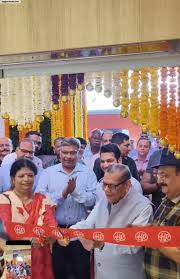
यूनियन बैंक ऑफ़ इंडिया ने हिंदी पखवाड़ा समापन समारोह एवं पुरस्कार वितरण समारोह का आयोजन दिनांक 6 अक्टूबर 2024 को परवाना भवन, किंग्सवे परिसर, नागपुर में किया। इस अवसर पर क्षेत्रीय कार्यालय नागपुर के क्षेत्र प्रमुख श्री एम वी एन रवि शंकर, उप क्षेत्र प्रमुख श्री राजेश यादव एवं श्री एस शिवकुमारन, नराकास (बैंक) सदस्य सचिव श्री राजीव कुमार सहित स्थानीय शाखों एवं बाहरी शाखाओ के स्टाफ सदस्यों एवं उनके परिवार के लोग उपस्थित रहे।
पखवाड़ा समापन समारोह पर आयोजित कार्यक्रम में सुश्री कुमुद ने बताया कि हिंदी पखवाड़े के अंतर्गत विभिन्न हिंदी प्रतियोगिताओं का आयोजन किया गया। इन सभी प्रतियोगिताओं में स्टाफ सदस्यों ने चढ़कर हिस्सा लिया। प्रतियोगिताओं में जीतने वाले स्टाफ सदस्यों के साथ स्थानीय शाखों ने भी बेहतरीन कार्य निष्पादन के लिए राजभाषा शिल्ड प्रदान की गई। प्रतियोगिताओं में जीतने वाले स्टाफ सदस्यों के साथ क्षेत्र की चार शाखाओं को बेहतरीन कार्य निष्पादन के लिए राजभाषा शील्ड प्रदान किया गया । कुल 10 स्टाफ सदस्यों को वर्ष के दौरान अच्छे कार्य करने के लिए नकद पुरस्कार एवं प्रमाण पत्र से सम्मानित किया गया। आयोजित कुल 6 प्रतियोगिताओं में कई विजेताओं को शील्ड, पुरस्कार एवं गिफ्ट से पुरस्कृत किया गया ।

इस अवसर पर क्षेत्रीय कार्यालय के क्षेत्र प्रमुख श्री एम वी एन रवि शंकर जी ने सभी स्टाफ सदस्यों को राजभाषा हिंदी में कार्य करने के लिए प्रोत्साहित किया। उन्होंने यह भी बताया कि क्षेत्रीय कार्यालय नागपुर को नराकास (बैंक) एवं केंद्रीय कार्यालय मुंबई से तृतीय पुरस्कार प्राप्त हुआ है। उन्होंने राजभाषा विभाग में होने वाली गतिविधियों की सराहना की।
इस अवसर पर आयोजित विभिन्न सांस्कृतिक कार्यक्रम में स्टाफ सदस्य एवं उनके परिवार जनों द्वारा रंगारंग सांस्कृतिक प्रस्तुत किया गया।

Maharashtra State Transport Achieves ₹16.86 Crore Profit Under Fadnavis’ Leadership

Maharashtra ST Profit: Nagpur, India: A remarkable milestone was achieved in Maharashtra’s State Transport (ST) Corporation as it recorded its first profit in nearly a decade. The corporation posted a ₹16.86 crore profit in August, signifying a successful financial turnaround under the leadership of Deputy Chief Minister Devendra Fadnavis. This victory demonstrates the effectiveness of Fadnavis’ reforms, which have breathed new life into the state-run service.

Streamlining Operations for Efficiency

Under Fadnavis’ leadership, the primary focus has been on streamlining the operations of the ST Corporation. By addressing inefficiencies, reducing operational costs, and enhancing productivity, Fadnavis made the transport system more robust and financially viable.

Fleet Modernization

Another significant initiative that contributed to this turnaround was the modernization of the aging fleet. Outdated buses were replaced with more fuel-efficient and passenger-friendly vehicles, increasing reliability and reducing maintenance costs.

Optimizing Routes for Better Service

By analyzing and optimizing existing bus routes, Fadnavis improved the accessibility and efficiency of Maharashtra’s transport network. This reorganization allowed for smoother commutes and a more profitable operation.

Passenger-Friendly Initiatives (Maharashtra ST profit)

50% Discount for Women Passengers

One of the most applauded reforms was the introduction of a 50% discount on bus tickets for women passengers. This initiative not only empowered women by making travel more affordable but also increased overall passenger volume. The ST Corporation saw a surge in women commuters, contributing to the rise in revenue.

Free Travel for Senior Citizens

In addition to women’s discounts, Fadnavis launched a scheme allowing free travel for senior citizens over the age of 75. This compassionate policy enabled seniors to enjoy affordable and convenient travel, further reinforcing the government’s commitment to inclusive and supportive governance.

Digital Ticketing and Online Booking (Maharashtra ST profit)

To make the travel experience seamless for passengers, the ST Corporation introduced online booking and digital ticketing systems. This move not only enhanced convenience but also contributed to operational efficiency by reducing cash handling and improving transaction transparency.

Financial Health: A Long Road to Recovery

Challenges Before the Reforms

Prior to these changes, the ST Corporation had been grappling with financial losses for nearly nine years. Mismanagement, outdated infrastructure, and high operational costs plagued the service. However, under Fadnavis’ leadership, the corporation began to reverse these losses.

The August Profit Milestone

The ₹16.86 crore profit recorded in August stands as a significant achievement, marking the first time the corporation has posted a profit since 2014. This turnaround has been attributed to Fadnavis’ focus on operational reforms and passenger-friendly initiatives.

Future Outlook for Maharashtra ST

While this is just the beginning, the ST Corporation is on a path to further strengthen its financial health. With continued investment in infrastructure, technology, and passenger services, Maharashtra’s state transport system is expected to thrive in the coming years.

Fadnavis’ Vision for Maharashtra Transport

Commitment to Public Service

Fadnavis has consistently emphasized the importance of improving public services, and the ST Corporation’s turnaround is a testament to his vision. He has sought to ensure that the transport system serves the needs of all citizens, regardless of economic background.

Investing in Sustainable Transport

Looking forward, the state is also focusing on sustainability. Plans are underway to introduce electric buses, further reducing emissions and operational costs while promoting environmental responsibility.

Building Public Trust

Through these reforms, Fadnavis has not only restored the financial health of the ST Corporation but also built public trust. The improvements in service quality, affordability, and inclusivity have made state transport more appealing to citizens.

The Maharashtra State Transport Corporation’s ₹16.86 crore profit under Fadnavis’ leadership is a victory for both the government and the people of Maharashtra. Through modernizing the fleet, optimizing operations, and introducing passenger-friendly policies, Fadnavis has successfully turned around a struggling system. This profit marks a new chapter in the history of Maharashtra’s transport system, illustrating how effective leadership and well-planned reforms can overcome long-standing challenges. As the ST Corporation continues on this upward trajectory, the future looks promising for public transport in the state.

  1. How did Maharashtra’s State Transport Corporation achieve profitability? Maharashtra’s State Transport Corporation achieved profitability through a combination of operational reforms, modernizing the fleet, optimizing routes, and introducing passenger-friendly initiatives such as discounts for women and free travel for senior citizens.
  2. What role did Devendra Fadnavis play in the ST Corporation’s turnaround? As Deputy Chief Minister, Devendra Fadnavis implemented a series of reforms that streamlined operations, improved efficiency, and focused on inclusive passenger services, leading to the corporation’s first profit in nine years.
  3. What initiatives were introduced for women and senior citizens? The ST Corporation introduced a 50% discount on tickets for women and a free travel scheme for senior citizens above 75, encouraging more passengers to use the service.
  4. What is the future outlook for Maharashtra’s transport system? The future of Maharashtra’s transport system looks promising, with continued investments in fleet modernization, sustainable transport, and passenger-friendly services.
  5. How will the introduction of electric buses impact the ST Corporation? The introduction of electric buses will reduce emissions and operational costs, promoting sustainability and making the transport system more environmentally friendly.

Maharashtra Assembly Elections 2024: Yajnavalkya Jichkar Set to Challenge Anil Deshmukh in Katol, Aiming for Independent Victory Like Sangli Model

Maharashtra Assembly Elections | Yajnavalkya Jichkar | Anil Deshmukh: The political landscape of Maharashtra is set to heat up as we approach the 2024 Assembly elections. The Katol constituency, located in Nagpur district, is expected to be one of the focal points of this political battle. In a scenario reminiscent of the Sangli model, an independent candidate might take center stage in Katol, challenging a well-established political figure.

At the heart of this contest is Yajnavalkya Jichkar, a young political aspirant keen on challenging Anil Deshmukh, a senior politician and former state home minister. Jichkar, a political debutant with deep family roots in the constituency, is determined to follow in his father’s footsteps and secure an electoral victory, even if it means going independent. Let’s take a closer look at this unfolding political drama.

 The Katol Constituency (Maharashtra Assembly Elections)

Katol, a key constituency in the Nagpur district, has a history of unpredictable outcomes, especially when it comes to favoring independent candidates. Its political scene has been dominated by big names like Anil Deshmukh, but anti-incumbency sentiment is simmering. With an independent mindset and strong familial ties to the region, Jichkar is ready to upset the status quo, potentially replicating the Sangli model.

 The Sangli Model: A Successful Independent Candidate

In the recent Lok Sabha elections, the Sangli model played a key role in influencing local political dynamics. Here, Vishal Patil, a Congress aspirant who was denied a party ticket, went on to contest as an independent candidate. He won the seat by defeating the official Maha Vikas Aghadi (MVA) candidate. This model proved that independent candidates, if they resonate with the people, can succeed even against party-backed opponents.

Jichkar appears to be taking a similar path. He is waiting for a Congress ticket but has made it clear that he will contest as an independent candidate if the ticket is denied, with aspirations of echoing Patil’s independent triumph.

 Who is Yajnavalkya Jichkar?

Jichkar is not just another name in the crowd. The son of the late Dr. Shrikant Jichkar, Yajnavalkya is stepping into politics with a legacy that demands attention. Dr. Jichkar was a celebrated figure in Maharashtra politics, holding numerous portfolios during his political career and nearly becoming the Chief Minister. Yajnavalkya, now 30 years old, has spent the last few years working on the ground in Katol, focusing on local development, especially for youth and farmers.

He’s organized numerous camps, provided employment opportunities to over 6,000 youths, and sought to carry forward his father’s legacy. His connection to the community and his father’s memory gives him a significant emotional edge in the race for the Katol seat.

 Anil Deshmukh: The Incumbent With A Legacy

On the other side of the political ring is Anil Deshmukh, the current MLA from Katol and a seasoned politician with decades of experience. He has held the seat since 1995, except for a brief defeat in 2014 by his nephew Ashish Deshmukh. Deshmukh has a stronghold on the constituency and has been a major player in Maharashtra politics, but the winds of change are blowing. Anti-incumbency factors and his long tenure may play against him in the upcoming elections.

 Challenges Ahead for Jichkar

One of the major challenges Jichkar faces is securing the Congress ticket. While his mentor and close aides believe that the Congress is trying to vacate the seat from NCP (Pawar) for him, nothing is guaranteed. Should this plan not materialize, Jichkar is ready to contest independently, banking on the goodwill and fond memories that the voters have of his late father.

Moreover, he will face the tough task of battling two strong candidates — Anil Deshmukh from NCP and possibly Ashish Deshmukh from BJP, his uncle’s nephew and former Congress ally.

 Anti-Incumbency Factor in Katol

Katol has always been an unpredictable constituency, with the people often opting for independent candidates over official party nominees. Deshmukh’s long-standing hold on the seat may be challenged by an undercurrent of anti-incumbency. The people of Katol are not new to independent voices, and Jichkar is hoping to capitalize on this sentiment.

 The Role of Legacy in Indian Politics

Legacy plays a significant role in Indian politics. The Jichkar family, especially the late Dr. Shrikant Jichkar, holds a revered status in Katol. Dr. Jichkar’s educational and political achievements are part of local lore, and many still recall his efforts for the region. Yajnavalkya is attempting to tap into that emotional and nostalgic connection.

 Independent Candidates: Can They Make a Difference?

The recent success of independent candidates in Maharashtra, especially the Sangli model, shows that it is indeed possible for them to win. Political analysts have observed that independent candidates with strong local ties, who understand and address regional issues, often resonate more with voters compared to party-backed candidates who may be seen as more detached.

Jichkar’s strategy is clear — he’s positioning himself as the voice of the people, free from party politics and driven by a desire to improve Katol.

 The Farmers, Youth, and Women: Key Focus Areas

Jichkar’s ground-level work with farmers, youth, and women is one of his key selling points. He’s held numerous camps and training sessions, which have benefited many in these demographics. Employment has been a major focus, with over 6,000 young people finding jobs due to his efforts. This is expected to work in his favor, particularly with younger voters.

 The Shadow of His Father

Dr. Shrikant Jichkar is considered one of the most educated politicians in India, holding over 20 degrees and earning numerous accolades during his academic and political career. His decision to pursue politics over bureaucracy is often cited as a bold move. Yajnavalkya’s candidacy is seen as an attempt to step out of his father’s shadow while also carrying his legacy forward.

 What’s at Stake in Katol?

Katol is not just another constituency; it’s a political battleground with significant implications for both the MVA and BJP. If Jichkar manages to win as an independent, it could set a precedent for other regions in Maharashtra, where independent candidates could rise to prominence, challenging traditional party lines.

 The Battle Ahead: What Lies in the Future?

With election campaigns heating up, the Katol constituency is preparing for an intense political battle. Whether Jichkar can pull off an independent victory like Sangli remains to be seen. However, one thing is clear: the voters of Katol have an exciting contest ahead, with the potential for an outcome that could change the dynamics of local and state politics.

The 2024 Maharashtra Assembly elections will be one to watch, with Katol shaping up as a key constituency. The contest between Yajnavalkya Jichkar and Anil Deshmukh is bound to be a defining moment in Maharashtra’s political landscape. With legacy, local development, and anti-incumbency factors all in play, this election promises to be a historic one.

  1. Who is Yajnavalkya Jichkar?
    • Yajnavalkya Jichkar is a political debutant and the son of late Dr. Shrikant Jichkar, aiming to contest the 2024 elections from Katol constituency.
  2. What is the Sangli Model?
    • The Sangli Model refers to the success of an independent candidate in defeating a party-backed opponent in the recent Lok Sabha elections in Maharashtra.
  3. Who is Anil Deshmukh?
    • Anil Deshmukh is the incumbent MLA of Katol and a senior NCP leader, having held the seat since 1995, with one exception in 2014.
  4. What challenges does Yajnavalkya Jichkar face?
    • Jichkar faces challenges in securing a Congress ticket and competing against strong candidates like Anil Deshmukh and Ashish Deshmukh.
  5. What is at stake in the Katol constituency?
    • Katol is a crucial battleground that could influence the broader political landscape in Maharashtra, especially if an independent candidate wins.

A Bouquet of Projects Worth ₹500 Cr for Nagpurians Ahead of Assembly Polls

As the assembly elections approach in Nagpur, the city is witnessing a surge of developmental activities. The Bharatiya Janata Party (BJP), spearheaded by Union Minister Nitin Gadkari, has been inaugurating and laying the foundation stones for multiple high-value projects. These projects, worth a staggering ₹500 crore, are primarily focused on East Nagpur—Gadkari’s political stronghold.

With the election code of conduct expected to come into effect soon, the city is brimming with newly inaugurated facilities and upcoming projects. Let’s take a deep dive into what these projects entail and their significance for Nagpur.

 A Look at East Nagpur’s Transformation

East Nagpur has always been at the forefront of Nitin Gadkari’s developmental agenda. Over the last decade, this part of the city has seen massive improvements in its infrastructure, healthcare, transportation, and more. Gadkari’s strong political presence in this region ensures that it remains a priority in terms of public investments and project implementations.

 Inaugurations Worth ₹500 Cr: What’s New?

In a series of events, Gadkari recently inaugurated multiple projects in East Nagpur, covering diverse sectors such as education, healthcare, transportation, and public utilities. The overall investment of ₹500 crore is aimed at transforming the city and offering better amenities to its residents.

 Improved Healthcare Facilities

One of the most notable projects is the inauguration of healthcare facilities. Gadkari laid the foundation stone for Devadia Sootikagriha in Quetta Colony. This facility is aimed at improving maternal health in the region, with funds provided by the central and state governments. In addition, several Ayushman Health Mandirs have been established, including four in East Nagpur at Lakadganj, Bahubali Nagar, Vaishnodevi Nagar, and Shaheed Chowk. These centers will offer enhanced healthcare services to Nagpur’s citizens, especially in underserved areas.

 Smart City Projects

Nagpur’s ambitious Smart City Project is another area seeing rapid progress. The inauguration of the New Pardi police station, which will cater to Pardi, Bharatwada, Poonapur, Bhandewadi, and nearby areas, is a significant step towards improving law and order. Additionally, a G+2 fire station has been set up in Poonapur, along with staff accommodations. The fire station will address the growing safety needs of East Nagpur residents.

 Water Supply Enhancements

Under the Amrut Yojana, two water tanks with a capacity of 20 lakh liters each have been constructed in Nandanvan and near Symbiosis College in Wathoda. Another tank with a 15-lakh-liter capacity has also been inaugurated. These water tanks aim to provide a tanker-free water supply to the citizens of Nagpur, ensuring reliable access to clean drinking water.

 Infrastructure Developments for a Growing City

 Railway Overbridge (ROB)

Nagpur’s growing population demands robust infrastructure, and the newly inaugurated 525-meter-long Railway Overbridge (ROB) at Bhandewadi is a significant contribution in this regard. Constructed at a cost of ₹50.88 crore by Maharail, this ROB will reduce traffic congestion and provide smoother connectivity for residents in East Nagpur.

 Multi-Skill Development Centre

Addressing unemployment is another key focus of the Smart City Project. The newly established Multi-Skill Development Centre at Poonapur aims to train unemployed and educated youth in various job-ready skills, empowering them to secure employment in emerging sectors.

 Trolley Bus Service – A First for India

A trolley bus service on Nagpur’s Ring Road is another exciting initiative, expected to be the first of its kind in the country. Once operational, this will offer a new, eco-friendly public transportation option for the city’s residents.

 Making Nagpur Smart and Beautiful

While government initiatives have paved the way for large-scale development, Gadkari emphasizes that private developers must also play a crucial role. He urged them to step up and contribute to making the city smarter and more beautiful by investing in essential infrastructure and enhancing the aesthetic appeal of urban areas.

 Beautifying Ambazari Garden

A significant addition to the city’s cultural landscape is the newly inaugurated light and sound show on the life of Swami Vivekananda at Ambazari Garden. This project, which cost ₹21.73 crore, features a multimedia film on Vivekananda’s life, directed by actress-turned-director Revathy and scored by Oscar-winning sound designer Resul Pookutty. Gadkari hopes that the project will inspire the youth of Nagpur and foster a sense of cultural pride.

 Enhancing Public Amenities

 C&D Waste Project

In alignment with the Swachh Bharat Mission, a ₹7.51 crore Construction and Demolition (C&D) Waste Project has been initiated. The project focuses on the collection, transportation, and processing of C&D waste, which will help keep Nagpur cleaner and contribute to better waste management practices.

 Nandgram: A Haven for Stray Animals

Addressing the issue of stray animals on city roads, the Nandgram project at Wathoda, approved with a budget of ₹104 crore for 2023-24, aims to provide a safe space for stray animals, reducing road accidents and promoting animal welfare.

 New Swimming Pool for Public Recreation

For fitness and recreation, a new swimming pool has been planned at the Old Bagadganj Layout. This facility will be managed by Nagpur Improvement Trust (NIT) and is set to become a popular spot for both fitness enthusiasts and families looking for leisure activities.

 Nagpur on the Path to Transformation

The wave of new projects in Nagpur, especially in East Nagpur, is transforming the city. From better healthcare facilities to infrastructure improvements and enhanced public amenities, Nagpur is moving toward becoming a smart, efficient, and vibrant city. These projects are not only improving the lives of the current residents but also laying the foundation for future generations.

As the assembly elections approach, these developmental initiatives reflect the city’s commitment to progress and serve as a testament to Gadkari’s influence and leadership in Nagpur.

Q1: What is the significance of the ₹500 crore projects in Nagpur?
The ₹500 crore projects aim to improve infrastructure, healthcare, and public utilities in Nagpur, particularly in East Nagpur.

Q2: What role does Nitin Gadkari play in these developments?
Nitin Gadkari has been instrumental in initiating and inaugurating these projects as part of his commitment to the development of Nagpur.

Q3: What is the Swami Vivekananda light and sound show?
The light and sound show at Ambazari Garden, featuring a multimedia film on Swami Vivekananda’s life, aims to inspire youth and promote cultural pride.

Q4: What is the significance of the Railway Overbridge at Bhandewadi?
The ROB, constructed at a cost of ₹50.88 crore, will reduce traffic congestion and improve connectivity in East Nagpur.

Q5: What does the Nandgram project aim to achieve?
The Nandgram project aims to provide a safe space for stray animals, reducing their presence on roads and promoting animal welfare.

Tomatoes Strikes a Ton Again Due to Unseasonal Rain, Virus Attack

Tomatoes Price Hike: Tomatoes have once again become a hot topic as prices soar in the market. The humble vegetable, which often faces significant fluctuations in prices, has once again struck a ton. This time, the reasons behind the sudden price hike are unseasonal rains and a virus attack in Nashik, Maharashtra, one of India’s largest tomato-producing regions. Farmers and traders have been caught in a whirlwind of price surges and decreased supply, affecting markets across the country.

 Unseasonal Rains and Virus Attack Impact Tomato Prices

Nashik, known for its large-scale tomato production, has been hit by unseasonal rains that have destroyed crops. Along with the rains, a virus attack has further devastated the produce. The combination of these two factors has led to a sharp decline in tomato supply, resulting in a price surge that has affected both farmers and consumers.

 Rising Prices Across Markets

The price of tomatoes has skyrocketed in less than a week. Farmers are now fetching Rs 1,500 to Rs 1,600 for a crate of 20 kg in the farm (Tomatoes Price Hike) produce markets of Nashik. At the retail end, consumers in Nagpur are paying Rs 100 to Rs 120 per kg for tomatoes. Even the lowest grade of tomatoes is being sold at Rs 70 to Rs 80 per kg in markets like Gokulpeth and Cotton Market in Nagpur.

 Temporary Phenomenon or Long-Term Impact?

Market sources believe that this spike in prices is only temporary. The current shortage may ease within a fortnight or a month once fresh supplies begin to arrive. However, concerns remain about the lower yield from the fresh crops, especially in the Western parts of Nashik. Lower yields could mean that prices may continue to stay high, even after the fresh crop arrives.

 Damage to Crops in Nashik

According to Shankar Dikhale, a tomato farmer from Nashik, the heavy rains have damaged nearly one-fourth of the tomato crop. This damage has led to a supply shortage and driven prices up. Dikhale also noted that many farmers had reduced the area under tomato cultivation this year due to the poor prices they received last season, further exacerbating the current shortage.

 A Mixed Impact on Farmers

For some farmers, the current spike in prices has come as a blessing. With a smaller crop to manage, farmers are incurring lower labor costs, and the higher prices have allowed them to make up for their crop losses. On the other hand, others have suffered significant losses due to the heavy damage caused by the rains and virus attack.

 Supply Challenges in Other States

It’s not just Nashik that’s facing problems. Tomato supplies from Madanapalle in Andhra Pradesh, Chintamani in Karnataka, and Chhindwara in Madhya Pradesh have also dwindled. The combination of reduced supplies from multiple states has led to a nationwide shortage of tomatoes.

 Nagpur’s Tomato Market

Traders in Nagpur, such as those in the Cotton Market, are feeling the pinch of the reduced supplies. In a normal season, Nagpur receives around 2,000 truckloads of tomatoes daily. However, this has dropped to just 100 truckloads due to the unseasonal rains and virus attack. The shortage is causing significant disruption in the market, pushing prices higher.

 Forecast for Tomato Prices

Vilas Shinde, the president of Sahyadri Farms, one of the largest buyers of tomatoes, believes that prices will stabilize once fresh crops arrive. However, reports of lower yields in other areas are creating uncertainty. Even with the expected new harvest, prices may not drop as significantly as consumers hope.

 A Month of High Prices?

With the fresh supply from Nashik expected in a month, there’s hope that the current high prices are only temporary. However, traders warn that the lower yield may prevent prices from falling to their previous levels. The ongoing impact of weather conditions and reduced cultivation areas could keep prices elevated for some time.

 Other Crop Challenges: Soybean and Cotton

While tomatoes are grabbing headlines, soybean farmers in Vidarbha are also facing difficulties. Soybean is being sold below the Minimum Support Price (MSP), with market rates ranging from Rs 3,800 to Rs 4,300 per quintal, compared to the MSP of Rs 4,892 per quintal. Farmers are urging the government to open procurement centers to help them get better rates during the festival season.

 Delayed Cotton Harvest

Meanwhile, cotton farmers are dealing with delays in harvesting. The cotton crop, which is usually harvested around this time, has been delayed by a week due to the weather. This has added to the challenges faced by farmers in the region.

A Tough Time for Farmers and Consumers

The combination of unseasonal rains and a virus attack has pushed tomato prices to alarming levels. While some farmers are benefiting from the higher prices, many others are struggling with crop damage and reduced yields. For consumers, the current price spike is likely to persist for at least another month, if not longer, depending on the success of the upcoming harvests.

Despite the challenges, it’s hoped that fresh supplies from Nashik and other regions will eventually bring relief to both farmers and consumers. In the meantime, the vegetable markets remain a volatile place, with tomatoes continuing to be a prized commodity.

Q1: Why are tomato prices so high right now?
A: Tomato prices have surged due to unseasonal rains and a virus attack in key tomato-growing regions, particularly Nashik.

Q2: When will tomato prices go down?
A: Prices are expected to ease within a month as fresh crops begin to arrive, though lower yields may keep prices elevated.

Q3: Which regions are affected by the tomato shortage?
A: Nashik is the most affected region, but other states like Andhra Pradesh, Karnataka, and Madhya Pradesh are also facing supply shortages(Tomatoes Price).

Q4: Are any other crops affected by unseasonal weather?
A: Yes, soybean and cotton crops have also been impacted, with soybean selling below the Minimum Support Price and cotton harvests delayed.

Q5: Will the tomato price hike benefit all farmers?
A: No, while some farmers are profiting from higher prices, others have suffered significant losses due to crop damage.

{finish}

NMC Urges Women to Apply for Pink e-Rickshaw Scheme

The Nagpur Municipal Corporation (NMC) has rolled out an exciting opportunity for women residents through the Pink e-Rickshaw Scheme. Designed with the dual purpose of empowering women and offering safe, female-only transportation, this initiative can be a game-changer. The scheme aims to provide self-employment avenues while ensuring a safe mode of commute for women passengers. In this article, we’ll delve into the specifics of the scheme and explain why it’s a fantastic opportunity for women in Nagpur.

What is the Pink e-Rickshaw Scheme?

The Pink e-Rickshaw Scheme is an initiative by the Maharashtra State Government, launched under the supervision of the Nagpur Municipal Corporation (NMC). It is aimed at encouraging women to become self-reliant by providing them with the resources to operate their own e-rickshaws. The program is unique because it offers female-only drivers to ensure safe and secure transport for women commuters.

Who is Eligible for the Scheme?

To qualify for the Pink e-Rickshaw Scheme, there are a few important criteria to consider:

  • Women residents of Maharashtra.
  • Family income must be below ₹3 lakh annually.
  • Applicants must be between 18 and 35 years old.
  • Women should hold a valid driving license.

In addition, the scheme gives priority to widows and women holding orphan certificates, offering them a better chance to secure a spot in the program.

Benefits of the Pink e-Rickshaw Scheme

Women who are selected for the scheme will receive several key benefits, including:

  1. Financial Assistance: The scheme provides 70% financial assistance for the purchase of the e-rickshaw. The remaining 30% will be repaid over a period of five years.
  2. Training: Selected applicants will receive formal training to operate the e-rickshaw, which includes earning a PSVA (Public Service Vehicle Authorization) badge.
  3. Self-employment: This scheme offers women an opportunity to become self-employed, allowing them to take control of their financial future.

Why Should Women Apply?

Applying for the Pink e-Rickshaw Scheme can open doors for personal and financial independence. It is especially beneficial for women who have struggled to find stable employment. Moreover, this initiative ensures that women in Nagpur have access to a safe and reliable mode of transportation exclusively run by women drivers. This initiative is about empowerment, safety, and inclusivity.

How to Apply for the Scheme

If you’re interested in applying for this scheme, you’ll need to gather several important documents:

  • Aadhaar card
  • PAN card
  • Domicile certificate
  • Income certificate
  • Driving license
  • Bank details

Having these documents ready will streamline your application process.

NMC’s Role in the Pink e-Rickshaw Scheme

The NMC is actively involved in the implementation of this initiative. Dr. Abhijeet Chaudhari, the Municipal Commissioner, has been vocal about the benefits of the scheme and urges eligible women to apply. Additional Municipal Commissioner Anchal Goyal is serving as the Nodal Officer for the scheme and is responsible for overseeing its rollout. The Women and Child Welfare Department of NMC is playing a pivotal role in ensuring smooth execution.

Empowering Women Through Financial Independence

One of the key objectives of the scheme is to make women self-reliant. With financial assistance covering 70% of the cost of the e-rickshaw, women can start their own business with minimal upfront investment. This leads to a sustainable form of employment that empowers women economically and socially.

Safe Transportation for Women, By Women

Safety is a top priority in the Pink e-Rickshaw Scheme. Women passengers often face challenges when it comes to finding reliable and secure transport. With this scheme, they can feel reassured knowing that their driver is a fellow woman, ensuring a comfortable and safe commute.

Training and Support: What to Expect

Once accepted into the program, women will receive comprehensive training. This includes learning how to operate the e-rickshaw safely, understanding the rules of the road, and earning the required PSVA badge. This badge is mandatory for anyone operating a public service vehicle and will be provided as part of the scheme’s training program.

Financial Flexibility

One of the standout features of the Pink e-Rickshaw Scheme is the financial flexibility it offers. With 70% of the vehicle’s cost being covered upfront, participants have the ease of repaying the remaining amount over five years, allowing them to focus on earning and expanding their business without financial stress.

Impact on the Community

The benefits of the Pink e-Rickshaw Scheme go beyond the individual; it impacts the entire community. By offering women the chance to become entrepreneurs, the scheme helps to lift families out of poverty, create a safer public transport environment, and contribute to the overall economic development of the region.

Success Stories: Women Leading the Way

There are already numerous success stories of women who have benefitted from similar schemes in other parts of India. These women have managed to turn their lives around by using government-backed schemes to start their own small businesses. The Pink e-Rickshaw Scheme has the potential to replicate these successes in Nagpur.

Why This Scheme is a Step Forward for Women in Maharashtra

This initiative is more than just a government program—it’s a step toward creating a more inclusive and equitable society. By offering women a chance to be financially independent and providing them with the tools to ensure their safety, the Pink e-Rickshaw Scheme is a progressive step forward for women in Maharashtra.

The Pink e-Rickshaw Scheme is a transformative initiative that aims to empower women in Nagpur by providing them with financial independence and safe transportation options. Whether you’re a young woman looking to start your career or someone in need of stable employment, this scheme is a great opportunity. With 70% financial assistance, comprehensive training, and community support, there has never been a better time to apply.

1. Can women outside of Nagpur apply for the scheme?

No, the scheme is currently targeted at women residing in Nagpur.

2. What happens if I don’t have a driving license yet?

You need to have a valid driving license to apply. If you don’t have one, it’s recommended to obtain it before applying for the scheme.

3. Is the financial assistance a loan or a grant?

The financial assistance covers 70% of the vehicle cost, which is a form of support, but you will need to repay the remaining 30% over five years.

4. How long does the training program last?

The length of the training will depend on the schedule provided by the NMC, but it is designed to prepare women thoroughly for driving and managing the e-rickshaw.

5. Is there any age relaxation for widows or women with orphan certificates?

No, the age criteria remain the same for all applicants, which is between 18 and 35 years.

Central Railway’s Special Trains for Dhamma Chakra Pravartan Diwas 2024: Mumbai, Pune, and Nagpur

Dhamma Chakra Pravartan Diwas, celebrated annually in October, is a significant event for followers of Dr. B.R. Ambedkar. It commemorates the day when Dr. Ambedkar converted to Buddhism along with millions of his followers. The celebration attracts large gatherings across various cities, especially in Nagpur, Maharashtra. To accommodate the increased number of passengers traveling for this special occasion, Central Railway has announced the operation of several special trains between Mumbai, Pune, Nagpur, Bhusaval, and Nashik Road.

Let’s explore in detail the trains being introduced to clear the rush during Dhamma Chakra Pravartan Diwas 2024 and how you can plan your travel accordingly.

Why Are Special Trains Being Introduced for Dhamma Chakra Pravartan Diwas?

Dhamma Chakra Pravartan Diwas sees a massive influx of visitors traveling to Nagpur and other locations where Dr. Ambedkar’s followers gather to pay homage. The day holds deep spiritual significance, leading to an increased demand for transportation options. With regular trains often getting overbooked, these special trains ensure that more people can conveniently reach their destinations.

List of Special Trains for Dhamma Chakra Pravartan Diwas 2024

To manage the additional passenger traffic, Central Railway has announced multiple special trains running between major cities. Here are the details of these special services:

1. LTT-Nagpur Unreserved Special (Train No. 01017)

  • Date of Departure: 11th October 2024
  • Departure Time: 14:00 hrs from Lokmanya Tilak Terminus (LTT), Mumbai
  • Arrival Time: 05:00 hrs next day at Nagpur
  • Halts: Thane, Kalyan, Igatpuri, Nashik Road, Manmad, Chalisgaon, Pachora, Jalgaon, Bhusaval, Malkapur, Shegaon, Akola, Murtizapur, Badnera, Chandur, Dhamangaon, Pulgaon, Wardha, Sindi, and Ajni
  • Composition: 18 General Second Class coaches, including 2 luggage-cum-guard’s brake vans.

This train is perfect for those looking for an affordable unreserved option to travel from Mumbai to Nagpur during the Dhamma Chakra Pravartan Diwas.

2. Nagpur-LTT Special (Train No. 01018)

  • Date of Departure: 13th October 2024
  • Departure Time: 00:20 hrs from Nagpur
  • Arrival Time: 19:00 hrs same day at Lokmanya Tilak Terminus, Mumbai
  • Composition: 8 Sleeper class coaches (4 reserved and 4 unreserved), 4 Second Seating Chair Cars, 1 Generator Car, and 1 Luggage-cum-guard’s brake van.

This train will provide more reserved and unreserved options for passengers traveling back to Mumbai from Nagpur after the celebrations.

3. Nagpur-LTT Special (Train No. 01218)

  • Date of Departure: 12th October 2024
  • Departure Time: 22:05 hrs from Nagpur
  • Arrival Time: 14:35 hrs next day at Lokmanya Tilak Terminus, Mumbai
  • Composition: 10 Sleeper class coaches (5 reserved and 5 unreserved) and 9 General Second Class coaches, including 1 luggage-cum-guard’s brake van.
  • Halts: Sindi, Sevagram (only for 01218), Wardha, Pulgaon, Dhamangaon, Chandur, Badnera, Murtizapur, Akola, Shegaon, Nandura, Malkapur, Bhusaval, Jalgaon, Pachora, Chalisgaon, Manmad, Nashik Road, Igatpuri, Kalyan, and Thane.

This special service offers both reserved and unreserved accommodations for passengers traveling from Nagpur to Mumbai.

4. Nagpur-Pune Unreserved Special (Train No. 01215)

  • Date of Departure: 12th October 2024
  • Departure Time: 23:00 hrs from Nagpur
  • Arrival Time: 20:00 hrs next day at Pune
  • Composition: 18 General Second Class coaches, including 2 luggage-cum-guard’s brake vans.

Passengers traveling from Nagpur to Pune can take advantage of this unreserved special train.

5. Pune-Nagpur Superfast Special (Train No. 01216)

  • Date of Departure: 11th October 2024
  • Departure Time: 16:00 hrs from Pune
  • Arrival Time: 06:45 hrs next day at Nagpur
  • Halts: Ajni (only for 01216), Sindi, Wardha, Pulgaon, Dhamangaon, Chandur, Badnera, Murtizapur, Akola, Shegaon, Nandura, Malkapur, Bhusaval, Jalgaon, Pachora, Chalisgaon, Manmad, Kopargaon, Belapur, Ahmadnagar, and Daund Chord Line.
  • Composition: 8 Sleeper class coaches (4 reserved and 4 unreserved), 4 Second Seating Chair Cars, 1 Generator Car, and 1 Luggage-cum-guard’s brake van.

For travelers needing a quicker option, this superfast special offers speedy travel between Pune and Nagpur.

6. Bhusaval-Nagpur-Nashik Road MEMU Special (Train No. 01213 & 01214)

  • Train No. 01213 (Bhusaval to Nagpur)
    • Date of Departure: 12th October 2024
    • Departure Time: 04:25 hrs from Bhusaval
    • Arrival Time: 12:00 hrs same day at Nagpur
  • Train No. 01214 (Nagpur to Nashik Road)
    • Date of Departure: 12th October 2024
    • Departure Time: 23:40 hrs from Nagpur
    • Arrival Time: 14:10 hrs next day at Nashik Road
  • Composition: 12 Car MEMU

These MEMU trains will serve the regions between Bhusaval, Nagpur, and Nashik Road, providing more convenient travel options for passengers from smaller towns.

How to Book Tickets for the Special Trains

Booking for special trains, such as Train No. 01216, 01018, and 01218, will open on 7th October 2024 at all computerized reservation centers and the IRCTC website (www.irctc.co.in). It’s advisable to book your tickets early to ensure a seat, especially if you’re planning to travel during peak times.

For detailed timings at specific halts, you can visit www.enquiry.indianrail.gov.in or download the NTES App.

Why You Should Opt for These Special Trains

With regular trains likely to be fully booked, these special trains offer a reliable and convenient alternative. Whether you’re traveling unreserved or reserved, there are various options available to suit your travel needs. Central Railway has ensured that multiple regions are connected, offering halts at major junctions along the way.

Additionally, with special fares applied to some trains, passengers can enjoy reasonably priced travel while avoiding the inconvenience of overbooked trains.

Dhamma Chakra Pravartan Diwas 2024 is set to attract large crowds across Maharashtra, with Nagpur being one of the focal points. To manage the extra rush of passengers, Central Railway has introduced several special trains between Mumbai, Pune, Nagpur, Bhusaval, and Nashik Road. These trains are designed to accommodate both reserved and unreserved passengers, ensuring that everyone can participate in the celebrations.

Make sure to book your tickets early, choose the most convenient route, and plan your journey in advance. These special trains are a great way to ensure a smooth and hassle-free travel experience during one of the most significant events in the Buddhist calendar.

1. How can I book tickets for these special trains?
You can book tickets for the special trains starting from 7th October 2024 at any computerized reservation center or on the IRCTC website.

2. Are all the trains unreserved?
No, several trains offer both reserved and unreserved seating. Make sure to check the train details when booking.

3. Can I get detailed timings for these trains?
Yes, detailed timings can be found on www.enquiry.indianrail.gov.in or the NTES App.

4. What is the duration of the journey from Mumbai to Nagpur?
The journey from Mumbai to Nagpur on these special trains takes approximately 15 hours, depending on the train.

5. Are there any superfast trains available?
Yes, the Pune-Nagpur Superfast Special (Train No. 01216) is a superfast option available during this period.

HCG Nagpur Teams Up With Race Across India to Promote Breast Cancer Awareness

October marks Breast Cancer Awareness Month, a time when organizations worldwide come together to educate the public on breast cancer prevention, treatment, and the importance of early detection. This year, HCG Cancer Centre Nagpur has joined forces with the Race Across India, a cycling event that spans from Srinagar to Kanyakumari, to raise awareness about this critical health issue.

This 20-day race will see participants from all corners of India, including four teams from the Tiger City Cycling Club Nagpur. These cyclists will rally across cities, making an impactful stop in Nagpur for a Mega Cyclothon on the 27th of October. The event, hosted by HCG Cancer Centre, will feature over 400 participants cycling for a common cause—spreading breast cancer awareness.

What is Race Across India?

The Race Across India is not just a race; it’s a movement. Every year, cyclists from around the country join this event, covering thousands of kilometers to promote health and social causes. This year’s theme centers on breast cancer awareness, with the rally traveling from Srinagar to Kanyakumari, crossing several states and cities to raise awareness.

HCG Nagpur’s Role in the Campaign

HCG’s Commitment to Health

HCG Cancer Centre Nagpur is well-known for its dedication to healthcare, particularly in cancer treatment and prevention. Partnering with Race Across India reflects HCG’s mission of promoting not only treatment but also education on cancer awareness.

The Mega Cyclothon Event in Nagpur

On October 27th, the Race Across India cyclists will reach Nagpur, where HCG Cancer Centre will organize a Mega Cyclothon. The event aims to gather more than 400 cyclists, including local residents, fitness enthusiasts, and philanthropists, to ride for breast cancer awareness. It’s not just about cycling; it’s a large-scale community effort that focuses on both physical fitness and education.

Cycling for a Cause

Cycling is a unique and eco-friendly way to promote a health cause. It’s a sport that brings people together, cuts across social boundaries, and keeps participants physically active. By hosting this event, HCG Cancer Centre emphasizes the importance of fitness in preventing diseases like breast cancer.

Key Highlights of the Race

Participation from Tiger City Cycling Club

Four teams from Tiger City Cycling Club are leading the charge in this race. These cyclists come from various parts of India and have shown unwavering commitment to spreading awareness about breast cancer.

Chief Guests and Supporters

The event was flagged off by some esteemed guests, including Dr. Amit Samarth, an internationally recognized cyclist, Dr. Ajay Mehta, Director and Surgical Oncologist at HCG Cancer Centre, and COO Venkateshwarlu Marapaka. Their presence at the event highlighted the importance of community involvement in raising awareness about breast cancer.

Cycling Across Multiple Cities

The 20-day event will cross multiple states, bringing attention to breast cancer across India. In each city, participants will engage with locals, distribute educational materials, and host events aimed at encouraging early detection and regular screenings.

The Role of Fitness in Cancer Prevention

Physical activity is key to a healthy lifestyle, and it plays a significant role in cancer prevention. Research shows that regular exercise, like cycling, can reduce the risk of cancer, including breast cancer, by keeping the body fit, reducing stress, and boosting the immune system.

Meet the Cyclists

Vishwas Chatti – A 64-Year-Old Inspiration

One of the most inspiring participants in the race is Vishwas Chatti, a 64-year-old cyclist who’s riding not just for the thrill but for a cause close to his heart. His commitment to the cause and his determination to ride through different terrains is a testament to his dedication.

Dilip Warkad – 3,700 Kilometers Solo

Another star of the event is Dilip Warkad, who will be riding solo for a staggering 3,700 kilometers. His journey represents the individual’s role in creating change and promoting awareness on a large scale.

Why Breast Cancer Awareness is Crucial

Early Detection Saves Lives

Breast cancer is one of the most common cancers affecting women globally. Early detection through regular screenings and mammograms is key to survival. Unfortunately, lack of awareness and stigma around cancer often leads to delayed diagnosis, making campaigns like this essential.

The Stigma Around Breast Cancer

In many parts of India, breast cancer remains a taboo topic, preventing women from seeking medical help. Events like the Race Across India aim to break down these barriers by bringing the conversation to the forefront and encouraging women to take charge of their health.

A Community Effort

This partnership between HCG Cancer Centre Nagpur and Race Across India isn’t just about cycling or fitness; it’s about creating a community that cares. With over 400 participants in the Nagpur event alone, it’s a clear sign that the people are ready to make a change, learn about breast cancer, and support those affected by it.

What’s Next?

After the success of this year’s race, both HCG and Race Across India plan to continue their collaboration for future events. The goal is to spread even more awareness and reach even more communities in the coming years.

Conclusion

Breast cancer awareness is a global health issue, and through initiatives like Race Across India, we can create a ripple effect that leads to positive change. HCG Cancer Centre Nagpur’s partnership with this event underscores the importance of health, fitness, and community involvement in promoting cancer awareness. Whether you’re a cyclist, a fitness enthusiast, or someone passionate about raising awareness, there’s a place for you in this movement.

1. Why is cycling used to promote breast cancer awareness?

Cycling is a healthy, eco-friendly way to gather people for a cause while promoting fitness. It symbolizes endurance, strength, and community involvement.

2. How does HCG Cancer Centre Nagpur contribute to breast cancer awareness?

HCG Cancer Centre Nagpur organizes events, such as the Mega Cyclothon, to raise awareness about breast cancer prevention, treatment, and early detection.

3. What is the significance of the Race Across India?

The Race Across India is a national cycling event aimed at promoting health and raising awareness about various social causes, including breast cancer.

4. Who are some key participants in the event?

Cyclists like Vishwas Chatti and Dilip Warkad are leading participants, showcasing their commitment to raising breast cancer awareness.

5. What is the importance of early breast cancer detection?

Early detection through regular screenings can significantly improve survival rates by catching cancer in its early stages.

Nagpur’s Longest Double-Decker Flyover: A Marvel of Modern Infrastructure

Longest flyover in India | Nagpur double-decker flyover: Nagpur has made headlines with the inauguration of the country’s longest double-decker flyover, spearheaded by Union Minister Nitin Gadkari. This engineering feat is a four-lane marvel that stands as the first of its kind in India. Located near the Gurudwara Singh Sabha on Kamptee Road, this four-tiered structure is not just a boon for Nagpur’s infrastructure but also a significant step forward in urban traffic management.

Let’s dive deeper into what makes this flyover unique and why it has become a symbol of progress for the city.

1. Overview of Nagpur’s Double-Decker Flyover (Nagpur double-decker flyover)

Inaugurated by Union Minister Nitin Gadkari, the flyover is a four-lane, double-decker marvel, making it the first of its kind in India. It spans an impressive 5 kilometers and 670 meters, connecting LIC Square to Automotive Square. This makes it the longest double-decker flyover in the country.

2. What Makes This Flyover Stand Out?

The uniqueness of this structure lies in its four levels:

  • Ground Level: State Highway for regular traffic.
  • Second Level: A dedicated railway track.
  • Third Level: A road for vehicular traffic.
  • Fourth Level: The Metro corridor.

With its four-tiered system, this flyover offers unparalleled functionality and traffic relief.

3. Importance for Nagpur’s Traffic Management

The flyover is a crucial solution for Nagpur’s bustling traffic, particularly on the Kamptee Road and Nagpur-Jabalpur Highway, which frequently experience congestion. Now, thanks to this flyover, the once nightmarish traffic jams will become a thing of the past, providing a smooth travel experience for commuters.

4. Reducing Commute Times and Fuel Consumption

Travelers from areas like Kamptee, Kanhan, Ramtek, and North Nagpur will benefit immensely. The flyover allows for a direct, uninterrupted commute, saving time and fuel, a significant advantage in today’s fast-paced world.

5. Design and Architecture: A Visual Treat

One of the standout features of the flyover is its single-column pier design, which holds the double-decker structure in place. This architectural wonder is a perfect blend of beauty and functionality, creating a sleek and futuristic skyline for Nagpur.

6. The Steel Bridge: An Engineering Marvel

Adding to the grandeur, a steel bridge with a weight capacity of 1650 tons was constructed near Gurudwara Singh Sabha, Gaddigodam. This is the first of its kind in India, a bridge that seamlessly integrates four layers of traffic, allowing vehicles, metro, and trains to pass efficiently.

7. A Financial Investment in the City’s Future

This flyover did not come cheap. With a budget of ₹573 crore, it’s clear that the government has made a significant investment in the future of Nagpur’s infrastructure. The benefits in terms of reduced traffic congestion and improved connectivity justify this expenditure.

8. Key Metro Stations Along the Route

The flyover is well-integrated with Nagpur’s metro system. Key stations along the route include:

  • Gaddigodam Square
  • Kadbi Square
  • Indora Square
  • Nari Road
  • Automotive Square

These stations enhance connectivity, making it easier for commuters to switch between road and metro travel seamlessly.

9. Impact on Local Businesses and Economy

Improved traffic flow will not only benefit daily commuters but also local businesses. Reduced congestion means easier access for customers, leading to potential growth in commercial activity in the surrounding areas.

10. Environmental Impact: A Sustainable Future

One of the less-talked-about benefits of the flyover is its contribution to reducing carbon emissions. By streamlining traffic and reducing vehicle idling times, the flyover helps to cut down on fuel consumption and pollution.

11. Benefits for Future Urban Development

Nagpur is fast becoming a model city for infrastructure development, and this flyover is a step toward a more connected, efficient future. Its success may lead to similar projects in other parts of the country, setting a new standard for urban infrastructure.

12. A Gateway to North Nagpur and Beyond

The flyover is not just for city dwellers. Its strategic location opens up a gateway for those traveling to or from North Nagpur, Kamptee, Kanhan, and Ramtek, further integrating the region with the rest of the city.

13. Challenges Faced During Construction

Like any large-scale infrastructure project, building the flyover was not without its challenges. From land acquisition to navigating through densely populated areas, the project saw its share of obstacles, all of which were successfully overcome.

14. A Symbol of Progress

Nagpur’s double-decker flyover stands as a symbol of progress and innovation. It showcases India’s growing expertise in infrastructure development and sets the tone for future projects across the country.

15. Future Expansion Plans

The success of this flyover may lead to similar infrastructure developments in other Indian cities, especially those facing chronic traffic issues. Nagpur’s role as a pioneer in this regard cannot be understated.

Nagpur’s new double-decker flyover is more than just a structure; it’s a game-changer for the city’s infrastructure. With its unique design, efficient traffic management, and the promise of reduced commute times, it is poised to be a model for future developments across the country. The flyover is a testament to India’s growing focus on sustainable, high-tech urban development.

1. What is the total length of Nagpur’s double-decker flyover (longest flyover in India)?
The flyover is 5 kilometers and 670 meters long, making it the longest of its kind in India.

2. How many levels does the flyover have?
It has four levels: a state highway, a railway track, a road for vehicles, and a metro corridor.

3. How much did the flyover cost to construct?
The total cost of the project was ₹573 crore.

4. What are the benefits of this flyover for Nagpur’s traffic?
It will significantly reduce congestion on the Kamptee Road and Nagpur-Jabalpur Highway, providing a smooth and uninterrupted commute.

5. How does the flyover benefit the environment?
By reducing fuel consumption and vehicle idling times, it contributes to lower carbon emissions.

Passengers Alert: Ajni Station Platforms Temporarily Closed for Redevelopment

Ajni Station redevelopment: Central Railway’s Nagpur Division has recently announced a significant update regarding the temporary closure of platforms number 2 and 3 at Ajni Railway Station. This closure is a part of the ongoing station redevelopment project aimed at improving passenger amenities and overall infrastructure. The closure also coincides with the upcoming religious event, where a large number of devotees are expected to visit Deekshabhoomi, a renowned Buddhist pilgrimage site located near the station.

This redevelopment work is crucial to enhancing the station’s infrastructure, but we understand that such changes might disrupt the travel plans of passengers. In this article, we will outline the reasons for the closure, alternative travel arrangements, and how passengers can best plan their journeys during this period of transformation.


Why Are Platforms 2 and 3 Closed at Ajni Station?

The temporary closure of platforms 2 and 3 at Ajni Railway Station is primarily due to the station redevelopment work that Central Railway is conducting in its Nagpur Division. These improvements are a part of a larger effort to upgrade the infrastructure, which includes enhancing passenger safety and expanding amenities to accommodate the increasing number of passengers who travel through this station.

The Importance of Redevelopment

Redeveloping Ajni Station is not just about modernization; it’s about creating a better experience for the thousands of passengers who use the station every day. With the influx of devotees visiting Deekshabhoomi, the station’s current infrastructure would struggle to handle such large crowds. Thus, the redevelopment is both timely and essential.


What Should Passengers Know During This Period?

1. Changes in Boarding and Deboarding:

  • Passengers traveling to Deekshabhoomi can still deboard at Ajni Railway Station. However, they will have to use alternative platforms and entrances.
  • Boarding trains will only be allowed from Nagpur Railway Station, specifically from platform number 8. Additional services and facilities will be provided to manage the large crowds expected during this period.

2. Alternate Arrangements for Devotees:

Given the large number of devotees expected to visit Deekshabhoomi, special arrangements have been made to ensure smooth travel. While Ajni Station serves as a primary deboarding point, the focus has shifted to Nagpur Railway Station for boarding trains. To minimize any inconvenience, additional facilities and services will be provided at Nagpur Station’s platform number 8.


How to Plan Your Journey Amidst the Closure

For those planning to travel via Ajni Railway Station, we recommend keeping the following tips in mind:

1. Check Train Schedules Early:

Since Ajni Station platforms 2 and 3 are temporarily closed, it’s crucial to double-check train schedules beforehand. Train timings and platforms may be altered to accommodate the construction work.

2. Arrive Early at Nagpur Railway Station:

With boarding trains shifted to Nagpur Railway Station platform 8, passengers should plan to arrive early. This will give you ample time to navigate the changes and make use of the additional services.

3. Use the Available Services at Nagpur Railway Station:

To ease the strain caused by the closure, the Nagpur Railway Station will offer extra facilities, including seating arrangements, crowd control measures, and possibly additional entry points to manage the large footfall.


Deekshabhoomi: A Major Factor Behind the Station Redevelopment

Deekshabhoomi is an important site for Buddhist pilgrims from all over the world. Every year, thousands of devotees flock to this site, which stands near Ajni Railway Station. With such a large number of visitors expected during this period, it is vital that the station’s infrastructure can support the influx.

1. Significance of Deekshabhoomi:

As one of the most important Buddhist pilgrimage sites in India, Deekshabhoomi is visited by devotees to pay homage and participate in religious rituals. The redevelopment work at Ajni Station is largely influenced by this surge in visitor numbers.

2. The Role of Ajni Station in Facilitating Travel to Deekshabhoomi:

Located close to the pilgrimage site, Ajni Station acts as a crucial hub for those traveling to Deekshabhoomi. However, with the current redevelopment, many visitors will need to adjust their travel plans and use Nagpur Railway Station for boarding.


Passenger Advisory for the Upcoming Days

As redevelopment continues, we advise all passengers to take note of the following:

1. Monitor Travel Updates:

Stay informed by regularly checking for updates on the Central Railway’s website or through railway helplines. Changes in train schedules and platforms can occur during this period.

2. Cooperate with Authorities:

The smooth completion of this redevelopment work depends heavily on passenger cooperation. Please follow all instructions provided by the station authorities and staff.


Key Improvements Expected After Redevelopment

Once the redevelopment is complete, passengers can expect:

1. Enhanced Safety Features:

The updated infrastructure will include modern safety systems, ensuring that passengers feel secure while traveling through Ajni Station.

2. Improved Passenger Amenities:

From better waiting areas to more efficient boarding platforms, the station will cater to a larger crowd with greater convenience.

3. Increased Connectivity:

Ajni Station will become a more critical link in the region’s transportation network, improving its connectivity with major cities and local areas.


How Long Will the Closure Last?

While the exact timeline for the completion of the redevelopment has not been confirmed, authorities are working to ensure that the closure is as short as possible. Stay tuned for official announcements regarding the reopening of platforms 2 and 3.

In conclusion, while the temporary closure of Ajni Station’s platforms 2 and 3 might cause some disruption, it is an essential step towards creating a safer, more modern station. For those traveling to Deekshabhoomi, alternative arrangements have been made to ensure that your journey remains smooth and hassle-free. We urge all passengers to cooperate with the authorities, plan ahead, and stay informed during this redevelopment phase.

1. Why are platforms 2 and 3 at Ajni Railway Station closed?

Platforms 2 and 3 are temporarily closed due to ongoing station redevelopment work aimed at improving infrastructure and passenger amenities.

2. How will the closure affect passengers visiting Deekshabhoomi?

Passengers can still deboard at Ajni Station but must board trains from Nagpur Railway Station, specifically platform 8, where additional services are provided.

3. How long will the platforms remain closed?

The timeline for the completion of the redevelopment has not been specified, but authorities aim to minimize the disruption as much as possible.

4. What alternative arrangements have been made for passengers?

Passengers are advised to board trains at Nagpur Railway Station platform 8, where extra facilities have been put in place to manage the increased footfall.

5. What improvements can passengers expect after the redevelopment?

After redevelopment, Ajni Station will feature enhanced safety measures, better passenger amenities, and increased connectivity.

Exit mobile version