PM to Flag Off Nagpur-Secunderabad Express Today: A New Milestone in Indian Railways

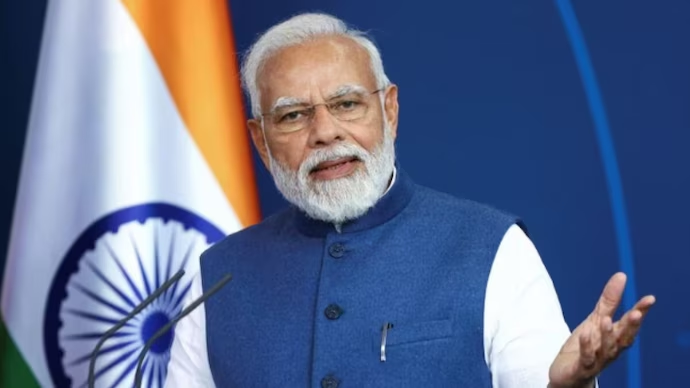
Vande Bharat Express Inauguration Routes: The much-anticipated launch of the Vande Bharat Express trains will take place today, as Prime Minister Narendra Modi flags off the inaugural run. This event marks a significant leap in India’s transportation network, linking major cities like Nagpur, Secunderabad, Kolhapur, Pune, and Hubballi. The Vande Bharat Express, known for its speed, comfort, and cutting-edge technology, promises to enhance travel experiences across the country.

The Importance of Vande Bharat Express Trains

Indian Railways has always played a crucial role in shaping the nation’s infrastructure, and the introduction of the Vande Bharat Express adds another layer to this development. But why is this particular launch so important?

  1. Speed and Efficiency: The Vande Bharat Express is designed to cover longer distances in shorter periods, reducing travel time for commuters.
  2. Comfort: Featuring world-class facilities like reclining seats, Wi-Fi, and ample legroom, the Vande Bharat Express is revolutionizing how Indians travel.
  3. Eco-Friendly: These semi-high-speed trains are also energy efficient, reducing carbon footprints in an environmentally conscious world.

Details of the Inaugural Runs (Vande Bharat Express Inauguration Routes)

Several Vande Bharat Express trains are scheduled to begin service, each with specific departure and arrival times. These trains are set to cover key routes that cater to a wide range of passengers.

Nagpur to Secunderabad Vande Bharat Express (Train No. 02005)

The Nagpur-Secunderabad Vande Bharat Express will depart from Nagpur at 16:15 on September 16, 2024, and is expected to reach Secunderabad at 23:25 on the same day. This route will cut down travel time significantly, making it more convenient for passengers traveling between these two cities.

Kolhapur to Pune Vande Bharat Express (Train No. 02001)

The Kolhapur-Pune Vande Bharat Express will leave Kolhapur at 16:15 on September 16, 2024, and will arrive at Pune by 22:40 the same day. This train will serve as a faster alternative to existing routes, giving passengers a quick and comfortable option.

Pune to Hubballi Vande Bharat Express (Train No. 02003)

Passengers traveling from Pune to Hubballi can now experience faster journeys. The train will leave Pune at 16:15 and arrive at Hubballi by 23:40. The convenience offered by this route will greatly benefit frequent travelers between these cities.

Impact on the Indian Rail Network

The Vande Bharat Express is more than just a new train; it represents a modernization of India’s vast railway system. Let’s break down how these new routes will change the way we travel:

Connecting Major Economic Hubs

The routes connecting Nagpur, Secunderabad, Pune, and Hubballi are crucial for economic growth. By cutting travel times, the Vande Bharat Express will allow for quicker business transactions, better logistics, and more efficient supply chains between these cities.

Boost to Local Tourism

Not only will these trains benefit business travelers, but they will also make tourist destinations more accessible. Nagpur, known as the “Orange City,” and Pune, with its rich history, will see an influx of tourists taking advantage of the fast trains.

Benefits for Daily Commuters

Daily commuters who travel between these cities will appreciate the improved travel conditions. With the addition of these trains, passengers can expect fewer delays and a more comfortable commute, making it easier for them to balance their work and personal lives.

The launch of the Vande Bharat Express trains marks a pivotal moment for Indian Railways and the nation’s transportation infrastructure. By reducing travel times, enhancing comfort, and linking key economic and tourist hubs, these trains are set to change the face of Indian rail travel. As Prime Minister Narendra Modi flags off these inaugural journeys, passengers across the country can look forward to a new era in train travel.

  1. What is the significance of the Vande Bharat Express trains? The Vande Bharat Express trains are semi-high-speed trains that aim to reduce travel time and provide a more comfortable and eco-friendly travel option.
  2. Which routes will be covered by the newly launched Vande Bharat trains? The inaugural trains will cover routes between Nagpur-Secunderabad, Kolhapur-Pune, and Pune-Hubballi.
  3. How does the Vande Bharat Express differ from other Indian trains? Vande Bharat Express trains are equipped with advanced technology, faster speeds, and superior comfort compared to traditional Indian trains.
  4. What time will the Nagpur-Secunderabad Vande Bharat Express depart? The inaugural Nagpur-Secunderabad Vande Bharat Express will depart from Nagpur at 16:15 on September 16, 2024.
  5. How will the new trains impact daily commuters? The Vande Bharat Express will provide faster, more reliable, and comfortable travel options for daily commuters, significantly reducing travel time.

Nagpur-Secunderabad, Durg-Vizag Vande Bharat Trains to be Flagged Off on Monday

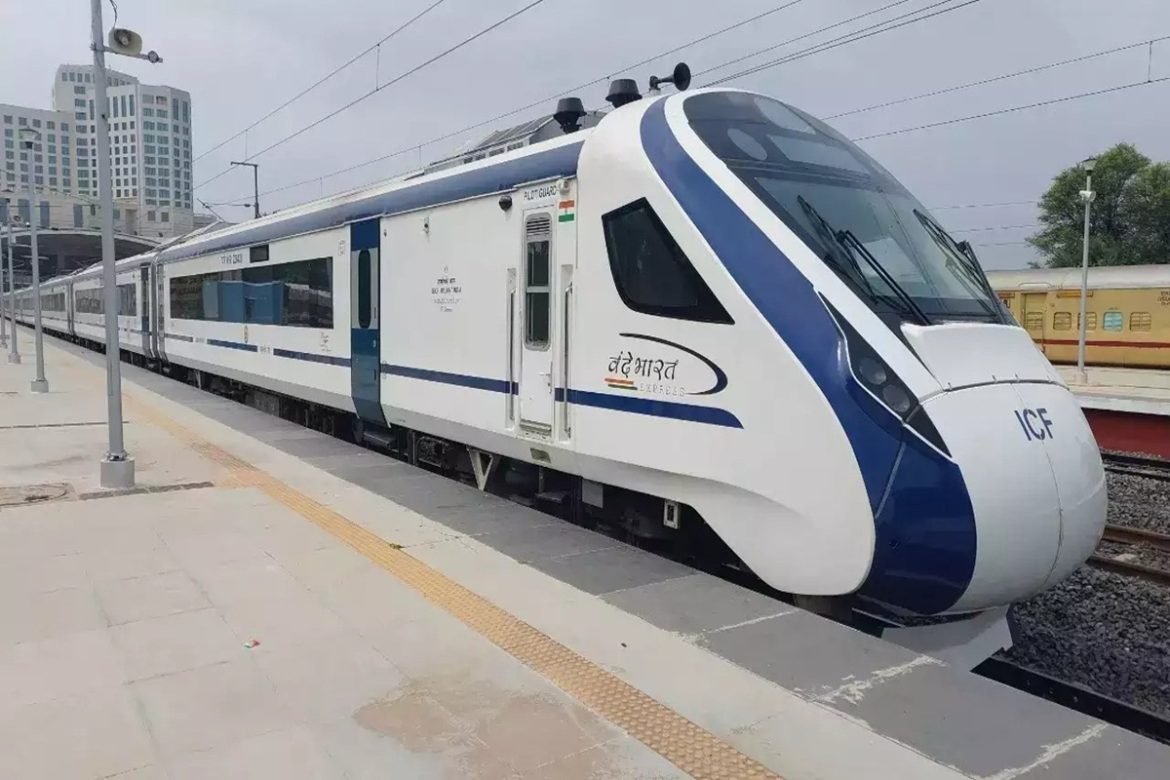
The Vande Bharat Express is making headlines once again as two new routes—Nagpur-Secunderabad and Durg-Visakhapatnam—are set to be launched. These trains will be inaugurated by Prime Minister Narendra Modi on Monday, marking a significant leap forward in the country’s high-speed rail network. Both trains are part of the larger initiative to modernize Indian Railways, ensuring better connectivity and faster travel times between key cities.

Prime Minister’s Role in the Flag-Off Ceremony

Prime Minister Narendra Modi will be leading the inauguration ceremony via a remote video link from Ahmedabad. This event is not just limited to these two trains, but is part of a broader flag-off of seven Vande Bharat trains across various states. This underscores the government’s commitment to improving rail infrastructure across the nation.

Where is the Inauguration Taking Place?

The South Central Railway (SCR) officials have announced that a ceremonial function will be held at Secunderabad Railway Station. Several prominent leaders will be in attendance, including Telangana Governor Jishnu Dev Varma, Chief Minister A. Revanth Reddy, and Union Minister for Coal and Mines G. Kishan Reddy.

Vande Bharat Express: What’s So Special About These Trains?

The Vande Bharat Express trains represent the future of Indian Railways. With cutting-edge technology and improved comfort, these trains provide faster travel and reduced travel times between major cities. Let’s dive deeper into the features of the two new routes.

Nagpur-Secunderabad Vande Bharat Express

Starting from September 19, the Nagpur-Secunderabad Vande Bharat Express will begin its regular operations. The train will cover the distance of 585 km between Nagpur and Secunderabad in just 7 hours and 15 minutes. This will significantly enhance the speed and connectivity between Maharashtra and Telangana, making it easier for passengers to travel between these two states.

Timings and Schedule

  • Train Number 20101 will depart from Nagpur at 05:00 hrs and arrive in Secunderabad at 12:15 hrs.
  • Train Number 20102 will leave Secunderabad at 13:00 hrs and arrive in Nagpur at 20:20 hrs.

The train will make stops at various stations, including Sevagram, Chandrapur, Balharshah, Ramagundam, and Kazipet, giving passengers multiple options to board and disembark.

Seating and Comfort

This Vande Bharat Express comes equipped with 20 coaches—two executive-class coaches and 18 chair car coaches, offering a total seating capacity of 1,440. The train’s design allows for comfortable daytime travel, especially for passengers from Nagpur, Balharshah, and other nearby towns traveling to Secunderabad.

Key Benefits for Passengers

  • Daytime Travel: The convenient timings allow passengers to travel during the day and reach their destination by evening.
  • Fast Travel Time: With a journey time of just over 7 hours, this train provides a quick and efficient mode of travel.

Durg-Visakhapatnam Vande Bharat Express

Another crucial route being inaugurated is the Durg-Visakhapatnam Vande Bharat Express. With a journey time of approximately 8 hours, this train will significantly reduce the travel time between Durg and Visakhapatnam, enhancing connectivity between the two cities.

Timings and Schedule

The Durg-Visakhapatnam Vande Bharat Express will operate six days a week, except on Thursdays, beginning September 20. Below are the detailed timings:

  • Train Number 20829 will depart from Durg at 05:45 hrs and arrive in Visakhapatnam at 13:45 hrs.
  • Train Number 20830 will depart from Visakhapatnam at 14:50 hrs and reach Durg at 22:50 hrs.

Intermediate Stops

This route has multiple stops, allowing passengers from various regions to board the train. Key stops include Raipur, Mahasamund, Khariar Road, Kantabanji, Titlagarh, Kesinga, Rayagada, and Vizianagaram.

Seating and Comfort

The Durg-Visakhapatnam Vande Bharat Express will consist of 16 coaches, designed to provide a comfortable travel experience for passengers.

Key Advantages for Passengers

  • Faster Connectivity: With a reduced travel time of 8 hours, this train offers a faster alternative to traditional train routes between Durg and Visakhapatnam.
  • Six Days a Week: The train operates six days a week, making it a reliable option for regular commuters.

The Broader Impact of Vande Bharat Express

The Vande Bharat trains are a game-changer for the Indian Railways. By providing faster travel times and enhancing connectivity between major cities, these trains are making travel more accessible and efficient. As more routes are added, the network is expected to grow, making rail travel more appealing for passengers who value speed and convenience.

Increased Tourism and Economic Benefits

These new routes are likely to boost tourism and trade between the regions they connect. By cutting travel time, businesses and tourists can now make trips that were previously too time-consuming.

Sustainability and Efficiency

The Vande Bharat trains are also known for their energy efficiency, consuming less energy than traditional trains. This aligns with India’s broader sustainability goals, making the railway network greener and more efficient.

What’s Next for Indian Railways?

With more Vande Bharat trains expected to be flagged off in the coming years, Indian Railways is on a fast track to modernization. These high-speed trains are set to redefine the way we travel, making journeys faster, more comfortable, and more reliable.

The Nagpur-Secunderabad and Durg-Visakhapatnam Vande Bharat Express trains are set to change the travel landscape for passengers in these regions. Offering faster travel times, increased comfort, and better connectivity, these trains are a testament to the modernization of Indian Railways. With Prime Minister Narendra Modi spearheading the inauguration, this is a milestone moment for rail travel in India.

  1. What is the travel time for the Nagpur-Secunderabad Vande Bharat Express?
    • The travel time is 7 hours and 15 minutes.
  2. How many days a week does the Durg-Visakhapatnam Vande Bharat operate?
    • It operates six days a week, excluding Thursdays.
  3. What is the seating capacity of the Nagpur-Secunderabad Vande Bharat?
    • The train has a seating capacity of 1,440 passengers.
  4. When will the trains start operating regularly?
    • The Nagpur-Secunderabad train will start on September 19, while the Durg-Visakhapatnam train will begin on September 20.
  5. What are the main stops on the Durg-Visakhapatnam route?
    • The train stops at Raipur, Mahasamund, Khariar Road, Kantabanji, Titlagarh, Kesinga, Rayagada, and Vizianagaram.

Traffic Diversions in Nagpur for Ganesh Visarjan and Eid-E-Milad Celebrations

Nagpur police: The city of Nagpur is preparing for two significant religious events—Ganesh Visarjan and Eid-e-Milad—which will result in notable traffic diversions and restrictions. These festivals are not just about religious observance, but they also bring massive crowds, processions, and excitement to the streets. However, with all that excitement comes the challenge of traffic management.

The city police, particularly the traffic department, has put in place specific diversions to ensure smooth traffic flow and to avoid chaos. If you’re driving in Nagpur during this time, you’ll want to be aware of these diversions to avoid getting stuck in the middle of the celebrations.

Why Are Traffic Diversions Important During Festivals?

Handling huge processions, ensuring the safety of participants, and minimizing traffic jams are some of the primary reasons why traffic diversions are necessary. Ganesh Visarjan sees thousands of devotees taking to the streets to immerse their idols, while Eid-e-Milad processions are a core part of the celebrations for the Muslim community.

The Major Festivities: Ganesh Visarjan and Eid-E-Milad

Ganesh Visarjan marks the end of the ten-day Ganesh Chaturthi festival, where devotees bid farewell to Lord Ganesha by immersing idols in water. Meanwhile, Eid-e-Milad commemorates the birth of Prophet Muhammad and is observed by processions, prayers, and community gatherings.

When Will the Diversions Be in Place?

  • Eid-e-Milad: The diversions for Eid-e-Milad will start on Monday, focusing mainly around the procession routes.
  • Ganesh Visarjan: Traffic adjustments for Ganesh Visarjan will be enforced on Tuesday, coinciding with Anant Chaturdashi, the final day of the festival.

Key Traffic Diversions in Nagpur

If you’re planning to drive around the city during these days, take note of the following traffic diversions to avoid congestion:

1. Santra Market Overbridge to Telephone Exchange Square

  • Timing: Monday
  • Closure: From Santra Market Overbridge to Telephone Exchange Square via Jaistambh Square.
  • Reason: Eid-e-Milad procession.

2. Artificial Tanks for Ganesh Visarjan

  • Various artificial tanks are set up for idol immersion, and special arrangements have been made near these locations to prevent bottlenecks. The police have also diverted traffic in areas around these tanks to reduce congestion.

3. Heavy Vehicle Restrictions

  • Heavy vehicles will not be allowed entry into the city limits during both the Eid-e-Milad and Ganesh Visarjan festivities. This is crucial to ensure that the large processions and gatherings aren’t interrupted.

Alternative Routes for Citizens

Citizens are encouraged to use alternate routes to avoid areas where processions will take place. These alternatives help drivers avoid congestion, allowing the celebrations to continue smoothly without disrupting the city’s daily operations.

4. Key Alternate Routes

  • Route 1: Those coming from the west can use the Ring Road to bypass the city center.
  • Route 2: Vehicles traveling from the north should opt for the Outer Ring Road to avoid the processional route.
  • Route 3: If traveling from the south, consider taking Besa Road to reduce the chance of getting stuck in traffic.

Impact on Public Transportation

Expect buses and local transport to also follow modified routes. Be sure to check with local transportation authorities for updated schedules and alternate routes, especially if you rely on public transit for your daily commute.

5. Important Changes for Commuters

  • Buses: Rerouted away from the main procession areas.
  • Autos and Rickshaws: Advised to avoid the heavily congested areas, especially during peak procession hours.

Guidelines for Citizens During Celebrations

6. Follow Traffic Updates

Keep an eye on real-time updates from the Nagpur Police on social media or local radio stations. This will help you stay informed of any last-minute changes or adjustments.

7. Be Patient and Cooperative

We understand that traffic diversions can cause delays, but it’s important to remember that these measures are in place for the safety and convenience of everyone. Cooperation with traffic officials and volunteers ensures smooth proceedings.

8. Parking Restrictions

There will be parking restrictions in and around the areas of the main processions. Ensure that you park your vehicles in designated areas to avoid fines or towing.

How Can Citizens Prepare for These Days?

9. Plan Ahead

If you’re planning to drive or commute on Monday or Tuesday, plan your journey ahead of time. Consider leaving earlier than usual to account for any potential delays.

10. Use Navigation Apps

Apps like Google Maps or Nagpur Police Traffic Updates can be helpful tools for navigating diversions and staying up-to-date on traffic conditions. Enable notifications for real-time alerts.

11. Public Patience and Participation

Public participation in maintaining traffic discipline during these festivals is crucial. The authorities rely on citizens to respect the diversions and guidelines provided.

Safety Measures for the Festivities

12. Police Deployment

The city police will be deployed in larger numbers to ensure that the processions and celebrations proceed smoothly and safely. Their primary role will be traffic management and crowd control.

13. Medical Assistance

First-aid stations and medical assistance points will be set up along the procession routes to ensure that help is available in case of emergencies.

Environmental Considerations

14. Eco-Friendly Practices

For Ganesh Visarjan, eco-friendly idols and artificial immersion tanks are encouraged. This initiative aims to reduce environmental pollution and keep the city’s water bodies clean.

As Nagpur prepares to celebrate both Ganesh Visarjan and Eid-e-Milad, the traffic diversions are a necessary step to ensure the safety of participants and to minimize disruptions to daily commuters. By following the recommended routes and guidelines, citizens can help make these festivals a joyous and harmonious occasion for everyone. Remember, with a little patience and some planning, we can all enjoy the celebrations while keeping the city’s roads safe and efficient.

1. Why are traffic diversions implemented for festivals?
Traffic diversions ensure safety and smooth movement of processions, minimizing disruptions to regular traffic.

2. Which areas in Nagpur will be most affected by traffic diversions?
Areas like Santra Market Overbridge, Jaistambh Square, and areas around artificial tanks will see the most significant diversions.

3. Will public transport be affected during Ganesh Visarjan and Eid-e-Milad?
Yes, public transport, including buses and autos, will follow altered routes during the festivities.

4. How can I stay updated on real-time traffic during these events?
Follow Nagpur Police on social media or tune in to local radio stations for live updates.

5. What are the environmental steps taken for Ganesh Visarjan?
The city encourages the use of eco-friendly idols and provides artificial tanks for idol immersion to protect the environment.

Offered PM Post by Opposition Leader Before 2024 Lok Sabha Polls: Gadkari’s Conviction Stands Strong

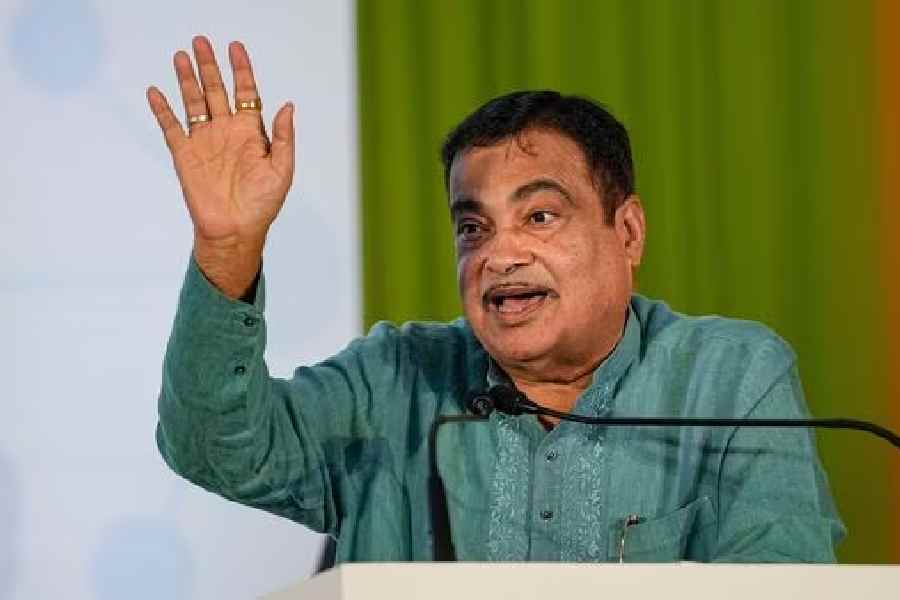
2024 Lok Sabha polls: Nitin Gadkari, the Union Minister for Transport and National Highways, dropped a political bombshell at a recent journalism award event in Nagpur. The veteran leader disclosed that a senior member of an opposition party had approached him with a rather enticing offer: the Prime Minister’s post. This revelation stirred political circles, as it came unexpectedly and was fraught with intrigue. However, in a surprising twist, Gadkari turned down the offer, citing his deep-seated convictions and principles.

Why Did Gadkari Refuse the PM Offer?

Gadkari’s decision to reject such a prestigious post raises several questions. What could drive someone to turn down the chance to lead one of the largest democracies in the world? According to Gadkari, the answer is simple: his personal values and ideological commitment. He emphasized that the offer conflicted with his convictions. Gadkari said, “I have always lived and worked on principles,” a statement that reinforces his firm stance.

Principles Over Power

One of the most striking parts of Gadkari’s revelation is his unwavering dedication to his principles. Despite being offered the highest political office in the country, Gadkari chose to stay true to his beliefs. It wasn’t just about the power or prestige associated with being Prime Minister; it was about standing by his values. In a political landscape where power struggles are common, Gadkari’s decision stands out as a testament to personal integrity.

What Does This Mean for the BJP?

While Gadkari did not disclose the name of the opposition leader or offer many details, his revelation has created ripples within the BJP. Given that Gadkari is a senior figure within the RSS-BJP framework, his decision to reject the offer could be seen as a reflection of his loyalty to the party and its ideology. It also raises questions about the dynamics within the BJP and how Gadkari’s stance may influence future political moves.

Political Dynamics at Play

Gadkari’s relationships across political lines are well-known. Despite his RSS roots and long-standing association with the BJP, he maintains cordial relations with leaders from other parties. In Maharashtra, for instance, Gadkari is known for his amicable relationship with Congress leader Sharad Pawar and Shiv Sena (UBT) president Uddhav Thackeray. Could this have been the reason an opposition leader thought of offering him the PM post?

A Surprise for Many

Gadkari’s refusal has left many puzzled, especially within his own party. Why would an opposition leader approach a senior BJP leader with such an offer? Was it a move to destabilize the BJP before the 2024 Lok Sabha elections, or was it a genuine attempt to form a coalition with Gadkari at the helm? The speculation is rife, but one thing is clear: Gadkari’s rejection of the offer was firm and grounded in his belief system.

Friendship Across Party Lines

Gadkari’s ability to forge relationships with leaders from opposing parties is not new. One of his long-standing friendships was with Communist leader A.B. Bardhan, a fact that has often raised eyebrows within his party. However, Gadkari’s admiration for Bardhan stemmed from the latter’s conviction to his party, which resonated with Gadkari’s own principles. The two leaders, despite being on opposite ends of the ideological spectrum, shared a mutual respect that transcended politics (2024 Lok Sabha polls).

Conviction in Politics

Conviction seems to be a recurring theme in Gadkari’s political life. Whether it’s his dedication to his party’s ideology or his respect for individuals like Bardhan, Gadkari’s actions are driven by a deep sense of integrity. In his speech at the journalism award event, he mentioned how, for him, principles have always taken precedence over ambition.

The Rise of ‘Supari Journalists’

During his speech, Gadkari also voiced concerns about the rising number of “supari journalists.” He criticized certain journalists for misusing their positions for personal gain. According to Gadkari, these individuals use the Right to Information (RTI) as a tool to blackmail people and serve their vested interests. This shift in journalism, according to Gadkari, is harmful to both the profession and society at large.

Honest Journalists vs. Opportunistic Ones

Gadkari acknowledged the existence of honest journalists who dedicate their lives to truthful reporting. However, he lamented the rise of those who misuse their positions, comparing their actions to the criminal practice of contract killing (“supari”). His example of a journalist driving a Mercedes despite an otherwise modest income highlighted the disparity between honest journalism and those who exploit the system.

A Leader Guided by Conviction

In a world where ambition often trumps principles, Gadkari’s refusal of the PM post is a breath of fresh air. It’s a reminder that not all leaders are driven by the pursuit of power. Some, like Gadkari, are guided by a moral compass that refuses to be swayed by the allure of high office.

Nitin Gadkari’s revelation about being offered the Prime Minister’s post before the 2024 elections (2024 Lok Sabha polls) is not just a political statement but also a reflection of his deep-rooted principles. While it has stirred the political pot, it also serves as a powerful message about the importance of conviction in leadership. Gadkari’s decision to turn down such a significant offer underscores the value he places on personal integrity, something that is increasingly rare in today’s political landscape.

1. Why did Nitin Gadkari refuse the Prime Minister’s post?
Gadkari refused the offer because it went against his convictions and principles. He emphasized that he has never harbored any ambition of becoming the Prime Minister.

2. Who offered Gadkari the Prime Minister’s post?
Gadkari did not disclose the name of the opposition leader who made the offer.

3. How does Gadkari’s decision impact the BJP?
Gadkari’s decision could strengthen his standing within the BJP, as it reflects his loyalty to the party’s ideology.

4. What are ‘supari journalists’?
‘Supari journalists’ is a term Gadkari used to describe journalists who misuse their power to blackmail individuals for personal gain.

5. Does Gadkari have connections with opposition leaders?
Yes, Gadkari maintains cordial relations with leaders from various political parties, including Congress leader Sharad Pawar and Shiv Sena’s Uddhav Thackeray.

Civic Body Grants NOCs to 605 Ganesh Mandals for Sarvajanik Ganesh Utsav 2024

Nagpur Civic Body: The much-anticipated Sarvajanik Ganesh Utsav is a festival cherished by millions, and the Nagpur Municipal Corporation (NMC) has once again played a pivotal role in ensuring the smooth running of this grand celebration. The recent announcement from NMC reveals that 605 Ganesh mandals have been granted No Objection Certificates (NOCs) to participate in this year’s festivities. In this article, we’ll explore the entire process, the measures taken to promote eco-friendly practices, and the importance of preserving traditions while safeguarding the environment.

 The Sarvajanik Ganesh Utsav: A Tradition Rooted in Community Spirit

The Sarvajanik Ganesh Utsav is not just a religious festival; it’s an event that brings entire communities together. Every year, thousands of people come together to celebrate Lord Ganesha’s arrival, with numerous mandals setting up elaborate pandals. With the involvement of the NMC, the festival is kept organized and compliant with regulations, ensuring a safe and joyful experience for all participants.

 NMC’s (Nagpur Civic Body) Role in Granting NOCs for Ganesh Mandals

 Final Verification Process by NMC

The NMC recently completed the final verification of applications submitted by various Ganesh mandals. This process was crucial to ensure that the mandals met all safety and regulatory guidelines. Out of the total applications, 605 mandals were approved, with 432 NOCs already issued and 173 more ready to be uploaded shortly. This meticulous process ensures that all pandals operate within the rules set by the civic body.

 Why Are NOCs Important for Mandals?

No Objection Certificates (NOCs) ensure that the pandals are safe and properly located. They also signify compliance with local laws, which regulate noise levels, environmental impact, and security measures. Without an NOC, a mandal cannot legally set up or operate, making this certificate an essential aspect of the festival’s infrastructure.

 NMC’s Eco-Friendly Initiatives for Ganesh Utsav 2024

 Tackling the Issue of Plaster of Paris (PoP) Idols

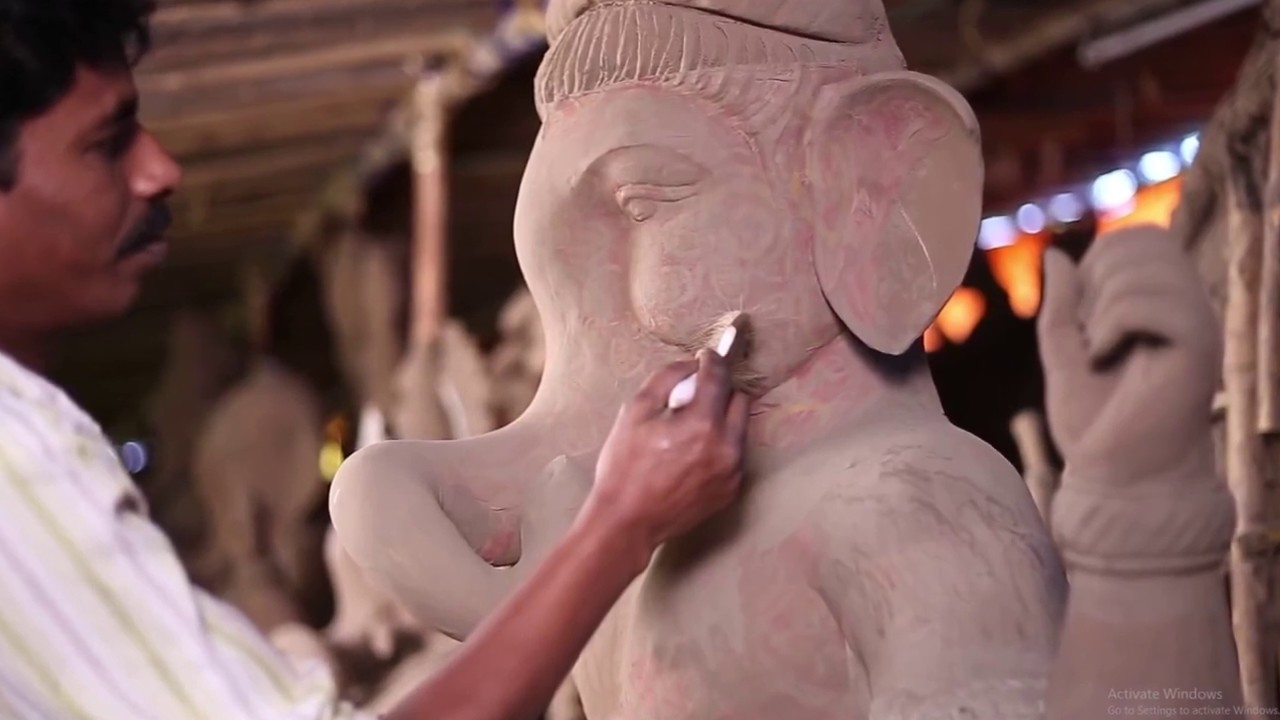
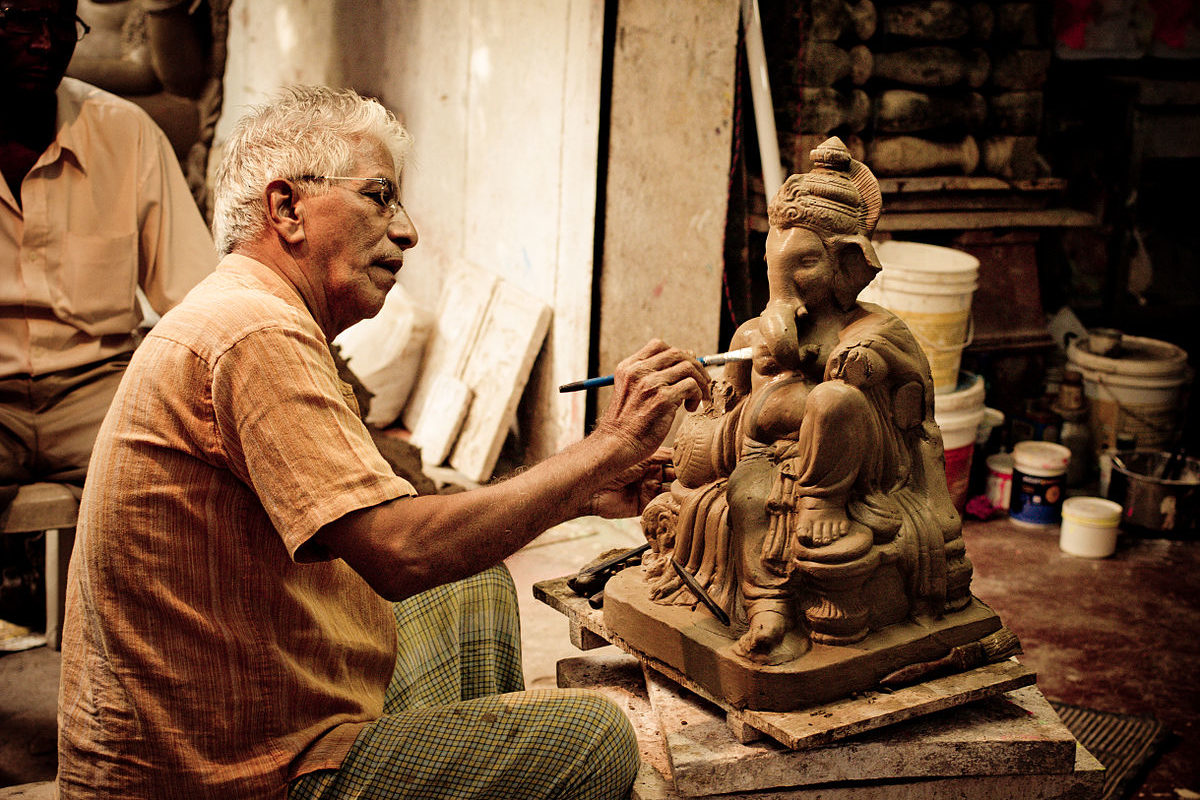
The sale of Plaster of Paris (PoP) idols has long been a contentious issue due to their environmental impact. These idols do not dissolve easily in water, leading to water pollution after immersion. In a bid to curb this, the NMC has taken significant steps to prevent the sale of PoP idols in 2024.

 NDS Team Inspections and Seizures

The NMC’s NDS (Nagpur Detection Squad) team conducted inspections of 830 shops as of September 7, 2024. During these inspections, they identified 91 shops that were selling banned PoP idols. As a result, 798 idols were confiscated, and the sellers faced fines totaling ₹9,10,000.

 Zone-Wise Breakdown of Fines

Each zone in Nagpur saw different levels of enforcement and fines:

  • Hanuman Nagar Zone: 41 idols were seized from six shops, with a total fine of ₹60,000 imposed.
  • Mangalwari Zone: 18 idols were confiscated, and fines of ₹60,000 were levied on six shops.
  • Laxminagar and Dharampeth Zones: Fines of ₹10,000 were imposed on shops selling PoP idols.

These fines and seizures serve as a deterrent to those continuing the illegal sale of non-biodegradable idols, promoting a more environmentally responsible celebration.

 Temporary Artificial Tanks for Eco-Friendly Immersions

 Encouraging Eco-Friendly Immersion

To promote the eco-friendly immersion of Ganesh idols, especially those celebrating the one-and-a-half-day Ganesh Utsav, NMC’s Solid Waste Management Department is setting up 30 temporary artificial tanks across various locations in Nagpur. These tanks will allow devotees to immerse their idols in a safe and environmentally conscious manner, reducing the strain on natural water bodies.

 Why Artificial Tanks Matter

Using artificial tanks for immersion has become a crucial element in reducing the pollution caused by traditional water-based immersions. These tanks not only help to preserve the natural water bodies but also allow for proper collection and disposal of the idols post-immersion.

 The Future of Ganesh Utsav in Nagpur

The NMC has demonstrated its commitment to both tradition and modern sustainability practices. By granting NOCs (Nagpur Civic Body) to compliant mandals and taking firm action against the sale of PoP idols, the civic body is steering the festival toward a greener and more responsible future. With the establishment of artificial tanks for idol immersion, Nagpur is setting an example for other cities on how to celebrate traditional festivals in an eco-friendly manner.

A Blend of Tradition and Sustainability

As the Sarvajanik Ganesh Utsav 2024 approaches, it’s clear that the festival is evolving. While the essence of the celebration remains rooted in tradition, the efforts of the NMC ensure that the festival also respects modern environmental concerns. With 605 Ganesh mandals receiving NOCs, and the active prevention of PoP idol sales, Nagpur is set to celebrate in a way that honors both cultural heritage and environmental responsibility.

 1. Why is an NOC important for Ganesh mandals?

An NOC ensures that the mandals comply with all necessary safety, environmental, and legal guidelines, making the celebration safe and enjoyable for everyone.

 2. What actions are being taken against the sale of PoP idols?

The NMC has conducted inspections and imposed fines on shops selling PoP idols, confiscating hundreds of idols to prevent their use in the 2024 festival.

 3. How is the NMC promoting eco-friendly idol immersion?

NMC has set up 30 temporary artificial tanks for idol immersion to minimize the environmental impact and reduce pollution in natural water bodies.

 4. What are the penalties for selling PoP idols in Nagpur?

Fines for selling PoP idols can range from ₹10,000 to ₹60,000, depending on the severity of the violation and the number of idols seized.

 5. How many mandals have been granted NOCs for Sarvajanik Ganesh Utsav 2024?

A total of 605 mandals have received NOCs, with 432 already issued and the remaining 173 ready for upload.

Kamptee Road Double-Decker Flyover Set to Open by End of September

The city of Nagpur is abuzz with anticipation as the much-awaited Kamptee Road Double-Decker Flyover nears completion. After seven long years of planning, construction, and a fair share of delays, this engineering marvel is set to open by the end of September. However, this is contingent upon favorable weather conditions, as heavy rainfall could cause further setbacks.

But let’s take a deeper dive into the intricacies of this project, its history, and what it means for the people of Nagpur.

 Seven Years in the Making

The journey to build the Kamptee Road Double-Decker Flyover has been anything but smooth. The construction process began seven years ago, but the project faced multiple challenges along the way. Most notably, land acquisition issues were a major roadblock, causing a delay of more than 2.5 years. These hurdles significantly slowed the pace of construction and caused frustration for both commuters and project officials.

 The Role of Maha Metro in Spearheading the Project

Maha Metro, the state agency responsible for public transport in Nagpur, has been at the forefront of this ambitious project. In a bid to expedite construction, Maha Metro recently acquired a crucial piece of land at LIC Square, which is pivotal for the flyover’s ramp. The acquisition of 2,383.36 square meters of land marked a significant milestone in the project, as it cleared the path for the final stages of construction.

 The Cost of Delays

Delays in infrastructure projects often come with a heavy price tag, and the Kamptee Road Flyover is no exception. The compensation and establishment charges for the acquired land alone amounted to Rs 39.35 crore, a steep cost borne by the District Collectorate.

But beyond financial costs, the delays have also taken a toll on Nagpur’s daily commuters, who have had to navigate roadblocks and detours for years.

 Demolition of Old Structures

In order to make way for the new flyover, several old structures had to be partially demolished. This created some resistance among local residents and businesses, but Maha Metro, with support from the community, was able to adjust the project’s design. The original plan was revised to ensure minimal disruption to the neighborhood, thanks in large part to Union Minister Nitin Gadkari’s leadership in addressing local concerns.

 What’s Left to Do?

While the flyover is almost ready, a few critical tasks remain. Asphalting work and service road construction are still ongoing. Officials estimate that it will take approximately three more weeks to complete these tasks, provided no major weather interruptions occur.

 A Flyover That Will Change Commuting in Nagpur

Once completed, the double-decker flyover will significantly ease traffic congestion along the busy Kamptee Road corridor. For years, commuters have dealt with traffic bottlenecks, especially during peak hours. The flyover is expected to cut travel time dramatically and provide a smoother, more efficient route for the thousands of vehicles that use the road daily.

 How Will the Double-Decker Structure Function?

The lower deck of the flyover will be dedicated to regular road traffic, while the upper deck will be used by the Metro. This dual-purpose design ensures that both road and rail transit needs are addressed, optimizing space and improving mobility across the city.

 Challenges Faced During Construction

Construction of a double-decker flyover is no easy feat, and this project has had its fair share of engineering challenges. The flyover spans over 5 kilometers, and its complex design required state-of-the-art technology and precise execution. Heavy monsoons in Nagpur have also posed significant challenges, often halting work and delaying the timeline.

 A Look at the Environmental Impact

Every large infrastructure project has an environmental footprint, and the Kamptee Road Flyover is no exception. Maha Metro has implemented measures to mitigate any negative environmental impact, including replanting trees and ensuring that local ecosystems are preserved.

 Community Involvement in the Project

Throughout the construction process, local communities have been actively involved. From voicing concerns to working closely with project officials, the residents of Nagpur have played a crucial role in shaping the flyover’s final design. By listening to these concerns and making necessary adjustments, Maha Metro has ensured that the project meets the needs of both the city and its people.

 What This Means for Nagpur’s Future

The opening of the Kamptee Road Double-Decker Flyover is a monumental event for Nagpur. Not only will it alleviate traffic congestion, but it also represents a significant step forward in the city’s infrastructure development. With the Metro running on the upper deck, Nagpur will also be taking another step toward becoming a more modern, transit-friendly city.

 Economic Boost for the Region

Infrastructure projects of this scale often lead to an economic boost for the surrounding region. Improved connectivity attracts businesses, leads to job creation, and can even increase property values. In the case of the Kamptee Road Flyover, Nagpur stands to benefit greatly from the increased accessibility and efficiency it will bring.

 The Road Ahead: What Can We Expect?

The future looks bright for commuters in Nagpur. With the flyover set to open by the end of September, the city’s traffic woes may soon be a thing of the past. However, much depends on whether heavy rains cause any further delays. Asphalting and the completion of service roads are crucial steps that need to be completed before the flyover can be opened to the public.

 Final Thoughts on the Kamptee Road Flyover

After years of setbacks, the end is finally in sight for the Kamptee Road Double-Decker Flyover. Once operational, this flyover will not only revolutionize commuting in Nagpur but will also stand as a testament to the city’s growing infrastructure and the tireless efforts of those who made it possible.

The Kamptee Road Double-Decker Flyover is a game-changer for Nagpur. After years of delays and challenges, it is set to open by the end of September. Once completed, it will provide a faster, more efficient route for both road and rail commuters, significantly easing congestion and boosting the local economy. The city is on the brink of a new era in transportation, and the benefits of this project will be felt for years to come.

  1. What is the Kamptee Road Double-Decker Flyover?
    The Kamptee Road Double-Decker Flyover is an infrastructure project in Nagpur designed to ease traffic congestion and improve metro connectivity with a dual-purpose design for road and rail traffic.
  2. When will the flyover be completed?
    The flyover is expected to be completed by the end of September, provided there are no delays caused by heavy rainfall.
  3. Why was the project delayed?
    The project faced delays due to land acquisition issues, which took over 2.5 years to resolve. Weather conditions also played a role in the delays.
  4. How long is the flyover?
    The flyover spans over 5 kilometers, with two decks: one for regular road traffic and the other for the metro.
  5. Who is leading the project?
    Maha Metro is spearheading the project, with support from local communities and leadership from Union Minister Nitin Gadkari.

‘Pandharpur of Vidarbha’: Dhapewada Temple Set for ₹164 Crore Makeover

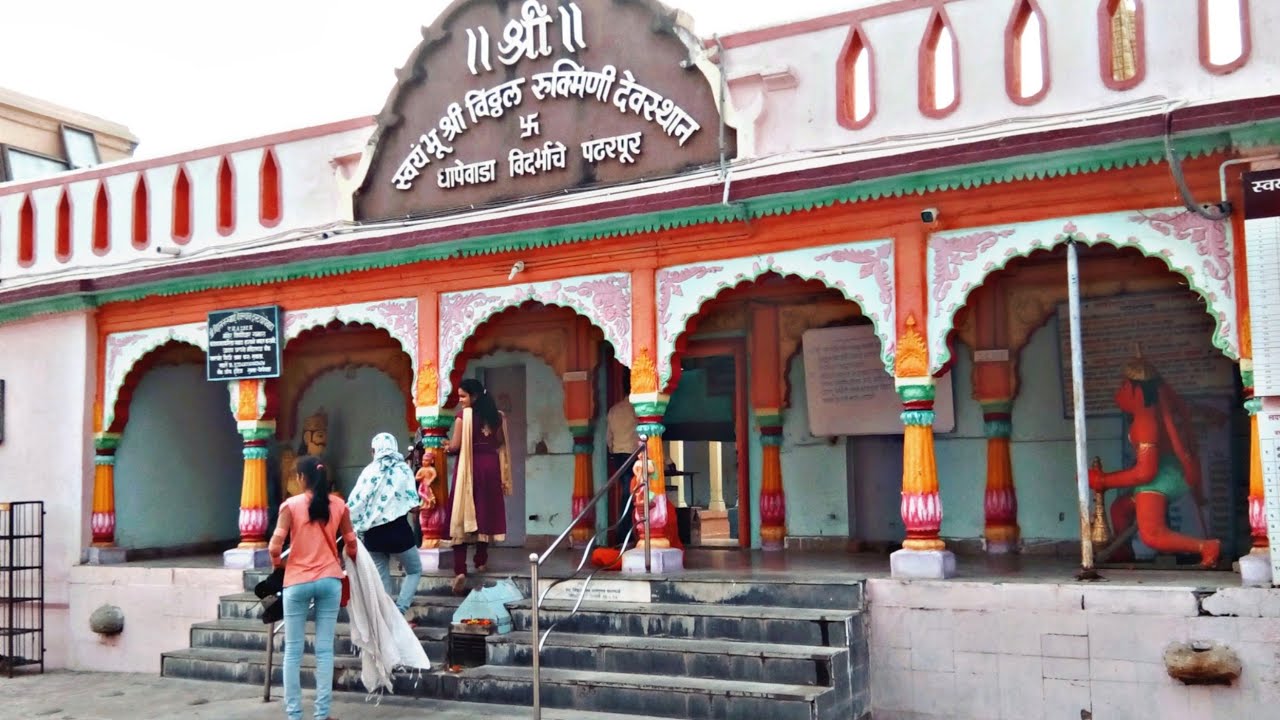
Dhapewada Temple Makeover: The historic Dhapewada Temple, dedicated to Lord Vitthala and Goddess Rukmai, is on the verge of a grand transformation. This temple, often referred to as the ‘Pandharpur of Vidarbha,’ located in Kamleshwar Tehsil of Nagpur, is a significant religious hub. With a whopping ₹164 crore approved by the Maharashtra state government, the Dhapewada Temple is about to undergo a complete facelift, aiming to boost both its spiritual and tourism appeal. In this article, we’ll explore the exciting plans for the development of this revered pilgrimage center and how it will impact devotees and tourists alike.

The Spiritual Importance of Dhapewada Temple

A Pilgrimage Destination for Lord Vitthala Devotees (H2)

Dhapewada Temple (Dhapewada Temple Makeover) holds immense religious importance, especially for devotees of Lord Vitthala, a form of Lord Krishna. The temple is often compared to Pandharpur, the famous pilgrimage town in Maharashtra, making it a must-visit for those deeply devoted to the Varkari tradition. Pilgrims from all over the Vidarbha region and beyond flock to this temple to seek blessings, particularly during key festivals.

Why the Temple is Called ‘Pandharpur of Vidarbha’? (H2)

The nickname ‘Pandharpur of Vidarbha’ is not just a title but a reflection of the temple’s deep connection with the Varkari tradition, a devotional movement dedicated to Lord Vitthala. The temple’s architecture, spiritual atmosphere, and rituals closely resemble the original Pandharpur temple, drawing countless devotees annually.

The ₹164 Crore Development Plan

Funding from the Tourism Department (H2)

In a significant move, the Maharashtra state government, led by Chief Minister Eknath Shinde, has sanctioned ₹164 crore for the development of Dhapewada Temple (Dhapewada Temple Makeover). This decision was made following a high-level meeting in Mumbai, with funds coming directly from the state’s Tourism Department. The goal? To transform Dhapewada into a top-tier tourist and pilgrimage destination.

What Does the Development Plan Include? (H3)

The facelift project is multi-faceted and ambitious. The ₹164 crore budget will be used to improve the following areas:

  1. Construction of Residential Complexes for Visitors (H4) – Comfortable accommodations will be built to house pilgrims, offering them a place to stay during their visit.
  2. Approach Road Improvements (H4) – The roads leading to the temple will be upgraded to ensure better accessibility for both devotees and tourists.
  3. Beautification of Temple Premises (H4) – The temple grounds will be revamped to make the site more visually appealing while preserving its spiritual ambiance.
  4. Sant Nagri (H4) – A dedicated garden featuring statues of saints from the Varkari tradition will be developed as part of the beautification effort.

Boosting Religious Tourism in Vidarbha (H2)

The redevelopment of Dhapewada Temple is part of a broader push to boost religious tourism in the Vidarbha region. The Maharashtra government aims to make the temple a prominent destination not just for devotees but also for tourists interested in spiritual and cultural tourism. By improving infrastructure and facilities, they hope to attract more visitors year-round.

Other Religious Centers to Benefit

Development Plans for Other Religious Sites in Vidarbha (H2)

While Dhapewada Temple is the primary focus of this transformation, other religious centers in Vidarbha are also set to benefit from government grants. Several temples and shrines across the region will receive significant funding for development and infrastructure improvements, including:

  • Sant Gulabrao Maharaj Shrine at Bhakti Dham, Praladpur (H3) – ₹25 crore has been allocated for the first phase of development.
  • Ridhpur in Amravati District (H3) – A total of ₹15 crore will be provided by the Rural Development Department.
  • Shri Govind Prabhu Devasthanam in Wardha District (H3) – This shrine will receive ₹19 crore for improvement projects.

How Will the Development Impact Devotees?

Enhancing the Pilgrimage Experience (H2)

For devotees, these changes are more than just infrastructure upgrades. The project is designed to enhance their overall pilgrimage experience by providing better facilities, improved roads, and comfortable accommodation. The beautification of the temple premises will also create a more serene environment for prayer and reflection.

Cultural Preservation Through Sant Nagri (H2)

The development of Sant Nagri, a garden featuring statues of saints from the Varkari tradition, is a nod to the rich cultural and spiritual history of Maharashtra. This addition will serve as a reminder of the saints’ teachings and will offer devotees a place for quiet contemplation.

What to Expect After the Makeover?

A Major Tourist Attraction (H2)

Post-makeover, Dhapewada Temple is expected to become a major tourist attraction. With better facilities, improved infrastructure, and a rich spiritual and cultural ambiance, the temple will likely draw not just pilgrims but also tourists from around the country. This transformation will put Dhapewada on the map as one of Maharashtra’s premier religious destinations.

The ₹164 crore redevelopment plan for Dhapewada Temple is a monumental step forward for both the spiritual and tourism sectors in Maharashtra. The government’s initiative will not only enhance the pilgrimage experience for devotees but also position Dhapewada as a significant tourist destination in Vidarbha. As the ‘Pandharpur of Vidarbha,’ Dhapewada is set to shine even brighter, preserving its rich cultural and spiritual heritage while welcoming the world with open arms.

  1. What is the significance of Dhapewada Temple?
    Dhapewada Temple is a major pilgrimage site for devotees of Lord Vitthala and is often referred to as the ‘Pandharpur of Vidarbha.’
  2. How much money has been allocated for the temple’s redevelopment?
    The Maharashtra state government has allocated ₹164 crore for the development of Dhapewada Temple.
  3. What facilities will be added as part of the makeover?
    The plan includes residential complexes for visitors, improved approach roads, and the beautification of the temple premises.
  4. What is Sant Nagri?
    Sant Nagri will be a garden featuring statues of saints from the Varkari tradition, adding a cultural and spiritual dimension to the temple grounds.
  5. Will other religious sites in Vidarbha receive funding?
    Yes, several other religious centers in Vidarbha, including Sant Gulabrao Maharaj Shrine and Shri Govind Prabhu Devasthanam, will also receive government grants for development.

Film City to Come Up on 100 Acres in Nagpur District: Maharashtra Culture Minister’s Vision

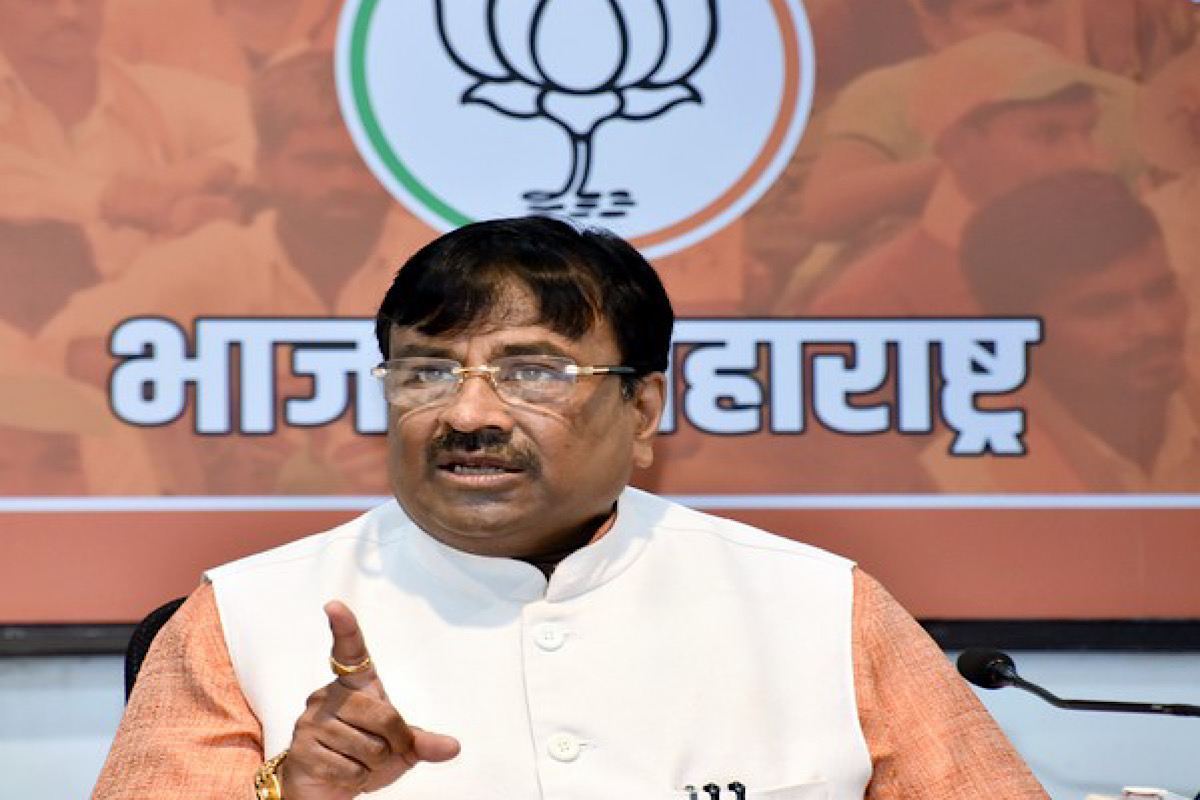
Vidarbha Film City | Sudhir Mungantiwar: In a major development for Maharashtra’s Vidarbha region, the state government, led by Culture Minister Sudhir Mungantiwar, has announced the establishment of a 100-acre film city in Nagpur district. This exciting news brings hope for local talent, as well as a boost to the regional economy through film and television productions. But what does this mean for the community, and how will it shape the future of entertainment in India? Let’s dive deeper into this groundbreaking project.

What is the Nagpur Film City? (Vidarbha Film City)

The proposed film city in Nagpur is set to become a central hub for shooting films, television series, and other creative productions. The idea is to create a world-class facility that will serve as a catalyst for the development of Vidarbha’s cultural and economic landscape (Sudhir Mungantiwar).

Why Nagpur?

Nagpur, often referred to as the “Orange City,” is a growing urban center with excellent connectivity and a developing infrastructure. Its central location makes it an ideal spot for such a significant project. With less congestion compared to Mumbai and Pune, Nagpur provides a more accessible and cost-effective environment for filmmakers.

Location and Size

The film city will be spread over 100 acres in Nagpur district, offering ample space for the construction of studios, sound stages, post-production facilities, and much more. The availability of land in Vidarbha makes this project feasible and opens up opportunities for further expansion.

What to Expect in the Film City?

The facilities planned for the film city include:

  1. State-of-the-art film studios for large-scale productions.
  2. Sound stages equipped with the latest technology.
  3. Post-production facilities for editing, sound design, and special effects.
  4. Accommodation for actors, directors, and crew members.
  5. Event spaces for film festivals, screenings, and award ceremonies.

Impact on Vidarbha’s Economy

Employment Opportunities

One of the biggest benefits of setting up this film city is the creation of numerous employment opportunities for local residents. From technicians to artists, Nagpur’s film city will likely generate thousands of jobs, directly and indirectly.

Boost to Local Businesses

Apart from providing employment, the influx of filmmakers and crew will stimulate local businesses, including hotels, restaurants, transport services, and tourism, which will see a significant uptick in revenue.

Supporting Local Talent

The establishment of a film city in Nagpur will also provide a platform for emerging local talent. Aspiring actors, directors, and other professionals from the Vidarbha region will no longer need to move to Mumbai or other metropolitan cities for work. This will encourage local artists and technicians to pursue their passion right at home.

Training Centers and Workshops

It is expected that training centers for film-related courses will be established in the film city. Workshops for scriptwriting, direction, acting, and technical skills could be part of the ecosystem, helping nurture new talent.

A New Cultural Hub in Maharashtra

How This Impacts Maharashtra’s Film Industry

While Mumbai has long been the heart of India’s film industry, the establishment of another major hub in Nagpur will decentralize some of the activities, easing the burden on Mumbai’s infrastructure. Filmmakers will have more options for shooting and production, which could lead to an increase in the number of films produced annually in Maharashtra.

Attracting International Productions

With its modern facilities and well-connected location, the Nagpur film city has the potential to attract international film productions as well. This will enhance the city’s global standing and contribute to making Maharashtra a focal point for worldwide film production.

Challenges and Concerns

Infrastructure Development

A project of this scale requires extensive infrastructure, including roads, power supply, and water management. Ensuring that these are up to par will be crucial for the success of the film city.

Environmental Impact

One must also consider the environmental implications of constructing such a large-scale project. Authorities will need to implement sustainable practices to ensure the surrounding areas remain unharmed.

The Role of the State Government

The Maharashtra government has shown a strong commitment to this project, with Culture Minister Sudhir Mungantiwar spearheading the initiative. The support from the government will be essential for securing investments, attracting filmmakers, and ensuring the timely completion of the project.

A Boost for Tourism in Vidarbha

Film Tourism

The film city is expected to become a major tourist attraction, drawing visitors from all over India and beyond. Film buffs, aspiring filmmakers, and tourists interested in cinema will likely flock to the location, making it a significant landmark in Maharashtra.

Complementing Vidarbha’s Natural Beauty

Vidarbha is known for its lush forests and natural beauty. The film city could integrate the region’s natural attractions into its identity, creating a unique blend of culture and environment that would attract not only filmmakers but also tourists.

Long-term Vision

The film city in Nagpur is not just a short-term investment. It is a long-term cultural and economic strategy that will pay dividends for decades to come. As the industry grows, the potential for expansion, international partnerships, and educational institutions focused on film and media studies will increase.

Government Initiatives for Support

The Maharashtra government will likely introduce initiatives like subsidies, tax benefits, and other incentives for filmmakers to shoot their projects in Nagpur. This will further solidify its position as a desirable destination for film production.

The announcement of a film city on 100 acres in Nagpur district by the Maharashtra government marks an exciting new chapter for the Vidarbha region. With its potential to provide jobs, promote local talent, boost the economy, and position Maharashtra as a global hub for film production, this project is one to watch. The Nagpur film city promises to transform not just the entertainment landscape, but also the lives of those who live and work in the area.

  1. What is the expected timeline for the film city’s completion?
    • The timeline has yet to be confirmed, but construction is expected to start soon.
  2. How will this benefit local filmmakers?
    • Local filmmakers will have access to world-class facilities without having to relocate to Mumbai.
  3. Will the film city host film festivals?
    • Yes, the film city is expected to have event spaces for film festivals and screenings.
  4. Is the government offering any incentives for filmmakers?
    • The Maharashtra government is likely to introduce tax benefits and subsidies for filmmakers shooting in Nagpur.
  5. How can local talent get involved in the film city?
    • Training centers and workshops will be set up, offering opportunities for local actors, directors, and technicians to develop their skills.

NMC Cracks Down on PoP Idols: Rs4.2 Lakh in Fines as Ganesh Festival Approaches

Eco-friendly Ganesh idols: As the Ganesh festival draws closer, the Nagpur Municipal Corporation (NMC) has taken a firm stance against the sale of Plaster of Paris (PoP) idols. With Rs4.2 lakh in fines imposed on 42 violators, this crackdown aims to safeguard the environment by preventing the immersion of non-biodegradable idols in water bodies. This proactive step is aligned with the judiciary’s environmental directives and follows a series of legal actions to combat pollution during major festivals.

The Need for Action

The sale and use of PoP idols have long been a concern due to their adverse impact on water bodies. When these idols are immersed in lakes and rivers, they don’t dissolve easily and release harmful chemicals. This creates significant environmental challenges, including water contamination and harm to aquatic life. To curb this, the NMC has launched a stringent campaign just two days before the festival, ensuring that the guidelines from the Central Pollution Control Board (CPCB) are strictly followed.

Rs4.2 Lakh in Fines Imposed

In a major move, the NMC fined 42 sellers of PoP idols, imposing penalties amounting to Rs4.2 lakh. The fines are a part of the city’s broader efforts to ensure compliance with environmental regulations ahead of the Ganesh festival. These fines serve as a warning to those who continue to sell idols made of harmful materials despite repeated warnings and legal mandates.

Why Is PoP Harmful?

Plaster of Paris is a non-biodegradable material. When immersed in water, it doesn’t break down naturally, unlike clay or eco-friendly materials. This leads to the accumulation of toxic substances in water bodies, which harms the ecosystem. PoP idols, painted with hazardous chemicals, further aggravate the issue by introducing dangerous elements like mercury and lead into the water, posing threats to both aquatic life and humans.

The Judiciary’s Role

The Nagpur bench of the Bombay High Court has played a critical role in addressing this issue. Through a suo motu Public Interest Litigation (PIL No. 3/2021), the court has been actively monitoring the environmental damage caused by PoP idol immersion. The bench, led by Justices Nitin Sambre and Abhay Mantri, has directed local authorities to take robust measures to curb the use of such idols.

Shreerang Bhandarkar as Amicus Curiae

Shreerang Bhandarkar, appointed as amicus curiae, has been instrumental in advising the court on the environmental repercussions (Eco-friendly Ganesh idols) of PoP idols. His involvement underscores the seriousness with which the judiciary is handling this matter. With his guidance, the court has been able to enforce stricter regulations, aiming for more eco-friendly celebrations.

NMC’s Affidavit and Extensive Preparations

The NMC, represented by counsel Jemini Kasat, submitted an affidavit to the court outlining their preparations for the upcoming Ganesh festival(Eco-friendly Ganesh idols). These preparations include setting up 419 artificial ponds and deploying 22 mobile immersion units to facilitate eco-friendly idol immersions. These initiatives are designed to offer devotees an alternative to immersing idols in natural water bodies.

Promotion of Eco-Friendly Idol Immersions

To encourage the use of environmentally friendly alternatives, the NMC has rolled out various campaigns promoting the immersion of clay idols in artificial ponds. These eco-friendly practices aim to reduce the pollution caused by PoP idols. The mobile immersion units, in particular, are expected to ease the process for devotees, making it convenient for them to follow the guidelines.

Mandals Must Comply with New Guidelines

The court has also directed the NMC to obtain written assurances from Ganesh and Durga Utsav Mandal organizers. These groups must ensure that they will not use PoP idols in their festivities. This requirement comes in accordance with CPCB guidelines, which strictly prohibit the immersion of non-biodegradable materials in natural water bodies.

Condition No. 15: A Step Forward

The NMC has revised its permissions for idol installations, incorporating a new Condition No. 15. This condition explicitly bans the use of PoP or similar materials and mandates compliance with CPCB and the Maharashtra Government’s Environment and Climate Change Department’s directives. This move signifies a major step forward in aligning with environmental protection regulations.

Penalties for Violators

During the court’s previous hearing, it was made clear that any violation of CPCB guidelines would result in strict prosecution under the Pollution Control Act, 1974. The court emphasized the importance of adhering to these rules to prevent further damage to the environment. Violators risk not only hefty fines but also legal action, making compliance non-negotiable.

Consequences of Non-Compliance

Failing to comply with the guidelines could lead to irreversible damage to water bodies. The accumulation of PoP in lakes and rivers is already causing severe environmental issues, including reduced oxygen levels in water, which threatens aquatic life. If PoP use continues unchecked, these effects could become catastrophic over time.

Court’s Future Hearings

The next hearing on this matter is scheduled for Friday, where the court will review the progress made by the NMC and other stakeholders. It remains to be seen how effective these measures will be during the festival, but the judiciary’s proactive stance suggests that non-compliance will be met with severe repercussions.

Public Support for Eco-Friendly Celebrations

The push for eco-friendly Ganesh and Durga Utsav celebrations has gained significant public support in recent years. Many devotees are now opting for clay idols and natural dyes, showing a growing awareness of environmental issues. This shift in public sentiment is critical in the long-term success of reducing PoP idol usage.

The Role of Artificial Ponds

Artificial ponds provide a safe and controlled environment for idol immersion, reducing the strain on natural water bodies. These ponds are specifically designed to handle large volumes of idol immersions, making them a sustainable solution for future festivals.

The NMC’s crackdown on PoP idols is a decisive step toward protecting Nagpur’s water bodies and promoting eco-friendly festivities. By imposing fines and implementing strict regulations, the city is setting a strong example for others to follow. With continued efforts from the judiciary, local authorities, and the public, we can ensure that our festivals are celebrated without compromising the environment.

  1. Why are PoP idols banned?
    PoP idols are harmful to the environment as they don’t dissolve in water and release toxic chemicals, causing water pollution.
  2. What is the alternative to PoP idols?
    Eco-friendly idols made from clay and natural dyes are encouraged as they dissolve easily in water without harming the environment.
  3. How does the NMC enforce these rules?
    The NMC imposes fines and conducts inspections to ensure compliance with the CPCB’s guidelines.
  4. What happens if Mandals use PoP idols?
    Mandals that use PoP idols face legal action, including fines and possible prosecution under environmental laws.
  5. Can devotees immerse idols in natural water bodies?
    No, devotees are encouraged to use artificial ponds or mobile immersion units to prevent water pollution.

How Much You Have to Pay Now in Mumbai, Pune, Nagpur for a VIP Number Plate

VIP number plate costs Maharashtra: The Maharashtra government has recently made significant changes to the cost of obtaining a VIP number plate for vehicles. If you’re in Mumbai, Pune, or Nagpur, and you’re hoping to get a special number plate, you’re going to have to dig deeper into your wallet. With ‘0001’ plates now costing as much as ₹6 lakh for four-wheelers, it’s crucial to understand these new costs and how they impact those seeking out that exclusive touch for their vehicle.

In this article, we’ll break down the revised fees, highlight what you can expect for both two-wheelers and four-wheelers, and explore the implications of this price hike. Let’s get into the details!

What is a VIP Number Plate?

VIP number plates are essentially those eye-catching and often symbolic vehicle registration numbers. These numbers, like ‘0001,’ are considered premium due to their uniqueness and demand. Drivers often pursue these numbers for various reasons, such as status symbols or personal significance. However, the appeal of owning one comes at a price.

Why Have VIP Plates Become So Popular?

VIP plates (VIP number plate costs Maharashtra) hold immense value, often being associated with wealth, prestige, and exclusivity. Whether it’s the ease of remembrance or simply standing out in traffic, a unique plate can make a statement. But why are they getting so expensive? That leads us to the recent developments in Maharashtra.

Maharashtra Government’s Decision to Hike VIP Plate Fees

Recently, the Maharashtra government introduced a hike in fees for VIP vehicle number (VIP number plate costs Maharashtra) plates. This marks the first significant revision since April 2013. The revision of fees is based on the increasing demand for such plates across various cities, including Mumbai, Pune, and Nagpur.

How Much Does a VIP Number Plate Cost Now?

Let’s break down the new costs:

  • ‘0001’ Number Plate for Four-Wheelers: If you’re eyeing the coveted ‘0001’ plate for your four-wheeler in major cities like Mumbai or Pune, be ready to pay ₹6 lakh, which is up from the previous ₹4 lakh.
  • VIP Plates for Two-Wheelers and Three-Wheelers: For two-wheelers and three-wheelers, the price has doubled from ₹50,000 to ₹1 lakh in cities like Mumbai, Pune, and Nashik.

Out-of-Series VIP Number Plate Costs

Want a number plate that’s out of the regular series? Expect to pay even more! Out-of-series VIP numbers now cost up to ₹18 lakh in major cities, including Mumbai and Pune. This is a steep rise from the previous fee of ₹12 lakh.

Comparison of Old vs. New Fees

Type of Vehicle Old Fee for VIP ‘0001’ Plate New Fee for VIP ‘0001’ Plate
Four-wheelers ₹4 lakh ₹6 lakh
Two- and three-wheelers ₹50,000 ₹1 lakh
Out-of-series four-wheelers ₹12 lakh ₹18 lakh

Other VIP Numbers Seeing a Fee Increase

The ‘0001’ number isn’t the only one getting a price hike. The state has identified 240 VIP numbers in each registration series, with new fees ranging from ₹1 lakh to ₹2.5 lakh for four-wheelers and up to ₹50,000 for two-wheelers.

Popular Numbers and Their New Costs

For 16 popular numbers, the fees have also seen an uptick:

  • Four-Wheelers: ₹1 lakh, up from ₹70,000.
  • Two-Wheelers: ₹25,000, up from ₹20,000.

Additional Changes in the VIP Plate Regulations

In addition to raising the fees, the Maharashtra government has introduced some new regulations concerning VIP plates.

Extended Time to Produce Vehicle

Previously, once you reserved a VIP number, you had just 30 days to produce your vehicle with that number. Now, you have up to six months to do so. This gives car buyers more flexibility, especially those awaiting vehicle delivery.

Transfer of VIP Numbers

Good news for families: The government has now allowed the transfer of VIP numbers to immediate family members, including spouses, sons, and daughters. This adds more value to the investment, as these numbers can be passed on, making them almost like an inheritance.

Implications of the Fee Increase

Is It Worth the Investment?

While these numbers do add a certain level of prestige, the costs have become significant. For many, a VIP plate is a symbol of luxury and a status symbol, but with prices reaching as high as ₹18 lakh, it’s clear that the exclusivity comes with a hefty price tag.

Who Will Be Most Affected?

The fee hikes are likely to impact high-net-worth individuals and businesses looking to make a statement. The increase in fees might also deter some buyers who previously might have considered purchasing a VIP plate.

What Should You Consider Before Getting a VIP Plate?

Before you make the decision to invest in a VIP plate, consider the following factors:

  1. Budget: With prices starting at ₹1 lakh for two-wheelers and reaching up to ₹18 lakh for out-of-series numbers, it’s essential to have a clear budget.
  2. Significance: Is the number really worth the price for you? Whether it’s sentimental value or simply wanting to stand out, think about whether the investment aligns with your personal or business goals.
  3. Transferability: The ability to transfer VIP numbers to family members might make the cost more justifiable for some.

In conclusion, the revised fees for VIP number plates in Maharashtra, especially in cities like Mumbai, Pune, and Nagpur, represent a significant shift. While these plates can still symbolize prestige and exclusivity, the costs have increased sharply. Whether you’re considering a ‘0001’ plate for your four-wheeler or looking at other VIP numbers, it’s essential to weigh the pros and cons of such an investment.

VIP number plates have a certain allure, but with prices now reaching upwards of ₹18 lakh, they’re an investment not to be taken lightly.

  1. Why are VIP number plates so expensive? VIP plates are unique, and their exclusivity makes them highly sought after. The demand for specific numbers, such as ‘0001,’ pushes up the price.
  2. Can I transfer my VIP number to a family member? Yes, the Maharashtra government now allows VIP numbers to be transferred to immediate family members, including spouses and children.
  3. What is the most expensive VIP number plate in Maharashtra? The most expensive VIP plate is the out-of-series ‘0001’ plate, which can cost up to ₹18 lakh in cities like Mumbai and Pune.
  4. Do these fees apply to used vehicles? No, these fees are primarily for new vehicle registrations. However, if you transfer your VIP number to another vehicle, there may be additional charges.
  5. How long do I have to produce my vehicle after reserving a VIP number? The period has been extended from 30 days to six months, giving more flexibility to those waiting for their vehicle delivery.
Exit mobile version