Kamptee Road Double-Decker Flyover Set to Open After Seven Years

The long-awaited Kamptee Road Double-Decker Flyover is finally nearing completion after a seven-year journey filled with delays and challenges. This major infrastructure project in Nagpur is designed to reduce the traffic load in the city. However, despite its intended purpose, concerns remain that the flyover might contribute to further congestion in some key areas.

The Seven-Year Wait: Why the Delays?

The construction of the Kamptee Road Double-Decker Flyover faced multiple setbacks over the years. The initial design plan was promising, but unforeseen issues such as land acquisition problems, a three-year halt, and the complexity of building a double-decker structure significantly delayed the project.

Land Acquisition Troubles

One of the major reasons behind the delay was the failure to secure essential land at LIC Square. Without this crucial space for the landing ramp, construction couldn’t progress. Fortunately, Maha Metro recently acquired 2,383.36 square meters of land, expediting the final phase of the project.

A Flyover Too Many? Traffic Concerns in Nagpur

Although the Kamptee Road flyover aims to ease traffic congestion, experts are concerned about its placement. The flyover joins two other existing structures: the Sadar-Mankapur-Katol Road Flyover and the Ramjhula Flyover. With all three converging near LIC Square and Samvidhan Square, this area is already notorious for bottlenecks.

Existing Traffic Woes Around LIC Square

The Sadar flyover has already worsened traffic in this part of Nagpur. Vehicles landing near LIC Square frequently cause bottlenecks, requiring traffic police to implement diversions to ease the flow. The situation is expected to become even more chaotic once the Kamptee flyover is operational.

A Hazardous Junction: The Y-Shaped Convergence

One of the most problematic areas is the Y-shaped junction where the Sadar flyover meets. It has become an accident-prone zone due to drivers taking dangerous U-turns to access Kamptee Road. Even though traffic police are present in the area, many drivers evade the diversions to save time and fuel.

Will the Flyover Solve or Exacerbate Nagpur’s Traffic?

The double-decker flyover is meant to be a solution, but its placement next to two other flyovers complicates things. With vehicles landing from both the Ramjhula and Kamptee flyovers near LIC Square, experts worry that the infrastructure will struggle to handle the influx of vehicles.

Traffic Diversions and Their Impact

To manage this anticipated surge in traffic, the city’s traffic police have already implemented diversions. Vehicles are now redirected through Liberty Cinema Junction and Residency Road to help ease the burden on LIC Square. However, these changes have met mixed reactions from motorists.

Key Features of the Kamptee Road Double-Decker Flyover

The Kamptee Road flyover stands out not just because of its double-decker structure but also due to the strategic aim of splitting traffic. Here’s a closer look at its design:

Two-Tiered Traffic Distribution

  • Top Tier: Designed for long-distance travelers, this lane will help vehicles bypass congested areas.
  • Bottom Tier: Aimed at local traffic, easing movement between nearby destinations like LIC Square and Kamptee Road.

Improved Safety Measures

Given the accident-prone zones created by existing flyovers, the new Kamptee flyover includes additional safety features:

  • Wider lanes to accommodate more vehicles.
  • Improved lighting for better visibility at night.
  • Dedicated signage to guide motorists effectively.

Traffic Flow After the Opening: What to Expect

Traffic flow in Nagpur may see some initial chaos as drivers get used to the new flyover. However, experts predict that over time, the new infrastructure will ease the bottlenecks if paired with effective traffic management strategies.

Possible Scenarios

  1. Best-Case Scenario: If the flyover is properly managed, it could drastically reduce congestion on the Residency Road and around LIC Square.
  2. Worst-Case Scenario: Without robust traffic policing, the convergence of multiple flyovers may create more problems than it solves, turning Nagpur’s core into a traffic nightmare.

Potential Long-Term Benefits

Despite the immediate concerns, the double-decker flyover is expected to provide long-term benefits:

  • Reduced travel time for commuters heading toward Kamptee.
  • Decongested side streets, allowing smoother travel for local motorists.
  • Boost to commerce as improved infrastructure often encourages local businesses to flourish.

Public Opinion: What Nagpur Residents Think

Excitement Mixed with Concern

Local residents and commuters have mixed feelings about the project. Some are excited about the reduced travel time, while others worry about increased chaos at key junctions like LIC Square and Samvidhan Square.

Call for Better Traffic Management

Many in the community are urging the authorities to step up traffic management efforts. Without careful planning, the flyover could turn into yet another congested stretch in an already busy city.

The Kamptee Road Double-Decker Flyover is a monumental project for Nagpur, promising to ease the city’s infamous traffic. However, with multiple flyovers converging at the same location, it’s clear that traffic management will play a pivotal role in determining the success of this new infrastructure. While the flyover is a step forward, its true impact will only be felt once it’s fully operational.

1. When will the Kamptee Road Double-Decker Flyover open?
The flyover is expected to open soon, but an exact date has not been confirmed.

2. Will the flyover reduce traffic congestion?
While the flyover aims to reduce congestion, concerns persist that it may worsen traffic around LIC Square and Samvidhan Square.

3. What is the primary purpose of the flyover?
The flyover was designed to ease traffic flow on one of Nagpur’s busiest roads, particularly for long-distance commuters.

4. Why did construction take so long?
Construction delays were due to land acquisition issues and a three-year halt in the project.

5. Are there any safety concerns with the new flyover?
Yes, experts are concerned about potential accidents at the junctions where multiple flyovers converge.

Traffic Update: Right Turns Blocked at Rahate Colony and Kriplani Squares During Peak Hours

In a bid to tackle the rising traffic congestion on Wardha Road, the City Traffic Police have announced new traffic arrangements at Rahate Colony Square and Kriplani Square. Starting Monday, right turns at both squares will be blocked from 5:30 PM to 8:30 PM, significantly impacting daily commuters traveling between Nagpur and Wardha.

Why This New Traffic Arrangement?

Wardha Road is one of Nagpur’s busiest routes, and the evening hours witness a massive surge in vehicles. According to DCP Traffic Archit Chandak, there has been a consistent rise in traffic moving between Nagpur and Wardha, especially during peak hours. As vehicles from the Shaheed Govari Flyover approach Rahate Colony and Kriplani Squares, the traffic jams become more severe.

So, what’s the solution? To reduce bottlenecks and ensure smoother traffic flow, the authorities have decided to block right turns at these intersections on an experimental basis.

Key Details of the Traffic Diversions

Blocking right turns at both Rahate Colony and Kriplani Squares might seem inconvenient initially, but the goal is to alleviate traffic jams. The changes will be in place from September 23 to 28, with the possibility of continuation depending on the results.

Here’s a breakdown of the new arrangements:

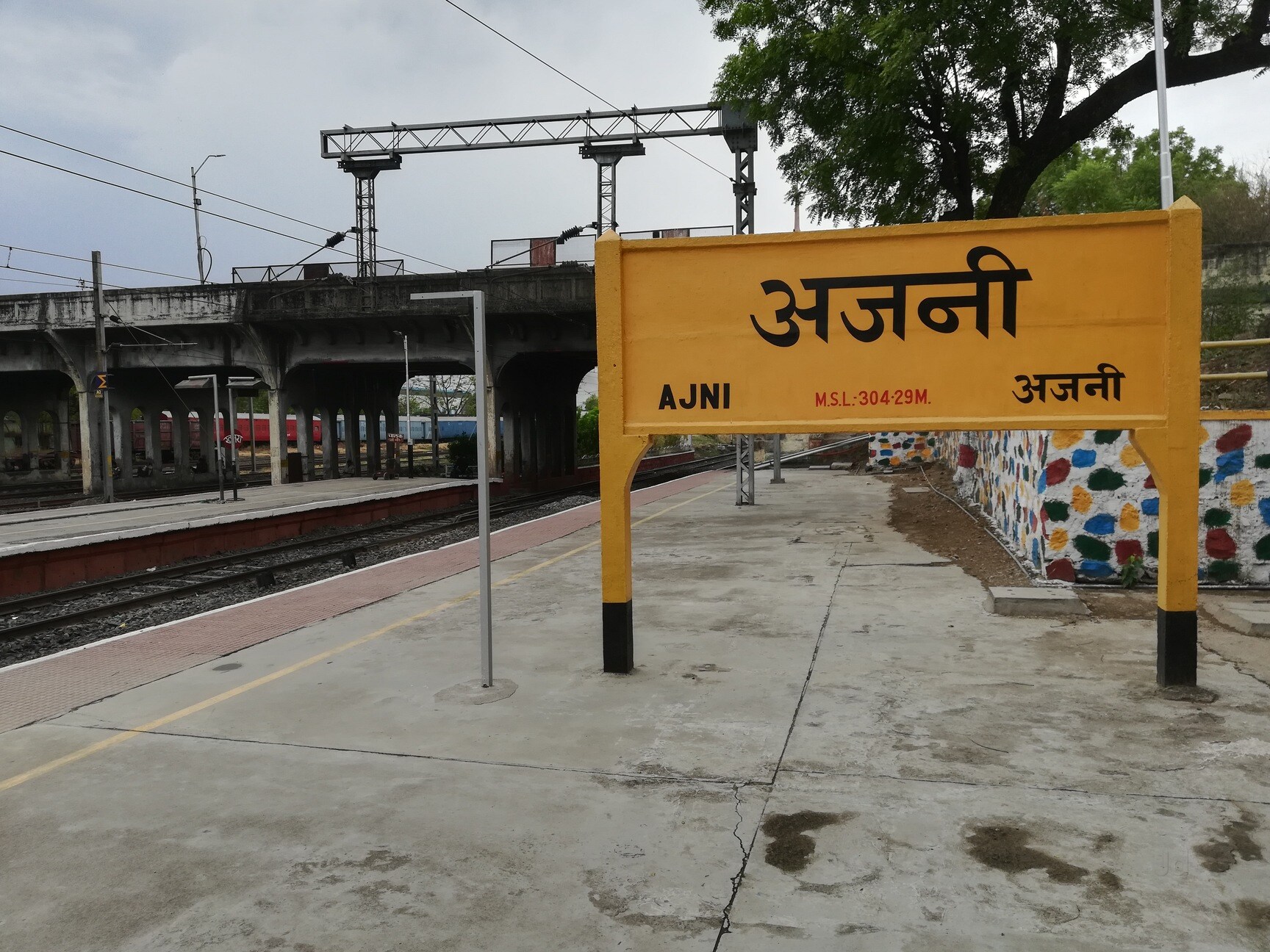
1. No Right Turns from Morris College T-point to Ajni Square

Vehicles traveling from Morris College T-point towards Ajni Square will not be allowed to take a right turn at Rahate Colony Square or Kriplani Square. Instead, they will proceed straight to their destinations, bypassing these intersections.

2. Traffic Movement from Ajni Square to Morris College T-point

Similarly, vehicles moving from Ajni Square towards Morris College T-point will have to avoid turning right at Kriplani or Rahate Colony Square.

3. Diversion for Vehicles from Mata Kacheri

For those driving from Mata Kacheri towards Kriplani Square, the route will change. Instead of turning right at Kriplani Square, these vehicles will be diverted at Mata Kacheri. They will need to proceed to NEERI T-point, take a left turn towards Ajni Square, and then make a U-turn towards Manish Nagar Flyover.

4. U-Turns for Vehicles from Ajni Flyover and Congress Nagar

If you’re traveling from Ajni Flyover or Congress Nagar T-point, the new arrangement requires you to make U-turns at Kriplani Square and Ajni Square.

5. Blinker Mode for Traffic Signals

Another crucial part of this new strategy is setting the traffic signals between Rahate Colony Square and Ajni Square to “blinker mode” during peak hours. This change aims to speed up traffic flow through the area, minimizing the stop-and-go pattern that often leads to congestion.

Why This Plan Matters?

For residents and commuters in Nagpur, this traffic update is more than just a minor inconvenience. It’s part of a larger effort to streamline traffic and reduce the frustration of daily gridlocks. As the city continues to grow, so does its traffic, and measures like these are becoming essential.

Authorities have emphasized that this is an experimental change. The period from September 23 to 28 will be a testing phase, and based on the results, the traffic department may decide to make this arrangement permanent. Additional traffic personnel will also be deployed during these hours to ensure a smooth transition.

How Will This Impact Daily Commuters?

For those who frequently use Wardha Road during peak hours, this change might mean adjusting routes or planning a little extra time for their commute. However, the City Traffic Police believe that these diversions will ultimately make the traffic flow more efficient and reduce the average time spent in traffic.

It’s crucial to note that while the inconvenience might be frustrating at first, the long-term benefits could lead to a smoother commute for everyone.

Benefits of the New Traffic Arrangement

  1. Reduced Congestion: By blocking right turns and allowing vehicles to flow through the intersections without stopping, congestion is expected to reduce.
  2. Safer Traffic Conditions: The deployment of additional traffic police ensures safer driving conditions.
  3. Quicker Commutes: Once the initial adjustment phase passes, daily commutes are expected to become faster and more predictable.
  4. Experimental Phase: Since this is a trial period, the authorities are keen on receiving feedback from commuters and adjusting the plan accordingly.

What Commuters Should Know

If you frequently travel through Rahate Colony Square or Kriplani Square, it’s important to stay updated on these changes. Here are a few quick tips to help you navigate the new system:

  • Plan Ahead: Consider alternate routes or factor in extra time for your commute, especially during the experimental phase.
  • Stay Alert for U-turns: Remember that U-turns will now play a significant role in your route, so keep an eye on the new traffic flow.
  • Look Out for Blinker Mode: The traffic lights will switch to blinker mode, meaning you’ll need to be extra cautious and aware of other drivers’ movements.

Additional Resources for Drivers

Nagpur residents can always check for live traffic updates using the Nagpur Traffic Police’s online portal or social media channels. Authorities will regularly update citizens on any further changes to the traffic plan, ensuring minimal disruption.

A New Chapter in Traffic Management

This traffic update marks another chapter in the evolving landscape of Nagpur’s urban development. As the city continues to expand, managing the flow of vehicles becomes increasingly crucial. The Rahate Colony Square and Kriplani Square experiment is a necessary step in addressing the challenges of urban congestion.

By observing how these changes impact traffic over the next few days, authorities will have a clearer idea of what steps to take next. Whether these diversions become permanent or evolve into something else, one thing is clear: traffic management in Nagpur is moving towards a more efficient future.

The decision to block right turns at Rahate Colony Square and Kriplani Square during peak hours is a strategic move to tackle traffic congestion on Wardha Road. While the adjustment phase might cause some initial confusion, the long-term benefits for daily commuters are evident. As this is an experimental phase, the City Traffic Police will continue to monitor and tweak the arrangement based on the feedback from drivers and the flow of traffic.

1. What are the peak hours for the new traffic arrangement?

The peak hours during which right turns will be blocked are from 5:30 PM to 8:30 PM.

2. When does the trial period for this new arrangement begin?

The trial period will run from September 23 to 28.

3. Will there be additional traffic police during the experimental phase?

Yes, additional traffic personnel will be deployed to help manage the new traffic flow.

4. Can vehicles still make U-turns at Rahate Colony Square?

No, vehicles will not be allowed to make right turns at Rahate Colony Square or Kriplani Square, but they can make U-turns at designated points.

5. How will the blinker mode help traffic?

Blinker mode at traffic signals will allow vehicles to flow more smoothly through intersections without the usual stop-and-go traffic pattern.

Trial Traffic Restrictions Set on Wardha Road in Nagpur from September 23 to 28, Says DCP Archit Chandak

DCP Archit Chandak: In response to growing traffic congestion on Wardha Road, especially during peak hours, Nagpur’s Deputy Commissioner of Police (Traffic), Archit Chandak, announced the introduction of traffic restrictions on a trial basis. These restrictions will be in place from September 23 to September 28, during the evening rush hours of 5:30 p.m. to 8:30 p.m. The goal is to ease traffic flow, reduce jams, and improve overall road safety.

Why Are These Restrictions Necessary?

Traffic jams on Wardha Road have become a daily challenge for commuters. The areas near Rahate Colony, Kripalani Chowk, and the Gowari Flyover are particularly notorious for their congestion. To address this, the traffic police have observed that allowing uninterrupted straight-flow traffic between Nagpur and Wardha while limiting right turns could alleviate bottlenecks.

Key Traffic Restrictions Announced

Under these new orders, several specific restrictions have been implemented to streamline traffic flow. Here’s a breakdown:

1. No Right Turns from Rahate to Ajni Chowk

  • Vehicles moving from Morris to Ajni via Rahate and Kripalani Chowks will no longer be able to take any right turns along this route.

2. Straight-Only Traffic from Ajni Chowk to Morris T-Point

  • Traffic traveling from Ajni Chowk toward Morris T-Point must proceed straight, with no right turns allowed.

3. Matakacheri to Kripalani Chowk Diversions

  • Traffic coming from Matakacheri towards Kripalani Chowk will now be diverted via Niri T-Point and Ajni Naka. Vehicles will make a U-turn at the Manish Nagar Flyover, with an option for a left turn towards Kachipura.

4. U-Turn Adjustments for Ajni Flyover and Congress Nagar T-Point

  • Vehicles coming from Ajni Flyover and Congress Nagar T-Point will be required to make a U-turn at Kripalani to return to Ajni Naka.

5. Signal Adjustments between Rahate Chowk and Ajni Naka

  • Signals along the Rahate Chowk-Ajni Naka route will be set to blink mode, allowing traffic to flow straight without any right turns.

Duration and Implementation (DCP Archit Chandak)

These restrictions will be enforced from September 23 to September 28, between 5:30 p.m. and 8:30 p.m. daily. The trial phase is meant to gauge the effectiveness of these measures. Should the results be positive in terms of smoother traffic flow and reduced congestion, it’s likely that these restrictions could be extended or even made permanent.

Additional Support Measures

To ensure proper implementation, additional traffic personnel will be stationed at key points like Lokmat Chowk and Ajni Chowk. Their role will be to guide traffic, enforce the new restrictions, and manage any potential disruptions that may arise.

What Can Commuters Expect?

If you’re commuting along Wardha Road during this trial period, you may notice quicker travel times during peak hours. However, with new restrictions in place, some routes might require slight detours or adjustments to your usual journey. For instance, the elimination of right turns at specific junctions might mean taking a longer U-turn or using alternate routes.

Impact on Local Businesses and Residents

Local businesses and residents in areas affected by the new traffic rules may also experience some changes. Fewer right turns could mean less accessibility to certain businesses during peak hours. However, the goal is to reduce overall congestion, which in the long term should benefit both commuters and local commerce.

Safety Considerations

By limiting right turns and simplifying traffic flow, the new restrictions aim to reduce the risk of accidents, particularly at busy intersections. The blinking signals and additional traffic personnel should further enhance safety and minimize confusion for drivers during the trial period.

Public Feedback

The success of these measures will heavily depend on public cooperation and feedback. Authorities have emphasized that these restrictions are on a trial basis, meaning they’re open to adjustments based on how well they work in practice. If you’re a commuter affected by these changes, consider providing feedback to local authorities about your experience.

What Happens Next?

After the trial period concludes on September 28, Nagpur’s traffic department will assess the effectiveness of the restrictions. This evaluation will include a review of traffic flow data, accident reports, and feedback from both commuters and traffic officers.

If the trial proves successful, these restrictions could be extended beyond September 28, with potential tweaks based on public input. On the other hand, if they fail to achieve the desired improvements, the traffic department may explore alternative measures to tackle congestion.

Preparing for Future Changes

This trial could set a precedent for future traffic management strategies in Nagpur. If successful, similar restrictions might be introduced on other busy roads, particularly during peak hours. With growing traffic demands in the city, authorities are keen to explore all possible solutions to keep traffic moving smoothly and safely.

Nagpur’s traffic authorities have taken a bold step by imposing trial traffic restrictions on Wardha Road. By simplifying traffic flow and eliminating right turns during peak hours, they aim to ease congestion and reduce the risk of accidents. The trial phase will be critical in determining whether these measures will be extended or modified.

Public cooperation and feedback will play a vital role in shaping the future of these restrictions. Whether you’re a commuter, resident, or business owner, staying informed and adapting to these changes can help make the trial period a success.

1. What are the main restrictions during the trial period?

  • The primary restrictions include no right turns at key intersections and streamlined traffic flow between Rahate Chowk and Ajni Chowk.

2. When will the restrictions be enforced?

  • The restrictions will be enforced from September 23 to September 28, between 5:30 p.m. and 8:30 p.m. each day. (DCP Archit Chandak)

3. Will additional traffic personnel be deployed?

  • Yes, additional traffic officers will be stationed at Lokmat Chowk and Ajni Chowk to ensure smooth implementation.

4. Can these restrictions become permanent?

  • If the trial period shows positive results in reducing congestion and improving safety, the restrictions could be extended or even made permanent.

5. How can I provide feedback on the new traffic rules?

  • You can share your experience and feedback with Nagpur’s traffic authorities, who will consider public input when evaluating the trial.

Maharashtra Assembly Elections 2024: HM Amit Shah’s Visit to Nagpur and BJP’s Comeback Strategy in Vidarbha

Maharashtra Assembly Elections 2024 | Amit Shah: The Maharashtra Assembly elections of 2024 are shaping up to be a pivotal moment for the Bharatiya Janata Party (BJP) in the state. After experiencing a setback in its traditional stronghold of Vidarbha during the recent Lok Sabha elections, the BJP is looking to regain its footing in the upcoming Assembly polls. Union Home Minister Amit Shah’s scheduled visit to Nagpur on September 24 will play a key role in crafting the party’s strategy to reclaim lost ground.

The Importance of Vidarbha in Maharashtra Politics

Vidarbha has long been considered a crucial battleground in Maharashtra’s political landscape. The region, known for its strong agricultural base, has often leaned in favor of the BJP, but the recent elections have seen a shift in voter sentiment. In order to maintain its dominance in the state, the BJP needs to reinforce its position here, and Shah’s visit is aimed precisely at addressing these concerns.

What Led to BJP’s Decline in Vidarbha?

In the 2019 Maharashtra Assembly elections, the BJP secured a significant number of seats in Vidarbha, but recent by-elections and the Lok Sabha results have indicated a loss of voter confidence. Several factors, including agrarian distress, unemployment, and dissatisfaction with local governance, have contributed to this decline.

Amit Shah’s Role in the BJP’s Comeback Strategy

Amit Shah, known for his sharp political acumen, is expected to take charge of the situation in Vidarbha. His visit to Nagpur on September 24 marks the beginning of an intense campaign period for the BJP. The party will focus on addressing the local issues that have caused discontent among voters.

Key Objectives of Shah’s Visit

  1. Assess Ground Realities: Shah will meet with core committee members and local leaders to get a firsthand understanding of the situation in Vidarbha.
  2. Finalizing Election Strategy: Along with party functionaries, Shah will fine-tune the BJP’s election strategy, focusing on key issues such as rural development, employment generation, and farmer welfare.
  3. Energizing Party Workers: Shah’s presence is expected to inspire party workers and align the state unit’s efforts toward a unified campaign strategy.

Chandrashekhar Bawankule’s Announcement

State BJP president Chandrashekhar Bawankule recently confirmed that Amit Shah will be on a two-day tour of Maharashtra starting September 24. The tour includes crucial interactions with party members in Nagpur, Chhatrapati Sambhaji Nagar, Nashik, and Kolhapur.

Itinerary of Amit Shah’s Visit

  • Day 1 (September 24): Shah will focus on Vidarbha, holding meetings in Nagpur and Chhatrapati Sambhaji Nagar.
  • Day 2 (September 25): He will head to Nashik and Kolhapur for similar discussions with local party leaders and workers.

Vidarbha’s Economic and Social Landscape

Vidarbha’s economy is primarily agricultural, with cotton and soybeans being the main crops. However, frequent droughts, erratic monsoons, and a lack of adequate irrigation facilities have led to widespread agrarian distress. These issues have been compounded by rising unemployment and dissatisfaction with governance in the region.

How BJP Plans to Address Local Issues

  1. Focus on Farmers: The BJP plans to launch new schemes aimed at providing financial relief to farmers and addressing issues related to water scarcity and crop insurance.
  2. Infrastructure Development: The party will emphasize infrastructure projects, particularly road connectivity and irrigation systems, to improve the lives of rural citizens.
  3. Job Creation: Unemployment, particularly among the youth, is a significant issue in Vidarbha. The BJP will likely promise initiatives that focus on skill development and job creation in the region.

Challenges Facing the BJP in Vidarbha

Despite being a stronghold for the BJP, Vidarbha presents several challenges for the party. Dissatisfaction among farmers, increasing inflation, and a perceived lack of focus on local development have caused voter discontent. Shah’s visit is aimed at addressing these concerns head-on.

How Opposition Parties Are Capitalizing on BJP’s Weaknesses

Opposition parties, particularly the Congress and the Nationalist Congress Party (NCP), have been quick to capitalize on the BJP’s perceived shortcomings. They have positioned themselves as champions of farmer rights and rural development, gaining significant traction in the region.

Energizing BJP’s State Unit

A key aspect of Shah’s visit will be to boost the morale of party workers and synchronize efforts across the state. The BJP’s campaign strategy will focus on uniting its workers and ensuring a cohesive message is communicated to the electorate.

The Road Ahead for BJP in Maharashtra

The Maharashtra Assembly elections are critical for the BJP, not only for retaining power but also for setting the stage for future elections, including the Lok Sabha elections in 2024. The party’s success in Vidarbha will likely play a significant role in shaping its overall performance in the state.

Amit Shah’s Political Experience: A Crucial Asset

Shah’s political experience is unparalleled when it comes to managing election strategies. His visits to key cities like Nagpur, Nashik, and Kolhapur will ensure that the party’s strategies are well-aligned with the ground realities.

What to Expect from BJP’s Vidarbha Strategy

  1. Targeted Campaigning: BJP will focus on targeting specific constituencies where it has historically performed well.
  2. Addressing Key Voter Issues: The party will prioritize voter concerns such as agrarian distress, unemployment, and local development.

Conclusion: Will Amit Shah’s Visit Change the Tide for BJP in Vidarbha?

Amit Shah’s visit to Vidarbha marks a crucial moment in the BJP’s efforts to regain its lost ground in the region. With strategic campaigning, addressing local issues, and energizing party workers, the BJP aims to re-establish its dominance in this traditional stronghold. While challenges remain, Shah’s political expertise will likely give the party a much-needed boost as it heads into the Maharashtra Assembly elections.

  1. What is the significance of Amit Shah’s visit to Vidarbha?
    Amit Shah’s visit is aimed at assessing the political situation in Vidarbha and devising a strategy to help the BJP regain its lost ground in the upcoming elections.
  2. Why did the BJP lose ground in Vidarbha?
    The BJP’s decline in Vidarbha is attributed to several factors, including agrarian distress, unemployment, and dissatisfaction with local governance.
  3. What is Vidarbha’s role in Maharashtra politics?
    Vidarbha is a key region in Maharashtra, known for its agricultural economy and often seen as a stronghold for the BJP.
  4. What challenges does the BJP face in Vidarbha?
    The BJP faces several challenges, including voter dissatisfaction, increasing inflation, and strong competition from opposition parties.
  5. What is Amit Shah’s role in the BJP’s Maharashtra campaign?
    Amit Shah is playing a pivotal role in strategizing the BJP’s comeback in Vidarbha, meeting with core committee members and finalizing the party’s election strategy.

Mumbai-Nagpur Expressway Set to Open by Year-End: Could Expand to 8 Lanes

Mumbai is buzzing with anticipation as the city gears up for the launch of several key infrastructure projects by the end of 2024. These developments promise to transform transportation in and around the region, offering new travel solutions and better connectivity. Among these, the Mumbai-Nagpur Expressway, also known as the Samruddhi Mahamarg, stands out. This massive expressway project is poised to connect two major citiesMumbai and Nagpur—and significantly cut down travel time between them.

Samruddhi Mahamarg: A Game-Changer for Maharashtra

The Samruddhi Mahamarg, officially called the Hindu Hrudaysamrat Balasaheb Thackeray Maharashtra Samruddhi Mahamarg, is a huge expressway project aimed at boosting connectivity within the state. By linking Mumbai and Nagpur, the expressway is expected to reduce the time it takes to travel between these two cities to just eight hours.

Key Facts About Samruddhi Mahamarg

  • Total Length: 701 kilometers, one of India’s longest expressways.
  • Lanes: Initially 6 lanes, but it has the potential to expand to 8 lanes.
  • Districts Covered: The route passes through 10 districts—Nagpur, Wardha, Amravati, Washim, Buldhana, Jalna, Aurangabad, Nashik, Ahmednagar, and Thane.

This vast network of roads will facilitate smoother travel, improve connectivity between economic centers, and stimulate growth in the regions it traverses.

Infrastructure Marvels: Tunnels, Viaducts, and Emergency Runways

What makes the Samruddhi Mahamarg even more impressive is its cutting-edge infrastructure. One of the highlights is India’s widest tunnel, measuring 17.5 meters in width. In addition, it houses Maharashtra’s longest tunnel, stretching 8 kilometers in the Igatpuri region.

To manage difficult terrains, the expressway also features 15 viaducts (long bridges). The longest viaduct, located in Shahapur, spans 2.28 kilometers, making it a marvel of modern engineering.

And if that’s not enough, the expressway is designed to function as an emergency runway for airplanes. This unique feature means that the road could be used for landing and takeoff during times of crisis, such as war or natural disasters.

Current Progress: Nearing Completion

The Samruddhi Mahamarg is being rolled out in stages, with 625 kilometers already operational from Nagpur to Igatpuri. This open section has made travel faster and more efficient, significantly improving transit times between the covered districts.

The final 76 kilometers, which will connect Igatpuri to Amane near Thane, are still under construction. However, this last stretch is expected to be completed by November 2024, bringing the entire expressway to full operational status.

Economic Impact of the Samruddhi Mahamarg

This expressway is more than just a quicker route between Mumbai and Nagpur—it’s a potential game-changer for the economy. By connecting key agricultural and industrial hubs, the Samruddhi Mahamarg will make it easier to transport goods across Maharashtra, boosting trade and tourism. The increased connectivity will likely lead to economic development in the regions along the expressway, offering new business opportunities, job creation, and enhanced local infrastructure.

Boosting Trade and Tourism

With the expressway cutting down travel time and improving road conditions, it will open up new possibilities for tourism across the state. Regions that were previously harder to access could now become tourist hotspots, drawing in visitors for both business and leisure.

For businesses, the ability to transport goods quickly across vast distances will be a massive boon, helping manufacturers and traders reach markets faster and more efficiently.

Travel Time: Reduced to Just 8 Hours

Perhaps the most appealing aspect of the Samruddhi Mahamarg is its ability to drastically reduce travel time. Currently, it takes about 14-16 hours to drive from Mumbai to Nagpur. However, with this new expressway, travel time will be slashed to just 8 hours, making it an incredibly attractive option for travelers.

This will benefit not only individual travelers but also businesses that rely on fast, reliable transportation for their operations.

Upcoming Infrastructure Projects in Mumbai

The Samruddhi Mahamarg is just one of many significant infrastructure projects expected to open by the end of 2024. Here are a few more key developments that will transform the city:

  • Metro 3 Underground Line: Mumbai’s first fully underground metro line, connecting critical areas of the city.
  • Navi Mumbai Airport: The first terminal of this highly anticipated airport is expected to begin operations.
  • Vashi Creek Bridge: A new bridge designed to ease traffic congestion.
  • SCLR Extension: The Santacruz-Chembur Link Road is being extended for improved connectivity.
  • Full Coastal Road: A major road project designed to alleviate traffic along Mumbai’s coastline.

Mumbai’s Transformation: A Modern Metropolis

With these projects nearing completion, Mumbai is on the cusp of a major transformation. The city’s infrastructure is getting a significant overhaul, and these developments promise to make commuting more efficient, reduce traffic bottlenecks, and enhance the overall quality of life for its residents.

The Samruddhi Mahamarg, in particular, stands out as a major leap forward for the state, enhancing regional connectivity and providing the infrastructure needed for future growth.

As the Mumbai-Nagpur Expressway prepares for its grand opening, its potential benefits are undeniable. From slashing travel time to boosting the economy and improving regional connectivity, the Samruddhi Mahamarg will transform how people and goods move across Maharashtra. Its state-of-the-art infrastructure and future-proof design promise to serve as a model for future expressway projects. With Mumbai on the brink of significant change, it’s an exciting time for the city and its residents. We can’t wait to see the full impact once the expressway is fully operational.

  1. When will the Samruddhi Mahamarg be fully operational?
    The final stretch of the expressway is expected to be completed by November 2024.
  2. How long will it take to travel from Mumbai to Nagpur on the new expressway?
    Once completed, the expressway will reduce travel time to just 8 hours.
  3. How many lanes does the Samruddhi Mahamarg have?
    The expressway currently has 6 lanes, but it can be expanded to 8 lanes in the future.
  4. What are some key features of the expressway?
    The expressway includes India’s widest tunnel, Maharashtra’s longest tunnel, and can act as an emergency runway.
  5. Which districts does the expressway pass through?
    It passes through 10 districts, including Nagpur, Wardha, Amravati, Washim, and Thane.

Bhonsle’s ‘Hadpakya Ganpati’ Festival Celebrates 237 Years of Tradition in Nagpur

Bhonsle Tradition: Nagpur’s rich history and cultural legacy take center stage with the annual celebration of the ‘Hadpakya Ganpati’ festival, a unique and time-honored tradition that has been preserved for 237 years. Rooted in the 18th century during the reign of the Bhonsla dynasty, this festival is a deep part of the spiritual fabric of the city and continues to inspire devotion in its followers. Let’s explore the remarkable story of this age-old tradition, how it came to be, and why it remains such a significant event in Nagpur today.

 The Origins of the ‘Hadpakya Ganpati’ Festival

The origins of the ‘Hadpakya Ganpati’ festival can be traced back to 1787 AD, during the rule of King Khandoji Maharaj Bhonsale, also known as Chimanabapu, of the Bhonsla dynasty. After returning victorious from a battle in Bengal, King Khandoji Maharaj wanted to celebrate his triumph. However, he realized that the traditional Ganesh Utsav had already ended. Unwilling to miss the opportunity for celebration, the king organized his own festival, which has since become a permanent fixture in Nagpur’s cultural calendar.

 What Does ‘Hadpakya’ Mean?

The term ‘Hadpakya’ refers to a mask or disguise, which plays a key role in the festival’s early rituals. This unique tradition of donning masks to represent various mythical and religious figures gives the festival its distinct name and identity. Over time, this cultural practice has become one of the symbolic highlights of the festival.

 Significance of the 18-Handed Ganesha Idol (Bhonsle Tradition)

One of the most remarkable aspects of the festival is the installation of a unique Ganesha idol featuring 18 hands. This multi-armed deity represents the might and power of Lord Ganesha in all his forms, embodying victory, protection, and wisdom. It is this idol, installed during the Pitrupaksha period, that has come to be known as the ‘Hadpakya Ganpati.’

 The Role of the Bhonsla Dynasty in the Festival

The Bhonsla (Bhonsle Tradition) dynasty has played a pivotal role in maintaining and nurturing the traditions of the ‘Hadpakya Ganpati’ festival. The Maharaja of Nagpur Trust, which continues to oversee the organization of the festival, ensures that the original rituals are followed with precision and care. This legacy of devotion and commitment has allowed the festival to thrive for centuries.

 The Procession of the Ganesha Idol

Every year, the festival kicks off with a grand procession as the idol of Lord Ganesha is brought from CP & Berar College, Tulshibagh. The procession winds through various parts of Nagpur before finally reaching the Senior Bhonsala Palace, where the main installation ceremony takes place. This vibrant and colorful event attracts thousands of devotees and has become a symbol of communal harmony and celebration in the city.

 Main Installation Ceremony: September 21st

The heart of the festival lies in the main installation ceremony, which will take place this year on September 21st. Devotees gather in large numbers to witness the installation of the idol, with rituals being conducted by the Maharaja of Nagpur Trust to ensure the sanctity and authenticity of the event. It is a moment of great religious fervor and devotion for those who attend.

 Spiritual Importance of the Pitrupaksha Period

The Pitrupaksha period, during which the idol is installed, holds immense spiritual significance in Hindu tradition (Bhonsle Tradition). It is a time dedicated to honoring one’s ancestors and seeking their blessings. The installation of the Hadpakya Ganpati during this sacred period aligns the festival with themes of reverence, gratitude, and familial connection.

 Expanding the Tradition: Hadpakya Ganpati Beyond Nagpur

While the Hadpakya Ganpati festival began as a local celebration in Nagpur, its influence has spread to other cities and towns in the Vidarbha region over the years. Other communities have adopted the tradition, adding their own local flavors to the festival, which has helped it grow in popularity while maintaining its core values.

 The Role of the Maharaja of Nagpur Trust

The Maharaja of Nagpur Trust remains the principal organizer of the Hadpakya Ganpati festival. Their dedication to preserving the festival’s original customs and practices ensures that this centuries-old tradition remains true to its roots. From overseeing the installation of the idol to organizing the processions, the Trust plays a crucial role in the festival’s success each year.

 Devotees from Across the Region

Every year, the festival draws thousands of devotees from across Nagpur and beyond. Many come seeking the blessings of Lord Ganesha, while others are simply captivated by the vibrant celebrations. The Hadpakya Ganpati is a time when the community comes together in unity and devotion, reinforcing a sense of cultural identity and pride.

 The Impact of the Festival on Nagpur’s Cultural Identity

The Hadpakya Ganpati festival (Bhonsle Tradition) is more than just a religious event; it is a celebration of Nagpur’s rich cultural heritage. For the city’s residents, the festival represents a time of joy, togetherness, and spiritual rejuvenation. It strengthens the cultural identity of Nagpur and highlights the city’s connection to its historical past.

 Evolution of the Festival Over Centuries

While the core elements of the festival have remained intact since its inception in 1787, certain aspects have evolved with time. Today, the festival incorporates modern elements such as decorative lighting, thematic displays, and cultural performances, reflecting the evolving nature of Nagpur’s society while preserving the festival’s traditions.

 Why the Festival is So Unique

What sets the Hadpakya Ganpati festival apart from other Ganesh festivals across India is its distinct rituals and the specific period during which it is celebrated. The festival not only honors Lord Ganesha but also celebrates the region’s ancestral heritage, making it a uniquely important part of Vidarbha’s cultural landscape.

 Looking Forward to the Future

As the Hadpakya Ganpati festival continues to grow in popularity, its future remains bright. The dedication of the Maharaja of Nagpur Trust, combined with the unwavering devotion of the city’s people, ensures that this beloved tradition will continue for generations to come.

Nagpur’s Hadpakya Ganpati festival is not just a celebration; it is a living connection to the city’s cultural and spiritual roots. With a history spanning 237 years, the festival continues to thrive, attracting devotees from across the region and beyond. As it stands today, the festival represents the triumph of tradition and devotion, ensuring that Nagpur’s cultural heritage is preserved for future generations.

1. What is the significance of the 18-handed Ganesha idol?
The 18-handed Ganesha idol represents Lord Ganesha in all his forms, embodying strength, wisdom, and protection.

2. When does the Hadpakya Ganpati festival begin this year?
The festival begins on September 20th with the arrival of the idol, and the main installation ceremony takes place on September 21st.

3. How did the term ‘Hadpakya’ come into use?
‘Hadpakya’ refers to the masks or disguises worn during the early rituals of the festival, which are an integral part of the tradition.

4. Who organizes the Hadpakya Ganpati festival?
The festival is organized by the Maharaja of Nagpur Trust, which ensures that the festival’s original rituals and customs are preserved.

5. Has the Hadpakya Ganpati festival spread beyond Nagpur?
Yes, the festival’s traditions have been adopted by several cities and towns in the Vidarbha region, expanding its cultural significance.

Beware! Reels on Wheels May Get Your Bike Seized

Nagpur traffic rules: Nagpur’s roads have seen a sharp rise in traffic violations lately, with many riders performing dangerous stunts or recording reels on their vehicles for social media. However, this might soon come to a halt, as the newly appointed Deputy Commissioner of Police (DCP) for Traffic, Archit Chandak, has vowed to crack down on these offenders. Here’s a deep dive into this new traffic policy and what it means for motorcyclists and motorists.

Who is DCP Archit Chandak?

Archit Chandak is the newly appointed DCP (Traffic) of Nagpur. Taking charge recently, he has already made waves with his tough stance on traffic offenders, especially those engaging in illegal activities such as creating video content while riding.

First Day, First Strike: Zero Tolerance for Stunts

On his very first day in office, Chandak made it clear that his tenure would mark a new chapter in road safety for the city. He announced a policy of zero tolerance for those making reels on wheels, along with motorists performing stunts. The DCP has instructed the traffic police to register offenses against violators and seize their vehicles. The consequences for these actions are not limited to fines; the full weight of the law will be applied, including vehicle seizures.

The Problem with Reels on Wheels

The rise of social media has led to a growing trend where people risk their lives to make entertaining videos. While these stunts may seem harmless to those involved, they pose a serious danger to others on the road. What might start as a fun reel can quickly turn into a tragic accident.

Stunt Culture on the Roads (Nagpur traffic rules)

It’s not just reels that are a concern; the broader culture of performing stunts while riding motorcycles or driving has proliferated. Riders performing wheelies or standing on their bikes not only endanger themselves but also the pedestrians and vehicles around them.

New Traffic Measures Under DCP Chandak

1. Crackdown on Drunken Driving

In addition to his strict stance on reels and stunts, DCP Chandak has vowed to tackle another persistent problem—drunken driving (Nagpur traffic rules). Focused checks will be carried out from 6 pm until late at night, particularly around pubs and bars, to nab motorists driving under the influence.

Surveillance Near Bars and Pubs

This targeted surveillance near nightlife hubs will help to reduce the number of accidents caused by impaired driving. DCP Chandak has highlighted that the anti-accident cell, which analyzes the causes of road crashes and fatalities, will be more active than ever.

2. Parking Violations: Corner Parking Ban

Parking illegally on road corners causes major traffic disruptions. Chandak has stated that corner parking is now strictly illegal under the Motor Vehicle Act and the traffic department will actively penalize violators.

Streamlining Traffic in Busy Areas

Key congested areas such as bus stands, railway stations, and crowded market places will see more stringent traffic management to ensure smoother movement of both vehicles and pedestrians.

Public Participation: Vigilantism on Social Media

DCP Chandak has urged citizens to assist the police by submitting evidence of traffic violations through social media platforms. This initiative is expected to create a community-driven approach to road safety, where individuals can report incidents they witness.

Visible Surveillance During Peak Hours

In addition to public participation, the traffic department will increase visible surveillance during peak traffic hours to curb violations. Officers will be stationed at busy intersections to monitor the traffic and ensure compliance.

How Can You Avoid Getting Your Bike Seized?

1. Avoid Making Reels While Riding

It might be tempting to grab that perfect shot while riding, but doing so puts you and others in danger. Always avoid using your phone while driving, and if you must record, do it in a safe, controlled environment.

2. Obey Traffic Laws

Basic compliance with the Motor Vehicle Act can save you from legal trouble. Avoid corner parking, follow the speed limits, and never perform stunts on public roads.

3. Don’t Drink and Drive

The consequences of drunk driving are severe, and DCP Chandak has made it clear that violators will be caught and punished. Always arrange for a designated driver or use a taxi service if you plan to consume alcohol.

The appointment of DCP Archit Chandak marks a turning point for Nagpur’s traffic management. His strong focus on law enforcement, from curbing social media reels on the road to cracking down on drunken driving and illegal parking, promises to create a safer environment for all. As citizens, it’s essential that we do our part, not only by obeying traffic rules but by helping report violators to keep the roads safe.

Union Bank of India organized U-Genius- A school level Quiz Competition on General Awareness

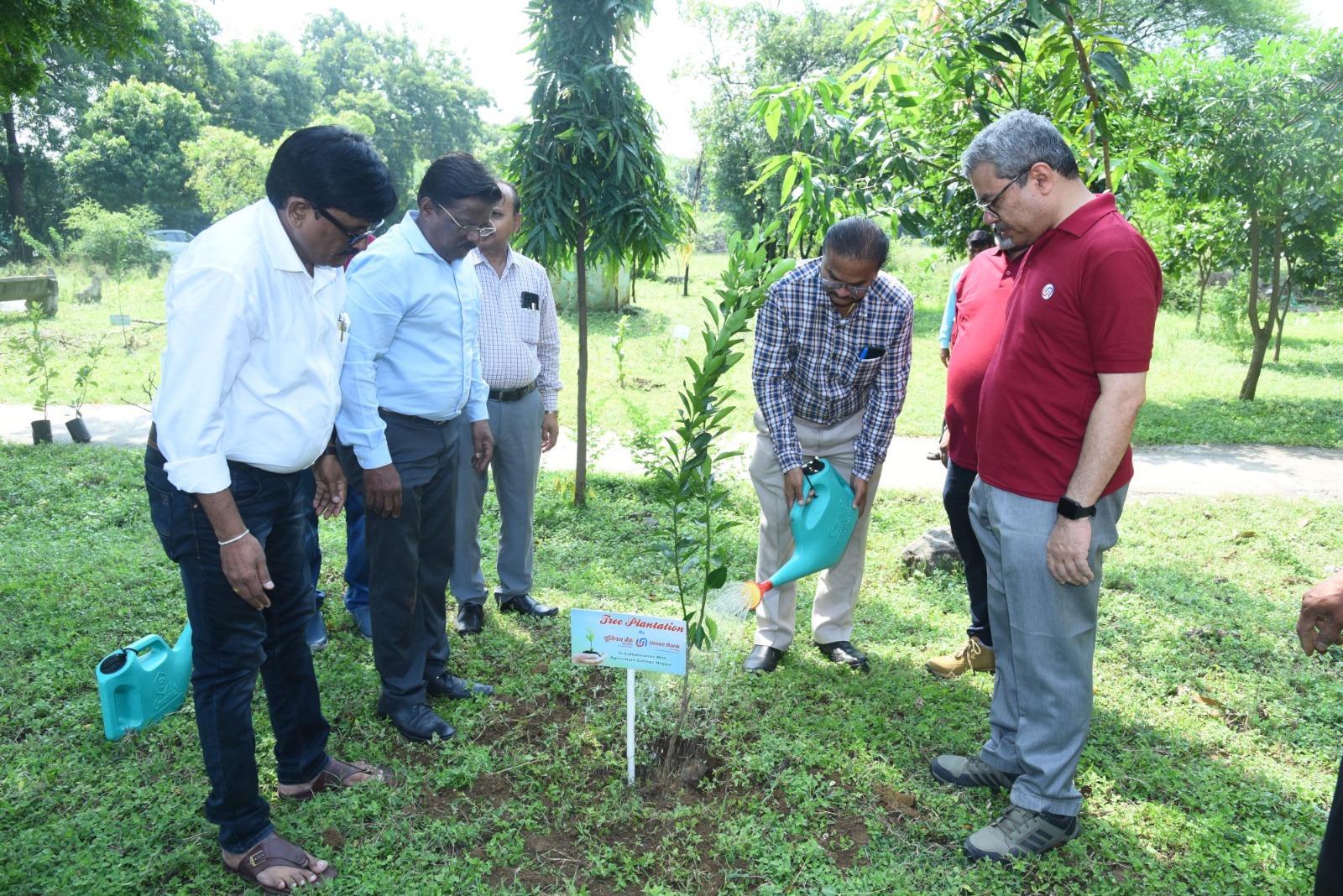
Union bank of India is organizing U-Genius-2024, a national level quiz competition on General Awareness for students across 48 cities. Nagpur leg of the competition was held on 18th of September 2024 at Kavivarya Suresh Bhatt Auditorium. City level competitions were held in 2 stages in the morning session commencing at 0830 AM. The first round was pen and paper round where students were quizzed on 20 interesting questions. Out of all the participants the 6 Teams comprising of 2 students each selected for the City Final rounds were Bhavan’s Civil Lines, Narayana School, Bhavan’s Trimurti Nagar, Modern School, Center Point school Amravati Road and Bhavan’sShrikrishna Nagar. Team Centrepoint school Amravati Road were the winners of the City Finals and qualified for Zonal Finals.

The Zonal Finals was conducted in the afternoon session at the same venue where the winners of city finals from various cities of Maharashtra and Goa competed against each other. The two winning teams in the zonal finals which qualified for the Nationals were the Team MushtifundAryaan School Goa and KV School IIT Powai, Mumbai.

All the Participants in the U-Genius quiz contest were awarded with a participation certificate. The participants of the City Finals were also awarded with a certificate and Trophies. The Winners Centrepoint school, Amravati Road were awarded with a Rolling trophy as well.

National Finals will be held at Mumbai in the month of November where the various zonal finalists will compete for the coveted U-Genius trophy. All the expenses for the participation in the National Finals by the students and Parents will be borne by Union Bank of India.
The winners of the U-Genius National Finals will be awarded with a cash prize of Rs. 2 Lakh, 1st runner-up and 2nd runner-up will be awarded with a cash prize of Rs. 1 Lakh and 50 thousand respectively.
The Chief Guest at the U-Genius contest was Shri RavindraKatolkar, Joint Secretary, Maharahstra state Higher Education board. The Special Guest at the event was Shri Naveen Jain, Field General Manager, Union Bank of India, Zonal office Pune. The special dignitaries from Union Bank of India present at the event were shriSubhash Kumar Keshav, Deputy Zonal Head, Shri MVN Ravishankar, Regional Head, Nagpur, Shri PramodParhate, Regional Head Amravati, Shri Rajesh Yadav and Shri S Sivakumaran Deputy Regional Head, Nagpur, Shri AkashShrivastava, Deputy Regional Head Amravati. Approximately 1000 students from various schools along with their teachers and parents participated in the event. The event was also well attended by the staff members from Nagpur and Amravati regions of Union Bank of India.

Nagpur’s Traffic Woes Addressed as DCP Archit Chandak Takes Charge of Traffic Branch

Nagpur’s traffic problems have been a longstanding issue for the city. From overcrowded roads to erratic traffic signals, these challenges have become a source of constant frustration for both residents and authorities alike. However, a new chapter in the city’s traffic management has begun, as Deputy Commissioner of Police (DCP) Archit Chandak steps in to head the Traffic Branch. With his background in the Economic Offence Wing (EOW), many are hopeful that DCP Chandak will bring about the much-needed changes.

A Fresh Start Under DCP Archit Chandak

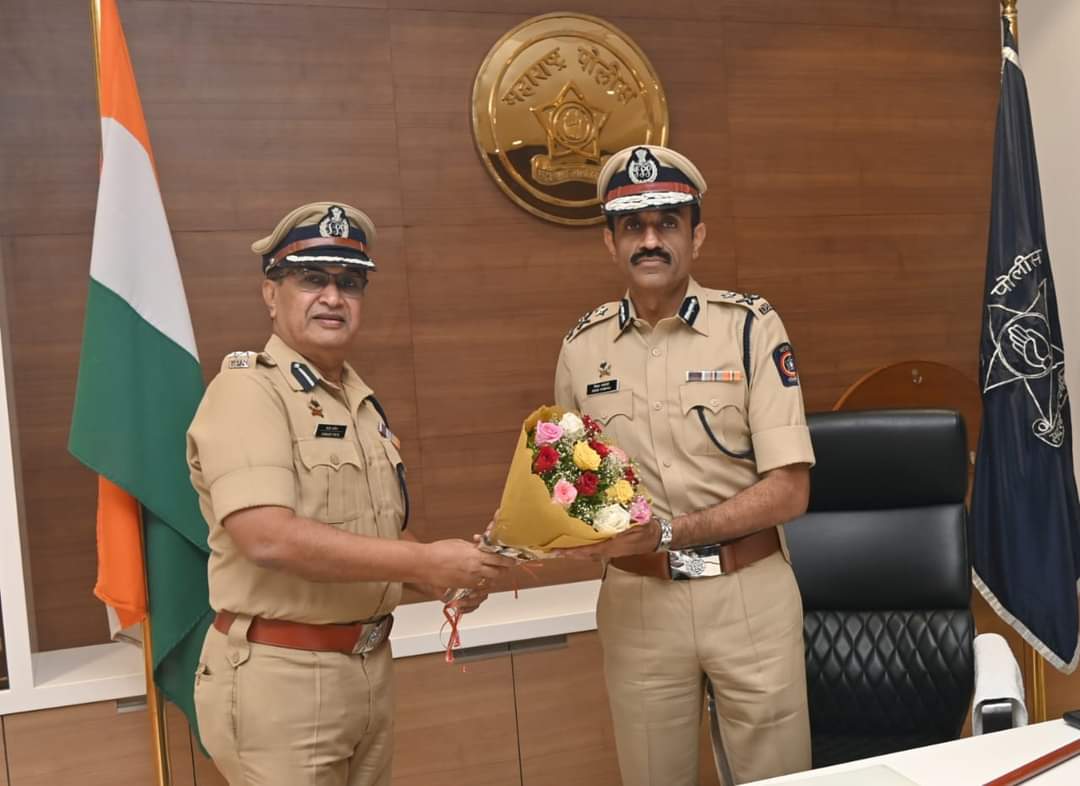
In a reshuffling decision by Police Commissioner Dr. Ravindra Singal, DCP Chandak was appointed to the Traffic Branch of Nagpur, and the public is optimistic that his leadership could bring significant improvements to the city’s roads. The reshuffling also saw DCP Shashikant Satav, previously in charge of the Traffic Branch, being transferred to the EOW. Alongside Chandak, Lohit Matani, another key officer recently transferred to Nagpur, has assumed charge of Zone 1.

The History of Nagpur’s Traffic Troubles

Nagpur’s traffic system has been a major point of contention for years. Despite numerous initiatives, the city has seen little progress in streamlining its traffic. Congestion, non-compliance with traffic rules, and inadequate infrastructure have only worsened the situation. The city’s rapid growth, coupled with an increase in vehicular population, has strained the current infrastructure, making day-to-day commutes a hassle for residents.

Previous Initiatives That Fell Short

Efforts to improve Nagpur’s traffic were made by DCP Satav, but these changes often yielded limited results. The public’s discontent continued to grow as long-term solutions remained out of reach. Police Commissioner Dr. Ravindra Singal, fully aware of these shortcomings, decided to take decisive action, reshuffling key positions in the Traffic Branch in hopes of seeing better results.

DCP Chandak’s Background: An Asset for the Traffic Branch

DCP Chandak comes with a wealth of experience from his previous post at the Economic Offence Wing. His experience with complex investigations and organizational skills are expected to play a critical role in his new leadership position. During his temporary tenure over the Traffic Branch during the winter session, Chandak was able to implement several successful measures that saw a noticeable improvement in traffic conditions. It’s this prior success that prompted his full-time appointment.

Chandak’s Achievements During the Winter Session

During his interim role, DCP Chandak introduced stricter enforcement of traffic rules, leading to a reduction in traffic violations. Public awareness campaigns were also ramped up, with increased visibility of traffic police and more frequent traffic drives to address issues in real-time. As a result, Nagpur saw reduced congestion, improved compliance, and a smoother traffic flow in certain key areas.

Challenges Ahead for DCP Chandak

Despite his previous successes, DCP Chandak faces several challenges ahead. The biggest hurdle will be addressing the deeply ingrained traffic problems, including:

1. Infrastructure Limitations

Nagpur’s current road network is not equipped to handle the growing number of vehicles. Expanding roadways and improving traffic signals will be a priority.

2. Traffic Violations

Despite the crackdown, traffic violations such as speeding, illegal parking, and non-compliance with signals remain rampant. More rigorous enforcement and higher penalties may be on the horizon.

3. Public Awareness

Another key challenge will be educating the public on traffic rules and ensuring compliance. Awareness drives and community engagement will play a pivotal role in long-term success.

Matani Takes Charge of Zone 1

While DCP Chandak tackles the city’s traffic woes, Lohit Matani has been entrusted with Zone 1, a critical area in Nagpur, especially with elections on the horizon. Matani, who had previously served in Zone 1 before his transfer to Bhandara, brings a wealth of experience and familiarity with the region’s unique challenges.

Zone 1: A Crucial Area for Nagpur

Zone 1 is a key jurisdiction in Nagpur, not only due to its strategic importance but also because of its role in upcoming political events. With the impending elections, Matani’s leadership is expected to ensure peace, stability, and effective law enforcement.

The Road Ahead for Nagpur’s Traffic Branch

While leadership changes offer hope for Nagpur’s traffic management, the real work begins now. DCP Chandak’s strategy will likely involve a mix of infrastructure improvements, stricter law enforcement, and public education. With the right approach, Nagpur’s traffic system can potentially see the transformation it desperately needs.

1. Collaboration with City Planners

One of the key steps in DCP Chandak’s plan will be collaborating with city planners to redesign and improve Nagpur’s road network. Better road designs, improved signals, and the creation of dedicated lanes for different types of vehicles could help alleviate congestion.

2. Technology-Driven Solutions

Smart traffic management systems could also play a role. Implementing advanced traffic monitoring tools, automated signals, and real-time traffic updates could help streamline vehicle flow in the city’s busiest areas.

3. Community Engagement

Public cooperation is crucial for the success of any traffic management plan. DCP Chandak’s leadership will likely include initiatives aimed at fostering a sense of responsibility among drivers and pedestrians alike.

4. Accountability within the Traffic Branch

Another key component will be holding the Traffic Branch accountable for its actions. Regular evaluations and transparency in decision-making will be vital to ensuring that the branch remains proactive in tackling the city’s traffic challenges.

Nagpur’s traffic situation has long been a problem, but with the leadership of DCP Archit Chandak, there is hope that the city’s traffic woes may finally be addressed. His proven track record and innovative approach could be the key to overcoming Nagpur’s traffic challenges. Alongside him, Lohit Matani’s leadership in Zone 1 will ensure that this critical area remains well-managed, particularly with elections drawing near. Nagpur’s road to a better traffic system might just have begun.

1. Who is DCP Archit Chandak?

DCP Archit Chandak is the newly appointed Deputy Commissioner of Police for Nagpur’s Traffic Branch. He previously served in the Economic Offence Wing (EOW) and has taken charge to address the city’s traffic challenges.

2. What are Nagpur’s main traffic issues?

Nagpur’s traffic issues include road congestion, traffic signal malfunctions, and rampant traffic violations. These challenges have persisted despite previous efforts to address them.

3. What changes did DCP Chandak implement during the winter session?

During the winter session, DCP Chandak introduced stricter enforcement of traffic laws and launched public awareness campaigns, leading to noticeable improvements in traffic flow.

4. Who is Lohit Matani, and what is his role in Nagpur?

Lohit Matani is the officer in charge of Zone 1 in Nagpur. His role is particularly important as this area is crucial for law enforcement, especially with upcoming elections.

5. What steps will be taken to improve Nagpur’s traffic system?

The plan includes upgrading infrastructure, enforcing traffic laws more strictly, raising public awareness, and incorporating technology-driven solutions like smart traffic management systems.

Aaple Sarkar 2.0 to Speed Up Citizen Complaint Resolution

In today’s fast-paced digital world, citizens expect quick and effective solutions to their grievances. The Aaple Sarkar Portal 2.0 is designed to bridge the gap between citizens and government authorities by providing a streamlined platform for resolving complaints. This upgraded system promises to enhance the transparency, efficiency, and responsiveness of the government, ensuring that complaints are addressed in a timely manner. But how does this platform work? And why is it so essential? Let’s dive in.

What is Aaple Sarkar Portal 2.0?

The Aaple Sarkar Portal 2.0 is the next version of Maharashtra’s online citizen complaint system. Its goal is to facilitate faster resolution of complaints filed by the public. This platform allows citizens to lodge complaints, track their status, and receive timely updates, all from the comfort of their homes.

Why the Upgrade?

The earlier version of the Aaple Sarkar portal had some inefficiencies in user-friendliness and response times. The 2.0 version aims to solve these issues by improving the interface and introducing more robust backend functionalities to ensure that complaints are handled faster and more transparently.

Key Features of Aaple Sarkar Portal 2.0

1. Improved User Interface (UI)

One of the significant upgrades in Aaple Sarkar 2.0 is its user-friendly interface. The platform now offers a simpler and more intuitive layout, making it easier for citizens to register complaints and check their status.

2. Speedier Complaint Resolution

The core aim of Aaple Sarkar 2.0 is to ensure that complaints are resolved more quickly. Deputy Commissioner Pradeep Kulkarni emphasized that addressing citizen complaints on time is a top priority.

3. Transparency and Accountability

Coach Devang Dave mentioned that the portal will significantly boost transparency. Each department is now more accountable, with real-time updates provided to citizens regarding their complaints.

4. Departmental Training and Familiarization

To ensure effective implementation, a training session was held at Nijjan Bhavan, where key officials, including Deputy Commissioner Pradeep Kulkarni, department heads, and government employees, were familiarized with the portal’s operations.

How Does Aaple Sarkar 2.0 Work?

 Registering Complaints

Citizens can easily log into the Aaple Sarkar 2.0 portal, select the relevant department, and submit their complaints. The system also allows users to upload supporting documents and evidence, ensuring that complaints are well-documented.

 Tracking Complaints

One of the most significant improvements is the ability to track the status of complaints in real-time. Citizens can log in to check whether their complaint is under review, resolved, or needs further documentation.

 Timely Responses

Department heads are instructed to prioritize addressing complaints within a specific time frame. This ensures that no complaint goes unresolved for an extended period.

 Notifications and Alerts

Citizens receive regular updates via SMS and email regarding the progress of their complaint, ensuring they are always in the loop.

Impact on Citizens and Government

1. Empowering Citizens

The Aaple Sarkar 2.0 portal empowers citizens by giving them a voice. They no longer have to go through complex government procedures to resolve issues. Instead, they can easily access the platform and receive timely responses.

2. Enhancing Government Efficiency

From the government’s perspective, this portal streamlines complaint management. By digitizing the entire process, departments can allocate resources more efficiently and respond to public grievances without delays.

Training for Government Employees

During the session at Nijjan Bhavan, government officials were trained on how to use Aaple Sarkar 2.0 effectively. This included understanding the interface, managing complaints, and ensuring transparency in each step of the resolution process.

Key Officials Attending the Training

  • Additional Collector Tushar Thombre
  • Resident Deputy Collector Anup Khande
  • District Disaster Management Officer Ankush Gawande

The Role of Technology in Improving Governance

Aaple Sarkar 2.0 is not just an upgrade; it’s a leap forward in the integration of technology with governance. By creating a more responsive system, the government is ensuring that its services are accessible to the public.

Bridging the Gap

One of the primary goals of this platform is to bridge the gap between the administration and the public. This digital system serves as a link, ensuring that citizen concerns reach the right authorities without unnecessary delays.

Transparency in Action

The platform makes every step of the process visible to both the complainant and the authorities. This ensures that no complaint is lost in the bureaucratic maze, increasing trust between the government and citizens.

Challenges Faced by Aaple Sarkar Portal

1. Initial Technical Glitches

Like any new digital platform, Aaple Sarkar 2.0 faced some technical issues during its initial rollout. However, these were quickly resolved by the technical team.

2. Adoption by Government Departments

While many departments quickly adapted to the new system, others needed more time to fully integrate it into their workflow. Training sessions, such as the one held at Nijjan Bhavan, aim to address these challenges.

Future of Aaple Sarkar 2.0

The future of the Aaple Sarkar 2.0 portal looks promising. As more citizens become aware of this system and more departments adopt it, we can expect faster and more transparent governance.

The Aaple Sarkar Portal 2.0 is a revolutionary step towards improving government-citizen interaction. By streamlining complaint resolution, enhancing transparency, and prioritizing timely responses, the platform is set to make a significant impact. As more government departments integrate this system, citizens can expect faster and more effective resolutions to their grievances.

1. What is the main purpose of Aaple Sarkar 2.0?

The primary goal of Aaple Sarkar 2.0 is to provide a faster and more transparent platform for resolving citizen complaints.

2. How does Aaple Sarkar 2.0 improve transparency?

The portal provides real-time updates, ensuring that citizens can track their complaints at every stage.

3. Is Aaple Sarkar 2.0 available to all citizens?

Yes, any citizen in Maharashtra can access the Aaple Sarkar 2.0 portal to file a complaint.

4. What types of complaints can be filed through Aaple Sarkar 2.0?

Complaints related to government services, such as public infrastructure, municipal issues, and social welfare, can be filed through the portal.

5. How can citizens track their complaints?

Citizens can log into the portal and view the real-time status of their complaints. They will also receive notifications via SMS and email.

Exit mobile version