603 Garden Mitras to Assist NMC in Maintaining Gardens

 Greening the City with the Help of Garden Mitras

Nagpur parks: Nagpur, a city with a growing urban population, has placed significant importance on its green spaces. The Nagpur Municipal Corporation (NMC) has recently launched an innovative initiative enlisting 603 volunteers, known as “Garden Mitras,” to help maintain and enhance the city’s 182 parks. This initiative is an exciting development for residents, nature lovers, and anyone passionate about the environment. With urbanization on the rise, ensuring that parks and gardens are well-maintained is crucial for both mental and physical well-being.

The Importance of Green Spaces in Urban Areas

Green spaces are often referred to as the “lungs” of a city. They offer a respite from the hustle and bustle, provide space for recreation, and contribute to environmental health. But maintaining these spaces is no easy task, especially in a fast-growing city like Nagpur. That’s why the introduction of 603 Garden Mitras comes as a much-needed breath of fresh air.

Who Are the Garden Mitras?

The Garden Mitras are volunteers selected by the NMC to aid in the maintenance of gardens and parks across the city. They are spread across 33 of Nagpur’s largest gardens, where their responsibilities include everything from monitoring cleanliness to overseeing the maintenance of lawns, play areas, green gyms, and fountains.

Roles and Responsibilities of Garden Mitras

 1. Monitoring Cleanliness

Cleanliness is a top priority for these volunteers. Garden Mitras ensure that the parks remain litter-free, creating a clean and welcoming environment for visitors.

 2. Overseeing Lawn Maintenance

The lush lawns that visitors enjoy need constant care, and the Garden Mitras help maintain their green, healthy appearance.

 3. Managing Green Gyms

Green gyms are an excellent way for residents to stay fit while enjoying the outdoors. Garden Mitras ensure these spaces are well-maintained and accessible to the public.

 4. Inspecting Play Areas and Fountains

Children’s play areas and fountains often experience wear and tear. Garden Mitras are tasked with inspecting these areas regularly to ensure they are safe and functional.

The Role of NMC in the Initiative

 Encouraging Public Participation

Municipal Commissioner Abhijeet Chaudhari has stressed the importance of public participation in maintaining Nagpur’s parks. The Garden Mitra initiative is a way of empowering citizens to take ownership of their green spaces. By working together, the NMC and Garden Mitras hope to improve the overall quality of Nagpur’s parks.

 A Collective Effort Towards a Greener City

Additional Commissioner Aanchal Goyal emphasized that maintaining a city’s parks is not just the job of the government but a collective effort. The Garden Mitra initiative is seen as a stepping stone toward making Nagpur one of the greenest cities in India.

Recognizing the Efforts of Garden Mitras

Outstanding Garden Mitras will be recognized for their efforts with certificates of appreciation. This recognition not only serves as a thank you but also as motivation for continued excellence in service.

Introduction of the QR Code-Based Feedback System

To further enhance the initiative, the NMC has introduced a QR code-based Garden Feedback and Complaint Redressal System at 26 of the city’s major parks. This allows citizens to report issues directly to the garden department and provide real-time feedback.

 How the QR Code System Works

By scanning the QR code placed at the park entrances, visitors can quickly share feedback or complaints, making the process more efficient. This innovative system encourages community involvement in maintaining public spaces.

What the Future Holds for Nagpur’s Gardens

 Planned Flower Shows

Building on the success of previous events, the NMC plans to organize flower shows in 26 gardens from December to February. These events will not only beautify the parks but also encourage public participation and community bonding.

 Potential Impact on Nagpur’s Green City Ranking

With the combined efforts of the NMC and Garden Mitras, Nagpur has the potential to climb the ranks in terms of green city initiatives. Such projects are essential as cities across the world focus more on environmental sustainability.

The Benefits of Green Spaces

 Physical and Mental Well-Being

Green spaces are known to improve physical health by encouraging exercise and outdoor activity. They also promote mental well-being by providing a peaceful environment to relax and unwind.

 Environmental Impact

Beyond the personal benefits, green spaces play a critical role in environmental conservation. They help reduce pollution, cool urban areas, and provide habitats for wildlife.

Why Community Involvement is Key

The Garden Mitra initiative is a perfect example of how community involvement can make a big difference. By empowering citizens to take charge of their local green spaces, the NMC is fostering a sense of pride and ownership that will benefit the city for years to come.

A Greener Nagpur is on the Horizon

The Garden Mitra initiative is a crucial step towards making Nagpur a greener, healthier city. With 603 volunteers working tirelessly to maintain the city’s parks, and the NMC’s innovative feedback systems and plans for future flower shows, Nagpur is well on its way to becoming one of India’s greenest urban areas.

  1. What is the role of a Garden Mitra? A Garden Mitra is responsible for maintaining cleanliness, overseeing lawn care, and ensuring play areas and green gyms are well-maintained in Nagpur’s parks.
  2. How many parks are being maintained by Garden Mitras in Nagpur? Garden Mitras are assigned to maintain 182 parks, with a special focus on the 33 largest gardens.
  3. What is the QR Code-Based Feedback System? It’s a system where citizens can scan QR codes at 26 major parks to report issues or provide feedback directly to the garden department.
  4. How does NMC recognize the efforts of Garden Mitras? Outstanding volunteers are awarded certificates of appreciation for their efforts in maintaining the city’s parks.
  5. What future events are planned for Nagpur’s gardens? The NMC plans to organize flower shows in 26 gardens from December to February, encouraging public participation.

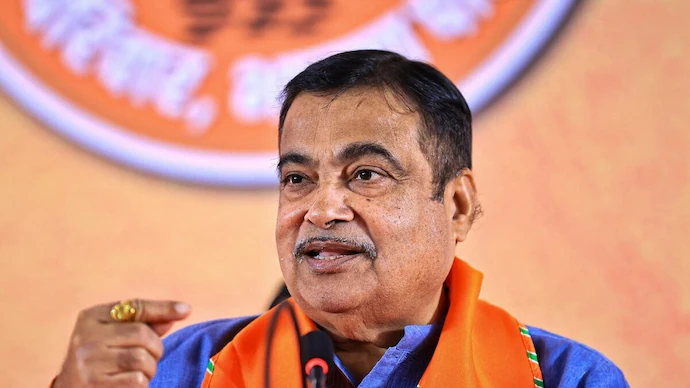
Gadkari to Inaugurate Oxygen Bird Park (Amrit Mahotsav Park)

Union Minister for Road Transport and Highways, Nitin Gadkari, is set to inaugurate the much-anticipated Oxygen Bird Park (Amrit Mahotsav Park) on September 28, 2024. Located along the Nagpur-Hyderabad National Highway-44, this eco-friendly park is part of a larger movement toward environmental sustainability. The park, developed by the National Highways Authority of India (NHAI), is situated near Jamtha in Nagpur, Maharashtra.

An Eco-Friendly Initiative for a Sustainable Future

Covering a total area of 8.23 hectares, the Oxygen Bird Park is more than just a recreational space—it’s an environmental sanctuary. Of this land, 2.5 hectares have been reserved for social forestry, showcasing a clear commitment to preserving green spaces. The project was formally approved in March 2023, with a development cost of ₹14.31 crores.

The park is designed to serve both as a bird habitat and a place for locals and tourists to relax and enjoy nature. It’s not just about aesthetics—this park represents a forward-thinking approach to urban planning and environmental protection.

Key Features of the Oxygen Bird Park

1. The Oxygen Park Initiative

The primary highlight of the Oxygen Bird Park is its Oxygen Park feature, where fast-growing, oxygen-producing trees have been strategically planted. These trees not only enhance the natural beauty of the area but also contribute to reducing air pollution. The aim is to promote a healthier environment for the surrounding communities.

2. Bird Sanctuary

The park serves as a haven for a variety of bird species, making it an ideal spot for bird watchers and nature lovers. The creation of this sanctuary is designed to preserve biodiversity while offering educational and recreational opportunities.

3. Recreational Facilities

In addition to its ecological focus, the park is also equipped with several recreational facilities such as walking trails, seating areas, and viewpoints for birdwatching. It’s a great spot for families and individuals looking to enjoy some downtime in a natural setting.

Environmental Sustainability: The Core Focus

The Oxygen Bird Park stands as a testament to the importance of integrating sustainability into urban development. The park’s social forestry project, maintained by the Social Forestry Division of Nagpur, plays a pivotal role in ensuring that the park remains a green lung for the city. It emphasizes carbon sequestration, biodiversity, and ecological balance.

4. Reducing Air Pollution

Fast-growing trees are not just an aesthetic feature but an environmental necessity. These trees act as natural air purifiers, improving air quality for nearby communities. With rising levels of pollution across the globe, such initiatives are crucial in combating environmental degradation.

5. Promoting a Healthier Lifestyle

The park encourages a health-conscious lifestyle by providing open spaces for walking, jogging, and other outdoor activities. People can escape from the city’s hustle and reconnect with nature, improving both their physical and mental well-being.

Gadkari’s Role in Environmental Initiatives

Nitin Gadkari has been a vocal advocate for environmental sustainability, and the inauguration of the Oxygen Bird Park is just one part of his larger vision. He has consistently pushed for eco-friendly projects, particularly along national highways.

6. Nationwide Plantation Drive

In line with this vision, Gadkari is also leading a nationwide plantation drive under the Swachhata Hi Seva 2024 campaign, which encourages citizens to take part in cleaning and greening activities. This initiative, coinciding with the inauguration of the park, seeks to plant millions of trees across the country, contributing to both ecological preservation and the fight against climate change.

Benefits of the Oxygen Bird Park to Nagpur

The Oxygen Bird Park is expected to have several long-term benefits for the city of Nagpur and its residents:

7. Enhanced Air Quality

By planting oxygen-producing trees, the park will serve as a natural air purifier, improving the quality of life for those living nearby. This is especially important in rapidly urbanizing areas where air pollution is a growing concern.

8. Increased Biodiversity

With its dedicated focus on attracting a variety of bird species, the park will play a key role in preserving and enhancing the city’s biodiversity. This contributes not only to environmental sustainability but also to eco-tourism.

9. Boost to Local Tourism

The park is expected to become a popular destination for both locals and tourists, offering them a unique experience of eco-tourism. It will attract nature lovers, bird watchers, and those seeking to enjoy a serene environment, thereby boosting the local economy.

10. Educational Opportunities

Educational programs can be developed around the park, focusing on environmental conservation, sustainability, and biodiversity. Schools, colleges, and environmental organizations will benefit from having such a resource in the area.

The Role of NHAI in Developing Eco-Friendly Spaces

The National Highways Authority of India (NHAI) has been actively promoting sustainable development projects along India’s national highways. The Oxygen Bird Park is one of many initiatives aimed at reducing the environmental impact of infrastructure development.

11. Sustainable Infrastructure

NHAI’s focus on sustainability is reflected in its approach to creating infrastructure that balances economic growth with environmental protection. Projects like the Oxygen Bird Park demonstrate a holistic approach to development.

12. Public-Private Partnership

The development of the park is part of a larger public-private partnership that involves both government agencies and local communities working together to create and maintain green spaces.

Amrit Mahotsav Park: A Symbol of India’s Green Future

The Amrit Mahotsav Park, which houses the Oxygen Bird Park, is more than just a green space. It represents a renewed commitment to environmental protection as part of India’s Azadi Ka Amrit Mahotsav, a national campaign celebrating 75 years of independence.

13. Symbol of Environmental Patriotism

The park’s focus on sustainability ties into broader efforts to promote environmental patriotism, urging citizens to take an active role in protecting their natural surroundings.

Why Eco-Tourism is the Future

14. The Growth of Eco-Tourism in India

As eco-tourism continues to grow, parks like these are vital in offering sustainable travel options. Visitors can explore natural habitats without leaving a negative environmental footprint.

15. Responsible Travel

By encouraging responsible tourism, the park ensures that future generations can enjoy the same natural beauty we cherish today.

The Oxygen Bird Park (Amrit Mahotsav Park) is a bold step towards sustainable development and environmental conservation in India. As we face increasing environmental challenges, projects like these highlight the importance of integrating green spaces into urban areas. With Nitin Gadkari at the helm of such initiatives, the future looks bright for both Nagpur and the entire nation.

1. What is the significance of the Oxygen Bird Park?
The Oxygen Bird Park promotes environmental sustainability by planting oxygen-producing trees and creating a natural habitat for birds.

2. Who developed the Oxygen Bird Park?
The park was developed by the National Highways Authority of India (NHAI) near Jamtha, Nagpur.

3. What is the cost of the Oxygen Bird Park project?
The development of the park cost ₹14.31 crores.

4. When is the park’s inauguration?
The park will be inaugurated on September 28, 2024, by Nitin Gadkari.

5. How does the park contribute to reducing pollution?
The fast-growing trees in the park act as natural air purifiers, helping to reduce pollution in the surrounding areas.

Gond Gowari Community Protests in Nagpur, Demand Scrapping of ‘Erroneous’ 1985 GR

Gond Gowari protests: The Gond Gowari community in Maharashtra has been fighting an uphill battle for decades, seeking justice and recognition within the Scheduled Tribe (ST) category. Their grievances, particularly against a 1985 Government Resolution (GR), culminated in a massive protest on September 27, 2024, in Nagpur. Thousands took to the streets under the banner of the Adivasi Gond Gowari Jamat Sanvaidhanik Haq Sangharsh Kruti Samiti, demanding that the government rescind this ‘erroneous’ resolution, which has severely impacted their access to reservations and other social benefits.

The History Behind the 1985 GR

What is the 1985 GR?

The 1985 Government Resolution was a pivotal document that, according to the Gond Gowari community, contains factual inaccuracies about their identity and status. The resolution inadvertently classified them in a way that disqualified them from receiving crucial quota benefits under the Scheduled Tribe (ST) category.

Why Is This GR Considered Problematic?

The Gond Gowari claim that the 1985 GR misrepresented their community by including misleading information, which has created a cascade of problems over the years. Many feel that this classification has led to unjust exclusion from ST status, which in turn blocks access to reservations in education, jobs, and political representation.

How Did This Happen?

The origins of the misclassification seem to stem from the bureaucratic hurdles and insufficient understanding of the community’s unique socio-cultural identity. Despite their status as an indigenous group, the GR inaccurately categorized them, leading to years of socio-economic marginalization.

The Growing Discontent: Protests Across Maharashtra

Yeshwant Stadium to Ganesh Tekdi: The Protest Route

On September 27, 2024, thousands of Gond Gowari community members gathered in Nagpur, marching from Yeshwant Stadium to Ganesh Tekdi. This protest was a continuation of the community’s long-standing efforts to draw attention to their plight and demand the scrapping of the 1985 GR.

A Timeline of Protests

This protest was not an isolated incident. The Gond Gowari community has been voicing their discontent for years. Earlier, on February 5, 2024, a similar protest was held, where the state government had promised to submit a report within six months. However, this deadline was later extended by an additional two months, leading to further frustration among the community.

Who Leads the Movement?

The protests were organized by the Adivasi Gond Gowari Jamat Sanvaidhanik Haq Sangharsh Kruti Samiti, a body formed to represent the constitutional rights of the community. The Samiti, led by convener Gajanan Kohale, has been at the forefront of the agitation, demanding justice and urging the state government to act swiftly.

What Are the Community’s Key Demands?

Cancellation of the 1985 GR

At the heart of the protest is the demand for the complete cancellation of the 1985 GR. According to the protesters, this government resolution has proven to be unconstitutional and has perpetuated misinformation about the community.

Recognition as a Scheduled Tribe (ST)

The community seeks recognition as a Scheduled Tribe, a status they believe they rightfully deserve. Without this recognition, they miss out on crucial reservations that would help uplift the socio-economic conditions of their people.

Fair Representation and Access to Quotas

One of the community’s biggest challenges has been the inability to access reserved quotas in education and government jobs. Protesters claim that without proper representation, their voices are continually sidelined in important policy decisions.

Political Reactions to the Protests

Government’s Response

The Maharashtra state government has been slow to act on the community’s demands. After the February protest, they requested six months to investigate the issue, only to extend it by another two months. The delay has led to skepticism among the Gond Gowari people about the government’s willingness to rectify the situation.

Devendra Fadnavis on the Gond Gowari Protests

Devendra Fadnavis, former Chief Minister of Maharashtra, weighed in on the situation, stating that reservations must stand up to legal scrutiny. However, his remarks seemed to sidestep the immediate concerns of the Gond Gowari, further intensifying the community’s dissatisfaction.

Amid the Maratha Quota Row

The protests by the Gond Gowari community have unfolded against the backdrop of another significant reservation issue in Maharashtra: the Maratha quota row. With both communities seeking inclusion in the ST or reserved categories, the political landscape in the state has become increasingly charged.

The Socio-Economic Impact of the 1985 GR

Lost Opportunities in Education

The misclassification has led to lost opportunities for the Gond Gowari in educational institutions where reserved seats are a critical pathway for socio-economic mobility.

Barriers to Employment

Without access to reserved government jobs, many in the community struggle to find stable employment, exacerbating poverty and underrepresentation in various sectors.

Struggling to Maintain Cultural Identity

The fight for ST recognition is also about preserving the community’s cultural identity. Many Gond Gowari feel that the 1985 GR, by misrepresenting them, has not only excluded them from socio-economic benefits but also from the recognition of their rich cultural heritage.

What Happens Next?

Amendments to the 1985 GR: A Possible Solution?

While the protesters are demanding the complete cancellation of the 1985 GR, some believe that amendments to the resolution could be a more practical solution. However, whether the government will take this step remains uncertain.

Continued Protests Likely

Given the slow response from the state government, it seems likely that the Gond Gowari community will continue their protests. As long as the 1985 GR remains unaddressed, their fight for justice and recognition will persist.

The Gond Gowari community’s demand for the scrapping of the 1985 GR is not just about a bureaucratic error—it’s about a long-standing fight for equality, recognition, and justice. As the protests in Nagpur have shown, this community will not back down until their voices are heard, and their rightful place in the ST category is secured. Only time will tell if the Maharashtra government will meet their demands or continue to prolong the issue, leaving the community to struggle for the justice they deserve.

  1. Why is the 1985 GR considered erroneous by the Gond Gowari community?
    • The community believes that the 1985 GR contains incorrect information about their identity, which has prevented them from being recognized as a Scheduled Tribe.
  2. What is the Adivasi Gond Gowari Jamat Sanvaidhanik Haq Sangharsh Kruti Samiti?
    • It is an organization formed to advocate for the constitutional rights of the Gond Gowari community.
  3. What was the government’s response to the protests?
    • The government requested time to investigate the community’s demands, but their delay has caused frustration among protesters.
  4. How does the 1985 GR affect the Gond Gowari community?
    • The resolution has led to the community’s exclusion from reservations in education, jobs, and political representation.
  5. What are the key demands of the Gond Gowari community?
    • They seek the cancellation of the 1985 GR, recognition as a Scheduled Tribe, and access to quotas in education and employment.

Metro Stalled for 2 Hours, 15 Services Affected: What Went Wrong?

The Nagpur Metro, which has been a lifeline for thousands of daily commuters, faced an unexpected two-hour service disruption on Tuesday. A technical snag paralyzed operations on the Lokmanya Nagar to Shankar Nagar metro section, leaving many stranded and questioning the reliability of the system. Let’s dive into what happened and how it affected the commuters.

The Incident Breakdown

When and Where Did It Happen?

On a regular Tuesday afternoon, around 2:25 PM, the metro services on the Lokmanya Nagar to Shankar Nagar section halted abruptly. The disruption impacted both UP and DN routes, bringing travel to a complete standstill for two hours until 4:25 PM.

What Caused the Technical Snag?

Metro officials have yet to determine the exact reason behind the technical glitch. However, sources report that this isn’t the first time the metro has experienced such an issue. Frequent interruptions in this particular section have raised concerns, as previous problems near Freedom Park had similarly caused havoc for commuters.

Impact on Commuters: What Happened Next?

Commuters Left Stranded

When the metro stopped just before Shankar Nagar station, it wasn’t a simple case of waiting for the issue to be resolved. Passengers were deboarded from the train and instructed to walk a short distance along the tracks to reach the station.

Alternative Arrangements Were Made

After reaching Shankar Nagar station on foot, passengers boarded another metro to continue their journey. While some commuters expressed frustration at the inconvenience, the metro staff acted quickly to ensure their safety and guide them to the next available service.

Which Services Were Affected?

The two-hour delay impacted a total of 15 services. Nine trips in the UP direction, from Sitabuldi to Lokmanya Station, and six trips in the DN direction, from Lokmanya to Sitabuldi, were halted as the route remained closed during this time. For many regular commuters, this meant significant delays and frustration as their daily travel plans were thrown off track.

Behind the Scenes: The Technical Response

The Technical Team’s Swift Action

Immediately after the snag occurred, the technical team rushed to the site. Working meticulously for two hours, they identified the cause of the issue and resolved it. Metro officials have since assured the public that normalcy has been restored, but concerns remain over the frequency of these disruptions.

What Was Done to Fix It?

The exact nature of the problem has not been disclosed, but the technical team worked laboriously to troubleshoot the error. Once the glitch was resolved, the metro resumed operations, much to the relief of stranded passengers.

The Bigger Picture: Why Does This Keep Happening?

Recurring Issues: Not a One-Off Event

The technical snag that occurred on Tuesday was not an isolated incident. Earlier this year, metro services near the Freedom Park station were also affected by a similar malfunction, putting commuters in difficult situations. With multiple occurrences of these snags, one has to wonder: is the metro system struggling with underlying maintenance issues?

Public Concerns About Metro Reliability

Many commuters have voiced their concerns about the metro’s reliability. While the system generally functions smoothly, recurring breakdowns have shaken public confidence. Frequent delays or disruptions can be particularly stressful for those who rely on the metro for daily commuting, especially during peak hours.

Metro’s Response to the Incident

Statements from Metro Officials

Metro officials have acknowledged the inconvenience caused to commuters. While they have promised a full investigation into the root cause of the glitch, there is still uncertainty about whether such issues will persist in the future.

Steps to Prevent Future Disruptions

To address these concerns, officials have stated that they are working to identify the recurring faults and will be taking preventive maintenance measures. However, details on how the metro system plans to address these technical flaws remain vague.

Effects on Daily Commuters: Frustration Mounts

How Are Commuters Affected by These Issues?

For daily metro users, disruptions like these are more than just a minor inconvenience. With the metro being one of the most efficient ways to navigate the city, having it stall for hours during crucial times can lead to delays at work, missed appointments, and general dissatisfaction.

Is the Metro Still the Best Option for City Travel?

Despite these hiccups, the metro remains one of the most reliable and fastest ways to travel across Nagpur. However, with recurring technical issues, many are left wondering whether the system is equipped to handle the growing number of passengers relying on it daily.

Moving Forward: What Needs to Change?

Better Maintenance Protocols Needed

To avoid future disruptions, the Nagpur Metro system must enforce stricter maintenance protocols. Regular inspections and proactive repairs are crucial to ensure that such glitches don’t occur during peak hours.

Clear Communication During Disruptions

One common complaint from passengers during the two-hour halt was the lack of clear communication from metro officials. In any public transportation system, timely and accurate information can help mitigate frustration. Metro authorities need to improve communication during such situations, providing real-time updates and alternative travel solutions for stranded passengers.

 The Path to a More Reliable Metro System

While technical snags are sometimes unavoidable, they shouldn’t become a recurring feature of a public transit system. The Nagpur Metro needs to take decisive action to improve its infrastructure and instill confidence in its passengers. With better maintenance, clearer communication, and a focus on reliability, the metro can regain the trust of its commuters and continue to be a key part of Nagpur’s public transportation network.

1. Why did the Nagpur Metro stop for two hours?

The metro stopped due to a technical snag on the Lokmanya Nagar to Shankar Nagar section, disrupting services for two hours.

2. How many metro services were affected by the snag?

A total of 15 services were affected—nine in the UP direction and six in the DN direction.

3. Were passengers stranded inside the metro during the disruption?

Yes, passengers had to deboard the train and walk a short distance on the track to the nearest station.

4. Has this kind of technical issue happened before?

Yes, similar issues have occurred, including a previous breakdown near Freedom Park metro station.

5. What are metro officials doing to prevent future disruptions?

Metro officials are investigating the root cause and are planning to implement stricter maintenance protocols to avoid future glitches.

Koradi Power Plant Gets Environmental Nod for 2 New 660MW Units

Koradi power plant: The energy landscape in Maharashtra is undergoing a significant transformation. With the state government-owned power utility Mahagenco receiving the much-anticipated Environmental Clearance (EC) for two new 660 MW supercritical thermal power units at Koradi, there’s much to discuss about the future of energy production. This clearance is part of a strategic initiative to replace old units and expand the thermal power capacity of the state. This article dives deep into the implications of this project and what it means for the future of energy in Nagpur and Maharashtra.


The Importance of the Koradi Power Plant Expansion

Koradi is already a major hub for energy production in the region. Currently, the thermal power station boasts a capacity of 2,190 MW. By adding these new supercritical units, Mahagenco plans to significantly boost the state’s energy output. But why is this expansion important?

Energy demands in Maharashtra are constantly growing, driven by industrial, commercial, and residential needs. The existing power units are aging, and their efficiency is gradually declining. The installation of two new 660 MW units will not only replace older systems but will also introduce more efficient, environmentally-friendly technologies, ensuring that the state remains energy-secure for decades to come.


What Are Supercritical Thermal Power Plants?

To fully appreciate this project, it’s essential to understand what makes supercritical thermal power plants unique. Unlike traditional thermal power plants, which operate under standard conditions, supercritical plants function at temperatures and pressures above the critical point of water. This allows for better efficiency, lower emissions, and reduced fuel consumption.

The two new units planned at Koradi will bring these benefits, helping to modernize Maharashtra’s power generation infrastructure and align with global efforts to reduce carbon footprints.


Mahagenco’s Power Generation Capacity: A Growing Force

At present, Mahagenco’s overall thermal power generation capacity exceeds 9,500 MW. The two new 660 MW units at Koradi will add 1,320 MW to this total, a significant contribution to the state’s energy production. Additionally, another 660 MW unit is expected to be commissioned soon at Bhusawal, further bolstering Mahagenco’s capabilities.


Environmental Clearance: A Green Light for Progress

Securing the Environmental Clearance for such a large-scale project is no small feat. This clearance ensures that the power plant meets stringent environmental standards, minimizing the impact on local ecosystems. This process often involves extensive environmental impact assessments (EIAs), public consultations, and thorough reviews by regulatory bodies.

The EC granted to Mahagenco for the Koradi project signifies that the new units will adhere to national guidelines for air, water, and soil quality, as well as waste management and resource conservation.


Impact on Local Communities and Employment

The addition of two new power units is not just a technical upgrade but also a socio-economic boost for the local community. The construction and operation phases of the new plants are expected to generate thousands of jobs, both directly and indirectly.

From construction workers to engineers and administrative staff, the project will likely bring significant employment opportunities. Moreover, increased energy capacity means better support for local industries, leading to further economic development in the region.


Challenges Ahead: What to Expect?

Although the Environmental Clearance marks a significant milestone, the road ahead is not without challenges. The construction of these new units is expected to take four to five years, which means that the benefits won’t be immediate. During this period, Mahagenco will have to navigate potential obstacles such as delays in construction, regulatory hurdles, and financial considerations.


The Future of Thermal Power in Maharashtra

As the state continues to invest in both renewable and non-renewable energy sources, the addition of supercritical thermal power plants like Koradi signifies a balanced approach. While renewables are growing rapidly, thermal power still plays a critical role in meeting the state’s base load energy requirements.

With modernized, more efficient units in place, Maharashtra can better manage its energy mix and ensure a steady supply of power to its rapidly growing population and industries.


Sustainability and Energy Security

The world is in the midst of an energy transition, moving towards cleaner, more sustainable power sources. However, thermal power remains a cornerstone of energy security, particularly in developing economies like India. The Koradi expansion is a step towards modernizing traditional energy infrastructure while keeping sustainability in focus.


Why Koradi’s Upgrade Matters for Nagpur

Nagpur, often referred to as the heart of Maharashtra, is a critical industrial and economic hub. The upgraded Koradi Power Plant will ensure that the city has a reliable supply of energy, which is crucial for industries, businesses, and homes. As Nagpur grows, so too will its energy needs, and projects like this ensure that the city’s energy future remains bright.


Timelines and Expectations for the Koradi Project

The project is expected to take between four to five years for completion. Given the scale of construction and the complexity of the machinery involved, this timeline is considered reasonable. However, it’s important to note that unforeseen delays are always a possibility in large infrastructure projects.


How Will Koradi’s Expansion Affect Power Tariffs?

While the primary goal of the Koradi expansion is to boost capacity, there’s also a potential for this project to stabilize or even lower electricity tariffs in the long term. As newer, more efficient units come online, the cost of power production per unit should decrease, which could translate to savings for consumers.


Government Support for Energy Infrastructure

The government’s backing of Mahagenco’s expansion is part of a broader strategy to strengthen India’s energy infrastructure. By modernizing old plants and introducing new, more efficient technology, the government is ensuring that energy supply keeps pace with demand while minimizing environmental impact.


 A Step Forward for Maharashtra’s Energy Future

The addition of two new 660 MW supercritical thermal power units at Koradi represents a major advancement in Maharashtra’s energy sector. Not only will these new units replace aging infrastructure, but they will also boost the state’s overall capacity, ensuring a more reliable and sustainable energy supply. The Environmental Clearance is a crucial first step in this process, and while challenges lie ahead, the long-term benefits are undeniable.

1. What is the current capacity of the Koradi Power Plant?
The current capacity is 2,190 MW, which will increase by 1,320 MW with the addition of two new units.

2. How long will it take to complete the new units?
The construction of the two new units is expected to take four to five years.

3. What is a supercritical thermal power plant?
Supercritical thermal power plants operate at higher temperatures and pressures, making them more efficient and environmentally friendly than traditional plants.

4. How will the Koradi expansion impact local communities?
The project is expected to create numerous jobs during both construction and operation phases, benefiting the local economy.

5. What other projects are in the pipeline for Mahagenco?
In addition to Koradi, Mahagenco is planning to commission a new 660 MW unit at Bhusawal in the near future.

Vande Bharat on Secunderabad-Nagpur Stretch Operating at 20% Occupancy: A Surprising Outcome

The Vande Bharat Express has quickly gained attention in India due to its speed, comfort, and efficiency. However, the recently launched Vande Bharat Express on the Secunderabad-Nagpur route has been making headlines for a completely different reason – an alarmingly low occupancy rate of just 20%. Despite initial hopes of boosting connectivity and business ties between Telangana and Maharashtra, the train has been running with empty coaches, leaving railway authorities both confused and concerned.

 A New Journey for Telangana

The launch of the Vande Bharat Express on the Secunderabad-Nagpur route in September was an exciting moment. As the fifth Vande Bharat train in Telangana, expectations were high. This particular route was chosen to connect the bustling industrial hubs of Ramagundam, Kazipet, and Secunderabad in Telangana with the Vidarbha region of Maharashtra. Not only was this route meant to cater to business travelers, but it was also anticipated to attract daily commuters and leisure passengers.

A Dream That Didn’t Take Off

Despite these intentions, the results have been far from ideal. With a daily vacancy of 80%, the train, which has a total seating capacity of 1,440 passengers, has been largely empty. The railway authorities anticipated a high demand, but over 1,200 seats were vacant on a recent Sunday, just a few hours before the train’s departure.

Why Are Passengers Avoiding the Vande Bharat Express?

The question that everyone is asking: Why isn’t the Secunderabad-Nagpur Vande Bharat Express filling up? Unlike other Vande Bharat trains from Secunderabad to cities like Bengaluru, Chennai, and Visakhapatnam, which boast occupancy rates between 90% and 100%, this particular route has struggled.

 Pricing Concerns

One of the key reasons cited for the low occupancy is the pricing. Vande Bharat trains offer premium services, but the ticket prices are higher than conventional trains. This could be deterring potential passengers who may not find the added comfort worth the extra cost.

 Competition from Other Modes of Transport

The Secunderabad-Nagpur route is well-serviced by other forms of transport. Affordable and frequent bus services, as well as regular trains, offer viable alternatives. Moreover, the distance between Secunderabad and Nagpur isn’t long enough to make the speed advantage of the Vande Bharat significant in the eyes of many travelers.

 Lack of Awareness

There’s also a possibility that potential passengers are simply not aware of the new service. Vande Bharat is still a relatively new offering, and with limited marketing efforts, some travelers might not realize it’s an option. Additionally, passengers may be unfamiliar with the benefits of traveling on this advanced, air-conditioned train.

A Closer Look at the Vande Bharat on the Secunderabad-Nagpur Route

 The Train’s Features

The Vande Bharat Express is known for its cutting-edge design, high-speed capabilities, and air-conditioned comfort. On the Secunderabad-Nagpur route, the train consists of two executive class coaches and 18 chair car coaches, with a total seating capacity of 1,440. The journey takes 7.15 hours, with key stops at Kazipet, Ramagundam, Balharshah, Chandrapur, and Sevagram.

 Executive Class Struggles

While the entire train has been struggling with low occupancy, the situation is particularly grim in the executive class. Out of the 88 available seats across two executive class coaches, fewer than 10 passengers had made reservations on a recent trip. The added luxury of these coaches does not seem to be enough to draw in passengers.

Possible Adjustments by Indian Railways

 Reducing Coaches

Given the continued poor demand, railway officials have indicated that the number of coaches might be reduced from the current 20 to eight, offering around 500 seats. This would help the railways reduce operational costs while still maintaining the service.

 Pricing Revisions

To attract more passengers, one suggestion has been to revise ticket prices. Offering discounted fares or promotional rates might encourage passengers to try the Vande Bharat Express, especially for those looking for a balance between price and comfort.

 Targeted Marketing Campaigns

Increasing awareness is another strategy that could help. If more people understood the benefits of traveling on the Vande Bharat—such as shorter journey times, added comfort, and state-of-the-art amenities—there might be a rise in demand.

Comparing Vande Bharat Trains Across Routes

 Success Stories of Other Vande Bharat Routes

It’s important to note that the low occupancy on the Secunderabad-Nagpur route is not reflective of the overall success of the Vande Bharat trains. Routes connecting Secunderabad to Bengaluru, Chennai, and Visakhapatnam have been running with near-full occupancy. For example, the Visakhapatnam Vande Bharat Express has tickets on the waiting list—a stark contrast to the empty coaches seen on the Nagpur stretch.

 What Makes These Routes Different?

The difference in occupancy between the Secunderabad-Nagpur and other routes raises questions about what makes these routes more successful. The key seems to be a combination of demand, pricing, and competition. The Bengaluru, Chennai, and Visakhapatnam routes are more heavily trafficked with business travelers, tourists, and daily commuters, leading to higher demand.

Future Prospects for the Secunderabad-Nagpur Vande Bharat Express

 Learning from the Data

Indian Railways will need to closely monitor the performance of the Secunderabad-Nagpur Vande Bharat Express. If the low occupancy continues, they may need to re-evaluate whether the route is viable in its current form.

 Expanding Connectivity

While the current stretch is struggling, expanding connectivity to more destinations or adding additional stops along the way might help attract more passengers. This could be particularly beneficial for those traveling to smaller towns between Secunderabad and Nagpur.

 Integrating with Other Travel Options

Coordinating the Vande Bharat Express timings with local trains and bus services could also help increase ridership. Making the Vande Bharat a part of a seamless travel experience for passengers could improve its appeal.

 Can the Vande Bharat Express Turn It Around?

The Vande Bharat Express on the Secunderabad-Nagpur route is currently operating below expectations, but it has the potential to turn things around. By addressing pricing, improving awareness, and possibly adjusting the route or services, Indian Railways can work to make this train as successful as others in the country. For now, the fate of this route remains uncertain, but with the right steps, it could still fulfill its purpose of connecting the Vidarbha region with the industrial hubs of Telangana.

No Guarantee for Our 4th Term, But…’: Nitin Gadkari Lightheartedly Remarks in Nagpur

Nitin Gadkari, Union Minister, recently brought a lighthearted moment to an event in Nagpur by teasing his cabinet colleague, Ramdas Athawale, over his long-standing ability to remain a minister in successive governments. Gadkari, known for his candid nature, humorously remarked, “There’s no guarantee of our fourth term, but one thing is guaranteed – Ramdas Athawale will continue to be a minister.”

But what’s behind this playful comment? In this article, we’ll explore the political context, Athawale’s confidence, the upcoming Maharashtra Assembly elections, and how seat-sharing within the Mahayuti alliance may shape the future of Maharashtra’s political landscape.

Nitin Gadkari Lighthearted Remark

During a public event in Nagpur, Nitin Gadkari entertained the crowd with a witty remark aimed at his fellow cabinet colleague, Ramdas Athawale. Gadkari’s humorous statement about Athawale’s enduring ministerial position sent waves of laughter through the audience. Gadkari quickly followed up, noting that his comment was in jest, underscoring the friendly camaraderie between the two ministers.

Ramdas Athawale: A Ministerial Fixture

Ramdas Athawale, a prominent leader of the Republican Party of India (RPI-A), has held ministerial roles in various governments for over three terms. His ability to maintain relevance and stay at the forefront of Indian politics, despite shifting alliances, is what makes Gadkari’s joke resonate with political insiders. Athawale’s leadership and influence within the Mahayuti coalition have been vital to his continued presence in the political arena.

Athawale’s Confidence for Future Terms

Despite Nitin Gadkari playful remarks, Athawale remains optimistic about his political future. Athawale has voiced confidence that, should the BJP-led alliance retain power, his streak of ministerial roles will continue. This confidence stems from his leadership of the RPI-A, a significant player in the Mahayuti coalition, and his deep political ties with the BJP.

RPI-A’s Role in the Mahayuti Coalition

The Republican Party of India (A) is a longstanding ally of the Bharatiya Janata Party (BJP). This alliance is part of the broader Mahayuti coalition, which includes key players like the Shiv Sena and Ajit Pawar’s faction of the Nationalist Congress Party (NCP). RPI-A’s role within the coalition has afforded it significant influence, though not without challenges.

Seat Demands for the Upcoming Assembly Elections

As the Maharashtra Assembly elections approach, Athawale and the RPI-A are setting their sights on securing a fair share of seats. During a press conference in Nagpur, Athawale announced that his party is seeking 10 to 12 seats in the upcoming elections. Of these, three to four seats are expected to come from the Vidarbha region, including North Nagpur, Umred, Umarkhed in Yavatmal, and Washim.

Athawale’s Press Conference in Nagpur

At the Nagpur press conference, Athawale emphasized the importance of the upcoming elections for RPI-A’s continued presence in the state’s political landscape. He reiterated that his party is seeking to contest the elections under its own symbol, strengthening its identity within the Mahayuti coalition. The announcement signals RPI-A’s firm intent to expand its political influence.

Tensions Over Seat Sharing in Mahayuti

The seat-sharing arrangement within the Mahayuti coalition is a delicate balancing act. Athawale revealed that his party has already prepared a list of 18 seats it would like to contest. This list is set to be shared with Mahayuti partners in the coming days. Athawale hopes for a fair allocation of 10 to 12 seats, urging the BJP, Shiv Sena, and Ajit Pawar’s NCP to each give up four seats from their quota to accommodate his party’s demands.

RPI-A’s Plans for Vidarbha Region

Vidarbha, a politically significant region in Maharashtra, is a key focus for RPI-A. Athawale has highlighted North Nagpur, Umred, Umarkhed, and Washim as constituencies where his party seeks to contest. The party believes that its strong grassroots presence in these areas will help it secure electoral wins.

Unfulfilled Promises and Discontent

Athawale’s recent comments also reflect his frustration over unfulfilled promises within the state government. In Palghar, he expressed disappointment that his party was left out of ministerial roles, despite assurances from coalition partners. He mentioned that the inclusion of Ajit Pawar’s NCP in the Mahayuti government led to the RPI-A being sidelined, leaving Athawale’s party without key cabinet positions and roles in corporations and district committees.

The Influence of Ajit Pawar’s NCP

The inclusion of Ajit Pawar’s NCP faction into the Mahayuti coalition has undoubtedly complicated matters for the RPI-A. Athawale has been vocal about how Pawar’s entry disrupted the pre-agreed seat-sharing and ministerial arrangements, creating friction within the coalition. Nevertheless, Athawale remains hopeful that these internal issues will be resolved in time for the upcoming elections.

Maharashtra Assembly Elections Preview

The elections for Maharashtra’s 288 assembly seats are expected to take place in November. These elections are shaping up to be highly competitive, with numerous parties vying for control of one of India’s most politically crucial states. The BJP, as the largest party in the assembly, currently holds 103 MLAs, while other key players like the NCP, Shiv Sena, Congress, and Shiv Sena (UBT) are preparing for a fiercely contested battle.

Current Political Landscape in Maharashtra

The BJP’s dominance in the Maharashtra Assembly, followed by the presence of the NCP and Shiv Sena, sets the stage for a complex election. With numerous seats currently vacant, the upcoming elections could see new power dynamics emerge within the state. The Mahayuti alliance, despite its internal tensions, is hoping to retain its grip on power.

High-Stakes Electoral Battle Ahead

The upcoming Maharashtra Assembly elections promise to be a political spectacle. As parties like the BJP, NCP, and Shiv Sena mobilize their bases, the stakes have never been higher. With regional players like the RPI-A also jockeying for position, the outcome of these elections could have significant implications for the future of Maharashtra’s governance.

Nitin Gadkari’s humorous remark about Ramdas Athawale may have been made in jest, but it highlights a larger truth about the resilience of political alliances in Maharashtra. As the Mahayuti coalition prepares for the upcoming assembly elections, the delicate balance of power-sharing will play a critical role in determining the political landscape of the state. With RPI-A’s seat demands and internal coalition tensions, the path to victory in Maharashtra is anything but straightforward.

  1. What was Nitin Gadkari remark about Ramdas Athawale? Gadkari humorously noted that while there is no guarantee of the BJP winning a fourth term, it is almost certain that Athawale will continue as a minister.
  2. What are Ramdas Athawale’s seat demands for the upcoming elections? Athawale has asked for 10 to 12 seats for his party, the RPI-A, in the upcoming Maharashtra Assembly elections.
  3. What is the RPI-A’s role in the Mahayuti coalition? The RPI-A is a partner in the Mahayuti alliance, which includes major parties like the BJP, Shiv Sena, and Ajit Pawar’s NCP.
  4. Why is there tension over seat sharing in the Mahayuti coalition? The inclusion of Ajit Pawar’s NCP has complicated seat-sharing negotiations, leading to discontent within the coalition.
  5. When will the Maharashtra Assembly elections take place? The elections for Maharashtra’s 288 assembly seats are expected to take place in November.

Caution: No Right Turn on Ajni Square to Morris College T-point During Peak Hours

The city’s traffic management is taking a new turn—literally. Wardha Road, known for its heavy traffic, is set for some significant changes aimed at reducing congestion during peak hours. As of September 23, vehicles traveling from Morris College T-point to Ajni Square will not be allowed to make right turns. These new measures, implemented by the traffic police, aim to streamline traffic flow during rush hour. Let’s dive into the details.

Why the Change?

With Wardha Road being a primary artery in the city, congestion has been a persistent issue, particularly during peak hours between 5:30 PM and 8:30 PM. The traffic police, led by DCP Archit Chandak, have devised a traffic management strategy that restricts right turns to keep traffic flowing smoothly. The focus is to prevent vehicle pile-ups, especially around crucial junctions like Ajni Square, Rahate Colony, and Kruplani Square.

New Traffic Rules Explained

The new traffic rules are clear: no right turns during peak hours between Morris College T-point and Ajni Square. However, left turns will still be permitted at Rahate Colony T-point and Kruplani Square. Vehicles will have to follow alternative routes if they need to reach specific destinations.

Key Points of the New Traffic Plan:

  1. Vehicles from Morris College T-point: No right turns at Rahate Colony Square or Kruplani Square.
  2. Vehicles from Ajni Square: No right turns at Kruplani or Rahate Colony Square.
  3. Vehicles from Mata Kacheri to Kruplani Square: These will be diverted to NEERI T-point, from where they can proceed toward Ajni Square.
  4. Vehicles from Ajni Railway Bridge or Congress Nagar: Only left turns allowed at Kruplani Square and Rahate Colony Square, with the option to proceed straight to Shaheed Govari Flyover or toward the airport.
  5. Left turns allowed: For all vehicles where right turns are restricted, left turns are permitted to keep traffic flowing.

How This Affects Daily Commuters

If you frequently travel along Wardha Road, the most noticeable change will be the restricted movement around Ajni Square and Morris College T-point. However, despite these restrictions, the police have ensured that alternative routes are in place for residents and travelers. Those living near Deekshbhoomi-Kruplani Square, for example, can make a left turn from Ajni Square, then take a U-turn to reach their homes.

Residents Near Deekshbhoomi: What You Need to Know

If you live near the Deekshbhoomi area, you won’t be completely cut off. Residents coming from Ajni Square can make a left turn toward Kruplani Square, and then take a U-turn after entering Deekshbhoomi Road to head back toward their homes. This small adjustment in the route aims to prevent traffic pile-ups without causing significant inconvenience to local residents.

Signal Timing Adjustments

To further facilitate traffic flow, the signal time at the Morris College T-point will be extended by 10 seconds. This slight increase in green-light duration is expected to help vehicles clear the area more quickly, reducing congestion on the Shaheed Govari Flyover.

The Experiment: How Long Will This Last?

These new traffic arrangements are experimental and will be enforced from September 23 to 28. Depending on how well these changes perform, the traffic police may decide to extend the restrictions or make additional adjustments. For now, the goal is simple: keep vehicles moving with fewer stops, and reduce the chance of traffic jams during peak hours.

Key Reasons Behind the Changes

  • Heavy traffic flow: Over 80% of vehicles on Wardha Road go straight toward Ajni Square or Morris College T-point, while only 20% make turns at Kruplani or Rahate Colony Squares. Limiting right turns is intended to cater to the majority of traffic, keeping main roads clear.
  • Short distances: The proximity of key junctions like Kruplani Square and Rahate Colony Square makes it easy for traffic to back up, causing gridlocks. By restricting certain movements, the city hopes to keep traffic moving without frequent stoppages.
  • Experimental phase: The traffic police will monitor the situation closely from September 23 to 28, tweaking the system based on how well these changes work.

What About Left Turns?

Left turns are allowed at most key points, including Rahate Colony and Kruplani Square. This ensures vehicles can still navigate through the area, albeit with limited direction choices.

Key Areas Affected

Here’s a breakdown of the main points impacted by the traffic rule changes:

  • Ajni Square to Morris College T-point: No right turns, left turns allowed.
  • Kruplani Square and Rahate Colony Square: No right turns, left turns allowed.
  • Deekshbhoomi Road: Left turns permitted for local residents, U-turns allowed to reach homes.
  • Mata Kacheri to Kruplani Square: Diverted to NEERI T-point.

Anticipated Benefits of the New Traffic Plan

The new traffic plan is expected to:

  • Reduce traffic jams by preventing right turns, which often slow down traffic flow.
  • Allow smoother movement on Wardha Road during peak hours, with fewer interruptions.
  • Improve travel time for the majority of vehicles moving straight through from Ajni Square to Morris College T-point.

Impact on Public Transportation

Public buses and other forms of public transportation may experience shorter delays due to the increased green-light durations and traffic movement efficiency. By reducing bottlenecks, public transport vehicles should find it easier to navigate the area.

What to Expect During Peak Hours

From 5:30 PM to 8:30 PM, the new traffic rules will be enforced strictly. If you’re commuting in this time frame, expect traffic signals to be set to blinker mode at Rahate Colony Square and Ajni Square, which should help keep things moving more smoothly.

With the new no-right-turn rule between Ajni Square and Morris College T-point, the traffic police are taking important steps to address long-standing congestion issues on Wardha Road. While some adjustments may be required for drivers used to the old routes, the benefits of smoother, quicker traffic flow should outweigh the temporary inconvenience. This plan, though experimental, could very well become a long-term solution to one of the city’s busiest roads.

  1. What are the timings for the new traffic rules?
    • The new traffic rules will be enforced from 5:30 PM to 8:30 PM, between September 23 to 28.
  2. Can I make a right turn from Ajni Square during non-peak hours?
    • No, right turns are restricted even during non-peak hours during the trial period.
  3. Will these changes impact public transport routes?
    • Public transport vehicles will be able to navigate more efficiently due to the extended signal times and reduced congestion.
  4. How can local residents near Deekshbhoomi get home?
    • Residents can make a left turn from Ajni Square toward Kruplani Square and take a U-turn after entering Deekshbhoomi Road.
  5. Will the new traffic plan be permanent?
    • The plan is currently in an experimental phase. Depending on the results observed, it may be extended or modified.

Kamptee Road Flyover Ready for Traffic: NHAI to Decide on Inauguration

The much-awaited Kamptee Road Flyover, one of the most ambitious and challenging construction projects in the city, is nearing its completion. Located in Nagpur, this double-decker viaduct is a marvel of modern engineering, set to relieve the city’s traffic congestion significantly. With final touches being applied to the ramp at LIC Square, the project, touted as Asia’s longest double-decker viaduct, is poised to be a game-changer for the city’s commuters.

The Landmark Project: A Brief Overview

Asia’s Longest Double-Decker Viaduct

At 5.4 kilometers in length, the Kamptee Road flyover stretches from LIC Square to Automotive Square. This impressive structure combines a flyover and a metro route, creating a multi-layer transport system. The flyover is one of a kind due to its four-layer transport arrangement at Gaddigodam, which features:

  1. National Highway at the lowest deck.
  2. Delhi Train Line on the first deck.
  3. Flyover on the third deck.
  4. Metro Viaduct at the topmost level.

This multi-layered structure adds a unique complexity to its design and construction, making it one of the most challenging projects ever undertaken in the region.

Delays and Design Modifications

The project experienced significant delays, largely due to changes in the design mid-way through the construction. Initially, the flyover ramp was planned to start just before Gaddigodam Square, but a representation citing the presence of a school, religious institutions, a hospital, and a bank led to a redesign. The landing was then pushed towards LIC Square, requiring additional land acquisition for smooth vehicular movement.

This land was finally acquired by Maha Metro in July 2024, allowing them to move towards completing the project.

Who Benefits from the Kamptee Road Flyover?

The new flyover is expected to provide much-needed relief to commuters traveling along the Nagpur-Jabalpur highway. Here’s how:

Ease of Movement for Commuters

Once inaugurated, the flyover will enable uninterrupted and dedicated vehicular movement, primarily benefiting commuters heading toward Kamptee. It will help avoid the long queues at traffic signals, significantly reducing travel time along this busy route. However, the flyover will still leave some intersections—such as Kadbi Square—where traffic might still experience a bottleneck.

Reduction in Traffic Chaos

Kamptee Road is a densely populated area, which means the highway below the flyover experiences constant heavy traffic, particularly during peak hours. The flyover is expected to alleviate some of this congestion, allowing for smoother and more efficient movement.

Challenges During Construction

Gaddigodam Railway Bridge: A Daunting Task

One of the most complicated aspects of this construction was navigating the live railway line at Gaddigodam. Here, two decks were constructed above the Gaddigodam railway bridge, presenting enormous challenges. The team had to carefully plan and execute the placement of an 85-meter-long, 1,600-tonne girder, ensuring the safety of the live railway line below.

Prolonged Delays Due to the Pandemic

Like many other projects worldwide, the Kamptee Road flyover construction was significantly delayed by the COVID-19 pandemic. With a two-year halt in the middle of construction, the timeline stretched longer than anticipated. However, with the recent acquisition of land at the LIC Square end, the project is now finally ready to open for traffic.

The NHAI’s Role in the Inauguration

Although Maha Metro was responsible for executing the project, the National Highway Authority of India (NHAI) will decide the final date for its inauguration. As per Deputy General Manager Akhilesh Halve, Maha Metro is in the final stages of completing minor works and will soon hand over the flyover to NHAI.

The public eagerly awaits the official opening, which could happen soon after NHAI’s decision.

The Problem of Access: A Puzzle Yet to be Solved

While the flyover is complete, one significant problem remains unresolved: access to the flyover. Currently, the administration has blocked vehicular movement from RBI towards LIC Square. As a result, commuters wanting to travel from Samvidhan Square to Kamptee will still have to navigate heavy traffic and gridlock at Bishop Cotton Square and Liberty Talkies T-point.

This issue arises from the landing of the Residency Road flyover opposite Kasturchand Park, which has created a major bottleneck. Commuters have to take a roundabout route, passing the Residency Road flyover and Liberty Talkies T-point, before reaching LIC Square—a detour of about 1.5 kilometers. During peak hours, this route is jammed, as the space is barely adequate for the volume of traffic, exacerbating the gridlock.

Addressing the Kasturchand Park Gridlock

One of the critical points of concern is the Kasturchand Park gridlock, where heavy traffic already causes jams, worsened by the new flyover’s opening. The authorities need to come up with a solution quickly, or the LIC Square ramp could worsen traffic conditions rather than alleviate them.

Possible solutions include expanding the road network near Kasturchand Park, rerouting bus stops, and enhancing traffic management systems to ensure smoother movement of vehicles.

The completion of the Kamptee Road flyover marks a significant milestone for Nagpur’s infrastructure, promising a much-needed reprieve from the city’s infamous traffic jams. However, unresolved access issues and bottlenecks at key intersections like Residency Road and Liberty Talkies T-point mean that the benefits may be limited unless the authorities act quickly to address these challenges. As the NHAI prepares to finalize the date of inauguration, all eyes are on whether this engineering marvel will live up to its potential as a traffic reliever or face criticism due to unresolved access issues.


1. When will the Kamptee Road flyover be inaugurated?
The exact date is yet to be decided by the National Highway Authority of India (NHAI).

2. What is the length of the Kamptee Road flyover?
The flyover stretches 5.4 kilometers from LIC Square to Automotive Square.

3. What makes this flyover unique?
It is Asia’s longest double-decker viaduct, featuring a four-layer transport system at Gaddigodam.

4. What are the challenges associated with the flyover’s construction?
The biggest challenge was constructing two decks above the Gaddigodam railway bridge while maintaining a live railway line.

5. How will the flyover help reduce traffic congestion?
The flyover will provide an uninterrupted route for commuters, reducing traffic bottlenecks on the busy Kamptee Road.

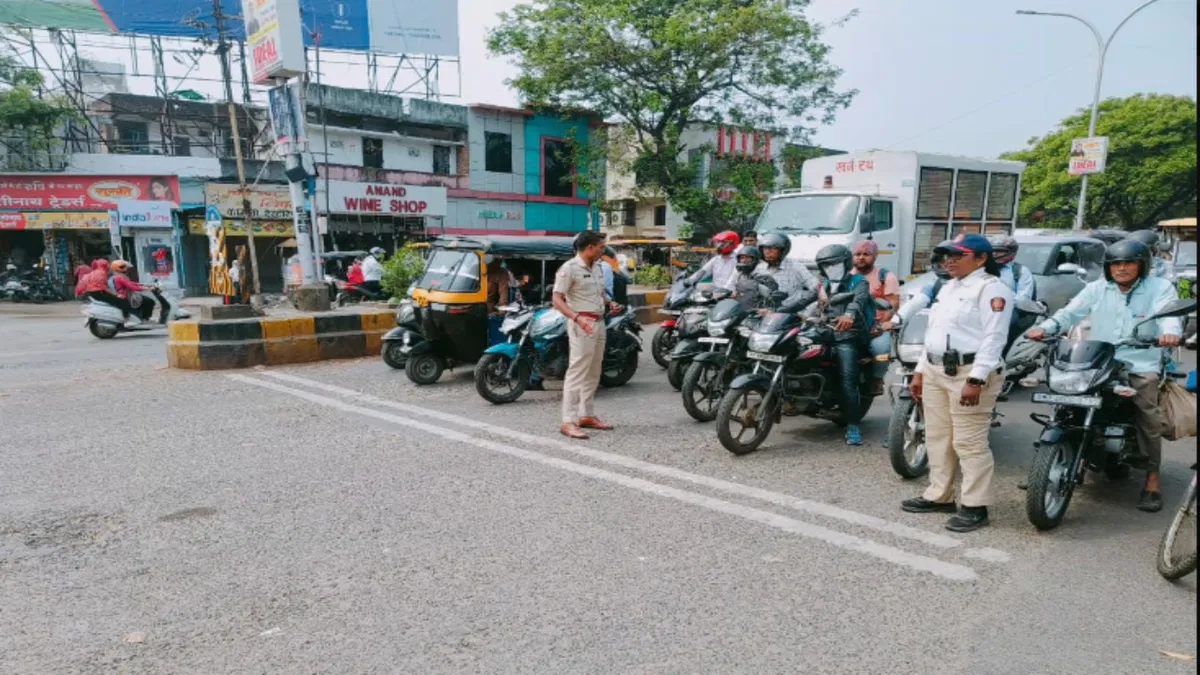
Nagpur Traffic Police Crack Down on 2,947 Motorists, Collect Rs. 4.06 Lakh in Fines on Sunday

On Sunday, the Nagpur Traffic Police took firm action against a massive number of motorists, conducting a drive that resulted in penalizing 2,947 individuals for violating traffic rules. This effort was part of a larger citywide campaign aimed at ensuring road safety and adherence to traffic laws. The fines collected from these violations amounted to Rs. 4,06,800. This initiative highlights the increasing focus of the authorities on traffic discipline, with many similar operations expected to follow.

Why the Drive Was Conducted

The Nagpur Police, under various sections of the Motor Vehicles Act, have ramped up their efforts to curb traffic violations across the city. With rising concerns about road safety, traffic congestion, and accidents, the police are determined to crack down on motorists who disregard basic traffic rules. The primary aim of the Sunday drive was not just to penalize but to educate motorists on the importance of following traffic regulations.

Motorists Targeted: What Violations Were Penalized?

During the drive, a wide range of traffic violations were penalized, including:

  • Driving without a valid license
  • Failure to wear seatbelts
  • Jumping red lights
  • Driving without a helmet
  • Using mobile phones while driving
  • Overloading vehicles

Each of these offenses is not just a legal violation but also a risk to the safety of both the driver and others on the road.

Rs. 4.06 Lakh in Fines: A Wake-Up Call for Motorists

Collecting Rs. 4.06 lakh in fines over a single day is a significant figure. It’s a testament to the intensity of the operation and a clear message to motorists that violating traffic rules will have consequences. The substantial amount collected indicates that a large number of motorists are either unaware or simply disregarding the laws that are put in place for their own safety.

The Importance of Traffic Rules for Road Safety

Why do we have traffic rules in the first place? Simple: to prevent accidents and ensure a smooth flow of traffic. When even one person disregards these rules, it creates chaos, often resulting in accidents or traffic jams. Motorists who violate basic safety measures like wearing seatbelts or helmets are putting not only their own lives at risk but also the lives of others.

What Happens if You Get Caught?

If you’re caught violating traffic rules, the fines can vary depending on the severity of the offense. Common penalties include:

  • Rs. 500 for not wearing a helmet or seatbelt
  • Rs. 1,000 for using a mobile phone while driving
  • Rs. 2,000 for driving without a valid license

Apart from these financial penalties, repeat offenders can face more severe actions, including vehicle impoundment or even legal action in extreme cases.

Repeat Drives: A Commitment to Long-Term Safety

The Nagpur Traffic Police have stated that this was just one of many drives planned to ensure that traffic discipline is maintained. These operations will continue as part of a broader effort to reduce road accidents and promote responsible driving habits. Motorists can expect more frequent checks, especially during weekends and peak traffic hours.

How to Avoid Penalties: Simple Steps for Motorists

Here’s a quick guide to help you avoid penalties during such drives:

  1. Always Carry Your Documents: Ensure you have your driving license, vehicle registration, and insurance papers with you at all times.
  2. Follow Basic Traffic Rules: Obey traffic signals, stop at red lights, and adhere to speed limits.
  3. Wear Safety Gear: Helmets for two-wheeler riders and seatbelts for all car passengers are mandatory.
  4. Stay Off Your Phone: Using a mobile phone while driving is not only dangerous but also a punishable offense.
  5. Regularly Check Vehicle Fitness: Ensure that your vehicle is in good working condition, including lights, brakes, and mirrors.

Nagpur Police’s Message to the Public

The Nagpur Police have made it clear that their primary goal is not to issue fines but to promote a culture of safe and responsible driving. They have urged all motorists to follow traffic rules diligently and to be mindful of the dangers associated with reckless driving.

Road Safety Awareness: A Shared Responsibility

The responsibility of road safety doesn’t lie solely with the police. As citizens and motorists, we must also do our part. Whether it’s wearing helmets, ensuring our vehicles are roadworthy, or simply being mindful of pedestrians, each small action contributes to a safer and more efficient traffic system.

The Ripple Effect of Following Traffic Rules

When even a small percentage of motorists follow the rules, the overall traffic flow improves, accidents reduce, and roads become safer. It’s like a chain reaction – one person’s good behavior influences others, leading to a positive shift in how traffic functions in the city.

The recent drive by the Nagpur Traffic Police serves as a stark reminder to all motorists about the importance of adhering to traffic laws. With nearly 3,000 motorists penalized in just one day, it’s clear that there is still much work to be done in terms of traffic discipline. However, with continuous efforts from both the authorities and the public, there’s hope for safer roads and more responsible driving practices in Nagpur.

  1. Why were so many motorists fined in Nagpur on Sunday?
    The Nagpur Traffic Police conducted a citywide drive to penalize traffic violations under various sections of the Motor Vehicles Act.
  2. What was the total amount collected in fines during the drive?
    The authorities collected Rs. 4,06,800 in fines from 2,947 motorists.
  3. What were the most common violations penalized?
    Common violations included driving without a valid license, not wearing helmets or seatbelts, using mobile phones while driving, and jumping red lights.
  4. Will similar drives be conducted in the future?
    Yes, the Nagpur Traffic Police have stated that they plan to conduct more drives to ensure traffic discipline is maintained.
  5. How can I avoid being fined during such drives?
    To avoid penalties, ensure you follow all traffic rules, carry necessary documents, and wear appropriate safety gear while driving.
Exit mobile version