Dandiya Dhun to Reverberate in Nagpur Central Jail During Navratri

Dandiya Navratri Central Jail: A Unique Navratri Celebration Behind Bars

This year’s Navratri is set to be a special occasion for the inmates of Nagpur Central Jail, as women inmates prepare to dance to the lively rhythm of Dandiya. In an unprecedented move, authorities have decided to introduce Dandiya nights during the festival, bringing a new and colorful element to the prison festivities. The initiative, fueled by social organizations, aims to create an atmosphere of joy, tradition, and rehabilitation.

 The Significance of Navratri in Nagpur Central Jail

Navratri, a festival symbolizing the victory of good over evil, holds immense importance in Indian culture. For the inmates of Nagpur Central Jail, celebrating this festival brings a sense of normalcy and connection to their roots. It’s not just about worship; it’s about bringing positivity into their lives, even while serving time.

 Introducing Dandiya Nights: A First for the Jail

For the first time, the authorities at Nagpur Central Jail have introduced Dandiya nights into their Navratri celebrations. Women inmates will dance to the tunes of Dandiya, adding a sense of vibrancy to their usual routines. The decision marks a significant step toward using cultural events for rehabilitation and mental well-being.

  •  Role of Social Organizations in Organizing Dandiya Nights

Social groups have played an instrumental role in bringing Dandiya into the prison. These organizations have volunteered to train the inmates in the dance form, sponsor traditional attire, and coordinate other arrangements. This involvement not only helps the inmates but also strengthens community ties.

  •  Training the Dandiya Dancers

To ensure a lively and professional experience, volunteers and choreographers have been invited to train the women inmates. The training has sparked excitement among the inmates, who are now practicing in their barracks with dedication and enthusiasm.

 The Emotional Impact of Navratri Celebrations on Inmates

For inmates, festivals like Navratri serve as a reminder of the world outside. The Dandiya nights aim to recreate the joy they experienced with their families, offering them a mental escape from the monotony of prison life.

  •  A Glimpse into the Past: Remembering Family Celebrations

Many inmates haven’t seen their families in years. The introduction of Dandiya, with its vibrant energy, offers them a taste of the celebrations they once enjoyed outside the prison walls.

  •  Dandiya as a Tool for Emotional and Mental Well-being

Navratri celebrations are more than just a festival in prison; they are a means of emotional and psychological relief. Dancing to the rhythmic beats of Dandiya allows inmates to express themselves freely, reducing stress and anxiety.

 Garba Nights for Male Inmates and Staff Participation

While the spotlight is on the women inmates, the male barracks are not left out. The authorities have arranged similar Garba nights for male inmates, and even the prison staff will take part in the festivities. It’s a collective celebration that cuts across prison walls.

  •  Staff Engagement in the Festivities

The prison employees are also gearing up to participate in Garba nights. This participation creates a unique bond between the inmates and the staff, fostering mutual respect and understanding in a place where such relations are rare.

 Special Arrangements for Fasting Inmates

Navratri often involves fasting, and the authorities have made special provisions for those observing fasts. Special snacks and eatables will be available in the prison canteen to cater to the needs of the fasting inmates.

  •  Introduction of Special Snacks at the Canteen

The prison canteen will offer a variety of fasting-friendly snacks during the nine days of Navratri. This initiative ensures that those who choose to fast can do so with ease, even within the confines of the jail.

 The Religious and Cultural Significance of Navratri in Prison

Navratri celebrations in Nagpur Central Jail are not just about fun and festivities. They serve a deeper purpose—keeping the inmates connected to their religion and culture.

  •  Performing Puja and Ghat Sthapna

Inmates perform the traditional puja and ghat sthapna (the commencement of the puja) as part of the religious activities. These rituals are essential in maintaining the cultural and religious identity of the prisoners.

  •  Singing Bhajans and Kirtans Every Day

To further enhance the spiritual atmosphere, inmates will sing bhajans and kirtans every day during the festival. This activity fosters a sense of togetherness and devotion among the prisoners.

 How Festivals in Prison Aid Rehabilitation

Festivals like Navratri play a crucial role in the rehabilitation of inmates. They provide an opportunity for self-expression, cultural involvement, and emotional healing, which are essential in the reformation process.

  •  Reducing Stress Through Cultural Activities

Cultural activities like Dandiya dancing and Garba serve as stress relievers for inmates. They allow them to momentarily forget their hardships and immerse themselves in joyful activities.

  •  Fostering a Sense of Community Among Inmates

Participating in group activities like Dandiya strengthens the sense of community among the inmates. It promotes teamwork, cooperation, and camaraderie, all of which are crucial for social rehabilitation.

 The Role of Prison Authorities in Organizing Navratri

The success of the Navratri celebrations in Nagpur Central Jail wouldn’t have been possible without the proactive efforts of the prison authorities. Their aim is not just to organize a festival but to use it as a tool for inmate rehabilitation.

  •  Leadership of Superintendent Vaibhav Aagey and Deputy Superintendent Deepa Aagey

The leadership of Superintendent Vaibhav Aagey and Deputy Superintendent Deepa Aagey has been instrumental in bringing the Dandiya festivities to life. Their vision of using festivals as a means of rehabilitation has set a new precedent in prison reform.

 An Insight into the Life of an Inmate During Navratri

Navratri has a profound impact on the daily lives of inmates. For some, it’s a time of spiritual reflection, while for others, it’s a moment to break free from the monotony of prison life and enjoy a sense of freedom through dance and music.

 The Case of Ritika Maloo

Ritika Maloo, accused in the Ram Jhula case, is one of the inmates spending Navratri in Nagpur Central Jail. Sources say she has adapted well to prison life and is participating in the festivities with calm and composure.

A Celebration of Hope and Rehabilitation

Navratri in Nagpur Central Jail is more than just a festival—it’s a celebration of hope, culture, and rehabilitation. The introduction of Dandiya nights has brought a sense of joy and purpose to the lives of inmates, reminding them that even behind bars, they can connect with their cultural roots.

1. Why is Navratri important for inmates in Nagpur Central Jail?

Navratri serves as a way for inmates to connect with their culture, reduce stress, and participate in rehabilitative activities.

2. How are social organizations involved in the Dandiya nights?

Social organizations have volunteered to train inmates, sponsor attire, and coordinate arrangements for the Dandiya nights.

3. Are the male inmates also participating in the Navratri celebrations?

Yes, Garba nights have been organized for the male inmates, and prison staff will also participate in the festivities.

4. What special arrangements are being made for fasting inmates?

The prison canteen will provide special fasting-friendly snacks throughout the nine-day festival.

5. How do these celebrations help in the rehabilitation of inmates?

Cultural activities like Navratri celebrations provide emotional relief, promote teamwork, and help reduce the stress of prison life.

4.2 Magnitude Earthquake Hits Amravati District: No Major Damage Reported

4.2 magnitude earthquake Amravati: On Monday afternoon, residents of Maharashtra’s Amravati district experienced mild tremors as a 4.2 magnitude earthquake struck the region. While the event startled many, the good news is that no significant damage or casualties have been reported. The National Center for Seismology and State Disaster Management authorities are closely monitoring the situation, ensuring that safety protocols are in place for any further developments.

What Happened?

At precisely 1:37 PM on Monday, September 30th, a mild earthquake was recorded in Amravati district. The epicenter of this quake was located in the Melghat region, with tremors felt across multiple areas in the district, including:

  • Chikhaldara
  • Katkumbh
  • Churni
  • Pachdongri Talukas
  • Paratwada City
  • Dharni
  • Akot

Local residents reported the shaking, which lasted only a few seconds but caused alarm in several communities. However, as confirmed by Amravati’s Resident Deputy Collector, Anil Bhatkar, no immediate damage to infrastructure or loss of life was reported.

Magnitude and Impact: Understanding the Richter Scale

The earthquake, measuring 4.2 on the Richter scale, is classified as a “light” earthquake. Typically, earthquakes with a magnitude between 4.0 and 4.9 are known to cause minimal to no damage, though they are often felt by people in the affected area.

What is the Richter Scale?

The Richter scale is a numerical scale used to quantify the energy released during an earthquake. Each whole number increase on the scale represents a tenfold increase in amplitude. This means that while a 4.2 magnitude quake is significant enough to be felt, it doesn’t pack the destructive force of a more powerful quake, such as those that measure 7.0 or higher.

What Areas Were Affected?

Several areas within Amravati district were impacted by the tremors:

Chikhaldara and Melghat

These regions, known for their hilly terrain and forests, experienced noticeable shaking. Chikhaldara is a popular tourist destination, and the local authorities were quick to reassure visitors and residents that no damage to the area’s infrastructure or environment had been reported.

Katkumbh and Churni

The rural areas of Katkumbh and Churni also felt the tremors. These areas, primarily agricultural, saw no reported disruption to farming activities or infrastructure damage, providing relief to local farmers.

Paratwada, Dharni, and Akot

Tremors were felt in these urban and semi-urban areas. However, local officials confirmed that there was no major damage to buildings or utilities, allowing life to resume as normal shortly after the quake.

Emergency Response and Public Communication

The State Disaster Management team acted swiftly, providing real-time updates through social media platforms such as X (formerly Twitter). Their message to the public was clear: stay calm and remain vigilant for any further updates.

Authorities urged residents to follow earthquake safety guidelines, especially in the aftermath of the tremors, to prevent panic or injury from possible aftershocks.

What Causes Earthquakes in Amravati?

Amravati district, though not located near major tectonic plate boundaries, is occasionally subject to mild seismic activity. The reason lies in the underground fault lines that exist throughout the Earth’s crust. These fault lines, when subjected to stress, release energy in the form of earthquakes.

Understanding Fault Lines

Fault lines are fractures in the Earth’s crust where sections of rock can slip past each other. The sudden movement of these sections causes the ground to shake, resulting in an earthquake. While Amravati is not as seismically active as other regions of India, such as the Himalayas or Gujarat, the occasional tremor can still occur.

How Do Earthquakes Affect Local Communities?

Even mild earthquakes can cause a wave of concern in local communities. Many residents in the affected areas reported feeling a sense of unease, especially as the tremors were unexpected. However, local authorities have assured the public that no serious risks were posed by the quake.

Psychological Impact

The psychological effects of experiencing an earthquake, even a mild one, can be significant. Feelings of anxiety, fear, and uncertainty can arise, particularly for those unfamiliar with seismic activity.

Preparation is Key

The event serves as a reminder of the importance of earthquake preparedness. Even in regions that are not prone to frequent seismic activity, residents should have an emergency plan in place and be aware of safety measures to follow in the event of an earthquake.

No Major Damage Reported

While there were initial concerns about the potential damage caused by the tremors, inspections carried out by local authorities have confirmed that there were no serious impacts on infrastructure. Buildings in Amravati district remained intact, and essential services like water, electricity, and communications were unaffected.

Citizens Urged to Stay Calm

In their public statement, officials reiterated the importance of staying calm during such events. Panic can often lead to accidents or injuries, even in situations where the earthquake itself does not cause harm.

The State Disaster Management also reminded citizens to follow any instructions issued by local authorities and to stay updated through reliable news sources.

Earthquake Safety Tips

To ensure public safety, the State Disaster Management shared the following earthquake safety tips:

  1. Stay Indoors: If you’re inside during an earthquake, stay indoors. Seek shelter under sturdy furniture like a table or desk to protect yourself from falling debris.
  2. Move to Open Areas: If you’re outdoors, move to an open area away from buildings, trees, and power lines.
  3. Avoid Elevators: During tremors, avoid using elevators as they may malfunction or become stuck.
  4. Keep Emergency Supplies: It’s always a good idea to have a basic emergency kit, including water, food, and first aid supplies.
  5. Stay Informed: Follow updates from local authorities and emergency services to stay informed of any changes in the situation.

Is Amravati Prepared for Larger Earthquakes?

While Monday’s earthquake did not result in major damage, the incident raises questions about the region’s preparedness for potentially stronger seismic events.

Amravati’s infrastructure, while designed for typical weather conditions, may not be equipped to handle severe earthquakes. Ongoing discussions about updating building codes and improving emergency response protocols are essential for ensuring the safety of residents in the event of larger quakes.

A Timely Reminder to Stay Prepared

The 4.2 magnitude earthquake that hit Amravati serves as a timely reminder of the importance of preparedness, even in regions that don’t frequently experience seismic activity. Fortunately, no major damage was reported, and local authorities responded quickly to ensure public safety. While this event may not have caused significant harm, it highlights the unpredictability of nature and the need to stay alert.

  1. What was the magnitude of the earthquake in Amravati? The earthquake had a magnitude of 4.2 on the Richter scale.
  2. Were there any casualties reported? No, there were no casualties or major damage reported.
  3. Which areas were affected by the earthquake? The tremors were felt in Chikhaldara, Katkumbh, Churni, Pachdongri Talukas, Paratwada, Dharni, and Akot.
  4. What should I do if I experience an earthquake? Seek shelter under sturdy furniture if indoors, and if outdoors, move to an open area away from buildings.
  5. Is Amravati prone to earthquakes? Amravati occasionally experiences mild seismic activity but is not located near major fault lines.

Sena (UBT) MLA Bhaskar Jadhav Reiterates Demand for Key Seats in Vidarbha

Shiv Sena Vidarbha seats: Shiv Sena’s (UBT) political ambitions in Vidarbha are heating up as MLA Bhaskar Jadhav recently renewed the party’s demand for contesting crucial assembly seats in the upcoming elections. During a significant meeting with party officials from eastern Vidarbha, Jadhav stressed the importance of securing key constituencies, including several in Nagpur district. This marks a crucial step in the party’s bid to fortify its political influence in a region historically dominated by heavyweights like Congress and the BJP.

Political Landscape of Vidarbha

Vidarbha, often considered a political battleground, has witnessed intense contests between major political parties. For Shiv Sena (UBT), winning seats in this region is not merely about numbers—it’s about securing a foothold in Maharashtra’s complex political puzzle.

Jadhav’s Call to Action: Securing Strategic Seats (Shiv Sena Vidarbha seats)

In his remarks, Jadhav outlined the party’s strategic focus on contesting eight to ten assembly seats in the region. Specifically, five key seats in Nagpur district—Ramtek, Kamptee, Umred, Nagpur South, and Nagpur East—were identified as critical constituencies.

Why Vidarbha Matters to Shiv Sena (UBT)?

Eastern Vidarbha holds strategic importance for the Shiv Sena. By securing these constituencies, the party hopes to strengthen its presence in the region and carve out a significant share of the voter base.

Shiv Sena’s Role in Vidarbha Politics

Traditionally, Vidarbha has been a stronghold for Congress and BJP, but the political tides are shifting. As regional dynamics change, Shiv Sena (UBT) sees an opportunity to break through and establish its influence.

Jadhav’s Strategic Goals for the Upcoming Elections

Jadhav’s ambitions extend beyond simply winning seats (Shiv Sena Vidarbha seats). His comments reflect a broader strategy of alliance building and securing long-term dominance in Vidarbha. According to him, the upcoming elections are a chance to reshape the region’s political landscape.

Focus on Alliance Partners

Jadhav’s recent statements also hinted at the party’s alliance strategy. He confirmed that final decisions on seat allocation for eastern Vidarbha would likely be made during Uddhav Thackeray’s upcoming visit to the city, indicating that negotiations with alliance partners are reaching a crucial phase.

Nagpur District: The Key Battle Ground

Nagpur is shaping up to be a focal point in Shiv Sena’s electoral strategy. Jadhav emphasized the need to win key seats in this district, which has always been a competitive arena for the state’s political powerhouses.

Five Key Constituencies Identified by Jadhav

  1. Ramtek
  2. Kamptee
  3. Umred
  4. Nagpur South
  5. Nagpur East

These five seats are seen as vital to the party’s overall electoral strategy, forming the core of its plan for eastern Vidarbha.

Dismissing Superstitions: Moving Forward Despite Pitru Paksha

Interestingly, Jadhav dismissed concerns over the timing of announcements during the ongoing Pitru Paksha period, which some consider inauspicious. He assured party workers that despite superstitions, the party is ready to move forward with its plans. This declaration shows Shiv Sena’s determination and readiness to act swiftly ahead of the elections.

Seat Sharing and Alliance Strategy

While Jadhav clarified that he is not directly involved in the seat allocation committee, he emphasized the importance of collaboration with alliance partners to secure a win in Vidarbha. Shiv Sena’s focus is currently on consolidating its position and working toward maximizing its influence in the region.

Jadhav’s Critique of the Ladki Bahin Scheme

Jadhav didn’t hold back in criticizing the controversial Ladki Bahin scheme introduced by the Mahayuti government. Referring to it as a “Ladki Khurchi (Chair) Scheme,” Jadhav claimed the initiative would benefit only a limited number of women, leaving many out in the cold. According to Jadhav, this scheme highlights the limitations of the government’s approach to women’s welfare.

Broader Implications of Shiv Sena’s Vidarbha Strategy

Shiv Sena’s renewed focus on Vidarbha is not an isolated move. It is part of a larger effort by the party to expand its influence across Maharashtra. The upcoming elections will be a test of the party’s ability to navigate alliance politics while simultaneously consolidating its base.

Shiv Sena’s (UBT) push for key seats in Vidarbha reflects its determination to strengthen its presence in this politically vital region. As the party gears up for the elections, its strategy of focusing on strategic constituencies, aligning with alliance partners, and dismissing superstitions shows a confident and forward-thinking approach. With Bhaskar Jadhav at the forefront, Shiv Sena (UBT) is clearly positioning itself for a strong showing in the upcoming elections.

 About Shiv Sena (UBT) and Vidarbha Politics

  1. Why is Vidarbha important for Shiv Sena (UBT)? Vidarbha is a strategic region with a history of political battles between major parties. Winning seats here would bolster Shiv Sena’s influence across Maharashtra.
  2. Which constituencies are Shiv Sena (UBT) focusing on in Nagpur? The party is focusing on Ramtek, Kamptee, Umred, Nagpur South, and Nagpur East in Nagpur district.
  3. What is the significance of Pitru Paksha in politics? Pitru Paksha is considered an inauspicious time for major decisions. However, Jadhav dismissed these superstitions, reflecting the party’s readiness to act regardless.
  4. What is Jadhav’s stance on the Ladki Bahin Scheme? Jadhav criticized the scheme, suggesting it would only benefit a limited number of women, leaving many more without support.
  5. When will seat-sharing decisions for Vidarbha be finalized? The final seat-sharing decisions are expected to be made during Uddhav Thackeray’s visit to Vidarbha.

With ₹53 Crore Subsidies, Nagpur Leads in Response to PM Suryaghar Free Electricity Scheme

PM Suryaghar Free Electricity: The Prime Minister’s Suryaghar Free Electricity Scheme is creating waves across Maharashtra, particularly in Nagpur. Launched by Prime Minister Narendra Modi, this scheme aims to make electricity affordable, promote the use of solar energy, and encourage environmental sustainability. So far, Nagpur stands tall as a leader in implementing the scheme, with an impressive number of beneficiaries and substantial subsidies already disbursed.

Overview of PM’s Suryaghar Free Electricity Scheme

The Suryaghar Free Electricity Scheme was initiated to reduce energy costs for Indian households by offering financial incentives for adopting solar energy. Under the scheme, consumers using up to 300 units of electricity per month are eligible for subsidies on solar power installations, helping reduce their electricity bills to zero. The scheme also allows consumers to sell any excess energy they generate back to the Maharashtra State Electricity Distribution Company Limited (MSEDCL), offering a unique opportunity to earn income.

Nagpur Takes the Lead in Maharashtra

Nagpur is leading the charge in implementing the Suryaghar Free Electricity Scheme. With 8,117 beneficiaries and a total installed capacity of 33.32 MW, the city has already received ₹53 crore in subsidies. According to Nagpur’s Regional Director of MSEDCL, Paresh Bhagwat, over 21,873 applications have been received, with more approvals underway. This highlights the enthusiasm of the city’s residents for adopting renewable energy sources.

Breakdown of Beneficiaries Across Vidarbha

Nagpur isn’t alone in benefiting from this transformative scheme. Across the Vidarbha region, other districts are also making significant progress:

  • Amravati: 3,231 beneficiaries
  • Akola: 1,537 beneficiaries
  • Wardha: 1,232 beneficiaries
  • Buldhana: 1,076 beneficiaries
  • Yavatmal: 892 beneficiaries
  • Chandrapur: 891 beneficiaries
  • Bhandara: 761 beneficiaries
  • Gondia: 515 beneficiaries
  • Washim: 395 beneficiaries
  • Gadchiroli: 384 beneficiaries

So far, 87,159 consumers from Vidarbha have applied for the scheme, with 18,851 having already benefited, bringing the total installed capacity to 76.74 MW. These beneficiaries have collectively received ₹127 crore in subsidies, a significant figure that demonstrates the scheme’s broad appeal and effectiveness.

Financial Benefits of the Scheme (PM Suryaghar Free Electricity)

One of the most attractive features of the Suryaghar Free Electricity Scheme is the generous subsidies offered for installing rooftop solar power systems:

  • ₹30,000 for a 1 kW project
  • ₹60,000 for a 2 kW project
  • ₹78,000 for a project with a capacity of 3 kW or more

A 1 kW solar system can generate approximately 120 units of electricity per month, enough to reduce electricity bills to zero for many households. Additionally, any surplus electricity generated can be sold back to the grid, providing a steady stream of income for consumers.

Environmental Impact of the Scheme

Aside from the financial benefits, the Suryaghar Free Electricity Scheme plays a pivotal role in protecting the environment. By encouraging the use of renewable energy sources like solar power, the scheme helps reduce carbon emissions and promotes sustainable living. This is a win-win scenario for both consumers and the planet.

Progress Across Maharashtra

Since its launch in February, the Suryaghar Free Electricity Scheme has witnessed significant uptake across Maharashtra. Over 48,202 consumer premises have installed rooftop solar projects, generating a combined capacity of 192.03 MW. To date, ₹319 crore in subsidies has been approved, with applications continuing to pour in. A total of 2,41,178 applications have been received from across the state, and work is already nearing completion for thousands of consumers.

How to Apply for the Scheme

Consumers interested in taking advantage of the Suryaghar Free Electricity Scheme can easily apply online through the MSEDCL website. Paresh Bhagwat, Nagpur’s Regional Director, encourages more consumers to embrace this opportunity, stressing the long-term financial and environmental benefits of switching to solar power.

Future of Renewable Energy in India

India’s shift towards renewable energy is gaining momentum, with schemes like the Suryaghar Free Electricity Scheme paving the way for a greener future. The success of Nagpur and other districts in Maharashtra demonstrates that such initiatives can effectively combat climate change while providing tangible benefits to citizens.

The Suryaghar Free Electricity Scheme has been a game-changer for Nagpur and the wider Vidarbha region. With ₹53 crore in subsidies already disbursed and thousands of beneficiaries, the scheme highlights the potential of renewable energy to transform both individual households and the environment. As more consumers adopt solar power, the scheme’s long-term impact on energy sustainability and climate action will only grow. If you’re a consumer in Maharashtra, now is the time to consider making the switch to solar and enjoying the benefits this groundbreaking scheme has to offer.

1. Who is eligible for the PM Suryaghar Free Electricity Scheme?
Consumers using up to 300 units of electricity per month are eligible to apply for the scheme.

2. How much subsidy is provided under the scheme?
Subsidies vary based on the system size: ₹30,000 for 1 kW, ₹60,000 for 2 kW, and ₹78,000 for 3 kW or more.

3. Can I earn money by selling surplus electricity?
Yes, consumers can sell surplus electricity generated by their rooftop solar systems back to MSEDCL.

4. How do I apply for the scheme?
You can apply for the scheme online via the MSEDCL website.

5. How much electricity does a 1 kW solar system generate?
A 1 kW solar system typically generates around 120 units of electricity per month.

“Don’t Ask Me to Arrange the Coldplay Tickets, I Don’t Have Them”, Says Fadnavis

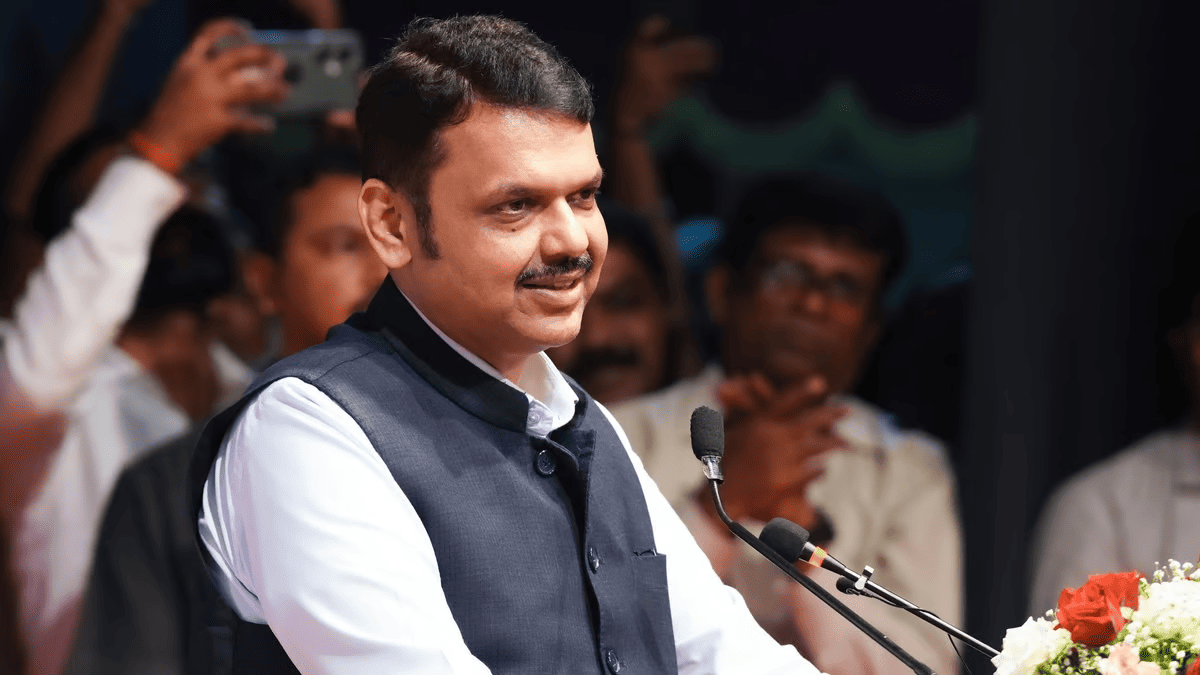
Coldplay Mumbai Tickets | Devendra Fadnavis Coldplay: Nagpur, India: Maharashtra’s Deputy Chief Minister Devendra Fadnavis found himself at the center of a conversation that veered far from politics at the CNN-News18 Town Hall on Friday. While he spoke on several significant matters, it was the Coldplay ticketing controversy that grabbed attention.

Fans of the British rock band are eagerly awaiting their January 2024 concerts in Mumbai, but recent complaints have surfaced accusing BookMyShow and Live Nation Entertainment of mismanaging ticket sales. The complaint specifically pointed to allegations of a “ticketing scam” for Coldplay’s upcoming performances. Fadnavis, perhaps to lighten the mood, said with a smile: “Coldplay can perform in five stadiums, and there will still be an issue with tickets.”

He further clarified, “Please don’t ask me to arrange for these tickets. I don’t get the tickets.”

Coldplay Concerts in Mumbai: A Highly Anticipated Event (Devendra Fadnavis Coldplay)

Coldplay is scheduled to perform three concerts at the DY Patil Stadium in Navi Mumbai on January 18, 19, and 21, 2024. These events have created a wave of excitement, with fans from all over India scrambling to get their hands on the elusive tickets. However, the high demand and limited availability have led to frustration, which has now spiraled into a legal complaint against the ticketing platforms.

BookMyShow and Live Nation Face Scrutiny

The controversy began when a group of fans filed a complaint accusing BookMyShow and Live Nation Entertainment of orchestrating a large-scale ticketing “scam.” Allegations include overpriced tickets, ticket hoarding, and manipulating ticket availability. While Coldplay’s immense popularity means that ticket scarcity is inevitable, some fans believe the issue goes beyond simple supply and demand.

Fadnavis’ Lighthearted Response to the Chaos

Fadnavis, known for his witty remarks, addressed the ticketing issue with humor. “Coldplay could perform in five stadiums, and the tickets would still be a problem,” he joked. His comment reflected the massive demand for the band’s tickets and the inability of any venue, no matter the size, to meet that demand.

The Deputy CM made it clear that he had no involvement in arranging tickets, quipping, “Please don’t ask me to arrange for these tickets. I don’t get the tickets.” This statement underscores the complexity of the situation while distancing himself from any public expectations regarding ticket availability.

Coldplay’s Massive Appeal in India

Coldplay has a massive fan base in India. Their popularity has surged since their iconic performance at the Global Citizen Festival in Mumbai in 2016. Since then, the band’s following in the country has grown exponentially. Given the band’s international fame and their upcoming concerts, it’s no surprise that ticketing has become such a contentious issue.

The DY Patil Stadium: Venue of Choice

The DY Patil Stadium in Navi Mumbai is an iconic venue, frequently hosting major international music acts. With a seating capacity of approximately 55,000, it’s one of the few venues in India capable of hosting a band like Coldplay. Despite this, the overwhelming demand has led to a ticketing bottleneck, frustrating many eager fans.

Fadnavis’ Political Challenges Amidst Concert Fever (Devendra Fadnavis Coldplay)

While the Coldplay ticket controversy was a light-hearted detour in the Town Hall, Fadnavis has been under considerable scrutiny lately. A security breach at the Mantralaya, the state secretariat in Mumbai, has raised questions about the state government’s handling of security. Just one day before the Town Hall, an unidentified woman managed to vandalize Fadnavis’ nameplate at his office in the highly secured building.

A Serious Security Lapse

The breach has caused alarm within political circles, particularly given the state’s ongoing security challenges. Fadnavis’ office has not released a detailed statement about the incident, but it has certainly added to the Deputy CM’s mounting pressures.

Balancing Multiple Roles

Fadnavis, who holds one of the most powerful positions in Maharashtra, is no stranger to public scrutiny. His ability to manage high-stakes political issues while engaging with light-hearted, culturally relevant topics such as the Coldplay ticket controversy speaks to his versatility as a leader.

How Coldplay Concerts Reflect Broader Cultural Shifts

The fervor surrounding Coldplay’s concerts goes beyond just a musical event. It signifies a larger cultural shift in India, where global music acts are now a regular feature in the entertainment landscape. The growing influence of international music is reshaping the cultural fabric, particularly in urban centers like Mumbai.

Global Acts in India: A New Trend?

Coldplay’s upcoming shows highlight India’s increasing appeal as a destination for major global music acts. Over the past decade, India has seen performances from artists like Justin Bieber, Ed Sheeran, and U2, reflecting the nation’s growing presence on the international music stage.

Ticketing Issues: A Global Phenomenon

It’s important to note that the issues with Coldplay’s ticket sales are not unique to India. Across the world, high-demand concerts are plagued with ticketing problems, whether it’s through ticket scalping, fraudulent sales, or just simple over-demand. Fans in the UK, USA, and Europe have faced similar struggles when trying to purchase tickets for Coldplay’s shows.

Could There Be a Better Solution?

While Fadnavis’ comments were made in jest, the broader question remains: is there a better way to manage ticket sales for high-demand events? Many fans believe that more transparency and better technology could alleviate some of these issues.

Coldplay Fans: Hopeful but Frustrated

For the thousands of Coldplay fans who haven’t secured tickets yet,(Coldplay Mumbai Tickets) the situation remains uncertain. While some hold out hope for additional releases of tickets, others have resigned themselves to missing out on the concerts. The frustration is palpable, but the excitement for the shows remains high.

Looking Ahead: What Will January 2024 Bring?

As the January concert dates approach, fans are counting down the days, hoping that the event will live up to the hype. Whether or not they manage to attend, Coldplay’s presence in Mumbai is sure to leave a lasting impact.

Devendra Fadnavis’ remarks at the CNN-News18 Town Hall not only highlighted the Coldplay Mumbai Tickets controversy but also reflected the broader excitement surrounding the band’s upcoming concerts. As the political figure balanced a serious political role with light-hearted commentary, it became clear that Coldplay’s popularity has reached new heights in India. For those lucky enough to attend, January 2024 promises to be an unforgettable experience.

  1. What caused the Coldplay ticket controversy?
    The controversy arose due to allegations of mismanagement by ticketing platforms, resulting in a ticketing “scam” for Coldplay’s upcoming concerts.
  2. When are Coldplay’s Mumbai concerts scheduled?
    Coldplay (Coldplay Mumbai Tickets) is set to perform at DY Patil Stadium on January 18, 19, and 21, 2024.
  3. Did Fadnavis play a role in the ticket sales?
    No, Fadnavis made it clear that he has no involvement in Coldplay ticket sales and asked people not to request tickets from him.
  4. What happened at the Mantralaya security breach?
    An unidentified woman managed to enter the highly secured Mantralaya, vandalizing Fadnavis’ office nameplate before escaping.
  5. Why is DY Patil Stadium the chosen venue for Coldplay?
    The stadium’s large seating capacity of 55,000 makes it suitable for hosting international acts like Coldplay.

Mukesh Ambani to Launch Rice Straw-Based CNG Project in Mauda

Mukesh Ambani rice straw CNG project: In a visionary move set to transform India’s energy sector, Mukesh Ambani, the Chairman of Reliance Industries, is planning to launch a rice straw-based compressed natural gas (CNG) project in Mauda. This eco-friendly initiative is part of his broader strategy to establish 600 CNG projects throughout India, utilizing rice straw, a commonly found agricultural byproduct. The announcement came during the inauguration of India’s first Oxygen Bird Park by Union Minister of Road Transport and Highways, Nitin Gadkari.

The Vision Behind Rice Straw-Based CNG Projects

Mukesh Ambani’s plan to harness rice straw for CNG production comes at a crucial time for India’s energy sector. Traditionally, rice straw is considered waste, often burned by farmers, contributing to severe air pollution. By converting this byproduct into CNG, Ambani is proposing a dual solution—providing clean energy while mitigating environmental hazards.

Why Rice Straw?

Rice straw is an abundant byproduct of rice farming in India. When left unused, it is often burned in fields, causing a spike in harmful particulate matter in the atmosphere, especially in northern India. Converting rice straw into CNG not only reduces pollution but also provides an additional income stream for farmers, making this initiative a win-win.

The Mauda Project: A Key Step in India’s Clean Energy Future

One of the first projects under Ambani’s rice straw-based CNG initiative will be established in Mauda, a town in Vidarbha, Maharashtra. This area, known for its agricultural activities, is an ideal location to test the efficacy and scalability of this project.

The Role of Technology in Mauda’s CNG Project

The conversion of rice straw to CNG will involve cutting-edge technology that can process large volumes of biomass. The plant will likely employ advanced anaerobic digestion processes, which break down organic matter to produce methane-rich biogas. This can then be purified and compressed into CNG for commercial use.

India’s First Oxygen Bird Park Inaugurated by Nitin Gadkari

While the rice straw-based CNG project was a key highlight, the event also marked the inauguration of India’s first Oxygen Bird Park in Nagpur. Conceptualized by Nitin Gadkari, the park is designed to be a sanctuary for local and migratory birds, offering them a safe habitat while also serving as a recreational space for citizens.

What Makes the Oxygen Bird Park Unique?

The Oxygen Bird Park stands out for its focus on environmental sustainability. The park has a wide variety of fruit-bearing trees that not only beautify the landscape but also provide food for birds. Gadkari emphasized that trees like Arjun, Java Plum, and Banyan are known for their high oxygen-producing capabilities, hence the park’s name.

Key Features of the Park:

  • Varied Tree Species: Trees like Mango, Jujube, Guava, and Tamarind are planted to ensure the park remains green year-round.
  • Recreational Areas: The park offers jogging and cycling tracks, watchtowers, food courts, and children’s play areas.
  • A Dedicated Nursery: To ensure the continued greening of the region, a nursery within the park will provide saplings for National Highways Authority of India (NHAI) projects.

Environmental Benefits of the Park

This bird park is much more than just a recreational area. It plays a crucial role in maintaining ecological balance in the region by providing a habitat for birds and contributing to the local oxygen levels. Gadkari’s initiative is an important reminder of the need for green spaces in urban settings to combat pollution and improve air quality.

Collaboration Between Government and Industry for a Greener Future

Both the rice straw-based CNG project and the Oxygen Bird Park exemplify the importance of collaboration between the government and industry to drive eco-friendly initiatives. Nitin Gadkari’s Ministry of Road Transport and Highways has been a key player in launching several such projects aimed at reducing carbon footprints and improving infrastructure.

NHAI’s Role in Promoting Green Initiatives

The NHAI has not only supported the development of the Oxygen Bird Park but has also planted over 1 lakh saplings under its ‘Ek Ped Ma Ke Naam’ initiative. This large-scale tree plantation program reflects the government’s commitment to greening India’s highways and reducing air pollution.

Future Prospects for Rice Straw-Based CNG in India

Mukesh Ambani’s vision for 600 CNG projects across India signals a massive transformation in the country’s approach to clean energy. With rice straw as a raw material, these projects have the potential to revolutionize both the energy and agricultural sectors. Farmers will no longer need to burn rice straw, and the CNG produced can provide an alternative to fossil fuels.

Scalability and Impact on Rural Economies

The success of the Mauda project could serve as a model for other agricultural regions in India. By promoting decentralized energy production, rural communities could become energy self-sufficient, reducing their dependence on grid power and boosting local economies.

Mukesh Ambani’s initiative to launch rice straw-based CNG projects across India, starting with Mauda, is a groundbreaking step toward sustainable energy. Combined with Nitin Gadkari’s vision for green spaces like the Oxygen Bird Park, these projects underscore the importance of innovation in addressing environmental challenges. Together, they represent a hopeful future where India not only meets its energy needs but also protects its natural environment.

  1. What is rice straw-based CNG? Rice straw-based CNG is compressed natural gas produced by converting rice straw, a common agricultural waste, into a clean energy source.
  2. Why is the Mauda project important? The Mauda project is one of the first to utilize rice straw for CNG production, setting a precedent for 600 similar projects across India.
  3. What are the environmental benefits of the Oxygen Bird Park? The Oxygen Bird Park increases local oxygen levels and provides a safe habitat for both local and migratory birds.
  4. How will rice straw-based CNG benefit farmers? Farmers will have an additional income stream by selling rice straw for CNG production, rather than burning it.
  5. What is the ‘Ek Ped Ma Ke Naam’ initiative? It is a tree plantation initiative led by the NHAI, with over 1 lakh saplings planted to date.

‘Ladki Bahin’ Sop May Push Maharashtra Into Financial Crisis: MNS Chief Raj Thackeray

Maharashtra Navnirman Sena (MNS) chief Raj Thackeray has voiced serious concerns regarding the state’s financial stability due to the Chief Minister’s Majhi Ladki Bahin scheme. While the initiative aims to provide financial aid to women, Thackeray argues that it may have unforeseen consequences. The question arises: is this scheme a political move, or could it truly benefit society?

Let’s dive deeper into the potential pitfalls of this scheme and why Raj Thackeray is raising red flags.

 The Controversy Behind ‘Majhi Ladki Bahin’ Scheme

The Maharashtra government introduced the Majhi Ladki Bahin scheme to provide financial support to women, particularly in rural areas. The goal is to empower women economically by offering direct cash transfers. On the surface, it appears to be a noble initiative. However, as with many well-intended policies, there are concerns about its long-term sustainability.

 Raj Thackeray’s Warning: Is Maharashtra Heading Towards a Financial Crisis?

MNS chief Raj Thackeray expressed concerns during his two-day visit to Amravati, warning that this scheme could push Maharashtra into a financial crisis. Thackeray highlighted that once the October installment of this scheme is disbursed, the state government may face difficulty in paying its employees and officials.

  • “The state might not have enough funds left to pay salaries,” Thackeray remarked.

He emphasized that no section of society, including farmers, demands freebies such as free electricity. However, if the government continues to roll out schemes for political gains, it could drag the entire state down.

 The State’s Financial Burden: A Recipe for Disaster?

The financial health of a state is like the foundation of a house—if it’s not strong, everything built on top of it crumbles. Thackeray believes that schemes like Majhi Ladki Bahin are akin to putting extra weight on an already fragile foundation. The government may soon find itself unable to meet basic obligations, such as paying civil servants, leading to a full-blown financial crisis.

 Free Schemes vs. Sustainable Solutions

Thackeray’s criticism centers around the idea that the Majhi Ladki Bahin scheme is merely a short-term fix. Instead of creating lasting change through employment opportunities, the state is handing out cash. This could create dependency rather than fostering independence.

 The Long-Term Effects: Can Free Cash Lead to Financial Instability?

Handouts, while helpful in emergencies, don’t create sustainable solutions. By giving out free money, the state might be solving an immediate problem but ignoring the long-term consequences. Thackeray argues that the government should prioritize generating employment opportunities for women instead of these short-term fixes.

 Employment Generation: The Key to Economic Stability

One of Thackeray’s major suggestions is to bring new industries into Maharashtra, particularly in rural areas where employment opportunities are limited. This would not only provide jobs for women but also stimulate the state’s economy in a more sustainable way. A thriving industrial sector could prevent the financial instability that free cash schemes might bring.

 Why Are Such Schemes Politically Motivated?

Politicians often implement schemes like the Majhi Ladki Bahin scheme to garner votes. Thackeray pointed out that these short-term initiatives are designed to win favor with the electorate. However, they may do more harm than good in the long run.

 Political Gains at What Cost?

By rolling out this scheme just before the assembly elections, the government seems to be more focused on securing votes than on the long-term financial health of the state. It’s a risky gamble—one that could have dire consequences.

 What Can the Government Do Instead?

Raj Thackeray provided a potential solution during his speech. Rather than dishing out money, he called on the government to invest in industries and infrastructure that would provide employment opportunities for women. This would be a more sustainable way to empower women and strengthen the economy.

 Industrial Growth as a Solution

Industries in Maharashtra could become a pillar of economic growth, particularly in regions where job opportunities are scarce. By encouraging new businesses and fostering an entrepreneurial spirit, the state could empower women and ensure long-term financial stability.

 Raj Thackeray’s Call to Action

During his visit to Amravati, Thackeray made a public call to action. He urged the government to reconsider its priorities and focus on the bigger picture. “Handouts won’t fix everything,” he argued, emphasizing that job creation should be at the forefront of the government’s agenda.

 A Financial Pitfall Waiting to Happen

If the government continues on this path, Thackeray warned, the financial pitfalls could be unavoidable. As Maharashtra gears up for the assembly elections, the state’s financial health could be at stake.

The Upcoming Assembly Elections: What’s at Stake?

Raj Thackeray’s comments come at a critical time. The assembly elections are just around the corner, and every political party is looking for ways to secure votes. Schemes like Majhi Ladki Bahin are often designed to win political favor, but they come with a heavy price.

 Will These Schemes Secure Votes or Sink the State?

The big question is whether voters will see through these politically motivated schemes. Will they support short-term fixes, or will they demand sustainable solutions that ensure the state’s financial health?

 What Does This Mean for the Future of Maharashtra?

Raj Thackeray’s warning should not be taken lightly. If the state doesn’t act soon, it could face severe financial instability. The government must carefully weigh the costs and benefits of schemes like Majhi Ladki Bahin.

 Can the State Avoid a Crisis?

The path to avoiding a financial crisis lies in sustainable development, job creation, and long-term planning. The future of Maharashtra depends on it.

Raj Thackeray’s concerns about the Majhi Ladki Bahin scheme bring to light an important issue: short-term solutions, like cash handouts, may provide temporary relief but often lead to long-term financial problems. To avoid a financial crisis, the Maharashtra government must prioritize employment generation and industrial growth over politically motivated schemes. In the end, creating a self-sustaining economy will be the key to ensuring that Maharashtra thrives without falling into a financial pit.

  1. What is the ‘Majhi Ladki Bahin’ scheme?
    • The scheme provides financial aid to women, aimed at economic empowerment.
  2. Why is Raj Thackeray opposed to the scheme?
    • He believes it could lead to financial instability in the state.
  3. What alternatives does Thackeray propose?
    • He suggests focusing on employment generation and industrial growth.
  4. Could the scheme impact the upcoming assembly elections?
    • Yes, it could be a politically motivated move to garner votes.
  5. What is the long-term solution for Maharashtra’s financial health?
    • Sustainable job creation and industrial investment are key to ensuring long-term stability.

Deadline Extended for CM Yojana Doot Scheme Until Sept 30

The Chief Minister (CM) Yojana Doot Scheme has been a topic of great interest, particularly with the recent extension of the application deadline to September 30. This extension was implemented due to the overwhelming response the scheme has received. If you’ve been considering applying, now’s your chance to get all the information you need and make sure your application is submitted before the deadline. But first, let’s break down what this scheme is all about and how you can make the most of this opportunity.

What is the CM Yojana Doot Scheme?

The CM Yojana Doot Scheme is an initiative aimed at reaching out to the general public with vital information about government schemes. Often, the benefits of government programs go unnoticed by the people they’re intended for. This scheme seeks to address that by empowering individuals to become ‘Doots’ (messengers) who help spread awareness about government initiatives in their local communities.

Why Was the Scheme Created?

The government introduced the scheme to bridge the information gap that often exists between the state and its citizens. Many people in rural or underserved areas are unaware of the various government programs designed to assist them, and the CM Yojana Doot Scheme aims to change that.

Who Can Apply for the CM Yojana Doot Scheme?

If you’re interested in making a difference in your community by spreading awareness about government programs, this scheme is for you. Eligible candidates include those with a passion for community service and the necessary documentation to complete the application process.

Application Deadline Extended to September 30

Initially, the deadline for applying under the scheme was much earlier, but due to the massive interest and participation, the government decided to extend the deadline until September 30. This gives interested individuals more time to gather the required documents and complete the online application process.

How to Apply Online for the CM Yojana Doot Scheme

Applying for the CM Yojana Doot Scheme is a straightforward process. Here’s a step-by-step guide to ensure you don’t miss out:

Step 1: Visit the Official Website

To begin the process, visit the official website at www.mahayojanadoot.org. Here, you’ll find all the information you need, including eligibility criteria and the application form.

Step 2: Gather the Required Documents

Before applying, make sure you have the following documents ready:

  • Aadhar card
  • Degree certificate
  • Proof of address
  • Proof of Aadhar linked to a bank account
  • Passport-size photograph
  • Affidavit (format available on the website)

Step 3: Complete the Online Application

Once your documents are ready, head to the ‘Apply’ section of the website. You’ll need to fill out an online form and upload the necessary documents. Be sure to double-check your entries before submitting, as incomplete applications will not be processed.

Step 4: Submit Your Application

Once you’ve filled in all the details and uploaded your documents, click ‘Submit’. If you don’t select both ‘Apply’ and ‘Submit’, your application will remain incomplete.

Why Has the Deadline Been Extended?

The deadline extension was introduced due to the large number of people showing interest in the program. The government aims to ensure that as many eligible candidates as possible have the opportunity to participate. This is especially beneficial for those who may not have been able to complete the application process in time.

Documents Required for the CM Yojana Doot Scheme

As mentioned earlier, the application process requires several important documents. Let’s break them down in more detail:

1. Aadhar Card

Your Aadhar card is essential for identification purposes. Make sure your details are up to date.

2. Degree Certificate

You’ll need to submit a copy of your degree certificate to prove your educational qualifications.

3. Proof of Address

Ensure that you have valid proof of address, such as a utility bill or rental agreement.

4. Aadhar Linked to Bank Account

Your Aadhar must be linked to your bank account, as this will be used for any potential financial transactions related to the scheme.

5. Passport-Size Photograph

Ensure that you have a recent passport-size photograph ready to upload with your application.

6. Affidavit

You’ll also need to submit an affidavit in the format provided on the official website. Make sure this is signed and dated correctly.

Common Mistakes to Avoid When Applying

It’s important to be mindful of certain common mistakes that can delay or invalidate your application. Here are some of the most frequent errors:

  • Missing Documents: Double-check that you’ve uploaded all the required documents.
  • Incomplete Application: Remember, if you don’t select both ‘Apply’ and ‘Submit’, your application won’t be processed.
  • Incorrect Information: Ensure that all your details match the information on your Aadhar and other official documents.

What Happens After You Apply?

Once you’ve submitted your application, it will go through a verification process. If everything checks out, you’ll be contacted for the next steps. At this stage, you may be called for an appointment, where you’ll need to submit hard copies of your documents.

Post-Application Steps:

  1. Await email confirmation from the authorities.
  2. Prepare for your in-person appointment.
  3. Keep your original documents ready for submission during the appointment.

Why You Should Apply for the CM Yojana Doot Scheme

Becoming a Yojana Doot is not just about raising awareness for government schemes—it’s about making a real impact in your community. By bridging the gap between the government and the common people, you can help ensure that more individuals benefit from programs designed to improve their lives.

Benefits of Becoming a Yojana Doot

  • Community Impact: Help your neighbors and fellow citizens access crucial government schemes.
  • Personal Growth: Enhance your communication and leadership skills.
  • Recognition: As a Yojana Doot, you’ll be recognized by the government for your efforts.

The extension of the CM Yojana Doot Scheme deadline offers a golden opportunity for those interested in spreading awareness about government initiatives. With the deadline now set for September 30, there’s still time to gather your documents and complete the application process. Don’t wait until the last minute—take action today and become a vital part of your community’s growth.

  1. What is the CM Yojana Doot Scheme? The CM Yojana Doot Scheme aims to recruit individuals who will help spread awareness about government schemes in their communities.
  2. How do I apply for the scheme? You can apply online through the official website by filling out the form and submitting the necessary documents.
  3. What documents are required for the application? You’ll need an Aadhar card, degree certificate, proof of address, proof of Aadhar linked to a bank account, a passport-size photograph, and an affidavit.
  4. Why was the deadline extended? The deadline was extended to accommodate the overwhelming number of applicants interested in the scheme.
  5. What happens after I apply? Once your application is verified, you’ll be contacted for an appointment where you’ll need to submit hard copies of your documents.

Fasten Seatbelts: Vidarbha Economy Set To Fly High With Nagpur Airport Upgrade

The Vidarbha region is on the brink of a transformative journey with the redevelopment of Nagpur Airport. Thanks to a recent Supreme Court ruling, the city is poised to become a key player in India’s economic and logistical landscape. This redevelopment is more than just an infrastructure project—it’s a catalyst that could accelerate growth in various sectors, including aviation, tourism, logistics, and healthcare. With GMR now managing the airport, a wave of optimism is sweeping through the city, and industry leaders are excited about what lies ahead.

Nagpur Airport Redevelopment: A Game-Changer for Vidarbha

Nagpur has long been a pivotal city in Maharashtra’s Vidarbha region, but its true potential has been constrained by limited infrastructure. The airport’s redevelopment is now being viewed as a major turning point that could open doors for new opportunities across multiple sectors. Shivkumar Rao, a logistics expert, summed it up best when he described the project as a “game-changer” for the local economy.

 GMR Takes Charge: A New Dawn for Nagpur Airport

One of the most exciting aspects of this redevelopment is the involvement of GMR, an industry leader in airport management. GMR is expected to bring a wealth of expertise to the project, which will include expanding the airport’s capacity and introducing more international flights. The addition of an air cargo complex is a major component of the plan, and this will likely boost the import-export sector, which currently relies on limited international airlines.

 Expanding International and Domestic Connectivity

The current airport infrastructure in Nagpur has limited international connectivity, forcing businesses and tourists to rely on Mumbai or Delhi as transit hubs. With the airport’s redevelopment, new international carriers are expected to come on board, making Nagpur a direct destination for global visitors and cargo alike. The air cargo complex will further cement Nagpur’s role as a logistics hub, especially for businesses looking for more efficient export routes.

 The Impact on Local Businesses

Local businesses are excited about the prospect of increased air traffic. Rao, a former president of Vidarbha Economic Development Council (VED), emphasized the significance of GMR’s involvement. “For air traffic to grow, airlines, airport owners, and cargo users need to work together,” he noted, adding that better marketing and branding of Nagpur will naturally attract more air traffic.

 Wildlife Tourism to Soar

Nagpur is not only a business hub but also a gateway to some of India’s most famous wildlife sanctuaries. The redevelopment of the airport will make it easier for foreign tourists to visit these natural attractions directly.

 Wildlife Tourism: A Major Growth Area

Tourism professionals are particularly excited about the impact the airport redevelopment will have on wildlife tourism. MS Tuli, a veteran in the hospitality industry, believes that with the introduction of more international flights, the influx of foreign tourists will rise dramatically. The ease of direct international access will make Nagpur a prime destination for nature lovers and adventure seekers from across the globe.

 Boosting Domestic Tourism

The benefits of the airport upgrade won’t just be felt internationally. Improved domestic connectivity will make it easier for travelers from other Indian cities to visit Nagpur. The city is surrounded by several national parks and wildlife sanctuaries, and with better flight options, more domestic tourists are likely to explore the region.

 Branding Nagpur: A Gateway to the City’s Future

An airport is more than just a place where planes take off and land—it’s often the first impression a visitor gets of a city. According to Sanjay Arora, a branding expert, the Nagpur airport redevelopment presents an opportunity to rebrand the city. A state-of-the-art airport will not only improve logistics but also elevate Nagpur’s image in the eyes of the world.

 Enhancing the City’s Appeal

A modern airport is a critical part of a city’s infrastructure, and its quality can make or break a city’s brand. Arora highlighted how a well-functioning airport can significantly influence visitors’ perceptions. He argued that the first impression begins as soon as travelers land and that Nagpur’s image will receive a significant boost from the redevelopment.

 Medical Tourism: The Next Big Thing for Nagpur

The healthcare sector is another area poised for growth thanks to the airport redevelopment. Nagpur is already a popular destination for medical tourism, with patients from across the globe seeking treatment at its top-tier healthcare facilities. The new airport will only make it easier for international patients to travel to the city for medical care.

 Global Access to World-Class Healthcare

Dr. Sushrut Babhulkar, a leading surgeon, believes that better connectivity will enhance Nagpur’s appeal to medical tourists. “We already attract international patients, but direct flights will make it even more convenient,” he said. With the airport redevelopment, Nagpur’s healthcare sector could see a substantial boost, positioning the city as a top destination for medical tourism.

 Outbound and Inbound Travel to Double

Rajesh Agrawal, a veteran in the travel industry, has a bold prediction: outbound travel from Nagpur is set to double in the next five years. With more international and domestic flights, more people will be traveling from Nagpur to explore new destinations. Additionally, inbound tourism is expected to rise, especially with the growing interest in wildlife tourism.

 Why the Upgrade Matters for Travelers

For travelers, the redevelopment of Nagpur airport means better connectivity, more flight options, and less reliance on major hubs like Mumbai or Delhi. This will make both domestic and international travel far more convenient for people living in Nagpur and the surrounding regions.

 Logistics: The Lifeblood of Nagpur’s Economy

Logistics is another critical sector set to benefit from the redevelopment. Nagpur’s strategic location already makes it a natural logistics hub, and the upgraded airport will only enhance this advantage. The new air cargo complex is a much-anticipated addition that could make Nagpur a go-to destination for freight and cargo services.

 The Future of Nagpur as a Logistics Hub

With better air traffic management and improved facilities, Nagpur is likely to attract more logistics companies. This will not only create jobs but also streamline the import-export process for businesses in the region.

 The Sky’s the Limit for Nagpur

The redevelopment of Nagpur Airport is set to usher in a new era for the Vidarbha region. With improved infrastructure, better connectivity, and enhanced facilities, Nagpur is poised to become a major player in aviation, tourism, logistics, and healthcare. As GMR takes the helm, the city can look forward to sustained economic growth and new opportunities across a variety of sectors. The future of Nagpur is indeed looking bright—so fasten your seatbelts and get ready for takeoff!

  1. How will the Nagpur airport redevelopment impact tourism? The redevelopment will improve both domestic and international connectivity, making it easier for tourists to visit Nagpur, especially for wildlife tourism.
  2. What sectors are expected to benefit the most from the airport upgrade? The aviation, logistics, healthcare, and tourism sectors are expected to see significant growth.
  3. How will the new air cargo complex benefit Nagpur’s economy? The air cargo complex will streamline the import-export process, attracting more international airlines and boosting the logistics industry.
  4. What role will GMR play in the airport’s redevelopment? GMR will manage the project and focus on expanding the airport’s capacity, introducing new flights, and improving overall infrastructure.
  5. Is medical tourism expected to grow after the redevelopment? Yes, with better connectivity and direct international flights, Nagpur’s medical tourism sector is likely to see substantial growth.

603 Garden Mitras to Assist NMC in Maintaining Gardens

 Greening the City with the Help of Garden Mitras

Nagpur parks: Nagpur, a city with a growing urban population, has placed significant importance on its green spaces. The Nagpur Municipal Corporation (NMC) has recently launched an innovative initiative enlisting 603 volunteers, known as “Garden Mitras,” to help maintain and enhance the city’s 182 parks. This initiative is an exciting development for residents, nature lovers, and anyone passionate about the environment. With urbanization on the rise, ensuring that parks and gardens are well-maintained is crucial for both mental and physical well-being.

The Importance of Green Spaces in Urban Areas

Green spaces are often referred to as the “lungs” of a city. They offer a respite from the hustle and bustle, provide space for recreation, and contribute to environmental health. But maintaining these spaces is no easy task, especially in a fast-growing city like Nagpur. That’s why the introduction of 603 Garden Mitras comes as a much-needed breath of fresh air.

Who Are the Garden Mitras?

The Garden Mitras are volunteers selected by the NMC to aid in the maintenance of gardens and parks across the city. They are spread across 33 of Nagpur’s largest gardens, where their responsibilities include everything from monitoring cleanliness to overseeing the maintenance of lawns, play areas, green gyms, and fountains.

Roles and Responsibilities of Garden Mitras

 1. Monitoring Cleanliness

Cleanliness is a top priority for these volunteers. Garden Mitras ensure that the parks remain litter-free, creating a clean and welcoming environment for visitors.

 2. Overseeing Lawn Maintenance

The lush lawns that visitors enjoy need constant care, and the Garden Mitras help maintain their green, healthy appearance.

 3. Managing Green Gyms

Green gyms are an excellent way for residents to stay fit while enjoying the outdoors. Garden Mitras ensure these spaces are well-maintained and accessible to the public.

 4. Inspecting Play Areas and Fountains

Children’s play areas and fountains often experience wear and tear. Garden Mitras are tasked with inspecting these areas regularly to ensure they are safe and functional.

The Role of NMC in the Initiative

 Encouraging Public Participation

Municipal Commissioner Abhijeet Chaudhari has stressed the importance of public participation in maintaining Nagpur’s parks. The Garden Mitra initiative is a way of empowering citizens to take ownership of their green spaces. By working together, the NMC and Garden Mitras hope to improve the overall quality of Nagpur’s parks.

 A Collective Effort Towards a Greener City

Additional Commissioner Aanchal Goyal emphasized that maintaining a city’s parks is not just the job of the government but a collective effort. The Garden Mitra initiative is seen as a stepping stone toward making Nagpur one of the greenest cities in India.

Recognizing the Efforts of Garden Mitras

Outstanding Garden Mitras will be recognized for their efforts with certificates of appreciation. This recognition not only serves as a thank you but also as motivation for continued excellence in service.

Introduction of the QR Code-Based Feedback System

To further enhance the initiative, the NMC has introduced a QR code-based Garden Feedback and Complaint Redressal System at 26 of the city’s major parks. This allows citizens to report issues directly to the garden department and provide real-time feedback.

 How the QR Code System Works

By scanning the QR code placed at the park entrances, visitors can quickly share feedback or complaints, making the process more efficient. This innovative system encourages community involvement in maintaining public spaces.

What the Future Holds for Nagpur’s Gardens

 Planned Flower Shows

Building on the success of previous events, the NMC plans to organize flower shows in 26 gardens from December to February. These events will not only beautify the parks but also encourage public participation and community bonding.

 Potential Impact on Nagpur’s Green City Ranking

With the combined efforts of the NMC and Garden Mitras, Nagpur has the potential to climb the ranks in terms of green city initiatives. Such projects are essential as cities across the world focus more on environmental sustainability.

The Benefits of Green Spaces

 Physical and Mental Well-Being

Green spaces are known to improve physical health by encouraging exercise and outdoor activity. They also promote mental well-being by providing a peaceful environment to relax and unwind.

 Environmental Impact

Beyond the personal benefits, green spaces play a critical role in environmental conservation. They help reduce pollution, cool urban areas, and provide habitats for wildlife.

Why Community Involvement is Key

The Garden Mitra initiative is a perfect example of how community involvement can make a big difference. By empowering citizens to take charge of their local green spaces, the NMC is fostering a sense of pride and ownership that will benefit the city for years to come.

A Greener Nagpur is on the Horizon

The Garden Mitra initiative is a crucial step towards making Nagpur a greener, healthier city. With 603 volunteers working tirelessly to maintain the city’s parks, and the NMC’s innovative feedback systems and plans for future flower shows, Nagpur is well on its way to becoming one of India’s greenest urban areas.

  1. What is the role of a Garden Mitra? A Garden Mitra is responsible for maintaining cleanliness, overseeing lawn care, and ensuring play areas and green gyms are well-maintained in Nagpur’s parks.
  2. How many parks are being maintained by Garden Mitras in Nagpur? Garden Mitras are assigned to maintain 182 parks, with a special focus on the 33 largest gardens.
  3. What is the QR Code-Based Feedback System? It’s a system where citizens can scan QR codes at 26 major parks to report issues or provide feedback directly to the garden department.
  4. How does NMC recognize the efforts of Garden Mitras? Outstanding volunteers are awarded certificates of appreciation for their efforts in maintaining the city’s parks.
  5. What future events are planned for Nagpur’s gardens? The NMC plans to organize flower shows in 26 gardens from December to February, encouraging public participation.
Exit mobile version