Wadi Flyover to Take Off in September: RTO Flyover Set to Follow in Eight Months

Nagpur traffic: Motorists in Nagpur who frequently use the busy Amravati Road have good news on the horizon. The much-anticipated Wadi flyover, part of the larger Amravati Road Traffic Improvement Project (ARTIP), is nearing completion and is expected to be open to the public by September 10. This development is part of a broader effort to improve traffic flow and reduce travel time on one of Nagpur’s busiest routes. The Wadi flyover, along with the RTO flyover, represents a significant investment in the city’s infrastructure, with the entire project costing Rs478 crore. In this article, we’ll take a closer look at the progress of these crucial projects and what they mean for commuters in the area.

 The Scope of the Amravati Road Traffic Improvement Project

The Amravati Road Traffic Improvement Project (ARTIP) is a major initiative by the National Highway (NH) division of the state Public Works Department (PWD). It aims to address traffic congestion on Amravati Road, which serves as a critical artery for the city. The project includes the construction of two flyovers: the Wadi flyover and the RTO flyover. Together, these structures are expected to ease the traffic woes that have long plagued motorists traveling this route.

 Wadi Flyover: A Milestone Nearing Completion

 Construction Progress and Key Features

The Wadi flyover (Nagpur traffic), which stretches 2.40 km from Wadi Naka to Wadi police station, is almost complete. According to a PWD official, 90 to 95 percent of the construction is finished, with only the final road work and mastic layering remaining. The flyover consists of 48 segments that have been erected, marking a significant milestone in the project.

 Challenges Overcome (Nagpur traffic)

One of the significant challenges faced during the construction of the Wadi flyover was the presence of high-tension 132KV wires passing over the Wadi junction. This issue was successfully resolved by erecting three monopoles, which increased the height of the wires from 10.5 meters to 28 meters, ensuring the safety and continuity of the construction work.

 Anticipated Opening and Final Touches

The Wadi flyover is expected to be ready for public use by September 10, 2024. While the structure is complete, some finishing touches, such as laying footpaths, installing road signs, and other minor works, are projected to be concluded by October 31. Once operational, this flyover is expected to significantly reduce travel time for commuters on Amravati Road (Nagpur traffic).

 The RTO Flyover: A Longer Wait

 Current Status of Construction

While the Wadi flyover is on the verge of completion, the RTO flyover, which is 2.8 km long, will require more time before it is ready for public use. As of now, around 60 percent of the work on the RTO flyover and the road beneath it has been completed. The construction of this flyover, which began in March 2021, has faced delays, and it is now expected to be ready by February or March 2025.

 Structural Challenges

The primary challenge delaying the RTO flyover is the need to dismantle two old bridges located at Ravi Nagar Square and RTO Square. These bridges, which are on the road below the flyover, must be demolished and reconstructed. The reconstruction process will require road closures, which necessitates permission from the traffic department for diversions. The PWD has set a 45-day deadline for constructing both bridges, with work expected to commence once the monsoon season ends.

 Financial Aspects and Government Involvement

 The Cost of Progress

The construction of the Wadi and RTO flyovers is part of a Rs478 crore investment aimed at improving Nagpur’s traffic infrastructure. The Ministry of Road Transport and Highways (MoRTH) is spearheading this project, reflecting the government’s commitment to addressing the city’s growing traffic demands.

 Revised Deadlines

Originally, the project was slated to be completed within two years, with construction starting in March 2021. However, various challenges, including the pandemic and technical obstacles, have led to revised deadlines. The new target for completing the RTO flyover is now set for February 28, 2025.

 Impact on Commuters

 Reduced Travel Time

Once both flyovers are operational, motorists on Amravati Road can expect a significant reduction in travel time. The elimination of traffic bottlenecks at key junctions, such as Wadi Naka and RTO Square, will make the commute smoother and faster.

 Enhanced Safety

The new flyovers will also enhance road safety by reducing the chances of accidents at these busy intersections. With dedicated lanes and better traffic management, the likelihood of collisions and traffic jams will decrease significantly.

 Community Response and Expectations

 Public Anticipation

The completion of the Wadi flyover is eagerly awaited by the public, who have had to endure long delays and traffic snarls during the construction period. The prospect of a faster and safer commute has raised expectations among the city’s motorists.

 Challenges Ahead

However, there is also a level of concern regarding the further delays in the RTO flyover’s completion. Commuters are hopeful that the revised deadlines will be met, and the disruptions caused by the construction will be minimal.

 The Future of Nagpur’s Infrastructure

 Long-Term Benefits

In the long run, the Wadi and RTO flyovers are expected to bring substantial benefits to Nagpur’s infrastructure. By easing traffic on one of the city’s most important roads, these projects will contribute to the overall development and modernization of Nagpur’s transportation network.

 Potential for Future Projects

The success of the ARTIP could pave the way for future infrastructure projects in the city. With growing traffic (Nagpur traffic) demands, the need for continuous improvements in road and transport infrastructure is evident. The Wadi and RTO flyovers could serve as models for similar projects across Nagpur.

The Wadi and RTO flyovers represent a significant investment in Nagpur’s future, with the potential to transform the daily commute for thousands of motorists. While the Wadi flyover is set to open soon, the RTO flyover will require more time. However, once both are operational, they will provide much-needed relief from the traffic congestion on Amravati Road. The challenges faced during construction, including technical issues and delays, are a reminder of the complexities involved in such large-scale infrastructure projects. Nonetheless, the long-term benefits are expected to outweigh the temporary inconveniences, making these flyovers a crucial part of Nagpur’s transportation future.

 1. When will the Wadi flyover be open to the public?

The Wadi flyover is expected to be open to the public by September 10, 2024, with final touches being completed by October 31.

 2. Why is the RTO flyover taking longer to complete?

The RTO flyover is facing delays due to the need to dismantle and reconstruct two old bridges, which has complicated the construction process. It is now expected to be completed by February or March 2025.

 3. What are the key benefits of the Wadi and RTO flyovers?

The key benefits include reduced travel time, enhanced road safety, and improved traffic flow on Amravati Road, which is one of Nagpur’s busiest routes.

 4. How much is the total cost of the Amravati Road Traffic Improvement Project?

The total cost of the project is Rs478 crore, with the construction of the Wadi and RTO flyovers accounting for Rs318 crore.

 5. What impact will these flyovers have on Nagpur’s infrastructure?

These flyovers are expected to significantly improve Nagpur’s road infrastructure, easing traffic congestion and contributing to the city’s long-term development.

Nagpur Mandals Get Free Permissions for Ganesh Festival 2024

As the festive season draws near, Nagpur is gearing up for one of its most awaited celebrations, the Ganesh Festival, beginning September 7, 2024. In a move aimed at promoting eco-friendly festivities, the Nagpur Municipal Corporation (NMC) has announced that all fees for Ganesh Mandals will be waived this year. This decision, backed by Chief Minister Eknath Shinde, Deputy Chief Ministers Devendra Fadnavis and Ajit Pawar, underscores the commitment of the city toward more sustainable and inclusive celebrations.

Why Free Permissions for Ganesh Mandals Matter

The waiver of fees is not just a financial relief; it represents a push towards embracing responsible celebrations. By eliminating the application verification and inspection fees, which typically range from ₹200 to ₹5,000, more Mandals can actively participate in the festivities without being burdened by financial constraints. This inclusivity also helps spread the message of eco-friendly practices among a wider audience.

Fee Waivers and Their Impact on Local Communities

The fee waiver primarily covers:

  • Application Verification Fees: ₹200 fee waived.
  • Deposits: Ranges from ₹1,000 to ₹5,000, now fully waived.

This move allows even smaller communities to join the celebrations while focusing on environmental responsibility.

Eco-Friendly Guidelines to Steer Ganesh Festival 2024

In line with directives from the Central Pollution Control Board and the High Court, the NMC has laid down several rules and guidelines to ensure that this year’s festival is both grand and green.

1. Ban on Plaster of Paris (POP) Idols

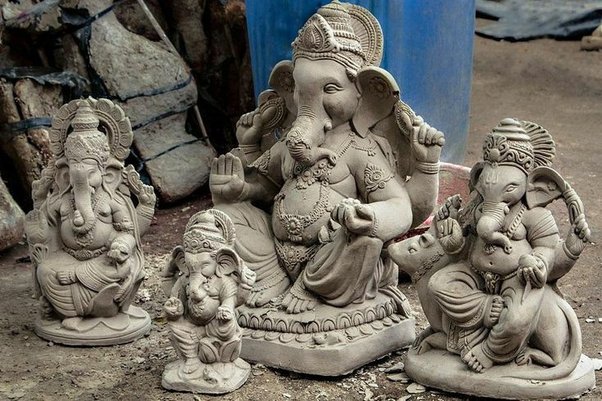
Plaster of Paris (POP) idols, which are non-biodegradable and harmful to water bodies, are strictly banned. Devotees and Mandals are encouraged to opt for clay idols made from eco-friendly materials. This shift to eco-friendly idols not only helps in reducing pollution but also aligns with the larger goal of sustainable celebrations.

2. One Complex, One Ganapati Initiative

In a bid to reduce waste and streamline the celebration process, residential complexes are encouraged to adopt the “One Complex, One Ganapati” concept. This initiative promotes community bonding while also reducing the overall environmental impact.

3. Noise Control Regulations

Processions and public events during the festival are required to adhere to controlled noise levels. The guidelines mandate the use of low-decibel sound systems, ensuring that the festivities do not contribute to noise pollution.

4. Restrictions on Idol Immersions

To protect natural water bodies from pollution, idol immersions in lakes and rivers are strictly prohibited. The NMC has provided artificial ponds across the city to facilitate environmentally safe immersions. Additionally, public Ganesh Mandals with idols over 4 feet tall must arrange for immersions outside municipal limits and acquire the necessary permissions for processions.

Encouragement for Health and Awareness Campaigns

The NMC is urging Ganesh Mandals to prioritize health-related activities and awareness campaigns during the festival. From malaria and dengue prevention drives to waste segregation initiatives, the focus this year is on making the festival not only joyous but also socially beneficial.

5. Immersion Site Preparations

To ensure smooth and safe immersions, the NMC will provide adequate lighting, safety measures, and barricades around immersion sites. Fire safety personnel and swimmers will be deployed at key locations to manage any emergencies.

6. Compliance with Safety and Environmental Regulations

While fees have been waived, Ganesh Mandals are still required to comply with existing regulations. This includes following fire safety guidelines, acquiring the necessary licenses, and adhering to bans on single-use plastics and thermocol.

The Broader Implications of NMC’s Initiatives

This decision by the NMC reflects a shift toward more responsible and environmentally conscious celebrations. The response from local communities and Ganesh Mandals has been overwhelmingly positive, as many see this as a significant step forward in balancing tradition with modern environmental concerns.

A Greener Ganesh Festival in 2024

The waiver of fees and the introduction of eco-friendly guidelines signify a turning point for Ganesh celebrations in Nagpur. As the city embraces these changes, it’s clear that the focus is on creating a festive atmosphere that is both inclusive and sustainable. By prioritizing environmental health and public safety, Nagpur is setting an example for other cities to follow.

1. Why did the NMC decide to waive fees for Ganesh Mandals in 2024?
The decision was made to encourage wider participation and promote eco-friendly celebrations in line with environmental regulations.

2. What are the guidelines for using idols during the festival?
The use of Plaster of Paris (POP) idols is banned. Devotees are urged to use clay or other eco-friendly materials for making idols.

3. How will idol immersions be managed this year?
Idols must be immersed in artificial ponds set up by the NMC. Public Mandals with larger idols are required to manage immersions outside municipal limits.

4. Are there any noise restrictions during the festival?
Yes, the NMC has imposed strict noise control regulations to limit noise pollution during processions and public events.

5. What kind of health and awareness campaigns are encouraged by the NMC?
Mandals are encouraged to run campaigns focusing on health issues like malaria and dengue, along with waste segregation and other community-centric initiatives.

Upgradation of Fire Brigade Proposed, Master Plan Ready

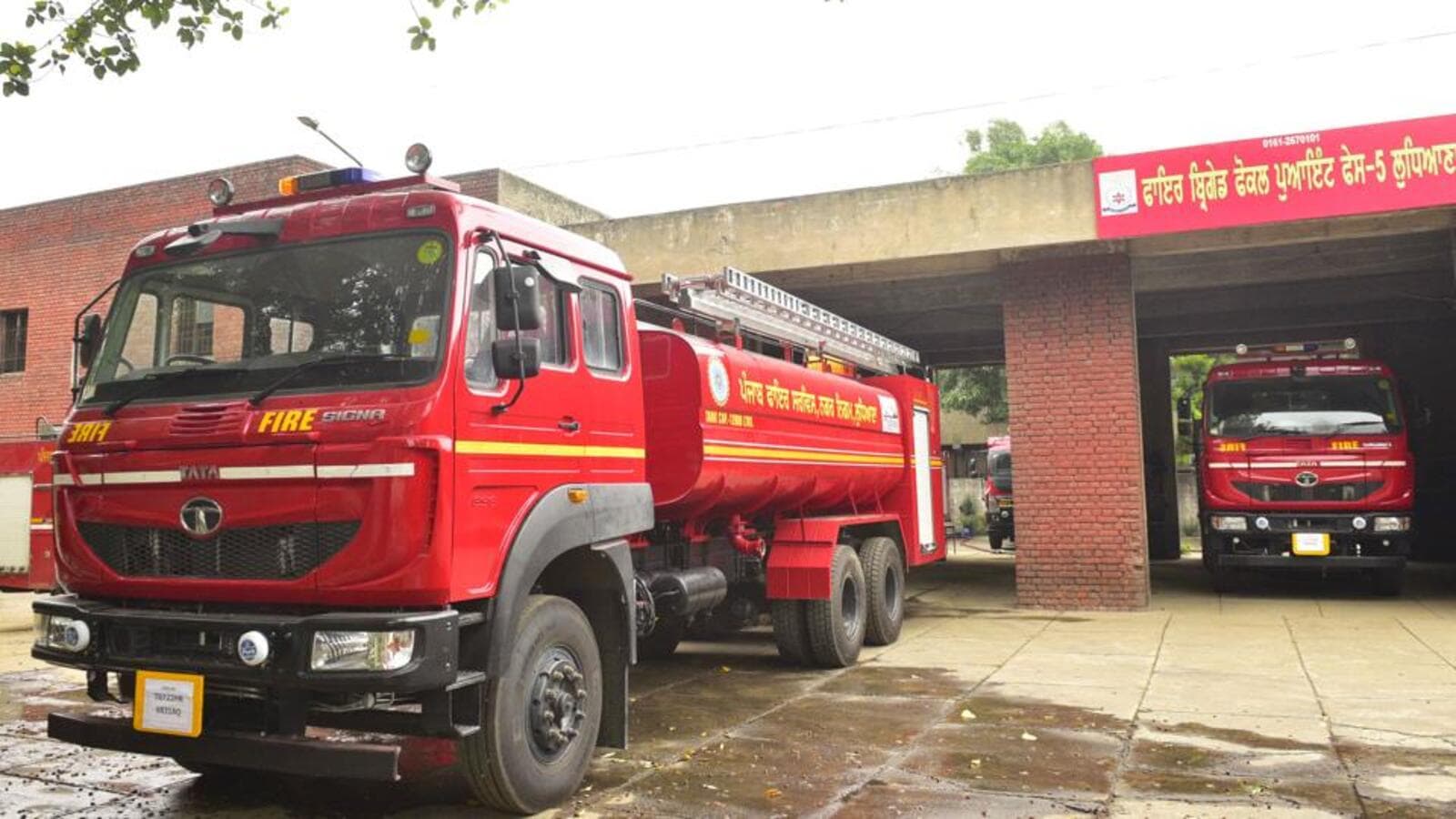
Nagpur Fire Brigade Upgrade: The city of Nagpur is on the brink of a major transformation in its fire and emergency services. With a rapidly expanding urban landscape marked by the proliferation of high-rise buildings, crowded markets, and new residential areas, the Nagpur Municipal Corporation (NMC) has taken proactive steps to enhance the safety and security of its citizens. The NMC has approved a comprehensive master plan that will see the establishment of 22 fire stations across the city. This bold initiative, led by Municipal Commissioner and Administrator Abhijeet Chaudhari, aims to bolster the city’s firefighting capabilities and ensure a robust emergency response infrastructure.

The Current State of Nagpur’s Fire Department

Existing Fire Stations

Nagpur’s fire department currently operates 13 fire stations, with only nine of these fully functional. The remaining stations are in various stages of completion, with three more expected to become operational within the current financial year. However, with the city’s growth, the demand for fire services has far outpaced the available resources.

Staffing Challenges

The fire department has an approved structure of 872 positions, yet it currently operates with just 152 staffers. This significant shortfall has prompted the NMC to propose the recruitment of 350 new personnel to bridge the gap. Additionally, the department is looking inward, planning to promote staff from within to fill critical roles. The situation is further compounded by the need to appoint more firemen under the Mukhyamantri Yuva Karya Prashikshan Yojana, with 50 out of the proposed 100 already in place.

Resource Shortages

Nagpur’s fire department also faces a critical shortage of resources, particularly firefighting vehicles. After the scrapping of nine fire tenders that were over 15 years old, the department now finds itself with fewer vehicles than needed. To address this, the NMC plans to procure 14 water fire tenders of varying capacities and a 70-meter hydraulic platform for firefighting and rescue operations in high-rise buildings. Furthermore, the department is in the process of acquiring seven troop carrier vehicles and ten emergency tenders for the new fire stations.

The Master Plan for Upgradation

Expansion of Fire Stations

The centerpiece of the NMC’s master plan is the expansion of the city’s fire stations from 13 to 22. Ten new fire stations have been proposed, with locations already identified in the city’s expanded residential areas. These new stations are expected to provide much-needed coverage in previously underserved areas, ensuring a quicker and more efficient response to emergencies.

Recruitment and Training Initiatives

To support this expansion, the NMC has outlined a detailed recruitment and training plan. In addition to hiring 350 new firefighters, the plan includes the construction of a swimming pool at the Kalamna Regional Fire Training Centre. This facility will be used to enhance the training capabilities of the fire department, particularly in rescue operations involving water bodies.

Enhancing Equipment and Technology

The NMC’s plan also emphasizes the importance of modernizing the fire department’s equipment and technology. GPS systems have already been installed in 29 fire vehicles, allowing for better coordination during emergencies. The department has also acquired 14 chainsaws and five inflatable power rubber boats to assist with rescue operations during floods and other natural disasters.

Addressing Emerging Challenges

High-Rise Buildings and Crowded Markets

Nagpur’s urban landscape is rapidly changing, with an increasing number of high-rise buildings and crowded markets posing new challenges for the fire department. The NMC’s plan includes the procurement of a 70-meter hydraulic platform, specifically designed for firefighting and rescue operations in tall buildings. This equipment is crucial in ensuring that the fire department can effectively respond to emergencies in these high-risk areas.

Dealing with Natural Disasters

In addition to firefighting, the department plays a critical role in responding to natural disasters. Nagpur frequently experiences flooding, particularly during the monsoon season, leading to water entering homes and the collapse of houses. To enhance its disaster response capabilities, the department has acquired 14 chainsaws and five inflatable power rubber boats. These tools will be vital in rescue operations during floods, particularly in areas near lakes such as Ambazari, Futala, and Gorewada.

Safety Measures at Public Spaces

To prevent accidents at popular public spaces, the NMC has implemented several safety measures, including the installation of barricades and warning signs at lakes. These measures are designed to prevent drownings and other accidents, ensuring that residents can enjoy these spaces safely.

Looking to the Future

Ongoing Monitoring and Evaluation (Nagpur Fire Brigade Upgrade)

The NMC’s master plan is not a static document; it is a living plan that will be continuously monitored and updated as needed. The fire department will regularly review its operations and resources to ensure that it can meet the evolving needs of the city. This proactive approach will allow the department to adapt to new challenges and continue providing high-quality emergency services to the citizens of Nagpur.

Community Involvement and Awareness

The success of the NMC’s plan will also depend on the involvement and awareness of the community. The fire department plans to launch public awareness campaigns (Nagpur Fire Brigade Upgrade) to educate residents about fire safety and the importance of emergency preparedness. These initiatives will help create a culture of safety in Nagpur, where residents are more aware of the risks and better prepared to respond to emergencies.

The Nagpur Municipal Corporation’s master plan for the upgradation of the city’s fire brigade is a timely and much-needed initiative. As the city continues to grow and evolve, so too must its emergency services. By expanding the number of fire stations, recruiting and training new personnel, and investing in modern equipment and technology, the NMC is taking significant steps to ensure the safety and security of Nagpur’s residents. This comprehensive approach will not only enhance the city’s firefighting capabilities but also prepare it to face the challenges of the future.

  1. What is the main objective of Nagpur’s fire brigade master plan?
    The main objective is to enhance the city’s fire and emergency services by expanding the number of fire stations, recruiting additional personnel, and modernizing equipment and technology.
  2. How many new fire stations are proposed in the plan?
    The plan proposes 10 new fire stations, bringing the total number of stations in Nagpur to 22.
  3. What measures are being taken to address the staff shortage in the fire department?
    The NMC plans to recruit 350 new personnel and promote staff from within the existing workforce to address the staff shortage.
  4. What new equipment will the fire department acquire?
    The department will acquire 14 water fire tenders, a 70-meter hydraulic platform, 14 chainsaws, and 5 inflatable power rubber boats to enhance its emergency response capabilities.
  5. How will the community be involved in the fire brigade’s upgradation?
    The fire department plans to launch public awareness campaigns to educate residents about fire safety and emergency preparedness.

Dolly Chaiwala Travels in Private Jet: A Journey From a Tea Stall to Stardom

In the bustling city of Nagpur, Maharashtra, where countless chaiwalas cater to the daily tea cravings of locals, one individual has risen above the crowd to become a social media sensation. Meet Dolly, a chaiwala whose fame has transcended the tea stalls of Nagpur, thanks to his unique style, charismatic personality, and an unforgettable moment that catapulted him to stardom.

The Unmistakable Charm of Dolly

Dolly is not your average tea seller. With his flashy sunglasses, funky hairstyles, and a large gold chain adorning his neck, he is hard to miss. His look is completed by a Bluetooth earpiece, always ready for a call while serving tea. But it’s not just his appearance that makes him stand out. Dolly exudes confidence and a macho attitude, making his bold personality just as much a part of his brand as the tea he serves. He’s a chaiwala with a flair, and that flair has won him millions of fans.


The Birth of “Dolly Ki Tapri”

Dolly’s tea stall, famously known as “Dolly Ki Tapri,” has become a landmark in Nagpur. It’s not just a place to get tea; it’s an experience. People flock to Dolly Ki Tapri not just for the chai but to witness Dolly’s unique way of making and serving tea, coupled with his vibrant personality. It’s a spectacle that draws crowds daily, and Dolly’s charm is such that his stall sells at least 500 cups of tea every day, each priced at Rs. 7. His daily earnings range between Rs. 2500 to Rs. 4000, a testament to how much people love his tea—and him.


A Life-Changing Encounter with Bill Gates

In February of this year, Dolly’s life took a dramatic turn. He had the chance to serve tea to none other than Bill Gates. The moment was captured on camera, and it didn’t take long for the video to go viral. The once local celebrity was now gaining fame far beyond Nagpur. At the time of the encounter, Dolly had only 10,000 followers on Instagram. But as the video spread like wildfire, his followers grew into the millions, making Dolly a household name.

The Viral Video That Shocked the Internet

Dolly’s rise to fame didn’t stop there. With his newfound celebrity status, he began to enjoy the luxuries that came with it. His travels took him to exotic locations such as the Maldives and Dubai, with every trip documented in photos and videos that quickly went viral. The latest buzz surrounding Dolly is a video he posted of himself traveling in a private jet. Dressed in his usual stylish attire, Dolly surprised everyone, not just because of the luxury of the jet but because it symbolized how far he had come—from a humble tea stall in Nagpur to flying high in a private jet. The video has garnered over 54.7 million views and more than 3.2 million likes, with comments pouring in from people expressing their amazement and support for Dolly’s incredible journey.

Dolly’s Rise: From a Tea Stall to Social Media Stardom

Dolly’s journey is a remarkable tale of how social media can transform lives. What started as a small tea stall in Nagpur has turned into a brand known nationwide. Dolly Ki Tapri is not just a place to enjoy a cup of chai; it’s a place where fans come to witness the charm and personality of a man who has redefined what it means to be a chaiwala.

The Impact of Social Media on Dolly’s Life

The power of social media cannot be underestimated in Dolly’s success story. With millions of followers on Instagram, Dolly has become more than just a local celebrity—he is a social media influencer. His posts and videos reach a wide audience, and every piece of content he shares contributes to his growing popularity. The private jet video is just one example of how Dolly uses social media to connect with his fans and showcase the extraordinary experiences he now enjoys.

A Chaiwala’s Journey: What Dolly’s Story Teaches Us

Dolly’s story is more than just a tale of success; it’s an inspiration. It shows how determination, personality, and a little bit of flair can take someone from a humble beginning to unimaginable heights. Dolly’s journey from a chaiwala to a social media star is proof that no dream is too big and no ambition too lofty.

Dolly’s Expanding Horizons

With his fame continuing to rise, Dolly is not content with just being a social media star. He has ambitions beyond the tea stall and the viral videos. Dolly is exploring new opportunities, from collaborations with brands to appearances in events, further solidifying his status as a celebrity. His journey is far from over, and it’s exciting to think about what the future holds for this dynamic chaiwala.

The Dolly Effect: How One Man is Changing the Perception of Chaiwalas

Dolly’s story has had a broader impact beyond his personal success. He has changed the way people perceive chaiwalas. No longer just seen as humble tea sellers, Dolly has shown that chaiwalas can be influencers, trendsetters, and even celebrities. His journey has inspired many others in similar professions to dream big and pursue their passions with confidence.

From Nagpur to the World: Dolly’s International Fame

Dolly’s fame is no longer confined to Nagpur or even India. Thanks to social media, his story has reached audiences worldwide. Fans from different countries follow him, and his posts receive likes and comments from all corners of the globe. Dolly’s journey is a testament to the fact that with the right mix of talent, personality, and social media savvy, anyone can achieve international fame.

What’s Next for Dolly?

As Dolly continues to ride the wave of success, one can only wonder what’s next for this incredible chaiwala. Will he expand his brand beyond Nagpur? Will we see Dolly in a reality show or even a movie? The possibilities are endless, and with Dolly’s determination and charisma, there’s no doubt that he will continue to surprise and inspire us.

The Legacy of Dolly Ki Tapri

Dolly Ki Tapri is not just a tea stall; it’s a legacy. A legacy of how one man’s personality and charm can turn something as simple as serving tea into an experience that people come from far and wide to enjoy. Dolly’s story will be remembered as a tale of how passion, personality, and social media can come together to create something truly extraordinary.

The Inspiring Journey of Dolly Chaiwala

Dolly’s journey from a tea stall in Nagpur to traveling in a private jet is nothing short of extraordinary. His story is a reminder that no matter where you start, with determination, flair, and a little bit of luck, you can achieve great things. Dolly has not only changed his own life but has also inspired countless others to dream big. As he continues to explore new opportunities and expand his brand, one thing is clear: Dolly’s story is far from over, and we can’t wait to see what the future holds for this remarkable chaiwala.

1. How did Dolly Chaiwala become famous?
Dolly became famous after a video of him serving tea to Bill Gates went viral on social media, quickly gaining him millions of followers.

2. What is “Dolly Ki Tapri”?
“Dolly Ki Tapri” is Dolly Chaiwala’s tea stall in Nagpur, Maharashtra, known for its unique tea-serving style and Dolly’s vibrant personality.

3. How many views did Dolly’s private jet video get?
Dolly’s private jet video garnered over 54.7 million views, making it one of his most viral videos.

4. How much does Dolly earn from his tea stall?
Dolly sells at least 500 cups of tea daily, earning between Rs. 2500 to Rs. 4000.

5. What future plans does Dolly have?
Dolly is exploring new opportunities, including brand collaborations and media appearances, as he continues to build his brand.

Cops to Assist Special Enforcement Squads in Enforcing PoP Idol Ban

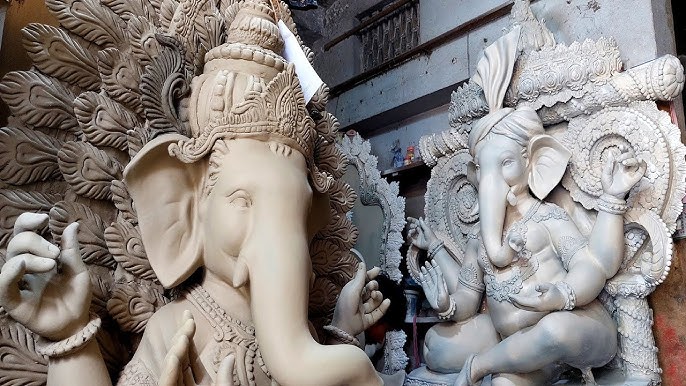
PoP idol ban Nagpur: Nagpur is gearing up for an intense enforcement of the ban on Plaster of Paris (PoP) Ganesh idols as the Ganesh Festival approaches. Municipal Commissioner Abhijeet Chaudhari has made it clear that there will be zero tolerance for traders who stock or sell these idols. With the festival just around the corner, the Nagpur Municipal Corporation (NMC), in collaboration with the city police, is launching an aggressive crackdown to ensure compliance. This article dives deep into the mechanics of the ban, the role of law enforcement, and the challenges faced in implementing this directive.

Understanding the PoP Idol Ban

What is Plaster of Paris (PoP)?

PoP, a material commonly used in the making of idols, is known for its fine detailing and lightweight properties. However, its environmental impact is significant. When submerged in water during idol immersion, PoP does not dissolve easily, leading to long-term pollution in water bodies.

Why the Ban on PoP Idols?

The primary reason behind the ban is the environmental damage caused by PoP idols. Unlike clay idols, which dissolve naturally, PoP idols take months, if not years, to break down, releasing toxic chemicals and heavy metals into the water. This has led to severe ecological consequences, prompting authorities to take stringent measures.

NMC’s Directives and Enforcement Strategy (PoP idol ban Nagpur)

Municipal Commissioner’s Stance

Abhijeet Chaudhari, the Municipal Commissioner, has been vocal about the need for strict enforcement. He has warned dealers that any violation will result in a hefty fine of ₹10,000 and the confiscation of the idols. This strong stance reflects the seriousness with which the NMC is approaching this issue.

Role of Special Enforcement Squads

To ensure compliance, the NMC has formed special enforcement squads tasked with monitoring and controlling the sale of PoP idols across all ten zones of the city. These squads are pivotal in identifying violators and ensuring that the ban is effectively enforced.

Collaboration with Nagpur Police

The Nagpur police, led by Commissioner Ravinder Singal, are playing a crucial role in supporting the NMC’s efforts. The police will be assisting the special enforcement squads in conducting joint raids and providing any additional support required to enforce the ban. This collaboration is essential to the success of the initiative.

Challenges in Enforcing the Ban

Early Stocking by Traders

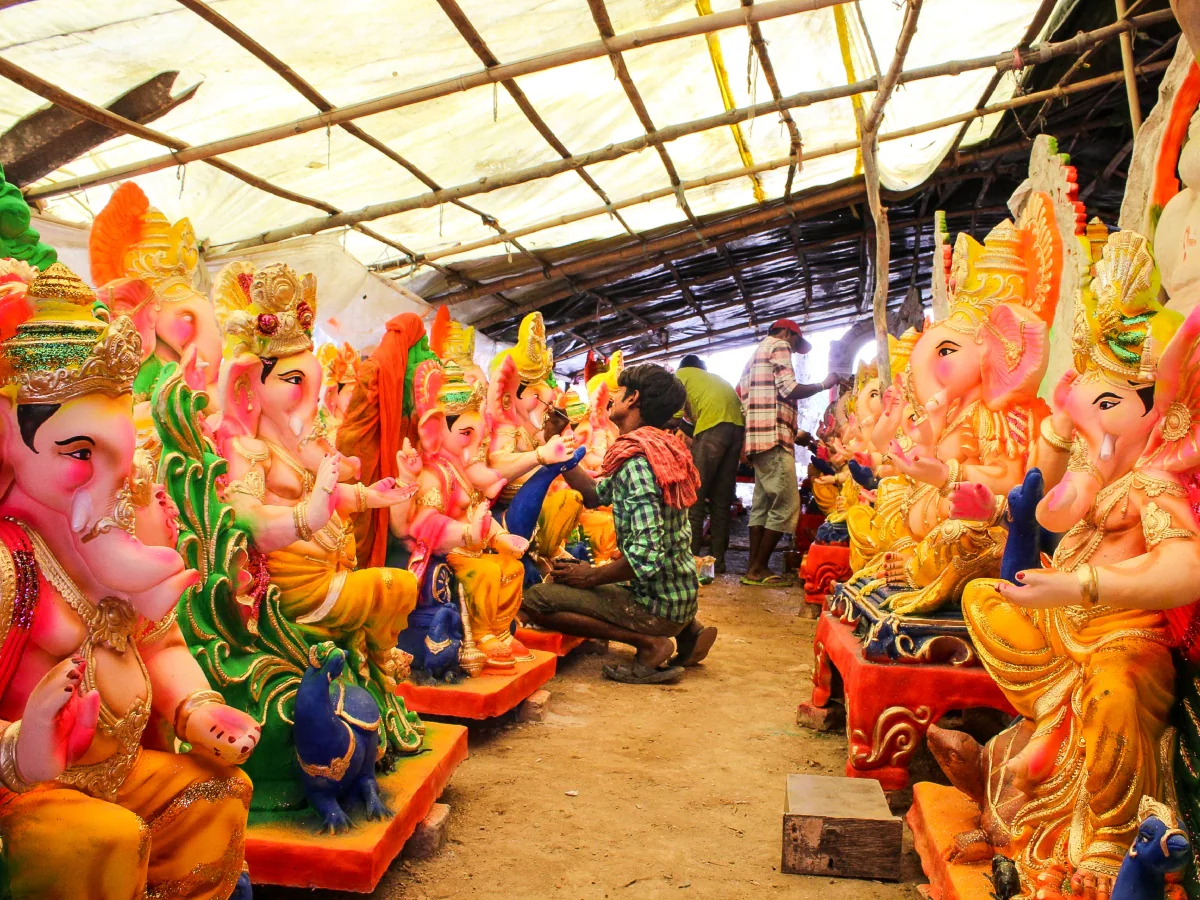
Despite the ban, traders have already begun stocking PoP idols, capitalizing on their intricate craftsmanship, which remains in high demand. This early stocking raises concerns about the effectiveness of the ban, as enforcement teams face the challenge of curbing these sales before the festival begins.

Public Response and Concerns

Many citizens have expressed concerns about the timing of the ban, noting that markets are already flooded with PoP idols. The late implementation of the ban has led to skepticism about whether it can be effectively enforced in such a short time frame.

Nuisance Detection Squad (NDS)

To further bolster enforcement efforts, the NMC has enlisted the help of around 100 retired defense personnel who will form the Nuisance Detection Squad (NDS). These individuals will assist in identifying and penalizing offenders, providing an additional layer of oversight.

Environmental Impact of PoP Idols

Water Pollution

One of the most significant environmental concerns associated with PoP idols is water pollution. During idol immersion, the non-biodegradable material clogs water bodies, leading to a reduction in water quality and harming aquatic life.

Long-Term Ecological Damage

The chemicals released by PoP idols, including gypsum, sulfur, and phosphorus, contribute to the long-term degradation of aquatic ecosystems. This not only affects water bodies but also the broader environment, including soil and air quality.

Public Awareness and Education

Educating Citizens

A crucial aspect of enforcing the PoP idol ban is public education. The NMC and local NGOs are working together to raise awareness about the environmental impact of PoP idols and promote the use of eco-friendly alternatives.

Promoting Eco-Friendly Alternatives

Clay idols, which are traditionally used, offer a sustainable alternative to PoP idols. The NMC is encouraging citizens to return to these roots, highlighting the environmental and cultural benefits of using clay idols.

The Role of Media in Enforcement

Media’s Influence

The media plays a pivotal role in shaping public opinion and driving compliance. By reporting on the enforcement efforts and the environmental impact of PoP idols, the media can help amplify the NMC’s message and encourage citizens to adhere to the ban.

Citizen Journalism

With the rise of social media, citizens themselves are becoming reporters, sharing images and videos of illegal PoP idol sales (PoP idol ban Nagpur). This citizen journalism is a powerful tool in supporting enforcement efforts and holding violators accountable.

Impact on Local Traders (PoP idol ban Nagpur)

Economic Concerns

For many local traders, the ban on PoP idols presents significant economic challenges. These idols are often more profitable than their clay counterparts, leading to concerns about income loss.

Adapting to the Ban

To mitigate these concerns, the NMC is working with local businesses to provide support and encourage the sale of clay idols. This includes offering incentives and creating awareness about the benefits of transitioning to eco-friendly products.

Legal Framework Supporting the Ban

Legal Mandates

The ban on PoP idols is supported by various environmental regulations that mandate the protection of water bodies and the prevention of pollution. These laws provide the legal backing needed to enforce the ban and penalize violators.

Enforcement Mechanisms

The NMC, in collaboration with the police, is leveraging these legal frameworks to conduct raids, confiscate PoP idols, and impose fines on offenders. This legal support is crucial to the success of the ban.

Community Involvement in Enforcement

Role of Community Leaders

Community leaders, including religious heads, are playing a vital role in supporting the ban. By advocating for eco-friendly practices and discouraging the use of PoP idols, these leaders are helping to drive community compliance.

Volunteer Initiatives

Several volunteer groups have emerged to support the enforcement efforts, assisting the NMC and police in monitoring markets and reporting violations. This community-driven approach is proving effective in bolstering official enforcement efforts.

The ban on PoP idols in Nagpur is a significant step towards protecting the environment and preserving the city’s water bodies. However, the success of this initiative hinges on the combined efforts of the NMC, the police, local traders, and the community at large. As enforcement squads and police collaborate to crack down on violators, public awareness and compliance will play a crucial role in ensuring that this festival season is both joyful and environmentally responsible.

1. What is the main reason behind the PoP idol ban?

The ban is primarily due to the severe environmental impact of PoP idols, which contribute to water pollution and long-term ecological damage.

2. How are the Nagpur police involved in the enforcement of the ban?

The Nagpur police are assisting the NMC by conducting joint raids, providing additional support, and ensuring that the ban is strictly enforced.

3. What challenges are faced in implementing the PoP idol ban?

Challenges include early stocking by traders, public skepticism about the timing of the ban, and the high demand for intricately crafted PoP idols.

4. What alternatives are being promoted in place of PoP idols?

The NMC is promoting clay idols as a sustainable and eco-friendly alternative to PoP idols.

5. How can citizens contribute to the enforcement of the PoP idol ban?

Citizens can contribute by choosing eco-friendly idols, reporting violations, and spreading awareness about the environmental impact of PoP idols.

Credai’s Annual Property Expo Set to Showcase Nagpur’s Real Estate Boom

The Excitement Builds for Credai’s Property Expo 2024

Credai Nagpur| Luxury Apartments Nagpur | Real Estate 2024:  Nagpur is gearing up for one of the most anticipated events in its real estate calendar—Credai’s Annual Property Expo. Scheduled to run from September 4th to 7th, this event is more than just a showcase of properties; it’s a reflection of the growing trends and preferences in the real estate market of Nagpur. Whether you’re an investor looking for luxury apartments or a family searching for an affordable home, this expo promises something for everyone.

A Wide Range of Properties on Display

From Affordable to Luxury: What to Expect

One of the most striking aspects of this year’s expo is the sheer range of properties on offer. With prices starting as low as ₹15 lakh and going up to ₹5 crore, potential buyers have a wealth of options to choose from. According to Abhishekh Jhavery, joint secretary of Credai, the upper-end prices this year have reached a new high, with apartments worth up to ₹5 crore being showcased.

Luxury Apartments (Luxury Apartments Nagpur) and Independent Homes

For those with a taste for luxury, there will be around 150 properties in the price range of ₹5 crore on display. These are not just apartments; they are homes that come with all the modern amenities one could ask for, from gyms to community halls, and even independent homes for those who prefer a bit more privacy.

Affordable Housing and Government Subsidies

On the other end of the spectrum, the expo will also cater to the growing demand for affordable housing. With the Pradhan Mantri Awas Yojana (PMAY) subsidy available, homes in the ₹35 lakh range are expected to see a significant jump in demand. This is a golden opportunity for first-time homebuyers to get onto the property ladder.

The Evolution of Consumer Preferences

Demand for Amenities

One of the noticeable trends in this year’s expo (Credai Nagpur) is the growing demand for flats with comprehensive amenities. Consumers are no longer just looking for a place to live; they want a lifestyle. From state-of-the-art gyms to spacious community halls, the properties on display reflect this shift in consumer preferences.

The Shift Towards Larger Homes

Another trend that’s gaining traction is the preference for larger homes. With options ranging from one-bedroom to six-bedroom apartments, the expo is catering to families of all sizes. The demand for larger living spaces is a clear indication that consumers are looking for homes that can accommodate their evolving needs.

What Makes Credai’s Property Expo a Must-Attend Event?

Networking Opportunities

The Credai Property Expo is not just about buying and selling properties; it’s also a fantastic networking opportunity. Whether you’re a real estate professional, a potential buyer, or an investor, the expo provides a platform to connect with like-minded individuals and industry experts.

Exclusive Offers and Discounts

One of the perks of attending the expo is the exclusive offers and discounts that are often available only to attendees. From special pricing to added amenities, these deals can make a significant difference in your buying decision.

Expert Advice and Consultation

Another advantage of attending the expo is the opportunity to get expert advice. Whether you’re unsure about the legal aspects of buying a property or need help with financing, there will be experts on hand to guide you through the process.

Spotlight on the Nagpur Real Estate Market

A Growing Hub for Investment

Nagpur has steadily been gaining recognition as a promising real estate market. With its strategic location and rapidly developing infrastructure, the city is becoming a magnet for investors. The Credai Property Expo is a testament to this growth, showcasing properties that cater to both local buyers and those looking to invest in a burgeoning market.

Infrastructure Developments Fueling Growth

The city’s infrastructure developments, including new roads, flyovers, and metro projects, are making it an attractive destination for homebuyers and investors alike. These developments are not only improving connectivity but are also driving up property values, making now an opportune time to invest.

How to Make the Most of Your Visit to the Expo

Plan Ahead

With over 400 properties on display, it’s essential to plan your visit to make the most of your time at the expo. Prioritize the properties you’re most interested in and allocate time to visit each one.

Ask Questions

Don’t be afraid to ask questions. Whether it’s about the property’s location, the amenities on offer, or the financing options available, the more information you have, the better equipped you’ll be to make an informed decision.

Take Advantage of On-Site Offers

Many developers offer exclusive deals and discounts during the expo. Be sure to take advantage of these offers, as they can provide significant savings or added value to your purchase.

An Unmissable Event for All Real Estate Enthusiasts

The Credai Property Expo in Nagpur (Luxury Apartments Nagpur) is more than just a real estate event; it’s a celebration of the city’s growth and the opportunities that come with it. Whether you’re looking for your dream home, an investment opportunity, or simply want to stay informed about the latest trends in the market, this expo is a must-attend. Mark your calendars and get ready to explore the best of what Nagpur’s real estate market has to offer.

1. What is the date and location of the Credai Property Expo 2024?

The Credai Property Expo 2024 will be held from September 4th to 7th in Nagpur.

2. What is the price range of properties at the expo?

The properties at the expo range from ₹15 lakh to ₹5 crore.

3. Will there be affordable housing options available?

Yes, there will be affordable housing options available, with prices starting as low as ₹35 lakh, particularly with the PMAY subsidy.

4. What types of properties will be showcased?

The expo will feature a wide range of properties, from one-bedroom apartments to six-bedroom independent homes.

5. Are there any special offers for attendees?

Yes, many developers offer exclusive deals and discounts during the expo, available only to attendees.

Eco-Friendly Ganesh Festival Guidelines – NMC Waives Permit Fees

Eco-Friendly Ganesh Festival Guidelines: With the Ganesh Festival beginning on September 7 this year, the Nagpur Municipal Corporation (NMC) has taken a significant step towards promoting an environmentally friendly celebration. In a move that reflects its commitment to sustainability, the NMC has issued a comprehensive set of guidelines designed to ensure that the festival is celebrated with minimal impact on the environment. Additionally, the NMC has decided to waive all permit fees for Ganesh Mandals, making it easier for the community to organize the festivities.

The Importance of an Eco-Friendly Ganesh Festival

The Ganesh Festival is one of the most widely celebrated festivals in India, known for its grand processions, elaborate decorations, and vibrant celebrations. However, in recent years, concerns have been raised about the environmental impact of the festival, particularly regarding the use of non-biodegradable materials, noise pollution, and the immersion of idols in natural water bodies. These practices have led to significant environmental damage, prompting authorities to take action.

Guidelines Issued by the NMC (Eco-Friendly Ganesh Festival Guidelines)

1. Ban on POP Idols

As per the Central Pollution Control Board’s guidelines dated May 12, 2020, there is a strict ban on the production and purchase of Plaster of Paris (POP) idols. POP idols are harmful to the environment as they do not dissolve easily in water, leading to water pollution. The NMC has urged citizens to opt for idols made from eco-friendly materials such as clay, which are biodegradable and do not harm the environment.

2. Implementation of ‘One Complex, One Ganpati’

To reduce the number of idols and processions, the concept of ‘One Complex, One Ganpati’ should be implemented in residential complexes, institutions, and households. This initiative is aimed at reducing the environmental impact of the festival by limiting the number of idols and ensuring that celebrations are more community-focused. Noise levels during processions should also be controlled to prevent noise pollution.

3. Registration of Idol Makers

All idol makers and artists are required to register and obtain licenses through the NMC’s zonal offices(Eco-Friendly Ganesh Festival Guidelines). This measure ensures that only authorized and trained individuals are involved in the creation of idols, further promoting the use of eco-friendly materials.

4. Immersion of Idols

The immersion of idols should not be carried out in the city’s natural water bodies. All lakes within the NMC jurisdiction are restricted for immersion, and devotees are advised to use artificial ponds provided by the NMC. This guideline is crucial in preventing water pollution and protecting the city’s natural resources.

5. Height Restrictions for Idols

There will be no height restrictions for Mandal idols during the 2024 Ganesh Festival(Eco-Friendly Ganesh Festival Guidelines). However, immersion must take place only in artificial ponds. For Mandals with idols taller than 4 feet, arrangements should be made outside the NMC jurisdiction, and they should inform the relevant police stations to obtain the necessary permissions for processions.

6. Voluntary Adherence to Height Limits for Household Idols

While there is no official height limit this year, citizens are encouraged to voluntarily adhere to the previously set limit of 2 feet for household idols. This recommendation is in line with efforts to reduce the environmental impact of the festival.

7. Use of Eco-Friendly Materials

The NMC has emphasized the use of eco-friendly materials in the creation of idols. Hazardous and non-biodegradable chemical paints should not be used. Instead, idol makers are encouraged to use eco-friendly colors. Additionally, the use of plastic and thermocol for decoration is strictly prohibited.

8. Penalties for Violations

Vendors found manufacturing, storing, using, or selling POP idols will face strict penalties. The NMC has announced that such idols will be confiscated, and vendors will be fined Rs 10,000. This penalty is intended to deter the use of non-biodegradable materials and promote compliance with the guidelines.

9. Waiver of Fees for Ganesh Mandals

The NMC has waived all application verification and inspection fees of Rs 200, as well as the security deposit ranging from Rs 1,000 to Rs 5,000, for Ganesh Mandals. This waiver is part of the NMC’s effort to support the community in organizing the festival while ensuring that the celebrations are conducted in an environmentally responsible manner.

10. Additional Fee Waivers

In addition to the waiver of application fees, the NMC has also waived the Fire Department’s fees for Mandal permits, along with fees for erecting pandals on gardens, properties, and private plots. This comprehensive waiver is expected to ease the financial burden on Ganesh Mandals and encourage broader participation in the festival.

11. Online Registration and Facilitation Centres

To streamline the registration process, the NMC will provide an online registration link for Ganesh Mandals. Zonal facilitation centres will also be established to assist Mandals in the registration process and ensure that all guidelines are followed.

12. Reduced Security Deposit for Traditional Idol Makers

Based on requests from traditional idol makers, the NMC has reduced the security deposit to Rs 500, down from the usual Rs 5,000. This reduction is aimed at supporting traditional artisans while ensuring that they adhere to the eco-friendly guidelines.

13. Allocation of Public Spaces for Clay Idols

The NMC will allocate public spaces within the city for the sale of eco-friendly clay idols or provide space for the installation of stalls. The estimated charge for a 10×10 feet stall will be Rs 1,000 per stall per day. This initiative is designed to promote the use of eco-friendly materials by making them more accessible to the public.

14. Promotion of Health-Related Activities

Organizing committees and Ganesh Mandals are encouraged to prioritize health-related activities during the festival. This includes raising awareness about diseases such as malaria, dengue, and filariasis, as well as promoting cleanliness and waste segregation.

15. Adequate Lighting and Streetlight Improvements

The NMC has committed to arranging adequate lighting at artificial immersion sites and improving streetlights along immersion routes. These measures are intended to ensure the safety and convenience of devotees during the immersion process.

16. Waiver of Cleanliness Fee

The NMC has fully waived the cleanliness fee of Rs 500 for the 2024 Ganesh Festival. This waiver is part of the NMC’s broader effort to support Ganesh Mandals and promote an eco-friendly celebration.

17. Prohibition of Immersion in City Lakes

Immersion in all city lakes is strictly prohibited, and barricades will be set up to protect these natural water bodies. This measure is critical in preventing water pollution and preserving the city’s natural resources.

18. Medical Support at Immersion Sites

To ensure the safety of devotees, medical officers will arrange for ambulances at the immersion sites. This initiative is part of the NMC’s commitment to providing a safe and secure environment for the festival.

19. Fire Department and Lifeguard Presence

The fire department, along with lifeguards, will be present at immersion sites to ensure the safety of devotees. This measure is intended to prevent accidents and ensure a smooth and safe immersion process.

20. Compliance with Government and NMC Guidelines

While the fees for permits for Ganesh Mandals have been waived for the 2024 Ganesh Festival, it is mandatory to comply with the conditions mentioned in various circulars (government/NMC) as well as the orders of the High Court. This includes compliance with fire department conditions, licensing conditions, and government directives regarding the ban on plastic and thermocol.

The NMC’s guidelines for the 2024 Ganesh Festival reflect a strong commitment to promoting an environmentally friendly celebration. By waiving permit fees and issuing comprehensive guidelines, the NMC has made it easier for the community to organize the festival while ensuring that it is celebrated in a manner that respects the environment. These initiatives, if followed diligently, will help protect Nagpur’s natural resources and set a positive example for future festivals.

1. Why has the NMC banned POP idols?

The NMC has banned POP idols because they are non-biodegradable and contribute to water pollution when immersed in natural water bodies.

2. What are the penalties for vendors selling POP idols?

Vendors found selling POP idols will have their idols confiscated and will be fined Rs 10,000.

3. How can Ganesh Mandals register for the festival?

Ganesh Mandals can register online through a link provided by the NMC or visit zonal facilitation centres for assistance.

4. Are there any height restrictions for Ganesh idols this year?

There are no height restrictions for Mandal idols this year, but immersion must take place in artificial ponds.

5. What health-related activities are encouraged during the festival?

Organizing committees and Ganesh Mandals are encouraged to raise awareness about diseases like malaria, dengue, and filariasis, and promote cleanliness and waste segregation.

ISKCON Nagpur’s Grand Three-Day Janmashtami Celebration

Nagpur is gearing up for a vibrant celebration as the International Society for Krishna Consciousness (ISKCON) prepares to host a grand three-day Janmashtami Mahotsav. From 24th August to 26th August 2024, Reshimbag Ground will be the epicenter of this spiritual festivity, which promises a blend of devotion, culture, and community engagement. As the preparations take shape, excitement builds for the various events planned, including a special address by internationally renowned life coach and youth mentor, Amogh Leela Prabhu.

Day 1: A Transformational Beginning

“Tools for Transformation” – An Empowering Session

On 24th August, the celebration will commence with a program titled “Tools for Transformation” at 5 pm. This session, led by Amogh Leela Prabhu, will focus on enhancing leadership skills and overall well-being among youth. His insights are particularly valuable for students, and the event is expected to draw a large crowd of young minds eager to learn and grow. This program is organized in collaboration with several engineering colleges, with notable contributions from Dr. Chandrahas Handa, Director of Vidarbha Institute of Technology, and Harsh Prabhu of ISKCON.

Free Registration for Attendees

To facilitate participation, free registration counters will be open from the morning of 24th August. Parents of registered students are also encouraged to attend, making it a holistic experience for families looking to imbibe valuable life skills.

Day 2: Exclusive Celebration for ISKCON Lifetime Members

Special Events for Lifetime Members

The second day, 25th August, is dedicated to ISKCON lifetime members. The day’s festivities include darshan of the Lord, an Abhishek ceremony, a cultural program, and Mahaprasad. This day is a testament to the strong community bonds within ISKCON, offering lifetime members a unique opportunity to engage deeply with the spiritual proceedings.

Entry and Invitations

Lifetime members who have not received their invitation cards via WhatsApp can still gain entry by presenting their ISKCON lifetime membership card. This inclusivity extends to lifetime members from other ISKCON temples, who are also welcome to join the celebrations.

Day 3: Janmashtami Day – Open to All

Abhishek Seva for Devotees

The grand finale of the three-day celebration on 26th August is open to the general public. From 11 am to 4 pm, devotees can participate in the Abhishek Seva, a special ritual bathing of the deities, dedicated to Nitya Sevak, Mahaprasad Sevak, Sudama Sevak, and Library members. This event is expected to draw thousands of devotees from across the region, all eager to partake in the spiritual energy of the occasion.

Special Programs for Esteemed Guests

From 5 pm to 10 pm, a special program has been organized for esteemed guests, including politicians, officials, and prominent ISKCON members such as Balram Sevak, Radharani Sevak, Radha Gopinath Sevak, and new life members. This exclusive gathering will include special darshan of the Lord, kirtan of the Hare Krishna Mahamantra, and a series of dance dramas presented by IGF, IYF, and devotees.

Midnight Darshan at Shri Shri Radha Gopinath Mandir

For those who wish to continue their spiritual journey, the ISKCON temple Shri Shri Radha Gopinath Mandir will remain open for darshan from 4:30 am until 12:30 midnight on Janmashtami day. This extended darshan offers devotees ample time to connect with the divine, making it a truly unforgettable experience.

Why This Celebration is Unique

A Blend of Tradition and Modernity

ISKCON Nagpur’s Janmashtami celebration stands out for its seamless blend of tradition and modernity. The event honors ancient rituals while also addressing contemporary issues, particularly through sessions like “Tools for Transformation,” which are designed to resonate with today’s youth.

A Community-Centric Approach

The involvement of various stakeholders, including educational institutions, politicians, and the general public, underscores the community-centric nature of the celebration. It’s a reminder that spirituality is not just an individual journey but a collective experience that brings people together.

The ISKCON Nagpur Janmashtami Mahotsav is more than just a celebration; it’s a spiritual journey that promises to enrich the lives of all who attend. With its diverse range of programs, from youth empowerment sessions to traditional rituals, the event offers something for everyone. Whether you’re a lifetime member of ISKCON or a first-time visitor, this three-day celebration is an opportunity to immerse yourself in devotion, culture, and community. As ISKCON Nagpur President Sachidanand Prabhu and Vice President Vrajendratanay Prabhu have warmly invited, all are welcome to participate in this spiritually enriching experience.

  • What is the significance of Janmashtami?
    • Janmashtami marks the birth of Lord Krishna, a revered deity in Hinduism, celebrated with devotion and joy.
  • Who is Amogh Leela Prabhu?
    • Amogh Leela Prabhu is an internationally renowned life coach and youth mentor known for his motivational talks and spiritual guidance.
  • Can non-members attend the ISKCON Nagpur celebration?
    • Yes, the final day of the celebration on 26th August is open to the general public.
  • What are the highlights of the ISKCON Nagpur Janmashtami celebration?
    • Highlights include the “Tools for Transformation” session, Abhishek Seva, and cultural programs featuring kirtan and dance dramas.
  • Is there an entry fee for the events?
    • No, all events are free to attend, with registration available on-site for certain sessions.

Residents Challenge Garba Event Permissions in Ramdaspeth

The residents of Ramdaspeth, a serene neighborhood in Nagpur, have taken a stand against the loud and festive Garba event scheduled for Navratri 2024. Concerned about the disturbance the event might cause, they have petitioned the Nagpur Bench of the Bombay High Court, seeking to halt the permissions required to hold the event. Their concerns revolve around noise pollution, community well-being, and the potential violation of legal noise limits in their residential area.

Why Are Residents Concerned?

Noise Pollution in a Residential Area

Navratri is a time of celebration, with Garba being one of the most cherished cultural events in India. However, when this celebration involves high-decibel music and loudspeakers, it can become a nuisance, especially in a residential area like Ramdaspeth. The residents argue that the noise levels from previous events have exceeded permissible limits, disrupting the peace and quiet that they expect in their homes.

Health and Well-being

Noise pollution doesn’t just cause irritation; it can have serious health impacts. The residents of Ramdaspeth are concerned about the potential effects on their health, including increased stress levels, sleep disturbances, and other noise-related health issues. For them, the loud music and festivities of Garba, while culturally significant, should not come at the cost of their well-being.

Legal Considerations

The petitioners are not just relying on health concerns but are also pointing to legal precedents. They reference a recent Supreme Court judgment that, while not directly ruling on a similar case, has left room for contesting the permission granted for such events. They also cite an undertaking from 2023, where it was agreed that the Garba event would be held at a single location and for only one occasion, not across multiple days as planned for 2024.

The Petition: What Are Residents Asking For?

Silent Zone Declaration

One of the key demands in the petition is for the Mor Hindi Upper Primary School ground, the proposed venue for the Garba event, to be declared a silent zone. This designation would prohibit the use of loudspeakers and music systems, effectively preventing the event from taking place in its current form.

Preventing Event Authorization

The residents are asking the court to prevent authorities from granting permission for the event at all. They argue that the noise and disruption caused by the Garba celebrations are incompatible with the residential nature of Ramdaspeth. They believe that the event should be relocated to a more appropriate venue, where it would not cause such disturbance.

Key Petitioners

The petition was filed by a group of concerned citizens, including Pawan Sarda, Dr. Shubhangi Deshmane, Sanyogita Dhanwatay, Rahul Dalmiya, Anurag Saraf, Varun Bajaj, and Nimish Sutaria. They have named several respondents in their petition, including the Secretary of Home, Secretary of Cultural Affairs, Secretary of Urban Development, Commissioner of Police, Assistant Commissioner of Police, Municipal Commissioner, the Ramdaspeth Plot Owners and Residents Association, and the Maharashtra Pollution Control Board.

The Role of the Ramdaspeth Plot Owners and Residents Association

Event Organizers

The Ramdaspeth Plot Owners and Residents Association is the main organizer of the Garba event. They have been hosting this event for several years, bringing together the community to celebrate Navratri. However, this year, they face significant opposition from within their own ranks, as some residents feel that the event is no longer suitable for their neighborhood.

Community Divide

This situation has created a divide within the Ramdaspeth community. While some residents are in favor of continuing the tradition, others are adamant that the event should either be toned down or moved elsewhere. The association finds itself in a difficult position, trying to balance the cultural significance of the event with the legitimate concerns of the residents.

Legal Implications and Precedents

Supreme Court Judgment

The petitioners have pointed to a recent Supreme Court judgment as a basis for their case. While the court did not issue specific observations on a similar case last year, it left the door open for future challenges. This has given the Ramdaspeth residents hope that their petition will be taken seriously and that the court might rule in their favor.

Undertakings and Agreements

In 2023, an undertaking was made that the Garba event would be held at a single location and for only one occasion. The petitioners argue that this agreement has been violated with the plan to hold the event for multiple days at the Mor School ground. They believe that this breach of agreement strengthens their case and justifies their request for the event to be stopped.

Community Impact: Balancing Tradition and Modern Concerns

Cultural Significance of Garba

Garba is more than just a dance; it is a vibrant expression of culture, faith, and community spirit. For many, it is a way to connect with their heritage and celebrate Navratri in a meaningful way. The Ramdaspeth event has been a staple of the community’s cultural calendar, drawing participants from across the neighborhood.

Modern Concerns and Adaptations

However, as cities grow and neighborhoods become more densely populated, the way we celebrate needs to adapt. The concerns raised by the Ramdaspeth residents are reflective of a broader trend where communities are seeking to balance tradition with the realities of modern urban living. This might mean moving the event to a more suitable location or finding ways to reduce the noise and disruption it causes.

What’s Next for Ramdaspeth?

Awaiting the Court’s Decision

As the residents await the court’s decision, the future of the Garba event in Ramdaspeth hangs in the balance. The outcome of this case could set a precedent for how similar disputes are handled in the future, not just in Nagpur but across India.

Possible Outcomes

If the court sides with the petitioners, it could mean the end of the Garba event at the Mor School ground, at least in its current form. The event organizers might be forced to find a new venue or significantly alter their plans to comply with noise regulations.

On the other hand, if the court rules in favor of the event organizers, the residents might have to find other ways to protect their peace and well-being, potentially leading to further legal action or community negotiations.

Long-term Implications

The decision could also have long-term implications for how cultural events are organized in residential areas. It might lead to stricter enforcement of noise regulations or even changes in how permissions are granted for such events.

The challenge to the Garba event permissions in Ramdaspeth highlights the growing tension between preserving cultural traditions and addressing the practical concerns of modern urban living. While Navratri is a time of joy and celebration, it’s clear that not everyone is on the same page about how these celebrations should take place. As the court deliberates, the residents of Ramdaspeth and the event organizers will be watching closely, hoping for a resolution that respects both tradition and community well-being.

1. Why are Ramdaspeth residents challenging the Garba event?
The residents are concerned about noise pollution and its impact on their health and well-being. They believe that the event violates permissible noise limits for a residential area.

2. What is the petitioners’ main request?
The petitioners are asking the court to prevent authorities from granting permission for the Garba event and to declare the proposed venue, Mor Hindi Upper Primary School ground, a silent zone.

3. Who are the key figures behind the petition?
The petition was filed by a group of Ramdaspeth residents, including Pawan Sarda, Dr. Shubhangi Deshmane, and others. They are challenging the permissions granted for the Garba event.

4. What legal precedents are the petitioners relying on?
The petitioners are referencing a recent Supreme Court judgment that allows for the contesting of permissions for such events. They are also pointing to an undertaking from 2023 that limited the event to one occasion.

5. What could be the long-term impact of the court’s decision?
The court’s decision could set a precedent for how cultural events are managed in residential areas, potentially leading to stricter noise regulations and changes in how event permissions are granted.

Runway Recarpeting at Nagpur’s Dr. Babasaheb Ambedkar International Airport to be Completed by May 2025: MIHAN Informs HC

Nagpur Airport runway recarpeting: The long-awaited runway recarpeting project at Dr. Babasaheb Ambedkar International Airport in Nagpur is finally nearing its end. MIHAN (Maharashtra Airport Development Company), which operates the airport in collaboration with the Airports Authority of India (AAI), has confirmed that the work is set to be completed by May 21, 2025. This announcement was made through an affidavit submitted by Abid Ruhi, Senior Airport Director of MIHAN, in response to a Public Interest Litigation (PIL) before the Nagpur Bench of the Bombay High Court.

Background of the Runway Recarpeting Project

Why the Recarpeting is Necessary

The runway at Dr. Babasaheb Ambedkar International Airport has been showing significant signs of wear and tear due to daily operations. The surface has deteriorated to the point where loose gravel and rough patches pose potential risks during aircraft landings and take-offs. The last recarpeting was carried out a decade ago, making this maintenance work crucial to ensure the safety and efficiency of the airport.

Initial Delays and Challenges

The recarpeting work, which was initially planned for an earlier date, faced several delays. These delays were primarily due to bureaucratic hurdles, logistical challenges, and the complex nature of the work required. The project, essential for the smooth functioning of the airport, has been a point of concern for both passengers and airlines.

Current Status and Future Timeline

Confirmation of Completion Date

According to the affidavit submitted by MIHAN, the contractor responsible for the runway recarpeting has been finalized through a tender process by the AAI. A detailed project schedule has been provided, with a clear commitment to completing the work by May 21, 2025. This timeline is now set in stone following the issuance of the work order on May 14, 2024.

Steps Taken to Mitigate Disruption

To minimize the disruption caused by the runway closure, MIHAN has been proactive in coordinating with airlines. All airlines operating from the airport were informed in December 2023 about the upcoming closures, allowing them ample time to reschedule flights and adjust operations accordingly.

Implications for Passengers and Airlines

Impact on Flight Schedules

The ongoing runway work has inevitably led to adjustments in flight schedules. Some flights have been rescheduled or rerouted to ensure passenger safety and avoid operational conflicts. While this has caused some inconvenience, the timely communication by MIHAN has helped in reducing the impact on travelers.

Safety Measures During the Recarpeting Process

Safety remains the top priority during the recarpeting process. The airport has implemented stringent measures to ensure that ongoing operations do not compromise the safety of passengers or aircraft. Temporary closures of the runway are being managed meticulously to align with the project’s progress.

Technical Aspects of the Recarpeting

Materials and Techniques Used

The recarpeting involves the use of high-grade materials designed to withstand heavy aircraft traffic and harsh weather conditions. Advanced techniques are being employed to ensure that the new surface is durable and can support the airport’s operations for the next decade or more.

Environmental Considerations

In addition to safety and durability, the recarpeting project also considers environmental impacts. Efforts are being made to reduce the carbon footprint of the construction work, including the use of sustainable materials and methods.

The Role of MIHAN and AAI in the Project

MIHAN’s Responsibility and Oversight

MIHAN, as the operating body of the airport, holds the primary responsibility for overseeing the recarpeting project. Their role includes managing the project’s progress, coordinating with contractors, and ensuring compliance with safety standards.

Collaboration with AAI

The Airports Authority of India (AAI) has played a crucial role in facilitating the recarpeting project. From finalizing the contractor to ensuring that the project adheres to national and international aviation standards, AAI’s involvement has been instrumental in moving the project forward.

Legal and Public Scrutiny

PIL and High Court’s Involvement

The delay in the recarpeting project led to the filing of a Public Interest Litigation (PIL) before the Nagpur Bench of the Bombay High Court. The court’s scrutiny ensured that MIHAN and AAI were held accountable for the delays and that a clear timeline was established.

MIHAN’s Response to Public Concerns

In response to the concerns raised by the public and the court, MIHAN has been transparent about the challenges faced during the project. The affidavit submitted by Abid Ruhi detailed the steps being taken to complete the project and mitigate any further delays.

Future Prospects for Dr. Babasaheb Ambedkar International Airport

Post-Recarpeting Benefits

Once the recarpeting is complete, the airport is expected to see significant improvements in its operational efficiency. The new runway surface will not only enhance safety but also enable the airport to handle more traffic, thereby boosting its capacity and services.

Long-Term Maintenance Plans

MIHAN has also outlined long-term maintenance plans to ensure that the runway remains in optimal condition. Regular inspections and timely repairs will be part of the ongoing strategy to prevent future degradation.

The completion of the runway recarpeting at Dr. Babasaheb Ambedkar International Airport marks a significant milestone in ensuring the safety and efficiency of one of Nagpur’s key infrastructure assets. While the delays have caused some inconvenience, the steps taken by MIHAN and AAI demonstrate a strong commitment to delivering a high-quality, durable runway that will serve the region for years to come. As the May 2025 deadline approaches, passengers and airlines can look forward to smoother, safer operations at the airport.

1. Why was the runway recarpeting at Nagpur Airport delayed?
The delays were due to a combination of bureaucratic challenges, logistical issues, and the complexity of the work involved.

2. When will the runway recarpeting be completed?
The recarpeting is scheduled to be completed by May 21, 2025.

3. How will the recarpeting affect flight schedules?
Some flights may be rescheduled or rerouted to minimize disruption during the recarpeting process.

4. What materials are being used for the recarpeting?
High-grade, durable materials that can withstand heavy aircraft traffic and harsh weather conditions are being used.

5. How is passenger safety being ensured during the recarpeting?
Stringent safety measures and temporary runway closures are being managed to align with the progress of the recarpeting project.

Exit mobile version